 5.0 Excellent

Nyikani migration camp ndutu
3- Restaurant
- Bar
- Communal Dining
Northern Circuit
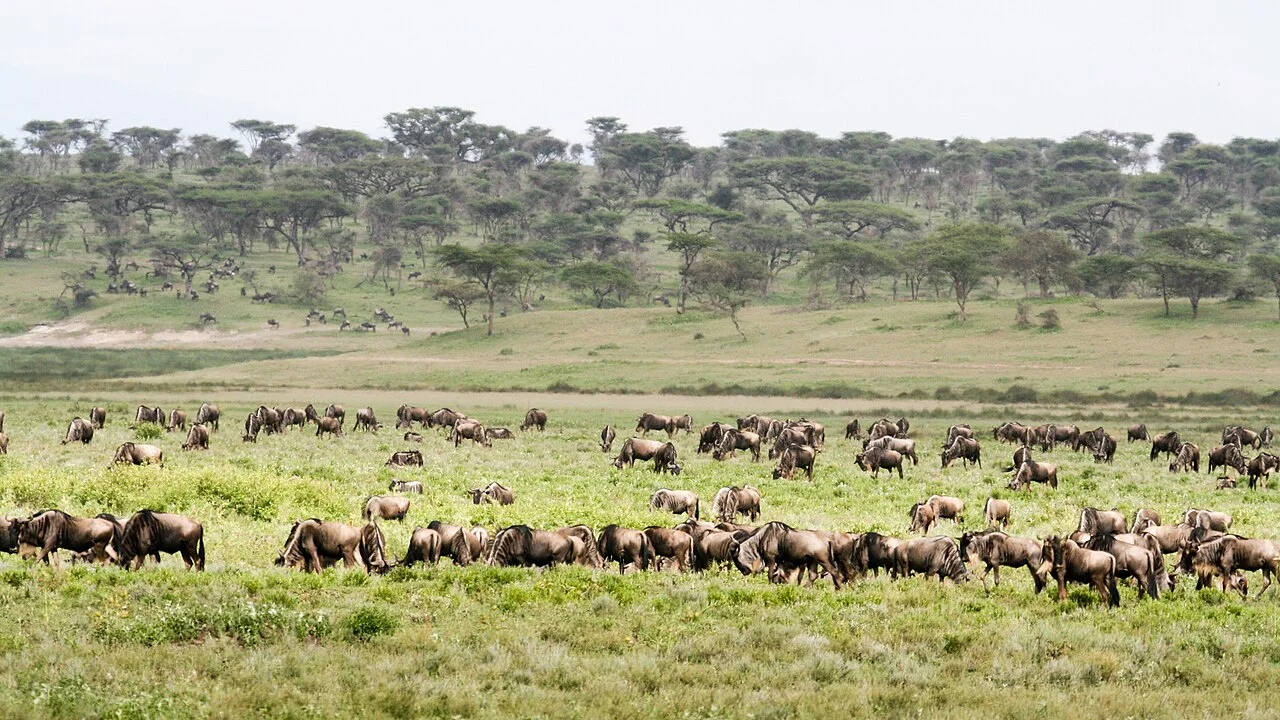
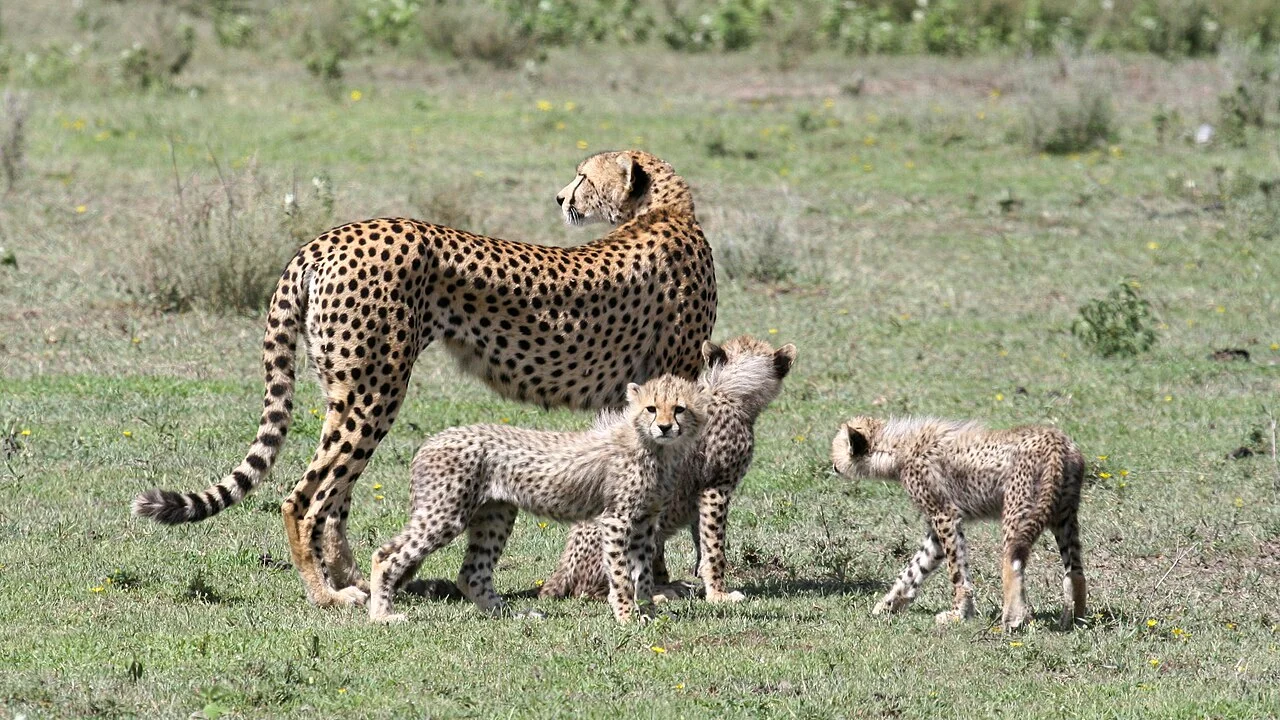
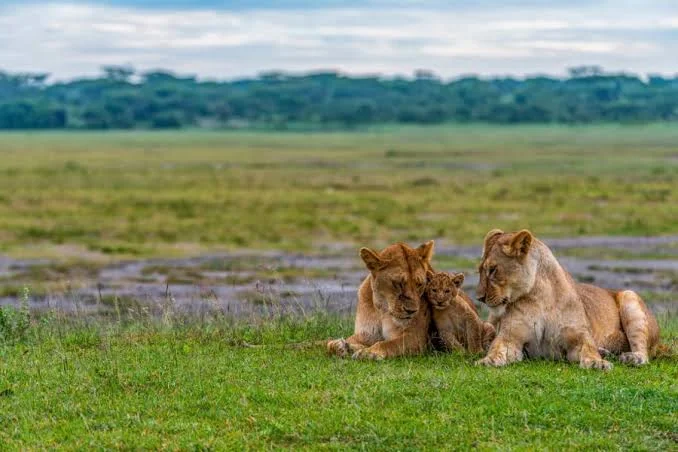
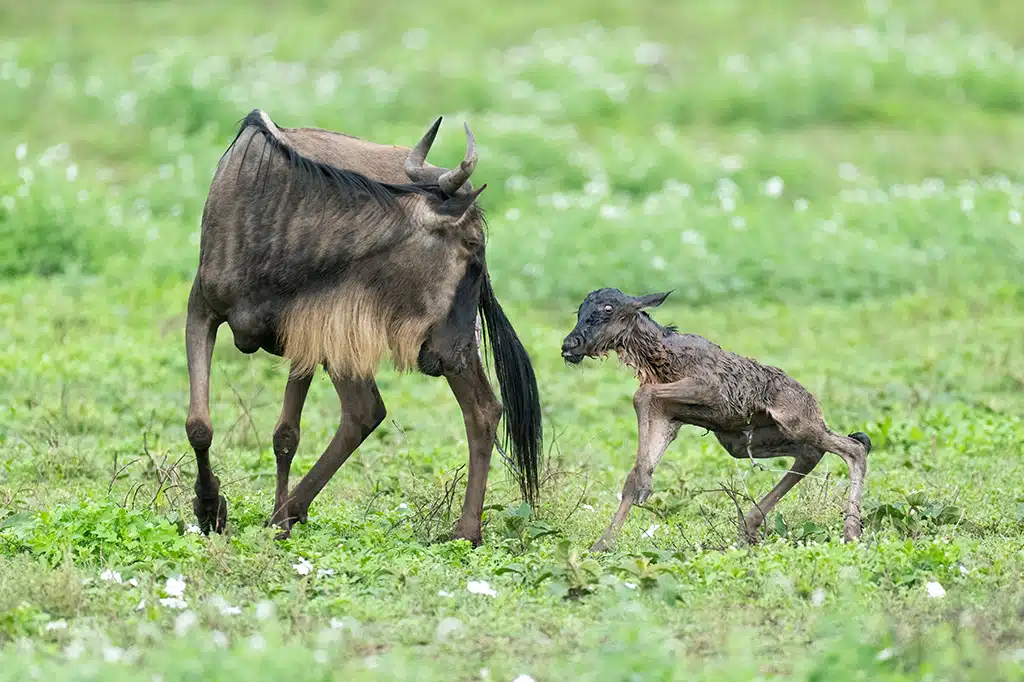
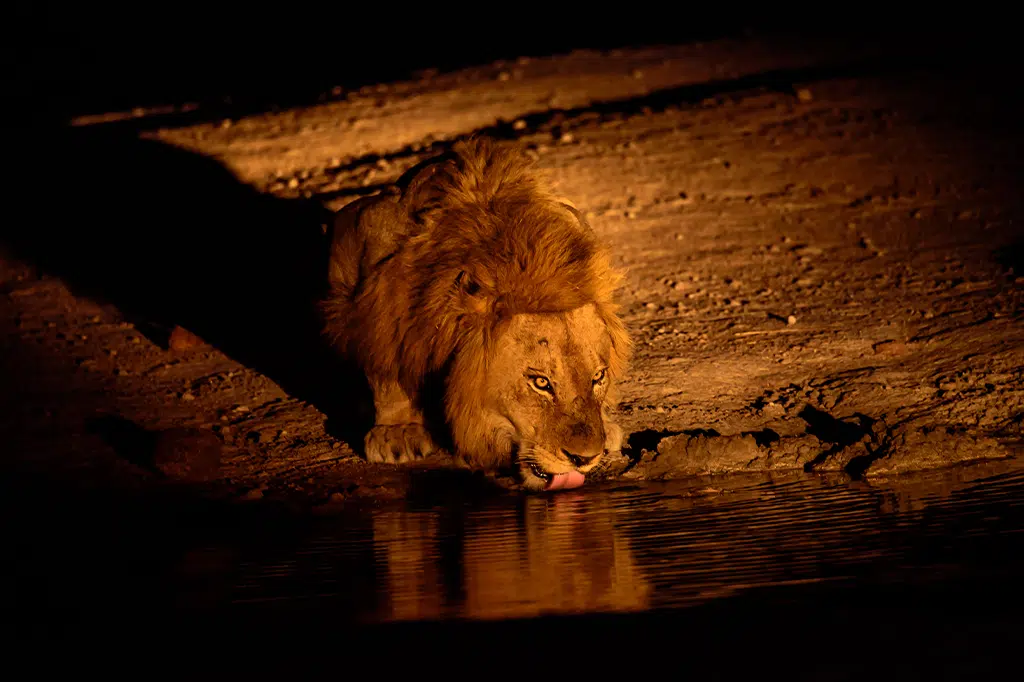
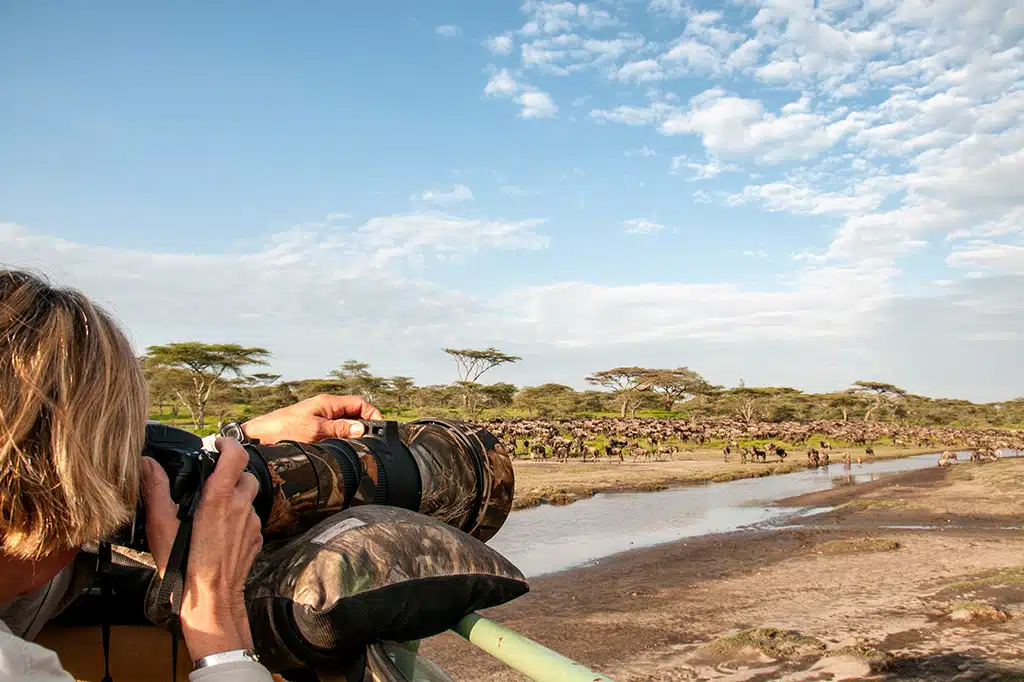
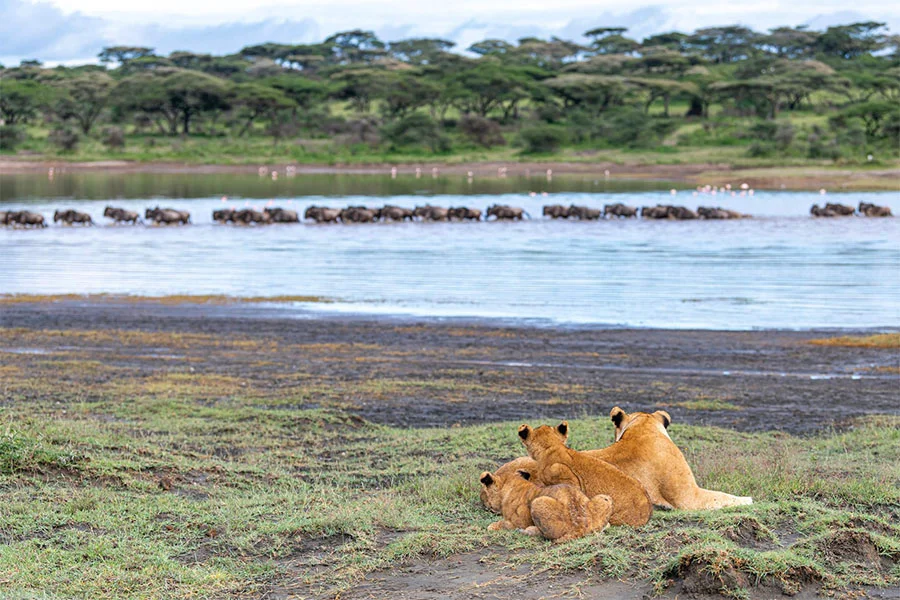
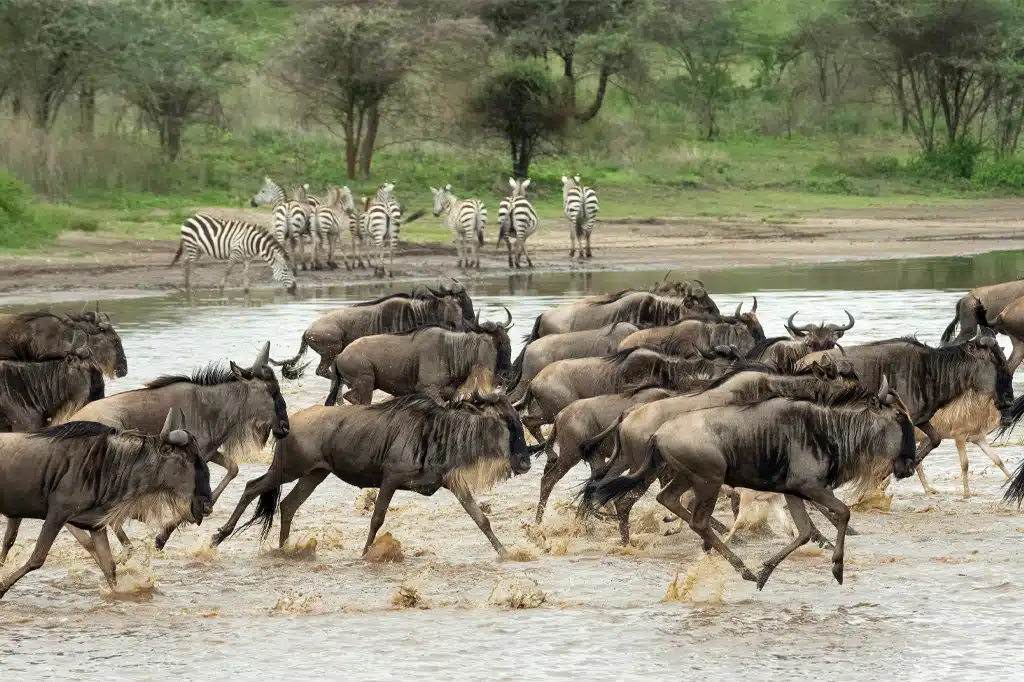
Ndutu Plains brings together some of northern Tanzania’s most compelling safari experiences: sweeping grasslands, seasonal migration herds, young wildebeest, watchful predators and quiet woodland around Lake Ndutu and Lake Masek. The Ndutu area lies within the Ngorongoro Conservation Area beside the southern Serengeti plains, forming part of one connected wildlife ecosystem. It is an excellent choice for travellers who want time to observe animal behaviour, explore varied habitats and understand how rainfall shapes the rhythm of a safari. The landscape is more varied than the name “plains” suggests. Open short-grass country gives way to acacia woodland, marshes and the margins of alkaline lakes. Each habitat creates different viewing opportunities: large grazing herds on the grasslands, shade-seeking animals in woodland and birds around wetland edges. Seasonal water and vegetation conditions continually change the appearance of the area. A knowledgeable guide uses current observations to choose a route, rather than treating one fixed viewpoint as the destination. Ndutu is especially associated with the southern stage of the Great Migration. Wildebeest, zebra and gazelles move through the Serengeti–Ngorongoro ecosystem in response to rainfall and available grazing. Herds often occupy the southern plains from around late December into April, with wildebeest calving usually occurring between January and March. The broader calving grounds straddle the conservation-area and national-park boundary. Dates are a planning guide, not a timetable: rainfall can shift herd concentrations, and a particular camp or game-drive route may be closer to the animals in one year than another. During the calving period, the plains can hold large numbers of mothers and young wildebeest, providing an absorbing view of herd behaviour and the next generation of the migration. Predators also use this landscape, and lions, cheetahs, spotted hyenas and jackals may be encountered. Watching a cat rest, scan the plains or care for cubs can be as rewarding as a dramatic chase. Births, hunts and kills are natural events that cannot be promised, and responsible guiding gives animals space to move, feed and care for their young. Ndutu also supports resident wildlife. Depending on habitat and conditions, a safari may encounter giraffe, impala, dik-dik, elephant and smaller carnivores, alongside predators that remain when the large migratory herds have moved elsewhere. Leopard sightings are possible in suitable cover but should never be treated as routine. Outside the main migration period, the experience focuses more on local animals, woodland, lake margins and the character of the landscape. Choosing Ndutu at this time should reflect that interest, rather than an expectation of enormous herds throughout the year. Birdwatching adds another dimension to a game drive. The mix of plains, woodland and wetland habitats supports diverse birdlife, while water levels influence what can be seen near the lakes. Carry binoculars and allow time for identification and behaviour rather than looking only for large mammals. Lake Ndutu and Lake Masek are scenic features and wildlife habitats; they are not swimming destinations. Their shorelines should be approached only on permitted routes and according to the guide’s assessment of conditions. Game drives are the core visitor activity. Early and later daylight excursions can suit wildlife watching and photography, while a longer drive may include a picnic at an authorised location if arranged. A flexible route and more than one day in the area improve the opportunity to explore different habitats, although no duration guarantees a sighting. For photography, bring a useful telephoto lens and a stable support suitable for a safari vehicle. Stay patient around animals, avoid crowding or blocking their path, and let the guide decide when to change position. The administrative boundary matters when planning. Ndutu is commonly described as “southern Serengeti” because of its ecology, but the Ngorongoro Conservation Area and Serengeti National Park have separate access arrangements and rules. Your operator should identify which areas your accommodation, transfers and game drives actually use. Drivers must follow designated roads, authorised tracks and any applicable authority permissions. Do not assume unrestricted off-road driving is included. Guided walking, where authorised, requires advance arrangements and the required guide and armed ranger support; an ordinary vehicle safari is not permission to walk independently among wildlife. For a migration-focused visit, plan around the usual late-December-to-April southern-herd period and request current guidance before finalising the route. The January-to-March calving period is a particularly sought-after time for Ndutu accommodation. April and May can bring heavier rain and challenging tracks, while the generally drier months later in the year offer a different resident-wildlife experience after many migrating animals have moved on. Short rains around October to December may encourage fresh grazing and the return south, but conditions differ each year. Camp operating seasons should be checked as carefully as wildlife timing. Ndutu can be reached by a planned road safari through northern Tanzania or by a flight to a suitable local airstrip, with a camp or safari vehicle completing the transfer. Kilimanjaro International Airport and Arusha are common gateways. Road travel often links the area with Karatu, Ngorongoro and Olduvai, while onward routes may continue into Serengeti National Park. Driving duration depends on the starting point, road conditions, stops and permits. Flight services, airstrip suitability, baggage limits and transfers should be confirmed for your dates rather than assumed to operate every day. A practical itinerary can allow two or three nights in the area, giving time for several drives and less pressure to fit every experience into one day. This is a planning suggestion, not a minimum requirement. Choose between permanent lodges, tented accommodation and seasonal camps according to operating dates, location, comfort and travel budget. Ask about meals, drinking water, charging facilities, family arrangements and accessibility. Combine Ndutu with a separately arranged Ngorongoro Crater descent, an Olduvai Gorge and Museum visit or another Serengeti region when the route and season suit your interests. Pack light layers for cool starts, sun protection, a hat, binoculars, camera dust protection and a light rain layer in wetter periods. Discuss any vehicle-entry assistance or mobility needs before booking, and supervise children closely at camps and viewing stops. Ask for a current quote that explains conservation or park entry, vehicle and guide services, accommodation, transfers and optional activities. With realistic expectations and a thoughtful itinerary, Ndutu rewards both the traveller seeking the migration and the visitor who enjoys the slower details of a varied African landscape.
April–May: the long-rain period can bring green scenery, wet ground and difficult tracks. Migratory herds may shift away from Ndutu as conditions change, so do not book this period on the assumption that the full calving spectacle remains in one location. Confirm road access, camp operating dates and a flexible driving plan. Rainfall and wildlife movements vary each year.
June–November generally offers a resident-wildlife-focused experience after many migration herds have moved elsewhere. June–October is usually drier, with possible dust and cooler starts; short rains may develop later. December can be a transition as fresh grazing attracts herds south. Confirm recent herd observations and camp availability rather than treating all these months as equivalent.
January–March is the usual calving-season focus for Ndutu, with the broader southern-herd period often extending from late December into April. Large gatherings, young wildebeest and predator activity can make this a rewarding time, but rainfall controls concentrations and no birth or hunt is guaranteed. Book appropriate accommodation and guide services ahead, and remain flexible about daily routes.
Ndutu Plains is in the Ngorongoro Conservation Area beside the southern Serengeti plains. Kilimanjaro International Airport and Arusha are common gateways for a northern Tanzania safari. Arrange a suitable safari vehicle and guide for a road itinerary, often linking Karatu, the Ngorongoro area and Olduvai before reaching Ndutu. Onward travel into Serengeti National Park requires the appropriate park arrangements. Journey time depends on the starting lodge, access route, track conditions, stops and permits. Allow for a full travel plan rather than assuming the distance can be covered at ordinary highway speeds. Rain may affect roads and internal tracks, so confirm conditions locally and use an operator familiar with the area. A Ngorongoro Crater descent is a separate activity and should not be assumed to happen automatically during the transfer. Flying to Ndutu Airstrip or another suitable regional airstrip can be considered where services are available for your dates. Confirm the operating carrier, departure airport, route, baggage allowance and final camp transfer before booking. Flight schedules and seasonal operations can change. Your accommodation should confirm which airstrip is appropriate and how the game-drive vehicle meets arriving guests. Ensure your quotation identifies conservation-area and national-park access as applicable, accommodation charges, vehicle transport, guide services and optional activities. Discuss family needs, vehicle-entry assistance, walking arrangements and dietary requirements in advance. Choose camp location and operating dates to suit the season and actual itinerary; a lodge address alone does not establish where the migration will be.
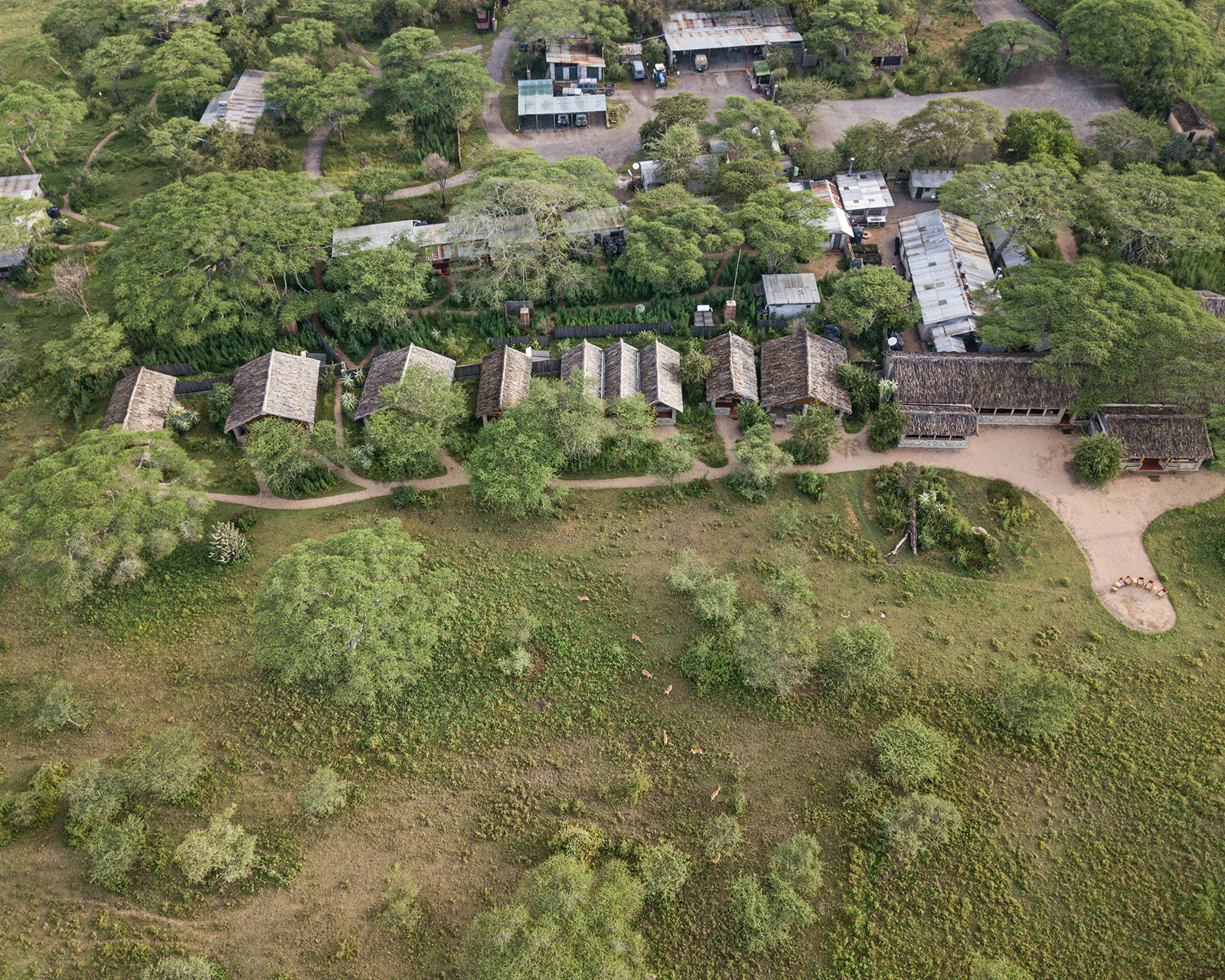
Ndutu is within the Ngorongoro Conservation Area, beside the southern Serengeti plains in northern Tanzania. Its grasslands, woodland, marshes and lakes form part of the connected Serengeti–Ngorongoro wildlife ecosystem.
No. Ndutu is often described as southern Serengeti because of the shared ecosystem, but the conservation-area and national-park boundaries matter. Confirm which side your camp, transfers and drives use so the correct permits and rules are included.
The southern herds often occupy the area from around late December into April. January–March is the usual calving-season focus. Rainfall and grazing influence the exact timing and location, so use recent local observations when planning.
Calving on the southern short-grass plains usually occurs between January and March. The calving grounds extend across the wider southern ecosystem, and the animals are not confined to one lodge or a fixed viewing point.
No. Herds move with rainfall and grazing, sometimes shifting substantially within the wider plains. A well-placed camp and flexible game drives improve your options, but the exact location and size of a gathering cannot be guaranteed.
Ndutu is associated with the southern grazing and calving stage, not the Mara River crossing locations farther north. If river crossings are a priority, plan a different regional focus and season rather than expecting them during a Ndutu stay.
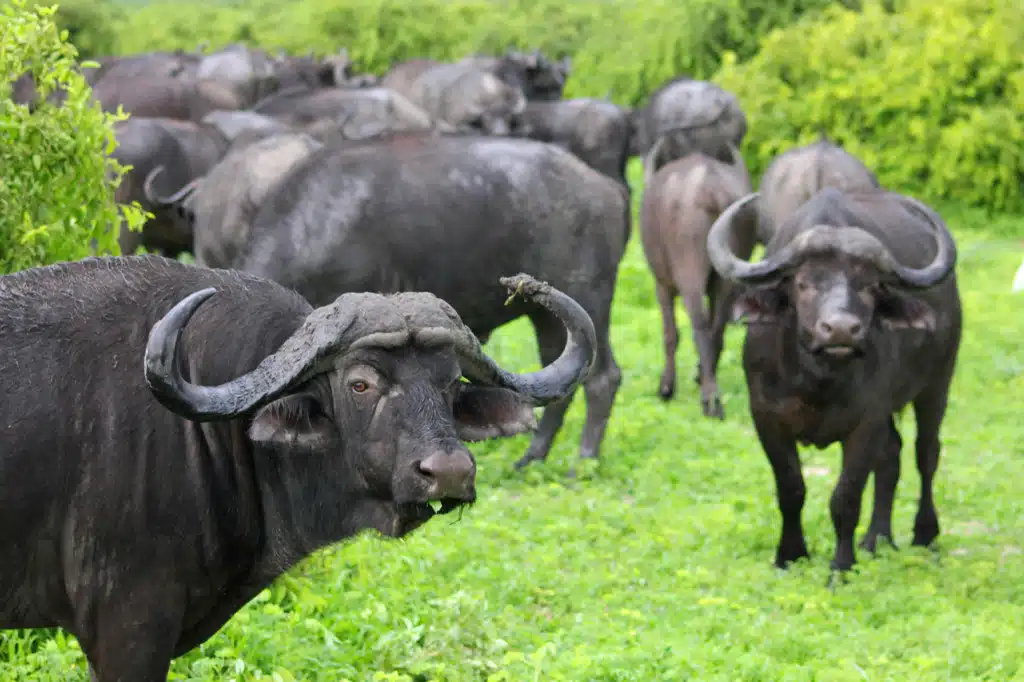
Resident wildlife can include giraffe, impala, dik-dik, elephant and predators such as lion, cheetah and hyena, depending on habitat and conditions. Large migration herds may be elsewhere, so the emphasis becomes local wildlife, woodland and lake scenery.
No. These are unpredictable natural events. Ndutu provides opportunities to observe behaviour, but a safari should allow time for varied sightings and should never pressure a guide to crowd, chase or interfere with animals.
They are alkaline lakes within the Ndutu landscape, associated with woodland, marshes and wildlife habitats. Their appearance and water levels change seasonally. Visit only on permitted approaches and treat them as scenic and wildlife features rather than swimming places.
Yes. The mix of plains, woodland and wetland edges offers varied bird habitats. Species and visibility depend on season and water conditions. Bring binoculars and ask your guide to include bird identification alongside larger-animal sightings.
Do not assume it is included. Drivers should use designated roads and authorised tracks, complying with the relevant authority’s current rules and any specific permissions. The conservation-area boundary does not itself grant unrestricted access across the plains.
Walking should only be considered where authorised and arranged in advance with a guide and armed ranger support. Do not leave the vehicle to walk independently among wildlife. Ask the operator to confirm the route, permission, age requirements and suitability.
It can be rewarding for herds, predators, animal families and wide landscapes. A telephoto lens, binoculars and stable vehicle support are useful. Good photographs depend on patience, light and animal behaviour; responsible positioning and the guide’s instructions come first.
Arrange a northern Tanzania safari route, commonly from the Arusha or Karatu direction through the Ngorongoro area toward Ndutu. Drive time varies with the starting point, roads, rain and stops. Have the guide confirm the actual route and applicable access arrangements.
A flight to Ndutu Airstrip or another suitable regional airstrip may be possible, depending on the date and service. Confirm departure airport, carrier, schedule, baggage allowance and the camp’s vehicle transfer before booking.
Two or three nights can be a practical starting point for several game drives and a less rushed schedule. Longer stays can suit photography or a strong migration focus. The right duration depends on your interests, season, budget and the rest of your itinerary.
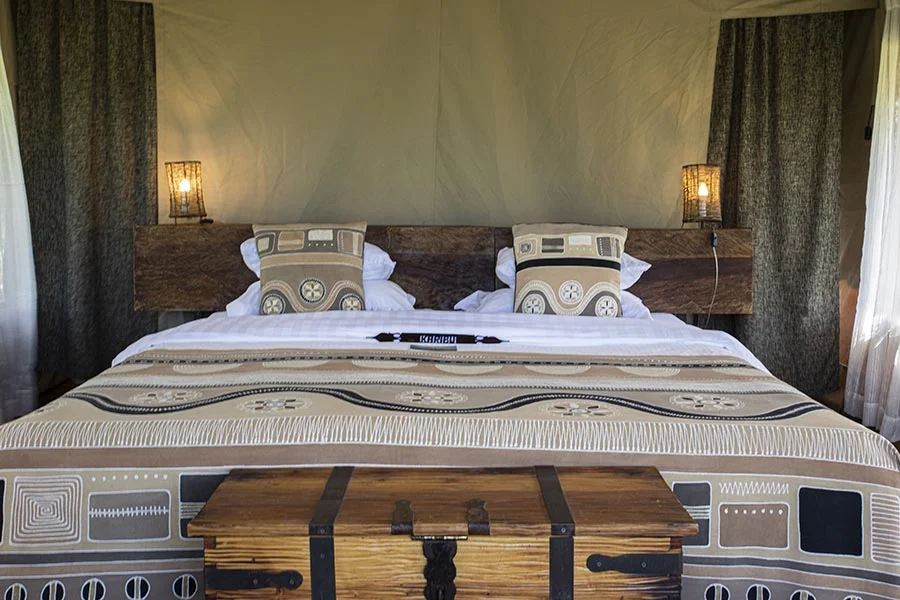
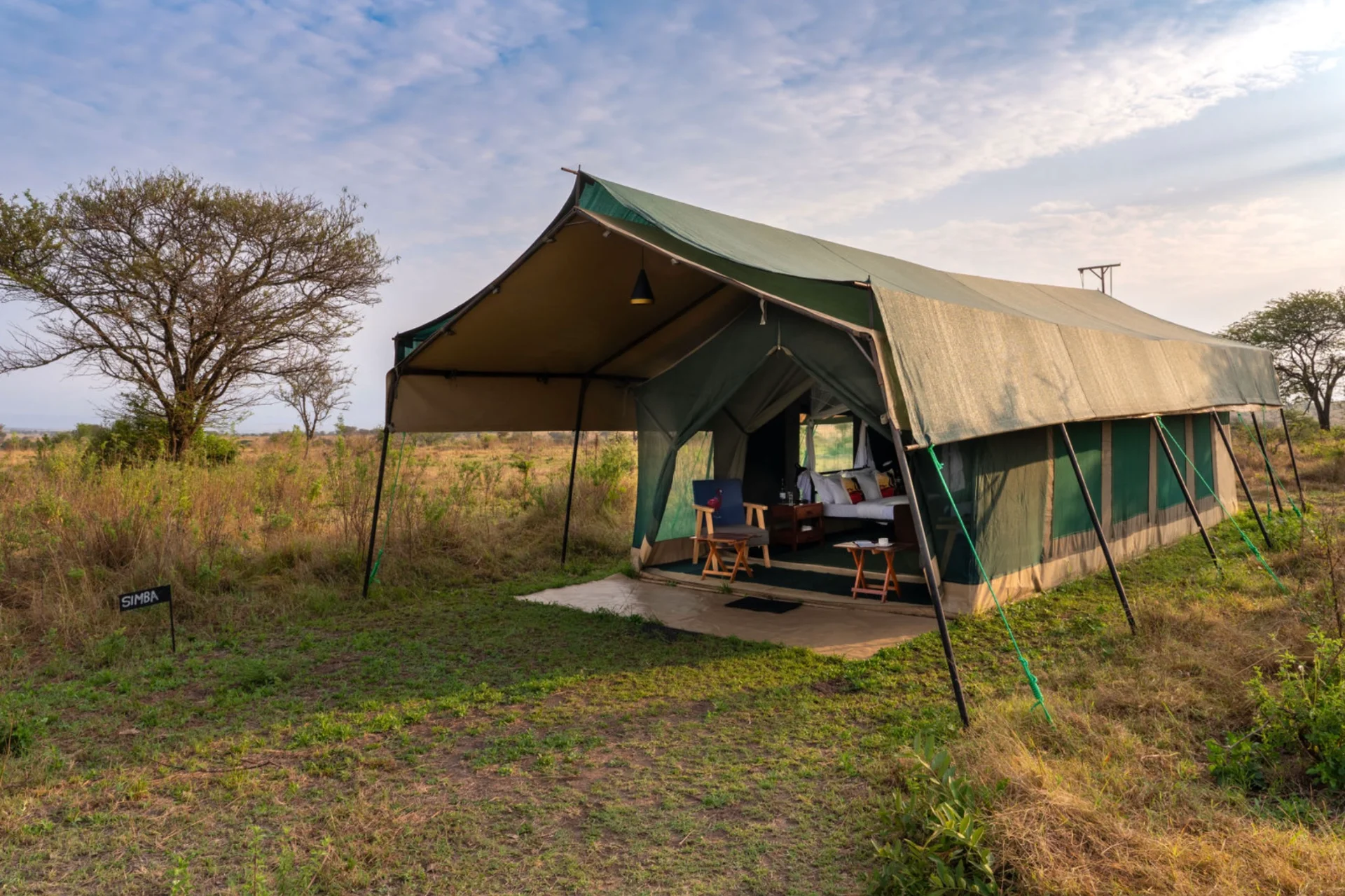
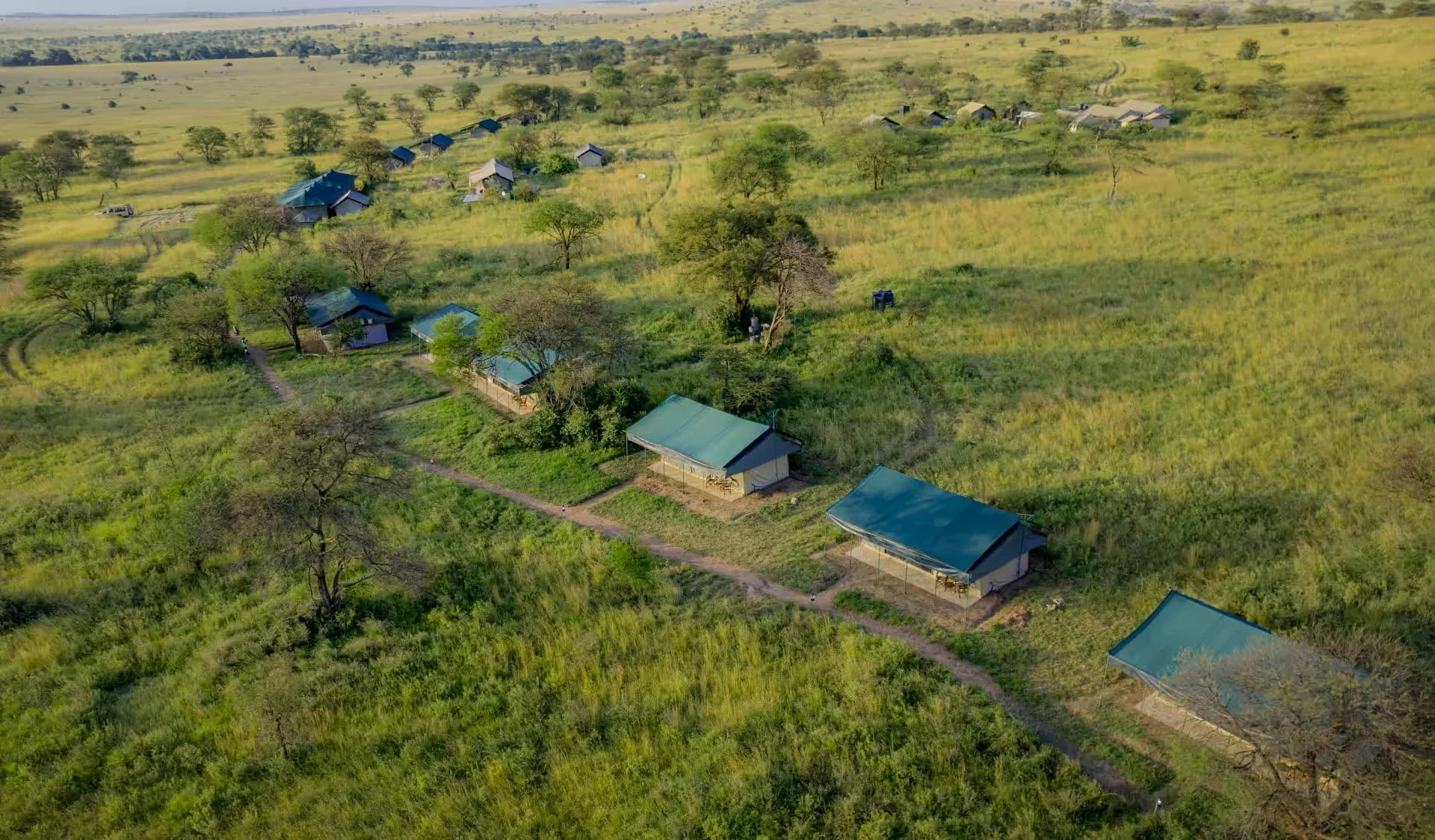
The area has permanent lodges, tented accommodation and seasonal camps. Operating dates, location and facilities differ. Check that your chosen property is open for your visit and clarify meals, drinking water, charging, family arrangements and camp transfers.
A private vehicle safari can be adapted for families, subject to accommodation policies and drive lengths. Visitors with limited mobility should confirm vehicle-entry assistance, room access and camp paths in advance. Children require close supervision around wildlife and at camps.
Ask for the applicable Ngorongoro conservation-area and Serengeti park access charges, vehicle and guide services, accommodation, transfers and optional activities. Requirements depend on the exact route and stay. A crater descent or another activity may carry separate arrangements.
Bring light layers for cool starts, sun protection, a hat, binoculars, suitable camera equipment and dust protection. A light rain layer helps in wetter periods. Confirm drinking water and packed meals with your operator, and check flight baggage limits if using a bush flight.
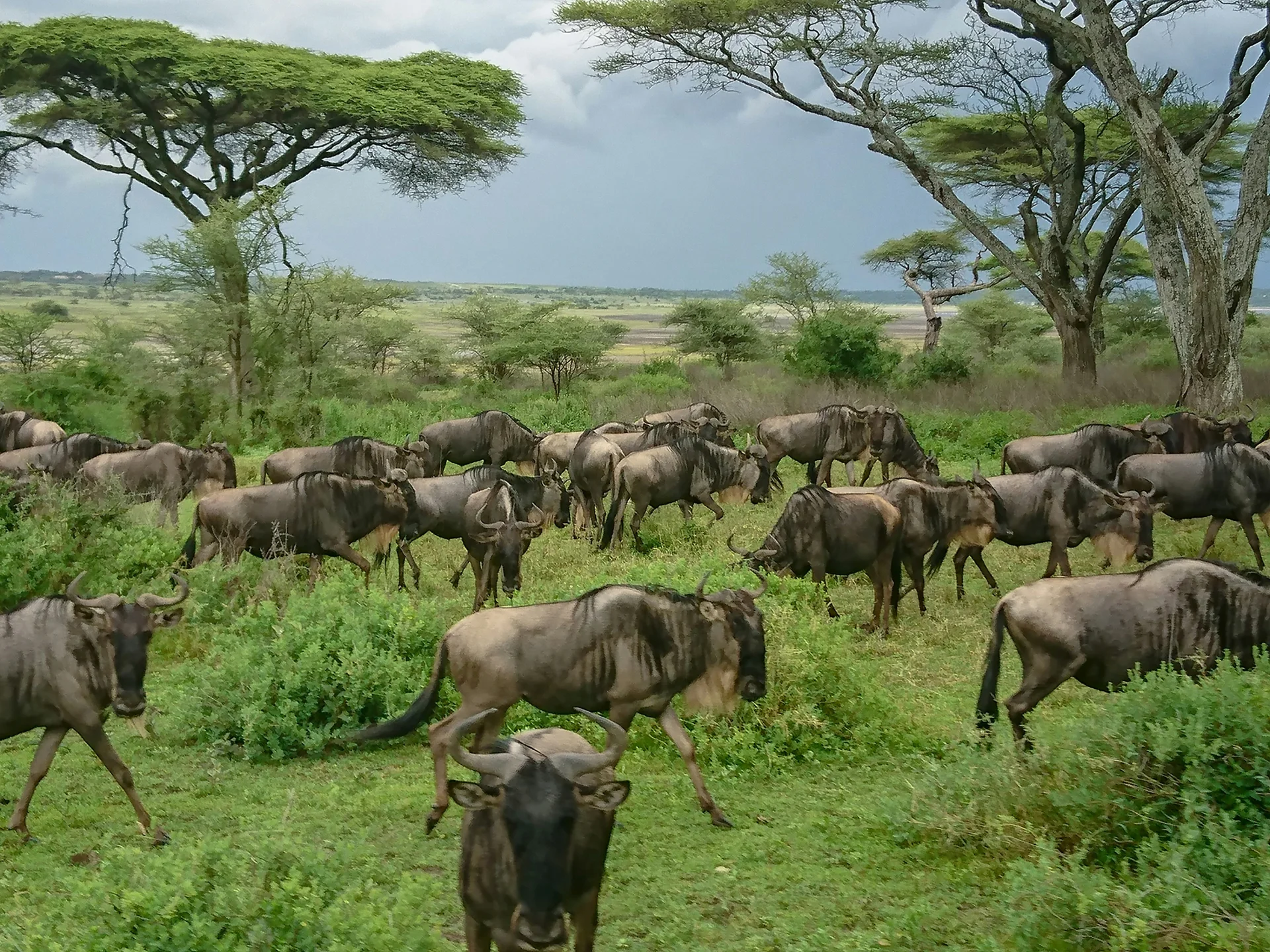 7 Days
Price on request
You visit: Arusha (start), ndutu, Southern Serengeti, Ngorongoro Crater (end)
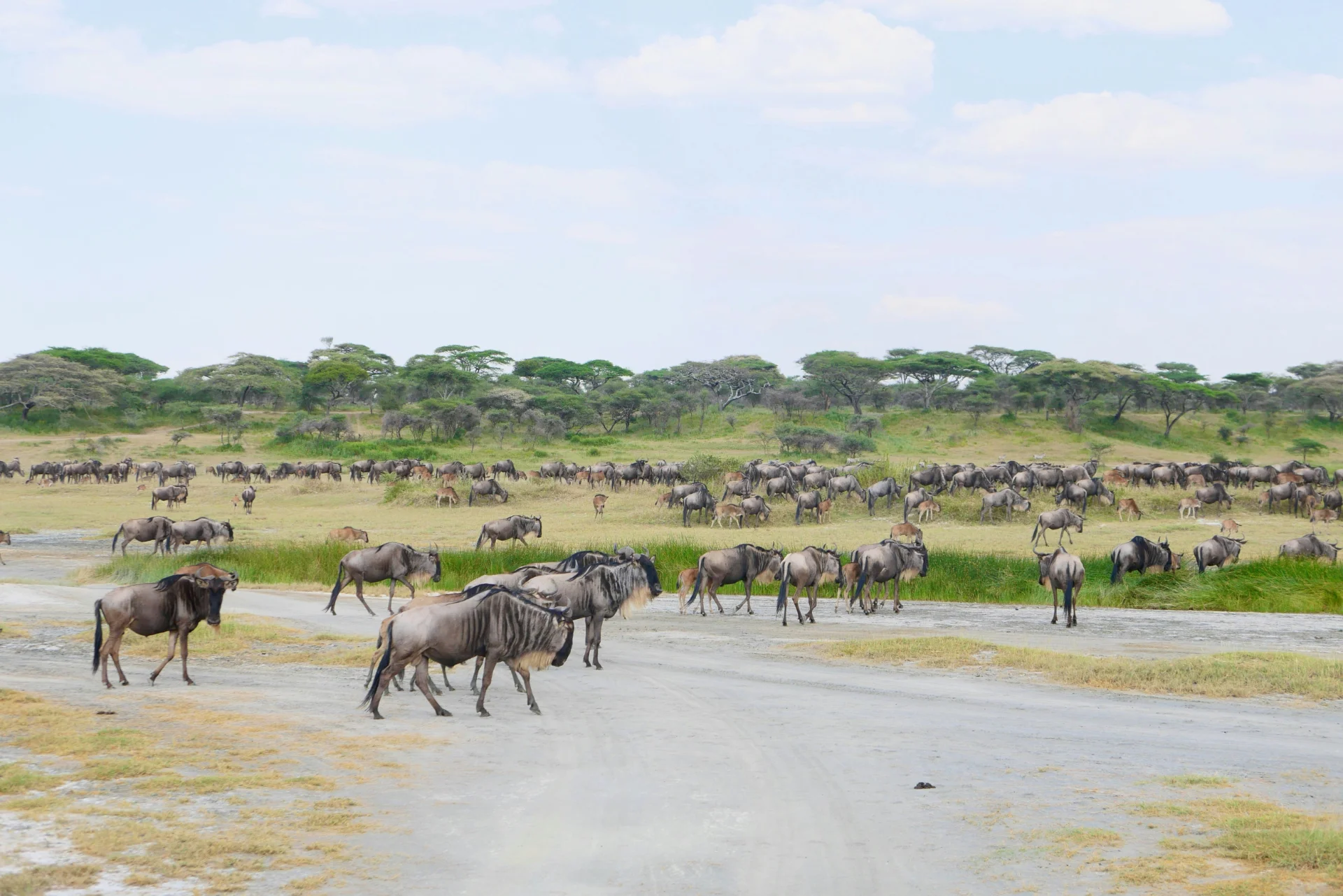 5 Days
$2,500 per person (USD)
You visit: Arusha (start), Ndutu, Southern Serengeti, Ngorongoro Crater, Northern Tanzania (end)
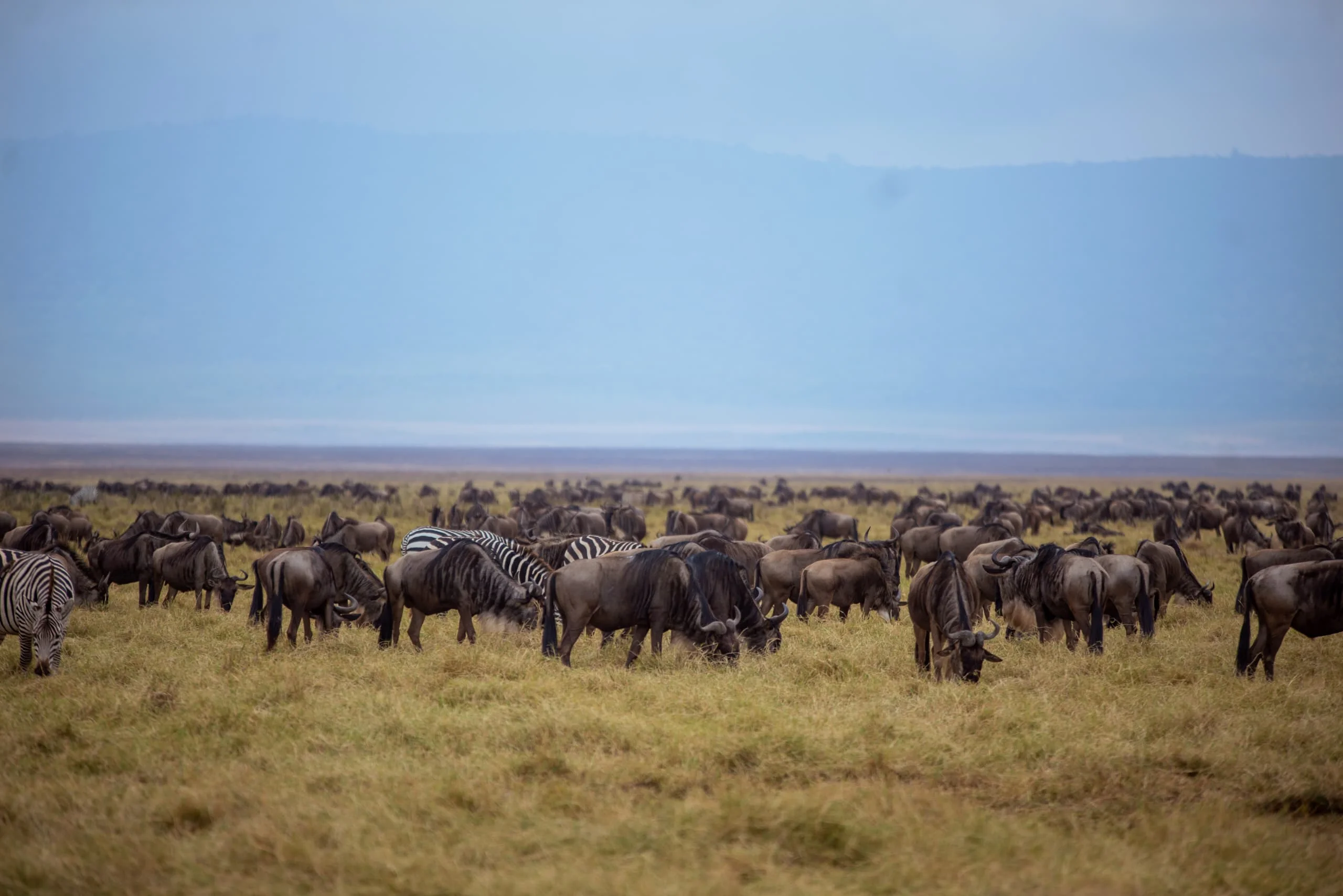 7 Days
Price on request
You visit: Arusha (start), Ndutu, Southern Serengeti, Central Serengeti, Ngorongoro, Karatu (end)

Grateful experience
As a solo female traveler, I felt super safe and well taken care of the entire time.
Read morePrivate Safari 6 days
I can only highly recommend the young company Tanzalux for organizing a private safari.
Read moreAn unforgettable vegetarian journey with Tanzalux Safaris
I highly recommend Tanzalux for anyone wanting a special, personalized safari.
Read moreOur 3-day camping safari with Tanzalux was simply fantastic! Everything was perfectly organized.
Read moreBack in April, I joined a day trip to Tarangire National Park with Tanzalux Safaris, and it was truly one of the best experiences I have ever had…
Read moreI've had an amazing experience with Tanzalux Safaris, would 1000% recommend! Thank you for making my trip so special🫶
Read moreI recently visited Meru Waterfalls in Arusha and got to do some of the activities there, honestly it was such a great experience and I really enjoyed it.
Read moreOur guide Dullah Mr Rastaman had the best vibe. I would like to recommend other people not to miss it, Tarangire is the best national park.
Read moreOur tour guide Nasri was very friendly and welcoming from the first day we met him. He knows Tarangire very well and explained many things during the safari.
Read moreAs a grandmother in the group, I would like to share my happiness with Tanzalux Safaris. Me, my daughters, and my grandson went on a short trip to Tarangire National Park…
Read moreReceive a free, no obligation quote

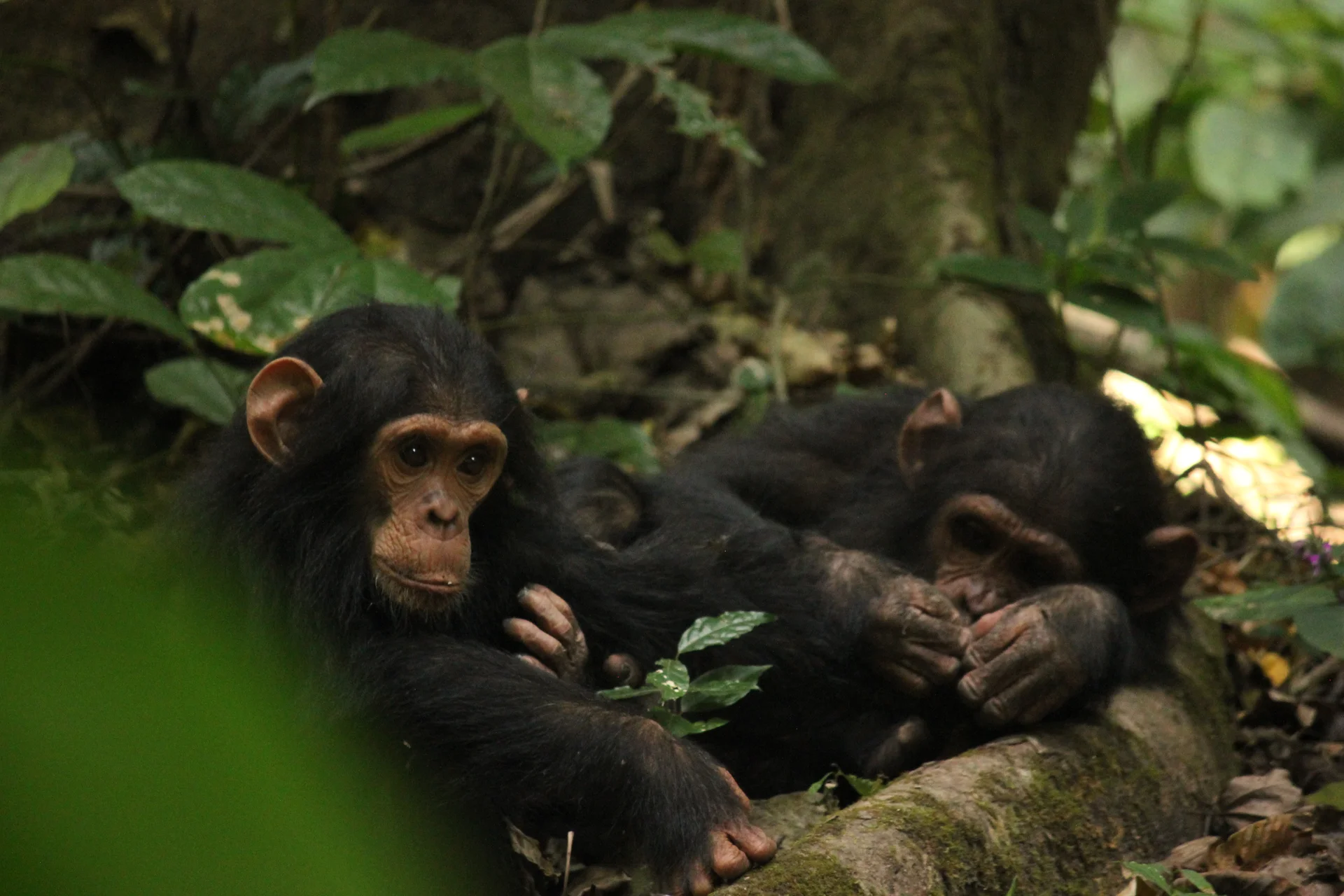 Western Circuit
Gombe Stream National Park, also known as Gombe National Park, combines wild chimpanzee trekking with forested hills and the shores of Lake Tanganyika. In Kigoma…
Wildlife
Chimpanzees & Olive baboons
Landscape
National Parks & Safari
Highlights
Wild chimpanzee trekking with park rangers
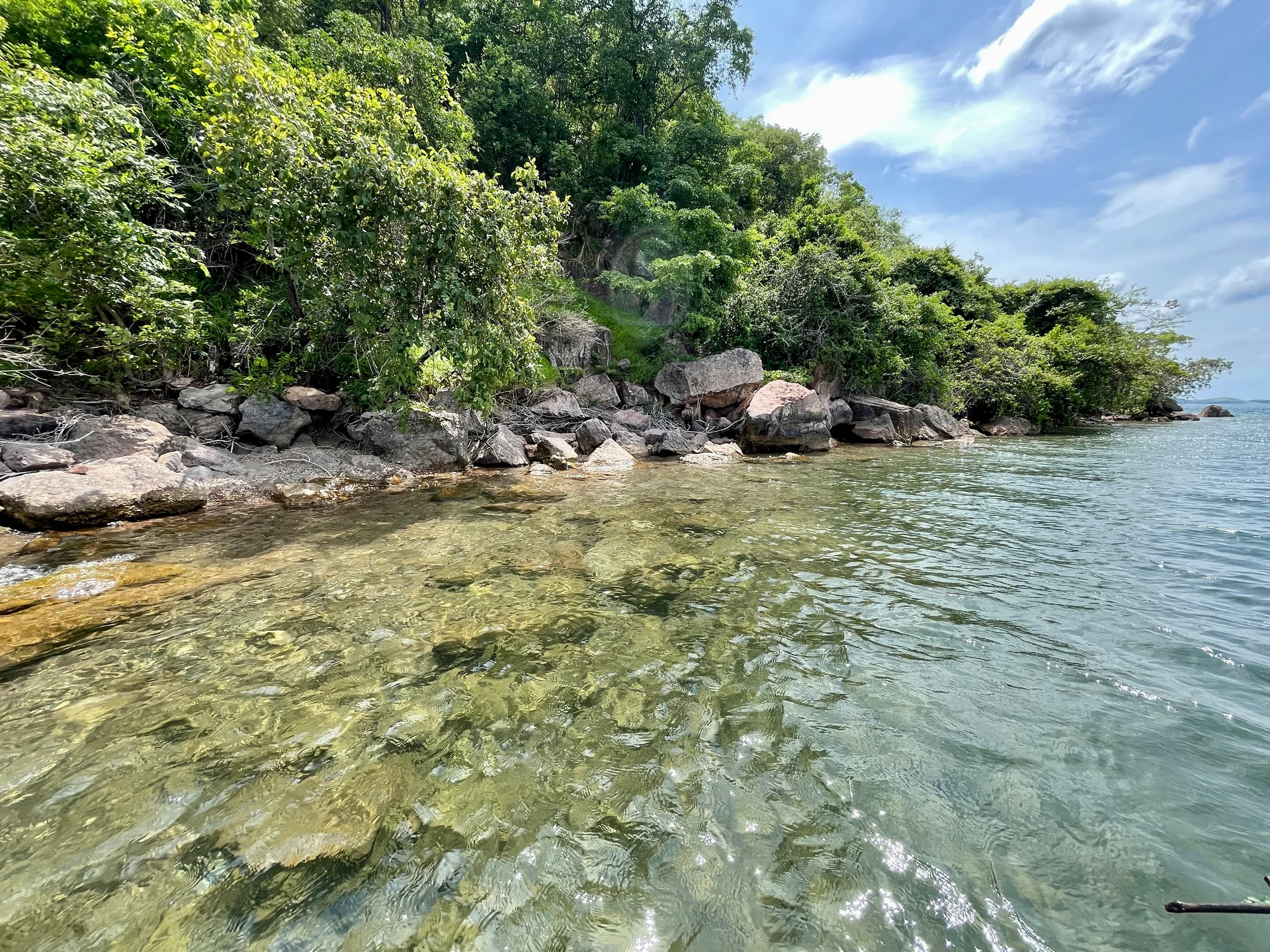 Southern Circuit
Lake Tanganyika offers a striking freshwater setting along Tanzania’s western frontier: broad blue horizons, wooded shores, bays, beaches and communities whose daily life is closely…
Wildlife
Endemic cichlid fish & Other freshwater fish
Landscape
Lakes & Hot Springs
Highlights
Africa’s deepest freshwater lake in the East African Rift
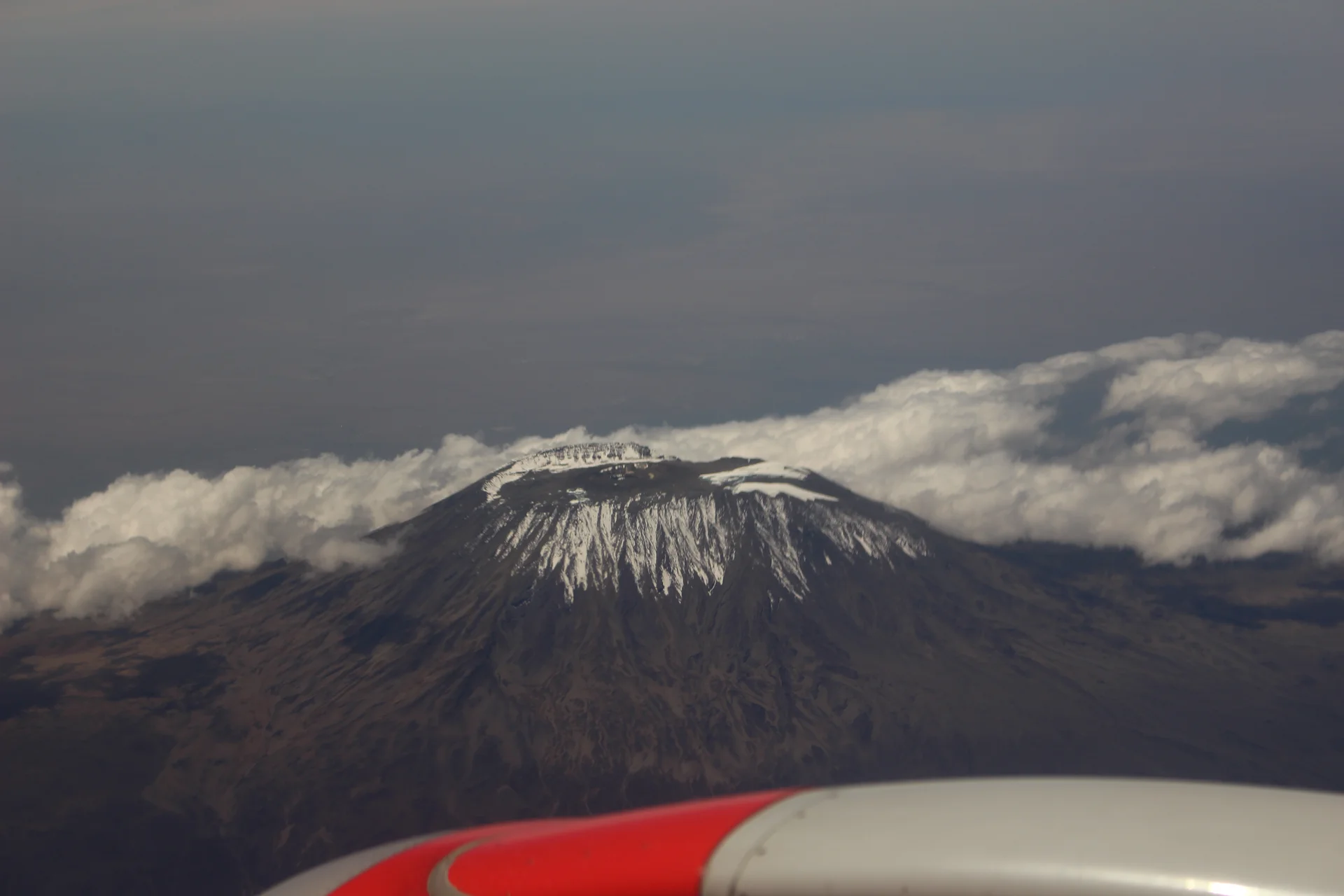 Northern Circuit
Kilimanjaro rises above northern Tanzania’s plains to Uhuru Peak at 5,895 metres, the highest point in Africa. Its volcanic massif, dramatic changes in vegetation and…
Wildlife
Black-and-white colobus monkeys in forest habitats & Blue monkeys in forest habitats
Landscape
Mountains & Trekking
Highlights
Uhuru Peak at 5,895 metres — Africa’s highest point
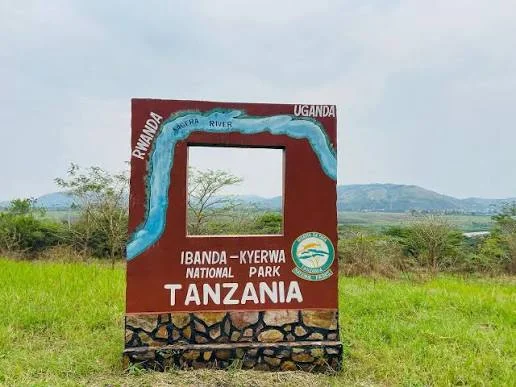 Western Circuit
Ibanda-Kyerwa National Park protects a scenic corner of northwestern Tanzania, where the Kagera River meets a landscape of savanna, wooded slopes, valleys and wetlands. Situated…
Wildlife
Buffalo & Roan antelope
Landscape
National Parks & Safari
Highlights
Kagera River scenery on Tanzania’s northwestern border
 Zanzibar & Islands
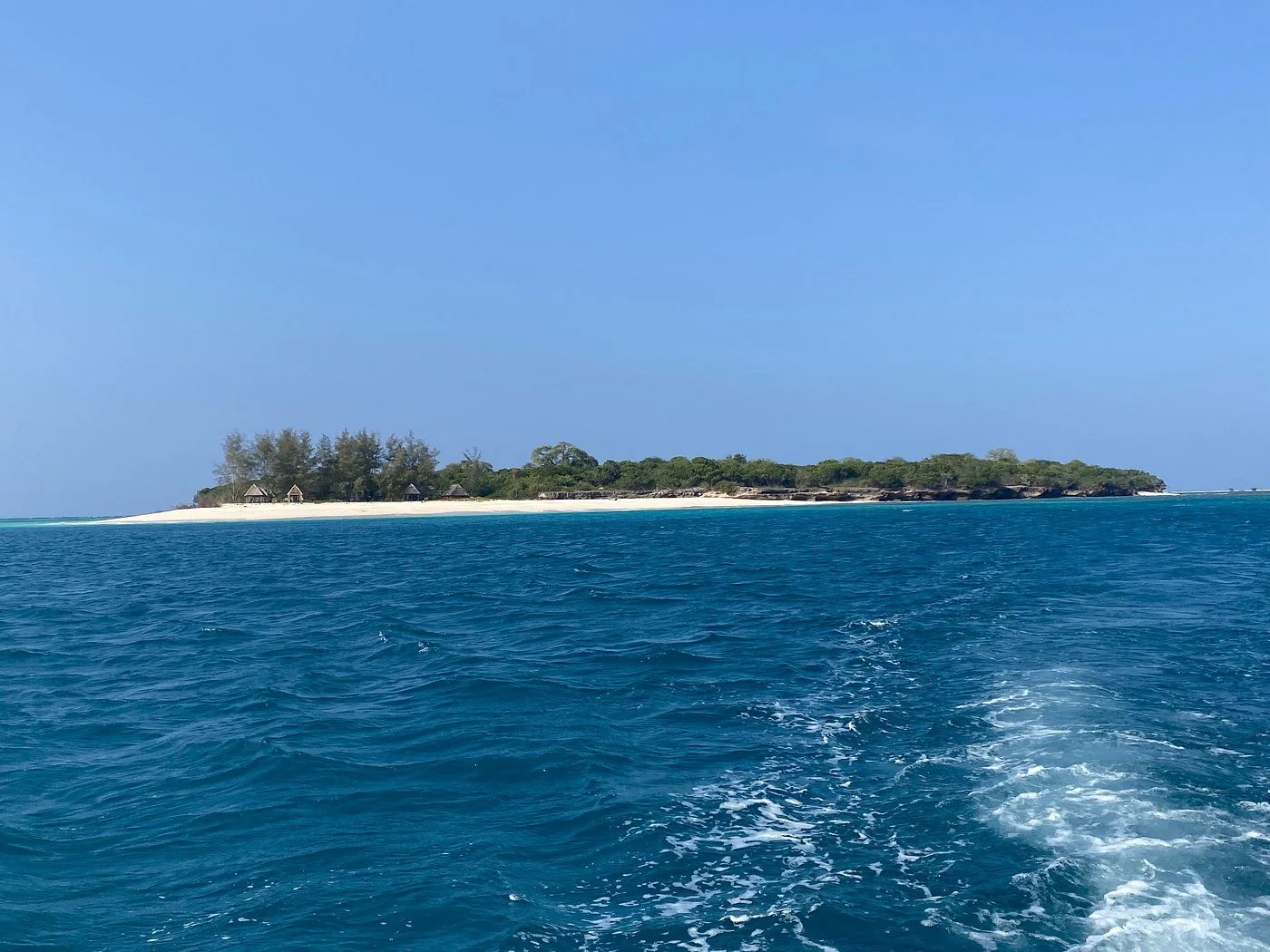
Sinda Island Marine Reserve offers an Indian Ocean escape off Kigamboni, on the southern side of Dar es Salaam. The reserve encompasses Inner and Outer…
Wildlife
Reef fish & Coastal birds
Landscape
Beaches & Islands
Highlights
Inner and Outer Sinda islands
 Northern Circuit
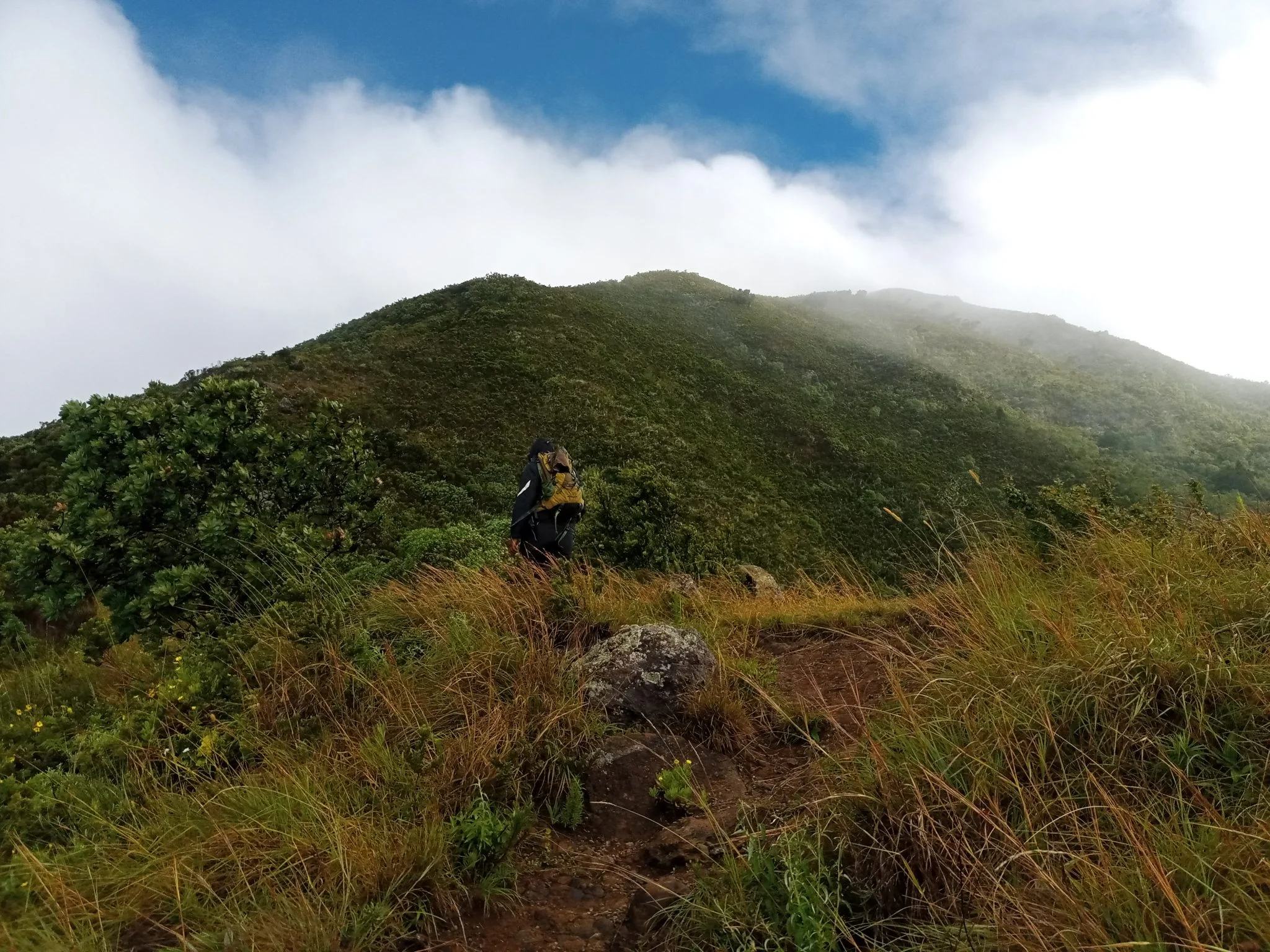
Discover Mount Hanang Rising above Katesh in Tanzania’s Manyara Region, Mount Hanang offers a rewarding mountain adventure beyond the familiar northern safari circuit. At approximately…
Wildlife
Klipspringer & Vervet monkeys
Landscape
Mountains & Trekking
Highlights
Approximately 3,423 metres — Tanzania’s fourth-highest mountain