22 national parks, three circuits, and one important distinction most guides skip.
22National parks (TANAPA)
~104,661km²Total protected area
3 tourism circuitsTourism circuits
Managed separately (NCAA)Ngorongoro Crater
The basics
Parks, reserves & who manages what
The Tanzania National Parks Authority (TANAPA) officially manages 22 national parks, covering roughly 104,661km² of savanna, forest, mountain and wetland habitat. TANAPA organizes them into four administrative zones — Northern, Southern, Eastern and Western — though the tourism industry usually talks in three looser "circuits": Northern, Southern and Western, grouped by which parks sit near each other on the ground.
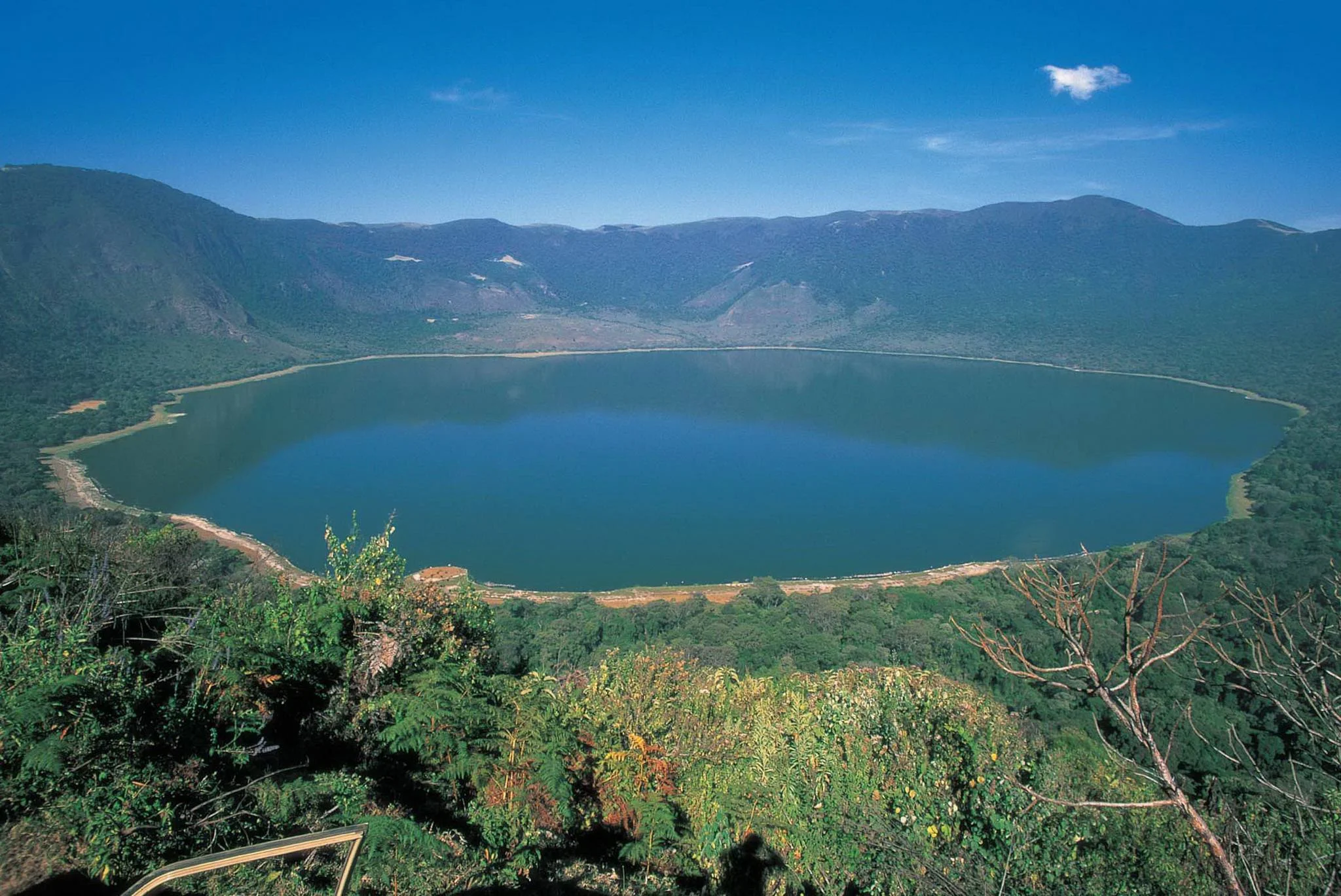
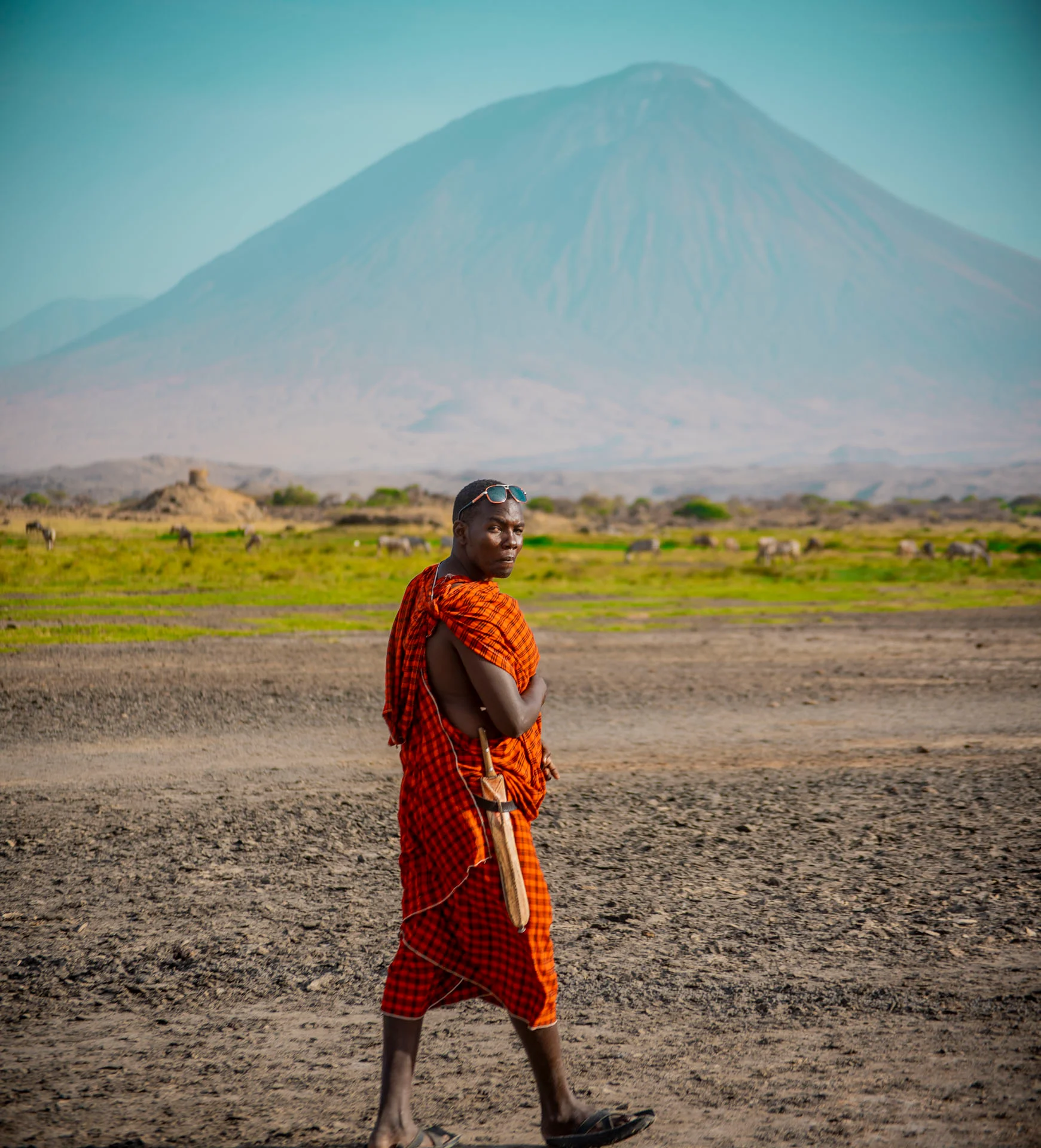
One distinction worth getting right: Ngorongoro Crater is not a national park. The Ngorongoro Conservation Area is managed separately by its own authority (the NCAA), as a multiple-land-use area that still permits Maasai communities to live and graze cattle within it, a genuinely different legal and conservation model from a national park, even though it sits right alongside Serengeti National Park and is sold as part of the same circuit.
Below you can find every park worth knowing, which circuit it belongs to, what it does best, and when to go. Each one links to its own destination guide.
Find your park
Which park for what you want to see
Start with the experience, not the map. Here is where to go for each.
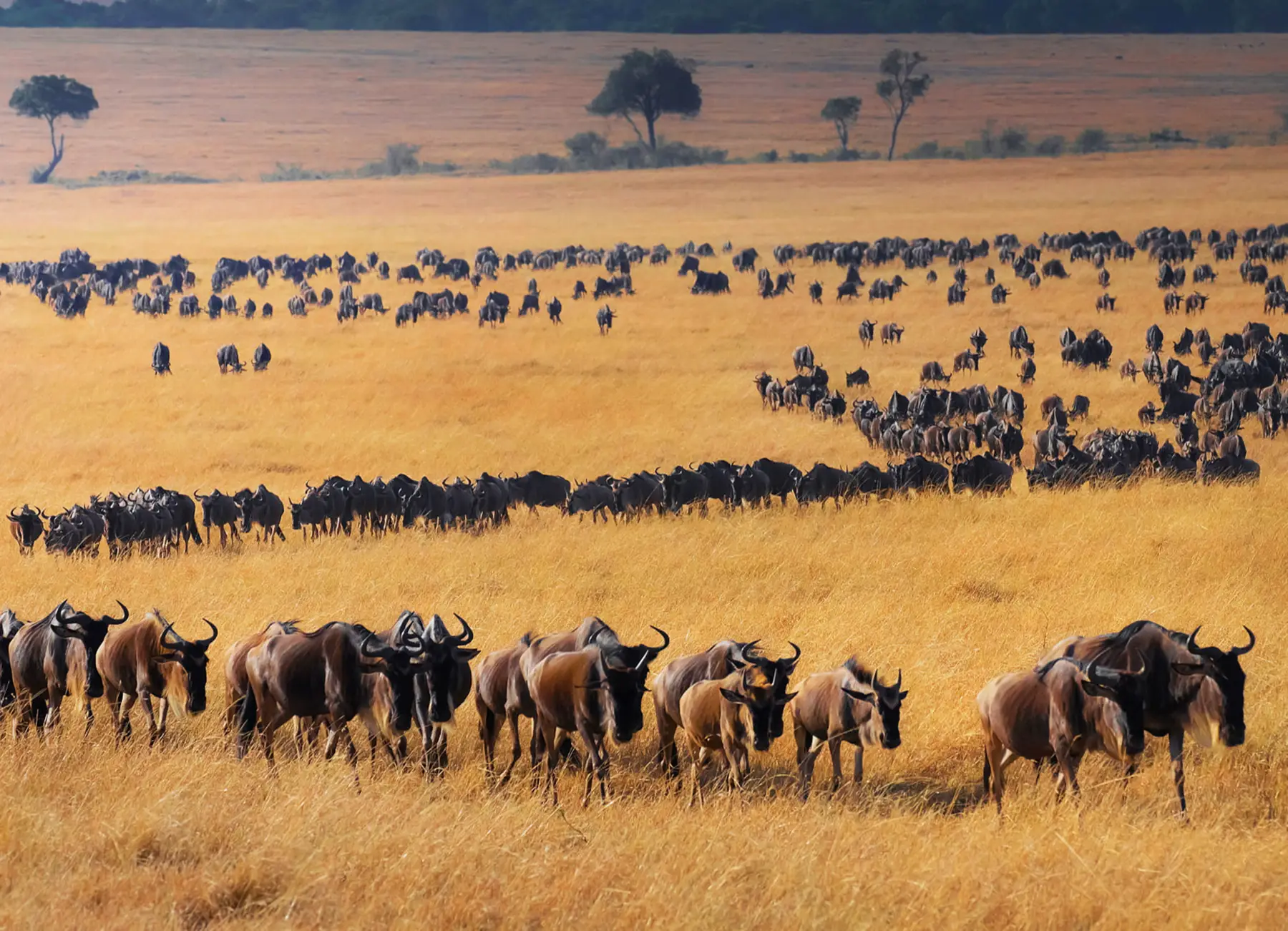
I want the Great Migration
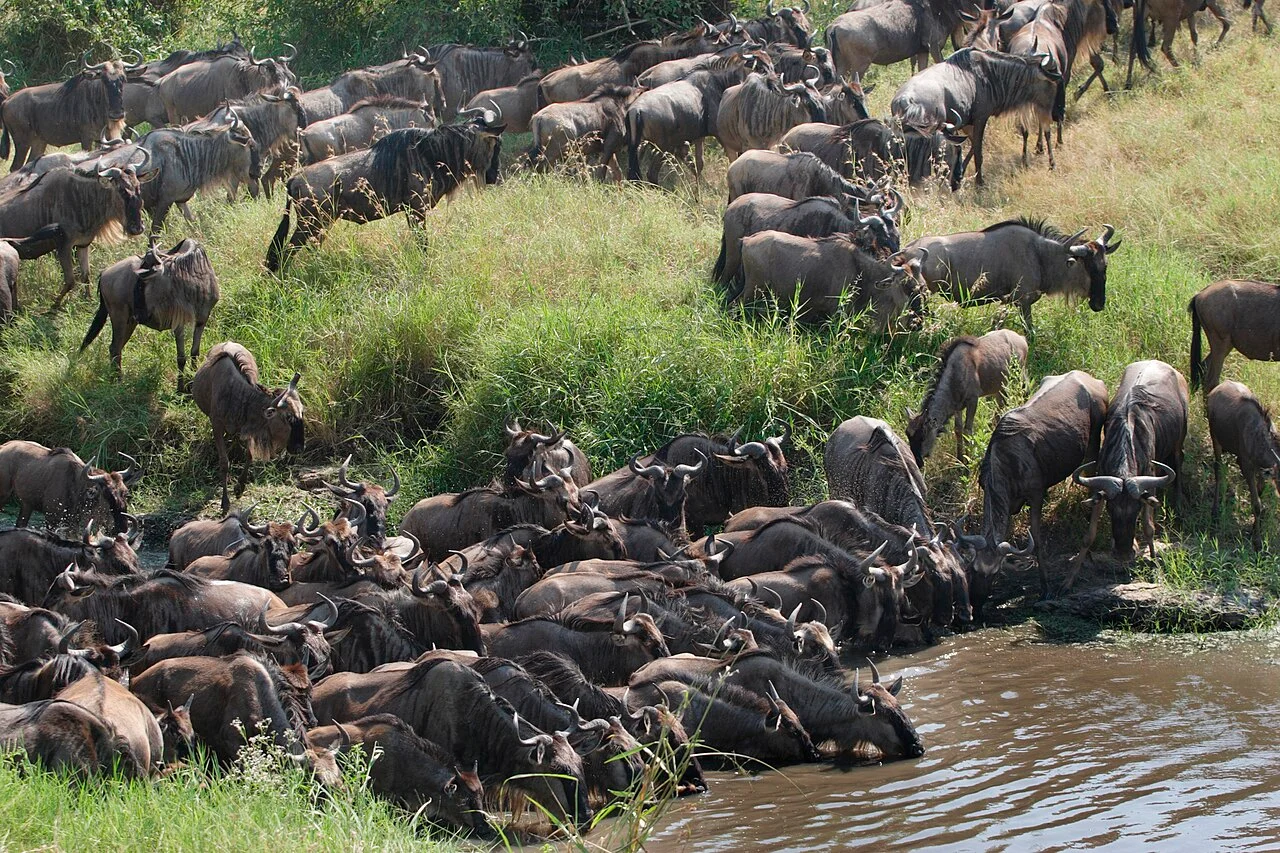
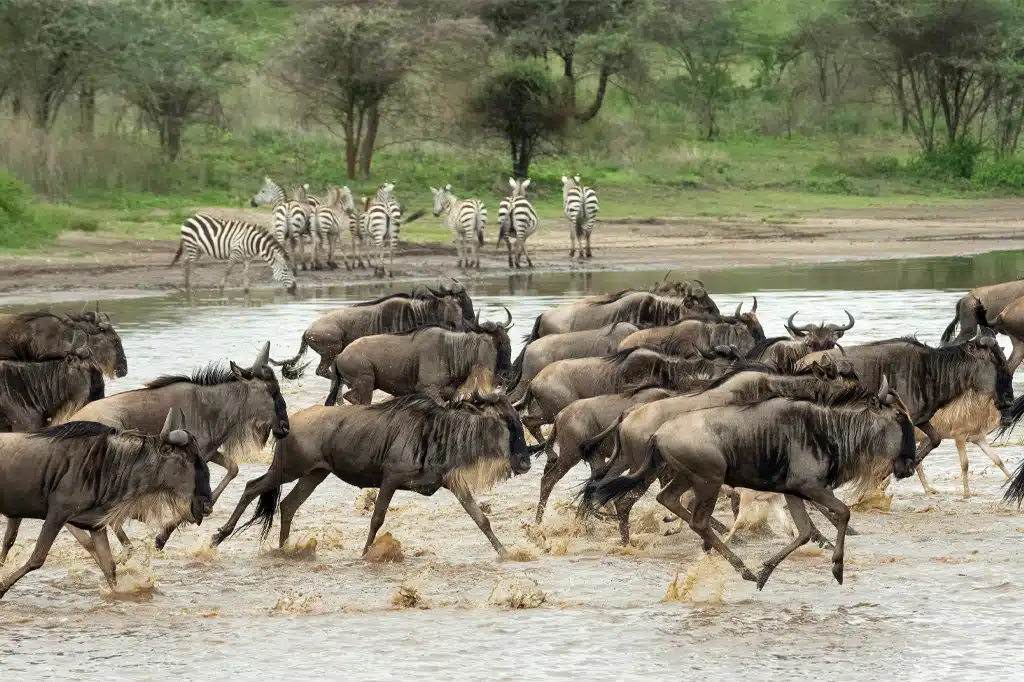
More than a million wildebeest follow the rains around the Serengeti all year. Where you go depends on the month, so pick the zone first.
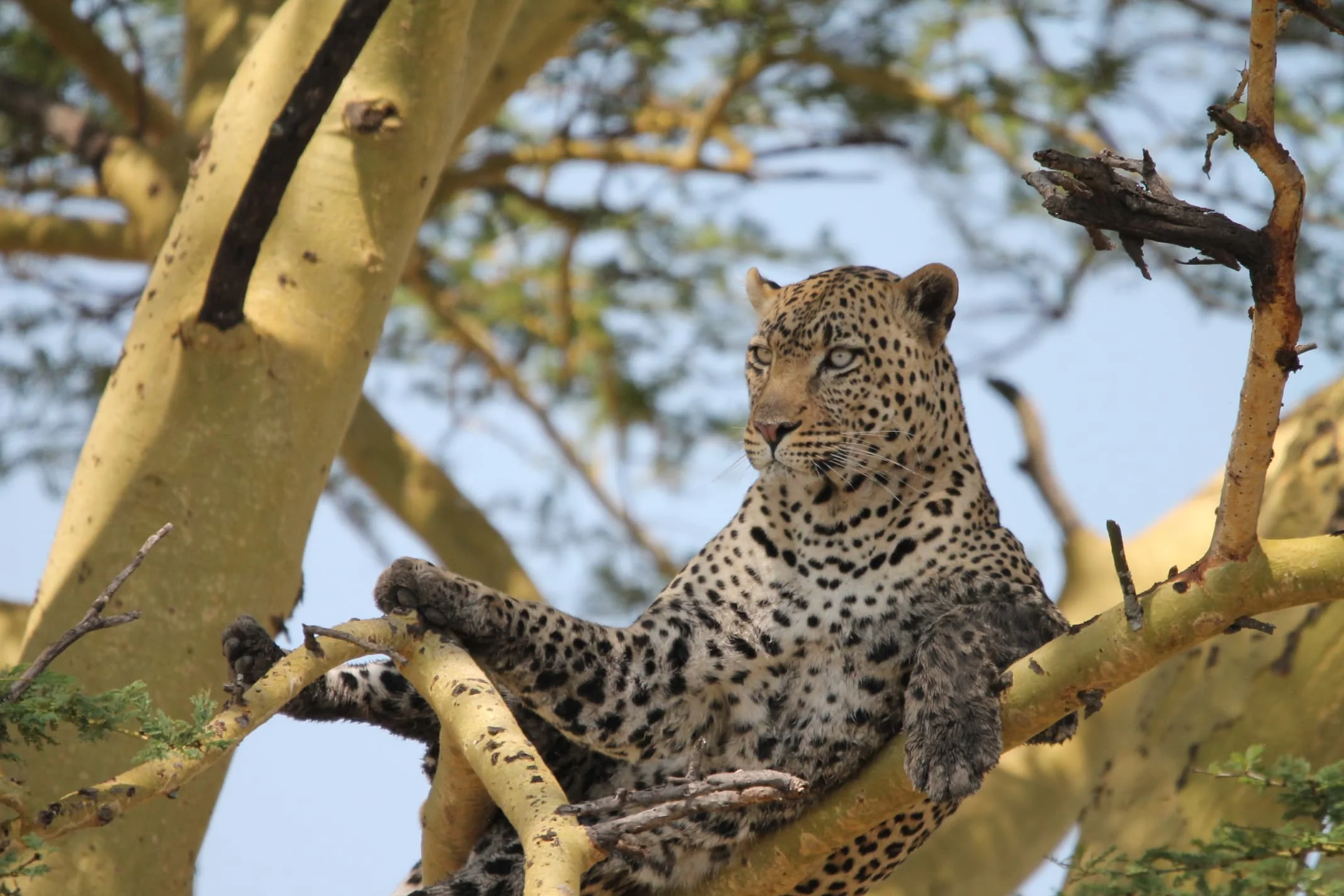
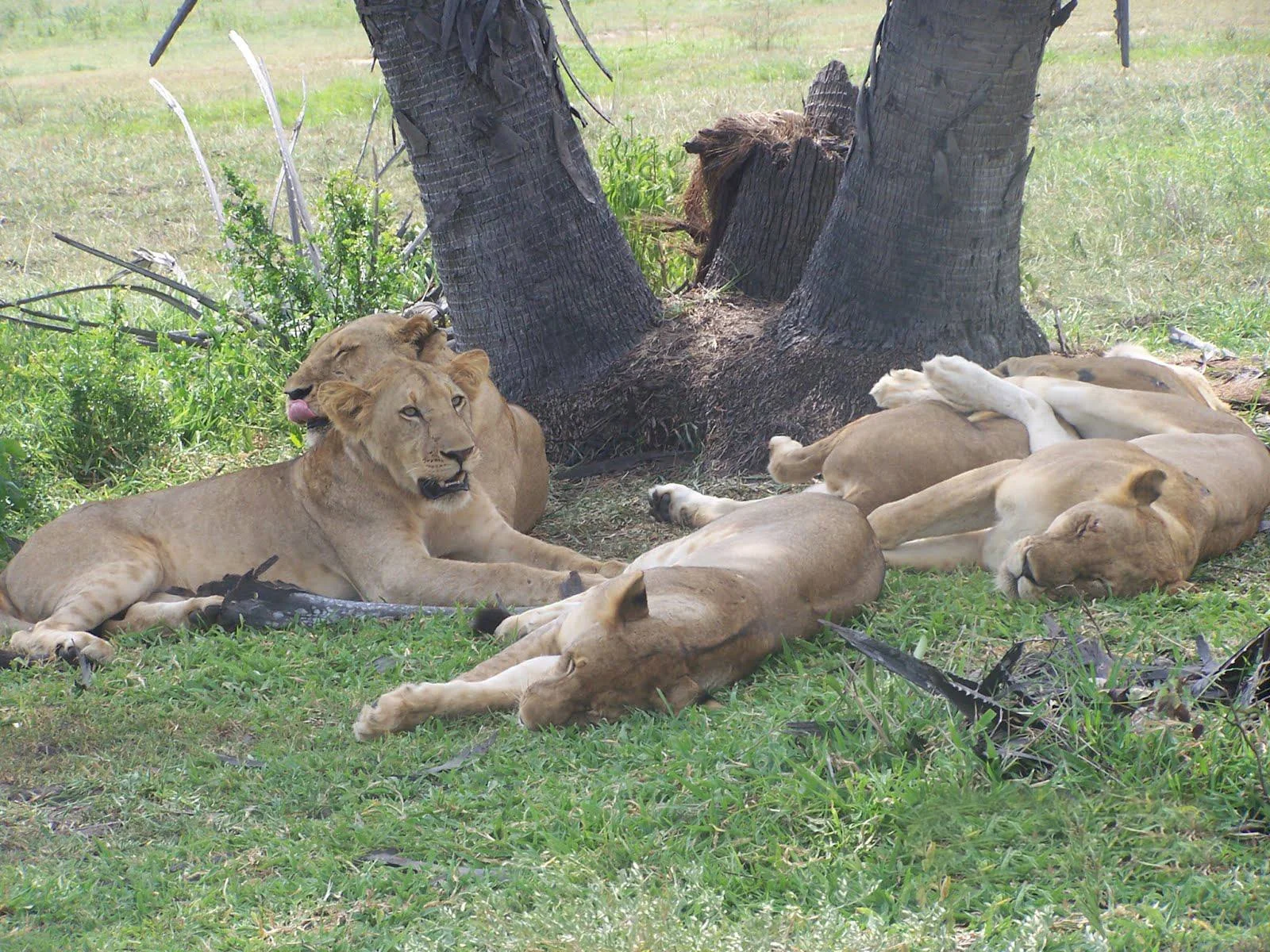
Africa’s most endangered large predator still hunts across Tanzania’s big southern wildernesses. Sightings are never guaranteed, but these give you the best odds.
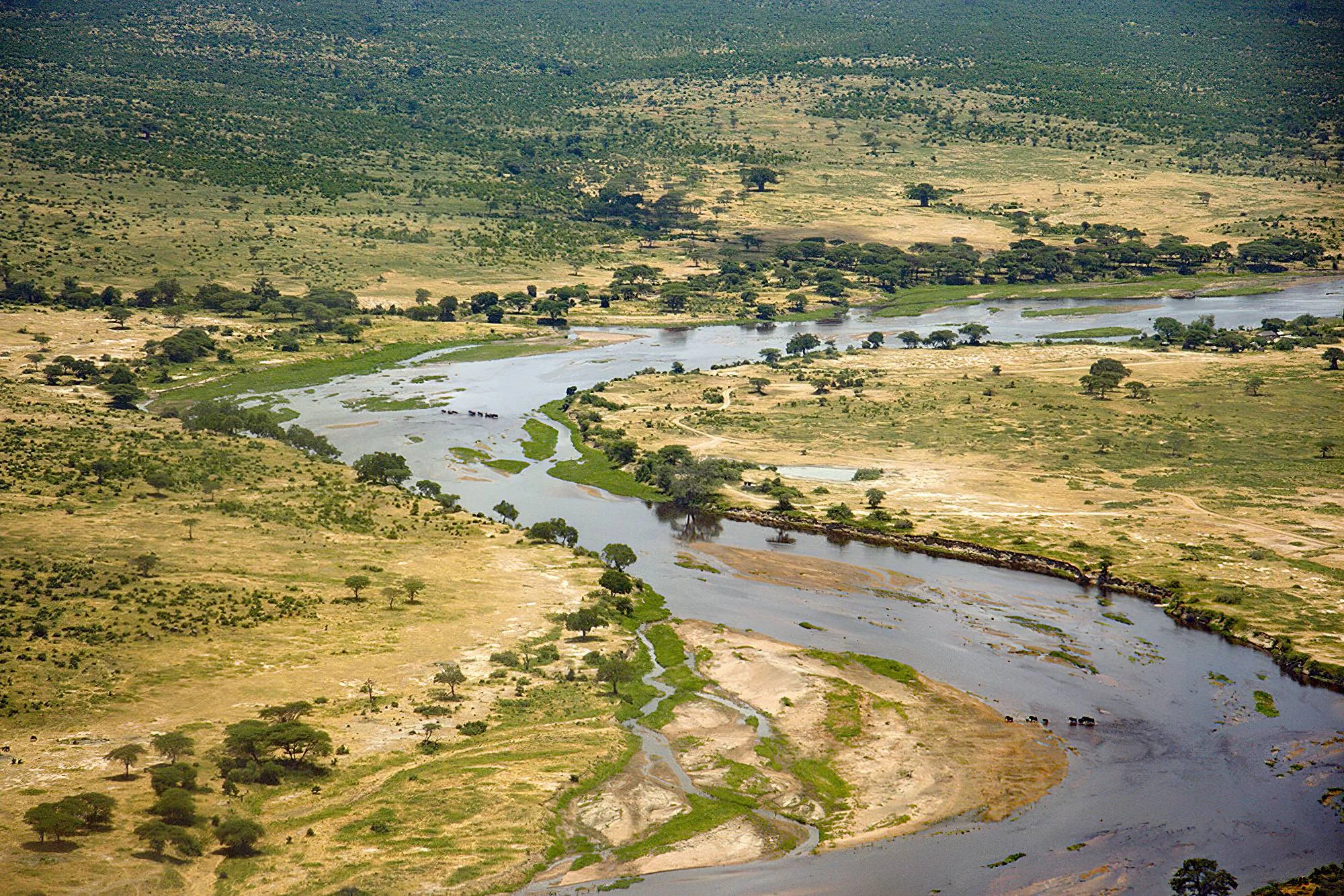
Tanzania’s most visited region, and for good reason: the Great Migration, the highest wildlife densities, and the shortest drives between parks of any circuit. It is where almost every first safari goes.
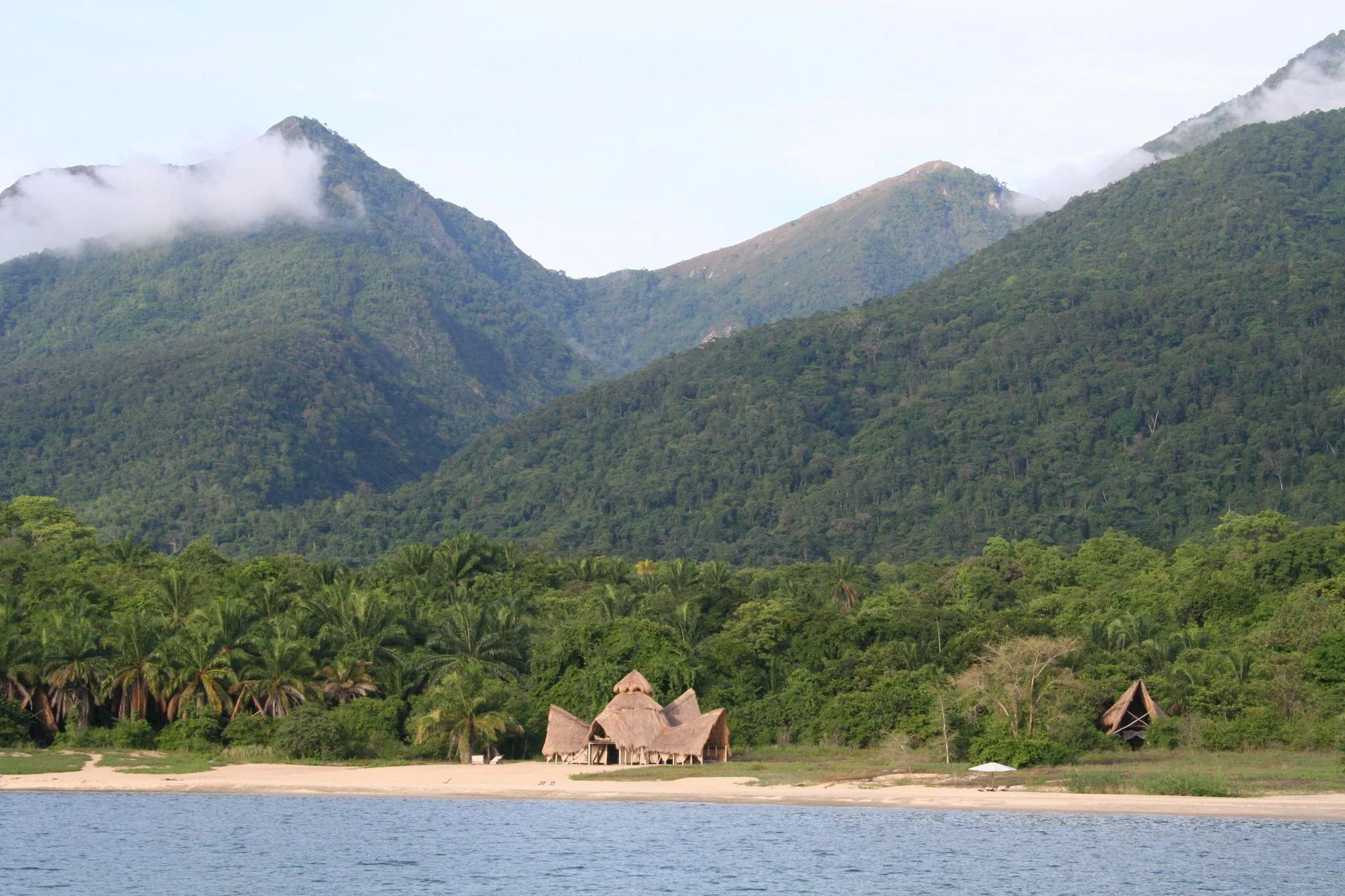
Larger, quieter parks with a fraction of the northern circuit’s visitor numbers and a genuine wilderness feel, at the cost of longer flights or drives to reach.
Season
June–October, when game gathers at the rivers
Typical trip
4–7 days
Getting there
Light aircraft from Dar es Salaam, or a long drive
Parks peak at different times, and some close in the rains. Tap a season in the ribbon to focus on it, or tap any bar to see why a park rates the way it does.Pick a month to see how every park rates, and why.
Calving season on the southern plains, with predators close behind the newborns.
Mar
Serengeti
Good
The herds start moving north as the rains begin, and game is still good.
Apr
Serengeti
Fair
The wettest month: lush and quiet, but with muddy tracks and some camps closed.
May
Serengeti
Good
The rains ease and the herds move through the central and western Serengeti.
Jun–Oct
Serengeti
Best
The dry season: river crossings, short grass and peak predator sightings.
Nov–Dec
Serengeti
Good
Short rains green the park while the herds head back south.
Jan–Mar
Ngorongoro
Good
The crater floor is good all year, and the green season is quieter, with calving on the nearby plains.
Apr–May
Ngorongoro
Fair
The long rains bring muddy tracks and a misty, cold rim, though the floor still has plenty of wildlife.
Jun–Oct
Ngorongoro
Best
Dry roads, clear views from the rim and dependable big game on the floor. Also the busiest months.
Nov–Dec
Ngorongoro
Good
Short rains green the crater, with fewer vehicles.
Jan–Feb
Tarangire
Good
Green and quiet, with decent game and good birding as animals spread across the wider ecosystem.
Mar
Tarangire
Fair
The long rains begin and wildlife starts to spread away from the river.
Apr–May
Tarangire
Tough going
The wettest weeks: tall grass, muddy roads and animals widely scattered.
Jun–Oct
Tarangire
Best
Dry season: elephants, buffalo and zebra gather along the Tarangire River. The park at its best.
Nov
Tarangire
Fair
Short rains refresh the landscape and wildlife starts to disperse.
Dec
Tarangire
Good
Drier spells return, with decent game viewing in a green park.
Jan–Mar
Lake Manyara
Good
Green, with good birdlife and the lake well filled.
Apr–May
Lake Manyara
Fair
Heavy rain can make some tracks difficult, though the park is lush and the birding is excellent.
Jun–Oct
Lake Manyara
Best
Dry season: easy driving, with elephants and buffalo simple to find and the lions on the move.
Nov–Dec
Lake Manyara
Good
Short rains bring fresh growth and migrant birds.
Jan–Feb
Arusha
Best
Warm, dry and clear: the best views of Mount Meru and Kilimanjaro, and comfortable walking.
Mar
Arusha
Good
The rains arrive mid-month, though the early weeks are still good.
Apr–May
Arusha
Fair
Cloud and rain hide the mountains and make forest trails muddy.
Jun–Oct
Arusha
Best
Cool, dry and clear for walking safaris and canoeing on the Momella Lakes.
Nov
Arusha
Fair
Short rains bring cloud and showers, but the park is green and quiet.
Dec
Arusha
Best
Clear again for the holiday period.
Jan–Mar
Mkomazi
Fair
Hot, dry-country park. Fine, but wildlife is thinly spread.
Apr–May
Mkomazi
Tough going
Rain turns tracks to mud in this remote park and wildlife disperses.
Jun–Oct
Mkomazi
Best
Dry months concentrate wildlife near water, with cooler temperatures.
Nov–Dec
Mkomazi
Fair
Short rains leave it green and quiet, with game spread out.
Jan–Feb
Nyerere
Good
The early wet season: green scenery and excellent birding, with most of the park still accessible.
Mar
Nyerere
Fair
The long rains build. Rivers rise and some tracks become difficult.
Apr–May
Nyerere
Tough going
The wettest months: access is limited and many camps close.
Jun–Oct
Nyerere
Best
Dry season: wildlife gathers on the Rufiji and its lakes, ideal for boat and walking safaris.
Nov–Dec
Nyerere
Good
Early rains refresh the park while most areas stay accessible.
Jan–Feb
Ruaha
Good
Early rains turn the park green and bring migrant birds, with wildlife spreading out.
Mar
Ruaha
Fair
The long rains begin. Roads get tougher and animals are harder to find in tall grass.
Apr–May
Ruaha
Tough going
The wettest weeks: wildlife is dispersed and many camps close.
Jun–Nov
Ruaha
Best
Dry season, running into November: elephants, lions and wild dogs gather along the Great Ruaha River.
Dec
Ruaha
Good
The first rains refresh the park and bring migrant birds.
Jan–Feb
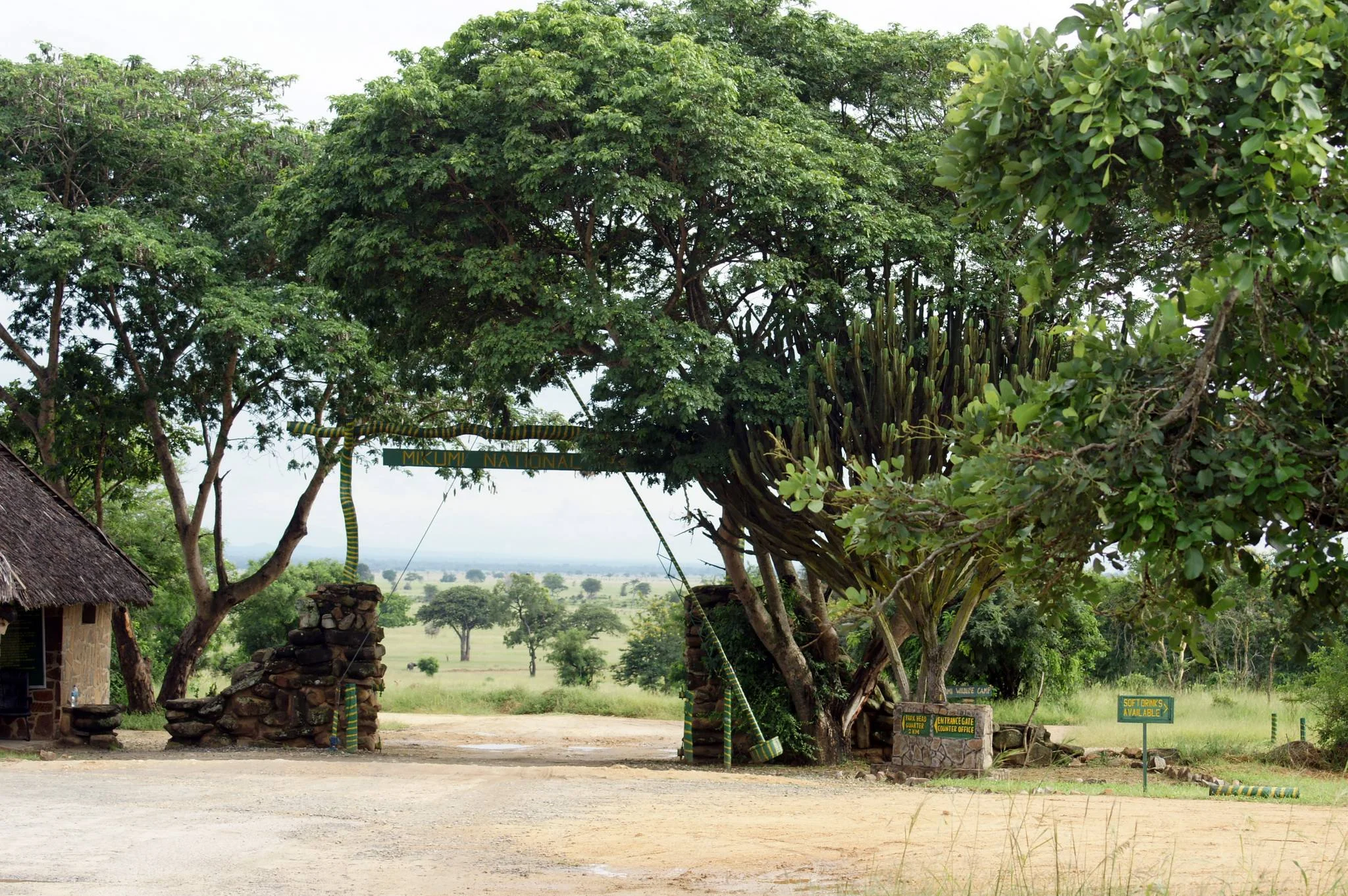
Mikumi
Good
Green and quiet, with decent game viewing on the floodplain.
Mar–May
Mikumi
Fair
The long rains make tracks muddy and the grass tall.
Jun–Oct
Mikumi
Best
Dry season concentrates wildlife on the Mkata floodplain, easy to reach from Dar es Salaam.
Nov–Dec
Mikumi
Good
Short rains bring fresh growth with brief showers.
Jan–Feb
Udzungwa
Good
Drier spells make for good hiking, though the forest stays humid.
Mar
Udzungwa
Fair
The rains begin and trails turn slippery.
Apr–May
Udzungwa
Tough going
The wettest months: waterfalls are in full flow, but trails are muddy and hard going.
Jun–Oct
Udzungwa
Best
Dry season: the best months for forest trails and viewpoints over the Kilombero Valley.
Nov
Udzungwa
Fair
Short rains make the trails slippery again.
Dec
Udzungwa
Good
Drier spells return.
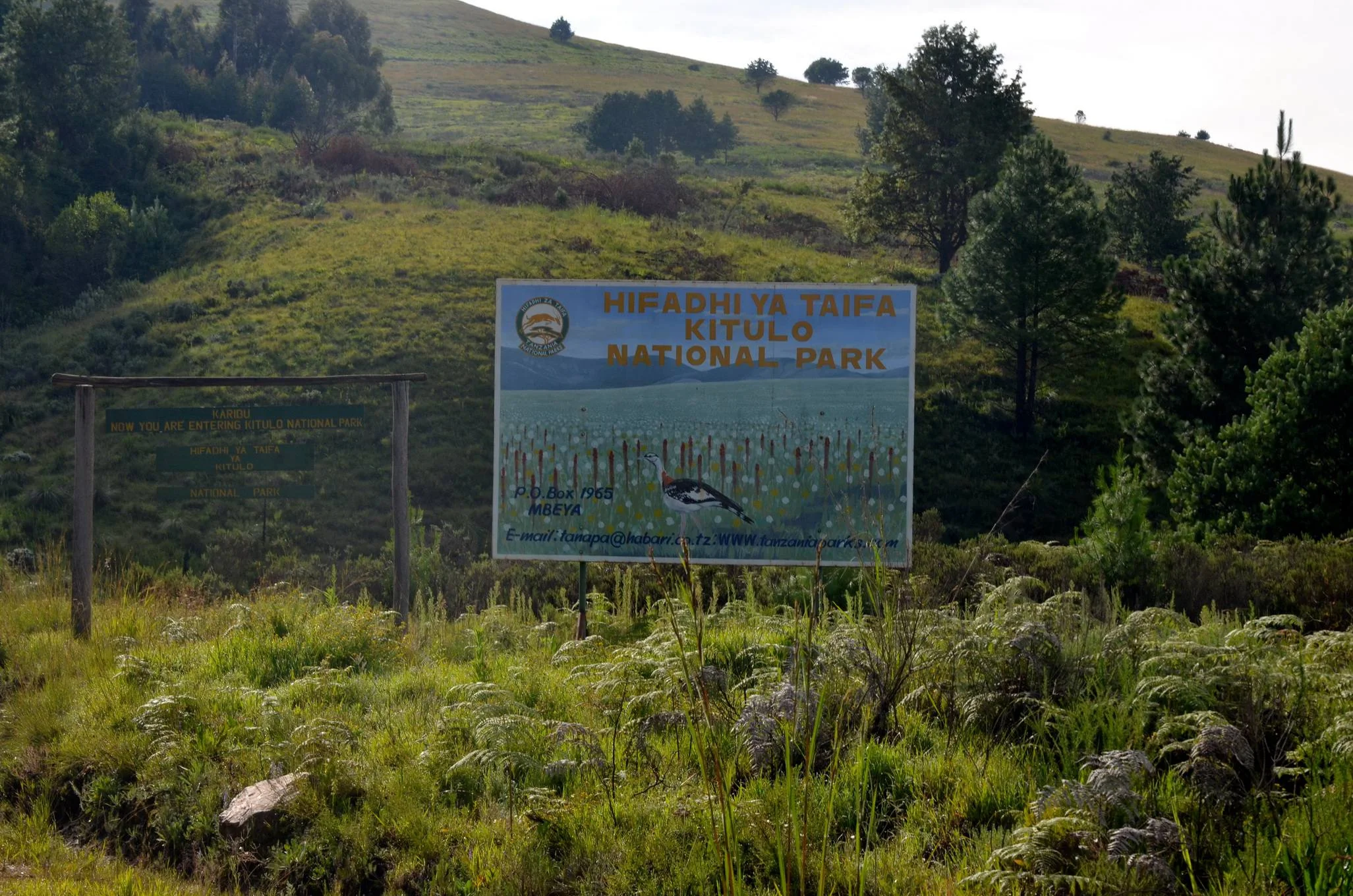
Jan–Apr
Kitulo
Best
The plateau is in bloom: orchids and wildflowers carpet the grassland.
May–Oct
Kitulo
Fair
The flowers fade and the plateau turns dry and golden. Quiet and cool, with little in bloom.
Nov–Dec
Kitulo
Best
The first flowers appear as the rains start.
Jan–Mar
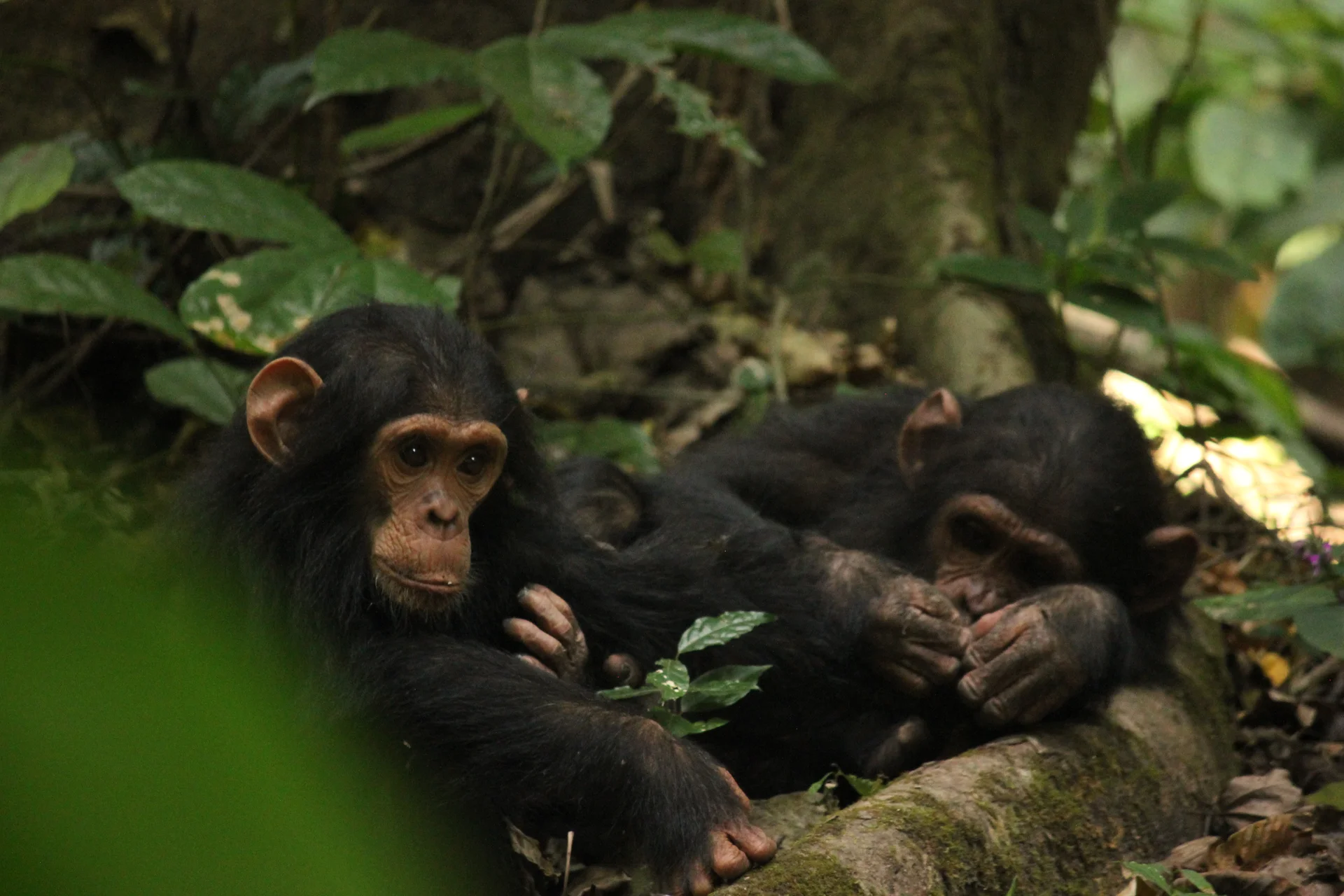
Mahale
Fair
Chimps can be found all year, but rain makes the forest trails slippery and the lake rougher.
Apr
Mahale
Tough going
The wettest month: very muddy and hard going, with some camps closed.
May
Mahale
Good
The rains ease and trekking becomes easier.
Jun–Oct
Mahale
Best
The dry season: easier trekking, calmer lake travel and chimps that are simpler to find.
Nov–Dec
Mahale
Fair
The rains return, with slippery trails and harder trekking.
Jan–Mar
Gombe
Good
The chimps are here all year, and the trails are manageable but humid.
Apr–May
Gombe
Fair
Heavier rain makes the steep forest trails slippery.
Jun–Oct
Gombe
Best
Drier trails and clearer weather make trekking easier.
Nov–Dec
Gombe
Good
Showers return, but trekking stays rewarding.
Jan–Apr
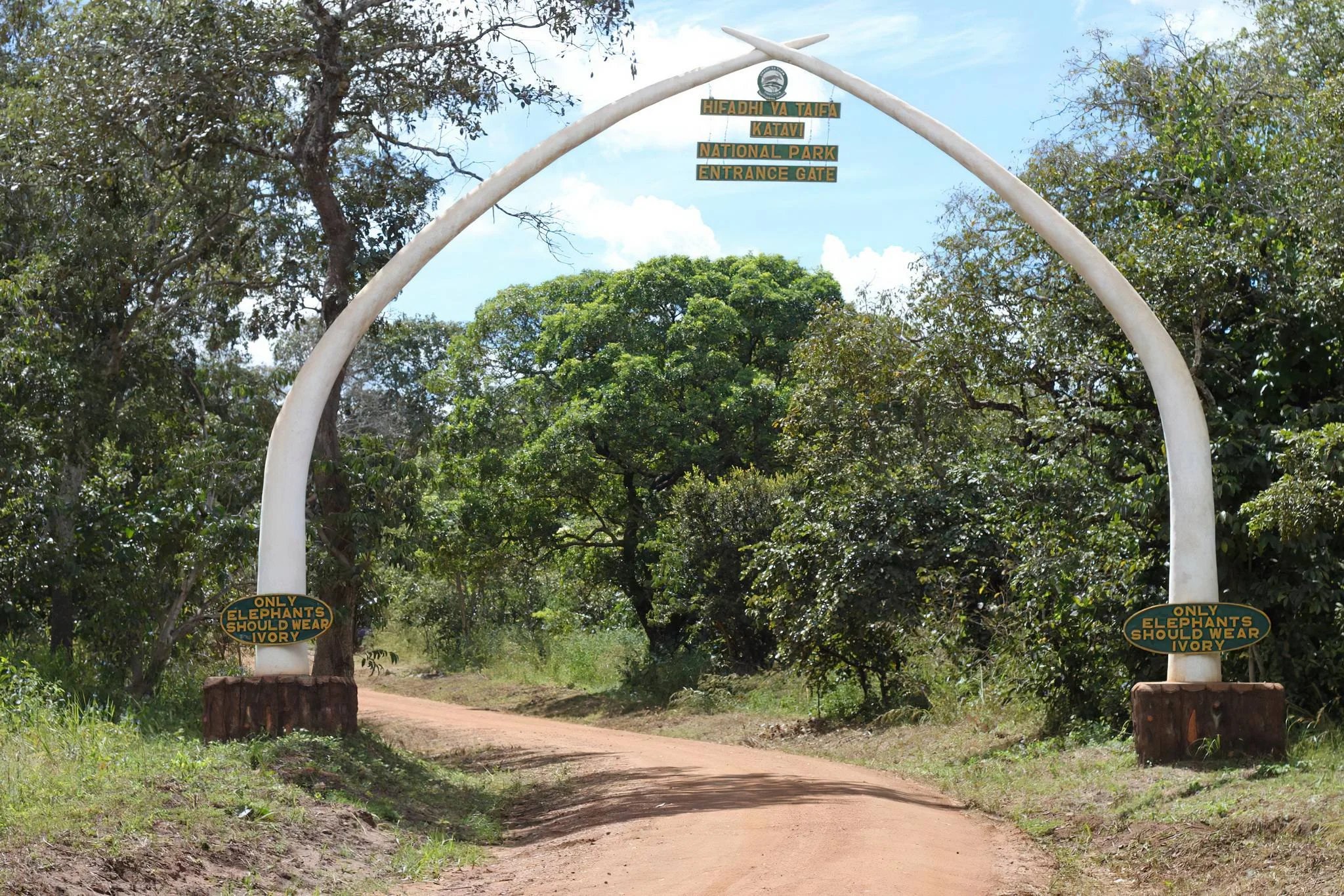
Katavi
Tough going
The wet season: floodplains fill, roads become impassable and most camps close.
May
Katavi
Fair
The rains ease and some camps reopen late in the month.
Jun–Oct
Katavi
Best
Dry season: wildlife crowds the shrinking water, with big buffalo herds and hippos packed into pools.
Nov
Katavi
Fair
The first rains arrive and camps start to close.
Dec
Katavi
Tough going
The wet season returns and the park is largely inaccessible.
Jan–Mar
Rubondo
Good
A good time for birding and boat trips, with fresh greenery.
Apr–May
Rubondo
Fair
The long rains bring heavy showers and a choppier lake.
Jun–Oct
Rubondo
Best
The driest weather for forest walks, boat trips and fishing.
Nov–Dec
Rubondo
Good
Short rains bring migrant birds and fresh growth.
Jan–Feb
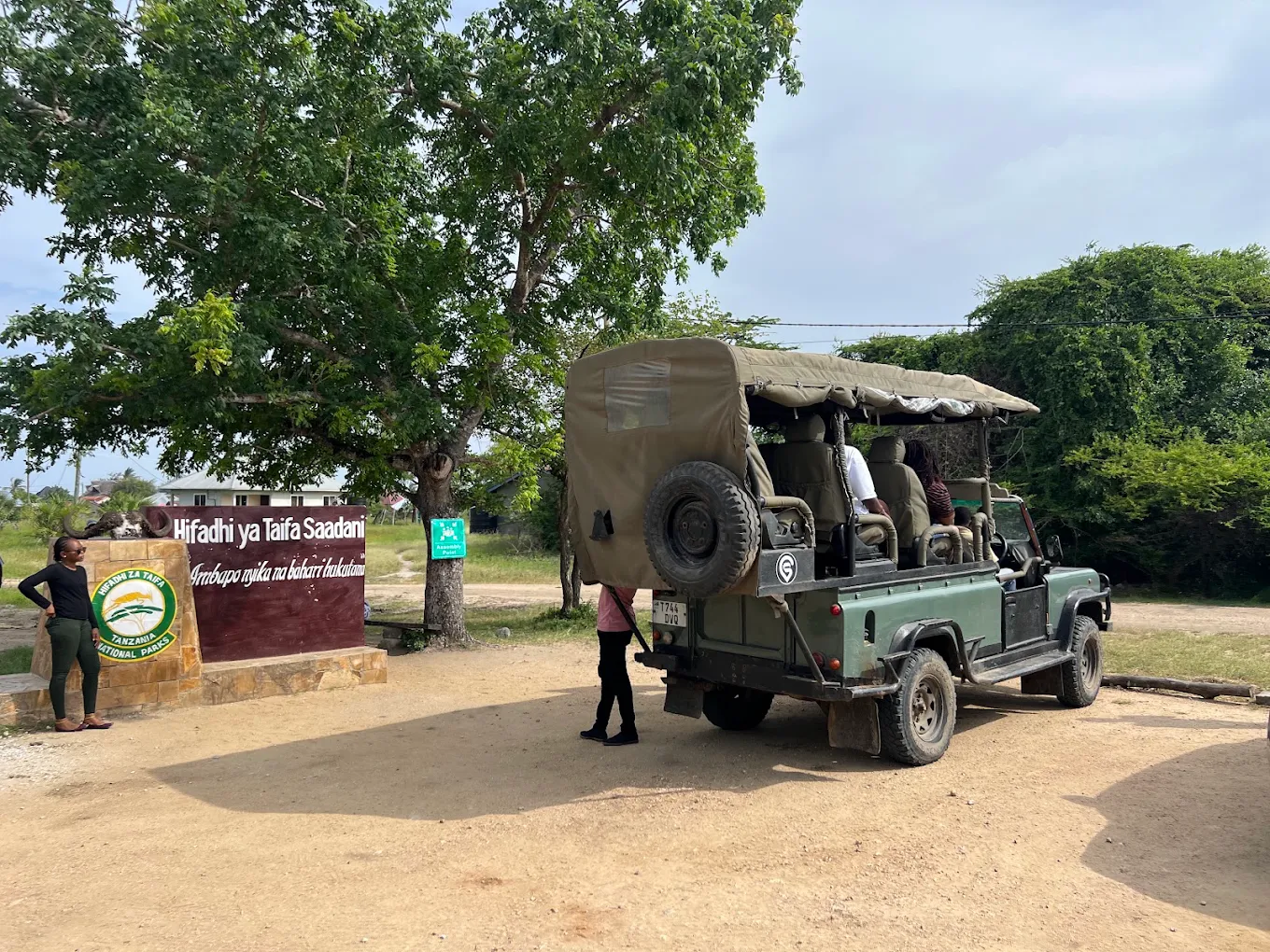
Saadani
Good
Hot, with good beach weather and decent game viewing.
Mar
Saadani
Fair
The long rains start, bringing humidity and some muddy tracks.
Apr–May
Saadani
Tough going
The wettest months: heavy rain, with some tracks and boat trips unavailable.
Jun–Oct
Saadani
Best
The best months: dry, cooler and clear for game drives, river safaris and the beach.
Nov
Saadani
Fair
Short rains bring humid, showery weather.
Dec
Saadani
Good
Hot and humid, with mostly dry days.
ConditionsLess ideal → Best
Typical-year guide for each park. The rains shift from year to year.
The big one
Inside the Serengeti
The Serengeti is not one place; it is several, and the herds move between them through the year. Timing varies with the rains, so treat these windows as a guide rather than a promise.
Want to plan around the herds? Our Great Migration guide maps the movement month by month.
Beyond the national parks
Wild places that aren't parks
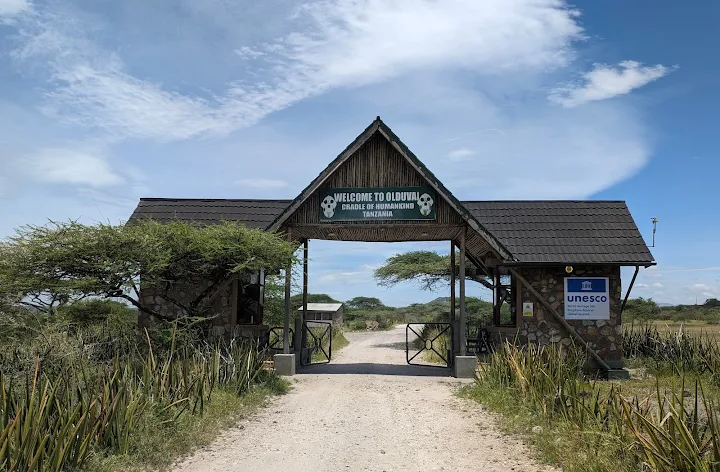
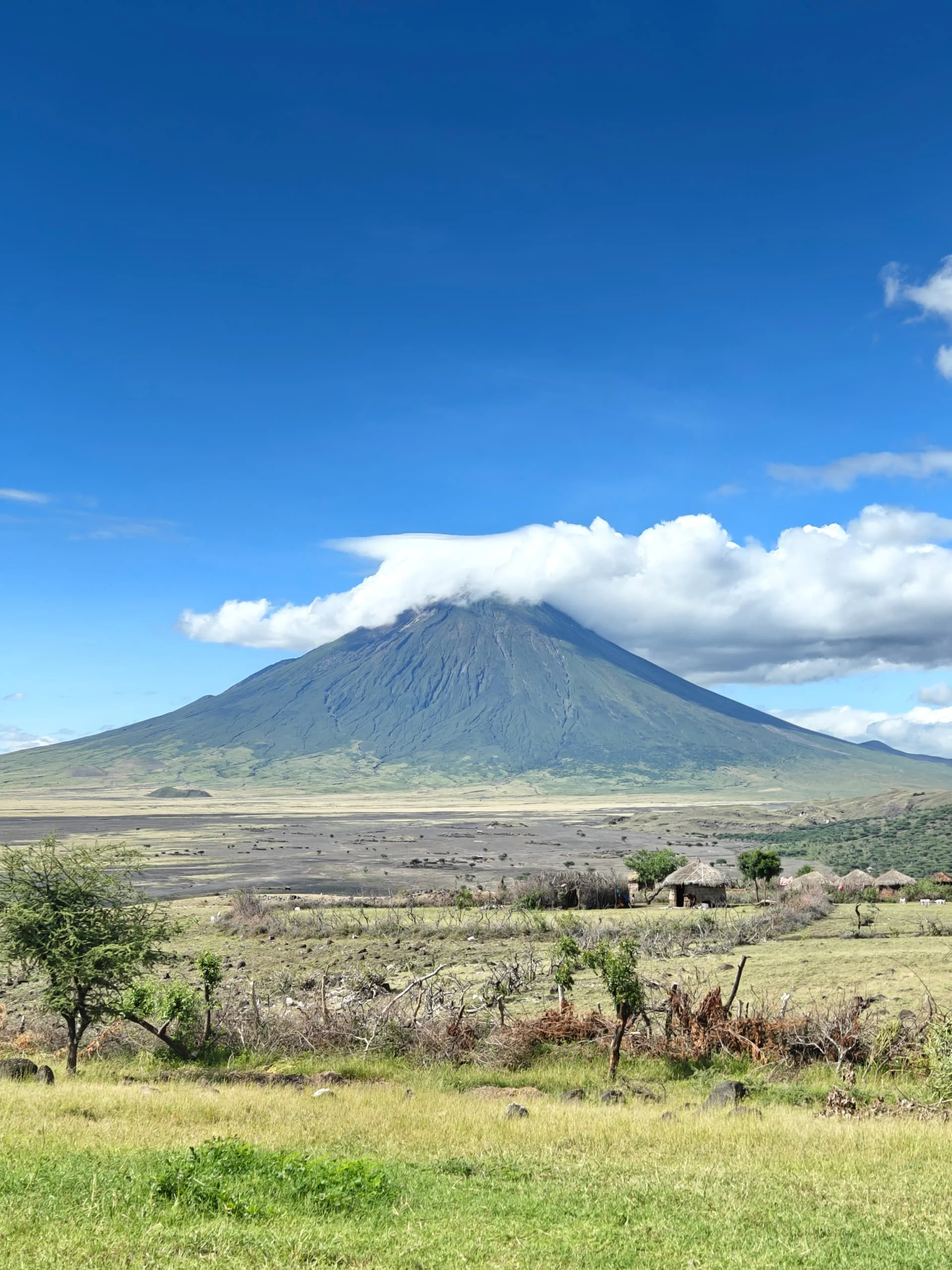
Some of the best days on a northern itinerary happen outside the national parks: crater lakes, soda lakes, volcanoes and the sites where human history was dug up.
Yes, on any TanzaLux safari — park entrance fees, conservation fees and any applicable crater service fees are built into your quote, not charged separately at the gate.
Is Ngorongoro Crater a national park?
No — it's part of the Ngorongoro Conservation Area, managed by a separate authority (the NCAA) as a multiple-land-use area that still permits Maasai grazing. It's sold and visited as part of the same northern circuit as the national parks nearby, but it's legally a different kind of protected area.
Which circuit should a first-time visitor choose?
The Northern Circuit, for almost everyone — it has the highest wildlife density, the shortest drives between parks, and includes the Serengeti and Ngorongoro Crater. The Southern and Western circuits are better suited to repeat visitors or those specifically after a quieter, more remote experience.
How many parks should I visit in one trip?
Two to four parks over five to seven days is a comfortable pace on the northern circuit. Packing in more means long drives and little time in each place. A typical first safari pairs Tarangire, the Serengeti and Ngorongoro.
Can I combine parks from different circuits in one trip?
It's possible but usually not efficient — the circuits are geographically separated enough that combining, say, the Northern and Southern circuits typically means a domestic flight between them, adding real time and cost. Most itineraries stay within one circuit.
What is the difference between the Serengeti zones?
The Serengeti is huge, and the migration moves through it over the year. Southern Serengeti and Ndutu host the calving season, central Serengeti keeps resident big cats all year, the Western Corridor sees the river crossings on the way north, and the north near the Mara River sees the herds from about July to October. Choosing the right zone for your month is the single biggest decision.
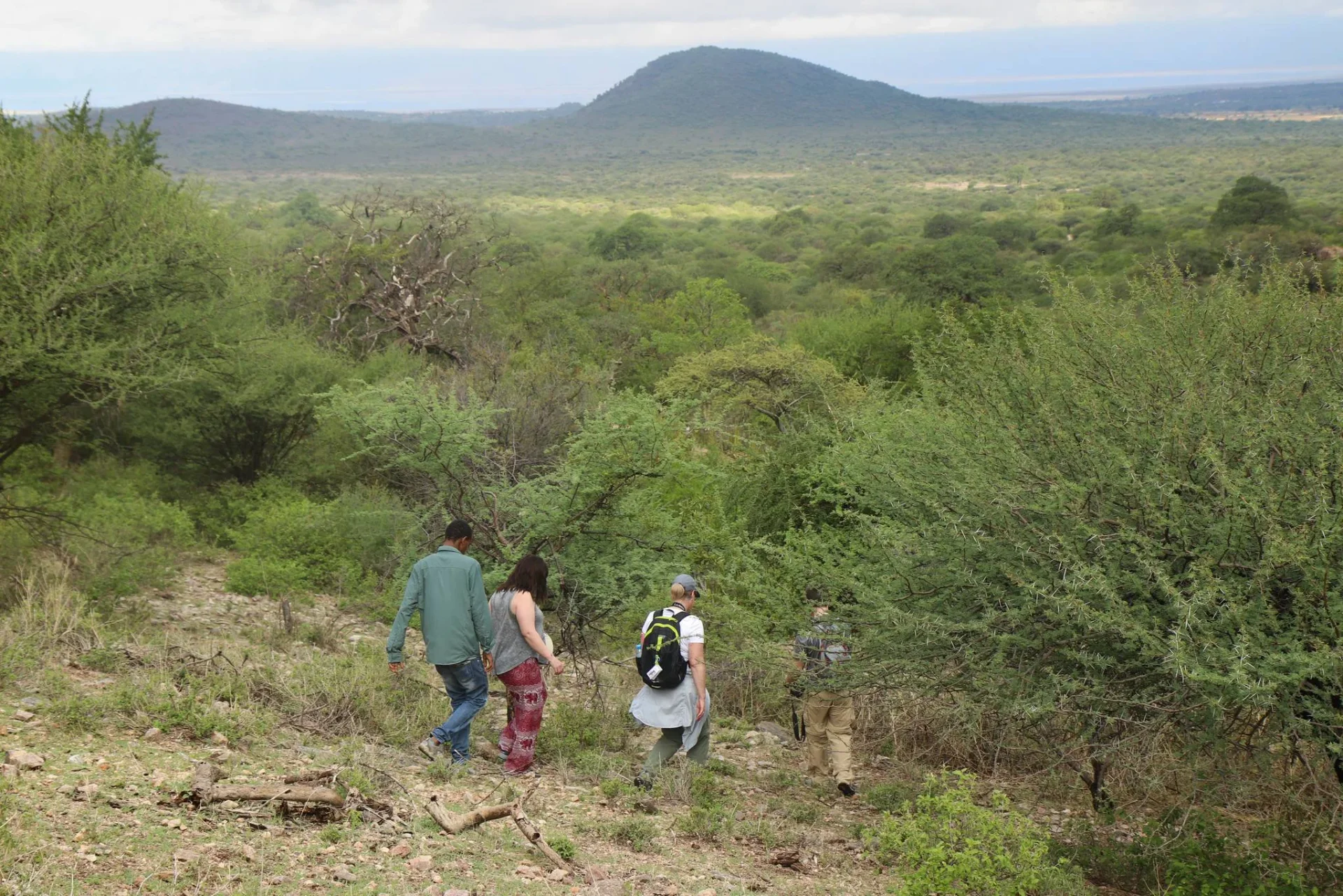
Not in every park. Some national parks and reserves permit guided walks, including Arusha National Park, Nyerere and Udzungwa, while others restrict you to vehicles. Tell us what you have in mind and we will build it around parks that allow it.
Which parks are best for a short trip?
Arusha National Park, Tarangire and Lake Manyara are all close to Arusha, so they work as day trips or a first night or two. For a one-day taste of the northern circuit, Ngorongoro Crater can also be done as a long day trip.
June to October is the dry season and the most reliable for wildlife viewing across most parks. The wetter months of March to May are quieter and greener, with lower prices, though some roads and camps are affected. The best month depends on the park, so check the table above.
Yes, and many travelers do. Kilimanjaro National Park is a separate climbing experience from the safari parks. Most people climb first and then recover on safari or the coast.
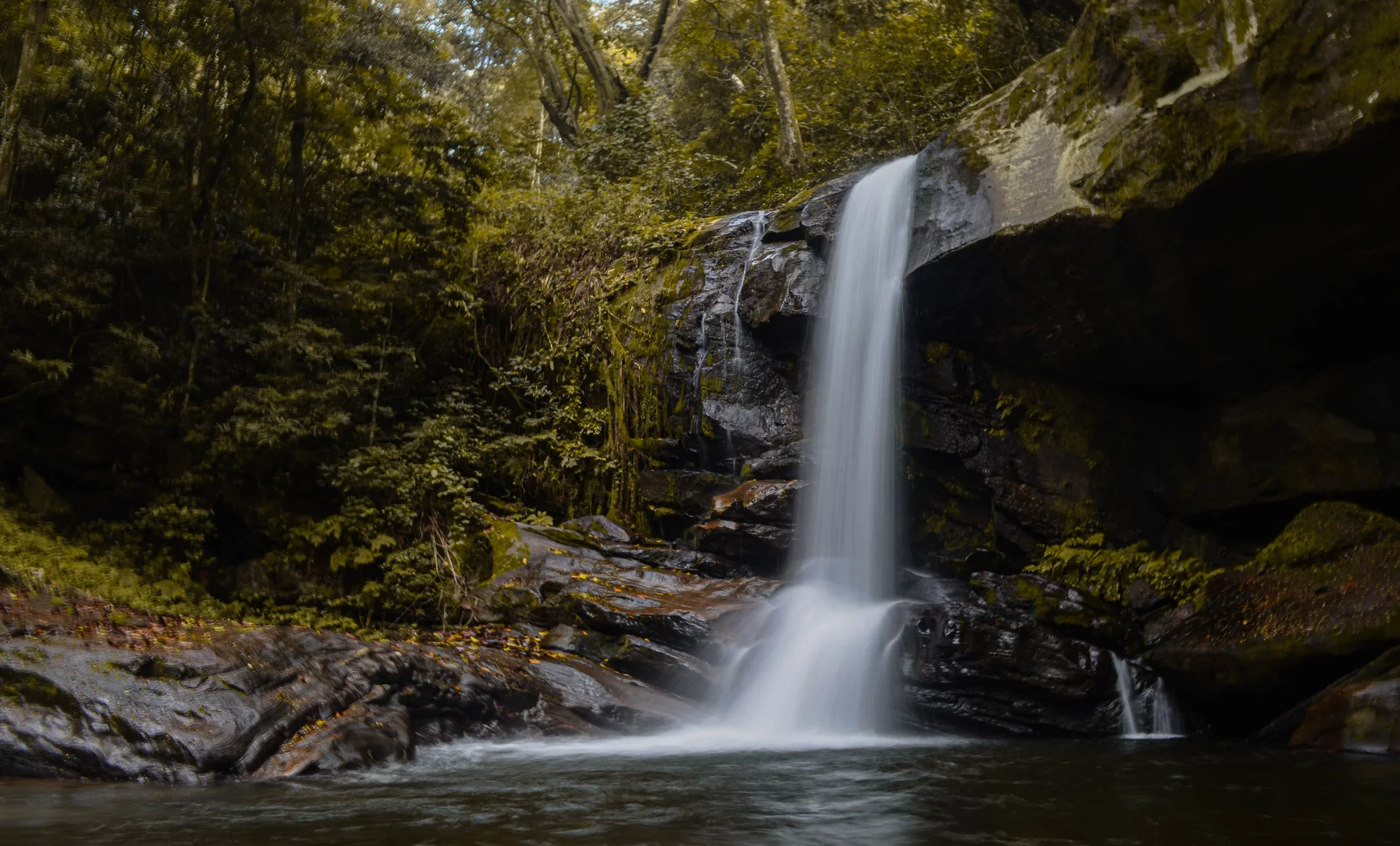
I recently visited Meru Waterfalls in Arusha and got to do some of the activities there, honestly it was such a great experience and I really enjoyed it.
Our tour guide Nasri was very friendly and welcoming from the first day we met him. He knows Tarangire very well and explained many things during the safari.
As a grandmother in the group, I would like to share my happiness with Tanzalux Safaris. Me, my daughters, and my grandson went on a short trip to Tarangire National Park…
 5.0 Excellent