 5.0 Excellent

Dorine M1 year ago

Grateful experience
As a solo female traveler, I felt super safe and well taken care of the entire time.
Read more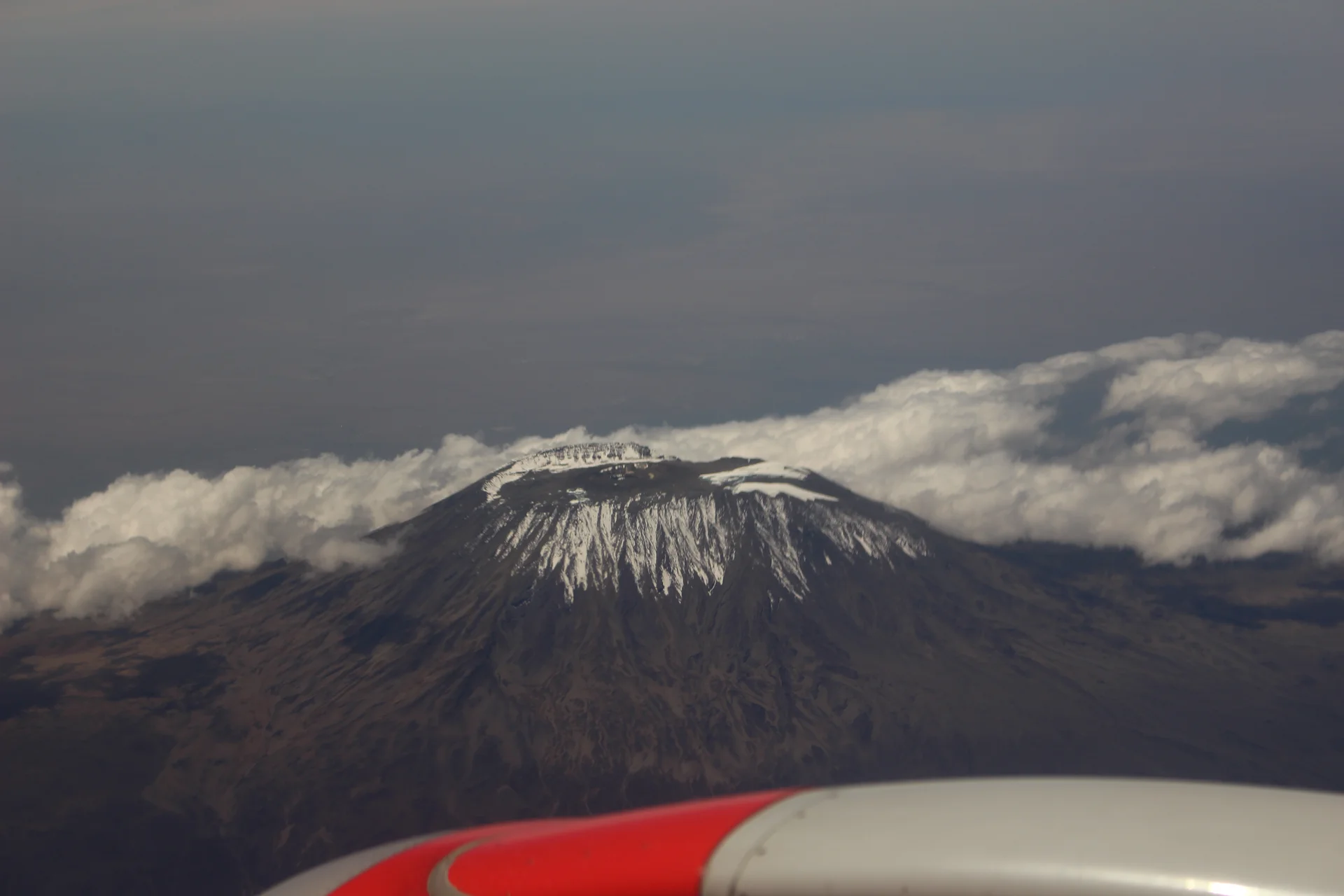
Northern Circuit
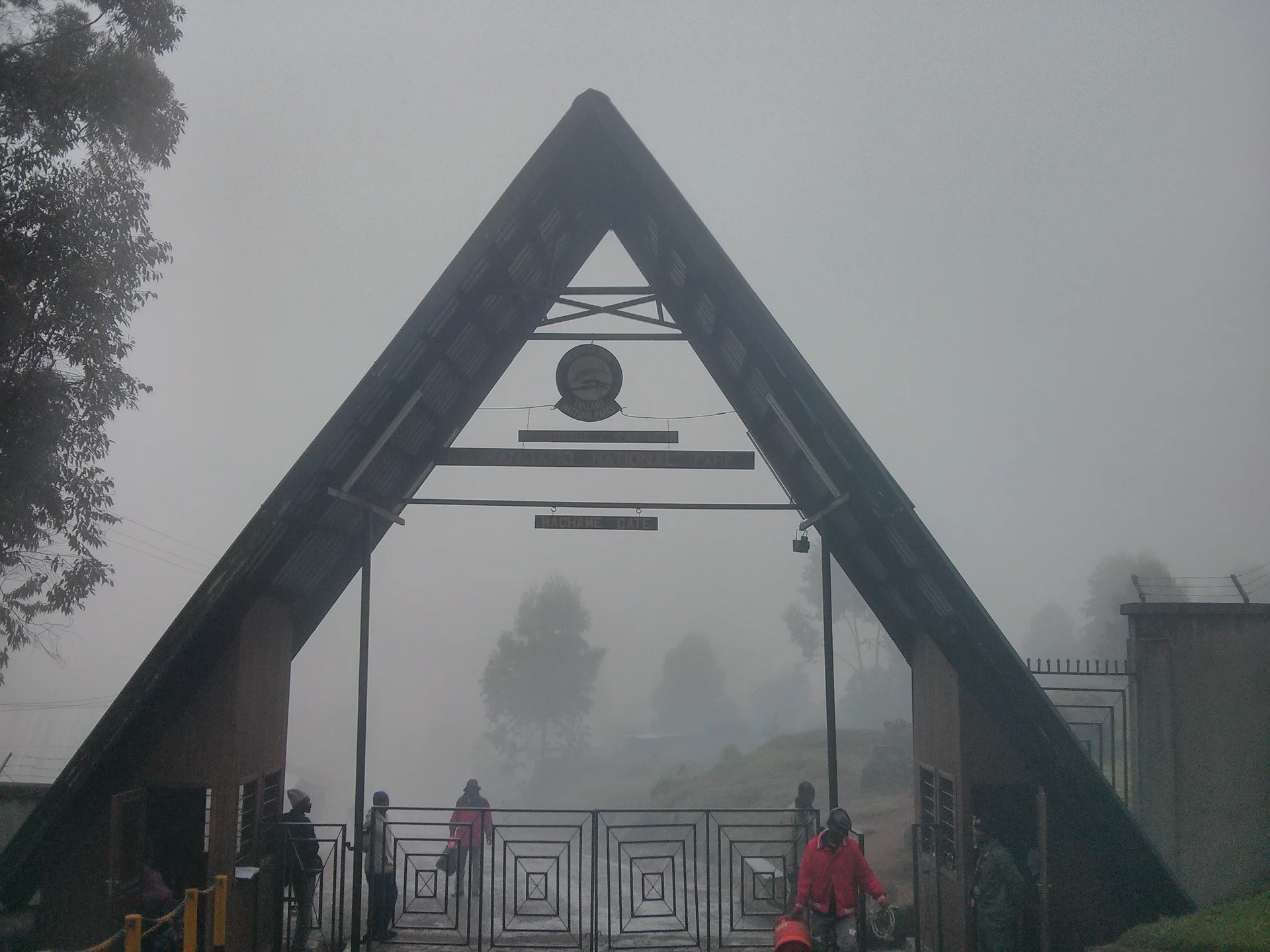
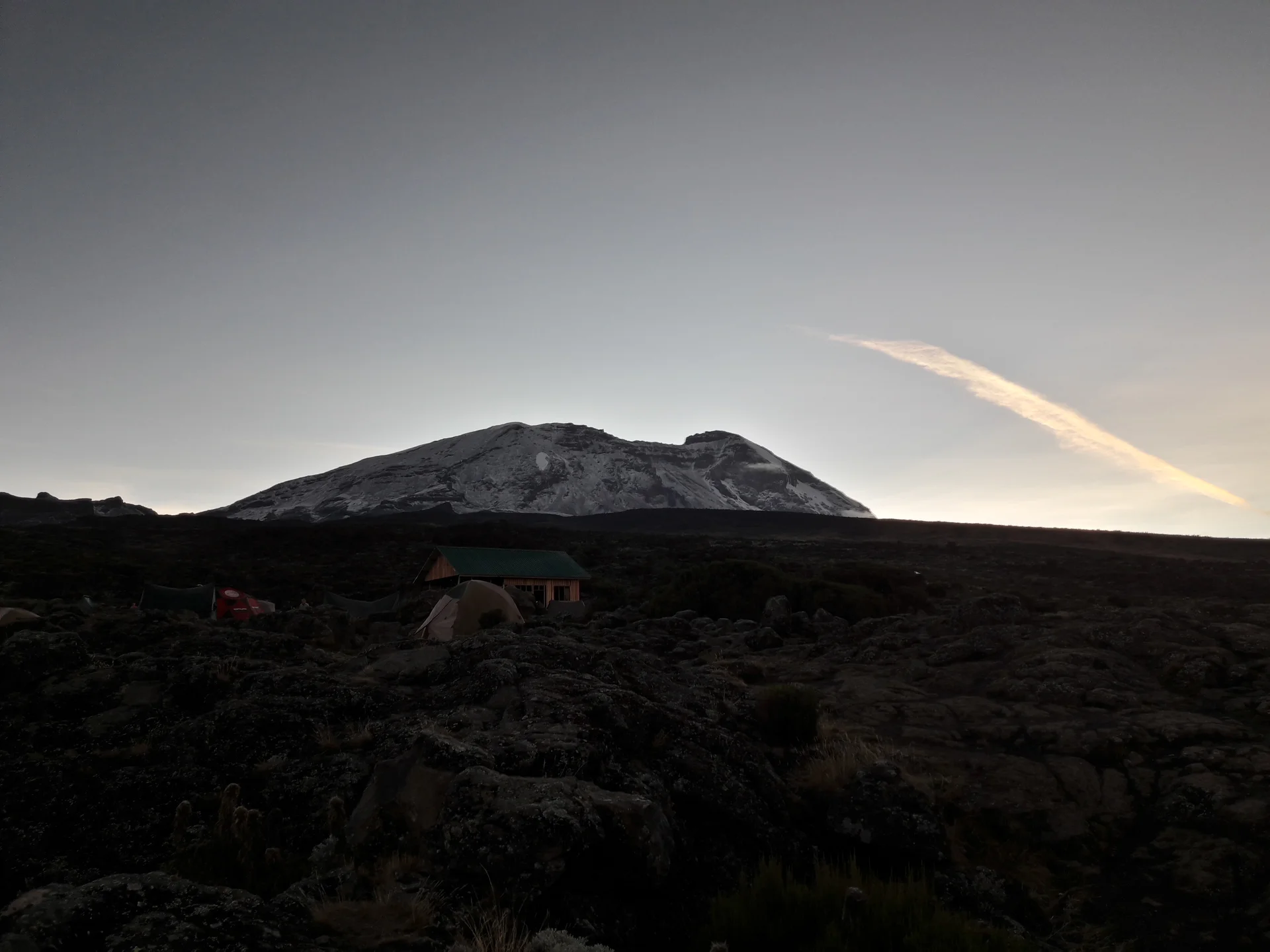
Kilimanjaro rises above northern Tanzania’s plains to Uhuru Peak at 5,895 metres, the highest point in Africa. Its volcanic massif, dramatic changes in vegetation and high mountain landscapes make it one of Tanzania’s most memorable destinations. Kilimanjaro National Park is a UNESCO World Heritage Site, recognised for the mountain’s exceptional natural scenery. This destination focuses on preparing a thoughtful mountain visit, from a guided lower-slope excursion to a fully supported summit trek. The journey is much more than the final summit attempt. Lower forest trails give way to heath and moorland, followed by alpine desert and the exposed upper mountain. Kibo, Mawenzi and Shira shape the landscape, while changing cloud, weather and light create a different atmosphere at each stage. Giant groundsels and lobelias add interest in suitable highland habitats. Lower forest sections may offer monkeys and birdlife, although a trek’s main purpose is the mountain experience rather than conventional game viewing. Route choice should begin with your available time, walking experience, accommodation preference and the itinerary’s ascent profile. Familiar options include Marangu, Machame, Lemosho and Rongai. Marangu uses mountain huts, while the other main trekking options rely on designated camping arrangements. Compare the actual daily walking stages and sleeping locations instead of choosing solely from a route name, a low price or an advertised success rate. We suggest considering a longer itinerary with deliberate time for acclimatisation rather than simply seeking the shortest possible climb. Adding time can improve the pace and experience, but no schedule removes altitude risk or guarantees the summit. Before booking, discuss high-altitude travel with a qualified health professional, particularly if you have a medical condition or have previously struggled at altitude. On the mountain, communicate openly with your guide and accept changes to the plan when conditions or wellbeing require them. Preparation includes steady walking fitness, familiarity with your equipment and realistic expectations about consecutive days outdoors. Build experience on varied terrain, test boots and your daypack before travelling, and plan for long descents as well as uphill effort. A climber carries essential daytime items while the support arrangement handles agreed camp equipment and other luggage. Request a complete kit list and clarify what is supplied, rented or brought from home before departure. A supported climb involves guides, porters, meals, shelter and transport logistics. Ask about the operator’s licences, guide experience, staff welfare practices and emergency procedures as well as the itinerary. Clarify how health checks, communication, descent decisions and evacuation are handled. Good service should be evident in the detailed arrangements, fair treatment of the mountain crew and willingness to prioritise a safe return over a summit target. Allow time before the trek for arrival, briefing and equipment checks, then keep a rest day after descent where your wider schedule permits. Moshi and Marangu offer convenient bases, with Arusha also useful for connecting safari plans. Airport-to-hotel travel and hotel-to-gate transfers are separate stages, and the correct gate depends on the route. Avoid booking an essential onward flight immediately after a descent that could finish later than planned. Travellers who prefer a shorter introduction can ask about an authorised day hike or lower-slope experience. A day visit offers a mountain setting without the time commitment of a summit expedition, but it still needs suitable guiding, park arrangements and weather preparation. Cultural, coffee or village visits around the foothills are separate activities that can complement the mountain portion of a journey. Whether your ambition is to reach Uhuru Peak or simply spend time in Kilimanjaro’s forest and foothill landscapes, choose a programme that fits your abilities and interests. Stay on designated routes, carry out litter, respect wildlife and follow your guide’s instructions. The most rewarding itinerary leaves room to appreciate the journey and treats returning well as an essential part of the adventure.
March–May is the main wetter period, with rain around the lower mountain and possible snow higher up. Wet forest paths, cloud and damp equipment can add to the challenge. Consider these dates only with a carefully prepared operator and suitable waterproof gear. Weather and route conditions can require changes; choose an itinerary with flexibility rather than assuming quieter dates mean an easier climb.
June and October–December can include changing conditions between the drier and rainy periods. October–November is associated with short rains in the park’s climate guidance, though the timing varies. Discuss the chosen route and dates with your operator, prepare for showers and cold, and keep expectations about clear summit views flexible. This period can suit well-prepared travellers whose plans allow adjustment.
January–February and late June–September are commonly chosen drier climbing windows. They can offer clearer conditions, but the upper mountain remains cold and exposed, and rain or snow is still possible. Arrange your preferred route and support team early, carry full rain and cold-weather equipment, and allow sufficient acclimatisation time. A favourable month does not guarantee summit weather or success.
Kilimanjaro International Airport (JRO) is a common arrival gateway; Arusha Airport (ARK) can also fit some domestic itineraries. Arrange a transfer to your pre-trek accommodation in Moshi, Marangu or Arusha according to the route and wider travel plan. Airport-to-hotel and hotel-to-trailhead transfers are separate journeys, with drive times depending on the exact location, traffic and selected gate. Main route access includes Marangu, Machame, Lemosho through the Londorossi arrangements, and Rongai on the northern side. Descent arrangements depend on the trek; Mweka is used for descent on several routes, while Marangu itineraries return through their own route arrangements. Confirm the actual entry and exit points with the licensed operator rather than navigating to a generic mountain map pin. Allow time for a briefing, equipment checks, park formalities and transfer to the start. We recommend arriving before the trekking day and keeping a rest and travel buffer after descent. Your operator should arrange the guide team and current park bookings, explain luggage handling and identify transfer inclusions. A day hike needs its own authorised itinerary and admission arrangements. Leave enough time between mountain descent and any international flight or safari departure.
Mount Kilimanjaro is in northern Tanzania, in Kilimanjaro Region. Moshi and Marangu are useful bases for mountain visits, with Arusha also used in wider safari itineraries. The actual trailhead depends on your route, so arrange transport to the agreed gate rather than to a generic mountain location.
Uhuru Peak is 5,895 metres above sea level, Africa’s highest point. It belongs to the Kibo part of the mountain massif. Summit height is an important planning consideration: reaching it involves several days of mountain travel and exposure to high altitude, rather than simply a longer version of a lowland walk.
Yes. Ask about an authorised guided day hike or a lower-slope itinerary that fits your abilities, time and current access arrangements. Foothill cultural or coffee visits are separate options. A day visit can offer forest scenery and a mountain introduction, but it cannot reproduce the landscapes reached during a full summit trek.
Summit itineraries vary by route and daily ascent profile. We suggest comparing programmes with seven or more mountain days, while considering the actual sleeping altitudes and acclimatisation stages rather than day count alone. Add time before the climb for briefing and equipment checks, and after descent for rest and onward travel.
Discuss options such as Marangu, Machame, Lemosho and Rongai with your operator. Compare walking stages, ascent profile, accommodation and entry or exit logistics. Marangu is relevant if hut accommodation is your priority; the other main options use camping arrangements. The best choice is the detailed programme that fits you, with licensed guiding and adequate preparation.
Marangu uses mountain huts, including Mandara, Horombo and Kibo. Other main trekking itineraries use designated camps with tents provided through the operator’s arrangements. Clarify sharing, sleeping mats, sleeping bags and toilet provision before booking. Mountain accommodation is practical expedition shelter, so expectations should differ from those of your pre-trek hotel.
The usual guided trekking itineraries are based on walking rather than a technical mountaineering expedition, but terrain, exposure, cold and altitude still make the challenge demanding. Ask about steep or scrambling sections on the chosen route. Specialist climbs and unusual mountain activities have separate requirements and should not be assumed to be part of a standard summit trek.
Build steady walking endurance on varied terrain and practise consecutive walking days where possible. Test your boots and daypack, include downhill walking and discuss the daily demands with the operator. Fitness helps with effort but does not prevent altitude illness. Seek suitable professional advice if you have a medical condition or concerns about high-altitude travel.
January–February and late June–September are commonly chosen drier windows. March–May generally brings the main rains, with another rainy period around October–November. Conditions differ by elevation and can change quickly. Bring full rain and cold-weather equipment in every season, and keep expectations about clear views and summit weather flexible.
At altitude, reduced oxygen availability places extra demands on the body. Gradual ascent and time to adjust are central to planning, and individual responses vary. A longer itinerary can help the pace but does not guarantee freedom from illness. Discuss the ascent profile and your health with the operator and a qualified health professional before travelling.
Tell your guide promptly about headache, nausea, dizziness or unusual fatigue. Do not ascend to a higher sleeping altitude while experiencing altitude-illness symptoms; worsening symptoms require descent. Confusion, loss of coordination or breathlessness at rest require urgent help. Follow the team’s emergency plan and prioritise wellbeing over the summit.
Request a route-specific kit list. Core items include tested walking boots, layered clothing, waterproof jacket and trousers, warm insulation, gloves, hat, headlamp, sun protection and a suitable sleeping bag. Keep essential daytime items in your daypack. Clarify equipment supplied or rented, and complete a gear check before the trek rather than relying on last-minute purchases.
Request a clear breakdown of park charges, guiding, porter support, meals, mountain accommodation, equipment and transfers. Check pre- and post-trek hotels, rental items, tips and any other exclusions. Current charges depend on the programme and visitor category. Compare the complete arrangements and service standards rather than a headline price alone.
The team handles the agreed guiding, camp and luggage arrangements, with roles varying by operator and group size. Ask about training, staffing, load policies, suitable clothing, meals and fair treatment of the crew. Agree your personal luggage allowance before packing and follow the operator’s current limits. Staff welfare is an important part of a responsibly organised climb.
Ask for details of the mountain meal plan, drinking-water arrangements and what you should carry during each walking stage. Inform the operator about allergies and dietary needs well before departure and confirm how they will be managed. Pack any agreed personal snacks, while checking that all essential meals and water logistics are covered by the team.
Facilities vary between huts, camps and the operator’s service level. Clarify toilet arrangements, any private toilet provision, basic washing options and charging availability. Bring an appropriate power bank and protect electronics from cold and moisture. Do not expect hotel-style bathrooms or reliable electricity throughout the mountain itinerary.
Eligibility and suitability should be checked for the exact programme, including current park age rules and the operator’s policies. Do not assume a family can join any summit departure. Discuss high-altitude suitability with a qualified clinician and consider shorter guided options when appropriate. Age alone does not explain a person’s response to altitude or the demands of the journey.
Ask your insurer to confirm that your policy covers the planned trekking activity, the full summit altitude and relevant evacuation and medical costs. Check exclusions and keep contact details accessible. Separately ask the operator about communications, health monitoring, emergency equipment and descent procedures. Insurance wording and an operator’s emergency plan are both important to understand before departure.
Kilimanjaro International Airport is a common gateway, with Arusha Airport useful for some domestic travel plans. Book the hotel transfer and route-specific gate transfer clearly. Arrival times, gate formalities and briefing arrangements should fit together. Leave a comfortable buffer after descent before an essential flight; the final trekking day may not finish at a fixed hour.
Yes. A wildlife safari or coast stay can follow a mountain itinerary when transfers and dates fit. We suggest allowing a rest period after descent and keeping the first onward stage flexible. Ask for one coordinated schedule covering hotels, flights or road transfers, luggage storage and the separate inclusions for each part of the trip.
Grateful experience
As a solo female traveler, I felt super safe and well taken care of the entire time.
Read morePrivate Safari 6 days
I can only highly recommend the young company Tanzalux for organizing a private safari.
Read moreAn unforgettable vegetarian journey with Tanzalux Safaris
I highly recommend Tanzalux for anyone wanting a special, personalized safari.
Read moreOur 3-day camping safari with Tanzalux was simply fantastic! Everything was perfectly organized.
Read moreBack in April, I joined a day trip to Tarangire National Park with Tanzalux Safaris, and it was truly one of the best experiences I have ever had…
Read moreI've had an amazing experience with Tanzalux Safaris, would 1000% recommend! Thank you for making my trip so special🫶
Read moreI recently visited Meru Waterfalls in Arusha and got to do some of the activities there, honestly it was such a great experience and I really enjoyed it.
Read moreOur guide Dullah Mr Rastaman had the best vibe. I would like to recommend other people not to miss it, Tarangire is the best national park.
Read moreOur tour guide Nasri was very friendly and welcoming from the first day we met him. He knows Tarangire very well and explained many things during the safari.
Read moreAs a grandmother in the group, I would like to share my happiness with Tanzalux Safaris. Me, my daughters, and my grandson went on a short trip to Tarangire National Park…
Read moreReceive a free, no obligation quote

 Western Circuit
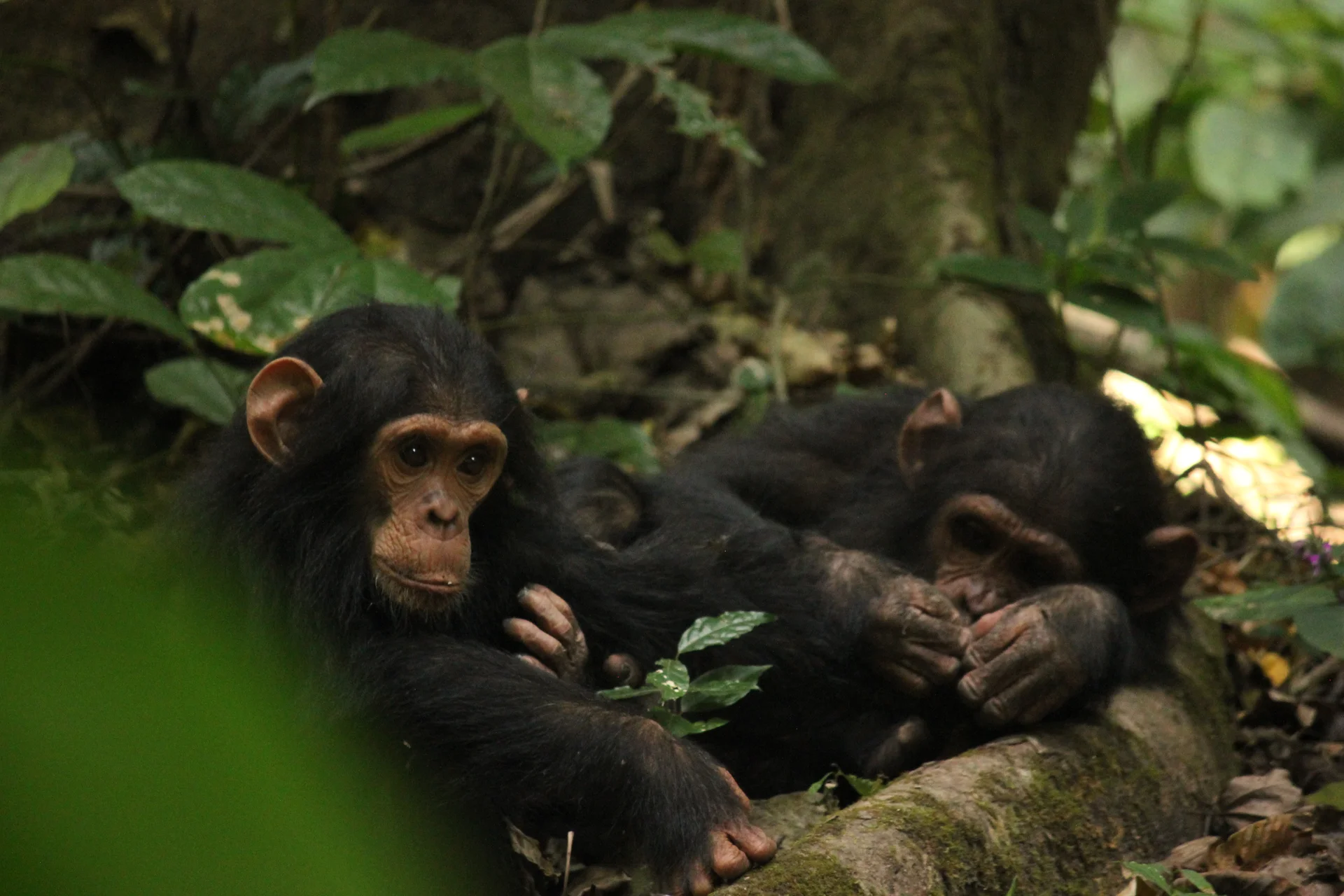
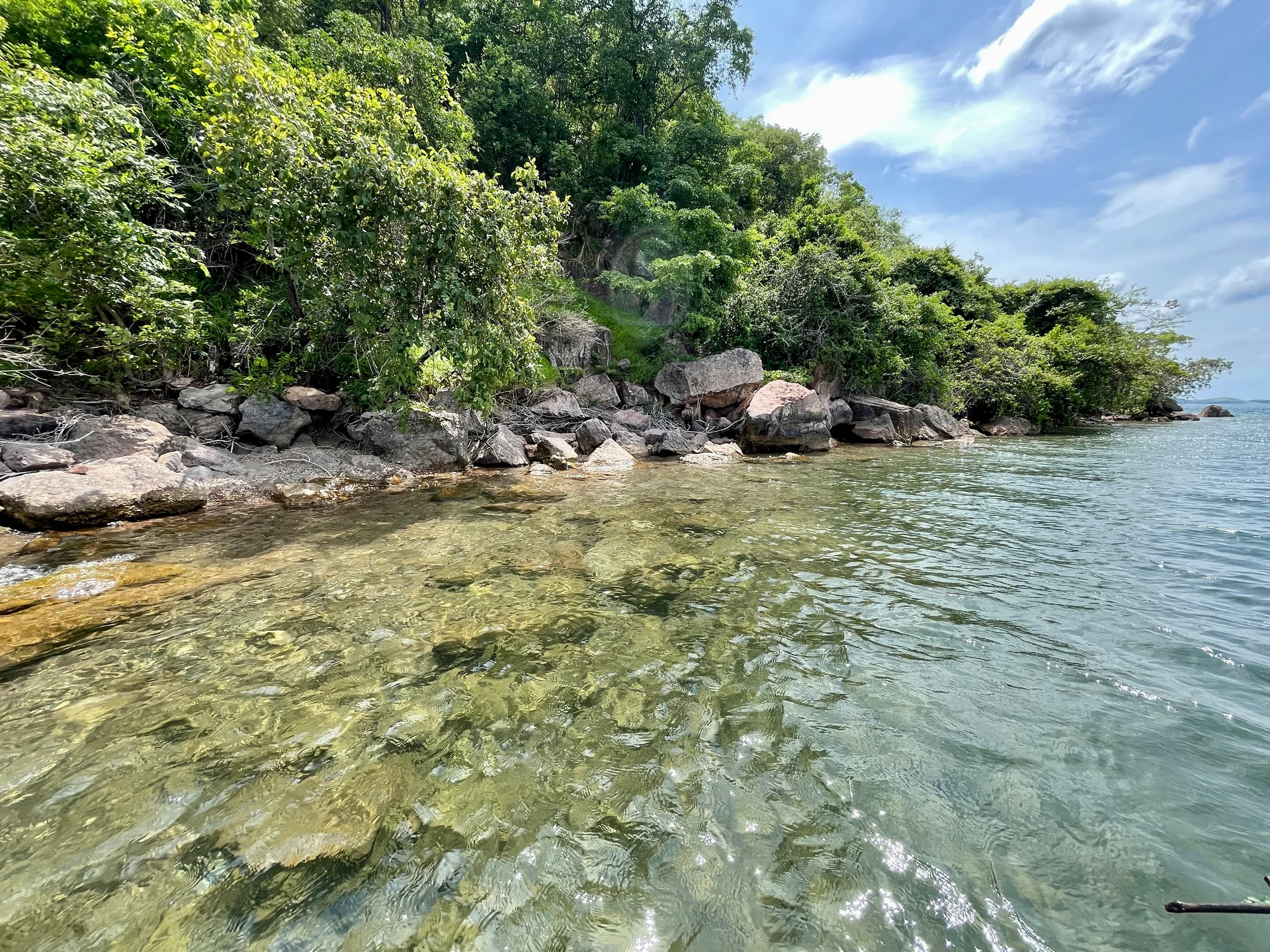
Gombe Stream National Park, also known as Gombe National Park, combines wild chimpanzee trekking with forested hills and the shores of Lake Tanganyika. In Kigoma…
Wildlife
Chimpanzees & Olive baboons
Landscape
National Parks & Safari
Highlights
Wild chimpanzee trekking with park rangers
 Southern Circuit
Lake Tanganyika offers a striking freshwater setting along Tanzania’s western frontier: broad blue horizons, wooded shores, bays, beaches and communities whose daily life is closely…
Wildlife
Endemic cichlid fish & Other freshwater fish
Landscape
Lakes & Hot Springs
Highlights
Africa’s deepest freshwater lake in the East African Rift
 Western Circuit
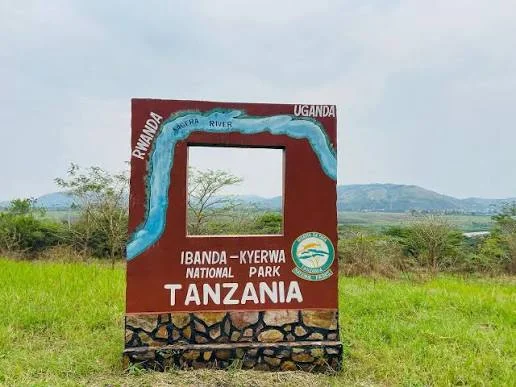
Ibanda-Kyerwa National Park protects a scenic corner of northwestern Tanzania, where the Kagera River meets a landscape of savanna, wooded slopes, valleys and wetlands. Situated…
Wildlife
Buffalo & Roan antelope
Landscape
National Parks & Safari
Highlights
Kagera River scenery on Tanzania’s northwestern border
 Zanzibar & Islands
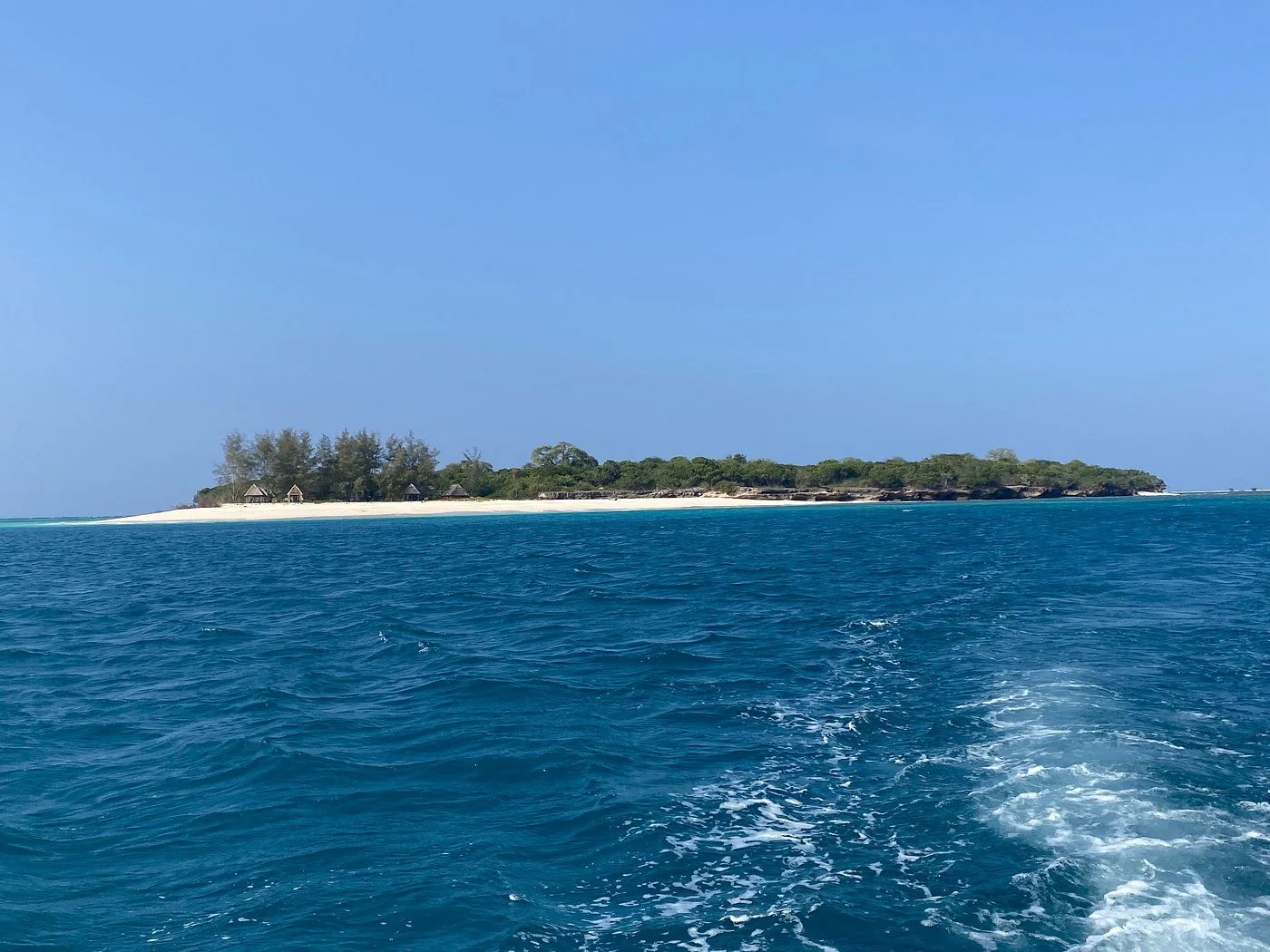
Sinda Island Marine Reserve offers an Indian Ocean escape off Kigamboni, on the southern side of Dar es Salaam. The reserve encompasses Inner and Outer…
Wildlife
Reef fish & Coastal birds
Landscape
Beaches & Islands
Highlights
Inner and Outer Sinda islands
 Northern Circuit
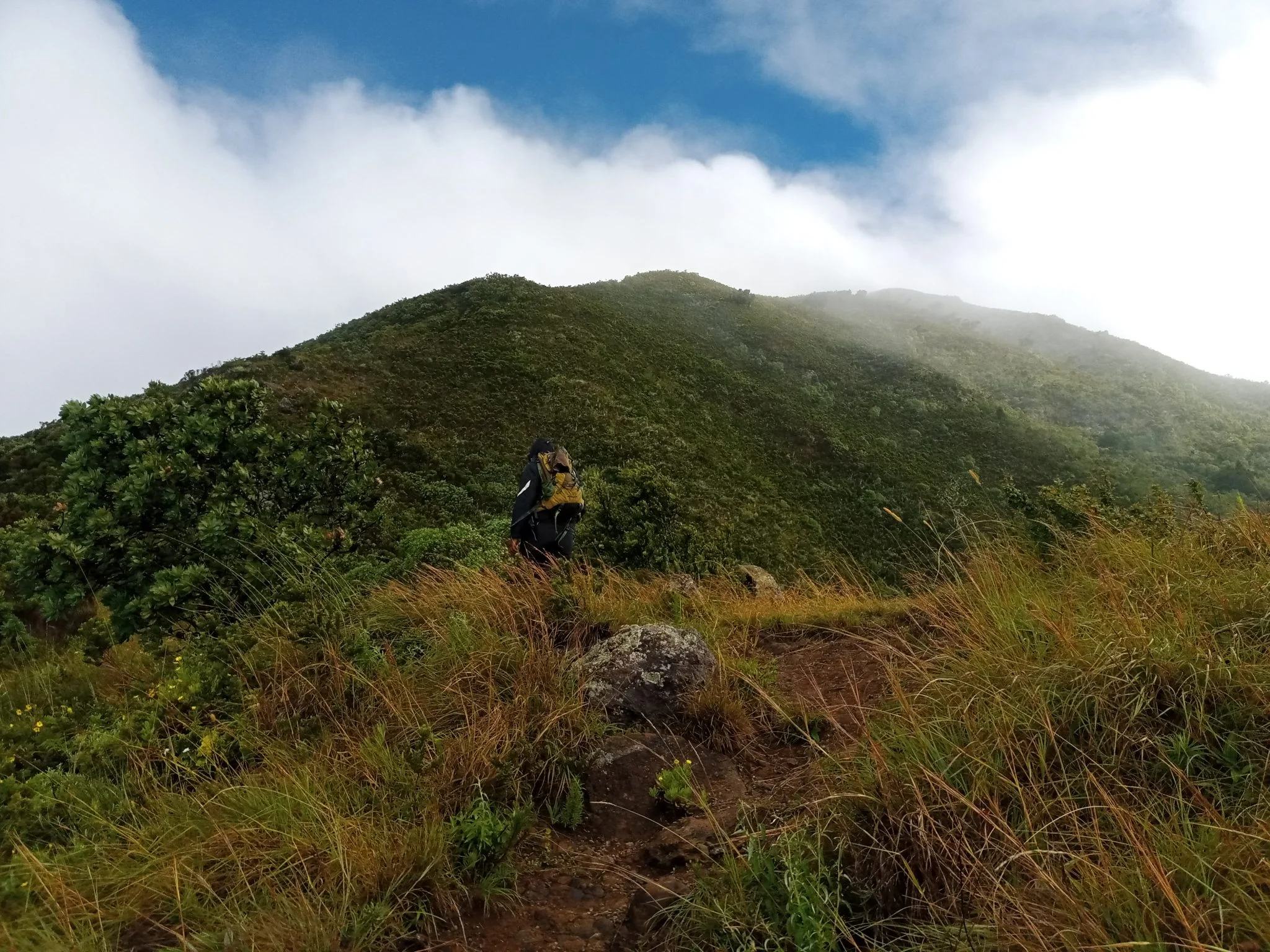
Discover Mount Hanang Rising above Katesh in Tanzania’s Manyara Region, Mount Hanang offers a rewarding mountain adventure beyond the familiar northern safari circuit. At approximately…
Wildlife
Klipspringer & Vervet monkeys
Landscape
Mountains & Trekking
Highlights
Approximately 3,423 metres — Tanzania’s fourth-highest mountain
 Northern Circuit
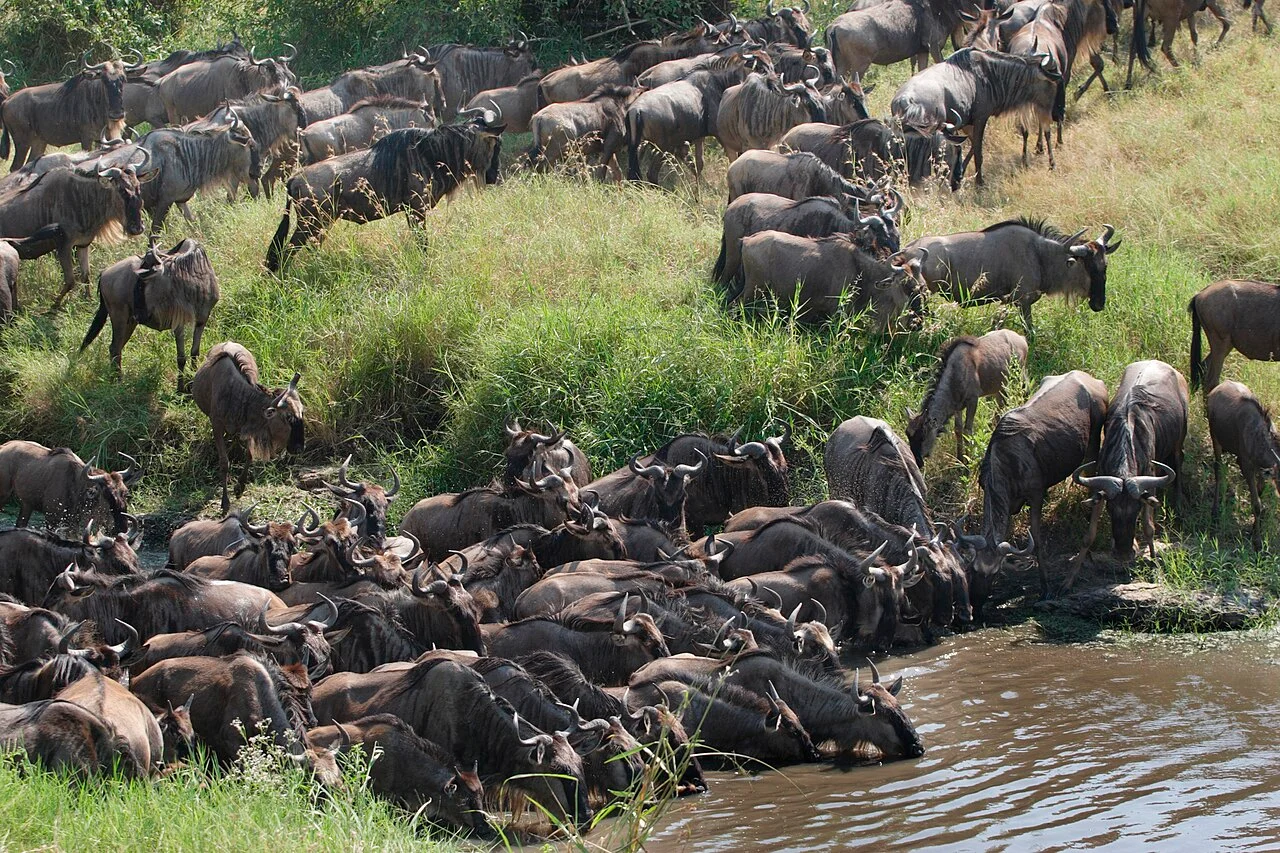
North Serengeti is one of the most captivating regions of Serengeti National Park in northern Tanzania. Located near the border with Kenya and extending toward…
Wildlife
Wildebeest & Zebra
Landscape
National Parks & Safari
Highlights
Experience the remote wilderness of northern Serengeti