 5.0 Excellent

Dorine M1 year ago

Grateful experience
As a solo female traveler, I felt super safe and well taken care of the entire time.
Read more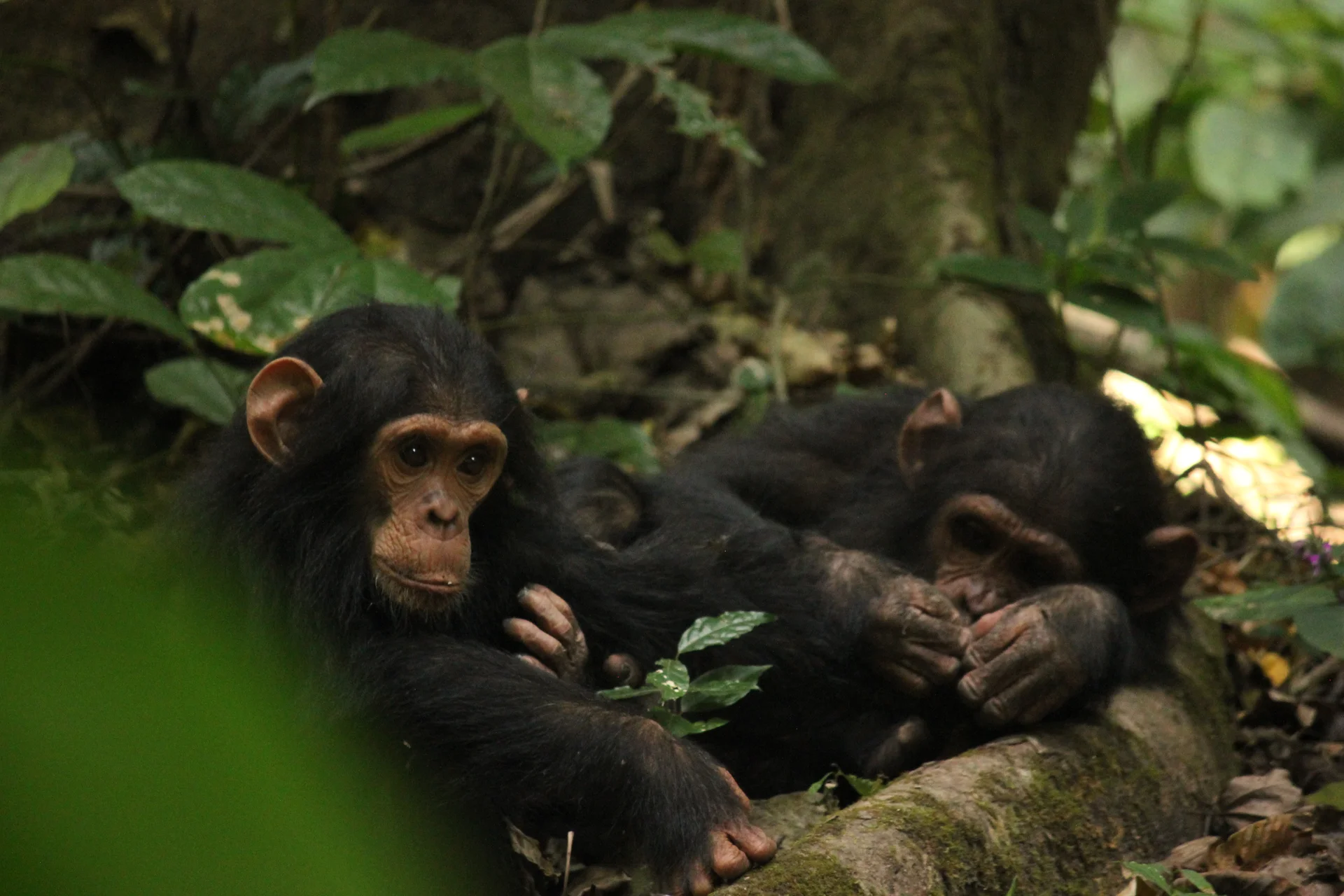
Western Circuit
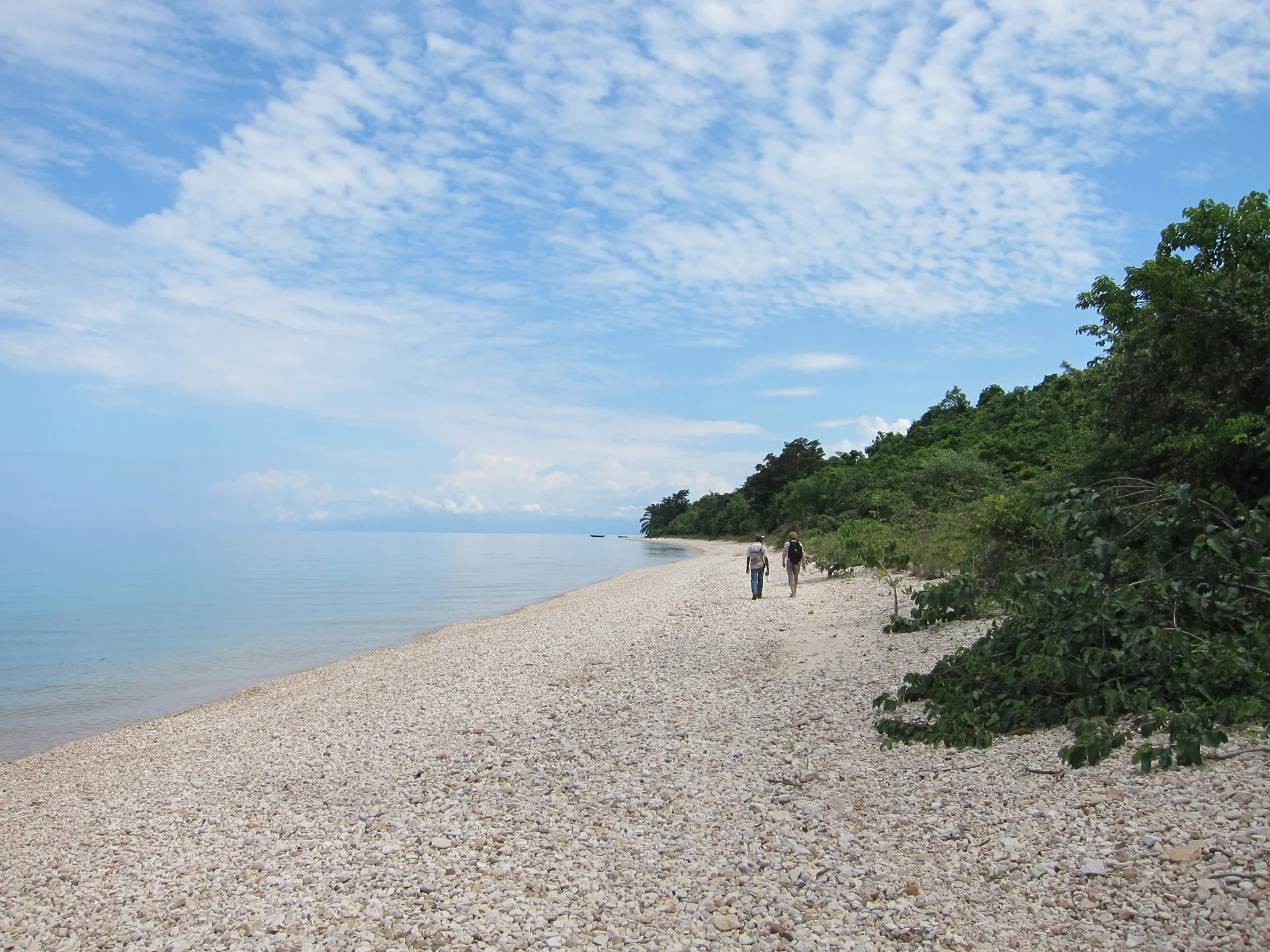
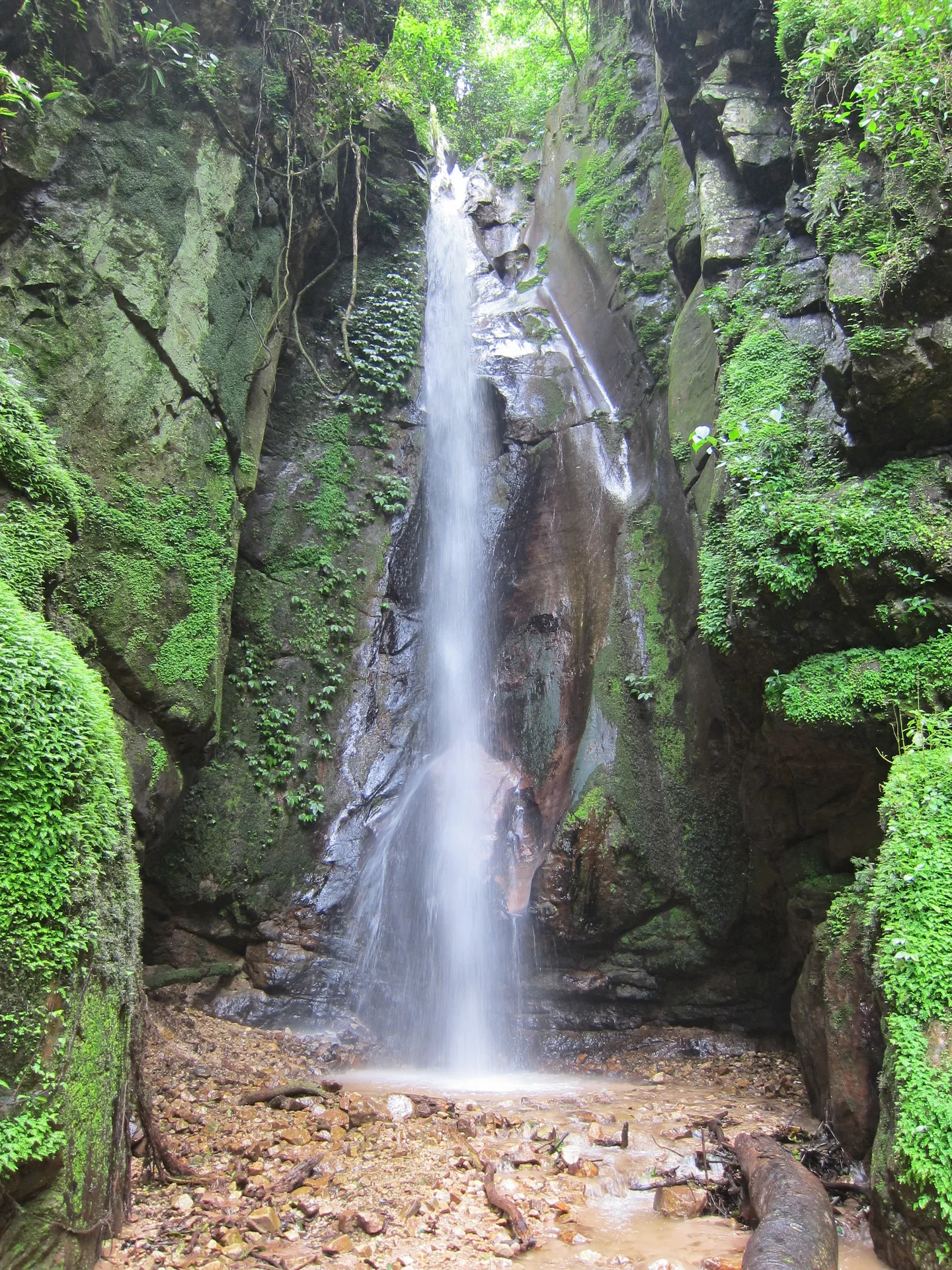
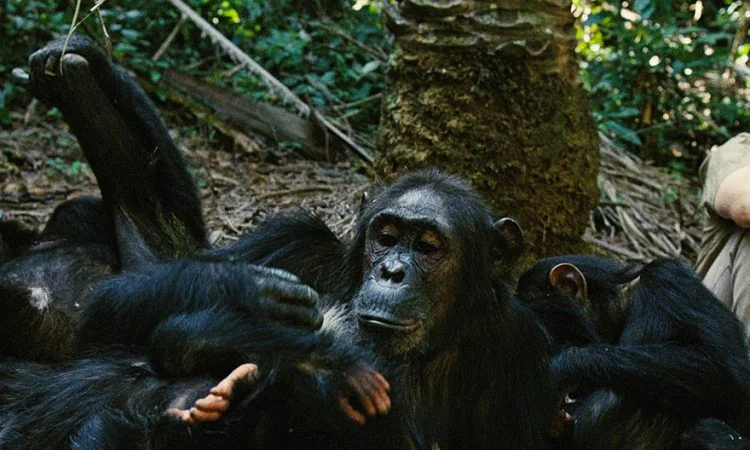
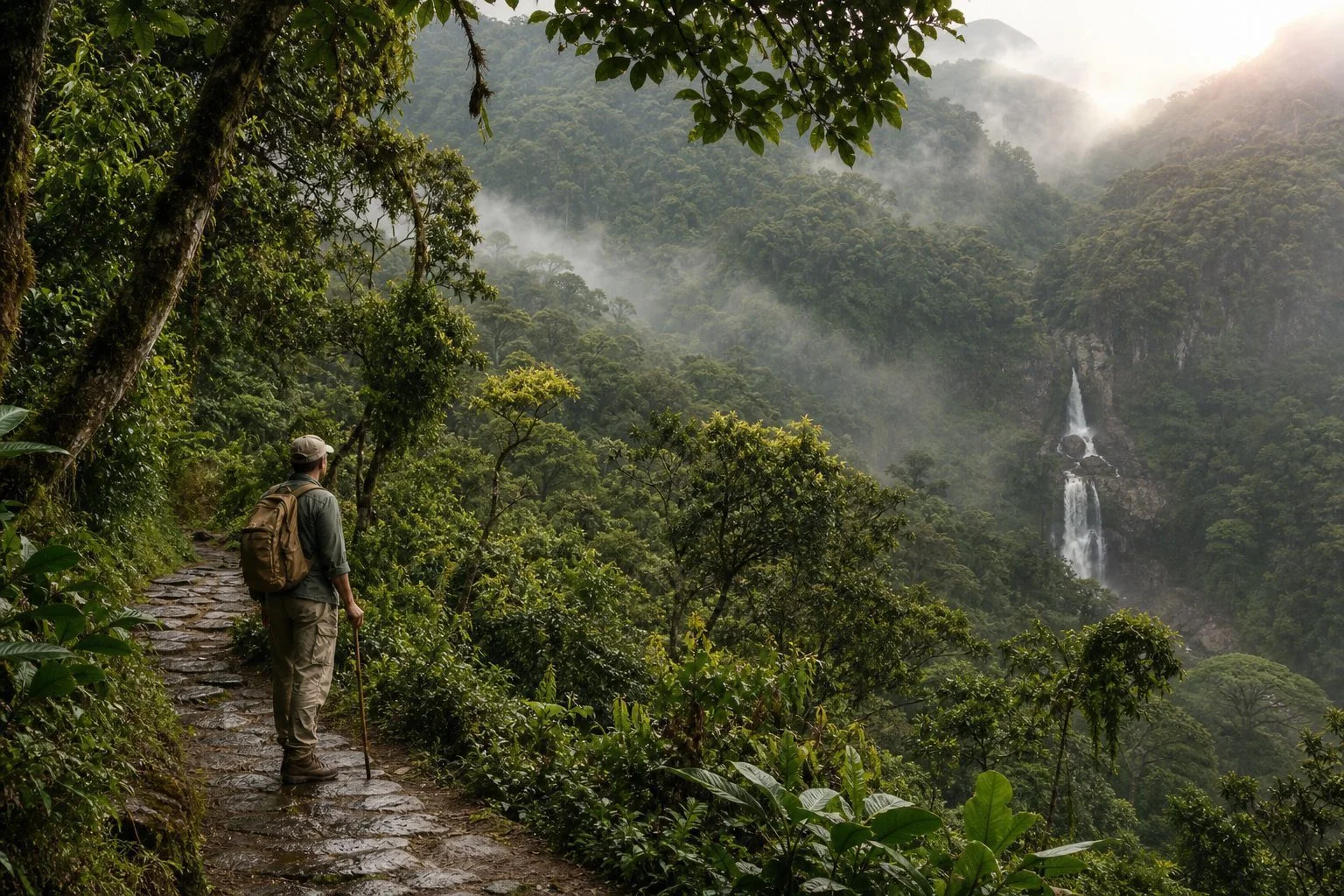
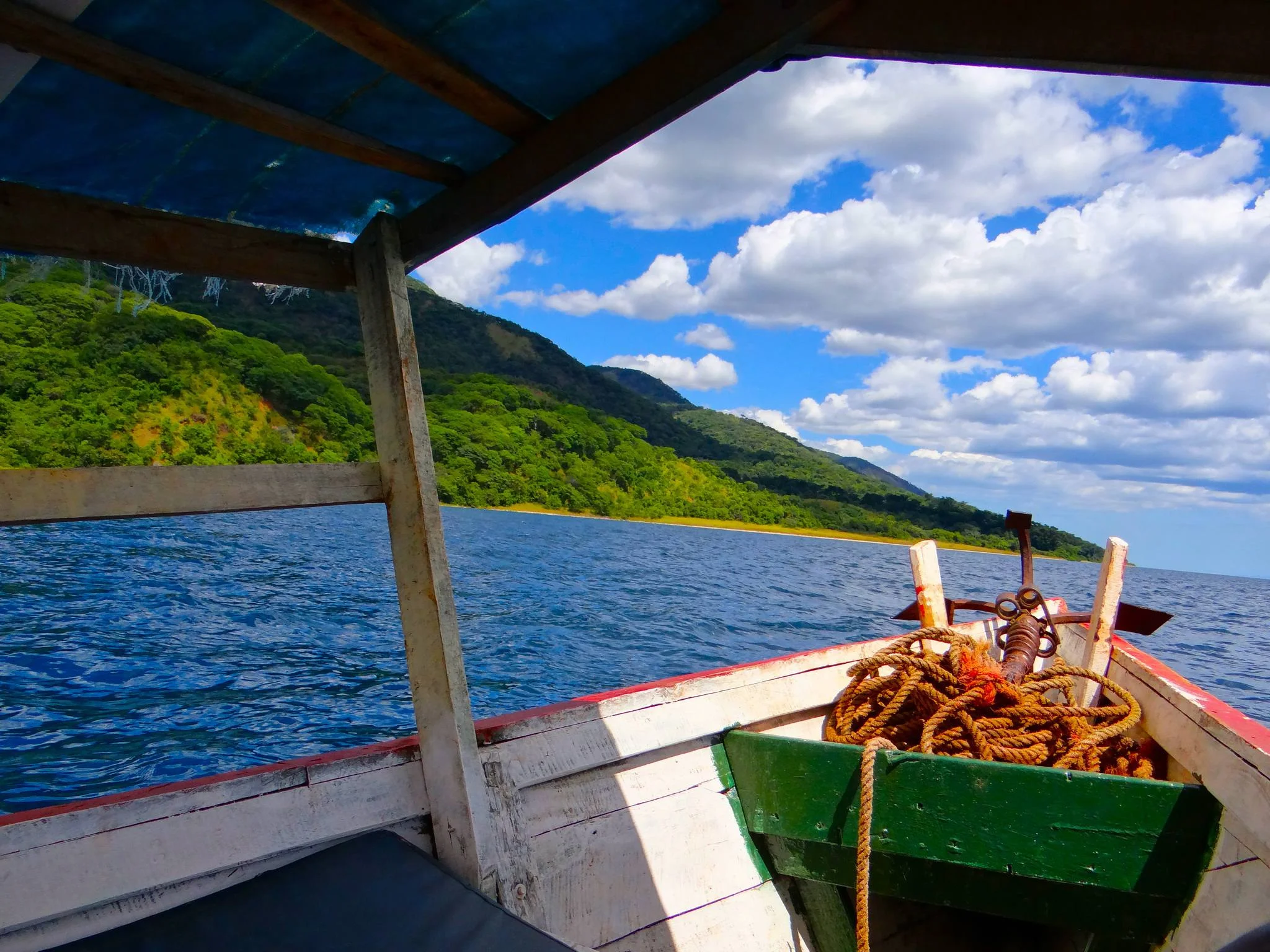
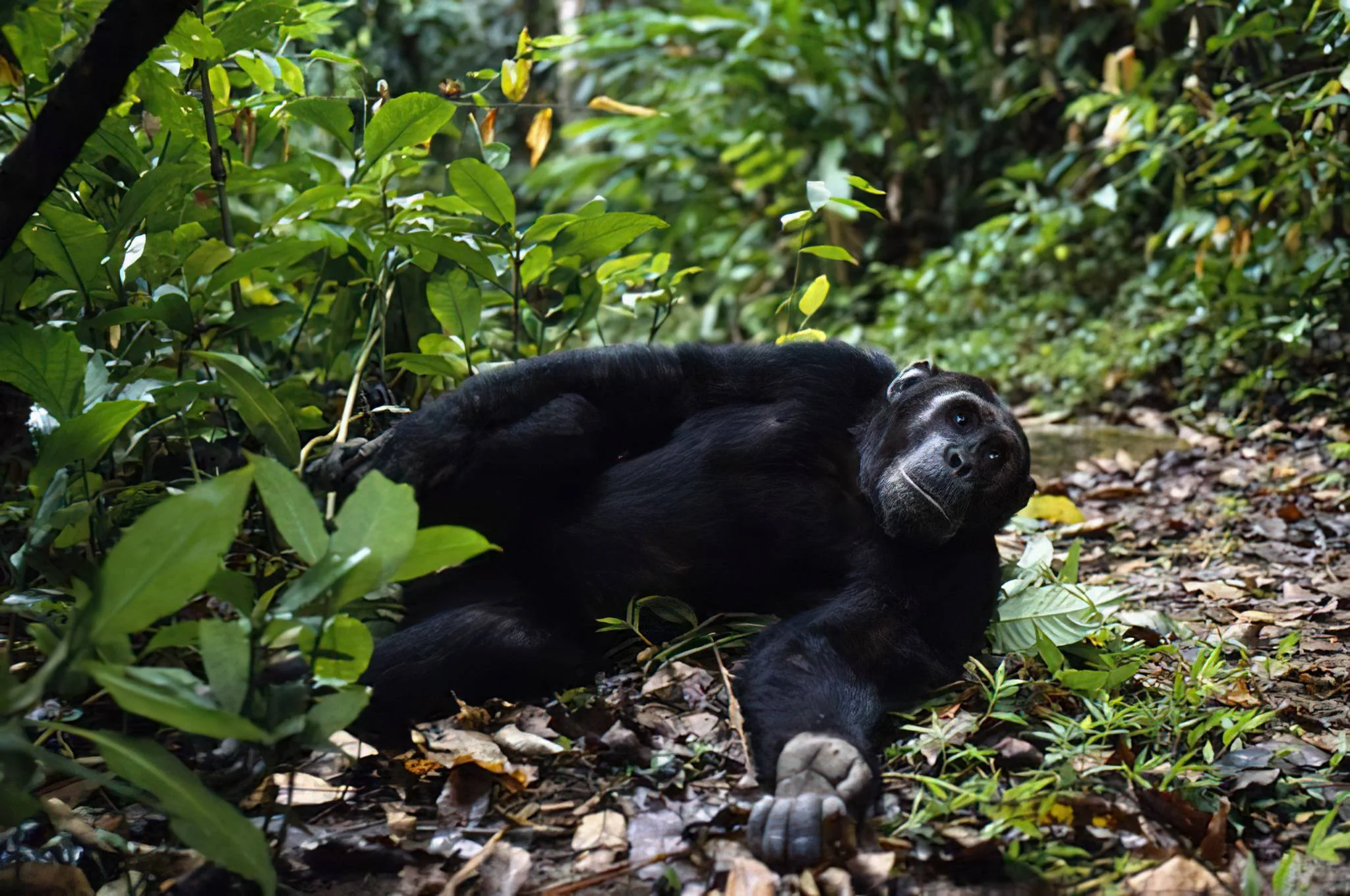
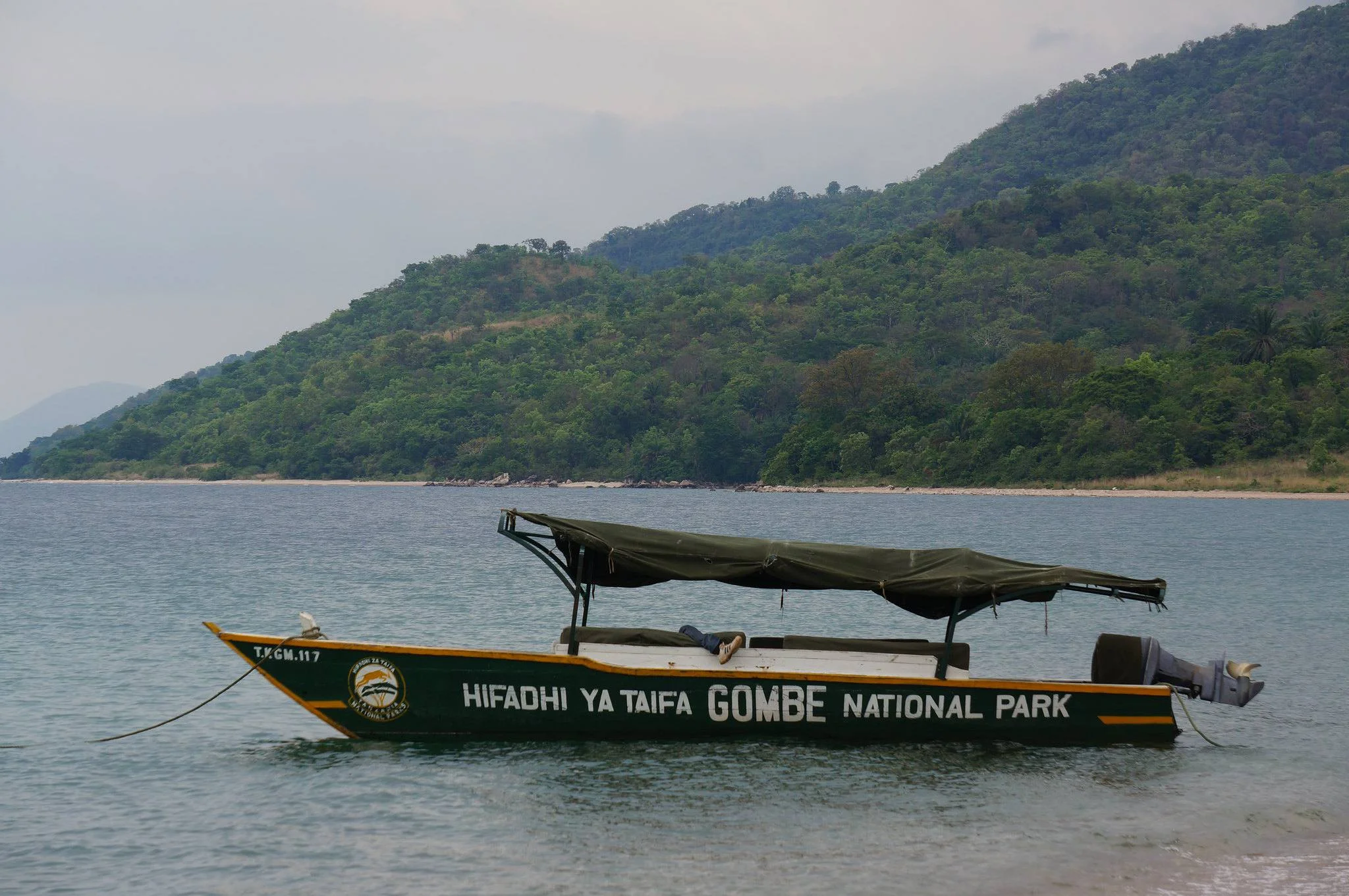
Gombe Stream National Park, also known as Gombe National Park, combines wild chimpanzee trekking with forested hills and the shores of Lake Tanganyika. In Kigoma Region in western Tanzania, north of Kigoma town, the park offers a distinctive safari experience shaped by walking, lake travel and close observation of forest life. Gombe is internationally associated with the chimpanzee research begun by Jane Goodall in 1960. Ranger-led forest treks give visitors an opportunity to observe chimpanzees in their natural habitat while respecting their movements and the park’s conservation rules. Sightings are not guaranteed: locating the animals can involve variable search times, steep slopes and humid conditions. Discuss fitness, mobility and current age requirements before booking. The forest supports other primates, including olive baboons, colobus and several monkey species, along with diverse birdlife and butterflies. Guided walks can also explore scenery such as Kakombe Waterfall and Jane’s Peak when routes and conditions are suitable. The pebbled lakeshore and boat approach provide a different perspective on the park, with time to enjoy Lake Tanganyika between planned activities. Any swimming or snorkelling should follow current ranger guidance and use permitted places. Chimpanzee viewing is carefully managed. Follow your ranger, keep the required distance, wear the required mask during encounters, avoid flash photography and never feed or touch wildlife. Do not join a trek with an infectious illness. Confirm the current TANAPA viewing, health, age and group requirements with your operator before travel. Access is by arranged boat from Kigoma, so coordinate flights, accommodation, park entry, guiding and transfers in advance. A stay of two nights gives more room for trekking and scenery than a rushed visit. Keep the itinerary flexible around chimpanzee movements, trail conditions and the lake crossing. Bring sturdy footwear, light layers, rain protection, water, sun protection and a waterproof bag for boat transfers.
March–May: Long rains can bring wetter, slippery forest trails and humid conditions. Carry waterproof protection for yourself and your camera, use suitable footwear and keep plans flexible around weather and the lake crossing. Chimpanzee movements and search times vary, so allow more than one opportunity for trekking when your schedule permits.
November–early March: November–December usually brings short rains, while January to early March can offer another relatively drier period. Check local weather and trail conditions before travel. Confirm boat transfers, accommodation and trekking arrangements in advance; flexible days help accommodate changing conditions.
Late June–October: Generally drier conditions make trekking easier to plan, with July–October especially recommended for chimpanzee tracking. Finding the animals can still require a substantial walk and sightings are not guaranteed. Book preferred accommodation, guides and boat transfers ahead once your dates are fixed.
Travel first to Kigoma in western Tanzania, then continue to Gombe by arranged boat on Lake Tanganyika. Kigoma Airport is the local air gateway; confirm current flights and arrange a vehicle transfer to the departure point. There is no road into the park. The boat journey usually takes a few hours, with timing dependent on the vessel, departure arrangements and lake conditions. Confirm the boat operator, pickup point, luggage arrangements and lifejackets before travel, and leave flexibility around onward flights or other connections. Coordinate park entry, chimpanzee trekking, ranger guiding, accommodation and boat transfers in advance. Ask for an itemised quotation and the current TANAPA age, group and health requirements. A two-night stay allows more time for trekking and scenery, while any day excursion needs careful coordination with the boat and guiding schedule. Discuss fitness and mobility needs before booking: forest trails can be steep, humid and slippery, and search times vary. Pack sturdy footwear, rain protection, drinking water and a waterproof bag for the crossing. Follow ranger instructions for all forest and lakeshore activities.
It is on Lake Tanganyika’s eastern shore in Kigoma Region, western Tanzania, north of Kigoma town. Gombe National Park is another name used for the same destination.
Gombe combines wild chimpanzee trekking, forested hills and lakeshore scenery. It is closely associated with the long-running chimpanzee research begun by Jane Goodall in 1960.
No. The animals move freely, and locating them depends on their movements, weather and terrain. Search times can vary substantially. Build flexibility into your stay and follow your ranger’s guidance.
Reach Kigoma, then take an arranged boat transfer on Lake Tanganyika. There is no road into Gombe. Allow a few hours for the crossing and confirm your vessel, departure point and current lake conditions.
Late June–October generally offers drier trekking, with July–October especially recommended. January to early March can also be relatively drier. November–December brings short rains, and March–May is usually wetter. Conditions and chimpanzee movements still vary.
Trails can climb steep, humid forest slopes, and locating chimpanzees may involve a lengthy walk. Pace and search time vary. Discuss fitness, mobility and any support needs with your operator before booking.
Chimpanzee viewing has a minimum age restriction. Confirm the current TANAPA requirement, group limits and each child’s eligibility before booking. Ask your operator about suitable arrangements for anyone who cannot join a trek.
Follow your ranger and keep at least 10 metres away. Wear the required mask when chimpanzees are spotted, and do not trek with an infectious illness. No feeding, touching, flash photography, eating, drinking or smoking near the animals. Viewing is limited to a maximum of one hour; confirm current TANAPA requirements before travel.
A carefully coordinated day visit may be possible, but two nights gives more time for trekking and scenery. Arrange park entry, trekking, guides, accommodation and boat transfers ahead, and ask for the current itemised fees.
Bring sturdy walking shoes, light layers, rain protection, drinking water, sun protection and a waterproof bag for transfers. Binoculars and camera protection can be useful. Follow ranger instructions about supplies during encounters, and take all litter out.
Grateful experience
As a solo female traveler, I felt super safe and well taken care of the entire time.
Read morePrivate Safari 6 days
I can only highly recommend the young company Tanzalux for organizing a private safari.
Read moreAn unforgettable vegetarian journey with Tanzalux Safaris
I highly recommend Tanzalux for anyone wanting a special, personalized safari.
Read moreOur 3-day camping safari with Tanzalux was simply fantastic! Everything was perfectly organized.
Read moreBack in April, I joined a day trip to Tarangire National Park with Tanzalux Safaris, and it was truly one of the best experiences I have ever had…
Read moreI've had an amazing experience with Tanzalux Safaris, would 1000% recommend! Thank you for making my trip so special🫶
Read moreI recently visited Meru Waterfalls in Arusha and got to do some of the activities there, honestly it was such a great experience and I really enjoyed it.
Read moreOur guide Dullah Mr Rastaman had the best vibe. I would like to recommend other people not to miss it, Tarangire is the best national park.
Read moreOur tour guide Nasri was very friendly and welcoming from the first day we met him. He knows Tarangire very well and explained many things during the safari.
Read moreAs a grandmother in the group, I would like to share my happiness with Tanzalux Safaris. Me, my daughters, and my grandson went on a short trip to Tarangire National Park…
Read moreReceive a free, no obligation quote

 Southern Circuit
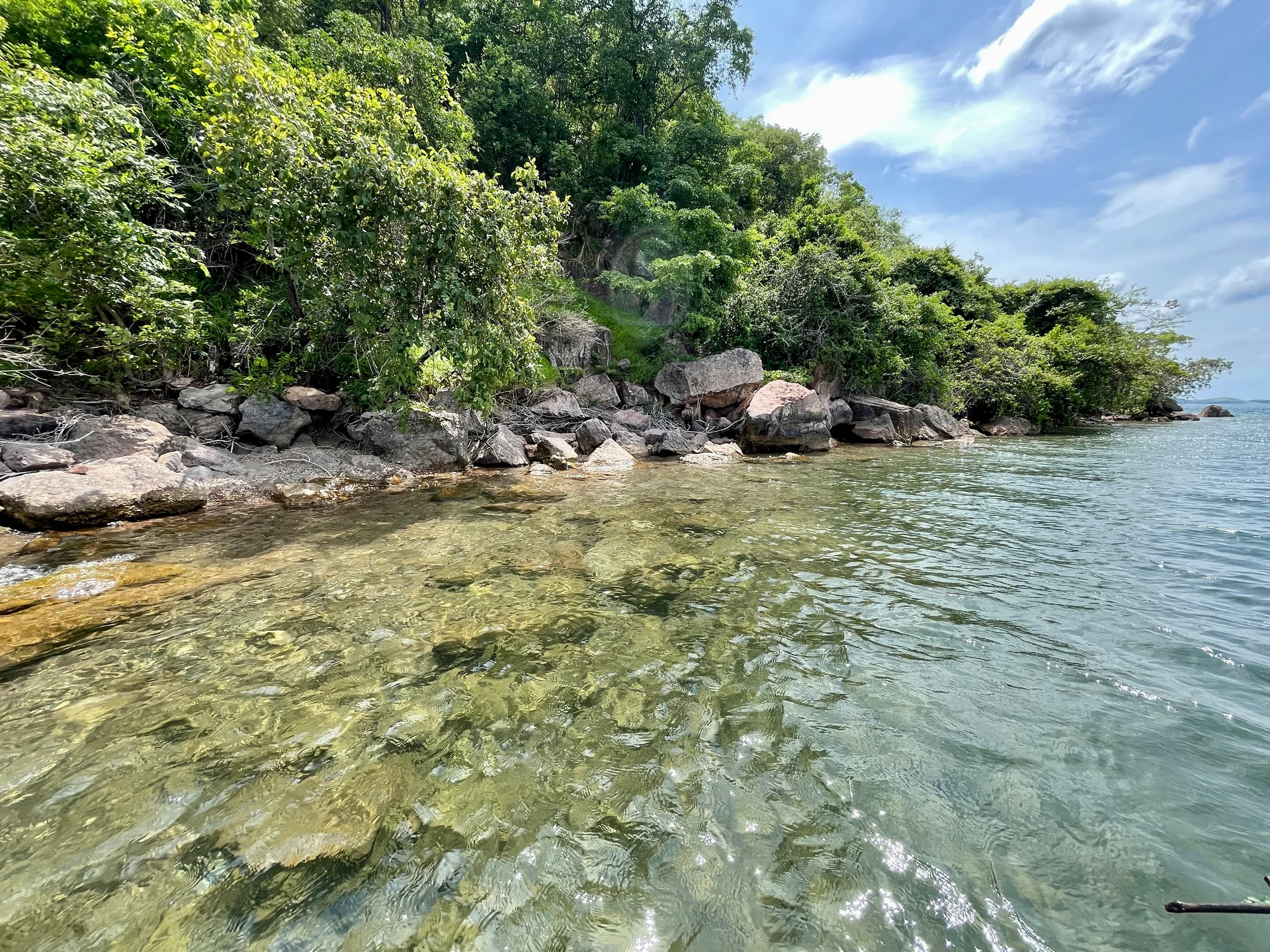
Lake Tanganyika offers a striking freshwater setting along Tanzania’s western frontier: broad blue horizons, wooded shores, bays, beaches and communities whose daily life is closely…
Wildlife
Endemic cichlid fish & Other freshwater fish
Landscape
Lakes & Hot Springs
Highlights
Africa’s deepest freshwater lake in the East African Rift
 Northern Circuit
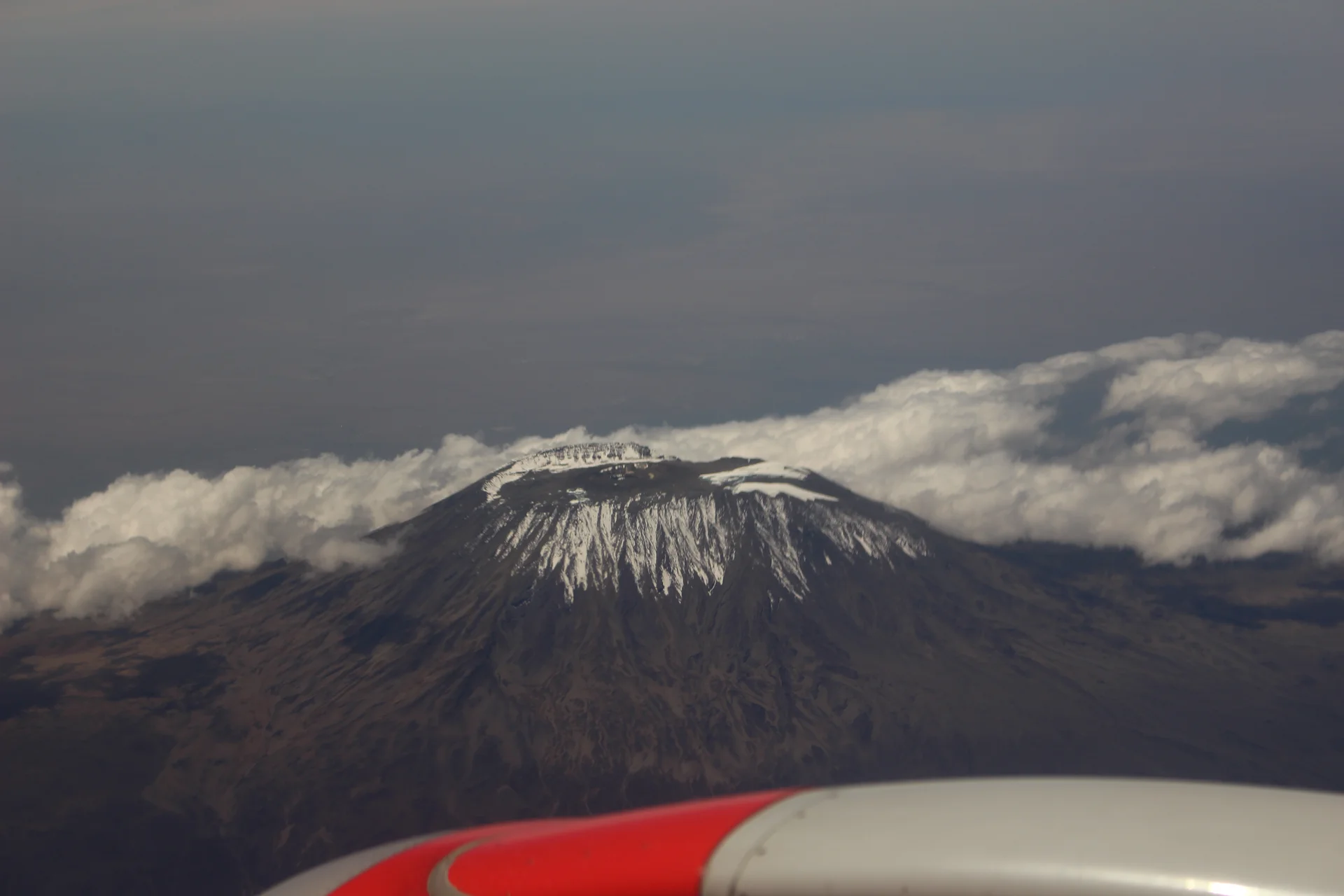
Kilimanjaro rises above northern Tanzania’s plains to Uhuru Peak at 5,895 metres, the highest point in Africa. Its volcanic massif, dramatic changes in vegetation and…
Wildlife
Black-and-white colobus monkeys in forest habitats & Blue monkeys in forest habitats
Landscape
Mountains & Trekking
Highlights
Uhuru Peak at 5,895 metres — Africa’s highest point
 Western Circuit
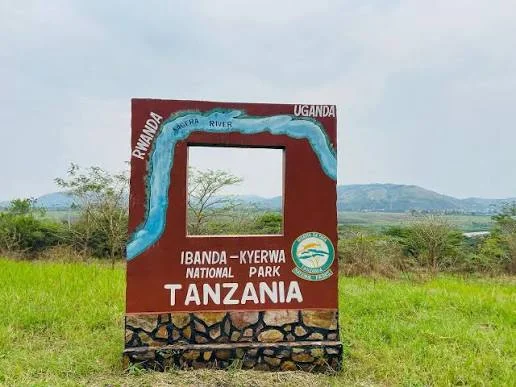
Ibanda-Kyerwa National Park protects a scenic corner of northwestern Tanzania, where the Kagera River meets a landscape of savanna, wooded slopes, valleys and wetlands. Situated…
Wildlife
Buffalo & Roan antelope
Landscape
National Parks & Safari
Highlights
Kagera River scenery on Tanzania’s northwestern border
 Zanzibar & Islands
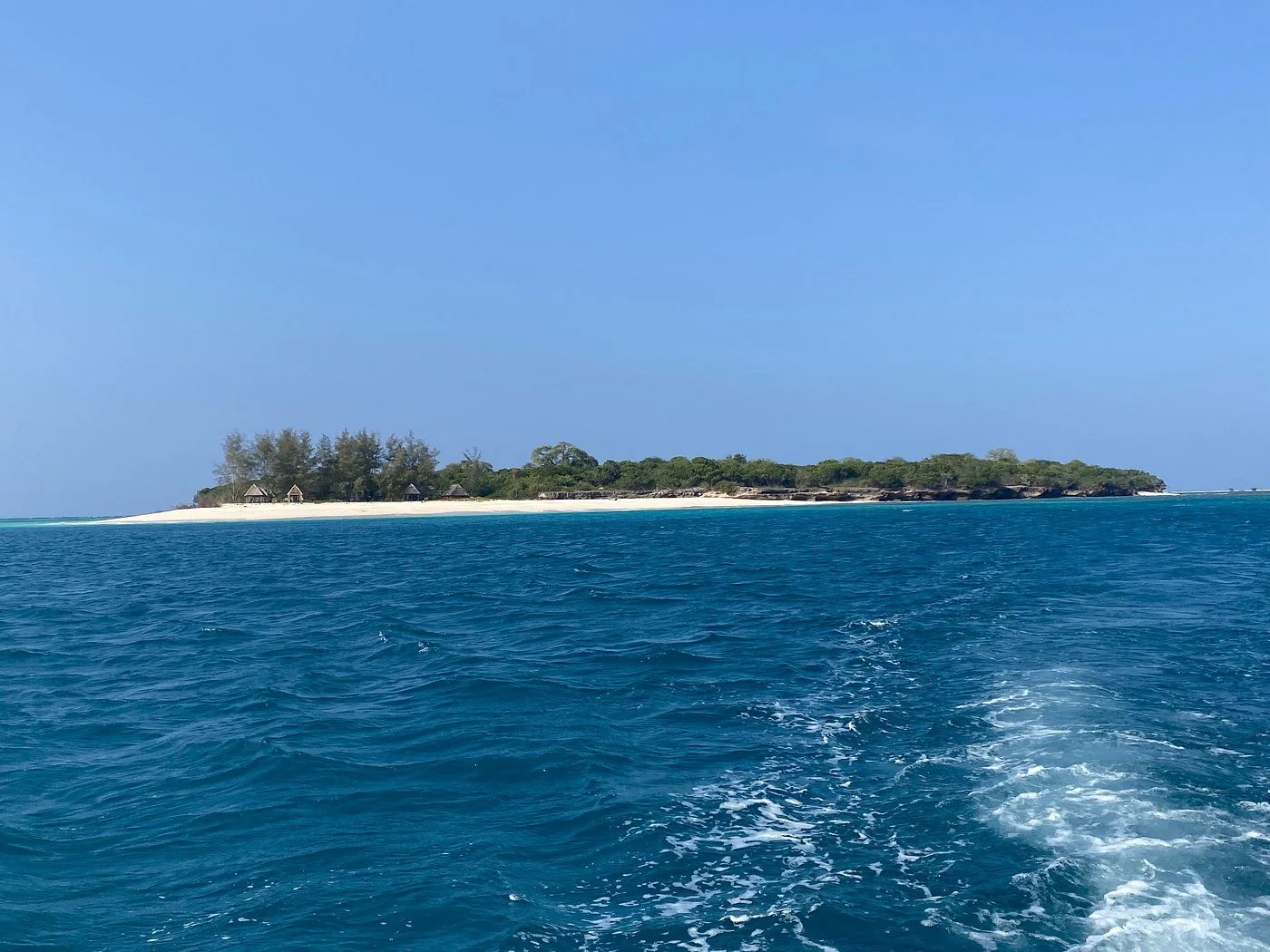
Sinda Island Marine Reserve offers an Indian Ocean escape off Kigamboni, on the southern side of Dar es Salaam. The reserve encompasses Inner and Outer…
Wildlife
Reef fish & Coastal birds
Landscape
Beaches & Islands
Highlights
Inner and Outer Sinda islands
 Northern Circuit
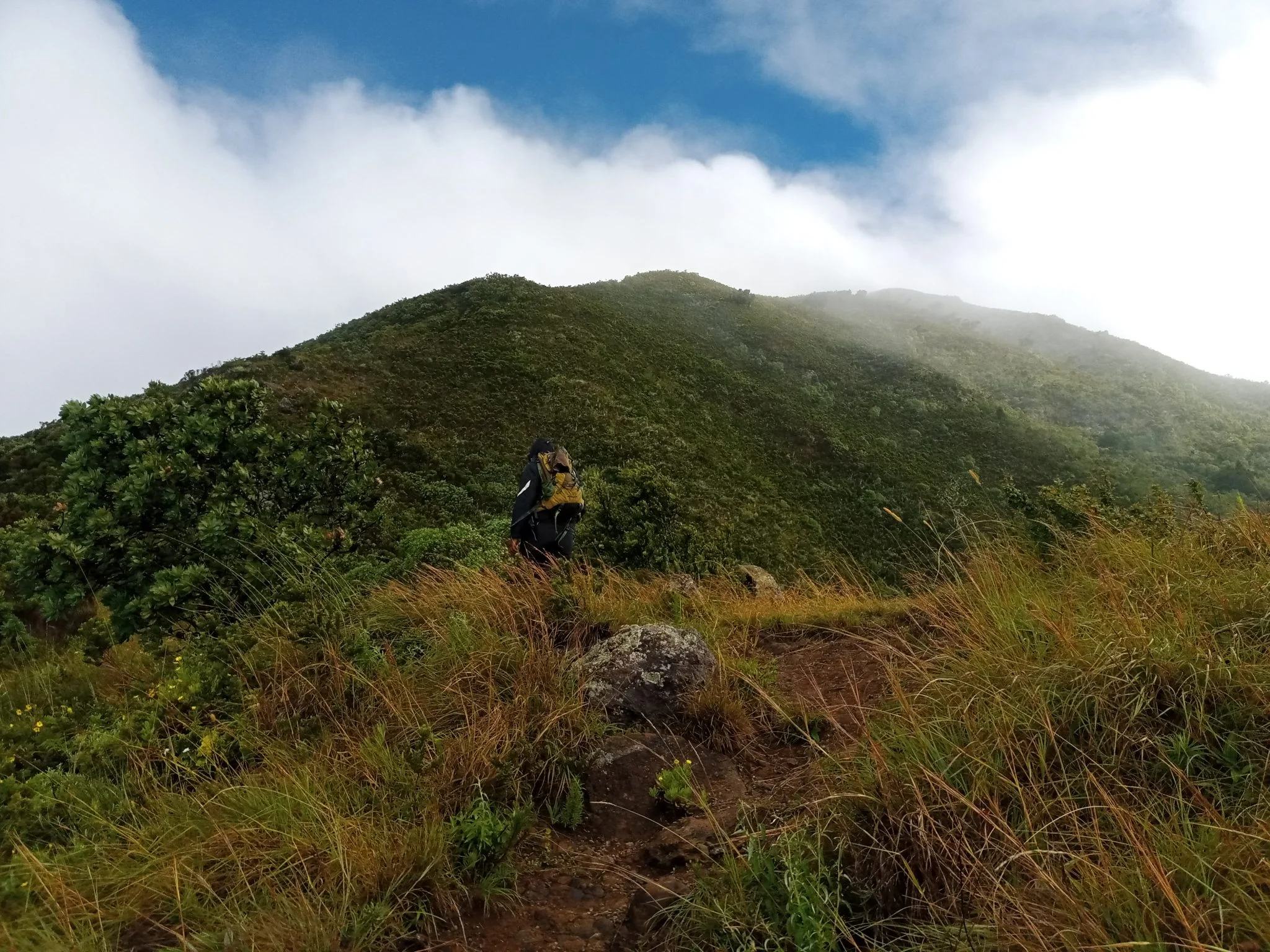
Discover Mount Hanang Rising above Katesh in Tanzania’s Manyara Region, Mount Hanang offers a rewarding mountain adventure beyond the familiar northern safari circuit. At approximately…
Wildlife
Klipspringer & Vervet monkeys
Landscape
Mountains & Trekking
Highlights
Approximately 3,423 metres — Tanzania’s fourth-highest mountain
 Northern Circuit
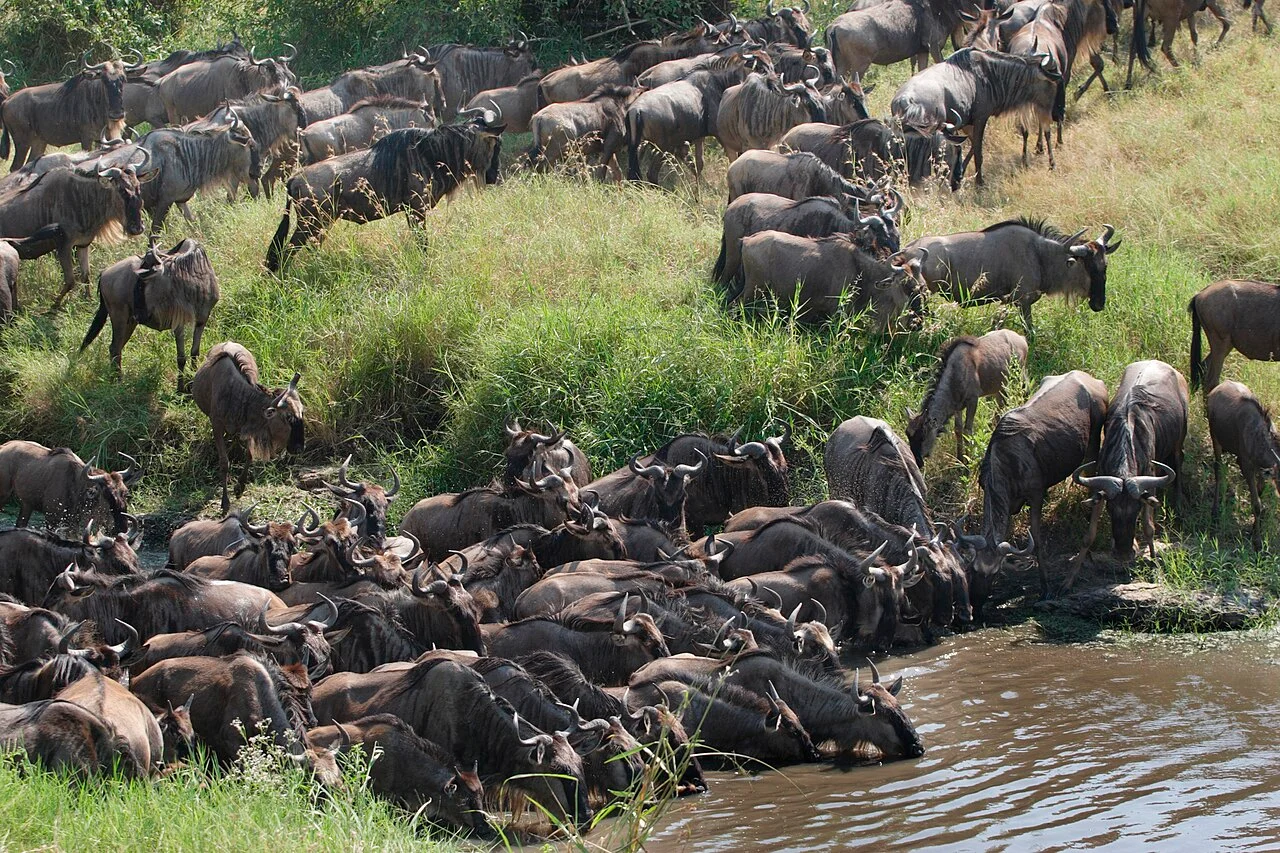
North Serengeti is one of the most captivating regions of Serengeti National Park in northern Tanzania. Located near the border with Kenya and extending toward…
Wildlife
Wildebeest & Zebra
Landscape
National Parks & Safari
Highlights
Experience the remote wilderness of northern Serengeti