 5.0 Excellent

Dorine M1 year ago

Grateful experience
As a solo female traveler, I felt super safe and well taken care of the entire time.
Read more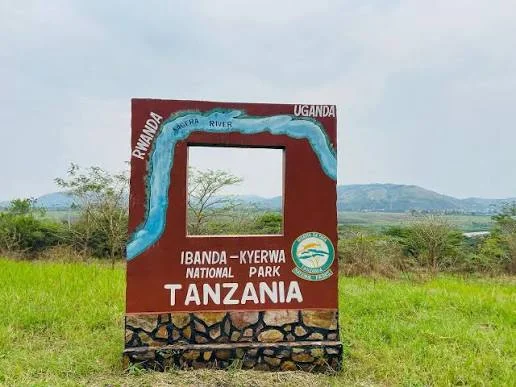
Western Circuit
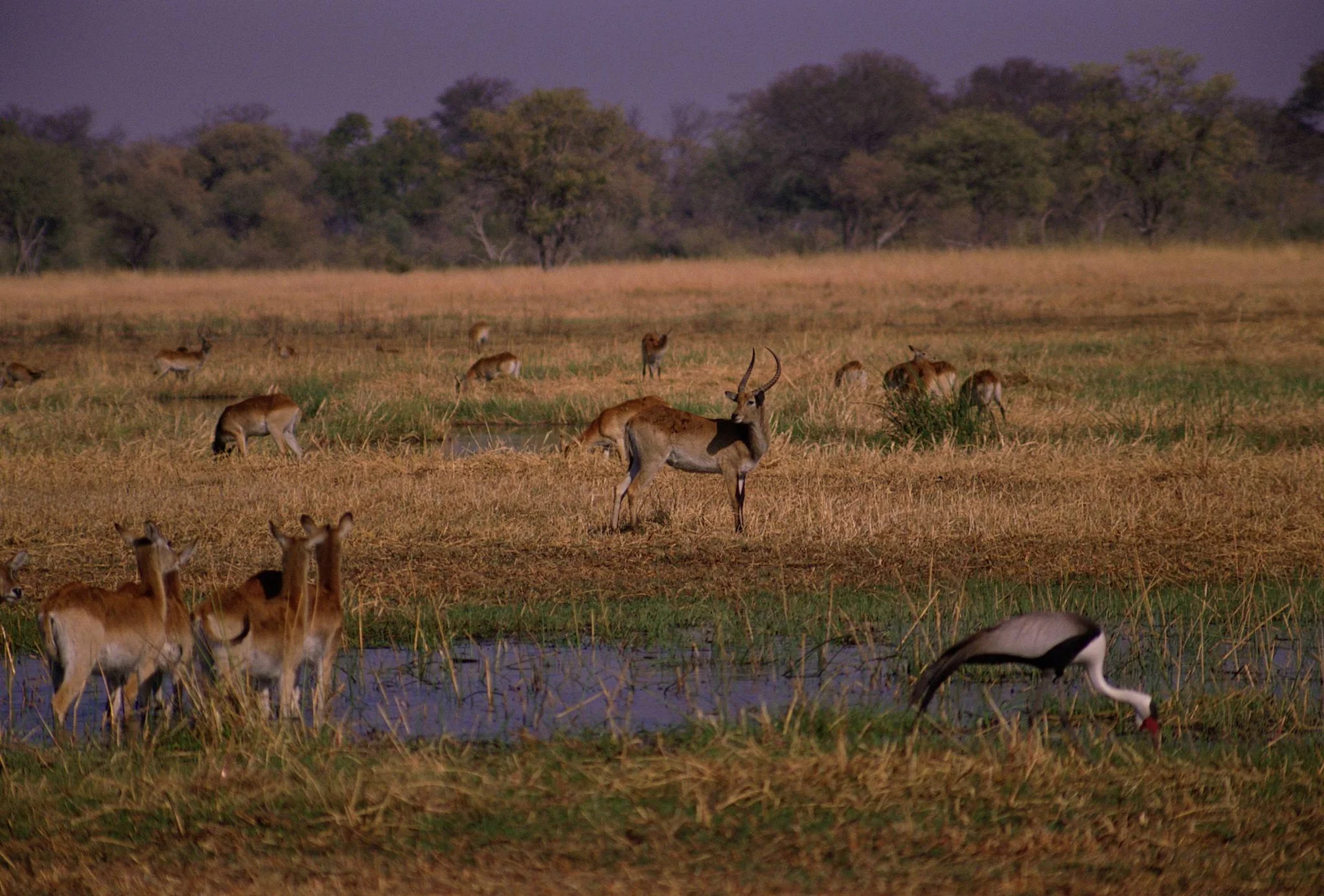
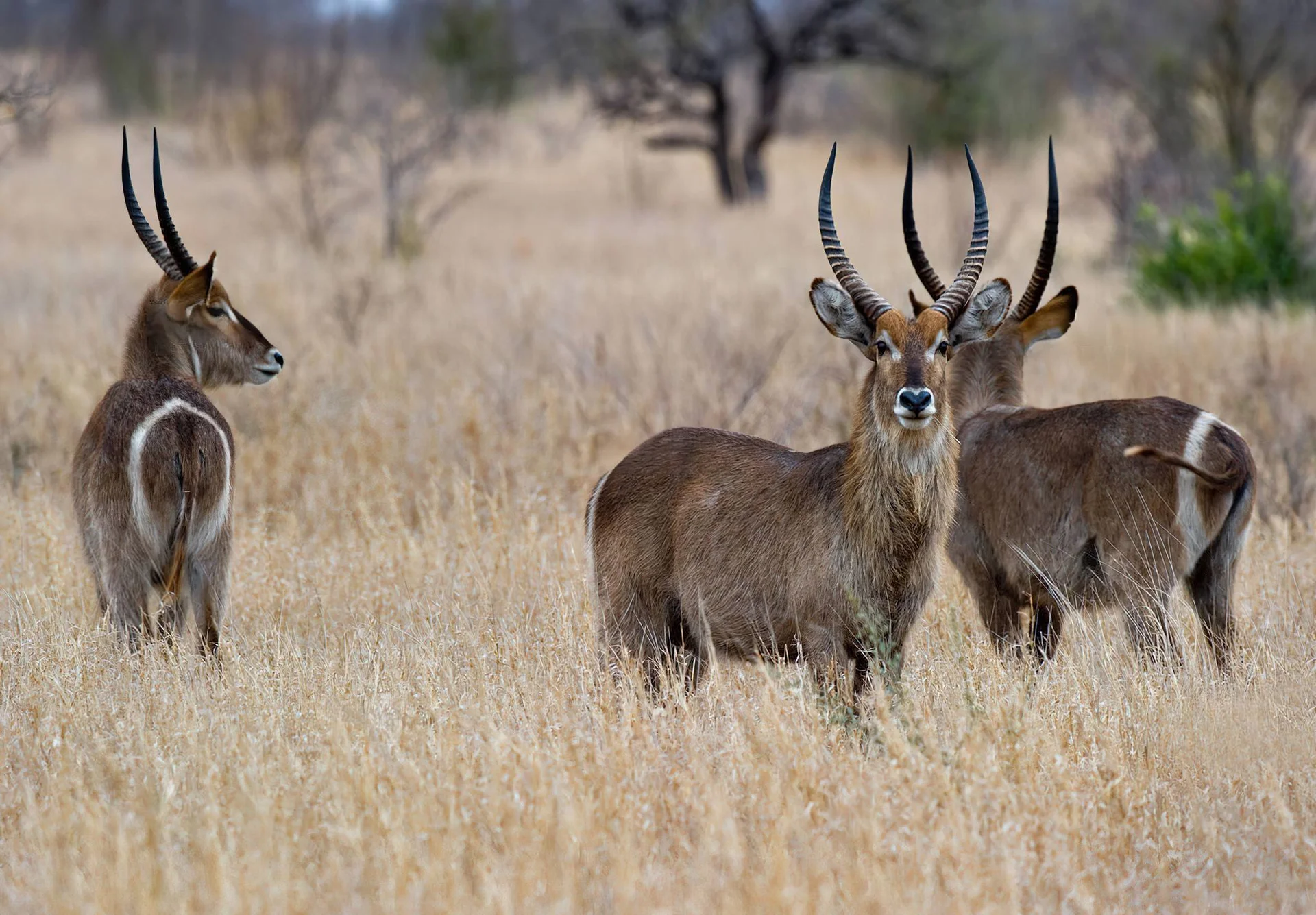
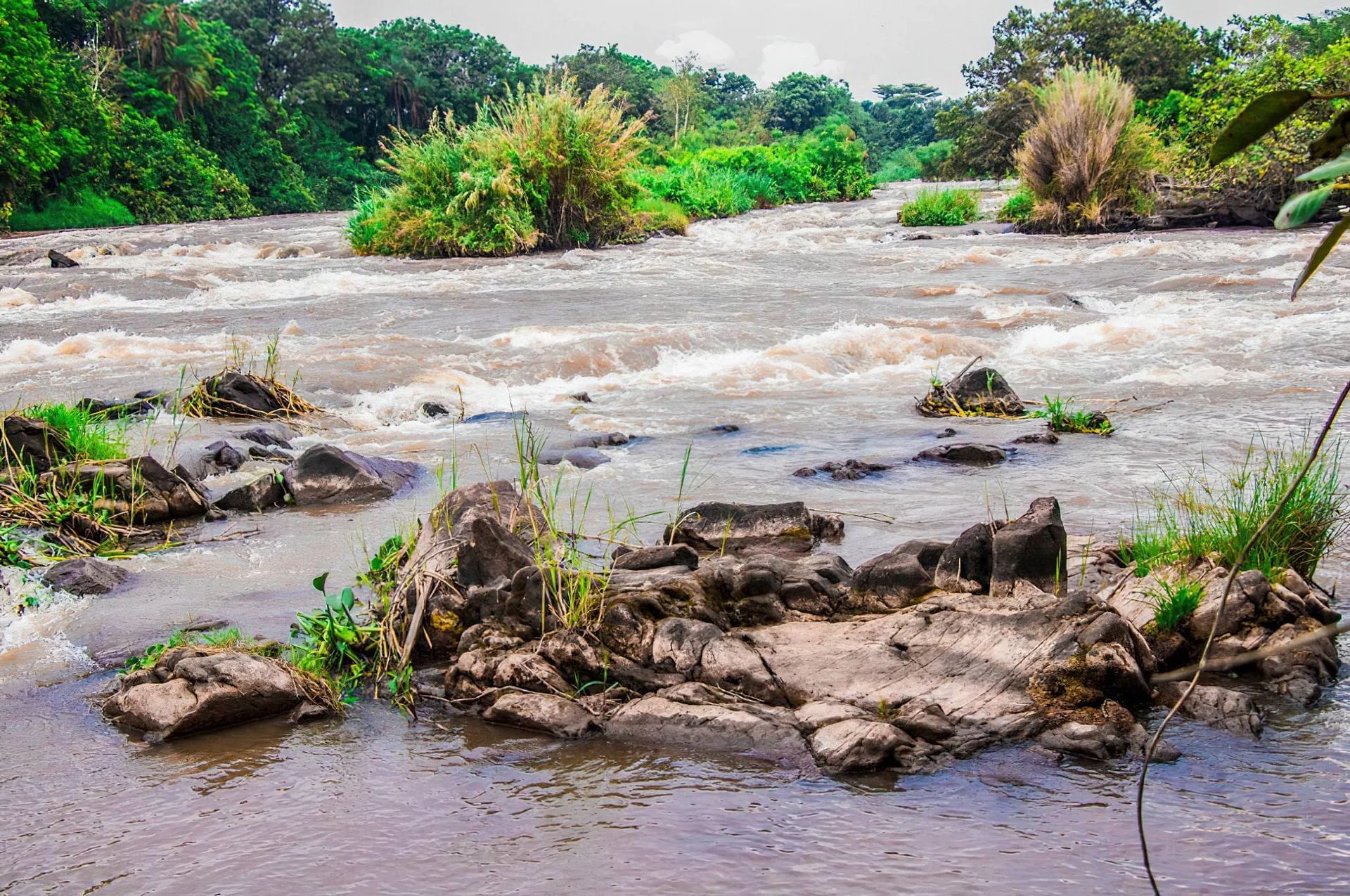
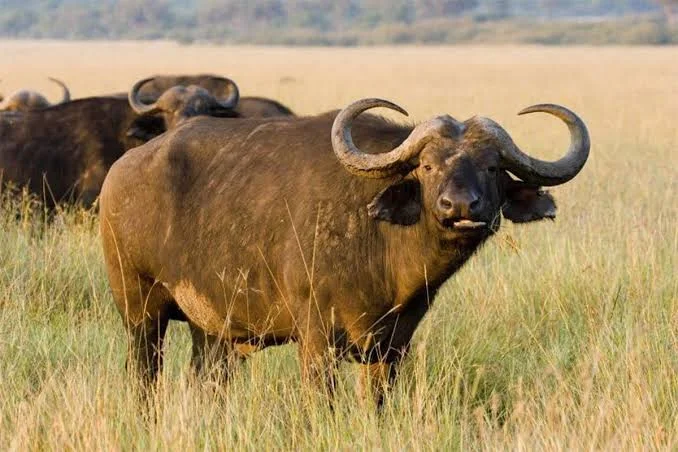
Ibanda-Kyerwa National Park protects a scenic corner of northwestern Tanzania, where the Kagera River meets a landscape of savanna, wooded slopes, valleys and wetlands. Situated in Kyerwa District in Kagera Region, the park lies beside Rwanda and Uganda and became a national park in 2019 after its earlier protection as a game reserve. Its setting makes it an interesting choice for travellers building a western Tanzania itinerary or exploring the wider Great Lakes region. The river is central to the experience. Along parts of the boundary it separates Tanzania from Rwanda and Uganda, with Rwanda’s Akagera National Park across a section of the river. Inland, rolling hills give way to plains and a basin crossed by seasonal streams, scattered lakes and swamps. Acacia savanna and riverbank vegetation create contrasting views during a drive. Allowing time for the scenery, birds and smaller details brings more to a visit than moving quickly from one wildlife stop to another. Buffalo and antelope are important wildlife attractions. Roan antelope, topi, eland, impala, waterbuck, reedbuck and bushbuck are among the species described in TANAPA’s guide. Leopards and hyenas are recorded predators, while hippos and crocodiles inhabit the river and wetland environments. Each outing depends on animal movement, vegetation, weather and the guide’s knowledge. A patient itinerary, with repeated drives through suitable habitats, gives time to appreciate the park without depending on a particular sighting. Game drives form the core of a safari here. Guided walks can add a closer look at tracks, plants and the landscape when arranged with park authorities. Birdwatching is another strong reason to slow down: TANAPA’s guide reports more than 200 recorded species, with examples including African fish eagle, augur buzzard, Egyptian goose and cinnamon-chested bee-eater. Bring binoculars and leave room for quiet observation. Designated picnic stops and river viewpoints can provide a pleasant break, while photography changes with the light and the season. For planning, June to early October generally offers the main dry-season window. January and February can also provide a drier interval, though actual rainfall varies. Rainfall is associated with the later part of the year and March to May; recent showers can affect road conditions and the routes available. Choose dates around the experiences that matter most, and ask the operator to reconfirm access and any guided activities before departure. We suggest two nights as a useful starting point, with additional time for birding, walks or a combination with Rumanyika-Karagwe National Park. Camping can be arranged through the park, and Murongo is the nearest practical town for simple accommodation. Confirm the exact campsite or property, meals, equipment and facilities when booking. Travellers who prefer more comfort should agree on their accommodation standard before the route is finalised. Bukoba and Chato are potential air gateways followed by a road transfer, while charter access requires specific advance arrangements. Murongo is a useful reference point for the final approach. Distances alone do not provide a reliable travel time, so plan transfers around the chosen route, road conditions and current park hours. Ibanda-Kyerwa rewards travellers who bring curiosity, binoculars and enough time to explore at an unhurried pace.
March–May is the principal long-rain period. The landscape can be green and appealing for nature observation, while showers and wet tracks may change game-drive routes and transfer times. Ask the operator which roads and campsites are practical for the dates, use a suitable safari vehicle and allow flexibility. The season label describes planning conditions; discounts and accommodation availability depend on the provider.
January–February can offer a drier interval between the rains, while early October marks a variable transition from the main dry season. Later-year rains are described across September–December in TANAPA guidance, with the exact onset varying. Birding and landscape outings can be rewarding, but confirm recent weather and practical access. Pack a rain layer and keep time for changes to the programme.
June–September and the dry conditions that can continue into early October generally provide the easiest period for planning road-based safaris. Combine game drives with river scenery, birdwatching and approved walks. Wildlife can remain spread across available water sources, so take time to explore suitable habitats with a local guide. Bring water, sun protection and a layer for early starts; sightings and weather remain variable.
Ibanda-Kyerwa is in Kyerwa District, Kagera Region, in northwestern Tanzania. Murongo is the nearest practical reference town for the final approach. Begin by selecting the campsite or accommodation base and confirming the operating entry point with the park or a licensed safari operator. Bukoba and Chato are possible arrival airports for a road transfer. Check actual flight schedules and suitable connections for the travel dates, then arrange a vehicle and driver for the onward journey. TANAPA guidance also describes charter access using a suitable local or park airstrip. Confirm the exact landing site, permissions, aircraft service and vehicle collection before including a charter in the itinerary. Road travel can be organised through the Kagera region toward Murongo. Published distances differ for some approach routes, and surface conditions affect journey length, so request an estimate for the actual airport, road, gate and overnight base being used. A 4WD safari vehicle is recommended for park exploration, especially following rain. Allow time for entry formalities and keep activities within the current park operating hours. An approach from Uganda via Murongo may be possible as part of an independently planned international itinerary. Ask the operator to coordinate the correct border crossing, official entry requirements, opening times and onward transport in advance. Proximity to Rwanda’s Akagera National Park does not mean visitors can cross the river or move between parks during a normal game drive. Reserve camping or accommodation, ranger-guided walks and any special activities before setting off. Confirm meals, drinking water, fuel, charging options and camp equipment for the agreed programme. For a combination with Rumanyika-Karagwe, Burigi-Chato or Lake Victoria destinations, allow separate transfer time and reconfirm each destination’s access arrangements.
It is in Kyerwa District in Tanzania’s Kagera Region, in the far northwest of the country. The Kagera River forms sections of its boundary beside Rwanda and Uganda. Murongo is a useful nearby town for planning the final approach and accommodation, with the actual route confirmed around the chosen entry point.
Ibanda-Kyerwa combines savanna wildlife with river scenery, rolling hills, valleys and wetland habitats. Its setting beside two neighbouring countries adds interest to a western Tanzania journey. We suggest a programme that leaves time for birdwatching and landscape stops as well as game drives, allowing visitors to appreciate the variety of habitats.
Ibanda-Kyerwa was designated a national park in 2019, following its earlier protection as a game reserve. It is managed by Tanzania National Parks, known as TANAPA. Plan visits through the park or a licensed operator, with campsite bookings, guided activities and the practical entry arrangements confirmed for the travel dates.
June to September, often extending into early October, is the main dry-season planning window. January–February can also offer a drier interval. Recent rainfall matters more than a fixed calendar boundary, so ask about track conditions before travel and choose dates around your interests in game drives, birds, walks or camping.
A visit during wetter months can offer green scenery and nature observation, but showers may affect roads and activities. Reconfirm practical routes, camp access and transfer times with the operator. Pack rain protection and allow flexibility. Avoid assuming that every track or special activity operates in the same way throughout the year.
We recommend two nights as a useful starting point, with more time for birdwatching, approved walks or a combination with another park. This is itinerary advice, not a minimum-stay rule. A day visit can be considered from a nearby base, but calculate transfers and entry formalities before deciding how much viewing time remains.
Bukoba and Chato are potential gateways, followed by a road transfer matched to the chosen route. Charter access may be arranged through a suitable airstrip when specifically confirmed. Check flight schedules, landing arrangements and vehicle collection before booking. Select the overnight base and entry point first so transport fits the actual programme.
There is no single reliable time for every visitor: the starting town or airport, approach road, gate, accommodation and recent rainfall all matter. Request a route-specific estimate from the operator, including time for formalities and stops. Leave extra time after wet weather and avoid tight onward flight connections.
An international approach may be considered when the border crossing and onward transport are separately planned. Murongo is relevant for access from Uganda. Reconfirm official entry requirements and border opening times with the appropriate authorities and operator. The river boundary does not provide a visitor shortcut between Tanzania’s park and Rwanda’s Akagera National Park.
Buffalo and a range of antelope are important attractions, including roan, topi, eland, impala, waterbuck, reedbuck and bushbuck. TANAPA also records leopards and hyenas, with hippos and crocodiles in water habitats. Sightings depend on movement, habitat and conditions, so neither a species list nor a game drive is a guarantee.
Choose it for plains wildlife, birds and river scenery. A Big Five checklist is not a suitable promise for this itinerary. TANAPA’s guide highlights leopard and hyena as large predators and buffalo among the mammals. Ask the guide about recent observations and enjoy the wider ecosystem instead of expecting every major safari species.
Its range of habitats makes birdwatching a useful part of a visit. TANAPA’s guide reports more than 200 recorded species, including examples such as African fish eagle and augur buzzard. Bring binoculars, discuss your target birds with the guide and allow quiet stops. A recorded species list does not guarantee an individual sighting.
Ranger-guided walking safaris can be arranged with the park. Confirm the route, duration, terrain, fitness needs and any age conditions before booking. Wear suitable footwear, carry water and follow the ranger’s instructions. Plan walks as an authorised activity with appropriate supervision and ask the operator to reconfirm availability for your dates.
Special activities need a specific check with the park and operator before being added to the programme. Some tourism publications list night drives or fishing, but this does not establish availability on every date. Confirm authorisation, equipment, guides, route, safety arrangements and charges for the exact activity requested.
Camping can be arranged through park authorities at approved sites. Confirm reservations, campsite facilities, fees and the equipment your operator will supply. Ask whether tents, bedding, meals and drinking water are included. Stay within the designated camp area and follow the guide’s instructions, particularly after dark or when wildlife is nearby.
Murongo is the nearest town identified in TANAPA guidance for simple accommodation. Other regional bases may suit a wider itinerary but can add transfer time. Request the actual property name, room standard, meals and journey to the gate in your quote. Agree on comfort expectations before confirming the safari route.
A family programme can use game drives, birdwatching and scenic stops at a pace suited to the children. Discuss transfer length, vehicle arrangements and accommodation needs when booking. Walking or other special activities may have age and safety conditions, so confirm eligibility in advance and supervise children closely around camps and water environments.
Pack practical light clothing, a layer for early starts, rain protection, a hat, sun protection and sturdy footwear. Binoculars and spare camera batteries are useful. Carry water and personal essentials for transfers. For camping, confirm tents, bedding, food and charging arrangements before departure so everyone knows which items they need to supply.
Costs vary with traveller category, dates, vehicle, accommodation and activities. Request a current itemised quote covering park entry, vehicle charges, guiding, camping, meals and transfers, plus any authorised special activity. Confirm what is included and the booking terms. Use the current park tariff and operator quote rather than relying on an older price table.
Rumanyika-Karagwe is a useful option to discuss for a wider Kagera itinerary. Burigi-Chato and Lake Victoria destinations can also be considered when the transfer route and available time fit. Each park or island has separate access and activity arrangements, so build a realistic travel schedule and confirm the actual services before booking.
Grateful experience
As a solo female traveler, I felt super safe and well taken care of the entire time.
Read morePrivate Safari 6 days
I can only highly recommend the young company Tanzalux for organizing a private safari.
Read moreAn unforgettable vegetarian journey with Tanzalux Safaris
I highly recommend Tanzalux for anyone wanting a special, personalized safari.
Read moreOur 3-day camping safari with Tanzalux was simply fantastic! Everything was perfectly organized.
Read moreBack in April, I joined a day trip to Tarangire National Park with Tanzalux Safaris, and it was truly one of the best experiences I have ever had…
Read moreI've had an amazing experience with Tanzalux Safaris, would 1000% recommend! Thank you for making my trip so special🫶
Read moreI recently visited Meru Waterfalls in Arusha and got to do some of the activities there, honestly it was such a great experience and I really enjoyed it.
Read moreOur guide Dullah Mr Rastaman had the best vibe. I would like to recommend other people not to miss it, Tarangire is the best national park.
Read moreOur tour guide Nasri was very friendly and welcoming from the first day we met him. He knows Tarangire very well and explained many things during the safari.
Read moreAs a grandmother in the group, I would like to share my happiness with Tanzalux Safaris. Me, my daughters, and my grandson went on a short trip to Tarangire National Park…
Read moreReceive a free, no obligation quote

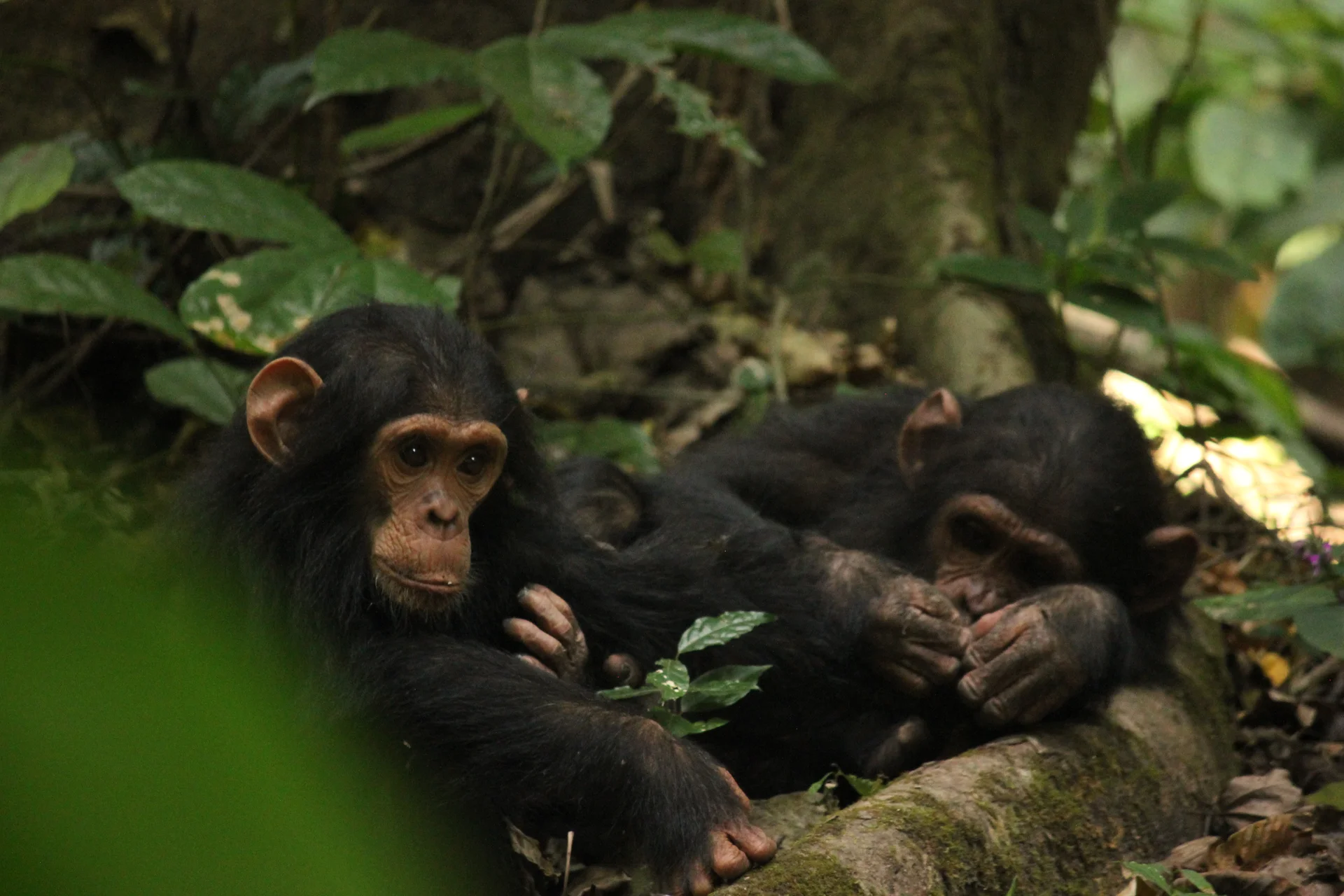 Western Circuit
Gombe Stream National Park, also known as Gombe National Park, combines wild chimpanzee trekking with forested hills and the shores of Lake Tanganyika. In Kigoma…
Wildlife
Chimpanzees & Olive baboons
Landscape
National Parks & Safari
Highlights
Wild chimpanzee trekking with park rangers
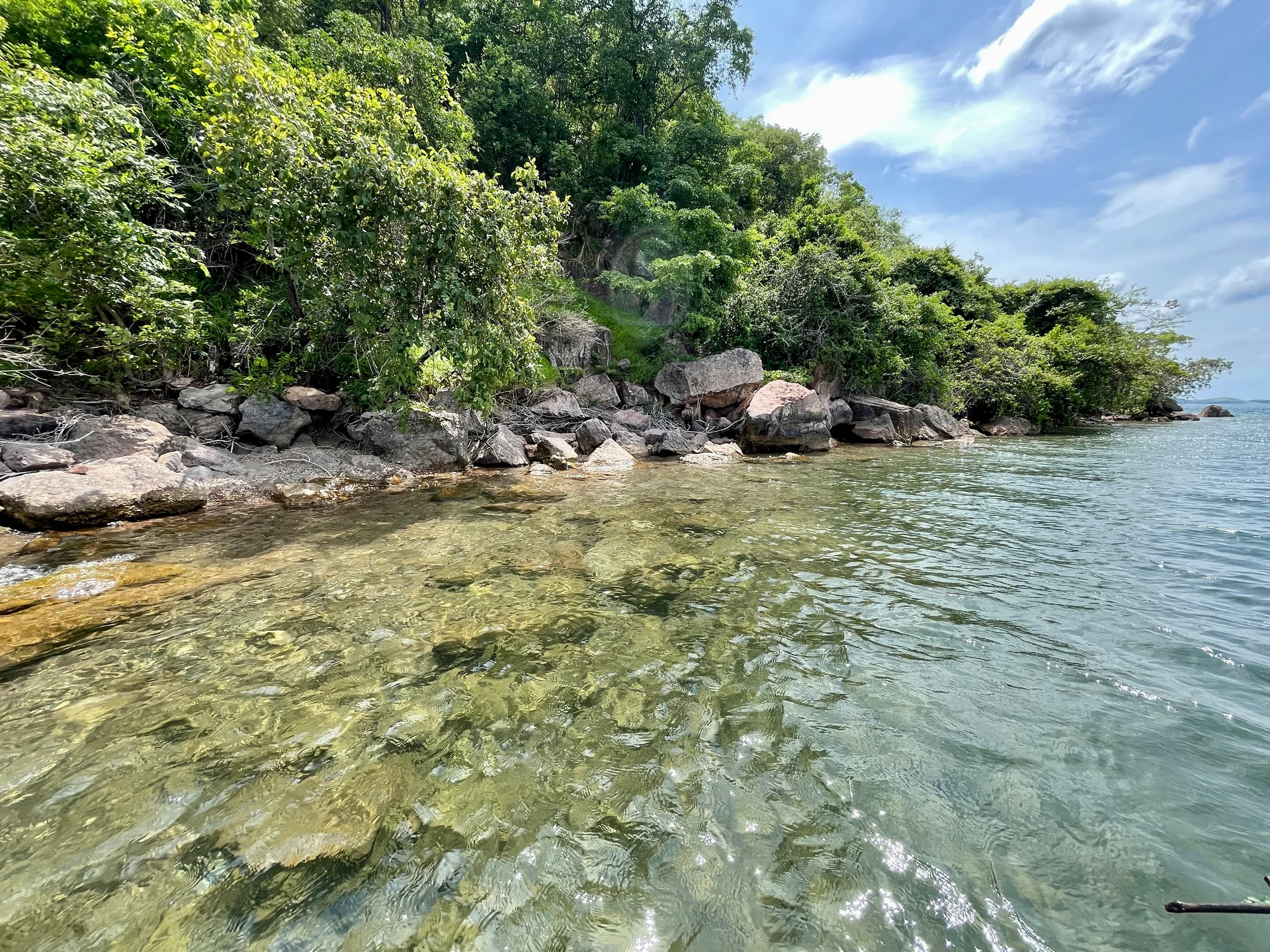 Southern Circuit
Lake Tanganyika offers a striking freshwater setting along Tanzania’s western frontier: broad blue horizons, wooded shores, bays, beaches and communities whose daily life is closely…
Wildlife
Endemic cichlid fish & Other freshwater fish
Landscape
Lakes & Hot Springs
Highlights
Africa’s deepest freshwater lake in the East African Rift
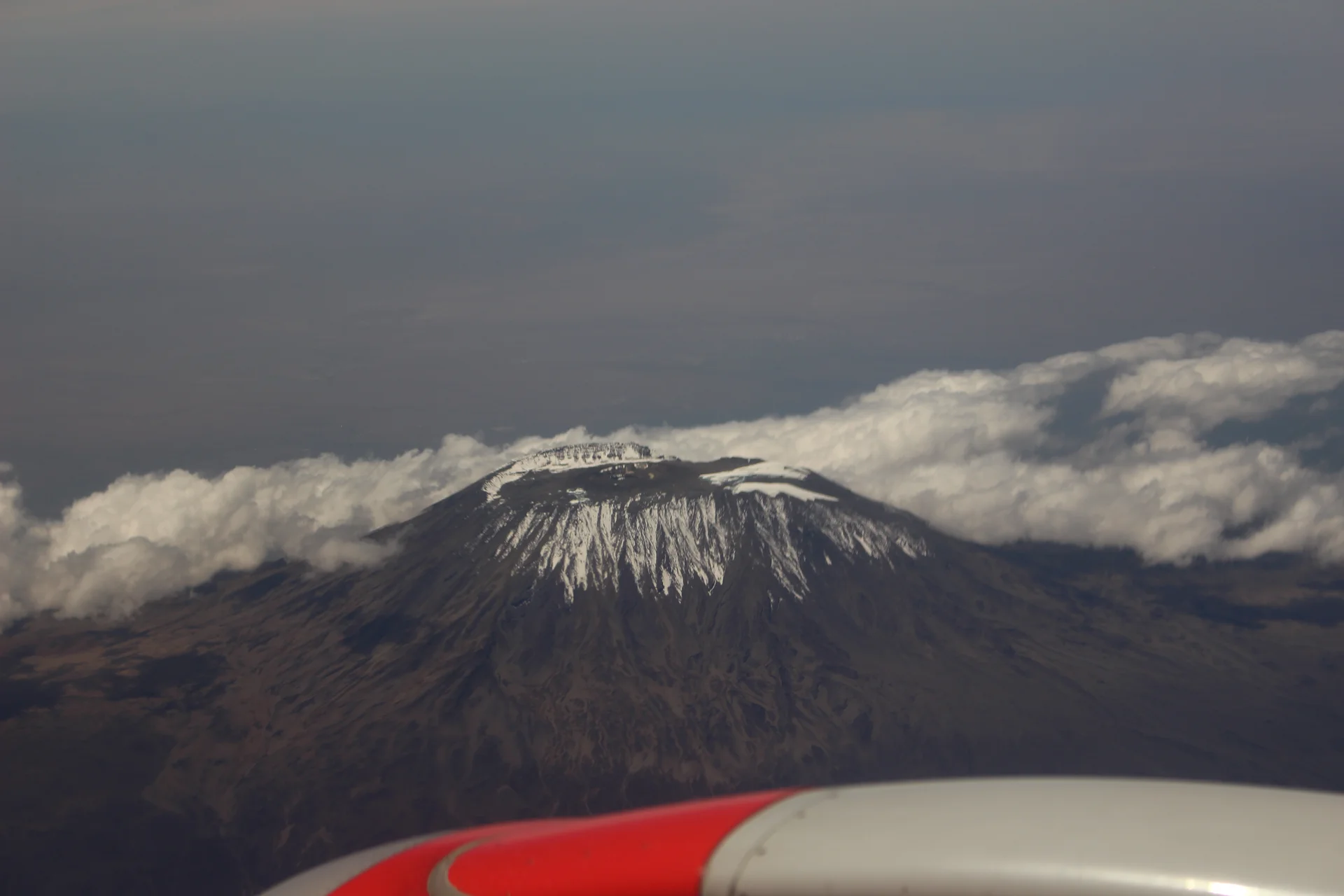 Northern Circuit
Kilimanjaro rises above northern Tanzania’s plains to Uhuru Peak at 5,895 metres, the highest point in Africa. Its volcanic massif, dramatic changes in vegetation and…
Wildlife
Black-and-white colobus monkeys in forest habitats & Blue monkeys in forest habitats
Landscape
Mountains & Trekking
Highlights
Uhuru Peak at 5,895 metres — Africa’s highest point
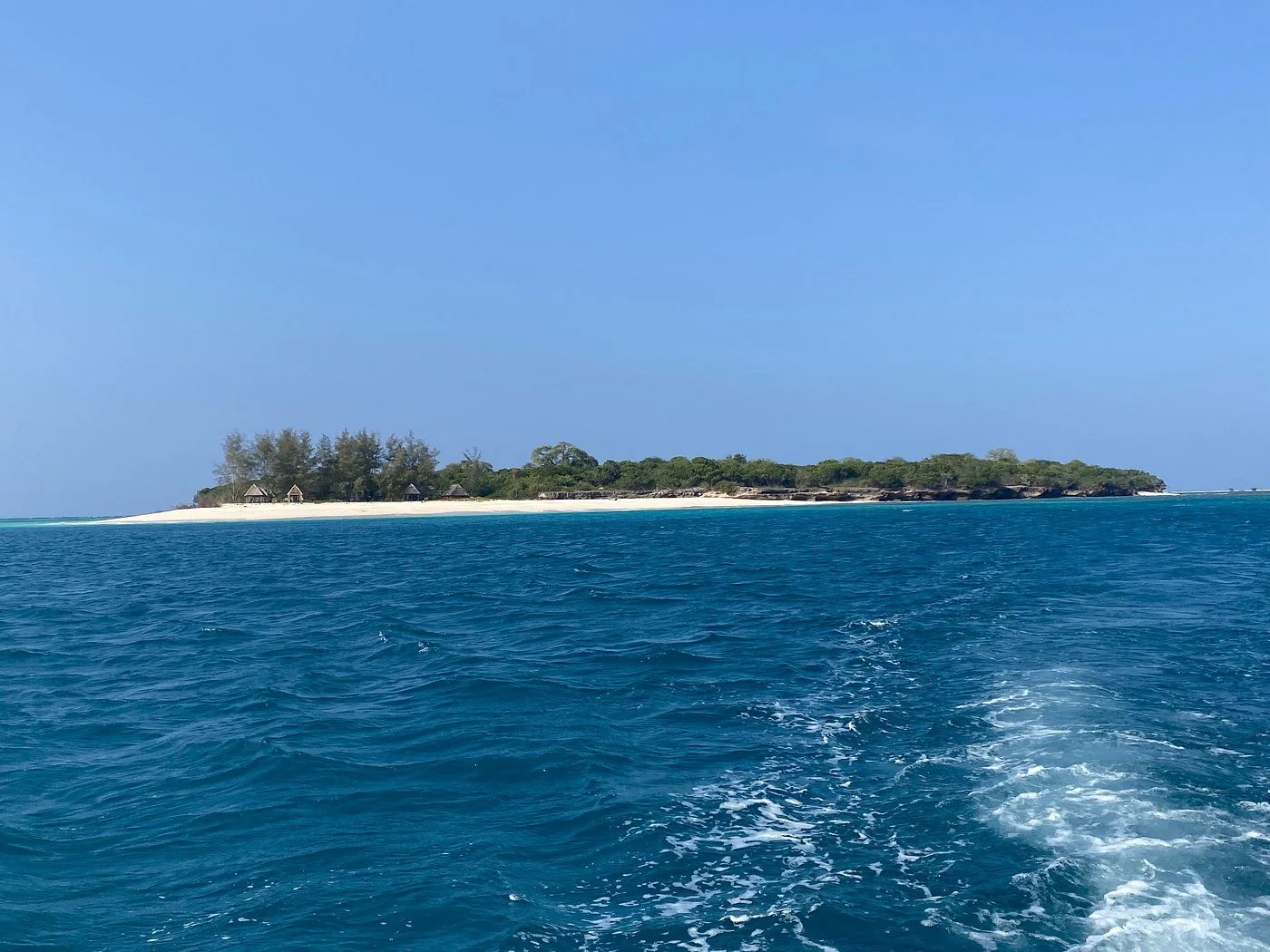 Zanzibar & Islands
Sinda Island Marine Reserve offers an Indian Ocean escape off Kigamboni, on the southern side of Dar es Salaam. The reserve encompasses Inner and Outer…
Wildlife
Reef fish & Coastal birds
Landscape
Beaches & Islands
Highlights
Inner and Outer Sinda islands
 Northern Circuit
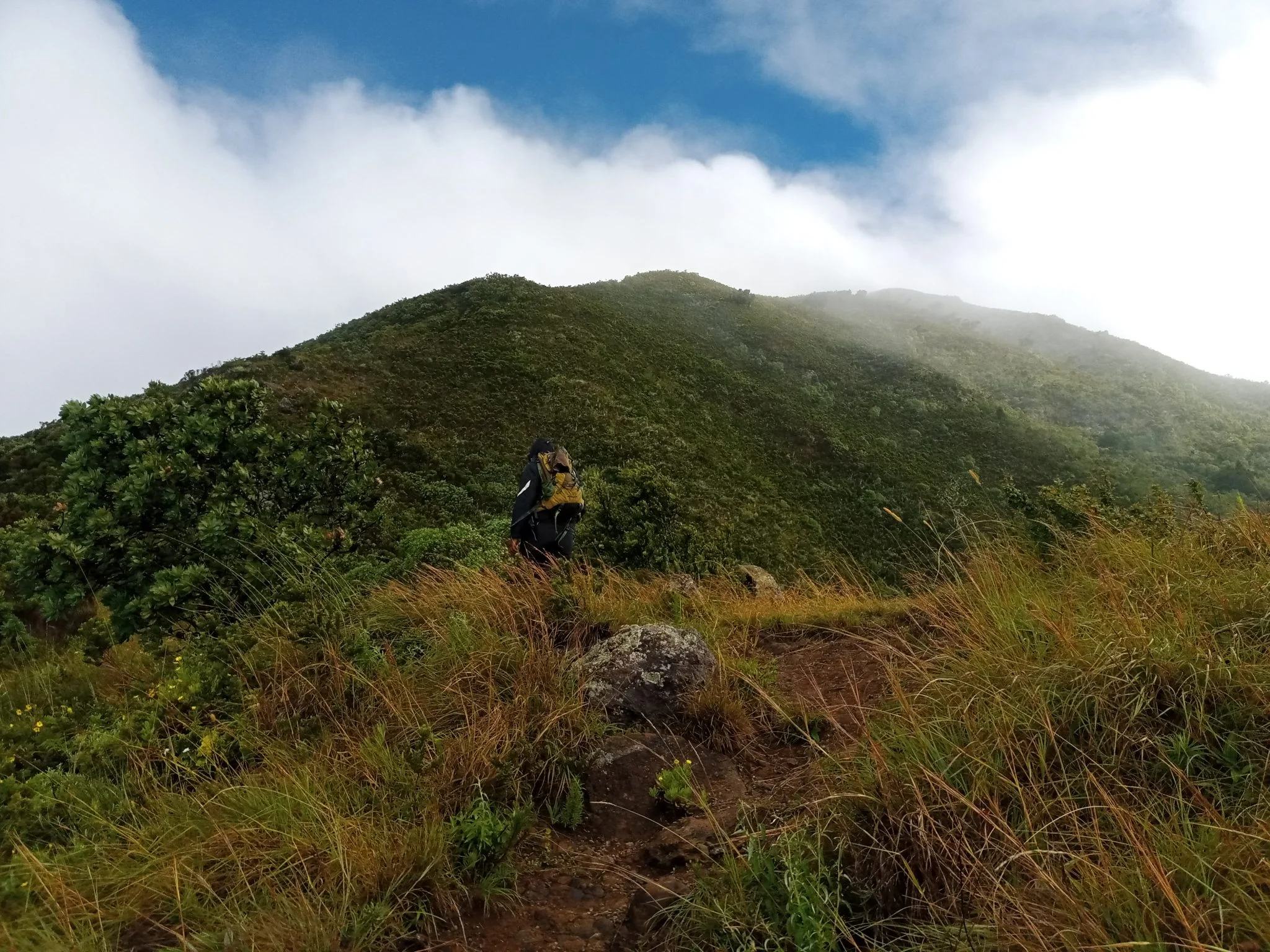
Discover Mount Hanang Rising above Katesh in Tanzania’s Manyara Region, Mount Hanang offers a rewarding mountain adventure beyond the familiar northern safari circuit. At approximately…
Wildlife
Klipspringer & Vervet monkeys
Landscape
Mountains & Trekking
Highlights
Approximately 3,423 metres — Tanzania’s fourth-highest mountain
 Northern Circuit
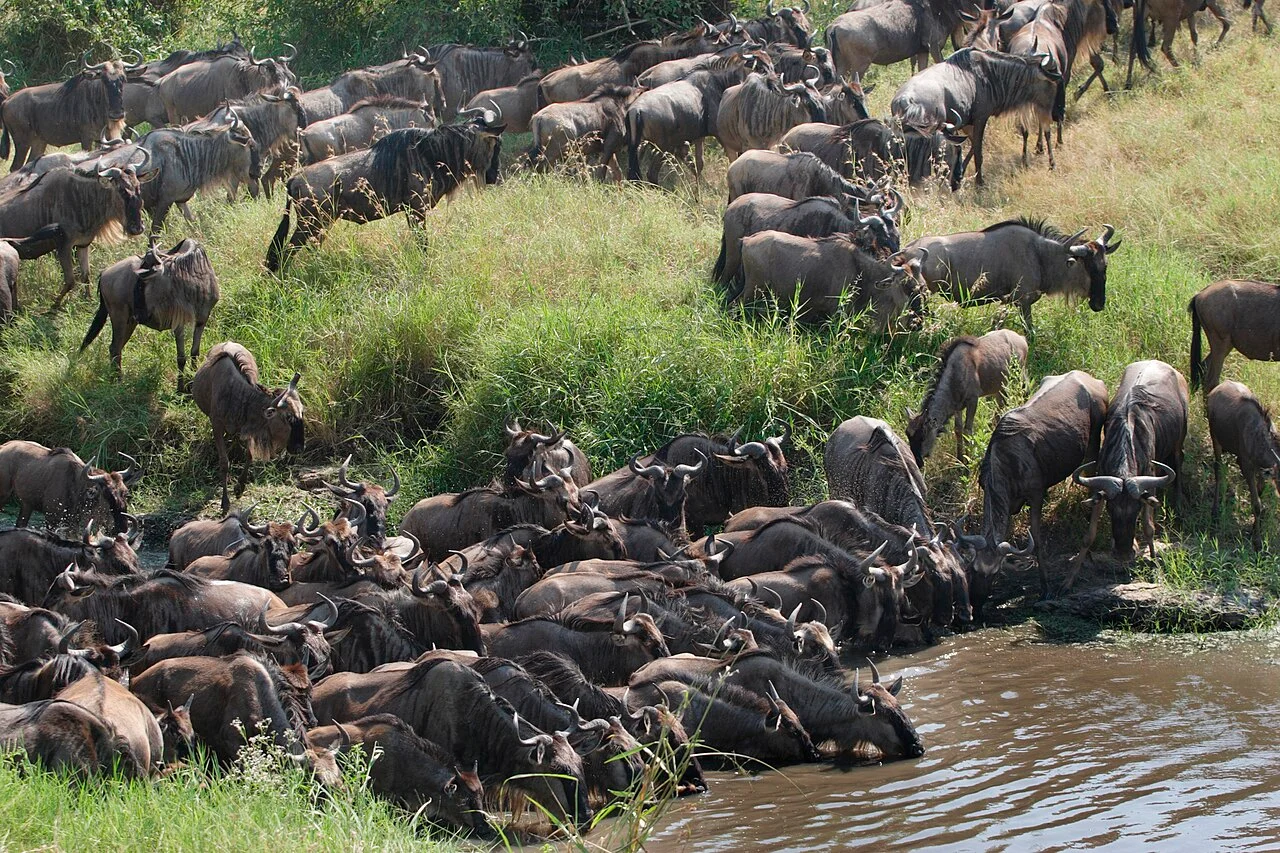
North Serengeti is one of the most captivating regions of Serengeti National Park in northern Tanzania. Located near the border with Kenya and extending toward…
Wildlife
Wildebeest & Zebra
Landscape
National Parks & Safari
Highlights
Experience the remote wilderness of northern Serengeti