 5.0 Excellent

Ndutu safari lodge
Ndutu Plains
Ndutu safari lodge
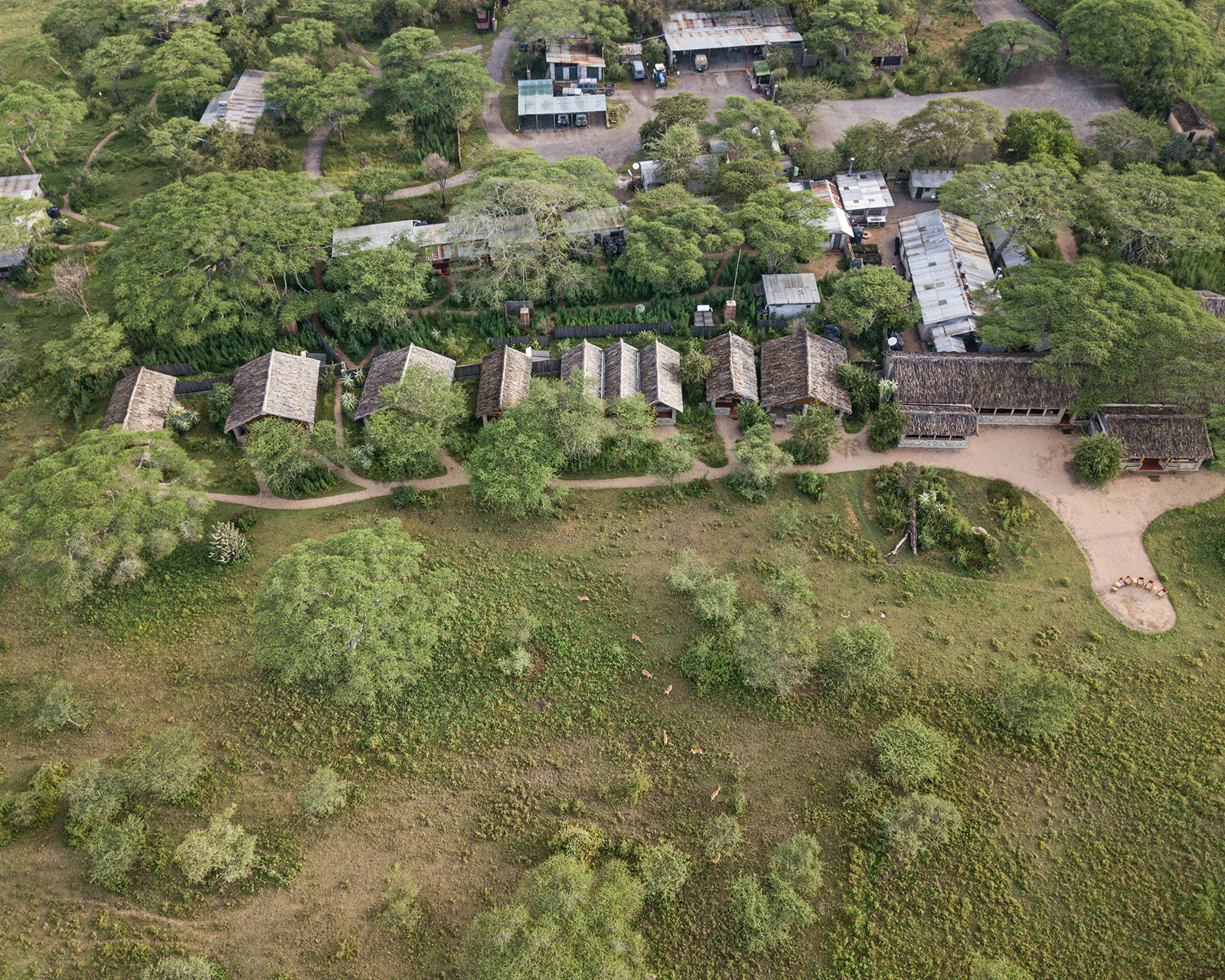
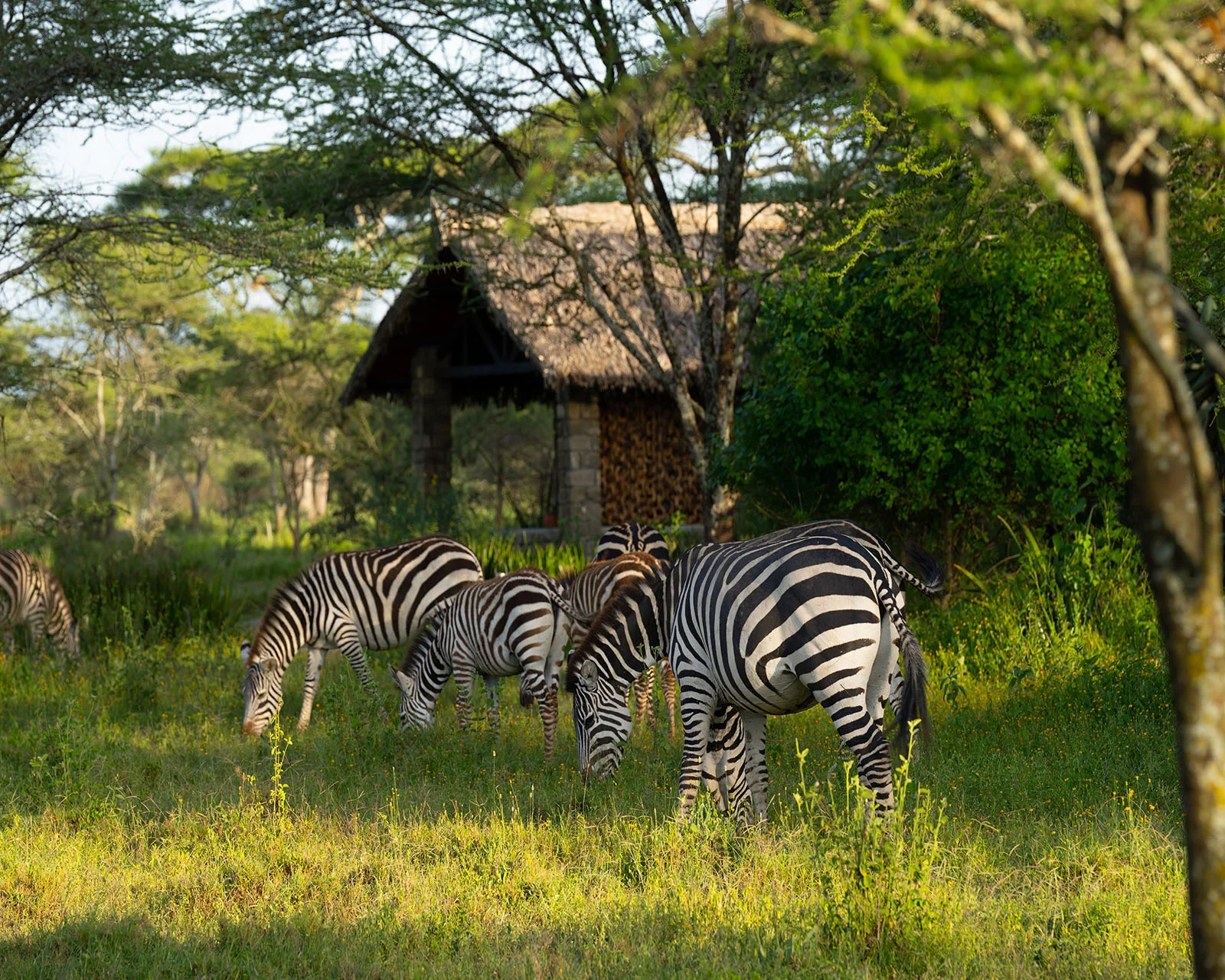
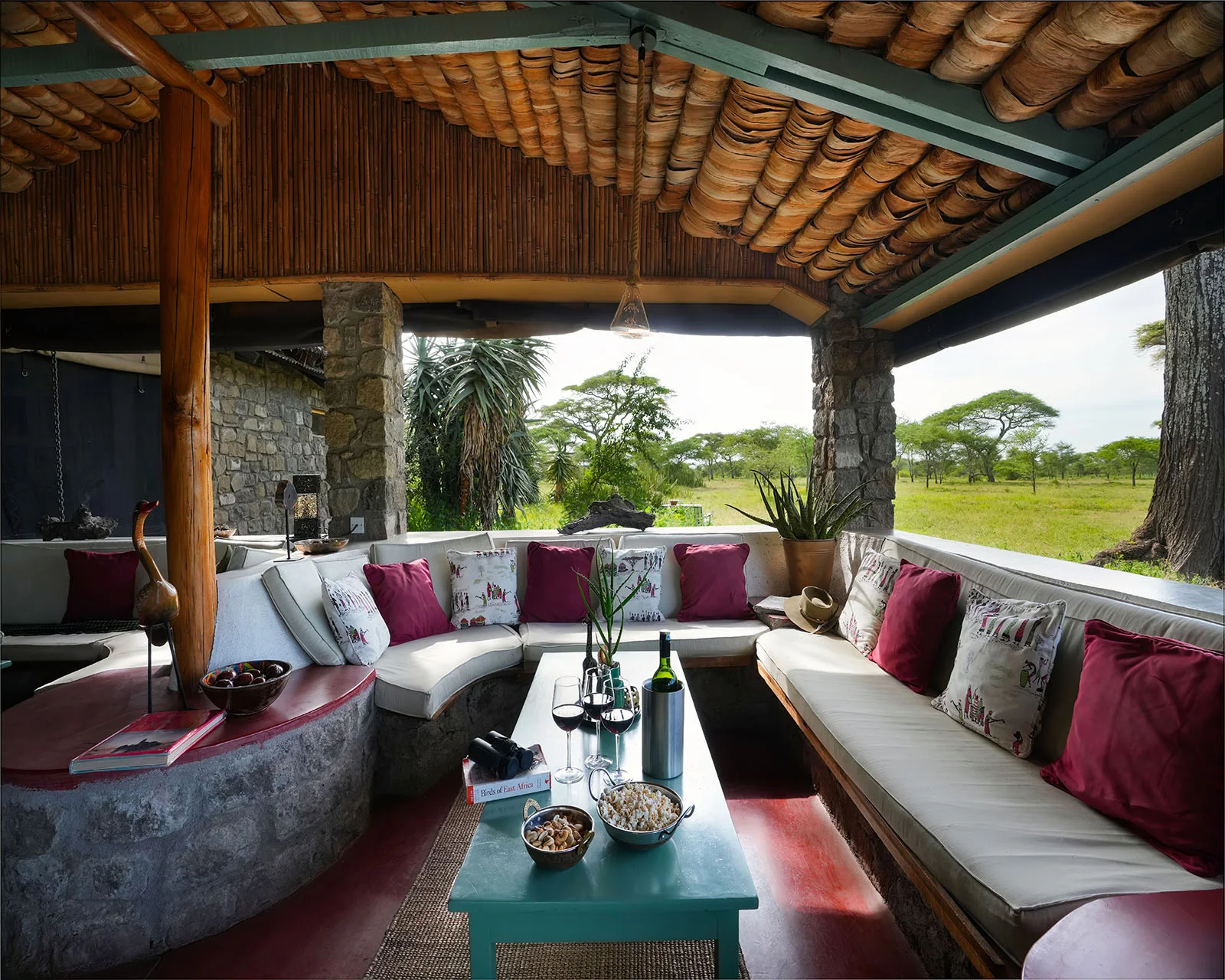
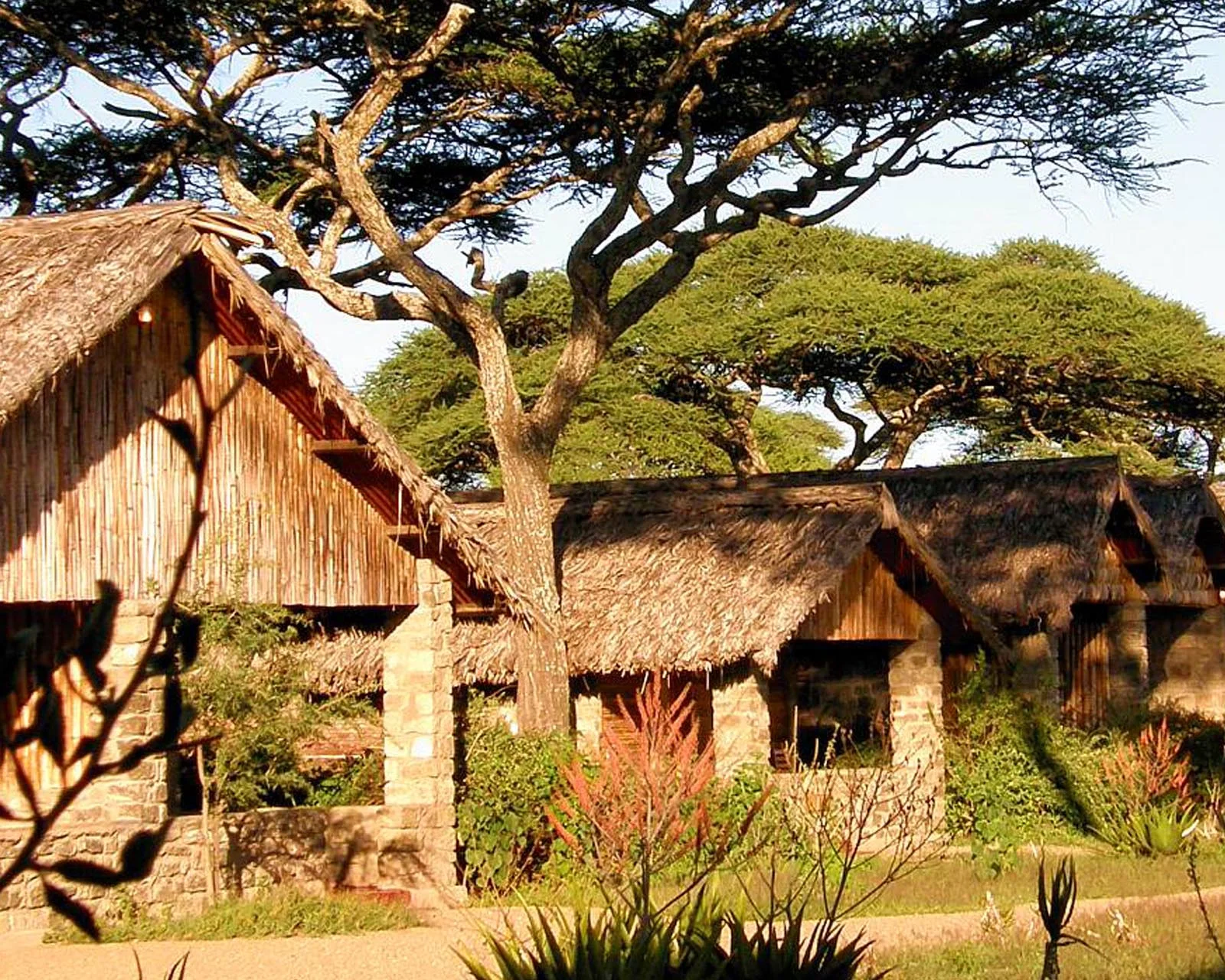
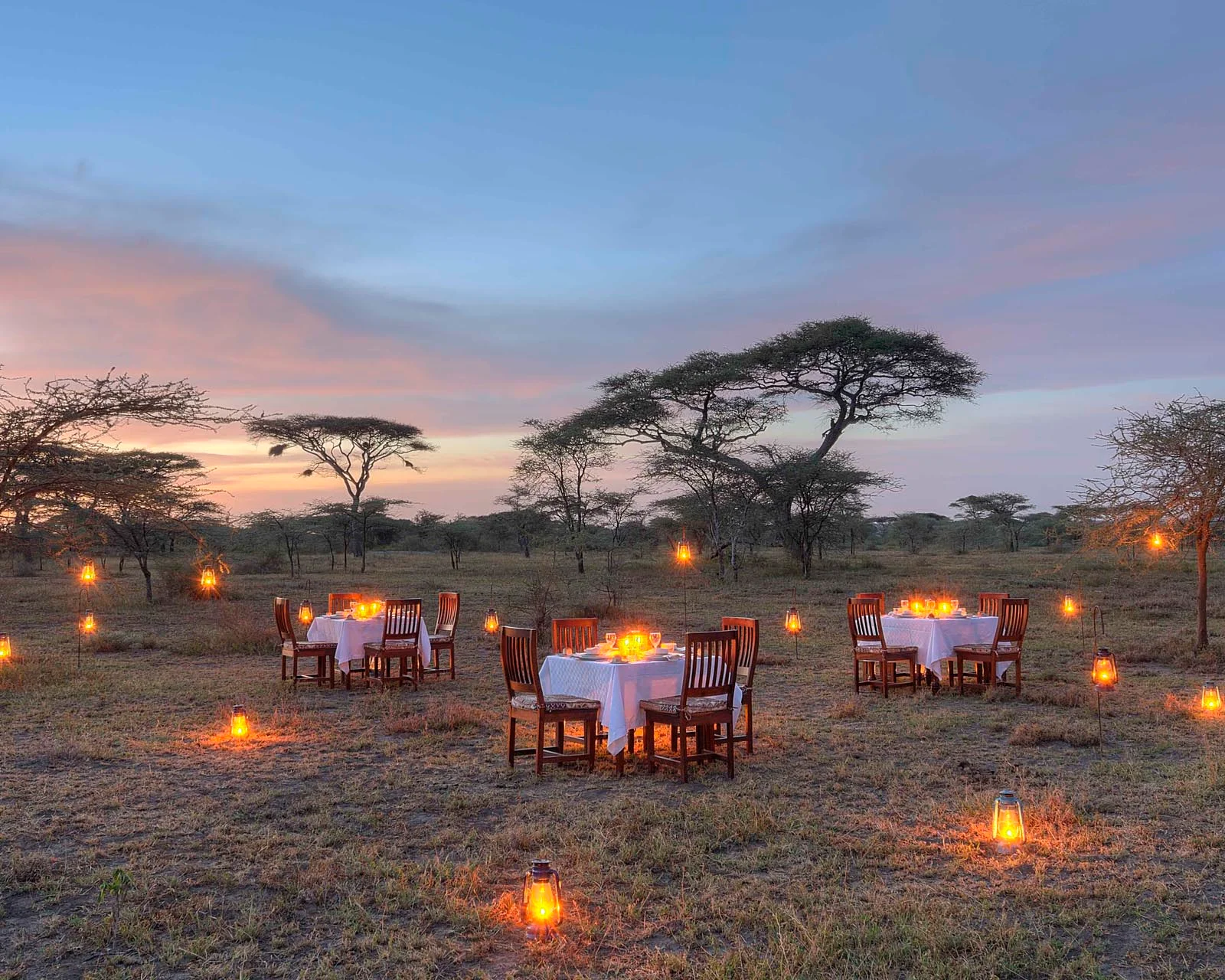
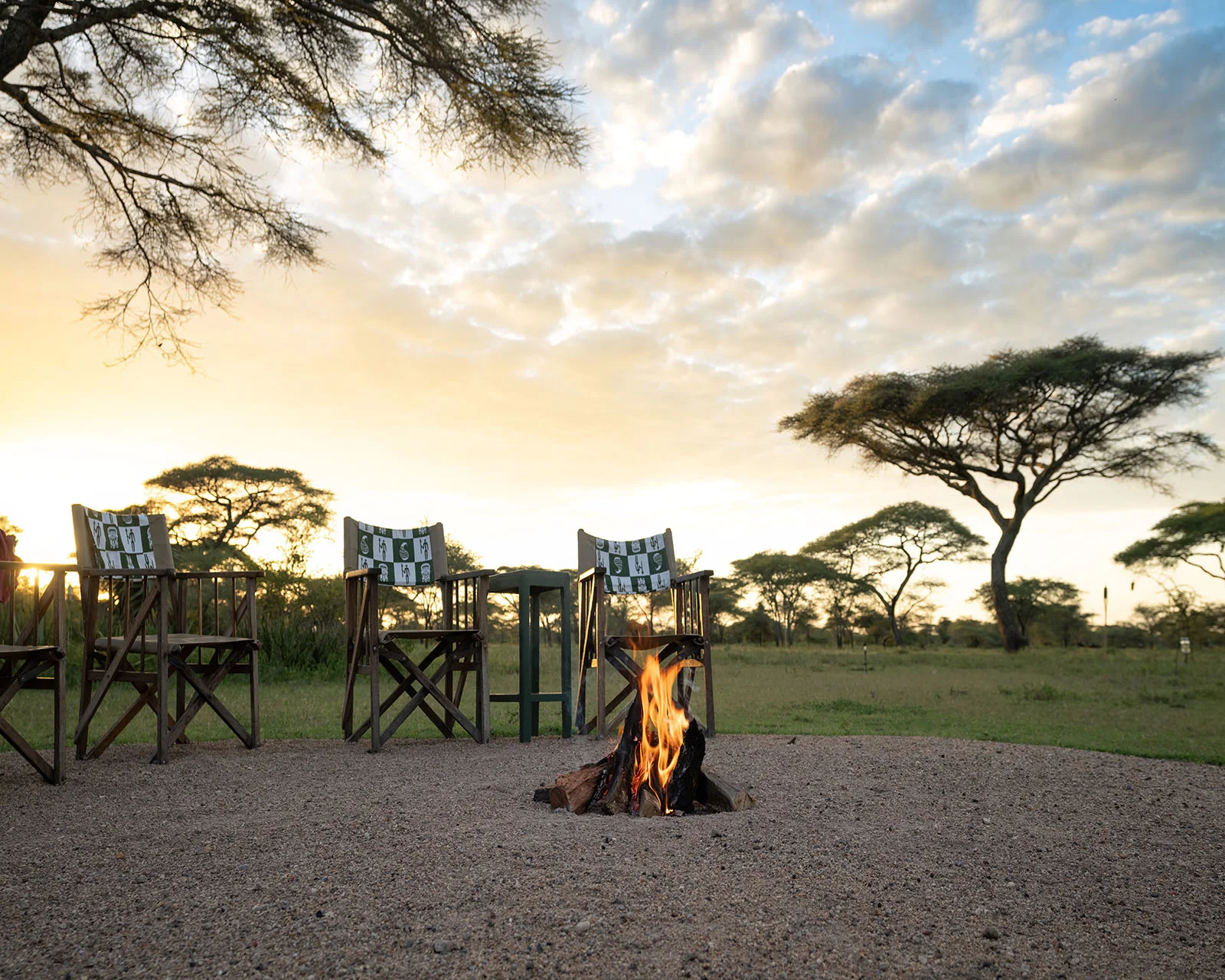
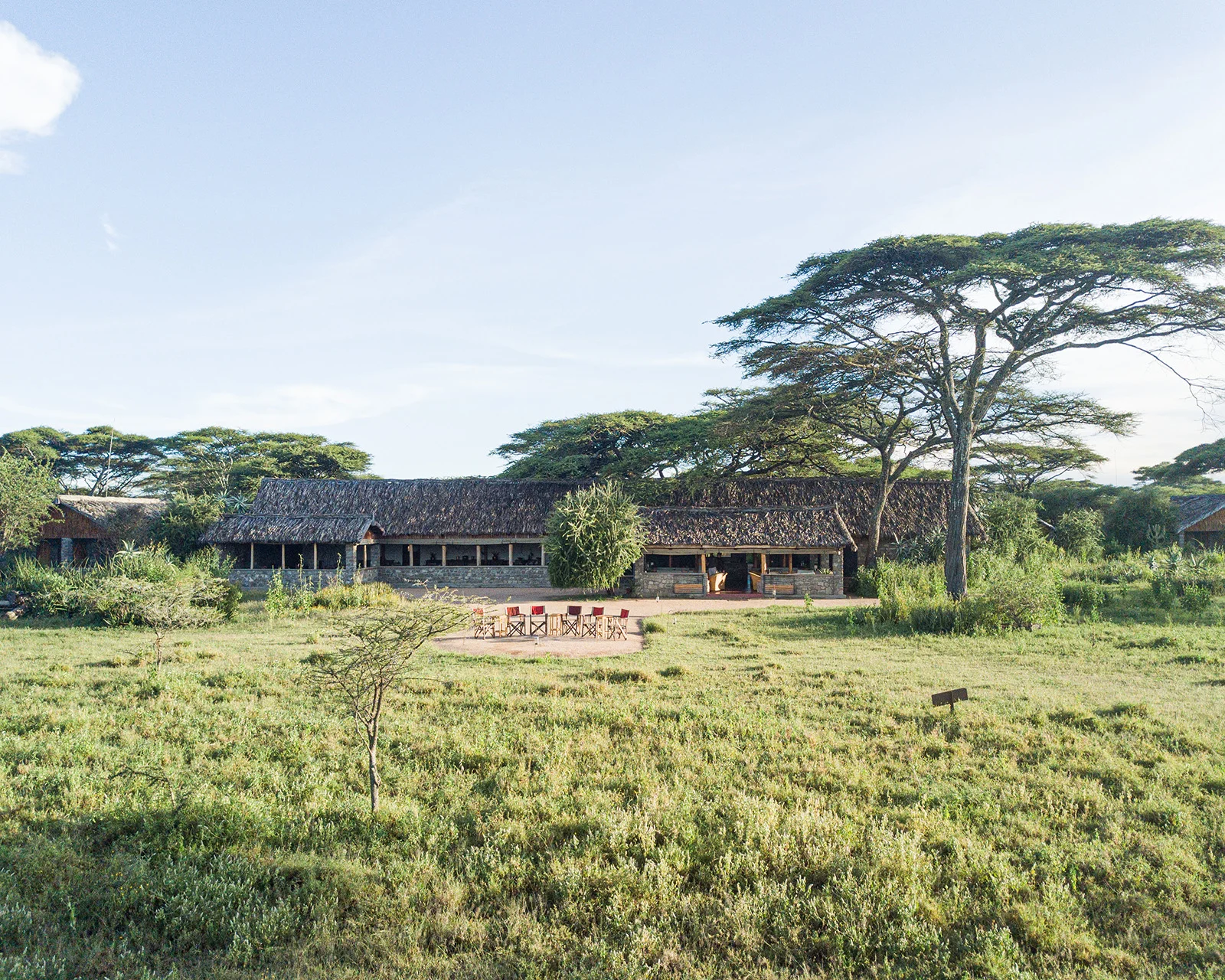
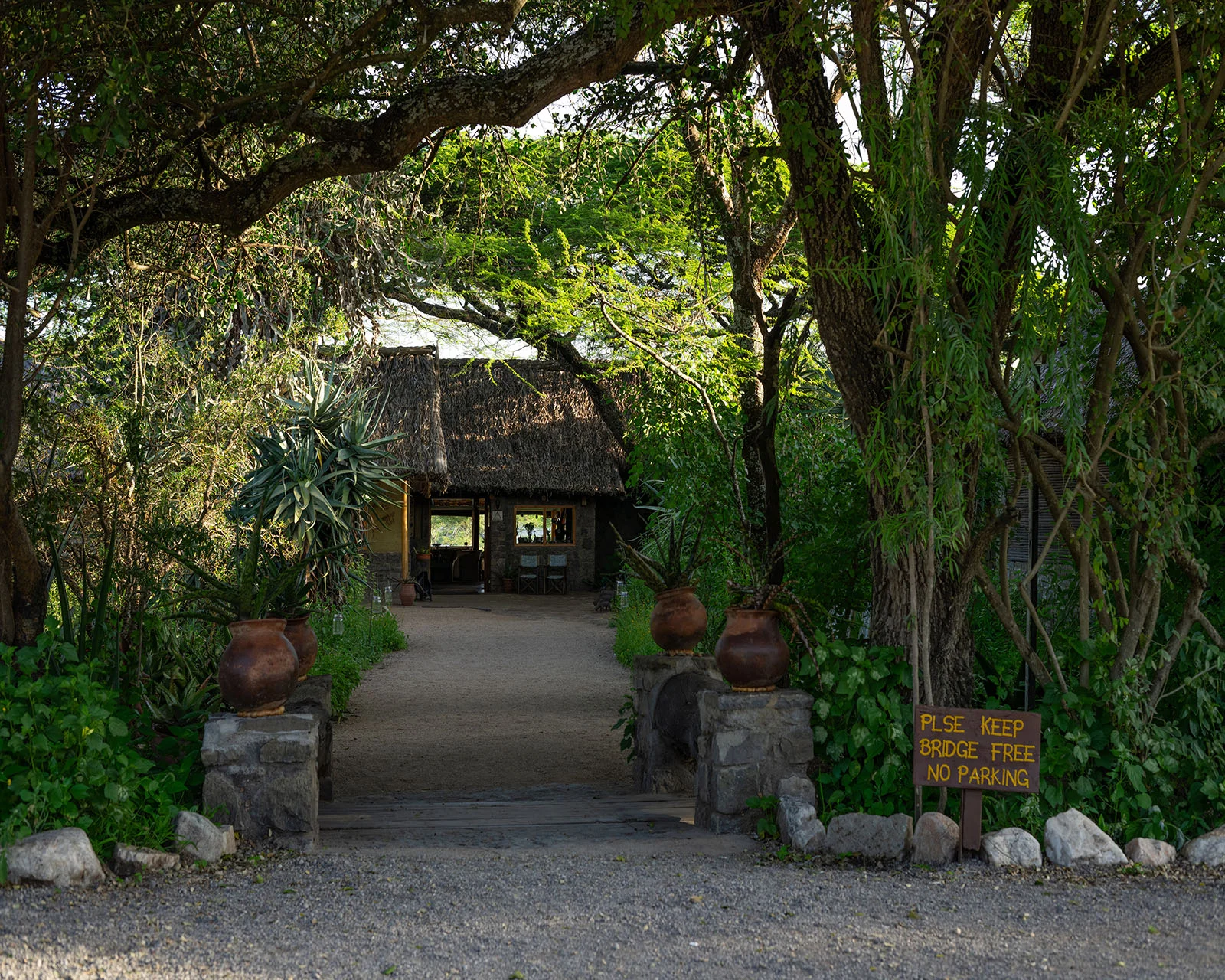
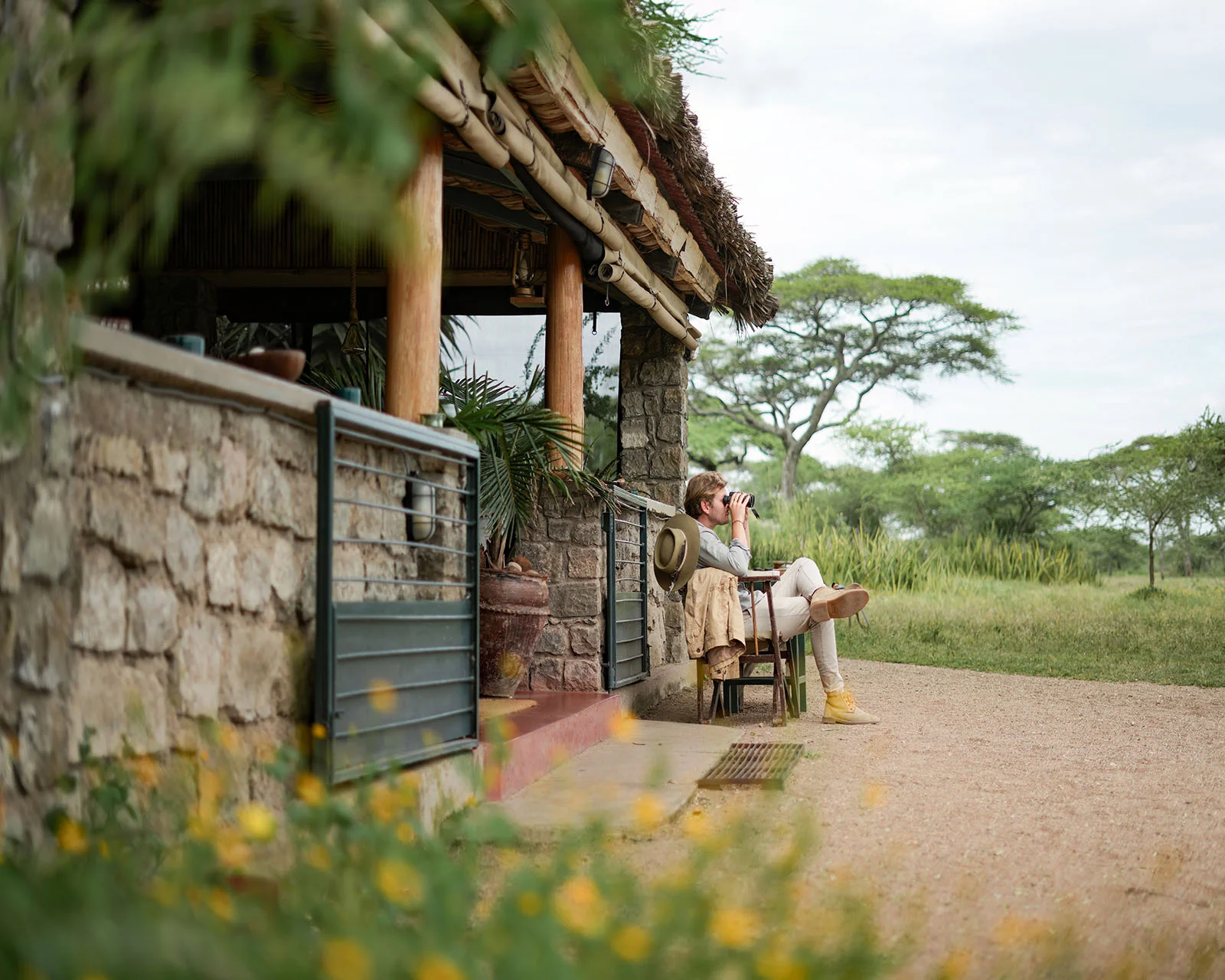
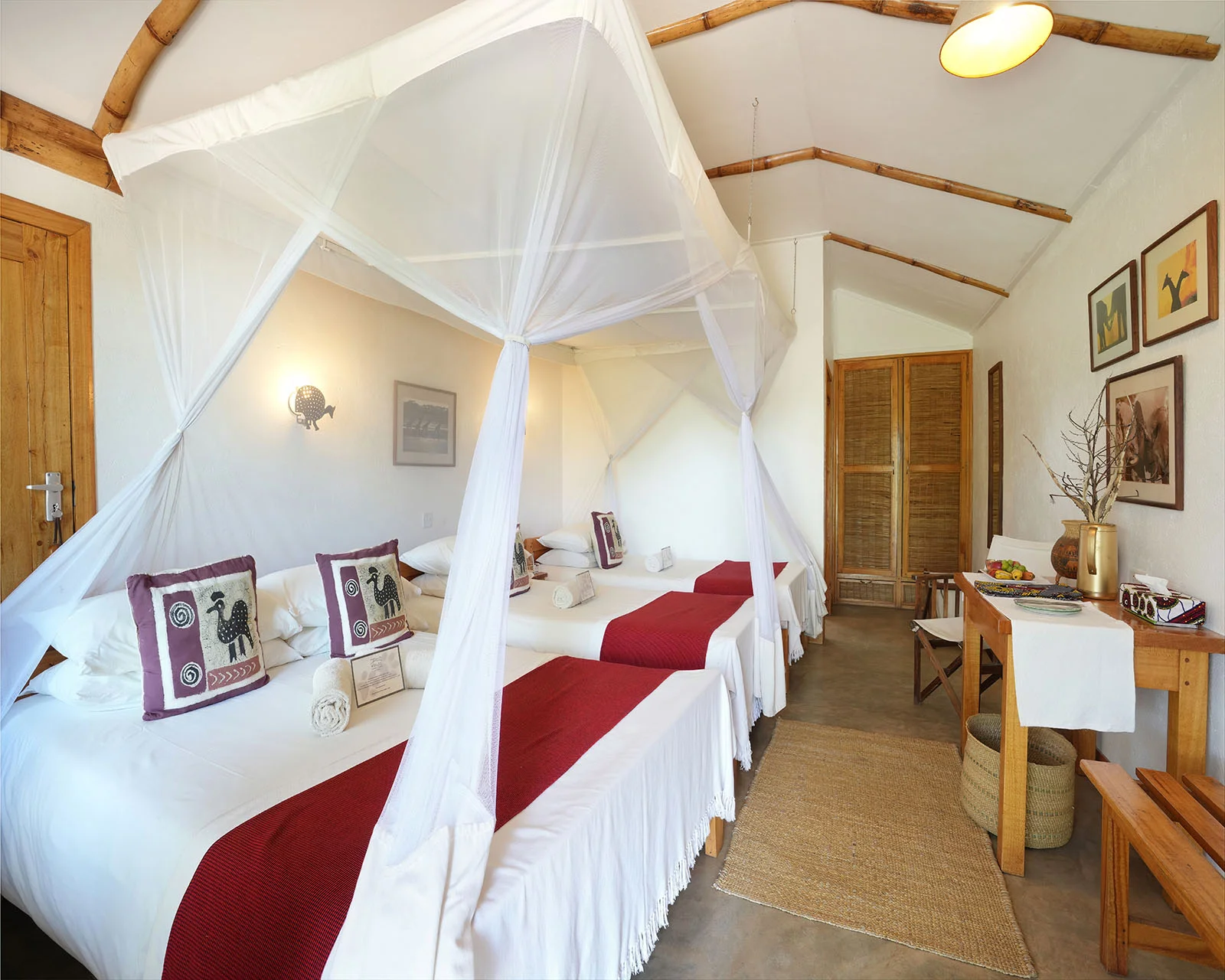
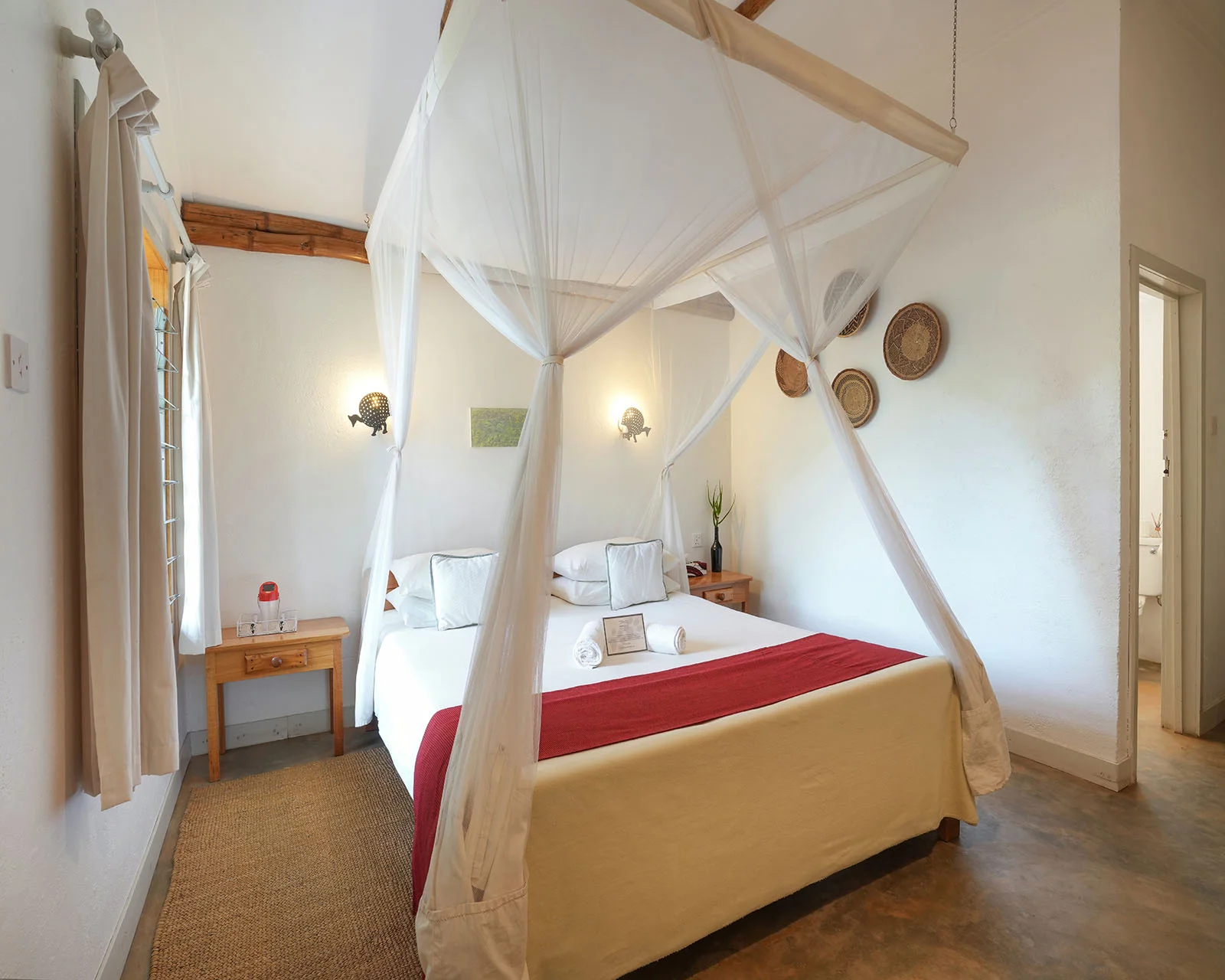
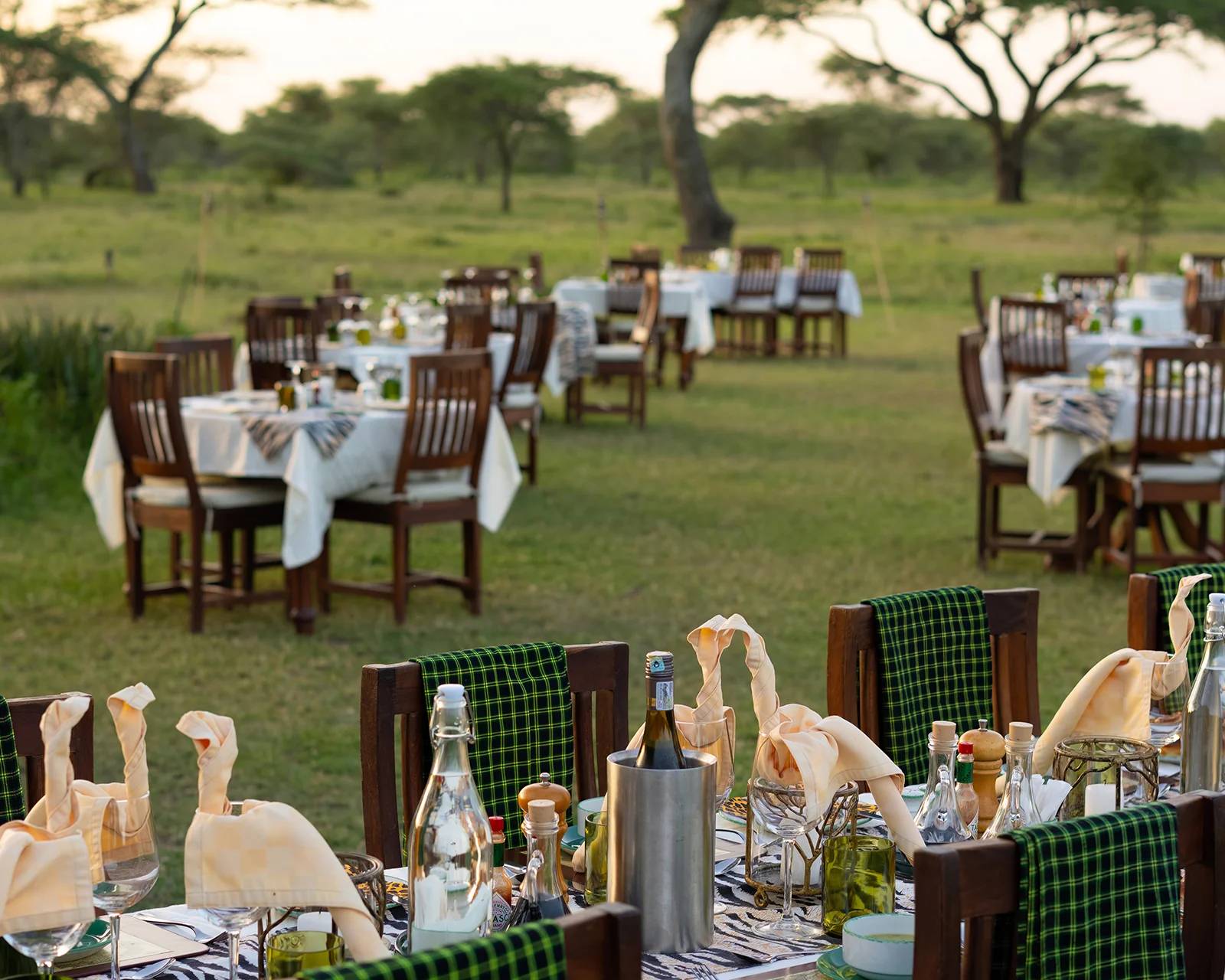
Ndutu Safari Lodge is a traditional safari lodge located within the Ngorongoro Conservation Area, on the edge of the Southern Serengeti plains in northern Tanzania. Overlooking the landscape around Lake Ndutu and shaded by towering acacia trees, the lodge offers an authentic African bush experience in one of the most wildlife-rich parts of the Serengeti ecosystem. With a history spanning more than five decades, Ndutu Safari Lodge is known for its welcoming atmosphere, simple comforts and exceptional access to seasonal wildlife activity. Its location makes it particularly appealing to travellers interested in the Great Wildebeest Migration, wildlife photography, birdwatching and guided game drives across the varied habitats of the Ndutu region. TRADITIONAL STONE AND THATched COTTAGES The lodge has 34 individual cottages built from locally sourced stone and thatching materials. The thick walls help keep the interiors naturally cool, while each cottage provides comfortable accommodation with an en-suite bathroom, hot-water shower, washbasin and flushing toilet. Every cottage has a private veranda overlooking the surrounding natural landscape, where indigenous trees and shrubs attract birds and other wildlife. Accommodation options include double, twin and triple cottages, together with an interconnected quad-room arrangement with two bathrooms. The cottages are arranged around the central dining, lounge and bar area, creating a sociable atmosphere while allowing guests to enjoy their own private space after a day in the bush. DINING, BUSH BREAKFASTS AND CAMPFIRE EVENINGS Food and shared experiences are central to a stay at Ndutu Safari Lodge. Breakfast offers freshly prepared options, and guests leaving early for a game drive can request a bush breakfast to enjoy out in the landscape. Lunch and dinner are served in the lodge’s central dining area, which overlooks the plains towards Lake Ndutu. The lodge describes its usual service as a three-course lunch and a four-course dinner. The central bar is a welcoming place to enjoy a drink before dinner, while complimentary hot drinks and homemade biscuits are available during the day. In the evening, guests can gather around the campfire beneath the African night sky, share stories from their game drives and listen to the sounds of the surrounding wilderness. A REMARKABLE LOCATION FOR THE GREAT WILDEBEEST MIGRATION Ndutu lies within the wider Serengeti ecosystem, where seasonal movements of wildebeest and zebra bring dramatic wildlife activity to the southern plains. From approximately December to April, the short-grass plains of the Ndutu region are especially important during the migration and wildebeest calving season. This period can offer opportunities to observe newborn animals and predators, although wildlife sightings depend on natural movements and conditions. The area offers a variety of habitats to explore, including open grasslands, acacia woodland, marshes and soda lakes. These landscapes support resident wildlife throughout the year, while seasonal changes influence where animals gather. Ndutu is therefore a rewarding destination for photographers and safari enthusiasts hoping to experience the diversity of the Serengeti ecosystem beyond a single game-drive route. AN IDEAL BASE FOR SOUTHERN SERENGETI GAME DRIVES Staying at Ndutu Safari Lodge gives travellers access to the surrounding conservation area and its varied wildlife habitats. Game drives can explore the short-grass plains, woodland areas, marshes and the landscapes around Lake Ndutu and Lake Masek. These environments offer different wildlife-viewing opportunities throughout the year, making the lodge suitable for both migration-focused safaris and broader southern Serengeti explorations. Located between the Ngorongoro Crater area and the Serengeti National Park, the lodge can also form part of a multi-day Northern Tanzania safari itinerary. Road transfers and driving times depend on the chosen route, seasonal road conditions and the day’s safari plans. WHO SHOULD STAY AT NDUTU SAFARI LODGE? Ndutu Safari Lodge is well suited to travellers who value wildlife access, a traditional safari atmosphere and friendly communal spaces over contemporary resort-style luxury. It is particularly appealing to wildlife photographers, birdwatchers, couples, families and safari enthusiasts who want to spend time exploring the Ndutu plains during the migration season or discover the region’s resident wildlife at other times of year. For travellers seeking an authentic Ndutu safari lodge in the Southern Serengeti ecosystem, the property combines a distinctive wilderness setting, comfortable en-suite cottages, hearty dining and memorable evenings around the campfire. Its greatest appeal is its location: close to the landscapes and seasonal wildlife movements that make this part of Tanzania such a special safari destination.
Ndutu safari lodge at a glance
- Stay level
- Mid-range
- Rating
- ★★★ (3-star)
- Area
- Ndutu Plains
- Region
- Northern Circuit
- Setting
- National Parks & Safari
Getting to Ndutu Plains
Ndutu Plains is in the Ngorongoro Conservation Area beside the southern Serengeti plains. Kilimanjaro International Airport and Arusha are common gateways for a northern Tanzania safari. Arrange a suitable safari vehicle and guide for a road itinerary, often linking Karatu, the Ngorongoro area and Olduvai before reaching Ndutu. Onward travel into Serengeti National Park requires the appropriate park arrangements. Journey time depends on the starting lodge, access route, track conditions, stops and permits. Allow for a full travel plan rather than assuming the distance can be covered at ordinary highway speeds. Rain may affect roads and internal tracks, so confirm conditions locally and use an operator familiar with the area. A Ngorongoro Crater descent is a separate activity and should not be assumed to happen automatically during the transfer. Flying to Ndutu Airstrip or another suitable regional airstrip can be considered where services are available for your dates. Confirm the operating carrier, departure airport, route, baggage allowance and final camp transfer before booking. Flight schedules and seasonal operations can change. Your accommodation should confirm which airstrip is appropriate and how the game-drive vehicle meets arriving guests. Ensure your quotation identifies conservation-area and national-park access as applicable, accommodation charges, vehicle transport, guide services and optional activities. Discuss family needs, vehicle-entry assistance, walking arrangements and dietary requirements in advance. Choose camp location and operating dates to suit the season and actual itinerary; a lodge address alone does not establish where the migration will be.
Around Ndutu Plains
- Seasonal Great Migration herds on the southern plains
- Wildebeest calving usually between January and March, with timing shaped by rainfall
- A varied landscape of short grass, acacia woodland, marshes and alkaline lakes
- Predator viewing opportunities, including lion, cheetah and spotted hyena