 5.0 Excellent

Dorine M1 year ago

Grateful experience
As a solo female traveler, I felt super safe and well taken care of the entire time.
Read more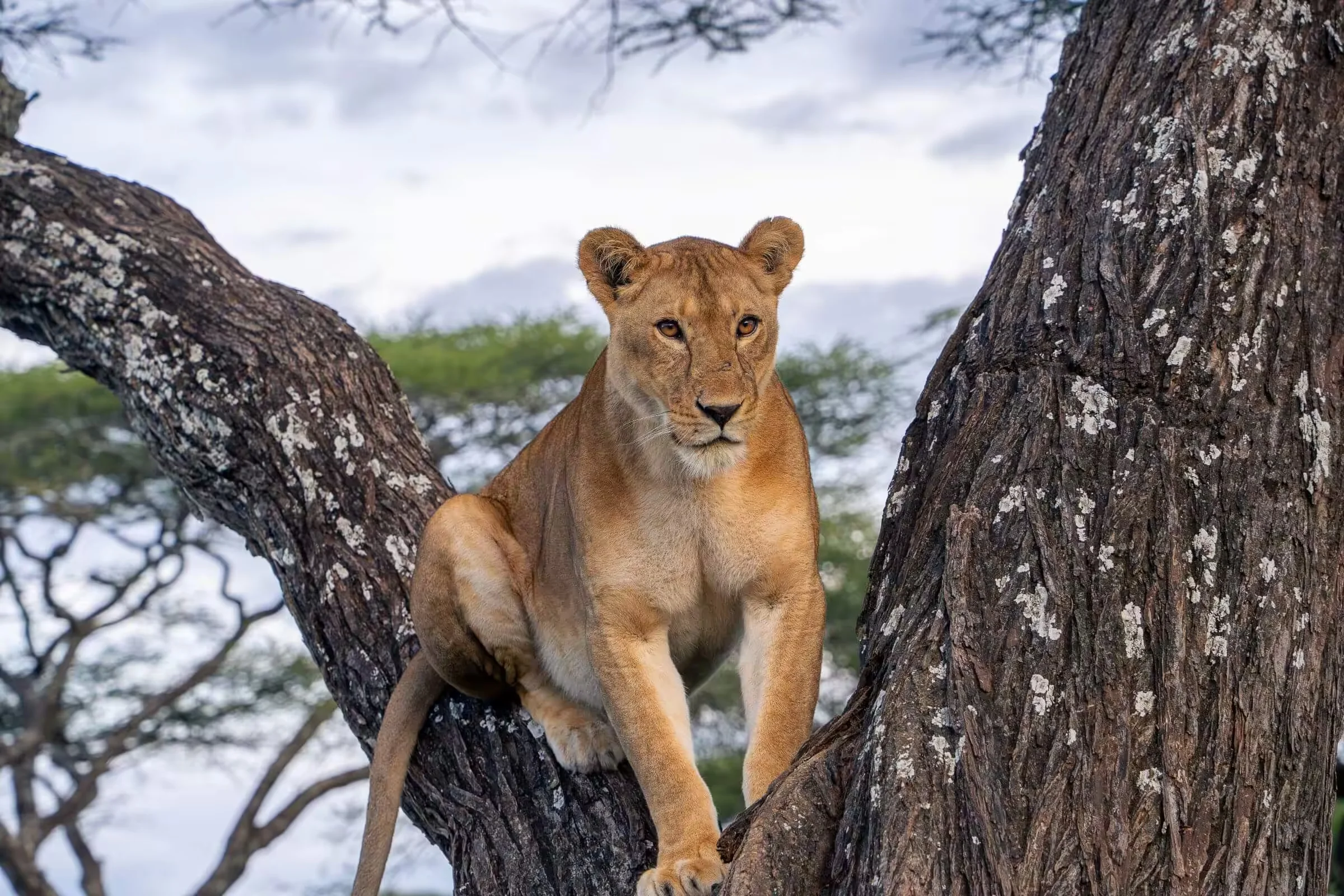
Northern Circuit · Tanzania
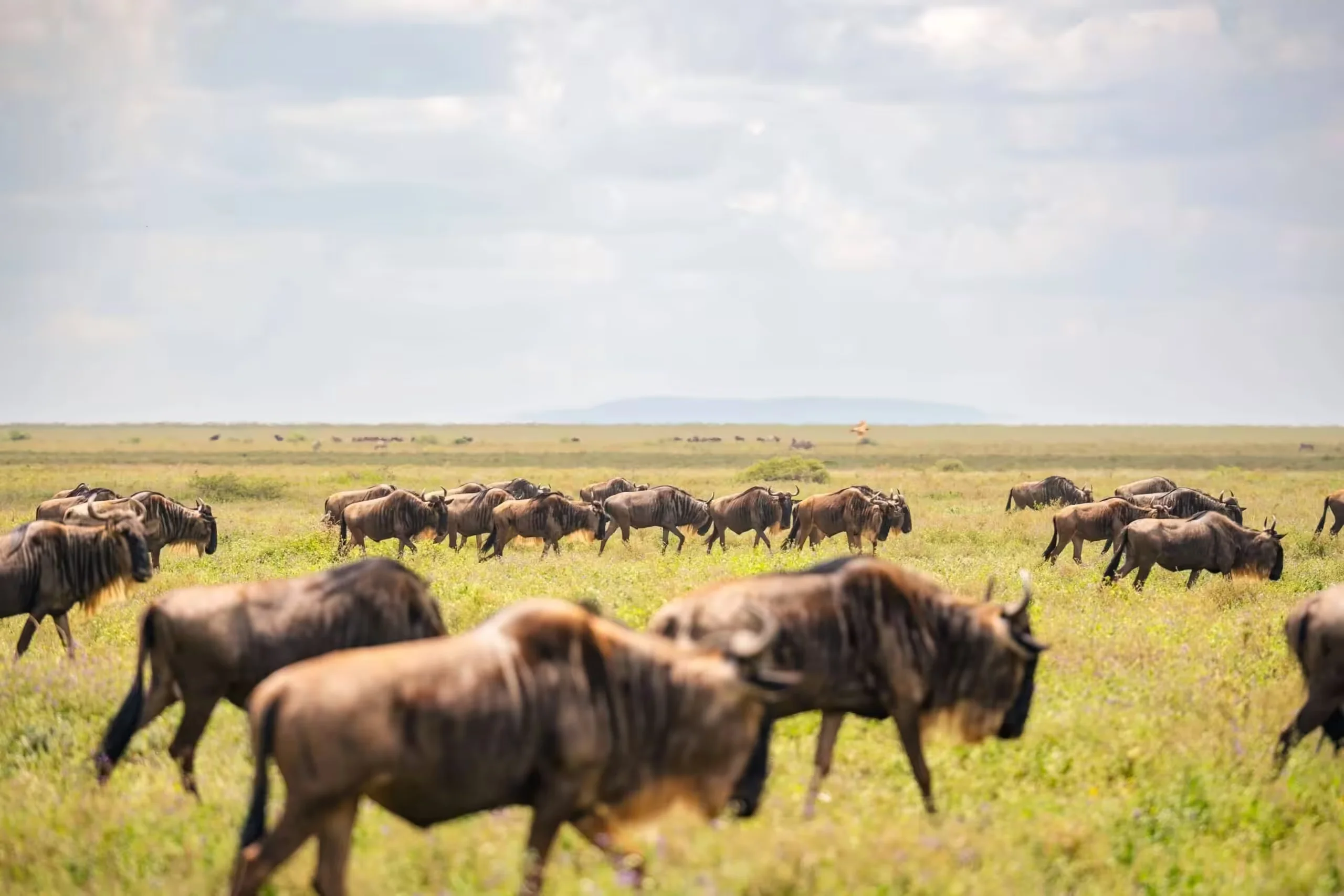
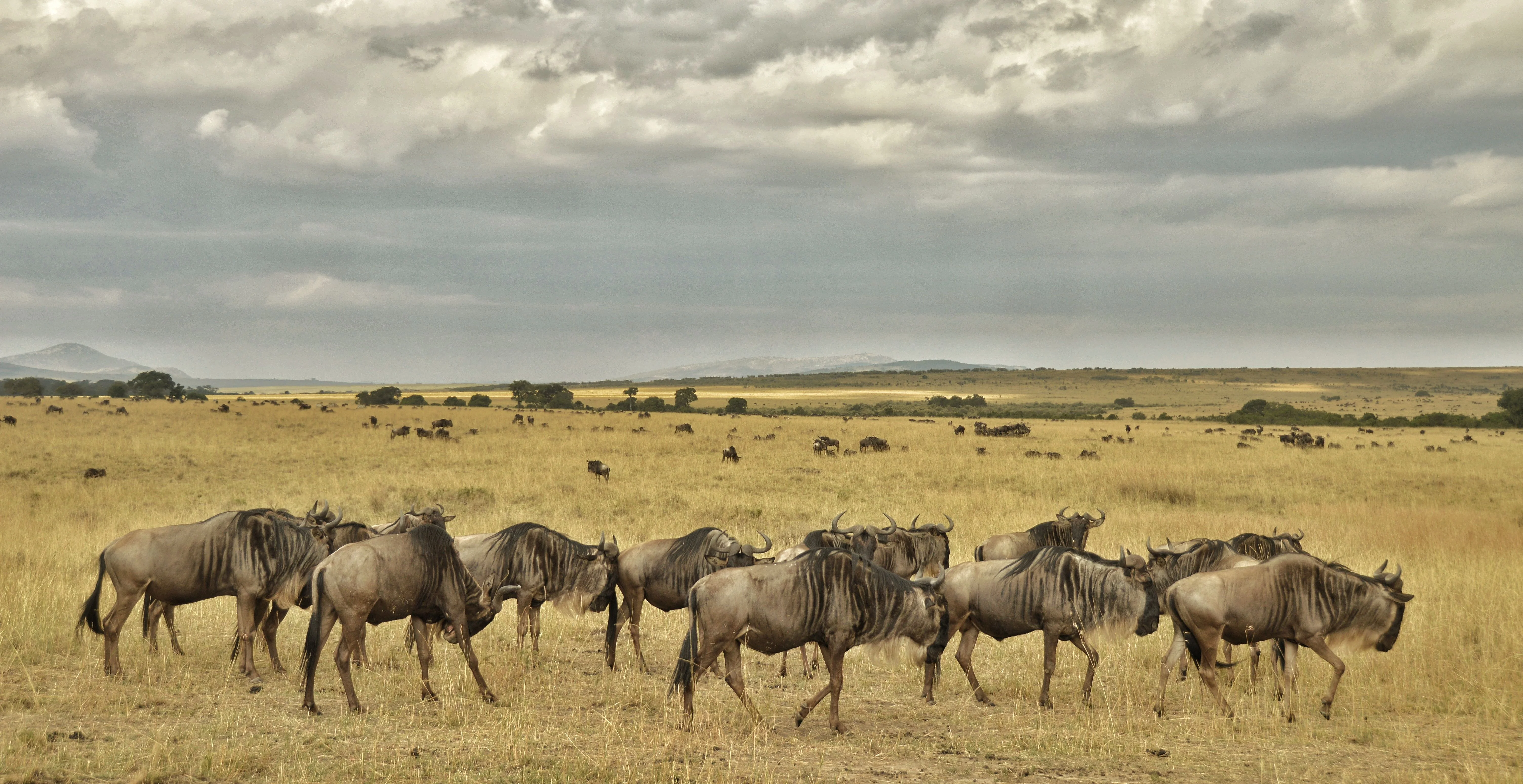
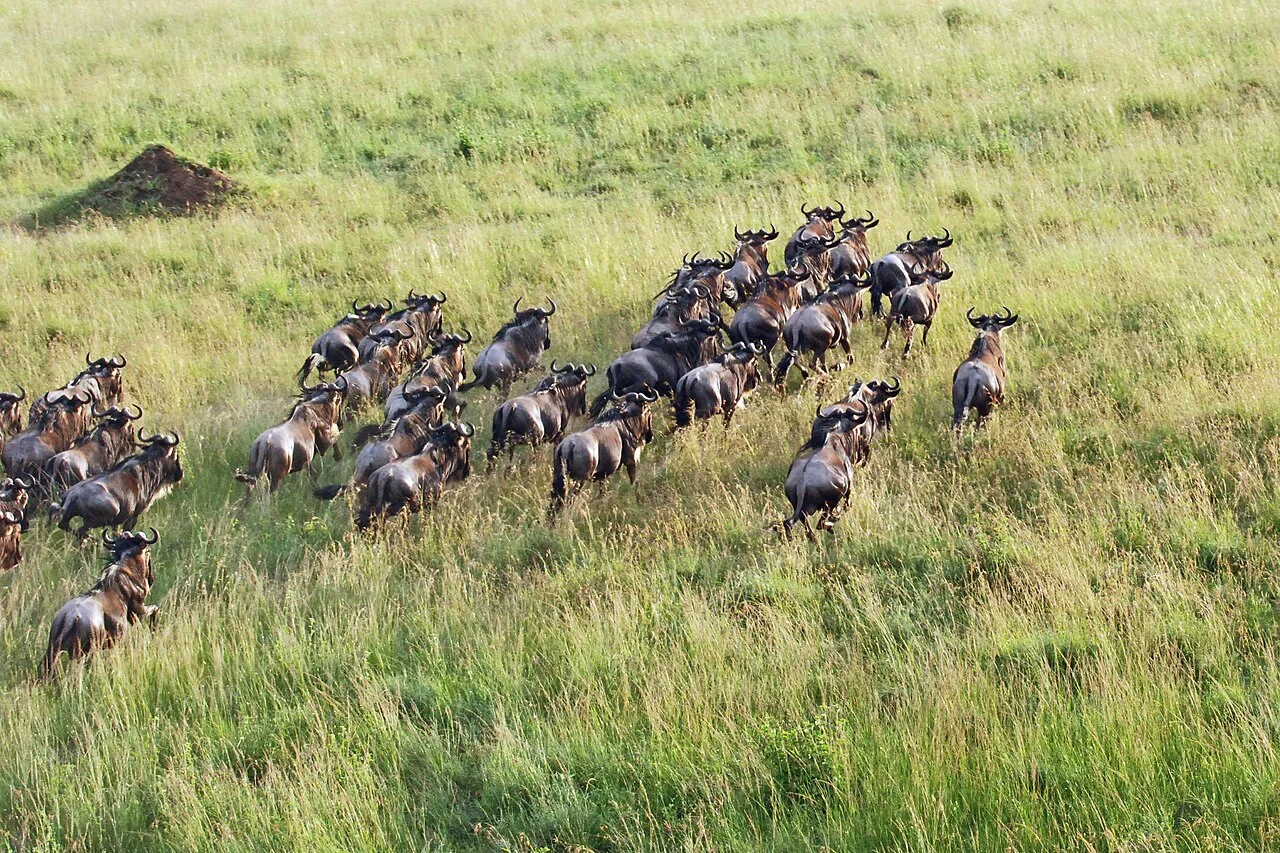
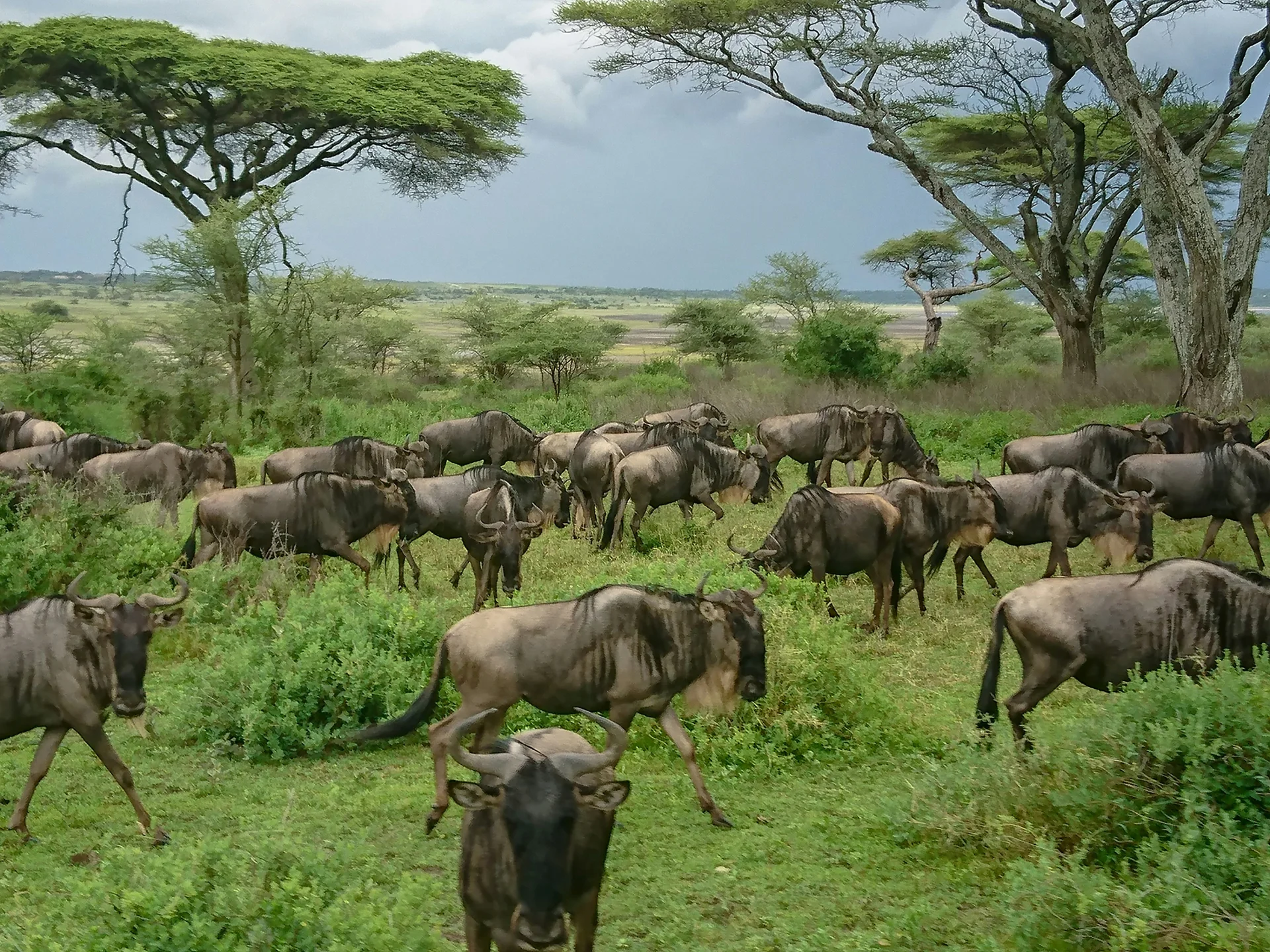
South Serengeti is one of Tanzania’s most important wildlife regions and a key part of the annual Great Wildebeest Migration. Located between the southern Serengeti plains and the Ngorongoro Conservation Area, this region is especially famous for the Ndutu area, seasonal wildebeest calving, open grasslands, and excellent opportunities to observe predators in action. The landscape of South Serengeti is different from the rocky hills and riverine habitats of northern Serengeti. Much of the southern region consists of expansive short-grass plains, shallow depressions, seasonal lakes, scattered kopjes, and open savannah. These habitats provide nutritious grazing for wildebeest, zebras, gazelles, and other herbivores. From approximately December to March, large numbers of wildebeest may gather in the southern Serengeti and Ndutu region to give birth. The exact timing depends on rainfall, pasture conditions, and the movement of the herds. During this period, the abundance of young animals can attract lions, cheetahs, hyenas, jackals, and other predators. South Serengeti is also rewarding outside the calving season. Resident wildlife, wide landscapes, birdlife, and changing seasonal scenery make the region valuable for travellers who want to experience a quieter and more open side of the Serengeti. A South Serengeti safari can be combined with Central Serengeti, Ngorongoro Crater, Tarangire National Park, Lake Manyara, or other northern Tanzania destinations. TanzaLux Safaris can create a private or luxury safari itinerary based on your travel dates, wildlife interests, accommodation preferences, and budget.
April to May is the low season in South Serengeti, with fewer visitors and generally more affordable accommodation rates. The landscape is lush and green during the long rains, creating beautiful conditions for photography and birdwatching. Resident wildlife, including lions, elephants, giraffes, zebras and various antelope species, can still be seen throughout the region. However, rainfall may make some roads muddy, and certain seasonal camps may close. This period is ideal for travellers seeking tranquillity, dramatic skies and a more private safari experience.
November to December marks the return of the wildebeest herds toward the southern plains as the short rains bring fresh grass. The landscape becomes greener, visitor numbers are generally lower and safari rates may be more attractive. In March, the calving season begins to wind down, but the southern plains can still offer excellent wildlife viewing, newborn animals and active predators. Rainfall is possible, and migration movements may vary depending on local weather conditions. These months are suitable for travellers seeking a balance between wildlife experiences, fewer crowds and value.
January and February are the peak months for the South Serengeti and Ndutu calving season. Large wildebeest herds gather on the short-grass plains, and thousands of calves may be born during the main calving period. The abundance of young animals attracts predators such as lions, cheetahs, hyenas and jackals, creating exceptional opportunities for wildlife photography and predator sightings. June to October is the traditional dry-season peak across the Serengeti, offering clear skies, easier driving conditions and excellent general game viewing. However, the migration is usually away from the southern plains during this period, and visitor numbers and prices may be higher.
South Serengeti can be reached by road from Arusha, Karatu, Ngorongoro, or other destinations on the northern Tanzania safari circuit. The exact travel time depends on the starting point, road conditions, wildlife stops, and the location of the chosen camp. Travellers visiting the Ndutu region may enter through routes connected with the Ngorongoro Conservation Area or Serengeti National Park, depending on their itinerary and the location of their accommodation. Domestic flights may also be available to selected airstrips serving the southern Serengeti and Ndutu area, depending on the season, airline schedule, weather, and operating conditions. Road travel offers opportunities for additional wildlife viewing and scenic stops. Flying can reduce transfer time and may be useful for travellers with limited time. TanzaLux Safaris can recommend the most suitable route based on your arrival point, travel dates, accommodation, safari duration, and preferred travel style.
 7 days
Arusha → Ndutu → Southern Serengeti → Ngorongoro Crater → Arusha
Price on request
View trip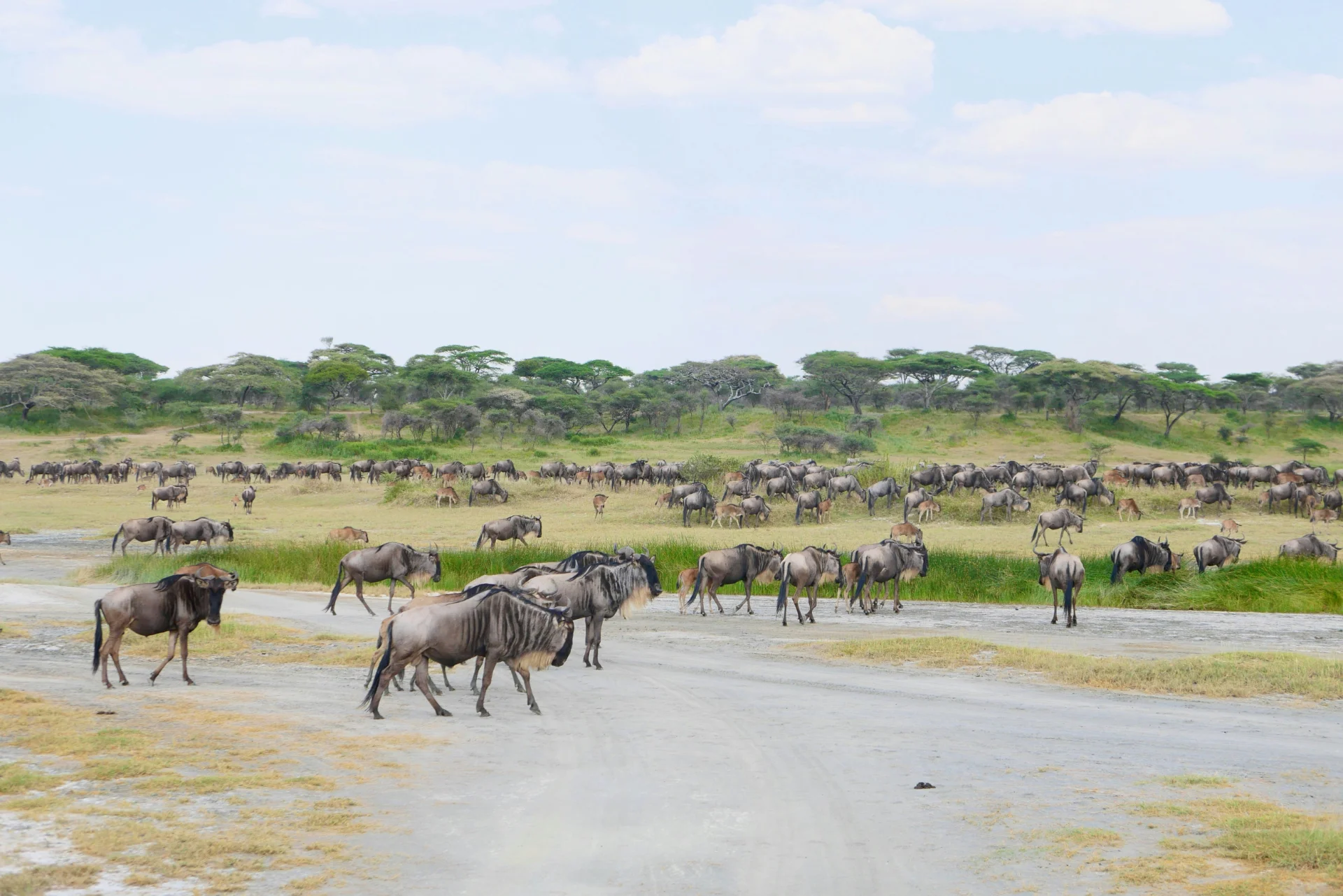 5 days
Arusha → Ndutu → Ngorongoro Crater → Arusha
From$2,500 per person
View trip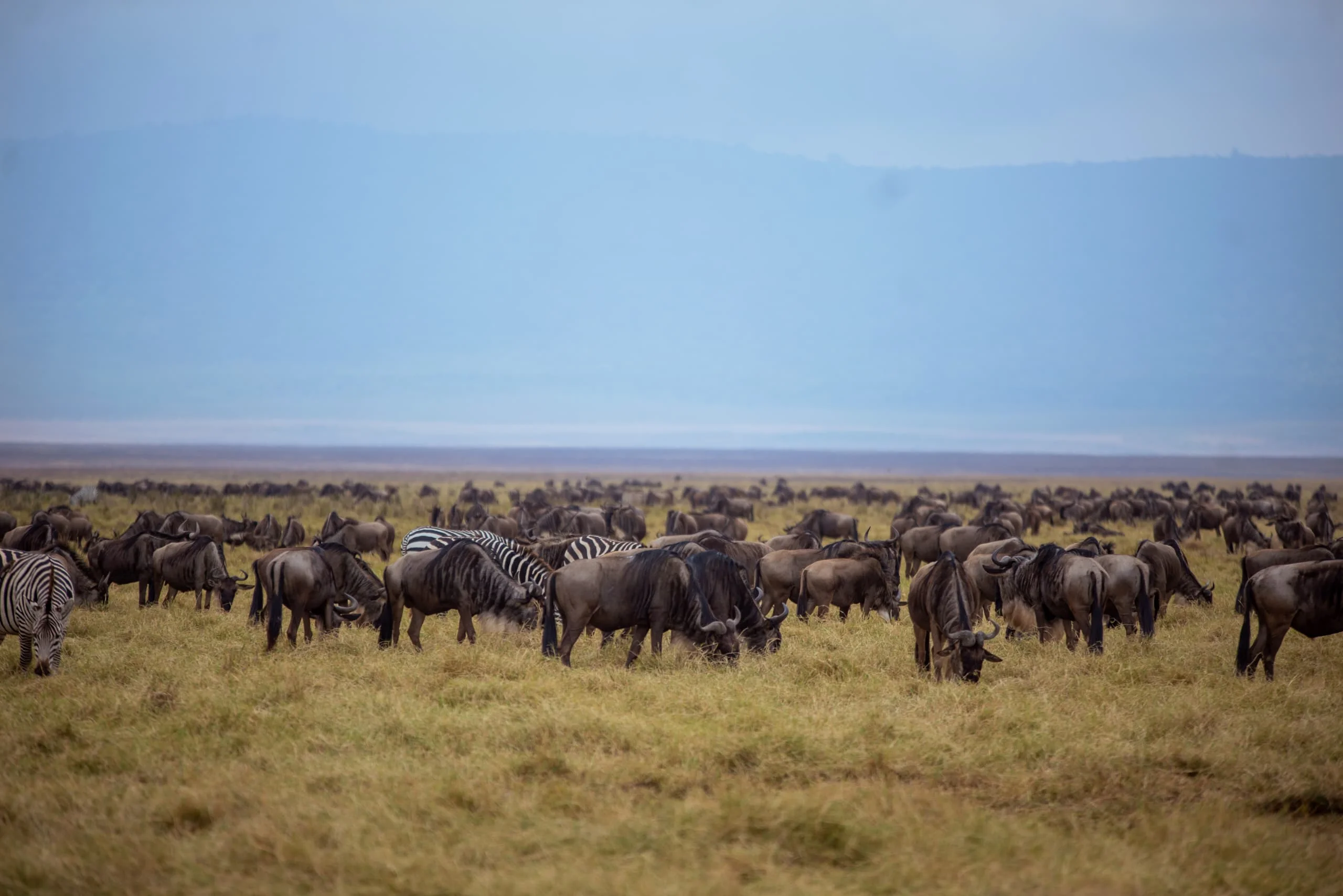 7 days
Arusha to Ndutu, Serengeti & Ngorongoro
Price on request
View trip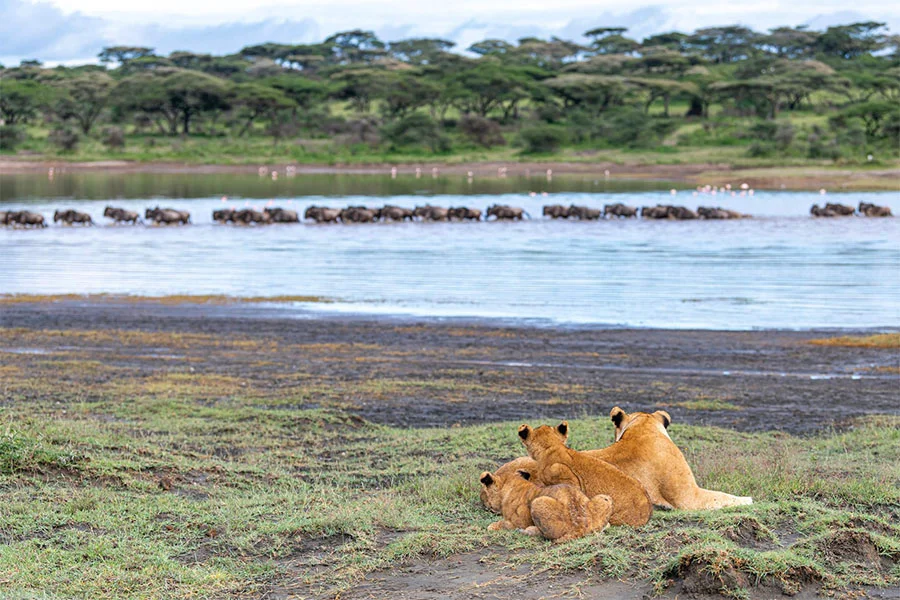 4 days
Arusha to Ndutu & Southern Serengeti
Price on request
View trip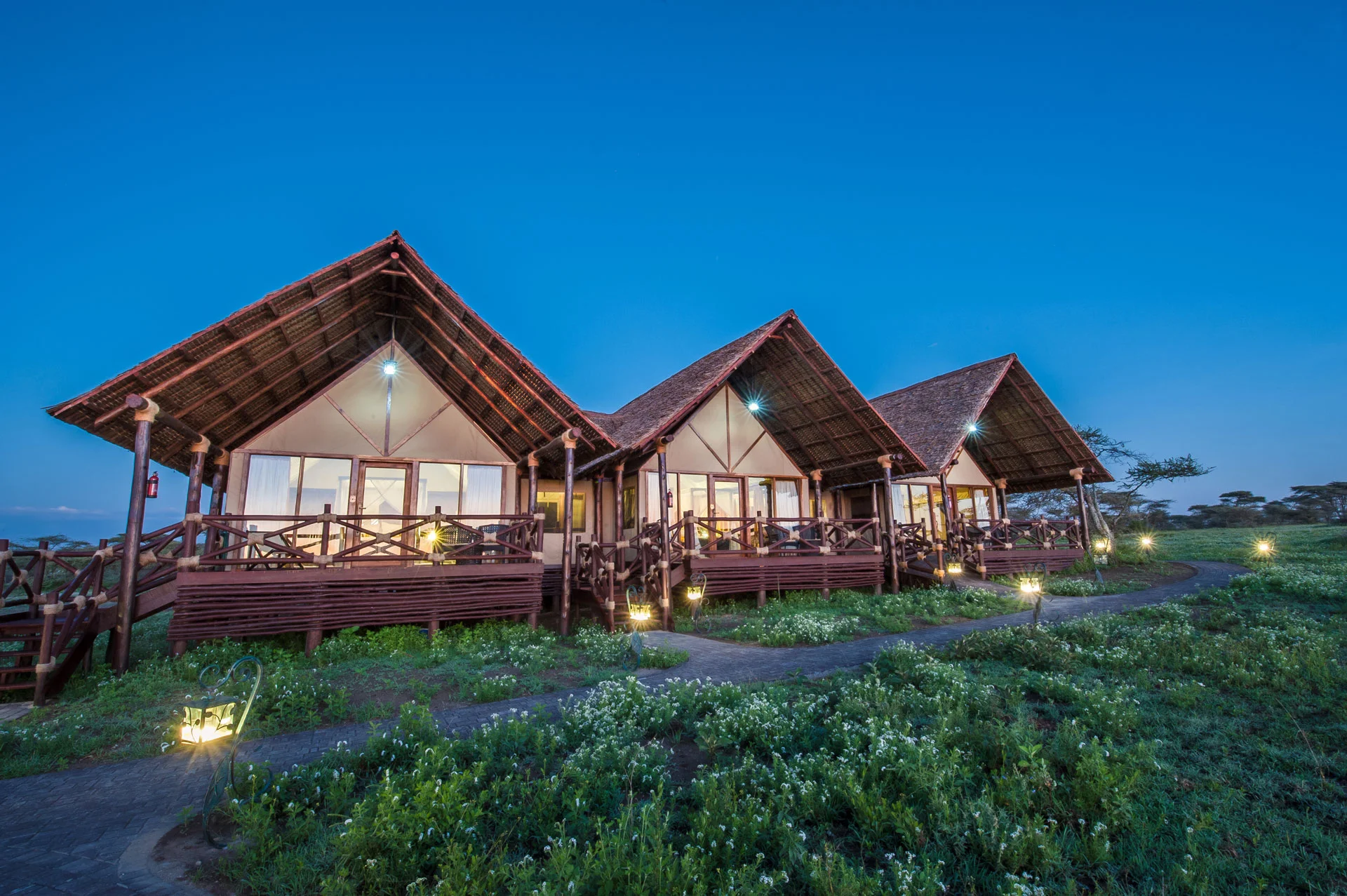 Luxury5-star
Southern Serengeti
Lake Ndutu Luxury Tented Lodge is a refined safari retreat in the heart of the Ndutu area, within the Ngorongoro Conservation Area…
 Mid-range3-star
Southern Serengeti
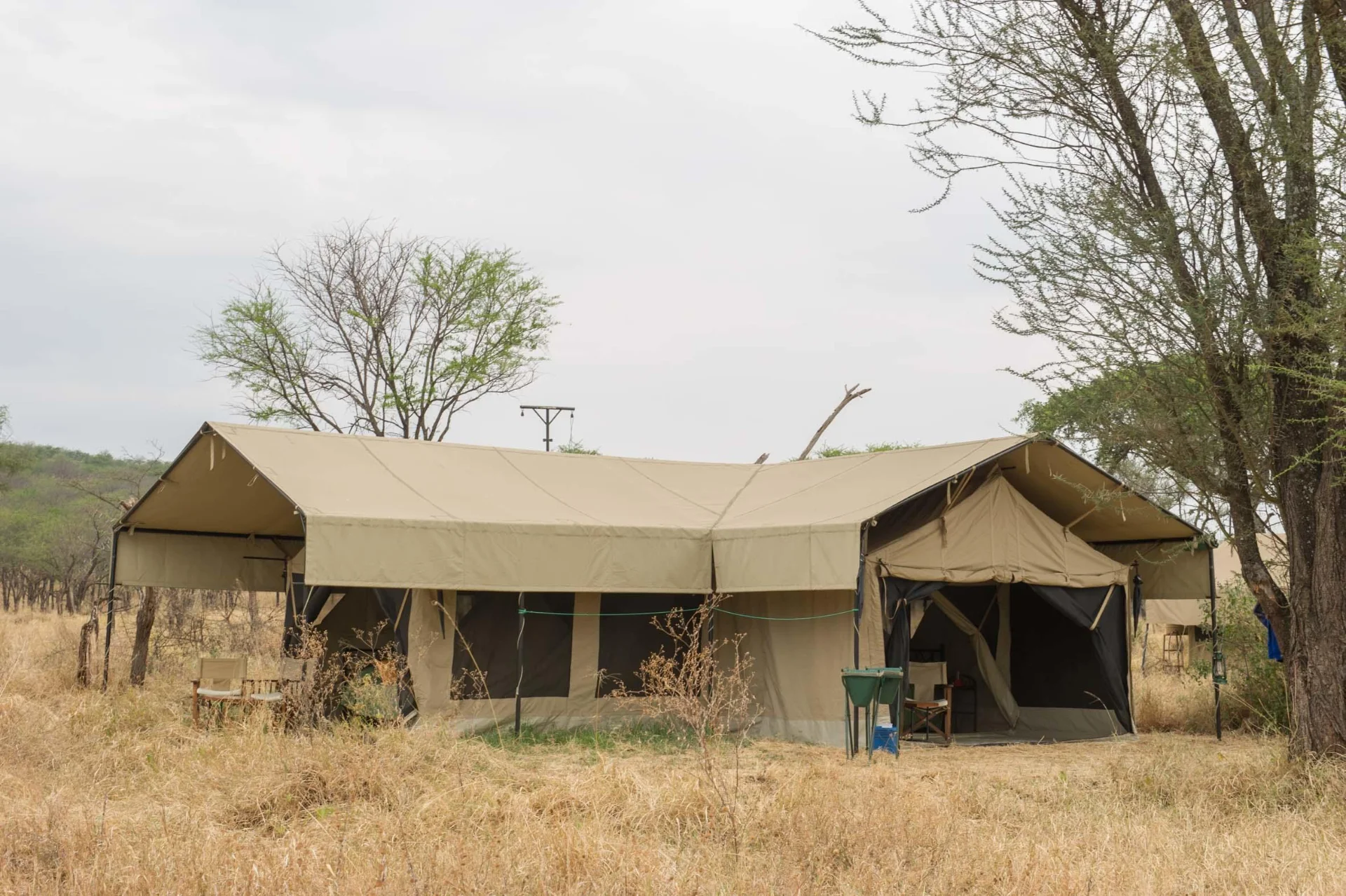
Ndutu Kati Kati Tented Camp offers an authentic mobile safari experience in the Ndutu area of northern Tanzania, where the southern Serengeti…
South Serengeti is famous for its short-grass plains, the Ndutu region, seasonal wildebeest calving, large grazing herds, predator activity, and beautiful open landscapes.
South Serengeti is located in the southern part of the Serengeti ecosystem in northern Tanzania, near the Ndutu area and the boundary with the Ngorongoro Conservation Area.
December to March is generally popular for travellers interested in wildebeest calving and predator activity. The exact timing varies according to rainfall and herd movements.
Ndutu is a wildlife-rich area in the southern Serengeti–Ngorongoro ecosystem known for open plains, seasonal lakes, wildebeest calving, and excellent wildlife-viewing opportunities.
Yes. Large numbers of wildebeest and other grazing animals may gather in South Serengeti during the calving season. Their arrival and departure depend on environmental conditions.
No. January is commonly associated with the calving period, but the exact timing changes from year to year according to rainfall, pasture conditions, and herd movements.
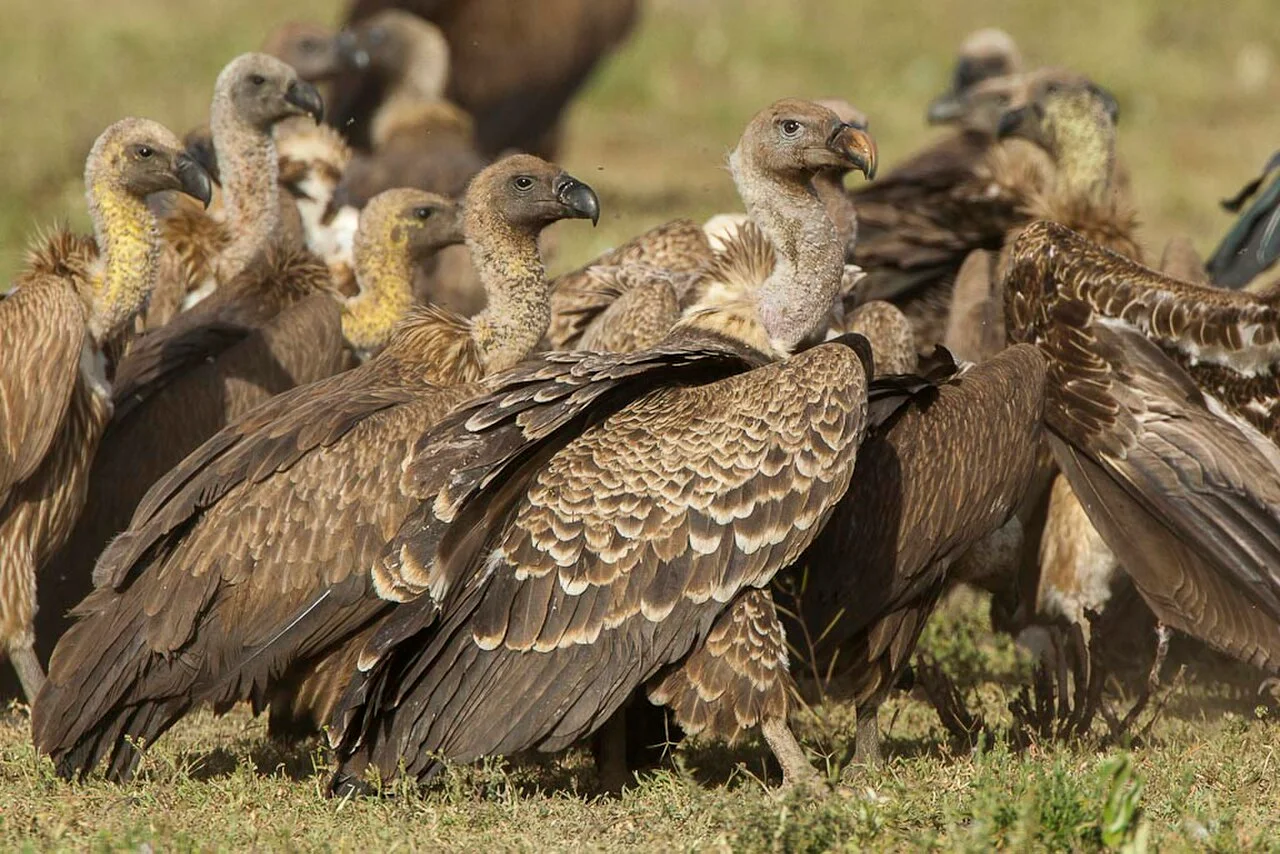
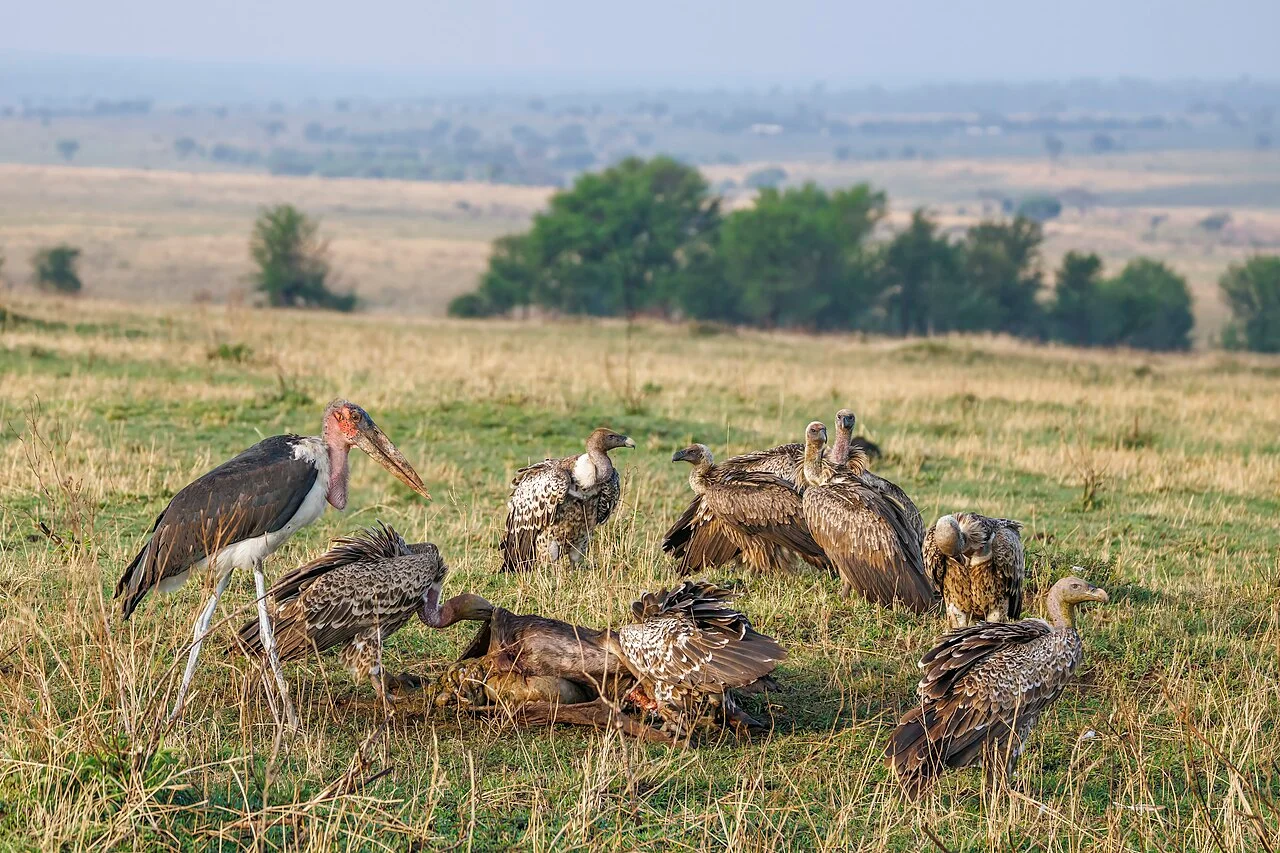
Wildlife may include wildebeest, zebras, lions, cheetahs, leopards, spotted hyenas, gazelles, giraffes, buffaloes, warthogs, ostriches, and many other species.
Yes. During the calving season, the concentration of young herbivores can attract lions, cheetahs, hyenas, jackals, and other predators. Sightings are never guaranteed.
Three to four nights can provide a useful opportunity to explore the southern plains. Travellers focusing on calving and predator activity may benefit from a longer stay.
South Serengeti can be reached by road from Arusha, Karatu, Ngorongoro, or Central Serengeti. Flights to suitable southern airstrips may also be available, depending on the season and airline schedule.
Yes. South Serengeti and the Ndutu region can be combined with Ngorongoro Crater as part of a northern Tanzania safari itinerary.
Yes. The region offers seasonal mobile camps, luxury tented camps, permanent camps, and other safari accommodation options, depending on the travel season.
South Serengeti can be suitable for families, depending on the children’s ages, accommodation policies, travel time, and the family’s preferred safari pace. Private safaris allow greater flexibility.
South Serengeti is particularly known for the Ndutu plains and the wildebeest calving season, while North Serengeti is associated with the Mara River and possible migration crossings, especially between July and October.
No. Kogatende is located in North Serengeti near the Mara River. It should be presented as a separate northern Serengeti destination on a tourism website.
Yes. South Serengeti supports resident wildlife and offers open landscapes, birdwatching, photography, and game drives throughout the year, although wildlife concentrations vary.
Yes. South Serengeti supports resident wildlife and offers open landscapes, birdwatching, photography, and game drives throughout the year, although wildlife concentrations vary.
Depending on the route and current access arrangements, Olduvai Gorge may be included in a wider itinerary connecting South Serengeti, the Ngorongoro Conservation Area, and other northern Tanzania destinations.
Calves may be visible during the calving season, but sightings depend on the location of the herds, weather, vegetation, and daily wildlife movements.
TanzaLux Safaris can design a personalised South Serengeti safari with private transport, experienced guiding, carefully selected accommodation, and flexible planning based on the season and your wildlife interests.
Grateful experience
As a solo female traveler, I felt super safe and well taken care of the entire time.
Read morePrivate Safari 6 days
I can only highly recommend the young company Tanzalux for organizing a private safari.
Read moreAn unforgettable vegetarian journey with Tanzalux Safaris
I highly recommend Tanzalux for anyone wanting a special, personalized safari.
Read moreOur 3-day camping safari with Tanzalux was simply fantastic! Everything was perfectly organized.
Read moreBack in April, I joined a day trip to Tarangire National Park with Tanzalux Safaris, and it was truly one of the best experiences I have ever had…
Read moreI've had an amazing experience with Tanzalux Safaris, would 1000% recommend! Thank you for making my trip so special🫶
Read moreI recently visited Meru Waterfalls in Arusha and got to do some of the activities there, honestly it was such a great experience and I really enjoyed it.
Read moreOur guide Dullah Mr Rastaman had the best vibe. I would like to recommend other people not to miss it, Tarangire is the best national park.
Read moreOur tour guide Nasri was very friendly and welcoming from the first day we met him. He knows Tarangire very well and explained many things during the safari.
Read moreAs a grandmother in the group, I would like to share my happiness with Tanzalux Safaris. Me, my daughters, and my grandson went on a short trip to Tarangire National Park…
Read moreReceive a free, no obligation quote

 Northern Circuit
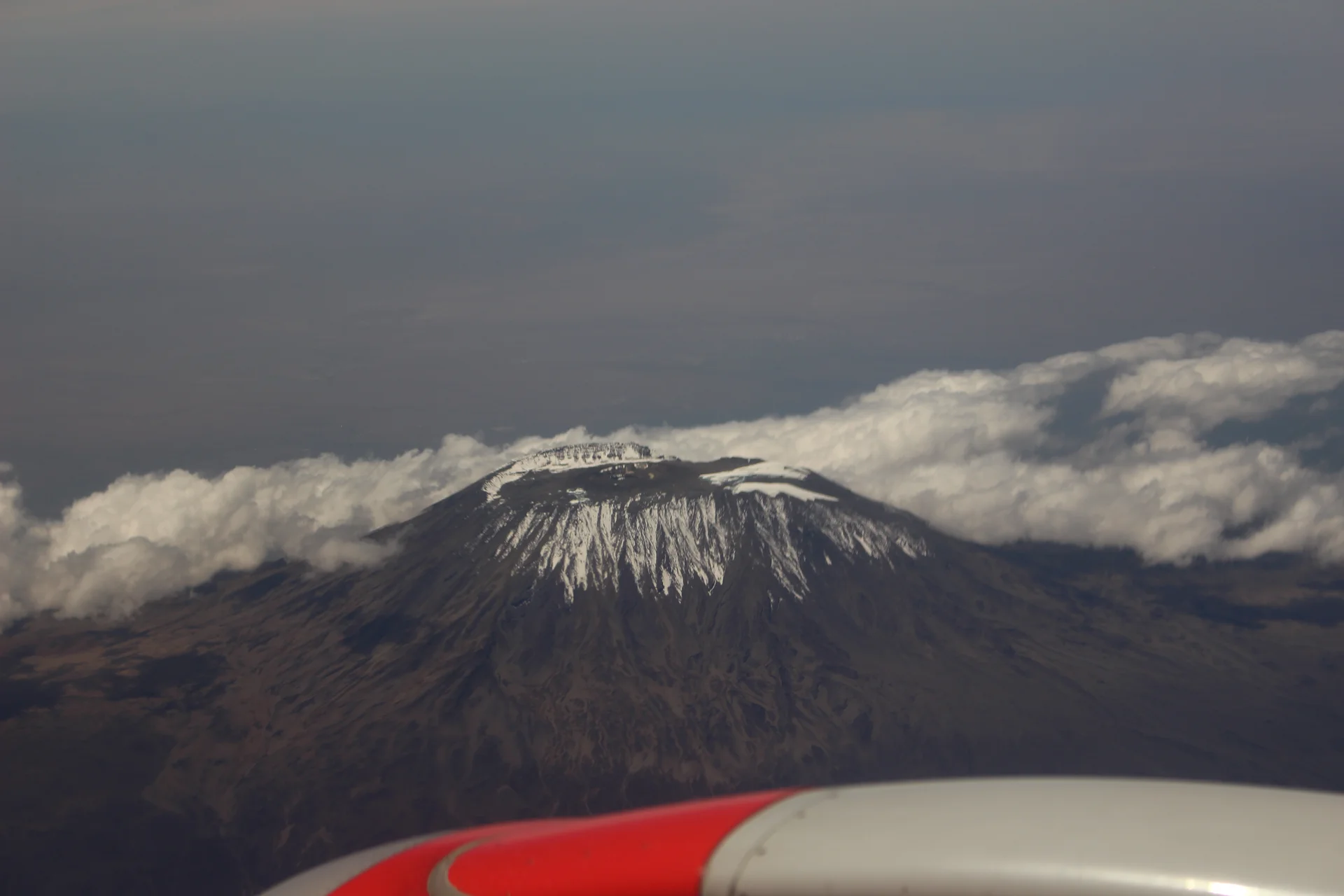
Kilimanjaro rises above northern Tanzania’s plains to Uhuru Peak at 5,895 metres, the highest point in Africa. Its volcanic massif, dramatic changes in vegetation and…
Wildlife
Black-and-white colobus monkeys in forest habitats & Blue monkeys in forest habitats
Landscape
Mountains & Trekking
Highlights
Uhuru Peak at 5,895 metres — Africa’s highest point
 Northern Circuit
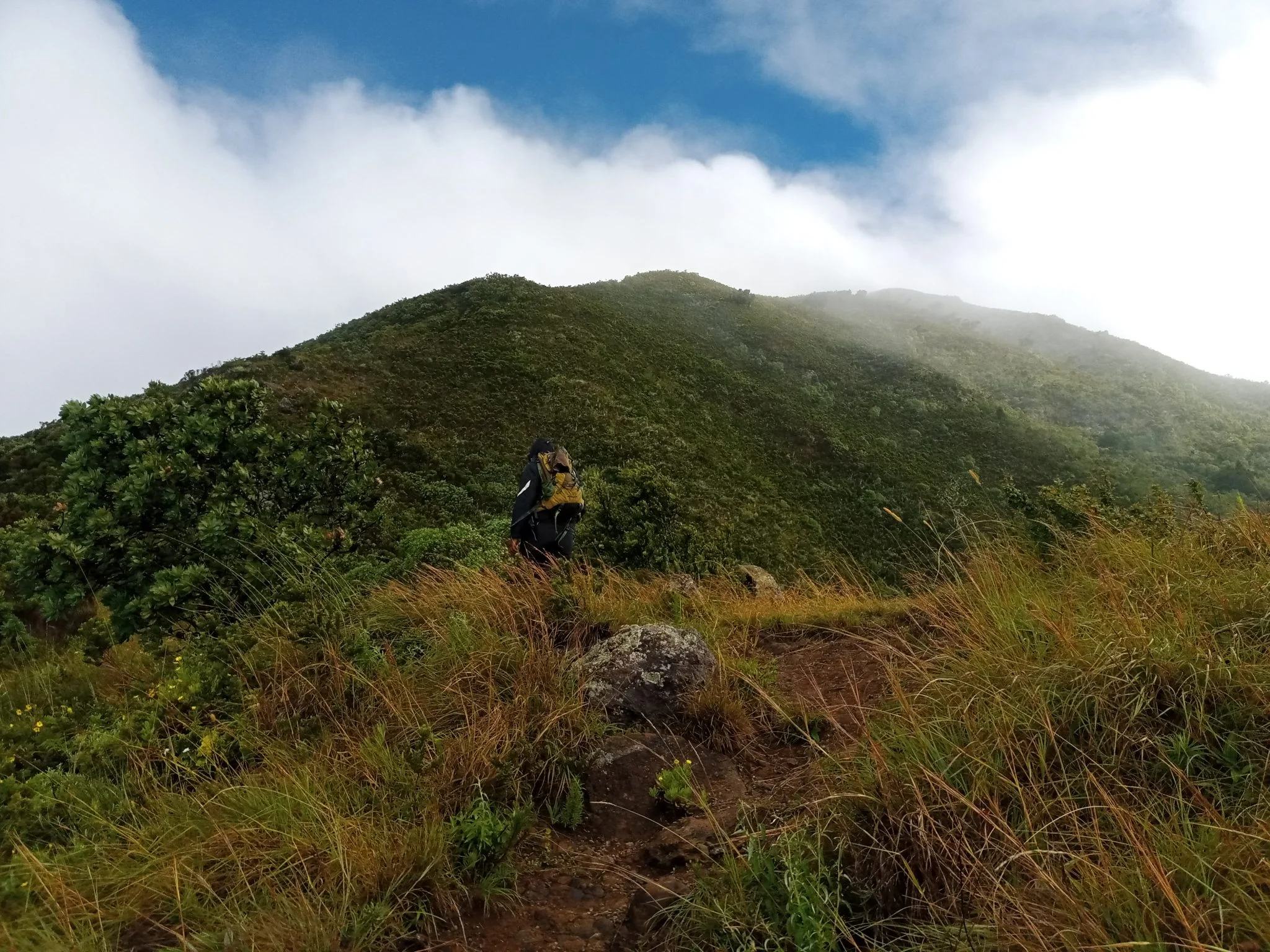
Discover Mount Hanang Rising above Katesh in Tanzania’s Manyara Region, Mount Hanang offers a rewarding mountain adventure beyond the familiar northern safari circuit. At approximately…
Wildlife
Klipspringer & Vervet monkeys
Landscape
Mountains & Trekking
Highlights
Approximately 3,423 metres — Tanzania’s fourth-highest mountain
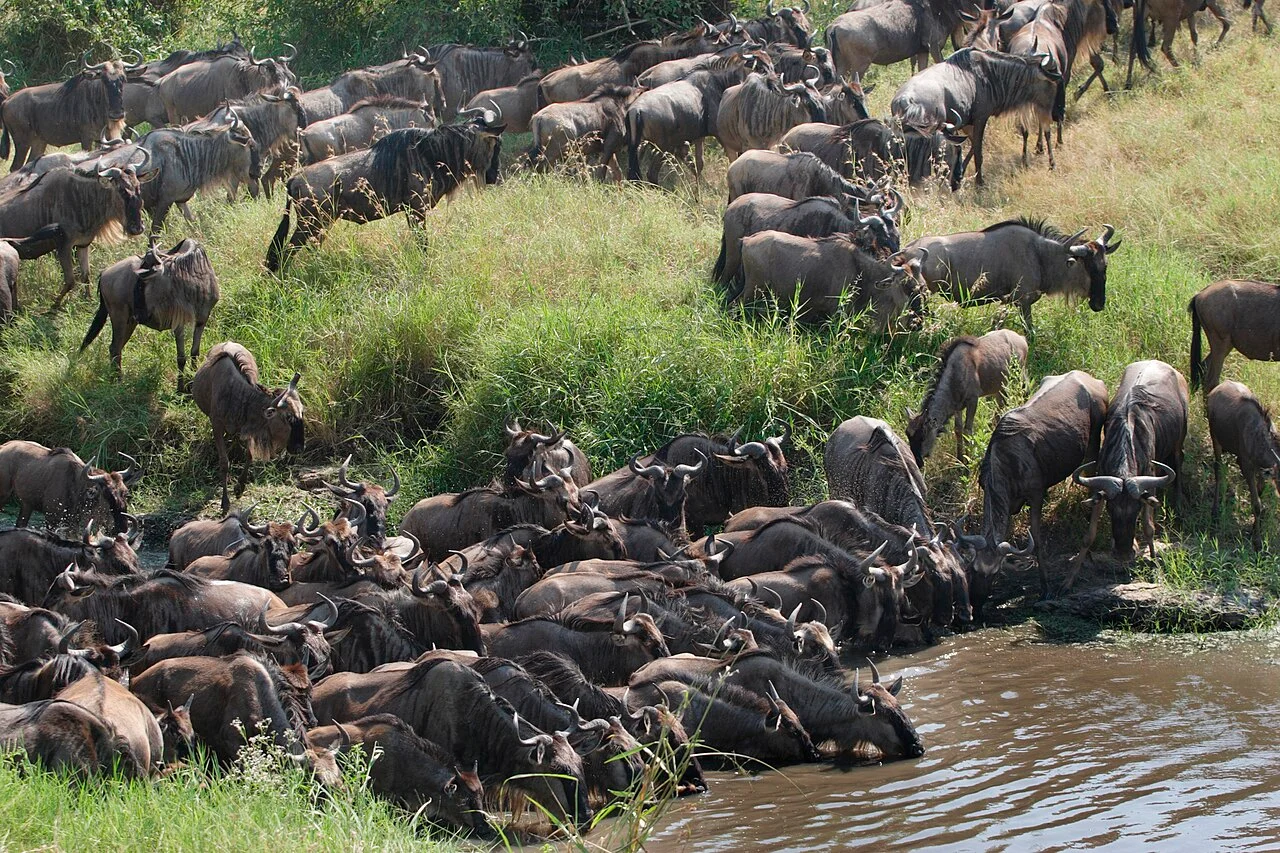 Northern Circuit
North Serengeti is one of the most captivating regions of Serengeti National Park in northern Tanzania. Located near the border with Kenya and extending toward…
Wildlife
Wildebeest & Zebra
Landscape
National Parks & Safari
Highlights
Experience the remote wilderness of northern Serengeti
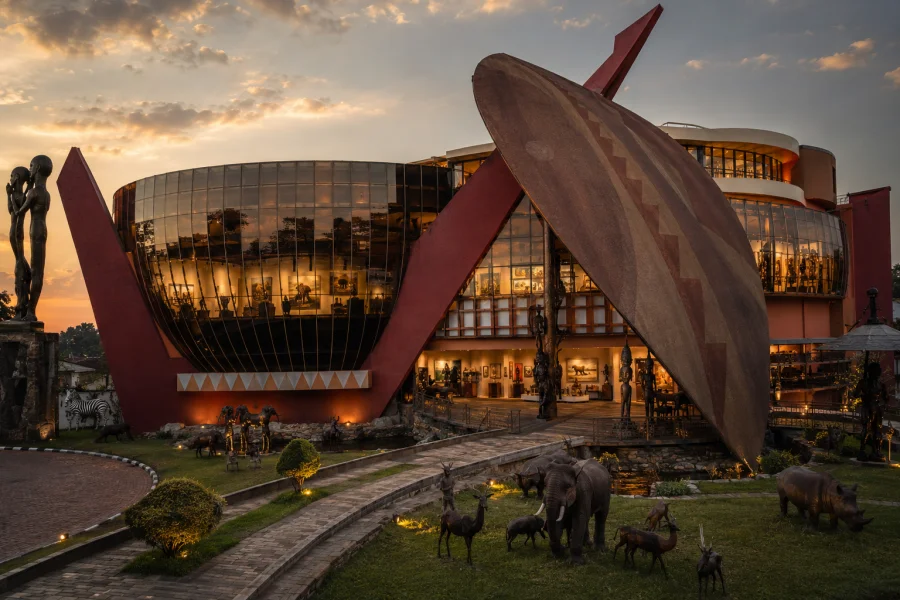 Northern Circuit
Cultural Heritage Centre Arusha is a celebrated cultural and artistic destination located on Dodoma Road in Arusha, Tanzania. Established in the 1990s, the centre has…
Wildlife
African elephants represented in art and sculpture & Giraffes represented in African paintings and carvings
Landscape
Culture & Heritage
Highlights
Explore an extensive collection of African paintings, sculptures, and contemporary artwork.
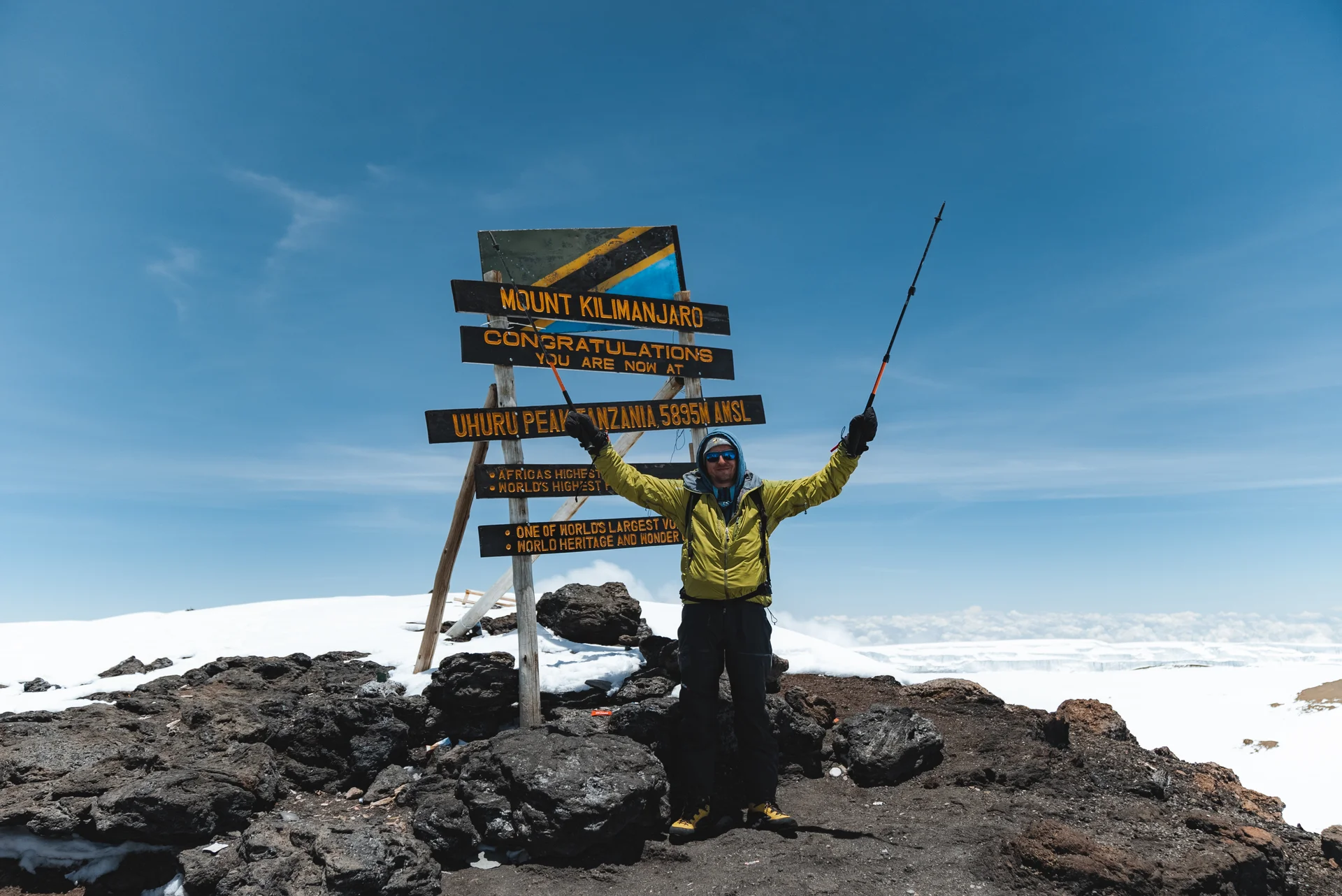 Northern Circuit
Kilimanjaro’s Umbwe Route is a steep southern approach for well-prepared hikers who want a demanding mountain journey. It starts at Umbwe Gate and climbs through…
Wildlife
Black-and-white colobus in suitable forest habitats & Blue monkeys in suitable forest habitats
Landscape
Mountains & Trekking
Highlights
Steep southern approach from Umbwe Gate
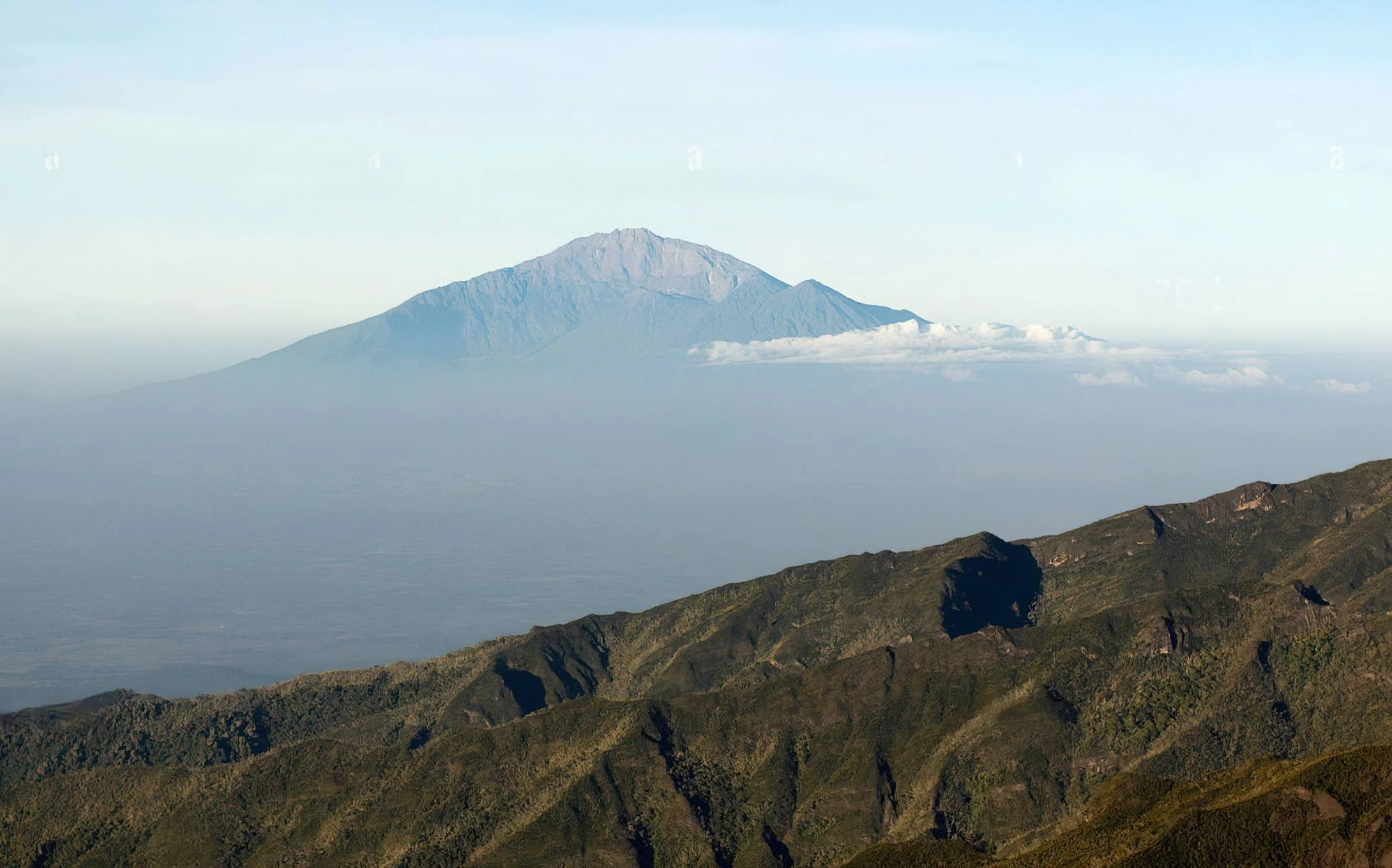 Northern Circuit
Mount Meru is one of Tanzania’s most impressive natural landmarks and a remarkable destination for travellers seeking adventure, dramatic landscapes, and a deeper connection with…
Wildlife
African Buffalo & Giraffe
Landscape
Mountains & Trekking
Highlights
Socialist Peak