5.0 Excellent

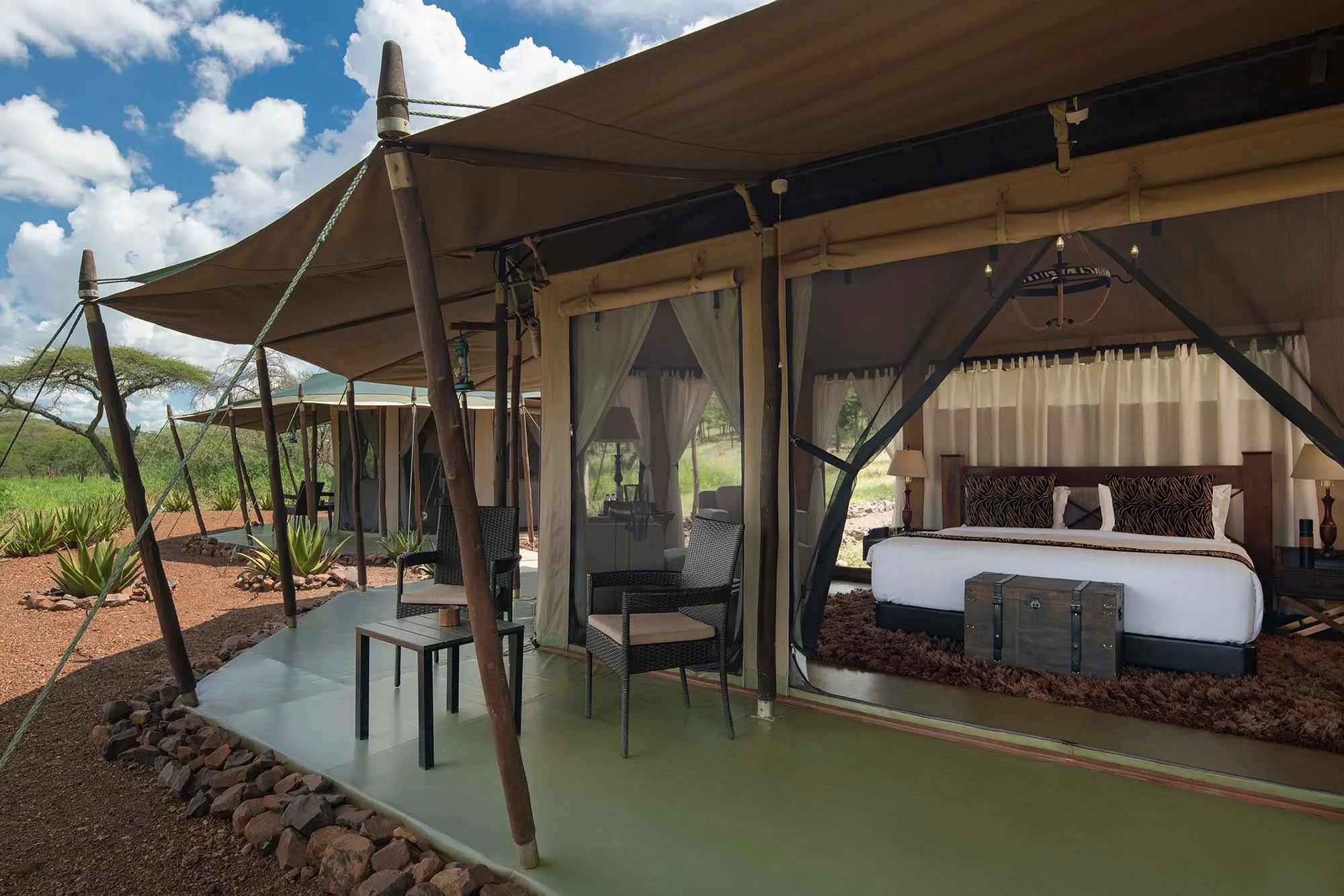
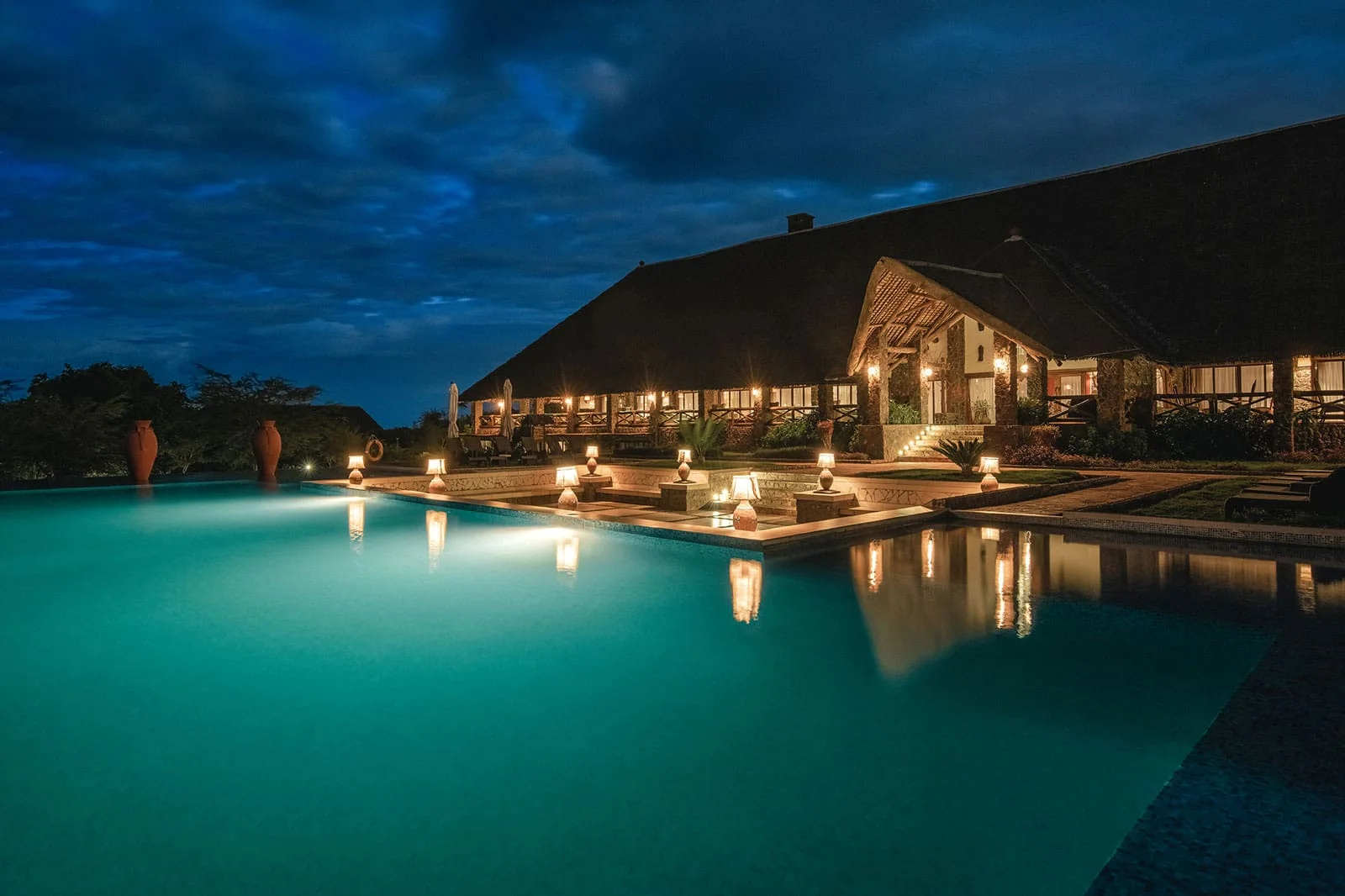
Wellworth Ole Serai Moru Kopjes
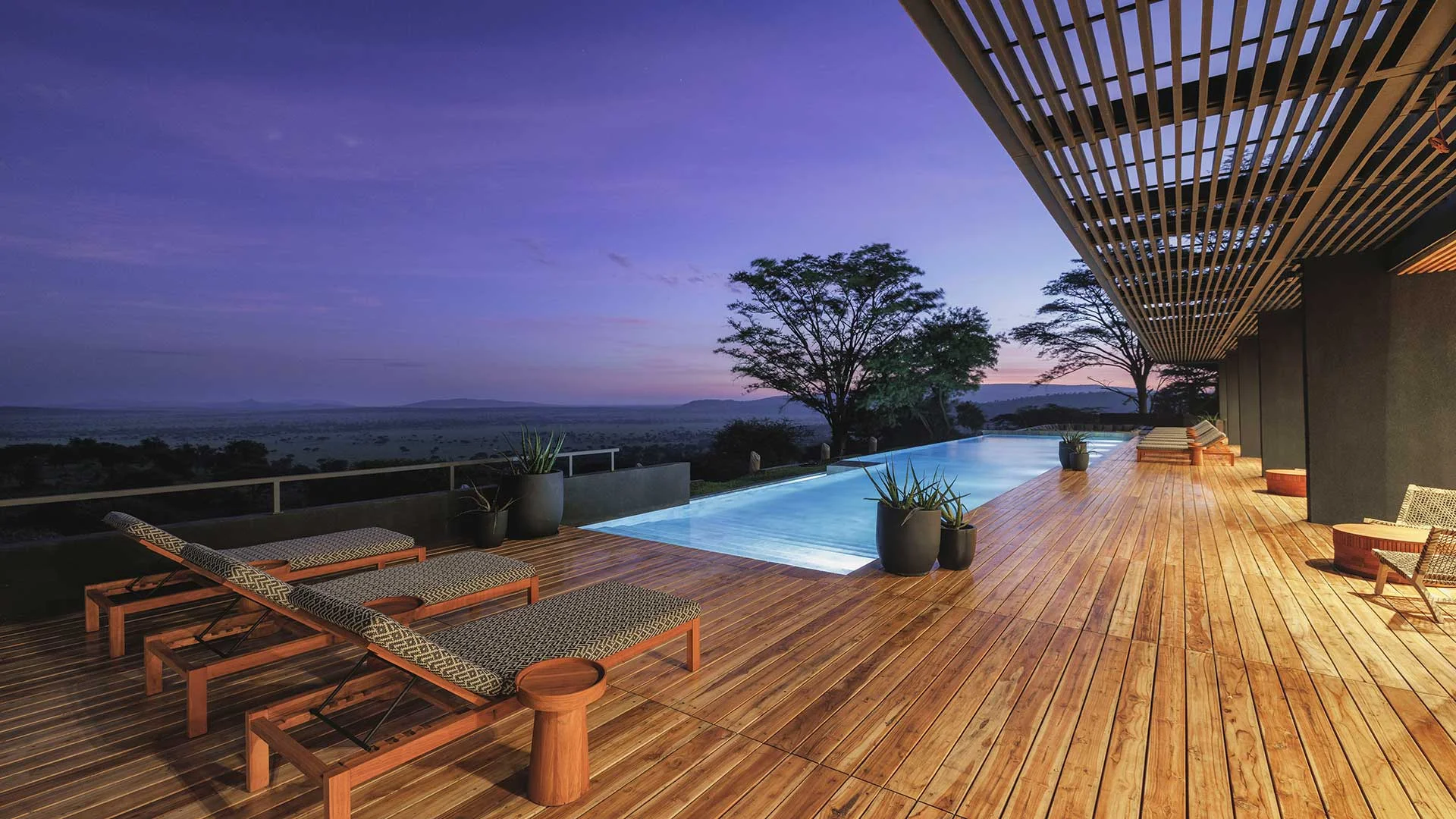
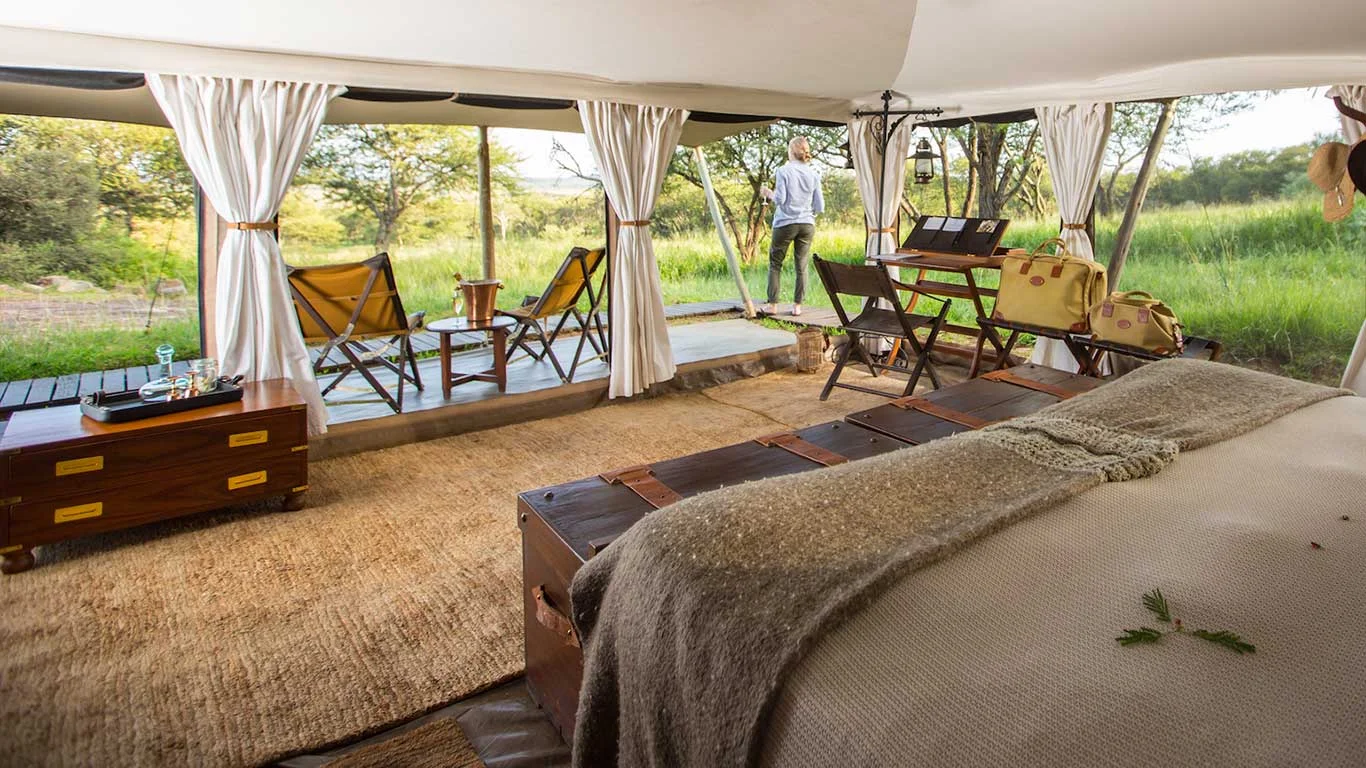
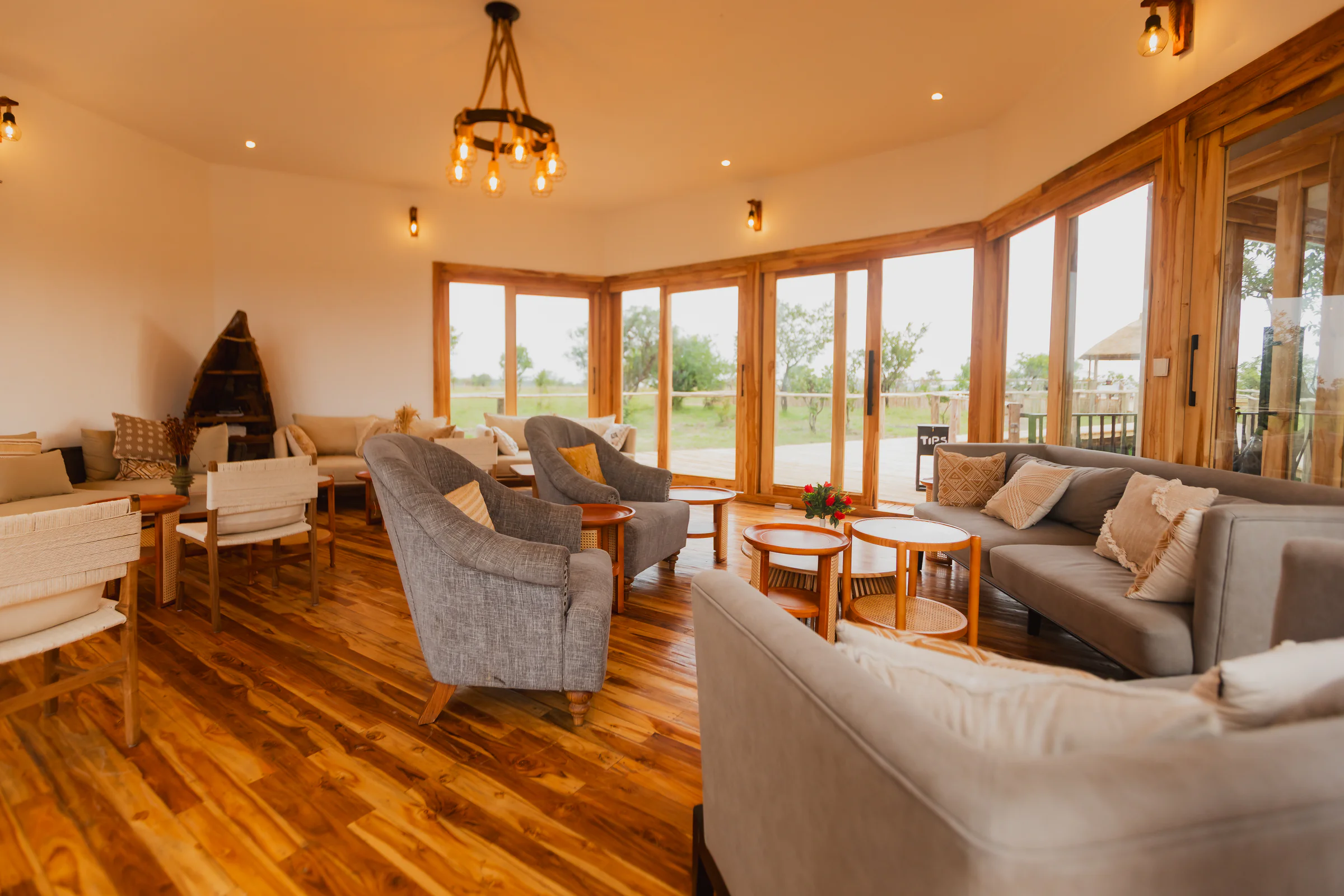
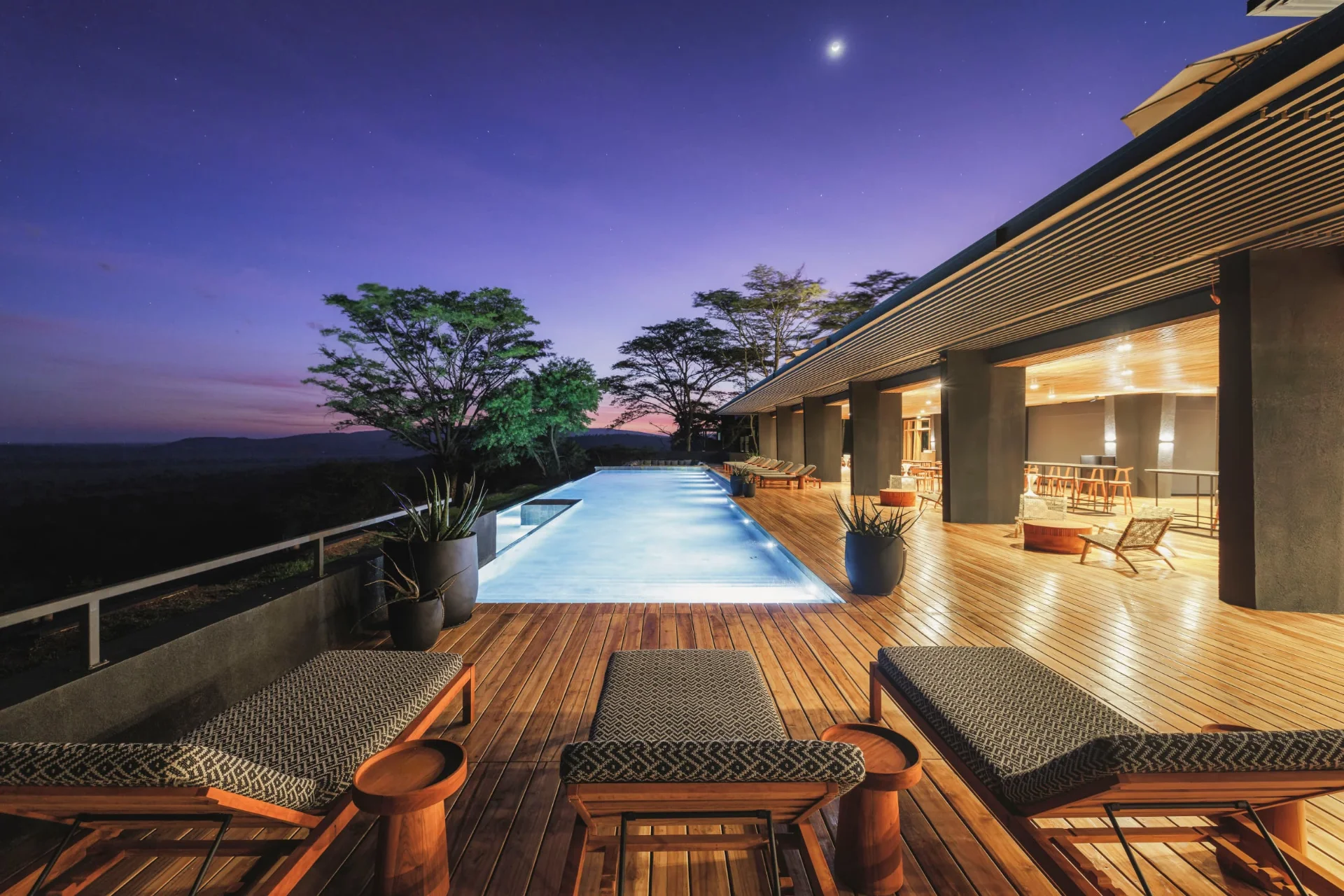
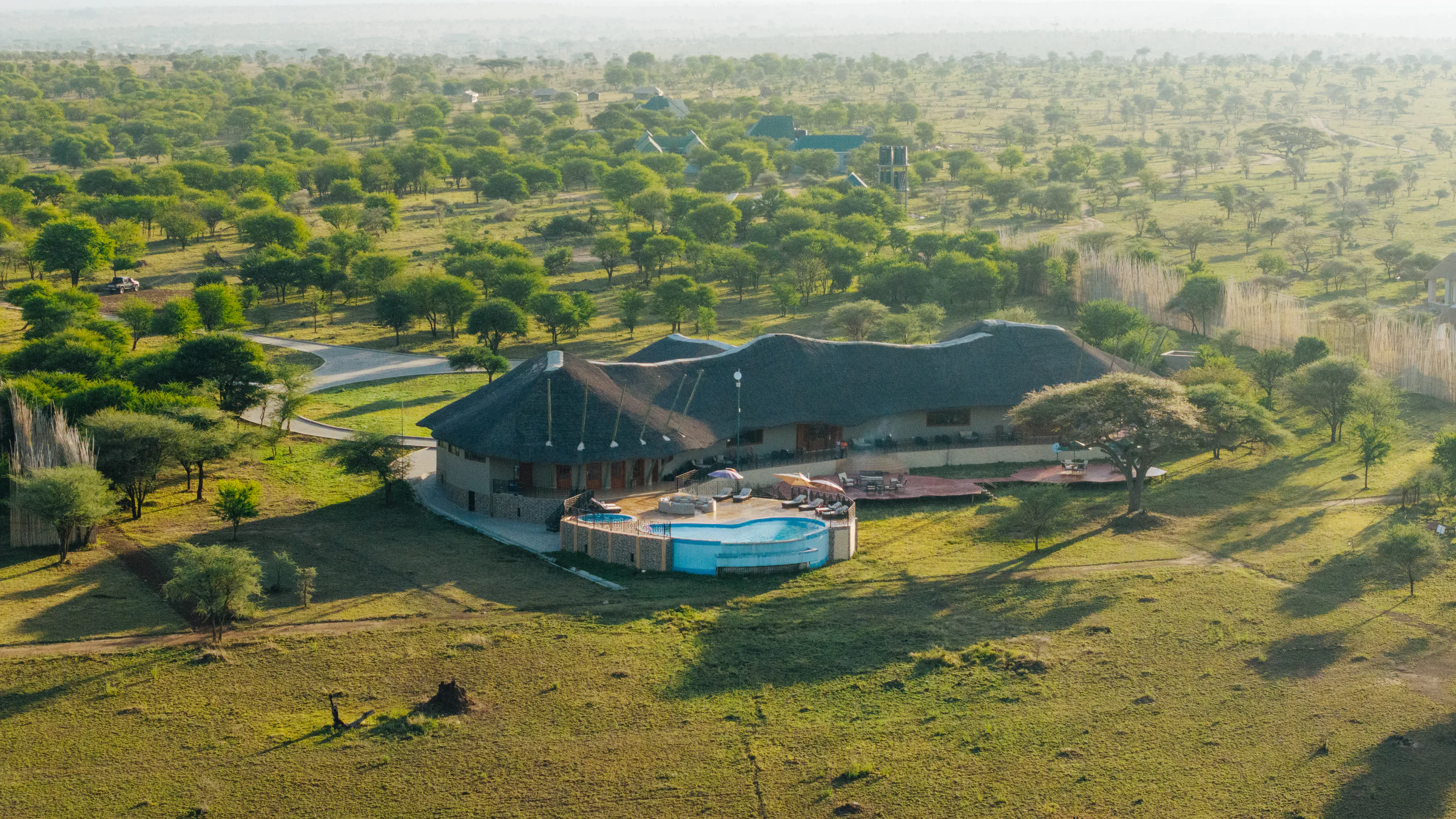
5- Luxury Safari Tents
- En-Suite Bathrooms
- 24-Hour Hot Running Water
Northern Circuit
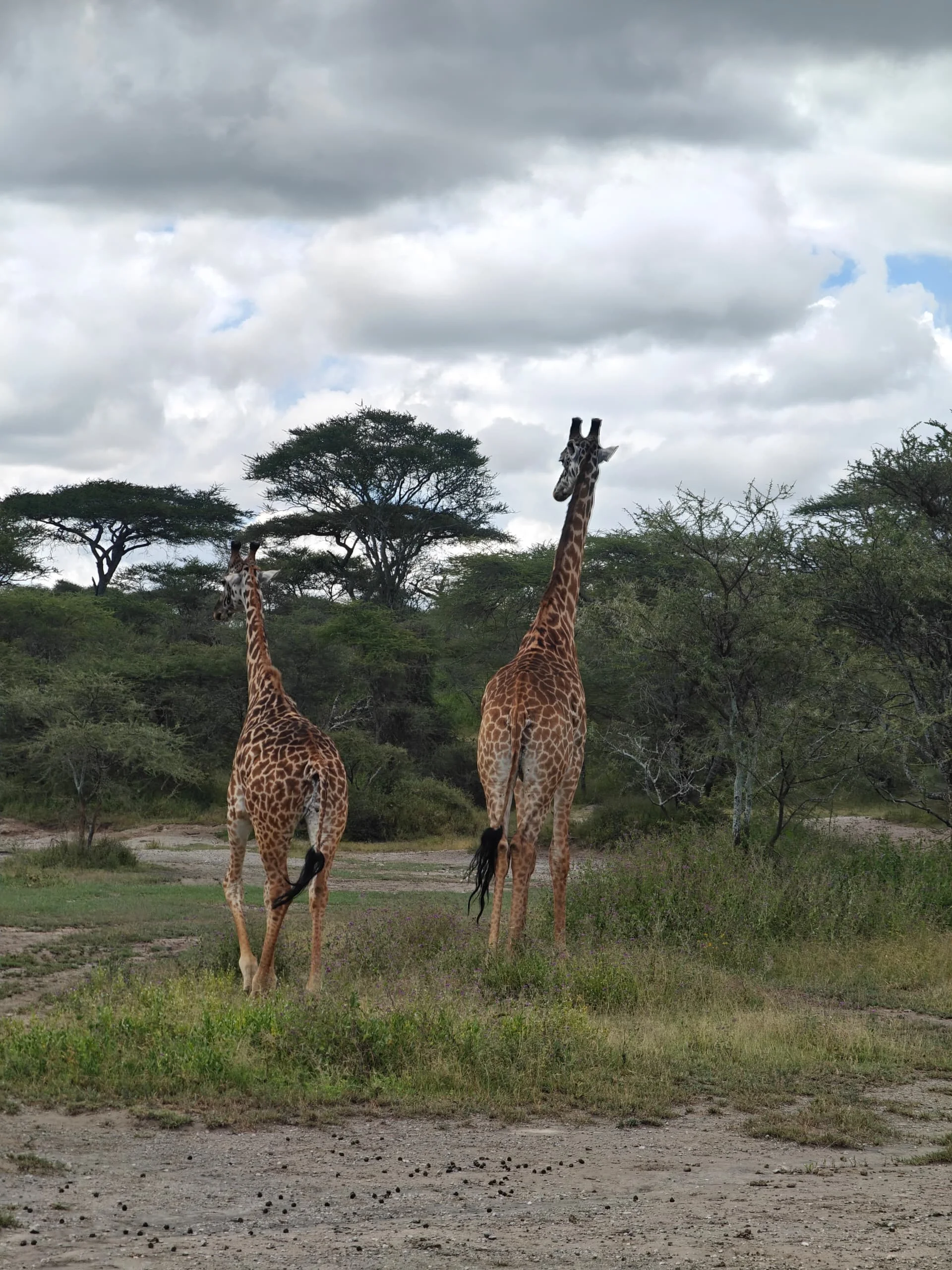
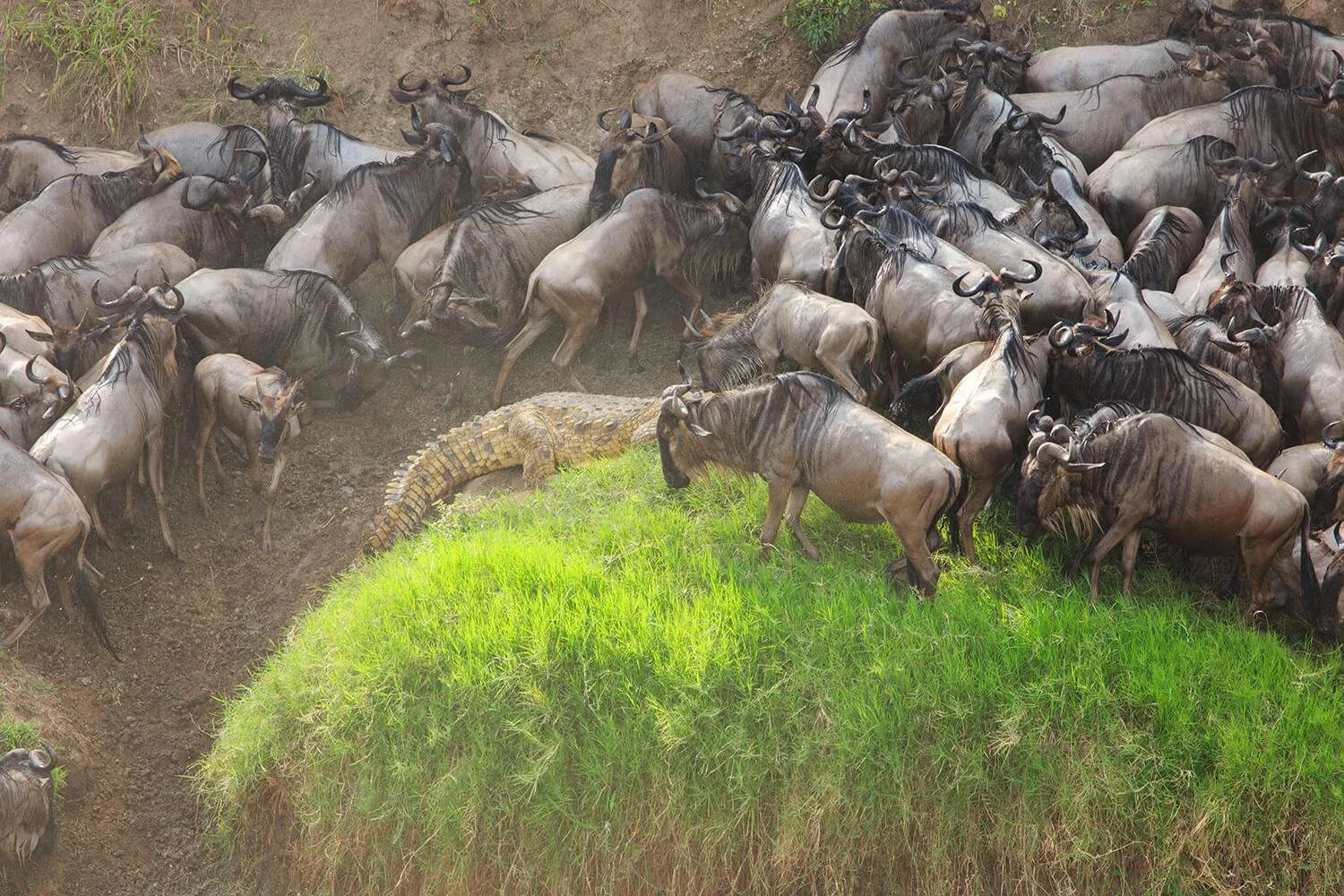
Western Serengeti is one of the most distinctive regions of Serengeti National Park. Often called the Western Corridor, this area extends westwards from the central Serengeti towards Lake Victoria and is characterised by a combination of open grasslands, acacia woodland, floodplains, rolling landscapes and dense riverine vegetation. The Grumeti River is the defining feature of the region. Its permanent pools and shaded riverbanks provide important habitat for hippos, crocodiles, birds and other wildlife throughout the year. The Mbalageti River also contributes to the ecological diversity of the corridor by supporting water sources, woodland and seasonal wildlife movements. Western Serengeti is internationally recognised as one of the important stages of the Great Wildebeest Migration. Around May, June and July, migrating wildebeest and zebras may move through the corridor on their journey towards the northern Serengeti. Some herds attempt to cross sections of the Grumeti River, where deep pools and crocodiles create a challenging natural obstacle. However, Western Serengeti is much more than a migration destination. Resident wildlife remains in the region throughout the year. Visitors may encounter lions, elephants, buffaloes, giraffes, hippos, crocodiles, hyenas, antelopes and a wide variety of birds. The riverine forests also create a different visual experience from the open plains of Central Serengeti. Compared with the heavily visited Seronera region, parts of Western Serengeti can offer a more remote atmosphere and fewer safari vehicles. However, visitor numbers vary according to the season, accommodation location and the popularity of particular wildlife sightings. Western Serengeti can be included in a longer Tanzania safari itinerary alongside Central Serengeti, Northern Serengeti, Ngorongoro Crater and other Northern Circuit destinations. With TanzaLux Safaris, travellers can enjoy a personalised private safari designed around migration timing, wildlife interests, accommodation preferences and available travel time.
April and May are generally quieter months in Western Serengeti, although rainfall can affect road conditions and wildlife visibility. The landscape becomes greener, rivers and seasonal water sources may fill, and bird activity can be rewarding. The migrating wildebeest and zebras may begin moving through the Western Corridor towards the Grumeti River during this period, particularly as the season progresses. However, the arrival of the herds depends on rainfall and grazing conditions. Some seasonal accommodation facilities may close, so availability should be confirmed before booking. This period is suitable for travellers who enjoy green scenery, dramatic skies, photography, birdwatching and a quieter safari atmosphere.
November and December bring the short rains, refreshing the grasslands and supporting the wider Serengeti ecosystem. Western Serengeti continues to offer resident wildlife, although the main migration herds are usually concentrated in other parts of the ecosystem during much of this period. March can provide good general wildlife viewing and attractive green-season scenery. Rain showers are possible, but they may be followed by clear skies and excellent photographic light. These months are suitable for travellers seeking a balance between wildlife experiences, fresh landscapes and potentially lower visitor numbers.
June to October is a popular travel period in Western Serengeti. June and July may provide opportunities to witness the Great Wildebeest Migration moving through the Western Corridor and, depending on conditions, attempting to cross the Grumeti River. From August to October, the migrating herds may have moved further north, but Western Serengeti continues to support resident wildlife. The dry season often brings shorter grass, clearer visibility and increased wildlife activity around permanent water sources. Visitor numbers and accommodation prices may increase during popular migration periods. Grumeti River crossings are unpredictable and should never be guaranteed.
Western Serengeti can be reached by road or by light aircraft, although access is generally more demanding than to the central Seronera area. By road, travellers may reach the Western Corridor from Central Serengeti through the wider Serengeti road network. The journey can be long, and travel time depends on the starting point, road conditions, wildlife stops and the location of the chosen accommodation. Some travellers access the western side of the Serengeti ecosystem from the Mwanza or Lake Victoria direction, subject to the selected route, park entry arrangements and accommodation location. By air, scheduled or chartered light aircraft may serve airstrips in or near the Western Corridor, depending on the season, airline and flight schedule. Possible arrival points may include airstrips serving the Kirawira, Grumeti or Fort Ikoma areas, but the most suitable airstrip depends on the location of the camp or lodge. TanzaLux Safaris can arrange private 4x4 transfers, domestic flights, accommodation and a personalised itinerary based on your travel dates, safari interests and preferred travel style.
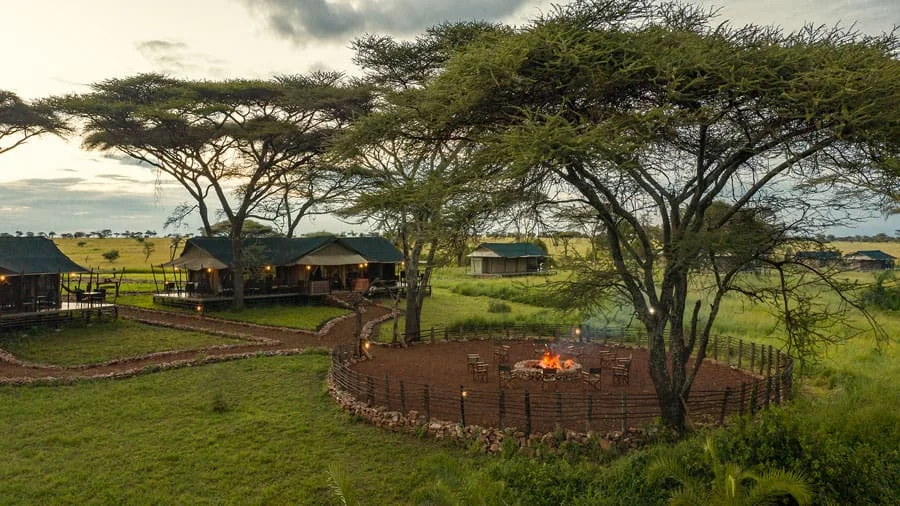
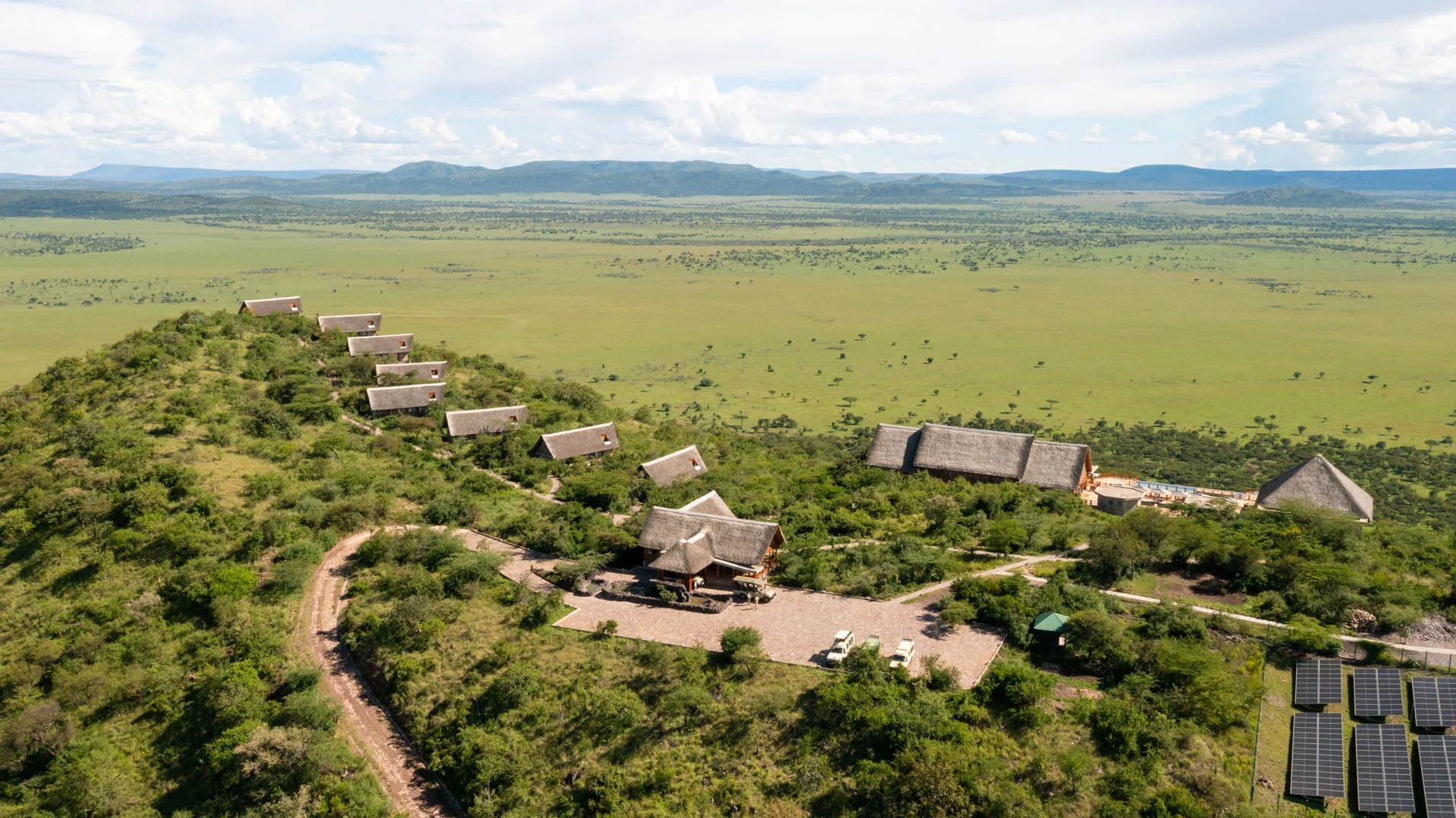
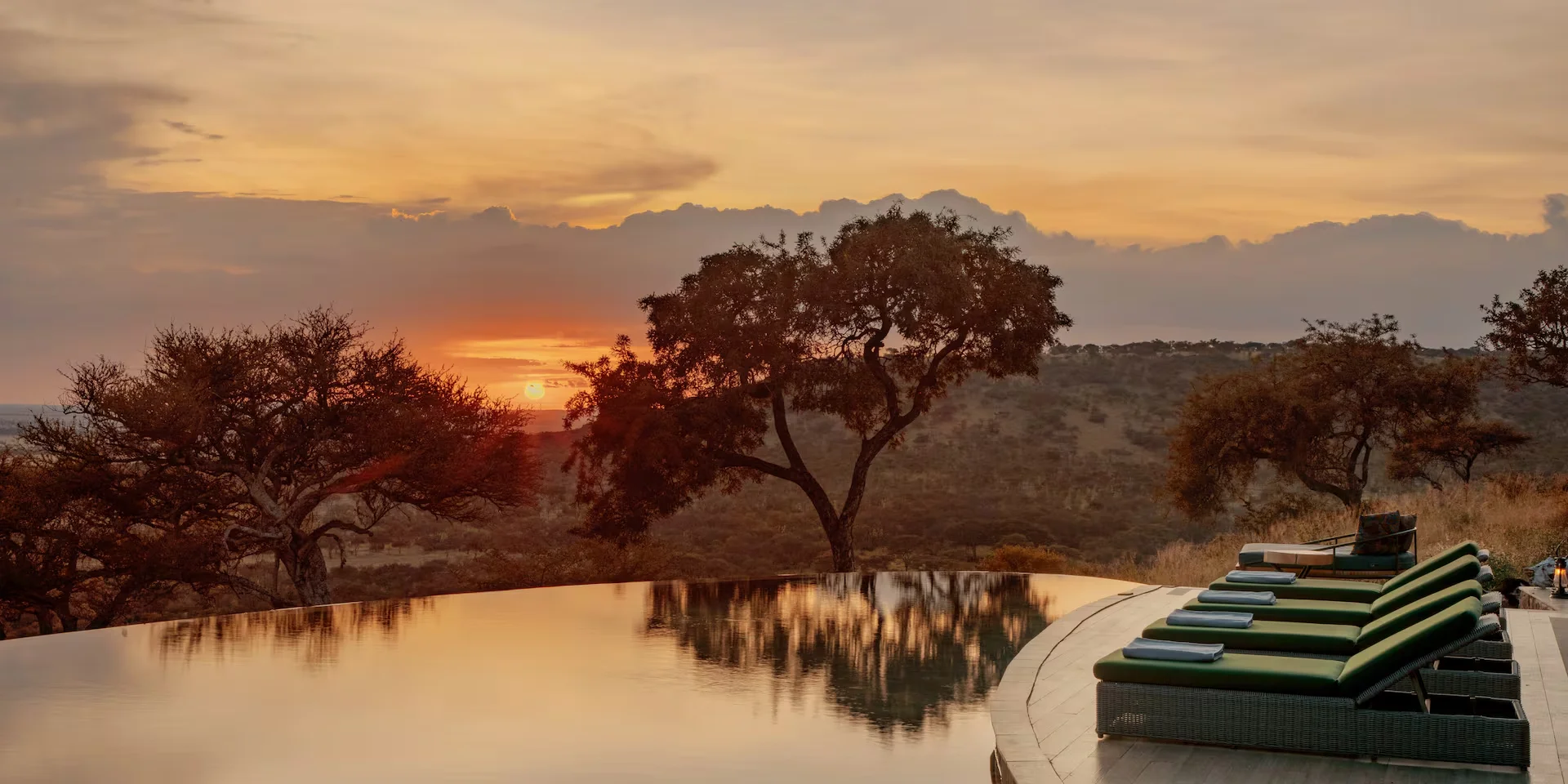
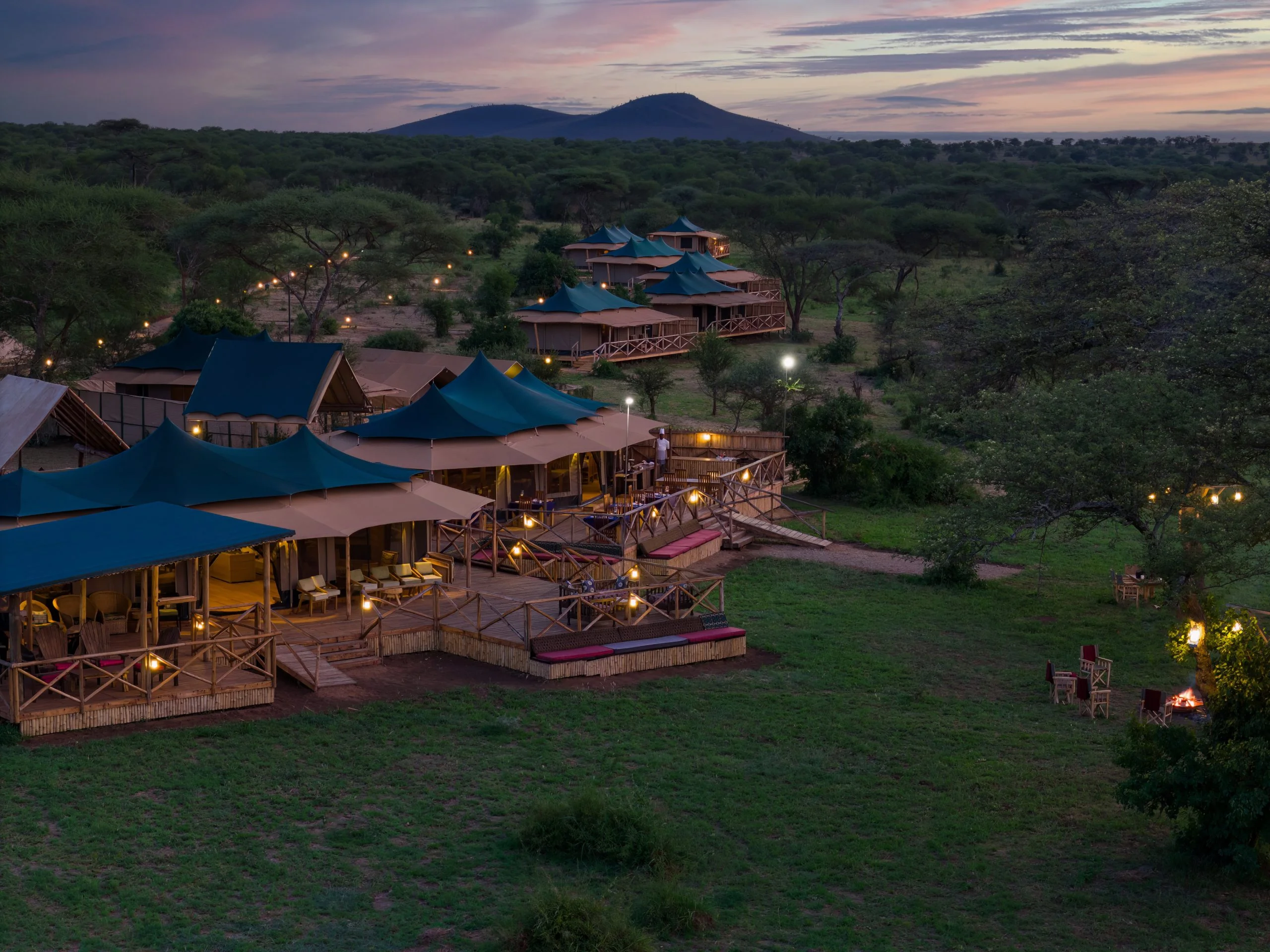
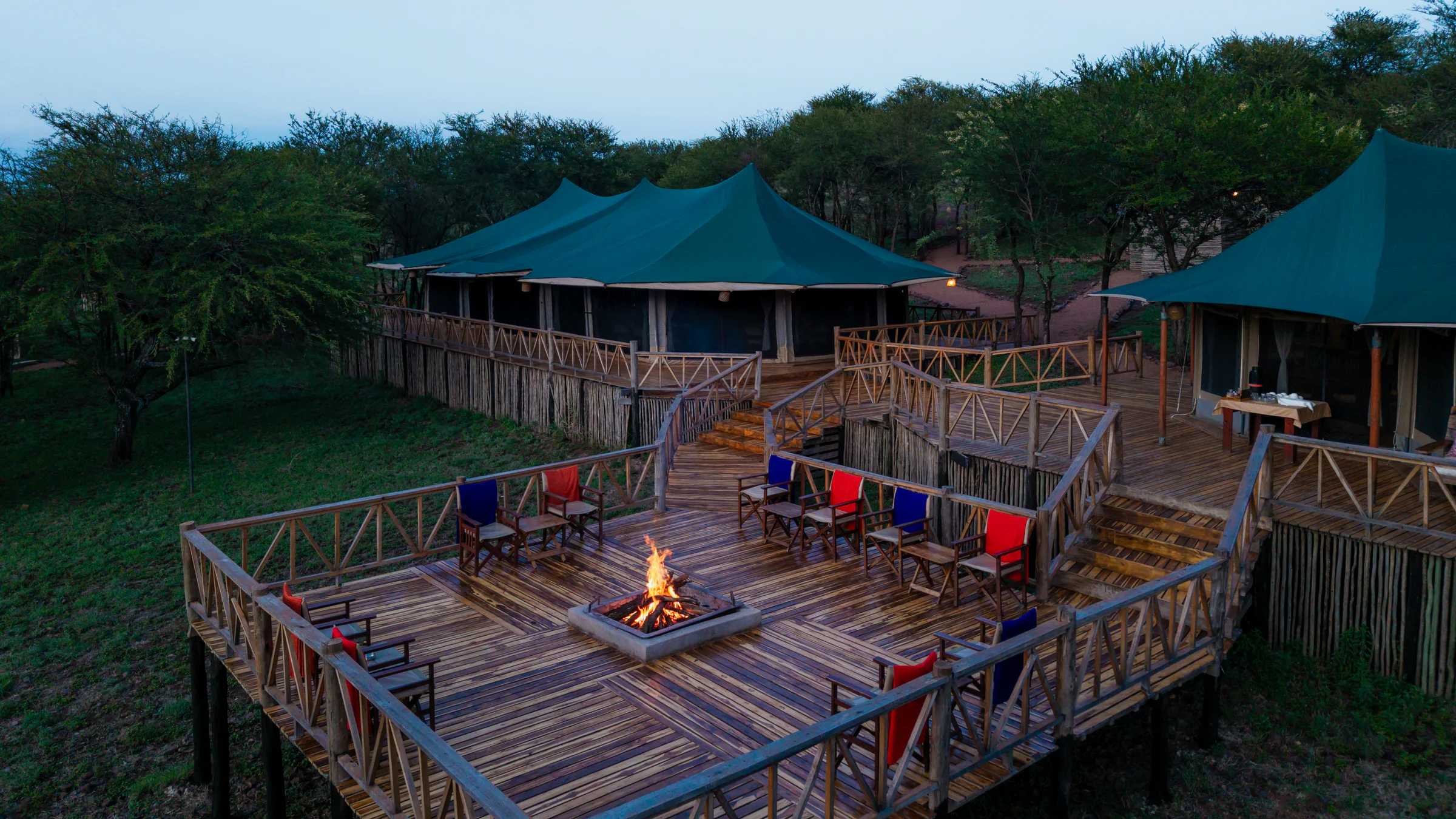
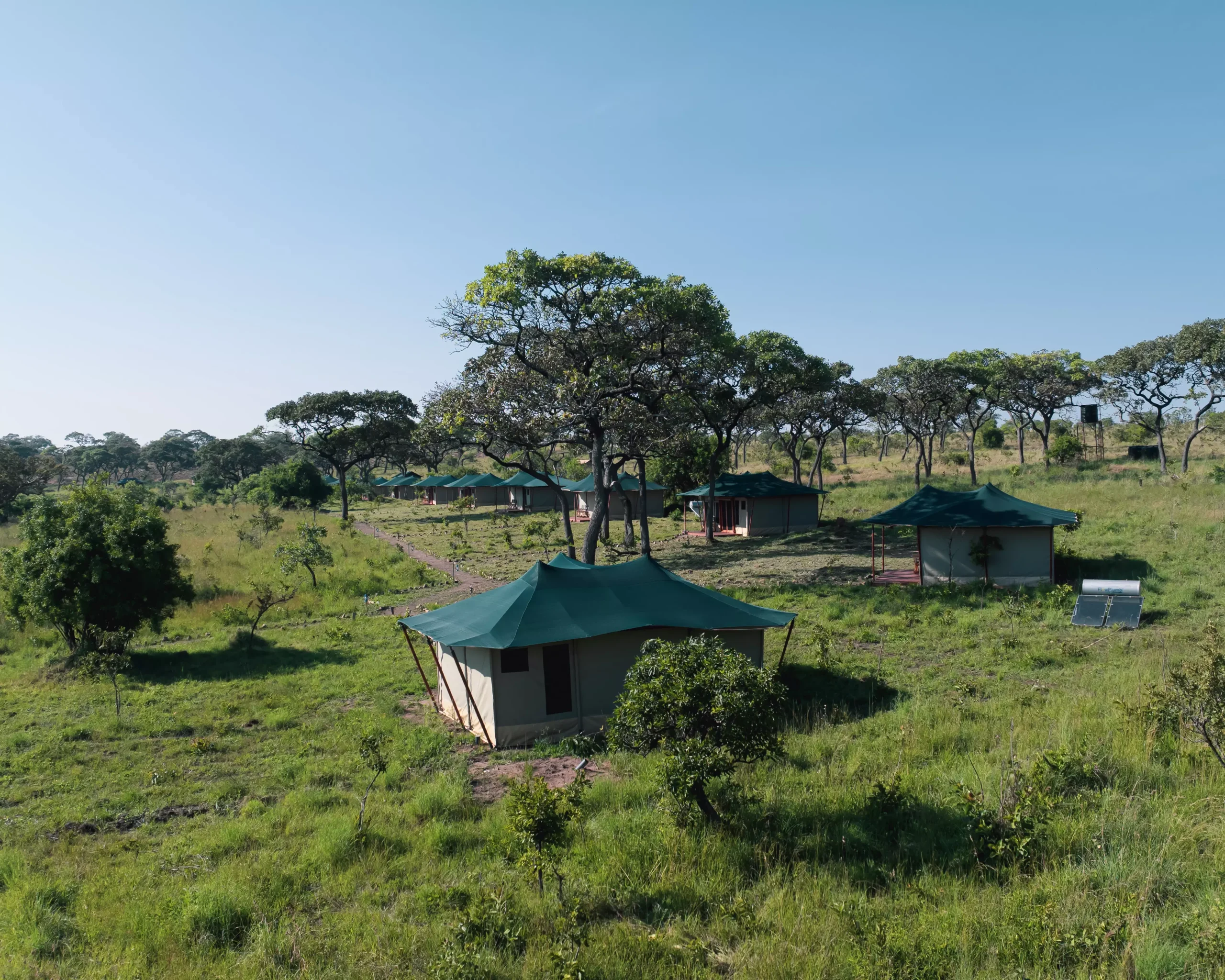
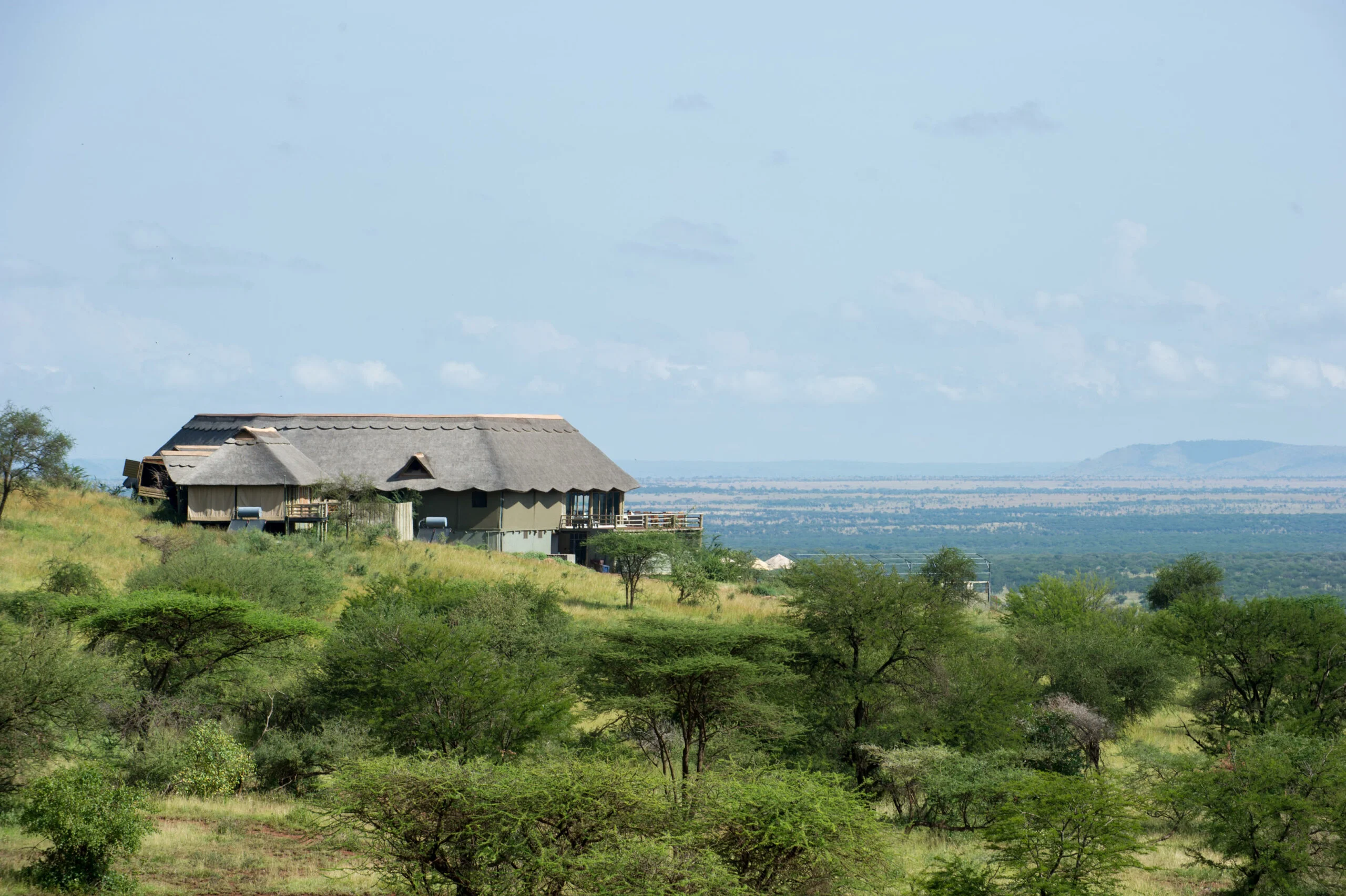
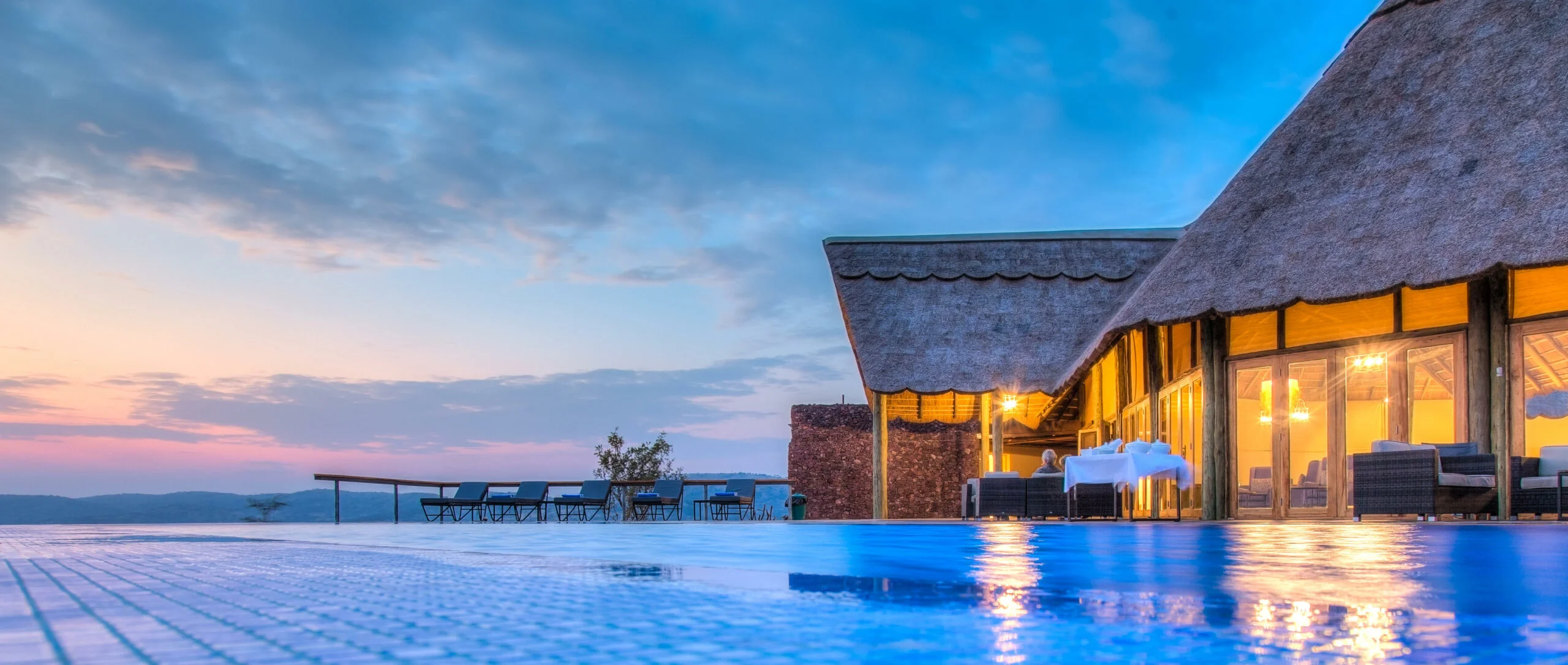
Western Serengeti is the western section of Serengeti National Park, commonly known as the Western Corridor. It is characterised by the Grumeti and Mbalageti rivers, open grasslands, woodland, riverine forests and seasonal migration activity.
The Western Corridor is famous for the Grumeti River, seasonal Great Wildebeest Migration activity, riverine forests, crocodiles, hippos, resident wildlife and its relatively remote safari atmosphere.
Late May to July is generally the most relevant period for travellers interested in the Western Corridor migration phase and possible Grumeti River crossings. June to October is suitable for dry-season wildlife viewing, while the green season offers attractive landscapes and birdwatching opportunities.
Yes. Migrating wildebeest and zebras may pass through Western Serengeti as they move northwards through the Serengeti ecosystem. The exact timing varies according to rainfall, grazing conditions and herd movements.
No. Grumeti River crossings are unpredictable. Herds may wait near the river, cross at a different location, split into smaller groups or move on without a major crossing. A safari operator cannot guarantee a crossing on a specific day.
No. The Grumeti River is generally narrower and has different crossing conditions from the Mara River. Grumeti crossings usually occur earlier in the migration cycle, often around May to July, while Mara River crossings are generally associated with the northern Serengeti and the wider Mara ecosystem later in the year.
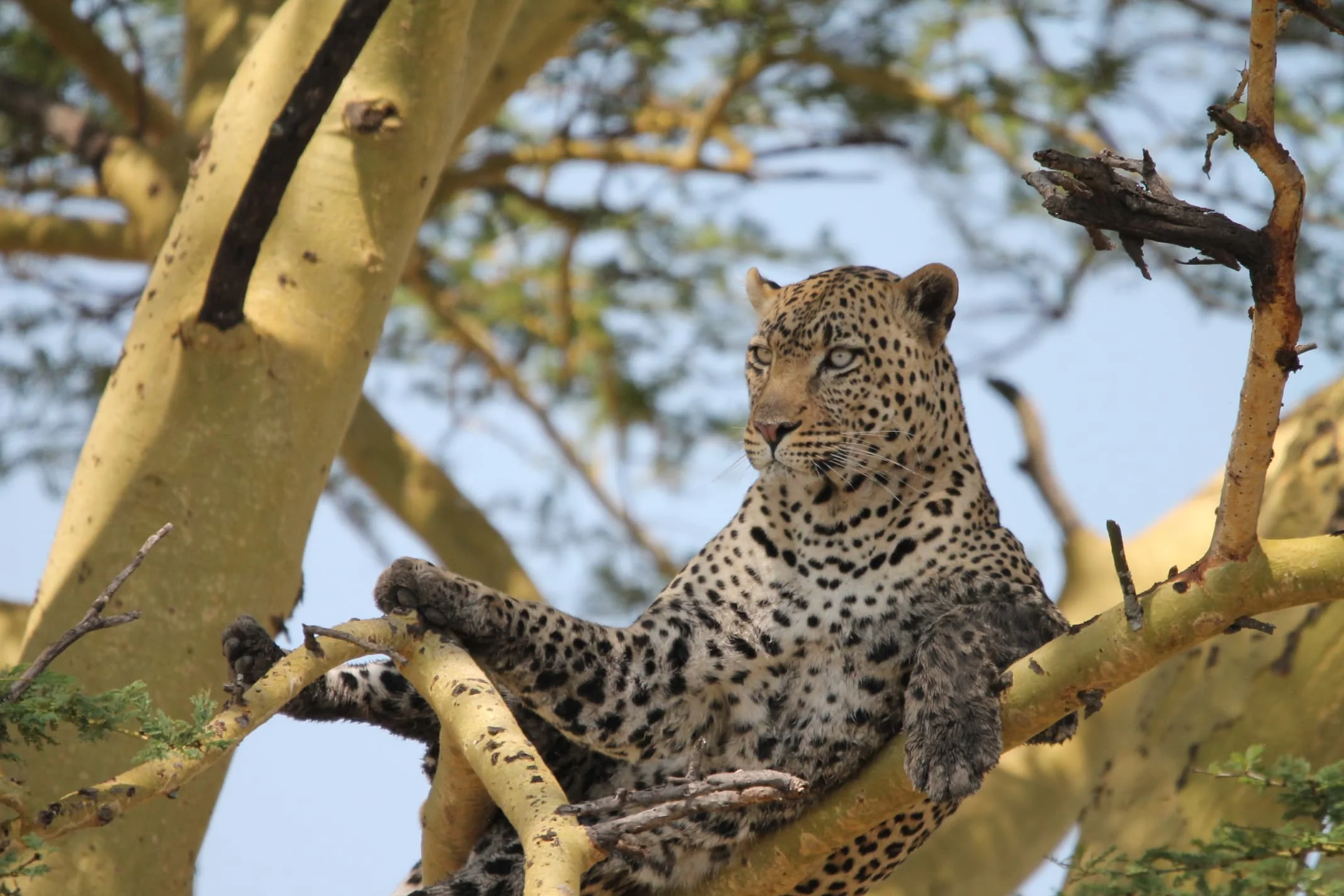
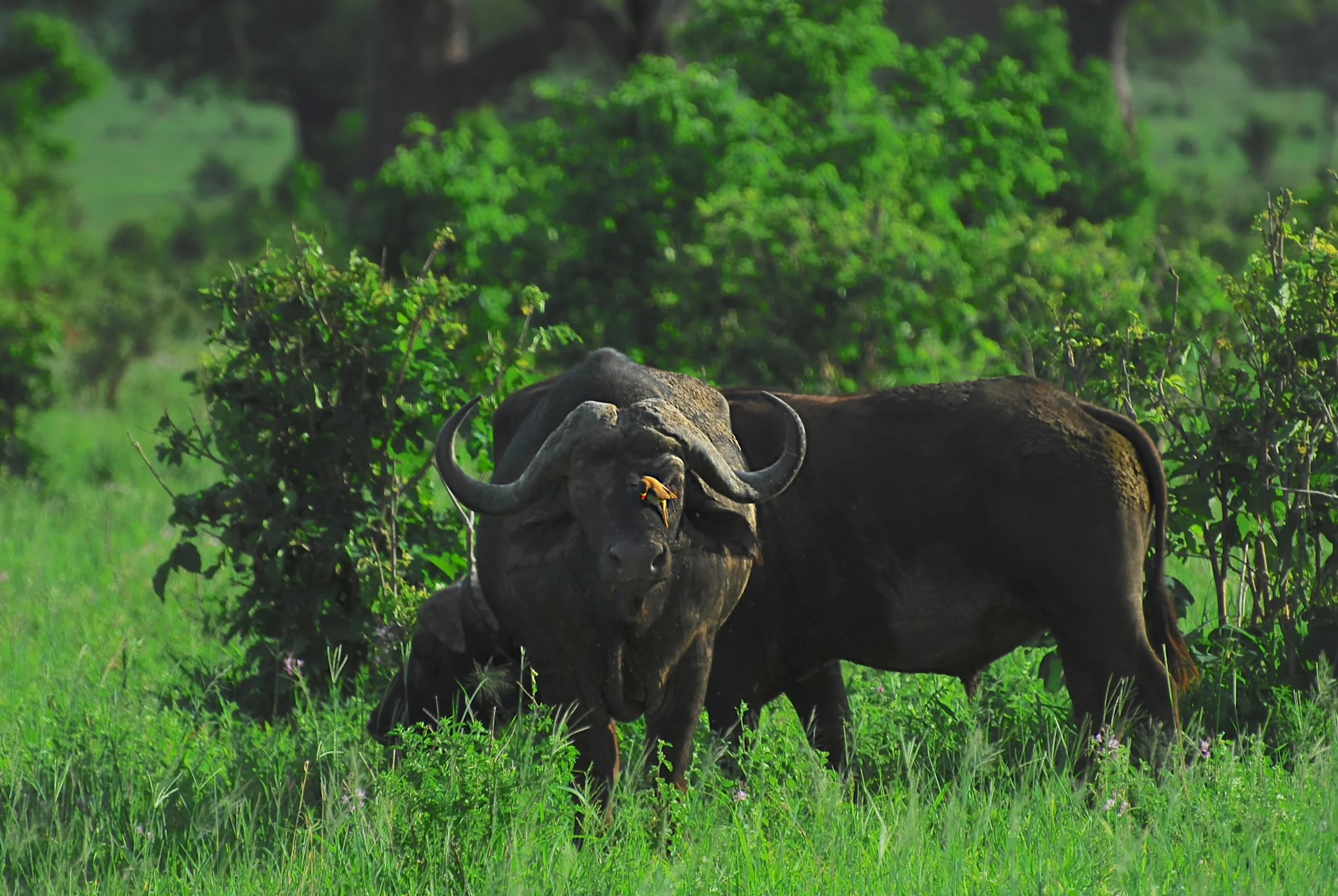
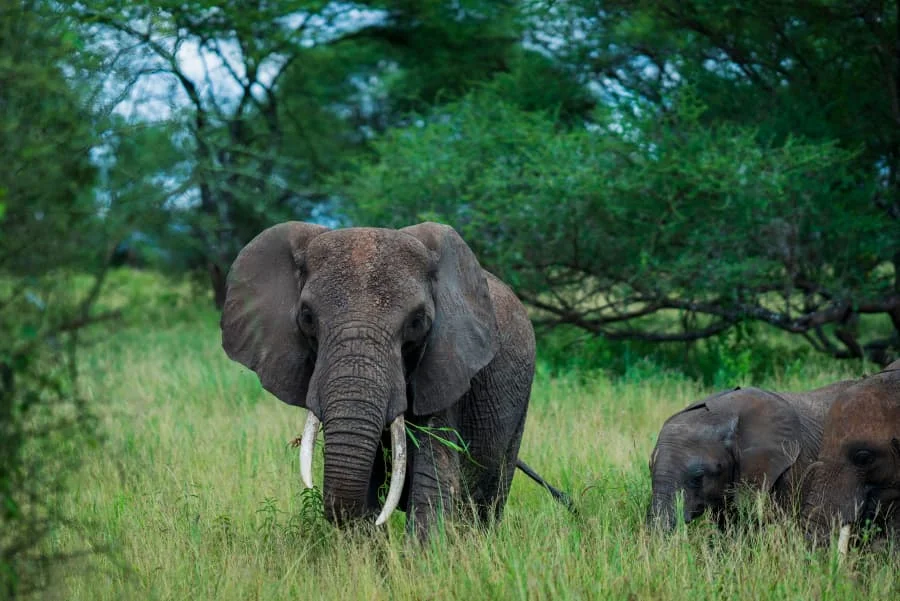
Visitors may see lions, elephants, buffaloes, hippos, crocodiles, giraffes, zebras, wildebeest, hyenas, antelopes and many bird species. Leopard and cheetah sightings are possible but depend on habitat, season and animal movements.
Yes. The deeper pools of the Grumeti River provide habitat for Nile crocodiles. Visitors should observe crocodiles from a safe distance and follow their guide’s instructions at all times.
Yes. The Western Corridor and surrounding ecosystem include selected luxury lodges and tented camps. Accommodation availability is more limited than in Central Serengeti, so early booking is recommended, particularly during the migration season.
Some parts of Western Serengeti receive fewer visitors than the Seronera area, but visitor numbers vary according to the season, accommodation location and major wildlife events. The area should not automatically be described as completely empty.
Two or three nights is a useful starting point for exploring the region. Travellers whose main goal is to witness a Grumeti River crossing may benefit from a longer stay because the timing and location of crossings are unpredictable.
Western Serengeti can be reached by safari vehicle from other parts of Serengeti National Park or by light aircraft to selected airstrips serving the Western Corridor and nearby areas. The best route depends on the location of your accommodation.
Yes, but it is generally better suited to travellers who have sufficient time for a longer itinerary or who specifically want to explore the Grumeti region. Central Serengeti may be more convenient for first-time visitors seeking a shorter safari with easier access and reliable resident wildlife.
Yes. Western and Central Serengeti can be combined in a private safari itinerary. The route should be planned carefully because distances within the park can be long and road travel may take several hours.
Western Serengeti usually refers to the Western Corridor of Serengeti National Park. Grumeti Reserve is a separate private conservation area located alongside the Serengeti ecosystem. Access, accommodation and activities may differ between the two areas.
Yes. The rainy season brings green scenery, fresh vegetation, dramatic skies and good birdwatching opportunities. However, rain can affect road conditions and some seasonal accommodation facilities may not operate throughout the year.
Yes. The region offers varied photographic subjects, including river landscapes, crocodiles, hippos, elephants, predators, migration herds, riverine forests and wide savannah scenery. Patience is particularly important when photographing possible river-crossing activity.
Yes. Hippos may be found in deeper and more permanent pools along the Grumeti River and other suitable water sources. Sightings depend on the season and the location visited.
It can be suitable for families, provided that the itinerary considers children’s ages, driving times, accommodation policies and wildlife safety. A private safari vehicle can provide greater flexibility for family travel.
TanzaLux Safaris can design a personalised Western Serengeti itinerary based on your travel dates, migration interests, preferred accommodation and safari style. Our team can help coordinate private game drives, transport, accommodation and combination safaris while promoting safe and responsible wildlife viewing.
 6 Days
$1,900 per person (USD)
You visit: Tarangire (start), Serengeti, Ngorongoro (end)
 6 Days
$2,050 per person (USD)
You visit: Tarangire (start), Manyara, Serengeti, Ngorongoro (end)
 7 Days
$1,760 per person (USD)
You visit: Tarangire (start), Serengeti, Ngorongoro (end)
 7 Days
Price on request
You visit: Arusha (start), Lake Manyara, Serengeti, Ngorongoro (end)
 7 Days
$3,600 per person (USD)
You visit: Arusha (start), Tarangire National Park, Serengeti National Park, Ngorongoro Crater, Karatu, Northern Tanzania (end)
 5 Days
$2,000 per person (USD)
You visit: Tarangire National Park (start), Serengeti National Park, Ngorongoro Crater, Arusha, Northern Tanzania (end)
 7 Days
Price on request
You visit: Arusha (start), Northern Serengeti, Kogatende, Mara River (end)
 5 Days
$2,500 per person (USD)
You visit: Arusha (start), Ndutu, Southern Serengeti, Ngorongoro Crater, Northern Tanzania (end)
 7 Days
Price on request
You visit: Arusha (start), Tarangire National Park, Serengeti National Park, Ngorongoro Crater, Northern Tanzania (end)
 6 Days
$3,200 per person (USD)
You visit: Arusha (start), Tarangire, Serengeti, Ngorongoro (end)

Grateful experience
As a solo female traveler, I felt super safe and well taken care of the entire time.
Read morePrivate Safari 6 days
I can only highly recommend the young company Tanzalux for organizing a private safari.
Read moreAn unforgettable vegetarian journey with Tanzalux Safaris
I highly recommend Tanzalux for anyone wanting a special, personalized safari.
Read moreOur 3-day camping safari with Tanzalux was simply fantastic! Everything was perfectly organized.
Read moreBack in April, I joined a day trip to Tarangire National Park with Tanzalux Safaris, and it was truly one of the best experiences I have ever had…
Read moreI've had an amazing experience with Tanzalux Safaris, would 1000% recommend! Thank you for making my trip so special🫶
Read moreI recently visited Meru Waterfalls in Arusha and got to do some of the activities there, honestly it was such a great experience and I really enjoyed it.
Read moreOur guide Dullah Mr Rastaman had the best vibe. I would like to recommend other people not to miss it, Tarangire is the best national park.
Read moreOur tour guide Nasri was very friendly and welcoming from the first day we met him. He knows Tarangire very well and explained many things during the safari.
Read moreAs a grandmother in the group, I would like to share my happiness with Tanzalux Safaris. Me, my daughters, and my grandson went on a short trip to Tarangire National Park…
Read moreVisiting for a special trip? Read our guide to a luxury Serengeti safari.
Receive a free, no obligation quote

 Western Circuit
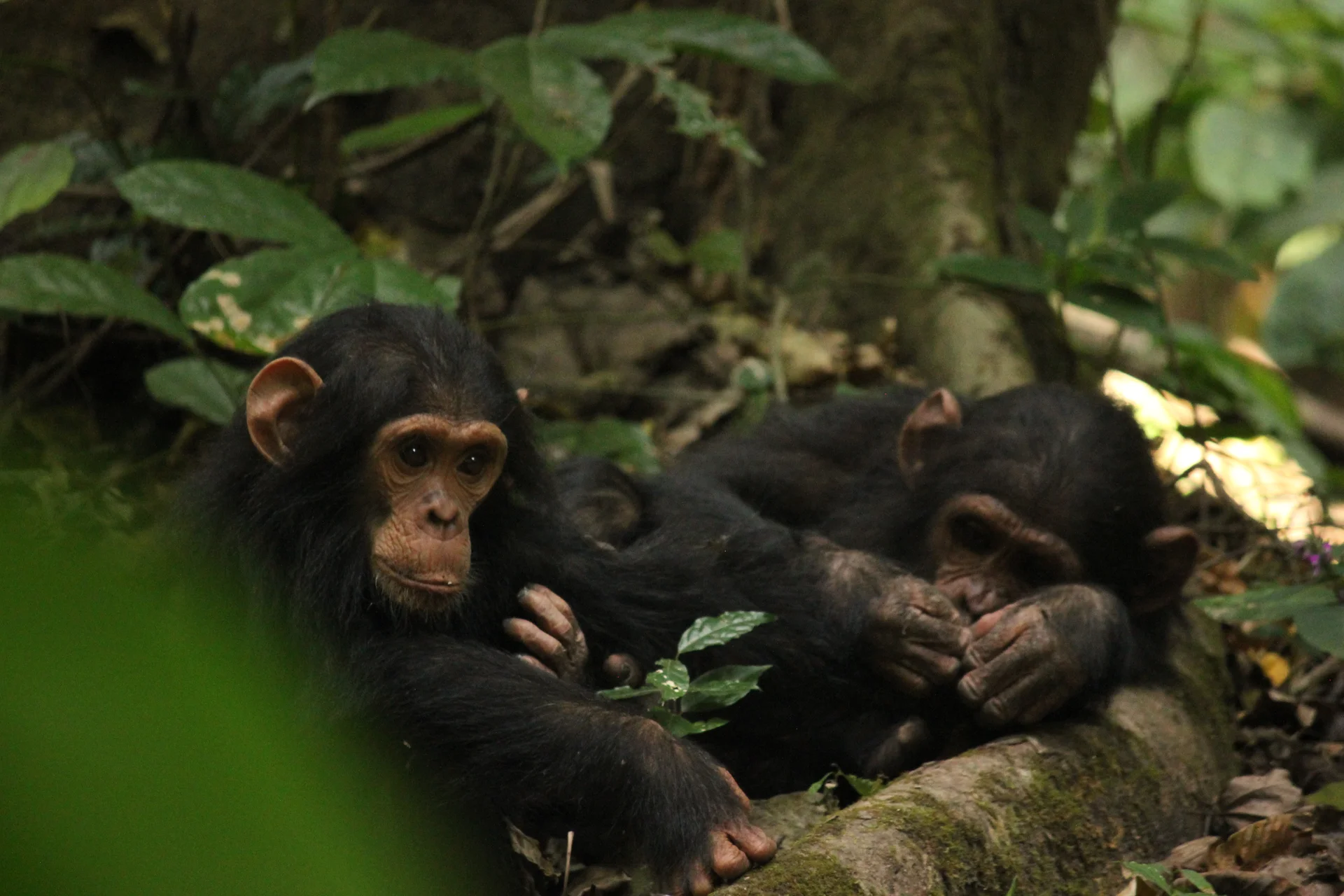
Gombe Stream National Park, also known as Gombe National Park, combines wild chimpanzee trekking with forested hills and the shores of Lake Tanganyika. In Kigoma…
Wildlife
Chimpanzees & Olive baboons
Landscape
National Parks & Safari
Highlights
Wild chimpanzee trekking with park rangers
 Southern Circuit
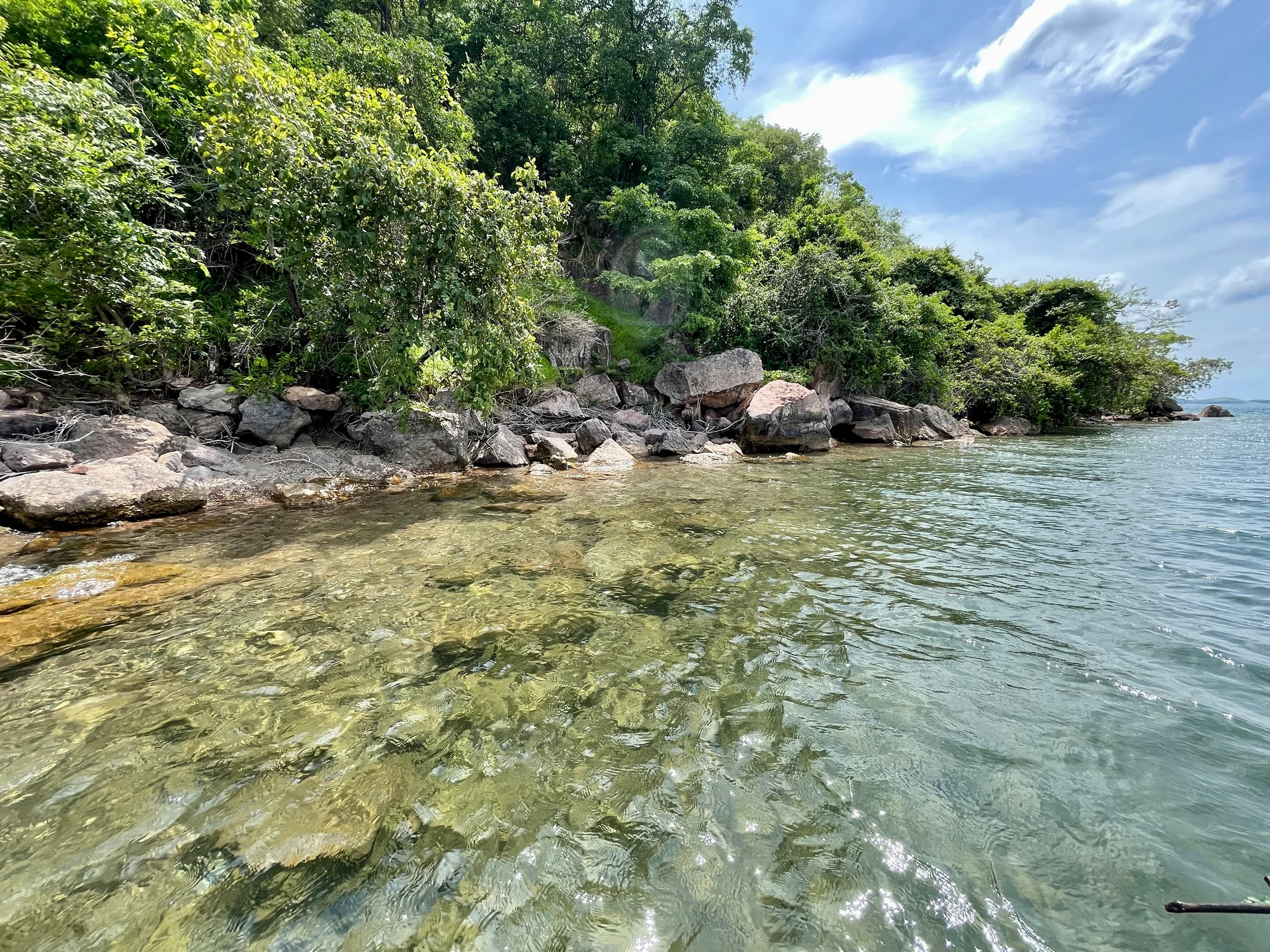
Lake Tanganyika offers a striking freshwater setting along Tanzania’s western frontier: broad blue horizons, wooded shores, bays, beaches and communities whose daily life is closely…
Wildlife
Endemic cichlid fish & Other freshwater fish
Landscape
Lakes & Hot Springs
Highlights
Africa’s deepest freshwater lake in the East African Rift
 Northern Circuit
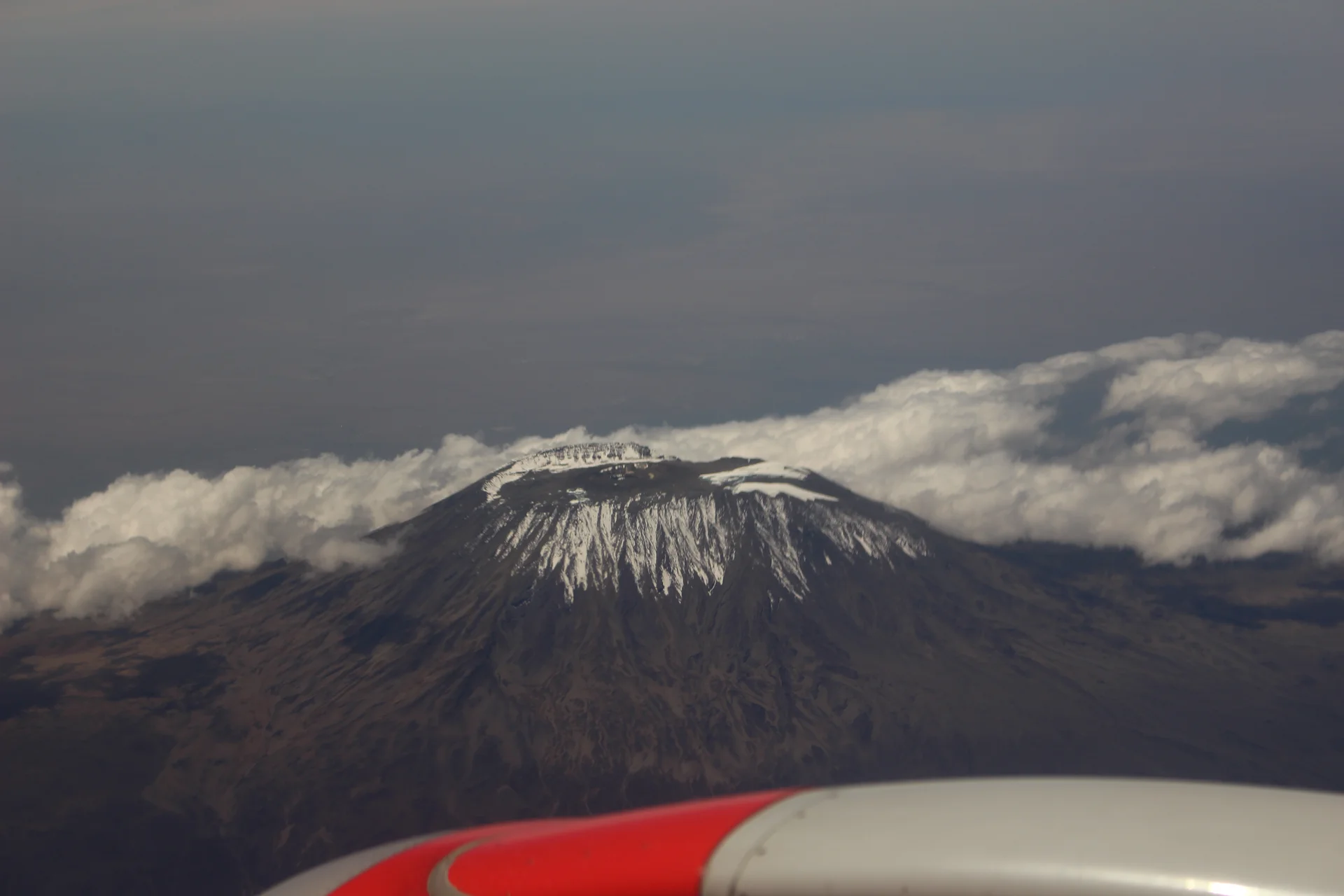
Kilimanjaro rises above northern Tanzania’s plains to Uhuru Peak at 5,895 metres, the highest point in Africa. Its volcanic massif, dramatic changes in vegetation and…
Wildlife
Black-and-white colobus monkeys in forest habitats & Blue monkeys in forest habitats
Landscape
Mountains & Trekking
Highlights
Uhuru Peak at 5,895 metres — Africa’s highest point
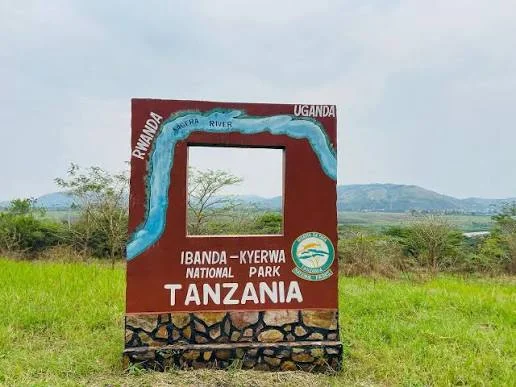 Western Circuit
Ibanda-Kyerwa National Park protects a scenic corner of northwestern Tanzania, where the Kagera River meets a landscape of savanna, wooded slopes, valleys and wetlands. Situated…
Wildlife
Buffalo & Roan antelope
Landscape
National Parks & Safari
Highlights
Kagera River scenery on Tanzania’s northwestern border
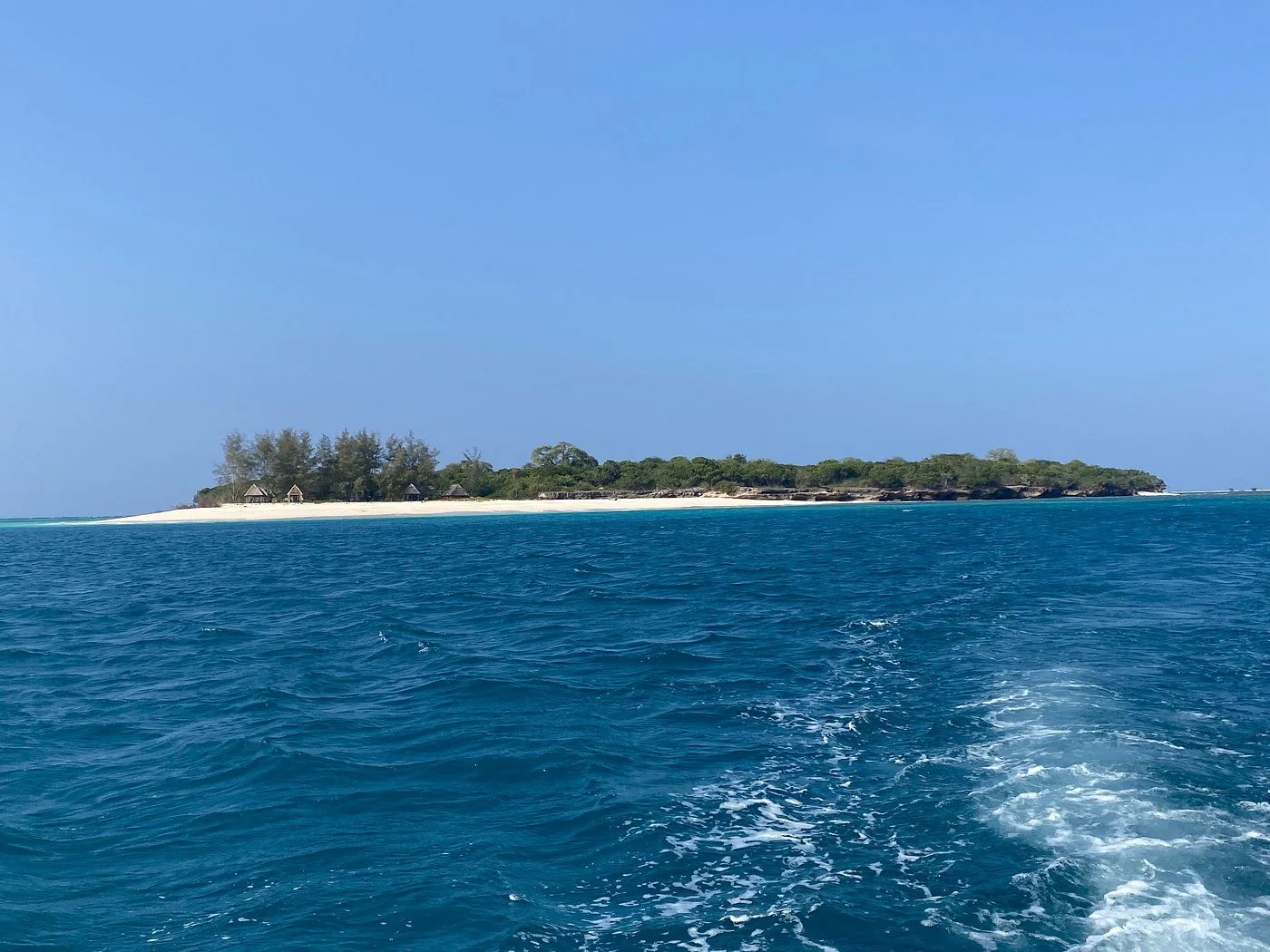 Zanzibar & Islands
Sinda Island Marine Reserve offers an Indian Ocean escape off Kigamboni, on the southern side of Dar es Salaam. The reserve encompasses Inner and Outer…
Wildlife
Reef fish & Coastal birds
Landscape
Beaches & Islands
Highlights
Inner and Outer Sinda islands
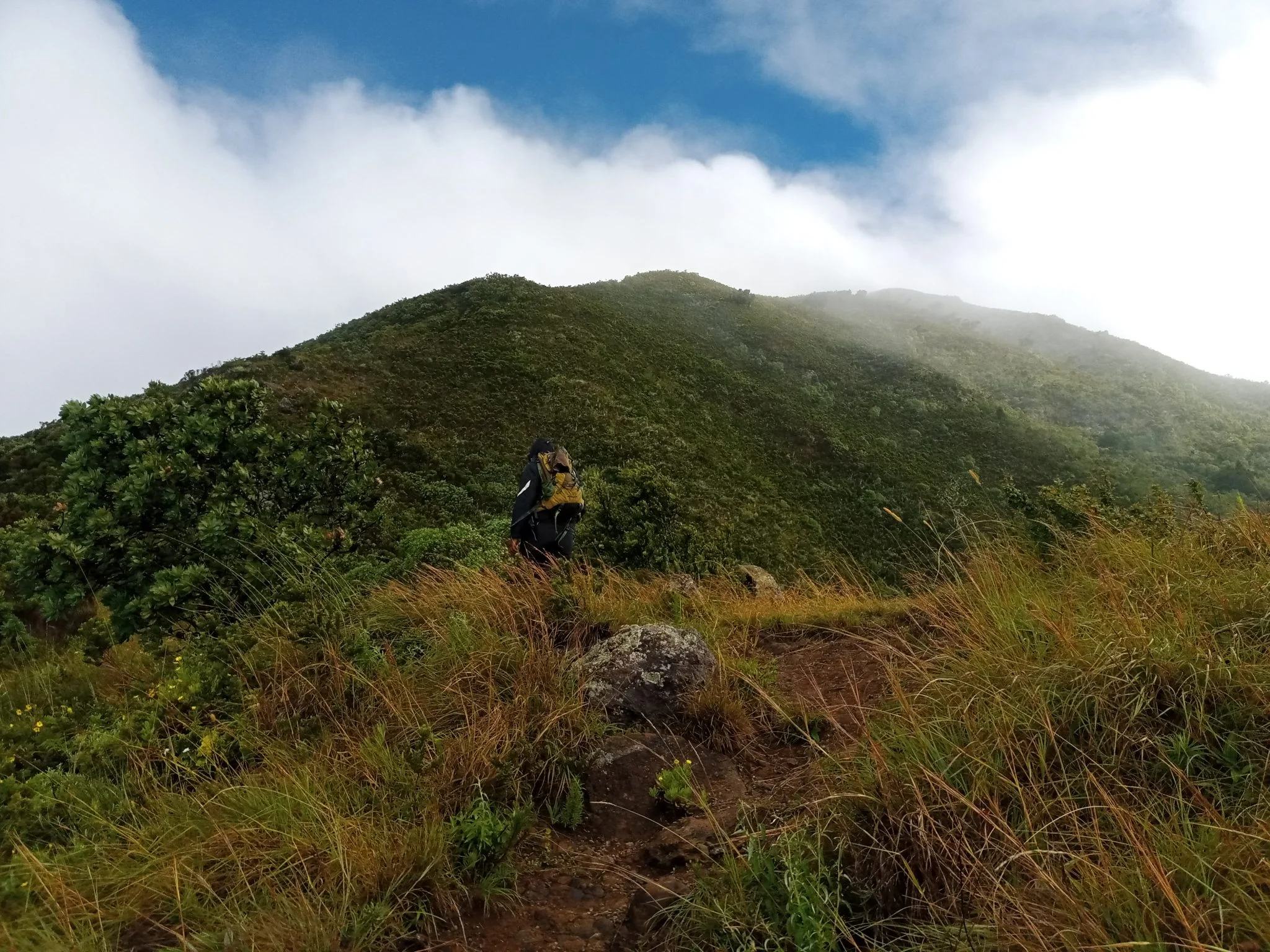 Northern Circuit
Discover Mount Hanang Rising above Katesh in Tanzania’s Manyara Region, Mount Hanang offers a rewarding mountain adventure beyond the familiar northern safari circuit. At approximately…
Wildlife
Klipspringer & Vervet monkeys
Landscape
Mountains & Trekking
Highlights
Approximately 3,423 metres — Tanzania’s fourth-highest mountain