5.0 Excellent
Best Tarangire Luxury Safaris: Ultimate Guide for First-Time Visitors
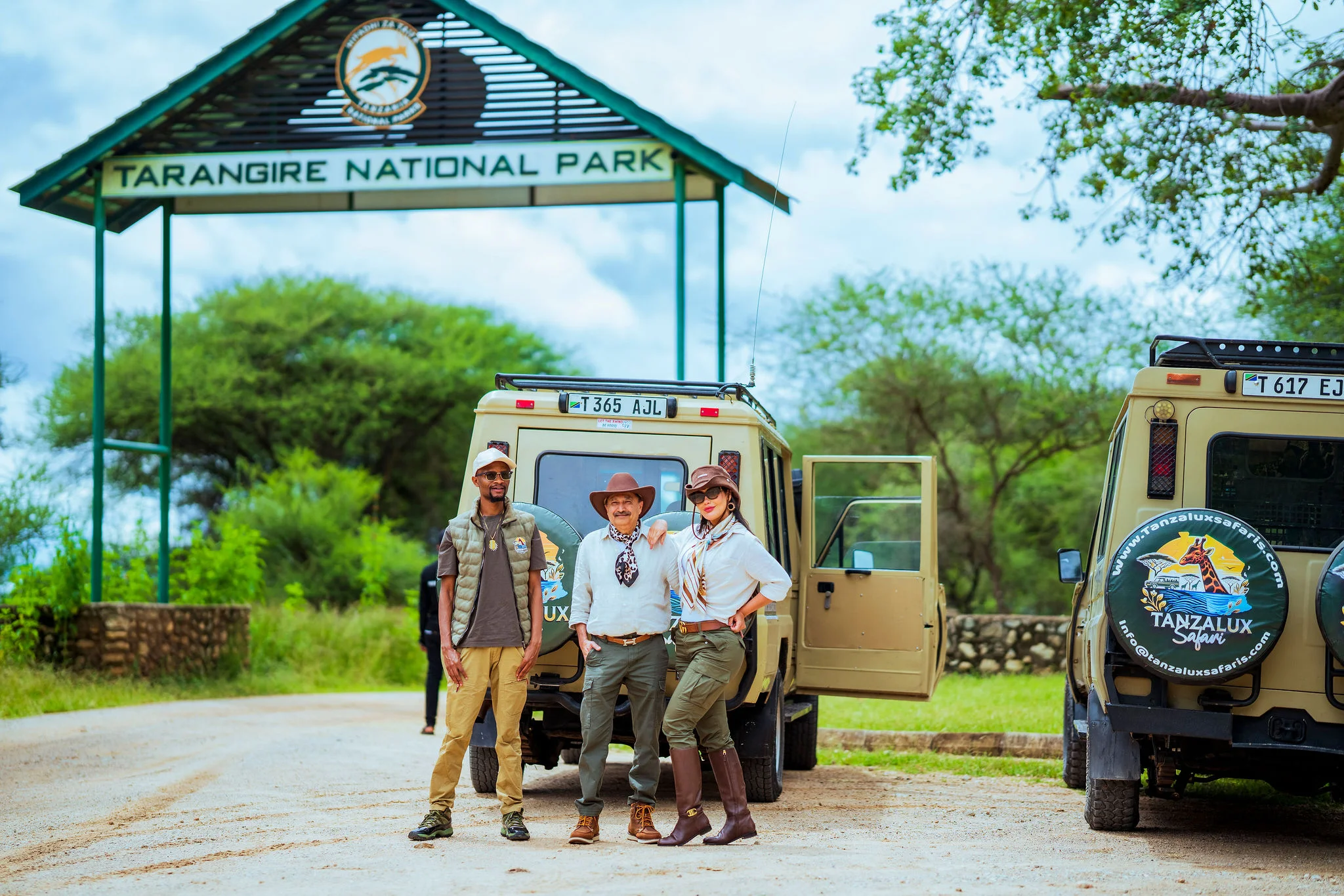
The best Tarangire luxury safaris combine time with wildlife, a well-placed camp, and thoughtful personal service. A beautiful room matters, but so does the day outside it. Your guide, vehicle, route, and daily pace help turn a first safari into a trip you can truly enjoy.
Tarangire has a powerful sense of place. Baobabs rise above the plains. Elephants move through the river landscape. A bird flashes colour across the grass, and the light changes on the hills. Give yourself time to watch these scenes instead of rushing from one park name to the next.
This guide helps first-time visitors choose a season, compare six luxury lodges, and build a sensible route. It explains transport, costs, activities, family needs, photography, and responsible travel. You will find exactly 20 FAQs at the bottom. Wildlife sightings remain unpredictable, and every booking needs current checks for dates, fees, and services.
What makes a Tarangire luxury safari worth choosing?
Tarangire offers elephants, striking baobab landscapes, and varied wildlife habitats. A luxury stay can give you more comfort and a slower pace within that setting.
TANAPA’s attractions guide highlights the river, Silale Swamp, woodlands, and baobab hills. These places offer different views of the park. The best plan gives your guide room to explore suitable areas for the season.
Think of luxury as time and care as well as design. A good trip should make meals, transfers, and drive plans feel clear. You should know who is guiding you, how the vehicle is shared, and what happens between activities. These details matter when this is your first safari.
Tarangire can work as a main stay or an early part of a northern Tanzania route. It can suit a honeymoon, a family trip, or a wildlife-focused visit. The right version depends on your interests. There is no single lodge or route that is best for everyone.
What wildlife might you see in Tarangire?
Elephants, buffalo, zebra, wildebeest, giraffes, and predators form part of Tarangire’s wildlife scene. Look for a broad experience rather than a guaranteed checklist.
TANAPA’s wildlife guide describes dry-season animal movements toward the river corridor. It also records lions, leopards, hyenas, and tree-climbing pythons. Seeing any of these depends on the day, route, and conditions.
Elephants: allow a patient stop with space for the herd to move. Watch the whole scene rather than seeking the closest approach.
Plains game: enjoy zebra, wildebeest, and other herds within the landscape. Look for changes in movement and light.
Predators: ask your guide to explain the signs they see. A quiet sighting can reveal much more than a quick portrait.
Birds: keep binoculars close. A brief stop may turn into one of the most colourful moments of the day.
Smaller details: notice tracks, termite mounds, trees, and insects from the permitted viewing space.
Do not book with a promise of seeing every big cat or a python in a tree. A species can live in a park yet remain hidden during your visit. Extra drive days give more search time, but they do not create certainty.
For a broader introduction to the park, read our Tarangire National Park safari guide. Use it to discuss your interests with a planner before you choose a lodge.
How do the river, swamp, and baobabs shape the experience?
The river and seasonal wetlands help shape wildlife movements. Baobabs, woodland, and open flats give the park its distinct views and photo opportunities.
Silale Swamp is one of the park’s noted wildlife areas. Its place in your plan depends on your base, weather, and available tracks. Ask how long it takes to reach from the lodge. Avoid assuming every Tarangire camp offers the same drive areas.
Baobabs also deserve time in their own right. Take a wide view that shows their shape against the sky. Ask the guide about the landscape around them. You do not need a rare animal in every frame to make a memorable image.
A river stop should follow safe viewing rules. Do not block an animal’s route to water or ask to approach on foot. A good position lets you watch quietly while leaving space. The scene belongs to the animals, and your route should respect that.
When is the best time for Tarangire luxury safaris?
June to October is a useful dry-season starting point. Greener periods can suit scenery and birding, but weather and camp operations need a closer check.
TANAPA’s trip planner explains the broad dry and rainy periods. Rainfall varies, and conditions can differ across a park. Ask your operator how your dates affect tracks, drive areas, and lodge access.
Dry-season stays from June to October
A dry-season stay can suit guests who want to focus on wildlife drives. It also needs early room planning when travel dates are fixed.
Ask which base fits the river and swamp areas you hope to explore. Check whether transfer time leaves enough of the first day for a drive. If you arrive tired after a long flight, consider a night near Arusha first.
Do not assume that a peak rate guarantees more wildlife. You are paying for a season, room, and service package. Good timing helps, but patient viewing still matters. Compare the value of an extra night against a more costly room.
Green-season stays and rain checks
A green-season Tarangire trip offers another mood, with fresh landscapes and birding interest. Confirm which camps, tracks, and activities operate on your dates.
Some lodges close for part of the rainy period. That can affect which combinations are possible. A walking activity may also depend on vegetation and safety checks. Do not assume every service runs all year.
Ask how the operator adjusts the plan after heavy rain. Pack a light rain layer and protect camera gear. Choose a route with room for change. A lower rate, if offered, should be weighed against the full package and seasonal conditions.
How many nights should a first-time visitor stay?
Consider two or three nights as a starting point. This can give Tarangire a proper place in your trip without making every day a transfer day.
Two nights often allow one full day between arrival and departure. Three nights can offer more repeat drives and rest time. The true amount of viewing depends on transport and the lodge’s location. Ask for full park days to be marked on your plan.
A southern camp may need a longer drive from the gate. That can be worthwhile if you stay long enough to enjoy its area. A very short stay may spend too much time arriving and leaving. Match the base to the time you can give it.
If your holiday is short, reduce the number of stops. One well-paced Tarangire stay can be more rewarding than several brief park visits. If you have more days, add them where they create useful wildlife time or a comfortable break.
Should you stay inside the park or in a nearby conservancy?
An inside-park base and a nearby conservancy offer different advantages. Choose by drive areas, access time, activities, and the type of stay you want.
A camp inside Tarangire can place you close to its own park drive routes. A conservancy stay may offer activities on land outside the national park. The same region name does not mean the same access or rules.
Inside the park: ask about the camp’s usual drive areas and the distance from the gate or airstrip.
Outside the park: ask how long national park visits take and whether daily entry is included.
Conservancy activities: ask which land they use, who leads them, and what is authorised.
Night drives and walks: get current confirmation rather than assuming they belong to every stay.
Costs: check park, concession, conservancy, and activity charges separately.
Location should be part of the lodge comparison from the start. A fine room cannot remove a long daily transfer. Equally, a slower conservancy stay may suit guests who want a wider mix of activities and rest.
Six luxury lodges to compare for your Tarangire stay
These six options offer different settings and styles. The notes below are planning suggestions based on the lodges’ own descriptions, rather than a universal ranking.
Oliver’s Camp: consider it for a wildlife-focused park stay
Oliver’s Camp can suit guests who want time in southern Tarangire. Consider it when guiding, walks, and a tented safari atmosphere are key interests.
Asilia’s official camp page places Oliver’s within the park near Silale Swamp. It lists game drives, guided walks, and night drives. Its published schedule includes a closure from mid-March to mid-May. Walking also has seasonal and safety conditions.
Ask how the camp fits your transfer route and how long the journey takes. Confirm your child’s eligibility for both the stay and each activity. If you want private vehicle use, get it stated in the quote. A listed drive service does not automatically mean exclusive use.
Lemala Mpingo Ridge: consider it for views and lodge comforts
Mpingo Ridge can suit guests who enjoy an elevated view and time to relax at the lodge. Compare it when a pool and spacious suites matter.
Lemala’s lodge page describes an escarpment setting above the river valley. It lists 15 suites, including a two-bedroom option, plus a pool and spa. Its published full-board package excludes game drives and airstrip transfers, so check the exact booking basis.
Ask which vehicle and guide will serve your stay. Check how drive costs are added to the room price. For a family, confirm the room layout and beds. A strong view is a welcome part of the holiday, but your wildlife plan still needs clear arrangements.
Swala Camp: consider it for a small tented camp inside Tarangire
Swala can suit guests who prefer a small camp with shared areas for rest between drives. It is a different choice from a large lodge.
A&K’s official Swala page describes 12 tented suites within Tarangire. Private decks, outdoor showers, and a pool feature in the camp’s design. Swala is now presented as an A&K Sanctuary property. Its listed extras include walks, night drives, and ballooning.
Check which extras are available and what they cost. Confirm whether drives are shared or private. Treat wildlife near the waterhole as a possible bonus, not a promise or an invitation to approach animals.
Elewana Tarangire Treetops: consider it for elevated rooms and conservancy activities
Treetops can suit guests drawn to raised rooms and a distinctive lodge setting. Compare its location carefully with camps inside the national park.
Elewana’s overview describes 20 elevated rooms with private balconies. Its activities page lists experiences around Treetops and in the Randilen wildlife management area, alongside park visits. These are different activity settings.
Ask about steps, room access, and the drive to national park areas. Confirm where each walk or night drive takes place. Raised rooms may be part of the appeal, but they need to suit your comfort and access needs.
Nimali Tarangire: consider it for a small conservancy stay and a hide
Nimali Tarangire can suit guests who want a small camp outside the park boundary. Its hide adds another way to observe wildlife from a managed viewing space.
Nimali’s official lodge page places the camp on a private conservancy at Tarangire’s eastern edge. It describes eight tented suites, family options, and an underground hide. Guided walks and night drives are among its listed activities.
Confirm whether a planned day uses the conservancy or national park. Check gate travel and the cost basis for each. Ask about hide access, suitability, and supervision. An animal visiting the hide’s water point remains a wild, unpredictable subject.
Chem Chem Lodge: consider it for a slower stay between safari parks
Chem Chem Lodge can suit guests who value rest, space, and a mix of guided experiences. It is in the wider region, outside Tarangire National Park.
Its official Auberge Safari page places it in the Burunge wildlife management area between the Tarangire and Manyara ecosystems. The lodge has seven tented suites and a family unit. The listed offering includes private guiding, a pool, and wellness facilities.
Do not confuse Chem Chem Lodge with Little Chem Chem or another camp in the collection. Ask how national park excursions fit the stay. Confirm seasonal opening and the exact activity plan. Choose the lodge because its slower style fits your trip, rather than treating it as an inside-park base.
How much do Tarangire luxury safaris cost?
The price depends on season, lodge, guest numbers, transport, and service inclusions. Ask for a complete quote rather than comparing room prices alone.
Published rates show why booking terms matter. The examples below were checked in October 2026. They illustrate different packages and are not TanzaLux quotes. New dates, taxes, availability, and fees can change the final amount.
Lemala Mpingo Ridge: its published rate page lists USD 869 per person sharing per day for 1 October to 19 December 2026. The basis includes meals and listed room services, while guiding, vehicle use, government charges, and transfers need separate checks. See Lemala’s rate terms.
Oliver’s Camp: Asilia lists USD 950 per person per night for the same October to December period. Its listed inclusions cover scheduled drives and certain camp activities. Park, concession, and other named charges are excluded. Check the camp’s current written offer.
Swala Camp: A&K lists USD 1,650 per person sharing per night for a one-to-three-night stay in its published June to October 2026 period. Some services and game viewing are included; park and concession fees and additional activities are among the exclusions.
These examples are not equivalent totals. One includes scheduled guiding where another may not. A longer-stay offer can also change the rate. Ask the operator to price the full stay with the services you actually want.
For each quote, check park entry, concession or conservancy charges, transfers, meals, drinks, and activities. Ask whether rates are per person sharing or per room. Check any single supplement and child rules. Get deposit dates and cancellation terms before paying.
If you have a budget ceiling, tell the planner early. Ask which choices would make the biggest difference. An extra night in a suitable camp may offer more value than a costly upgrade for a shorter stay. Protect the time and guiding that support your main wildlife interests.
What should luxury service include in your plan?
Luxury service should make the trip easy to follow and responsive to your needs. The written plan should explain how that service works in practice.
Start with the vehicle. Private lodge accommodation does not prove private game drives. Ask whether you share with other guests, how many seats are used, and who sets the daily pace. If exclusive use is important, have it confirmed by name and date.
Next, discuss guiding. Tell the operator your language needs and main interests. Ask who leads the drives and whether the same guide stays with you. A camp guide and a guide travelling across several parks offer different continuity. Either can work well when roles are clear.
Meals and rest should also fit the day. Ask if an early breakfast or packed lunch can be arranged. Share dietary needs before arrival. Check which drinks and laundry services are included. A smooth routine allows you to spend less time dealing with small surprises.
Who meets you on arrival and handles the next transfer?
Is your vehicle private throughout the stay?
What are the usual drive arrangements and meal options?
Which activities need advance booking or extra payment?
How does the camp handle weather changes or delays?
Who is the contact if a service does not match the plan?
Clear answers help you compare service rather than slogans. Avoid assuming that “all-inclusive” means every activity or fee. It is a package description that still needs an inclusion list.
How do you reach Tarangire?
Road travel from Arusha and light-aircraft access are main options. Choose the route that fits your lodge, arrival time, and wider safari plan.
TANAPA’s visitor guide identifies road access and Kuro Airstrip inside the park. Travel to the gate is only part of a road transfer. Your camp may be much farther along the park tracks.
For a road route, check the journey from your actual starting point. Arusha city, Arusha Airport, and Kilimanjaro International Airport are different places. Do not use one transfer estimate for all three. Include breaks and the drive from gate to camp.
For a fly-in stay, confirm the airstrip and who meets you. The nearest suitable strip can differ between lodges. Check the operating flight, baggage allowance, and transfer time. Air access does not remove the need for a vehicle on arrival.
If you arrive after a long international flight, weigh the benefit of a rest night. A comfortable start can improve the first drive. Plan important onward connections with a sensible margin. Weather, roads, and flight changes can affect the day.
A sample eight-day northern luxury safari
An eight-day route can give Tarangire two nights and the Serengeti three nights. This example needs adjustments for your dates, camps, and arrival schedule.
Day 1: arrive near Arusha. Rest after the flight. Meet your guide or trip contact and review the plan for the next day.
Day 2: travel to Tarangire. Allow time to reach the chosen base. Add a drive if the schedule and park rules permit it.
Day 3: enjoy a full Tarangire day. Plan drives and breaks around your interests. A confirmed optional activity can replace part of a drive.
Day 4: move to your Ngorongoro base. Keep the transfer pace comfortable. Check the next day’s crater arrangements and meal plan.
Day 5: visit the crater and continue to the Serengeti. This can be a demanding day. Confirm its feasibility for the exact camps, or add a night to separate the activities.
Day 6: spend a full day in the Serengeti. Explore suitable areas with your guide. Leave room for patient viewing and rest.
Day 7: enjoy another Serengeti day. Return to a useful area or try a new route. Choose by the season and wildlife signs.
Day 8: depart by the agreed route. Confirm flight or road arrangements and onward connection time before booking.
This is a route framework, not a promise that every transfer will work with every lodge. A nine-day version may be more comfortable if you separate the crater day and Serengeti move. Ask your operator to show that option as well.
A first safari does not need every park in the north. If you want a slower holiday, give Tarangire three nights and reduce another stop. A beach extension may also fit after the mainland trip. Choose a route that you can enjoy each day.
Our Ngorongoro Crater guide and Serengeti guide can help you compare the experiences these stops add.
Which activities can you add beyond game drives?
Guided walks, night drives, ballooning, and bush dining may add variety. Availability depends on the lodge, activity location, permission, weather, and age rules.
Guided walks
A walk is a separately managed activity with a briefing and qualified support. It is not permission to leave the vehicle at a normal sighting.
Ask where the walk takes place and who leads it. Check the terrain, duration, age limits, and any ranger requirement. Oliver’s Camp publishes seasonal walking conditions and a minimum age for that activity. Other properties can use different rules, so confirm yours.
Choose a walk because you want a closer look at tracks, plants, and smaller details. Do not treat it as a way to approach dangerous animals. Follow the guide’s pace and instructions throughout.
Night drives
A night drive can be available through a properly authorised camp arrangement. Confirm the location and inclusion rather than assuming every Tarangire booking offers it.
Several lodges in this guide list night drives, including camps inside the park and properties on nearby conservancies. Those arrangements are not interchangeable. Ask what operates on your dates and whether it needs advance booking.
Keep expectations open. An after-dark drive reveals a different atmosphere, but it cannot promise a particular nocturnal species. Follow the guide’s instructions about lights, noise, and movement in the vehicle.
Ballooning and meals in the bush
A balloon flight or a bush meal can create a memorable change of pace. Check operator details, restrictions, and cancellation terms before adding it.
A balloon flight depends on weather and needs an early start. Ask about age or other participation conditions and transfer arrangements. It offers a landscape view, not a guaranteed close wildlife encounter.
A bush breakfast or sundowner should use a permitted setting and a safe plan. Tell the camp about dietary needs. Leave room in the day to enjoy the meal rather than squeezing it between rushed activities.
Community experiences
Choose a community visit with clear host participation and consent. Ask how the visit is arranged and how local people benefit.
Respect the hosts’ rules and ask before taking photos. Do not assume every person wants to perform, pose, or be recorded. A good visit gives space for a real exchange and lets hosts decide how they take part.
How should families and couples choose a lodge?
Choose by room layout, daily pace, activity rules, and the kind of privacy you want. Different guests need different forms of comfort.
Families should check the minimum age for the stay and each activity. A child may be welcomed at camp but too young for a walk. Ask about connecting rooms, extra beds, meals, and pool supervision. Private vehicle use can help shape breaks around your family.
Couples should discuss whether meals are private or shared and how flexible the days can be. A honeymoon room does not automatically include exclusive guiding. Ask which special touches can be arranged and which cost extra. Keep enough time for the lodge itself.
Guests with access needs should ask specific questions about stairs, paths, bathrooms, and vehicle entry. Describe the assistance you need before booking. A raised room or steep lodge path may affect the choice. Get practical answers rather than relying on the word luxury.
Share dietary needs and other service requirements in advance. Ask the operator to confirm them with each camp. Clear preparation makes the holiday easier for both guests and staff.
How can you take better wildlife photographs?
Use patient viewing, steady support, and light that suits the scene. A good Tarangire image should not require a closer or unsafe approach.
Begin with the landscape. Show an elephant beneath a baobab or a herd within the river valley. Then use a longer lens for detail if the angle allows. A wide frame often explains the park better than a face alone.
For moving animals, choose a shutter speed that keeps motion clear. For a still subject, place focus carefully and check the frame edges. Raise camera sensitivity in low light if needed. Settings depend on the camera, lens, and scene.
A phone can capture wide views and short video clips. Keep it steady and avoid excessive digital zoom when detail breaks down. Secure it on rough tracks. Keep your hands and gear inside the safe viewing space.
Bring spare batteries, storage, and a dust cover. Ask the guide before changing seats. Do not use bait, loud calls, or pressure to make animals react. Respect other guests’ views and the guide’s decision to move on.
What should a first-time visitor pack?
Pack comfortable layers, sun protection, binoculars, and the gear you can use easily. Check the luggage rules for any light-aircraft flights.
Light clothes in muted colours and a warm layer for early starts.
A hat, sunglasses, and sun protection.
Comfortable shoes for permitted stops and any confirmed walk.
A light rain shell and simple dust protection for gear.
Binoculars, a camera or phone, and spare power.
Personal medicines and the documents requested for your trip.
A small day bag for items you need on drives.
Ask what the lodge supplies before adding bulky items. Confirm charging options and laundry terms. For a flight, check bag type and weight with the booked carrier. A general lodge website may not match your particular flight allowance.
Seek personal travel health advice before departure using your own dates and route. Check current entry requirements through official channels. Your planner can help with trip logistics, while qualified professionals should handle personal health questions.
What safety rules apply to a luxury safari?
Luxury does not change the power or unpredictability of wild animals. Follow the guide, ranger instructions, and each camp’s briefing.
TANAPA’s visitor guidance requires designated tracks and permitted exit points. It also prohibits feeding or harassing wildlife and requires permission for drones. Stay in the vehicle at sightings and give animals room to move.
At camp, use escorts when required and keep to the approved guest areas. Do not walk toward wildlife near a tent, pool, or waterhole. Supervise children closely. An unfenced camp needs careful habits even when staff and facilities feel reassuring.
Tell the guide if you need a break or feel uncomfortable. Good communication helps manage the day. A safari uses procedures to reduce risk, but no operator can honestly call it risk-free.
How can luxury travel support Tarangire responsibly?
Responsible travel depends on what a business does, not its room price. Ask for clear evidence of local and conservation commitments.
The official wildlife guide names corridor protection and community partnerships among the park’s conservation priorities. The wider landscape matters alongside the river and camp areas. Wildlife needs room beyond the places guests visit.
Ask your operator about local jobs, purchases, and any conservation contribution. Which work receives support? Who carries it out? How is it explained? Avoid assuming that every luxury booking automatically funds a particular project.
During the trip, respect viewing distance and leave no rubbish. Choose community visits based on consent. Share accurate stories and photos. You can build interest in Tarangire without promising crowds will vanish or wild animals will appear on demand.
Plan your Tarangire luxury safari with TanzaLux Safaris
Start with your dates, guest numbers, budget range, and main wildlife interests. Add your preferred comfort level and pace.
Tell us whether you want an inside-park camp, a conservancy stay, or a mix of both. Mention any children, special occasion, access needs, or photography plans. These details help us discuss the most suitable lodge and route choices.
Ask for a written plan that shows full park days, transfers, private or shared services, and costs. Review each inclusion before booking. Contact TanzaLux Safaris to discuss a first safari shaped around your interests.
20 frequently asked questions about Tarangire luxury safaris
These answers cover common first-safari choices. Use them alongside current park guidance and your own written lodge and transport arrangements.
1. Is Tarangire a good choice for a first safari?
Yes. Its wildlife, baobab landscapes, and place in the northern circuit can suit a first visit. Choose a guide and pace that help you enjoy it.
Give the park enough time instead of treating it as a quick stop between transfers.
2. What makes a safari here luxurious?
Luxury can mean thoughtful guiding, a comfortable base, clear transfers, and more choice over your day. It should support the experience you want.
Compare actual services and inclusions. A costly room alone does not prove private drives or flexible timing.
3. How many nights should I spend in Tarangire?
Two or three nights is a useful starting point. It can allow full drives, rest, and a less rushed arrival and departure.
Check your actual schedule. A remote camp may need more transfer time than a base nearer a gate.
4. Which season should I choose?
June to October is a dry-season starting point for wildlife plans. Greener months can offer another experience, especially for scenery and birds.
Check current tracks and lodge opening dates. Weather patterns and camp services can vary.
5. Is Tarangire always uncrowded?
No. Popular routes and sightings can draw several vehicles, especially in busy periods. No lodge can promise empty public park roads.
Ask about the base’s drive areas and allow time beyond a brief day visit.
6. Are elephant and lion sightings guaranteed?
No. Wild animals move freely and can stay hidden. More viewing time can help, but it does not guarantee particular species.
Enjoy the landscape, birds, and other wildlife while your guide searches suitable areas.
7. Is the best lodge always inside the national park?
No. An inside base and a nearby conservancy suit different trip styles. Choose by location, activities, daily travel time, and your interests.
Ask where each drive takes place and which entry or conservancy charges apply.
8. Is Chem Chem Lodge inside Tarangire?
No. Chem Chem Lodge is in the Burunge wildlife management area between the Tarangire and Manyara ecosystems.
Confirm how national park excursions fit your stay. Do not confuse it with Little Chem Chem or another property in the collection.
9. Is Nimali Tarangire inside the park?
No. Nimali Tarangire is on its own conservancy bordering the eastern side of the national park.
Check the plan for conservancy activities and park visits separately, including transfers and fees.
10. Does a luxury booking include a private vehicle?
Not always. Some packages use shared scheduled drives, while others include or offer private guiding. Get the arrangement stated in your quote.
Ask how many guests use the vehicle and who sets the day’s pace.
11. Do full-board rates include game drives?
Not necessarily. Full board commonly describes accommodation and meals. Guiding, vehicle use, drinks, and transfers need separate checks.
Compare the complete inclusion list rather than the package label.
12. What should I budget for a luxury stay?
Request a full quote for your dates, lodge, guests, and transport. Published nightly rates are only one part of the total.
Check park and concession charges, private vehicle costs, transfers, extras, and single supplements.
13. Can children join Tarangire luxury safaris?
Children can join suitable trips, subject to each camp’s age policy. Activity limits can differ from the minimum age for staying at camp.
Confirm room layout, meals, drive length, and pool supervision before booking.
14. Is Tarangire suitable for a honeymoon?
It can suit couples who enjoy wildlife and time in a comfortable camp. Choose a pace with room for drives and rest.
Ask about private meals, vehicle use, and any celebration extras. Confirm the costs and arrangements.
15. Can I walk in the park?
Only through an authorised guided activity under its rules. A normal game drive does not permit walking near wildlife.
Confirm ranger support, terrain, season, and age limits for the exact walk.
16. Are night drives available?
Some camps list authorised night drives in the park or nearby conservancies. Availability and location need confirmation for your dates.
Ask whether the activity is included, shared, or separately booked.
17. Can I book a balloon safari in Tarangire?
Some lodge programmes list balloon flights. Check the operating provider, dates, transfer, participation rules, and weather cancellation terms.
A flight offers a landscape perspective. It cannot guarantee close views of particular animals.
18. Can Tarangire combine with Ngorongoro and the Serengeti?
Yes. These parks can form a northern route if you allow proper travel and viewing time.
Check exact camps and avoid overloading the crater day with a long onward move. Add a night if needed.
19. Do I need a professional camera?
No. A phone, simple camera, or binoculars can help you enjoy the trip. Bring equipment you know how to use.
A longer lens can help with distant subjects. It should reduce pressure to approach wildlife closely.
20. How do I book a responsible luxury safari?
Choose clear service terms, respectful wildlife viewing, and specific local or conservation commitments. Ask practical questions before booking.
Share your dates, budget, and needs with TanzaLux Safaris. Review the full written plan before confirming your trip.
Ready to start planning?
Tell us your dates and what you're after — no obligation.