5.0 Excellent

Serengeti in February: Calving Season Guide (Weather, Wildlife, Where to Stay)
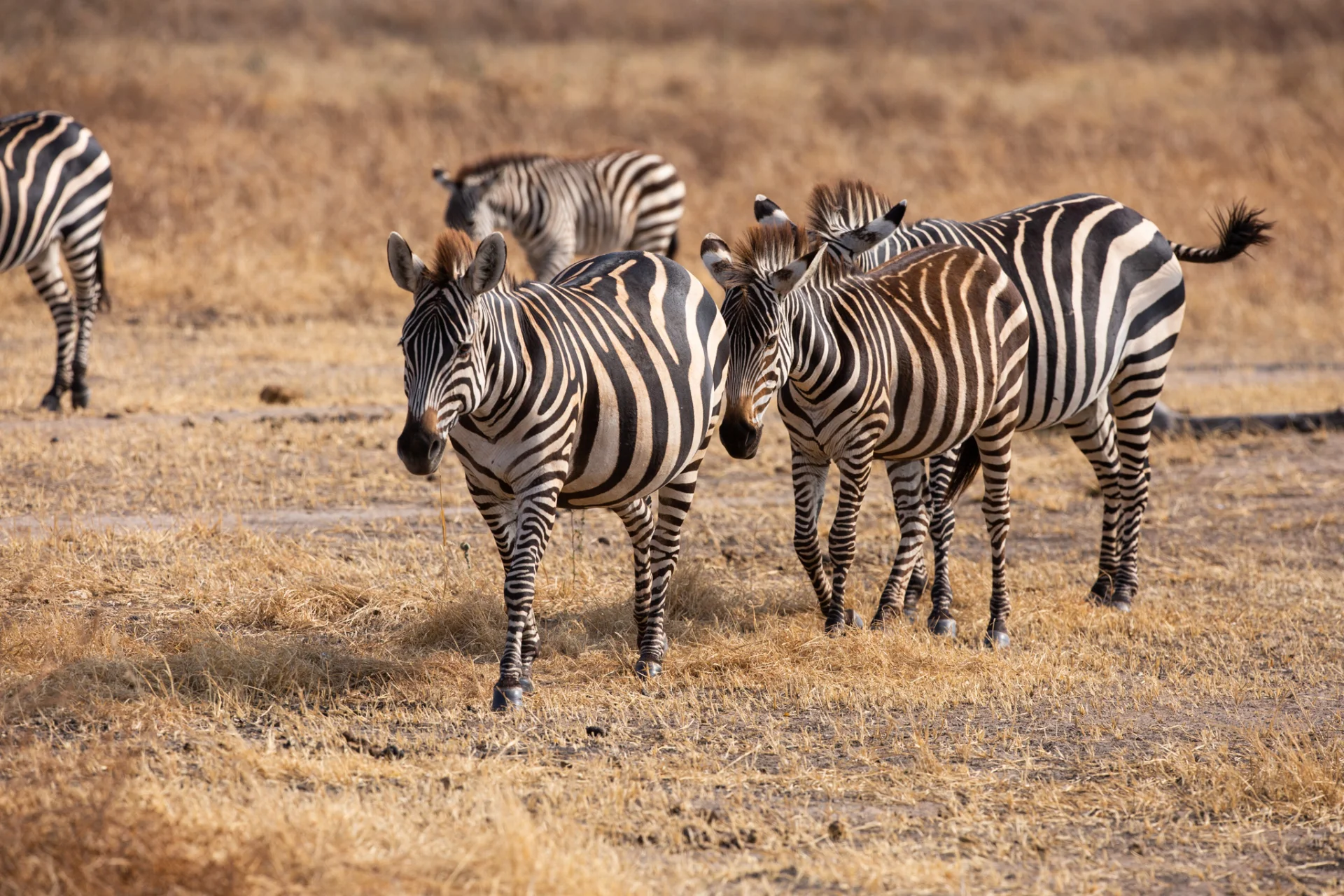
The Serengeti in February is a rewarding choice for travellers hoping to see wildebeest calves, large herds and the predators that follow them. Focus on Ndutu and the southern plains, with flexibility for rainfall and changing herd movements. Explore our calving season safaris for help planning your route.
Is February a good time for a Serengeti safari?
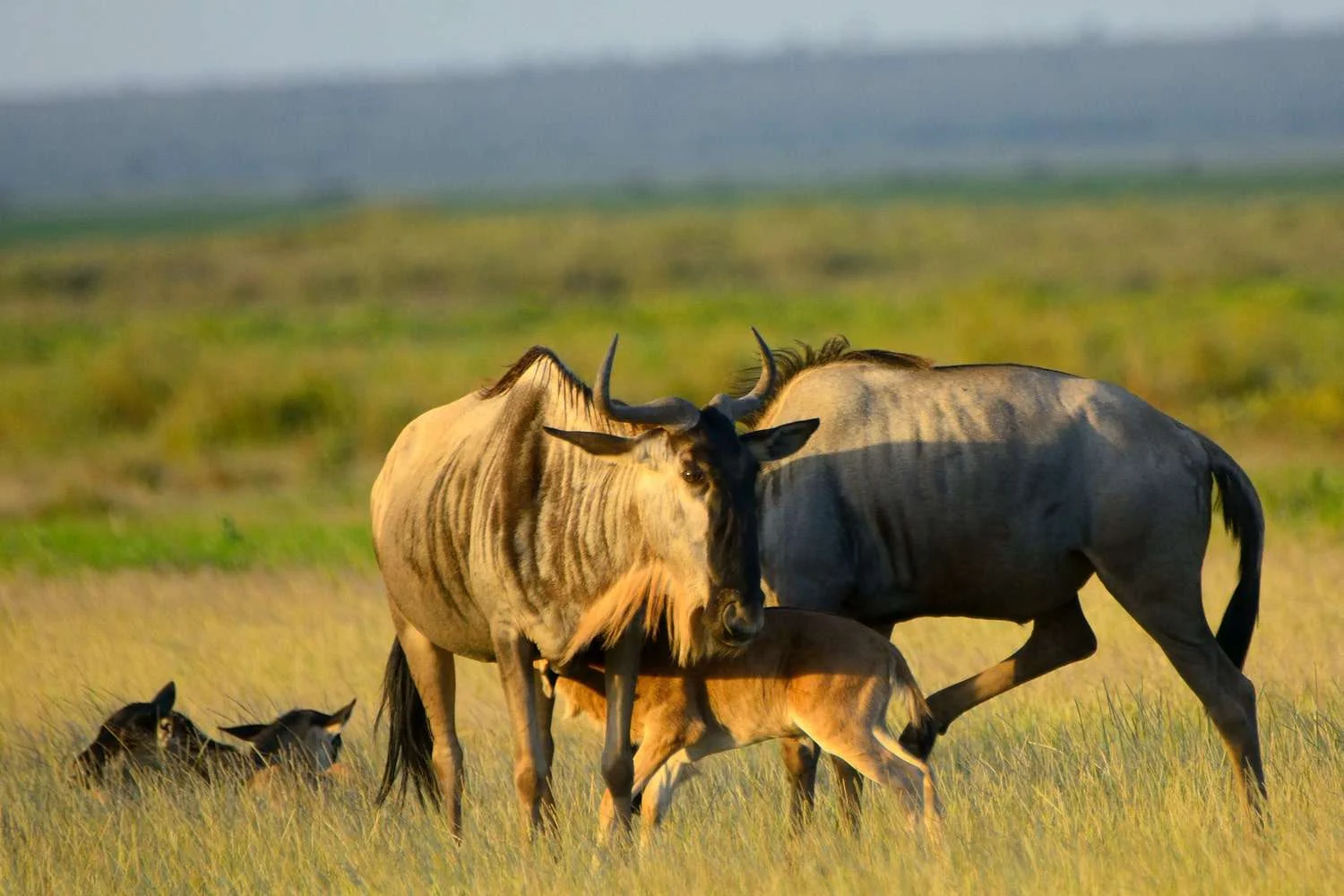
Yes, particularly if calving is your main interest. February usually falls within the main birth period on the southern short-grass plains. It suits patient wildlife watchers and photographers who enjoy animal behaviour. A birth or hunt can never be guaranteed.
The Ngorongoro Conservation Area visitor brochure highlights February calving around Ndutu. Seasonal patterns are useful for planning, but the wildlife does not follow fixed dates.
Where are the herds in February?
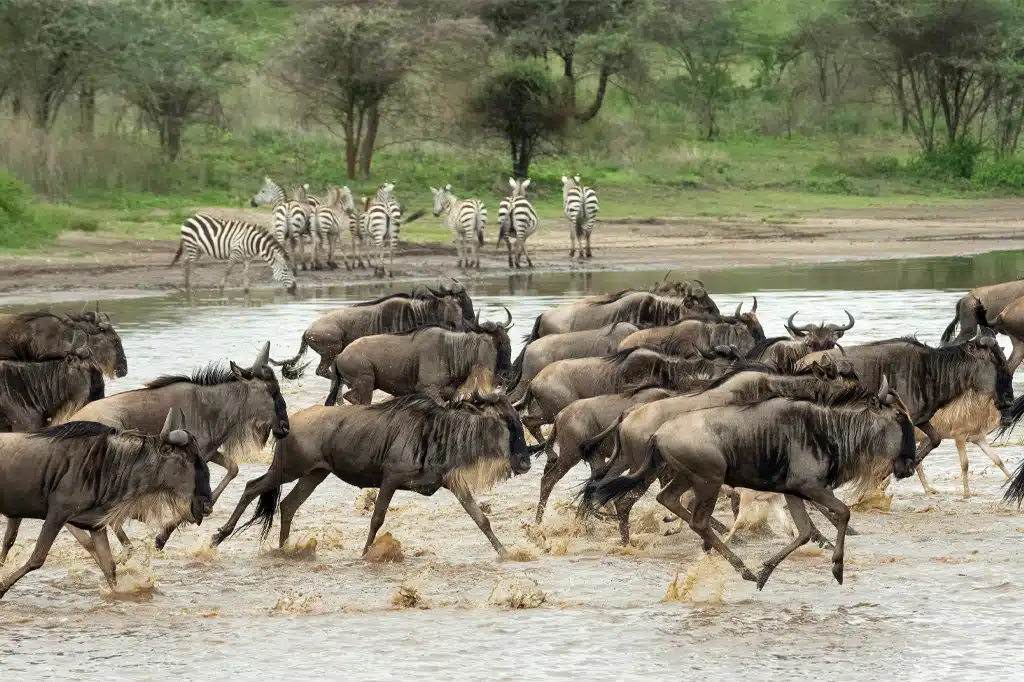
Plan around the southern Serengeti ecosystem, including Ndutu in the Ngorongoro Conservation Area. Herds move with grazing and water. A camp described simply as “Serengeti” may be far from the calving plains, so confirm its exact February location and expected driving distances before booking.
What is the weather like in the Serengeti in February?
Prepare for warm days, cooler early starts and possible showers. Rain can refresh the plains and create striking skies, but muddy tracks may affect game drives. Pack light layers, a waterproof jacket and camera protection. Check the forecast close to departure and let your guide adjust the day to local conditions.
What wildlife might you see?
Wildebeest calves and their mothers are the main attraction, alongside zebra and other plains animals. Lions, cheetahs and hyenas may also be encountered. Nursing, resting and calves learning to follow the herd are part of the experience. Predator encounters can be graphic; discuss your preferences with your guide.
Read what it is like to witness calving in Ndutu for a closer look at a day on the plains.
Where should you stay?
Seasonal camps: compare their actual February positions, opening dates and access to the southern plains.
Permanent Ndutu lodges: consider facilities, comfort and daily driving distances.
Central Serengeti: consider a separate stay for resident wildlife rather than assuming it is a convenient daily base for Ndutu.
Choose location first, then comfort and budget. Confirm family arrangements, charging facilities and cancellation terms. Our Ndutu timing and accommodation guide helps compare the wider seasonal options.
Is February busy or expensive?
Calving draws visitors to Ndutu, and popular sightings can attract several vehicles. Green landscapes do not automatically mean low-season rates. Prices vary by camp, dates, transport, occupancy and inclusions. Request a dated quotation, compare equivalent inclusions and confirm availability before making travel commitments. There is no universal booking deadline.
Who should choose February?
Choose it for young animals, herd behaviour and southern plains landscapes.
Choose another season if Mara River crossings are your priority.
Allow flexibility if showers, muddy roads or graphic wildlife encounters would affect your enjoyment.
Frequently asked questions
Does it rain in February?
It can. Prepare for showers and flexible game drives rather than expecting uninterrupted dry weather.
Is February crowded?
Ndutu can be busy during calving. Crowding varies by sighting and location; quieter time watching a herd can be as rewarding as joining a popular predator sighting.
Is February more expensive?
It is not automatically a bargain month around Ndutu. Ask for rates for your exact dates and compare accommodation, transfers, fees and vehicle arrangements together.
Can I guarantee seeing a birth?
No. Allow several days in the area to create more opportunities, while remembering that sightings depend on timing, herd location and luck.
What else can I combine with February?
Central Serengeti and the Ngorongoro Crater can complement the southern plains. Zanzibar can add beach time; check its weather, flights and accommodation separately.
Should I choose another month?
January and March can also be worthwhile, but herd positions and the number of newborn calves change through the season. Compare timing against your priorities rather than treating every week as equivalent.
See our calving safaris
See our calving safaris and ask TanzaLux to match your dates with a suitable base near the southern plains.

Ready to start planning?
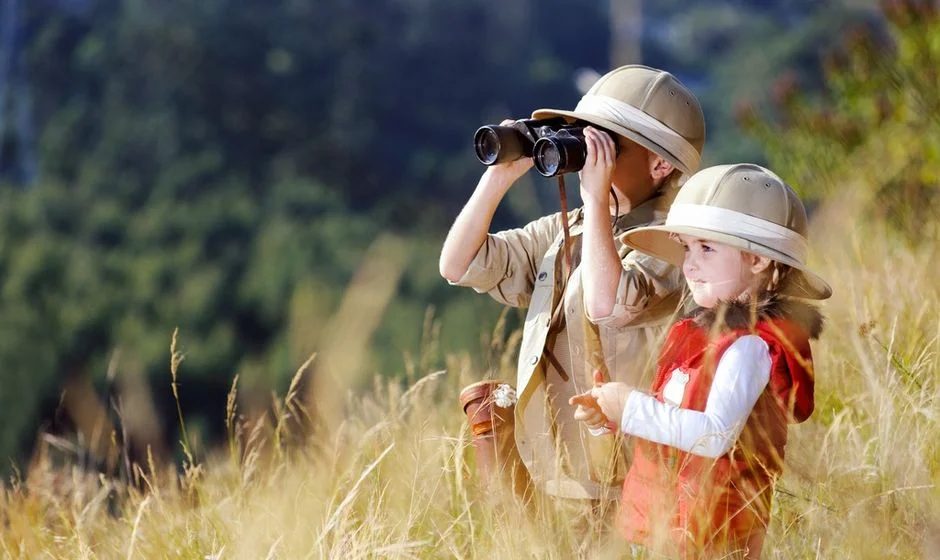
Tell us your dates and what you're after — no obligation.