5.0 Excellent

7-Day Luxury Ndutu Calving Season Safari
Arusha → Ndutu → Southern Serengeti → Ngorongoro Crater → Arusha
Price on request
Read More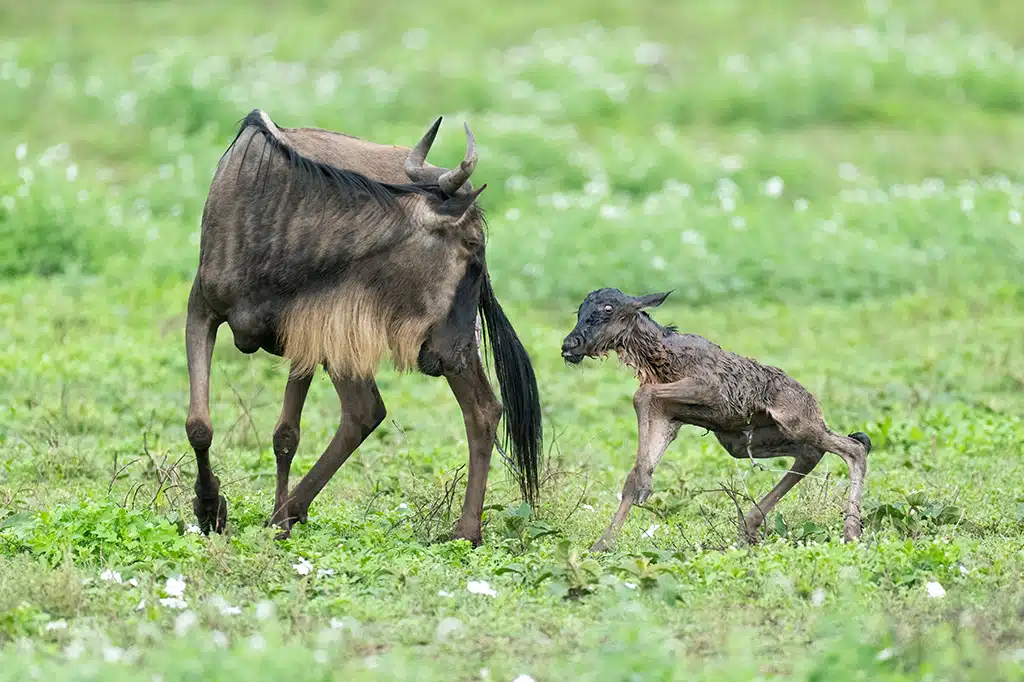
Late January to March, the herds give birth on the short-grass plains of Ndutu, and the predators follow. Private calving safaris from Arusha, planned by a local team.
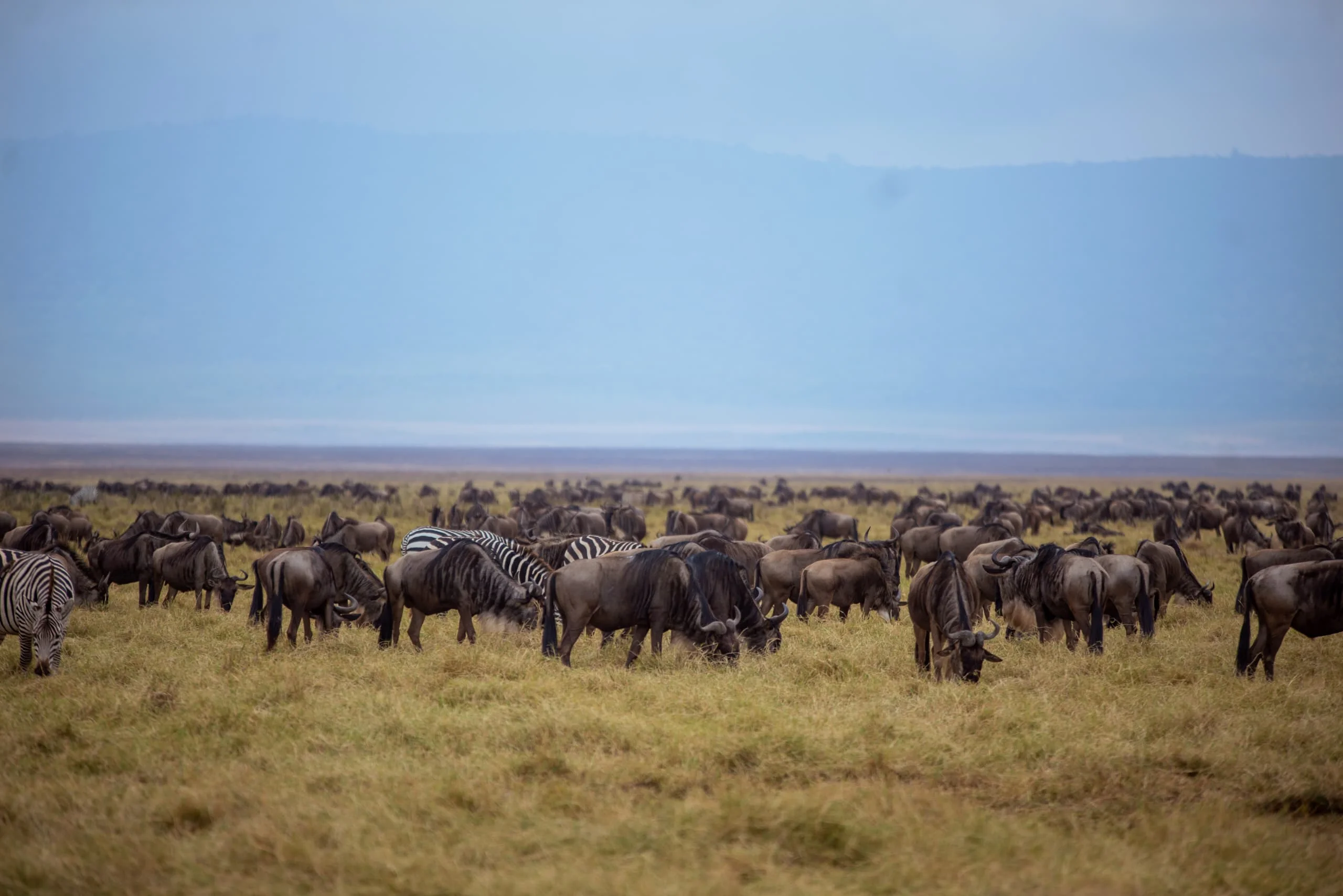
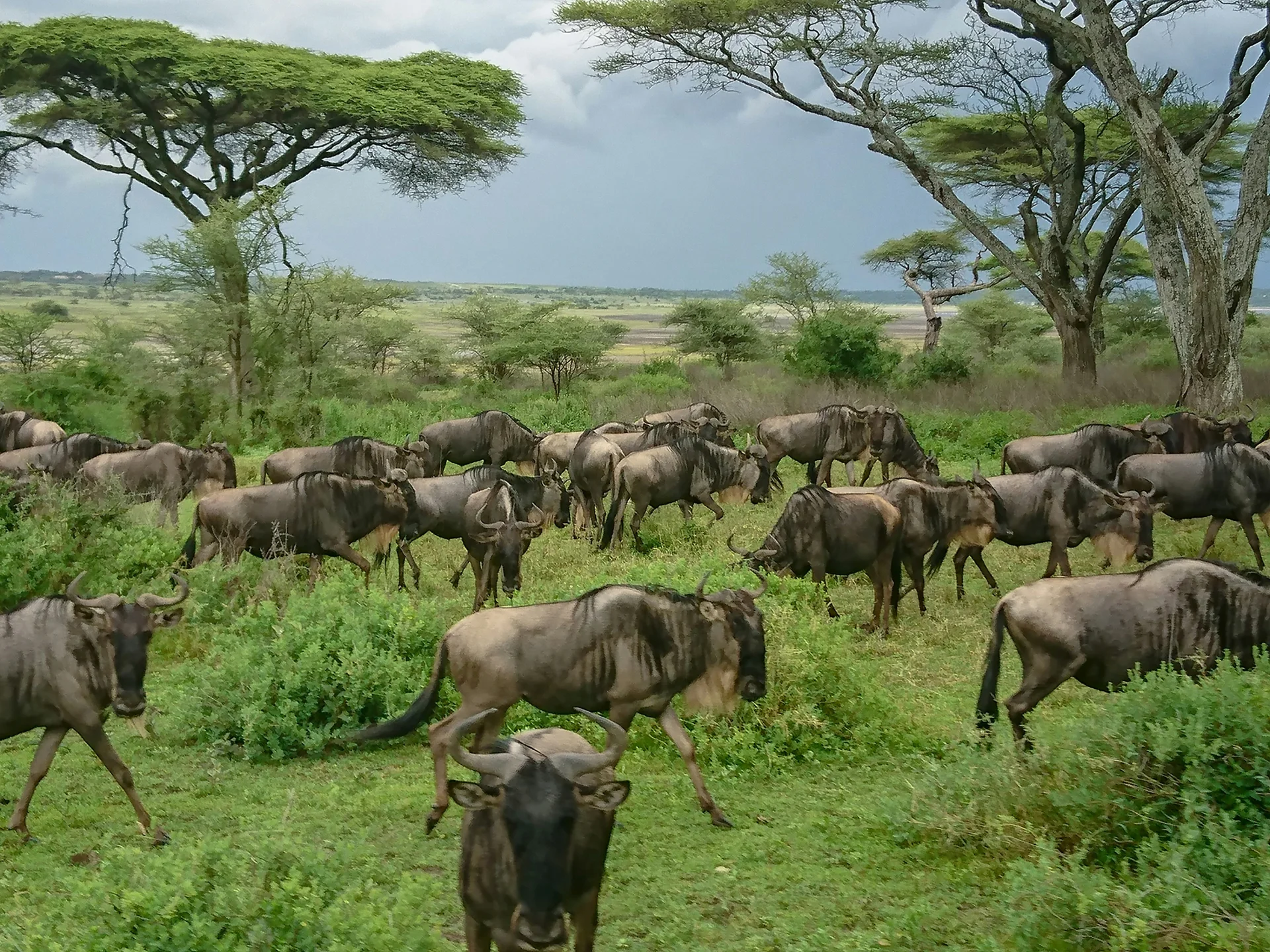
Calving season is one stage of the Great Migration, the year-round movement of wildebeest and zebra around the Serengeti ecosystem. For a few weeks each year the herds settle on the short-grass plains of the south and give birth, with a large share of the calves arriving in the same short window.
It is a different trip from the river crossings. Calving happens in the south from late January to March. The Mara River crossings come between July and October, in the north. Both are part of the same Great Migration, but they are two separate safaris, in different places and at different times of year.
Calving season suits travellers who put wildlife first: people who would rather spend the day watching newborn calves and the predators around them than waiting at a river bank. It also suits photographers, because the plains are open and the light is good in the early morning and late afternoon.
| Aspect | Calving season | River crossings |
|---|---|---|
| Months | Late Jan–Mar | Jul–Oct |
| Area | Ndutu, southern Serengeti | Northern Serengeti, Mara River |
| Highlights | Calves, predator hunts, green plains | Herds crossing the river |
If your dates are fixed, the choice is made for you: late January to March means calving season in the south, and July to October means the river crossings in the north. If your dates are flexible, think about what you most want to see.
Calving is about life on the plains, with newborns and the hunting that follows. The crossings are about one dramatic moment, which can take hours of waiting. Many travellers who have seen one come back for the other.
Not sure which to choose? Talk to a planner or message us on WhatsApp.
Early, less predictable
The herds start moving south as the short rains green the plains. Some arrive early, others later, so it is the least predictable month to plan around.
Herds settle
The herds settle around Ndutu. The first births begin, and predator activity picks up with them.
Peak calving
Peak calving. Most births happen within a few weeks, and the predator action is at its best. It is the most popular month, so camps near the herds fill first.
Tailing off
Calving tails off. The herds are still on the plains, but they begin to move on as the long rains approach.
Timing follows the rains and changes from year to year. Sightings are never guaranteed. Our guides track the herds daily.
See where calving sits in the migration year. Tap a phase in the ribbon to focus on it, or tap any bar to see why.Pick a month to see where the herds are, and what is happening.
Pick your month
Calving season begins
Sunny, some showers · about 27°C
Short-grass plains where the herds gather and calve. This is the heart of calving season.
Resident lions, leopards and cheetahs live here all year, so sightings are good whichever month you come.
The herds are in the south, so the corridor is quiet apart from resident hippos, crocodiles and game.
Quiet. The herds are far to the south.
Hundreds of thousands of calves are born on the southern plains in a few weeks, with predators close behind.
The herds are in the south, far from the rivers.
Newborn calves draw lion, cheetah and hyena in close.
The short rains ease off, leaving hot, mostly sunny days with the odd shower.
A steady flow of visitors for the calving season. Busy in places, but not at peak levels.
Hottest month of the year
Hot and mostly dry · about 29°C
Short-grass plains where the herds gather and calve. This is the heart of calving season.
Resident lions, leopards and cheetahs live here all year, so sightings are good whichever month you come.
The herds are in the south, so the corridor is quiet apart from resident hippos, crocodiles and game.
Quiet. The herds are far to the south.
Hundreds of thousands of calves are born on the southern plains in a few weeks, with predators close behind.
The herds are in the south, far from the rivers.
Newborn calves draw lion, cheetah and hyena in close.
The short rains ease off, leaving hot, mostly sunny days with the odd shower.
A steady flow of visitors for the calving season. Busy in places, but not at peak levels.
The long rains begin
Rain arrives mid-month · about 28°C
Calving is winding down and the herds begin to drift north.
Resident lions, leopards and cheetahs live here all year, so sightings are good whichever month you come.
The herds are in the south, so the corridor is quiet apart from resident hippos, crocodiles and game.
Quiet. The herds are far to the south.
The last calves are being born and the herds start to move.
The herds are in the south, far from the rivers.
Still good, with young calves around.
The long rains set in around mid-month, with warm, humid days and regular showers.
Quiet, with fewer travelers as the long rains begin and rates start to soften.
Wettest month of the year
Heavy afternoon showers · about 25°C
Most herds are leaving the south as the long rains set in.
The migration columns pass through on their way north, adding herds to the resident wildlife.
The first columns approach the corridor as the rains ease.
Quiet. The herds are far to the south.
Calving is over for the year.
The herds are in the south, far from the rivers.
Predators spread out as the herds move.
The wettest month, usually in heavy afternoon downpours. Roads can turn muddy.
The quietest, cheapest weeks of the year. Some camps in wetter areas close.
Rains easing, quiet parks
Rain tapering off · about 25°C
The herds are far north. Resident wildlife remains, but the big concentrations are elsewhere.
The migration columns pass through on their way north, adding herds to the resident wildlife.
The herds reach the Grumeti River, with the first river crossings of the year.
Quiet. The herds are far to the south.
Calving is over for the year.
Smaller crossings at the Grumeti River as the herds head north.
Predators spread out as the herds move.
The rain tapers off through the month as the dry season approaches.
The quietest, cheapest weeks of the year. Some camps in wetter areas close.
Dry season begins
Dry, clear skies · about 25°C
The herds are far north. Resident wildlife remains, but the big concentrations are elsewhere.
Back to resident wildlife as the herds move on, still reliable for big cats.
The herds reach the Grumeti River, with the first river crossings of the year.
The first herds arrive in the north.
Calving is over for the year.
Smaller crossings at the Grumeti River as the herds head north.
Predators spread out as the herds move.
Almost no rain. Skies are clear and the air is dry.
Peak season begins and the parks fill. Book ahead.
Cool mornings, dry and clear
Dry, cool mornings · about 24°C
The herds are far north. Resident wildlife remains, but the big concentrations are elsewhere.
Back to resident wildlife as the herds move on, still reliable for big cats.
The tail end of the herds moves through on the way north.
The Mara River crossings: huge herds, crocodiles and heavy predator activity.
Calving is over for the year.
The famous Mara River crossings, with crocodiles waiting. Timing is unpredictable, so allow a few days.
Predators shadow the herds at the northern rivers.
Almost no rain. Skies are clear and the air is dry.
The busiest period. The best camps fill 6–12 months ahead, and rates are at their highest.
Mara River crossings
Warm days, cool nights · about 25°C
The herds are far north. Resident wildlife remains, but the big concentrations are elsewhere.
Back to resident wildlife as the herds move on, still reliable for big cats.
The herds have moved on toward the Mara.
The Mara River crossings: huge herds, crocodiles and heavy predator activity.
Calving is over for the year.
The famous Mara River crossings, with crocodiles waiting. Timing is unpredictable, so allow a few days.
Predators shadow the herds at the northern rivers.
Almost no rain. Skies are clear and the air is dry.
The busiest period. The best camps fill 6–12 months ahead, and rates are at their highest.
Prime big-cat season
Dry and clear · about 26°C
The herds are far north. Resident wildlife remains, but the big concentrations are elsewhere.
Back to resident wildlife as the herds move on, still reliable for big cats.
The herds have moved on toward the Mara.
The Mara River crossings: huge herds, crocodiles and heavy predator activity.
Calving is over for the year.
The famous Mara River crossings, with crocodiles waiting. Timing is unpredictable, so allow a few days.
Sightings peak as big cats follow the herds across the north.
Almost no rain. Skies are clear and the air is dry.
The busiest period. The best camps fill 6–12 months ahead, and rates are at their highest.
Dry season winds down
Hot, first rains late on · about 27°C
The herds are far north. Resident wildlife remains, but the big concentrations are elsewhere.
Back to resident wildlife as the herds move on, still reliable for big cats.
The herds have moved on toward the Mara.
The Mara River crossings: huge herds, crocodiles and heavy predator activity.
Calving is over for the year.
The famous Mara River crossings, with crocodiles waiting. Timing is unpredictable, so allow a few days.
Still strong, easing as the herds turn south.
The first rains can arrive late October. November and December bring short, unpredictable afternoon showers.
Still busy early in the month, then thinning out as the dry season ends.
Short rains begin
Short, unpredictable showers · about 26°C
The first herds start returning south ahead of calving.
Back to resident wildlife as the herds move on, still reliable for big cats.
The herds have moved on toward the Mara.
The herds begin heading back south through the Lobo area.
Calving is over for the year.
Late crossings as some herds return south.
Predators spread out again.
The first rains can arrive late October. November and December bring short, unpredictable afternoon showers.
Quiet, with fewer travelers and better availability.
Short rains continue
Warm, occasional showers · about 27°C
The herds are back on the southern plains and calving begins.
Back to resident wildlife as the herds move on, still reliable for big cats.
The herds have moved on toward the Mara.
The north is empty of herds as they return to the southern plains.
The first calves arrive as the herds settle back on the southern plains.
No crossings. The herds are back in the south.
Building again as calving begins.
The first rains can arrive late October. November and December bring short, unpredictable afternoon showers.
Christmas and New Year are among the busiest and priciest weeks of the year.
| The migration | ||||||||||||
|---|---|---|---|---|---|---|---|---|---|---|---|---|
| Month | JanNOW | FebNOW | MarNOW | AprNOW | MayNOW | JunNOW | JulNOW | AugNOW | SepNOW | OctNOW | NovNOW | DecNOW |
| Where the herds are | ||||||||||||
Southern Serengeti & NdutuThe calving plains | ||||||||||||
Central SerengetiSeronera, resident big cats | ||||||||||||
Western CorridorGrumeti River | ||||||||||||
Northern SerengetiThe Mara River | ||||||||||||
| The action | ||||||||||||
CalvingNewborn wildebeest | ||||||||||||
River crossingsGrumeti and Mara rivers | ||||||||||||
Predator actionBig cats following the herds | ||||||||||||
| Conditions | ||||||||||||
RainfallMore drops, wetter | ||||||||||||
Crowds & pricesMore people, busier, pricier | ||||||||||||
Jan–Feb
Southern Serengeti & Ndutu
Peak herdsShort-grass plains where the herds gather and calve. This is the heart of calving season.
Mar
Southern Serengeti & Ndutu
GoodCalving is winding down and the herds begin to drift north.
Apr
Southern Serengeti & Ndutu
Passing throughMost herds are leaving the south as the long rains set in.
May–Oct
Southern Serengeti & Ndutu
Few herdsThe herds are far north. Resident wildlife remains, but the big concentrations are elsewhere.
Nov
Southern Serengeti & Ndutu
Passing throughThe first herds start returning south ahead of calving.
Dec
Southern Serengeti & Ndutu
Peak herdsThe herds are back on the southern plains and calving begins.
Jan–Mar
Central Serengeti
Resident gameResident lions, leopards and cheetahs live here all year, so sightings are good whichever month you come.
Apr–May
Central Serengeti
Herds passingThe migration columns pass through on their way north, adding herds to the resident wildlife.
Jun–Dec
Central Serengeti
Resident gameBack to resident wildlife as the herds move on, still reliable for big cats.
Jan–Mar
Western Corridor
Few herdsThe herds are in the south, so the corridor is quiet apart from resident hippos, crocodiles and game.
Apr
Western Corridor
ArrivingThe first columns approach the corridor as the rains ease.
May–Jun
Western Corridor
Peak herdsThe herds reach the Grumeti River, with the first river crossings of the year.
Jul
Western Corridor
ArrivingThe tail end of the herds moves through on the way north.
Aug–Dec
Western Corridor
Few herdsThe herds have moved on toward the Mara.
Jan–May
Northern Serengeti
Few herdsQuiet. The herds are far to the south.
Jun
Northern Serengeti
ArrivingThe first herds arrive in the north.
Jul–Oct
Northern Serengeti
Peak herdsThe Mara River crossings: huge herds, crocodiles and heavy predator activity.
Nov
Northern Serengeti
ArrivingThe herds begin heading back south through the Lobo area.
Dec
Northern Serengeti
Few herdsThe north is empty of herds as they return to the southern plains.
Jan–Feb
Calving
Peak calvingHundreds of thousands of calves are born on the southern plains in a few weeks, with predators close behind.
Mar
Calving
Tailing offThe last calves are being born and the herds start to move.
Apr–Nov
Calving
Not calvingCalving is over for the year.
Dec
Calving
BuildingThe first calves arrive as the herds settle back on the southern plains.
Jan–Apr
River crossings
No crossingsThe herds are in the south, far from the rivers.
May–Jun
River crossings
Grumeti crossingsSmaller crossings at the Grumeti River as the herds head north.
Jul–Oct
River crossings
Peak crossingsThe famous Mara River crossings, with crocodiles waiting. Timing is unpredictable, so allow a few days.
Nov
River crossings
OccasionalLate crossings as some herds return south.
Dec
River crossings
No crossingsNo crossings. The herds are back in the south.
Jan–Feb
Predator action
Peak huntingNewborn calves draw lion, cheetah and hyena in close.
Mar
Predator action
GoodStill good, with young calves around.
Apr–Jun
Predator action
SteadyPredators spread out as the herds move.
Jul–Aug
Predator action
GoodPredators shadow the herds at the northern rivers.
Sep
Predator action
Peak huntingSightings peak as big cats follow the herds across the north.
Oct
Predator action
GoodStill strong, easing as the herds turn south.
Nov
Predator action
SteadyPredators spread out again.
Dec
Predator action
GoodBuilding again as calving begins.
Jan–Feb
Rainfall
Occasional showersThe short rains ease off, leaving hot, mostly sunny days with the odd shower.
Mar
Rainfall
Regular rainThe long rains set in around mid-month, with warm, humid days and regular showers.
Apr
Rainfall
Heaviest rainThe wettest month, usually in heavy afternoon downpours. Roads can turn muddy.
May
Rainfall
Regular rainThe rain tapers off through the month as the dry season approaches.
Jun–Sep
Rainfall
DryAlmost no rain. Skies are clear and the air is dry.
Oct–Dec
Rainfall
Occasional showersThe first rains can arrive late October. November and December bring short, unpredictable afternoon showers.
Jan–Feb
Crowds & prices
BusyA steady flow of visitors for the calving season. Busy in places, but not at peak levels.
Mar
Crowds & prices
Fewer visitorsQuiet, with fewer travelers as the long rains begin and rates start to soften.
Apr–May
Crowds & prices
Quiet, best ratesThe quietest, cheapest weeks of the year. Some camps in wetter areas close.
Jun
Crowds & prices
BusyPeak season begins and the parks fill. Book ahead.
Jul–Sep
Crowds & prices
Busiest, book aheadThe busiest period. The best camps fill 6–12 months ahead, and rates are at their highest.
Oct
Crowds & prices
BusyStill busy early in the month, then thinning out as the dry season ends.
Nov
Crowds & prices
Fewer visitorsQuiet, with fewer travelers and better availability.
Dec
Crowds & prices
Busiest, book aheadChristmas and New Year are among the busiest and priciest weeks of the year.
Typical-year guide. The herds follow the rains, so timing shifts from year to year.
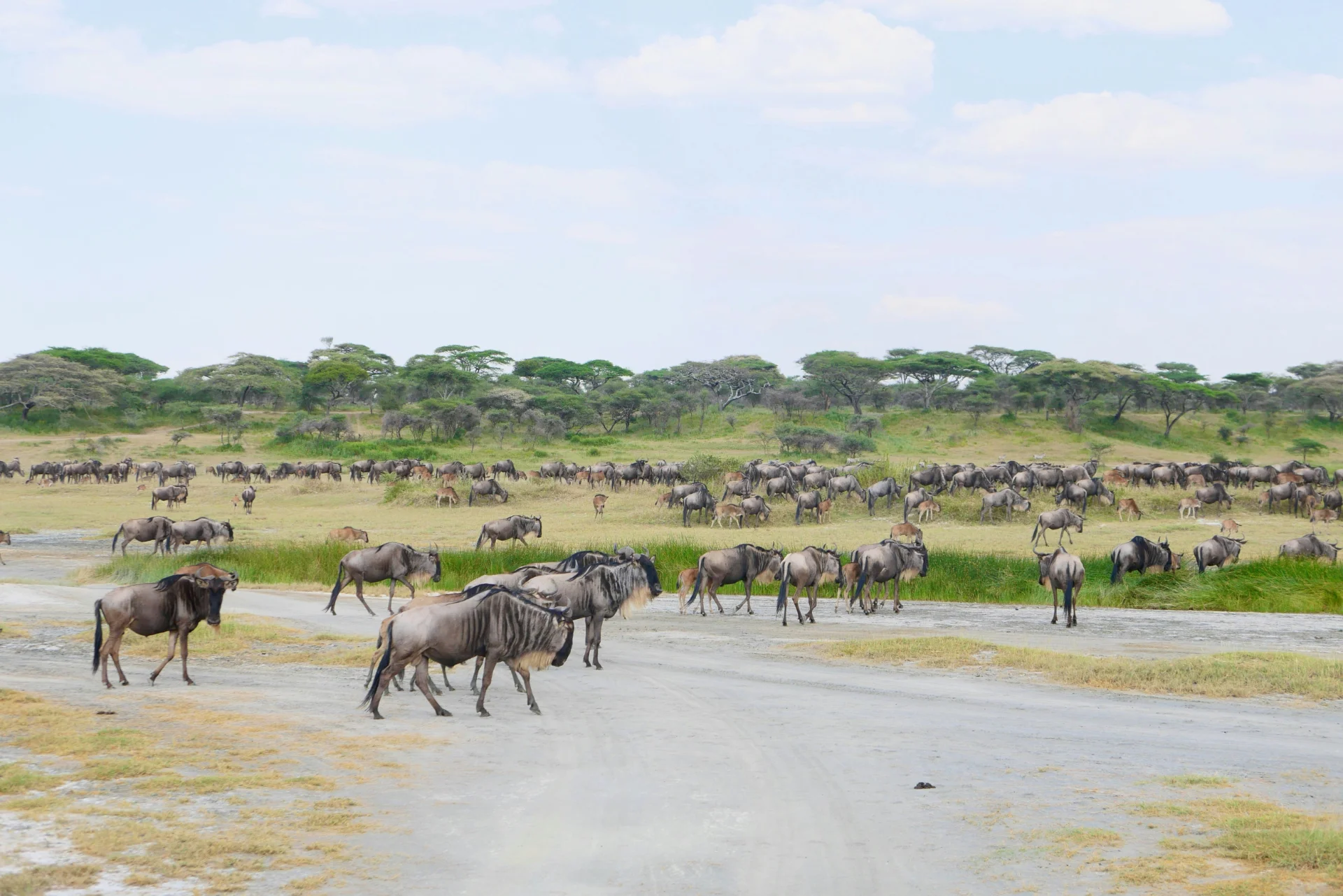
Ndutu sits between the southern Serengeti and the Ngorongoro Conservation Area, around Lake Ndutu and Lake Masek. The short-grass plains here are rich in nutrients, which is why the herds come to this corner of the ecosystem to give birth.
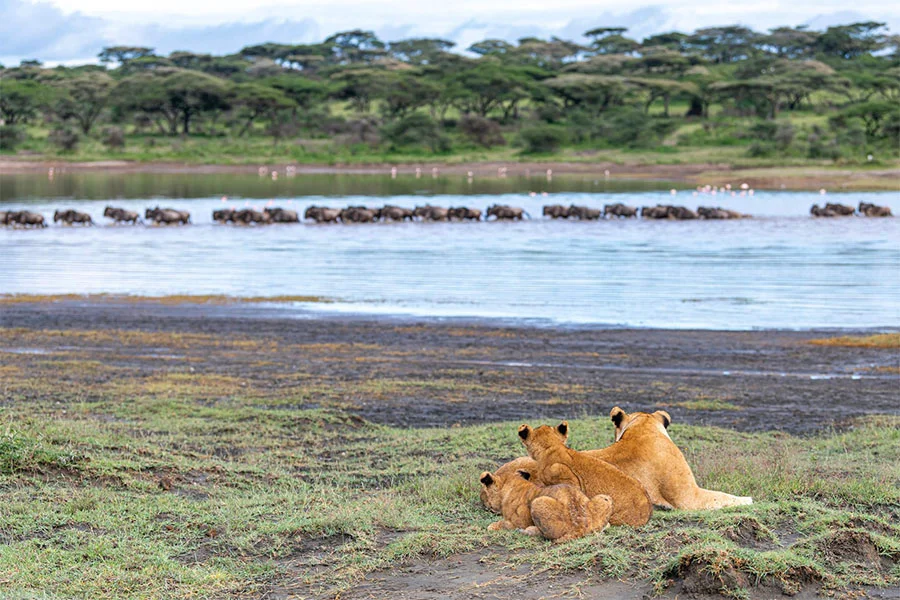
The plains are open, so the herds, and what follows them, are easy to see. Lions, cheetahs and hyenas stay close to the newborns, and the same ground holds zebra, gazelle and a lot of birdlife around the two lakes.
A typical day starts with an early game drive, when the herds are most active and the light is soft. Most travellers return to camp for a late breakfast or lunch and some rest, then head out again in the afternoon. Your guide will adjust the plan to where the herds and the predators are that day.
Ndutu sits inside the Ngorongoro Conservation Area, where the rules on off-road driving differ from those in the national park. Your guide will follow the current regulations.
Read more about:Ndutu PlainsSouthern SerengetiSerengeti National ParkNgorongoro Conservation AreaAll parks and reserves ↗
Calves are on their feet within minutes of being born, and the plains are full of them in February.
Predators gather around the herds, so there is a lot of hunting to see on the plains.
Zebra and gazelle share the same plains, so the herds are mixed rather than all wildebeest.
Lake Ndutu and Lake Masek bring water birds and other birdlife, which adds variety between game drives.
The short rains turn the plains green, with big skies and changing light, good for photographs.
Wildlife moves with the rain. We can’t guarantee any sighting, but we plan your days around where the herds are.
Not a separate product. Any of these travel styles can be timed to the herds.
Your own vehicle and guide, routed to wherever the herds are on your dates.
ExploreSleep close to the action in a mobile tented camp positioned near the herds.
ExploreSkip the long drives and fly directly into the part of the ecosystem the migration is in.
ExploreShare the cost on a small-group departure timed to the migration.
ExplorePrivate safaris built around Ndutu and the southern Serengeti. Prices are per person.
Best for: a first safari at mid-range comfort
2027 private calving departures — dates announced soon. Ask a planner.
These are the camps and lodges used on our calving safaris. The best camps near the herds fill early for February.
Southern Serengeti, on the plains where the herds gather in season. Luxury comfort. Used on: 7-Day Luxury Ndutu Calving Season Safari; 4-Day Ndutu Calving Season Fly-in-Safari.
Serengeti National Park, on the plains where the herds gather in season. Mid-range comfort. Used on: 5-Day Private Ndutu Calving Season Safari.
Ndutu Plains, on the plains where the herds gather in season. Mid-range comfort. Used on: 7-Day Mid-Range Calving Season and Serengeti Safari.
Before and after the plains our safaris also use: Niyara Hotel Arusha (Arusha), The Retreat at Ngorongoro (Karatu), Farm of Dream Lodge (Karatu), Gold Crest Hotel (Arusha), Moshono Hillside Boutique Hotel (Arusha), Karatu Safari Lodge (Karatu).
Four days is the minimum, and that works if you fly in. Five to seven days gives you Ndutu plus the Ngorongoro Crater or more of the Serengeti.
Flying in saves a full travel day each way. Driving takes longer, but it lets you add the Ngorongoro Crater on the way.
Camps near the herds fill early for February. Book as early as you can, ideally many months ahead.
If you want the best chance of newborns and predator action, aim for February. January and early March are quieter, and the herds are still on the plains. Because the rains decide the timing, we would rather talk through your dates than promise a week.
February is the busiest month on the southern plains, and the camps nearest the herds can cost more then. Travelling in January or March can mean fewer vehicles at each sighting and more choice of camps, and we will flag the difference when we quote your dates.
January to February is usually a drier spell between the short and long rains. Expect some afternoon showers, especially in March.
Add the Ngorongoro Crater on the way in, or finish with a few days on the beach in Zanzibar.
See Zanzibar extensionsShoot in the golden hours, when the light is soft and predators are most active. Bring a long lens, and ask for a window seat.
Calving photography FAQ on the 5-day safariThe southern plains connect directly with these areas. Read the full parks guide ↗
 Northern Circuit
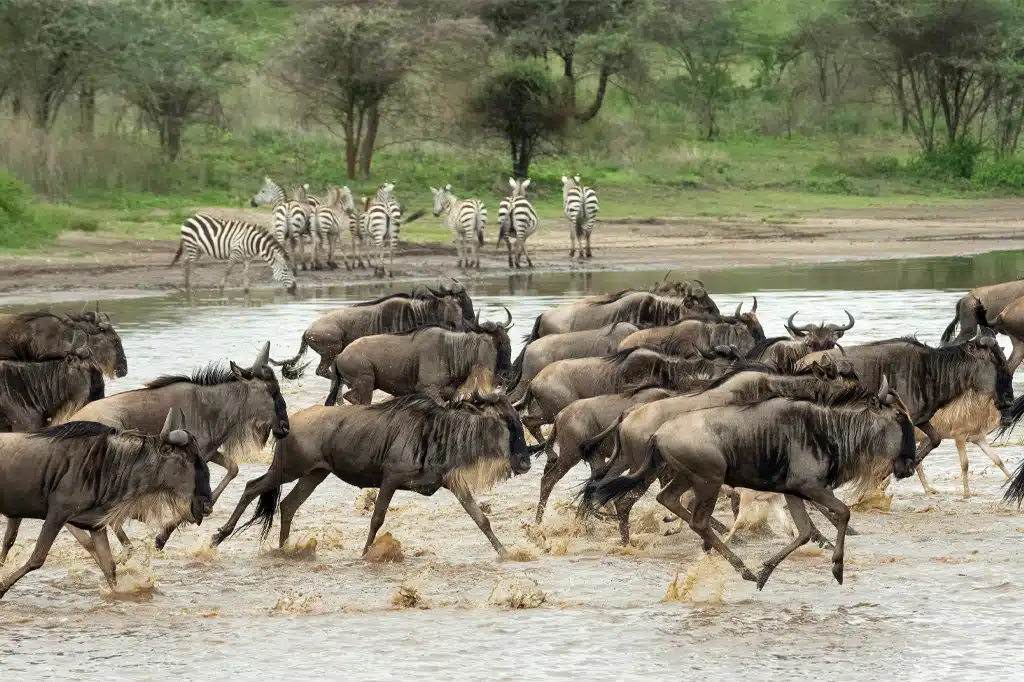
Ndutu Plains brings together some of northern Tanzania’s most compelling safari experiences: sweeping grasslands, seasonal migration herds, young wildebeest, watchful predators and quiet woodland around…
Wildlife
Wildebeest — large migratory herds and calves in the appropriate season & Zebra and gazelles — seasonal plains grazers
Landscape
National Parks & Safari
Highlights
Seasonal Great Migration herds on the southern plains
 Northern Circuit
South Serengeti is one of Tanzania’s most important wildlife regions and a key part of the annual Great Wildebeest Migration. Located between the southern Serengeti…
Wildlife
Wildebeest & Zebra
Landscape
National Parks & Safari
Highlights
Explore the open short-grass plains of South Serengeti
 Northern Circuit
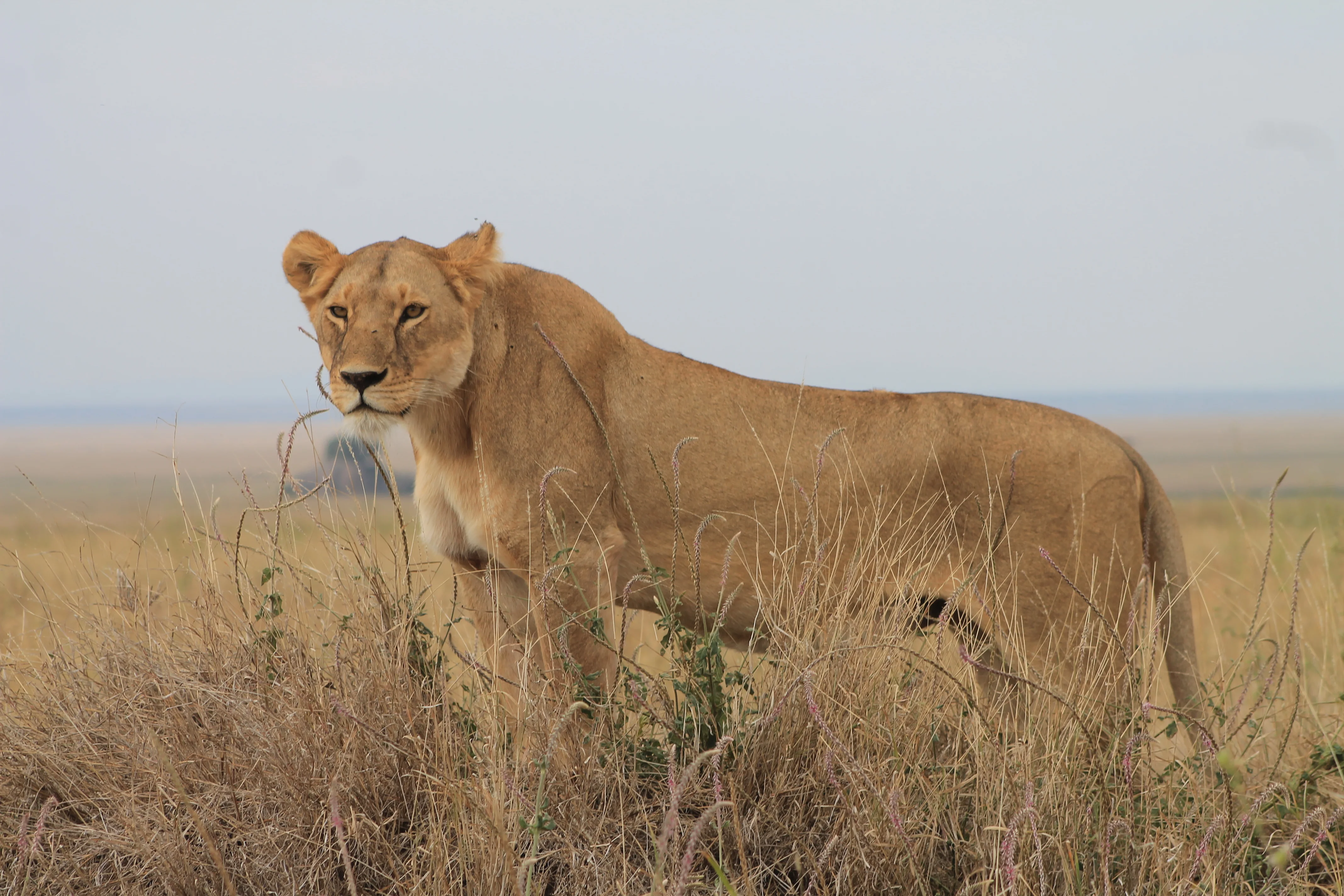
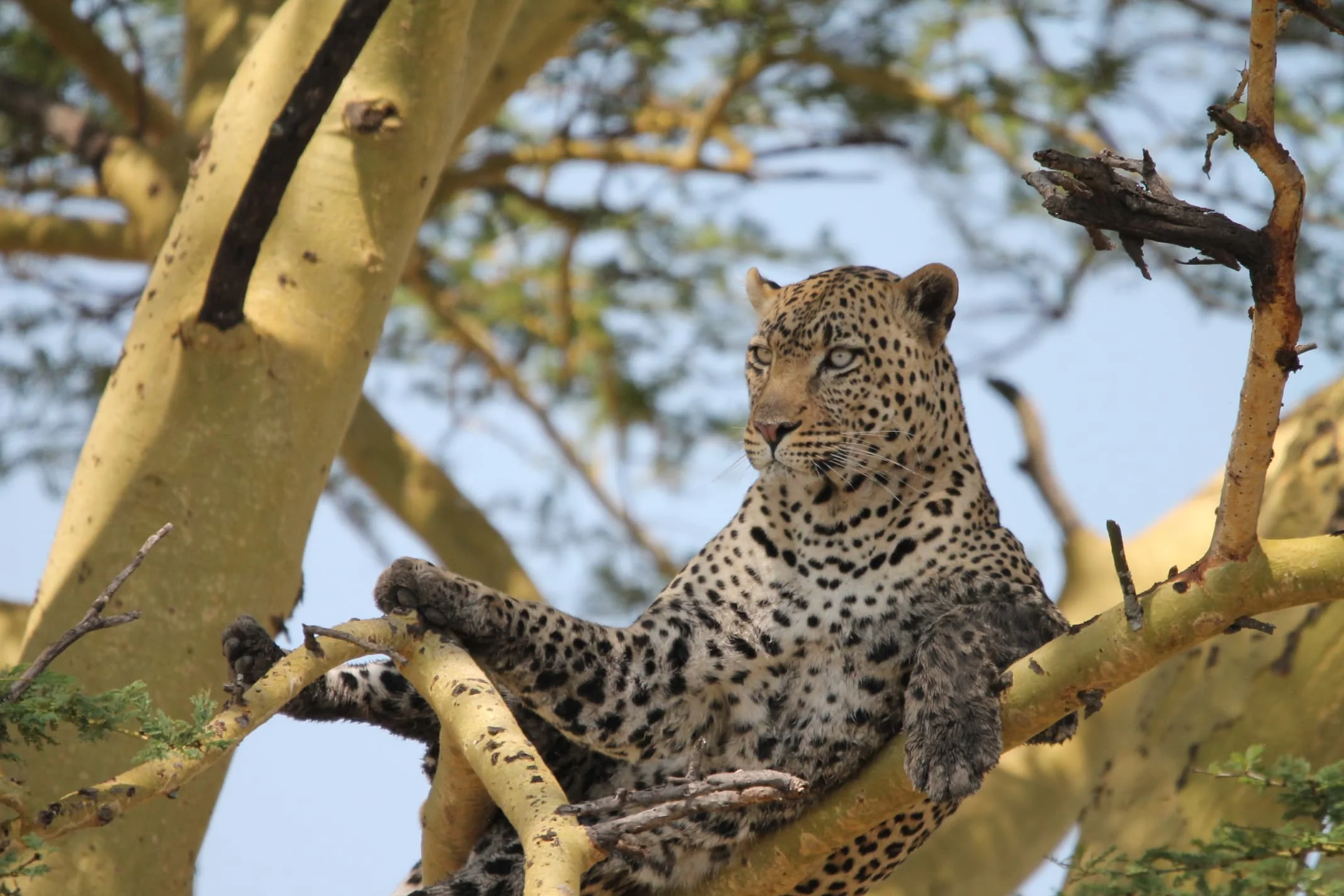
Central Serengeti is one of the most rewarding wildlife destinations in Tanzania and forms the geographical and safari heart of Serengeti National Park. The area…
Wildlife
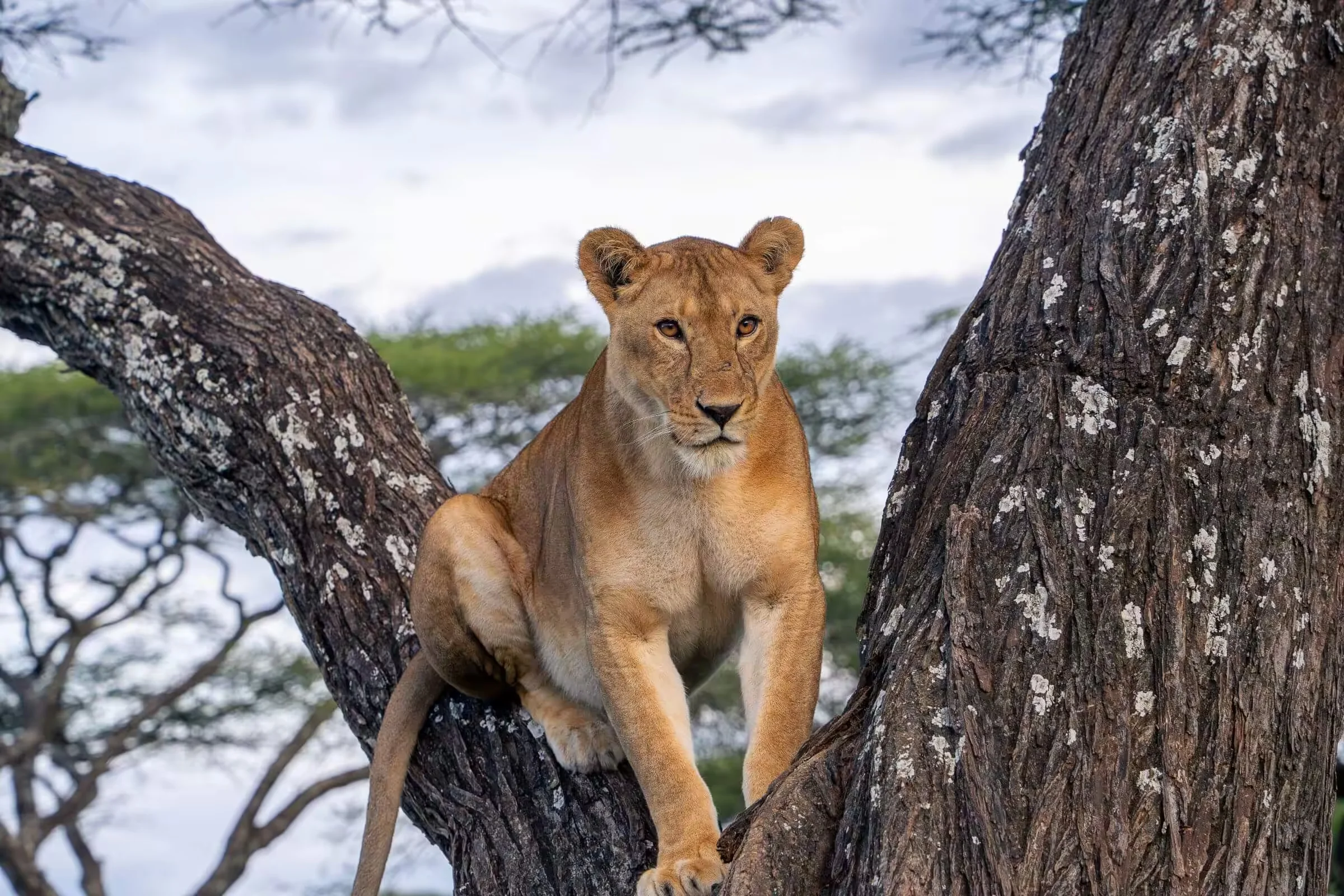
Lion & Leopard
Landscape
National Parks & Safari
Highlights
Seronera Valley and River
 Northern Circuit
Western Serengeti is one of the most distinctive regions of Serengeti National Park. Often called the Western Corridor, this area extends westwards from the central…
Wildlife
Lion & Leopard
Landscape
National Parks & Safari
Highlights
Grumeti River and its wildlife-rich riverbanks
 Northern Circuit
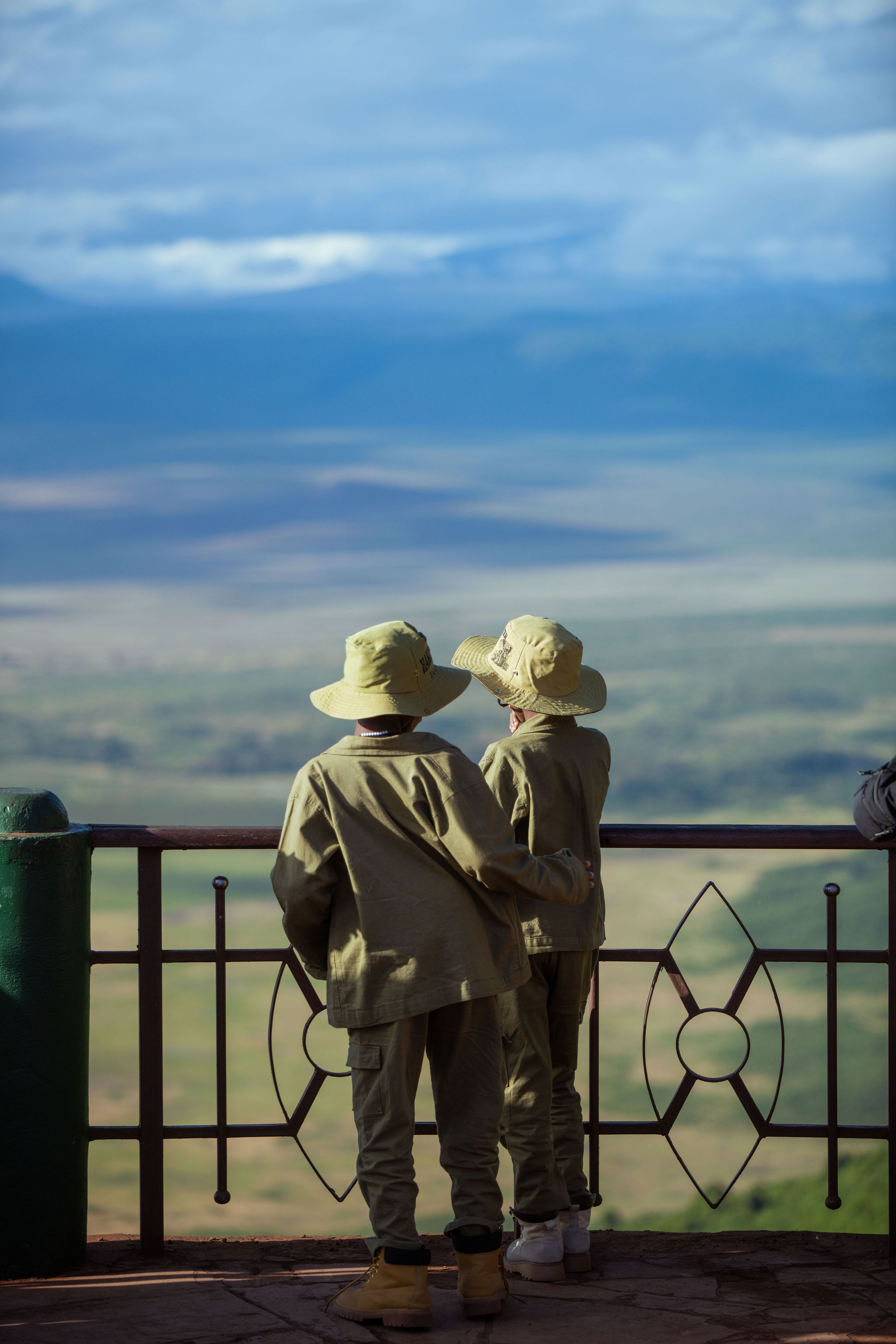
Ngorongoro Conservation Area is one of Tanzania's most extraordinary destinations, combining exceptional wildlife, volcanic landscapes, archaeology, cultural heritage and the story of human evolution within…
Wildlife
African lion & Black rhinoceros
Landscape
National Parks & Safari
Highlights
Ngorongoro Crater
 Northern Circuit
A natural wonder like no other.
Ngorongoro Crater is one of Tanzania’s most spectacular safari destinations and a must-visit highlight of the Northern Tanzania safari circuit. Located within the Ngorongoro Conservation…
Wildlife
Lion & Black Rhino
Landscape
Volcanic caldera floor
Highlights
Lake Magadi
A local team that lives and works in northern Tanzania, not a middleman booking from overseas.
Your own vehicle and guide, so you decide how long to stay at a sighting.
In season our guides follow where the herds are day by day, and we route your safari around it.
We tell you where the herds are likely to be on your dates, and what we can’t promise.
Message the people planning your trip directly, before and during your safari.

Grateful experience
As a solo female traveler, I felt super safe and well taken care of the entire time.
Read morePrivate Safari 6 days
I can only highly recommend the young company Tanzalux for organizing a private safari.
Read moreAn unforgettable vegetarian journey with Tanzalux Safaris
I highly recommend Tanzalux for anyone wanting a special, personalized safari.
Read moreOur 3-day camping safari with Tanzalux was simply fantastic! Everything was perfectly organized.
Read moreBack in April, I joined a day trip to Tarangire National Park with Tanzalux Safaris, and it was truly one of the best experiences I have ever had…
Read moreI've had an amazing experience with Tanzalux Safaris, would 1000% recommend! Thank you for making my trip so special🫶
Read moreI recently visited Meru Waterfalls in Arusha and got to do some of the activities there, honestly it was such a great experience and I really enjoyed it.
Read moreOur guide Dullah Mr Rastaman had the best vibe. I would like to recommend other people not to miss it, Tarangire is the best national park.
Read moreOur tour guide Nasri was very friendly and welcoming from the first day we met him. He knows Tarangire very well and explained many things during the safari.
Read moreAs a grandmother in the group, I would like to share my happiness with Tanzalux Safaris. Me, my daughters, and my grandson went on a short trip to Tarangire National Park…
Read moreCalving season runs from late January to March, with most births in a few weeks around February. In some years the herds arrive in December, because their timing follows the rains.
Ndutu and the southern Serengeti, on the short-grass plains around Lake Ndutu and Lake Masek. The plains sit inside the Ngorongoro Conservation Area and southern Serengeti National Park.
February is usually the peak, with the most calves and the most predator activity, but it is also the busiest month. January and early March are quieter and still good. Timing shifts with the rains, so your guide will tell you where the herds are on your dates.
Yes. Calving is one stage of the Great Migration, which moves around the Serengeti ecosystem all year. The river crossings are a different stage, in the north.
The Great Migration guideChoose calving season (late January to March) if you want newborn calves, predator hunts and green plains. Choose the river crossings (July to October) if you want to watch the herds cross the Mara River. They are different trips in different parts of the Serengeti.
Talk to a plannerFour days is the minimum, if you fly in. Five to seven days is better if you want Ndutu plus the Ngorongoro Crater or more of the Serengeti.
Yes. Light aircraft fly to airstrips in the southern Serengeti, which saves a full travel day each way. Our 4-day fly-in safari is built around this.
January and February are usually a drier spell between the short and long rains, but afternoon showers are normal, especially in March. The rain is what keeps the plains green.
Private calving season safaris start from about $2,500 per person. The price depends on the length, the camps and how many of you are travelling.
No. Wildlife moves with the rain, and the herds do not follow a fixed schedule. We plan your days around where the herds are, and our guides track them daily, but no one can promise a particular sighting.
Tell us your dates and we’ll tell you honestly where the herds are likely to be. No obligation.