 5.0 Excellent

Dorine M1 year ago

Grateful experience
As a solo female traveler, I felt super safe and well taken care of the entire time.
Read more
Northern Circuit

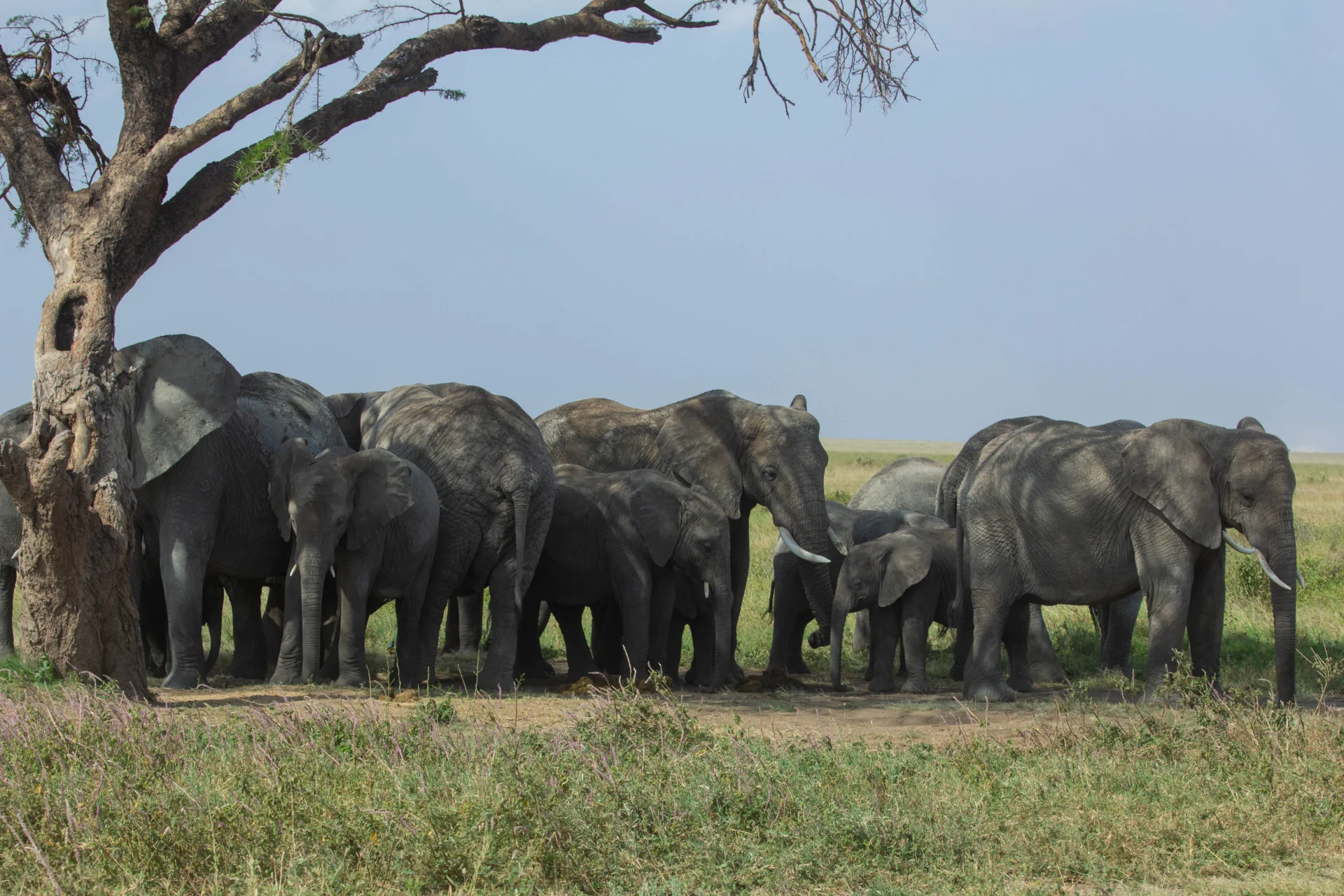
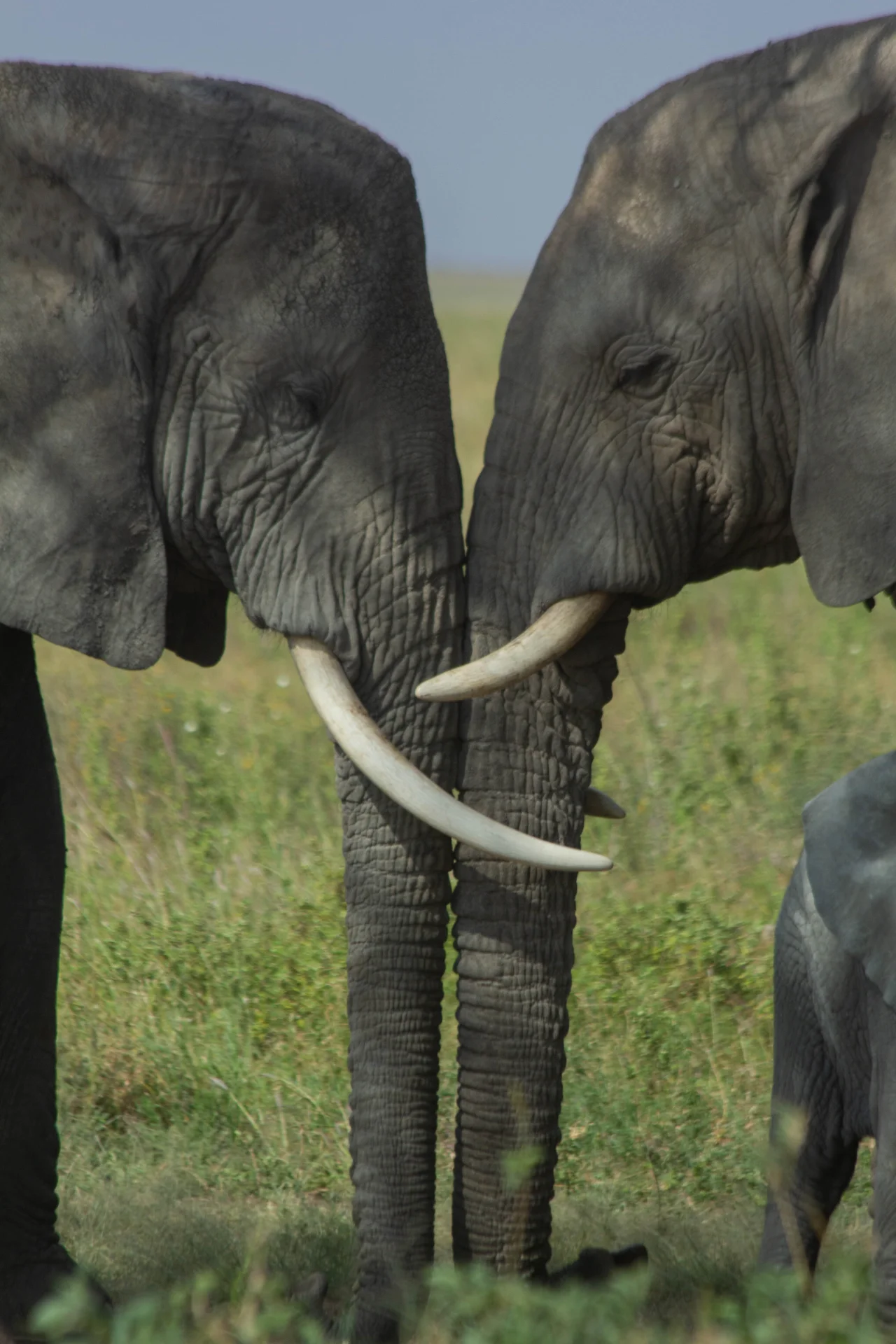
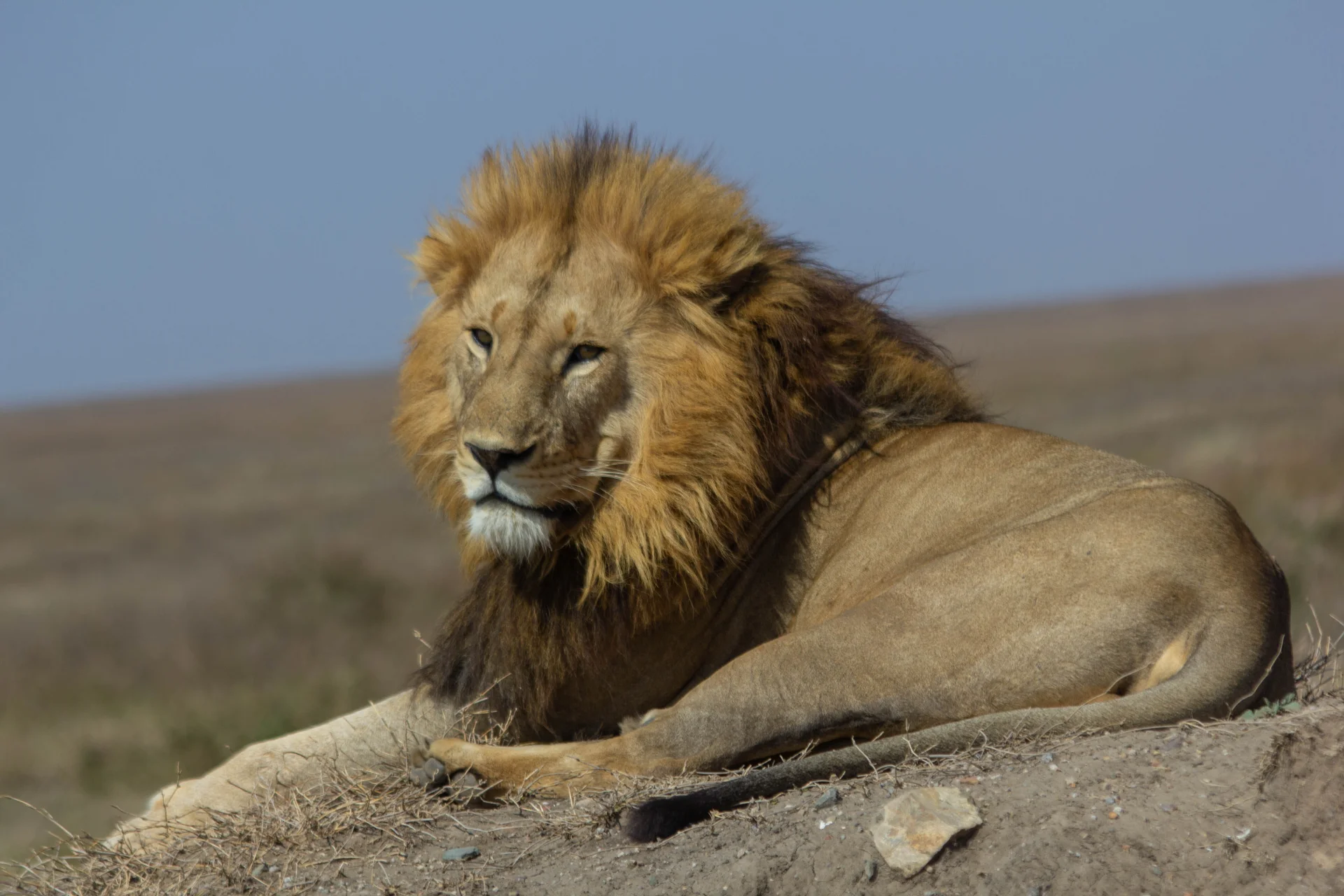
Western Serengeti is a landscape of broad grasslands, wooded river corridors and seasonal wildlife movement in northwestern Tanzania. Commonly called the Western Corridor, this part of Serengeti National Park offers a different atmosphere from the southern short-grass plains and the central Seronera area. The Grumeti River is a defining feature, with riverine vegetation, crocodiles, hippos and nearby grazing country adding variety to a safari. Visit for the combination of landscape and wildlife, and allow enough time to explore rather than treating the west as a brief detour. Understanding the Western Corridor This entry focuses on the western part of Serengeti National Park, including the wider Kirawira, Grumeti River and Mbalageti areas. Western Serengeti is a geographic safari region within the park, not a separate national park. Nearby Grumeti and Ikorongo reserves are distinct protected areas within the wider ecosystem. Accommodation marketed with “Grumeti” in its name may sit inside the national park or in an adjoining concession. Confirm the precise location before booking, because access, activities, airstrips and applicable fees differ across boundaries. A national park booking does not automatically provide access to a private concession. Plains, rivers and woodland The west rewards travellers who enjoy changes in habitat. Open grazing areas give way to woodland and riverine cover, with routes revealing different views throughout the day. The Grumeti and Mbalageti river landscapes help distinguish the region from a simple image of endless open plains. Water levels and vegetation change with rainfall, affecting both photography and the places where animals gather. Ask your guide to balance time near river habitats with exploration of the surrounding grasslands. A quiet drive without a major predator sighting can still reveal tracks, bird behaviour and the smaller details that give the landscape its character. The Great Migration The Western Corridor is especially associated with the migration’s westward movement, often during May–July. Wildebeest and zebra may gather across the plains and move through the wider Grumeti landscape as they follow grazing and water. This is a planning window rather than a fixed calendar event. Rainfall, pasture conditions and the movement of different groups influence when herds arrive, how long they remain and which routes they use. Book several nights and seek current guidance from the camp before travel. A lodge beside a river cannot guarantee that a large herd will pass its immediate surroundings. Grumeti River encounters The Grumeti is associated with crocodiles, hippos and seasonal herd movement, but crossings are unpredictable and vary in scale and location. Animals may disperse, use different routes or remain away from the river during your visit. The Grumeti is a separate river system from the Mara River crossing areas farther north. Do not select a Western Corridor camp while expecting daily access to the northern Mara River sites. Enjoy river wildlife from permitted viewing positions and follow the guide’s instructions; riverbanks are wildlife habitat rather than places for swimming or independent exploration. Wildlife beyond the moving herds The region supports wildlife viewing outside the main migration passage. Depending on habitat and conditions, game drives may encounter lion, elephant, buffalo, giraffe, zebra and other grazers, while leopard and other elusive animals take patience. River and woodland habitats add birdwatching interest, and black-and-white colobus monkeys are a distinctive possibility in parts of the western park. Resident wildlife should be part of the reason for visiting, especially outside the migration window. Neither the Big Five nor a particular predator sighting can be promised, and a short stay in the west should not be sold as a guaranteed rhino experience. Safari activities Guided daytime game drives are the core activity. Choose between morning and afternoon outings with a break at camp or a longer drive with a planned packed meal at an authorised stop. Photographers may value a private vehicle for patient positioning and a flexible pace, subject to park rules. Balloon safaris operate from western launch areas during operator-specific seasons; confirm that your camp lies within the collection area and that a flight is available for your dates. Approved bush meals can add variety. Walking, night drives and off-road access require specific permission for the exact location and should never be assumed from a neighbouring reserve’s programme. Choosing your camp Permanent lodges and tented properties provide different levels of comfort and different starting points for daily drives. Seasonal camps may change location or operating dates. Examples associated with the western park include Kirawira Serena Camp, Mbalageti Serengeti and &Beyond Grumeti Serengeti River Lodge; their inclusion here identifies locations rather than confirming availability. Check a map with your operator and ask about the actual driving distance to the habitats you hope to explore. Staying near a gate outside the park creates a different daily schedule from staying within it. Confirm meals, guiding, vehicle arrangements, conservation charges and airstrip transfers in the quotation. How long to stay Three nights is a useful starting point for a focused Western Corridor visit: an arrival outing, two days with room for varied drives and a departure transfer. Two nights can work in a longer safari but offers less flexibility if a route changes or wildlife takes time to find. With five or more Serengeti nights, consider combining the west with another suitable region rather than spending every day on long transfers. The best combination depends on travel dates and interests. Central Serengeti can complement a western stay, while northern or southern areas need their own seasonal and logistical assessment. Seasons and expectations Drier months often make bush-road travel easier, while wet periods can bring green scenery, dramatic skies and challenging patches of track. A dry-season visit later in the year may offer enjoyable resident wildlife viewing even after the main migratory herds have moved elsewhere. Conversely, May can attract migration interest despite lingering rain. Accommodation demand and pricing follow individual camp calendars, not a uniform regional rule. Build the itinerary around the experience you value most and use recent local reports to refine the plan, while recognising that wildlife conditions can change before arrival. Getting there and onward travel Fly-in safaris can reduce long road transfers, but the correct airstrip depends on your camp. Grumeti airstrip serves western properties, while Seronera may involve a substantially longer onward drive. From the Lake Victoria side, Ndabaka is a recognised western park access point. An overland safari from Arusha usually combines other northern-circuit destinations and needs realistic time for rough roads, gates and wildlife stops. Treat Lake Victoria as a separate extension requiring its own transport arrangements. Confirm the complete door-to-door journey rather than relying only on a flight time or a straight-line map distance. Preparation and responsible viewing Pack comfortable neutral clothing, a warm layer for early starts, sun protection, a light rain jacket, binoculars and protection for cameras against dust and showers. Ask about charging, laundry, connectivity and flight baggage allowances. Families should confirm room layouts, meal flexibility and activity age requirements; travellers with limited mobility should ask about paths, steps, bathrooms and boarding safari vehicles. Remain in the vehicle unless your guide confirms an authorised place to leave it. Give wildlife space, keep noise low and never pressure a guide to block moving herds or cross restricted ground for a photograph. A rewarding Western Serengeti safari gives time to the whole landscape, alongside the seasonal spectacle.
March–April and parts of May can bring substantial rain, green vegetation and muddy tracks. Confirm access, camp operating dates and flexible drive plans. May may also draw migration-focused visitors, so wet conditions do not automatically mean low demand or low prices. Resident wildlife remains part of the experience, with sightings influenced by habitat and visibility.
November–February can offer greener scenery, birdwatching and resident wildlife viewing, with short rains or scattered showers varying by year. The main migration may be elsewhere in the ecosystem. Select the west for its own habitats and camp experience, and confirm current wildlife reports. Festive and other busy dates may carry high rates despite this general shoulder-season label.
May–July is a useful planning window for the migration’s western passage, often with June attracting particular interest; the route and timing change with rainfall. June–October generally offers drier safari conditions, but later dry-season visits should focus on resident wildlife rather than assume herds remain in the west. Book camps and flights early for popular dates; no crossing is guaranteed.
Choose the exact camp before arranging flights or road transfers. Western Serengeti covers a broad area inside Serengeti National Park, while nearby reserves and private concessions have separate access arrangements. By air: Kilimanjaro International Airport (JRO), Arusha Airport (ARK) and Mwanza Airport (MWZ) are useful gateways depending on the wider itinerary. Scheduled safari flights or charters can connect to Serengeti airstrips, subject to routing and availability. Grumeti airstrip serves several western camps; Seronera can be an alternative with a longer drive. Ask the lodge to confirm the exact airstrip, transfer time, baggage limits and whether the flight includes intermediate stops. Adjoining concession properties may use a different private strip. As a property-specific distance example, Serena’s Kirawira factsheet lists its camp about 16 km from Grumeti airstrip and 110 km from Seronera airstrip. These are not distances for every Western Serengeti camp, and safari driving speed, weather and animal stops affect journey time. Get a current transfer estimate from your booked accommodation. By road from Arusha and the northern circuit: Many itineraries approach through the Ngorongoro and central Serengeti route. This is a substantial overland journey, best built into a multi-day safari rather than treated as a short transfer. Confirm all park and conservation-area permits, planned gates, overnight stops and arrival timing with the operator. Roads inside the park require a suitable safari vehicle and a driver familiar with current conditions. From Mwanza and the Lake Victoria side: Ndabaka Gate is a recognised western access point. Request separate estimates for the road journey to the gate and the onward bush drive to your camp; the gate is not the final destination. The appropriate route and driving time depend on the departure point, weather and accommodation location. Between Serengeti regions: Allow realistic time for transfers to Seronera, the northern plains or southern areas. A long transfer with wildlife stops uses a significant part of the day. Flying between suitable strips may help on some routes but must be checked for the actual travel dates. Leave a sensible connection buffer before onward international flights.
It is the western part of Serengeti National Park in northwestern Tanzania, commonly known as the Western Corridor. The wider Kirawira, Grumeti River and Mbalageti areas are associated with this safari region. The exact location of your camp determines the practical route and daily viewing areas.
No. The Western Corridor is a region within Serengeti National Park. It belongs to Tanzania’s northern safari circuit. Nearby protected areas form part of the wider ecosystem but have their own management and access arrangements, so a booking should identify the precise property and area.
No. The national park’s western region and the adjoining Grumeti reserve or concession areas are distinct. Similar names can cause confusion. Ask whether your accommodation is inside Serengeti National Park or in a neighbouring concession, and confirm the relevant fees, airstrip, access and activity rules.
Its appeal combines open grazing country with wooded river habitats and seasonal migration movement. The Grumeti River adds opportunities to observe hippos, crocodiles and river-associated wildlife. A safari here can focus on the varied landscape and resident animals as well as the temporary presence of large herds.
May–July is a useful broad planning window, with June often attracting migration interest. Rainfall and grazing conditions can shift the route and timing. Different groups do not all move together, and herds may leave an area earlier or remain longer than expected. Current camp reports help refine plans.
No. Herd location, water levels and animal behaviour determine whether crossings occur within reach during your stay. Animals may use different routes, cross away from a viewing area or remain elsewhere. Allow several nights and value the wider safari rather than booking around a promised crossing.
No. The Grumeti and Mara are separate river systems in different Serengeti safari regions. The best-known northern Mara River crossing areas are not an everyday excursion from a Western Corridor camp. Choose the correct base and allow for a separate transfer if northern crossings are a priority.
Yes. Resident wildlife, river habitats and the landscape can make a western stay rewarding outside the main migration passage. Expectations should suit the season: the experience will differ from a visit with large herds nearby. Ask your camp for a realistic description of current local viewing conditions.
Possibilities include wildebeest, zebra, lion, elephant, buffalo, giraffe, hippo and crocodile, depending on habitat and conditions. Leopard can be elusive. Black-and-white colobus are a distinctive possibility in suitable western woodland habitats. No species list should be treated as a guarantee for an individual drive.
No safari can guarantee all five animals, and the Western Corridor should not be selected as a dependable rhino-viewing stop. Choose it for its overall wildlife and habitats. If a particular species is essential, discuss realistic options elsewhere in the itinerary with your operator before booking.
Three nights is a useful starting point for a focused western safari, giving time for several drives without changing camp each day. Two nights can work within a longer route but leaves less flexibility. Add another region if you have enough nights and the transfer fits your dates and interests.
Yes. The west can complement the Seronera area, but travel between camps takes time on park roads. Ask for a realistic transfer estimate and distinguish a transfer drive from a full day exploring one area. Avoid making a distant camp change every night.
Choose according to dates, wildlife interests and logistics. The west is associated with the Grumeti landscape and a typical May–July migration passage. Northern camps are used for the Mara River area. Neither region guarantees crossings, and moving between them requires deliberate planning.
Grumeti airstrip serves several western properties, while Seronera can require a much longer onward drive. Adjoining concession lodges may use other private strips. Obtain the exact name and transfer arrangements from your booked camp before buying flights; a general Serengeti destination label is not enough.
Yes. The Lake Victoria side offers a road approach using western park access such as Ndabaka Gate. Arrange a suitable vehicle, permits and realistic arrival timing. Ask for separate estimates to the gate and from the gate to camp rather than assuming the entrance is close to your accommodation.
The west is a substantial road journey from Arusha and is usually better included in a multi-day northern-circuit safari. Route, gate procedures, road conditions and wildlife stops affect timing. Discuss overnight stops or a fly-in option if you want to minimise long driving days.
Options include permanent lodges, tented camps and seasonal accommodation, with different locations and service levels. Check whether the property is inside the national park, outside a gate or in a separate concession. Confirm operating dates, room layout, guiding, transfers and conservation charges before comparing prices.
Western balloon flights are offered by selected operators during their own operating seasons. Availability also depends on weather, minimum participation and whether your camp is within the pickup area. Confirm the launch region, transfer timing, eligibility requirements and cancellation terms before booking.
Walking requires an authorised programme for the exact location, with the appropriate guides and permissions. Do not assume that a national-park camp offers walking because a neighbouring reserve advertises it. Ask the operator to confirm the activity, route, age limits and arrangements in writing.
They should not be assumed as part of an ordinary national-park game-drive programme. Rules differ between the park and adjoining concessions, and any special access must be specifically authorised. Confirm the activity for your exact camp and location rather than relying on a general Grumeti description.
It can be, for travellers who enjoy green scenery and flexible plans. Wet tracks may affect access and routes, and some camps change their operating schedule. May can combine lingering rain with migration interest. Check current camp conditions, allow time and avoid a tightly packed transfer programme.
Yes, if the camp and pace suit the children’s ages. Ask about family rooms, meal flexibility, private vehicle options and activity limits. Long drives may need breaks at authorised stops. Follow staff instructions around wildlife, especially in unfenced camps and near river habitats.
Suitability depends on the accommodation, vehicle and transfer arrangements. Ask about steps, path surfaces, bathrooms, room distance and help boarding safari vehicles. Describe practical needs before booking. A private vehicle and a carefully selected room may help, but accessibility should be confirmed with the individual property.
Bring neutral, comfortable clothing, a warm layer for early drives, sun protection, a light rain jacket, binoculars and camera protection for dust and showers. Check charging arrangements and laundry at camp. If flying, confirm the airline’s current luggage limits and bag requirements before packing.
Request a written breakdown of accommodation, guiding, vehicle use, park or concession charges, transfers, flights and optional activities. Confirm the exact camp location, operating dates, cancellation terms and current access. Rates vary by age, residence, season and provider, so use a current quotation rather than an old online tariff.
Grateful experience
As a solo female traveler, I felt super safe and well taken care of the entire time.
Read morePrivate Safari 6 days
I can only highly recommend the young company Tanzalux for organizing a private safari.
Read moreAn unforgettable vegetarian journey with Tanzalux Safaris
I highly recommend Tanzalux for anyone wanting a special, personalized safari.
Read moreOur 3-day camping safari with Tanzalux was simply fantastic! Everything was perfectly organized.
Read moreBack in April, I joined a day trip to Tarangire National Park with Tanzalux Safaris, and it was truly one of the best experiences I have ever had…
Read moreI've had an amazing experience with Tanzalux Safaris, would 1000% recommend! Thank you for making my trip so special🫶
Read moreI recently visited Meru Waterfalls in Arusha and got to do some of the activities there, honestly it was such a great experience and I really enjoyed it.
Read moreOur guide Dullah Mr Rastaman had the best vibe. I would like to recommend other people not to miss it, Tarangire is the best national park.
Read moreOur tour guide Nasri was very friendly and welcoming from the first day we met him. He knows Tarangire very well and explained many things during the safari.
Read moreAs a grandmother in the group, I would like to share my happiness with Tanzalux Safaris. Me, my daughters, and my grandson went on a short trip to Tarangire National Park…
Read moreReceive a free, no obligation quote

 Western Circuit
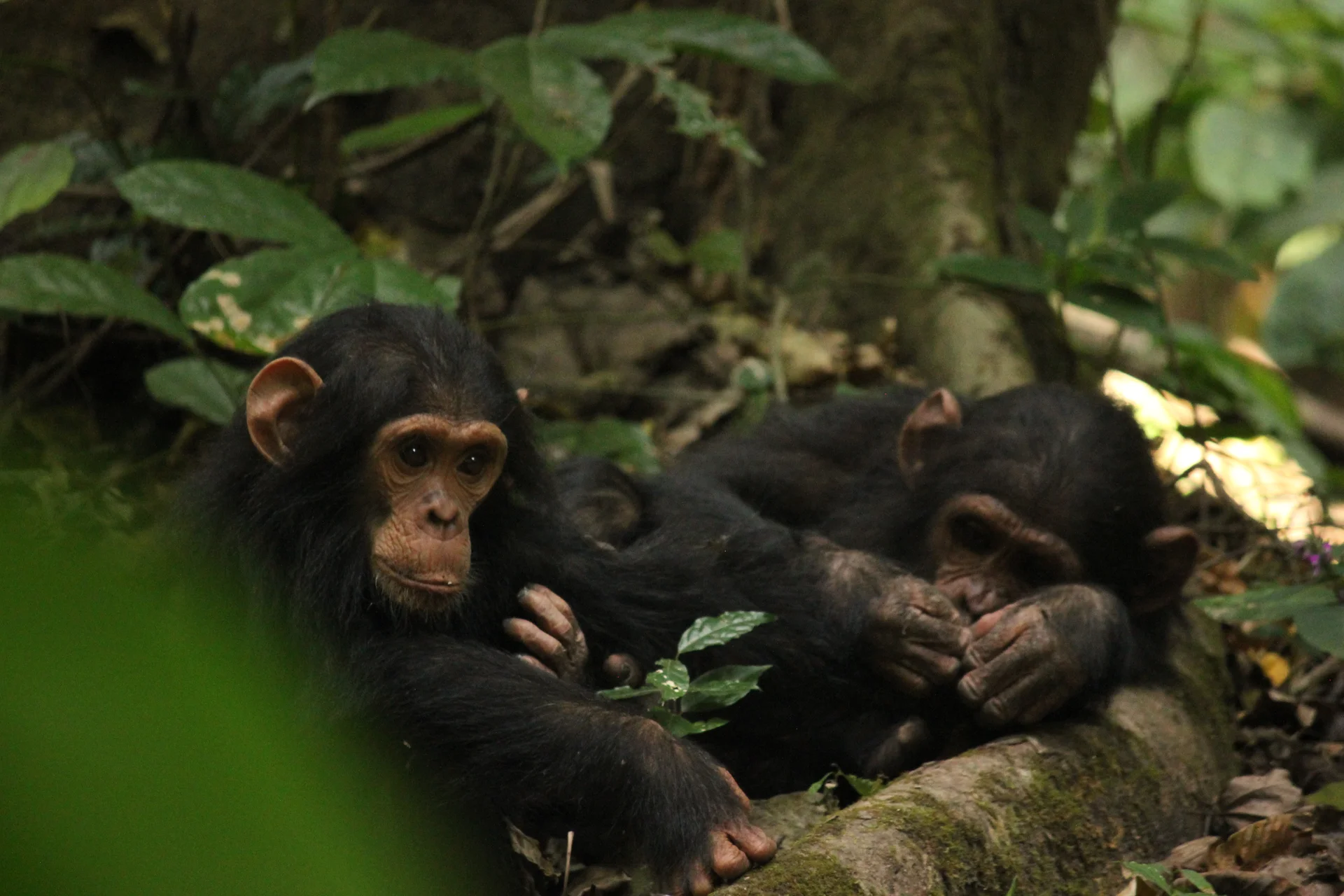
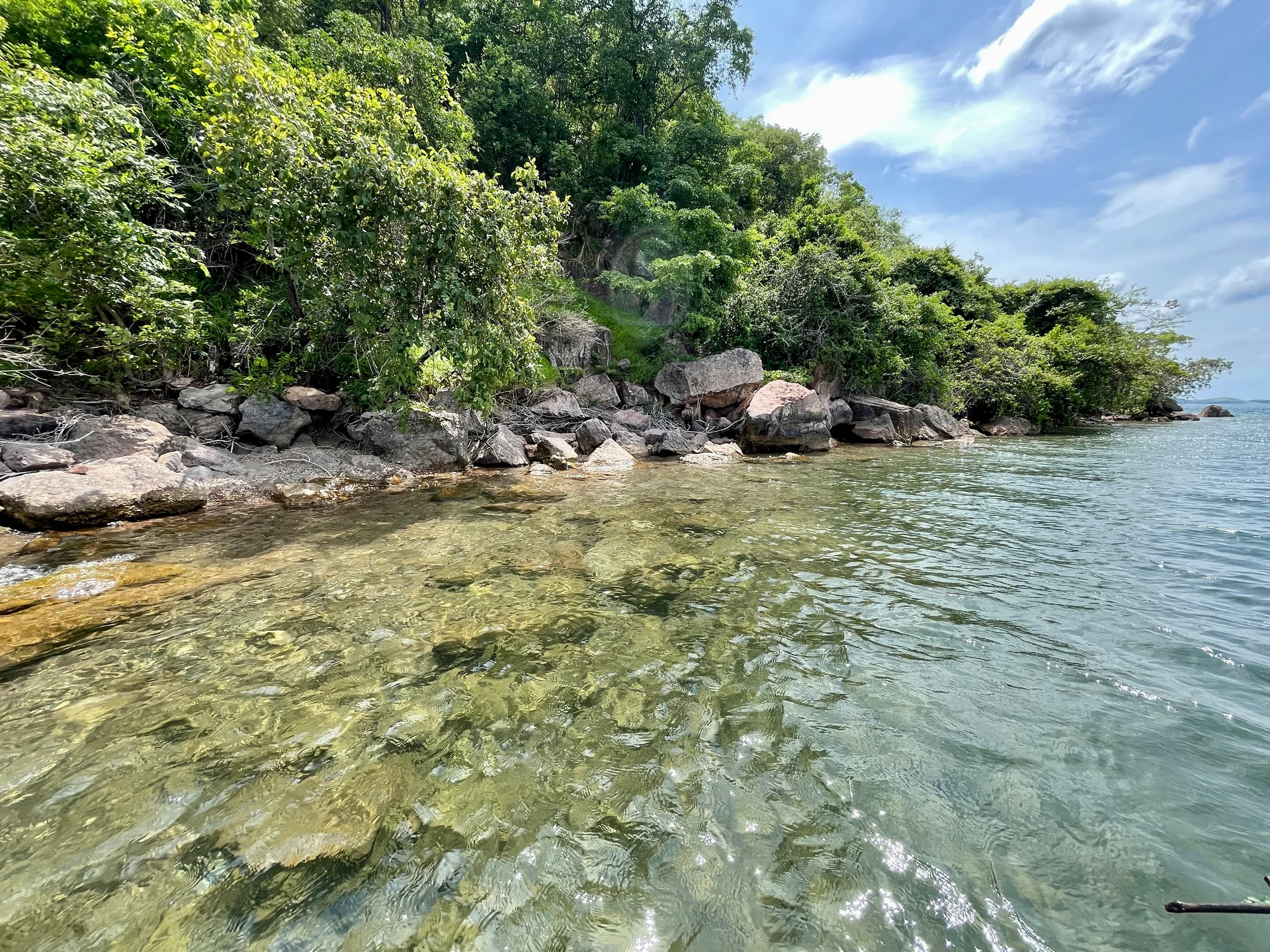
Gombe Stream National Park, also known as Gombe National Park, combines wild chimpanzee trekking with forested hills and the shores of Lake Tanganyika. In Kigoma…
Wildlife
Chimpanzees & Olive baboons
Landscape
National Parks & Safari
Highlights
Wild chimpanzee trekking with park rangers
 Southern Circuit
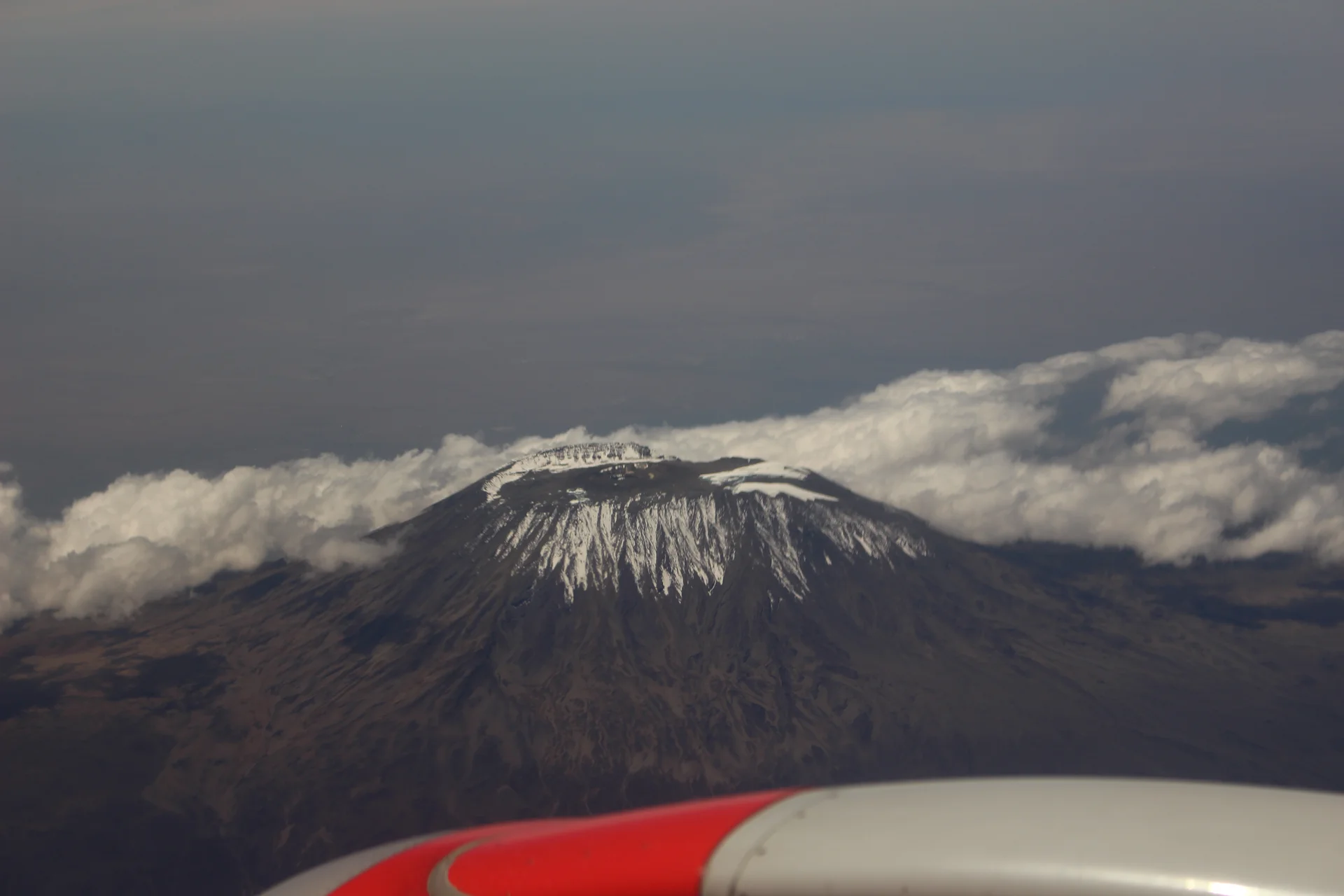
Lake Tanganyika offers a striking freshwater setting along Tanzania’s western frontier: broad blue horizons, wooded shores, bays, beaches and communities whose daily life is closely…
Wildlife
Endemic cichlid fish & Other freshwater fish
Landscape
Lakes & Hot Springs
Highlights
Africa’s deepest freshwater lake in the East African Rift
 Northern Circuit
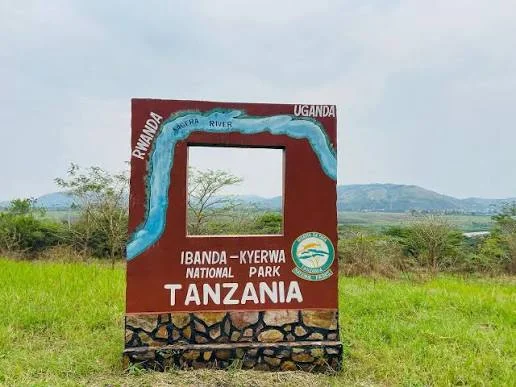
Kilimanjaro rises above northern Tanzania’s plains to Uhuru Peak at 5,895 metres, the highest point in Africa. Its volcanic massif, dramatic changes in vegetation and…
Wildlife
Black-and-white colobus monkeys in forest habitats & Blue monkeys in forest habitats
Landscape
Mountains & Trekking
Highlights
Uhuru Peak at 5,895 metres — Africa’s highest point
 Western Circuit
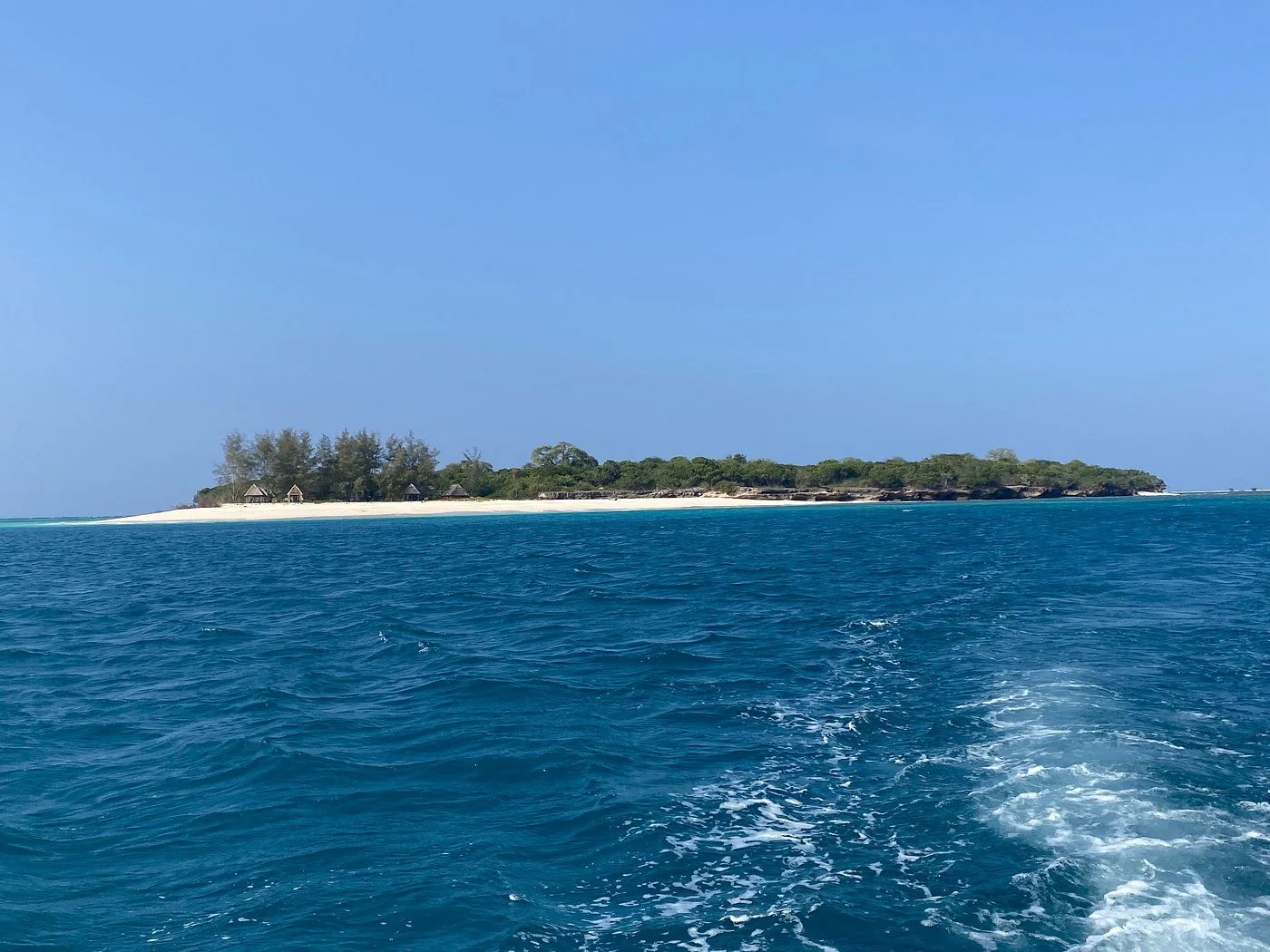
Ibanda-Kyerwa National Park protects a scenic corner of northwestern Tanzania, where the Kagera River meets a landscape of savanna, wooded slopes, valleys and wetlands. Situated…
Wildlife
Buffalo & Roan antelope
Landscape
National Parks & Safari
Highlights
Kagera River scenery on Tanzania’s northwestern border
 Zanzibar & Islands
Sinda Island Marine Reserve offers an Indian Ocean escape off Kigamboni, on the southern side of Dar es Salaam. The reserve encompasses Inner and Outer…
Wildlife
Reef fish & Coastal birds
Landscape
Beaches & Islands
Highlights
Inner and Outer Sinda islands
 Northern Circuit
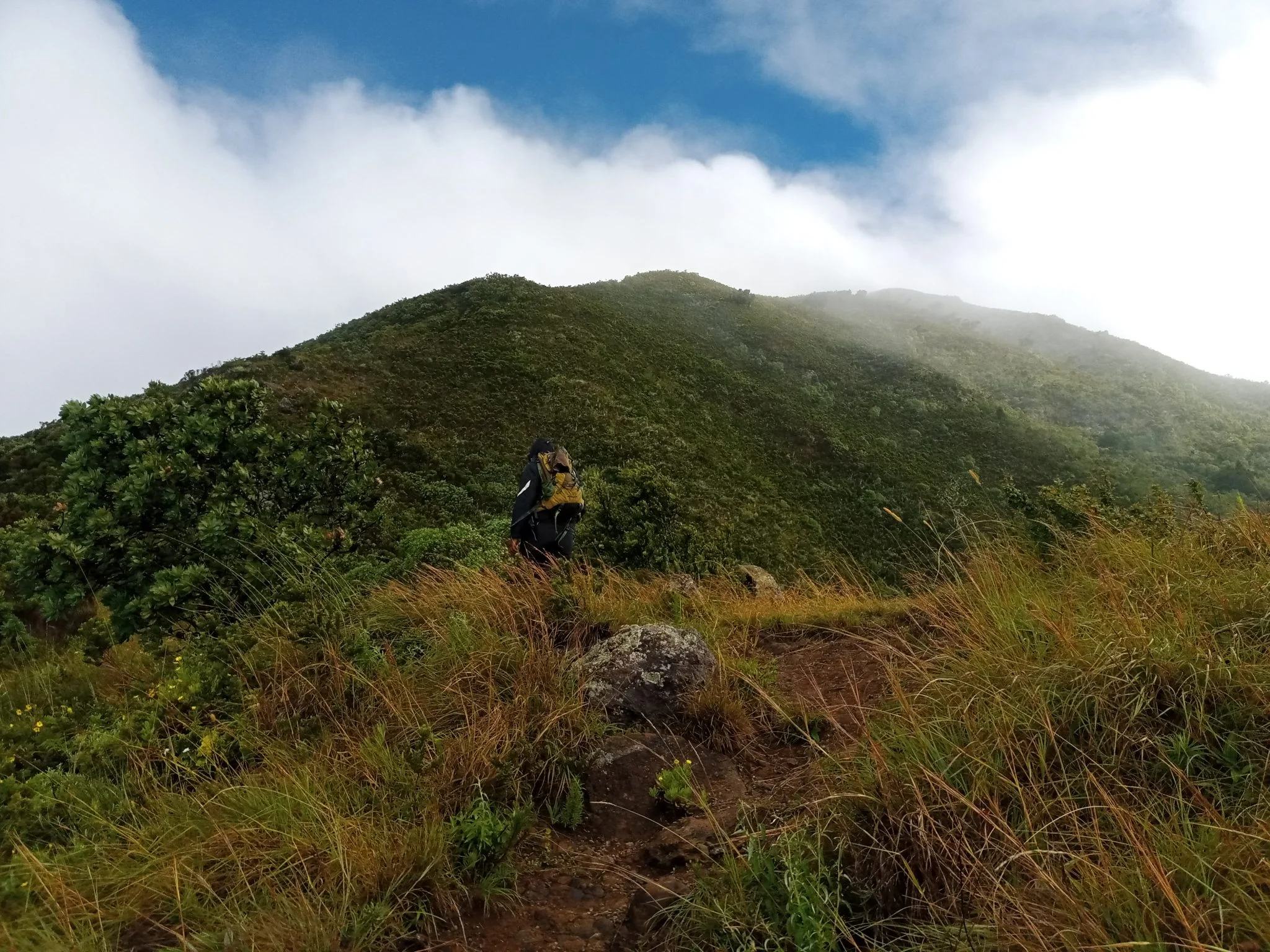
Discover Mount Hanang Rising above Katesh in Tanzania’s Manyara Region, Mount Hanang offers a rewarding mountain adventure beyond the familiar northern safari circuit. At approximately…
Wildlife
Klipspringer & Vervet monkeys
Landscape
Mountains & Trekking
Highlights
Approximately 3,423 metres — Tanzania’s fourth-highest mountain