5.0 Excellent

Safari with Kids in Tanzania: A Family Planning Guide
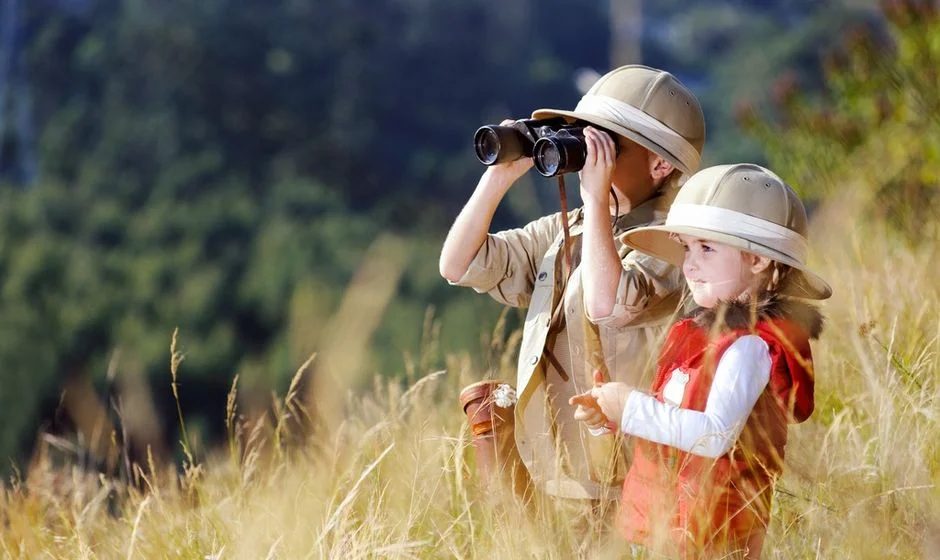
A safari with kids in Tanzania can be a wonderful shared adventure. A giraffe beside the road, an elephant calf or a bright bird can hold a child's attention in ways a screen never will. The best family trip gives those moments room to happen, with time for meals, sleep and play between the drives.
Good planning starts with your children as they are now: their ages, interests, health needs and comfort with long journeys. This guide covers park choices, child policies, family rooms, private drives and practical preparation. You will also find three sample routes to help shape your own Tanzania family safari.
Ask TanzaLux Safaris to plan a private family safari around your children's ages and pace.
What makes a safari with kids in Tanzania work well?
A good family safari balances wildlife time with a manageable day. Choose fewer bases, suitable rooms and a guide who understands the plan you have agreed. Leave gaps for a snack, a rest or an early return rather than trying to fill every hour.
Share each child's age on the travel dates, not only at the time of booking.
Choose lodges and activities that explicitly accept your youngest child.
Check room layout, beds, meals, child restraints and transfer times in advance.
Give the family enough nights in each area to avoid packing every morning.
Discuss health preparation and a practical emergency plan before travel.
Keep the wish list flexible: wildlife sightings can never be guaranteed.
A safari with kids in Tanzania does not need to cover every famous park. A few well-paced days can give a family much more than a long route that leaves everyone tired. Start with the experiences you most want to share, then build a realistic journey around them.
What is the best age for a family safari?
There is no single minimum age that covers every lodge, game drive and optional activity. A property may accept a child for an overnight stay while setting a higher age for a walk. Some camps also require a private vehicle for younger guests. Confirm the exact rules for every part of your booking.
For example, Asilia's published family policies set different minimum ages across camps and activities, and do not offer child-minding services. This is one operator's policy, not a rule for all of Tanzania. It shows why a general “children welcome” statement is not enough.
Babies and toddlers: focus on health advice, safe sleep, feeding needs, short transfers and close adult care. A remote moving-camp route may be a poor fit.
School-age children: build in simple wildlife games, short questions, drawing and plenty of breaks.
Teenagers: ask about photography, ecology, longer drives and eligible activities that match their interests.
Think about temperament as well as age. A child who likes animals may still dislike hours on rough roads. A safari with kids in Tanzania works best when the trip fits the family, rather than asking the family to fit a fixed schedule.
Which parks should you choose?
The northern circuit is a useful starting point because several well-known parks can fit into one regional plan. That does not make every transfer short. Ask for realistic door-to-door travel time, safe break points and how much game viewing is included on a moving day.
Tarangire: elephants, baobabs and patient watching
TANAPA describes Tarangire as a park known for elephants and baobab landscapes. It offers plenty to talk about beyond a hunt for predators. Ask children to look at trunk use, ear shapes and the way animals move as a group.
For a safari with kids in Tanzania, a longer stop with one elephant group can be more rewarding than chasing many sightings. Your guide decides a suitable viewing distance. A calf is a reason to give the animals space, never a reason to move closer.
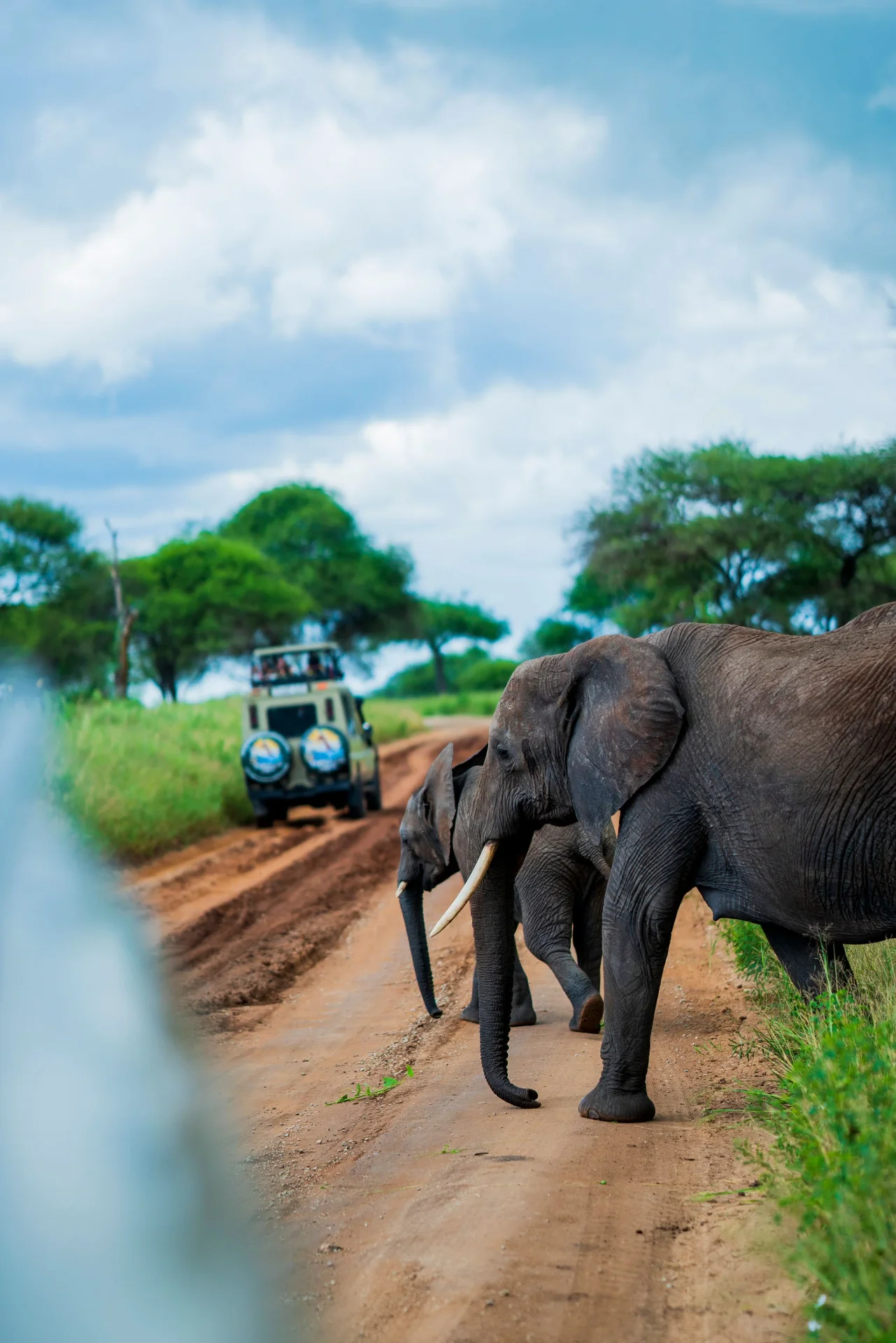
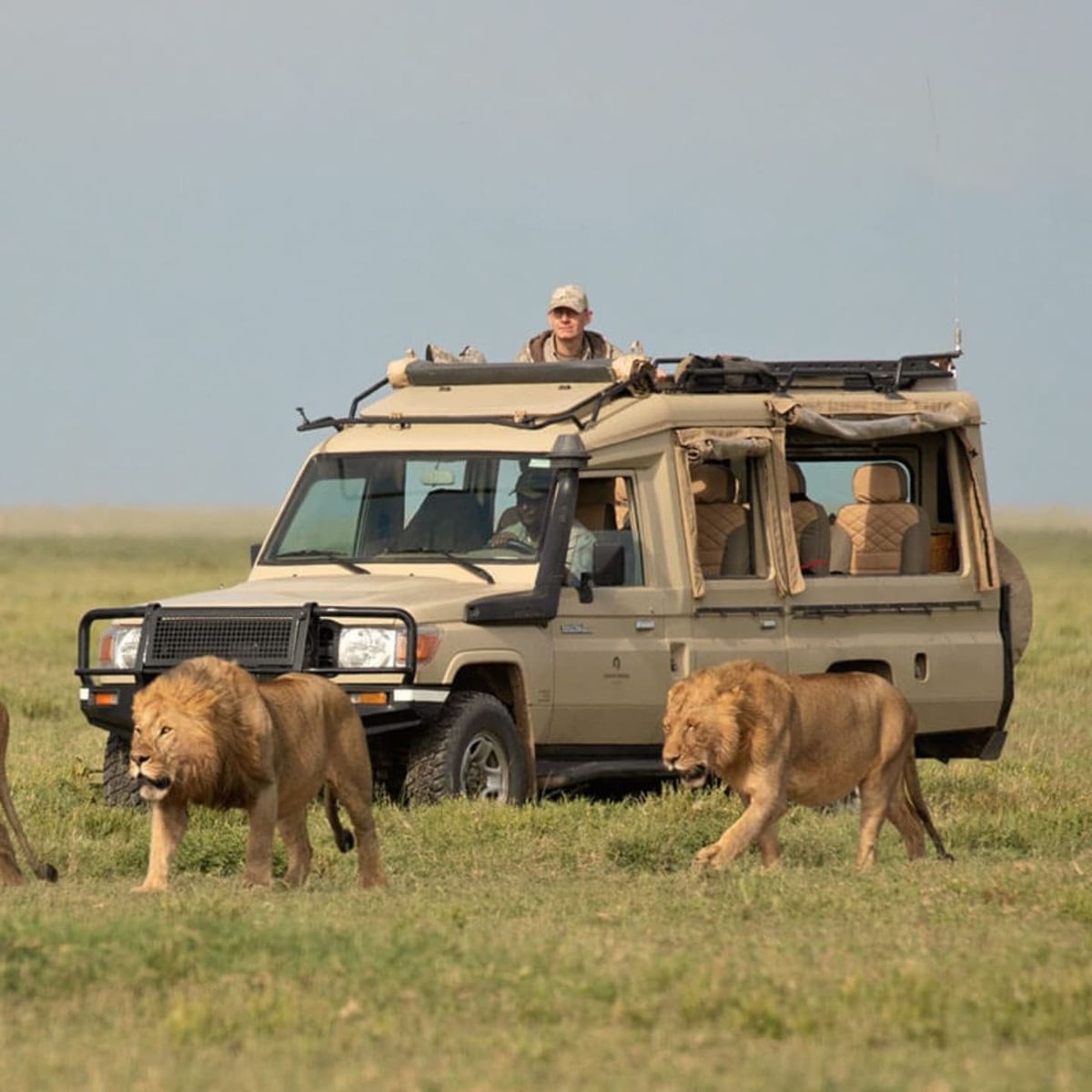
Patient wildlife viewing can spark a child’s curiosity. Stay inside the vehicle and let your guide manage the viewing distance.
Ngorongoro Crater: a striking landscape with wildlife
The Ngorongoro Conservation Area's official geopark guide highlights the crater and its wildlife setting. The descent into the caldera gives children a clear change of scene and a chance to see how landscape and habitat fit together.
Plan this as a proper outing, not a quick stop. The access road, game drive, picnic and return can make a substantial day. Choose a sensible overnight base nearby and pack layers for cool highland conditions. No guide can promise a rhino or all of the Big Five.
Serengeti: more time in one wildlife area
TANAPA's Serengeti information introduces the park's wildlife and Great Migration. For family planning, the key is camp location and enough time in the chosen area. Seeing the migration depends on where the herds are at your dates, not just on entering the park.
Serengeti with children is often best considered with several nights in one area. Discuss two or three nights as a starting point rather than rushing in for one. A safari with kids in Tanzania should allow the guide to adapt the drives to your family and the sightings, within park and booking rules.
A flight can reduce some long road travel, but it brings its own cost, baggage rules and airstrip transfers. Ask how the entire travel day compares. Flying does not mean the family steps straight from the airport into a lodge room.
How many safari days should you plan?
For a first trip with younger children, consider starting with a few safari days and a small number of bases. If the Serengeti is a priority, give the route more time rather than force a distant park into a short break. Tell the planner the longest travel day your family would find comfortable.
Count the driving and arrival days as part of the holiday. A six-day itinerary may include a flight arrival, transfers and departure, so it is not six full days of wildlife viewing. Ask the planner to label those days clearly.
On a safari with kids in Tanzania, two nights in one place can reduce the work of packing and settling in. More nights can give you the option to enjoy a quieter morning. You do not have to take every possible drive to get value from the trip.
Why consider a private family safari?
A private family safari gives your own guest party an agreed vehicle and guide arrangement. It can make snack breaks, questions and shorter drives easier to plan than on a shared departure. Confirm what “private” means in the quote, including transfers and any lodge-run outings.
It does not create complete freedom to stop or walk wherever you want. The guide still follows park rules, safe viewing practices, gate times and the booked route. A toilet break must be planned at a safe, permitted place.
Before a safari with kids in Tanzania, discuss seating and restraints for every road journey. CDC guidance for travelling with children recommends a suitable child seat, booster or belt based on the child's age, height and weight. Confirm compatibility with the exact vehicle, or arrange an appropriate seat from home.
Children should stay properly restrained when the vehicle moves. Keep arms inside and follow the guide's instructions around a raised roof. A safari vehicle is still a vehicle, even when an exciting animal is nearby.
What might a relaxed safari day look like?
Agree the next day's plan over dinner, then allow room to adjust. Some families enjoy an early start. Others do better with breakfast first and a shorter morning loop. The right rhythm depends on your child and the distance between the lodge and the viewing area.
Morning: breakfast and a game drive, with an agreed return time and safe break plan.
Midday: lunch and quiet time at the lodge, where the route makes a return practical.
Afternoon: an optional shorter drive or a suitable lodge-based activity.
Evening: dinner, a simple recap of the day's finds and enough time for sleep.
Some days will involve a picnic and a longer outing because returning to camp would add too much travel. Ask which days work that way before you book. A safari with kids in Tanzania should make the demanding days visible in the plan.
How do you choose family-friendly lodges?
Begin with the room layout and age policy, then look at the view. A family unit, extra bed and connecting rooms are different arrangements. Ask for the actual configuration and occupancy limit for your family. Do not assume children can sleep in a separate tent.
Are all children accepted at their ages on the arrival date?
Are beds in one unit, or are rooms linked by an internal door?
Are cots or extra beds suitable and confirmed for the booking?
Can meals be served at times that work for your family?
How are allergies, special diets and food storage handled?
Is the camp fenced, and when is a staff escort required?
What are the pool, balcony, path and water-edge arrangements?
Is any childcare actually available, and on what terms?
Family-friendly lodges still need active adult supervision. Wild animals may pass through an unfenced camp, and a swimming pool may have no lifeguard. On a safari with kids in Tanzania, explain the camp rules on arrival and keep children close. A luxury label is not a substitute for checking the details.
What health preparation do children need?
Book a travel-health review for each child well before departure. Bring the route, travel dates and vaccine records. CDC's Tanzania destination guidance covers vaccines, medicines and malaria risk. The clinician should advise for your child's age, weight, health and itinerary, including any Zanzibar stay.
Use suitable bite prevention, sun protection and safe food and water habits. Follow age-appropriate product instructions and the clinician's advice. Pack prescribed medicines with enough supply for delays. Tell the planner about allergies or cold-storage needs before choosing remote camps.
For babies, discuss feeding and safe sleep needs with both the clinician and the lodge. Do not assume a cot, fridge or specific food is available just because a property accepts infants. Get the important arrangements confirmed.
A safari with kids in Tanzania needs a clear response plan if someone becomes unwell. Ask who to contact, where care can be reached and how transport is arranged. Seek urgent medical care for fever during or after malaria-risk travel, and tell the clinician about the trip.
What should be on a safari packing list for kids?
Light, comfortable clothes, with long sleeves and trousers for suitable times of day.
A warm layer for cool mornings and the highlands, plus a light rain shell.
Closed shoes, a sun hat and suitable sun and insect protection.
Personal medicines, a small first-aid kit and travel-health records.
Reusable drinking bottles and agreed snacks that respect allergy needs.
A spare outfit, wipes and a small bag for used items within reach.
A familiar comfort item and a compact quiet game or drawing kit.
Child-sized binoculars if suitable, or a simple camera the child can use.
Any agreed child restraint, with compatibility checked for the booked transport.
Keep essential items in hand luggage and in the day bag during transfers. Check laundry services before packing for every day. If the route includes small aircraft, follow the baggage limit and bag type confirmed by the airline.
Pack for a safari with kids in Tanzania as a series of real days: a cool start, a dusty drive, lunch, a spill and a tired afternoon. A few useful items close at hand can matter more than a heavy bag full of new equipment.
How can you keep children interested?
Give each child a small role that suits them. One may love spotting birds; another may prefer taking photos or drawing tracks. Ask the guide for short explanations and one question at a time. Learning feels more natural when it grows from what the child has noticed.
Keep a simple journal of shapes, colours and favourite sightings.
Look for different ways animals eat, rest or move.
Count types of habitat rather than compete to find the most animals.
Learn a greeting and a few animal names with the guide.
Let children choose a favourite moment to share over dinner.
Prepare them for nature as it is. Animals may sleep, hide or hunt. Some sightings can be upsetting, so tell the guide what your family would prefer to avoid where possible. Do not promise a particular animal before the holiday.
A safari with kids in Tanzania can include respectful craft, farm or cultural visits arranged with hosts. Check the activity length and suitability. Ask before photographs, pay agreed fees and keep the visit centred on what the hosts welcome.
Which activities need separate age checks?
Game drives, walking safaris, canoe trips and balloon flights can have different rules. A child accepted by a lodge may not be eligible for every outing it lists. Give the provider each child's age and any relevant size or ability details before paying.
For a balloon flight, check the actual operator's current rules and landing requirements. Serengeti Balloon Safaris publishes its own child conditions, which should not be treated as a rule for all providers. Arrange a suitable plan for anyone who cannot take part, with clear adult supervision.
On a safari with kids in Tanzania, a gentle camp activity may be a better fit than a restricted outing. Do not stretch an age rule or expect a guide to make an exception on the day.
When should families travel, and what affects the cost?
TANAPA's trip planner describes June to October as a generally dry period and notes access considerations during rains. Choose dates for the parks you want, school holidays and the pace of the trip. Weather and wildlife vary, so no month guarantees a specific sighting.
Peak school-holiday dates can mean strong demand for family units. Begin planning early if your dates are fixed. Green-season travel may offer different scenery and rates, but check roads, lodge opening and the exact quote rather than assume it is always cheaper.
The cost of a safari with kids in Tanzania depends on ages, room setup, season, transport and services. A child rate at one lodge does not mean every park, flight or transfer uses the same age band. Share dates of birth and ask for the family total with inclusions and exclusions.
Check deposits, changes, cancellation and illness terms. Ask your insurer to confirm cover for every family member and the planned activities, including medical care and evacuation terms. Review current passport, visa, entry insurance and health-document requirements for each traveller with the relevant authorities.
Share your children's ages and ask for a family quote with clear rooms, transfers and activities.
Sample packages for a safari with kids in Tanzania
These are sample routes to discuss, not fixed departures or confirmed offers. Child acceptance, room capacity, lodges, permits, flights and activities must be checked for your dates. Each plan can change to suit the family's needs and current conditions.
Package 1: 6-day gentle first family safari
Day 1: arrive in Arusha and rest at your hotel.
Day 2: travel to Tarangire for a game drive and an overnight stay near the park.
Day 3: keep the same base, with a flexible drive and time to rest.
Day 4: transfer toward Karatu at a relaxed pace and settle into your lodge.
Day 5: visit Ngorongoro Crater, subject to permits, then return to Arusha.
Day 6: depart or add a further stay.
This five-night outline keeps the park list short. It can suit families who want to test the safari rhythm without a distant Serengeti transfer. Day 5 is still a substantial outing, so discuss the timing and an alternative if needed.
Request a first family safari with fewer bases and a private vehicle plan.
Package 2: 9-day Serengeti family discovery
Day 1: arrive and stay in Arusha.
Day 2: enjoy Tarangire and continue to a Karatu-area lodge.
Day 3: travel to the chosen Serengeti camp area.
Days 4–6: explore from the same base, balancing drives with suitable rest time.
Day 7: leave the Serengeti and stay near Karatu or Ngorongoro.
Day 8: visit the crater, subject to permits, and return to Arusha.
Day 9: depart.
This eight-night route includes four Serengeti nights. It is a safari with kids in Tanzania for families comfortable with longer transfer days. Camp position matters for both the season and daily driving. Ask about a flight alternative if the road journey is too much for your family.
Plan a private Serengeti family safari with time to settle into one camp.
Package 3: 11-day safari and Zanzibar family holiday
Day 1: arrive in Arusha and rest.
Days 2–3: stay near Tarangire and take drives at an agreed family pace.
Day 4: transfer toward Karatu and keep the afternoon light.
Day 5: visit Ngorongoro Crater, subject to permits, and stay in Arusha.
Day 6: take a pre-arranged flight to Zanzibar and stay in Stone Town.
Day 7: choose a suitable short town visit, then transfer to the coast.
Days 8–10: enjoy a family beach stay with optional eligible outings.
Day 11: transfer for departure.
This ten-night outline has five mainland nights and five in Zanzibar. Confirm child policies, room layout and pool or beach supervision needs at both ends. It pairs a safari with kids in Tanzania with a longer coastal break, without adding another distant safari park.
Build a safari and Zanzibar holiday with family rooms and thoughtful transfers.
Why travel with TanzaLux Safaris?
TanzaLux Safaris is Tanzanian-owned and based in Arusha. We tailor trips around dates, pace, budget and interests. A private journey can bring the safari and Zanzibar into one coordinated plan, with time for arrival, transfers and rest.
Tell us what your family enjoys and what makes travel hard. Long drives, separate rooms, late meals or too many early starts may matter more than another park name. Those details help shape a safari with kids in Tanzania that you can assess before booking.
Ask us to set out the child policies, proposed room setup, transport, guide arrangements and included services in your quote. We can discuss which route fits your family and what needs advance confirmation. Clear expectations give parents more space to enjoy the journey with their children.
Start planning your private Tanzania family safari with TanzaLux Safaris.
Frequently asked questions
1. Can you take children on safari in Tanzania?
Yes, when the chosen lodges, transport and activities accept their ages and suit their needs. Confirm every part of the trip before booking. A safari with kids in Tanzania should be planned for the actual family, not a general age label.
2. Is there one minimum age for safari?
No single age rule covers every lodge and activity. Some properties accept young children while particular walks or other outings have higher limits. Share ages on the travel dates and get acceptance confirmed in the proposal.
3. Are babies and toddlers suitable for every route?
No. Discuss health, feeding, sleep, supervision and travel time before choosing a trip. A short route with confirmed facilities may fit better than a remote multi-stop journey. A clinician and the planner should address their different parts of preparation.
4. Which parks work well for a first family trip?
Tarangire and Ngorongoro can fit a shorter northern route. The Serengeti deserves more time and a well-placed camp. Choose according to the family's tolerance for travel days rather than try to include every famous park.
5. Is Serengeti with children a good idea?
It can be, with suitable accommodation, enough nights and manageable transfers. Discuss a camp area that fits your dates. Wildlife viewing is never guaranteed, so include rest time and let the guide adapt the drives to what is happening.
6. Should we book a private vehicle?
It is worth discussing for flexibility with meals, questions and drive length. Some properties require it for younger children. Confirm whether it covers all relevant drives and transfers, and remember that safe stopping places and park rules still apply.
7. Can we bring a child car seat?
Arrange a suitable restraint and check compatibility with each booked vehicle in advance. Do not assume a seat will be available on arrival. Share the child's size and the seat details with the planner, and check airline rules if carrying it by air.
8. How long should daily game drives be?
There is no fixed length that suits every family. Agree a starting plan and discuss breaks, meals and return times. Some moving days will be longer. A safari with kids in Tanzania should show those days clearly in the itinerary.
9. Can children sleep in a separate tent?
Do not assume so. The lodge's age, room and supervision rules apply. Ask for a family unit or confirmed connecting arrangement that fits your party. Review the actual layout and camp escort requirements before making the choice.
10. Do family lodges provide childcare?
Not necessarily. Some do not offer it at all. If it is important, confirm availability, hours, fees and the provider's arrangements in advance. Parents should not plan an outing on the assumption that camp staff will supervise children.
11. What about food allergies and early dinners?
Tell the planner and lodge about dietary needs before booking. Ask how meals and allergies are handled and which times can be offered. Pack agreed snacks for transfers, while respecting other guests' allergy needs and the lodge's rules.
12. Do children need malaria advice?
Yes. Arrange a travel-health review for each child and bring the full route, including Zanzibar if relevant. The clinician should advise on prevention for age, weight and health. Use bite protection and follow the prescribed plan.
13. What happens if a child becomes ill?
Contact the guide or lodge promptly and follow the agreed medical-help plan. Know how care can be reached and keep insurance details available. Seek urgent medical care for fever during or after malaria-risk travel and explain the travel history.
14. Can children join a walking safari?
Only if they meet the exact provider's age and activity requirements. Rules vary, and lodge acceptance does not automatically include walks. Ask for a suitable alternative if a child is ineligible rather than seek an exception on the day.
15. Can children take a balloon flight?
Check the chosen operator's current child rules and the ability to follow safety and landing instructions. Do not rely on another company's limit. Confirm a supervised plan for anyone not flying before paying for the activity.
16. What should children do around wildlife at camp?
Stay close to the responsible adult, follow staff instructions and use escorts where required. Do not let children roam around an unfenced camp or approach animals. Never feed wildlife, including animals that seem used to people.
17. How can we keep children engaged?
Try simple drawing, spotting shapes, taking photos or keeping a short journal. Let them ask the guide questions and choose a favourite sighting. Avoid making the trip a race to see certain animals. Build in quiet time too.
18. Do children always pay less?
No. Child rates depend on the service, age band, room and travel date. Flights, park fees and lodge charges may use different rules. Ask for a clear total for the whole family rather than apply one assumed discount.
19. Can we combine the safari with Zanzibar?
Yes. Allow for the flight, airport transfers and time to settle in. Check the beach property's child policy, room setup and pool arrangements. A coastal stay still needs sun, water and health preparation rather than a pause in supervision.
20. How do we book with TanzaLux Safaris?
Share dates, children's ages, budget, interests and any health or room needs. We can discuss a safari with kids in Tanzania and provide a tailored proposal. Review the route, inclusions, child acceptance and terms before confirming the booking.
Ready to start planning?
Tell us your dates and what you're after — no obligation.