5.0 Excellent

Wildebeest Calving Season: A Tanzania Safari Guide
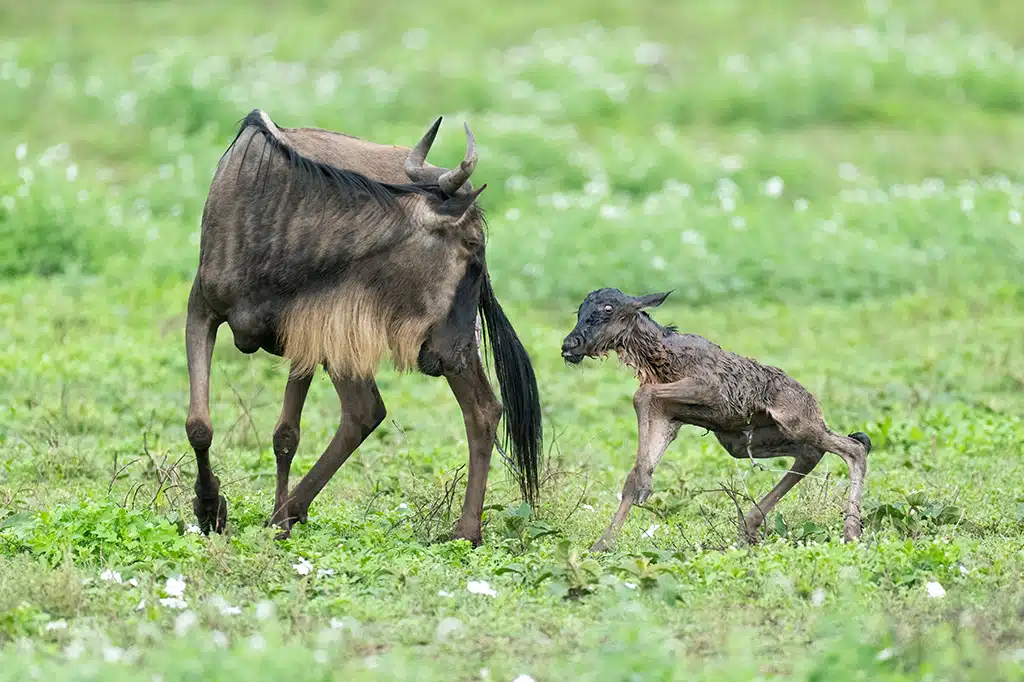
Wildebeest calving season brings new life to Tanzania's southern Serengeti and Ndutu plains. Vast herds gather on the grasslands, calves stay close to their mothers, and predators share the same rich landscape. For a safari guest, it is a chance to watch the Great Migration at a different pace.
January and February are the main months to consider. The wider southern plains season can stretch into March, but rain, grazing, and herd movements shape each year. Choose a well-placed camp and allow time to explore. A date on a calendar cannot promise a birth beside your vehicle.
This guide explains when to go, where to stay, what a day can feel like, and how to plan a private trip. You will also find sample safari packages and clear answers to common questions. Seasonal guidance was reviewed in November 2026; ask for fresh ground reports when booking.
Plan your wildebeest calving season safari with TanzaLux Safaris.
Wildebeest calving season at a glance
Main focus: Ndutu and the short-grass plains of the southern Serengeti ecosystem.
Core timing: January–February, with a wider seasonal window around these months.
Trip style: patient game drives, time with the herds, and a camp chosen for your dates.
Suggested stay: consider three or four nights near the calving grounds as a planning starting point.
Key limit: births, hunts, and exact herd locations remain wild events.
Best approach: match your route to recent conditions and leave room to adjust.
What is wildebeest calving season?
It is the part of the annual migration cycle when many wildebeest give birth on the southern plains. Tanzania National Parks lists January–February as the Serengeti's calving season. This is a seasonal phase of the Great Migration, rather than a separate herd or a show held in one fixed place. See the official TANAPA Serengeti guide for the park's broad seasonal advice.
The appeal is more than a single birth. A small calf beside an adult, a line of animals crossing a track, and the sound of a large herd can hold your attention for hours. Take time to notice the wider scene. The quiet moments are part of the experience too.
Think of wildebeest calving season as a whole wildlife story. Some drives may bring a close view of young animals. Others may focus on grazing herds, birds, or a distant cat. A guide can help you read those scenes without turning the day into a race for one event.
When is the best time for wildebeest calving season?
Start your planning with January and February, then refine the dates around your goals. Tanzania's tourism FAQ highlights late January to February for calving in the southern Serengeti. The Tanzania tourism seasonal guide is a useful broad reference, but it is not a live herd tracker.
January: plan around the developing season
If January fits your holiday, ask how the southern plains are shaping up before you commit to a camp. Be clear whether you want a general migration safari or a trip focused on newborn calves. Early and late dates within the same month may bring different scenes.
Keep the first full safari day free from extra stops. That gives the guide time to assess the area and lets you settle into the rhythm of the plains. A long list of places can make a short trip feel rushed.
February: a strong starting point for calving plans
February is a sensible month to discuss if newborn wildebeest are your main goal. Even then, ask about camp position and allow several outings. Do not judge the whole trip by a single morning or expect a fixed number of births each day.
For wildebeest calving season, protect time in the right area before adding more parks. A few extra nights near the plains may serve your main interest better than a long transfer to another region.
March: check the wider picture
The Tanzania High Commission's Serengeti calendar describes a January–March calving-season window on the Ndutu plains. Treat March as a date that needs a current review of grazing, rain, and herd position. Ask what you are most likely to see on your exact route.
If your dates are fixed, let the route serve those dates. A good plan does not need to force a calving label onto every southern plains trip. It should explain the likely focus and the limits in plain terms.
Where does the calving season take place?
Look at the southern Serengeti ecosystem, including Ndutu and nearby short-grass plains. The ecosystem crosses protected-area boundaries. Ndutu is associated with the Ngorongoro Conservation Area, close to Serengeti National Park. The conservation area is much larger than the famous Ngorongoro Crater.
The Ngorongoro Conservation Area Authority brochure, hosted by Tanzania's embassy, describes the southern plains and their role in the migration. Its geography helps explain why a camp address matters more than the broad word “Serengeti.” The brochure is an older reference; use current advice for access, fees, and bookings.
Ask your planner to show each camp on a map. Check which protected area it sits in and where the drives will take place. A property in central or northern Serengeti may offer a fine safari, yet be a poor base for your main calving-season goal.
For a Ndutu calving safari, confirm boundary crossings and all required fees in the quote. Do not assume the same rules apply on both sides. Your guide must follow current local rules, access limits, and any restrictions on leaving marked tracks.
Are 8,000 wildebeest really born each day?
The older NCAA brochure describes about 8,000 calves a day during a concentrated period around February. Use that figure to understand the scale of the event. It is an estimate for a seasonal peak across a large area, rather than a daily count you can expect from your vehicle.
There is no need to build your holiday around a huge number. Watching one mother and calf at a respectful distance can be a powerful memory. Stay with what is happening in front of you instead of checking whether the day matches a headline.
When you read a wildebeest calving season offer, look for honest wording. It should describe chances, habitat, and timing. Claims of a guaranteed birth, a certain hunt, or a fixed daily total should prompt a closer question before you book.
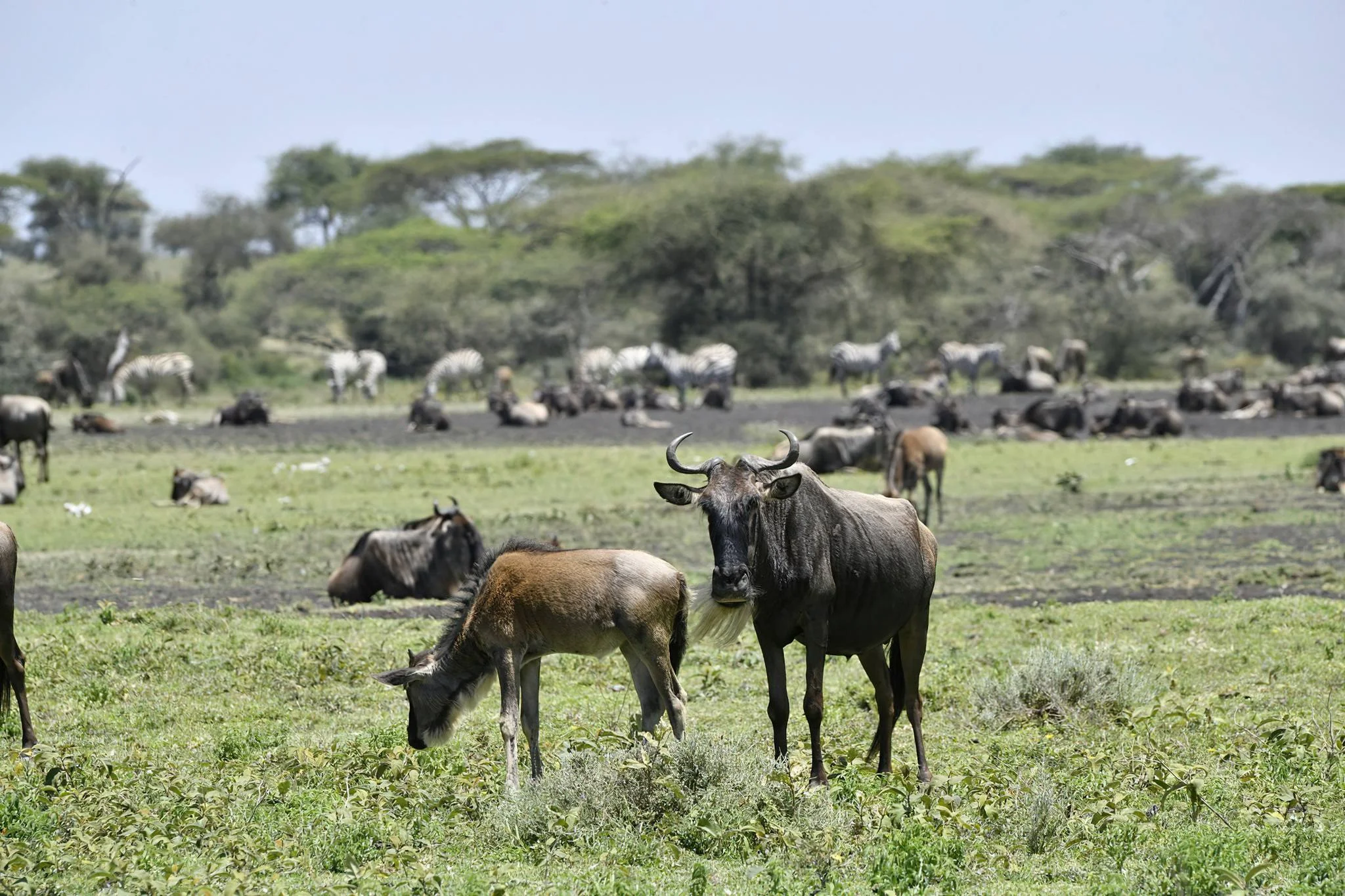
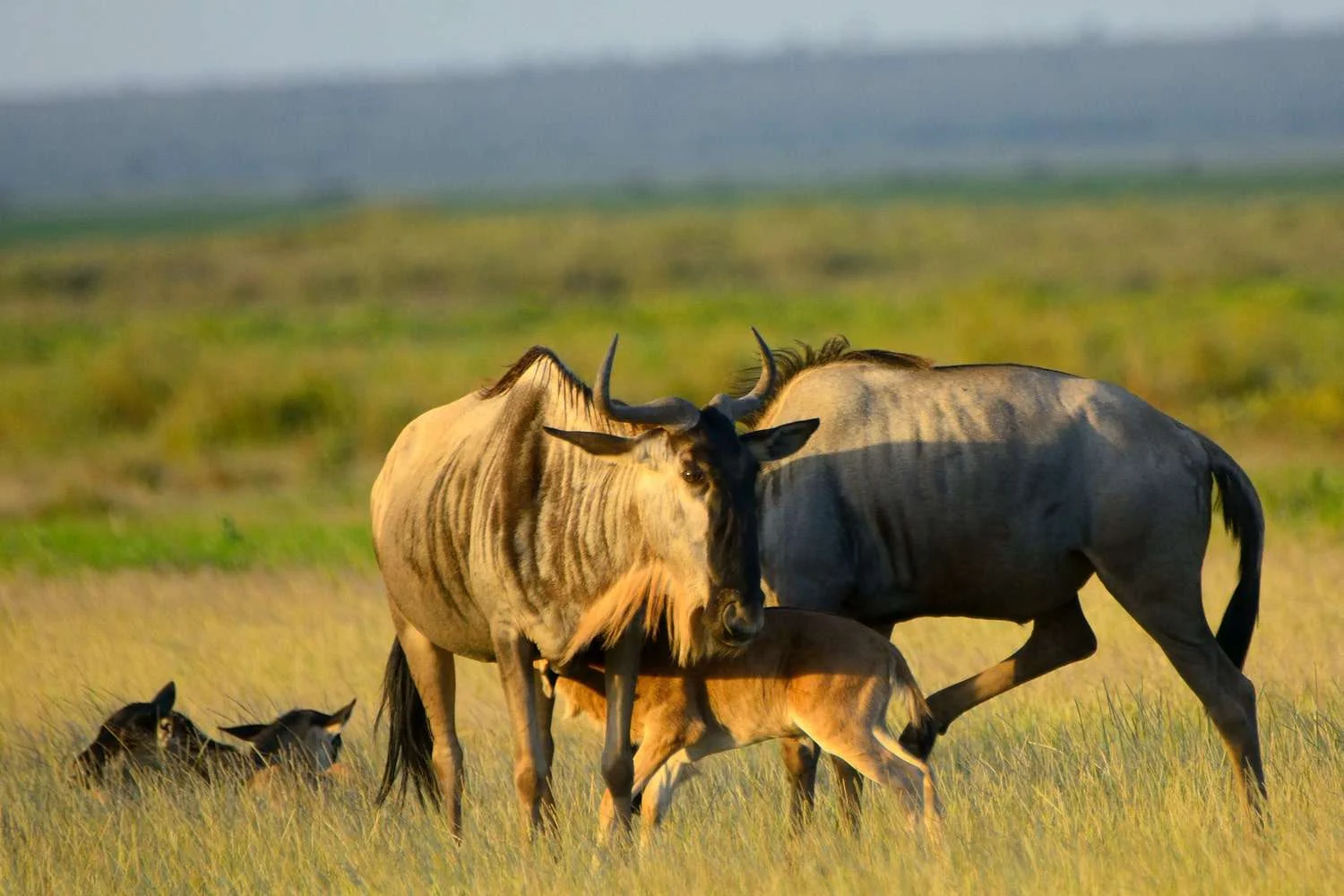
A calf beside an adult wildebeest. Give young animals room to move during your safari.
What can you expect to see on game drives?
Expect to spend time searching, watching, and waiting. The High Commission's seasonal guide links the Ndutu gathering with predator interest, including lions, cheetahs, leopards, and hyenas. It also notes how the short grass can help views. Those are reasons to visit, not a promise to see every species.
Leave space for a range of scenes. A herd spread across a wide plain may suit a landscape photo. A calf close to its mother may call for a quiet pause. A far-off animal may remain far away, and that is a normal part of a wild safari.
During wildebeest calving season, some moments can be hard to watch. Predators may hunt, and not all young animals survive. Tell your guide if you would prefer to leave a difficult scene. Families should discuss this before the trip so children can make sense of what they see.
Keep your wish list short enough to stay open to the day. You can ask for time with cats or young wildebeest, while still enjoying birds and other animals along the way. The best memory may be one you did not plan.
How does calving differ from Mara River crossings?
These are different phases of the migration in different parts of the ecosystem. The High Commission calendar places the main southern plains calving focus early in the year and describes northern river crossings later in the cycle. The two experiences call for different camp choices and travel dates.
Choose wildebeest calving season if your main interest is young animals, broad plains, and time among the southern herds. Choose a separate crossing-focused plan if the Mara River is your goal. Do not expect to see both seasonal highlights on one short visit to the same camp.
Neither option guarantees a dramatic event. For either trip, a flexible outlook and enough nights help you enjoy the full setting. Tell the planner which experience matters most so that the route has a clear purpose.
How many nights should you spend near Ndutu?
Consider three or four nights near the seasonal focus as a useful starting point. This is a planning suggestion, not a rule. It allows several game drives and reduces the pressure to find everything on arrival day. Add nights if you enjoy slow travel or have a strong interest in photos.
A short wildebeest calving season stay can still be rewarding when the route and camp fit well. Yet two nights leave only one full day between arrival and departure. Review those travel days closely. A label such as “four-day safari” does not always mean four full days in the calving area.
For wildebeest calving season, count full days on the plains as well as total trip days. Then decide which other parks are worth the travel time. A clear route with room to pause often feels more luxurious than frequent hotel changes.
Where should you stay?
For wildebeest calving season, choose location first, then compare comfort and style. A seasonal tented camp can put the bush at the heart of your stay. A lodge may suit guests who prefer a more permanent base. Neither label alone tells you how close you will be to the herds on your dates.
Nomad's Serengeti Safari Camp page gives an example of a migration-focused camp and explains its tent and bathroom style. It is one option to discuss, subject to its seasonal site, availability, and fit with your route. A named camp is not automatically included in the sample packages below.
Ask for the exact camp name and seasonal position.
Check the bed setup, bathroom, hot water, and steps to the tent.
Confirm meal times, dietary needs, and packed lunch options.
Ask where devices can charge and whether Wi-Fi is available.
Review child ages, family room layouts, and night escort rules.
Check deposit, cancellation, and any change-of-camp terms.
A wildebeest calving season camp should support the way you want to spend each day. If you want long outings, a pool may matter less than a well-placed base. If you need midday rest, comfort and the return drive deserve more weight.
Ask TanzaLux to compare calving-season camps for your dates, budget, and preferred pace.
What does a typical safari day look like?
Start with a plan agreed with your guide and camp. An early drive may suit the light and your interests. Some guests prefer a packed breakfast and a long outing. Others like to return for meals and rest. Confirm what is possible under the local rules and the day's conditions.
Build small comforts into the plan. Keep water within reach, bring a warm layer, and tell the guide when you need a break. A day on rough tracks can feel long even when the distances look small on a map.
A private wildebeest calving season safari lets your group discuss its own pace. Agree priorities at the start of the day, then let the guide adapt. Private travel does not override gate times, safety decisions, wildlife space, or access rules.
Photography tips for the calving plains
Bring the camera you can use with ease. Practise focus and exposure before leaving home. A phone can capture wide herd scenes, while a longer lens can help frame a distant animal without asking the vehicle to move closer.
For action, try a faster shutter speed and check the result on your own camera. For a still scene, wait for a clean view and watch the light. There is no single setting for every animal, lens, or cloud. Review a few frames, then return your attention to the scene.
Pack spare batteries and enough memory cards.
Use a simple dust cover and keep gear secure on bumpy tracks.
Ask before changing seats or placing gear on the vehicle.
Let a mother and calf move freely across your view.
Take some wide photos to show the scale of the plains.
Keep the engine and vehicle position under the guide's control.
On a wildebeest calving season photo trip, patience matters more than a crowded list of sightings. Agree how long your group wants to wait at each scene. Avoid pressuring the guide to chase an animal, block its path, or force a close view.
What should you pack for the season?
Pack light layers, a warm top for cool starts, a light rain jacket, sun protection, and closed shoes. Use a small day bag for water, camera gear, tissues, and personal items. Keep a clean set of clothes dry for the evening.
Choose luggage around the transport you have booked. If your trip includes a small aircraft, ask the airline for its current weight and bag-size rules. Camera gear and hand luggage may count toward the limit. Avoid relying on a generic safari allowance.
Bring enough prescribed medicine for the trip and keep it with you. Discuss vaccines, malaria prevention, and personal health needs with a travel clinician before departure. Ask the planner about access needs and the emergency process for your route. Check entry and insurance rules for your passport and full journey.
How should you plan the budget?
Request a dated, itemised quote. Wildebeest calving season pricing depends on the camp, dates, group size, transport, and length of stay. A green landscape does not mean every camp offers low-season prices. Compare what each proposal includes before choosing on the headline total.
Stay: named camps, room type, meals, drinks, and taxes.
Safari: vehicle use, guide, game drives, and any mileage limits.
Fees: park entry, conservation charges, camping charges, and planned boundary crossings.
Transfers: airport pickups, road travel, flights, and airstrip transfers where needed.
Extras: tips, personal purchases, insurance, visas, and optional activities.
Ask which costs are fixed and which may change before travel. Check how a single room or solo booking affects the price. If an activity appears in a photo or description, confirm whether it is included. Keep a small personal spending plan alongside the main safari quote.
Sample wildebeest calving season packages
These are tailor-made route ideas for discussion, rather than fixed offers. Camp sites, driving plans, flights, fees, and availability need checking for your dates. Each sample gives the calving area a clear role and avoids a promise of a particular sighting.
Seven days: Ndutu and Ngorongoro at a steady pace
Day 1: arrive and stay in Arusha.
Day 2: travel toward Ndutu, with stops and viewing as time allows.
Days 3–4: two full days based near the calving plains.
Day 5: leave Ndutu and stay near the Ngorongoro highlands.
Day 6: planned crater game drive, then travel to Arusha.
Day 7: departure transfer, timed to your flight.
This seven-day, six-night idea gives three nights near Ndutu. It may suit a first safari with a clear calving focus. The road days need a realistic schedule, and the crater visit needs its own permits and fees.
Request a tailored seven-day Ndutu and Ngorongoro safari quote.
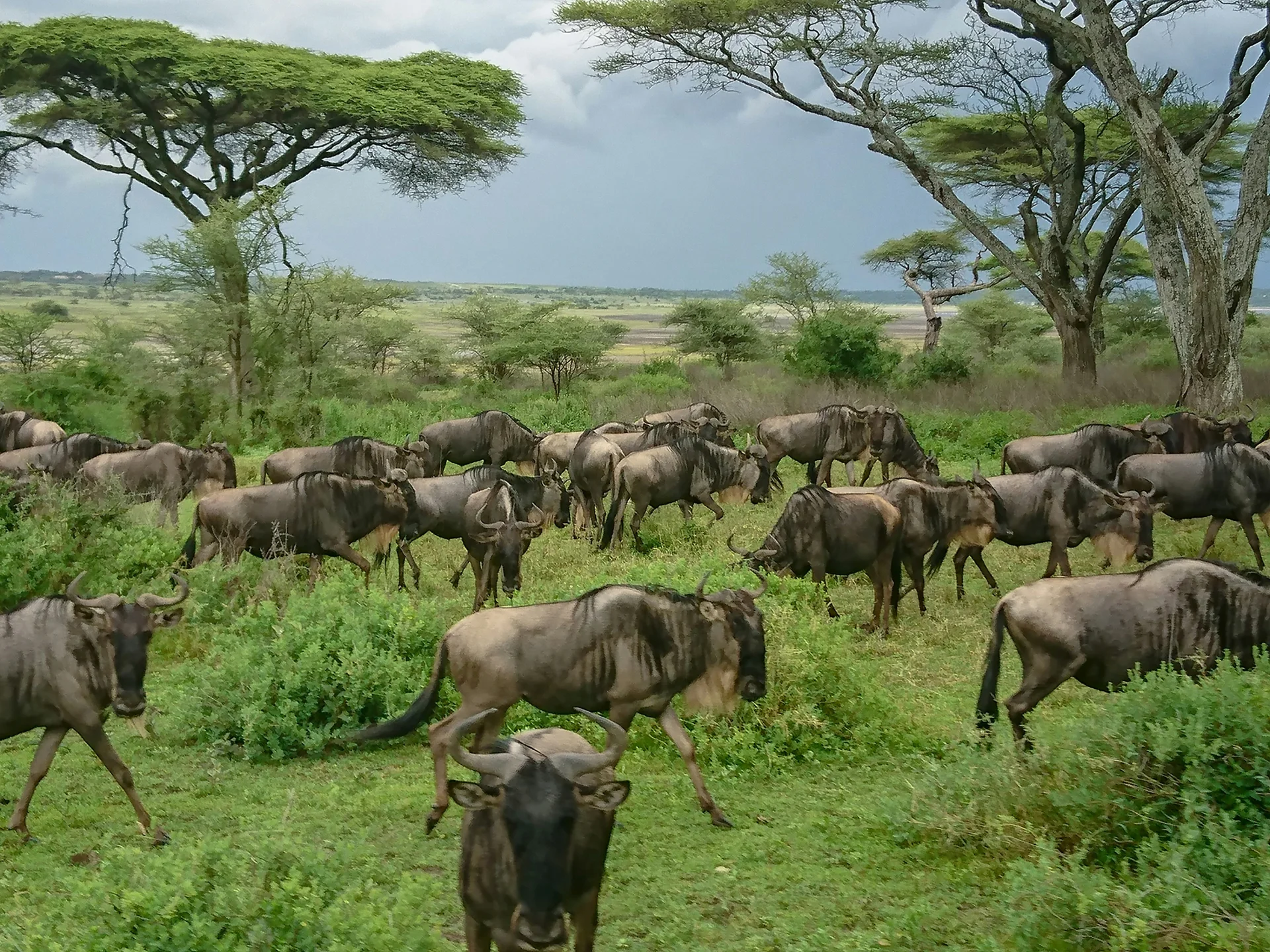
Nine days: More time for herds and photography
Day 1: arrival and an Arusha hotel night.
Day 2: travel to the selected Ndutu-area camp.
Days 3–5: three full days to explore the seasonal focus.
Day 6: transfer with viewing toward a central Serengeti base.
Day 7: a full day of central Serengeti game drives.
Day 8: planned flight to Arusha and a hotel night, subject to service.
Day 9: onward departure.
This nine-day, eight-night plan has four nights near Ndutu and two in central Serengeti. It may suit guests who want time to wait for light and explore a second setting. Confirm the final airstrip, flight, and luggage rules before booking.
Shape a nine-day calving-season photography safari with TanzaLux.
Twelve days: Calving plains and Zanzibar
Day 1: arrive and stay in Arusha.
Day 2: travel to the Ndutu area.
Days 3–5: three full days based near the southern herds.
Day 6: travel to the Ngorongoro highlands.
Day 7: planned crater visit and an Arusha overnight.
Day 8: fly to Zanzibar and transfer to your beach hotel.
Days 9–11: island rest, with optional outings agreed in advance.
Day 12: transfer for your departure.
This twelve-day, eleven-night idea includes four nights near Ndutu and four on Zanzibar. Flight schedules may change the order. Beach activities, island transfers, and any required island insurance should be clear in the final proposal.
Combine a wildebeest calving safari with a Zanzibar beach escape.
Why travel with TanzaLux Safaris?
TanzaLux is a Tanzanian-owned company based in Arusha. Its About TanzaLux page explains how dates, pace, budget, and interests shape each itinerary. The same team can plan safari, Kilimanjaro, and Zanzibar within a wider trip.
For wildebeest calving season, that tailored approach gives you a useful starting point: tell the planner what you most want to see, then review how the camp and travel days support it. Ask for an itinerary you can understand on a map, with clear room details and a full price breakdown.
A local planning base: discuss the northern circuit with a team based in Arusha.
Your own priorities: shape the route around wildlife, photos, rest, or family time.
A joined-up holiday: discuss onward Zanzibar or a climb in the same plan.
Clear questions before payment: confirm camp names, inclusions, exclusions, and terms.
The aim is a trip that fits your interests and leaves room for nature. A good guide and a well-placed camp improve the experience, while the animals remain free to move. Bring curiosity, patience, and a willingness to enjoy the day as it unfolds.
Responsible viewing during wildebeest calving season
Stay in the vehicle unless your guide says a stop is permitted and safe. Give animals room to move. Never ask to touch, feed, lift, or approach a calf. A young animal that looks alone is not a reason for a guest to step in.
Keep voices low, take litter back, and let the guide decide where to stop. Do not urge a driver to cut across a herd for a better photo. Respect local people and ask permission before taking portraits. Drone use needs separate legal and protected-area checks; do not assume it is allowed.
A rewarding wildebeest calving season safari keeps the animals' space at the centre of each decision. Quiet watching can reveal far more than pushing for a closer position. Share that approach with everyone in your group before the first drive.
Start your wildebeest calving season plan with TanzaLux Safaris.
Frequently asked questions
1. What is wildebeest calving season?
It is the period when many migrating wildebeest give birth on the southern plains of the Serengeti ecosystem. A safari can focus on herds, young calves, and the wider wildlife around them. Births are wild events, so a sighting is never certain.
2. Which month is best for calving?
January and February are the core months in TANAPA's seasonal guidance. Late January to February is a useful starting point to discuss. Refine the route with current reports and allow several outings rather than relying on one date.
3. Can I visit in March?
Yes, March can fit a southern plains safari, but ask about conditions and herd positions for your dates. The wider seasonal window does not mean the peak will last all month. Choose the camp and route around the likely wildlife focus.
4. Is Ndutu inside Ngorongoro Crater?
No. Ndutu is a different area within the wider southern Serengeti ecosystem, associated with the Ngorongoro Conservation Area near the national park. The crater is a separate stop. A route that includes both needs enough travel time and the right fees.
5. Will I definitely see a birth?
No. A guide can look for suitable scenes, but cannot control when or where a mother gives birth. Plan to enjoy calves, herds, and the landscape as well. Several days give you more time to explore without promising a result.
6. Are thousands of calves born every day?
Large daily figures describe an estimated seasonal peak across a wide area. They do not apply to every date or one viewing spot. The older NCAA brochure's figure of about 8,000 a day should be read in that context.
7. How many nights should I book near the plains?
Three or four nights is a useful planning starting point if calving is your priority. Check how many full days that leaves after transfers. Your final stay should reflect your budget, travel pace, and interest in long game drives.
8. Can I see predators during the season?
There are chances to see predators in the same wider area as the herds. Yet no safari can promise every cat, a hunt, or a close view. Tell the guide your interests while staying open to other wildlife.
9. Is the season suitable for children?
It can suit some families if the pace, camp rules, and drive lengths fit the children. Discuss minimum ages before booking. Explain that animals may hunt and calves may die, and agree with the guide how to handle difficult scenes.
10. Can I see Mara River crossings on this trip?
A southern calving-focused trip is different from a northern crossing-focused safari. They usually call for different seasons and camps. If the river is your main goal, ask for a separate plan rather than adding a long detour to a short calving trip.
11. Will there be rain?
Rain is possible, and conditions can affect tracks and daily plans. Bring a light rain layer and protect camera gear. Check a forecast close to departure, while accepting that local weather can change and a forecast cannot fix herd movements.
12. Is wildebeest calving season always cheaper?
No. Do not assume a green-season trip means a low rate at every camp. Compare dated quotes for the same room type, meals, fees, and transport. A lower headline price may leave out costs that another proposal includes.
13. Can I book a luxury tented camp?
Yes, discuss tented camp options with the planner. Confirm the exact site for your dates, bed setup, bathroom, meals, and charging. A luxury label alone does not establish current herd access or which services are included.
14. Should I drive or fly to the area?
Compare the full door-to-door route. Road travel can link several northern circuit stops, while a flight may suit a shorter schedule. Check flight availability, airstrip transfers, luggage limits, and price before deciding which serves your trip best.
15. What should photographers bring?
Bring a familiar camera, spare batteries, memory cards, and simple dust protection. A longer lens can help with distant animals, but you can also make wide images with a phone. Keep gear secure and give wildlife space.
16. Is off-road driving allowed everywhere?
No. Access rules depend on the protected area, zone, and current conditions. Your guide must follow the rules for each location. Do not treat an online claim about Ndutu as permission to drive off-road throughout the ecosystem.
17. Can I combine calving with Ngorongoro Crater?
Yes, it is a route option to discuss when time allows. The crater has its own visit plan and fees. Avoid packing a long transfer, a full wildlife day, and a tight flight connection into the same day.
18. Can I add Zanzibar after the safari?
Yes. Leave time for the flight and island transfer, then choose a beach stay that suits your pace. Check the exact flight route, baggage rules, hotel meal plan, and entry or insurance requirements that apply to the whole journey.
19. What should my safari quote include?
Ask for named camps, dates, room types, meals, vehicle arrangements, guide services, fees, and transfers. Flights and optional activities should be clearly listed. Review exclusions, deposit terms, and cancellation rules before you pay.
20. How do I plan with TanzaLux Safaris?
Share your dates, group size, budget, and main interests through the contact page. Ask for a camp map and a clear route with enough time near the seasonal focus. The team can then shape a private proposal for your review.

Ready to start planning?
Tell us your dates and what you're after — no obligation.