5.0 Excellent
Serengeti National Park: Experience the World’s Greatest Wildlife Safari with TanzaLux Safaris
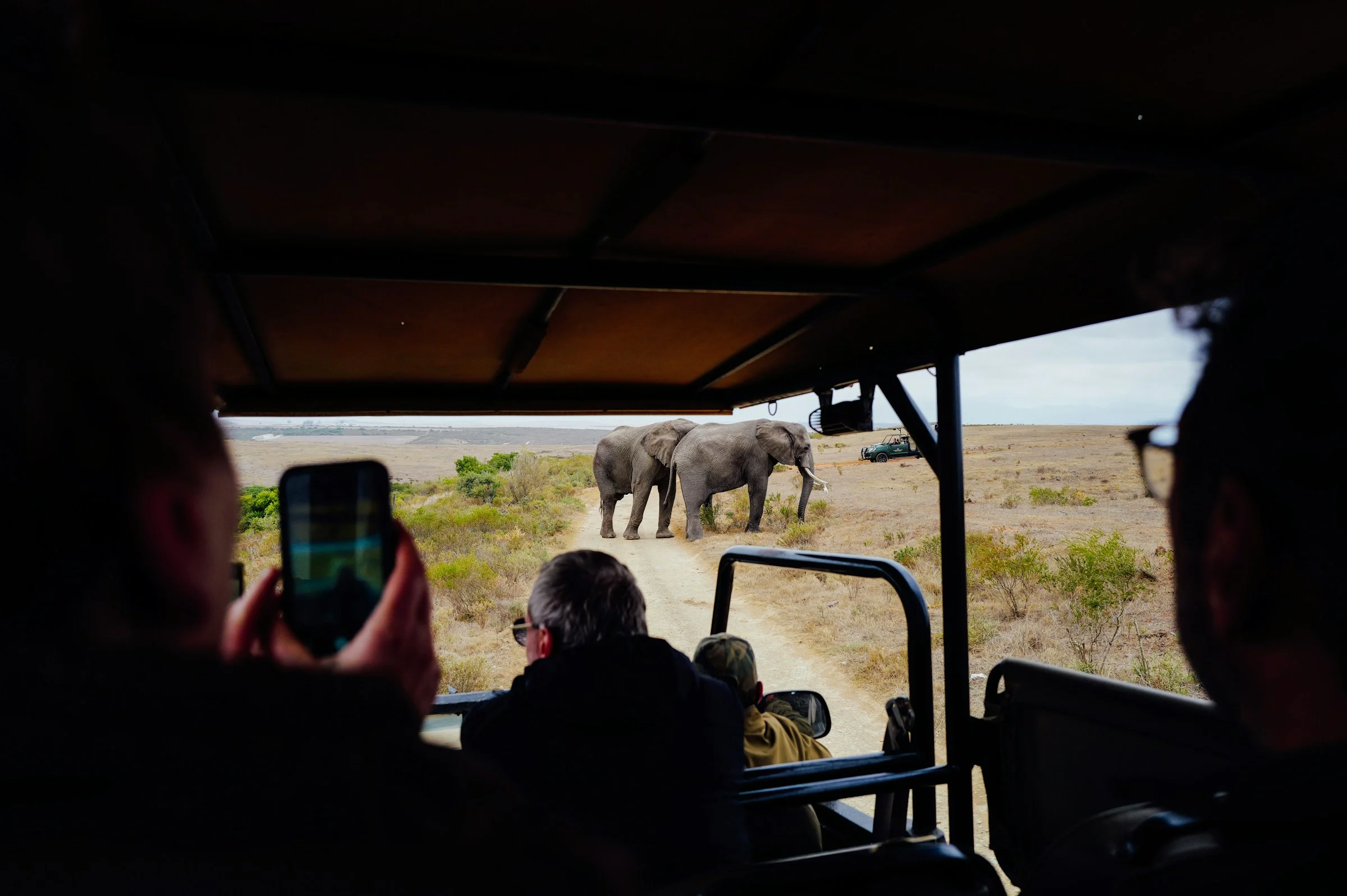
A Serengeti National Park safari brings you close to wild herds, big cats, and vast open plains. Plan it well, and each day feels different.
You might watch a lion wake in the cool of dawn. Later, a herd may cross the road in a cloud of dust. At dusk, the light turns warm and the plains fall still. The great moments can be loud and full of drama. They can also be quiet, slow, and deeply moving.
This guide helps you choose when to go, where to stay, and how much time to allow. It also explains the Great Migration, camp styles, trip costs, and ways to get more from each drive. Use it to shape your journey with TanzaLux Safaris.
Serengeti National Park Safari at a Glance
Start with your travel dates, main interests, and the number of nights you can spend in the park.
Location: Northern Tanzania, within the wider Serengeti-Mara landscape.
Main draws: The Great Migration, big cats, birdlife, open plains, and rich game viewing.
Suggested stay: Three to five nights for a first visit. Add time for two regions.
Travel styles: Private trips, shared tours, road journeys, and fly-in stays.
Places to sleep: Simple camps, tented suites, and full-service lodges.
Best planning tip: Match your camp to the season and your route.
Why Is the Serengeti So Special?
The Serengeti offers space for wildlife to move on a huge scale.
This is a place where the land shapes the whole day. Broad plains give way to streams, woodlands, and rocky hills called kopjes. A rock that seems bare at first may hold a lion in the shade. A patch of long grass may hide a cat you drove past moments before.
The park is a UNESCO World Heritage Site, listed since 1981. UNESCO highlights its vast herds and the natural links between grass, rain, prey, and predators. The park forms part of a much larger living landscape. The herds need room well beyond a single park boundary.
A good visit gives you time to notice these links. Watch how a herd spreads out to feed. See which birds gather near the water. Ask your guide why a cat chose that ridge. These small details turn a sighting into a story you understand.
Which Part of the Serengeti Should You Visit?
Choose a region to suit your dates, then use recent local advice to refine the route.
The park is too large to treat as one small game drive area. A camp in the centre can be far from a crossing in the north. Long drives between regions can take time from the wildlife you came to see. A Serengeti National Park safari works best when the route and camp locations fit together.
Central Serengeti and Seronera
The central region is a useful base for a first visit and for broad game viewing.
Seronera has a mix of plains, trees, and river valleys. You can explore different habitats without changing camp each night. Give your guide time to work through one area in depth. Repeat visits to a promising place can reveal more than a rush to cover every road.
For a short stay, this area can keep the trip simple. For a longer stay, it can form one part of a route with the south or north. Choose the second region for your season, not just to add another name to the plan.
Southern Plains and Ndutu
The south and Ndutu are key areas for the herds and newborn calves early in the year.
Ndutu lies in the wider ecosystem near the park's southern edge. Much of the area is in the Ngorongoro Conservation Area. Ask which permits your route needs. Park names can sound similar in a quote, but they do not always mean the same entry fees or access rules.
Ndutu Safari Lodge's migration guide describes a broad herd season from mid-December into April. Calving often peaks around February. The exact pattern depends on the rains and grass. This is a strong time to plan a trip around new life on the plains.
Western Corridor and Grumeti
The west adds river scenery and another view of the herds as they move through the landscape.
Ask your planner how well this region fits your travel week. A general season guide is a starting point. Fresh reports and the time you have available should shape the final choice. Avoid adding a long detour just because a famous river appears on the map.
Also check whether a camp sits within the park or in a nearby reserve. The name Grumeti can refer to different places. Access, fees, and the kinds of drives offered may vary.
Northern Serengeti and the Mara River
The north is a key choice for travellers hoping to see Mara River crossings.
The Tanzania Tourism season guide notes July to September as a popular crossing period. Herds can be in the wider north outside that window too. Plan with current advice, and allow several days if crossings are your main aim.
Book your Serengeti National Park safari around a good camp base and enough time. Herds may wait by a river for hours. They may turn away. One group may cross while another stays on the bank. No guide can promise the moment when the first animal will enter the water.
What Is the Great Migration?
The Great Migration is the ongoing movement of large herds in search of grass and water.
It is a cycle, not one event on one date. Wildebeest form the bulk of the herds, with zebras and other grazers sharing the landscape. The route changes as rain falls and fresh grass grows. Herds can split, pause, and return to places they have just left.
The Tanzania National Parks Serengeti guide describes more than 1.5 million wildebeest in this annual movement. Treat the figure as an estimate of scale, not a head count for one day.
River crossings are only one part of the story. Newborn calves, vast grazing herds, and the slow shift of animals across a plain can be just as striking. Tell your planner which part matters most to you. That choice should guide the route more than the word migration alone.
When Is the Best Time for a Serengeti National Park Safari?
The best time depends on your wildlife goals, comfort with rain, and preferred pace.
You can visit throughout the year. Seasons give you a broad guide, but the weather does not follow exact dates. Use the notes below to narrow your plans. Before booking, check the camp's location and whether it will be open for your stay.
January to March: Consider the south and Ndutu for the calving period. Plan some time for big cats and quiet herd scenes too.
April and May: Expect a greater chance of heavy rain. Some roads may be muddy, and some camps close. Check access before choosing a low rate.
June and July: As conditions dry, ask where the herds are moving. Keep camp choices tied to the latest local view.
August to October: Consider the north if river crossings are a priority. Popular camps and dates can fill early.
November and December: Rain can bring fresh grass and greener views. Allow for wet tracks and changes in herd location.
TANAPA's trip planning guide sets out the broad dry, short-rain, and long-rain seasons. These are useful patterns. They are not a forecast for your exact dates.
Is the Green Season Worth It?
Yes. It can suit guests who love fresh landscapes, birdlife, and changing light.
A green-season Serengeti National Park safari can feel quite different from a dry-season trip. Clouds add depth to the sky. Dust may clear after a shower. A soft light can fall across the plains just before the next rain arrives.
The trade-off is less certain road access. A lower room rate may not reduce every cost in your trip. Ask about camp closures, wet-weather plans, and the drive from the airstrip. Choose the season for the full experience, not price alone.
Which Wildlife Can You See?
Big cats and grazing herds are major draws, but each drive has its own mix of wildlife.
TANAPA's park overview lists all of the Big Five: lion, leopard, elephant, buffalo, and rhino. It also notes more than 500 bird species. Presence in the park does not mean a sighting is certain. Rhinos are rare, and some animals take much more time to find.
Lions: Watch the whole pride. A glance, call, or change in posture can be as telling as a hunt.
Leopards: Scan branches and shaded ground. Let your guide explain where to look and why.
Cheetahs: Spend time on open plains. Do not expect every sighting to lead to a chase.
Elephants: Give a family room to move. Notice how the group responds to young calves.
Buffalo: A large herd makes a fine wide scene. Keep a safe distance even when it looks calm.
Rhinos: Treat a sighting as a special chance. Follow your guide's advice and give them space.
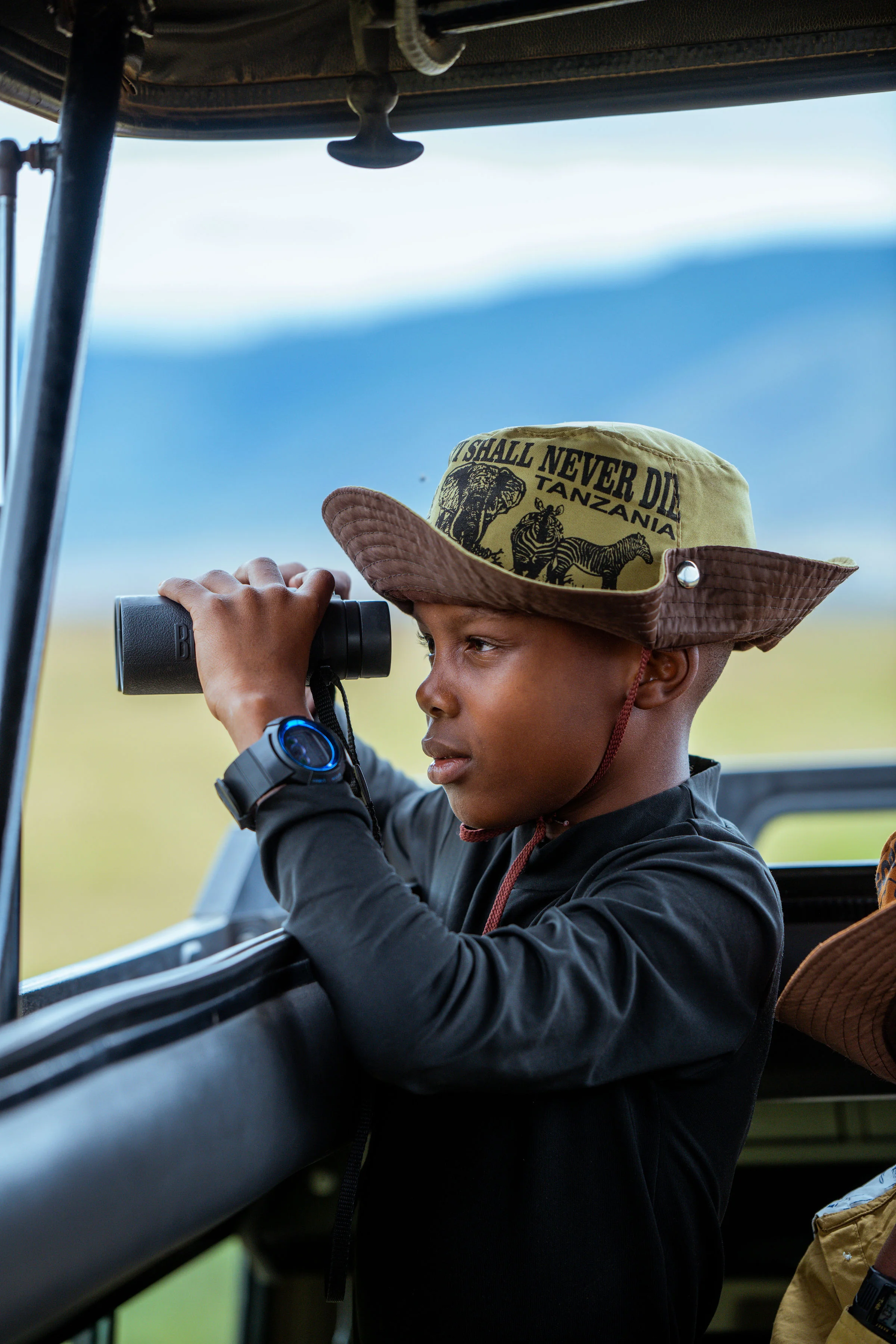
Birds: Bring binoculars and pause at smaller sightings. Shape, call, and flight can reveal a new species.
Your Serengeti National Park safari will be richer if you look beyond a list of five animals. A hippo pool, a giraffe feeding, or a small bird on a thorn can hold your attention for a long time. The best guide helps you see what is there that day.
What Does a Typical Safari Day Look Like?
Most days centre on game drives, with meals and rest shaped around your route.
Discuss the next day with your guide over dinner. You might leave early with a packed breakfast. Or you may eat at camp, then head out for a longer drive. The best choice depends on the distance, recent sightings, and how much time you want in the vehicle.
A split day gives you a break at camp between drives. A full day lets you explore farther without returning for lunch. Neither format suits every day. Build room for both into your Serengeti National Park safari if your trip allows it.
Before dawn: Dress in layers, check your bag, and take a warm drink if offered.
Morning: Explore while the air is cool. Take time at worthwhile sightings.
Midday: Stop at an approved picnic site or return to camp for food and rest.
Afternoon: Follow the plan that best fits the light, weather, and wildlife.
Evening: Return within the required hours. Recharge your gear and discuss the next day.
Leave some space between activities. A safari is more rewarding when you can stay with a scene that interests you. You do not need to fill each hour to make the trip feel full.
How Do You Choose the Right Camp or Lodge?
Choose the location first, then compare the room, service, and price.
A beautiful room is only one part of a good stay. Ask how long it takes to reach the areas you plan to explore. A well-placed camp may give you more time with wildlife each day. That can matter more than an extra facility you rarely use.
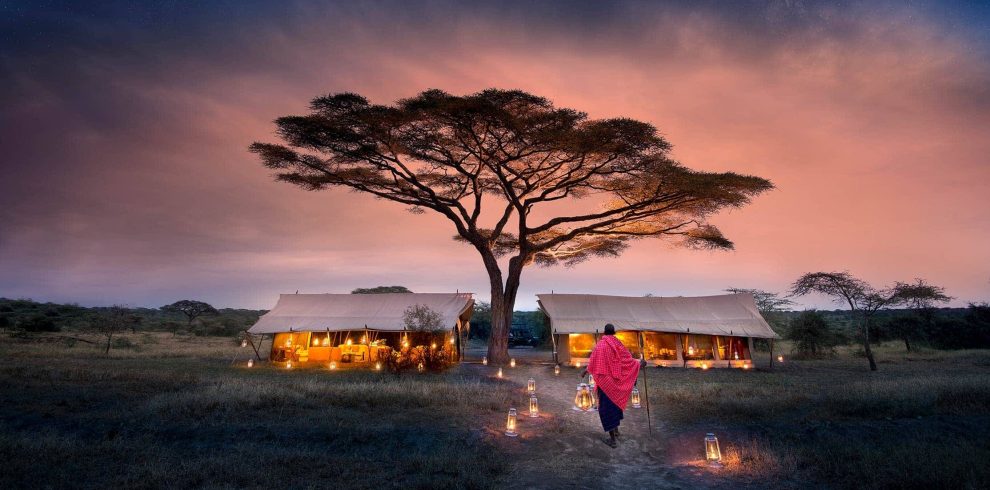
Luxury Tented Camps
Tented camps blend a close-to-nature feel with a wide range of comforts.
Some have proper beds, private showers, and meals served at a set time. Others offer much more space and service. Canvas walls still let you hear the bush. Ask about hot water, charging points, fans, and the walk from your room to the main tent.
For a luxury Serengeti National Park safari, check the details behind the word luxury. A plunge pool, bath, or private deck is not standard at every camp. The exact room you book should match the features you expect.
Permanent Lodges
Lodges can suit guests who prefer solid walls and a broader range of facilities.
Ask about room layout, meals, steps, and the distance to shared areas. A pool can be welcome on a rest afternoon. A family room may matter more than a large view. Judge the property against the way you will actually spend your day.
Seasonal Camps
Seasonal camps use different sites at different times of year to serve the best nearby wildlife areas.
A camp does not move beside the herd every day. Confirm its exact site for your dates. Ask which airstrip serves it and how long the transfer takes. This prevents a familiar camp name from hiding a location that does not fit your route.
Should You Drive or Fly to the Serengeti?
Road travel adds a wider journey through Tanzania. Flights can reduce long transfer days.
Many northern safari routes start around Arusha. A drive can link several parks and give you a sense of the changing land. It also means time on roads that may be rough or dusty. Ask for a clear view of transfer hours and game drive time on each day.
A fly-in Serengeti National Park safari can suit a short stay or a northern camp. Choose an airstrip that fits the camp, not just the park name. Ask who meets the flight, whether you share the game drive vehicle, and what happens if times change.
Small aircraft often have strict baggage rules. Check the airline's exact limit and bag size before packing. A soft bag may be needed. Confirm how camera gear counts toward the allowance. Build a sensible gap before your flight home, especially where tickets are booked separately.
How Many Nights Should You Spend?
Three to five nights is a useful starting point for a first Serengeti stay.
This is a planning suggestion, not a fixed rule. Count full days in the park as well as nights. A late arrival and early departure can make a two-night stay feel much shorter than it sounds. Ask how much drive time you will have between transfers.
A longer Serengeti National Park safari gives you more chances to explore, wait, and rest. Spend extra nights in one region if you prefer a calm pace. Split the stay when two regions offer clear value for your dates. Avoid moving camp just to make the route look busy.
Serengeti National Park Safari Route Ideas
Use these sample outlines to discuss the pace and shape of your own trip.
These are planning ideas, not fixed packages or promises of sightings. Camp space, flight times, entry rules, and the season will shape the final route. A detailed quote should show the sleep location for every night.
Four Days: One Well-Chosen Serengeti Base
A short fly-in stay works best with three nights at one camp.
Day one: Fly to the chosen airstrip and meet your guide. Allow time to settle in and explore nearby if timings permit.
Day two: Spend a full day on game drives, or take a morning and afternoon drive.
Day three: Explore more of the region. Keep time for a scene you want to revisit.
Day four: Take a final drive if the flight schedule allows, then leave the park.
Seven Days: Tarangire, Serengeti, and Ngorongoro
A week can combine several parks while giving the Serengeti a central role.
One outline uses the first day for arrival near Arusha. Spend the next day in Tarangire, then travel toward the Serengeti. Allow three nights in a suitable Serengeti camp. Finish with a night near Ngorongoro and a crater visit before the onward leg, if flight times allow.
This route needs care with driving distances. If the plan feels rushed, add a night or drop a stop. Do not trade most of your game viewing for a longer list of parks.
Ten Nights: Wildlife and Zanzibar
Pair a focused bush stay with a few slow days by the sea.
A sample plan has one arrival night, five nights on safari, and four nights in Zanzibar. This gives you ten nights away, with travel dates set around your flights. Ask the planner to show arrival and departure days as well as each night.
Choose the beach stay around your interests. Some guests want a quiet shore and pool. Others want time in Stone Town, food tours, or boat trips. Confirm flights and transfer times before you settle on the split.
What Affects the Cost of a Serengeti National Park Safari?
Price depends on the dates, camp, group size, route, and what the quote includes.
There is no single rate that covers every safari style. A price per person may assume two guests share a room. A solo traveller may face a room supplement. A private vehicle costs differently from a seat on a shared tour. Ask for a dated quote for your exact group.
Park and area fees: Check which entry, overnight, and other required charges are included.
Rooms and meals: Confirm the camp, room type, meal plan, and any seasonal supplements.
Vehicle and guide: Check whether the vehicle is private or shared and how many guests it carries.
Flights and transfers: Confirm each airport, airstrip, transfer, baggage allowance, and tax.
Optional extras: Ask about balloon flights, special meals, drinks, and laundry.
Other costs: Check tips, insurance, visas, and costs before or after the safari.
Compare like with like. Two quotes may name the same parks but offer very different time in them. Check the number of full drive days and the camp locations. A clear route and a full list of inclusions make price much easier to judge.
To improve value, consider fewer camp changes and dates outside the busiest weeks. Keep enough nights to enjoy the park. Cutting the stay too far can leave you paying for transfers with little time to explore.
What Else Can You Add to the Trip?
Add experiences that fit your interests, budget, and energy level.
A balloon flight offers a fresh view of the plains from the air. It usually needs an early start and depends on weather and the operator's rules. Ask about age or fitness limits, the launch area, transfers, and the policy if the flight cannot run.
A Serengeti National Park safari can also form part of a longer trip. You might add a crater visit, more time in Tarangire, a mountain trek, or a beach stay. Each adds travel time as well as new experiences. Build the full route before booking the parts.
Walks, night drives, and special bush meals depend on the area and provider. Check that the specific camp can offer the activity and that it is permitted there. Do not assume an activity shown for one reserve is available throughout the park.
How Can Families and Couples Plan Well?
Build the trip around the people taking it, from drive length to room layout.
For a family Serengeti National Park safari, discuss children's ages before choosing camps. Ask about minimum ages, shared rooms, child meals, and safe walks to the dining area. Shorter drives and a rest break may work better than full days on the road.
For a honeymoon, leave room to enjoy the camp itself. A few nights in one place can feel more relaxed than daily moves. Confirm any private meal or special room in writing. Treat romantic extras as booked services, not things every lodge will provide by default.
Guests with access needs should discuss steps, paths, showers, and vehicle entry before paying. Give the planner clear details about what will make the stay comfortable. A camp's photos may not show the slope or distance between its rooms.
Photography Tips for Your Safari
Good light, patience, and a steady camera matter more than taking the most shots.
Start with a wide view to show the setting. Then look for a close detail, a glance, or a small action. Leave room in the frame for an animal to move into. Ask your guide to stop safely before you lift the camera.
A photography-focused Serengeti National Park safari needs time at sightings and space for your gear. Discuss those needs before choosing a shared tour. Bring spare batteries, cards, a lens cloth, and a dust cover. Back up images when you can, and put the camera down for some moments too.
What Should You Pack?
Pack light layers, sun protection, and the gear you will use each day.
Neutral clothes such as olive, grey, or khaki.
A warm top for early starts and cool evenings.
A light rain layer and a hat that stays on in the wind.
Closed shoes, sunglasses, and sunscreen.
Binoculars, a camera, spare power, and dust protection.
A refillable bottle and a small day bag.
Your usual medicines and travel documents.
A suitable plug adapter and charging leads.
A soft bag that meets your airline's rules.
Ask about laundry before packing clothes for every day. Keep key items in your hand luggage where flight rules allow. Your Serengeti National Park safari packing list should also fit any beach or mountain leg. A light bush wardrobe alone will not cover a summit climb.
How Can You Travel with Care?
Respect wildlife, follow your guide, and choose local experiences that treat hosts fairly.
Keep your voice low at sightings. Never feed wildlife or push for a closer view that causes stress. Stay within the rules for roads and viewing points. A clear view is less important than allowing animals to move freely.
TANAPA's Mara River crossing guidance calls for vehicles to use marked viewing areas and remain still as herds gather or cross. It also bars picnic setups along the riverbanks. Let your guide choose a legal place to watch.
Take waste back to camp and use refill points where provided. Ask before taking a person's photo. If you add a village visit, choose a hosted visit with clear fees and consent. These simple choices can make a Serengeti National Park safari more respectful and more rewarding.
Frequently Asked Questions
These answers cover the final details many guests ask about before they book.
Can You See the Big Five on One Trip?
It is possible, but no sighting is guaranteed. Rhino and leopard can take more time and luck to find.
Tell your guide what you hope to see. Then stay open to the wildlife in front of you. A trip can be superb even if one species stays out of sight.
Can a Short Safari Still Be Worthwhile?
Yes, if you choose one suitable region and allow enough time between arrival and departure.
For a short Serengeti National Park safari, compare a flight with a long road transfer. Look at the hours available for drives, not only the headline number of days.
Will You Have Wi-Fi and Phone Signal?
Service varies by camp and location. Confirm what is available before you travel.
Ask whether Wi-Fi reaches the room or only a shared area. Download key documents and maps in advance. Tell anyone who needs to reach you that replies may be slower while you are in the bush.
Are Special Diets Possible?
Many camps can help with food needs when given clear notice.
Tell your planner what you eat and what you must avoid. Ask the camp to confirm its arrangements before booking. Serious allergies need direct discussion about ingredients, food handling, and the limits of a remote kitchen.
When Should You Book?
Start early when you need a particular camp, family room, or peak-season date.
There is no single deadline for every trip. Once your dates are firm, check camp space and flights together. Read the deposit, change, and cancellation terms before you pay.
Can You Combine the Serengeti with Zanzibar?
Yes. A bush and beach route is a natural way to add rest after your game drives.
Ask the planner to coordinate each flight and transfer. Check which costs and entry requirements apply to every part of the journey. Keep the final days calm enough to enjoy the coast.
Is a Private Vehicle Worth It?
It can be worth the extra cost when your group wants more control over pace and stops.
A private Serengeti National Park safari can suit families, keen birdwatchers, and photographers. A shared tour can suit guests who prefer a lower cost and enjoy travelling with others. Confirm the group size and drive plan before choosing.
Plan Your Journey with TanzaLux Safaris
TanzaLux Safaris plans journeys from Arusha with local guides and routes shaped around each guest.
Start with your dates, number of guests, budget range, and the wildlife you most want to see. Then discuss your preferred room style and pace. Be clear about long drives, early starts, and any days you want to spend at camp.
For your Serengeti National Park safari, ask for a plan that shows each night, each transfer, and each included service. A clear proposal makes it easier to compare choices and shape the trip with confidence.
Contact TanzaLux Safaris to plan your Serengeti journey. Build a trip with room for great wildlife, warm hospitality, and the moments you did not know to expect.
Ready to start planning?
Tell us your dates and what you're after — no obligation.