5.0 Excellent
Lions of Tanzania: The Ultimate Safari Experience
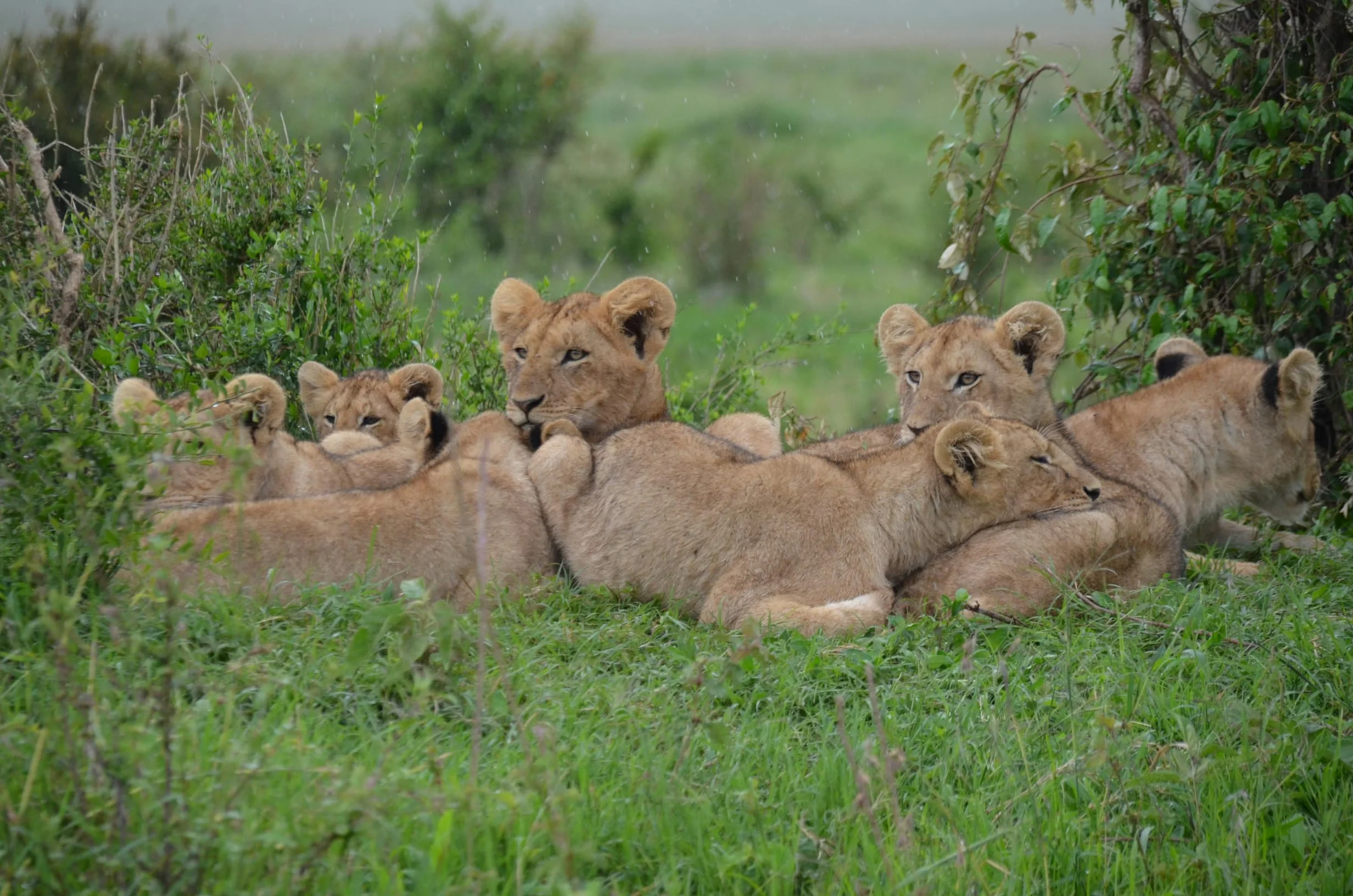
A lion safari in Tanzania can bring you face to face with one of Africa’s great wild cats. The Serengeti, Ngorongoro Crater, Tarangire, and Ruaha all offer places to look for lions. Each has its own landscape, route, and pace. The best trip gives you time to watch, learn, and enjoy the whole wild scene.
Picture a pride resting beneath a tree as the day grows warm. A cub nudges an adult. A male lifts his head at a distant sound. Your guide reads the scene and keeps a respectful distance. These quiet moments can be as moving as a hunt. No guide can promise a sighting, but a well-planned trip gives you more time in good habitat.
This guide explains where to go, what lions do, and how to plan your days. It covers costs, camp choices, safe viewing, photo tips, and responsible travel. At the end, you will find 20 clear answers to common questions.
What makes a Tanzania lion safari special?
Tanzania offers several distinct landscapes where wild lions live. You can explore broad plains, a crater floor, river valleys, and woodland on different routes.
The value lies in more than a list of animals. A skilled guide helps you notice small details. Where is the shade? Which way does the wind blow? Why have the prey stopped feeding? These clues make a drive feel like a story. You begin to see how the habitat shapes each sighting.
A lion safari also rewards patience. A resting pride may seem still at first. Then a cub plays, a lioness changes position, or a male greets another cat. Watch the group as well as each face. Leave room in your plans for long stops when the scene deserves them.
Choose a trip around your interests. A first visit may suit a northern route with the Serengeti and Ngorongoro. A return visit may focus on Ruaha. A photographer may prefer fewer bases and more repeat drives. Families may want shorter days and time to rest between outings.
Where should you go to see lions in Tanzania?
Start with parks that fit your dates and travel time. The Serengeti, Ngorongoro, Tarangire, and Ruaha deserve different places in your plan.
Serengeti: space, time, and a broad wildlife story
The Serengeti is a strong choice for a lion safari with several nights in one area. Its wide landscapes let you follow the rhythm of daily drives.
The Tanzania Tourist Board’s Serengeti guide describes resident wildlife and distinct regions of the park. Central Seronera, the western corridor, and the north offer different settings. The seasonal movement of wildebeest adds another layer to route planning. Ask where your camp sits and how it fits your month of travel.
Do not treat the Great Migration as a map of every lion. Lions use territories, and local prey also matters. A camp near a herd is no promise of a hunt. A camp far from a river crossing can still give you a rich wildlife trip. Build the route around more than one hoped-for scene.
For a first visit, consider three or more nights in your chosen Serengeti base. This is a planning suggestion, not a rule. More time allows different routes and a repeat visit to a useful area. Our Serengeti safari guide can help you start that discussion.
Ngorongoro Crater: a distinct day within a northern route
Ngorongoro adds a striking crater landscape to your lion safari. Plan the descent as a dedicated drive, with enough time for the route and other wildlife.
Lions form part of the wider wildlife community described by the Ngorongoro Conservation Area Authority. The crater’s setting makes it very different from open Serengeti plains. The view from the rim and the drive below offer two parts of the same experience.
Do not assume that animals are trapped in the crater. Do not expect every species to appear within a few hours. Wildlife moves, grass height changes, and the view depends on conditions. Ask your guide how the day will work under current entry rules. Confirm the descent fee and meal plan in your quote.
Your choice of overnight base affects the start of the day. A rim stay and a Karatu stay involve different tradeoffs in access, setting, and cost. Compare the full plan rather than the room alone. Read our Ngorongoro Crater safari guide for more route context.
Tarangire: river, woodland, and patient searching
Tarangire works well as part of a northern lion safari. Its river, woodland, baobabs, and swamp areas create a varied setting for game drives.
TANAPA’s Tarangire guide highlights elephants, predators, and the park’s river and swamp habitats. In dry periods, water becomes a key part of the wildlife scene. Yet a water source is not a promise that a lion will be there.
Use a drive here to enjoy the whole habitat. Look at the birds near water and the shapes of old baobabs. Watch how shade changes through the day. Let your guide choose a search route based on current signs. Avoid rushing away from good sightings simply to reach the next park.
One night gives limited time once transfers are included. Two nights can make room for a fuller park day. Check whether the lodge is inside the park or outside a gate. That detail affects your drive time. Our Tarangire safari guide explains the park’s broader appeal.
Ruaha: a separate route with its own rewards
Ruaha suits travellers who want to give a southern park proper time. Treat it as a main part of the trip, rather than a quick northern detour.
TANAPA’s Ruaha wildlife guide describes large lion prides, baobab savanna, rocky hills, and woodland. The Great Ruaha and Mwagusi river systems help shape the park’s wildlife habitats. These features create a different backdrop from the northern plains.
Check your camp’s exact location and its usual drive areas. Ask how you reach the park and how transfers link with the camp. Flight schedules, road conditions, and your starting point all affect the plan. A fly-in stay can save some road travel, but still needs careful timing.
A focused Ruaha lion safari can suit a repeat visitor or a keen wildlife watcher. Give it several nights if the budget allows. Fewer moves let your guide build on what you saw the day before. Avoid comparing parks only by a claim about pride size or a supposed sighting rate.
How do lions live, hunt, and rest?
Lions are highly social large cats. Pride life, hunting, rest, and communication all offer things to watch during a lion safari.
The San Diego Zoo Wildlife Alliance’s lion profile explains that prides often include related females, their young, and adult males. Some lions live outside a settled pride. Young males may travel with companions. A group seen from your vehicle is only part of a wider social story.
The Smithsonian’s lion profile confirms that lionesses often hunt together, but males hunt too. Long spells of rest are normal, and active periods may be brief. Lions can be active around dusk, dawn, or night, though daytime activity also occurs. A resting cat is behaving naturally. It does not need to be made to move for a photo.
Cubs begin life with spots that become less clear as they grow. Females can share care of young. Roars help lions communicate, alongside other sounds and body signals. Manes vary between males. Avoid judging age, health, or rank from a single feature seen at a distance.
Use these facts as a starting point for questions. Ask what your guide can tell from the scene. Also ask what remains unknown. A good explanation should distinguish an observed action from a guess about its cause.
What should you watch for at a sighting?
Watch posture, movement, and the whole group. A lion safari becomes richer when you look beyond the nearest cat or the biggest mane.
Heads and ears: notice when one cat looks toward a sound. Ask your guide what else is happening nearby.
Space between cats: look at how the group uses shade. Note who stays close and who rests apart.
Greetings: watch a brief meeting between two lions. Take time to see the full exchange.
Cubs: watch play from a respectful distance. Never seek a reaction or draw their attention.
Prey: include nearby animals in your view. Their movement may add context to the scene.
The landscape: see how grass, rocks, water, and light frame the cats.
Do not turn each small movement into a dramatic claim. An ear twitch does not prove a hunt is about to start. One glance cannot tell you the full history of a pride. Your guide can help you read clues while being honest about limits.
Keep a simple sighting journal. Write the place, time, weather, and actions you saw. A few clear notes can help you recall the trip. If you share a story later, describe what happened without adding scenes you did not witness.
When is the best time for a lion safari?
Lions can be seen in different seasons. Choose your travel dates by park, road access, light, budget, and the wider experience you want.
Much of the northern circuit has a broadly dry period from June to October. Green periods bring different scenery, and rain can affect tracks. Seasonal patterns vary by area and year. Check current conditions with your operator close to travel. The Tanzania Tourist Board’s travel timing guide gives a useful national overview.
A dry-season lion safari may offer a more open view in some areas. A green-season trip may appeal to those who value fresh landscapes. Neither season removes the need to search. Dense grass can hide a cat, but a bare patch does not guarantee one.
If you hope to combine lions with the migration, name both interests. The herd route changes through the year, and rain can shift its timing. Ask for a camp location that fits the likely pattern. Avoid booking solely around a promised river crossing or kill.
Peak travel periods can limit room choices. Early planning helps when dates are fixed. If your dates are flexible, ask for more than one route and camp option. Compare the value of extra nights against the price of a more costly season.
How should you structure a day of lion viewing?
Plan a balance of search time, patient stops, and rest. Early and late drives can be useful, but the best plan follows local conditions and park rules.
Before leaving camp, agree on the day’s pace. Tell your guide whether you want photos, behaviour, or a broad wildlife drive. Discuss breakfast, lunch, shade, and toilet stops. These small choices help you stay comfortable and focused.
When lions are found, pause before reaching for a camera. See where the vehicle can stop without blocking their path. Let the guide assess the scene. Look through binoculars if the cats are far away. A calm start often gives you a better sense of what to photograph.
If little changes, decide together whether to wait or move. There is no single right choice. A family with tired children may need a break. A keen photographer may want to watch longer. Make that choice based on the group and the scene, rather than pressure to collect sightings.
Some days will bring fewer lions than hoped. Enjoy the birds, tracks, plants, and other wildlife. A lion safari should still feel worthwhile when the cats stay out of sight. Leave enough room for a second drive to try a different area.
A sample eight-day northern lion safari
An eight-day route can balance road travel with time in Tarangire, Ngorongoro, and the Serengeti. Adjust it to your dates, flights, and preferred camp locations.
Day 1: arrive and settle in. Rest near Arusha after your arrival. Meet your guide and check the route, meals, and next morning’s start.
Day 2: travel to Tarangire. Allow time for the transfer and a park drive. Keep the first day flexible after a long journey.
Day 3: explore Tarangire. Give the park a full day with planned breaks. Let current wildlife signs guide the search.
Day 4: visit Ngorongoro Crater. Confirm the descent arrangements in advance. Stay in a base that makes the day workable.
Day 5: travel to your Serengeti base. Treat the road day as part of the journey. Do not count it as a full day at the camp’s drive area.
Day 6: spend a full day in the Serengeti. Explore at a pace that fits your group. Wait at a good sighting when the scene merits it.
Day 7: return to useful areas or explore a new route. Use what you learned on earlier drives. Avoid a camp move just for the sake of a move.
Day 8: depart by your agreed route. Check transfer time and flight timing. Do not assume a long road return fits a tight onward connection.
This is an example, not a fixed package. It needs checks for camp space, gate access, and travel time. A shorter trip may be better with fewer parks. A longer trip may add rest days or another Serengeti base. For Ruaha, ask for a separate southern plan.
How many nights should you spend in one place?
More nights at a well-chosen base often give better wildlife time than extra park names. Look at full drive days, not just total trip length.
Two nights usually give one full day between arrival and departure. Three nights give more room for repeat drives. Actual viewing time depends on transfers and flight schedules. Ask the operator to mark full park days on the plan.
For a dedicated lion safari, consider where an extra night adds most value. It may help you stay near a useful drive area. It may also reduce a rushed transfer. An extra night in the right base can be more useful than a one-night stop in a distant park.
Be clear about your limits. Some travellers enjoy long drives and early starts. Others need a slower pace. Tell the planner about children, rest needs, and motion discomfort. A route you can enjoy is better than one that looks impressive but leaves you worn out.
What should you look for in a guide and vehicle?
Choose a guide who reads wildlife well, explains clearly, and follows park rules. Ask about the vehicle, seating, and drive schedule before you book.
A good lion safari guide makes the search part of the experience. They should welcome questions and explain why a route makes sense. They should also know when to leave a sighting. Respect for the animals is part of skill, not a limit on the trip.
For a private trip, discuss how much freedom you have over stops and daily pace. For a shared trip, ask about passenger numbers and seat arrangements. Confirm whether each guest has a clear view. Check luggage space if flights form part of the route.
How are guides assigned, and which language will they use?
How many guests share the vehicle on park drives?
Are binoculars supplied, or should you bring your own?
What meals, drinking water, and breaks are included?
How are delays or vehicle problems handled?
What park activities are included in the quote?
These questions help compare real service rather than slogans. Ask for clear written answers. If a sales promise sounds absolute, ask how it works in practice. No vehicle feature can make wild lions appear on demand.
How can you photograph lions well?
Use patient observation, good light, and a clear view. A strong lion safari photo does not require a closer approach to the animal.
Start with a few wide frames. Show the lion within its habitat. Then use your lens for a tighter view when the angle allows. A tree, patch of grass, or rocky slope can help tell the story. Do not judge every image by how large the face looks.
For moving cats, use a shutter speed that keeps motion clear. Raise camera sensitivity when light is low if needed. For a still cat, take time to place focus on the eye. Check your results between quiet moments. Exact settings depend on the lens, light, and subject.
A phone can still record the scene well. Use its true optical range where possible. Avoid pushing digital zoom so far that detail breaks down. Try a wide view or a short clip instead. Hold the phone steady and keep it inside the vehicle.
Pack spare batteries, memory cards, and a simple dust cover. Keep gear secure on rough tracks. Ask the guide before changing seats or standing at the viewing roof. Let other guests see the scene too. Never play animal sounds, bait wildlife, or pressure the driver to break rules.
What are the rules for safe lion viewing?
Lions are powerful wild predators. A lion safari is not risk-free. Follow your guide, ranger instructions, and the rules of each park and camp.
TANAPA’s visitor guidance requires responsible driving and wildlife viewing. It includes using designated tracks, avoiding harassment, and leaving vehicles only in permitted places. Authorised walking activities have their own ranger arrangements. Rules can differ between places and activities, so check before taking part.
Stay inside the vehicle unless your guide confirms a permitted exit.
Keep your body and loose items within the safe viewing space.
Never feed, call, chase, or try to touch a lion.
Keep children under close adult care during drives and at camp.
Do not ask the driver to crowd a pride or block its route.
Use the camp’s escort system and follow its night-time rules.
Ask about a walking activity’s briefing, route, and ranger support.
Do not copy another vehicle simply because it has stopped closer. Your own guide must judge a suitable position. A calm cat can still act in ways you cannot predict. Quiet, respectful viewing protects both guests and wildlife.
How much does a lion safari cost?
The price depends on your route, season, lodge level, transport, and group size. Request an itemised quote for your exact dates rather than a single broad estimate.
A low daily price may leave out fees or flights. A high price may reflect room style more than time with wildlife. Compare the full plan. Count full drive days, check camp locations, and see which costs are included.
Park costs: entry, relevant vehicle charges, and activity fees.
Ngorongoro costs: access and crater descent charges where the route needs them.
Accommodation: room type, meals, and any camp-related fees.
Guiding and vehicle: private or shared use and agreed drive arrangements.
Transport: road transfers, flights, and airstrip transfers.
Extras: optional activities, drinks, tips, and any excluded services.
Booking terms: payment dates, cancellation terms, and changes to rates.
Ask whether all guests are priced on the right age and visitor basis. Fees and schedules can change. Get current figures from the operator’s written quote. Avoid relying on an old blog rate for a live booking.
If your budget is limited, ask what can be simplified. Fewer moves, a different camp level, or flexible dates may help. Protect enough time in the parks. A shorter route with full drives can offer a better lion safari than a rushed route with many transfers.
How should you choose a camp or lodge?
Choose a base by location, drive time, comfort, and the services you need. A wildlife-focused stay should support the days you plan to spend outside.
Look at a map with the operator. A camp’s broad park label does not explain its exact location. Ask how long it takes to reach common drive areas. Check whether crossing a gate adds time or affects fees. For a seasonal camp, confirm where it will be on your dates.
Read the daily routine as well as the room list. When is breakfast? Can the camp arrange a packed meal? Is there a shaded place to rest? How does charging work? These details affect how smoothly your days run.
For families, ask about room layouts, child policies, and escort rules. For photographers, ask about early starts and camera charging. For guests who need easier access, ask clear questions about steps, paths, and vehicle entry. Get practical answers for your own needs.
Do not choose a camp because it promises lions near your tent. Wildlife near camp is not an invitation to approach. A clear safety briefing and dependable guest care matter more than a dramatic sales line.
How does responsible travel help lions?
Lion protection depends on healthy habitat, enough wild prey, and people who can live alongside predators. Responsible travel can support that wider effort.
Panthera’s lion profile identifies habitat loss, poaching, and conflict with people among key threats. Lions often prey on animals such as zebra, wildebeest, and impala. When the wider ecosystem is damaged, predator survival becomes harder too.
Panthera’s work against lion poaching explains how snares and loss of prey can harm lions. Protecting livestock and working with nearby communities also matters. Conservation is more than keeping a park boundary on a map.
Ask your operator how it supports local staff, communities, and conservation. Look for clear details rather than a vague green claim. What work receives support? Who carries it out? Is the impact explained? Good questions help you choose more thoughtfully.
During your lion safari, follow viewing rules and leave no litter. Respect the guide’s choice to move away from a crowded sighting. Avoid experiences built around handling captive lion cubs or touching predators. Choose observation of wild animals in their habitat.
Share photos with care. Do not present an uncertain population figure as a fact. Do not describe risky contact as brave or harmless. A truthful account can build interest in lions without creating pressure for unsafe encounters.
Plan a lion safari with TanzaLux Safaris
Start with your dates, number of guests, budget range, and main wildlife interests. These details help turn a broad wish into a workable route.
Tell us whether this is your first safari or a return trip. Say how much road travel you enjoy. Mention any children, photo goals, and camp preferences. We can then discuss park choices and the time each place needs.
Ask for a plan that shows full park days, transfers, and what the price covers. Review it before you book. Your lion safari should leave room for wild surprises and quiet moments. Contact TanzaLux Safaris to discuss a route built around your interests.
20 frequently asked questions about lions in Tanzania
These answers cover the key choices for a lion safari. Use them alongside current park guidance and the details in your own trip quote.
1. Where can I see lions in Tanzania?
The Serengeti, Ngorongoro Crater, Tarangire, and Ruaha all offer lion habitat. Choose parks that fit your route and allow enough time to search.
None can promise sightings. Compare the season, camp location, and full drive days before choosing your trip.
2. Which park should I choose for my first lion safari?
The Serengeti is a strong starting point for a first lion safari. It can fit well with Ngorongoro and Tarangire on a northern route.
Your best choice still depends on dates, budget, and travel time. A focused route is often easier to enjoy than too many brief stops.
3. Can I see lions throughout the year?
Lions live in these parks across the year. Your view depends on their movements, grass, weather, and the time you spend searching.
Ask about current access and local conditions for your exact dates. Choose a season for the whole experience, rather than a promised sighting.
4. Is morning the best time for a lion safari?
Morning can be useful, but it is not the only time to look. Your guide should plan drives around conditions, park hours, and the day’s signs.
Allow flexibility for a good sighting later in the day. Follow the agreed route and timing rather than expecting a fixed wildlife schedule.
5. Are lion sightings guaranteed?
No. Wild lions move freely and may be hidden or far from the route. No responsible operator can promise a sighting on a given drive.
Extra full days create more chances to search. Enjoy other wildlife and the landscape while your guide looks for fresh signs.
6. How many days should I allow for a lion safari?
Allow several full park days if lions are a main interest. Check how much of your trip is spent driving between bases.
A three-night stay can offer more repeat viewing time than a one-night stop. The right length depends on your route and pace.
7. Do all lions follow the Great Migration?
No. Lions use local territories, and not every pride follows the moving herds. Migration plans and lion viewing plans overlap only in part.
Choose your Serengeti base for the wider wildlife experience. A nearby herd does not guarantee a hunt or a river crossing.
8. Do male lions hunt?
Yes. Male lions hunt too. It is wrong to describe all males as cats that only rest while females find every meal.
Watch the behaviour in front of you. Ask your guide to explain what they see rather than relying on a simple stereotype.
9. What is a lion pride?
A pride is a social group of lions. It often includes related females, their young, and adult males, though groups can change.
Not every lion you see belongs to a settled pride. Some roam alone or with companions outside a stable group.
10. Why do lions rest for so long?
Long rest periods are a normal part of lion life. A quiet sighting does not mean the animal is unwell or that the drive has failed.
Look for small movements and group interactions. Never ask the guide to provoke a cat so it becomes more active.
11. Do lions climb trees?
Yes, lions can climb trees. Such a sighting is possible in more than one place, though it is never something to promise.
Ask your guide to help scan branches as well as the ground. Do not crowd a tree or seek a reaction from a resting cat.
12. Can I see lion cubs on safari?
You may see cubs, but it depends on the pride and conditions. No date or park booking can guarantee them.
Keep a respectful distance and avoid drawing attention. A family sighting should follow the same calm viewing rules as any other.
13. Why do lions roar?
Roaring is one way lions communicate. It can help signal their presence and maintain contact, alongside other sounds and body language.
You may hear a roar without seeing the lion. Stay in the permitted guest area and follow camp rules if you hear one at night.
14. Are lions dangerous to people?
Yes. Lions are powerful wild predators and can be dangerous. Follow your guide’s instructions and never approach, feed, or try to touch them.
A guided trip uses rules to manage risk. It cannot remove every risk, so take vehicle and camp briefings seriously.
15. Can I leave the vehicle near lions?
Stay in the vehicle at a lion sighting. Leave only where your guide confirms that the place and activity permit it.
A photo is never a reason to step out near a pride. Do not copy another guest or vehicle that takes a risk.
16. Can children join a lion safari?
Children can join suitable safari trips, subject to the operator’s and camp’s age rules. Plan a pace they can enjoy and follow all safety briefings.
Check room layouts, drive lengths, and activity limits before booking. Adults must supervise children closely during drives and at camp.
17. Do I need a professional camera?
No. Binoculars, a phone, or a simple camera can all help you enjoy the trip. Choose equipment you can use with ease.
A long lens can help with distant cats. It should replace pressure to get closer, not become a reason to crowd wildlife.
18. Are night drives and walks included everywhere?
No. These activities depend on the park, camp, permits, and local rules. Do not assume they are included in a standard lion safari.
Ask which activities are authorised and who leads them. Get the schedule, fees, age limits, and safety arrangements in writing.
19. Should I book a private or shared vehicle?
A private vehicle can offer more choice over stops and pace. A shared vehicle may suit your budget, but the group must share the day’s plan.
Check guest numbers, seating, and drive arrangements. Choose the option that fits your interests and comfort rather than the label alone.
20. How can I make my lion safari more responsible?
Follow park rules, respect viewing distance, and choose an operator with clear local and conservation commitments. Give animals space to behave naturally.
Never feed or harass wildlife. Ask practical questions about the operator’s work, and share accurate stories that encourage respectful travel.
Ready to start planning?
Tell us your dates and what you're after — no obligation.