5.0 Excellent
Tarangire National Park: Tanzania’s Hidden Safari Gem
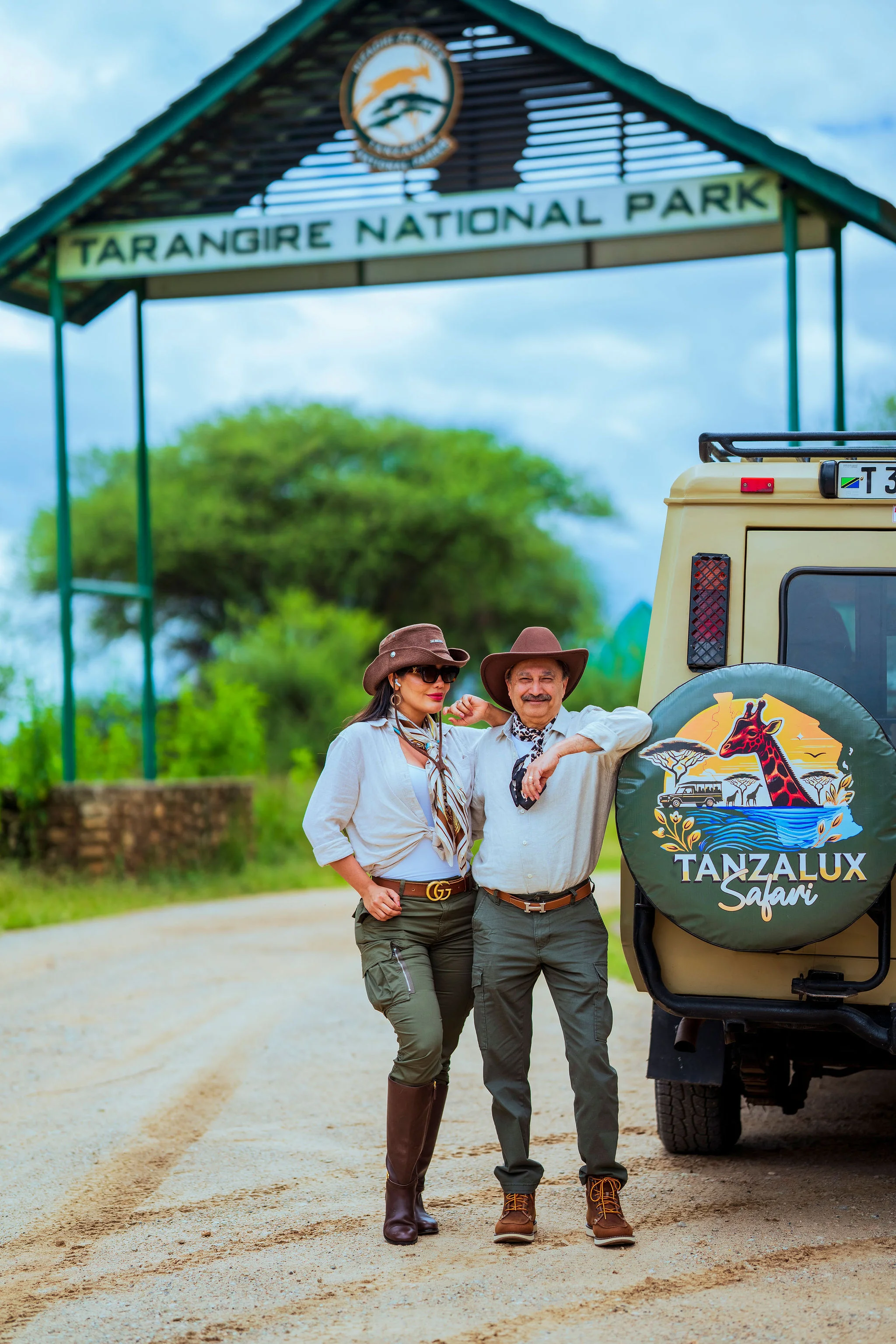
Tarangire National Park is a northern Tanzania safari park known for elephant herds, baobab trees, and wildlife drawn to its river in the dry season. It works as a day trip from Arusha or a longer stay, with time for slow game drives and varied habitats.
A good visit is not just a race to find big cats. Watch a herd reach the water, scan a tree for birds, or pause beside a huge baobab. Those quiet moments can be as rewarding as a rare sighting.
This guide helps you choose when to go, how long to stay, and where to sleep. It also explains costs, route choices, family needs, and the questions to ask before you book with TanzaLux Safaris.
Where is Tarangire National Park?
The park lies southwest of Arusha on Tanzania’s northern safari circuit. It covers about 2,850 square kilometres, according to TANAPA’s park overview. The Tarangire River gives the park its name and shapes much of the wildlife viewing.
Arusha is a common road starting point. The official visitor guide gives roughly two and a half to three hours by road. Treat this as a planning range, not a fixed door-to-door promise.
Your hotel, gate, traffic, stops, and road conditions all affect the day. Reaching the gate is also not the same as reaching a distant camp. Ask for each transfer to be shown on your plan.
Flights can use Kuro Airstrip inside the park. Confirm the actual service, baggage rules, and onward camp transfer before booking. Do not assume an airstrip lies beside your lodge.
Why visit Tarangire National Park?
Choose this park for its mix of elephants, baobab scenery, river views, and birdlife. It adds a distinct setting to a northern safari rather than simply repeating the same game drive in another place.
Elephant families moving through woodland and open ground.
Large baobabs that give the landscape a strong sense of place.
River and swamp habitats that reward patient viewing.
Birding that can add interest between larger mammal sightings.
A route that can fit a short trip from Arusha.
Room for a slower stay if your time and budget allow.
The title calls it a hidden gem, but this is a well-known park. Busy dates and popular sightings can draw many vehicles. A private safari gives you your own group and pace, not private access to the whole park.
Be open about your main interest. A birding guest, a young family, and a keen photographer may want very different days. Your route should reflect that from the start.
When is the best time to visit Tarangire National Park?
June to October is usually a strong choice for dry-season wildlife viewing. Rain changes where animals can find water and grass, so the best month also depends on what you hope to see.
June to October: focus on dry-season wildlife
As the wider landscape dries, water becomes a key focus. This can make it easier to find wildlife in some areas. TANAPA describes zebra and wildebeest moving towards the river as nearby pans dry.
Plan for dust and popular routes. Build in breaks rather than spending every hour driving. A longer stay can let your guide return to a useful area at a different time of day.
November and December: a changing landscape
The short rains often begin in this period. Fresh growth can change the look of the park and the way wildlife spreads out. Exact rain dates and road conditions vary from year to year.
Choose these months for the whole experience, not a promise of dry-season herd sizes. Ask which areas fit your camp and the current ground conditions.
January and February: check the current pattern
TANAPA notes a drier interval in these months, though weather does not follow a rigid calendar. Ask about recent rain and wildlife movement instead of judging your trip by month alone.
If you also want the Serengeti’s calving season, plan that as a separate part of the route. It is not an event to expect in this park simply because the dates overlap.
March to May: allow for long rains
The long rains usually fall in this period. Lush views can be appealing, but access may shape the day more than your wish list. Confirm lodge opening dates and route choices.
Tarangire National Park can reward a visit in more than one season. Choose the trade-offs that suit you: wildlife focus, landscape, trip pace, cost, and the rest of your itinerary.
What wildlife might you see in Tarangire National Park?
Elephants are a major draw, alongside giraffes, buffalo, zebra, antelope, and a range of predators. No wild animal sighting is guaranteed. A species list is a guide to possibilities, not a checklist your driver must complete.
The park’s official attractions guide highlights lions, leopards, hyenas, baobabs, and river habitats. It also describes more than 550 bird species. That is a park-wide record, not the number one guest will see.
Tell your guide if you enjoy watching behaviour. A resting lion may do little for some time. A herd, a bird feeding, or a small animal at the roadside can offer a richer scene.
Do not build the trip around a rare predator or the idea of seeing the Big Five here. Ask which parks best match each wildlife interest and allow enough time across the route.
Why are elephants a highlight of Tarangire National Park?
The chance to watch elephant families in a varied landscape is one of the park’s great appeals. Herd size and location change, so focus on the encounter rather than a promised count.
Look for how the group moves and how young animals stay close to adults. Ask your guide to explain what you can observe without guessing at every action. A calm, distant view is often the best one.
Let elephants set the space. Never press a guide to move between a calf and its family or block a route to water. Getting closer is not worth stressing wildlife.
This guide does not claim a fixed elephant population or the largest total in Tanzania. Counts depend on survey date, area, and season. An honest safari plan does not need a superlative to make the park worthwhile.
Is this the same as the Serengeti Great Migration?
No. Tarangire has its own seasonal wildlife movements within the wider local ecosystem. These are distinct from the Serengeti–Mara migration and its well-known river crossings.
Rain and grazing help shape movement beyond park boundaries. The wildlife you see on one visit may not be in the same place on another. A route should allow for that change.
If a Mara River crossing is your main aim, say so before you book. It needs a separate Serengeti plan, suitable dates, and enough time. Even then, a crossing is never a scheduled event.
How many days should you spend in Tarangire National Park?
A day trip offers a first look, while one or two nights can make the pace less rushed. Choose based on usable game-drive time, not just the number of days on a package name.
On a day trip, the road journey uses a meaningful part of the day. An early start helps, but you still need time for entry, lunch, stops, and the drive back.
One night reduces the pressure to return to Arusha at once. Two nights can leave more space for different routes, rest, and a slower wildlife search. Extra nights do not guarantee more species.
Ask to see the first and last day in detail. A late arrival and early departure may leave little park time, even when the booking lists an overnight stay.
What could a two-night safari look like?
A simple plan balances travel, game drives, and rest. This is a sample structure, not a fixed offer. Your guide should adjust it to the camp, weather, park rules, and your needs.
Day one: Leave Arusha, enter the park, enjoy a game drive, and reach camp with time to settle in.
Day two: Choose an early drive and a break, or a longer outing with a packed meal where suitable.
Day three: Fit in a final drive if the onward route allows, then travel to the next stop.
On a Tarangire National Park safari, a midday rest may suit a family more than another long loop. For a photographer, a patient stop may be worth more than covering new ground. Decide those priorities together.
Keep a firm flight or long road transfer out of the final afternoon where possible. Ask the planner to show a sensible buffer, not an ideal driving time with no stops.
Which safari activities can you book?
Game drives are the core activity. Walks, balloon flights, night drives, and bush meals need separate checks. Their listing for the park does not mean every camp or day-trip package includes them.
The TANAPA park page lists balloon safaris, night game drives, and bush meals. Ask which option is operating for your dates and who provides it.
Confirm the exact activity area and operator.
Check age, fitness, and access requirements.
Ask whether transfers and extra fees are included.
Understand weather cancellation and refund terms.
Confirm the required guide, ranger, and permissions.
A guided walk is not permission to leave a safari vehicle anywhere. A night drive is not a standard game drive that simply runs late. Each needs a proper arrangement under current park rules.
Where should you stay near Tarangire National Park?
Choose a camp or lodge by its location as well as its comfort. A beautiful room can still involve long transfers to the areas you want to explore.
Staying inside the park
An in-park stay may reduce some gate-to-camp travel. Ask for the lodge’s position and likely drive routes. Inside the boundary does not mean close to every attraction.
Compare the full cost, meal plan, and any park-related overnight charges. Check how late arrivals work and when you must leave. Confirm rules before assuming you can return after dark.
Staying outside the park
A lodge outside the boundary can suit some budgets and onward routes. Ask for the real gate transfer time and how entry rules affect repeated visits.
Do not compare room prices alone. Add transport time, meals, and relevant fees. A cheaper night may not be the best value if it makes each day much longer.
Choosing between camping and a lodge
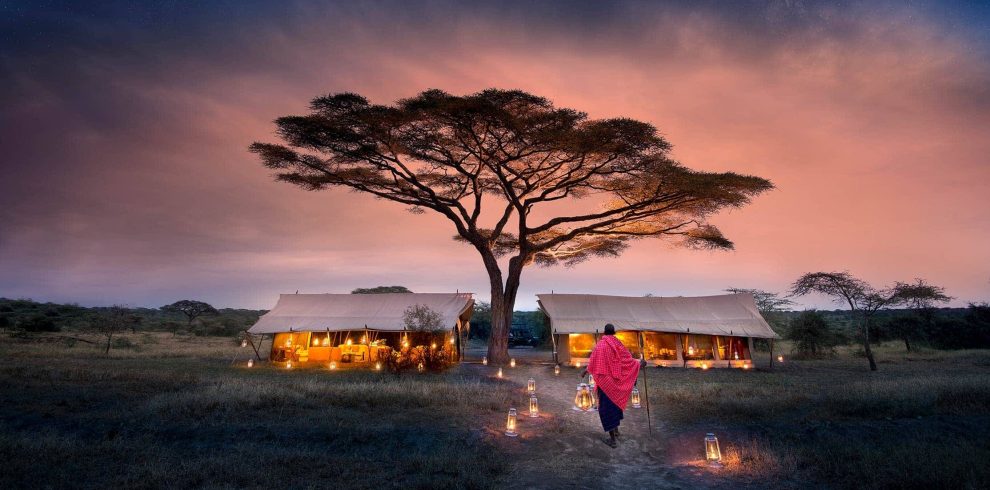
Ask what camping means in the actual quote. Ground tents, shared facilities, and serviced tented suites are very different products. The word tent says little about comfort on its own.
Check beds, bathrooms, power, meal service, steps, and walking distance to your room. Share any access needs before paying, not after arrival.
What affects the cost of a Tarangire National Park safari?
Your price depends on travel dates, group size, transport, room choice, trip length, and activities. Ask for a dated quote in a stated currency rather than relying on one headline price.
Compare like with like. A private vehicle shared by four guests has a different cost per person from the same vehicle for one guest. A room rate is not a full safari rate.
Guide and vehicle, including fuel and planned transfers.
Park entry and any vehicle or overnight charges.
Rooms or camping equipment, with the exact meal plan.
Drinking water and any included drinks.
Extra activities and their transfers.
Taxes, payment charges, and cancellation terms.
Exclusions such as tips, personal spending, or travel cover.
Fees can vary with visitor status, age, and activity. Give the planner accurate guest details and request a full breakdown. Do not use an old fee table as a promise of today’s total.
Ask what happens if a camp is unavailable. A substitute should be compared by location and features, not just called a similar lodge. Agree any change before confirming it.
What should you pack for Tarangire National Park?
Pack for time in a vehicle, changing temperatures, sun, and dust. Keep useful items in a small day bag rather than buried under the main luggage.
Comfortable layers and a light warm top for cool starts.
A sun hat, sunglasses, and sun protection.
Closed shoes and a light rain layer when needed.
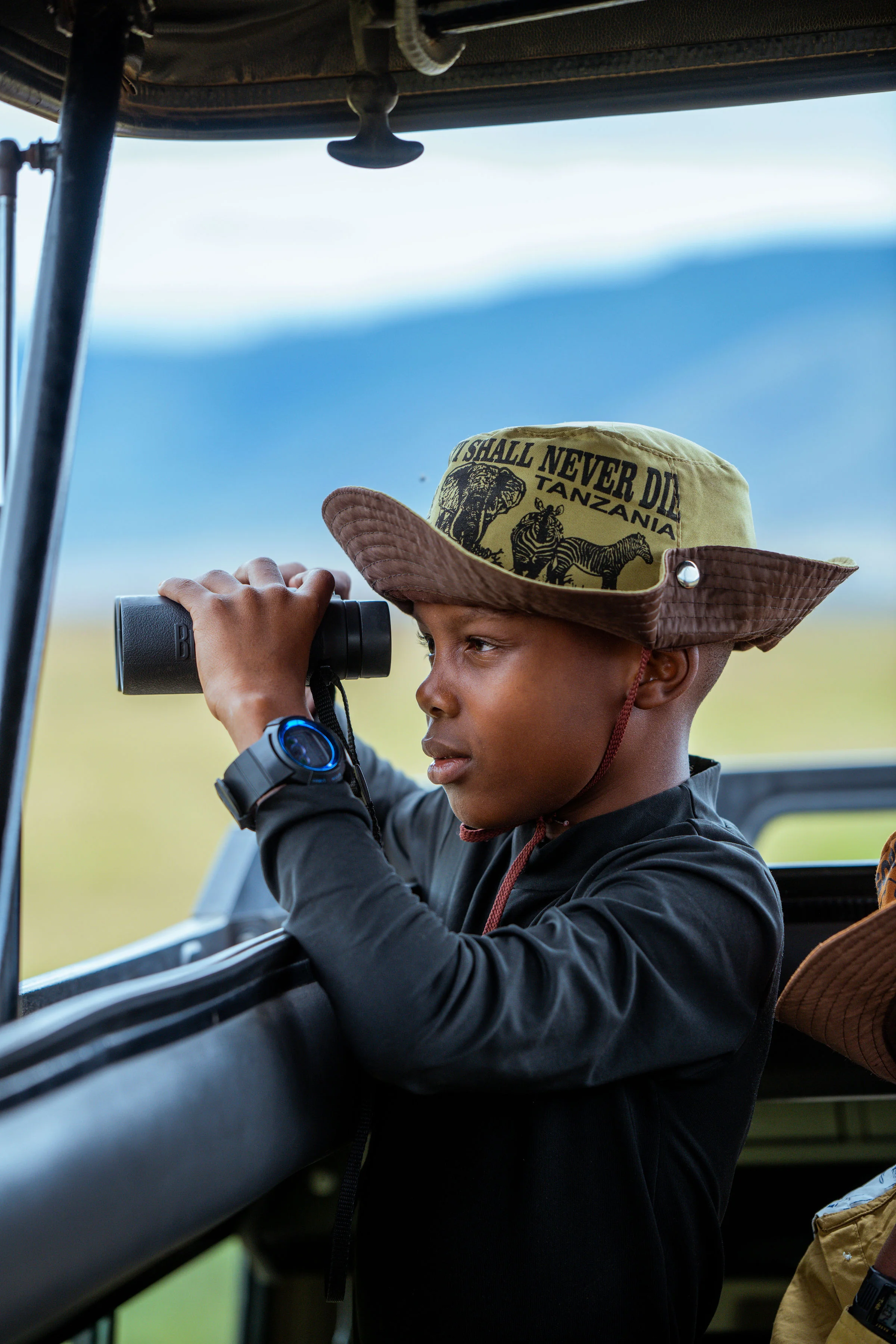
Binoculars, spare camera batteries, and memory cards.
A soft dust cover or bag for camera gear.
Drinking water and any personal essentials.
Insect repellent used as directed on its label.
Documents required for the booking and park entry.
For a fly-in trip, follow the airline’s current bag size and weight limits. Soft bags may be needed, but check the actual service. Do not assume your international allowance also applies to a small aircraft.
Ask about charging points and plugs if you rely on equipment. Carry essential medicines in hand luggage. Seek personal health advice from a qualified travel clinician well before departure.
How can you get better safari photographs?
Start with patience, useful light, and a steady camera. A longer lens helps, but thoughtful timing matters more than a demand to drive closer.
Tell the guide when you want to stop and what you hope to frame. Leave room around an animal in some shots to show the landscape. A baobab or riverbank can add context.
Use a shutter speed suited to the subject’s movement. Check a few images at full size when there is time. A sharp, simple image is better than many blurred frames.
Put the camera down now and then. Watching with your own eyes can help you notice behaviour before it happens again. Keep quiet and do not call, clap, or bait an animal for a pose.
Is Tarangire National Park suitable for families and guests with access needs?
It can be a good choice when the trip matches the guests. Discuss ages, comfort, mobility, and time in a vehicle before choosing the route or lodge.
For children, build in stops and simple things to look for. Tracks, birds, and tree shapes can keep a drive engaging. Do not measure a child’s day by the number of predators seen.
For access needs, ask about vehicle steps, seats, toilets, paths, and room layout. Request clear details or current photos. A private trip does not automatically make every site step-free.
Share food needs in advance and check what can be provided on drive days. Avoid relying on a last-minute stop for a specific meal or essential item.
How should you behave around wildlife?
Follow the guide and park rules, give animals space, and stay in approved visitor areas. Your wish for a better view must never decide how close the vehicle goes.
TANAPA asks visitors to stay on designated tracks, avoid feeding wildlife, and leave vehicles only at permitted points. Walks require authorised ranger support, and drones need prior written permission.
Keep food secure at picnic stops. Do not lure monkeys or birds for photos. Take litter back with you, including small scraps that may seem harmless.
At camp, ask how escorts work after dark and follow the staff’s advice. An open camp is part of the wildlife setting, not a fenced city hotel.
How does Tarangire fit with other northern parks?
Use Tarangire National Park as one part of a route with a clear purpose. Pairing parks works best when each adds something you want, rather than making every day a transfer.
Ngorongoro can add a crater-floor game drive. The Serengeti adds a much larger area that deserves its own time. Lake Manyara can offer another habitat mix, depending on your route and interests.
These places are not interchangeable stops a few minutes apart. Ask for driving time, entry time, and lodge location on each day. Keep a rest or flexible period in a longer trip.
If time is short, two well-chosen parks may be more rewarding than four rushed ones. Let the route fit the holiday you want, not just the longest list of names.
Why book with TanzaLux Safaris?
TanzaLux can help turn your interests into a practical route from Arusha. The value lies in aligning the guide, vehicle, dates, and lodge location around how you want to travel.
Our safari day-trip options include a private guide, 4×4, and park-fee handling. For a longer stay, explore our private safari options and ask for a tailored proposal.
Tell us your wildlife interests and preferred daily pace.
Compare a day trip with one or two nights.
Ask for lodge locations and full transfer details.
Check inclusions and exclusions before paying.
Build in family, food, and access needs from the start.
Contact TanzaLux Safaris with your dates, group size, budget, and onward plans. Request a Tarangire National Park itinerary that explains the choices clearly, with time to enjoy the park rather than rush through it.
20 frequently asked questions about Tarangire National Park
These answers cover the main choices before you book. Confirm current access, fees, lodge details, and optional activities for your own travel dates.
1. Is Tarangire National Park worth visiting?
Yes, if elephants, baobabs, birds, and varied scenery suit your interests. It can add a distinct feel to a northern safari. The right trip length matters more than trying to see every species.
2. How far is the park from Arusha?
Allow roughly two and a half to three hours by road as an initial guide. Your pickup point, gate, traffic, and stops can change that. Travel to a camp may take longer.
3. Can I visit on a day trip?
Yes. Start early and allow for the return drive. A day trip offers a useful first look, but an overnight stay can give you a less rushed schedule.
4. How many nights should I book?
One or two nights can work well for a focused visit. Check the actual game-drive time around arrival and departure. More nights give flexibility, not a guarantee of rare sightings.
5. Which months are best for wildlife?
June to October is often a strong choice as the dry season draws wildlife towards water. The exact pattern varies with rainfall. Choose dates with the wider trip in mind.
6. Is the green season worth considering?
Yes, if you enjoy fresh landscapes and can accept different wildlife patterns. Ask about road access and lodge availability. Do not expect dry-season conditions throughout the rainy months.
7. Will I definitely see elephants?
The park is known for elephants, but no sighting is certain. Allow time, listen to your guide, and enjoy other wildlife too. Avoid any offer that promises a specific wild encounter.
8. Are lions and leopards found here?
Yes, both occur in the park. Finding them depends on where they are and how visible they happen to be. Treat them as a possible highlight, not a guaranteed result.
9. Is it the Serengeti Great Migration?
No. The local seasonal movements are separate from the Serengeti–Mara migration. If river crossings are your main aim, request a suitable Serengeti route and allow time for uncertainty.
10. Is the park always quiet?
No. Busy dates and popular wildlife spots can attract many vehicles. Ask about route choices and trip pace, but do not expect a private vehicle to mean an empty park.
11. Is it a good park for birdwatching?
Yes. Its range of habitats supports rich birdlife. Bring binoculars and tell your guide that birds matter to you. A slower pace can help more than simply covering extra distance.
12. Can I go on a walking safari?
Ask for a properly arranged guided walk with the required ranger support. Availability, age rules, fitness needs, and fees must be confirmed. Never start a walk on your own.
13. Are balloon safaris available?
Ballooning is listed among the park’s activities. Confirm the operator, dates, pickup, restrictions, and price. Flights depend on suitable conditions, so read cancellation terms before booking.
14. Can I book a night game drive?
Night drives are listed by TANAPA, but need a specific arrangement. Ask where the drive operates and whether your camp offers it. Do not assume it is part of a normal day trip.
15. Should I sleep inside or outside the park?
Compare location, comfort, transfer time, and total cost. Inside may suit some game-drive plans; outside may suit an onward route. There is no single best choice for every guest.
16. How much does a safari cost?
It depends on dates, guests, transport, nights, and room choice. Request a dated, itemised quote in a named currency. Check park charges, meals, activities, and exclusions before comparing totals.
17. Can young children join?
A family game drive can work with suitable breaks and realistic hours. Share ages before booking. Separate activities and lodges may have their own age limits, so confirm those first.
18. What should I bring for a day trip?
Bring comfortable layers, sun protection, binoculars, water, and personal essentials. Keep camera gear protected from dust. Check whether lunch and drinks are included rather than assuming they are.
19. Can I combine the park with Ngorongoro or Serengeti?
Yes, with enough time for the route. Ask for realistic transfers and useful time in each park. A shorter list of stops may give you a better-paced safari.
20. How do I book Tarangire National Park with TanzaLux?
Send your dates, guest count, budget, and main interests. Include any family or access needs. Ask for a clear route, named lodges, a full price breakdown, and written booking terms.
Ready to start planning?
Tell us your dates and what you're after — no obligation.