5.0 Excellent
Lake Eyasi Tanzania: Experience One of Africa’s Last Authentic Cultural Destinations
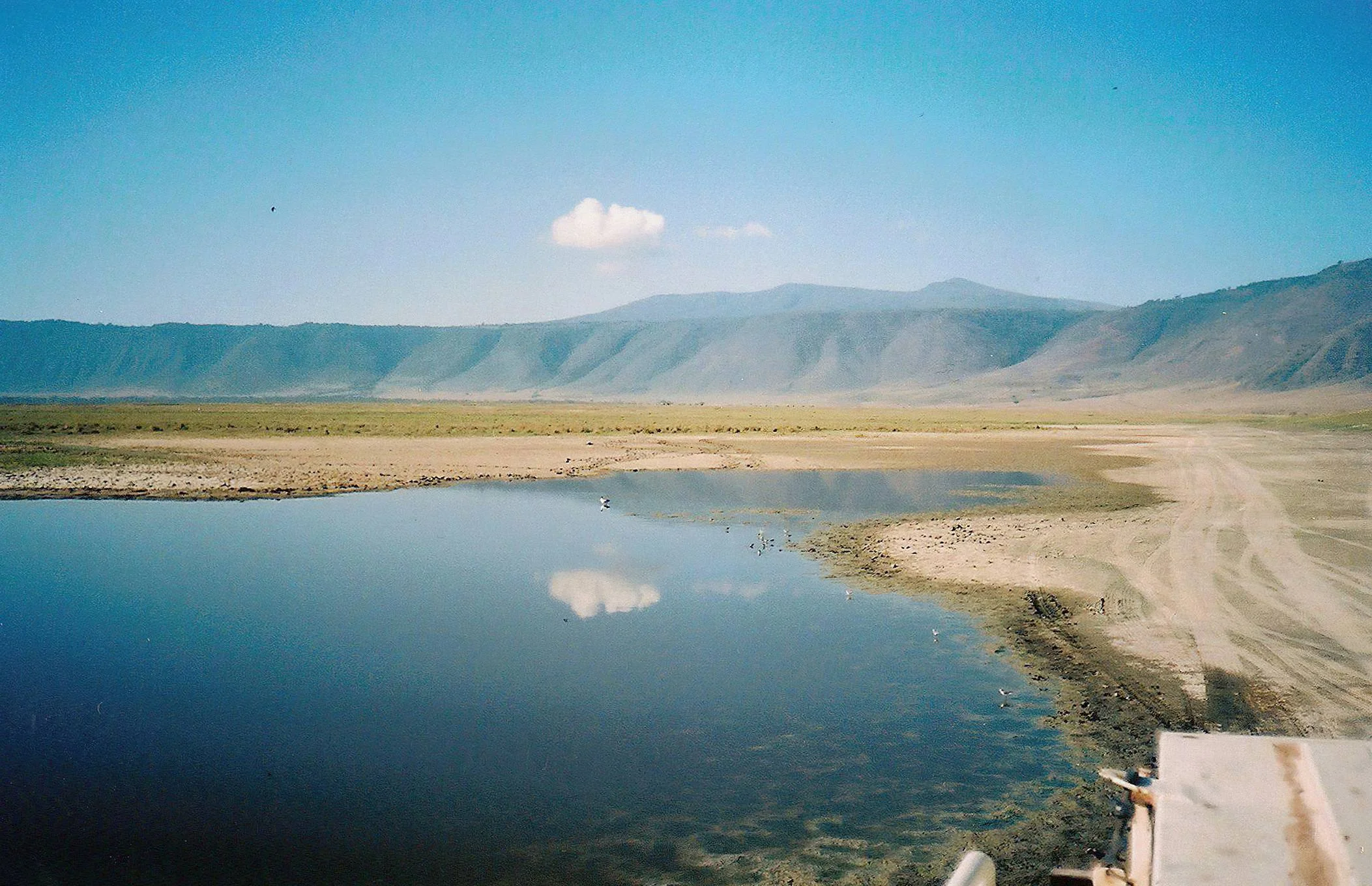
Lake Eyasi offers a different side of a Tanzania safari. This shallow salt lake lies southwest of the Ngorongoro Crater. Visitors come for Rift Valley views and locally hosted visits with Hadza and Datoga communities.
The best visit is not a show with a fixed script. It is a chance to listen, ask questions, and learn from willing hosts. Leave room in your plans for their choices, daily routines, and the weather.
This guide explains where to stay, how to plan your route, what to budget for, and how to visit with care. It also helps you decide whether one or two nights will suit your trip.
What makes Lake Eyasi worth visiting?
Lake Eyasi adds people, landscapes, and a slower pace to a wildlife-focused trip. It suits curious travellers who value conversation as much as a game drive.
Do not expect another Serengeti. The main draw is not a checklist of large animals. Instead, plan for guided walks, time with local hosts, and views across a changing lake basin.
Learn from hosts who choose what they wish to share.
Explore a different part of Tanzania’s Rift Valley.
Break up long days spent in a safari vehicle.
Add context to the places and communities along your route.
Build a trip with time to listen, not just take photos.
Where is Lake Eyasi, and how do you reach it?
Lake Eyasi sits in northern Tanzania, southwest of the Ngorongoro Crater. Many safari routes approach the area from Karatu. The final drive depends on your lodge and meeting point.
Ask for a route based on your exact overnight stop. “Lake Eyasi” covers a broad area, not one entrance gate. A lakeside lodge, village meeting point, and walking start can be far apart.
Do not use a map estimate as a firm arrival time. Surface conditions, rain, stops, and local access can change the journey. Your driver should check the route before departure.
A high-clearance vehicle may be useful on rough tracks. Ask which vehicle is included and how the plan changes after heavy rain. Leave a buffer before any onward flight.
Who are the Hadza and Datoga?
Hadza and Datoga are distinct communities with their own languages, histories, and ways of life. They should not be treated as one group or as people outside the modern world.
Some Hadza families practise hunting and gathering, drawing on deep knowledge of their land. Lives and livelihoods vary. A single visit cannot represent every family or every person.
Datoga communities are widely associated with pastoral life. Some artisan families work as blacksmiths. Metalwork is not the occupation of every Datoga household, so ask whom you are meeting and what their work involves.
People may use phones, attend school, trade, or take part in paid work. These choices do not make their culture less real. An honest visit makes room for both tradition and change.
What happens during a cultural visit?
Your hosts and local guide should agree on the visit in advance. Activities may include conversation, a walk, or a craft demonstration. No specific activity should be promised without local agreement.
Spending time with Hadza hosts
A visit may include learning about food gathering, tracks, or daily life. Follow the hosts’ lead. They decide which knowledge, places, and activities they wish to share.
Some tours describe hunting-related outings. Discuss this before booking, especially when travelling with children. Such outings can involve animal harm and are not suitable for everyone. Ask for another format if this does not fit your values.
Do not taste wild plants or handle tools without clear guidance. A cultural visit is not a survival course. It also does not give visitors permission to hunt, collect plants, or enter private areas.
Meeting Datoga artisan families
Where a family welcomes guests, you may learn about metalwork and local trade. Ask questions through your guide and keep clear of fires, hot metal, and work areas.
Let artisans explain their own craft. If goods are offered for sale, ask about the price and materials. You can decline politely. A visit should not require a purchase unless this was clearly agreed in advance.
How can you visit with respect?
Choose a visit built around consent, fair payment, and the hosts’ right to say no. A warm welcome does not mean that every person wants a photo or every home is open.
Ask who approved the visit and how hosts are paid.
Use a guide who can explain local preferences and translate well.
Ask before entering homes or touching personal items.
Get consent before photos, video, or audio recording.
Respect a refusal without bargaining or pressure.
Do not hand out sweets, cash, or gifts to children.
Keep the group small enough for real conversation.
Do not ask people to perform an activity only for your camera.
Ask thoughtful, open questions. You might ask what hosts enjoy sharing, how the seasons shape their work, or what they want visitors to understand. Avoid treating people as a living museum.
If you want to support a local project, ask about a transparent channel. Check who runs it and how funds are used. Do not assume that the cost of your tour is a donation.
When is the best time to visit Lake Eyasi?
The best timing depends on road access, the experience you want, and the rest of your safari. Check local conditions close to departure rather than relying on a fixed seasonal promise.
Drier periods often make outdoor plans easier. Even then, tracks can be dusty and exposed areas can feel hot. Start walks at a time agreed with your hosts and carry drinking water.
Rain can change both the scenery and the roads. Wet ground may limit a route or add driving time. Build a flexible day into the plan if your visit falls in a wetter period.
The lake is seasonal, so water levels and shoreline views change. Do not book on the promise of a full lake or a particular flock of birds. Ask for a recent local update.
How many nights should you spend?
One night can support a focused visit if your route fits. Two nights allow more rest and flexibility. A rushed stop may save a night but leave little time for meaningful exchange.
One-night option
Arrive with enough time to settle in and receive a briefing. Meet your hosts the next morning, then continue after a meal and rest. Confirm that the onward drive is realistic.
Two-night option
Use the first afternoon to arrive without pressure. Keep the next day for the agreed visit and quiet time. Leave the following morning, with a buffer for weather or changes.
Two nights can suit families, keen photographers, and anyone who dislikes back-to-back early starts. It also reduces pressure to fit several community visits into one short morning.
What could a Lake Eyasi itinerary look like?
A practical route gives the visit its own time rather than squeezing it between two long game drives. The outline below is a planning example, not a fixed departure schedule.
Arrival day: travel from Karatu or another agreed stop. Check in, rest, and discuss the next day with your guide.
Visit morning: meet local hosts at the agreed time. Follow a flexible plan and pause when needed.
Midday: return for food, shade, and time to reflect.
Optional afternoon: enjoy a quiet lodge break or a short guided outing if arranged and conditions allow.
Departure: continue to the next overnight stop with a realistic travel buffer.
Avoid stacking several visits simply to collect more activities. One well-hosted meeting may be more rewarding than three brief stops. Ask your guide how to balance interest, travel time, and the hosts’ availability.
Which safari destinations combine well with the visit?
Lake Eyasi can form part of a northern Tanzania route. The right sequence depends on your flights, total nights, lodge locations, and preferred pace.
Ngorongoro Crater: plan a separate wildlife day rather than rushing both experiences.
Lake Manyara National Park: consider it as another stop within a wider northern route.
Tarangire National Park: allow enough nights for game drives and transfers.
Serengeti National Park: check the next camp’s exact location before agreeing to the drive.
Mto wa Mbu: add another locally hosted experience if time allows.
More stops do not always make a better safari. If you have few nights, choose the experiences that matter most. Keep time for meals, rest, and the unexpected.
Where should you stay near Lake Eyasi?
Choose accommodation by location and practical comfort, not just room photos. The best choice is one that fits your meeting point, budget, and needs.
A nearby stay may reduce an early transfer. A Karatu base may fit a wider route but can mean more time on the road. Ask for actual travel estimates from each proposed property.
Confirm bathroom type, hot water, and bedding.
Ask about power hours, charging points, and phone coverage.
Check meal times and whether an early breakfast is possible.
Confirm family room layouts and extra-bed rules.
Discuss steps, uneven paths, and other access needs.
Ask which meals and drinks the rate includes.
Do not assume that “luxury” means the same thing at every property. Ask for current room details and recent photos. Quiet space and a sensible location may matter more than extra facilities.
How much does a Lake Eyasi visit cost?
There is no single price for every visit. Your total depends on transport, group size, lodging, guiding, agreed host fees, and the length of your stay.
Request an itemised quote for your exact dates. It should state the currency, validity period, payment terms, and cancellation rules. Avoid comparing a short activity fee with an overnight package.
Transport: vehicle, fuel, driver, and any extra transfers.
Local hosting: guide or interpreter and agreed community or host fees.
Stay: room type, nights, and meal plan.
Activities: what is included and what costs extra.
Other spending: drinks, optional purchases, and tips where appropriate.
Changes: what happens if rain or host availability alters the plan.
Ask how the hosting fee is distributed rather than relying on a vague “community benefit” claim. The cheapest quote is not always the fairest or best planned. Clear terms help you judge value.
What should you pack?
Pack for sun, dust, uneven ground, and a respectful visit. Keep your day bag light enough to carry on a walk.
Comfortable closed shoes with good grip.
Light layers and modest clothing suitable for local visits.
A hat, sunglasses, and sun protection.
Drinking water and any agreed snacks.
A rain layer when conditions call for it.
A camera with a dust cover and spare battery.
A small bag for your own litter.
Personal essentials and any items agreed with your guide.
Do not pack gifts with an expectation of handing them out. If you want to bring something useful, ask first through a trusted local contact. Hosts should help decide what is appropriate.
Is the visit suitable for children or limited mobility?
It can suit a range of travellers when the format is agreed in advance. Walking distance, terrain, heat, toilets, and vehicle access need a clear discussion before booking.
For children, favour short visits and simple explanations. Ask about shade, breaks, and activities that suit their age. Make sure adults understand any hunting-related content before the visit.
For limited mobility, do not rely on a general “easy walk” label. Request details on steps, ground surfaces, seating, and distances. A shorter conversation-based visit may be a better fit if hosts agree.
How should you take photos?
Ask permission first, even when others have cameras out. Consent to a visit is not consent to a portrait, a video, or a social media post.
Explain what you want to photograph through your guide. Respect limits around children, homes, tools, and private moments. Ask separately before recording voices or sharing names.
Avoid captions that call people primitive or suggest they belong to the past. Use names only with permission and describe what you actually learned. Do not invent personal stories from a photo.
Why plan Lake Eyasi with TanzaLux Safaris?
Ask TanzaLux Safaris to build the visit into your whole route. The aim should be a clear plan that balances local hosting, travel time, comfort, and your interests.
Share your dates, group size, budget range, and walking needs. Mention whether you prefer conversation, landscapes, craft, or family-friendly learning. State any activities you want to avoid.
Before paying, request written confirmation of the host arrangements, inclusions, lodge, and route. Ask what can change and how alternatives are handled. A clear brief helps the team propose a visit that fits you.
Contact TanzaLux Safaris to plan your Lake Eyasi visit. Include your arrival point and next destination so the proposal can allow enough time on the road.
Lake Eyasi FAQs
These 20 answers cover common planning questions. Confirm details for your dates with your guide and the local hosts before travel.
1. What is Lake Eyasi known for?
It is known for its seasonal salt lake, Rift Valley setting, and visits hosted by local communities. Many travellers add it to a northern Tanzania safari for a different focus.
2. Is Lake Eyasi a national park?
No. Do not plan it as a conventional national park game drive. Local access and hosting arrangements matter, and your guide should confirm the applicable fees.
3. Is Lake Eyasi the same as Lake Manyara?
No. They are separate lakes. Check the name carefully when reviewing your route, lodge booking, and activities.
4. Can you visit from Karatu?
Yes, Karatu is a common approach point. Confirm the drive from your actual hotel to the agreed meeting place, with a buffer for road conditions.
5. Is an overnight stay necessary?
Not for every itinerary. However, staying nearby can ease an early start. Compare total driving time before choosing a day visit.
6. Should you stay one night or two?
One night suits a focused stop. Two nights provide more rest and room for changes. Choose based on your route and pace rather than a fixed rule.
7. Are Hadza and Hadzabe the same name?
Both names are commonly used for the community. Ask your hosts and guide which name they prefer in conversation and captions.
8. Are Hadza and Datoga the same people?
No. They are distinct communities. Do not assume a visit with one group explains the history or daily life of the other.
9. Can you meet Datoga blacksmiths?
Some artisan families welcome arranged visits. Ask whether a willing host is available on your date. Not every Datoga family works in metalcraft.
10. Is a hunting activity guaranteed?
No. Hosts, conditions, and the agreed visit format determine activities. Discuss your preferences in advance and ask for an alternative if hunting-related content is unsuitable.
11. Can children join a cultural visit?
Often they can, with a suitable plan. Discuss age, attention span, terrain, and content first. Short visits with shade and breaks may work best.
12. Can you take photographs of people?
Only with permission. Ask before each portrait or recording, and accept a refusal. Take extra care with children and private spaces.
13. Should you bring gifts?
Do not assume gifts are expected. Ask in advance through the organiser. Avoid handing sweets, money, or other items directly to children.
14. Can you visit without a local guide?
A planned visit with a suitable local guide is the better approach. It helps with consent, language, access, and a clear understanding of host fees.
15. Will the lake have water during your visit?
Water levels change with rainfall and season. Ask for current conditions, and do not rely on photos from another month or year.
16. Are bird sightings guaranteed?
No. Birdlife depends on habitat and conditions. If birding is a priority, tell your guide and ask what has been seen recently.
17. What should you wear?
Choose modest, comfortable clothes and closed shoes. Add sun protection and a light layer. Check the weather and your hosts’ preferences before departure.
18. Is there reliable phone service?
Coverage varies by location and provider. Ask your lodge and guide what to expect. Keep key trip details available offline.
19. Can you combine the visit with Ngorongoro?
Yes, as part of a planned route. Give each experience enough time and check the position of your overnight stops. Avoid assuming both fit comfortably into one day.
20. How do you request a tailored quote?
Send TanzaLux Safaris your dates, group size, budget, and route. Add your interests and access needs. Ask for clear inclusions, host arrangements, and cancellation terms.
Plan a thoughtful visit, not a rushed stop
Lake Eyasi is best approached with curiosity, patience, and respect. Give hosts a real choice in how the visit unfolds, and leave enough time to enjoy the journey.
Keep your plans flexible and your expectations realistic. A useful conversation can be more memorable than a packed activity list. Ask TanzaLux Safaris for a tailored travel plan that fits your wider Tanzania safari.
Ready to start planning?
Tell us your dates and what you're after — no obligation.