5.0 Excellent
Welcome to Africa’s Natural Wonder
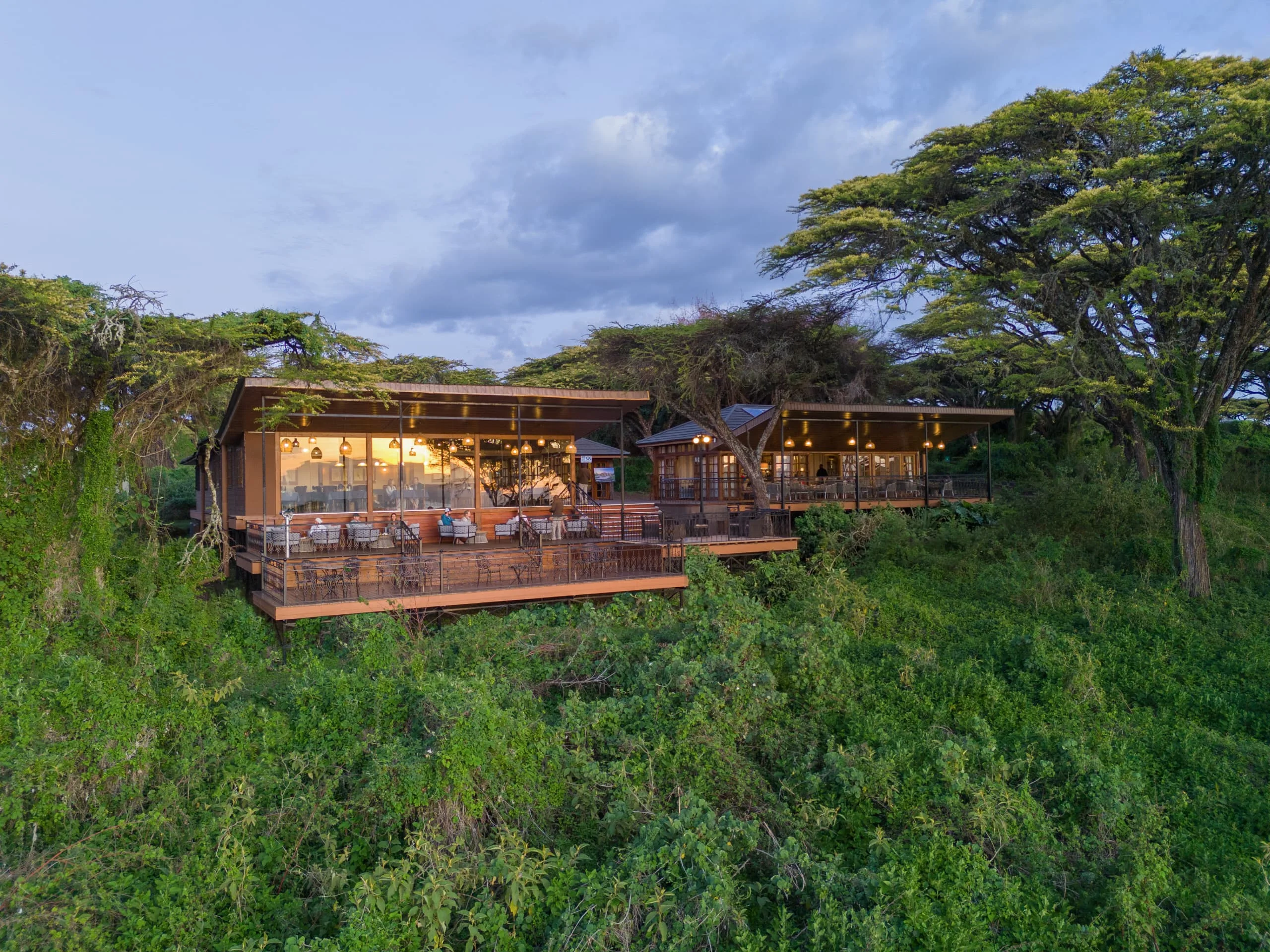
Ngorongoro brings a Tanzania safari into sharp focus. From the rim, the land opens into a vast bowl of grass, water and distant wildlife. As your vehicle heads down, the view becomes a living scene. A lion at rest, a herd on the move or a bird beside a pool can hold your attention for far longer than you expect.
A luxury safari here gives you room to enjoy those moments. A good guide, a well-placed lodge and a calm route all shape the day. The best plan also leaves time for warm meals, quiet views and a proper rest between drives.
This detailed guide helps first-time guests make those choices. It covers wildlife, seasons, lodge locations, costs, transfers and sample routes. It also explains what to ask before booking, with 20 useful FAQs at the end.
What makes Ngorongoro a natural wonder?
Ngorongoro combines a striking volcanic landscape with rich wildlife and a wider record of human history. The crater is the centrepiece of a much larger conservation area.
UNESCO's World Heritage listing describes an area of highland plains, forests and savanna. It recognises the unbroken caldera and the site's natural and cultural value. A caldera is a large hollow formed when the ground above a volcano's emptied magma chamber collapses.
The view is only part of the appeal. A guide can help you read the scene: where water lies, how the light changes and why one patch draws different animals from another. Small details add depth to the wide panorama.
Give the rim view its own time. Stop at an authorised viewpoint, put the camera down for a moment and look across the whole landscape. Later, from below, you can connect the places you saw with the drive itself.
Is the crater the same as the conservation area?
No. The Ngorongoro Crater is one part of the wider Ngorongoro Conservation Area. Knowing that difference helps you understand routes, lodges and fees.
The Tanzania tourism destination guide includes the crater, Ndutu, Olduvai Gorge and other highland sites in its overview. A room or activity labelled “Ngorongoro” may therefore be some distance from your planned crater descent.
Ask for the exact location of each lodge. A crater-rim stay, a forest setting inside the area and a lodge near Karatu offer different daily rhythms. They may also involve different access routes and charges.
A day on the crater floor and a day in Ndutu are separate plans. Do not assume that an itinerary's Ngorongoro entry covers both experiences in the way you expect. Ask what each day actually includes.
For planning, use named lodges, gates and meeting points. A broad regional label is useful for an overview, but it is too vague for a final quote or transfer estimate.
Why is Ngorongoro rewarding for a first safari?
The crater offers a clear setting in which to learn how a safari works. A skilled guide can turn a first sighting into a better understanding of the whole landscape.
You do not need to know every animal before arrival. Tell your guide what you are keen to learn. They can help you notice shape, tracks, feeding patterns and the links between different species.
Enjoy each sighting on its own terms. A grazing herd, a bird finding food or a lion lying still can be as worth watching as a dramatic chase. Patience often adds more to a drive than constant movement.
For a first trip, choose a route that gives you time to settle in before the crater day. A rest night after a long flight can make an early start easier. Keep the evening before the drive calm.
Luxury is useful when it serves that rhythm. A comfortable bed, a good breakfast plan and a guide who listens can matter as much as a large suite. Look for a complete experience that fits your group.
Which wildlife can you hope to see?
Ngorongoro is known for its wildlife, including black rhino and lions. Each drive is different, and the animals you see depend on the day.
UNESCO highlights the area's importance for threatened species and its high wildlife density. That gives a strong reason to visit, but it is not a promise of a specific sighting or an exact animal count for your trip.
The Big Five are lion, leopard, elephant, buffalo and rhino. Treat them as a useful set of names rather than a checklist that must be completed. Leopard can be hard to find, and a rhino may remain far from an authorised track.
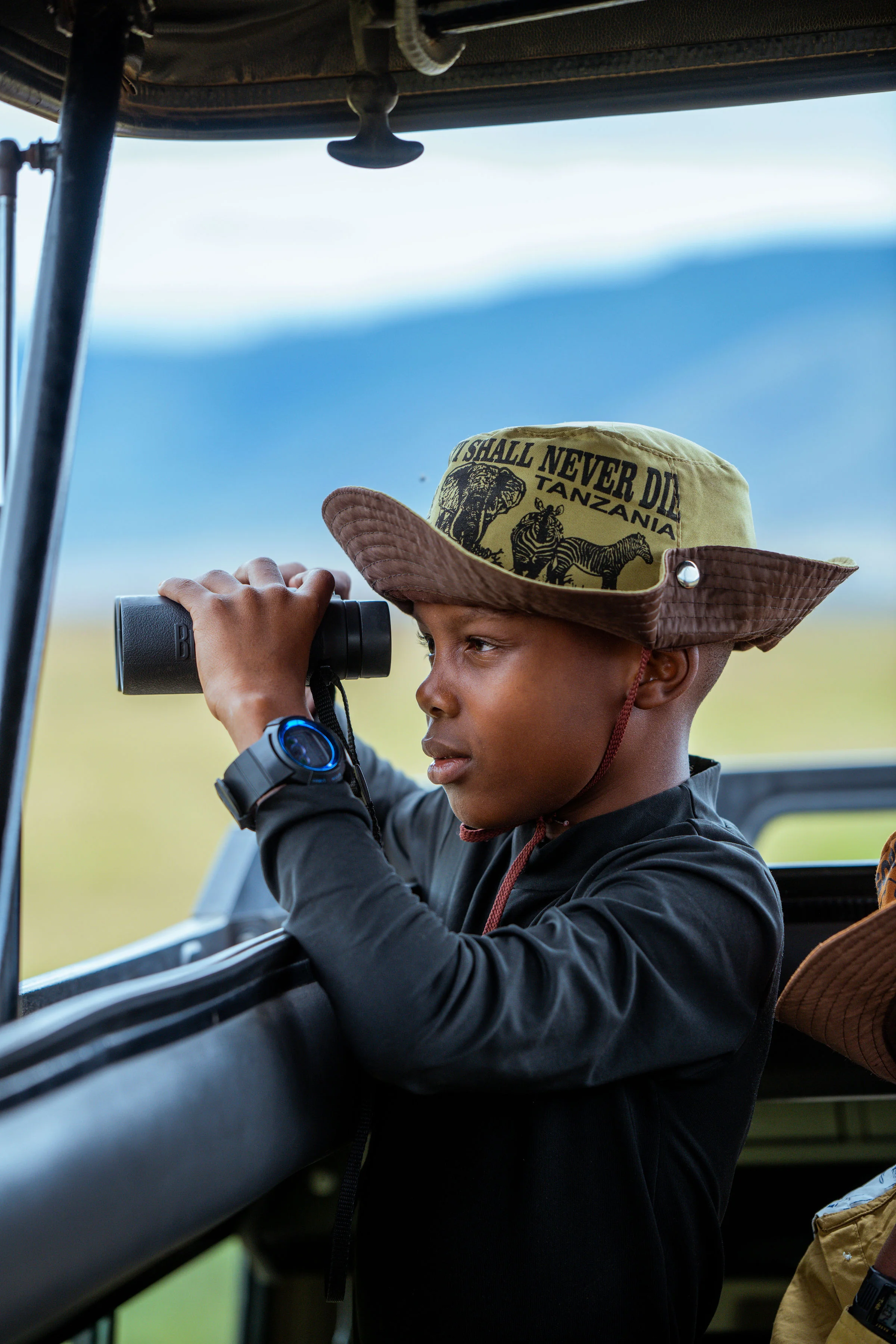
Use binoculars for distant views. Your guide should keep to permitted routes and leave wildlife room to move. A close approach should never come at the cost of disturbing an animal.
Ask the guide to explain the scene even when the animal is far away. Behaviour, habitat and conservation can make a distant view meaningful. A clear description often adds more than trying to force a closer photo.
Do not confuse the wider migration landscape with the crater floor. The moving herds use broad plains across the ecosystem. If migration viewing is a key goal, plan suitable days in the relevant area as well as a crater descent.
How do you make the most of birds and landscapes?
Leave space in the drive for birds, plants and the changing light. These details can make the crater memorable even between larger animal sightings.
Ask your guide to pause where it is safe and permitted. Notice what happens at the water's edge and how a bird moves through the grass. A short stop can reveal more than a quick pass.
If birding is a priority, say so before booking. Request a guide with the right interest and knowledge. Carry binoculars and keep a simple list of what you see, rather than rely on photos alone.
For landscapes, look beyond a single wide shot. The line of the rim, a cloud shadow or a herd in the foreground can give a picture depth. Your guide can help you find safe places to stop without leaving the track.
Water, weather and light affect the scene. A photo from another season is inspiration rather than a promise. Let your own day shape what you choose to notice.
What does a luxury Ngorongoro safari include?
A luxury safari should offer clear arrangements, good guiding and comfort that suits the route. Ask which services are actually included in your proposal.
Guiding: a qualified guide who can explain the landscape and respond to your interests.
Transport: a suitable safari vehicle with a clear seating plan.
A well-chosen lodge: a room type and location that fit the crater day.
Meals: a practical breakfast, lunch and dinner plan.
Access arrangements: the required permits, fees and bookings for the named activities.
Support: clear contacts and plans for changes during the trip.
Do not infer a fridge, Wi-Fi, private vehicle or butler from the word “luxury”. Confirm these features when they matter to you. The same lodge can be sold with different service packages.
Ask how many people share the vehicle and whether each has a useful view. A private vehicle can give your group more say over stops and pace within the rules. It does not give private access to the crater.
Share dietary needs before booking. Confirm the packed meal or catered lunch arrangements for the drive. A thoughtful food plan lets you enjoy the day without having to solve it at the last moment.
Choose luxury around your priorities. Some guests want a crater view and a quiet lounge. Others value a spacious family room, a pool or more nights in the Serengeti. Tell your planner which parts matter most.
Should you stay on the rim or near Karatu?
A rim stay may suit guests who value the setting and access to a chosen descent road. A Karatu-area stay can suit guests who prefer gardens, farm surroundings or a different price point.
Start with the route, rather than the photograph of a room. Ask how long the morning transfer is from the specific lodge. Include the entrance process and the drive to the descent point in that estimate.
A crater view is a distinct room feature. A lodge in the Ngorongoro area may face forest or gardens instead. Confirm what the booked room overlooks, not just what appears in a property's gallery.
On the rim, plan for cool evenings and wind. A warm room and an inviting indoor space can add comfort. Near Karatu, the setting may offer a different pace, but the crater morning may need an earlier departure.
Compare the total cost of each plan. A lower room rate may involve a longer drive or different fees. A higher rate may include services that another quote lists separately.
Neither base is right for everyone. Choose the lodge whose location, room and service work with your full trip. Ask your planner to explain that fit in plain terms.
Which lodge examples are useful to compare?
Use named properties to compare setting, room layout and inclusions. These examples show different styles, and availability must be checked for your dates.
Entamanu Private: a private rim retreat
Nomad's Entamanu Private page describes a crater-rim property with private shared spaces, heating and cottages with crater views. It can be a useful example for families or friends seeking an exclusive-use stay.
Ask about the exact cottage layout and age policy for your group. Confirm whether the whole property is reserved for you, who provides the vehicle and which activities are included. A private lodge and a private safari drive are separate arrangements to check.
Lemala Osonjoi: a forest setting with crater access
Lemala's Osonjoi page describes suites near the Lemala access road, forest views, an indoor heated pool and a spa. It is an example of comfort set back from the rim.
Ask whether you prefer forest outlooks to a direct crater view. Check the booked suite, meal plan and drive package. The property's published inclusions list accommodation services separately from game drives and some fees, so request a complete trip total.
Gibb's Farm: a Karatu-area farm stay
Gibb's Farm describes a working farm setting on the outer slopes of Ngorongoro, with cottages, houses and farm activities. It gives you a different base for a crater visit.
This style may appeal if you want quiet gardens and time at the lodge. Ask about the transfer to your crater entry route and the planned start time. Compare the full day rather than assuming that a Ngorongoro-area address means a rim location.
Check renovation and reopening dates
Confirm a property's operating status before building the itinerary around it. As checked in October 2026, &Beyond's Ngorongoro Crater Lodge page states that the lodge is closed for a rebuild and plans to reopen in 2027.
A planned reopening date is not a confirmed room booking. Ask for written availability for your actual stay and a suitable alternative if needed. Older articles and photo galleries can show a lodge that is currently closed.
When is a good time to visit Ngorongoro?
Choose dates around the whole safari, the weather you prefer and the lodges available. The crater can be rewarding in different seasons, but conditions change.
The Tanzania tourism season guide explains that rainfall shapes the country's safari experience. It highlights greener months for birding and warns that heavier rains in April and May can disrupt travel and viewing.
A drier-season trip can suit guests who want firmer road conditions and a broader northern circuit. Plan for dust, busy dates and lodge demand. Book the room type you want early rather than rely on a broad promise of space.
A greener-season trip can offer a softer landscape and a different light. Pack for showers and check the roads used by your full route. A quieter date is possible, but holidays and popular lodges can still be busy.
For April or May, ask which properties remain open and how the operator handles poor road conditions. A lower rate can be good value when the route works well. It should come with a realistic plan rather than a claim that rain has no effect.
If migration viewing matters, choose the Serengeti or Ndutu portion for that goal. Do not choose a crater date on the assumption that it guarantees a river crossing or calving scene there.
How many nights should you spend?
Two nearby nights can create a calm arrival, one dedicated crater day and an unhurried departure. One or three nights may suit a different route.
With one night, keep the transfer before and after the visit realistic. You may need an early arrival or a tight start next morning. This can work, but it offers less space for delays or rest.
Two nights often allow time to enjoy the lodge as well as the drive. Arrive, settle in and discuss the next day's plan. After the descent, you can return for a quiet evening rather than start another long transfer.
Three nights can make sense if you want a separately booked walk, a history stop or more lodge time. Do not assume that extra nights include extra descents. Confirm each activity and its fee.
A second crater drive gives another chance to see the landscape, but it also uses budget and travel time. Compare that choice with an extra day in another park. Let your interests guide the balance.
What does a well-planned crater day look like?
A good crater day starts with a clear briefing and a practical meal plan. The exact timing follows the current permit conditions, roads and your lodge location.
The evening before: confirm departure, clothing, breakfast and the drive plan with your guide.
At departure: bring water, layers, binoculars and camera gear within easy reach.
At access points: allow time for checks and follow the guide's instructions.
On the floor: watch wildlife from authorised routes and give each stop enough time.
For lunch: use the agreed designated or authorised setting.
Before exit: leave enough time to ascend and comply with the day's access conditions.
Back at the lodge: enjoy a break, review the sightings and discuss the next day.
Ask how much time your booked package permits on the floor. Do not assume that the term “full-day safari” means unlimited time in the crater. The operator should explain the current access terms and any activity-specific arrangements.
A catered crater lunch is a particular service that must be booked and authorised. Some lodges offer it; others use a packed picnic. Confirm the actual plan rather than expect a dining setup wherever you choose.
Keep the day flexible within the rules. Animals do not follow a timetable, and traffic can affect a route. A guide may choose a different order of stops to suit the conditions.
What rules should visitors respect?
Follow your licensed guide and the instructions attached to your current permit. Good wildlife viewing gives animals space and protects the landscape.
A published Ngorongoro visitor regulations sheet sets out core rules such as using authorised tracks, visiting with a licensed guide and leaving no litter. Confirm the current operating details with your organiser before travel.
Stay in the vehicle during game viewing unless your guide says you are at a place where getting out is allowed. Keep voices low near wildlife. Avoid sudden movement or reaching towards an animal.
Do not ask the driver to go off-road for a photo or block another vehicle's route. A luxury booking does not change the conservation rules. Patience is part of a good drive.
Keep food secure and take all waste away. Do not feed wildlife or collect plants, rocks or animal parts. Use toilets and rest stops identified by the guide.
Walking, filming and other activities need their own appropriate arrangements. Describe any special plans before booking. A camera drone, for example, should never be treated as ordinary equipment to use on arrival.
How much does a luxury Ngorongoro safari cost?
The total depends on dates, lodge, group size, transport and activities. Ask for an itemised quote built around the exact itinerary.
A room rate is only one part of the price. Your total may also include a driver-guide, vehicle, fuel, area entry fees, crater service charges, accommodation-related levies, meals and transfers.
Check how each charge applies. Some costs may be per person, per vehicle, per night or linked to an access period. Ask the operator to show how those charges match the dates and route.
Lemala's published rate information illustrates why this matters: full-board accommodation rates exclude some levies, transfers and safari services. Treat any starting room rate as a room package to inspect, rather than a complete safari total.
For a private trip, vehicle costs may be shared across your party. That can affect the per-person total for a couple compared with a larger group. Room layouts and single supplements can also change the price.
Ask about drinks, laundry, premium meals, tips and optional activities. A quote should distinguish included services from extras. Compare two proposals only after checking that they cover the same experience.
Get cancellation, payment and change terms in writing. Confirm what happens if a lodge cannot operate or a flight schedule changes. Keep those terms with your final itinerary.
How do you choose between driving and flying?
Compare the whole journey from one lodge to the next. A flight may reduce a long road leg, but it still needs airstrip transfers and suitable timing.
For a road trip, ask for estimates between named properties, including stops and entry processes. A scenic route can be enjoyable when the pace is calm. Too many long drives can make a short trip tiring.
For a fly-in plan, confirm the arrival airstrip, pickup arrangements and remaining drive to the lodge. Ask whether your guide changes between destinations. Keep a clear contact for each handover.
Check baggage rules for every flight. Small-aircraft services may have limits that differ from your international ticket. Confirm the current allowance before packing a large camera bag or buying extra luggage.
Do not schedule a crater descent immediately after a connection without a realistic buffer. Weather, transfer times and permit conditions can affect the day. Ask your planner to explain the fallback if arrival is late.
Driving and flying can be combined. A road journey through the northern parks and a flight from the Serengeti can create a useful balance. The best choice depends on budget, time and how your group feels about long drives.
A sample seven-day northern Tanzania route
A seven-day example can combine a dedicated Ngorongoro day with other northern safari stops. Adapt the order to your flights, lodges and interests.
Day 1: Arusha arrival. Transfer, rest and meet your safari planner or guide.
Day 2: Tarangire. Travel with enough time for the booked game drive and lodge stay.
Day 3: Ngorongoro area. Move to your chosen base, enjoy the setting and prepare for the descent.
Day 4: Crater day. Focus on the drive, then return for a relaxed evening.
Day 5: Serengeti transfer. Follow a route suited to the booked camp, with any extra stop agreed in advance.
Day 6: Serengeti. Give wildlife viewing a full day at a pace that fits your group.
Day 7: Departure or extension. Use a suitable flight or transfer plan, with enough time for onward travel.
This is a planning outline, not a claim that every lodge combination fits seven days. A distant Serengeti camp can need more time. The operator should calculate the route using actual overnight locations.
For a slower trip, add nights rather than more destinations. Another rest day can help families and guests who want to enjoy lodge facilities. More time in one region can also suit keen photographers.
For a short safari, focus on fewer places. A well-paced Tarangire and Ngorongoro route may give you more useful time than a rushed attempt to include the whole northern circuit.
What should you pack for Ngorongoro?
Pack in layers for a cool start and a warmer drive. Keep the items you need during the day in a small bag beside your seat.
A warm layer: useful for early starts and time on the rim.
A light outer layer: choose one suited to wind or possible rain.
Comfortable clothes: use breathable layers that are easy to adjust.
Closed shoes: useful for lodge paths and authorised rest stops.
Binoculars: bring a pair for distant animals and birds.
Camera supplies: pack spare batteries, memory and dust protection.
Sun protection: keep a hat and other essentials within reach.
Personal items: carry what you normally need during a long outing.
Check what the vehicle provides before packing duplicate gear. Ask about charging, drinking water and storage space. Keep fragile items protected from jolts on rough sections.
Plan clothing around your luggage allowance and the length of the trip. Confirm laundry service at the booked lodges. A simple set of useful layers can work better than a large bag of clothes.
Put travel documents in a secure place and keep the day's permit arrangements with your guide. Make sure the planner has the correct names and details required for bookings.
How do you plan for families and different mobility needs?
Build the safari around what your group can comfortably manage. Share children's ages, walking needs and room requirements before choosing lodges.
For families, request clear bedroom layouts and child policies. Ask about shared spaces, steps, outdoor areas and the distance from rooms to meals. A two-bedroom suite may serve a family differently from two separate rooms.
Keep the crater day realistic for children. Arrange breakfast, snacks and toilet stops through the guide. A private vehicle can make discussion of pace easier, though all access rules still apply.
For guests with limited mobility, ask about vehicle height, assistance when boarding and the surfaces around the lodge. A ground-floor room can still have steps on the path to it. Request specific details.
Share any needs that affect meals, comfort or travel. Ask how the team can meet them, and confirm the arrangement in writing when it is essential. Choose a shorter or simpler day if that gives everyone a better experience.
What makes a honeymoon or special occasion work well?
A memorable occasion needs a suitable room, time together and thoughtful details. Plan those details ahead rather than leave them to chance.
Ask for the room outlook you prefer, a quiet setting and any special dining options available. Check the cost and whether weather or access conditions can change the setup.
Leave a calm evening after the crater drive. A shared meal and a view can be more enjoyable when neither of you is facing a long transfer. Add a lodge day if rest is a priority.
For a surprise, agree on one clear contact at the property. Give dietary needs and timing early. Avoid scheduling a celebration so tightly that a late arrival makes it difficult.
How can you improve your safari photos?
Use light, patience and a stable camera position. Keep the animal's space and the guide's rules at the centre of each shot.
Tell the guide whether you want landscapes, birds or larger wildlife. A private vehicle may make longer stops easier to arrange within the day's limits. Confirm how your group will share viewing space.
Take a few wide images that show the setting as well as close views of animals. A distant rhino within the crater landscape can tell a stronger story than a heavily cropped image.
Ask the driver to stop fully before you shoot when it is safe to do so. Use a suitable support and keep straps secure. Avoid leaning far outside the vehicle or blocking another guest's view.
Carry a cloth and cover for dust or rain. Back up images when you can, and charge batteries before the next early start. Confirm available power at the lodge.
What can culture and history add to the trip?
A separate cultural or history stop can deepen your understanding of Ngorongoro. Give it enough time and arrange it with the appropriate hosts or site staff.
The area's World Heritage value includes evidence of human history at Olduvai Gorge and Laetoli. Ask about a suitable museum or guided history visit if that interests you. Do not assume every site is freely accessible.
For a Maasai visit, ask who hosts it, what has been agreed and how payment is handled. Listen to the hosts' own account rather than expect a fixed performance. Seek permission before photographing people.
Conservation here also affects lives and livelihoods. UNESCO's April 2026 statement stresses community rights, consent and participation. A thoughtful visit respects those concerns and avoids portraying local people simply as a safari attraction.
Choose one extra experience that fits your route and interests. A rushed stop between long drives can leave little room for questions. Your planner should include the time and costs clearly.
Plan your Ngorongoro safari with TanzaLux Safaris
Share your dates, group size and priorities with TanzaLux Safaris. Ask for a route that balances wildlife, lodge comfort and realistic travel time.
State whether you value a crater view, private guiding, family space, photography or a special occasion. Request named properties, room types, vehicle arrangements and an itemised total.
Before confirming, check the number of descents, included meals, fees, optional activities and transfer plan. Keep the final itinerary and change terms in writing.
Ngorongoro rewards a calm approach. Give the landscape time, listen to your guide and let the day unfold. A well-planned visit can become one of the most vivid memories of your Tanzania journey.
20 frequently asked questions about a Ngorongoro luxury safari
These answers cover the main choices for a first visit. Confirm the final arrangements for your dates, lodge and booked activities before travel.
1. What is Ngorongoro Crater?
Ngorongoro Crater is a large volcanic caldera within the wider Ngorongoro Conservation Area. It combines a dramatic landscape with wildlife viewing. A guided descent lets you experience the setting from the crater floor.
2. Is Ngorongoro a World Heritage Site?
The Ngorongoro Conservation Area is on UNESCO's World Heritage List. Its significance includes natural landscapes, wildlife and evidence of human history. The crater is a major part of that wider area.
3. Is Ngorongoro good for a first safari?
It can be a rewarding first stop with a skilled guide and a calm itinerary. You can learn about wildlife and the landscape in a clear setting. Allow time to rest after arrival before an early drive.
4. Can I see the Big Five in Ngorongoro?
The area is associated with all five, but a sighting of each is never guaranteed. Leopard can be hard to find, and rhino may be distant. Enjoy the whole drive rather than judge it by a completed checklist.
5. Will I definitely see a black rhino?
No. Ngorongoro offers a chance to see black rhino, but wildlife moves freely. Bring binoculars and respect the guide's route. A distant view can still be worthwhile, and no close approach should disturb the animal.
6. Does the Great Migration take place on the crater floor?
Plan migration viewing in the wider plains ecosystem rather than expect it on the crater floor. Ndutu and Serengeti days serve a different goal from a crater descent. Choose the right camp and season for that part of the trip.
7. When should I visit Ngorongoro?
Choose dates around your full safari and weather preferences. Drier periods can suit road travel, while greener months offer a different landscape. Heavy rains can affect plans, so confirm access and lodge operations for your dates.
8. How many nights should I book near Ngorongoro?
Two nights can allow a relaxed arrival, one dedicated crater day and a calm departure. One night may suit a compact route. Three nights can give room for lodge time or separately booked activities.
9. Should I stay on the crater rim or near Karatu?
Choose based on the specific lodge, view, access route and total cost. A rim stay can offer a special setting. A Karatu-area lodge can offer gardens or farm surroundings, with a different morning transfer.
10. Are all Ngorongoro lodges crater-view lodges?
No. Some rooms face forest, gardens or other landscapes. Confirm the view from the exact room type you book. A property's general gallery may include views that are not available from every room.
11. How much does a luxury Ngorongoro safari cost?
The total depends on dates, rooms, group size, vehicle and activities. Request an itemised quote covering accommodation, guiding, transport, access charges, meals and transfers. A starting room rate is not the whole safari price.
12. Are crater fees included in lodge rates?
Do not assume so. A lodge rate may cover accommodation and meals while excluding fees or drives. Ask the operator to show each charge and confirm that the booked crater descent is included in the final total.
13. Can I spend unlimited time on the crater floor?
No. Your visit must follow current permit conditions and operating rules. Ask how long your booked activity allows and what lunch arrangements apply. The words “full-day safari” should be explained in the written itinerary.
14. Do I need a guide for Ngorongoro?
Arrange the crater visit with a licensed guide and a suitable vehicle. The guide helps with wildlife, access and the day's rules. Confirm qualifications and guiding arrangements as part of your booking.
15. Can I walk in Ngorongoro?
Some guided walks can be arranged in suitable areas with the required staff and permissions. They are separate from a crater-floor game drive. Ask which route is offered and whether it suits your group.
16. What should I pack for Ngorongoro?
Bring light layers, a warm jacket, comfortable shoes, binoculars and camera protection. Keep sun protection and personal essentials close at hand. Check the vehicle supplies and all flight baggage limits before packing.
17. Can families visit Ngorongoro?
Yes, with suitable rooms and a realistic drive plan. Confirm each lodge's age policy and family layout. Share children's ages and comfort needs early, and arrange meals, breaks and vehicle seating with the guide.
18. Is Ngorongoro suitable for a honeymoon?
It can suit couples who enjoy wildlife and a dramatic setting. Choose the right room and leave time for quiet evenings. Book special meals or celebrations ahead and confirm their cost and weather arrangements.
19. Can I fly to the Ngorongoro part of my trip?
A fly-in itinerary still needs a suitable airstrip and road transfer to the lodge. Ask which flight and pickup are proposed, how long the remaining drive takes and what baggage rules apply.
20. How do I book a Ngorongoro trip with TanzaLux Safaris?
Send TanzaLux Safaris your dates, group size, budget and interests. Request named lodges, room types, a clear crater plan and an itemised price. Confirm transfers, included fees and change terms before you book.
Ready to start planning?
Tell us your dates and what you're after — no obligation.