5.0 Excellent

Dorine M1 year ago

Grateful experience
As a solo female traveler, I felt super safe and well taken care of the entire time.
Read more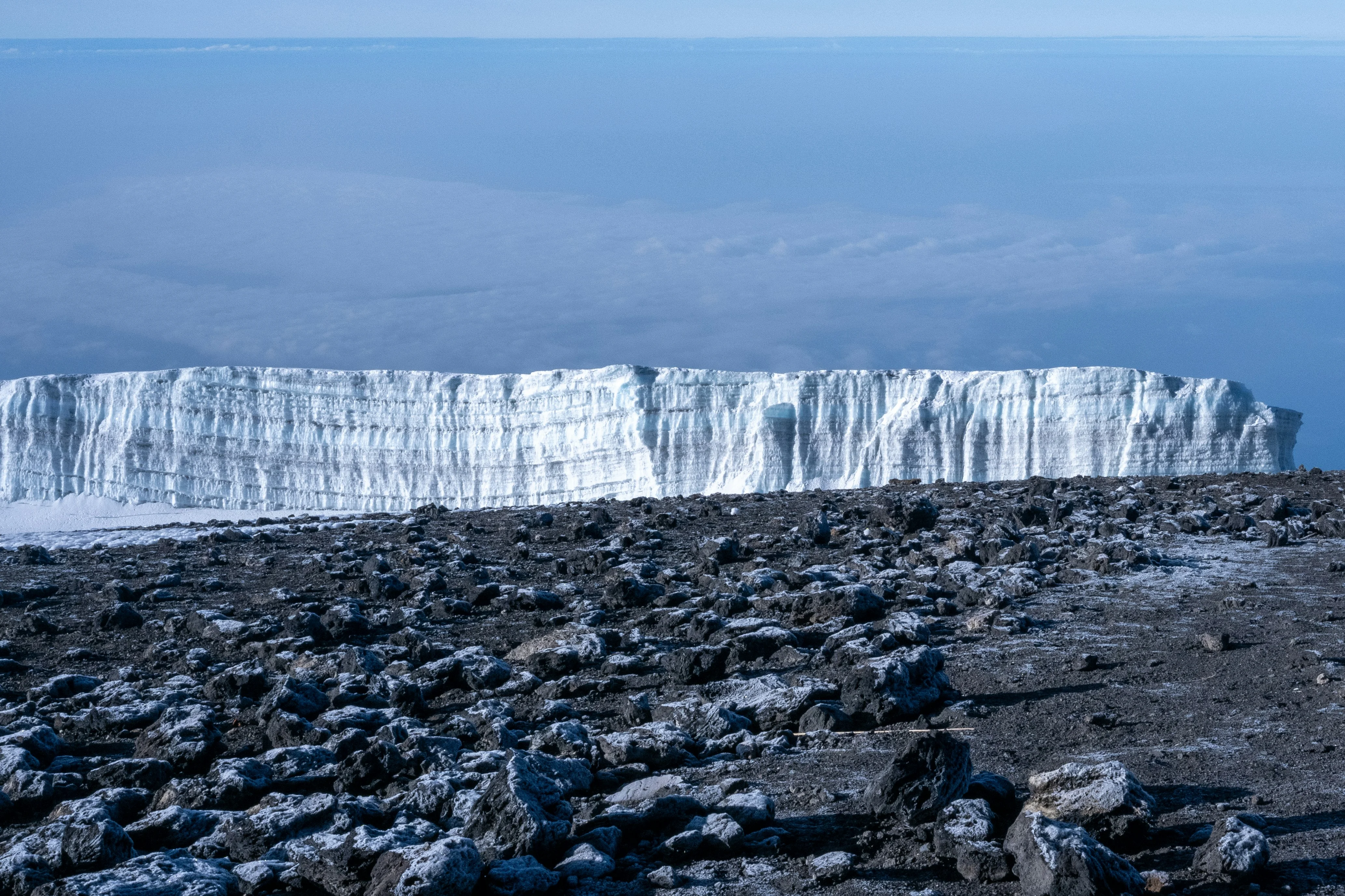
Moshi – Londorossi Gate – Mti Mkubwa – Shira – Moir – Lava Tower – Barranco – Karanga – Barafu – Uhuru Peak – Mweka Gate
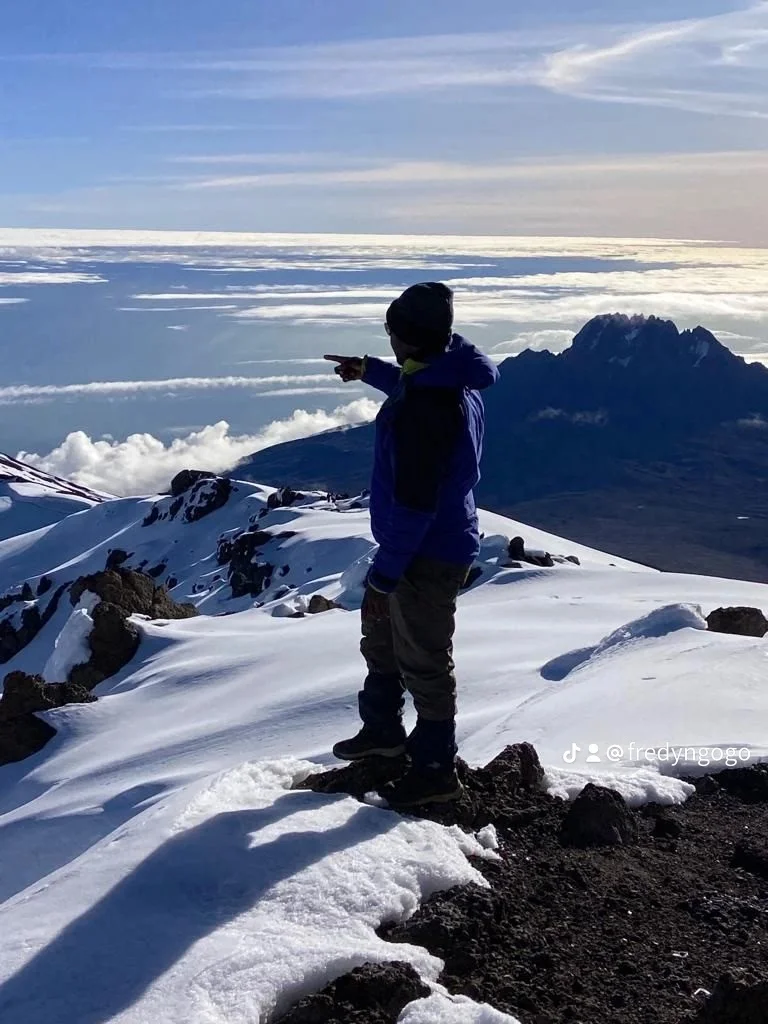
Climb Mount Kilimanjaro via the scenic Lemosho Route on a private 8-day trek through rainforest, the Shira Plateau and high alpine landscapes before reaching Uhuru Peak, the Roof of Africa.
Currency
Prices per person, in USD. Other currencies shown above are an approximate guide only — every trip is quoted and invoiced in USD. International flights and visa fees not included — see "What's included" below.
Tap a day to expand it.
Your Mount Kilimanjaro adventure begins with a morning transfer from your hotel in Moshi or Arusha to Londorossi Gate, the western entrance to Kilimanjaro National Park and the starting point of the Lemosho Route. After completing park registration and meeting your professional mountain crew, you begin your trek through the lush montane rainforest on the western slopes of Mount Kilimanjaro. The first section of the trail is peaceful and relatively gentle, allowing you to settle into a comfortable walking rhythm while surrounded by tall trees, dense vegetation and the sounds of the forest. Your guide will set a steady pace from the beginning, with regular breaks for hydration, rest and photography. As you gradually gain elevation, the forest becomes quieter and the atmosphere increasingly wild. Keep an eye out for birds and signs of small forest wildlife as you make your way towards Mti Mkubwa Camp. After several hours of hiking, you arrive at Mti Mkubwa Camp at approximately 2,780 metres above sea level. Your mountain crew will have the camp prepared while you relax, enjoy a freshly prepared meal and begin adjusting to the mountain environment. Your guide will brief you on the following day's trek towards the Shira Plateau before you settle in for your first night on Mount Kilimanjaro. Tonight, surrounded by the Kilimanjaro rainforest, marks the beginning of your journey towards Uhuru Peak.
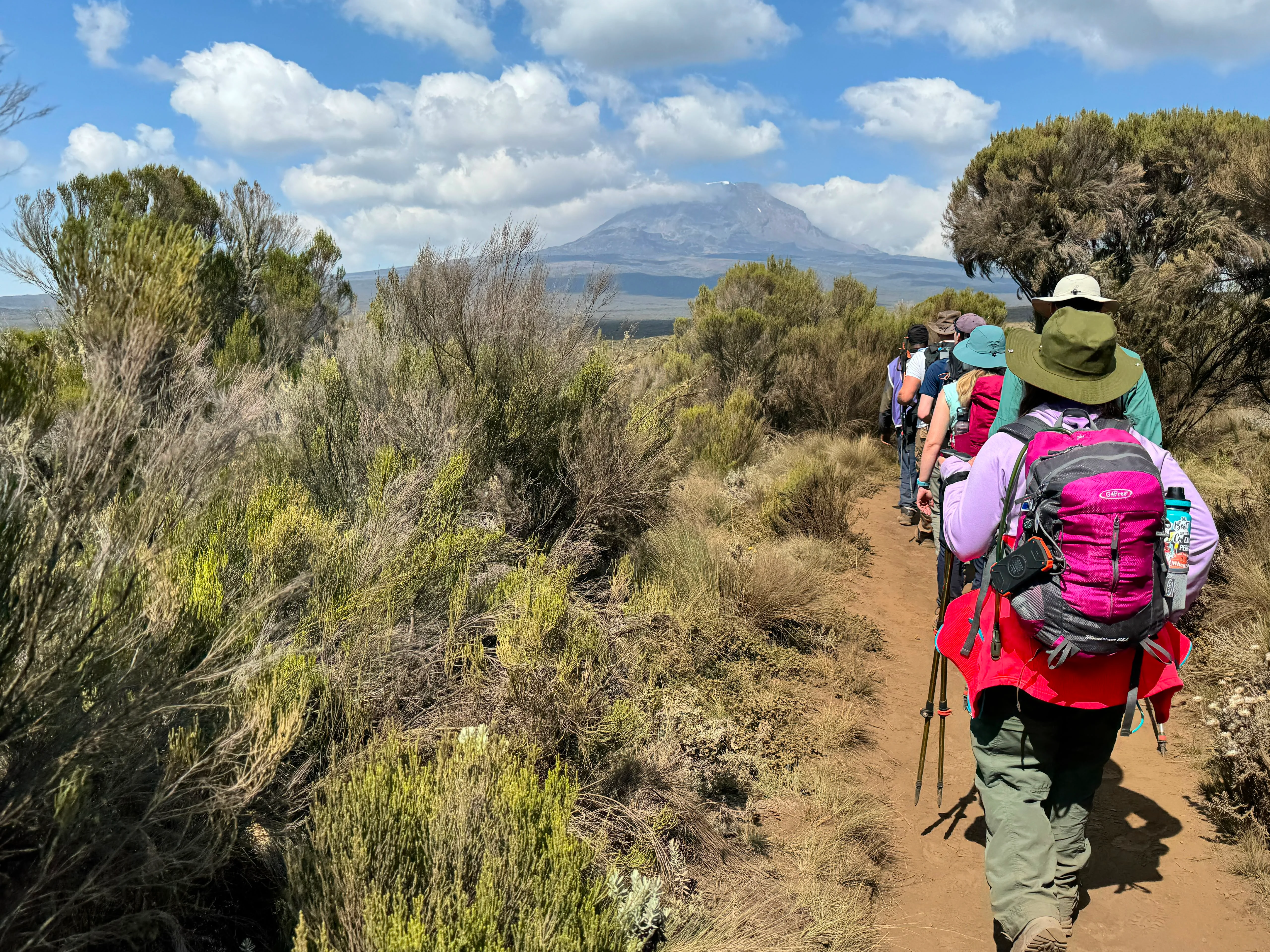
After breakfast at Mti Mkubwa Camp, you continue your ascent through the upper rainforest before gradually entering the heath and moorland zone of Mount Kilimanjaro. The trail becomes more open as you leave the dense forest behind. Tall trees give way to heather, grasses and distinctive high-altitude vegetation, while the landscape begins to reveal wider views across the western slopes of Kilimanjaro. Your mountain guide will maintain a slow and steady pace, allowing your body to adjust naturally as you gain altitude. Regular breaks are taken for hydration, rest and photography, with the focus on comfortable, consistent progress rather than speed. As you climb higher, the Shira Plateau begins to open around you. On clear days, you may see dramatic views towards Kibo, the highest volcanic cone of Mount Kilimanjaro, rising above the surrounding landscape. After reaching Shira 1 Camp at approximately 3,505 metres, you will have time to settle into camp, enjoy a freshly prepared meal and rest after the day's climb. The afternoon provides an opportunity to appreciate the open highland scenery and begin adjusting to the colder and more exposed conditions at altitude. Your guide will also brief you about the following day's trek across the Shira Plateau. Tonight, you camp beneath the vast Kilimanjaro sky as the journey continues towards the higher alpine zones of the mountain.
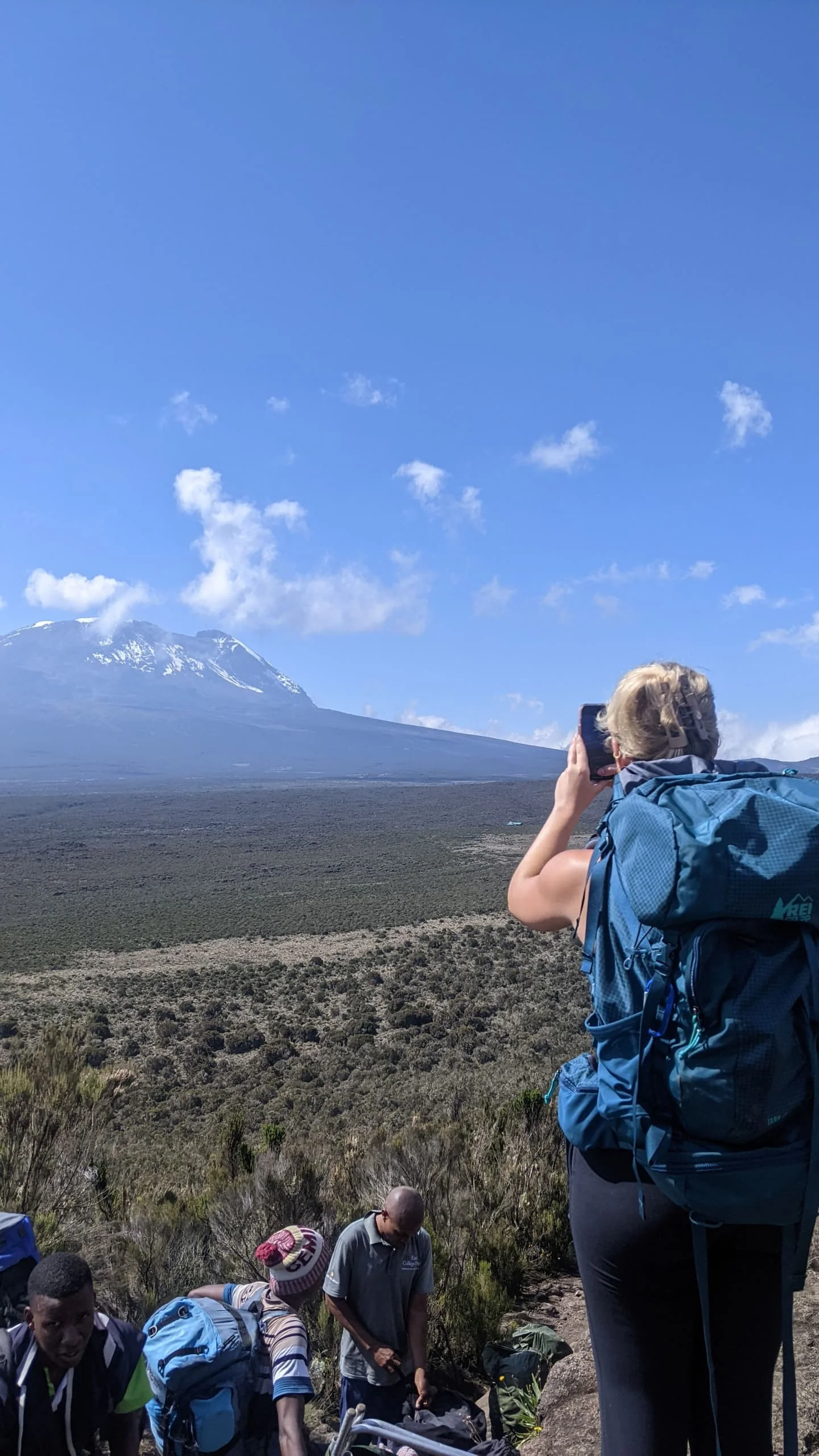
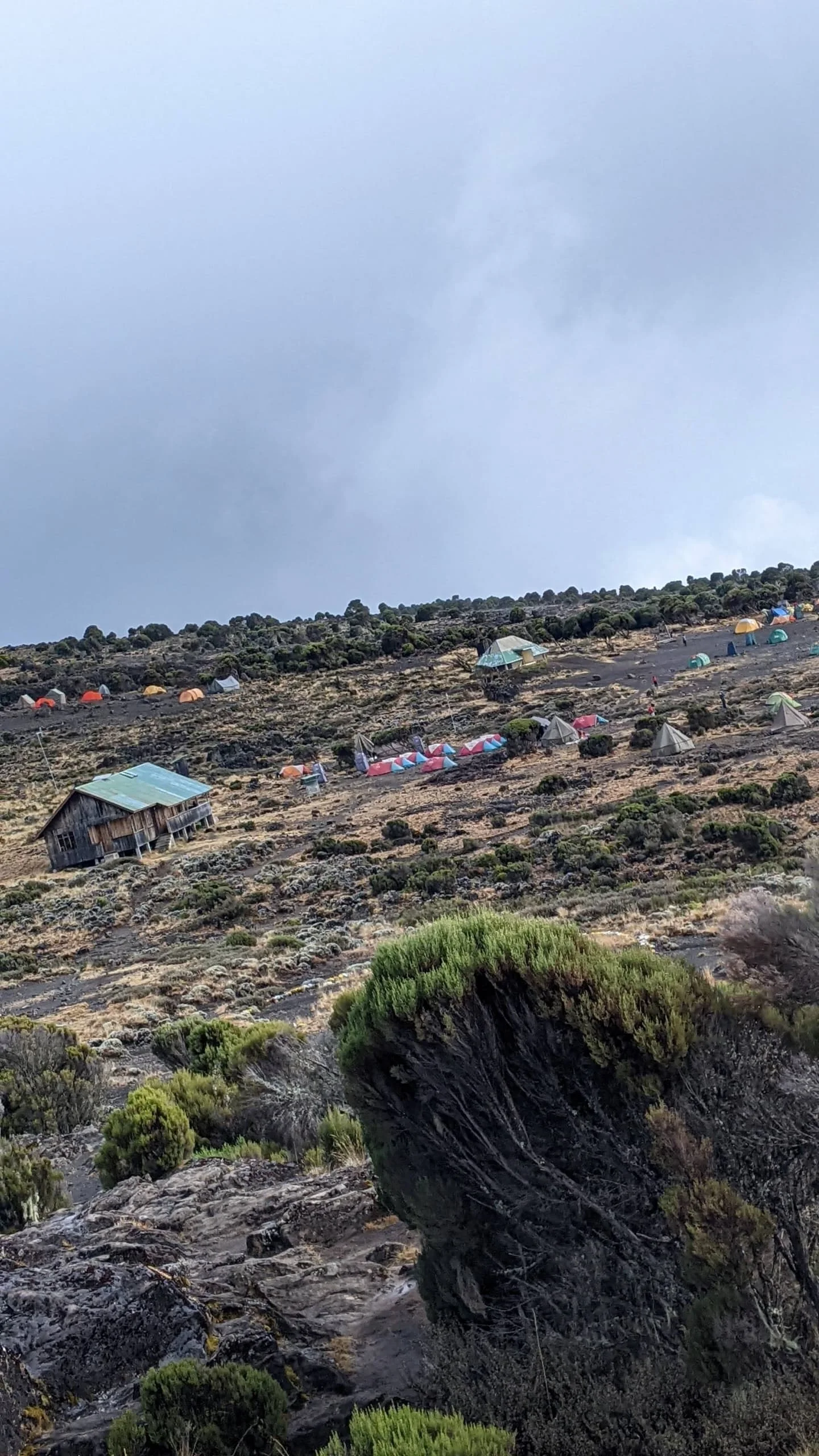
After breakfast at Shira 1 Camp, you continue across the spectacular Shira Plateau, one of the most distinctive landscapes on the Lemosho Route. The trail crosses open highland terrain with wide views across the volcanic landscape. As you leave the Shira 1 area, the vegetation becomes increasingly sparse and the environment takes on the character of Kilimanjaro's high moorland and alpine desert. Your mountain guide will maintain a steady, measured pace, allowing you to gradually adjust to the increasing altitude. Regular breaks provide time to hydrate, rest and enjoy the changing scenery. As you continue eastwards across the plateau, Kibo becomes increasingly prominent on the horizon. Weather permitting, the open landscape provides impressive views towards the upper slopes of Mount Kilimanjaro. The trail eventually leads towards the quieter Moir Valley, a natural valley situated at the northern edge of the Shira Plateau. This less-travelled section of the route provides a peaceful mountain setting and an important opportunity to spend more time at altitude before the route continues towards Lava Tower and Barranco. Arrive at Moir Camp in the afternoon at approximately 4,200 metres. After settling into camp, enjoy a freshly prepared meal and allow yourself time to rest and hydrate. Your guide will brief you on the following day's trek towards Lava Tower and Barranco Camp, where the route will climb higher before descending to a lower sleeping altitude. Tonight, you rest in the high mountain environment with the summit of Kilimanjaro drawing closer.
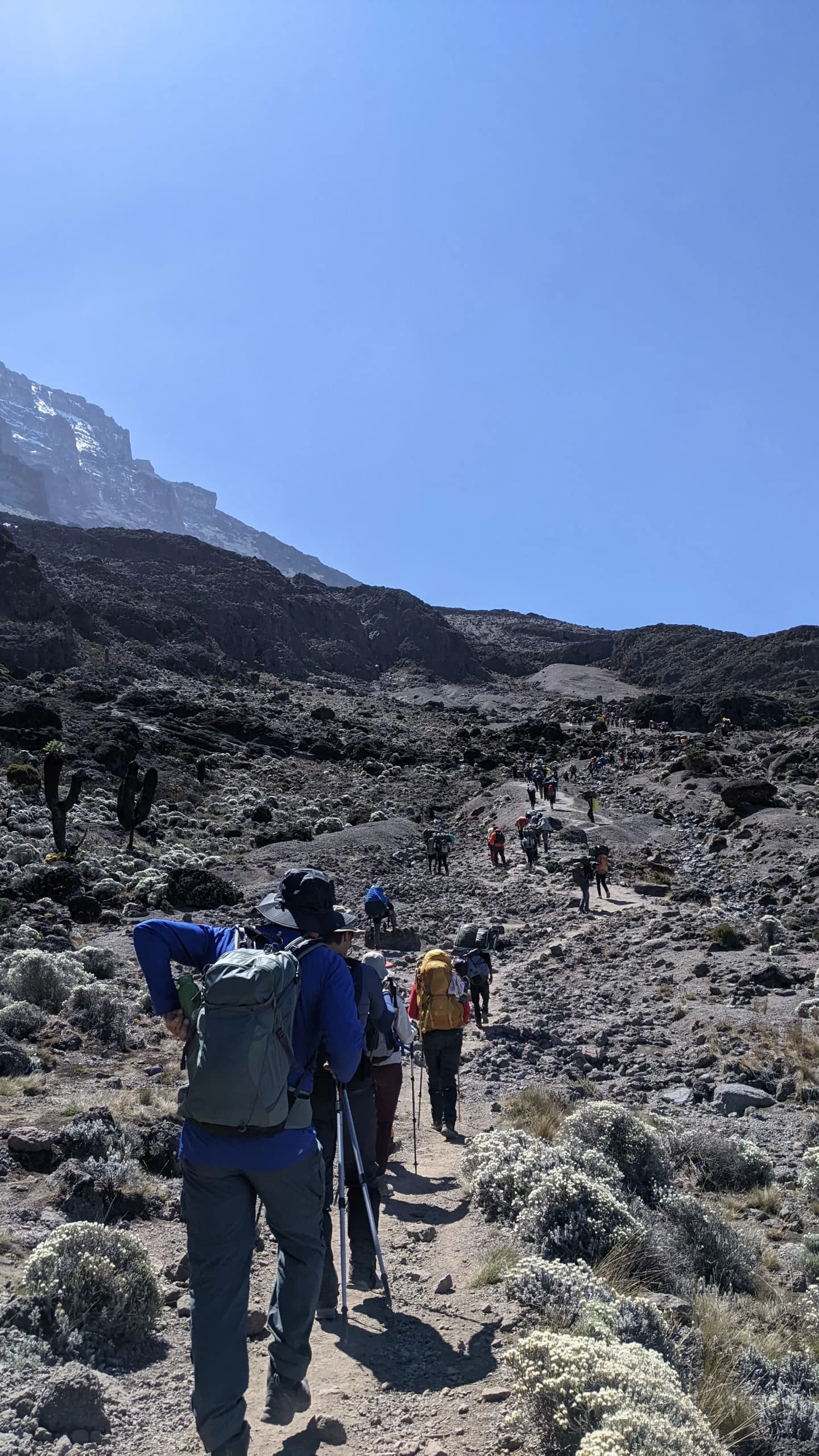
After breakfast at Moir Camp, you begin one of the most important acclimatisation days of the Lemosho Route. The trail climbs gradually through the high alpine landscape towards Lava Tower, reaching approximately 4,630 metres above sea level. As you gain altitude, vegetation becomes increasingly sparse and the surroundings take on the dramatic character of Kilimanjaro's alpine desert. Your mountain guide will maintain a slow and controlled pace, allowing your body time to adjust to the increasing elevation. Regular breaks are taken for hydration, rest and photography. Reaching Lava Tower provides an important opportunity to spend time at a higher altitude before continuing towards Barranco. Depending on weather and trail conditions, you will have time to rest and enjoy lunch before beginning the descent. From Lava Tower, the trail descends towards Barranco Camp. This climb-high, sleep-lower profile is an important part of the route's acclimatisation strategy, giving you exposure to a higher elevation during the day before sleeping at a lower altitude. As you descend, the landscape changes again. Giant senecio plants begin to appear and the impressive Barranco Wall comes into view, creating one of the most dramatic approaches on Mount Kilimanjaro. Arrive at Barranco Camp at approximately 3,960 metres, where your mountain crew will prepare your evening meal. After a demanding day at altitude, take time to hydrate, rest and prepare for the following day's climb over the Barranco Wall towards Karanga Camp. With the summit getting closer, today's journey marks another important step in your preparation for Uhuru Peak.
After breakfast at Barranco Camp, you begin one of the most memorable sections of the Lemosho Route: the ascent of the Barranco Wall. The trail rises towards the impressive volcanic wall, which can look challenging from camp but is tackled at a steady pace with the guidance of your professional mountain crew. The route follows natural rock steps and short sections where you may use your hands for balance, but technical climbing equipment is not required on the standard trail. As you climb higher, look back across Barranco Valley and the surrounding mountain landscape. Weather permitting, the views become increasingly dramatic, with the upper slopes of Kibo rising above the surrounding terrain. After reaching the top of the Barranco Wall, the trail continues through the alpine landscape with a series of rises and descents before entering the Karanga Valley. The relatively short distance gives you time to walk at a controlled pace while continuing to adapt to the altitude. Your guide will monitor the group throughout the day and allow regular breaks for hydration and rest. Arrive at Karanga Camp at approximately 4,035 metres. After settling into camp, enjoy a freshly prepared meal and take time to recover from the day's climb. Your guide will brief you about the following day's ascent towards Barafu Camp, the final high-altitude camp before the summit attempt. With Uhuru Peak now much closer, tonight is an important opportunity to rest, hydrate and conserve your energy for the days ahead.
After breakfast at Karanga Camp, you begin the steady ascent towards Barafu Camp, the high-altitude base for your final climb to Uhuru Peak. The trail crosses increasingly rocky and exposed terrain as you leave the Karanga Valley behind. Vegetation becomes sparse and the landscape takes on the stark character of Kilimanjaro's high alpine zone. Your mountain guide will maintain a slow and measured pace, allowing you to conserve energy and continue adjusting to the altitude. Regular breaks provide opportunities to hydrate, rest and take in the dramatic mountain scenery. After approximately 6 kilometres of gradual ascent, you reach Barafu Camp at around 4,640 metres above sea level. The camp sits on an exposed ridge with views towards the upper slopes of Kibo and the surrounding mountain landscape. Once at camp, your mountain crew will prepare a warm meal while you settle in and rest. Your guide will conduct a detailed summit briefing covering the night-time departure, expected conditions, pacing, clothing, hydration and mountain safety procedures. You will have an early dinner before resting for as long as possible. The summit attempt begins late at night, so conserving your energy during the afternoon and evening is essential. Tonight, you rest high on Mount Kilimanjaro with Uhuru Peak ahead. The next stage of your journey will begin in darkness as you make your final ascent towards the Roof of Africa.
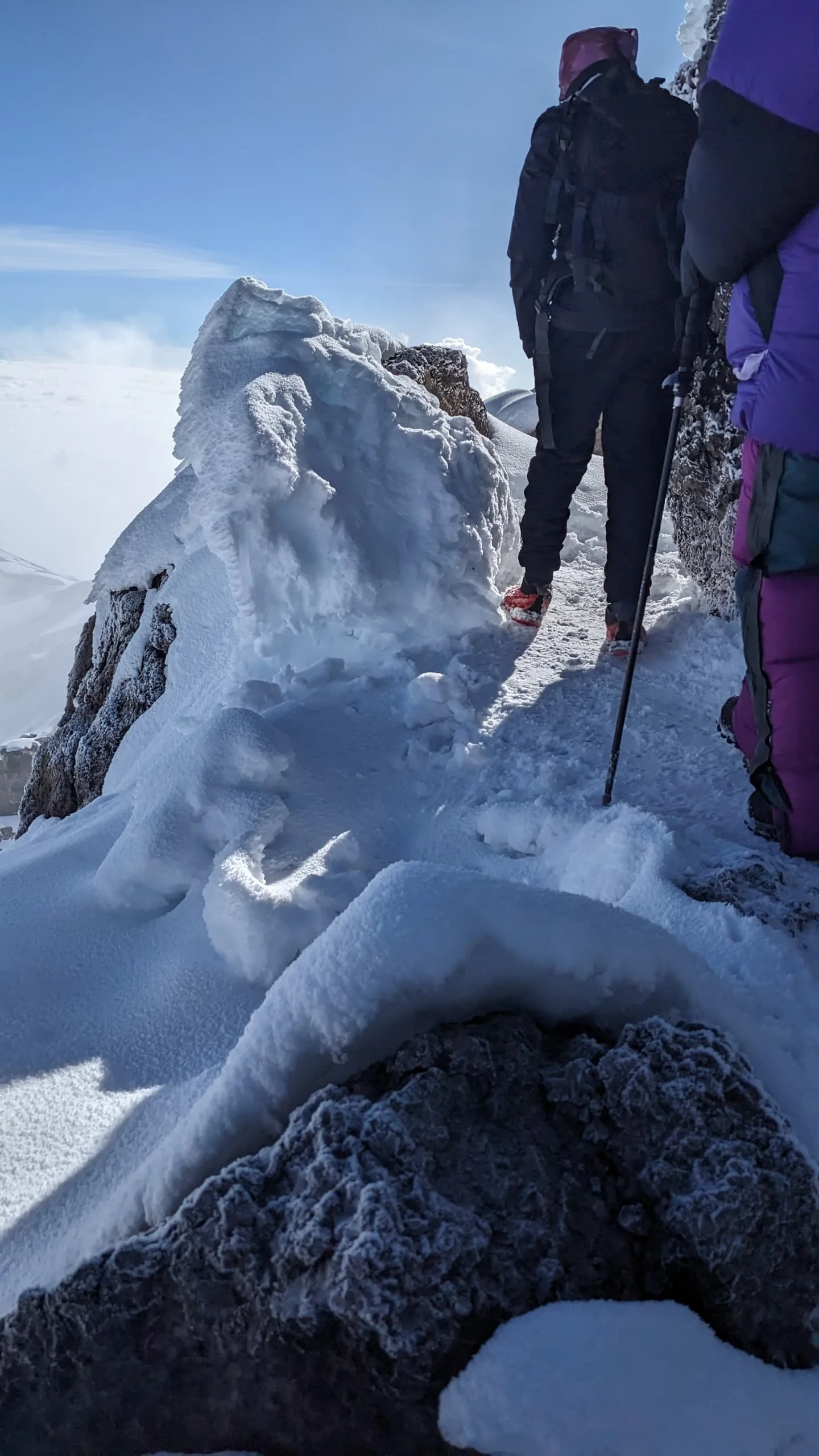
Tonight is the defining stage of your Mount Kilimanjaro adventure. After a short period of rest at Barafu Camp, you wake before midnight, have a light hot drink and snack, and begin the final ascent towards Uhuru Peak. The climb starts in darkness as you follow the steep trail across volcanic scree towards Stella Point on the crater rim. Your professional mountain guide will establish a slow, controlled pace, with regular short breaks to manage energy, hydration and the effects of high altitude. As dawn approaches, the first light begins to appear across the surrounding landscape. Reaching Stella Point at approximately 5,685 metres is a major milestone, but the summit is still ahead. From Stella Point, you continue along the crater rim towards Uhuru Peak. The final section remains demanding because of the altitude, cold and accumulated fatigue, so the mountain crew will continue to monitor the group and adjust the pace and rest periods according to conditions. Reach Uhuru Peak at 5,895 metres, the highest point on Mount Kilimanjaro and the highest elevation in Africa. Weather permitting, take a moment to celebrate your achievement, take photographs and appreciate the extraordinary surroundings. Time at the summit will be kept appropriate to the weather, temperature and physical condition of the group. After the summit, begin the descent towards Barafu Camp. Take a short recovery break before continuing down the Mweka Route towards Mweka Camp. The descent brings you rapidly back into a lower-altitude environment. By the time you reach Mweka Camp at approximately 3,090 metres, the landscape has begun to change again and the mountain air feels noticeably different. A warm meal and a well-earned rest await you at camp. After one of the longest and most demanding days of the trek, take time to recover and prepare for the final descent to Mweka Gate tomorrow. Tonight, you sleep in the rainforest zone knowing that you have completed the summit stage of your Kilimanjaro journey.
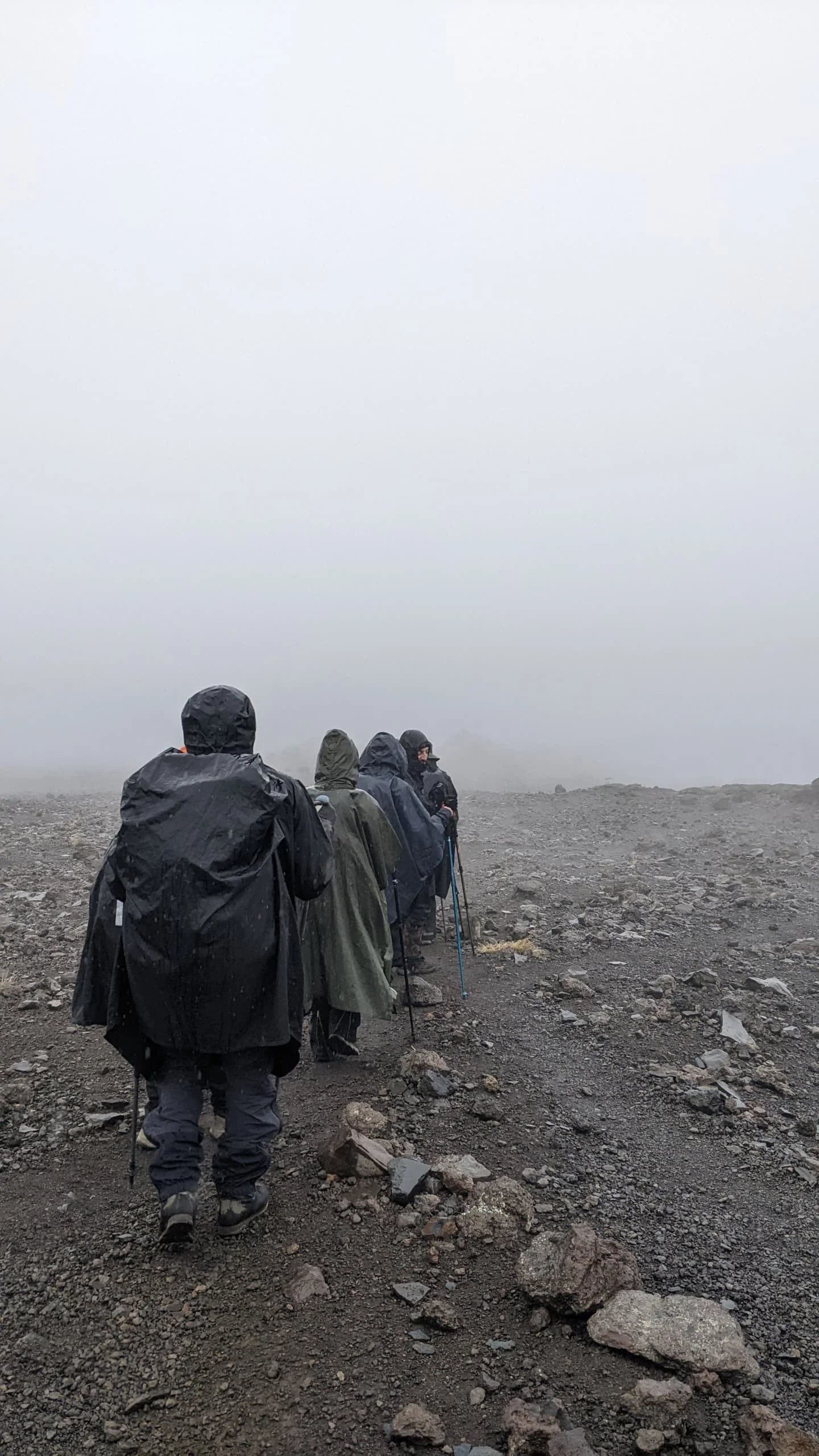
After breakfast at Mweka Camp, you begin the final descent of your Mount Kilimanjaro Lemosho Route climb. The trail leads through the lush montane rainforest as you gradually leave the high-altitude environment behind. After the demanding summit day, the lower elevation and greener surroundings create a noticeable change in the atmosphere of the mountain. Take your time on the descent and watch your footing, particularly on sections of the trail that may be wet, muddy or slippery after rainfall. Your mountain guide will maintain a comfortable pace and allow regular breaks as you make your way towards Mweka Gate. After approximately 10 kilometres, you reach Mweka Gate at around 1,650 metres above sea level. Here, the mountain team completes the final park exit formalities before you say goodbye to your guides and porters. Take a moment to reflect on the journey from the western slopes of Kilimanjaro, through the rainforest and across the Shira Plateau, into the high alpine landscape and finally to Uhuru Peak at 5,895 metres. Meet your waiting vehicle at Mweka Gate for the transfer back to your hotel in Moshi or Arusha, according to your travel arrangements. Your 8-day Mount Kilimanjaro Lemosho Route adventure ends here, marking the completion of an unforgettable journey across Africa's highest mountain.
The mountain team checks essential personal equipment before departure and helps identify any important items needed for the selected route and conditions.
Tea, coffee and other selected hot drinks are served at camp to provide warmth and refreshment during the trek.
All applicable park entry and conservation fees required for the scheduled Serengeti and Ngorongoro safari activities are included.
Breakfast, lunch and dinner are freshly prepared during the trek to provide balanced nutrition throughout the climb.
Essential camping kitchen equipment and cooking supplies are provided for preparing meals during the safari.
A comfortable sleeping mattress is provided for nights spent camping on Mount Kilimanjaro.
Eligible climbers who successfully complete the designated summit route receive the appropriate Kilimanjaro National Park certificate.
Private or group transportation is provided between the designated hotel and the Kilimanjaro trailhead, with return transport after the trek.
Quality mountain tents are provided for overnight camping on routes that use campsites, offering shelter from changing mountain weather.
Selected Kilimanjaro packages include hotel accommodation before and after the climb, according to the itinerary and booked package.
Required park registration and hiking permit arrangements for the selected Kilimanjaro day-hike route are included.
Private vehicle transportation between your hotel and the designated Kilimanjaro trail gate, including the return journey after the hike.
All required Kilimanjaro National Park entrance and conservation fees for the scheduled trekking days are included in the package.
A professional licensed mountain guide leads the trek, manages the route and pace, and provides guidance and safety support throughout the climb.
A dedicated dining tent provides a sheltered space where climbers can enjoy meals and relax at camp.
A professional licensed mountain guide accompanies you throughout the hike, providing route guidance, safety support and information about Mount Kilimanjaro.
Safe treated drinking water is provided throughout the trek to help climbers maintain adequate hydration at altitude.
Applicable government taxes and VAT associated with the booked Kilimanjaro trekking services are included in the package price.
Mountain porters carry designated group equipment, food and camping supplies, allowing climbers to focus on hiking with a manageable personal daypack.
Additional qualified mountain guides are provided according to group size and operational requirements to support route management and guest safety.
Emergency supplemental oxygen is carried by the mountain team as part of the trek's altitude-safety equipment.
A comprehensive first-aid kit is carried by the mountain team to provide initial assistance for minor injuries and common trekking needs.
Required overnight camping fees or mountain hut accommodation fees are included according to the selected Kilimanjaro route.
Before the climb, guests receive a briefing covering the route, daily hiking expectations, mountain safety, equipment and preparation for high-altitude trekking.
Anything beyond what's in your itinerary — an extra activity you add on the ground — is priced separately.
Souvenirs, personal shopping and other individual spending money aren't included.
If the Tanzanian government raises taxes or park fees after booking, that increase is passed on rather than absorbed into your quoted price.
Soft drinks and bottled water are included; alcoholic beverages are available at extra cost where offered.
Flights to and from Tanzania are not included — we can recommend routes and airlines on request.
Most nationalities need a Tanzania visa, available on arrival or online in advance — the fee is not included in the trip price.
Tipping your driver-guide and camp staff is customary but discretionary, and not included in the trip price.
We require all travelers to carry their own travel insurance, including emergency medical evacuation cover — not included in the trip price.
The 8-day Lemosho Route strikes the optimal balance between high scenic beauty and a gradual physiological ascent. By starting on the remote western side of the mountain and utilizing an 8-day itinerary, it maximizes acclimatization—featuring the classic "climb high, sleep low" profile over Lava Tower and Moir Hut—resulting in an exceptionally high summit success rate (typically over 90%).
The extra day on the 8-day itinerary is spent exploring higher-altitude moorland and moorland-alpine transition zones (such as an extended stay at Moir Hut or Shira Camp), which gives your red blood cells significantly more time to adapt before you tackle the Barranco Wall and the final summit push.
Your private trek begins with a pickup from your hotel in Moshi or Arusha. You travel in a private 4x4 vehicle for roughly 2 to 3 hours to Londorossi Park Gate on the western slopes, where park registrations, weigh-ins, and guide briefings take place.
Day 1 (Mti Mkubwa): Lush, humid rainforest paths filled with ancient moss-draped trees, endemic flora, and occasional blue monkeys. Day 2 (Shira Plateau): Emerging from the forest into a vast, sweeping volcanic plateau with wide-open vistas and chilly mountain breezes.
For a private group of 1 or 2 climbers, your dedicated support team typically consists of 1 lead mountain guide, 1 or 2 assistant guides, 1 professional mountain chef, and 6 to 8 porters responsible for carrying camp gear, dining tents, food, and your personal duffel bags.
Your TanzaLux guides carry medical-grade pulse oximeters to measure your blood oxygen saturation and heart rate twice daily (morning and evening). They also assess symptoms using standard high-altitude medical scoring frameworks to ensure safety.
While park regulations limit each porter's total load to 20 kg (which includes their own clothing and gear), your personal soft duffel bag given to the porters must be tightly packed to weigh no more than 15 kg (33 lbs).
For the lower and middle elevations, the chef carries fresh produce, eggs, meat, and vegetables. As you ascend into the alpine desert where refrigeration is impossible, meals transition to high-calorie, nutrient-dense ingredients, hot soups, pastas, and energy-boosting carbohydrates designed to fuel your climb.
Water is collected from pristine glacial streams and natural mountain springs near each designated campsite. Your crew boils this water vigorously and treats it with purification tablets or microfilters before refilling your bottles and bladders every morning.
The summit attempt begins from Barafu Camp (4,673m) around midnight to 1:00 AM. Setting off in the dark allows climbers to scale the frozen volcanic scree slopes while they are stable and reach Uhuru Peak by sunrise.
Summit day is a monumental physical challenge: you will trek steeply uphill for 6 to 8 hours to reach Uhuru Peak (5,895m), followed immediately by a 4 to 6-hour descent all the way down to Mweka Camp (or Millennium Camp), totaling 11 to 14 hours of continuous hiking.
Temperatures on the summit ridge can easily drop between -10°C and -20°C (14°F to -4°F), with severe wind chill factors. Full extreme-cold gear—including windproof hardshell trousers and jackets, heavy down parkas, thermal base layers, balaclavas, and mitts—is required.
While technical mountaineering equipment (like crampons or ice axes) is not required for Lemosho, stellar cardiovascular endurance and leg stamina are essential. We recommend training for 4 to 6 months with stair-climbing workouts, weighted backpack hikes, and long weekend walks.
Diamox is a prescription medication often recommended by travel doctors to stimulate breathing and assist with rapid acclimatization. Consult your personal physician before departure to determine if it is right for you.
Yes. To ensure maximum comfort and hygiene across remote high-altitude campsites where public facilities are basic pit latrines, TanzaLux includes a private portable chemical toilet tent reserved exclusively for your private group throughout the 8 days.
Mobile signal (Vodacom or Tigo) is completely non-existent during the first few days on the western slopes and Shira Plateau. You may pick up an intermittent signal near Barranco or Barafu camps, but it is best to plan on being entirely offline until you descend to Mweka Gate.
Tipping is customary and forms a vital part of the crew's income. Guidelines recommended by the Kilimanjaro Porters Assistance Project (KPAP) suggest pooling cash (US Dollars printed in 2013 or later, or Tanzanian Shillings) to present at the final celebration ceremony at Mweka Gate: Lead Guide: $20–$25 USD per day. Assistant Guide: $15–$20 USD per day. Mountain Chef: $15 USD per day. Porters: $10 USD per porter per day.
Yes! Because your climb ends neatly near Arusha/Moshi, you can seamlessly transition from the mountain gate straight into a 4-day to 7-day private safari across Tarangire, the Serengeti, and the Ngorongoro Crater.
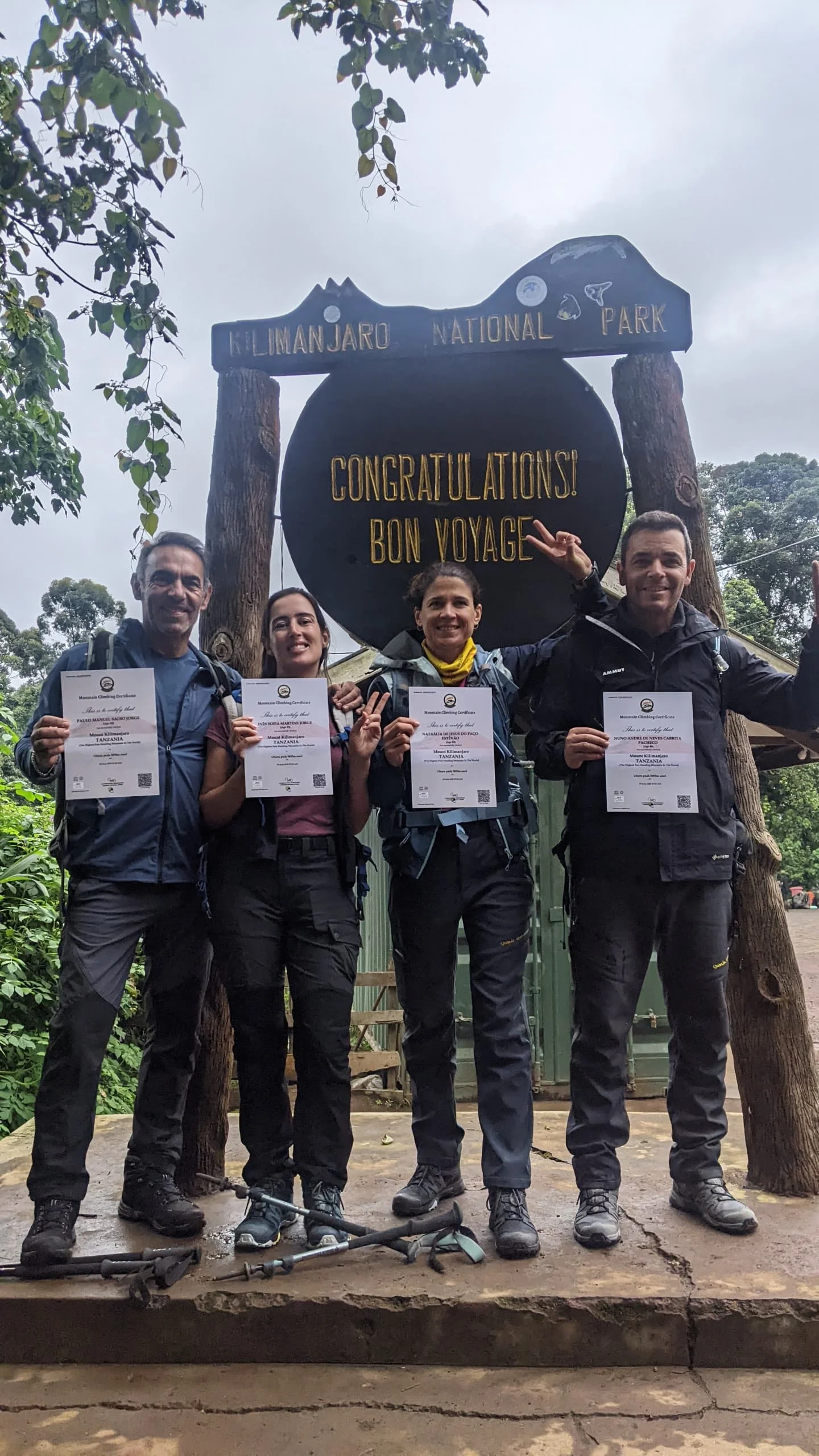
Upon descending to Mweka Gate and signing out with park authorities, climbers who successfully reach the true peak (Uhuru Peak at 5,895m) receive an official Gold Summit Certificate issued by Kilimanjaro National Park.
The Lemosho Route is open year-round, but the premier trekking seasons are January through March (warmer days, clearer skies) and June through October (dry, stable weather patterns, though nighttime temperatures are colder).
You can obtain this visa either online or on arrival. Typically, it takes 3-5 days to get your visa approved online. However, if your trip starts in less than a week, we recommend opting for the on-arrival visa. To avoid issues with POS machines, bring $50 in cash.
East African Community citizens travel visa-free. Other reciprocal exceptions may apply — always confirm the exact requirement for your passport on the official portal above before booking flights.
Grateful experience
As a solo female traveler, I felt super safe and well taken care of the entire time.
Read morePrivate Safari 6 days
I can only highly recommend the young company Tanzalux for organizing a private safari.
Read moreAn unforgettable vegetarian journey with Tanzalux Safaris
I highly recommend Tanzalux for anyone wanting a special, personalized safari.
Read moreOur 3-day camping safari with Tanzalux was simply fantastic! Everything was perfectly organized.
Read moreBack in April, I joined a day trip to Tarangire National Park with Tanzalux Safaris, and it was truly one of the best experiences I have ever had…
Read moreI've had an amazing experience with Tanzalux Safaris, would 1000% recommend! Thank you for making my trip so special🫶
Read moreI recently visited Meru Waterfalls in Arusha and got to do some of the activities there, honestly it was such a great experience and I really enjoyed it.
Read moreOur guide Dullah Mr Rastaman had the best vibe. I would like to recommend other people not to miss it, Tarangire is the best national park.
Read moreOur tour guide Nasri was very friendly and welcoming from the first day we met him. He knows Tarangire very well and explained many things during the safari.
Read moreAs a grandmother in the group, I would like to share my happiness with Tanzalux Safaris. Me, my daughters, and my grandson went on a short trip to Tarangire National Park…
Read moreReceive a free, no obligation quote

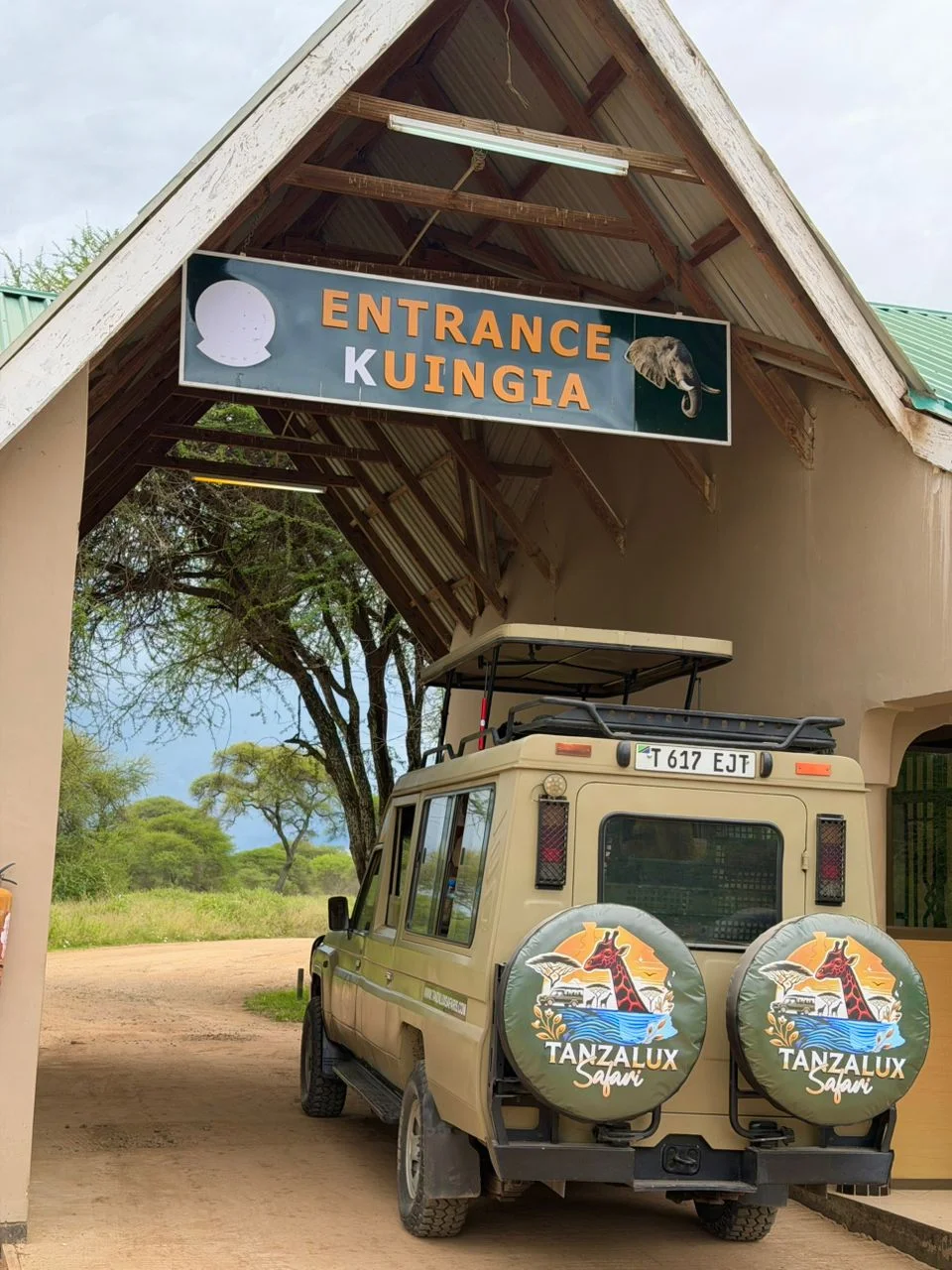 1 Day
$160 per person (USD)
You visit: Arusha (start), Tarangire National Park, Tarangire River, Northern Tanzania (end)
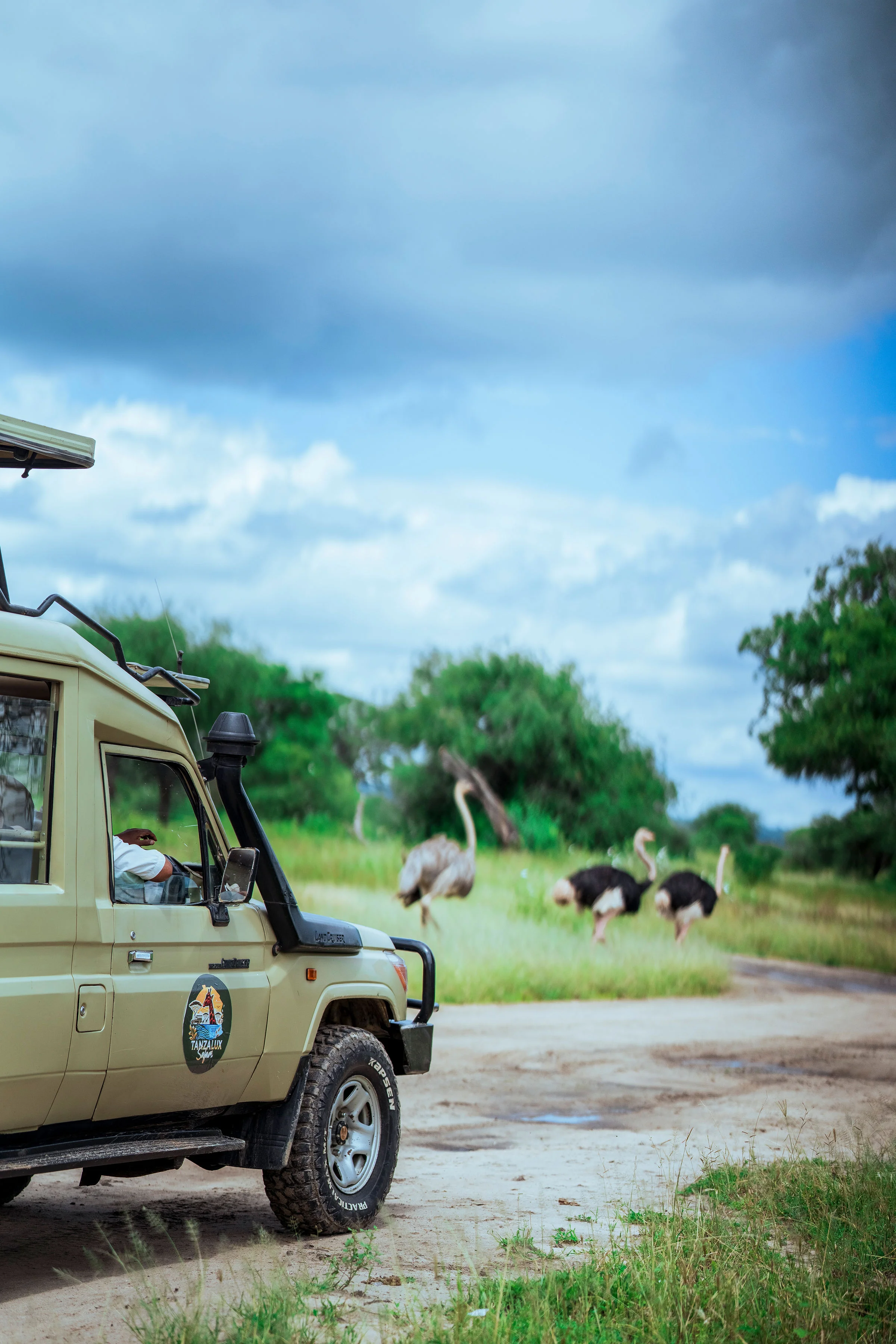 6 Days
$1,900 per person (USD)
You visit: Tarangire (start), Serengeti, Ngorongoro (end)
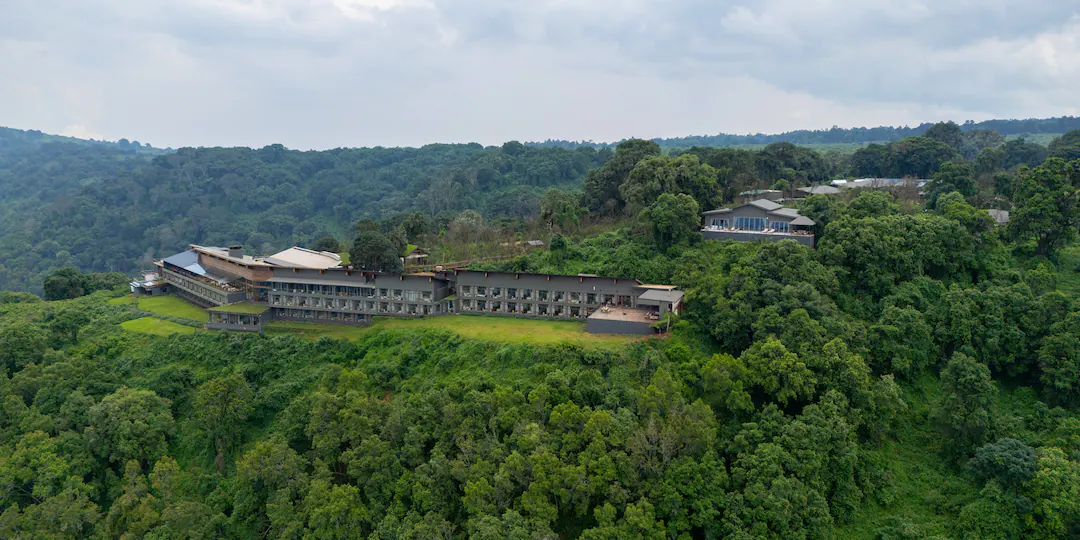 8 Days
$4,000 per person (USD)
You visit: Tarangire (start), Lake Manyara, Central Serengeti, Ngorongoro Crater (end)
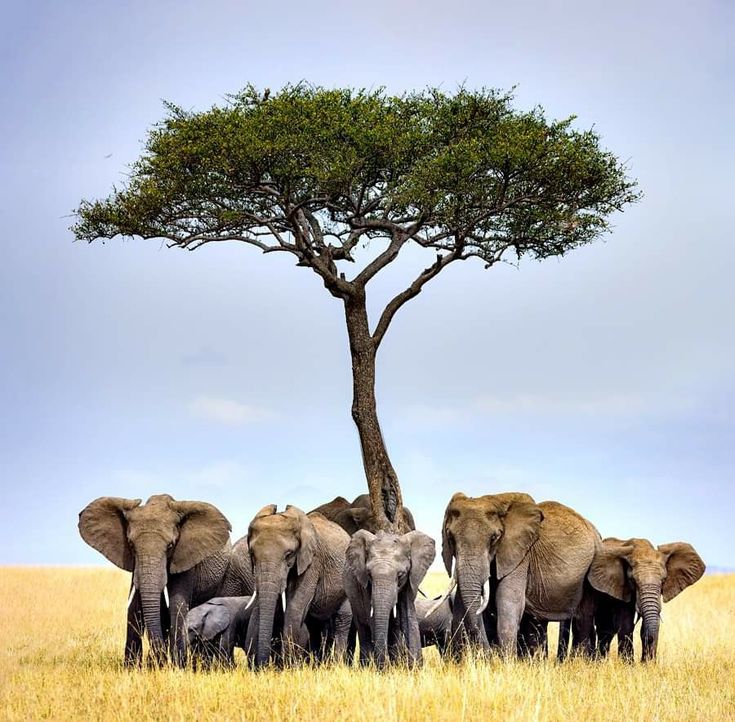 7 Days
$1,520 per person (USD)
You visit: Arusha (start), Tarangire, lake manyara, Serengeti, Ngorongoro (end)
6 Days$2,050 per person (USD)
You visit: Tarangire (start), Manyara, Serengeti, Ngorongoro (end)