5.0 Excellent

Dorine M1 year ago

Grateful experience
As a solo female traveler, I felt super safe and well taken care of the entire time.
Read more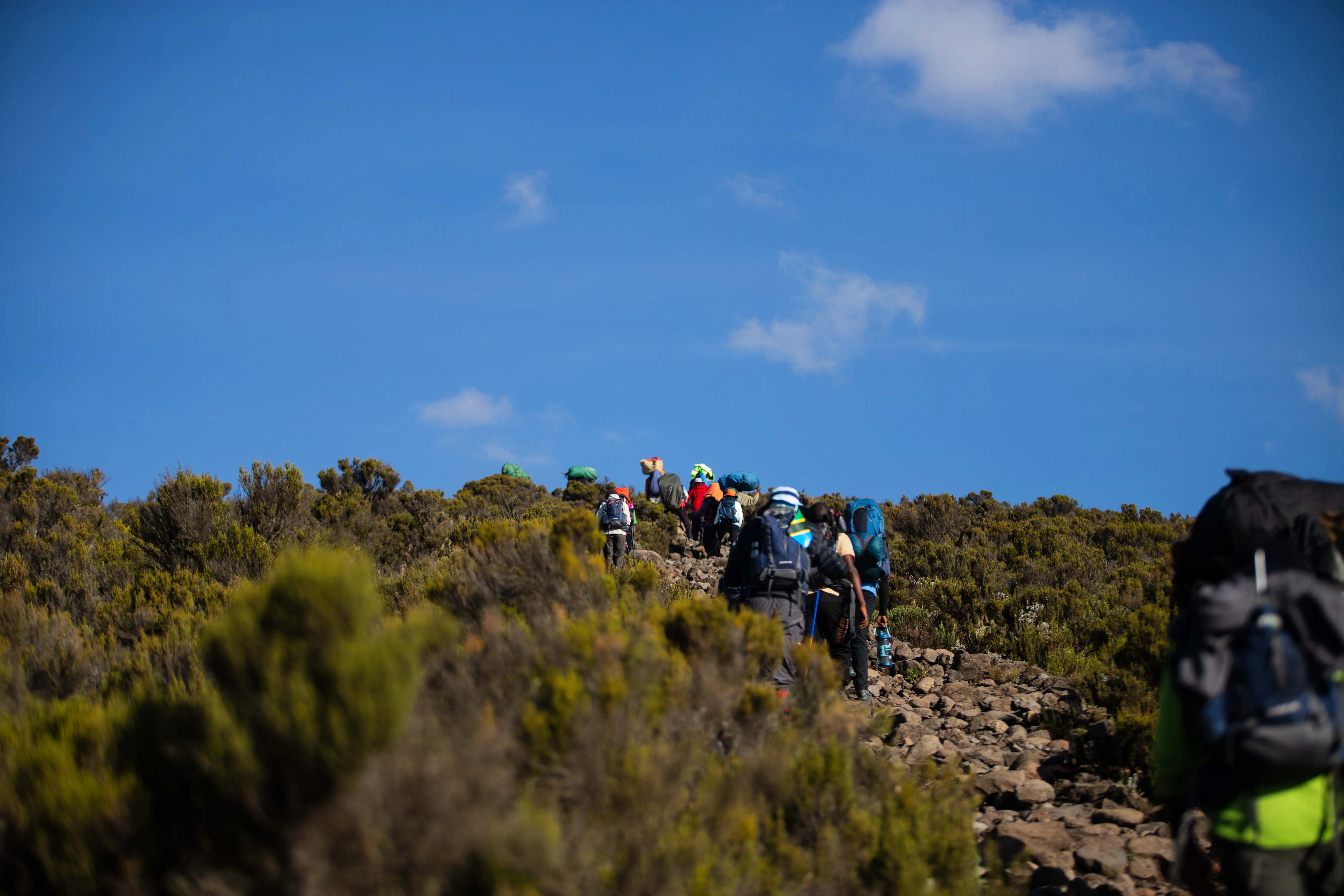
Moshi – Machame Gate – Shira – Barranco – Karanga – Barafu – Uhuru Peak – Mweka Gate
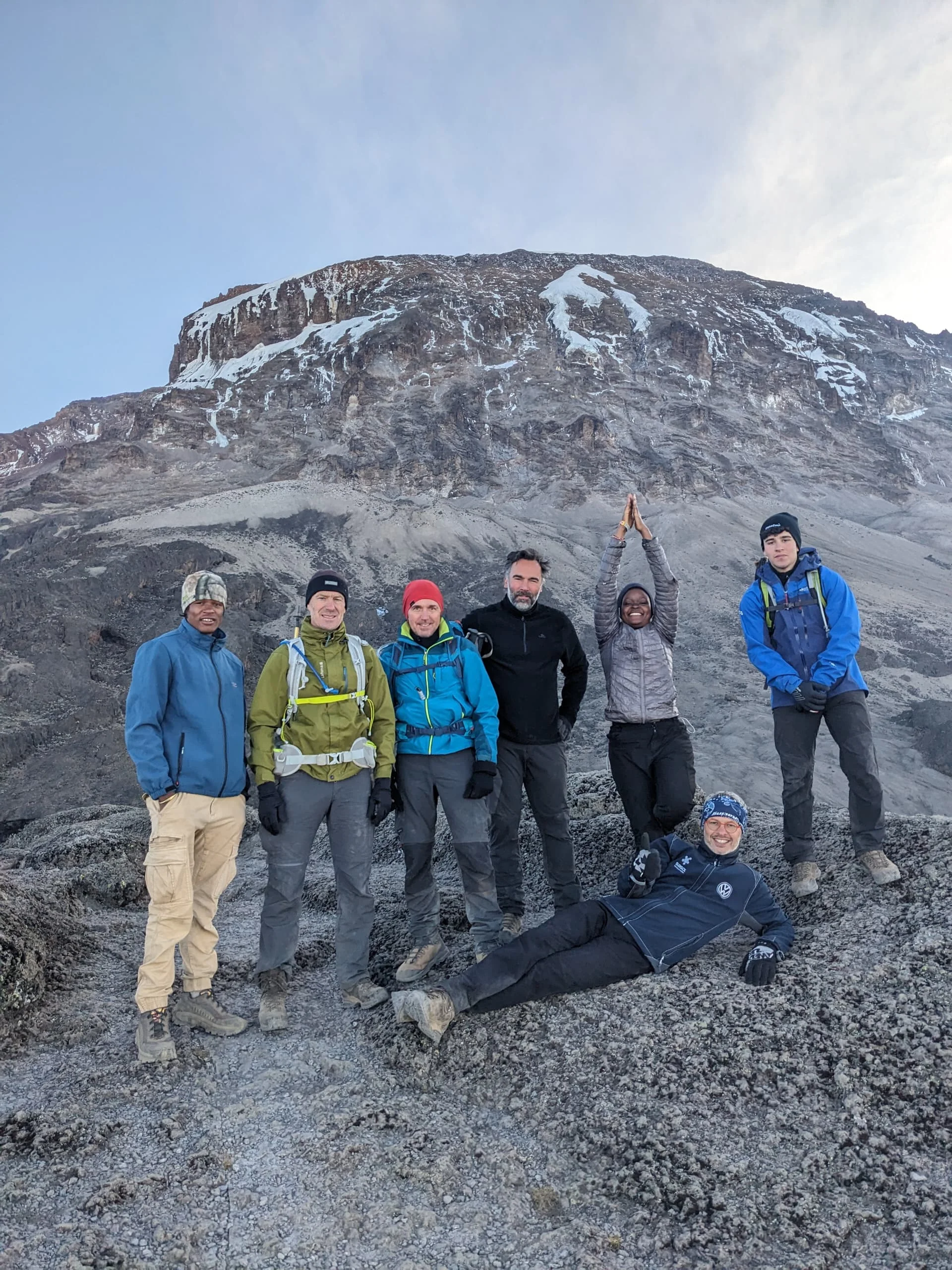
Climb Mount Kilimanjaro via the famous Machame Route on a private 7-day trek through rainforest, Shira Plateau, Barranco, Karanga and Barafu before reaching Uhuru Peak, the Roof of Africa.
Currency
Prices per person, in USD. Other currencies shown above are an approximate guide only — every trip is quoted and invoiced in USD. International flights and visa fees not included — see "What's included" below.
Tap a day to expand it.
Your Kilimanjaro adventure begins with an early morning transfer from your hotel in Moshi or Arusha to Machame Gate, the starting point of the Machame Route. After completing park registration and meeting your mountain crew, you begin the climb into the lush montane rainforest of Mount Kilimanjaro. The first part of the trek follows a steadily rising forest trail surrounded by tall trees, dense vegetation and the sounds of the mountain. The Machame Route is known for its beautiful natural scenery, and today gives you your first real taste of Kilimanjaro away from the roads and busy towns below. Your professional mountain guide will set a comfortable pace, with regular breaks for rest, hydration and photography. Take your time today — the aim is not to walk quickly, but to settle into the rhythm of mountain trekking and prepare your body for the days ahead. After several hours on the trail, you arrive at Machame Camp, situated at approximately 2,835 metres. Your mountain crew will have prepared the camp, allowing you to relax, enjoy a freshly prepared dinner and spend your first night on Mount Kilimanjaro. Tonight, surrounded by the forest and mountain atmosphere, you begin the journey towards Uhuru Peak.
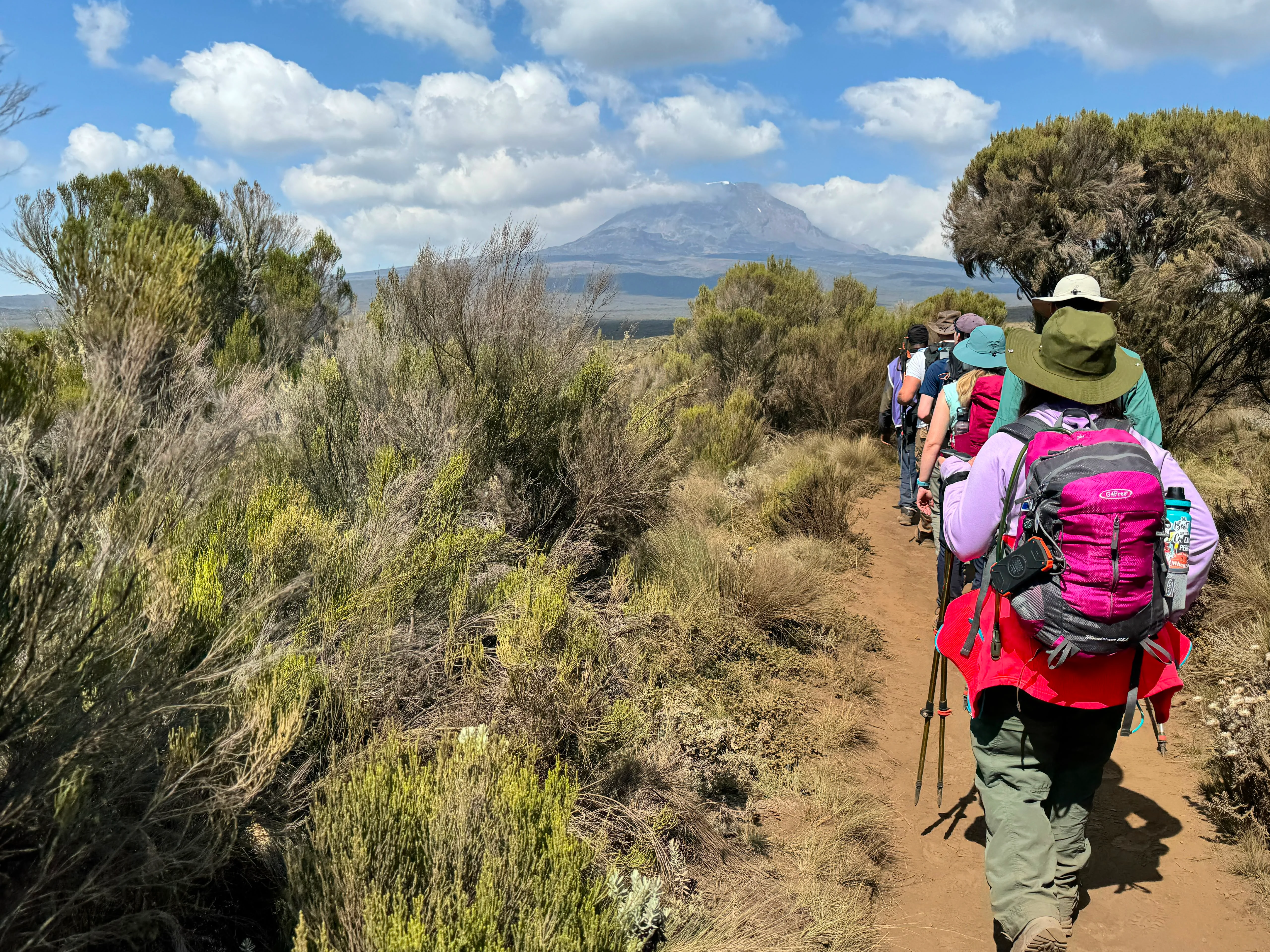
After breakfast at Machame Camp, the trail continues upwards as you leave the dense rainforest behind and enter the open moorland of Mount Kilimanjaro. The path becomes steeper and more rocky as you climb towards the Shira Plateau. Tall forest gradually gives way to heather, low vegetation and volcanic rock, while the views begin to open across the mountain landscape. Your mountain guide will maintain a steady pace, allowing regular breaks for hydration, rest and photography. Although today's distance is relatively short, the increase in altitude makes it important to walk slowly and give your body time to adjust. As you approach Shira Camp, the landscape becomes wider and more exposed. On clear days, you may catch your first impressive views across the Shira Plateau towards Kibo, the highest volcanic cone of Mount Kilimanjaro. Arrive at camp in the afternoon, where you can enjoy a warm meal, rest and take in the high-altitude surroundings. Your guide will also brief you about the following day's trek towards Lava Tower and Barranco Camp. Tonight, you settle into the quieter rhythm of life on the mountain, with the summit still ahead and the landscape changing with every step.
Today is one of the most important acclimatisation days on the Machame Route. After breakfast at Shira Camp, you leave the open plateau behind and begin a gradual ascent towards Lava Tower, reaching approximately 4,630 metres above sea level. The landscape changes noticeably as you climb higher. The vegetation becomes sparse and the trail takes you through the alpine desert zone, with volcanic rock, exposed slopes and wide views across the mountain. Your guide will maintain a slow and steady pace, giving you time to adjust to the increasing altitude. Lava Tower is an important point of the day's climb and provides a valuable opportunity to spend time at a higher elevation before descending to camp. Depending on conditions and the group's pace, you will have time for a rest and lunch before continuing towards Barranco. From Lava Tower, the trail descends towards Barranco Camp. The change in altitude is deliberate: you climb high during the day and sleep lower at night, giving your body valuable time to adapt to the altitude. As you descend, the landscape becomes more dramatic, with giant senecio plants appearing around the trail and the imposing Barranco Wall coming into view. The approach to Barranco is one of the most memorable sections of the Machame Route. Arrive at Barranco Camp at approximately 3,960 metres, where your mountain crew will prepare your evening meal. After a demanding day at altitude, take time to rest, hydrate and prepare for the following day's climb towards the Barranco Wall and Karanga Camp.
After breakfast at Barranco Camp, you begin one of the most memorable sections of the Machame Route: the ascent of the Barranco Wall. The trail rises directly towards the impressive volcanic wall, which can look challenging from camp but is approached at a steady pace with the guidance of your mountain crew. The route involves natural rock steps and short sections where you may use your hands for balance, but no technical climbing equipment is required. As you make your way higher, look back towards Barranco Valley and the surrounding slopes. The views become increasingly dramatic as you gain height, with the glaciers and upper slopes of Kibo often visible above you when weather conditions are clear. After crossing the top of the Barranco Wall, the trail continues through the alpine landscape with a series of gentle rises and descents before reaching the Karanga Valley. This section gives you another opportunity to walk at a comfortable pace while your body continues adapting to the altitude. Arrive at Karanga Camp at approximately 4,035 metres in the afternoon. After settling into camp, enjoy a freshly prepared meal, hydrate and rest while your guide briefs you about the following day's shorter trek to Barafu Camp. With the summit now getting closer, tonight is an important opportunity to recover and prepare for the high-altitude summit push ahead.
After breakfast at Karanga Camp, you begin the steady climb towards Barafu Camp, the high-altitude base from which you will make your final ascent to Uhuru Peak. The trail crosses increasingly rocky and exposed terrain as you leave the Karanga Valley behind. The vegetation becomes sparse and the landscape takes on the stark character of Kilimanjaro's high alpine zone. With every step, the summit feels closer. Your mountain guide will keep a slow and measured pace, allowing you to conserve energy for the demanding summit attempt ahead. This is not a day for rushing. The priority is to reach Barafu safely, stay well hydrated and give your body time to adjust to the altitude. After approximately 5 kilometres of gradual ascent, you arrive at Barafu Camp at around 4,640 metres. The camp sits on an exposed ridge with dramatic views towards the upper slopes of Kibo and the surrounding mountain landscape. Once at camp, your mountain crew will prepare a warm meal while you settle in and rest. Your guide will conduct a detailed summit briefing, explaining the night-time departure, expected conditions, pacing, clothing and safety procedures for the final ascent. An early dinner is followed by as much rest and sleep as possible. The summit attempt begins late at night, so conserving your energy today is essential. Tonight, you rest high on the mountain with Uhuru Peak ahead.
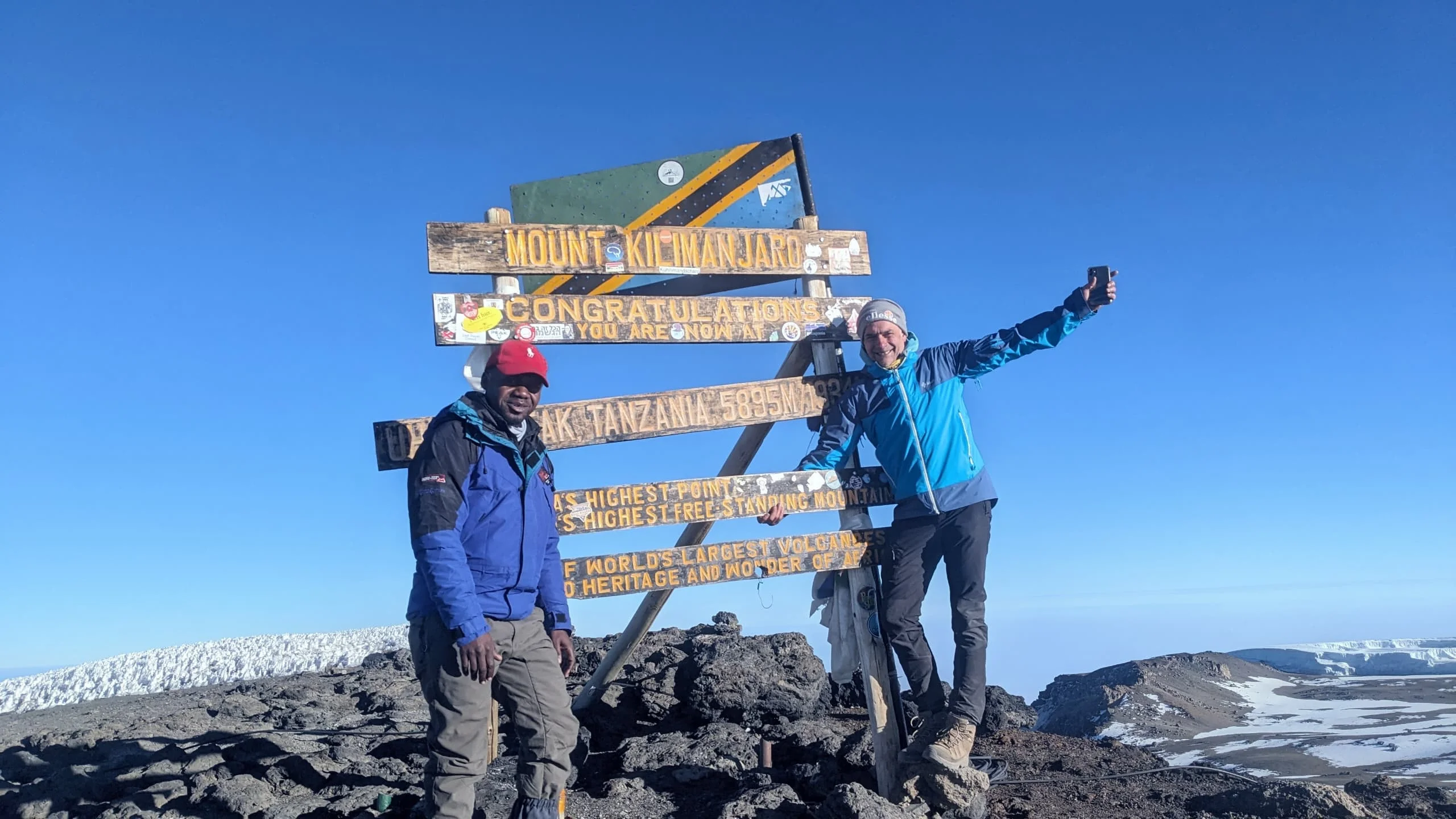
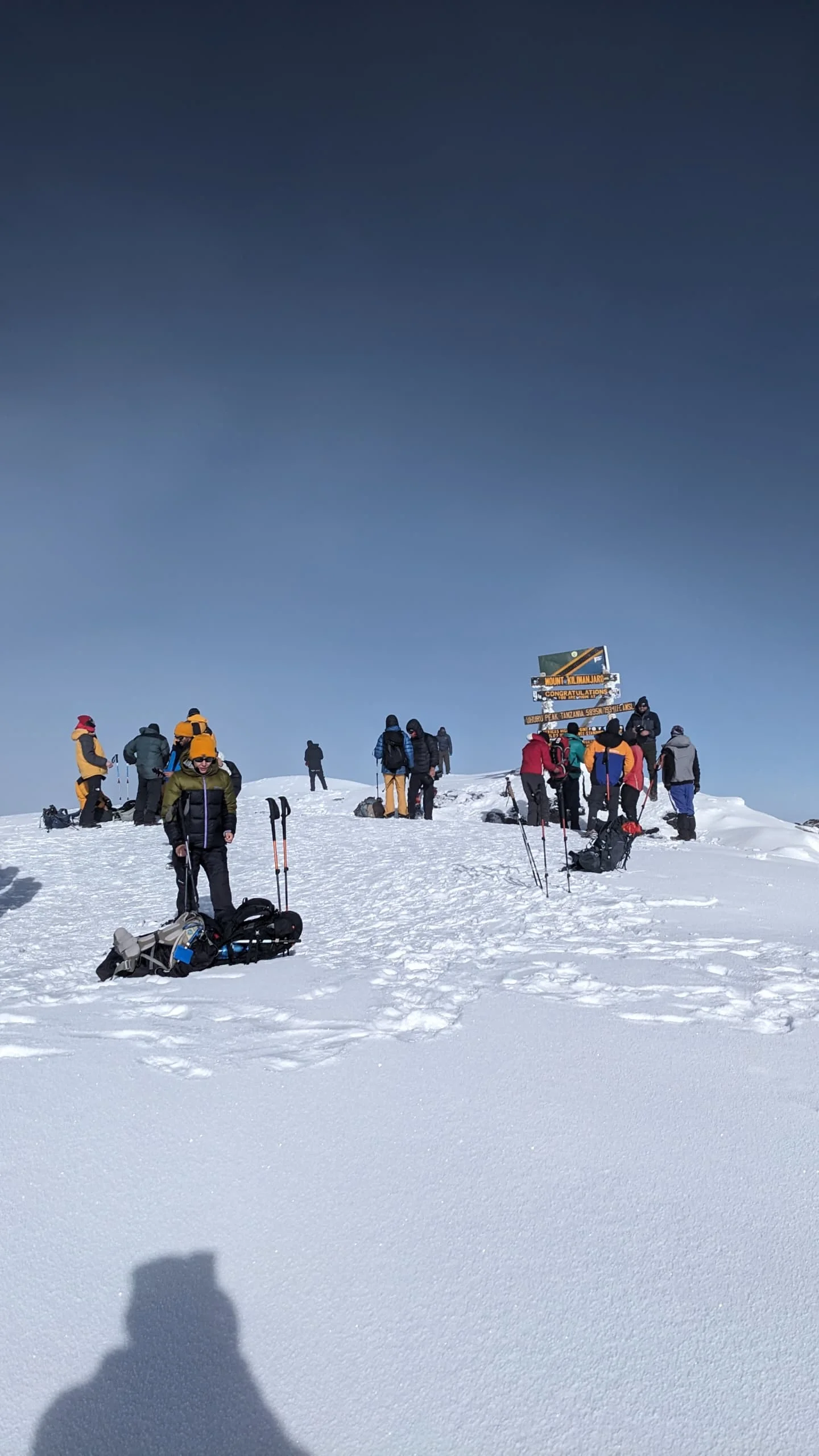
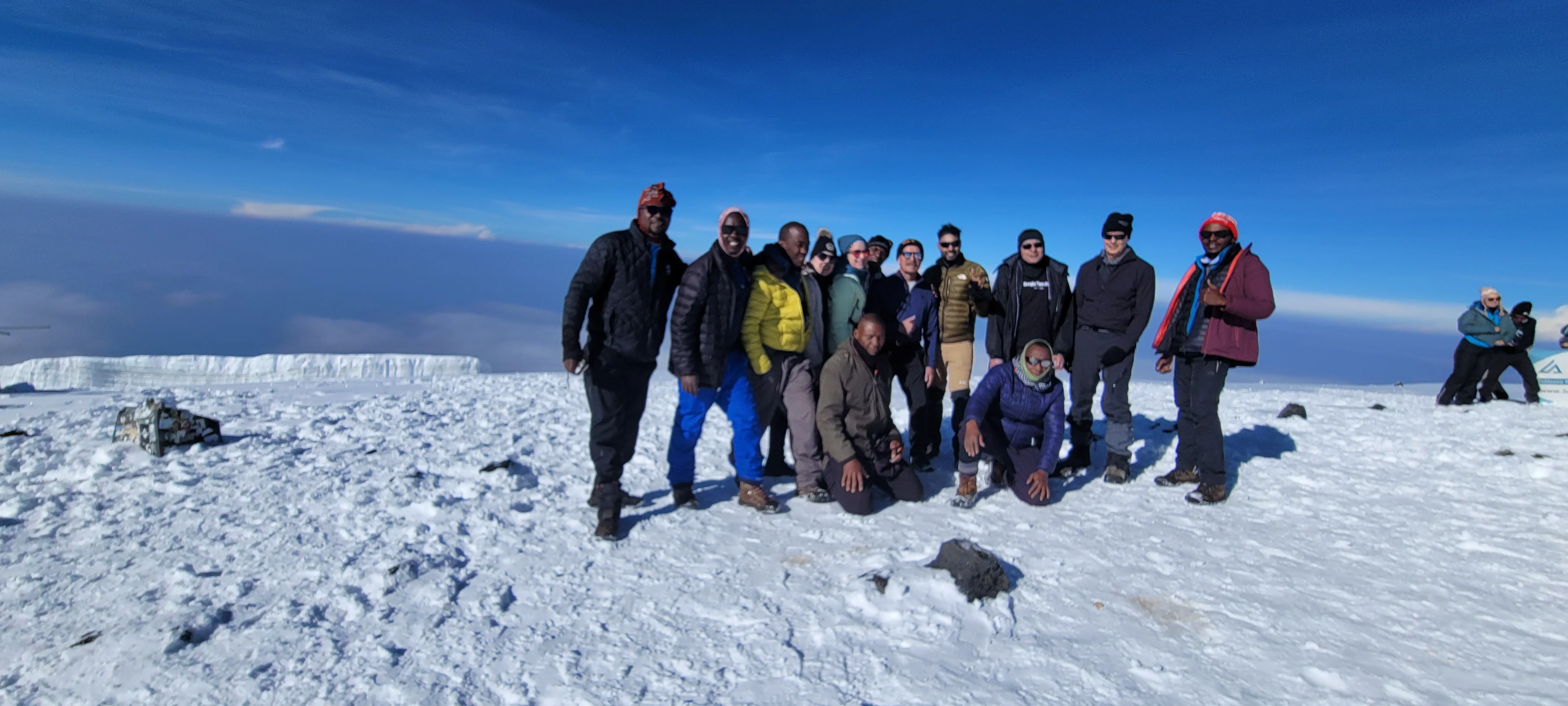
Tonight is the moment you have been preparing for. After an early rest at Barafu Camp, you wake shortly before midnight, have a light hot drink and snack, and begin the final ascent towards Uhuru Peak, the highest point on Mount Kilimanjaro at 5,895 metres. The climb begins in darkness as you follow the trail across steep volcanic scree towards Stella Point on the crater rim. Your guide will set a slow, controlled pace, with regular short breaks to manage energy and altitude. As dawn approaches, the first light begins to appear over the surrounding African landscape. Reaching Stella Point at approximately 5,685 metres is a major milestone, but the summit is still ahead. From Stella Point, continue along the crater rim towards Uhuru Peak. The final section is demanding because of the altitude, cold and accumulated fatigue, so your guide will maintain a steady pace and monitor the group closely. Reach Uhuru Peak at 5,895 metres, the highest point in Africa. Weather permitting, take a moment to celebrate your achievement, take photographs and appreciate the extraordinary views from the Roof of Africa. Time at the summit will be kept appropriate to the weather, temperature and physical condition of the group. After the summit, begin the long descent towards Barafu Camp. Take a short recovery break before continuing down the Mweka Route towards Mweka Camp at approximately 3,090 metres. Arrive at Mweka Camp in the evening, where a warm meal and a well-earned rest await you. After the demanding summit day, the significant drop in altitude usually brings a welcome sense of relief. Tonight, you sleep in the rainforest zone knowing that you have reached the summit of Mount Kilimanjaro.
After breakfast at Mweka Camp, you begin the final descent of your Mount Kilimanjaro climb. The trail leads through the lush montane rainforest as you gradually leave the high-altitude landscape behind. After the demanding summit day, the lower altitude and greener surroundings create a noticeable change in the atmosphere of the mountain. Take your time on the descent and watch your footing, particularly on sections of the trail that may be wet or slippery after rain. Your guide will maintain a comfortable pace and allow regular breaks as you make your way towards Mweka Gate. After approximately 10 kilometres, you reach Mweka Gate at around 1,650 metres above sea level. Here, the mountain team completes the final park formalities before you say goodbye to your guides and porters. This is a good moment to reflect on the journey from the rainforest, across the Shira Plateau and high alpine desert, to the summit of Uhuru Peak at 5,895 metres. Meet your waiting vehicle at Mweka Gate for the transfer back to your hotel in Moshi or Arusha, according to your travel arrangements. Your Mount Kilimanjaro Machame Route climb ends with the satisfaction of having completed one of Tanzania's great mountain adventures.
The mountain team checks essential personal equipment before departure and helps identify any important items needed for the selected route and conditions.
Tea, coffee and other selected hot drinks are served at camp to provide warmth and refreshment during the trek.
All applicable park entry and conservation fees required for the scheduled Serengeti and Ngorongoro safari activities are included.
Breakfast, lunch and dinner are freshly prepared during the trek to provide balanced nutrition throughout the climb.
Essential camping kitchen equipment and cooking supplies are provided for preparing meals during the safari.
A comfortable sleeping mattress is provided for nights spent camping on Mount Kilimanjaro.
Eligible climbers who successfully complete the designated summit route receive the appropriate Kilimanjaro National Park certificate.
Private or group transportation is provided between the designated hotel and the Kilimanjaro trailhead, with return transport after the trek.
Quality mountain tents are provided for overnight camping on routes that use campsites, offering shelter from changing mountain weather.
Selected Kilimanjaro packages include hotel accommodation before and after the climb, according to the itinerary and booked package.
Required park registration and hiking permit arrangements for the selected Kilimanjaro day-hike route are included.
Private vehicle transportation between your hotel and the designated Kilimanjaro trail gate, including the return journey after the hike.
All required Kilimanjaro National Park entrance and conservation fees for the scheduled trekking days are included in the package.
A professional licensed mountain guide leads the trek, manages the route and pace, and provides guidance and safety support throughout the climb.
A dedicated dining tent provides a sheltered space where climbers can enjoy meals and relax at camp.
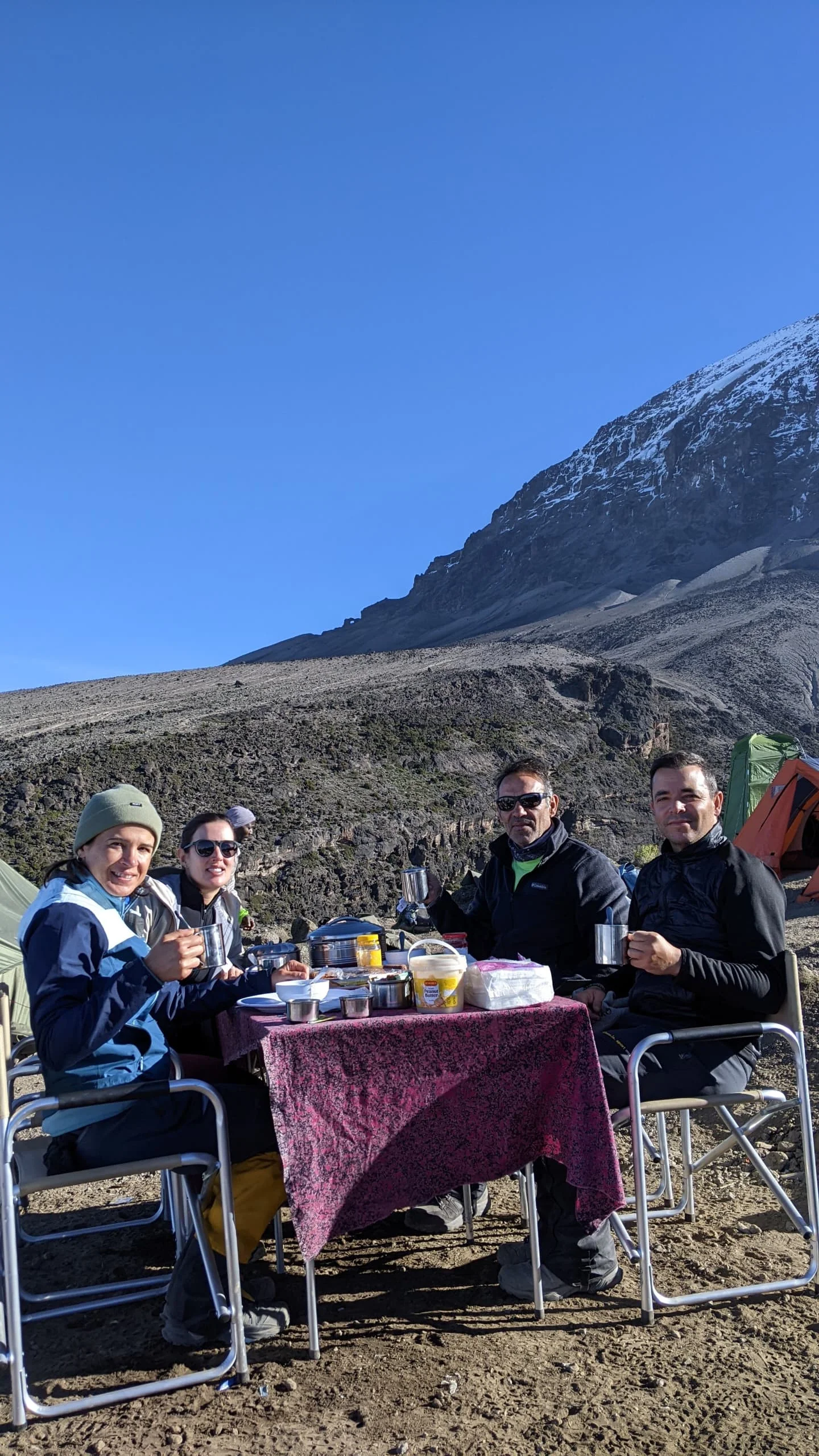
Essential camp equipment such as tables, chairs and dining utensils is provided for comfortable meals at mountain camps.
Applicable government taxes and VAT associated with the booked Kilimanjaro trekking services are included in the package price.
Mountain porters carry designated group equipment, food and camping supplies, allowing climbers to focus on hiking with a manageable personal daypack.
Additional qualified mountain guides are provided according to group size and operational requirements to support route management and guest safety.
Emergency supplemental oxygen is carried by the mountain team as part of the trek's altitude-safety equipment.
A dedicated mountain cook prepares fresh meals throughout the trek, with menus designed to provide the energy needed for high-altitude hiking.
A comprehensive first-aid kit is carried by the mountain team to provide initial assistance for minor injuries and common trekking needs.
Before the climb, guests receive a briefing covering the route, daily hiking expectations, mountain safety, equipment and preparation for high-altitude trekking.
Anything beyond what's in your itinerary — an extra activity you add on the ground — is priced separately.
Souvenirs, personal shopping and other individual spending money aren't included.
If the Tanzanian government raises taxes or park fees after booking, that increase is passed on rather than absorbed into your quoted price.
Soft drinks and bottled water are included; alcoholic beverages are available at extra cost where offered.
Flights to and from Tanzania are not included — we can recommend routes and airlines on request.
Most nationalities need a Tanzania visa, available on arrival or online in advance — the fee is not included in the trip price.
Tipping your driver-guide and camp staff is customary but discretionary, and not included in the trip price.
We require all travelers to carry their own travel insurance, including emergency medical evacuation cover — not included in the trip price.
The 7-day itinerary adds an extra night at lower altitudes and allows for a more gradual climb over the Shira Plateau and Karanga Valley. Most importantly, it incorporates the crucial "climb high, sleep low" profile at Lava Tower (4,630m) before descending to sleep at Barranco Camp (3,950m), significantly boosting your body's acclimatization and overall summit success rate.
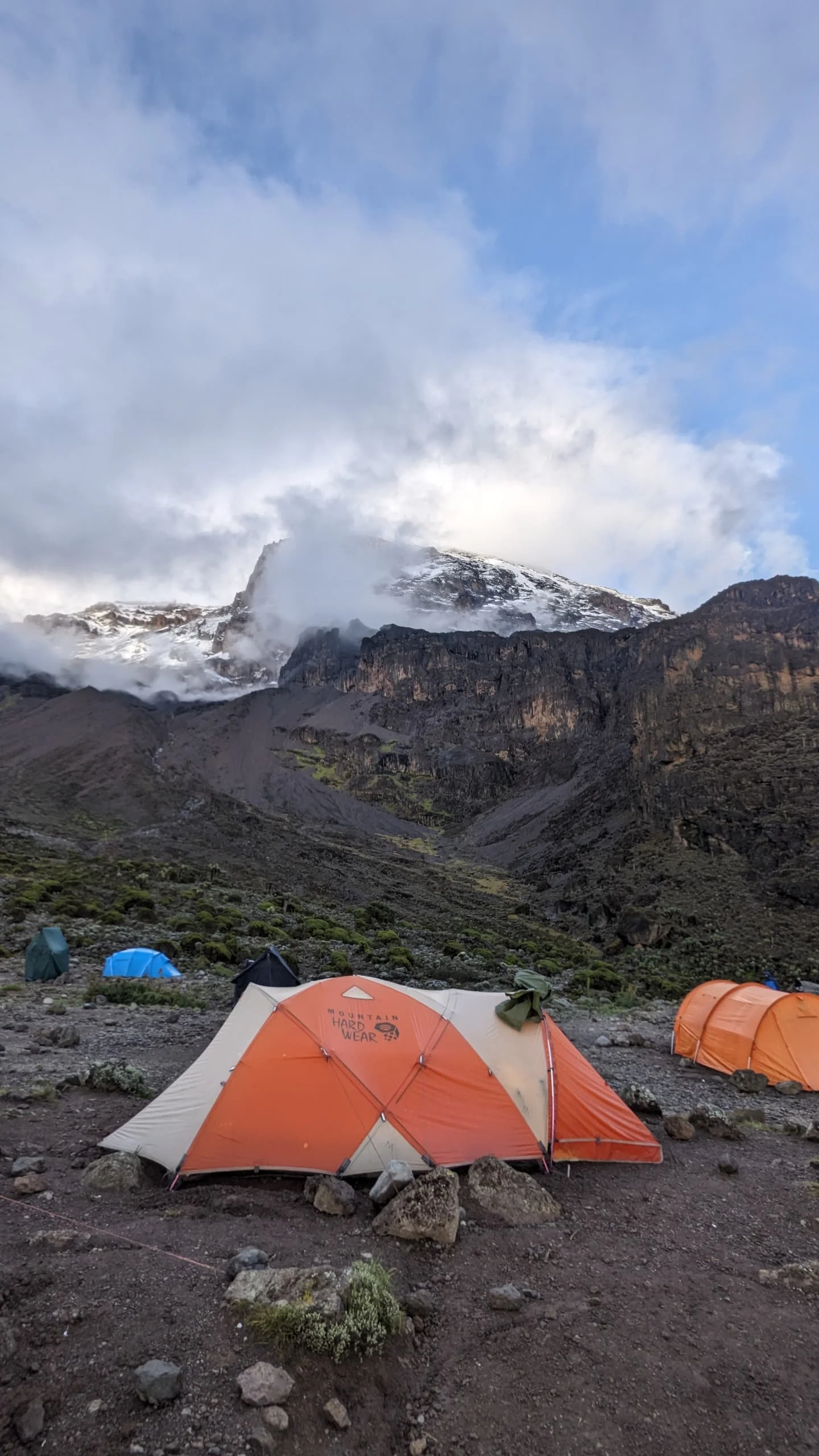
You will sleep in high-quality mountain dome tents pitched at designated campsites along the route: Machame Camp, Shira Camp, Barranco Camp, Karanga Camp, and Barafu Camp (the base camp for the summit push), followed by Mweka Camp on the final night of descent.
Day 1: Muddy, winding tree roots through dense montane rainforest. Day 2: Steeper rocky tracks and moorland over ridges. Day 3: Volcanic scree and boulder fields across the Shira Plateau and around Lava Tower. Day 4: The famous steep scramble up the cliff face of the Barranco Wall, followed by undulating ridges through the Karanga Valley. Day 5 (Summit Day): Loose volcanic ash, scree switchbacks, and a final snow/ice ridge leading to Uhuru Peak.
For safety and high-level support, private treks are accompanied by a dedicated team. For a single climber or small couple, your private crew typically includes 1 lead mountain guide, 1 assistant guide, 1 mountain chef, and 4 to 6 porters to carry camp gear, kitchen equipment, food, and your personal duffel bags.
Your TanzaLux mountain guides carry pulse oximeters to measure your blood oxygen saturation and heart rate twice daily, medical emergency oxygen tanks, comprehensive first-aid kits, and emergency evacuation protocols linked directly to park rescue rangers.
Park regulations restrict each porter's load to a maximum of 20 kg total (which includes the weight of the duffel bag itself, plus their own clothing). Your personal duffel bag handed to the porters must weigh no more than 15 kg (33 lbs).
Despite high-altitude conditions, your chef prepares fresh, energy-dense hot meals. Menus typically feature hot porridge, eggs, and toast for breakfast; packed lunchboxes or hot soup and pasta for midday; and hearty multi-course dinners featuring meat, rice, potatoes, vegetables, and fresh fruit to keep your calorie intake high.
Water is sourced from mountain streams and glacier-fed springs at the camps. Your crew boils this water thoroughly and treats it with purification tablets or filtration systems before filling your hydration bladders or water bottles each morning.
The summit attempt from Barafu Camp (4,673m) typically begins around midnight to 1:00 AM. Starting at night allows climbers to traverse the frozen volcanic scree slopes while they are stable and reach Uhuru Peak (5,895m) by sunrise, avoiding high afternoon winds.
Summit day is the most physically demanding day of the trek. It takes roughly 6 to 8 hours of steep ascending to reach Uhuru Peak, followed by an immediate 4 to 6 hours of descending all the way down to Mweka Camp (or Millennium Camp) for a well-deserved rest—totalling 11 to 14 hours of trekking.
Temperatures at Uhuru Peak before sunrise can plummet to -10°C to -20°C (14°F to -4°F) with heavy wind chill. You will need a windproof/waterproof hard shell jacket and pants, heavy down parka, thermal base layers, fleece mid-layers, balaclava, wind-blocking gloves (plus glove liners), and thick woolen mountaineering socks.
Symptoms include mild headaches, dizziness, nausea, and fatigue. Your guide monitors these daily with pulse oximeters. If symptoms persist or worsen, the primary and mandatory protocol for safety is immediate descent to a lower altitude accompanied by an assistant guide.
Diamox is a prescription medication often recommended by travel doctors to help the body acclimatize faster by speeding up breathing and promoting oxygenation. Consult your physician prior to departure to see if it is appropriate for you.
While technical climbing gear (ropes, crampons) is not required for Machame, excellent cardiovascular endurance and leg strength are vital. We recommend starting a structured fitness regimen 3 to 6 months prior, focusing on long weekend hikes with a weighted backpack, stair climbing, and cardio training.
TanzaLux can arrange high-altitude winter sleeping bags and durable trekking poles as rental gear if you prefer not to pack them from home. Waterproof gaiters, a headlamp with spare lithium batteries, and sturdy, broken-in waterproof hiking boots must be brought personally.
Campsites feature permanent public latrines (mostly basic pit or vault toilets). For ultimate comfort and privacy, TanzaLux can include a private portable toilet tent with a chemical commode seat carried exclusively for your private group throughout the 7 days.
Cellular signal (Vodacom or Tigo networks) is surprisingly available at a few elevated ridge points (like Barranco Camp and parts of Barafu), but it is entirely intermittent. It is best to inform family back home that you will be offline for several days.
Tipping is customary and forms a major part of the crew's income. Guidelines recommended by Kilimanjaro Porters Assistance Project (KPAP) suggest pooling tips in US Dollars (bills dated 2013 or later) or Tanzanian Shillings to distribute at the final celebration ceremony at Mweka Gate: Lead Guide: $20–$25 USD per day. Assistant Guide: $15–$20 USD per day. Cook: $15 USD per day. Porters: $10 USD per porter per day.
Yes! Many travelers pair their Kilimanjaro summit expedition with a 4-day to 7-day northern circuit safari (Tarangire, Serengeti, Ngorongoro) or unwind afterward on the white sand beaches of Zanzibar. TanzaLux coordinates seamless transitions between the mountain gates and safari reserves.
Upon successful descent to Mweka Gate and signing out with park authorities, climbers who reach the true summit (Uhuru Peak at 5,895m) receive an official Gold Certificate issued by Kilimanjaro National Park. Those who reach Stella Point (5,756m) receive a Green Certificate.
You can obtain this visa either online or on arrival. Typically, it takes 3-5 days to get your visa approved online. However, if your trip starts in less than a week, we recommend opting for the on-arrival visa. To avoid issues with POS machines, bring $50 in cash.
East African Community citizens travel visa-free. Other reciprocal exceptions may apply — always confirm the exact requirement for your passport on the official portal above before booking flights.
Grateful experience
As a solo female traveler, I felt super safe and well taken care of the entire time.
Read morePrivate Safari 6 days
I can only highly recommend the young company Tanzalux for organizing a private safari.
Read moreAn unforgettable vegetarian journey with Tanzalux Safaris
I highly recommend Tanzalux for anyone wanting a special, personalized safari.
Read moreOur 3-day camping safari with Tanzalux was simply fantastic! Everything was perfectly organized.
Read moreBack in April, I joined a day trip to Tarangire National Park with Tanzalux Safaris, and it was truly one of the best experiences I have ever had…
Read moreI've had an amazing experience with Tanzalux Safaris, would 1000% recommend! Thank you for making my trip so special🫶
Read moreI recently visited Meru Waterfalls in Arusha and got to do some of the activities there, honestly it was such a great experience and I really enjoyed it.
Read moreOur guide Dullah Mr Rastaman had the best vibe. I would like to recommend other people not to miss it, Tarangire is the best national park.
Read moreOur tour guide Nasri was very friendly and welcoming from the first day we met him. He knows Tarangire very well and explained many things during the safari.
Read moreAs a grandmother in the group, I would like to share my happiness with Tanzalux Safaris. Me, my daughters, and my grandson went on a short trip to Tarangire National Park…
Read moreReceive a free, no obligation quote

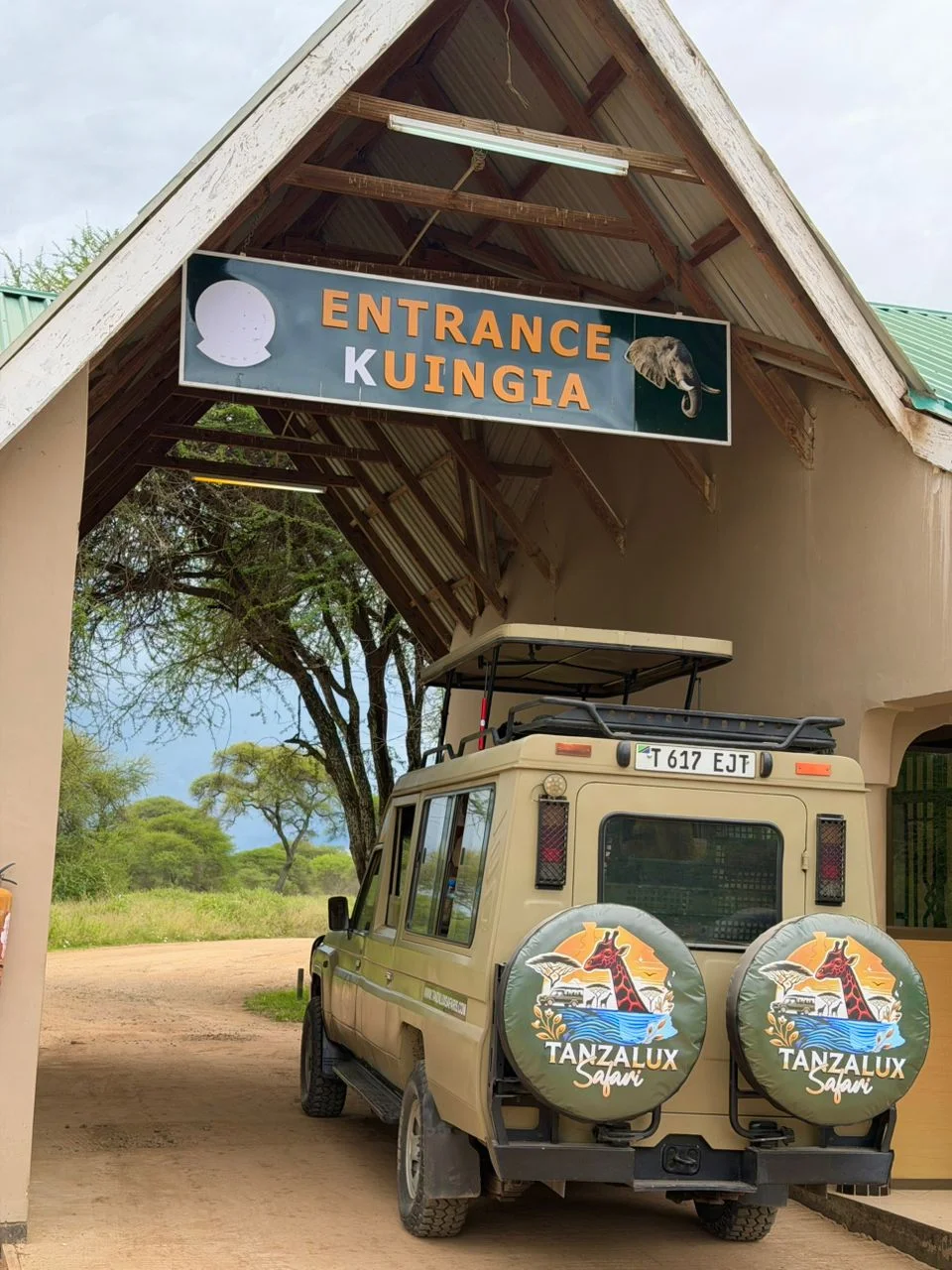 1 Day
$160 per person (USD)
You visit: Arusha (start), Tarangire National Park, Tarangire River, Northern Tanzania (end)
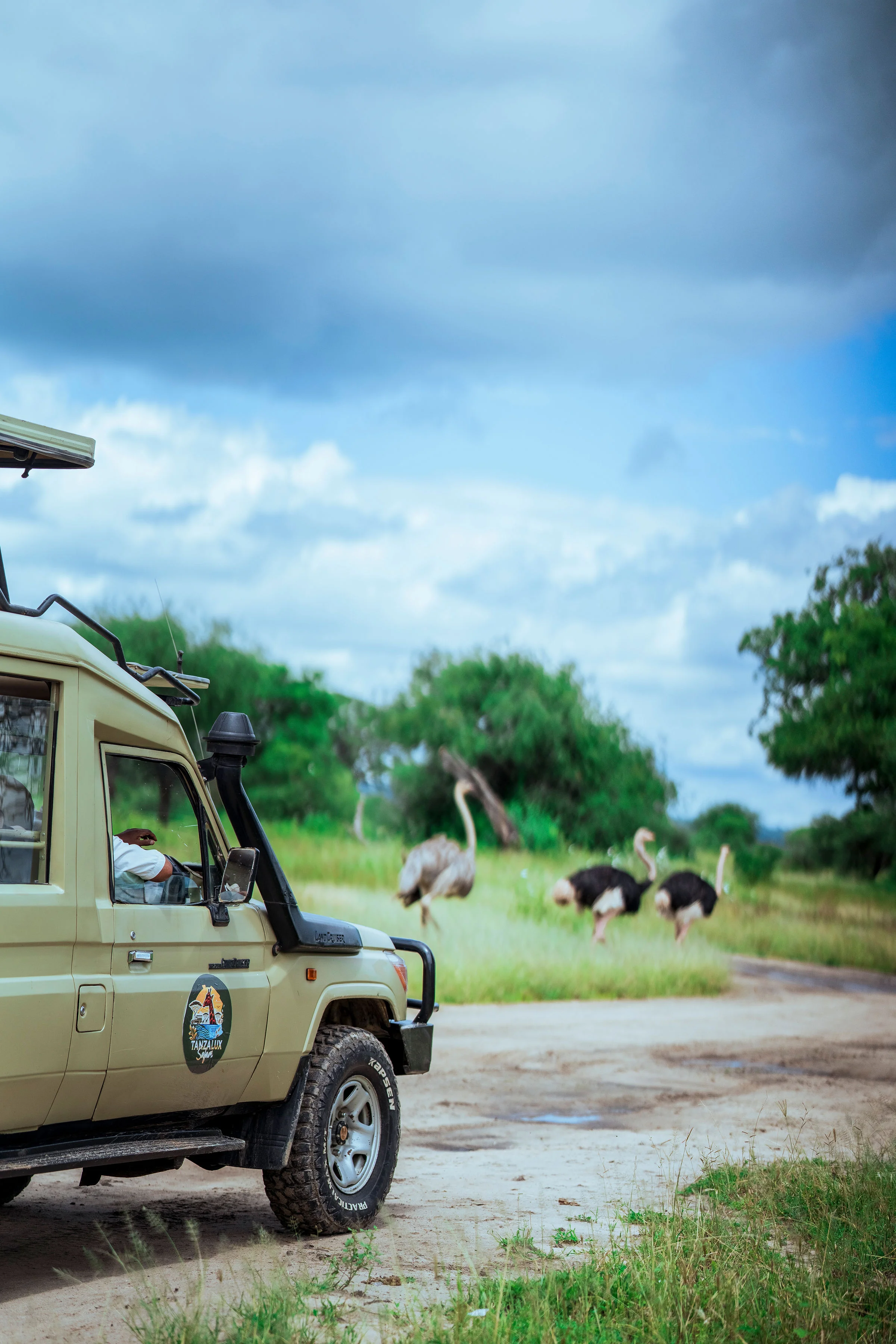 6 Days
$1,900 per person (USD)
You visit: Tarangire (start), Serengeti, Ngorongoro (end)
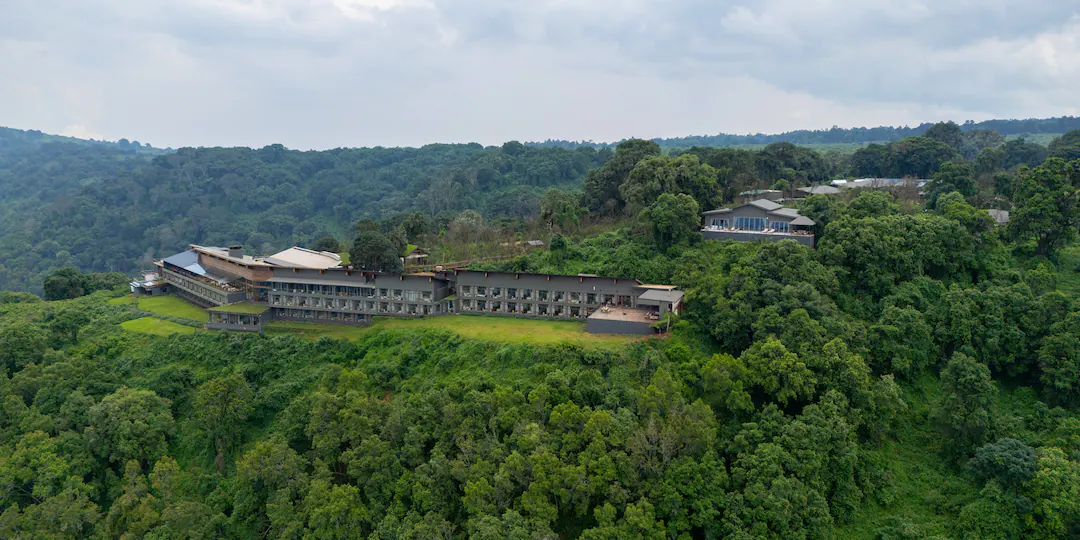 8 Days
$4,000 per person (USD)
You visit: Tarangire (start), Lake Manyara, Central Serengeti, Ngorongoro Crater (end)
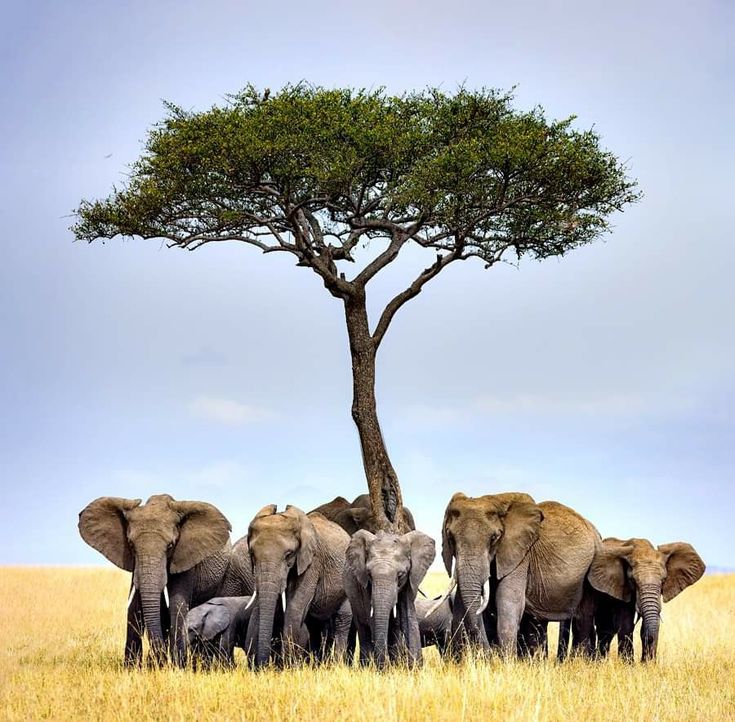 7 Days
$1,520 per person (USD)
You visit: Arusha (start), Tarangire, lake manyara, Serengeti, Ngorongoro (end)
6 Days$2,050 per person (USD)
You visit: Tarangire (start), Manyara, Serengeti, Ngorongoro (end)