 5.0 Excellent


Dorine M1 year ago

Grateful experience
As a solo female traveler, I felt super safe and well taken care of the entire time.
Read more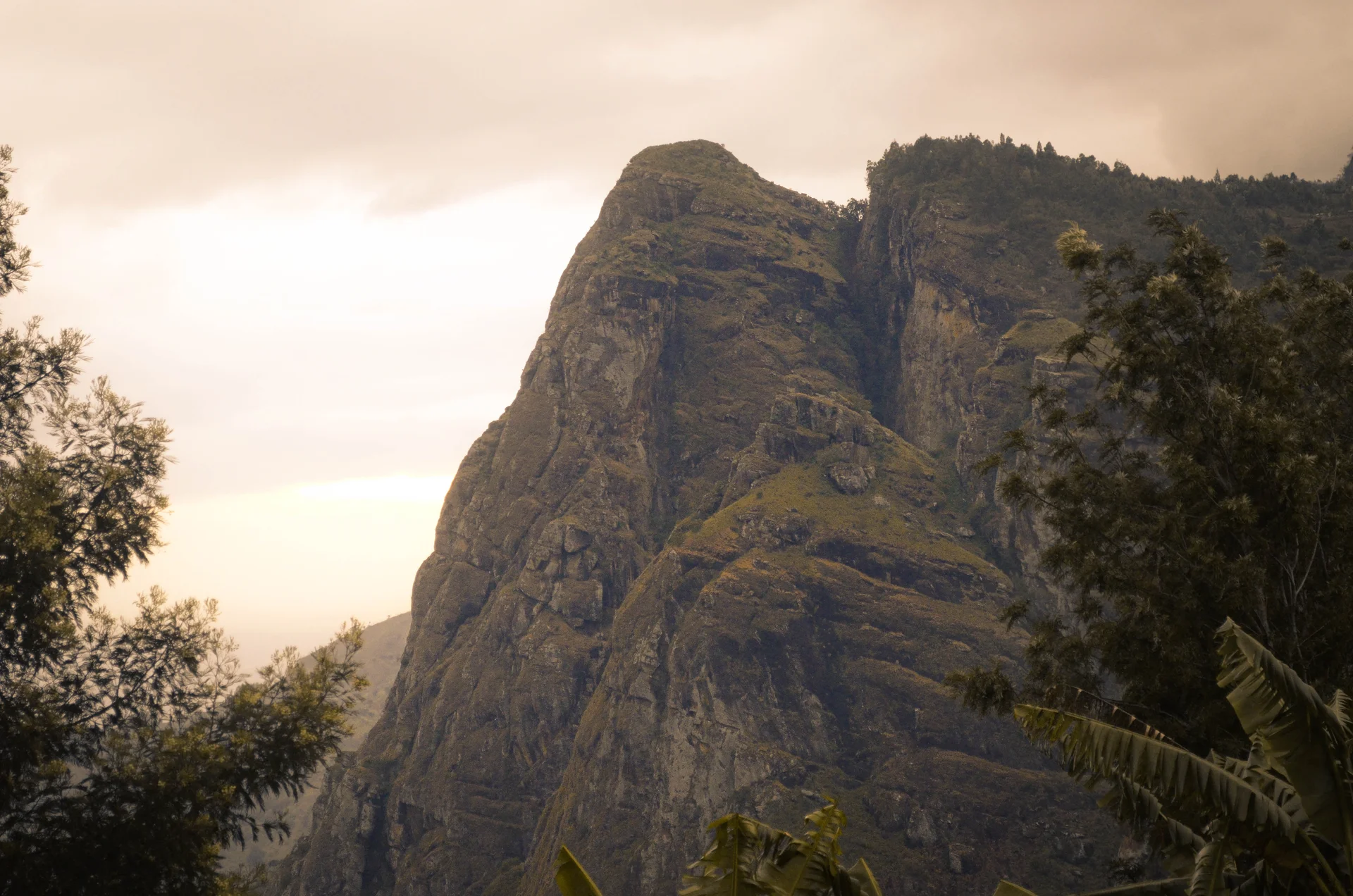
Northern Circuit
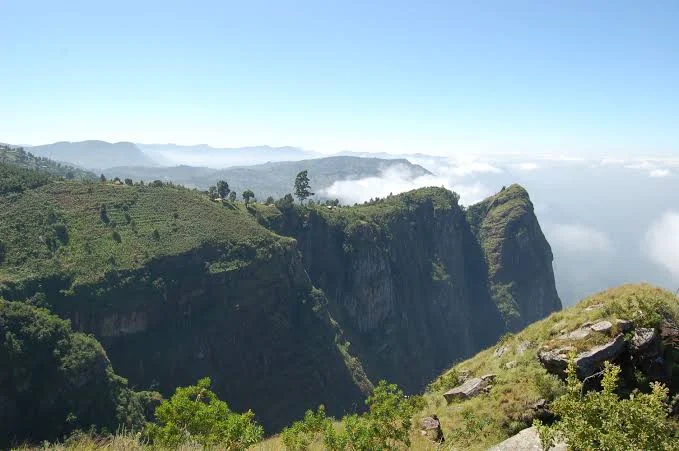
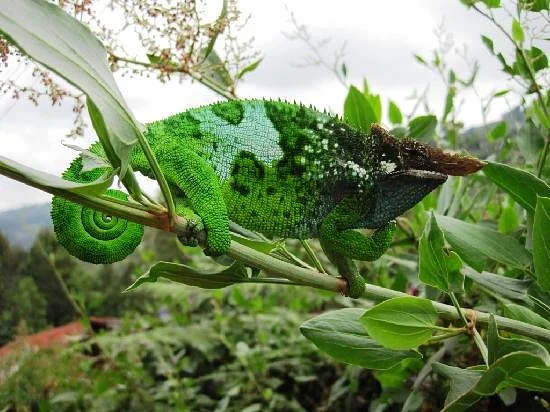
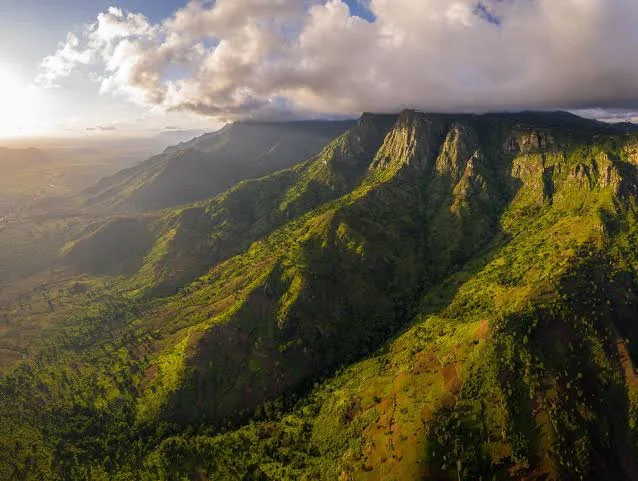
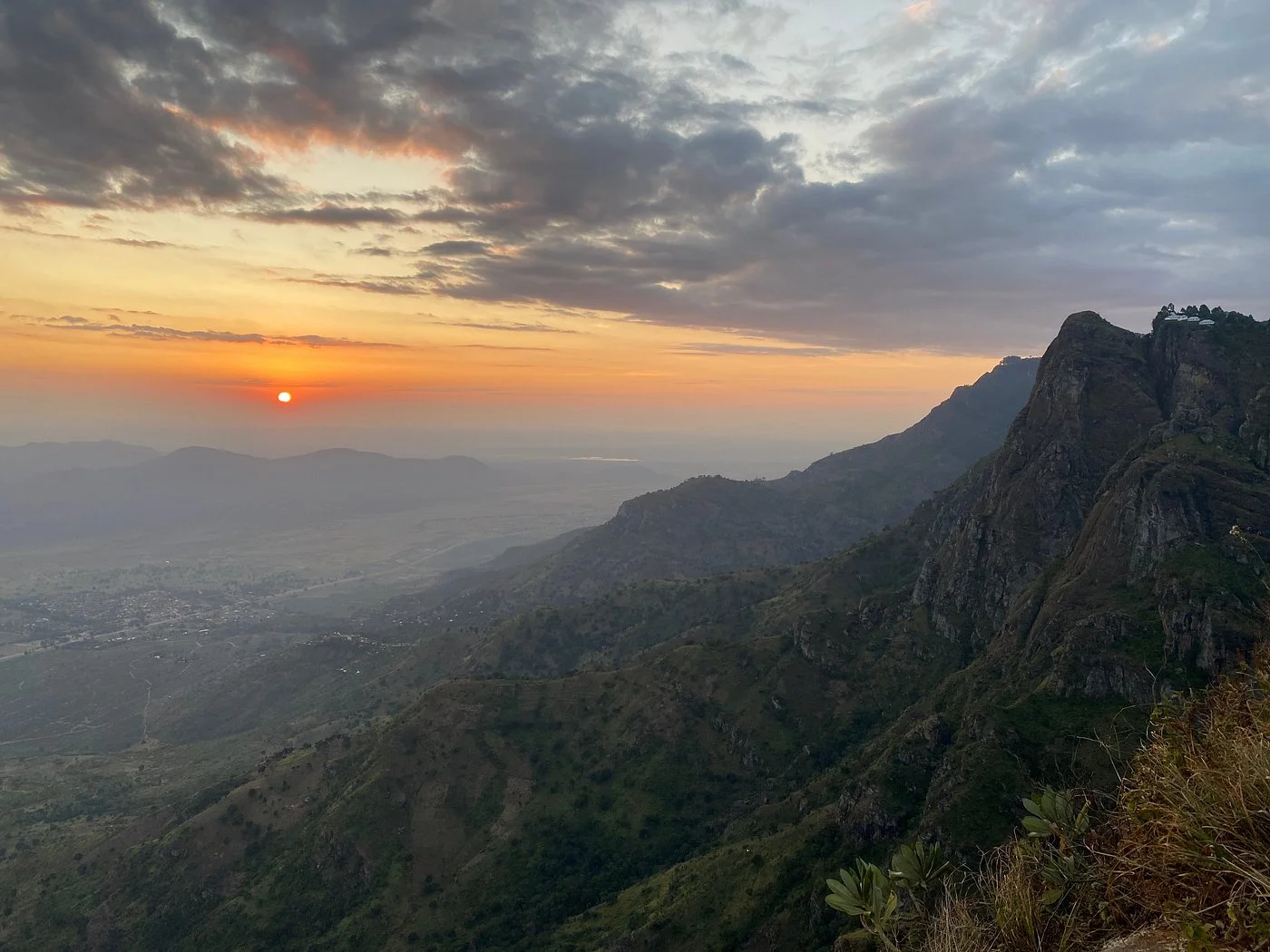
Usambara Mountains: Forest Walks, Highland Villages and Wide Valley Views The Usambara Mountains invite travelers to explore Tanzania at walking pace. A village path passes cultivated slopes, a forest trail disappears into shade, and an escarpment viewpoint opens onto the plains far below. This is a destination for hiking, birdwatching, landscape photography and time with local communities, with enough variety for a short highland escape or a longer walking journey. Located in northeastern Tanzania’s Tanga Region, the Usambaras form part of the Eastern Arc Mountains. The area includes two distinct mountain blocks: the West Usambaras around Lushoto and the East Usambaras around Amani. Choosing between them is the first useful step in planning a visit, because their bases, forest experiences and access routes differ. Understanding the Destination Usambara Mountains is the name of a wider geographic region, rather than a single national park with one gate or one admission ticket. Towns, villages, farms, privately managed places and protected forest reserves share the landscape. Magamba and Amani Nature Forest Reserves are important visitor destinations within this broader mountain setting. Plan around named places and agreed routes instead of booking a general “Usambara tour” without knowing what it includes. A viewpoint outing, a forest birding walk and a trek between villages have different transport needs and levels of effort. Clear arrangements make it easier to enjoy the mountains without spending much of the day retracing roads or waiting for transfers. West Usambara: Lushoto as a Base Lushoto is the main visitor base for the western mountains. Set within a cultivated highland landscape, it provides access to walking routes, forest outings and nearby viewpoints. Its location makes it a practical place to stay while exploring different parts of the West Usambaras on separate day excursions. A Lushoto stay works well for travelers who want flexibility. One day can focus on a viewpoint and village paths, while another can be reserved for a guided forest walk. Choose accommodation with the actual starting points in mind: an attractive hillside location may involve a different transfer from a property in town. Confirm meals, early starts and the arrangements for returning after a hike. Irente Viewpoint and the Escarpment Irente is among the best-known viewpoints near Lushoto. The appeal is the contrast between the highland edge and the open country below, with cliffs, farmland and distant ridges contributing to the scene. Its setting makes it a memorable introduction to the western mountains and a rewarding stop for landscape photography. Visibility depends on weather. A clear morning or afternoon can provide broad views, while mist and cloud may create a more atmospheric experience with a shorter horizon. Stay on established approaches and follow local advice at the viewpoint. The escarpment has steep drops, so a photograph should never require moving close to an exposed edge. Magamba Nature Forest Reserve Magamba protects forest in the West Usambara Mountains within Lushoto and Korogwe Districts. It offers a different experience from the cultivated slopes and open viewpoints, with walking, birdwatching, nature observation and educational outings among its visitor activities. The reserve’s attractions include scenic points, historical features, waterfalls and distinctive smaller wildlife. The reserve is reached from the Lushoto area, but the precise entrance and trail should be agreed beforehand. Explain whether you want a gentle forest introduction, a longer hike or a focused natural-history outing. The most useful guide is one who can match the walk to your interests and current conditions, rather than simply aim to cover the greatest distance. Mambo and Longer Village Walks The Mambo area offers another way to explore the western highlands and their viewpoints. Longer walking journeys can combine several villages, cultivated hillsides and forest sections, with different accommodation or a supported return transfer. These outings are best planned as deliberate routes, with realistic daily stages and confirmed overnight arrangements. A multi-day itinerary should identify where each day begins and ends, the walking time, ascent and descent, luggage transport and meal arrangements. Do not judge effort solely by distance: repeated hills, muddy sections and time spent enjoying the surroundings can make a modest-looking route a full day. Leave room for rest and local encounters rather than turning the journey into a race. East Usambara: Amani and Forest Exploration The eastern mountains are approached through the Muheza area and are especially rewarding for travelers interested in forest habitats. Amani Nature Forest Reserve is a key base for guided walks, birdwatching, botanical interest and nature photography. The eastern block is closer to the Indian Ocean and is generally wetter, so rain preparation is useful even during a drier-season visit. Amani’s appeal comes from observation: leaves and forest structure, butterflies, birds, streams and the changing light beneath the canopy. Its historic botanical garden adds another dimension to the experience. An itinerary can focus on walking and natural history, with separately arranged tea, spice-farm or community activities where access and hosts are confirmed. Allow a dedicated stay for Amani if you want to enjoy it fully. Adding the eastern forests to a Lushoto trip involves a transfer between different bases; they should not be treated as neighboring sights that can always be fitted into one short excursion. For keen naturalists, a slower visit to one block may be more rewarding than briefly sampling both. Birdwatching and Forest Biodiversity The Usambara forests have exceptional conservation importance, with species restricted to the mountains or the wider Eastern Arc. Forest birds, chameleons, butterflies, moths, amphibians and small mammals make the region interesting beyond its views. Different forests and elevations support different communities of plants and animals, so sightings on one route do not describe the whole range. Birdwatchers should discuss their priorities in advance and allow time for patient listening and observation. A knowledgeable forest guide can help interpret calls and movement in dense vegetation. Bring binoculars and accept that a quiet walk may still be valuable: some of the most interesting species are difficult to see, and no specialist bird should be guaranteed. Chameleons and Smaller Wildlife Magamba is associated with two-horned chameleons, while Amani’s nature attractions include three-horned chameleons. Finding one is a possibility, not a promise attached to every walk. Look carefully with the guide and let animals remain where they are, without handling them or changing their position for a photograph. Butterflies, moths and forest frogs add interest to a slower nature outing. Avoid collecting specimens, damaging vegetation or entering sensitive habitat to obtain a closer view. The forest’s value lies in the living community it protects; a respectful visit can be memorable even when its discoveries are small and easily overlooked. Local Culture and Cultivated Landscapes The West Usambaras are closely associated with Sambaa communities, and farming is a visible part of daily life around Lushoto. Walking through the highlands can reveal cultivated slopes, village paths, markets and the relationship between settlements and forests. Cultural experiences are best arranged through willing local hosts, with the guide explaining what is appropriate. Ask before photographing people or entering private land. A market visit, local meal or farm experience can add depth when it is welcomed and given enough time. Confirm any tasting, workshop or demonstration in advance rather than assume it will happen spontaneously. Keep the focus on conversation and mutual respect. Best Time to Visit June to October generally offers a useful drier window for walking, although forest rain and mist remain possible. January and February can also provide a shorter relatively dry period. Rainfall commonly increases around March to May and again around November and December; conditions differ between the wetter eastern forests and various western slopes. Choose the season around your priorities. More predictable footing favors a drier-period visit, while lush scenery can be attractive during wetter months if the itinerary remains flexible. Carry a light rain layer in every season, and check the chosen route close to departure. A broad seasonal recommendation cannot guarantee a clear viewpoint or a dry trail on a specific day. How Long to Stay Two or three nights around Lushoto allow time for a viewpoint outing and a forest walk without rushing every transfer. An additional stay around Amani is worthwhile for visitors who want to explore both mountain blocks. Multi-day trekking or dedicated birding can justify a longer trip with a route designed around specific interests. For a simple western visit, arrive and settle in on the first day, choose a viewpoint and village walk on the next, then use another day for Magamba or a different confirmed route. For an extended journey, add the transfer to Amani and a separate forest program. These are planning examples; the final pace should reflect your fitness, accommodation and travel time. Getting There and Combining Destinations Lushoto is normally reached by turning uphill from Mombo on the main Dar es Salaam–Moshi–Arusha road corridor. For Amani, use the approach through Muheza. Travelers from Dar es Salaam, Moshi, Arusha or Tanga should confirm the route for the intended base, since an estimate to “Usambara” may refer to very different endpoints. Allow generous time for winding mountain roads, stops, weather and the final lodge access. International arrivals can use Dar es Salaam or Kilimanjaro according to the wider itinerary, with a road transfer to the mountains. Tanga may be useful for some eastern itineraries if current flights and onward transport are confirmed. Do not assume an airport in Lushoto or a scheduled flight into the forest reserves. The mountains combine well with Mkomazi or the Pare Mountains on a northeastern journey, and with Tanga or Pangani for a highland-and-coast itinerary. Saadani and Zanzibar can be added with enough transfer time and separately confirmed connections. Choose the combination that fits the available days rather than trying to include every nearby name on a map. Accommodation, Fees and Practical Preparation Lushoto and its surroundings offer hotels, lodges and guest accommodation. Forest stays and approved camping may also be arranged, depending on the reserve and current availability. Confirm facilities, meal times, hot water where important, electricity arrangements, guide services and transport to walking routes before booking. There is no single admission fee for the entire Usambara region. A quotation should identify reserve entry, local site charges where applicable, guiding, meals, accommodation and transfers. Longer treks also need luggage and overnight arrangements. Use a current itemized quotation instead of treating an old reserve tariff as the price of the whole trip. Pack walking shoes with grip, water, snacks, a rain layer and a warm layer for cooler highland evenings. Sun protection, insect repellent, binoculars and a protected camera are useful additions. Discuss any mobility limitations before choosing a route: steep paths, roots, muddy ground and viewpoint approaches should not be assumed to provide step-free access. Plan Your Usambara Journey with TanzaLux Safaris Start with the experience you want most: accessible viewpoints, relaxed village walks, protected forest, birdwatching or a supported trek. Share your dates, available nights and walking ability so that the right base, guide and transport can be arranged together. A thoughtful schedule leaves time to pause and discover what makes the mountains special. Stay on permitted paths, take all litter out, leave plants and wildlife undisturbed and respect local hosts. Responsible visits help make forest conservation and community participation part of the travel experience. TanzaLux Safaris can build the Usambaras into a private highland journey or a wider safari and coastal itinerary.
March–May: Generally a wetter period, with lush scenery and a greater chance of muddy trails, mist and changes to walking plans. Forest conditions vary by slope and elevation, and the eastern block is especially moist. Keep plans flexible, bring rain protection and confirm routes and mountain-road access close to departure.
November–February: November and December commonly bring a second rainfall peak, while January and February may offer a shorter relatively dry window. Expect local variation and forest showers. A flexible program can combine viewpoints, village paths and nature walks according to conditions; clear panoramas and specialist wildlife sightings cannot be guaranteed.
June–October: Generally a practical drier window for walking and combining the mountains with northeastern Tanzania safari or coastal destinations. Rain and mist remain possible in forest habitats. Carry grip footwear, water and a rain layer, allow a warm layer for highland evenings and check the selected trail before setting out.
Choose the mountain block before arranging transport. For the West Usambaras, Lushoto is the main visitor base and is accessed uphill from Mombo on the Dar es Salaam–Moshi–Arusha road corridor. Magamba excursions require the appropriate local entrance and trailhead transfer. For the East Usambaras and Amani Nature Forest Reserve, approach through Muheza; the final forest and lodge access needs separate planning. Dar es Salaam or Kilimanjaro international airports can serve a wider itinerary, followed by road transfer. Tanga may be useful for an eastern visit if current regional flights and onward transport are confirmed. There is no reason to assume a scheduled flight directly into Lushoto or the forest reserves. Ask for a transfer estimate to your actual accommodation, with time for winding mountain roads, stops, weather and roadworks. Visits to both Lushoto and Amani need a dedicated transfer between bases. Tanga, Pangani, Mkomazi and the Pare Mountains can be combined with the Usambaras when travel time is allowed; Zanzibar requires separately confirmed mainland and island connections.
The Usambara Mountains are in northeastern Tanzania’s Tanga Region and form part of the Eastern Arc Mountains. The main visitor areas are the West Usambaras around Lushoto and the East Usambaras around Amani. Choose the block and accommodation before arranging transport.
No. Usambara Mountains describes a wider mountain region containing towns, villages, farms and protected forests. Magamba and Amani are important nature forest reserves within it. There is no single park gate or one admission ticket covering every Usambara attraction.
The western block is commonly explored from Lushoto and offers viewpoints, cultivated highlands, village walks and Magamba forest. The eastern block is usually approached through Muheza and is known for Amani’s wetter forest setting. Visiting both requires time for a transfer between separate bases.
Yes. Lushoto provides access to several western mountain outings, including viewpoints, village paths and forest excursions. Two or three nights can allow a varied introduction without rushing each transfer. Check the location of your accommodation in relation to the routes you want to walk.
Irente is a well-known escarpment viewpoint near Lushoto, offering views toward the plains and surrounding cliffs when conditions are clear. Mist can limit visibility. Follow established approaches and local advice, and keep a safe distance from exposed edges when enjoying the scenery or taking photographs.
Magamba offers forest walking, hiking, birdwatching, photography and educational nature outings. Its attractions include viewpoints, waterfalls, historical features and smaller wildlife. Confirm the entrance, selected route, current access and guide arrangements so the walk matches your interests and physical ability.
Amani is a key East Usambara destination for forest walks, birdwatching, botanical interest, butterflies and nature photography. Its historic botanical garden adds to the experience. Tea, spice-farm or community visits may be arranged separately when access and hosts are confirmed for your travel dates.
Routes range from gentler local walks to longer outings with repeated climbs, steep descents and muddy or uneven ground. Distance alone does not describe difficulty. Explain your fitness and any mobility needs when planning, and choose a route with enough time for breaks and the return journey.
Yes, with a confirmed route and support arrangements. Agree each day’s start and finish, accommodation, meals, luggage transport and return transfers before departure. Longer village-to-village journeys should be designed around your walking pace and current access rather than based only on an old map.
June to October generally offers a useful drier window, and January and February can provide a shorter relatively dry period. Rain commonly increases around March–May and November–December. The eastern forests are wetter, and rain or mist is possible at any time; check conditions for the chosen route.
Two or three nights around Lushoto can cover a viewpoint outing and forest or village walk at a comfortable pace. Add a separate stay and transfer if you want Amani as well. Dedicated birding or multi-day trekking benefits from a longer itinerary planned around specific interests.
Lushoto is reached uphill from Mombo on the main Dar es Salaam–Moshi–Arusha road corridor. Amani is approached through Muheza. Confirm a driving estimate to your exact lodge, with allowance for winding roads, stops, weather and roadworks; a general estimate to “Usambara” may refer to a different endpoint.
Dar es Salaam or Kilimanjaro can serve a wider Tanzania itinerary followed by a road transfer. Tanga may be useful for an eastern visit if current regional services and onward transport are available. Do not assume a regular scheduled flight directly into Lushoto or the forest reserves.
Yes. Its protected forests support important Eastern Arc bird communities, with different species and habitats across the mountain blocks. Arrange a knowledgeable forest guide and allow patient observation. Bring binoculars; rare or specialist birds should never be treated as guaranteed sightings on a particular walk.
They are among the region’s nature attractions, but sightings depend on route, habitat and observation time. Magamba is associated with two-horned chameleons and Amani with three-horned chameleons. Leave animals in place, avoid handling them and do not damage vegetation to obtain a photograph.
They can suit families when routes match the children’s stamina and confidence. Shorter walks and flexible breaks are useful, while steep escarpment viewpoints require close supervision. Discuss the planned outing, transfers and accommodation facilities in advance rather than assume every hike is suitable for all ages.
Bring shoes with good grip, water, snacks, a light rain layer and a warm layer for cooler evenings. Sun protection, insect repellent, binoculars and a protected camera are useful. Confirm meals and water arrangements for longer walks, and keep luggage practical for any supported trek.
Lushoto and nearby areas offer hotels, lodges and guest accommodation. Forest stays and approved camping depend on the reserve and current availability. There is no single Usambara admission fee; ask for a current quotation covering relevant reserve or local site charges, guides, accommodation, meals and transport.
Yes. Mkomazi and the Pare Mountains suit many northeastern journeys, while Tanga and Pangani offer coastal extensions. Saadani or Zanzibar can also be added with sufficient travel time and confirmed connections. Choose combinations around the days available so that walking time is not lost to rushed transfers.
Share your dates, available nights, interests and walking ability so TanzaLux Safaris can coordinate the right base, guides, accommodation and transport. During your visit, stay on permitted paths, remove litter, leave wildlife and plants undisturbed, and ask before photographing people or entering private land.
Grateful experience
As a solo female traveler, I felt super safe and well taken care of the entire time.
Read morePrivate Safari 6 days
I can only highly recommend the young company Tanzalux for organizing a private safari.
Read moreAn unforgettable vegetarian journey with Tanzalux Safaris
I highly recommend Tanzalux for anyone wanting a special, personalized safari.
Read moreOur 3-day camping safari with Tanzalux was simply fantastic! Everything was perfectly organized.
Read moreBack in April, I joined a day trip to Tarangire National Park with Tanzalux Safaris, and it was truly one of the best experiences I have ever had…
Read moreI've had an amazing experience with Tanzalux Safaris, would 1000% recommend! Thank you for making my trip so special🫶
Read moreI recently visited Meru Waterfalls in Arusha and got to do some of the activities there, honestly it was such a great experience and I really enjoyed it.
Read moreOur guide Dullah Mr Rastaman had the best vibe. I would like to recommend other people not to miss it, Tarangire is the best national park.
Read moreOur tour guide Nasri was very friendly and welcoming from the first day we met him. He knows Tarangire very well and explained many things during the safari.
Read moreAs a grandmother in the group, I would like to share my happiness with Tanzalux Safaris. Me, my daughters, and my grandson went on a short trip to Tarangire National Park…
Read moreReceive a free, no obligation quote

 Western Circuit
Gombe Stream National Park, also known as Gombe National Park, combines wild chimpanzee trekking with forested hills and the shores of Lake Tanganyika. In Kigoma…
Wildlife
Chimpanzees & Olive baboons
Landscape
National Parks & Safari
Highlights
Wild chimpanzee trekking with park rangers
 Southern Circuit
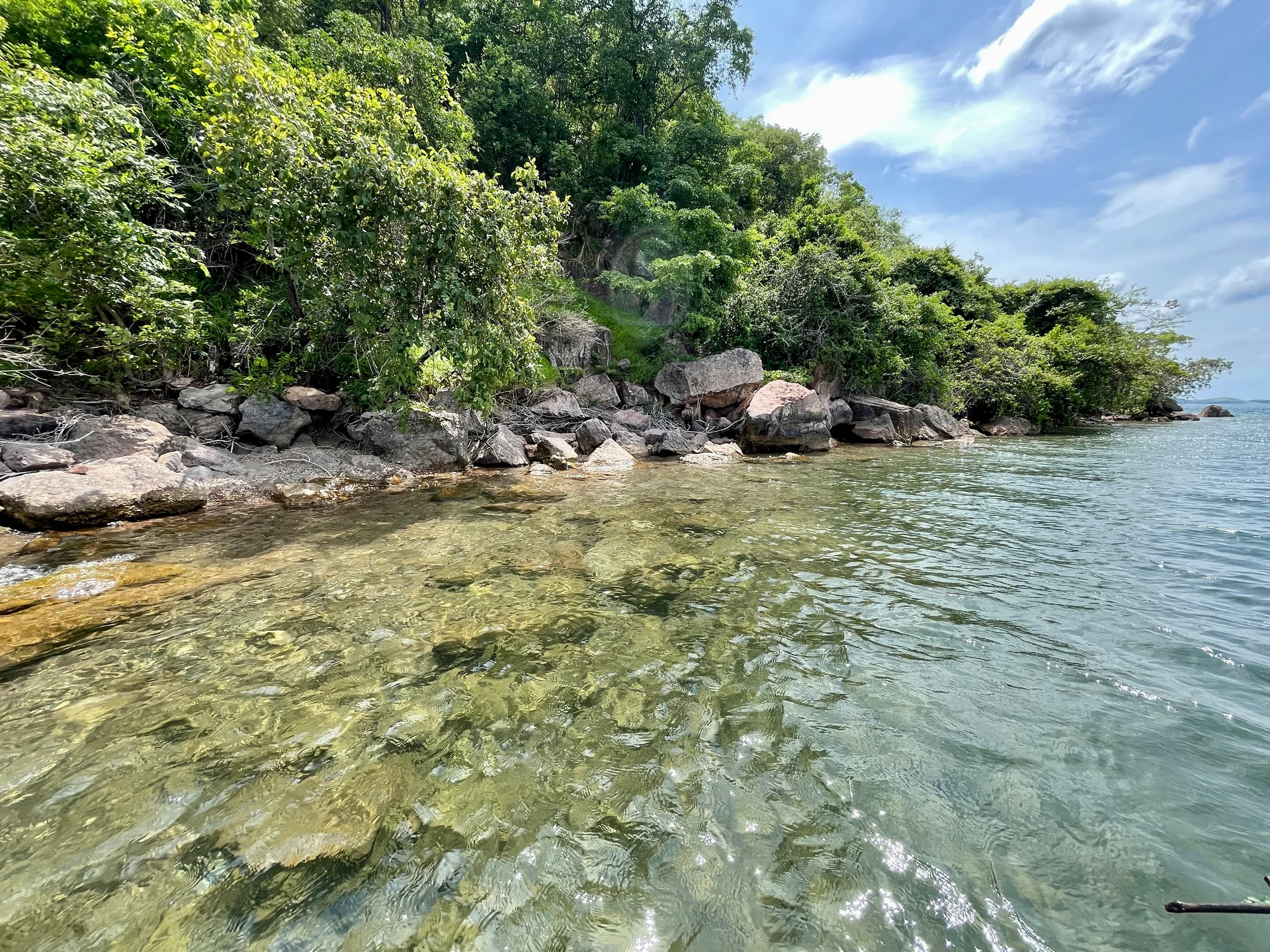
Lake Tanganyika offers a striking freshwater setting along Tanzania’s western frontier: broad blue horizons, wooded shores, bays, beaches and communities whose daily life is closely…
Wildlife
Endemic cichlid fish & Other freshwater fish
Landscape
Lakes & Hot Springs
Highlights
Africa’s deepest freshwater lake in the East African Rift
 Northern Circuit
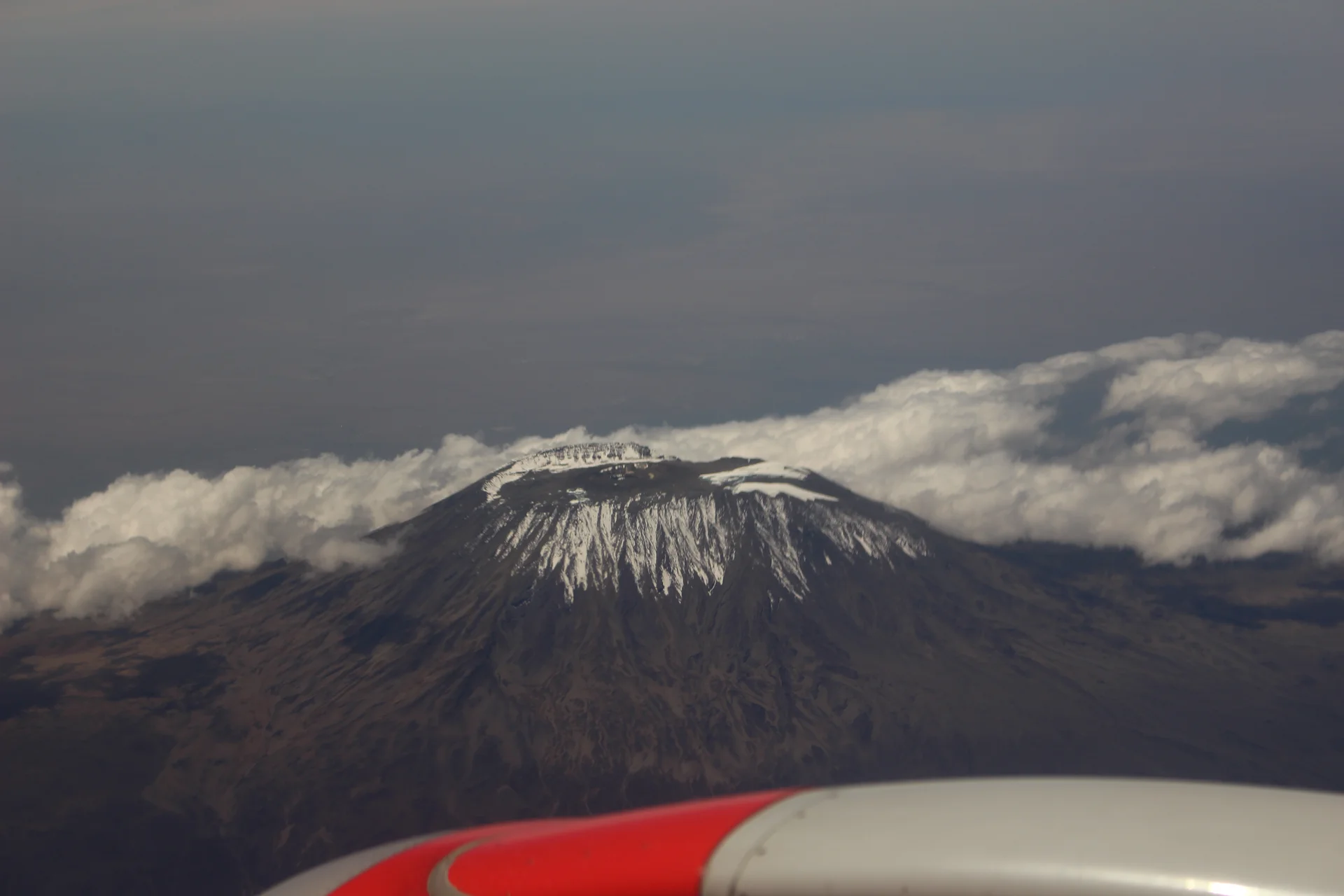
Kilimanjaro rises above northern Tanzania’s plains to Uhuru Peak at 5,895 metres, the highest point in Africa. Its volcanic massif, dramatic changes in vegetation and…
Wildlife
Black-and-white colobus monkeys in forest habitats & Blue monkeys in forest habitats
Landscape
Mountains & Trekking
Highlights
Uhuru Peak at 5,895 metres — Africa’s highest point
 Western Circuit
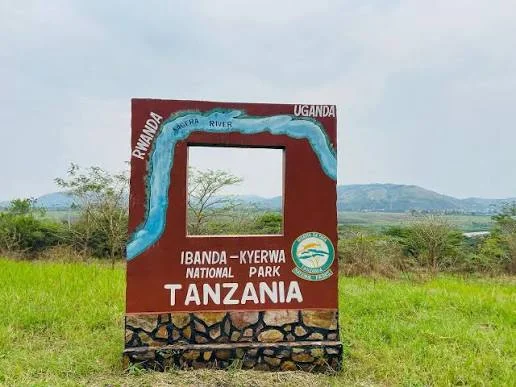
Ibanda-Kyerwa National Park protects a scenic corner of northwestern Tanzania, where the Kagera River meets a landscape of savanna, wooded slopes, valleys and wetlands. Situated…
Wildlife
Buffalo & Roan antelope
Landscape
National Parks & Safari
Highlights
Kagera River scenery on Tanzania’s northwestern border
 Zanzibar & Islands
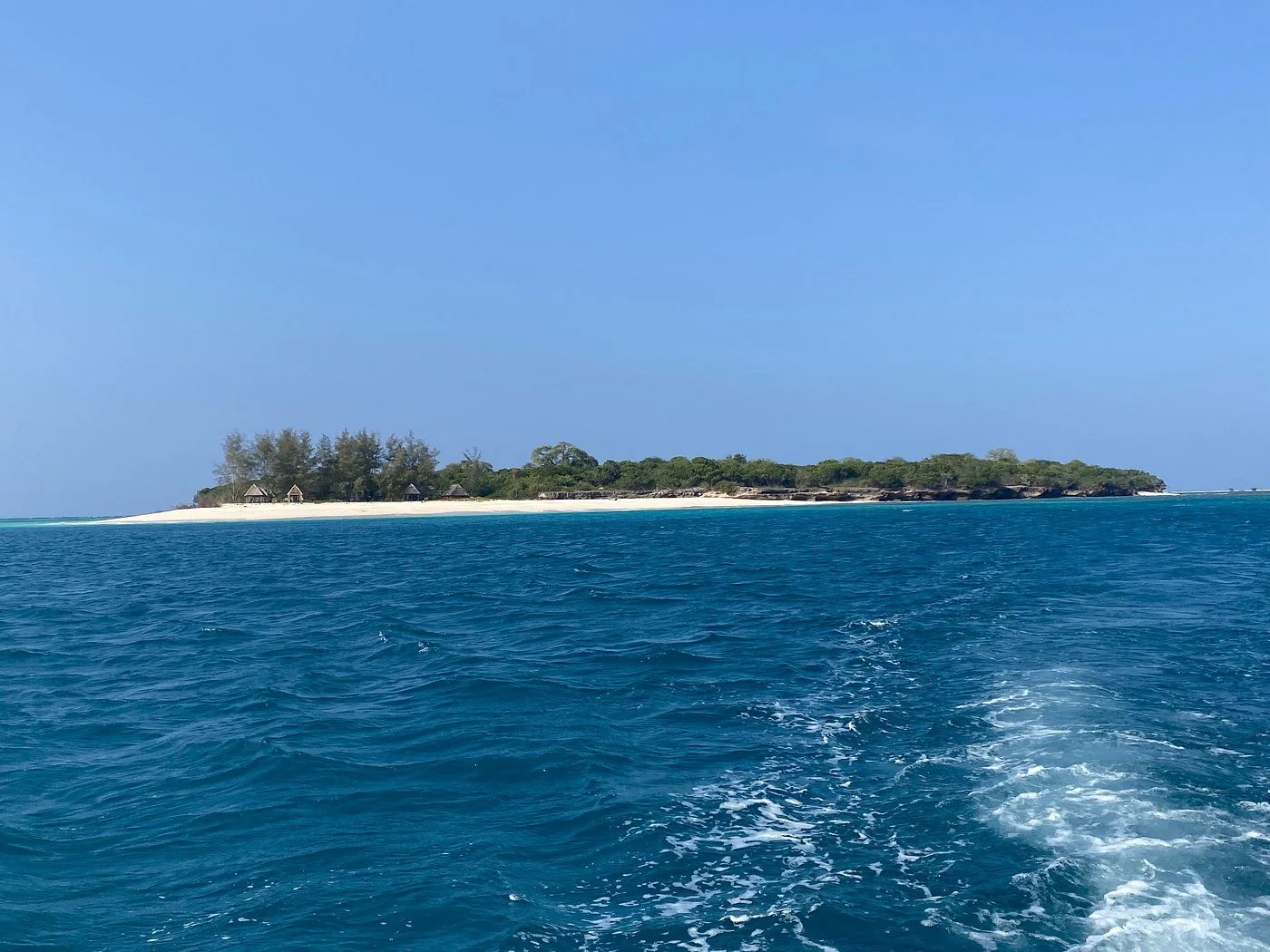
Sinda Island Marine Reserve offers an Indian Ocean escape off Kigamboni, on the southern side of Dar es Salaam. The reserve encompasses Inner and Outer…
Wildlife
Reef fish & Coastal birds
Landscape
Beaches & Islands
Highlights
Inner and Outer Sinda islands
 Northern Circuit
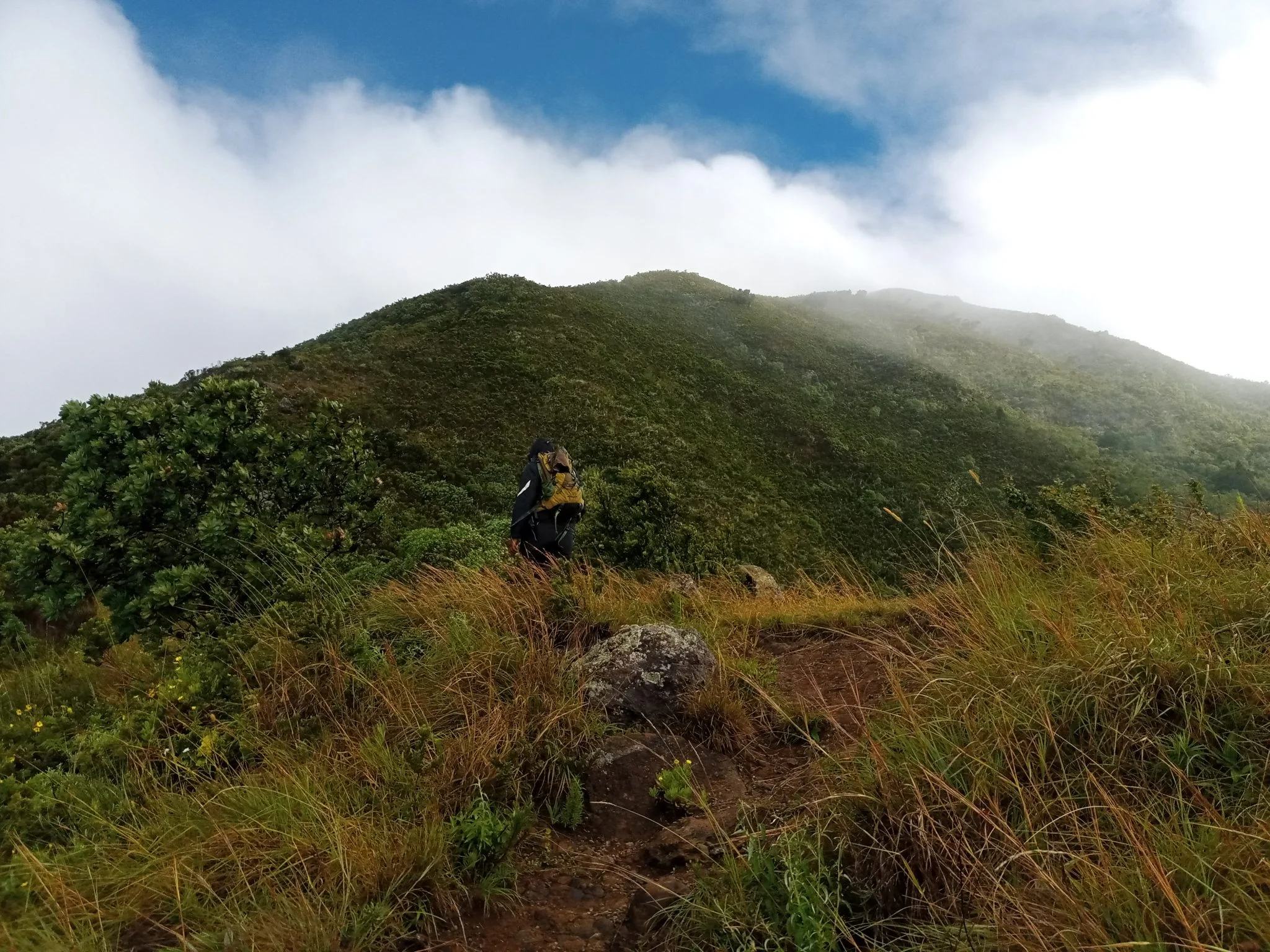
Discover Mount Hanang Rising above Katesh in Tanzania’s Manyara Region, Mount Hanang offers a rewarding mountain adventure beyond the familiar northern safari circuit. At approximately…
Wildlife
Klipspringer & Vervet monkeys
Landscape
Mountains & Trekking
Highlights
Approximately 3,423 metres — Tanzania’s fourth-highest mountain