 5.0 Excellent

Dorine M1 year ago

Grateful experience
As a solo female traveler, I felt super safe and well taken care of the entire time.
Read more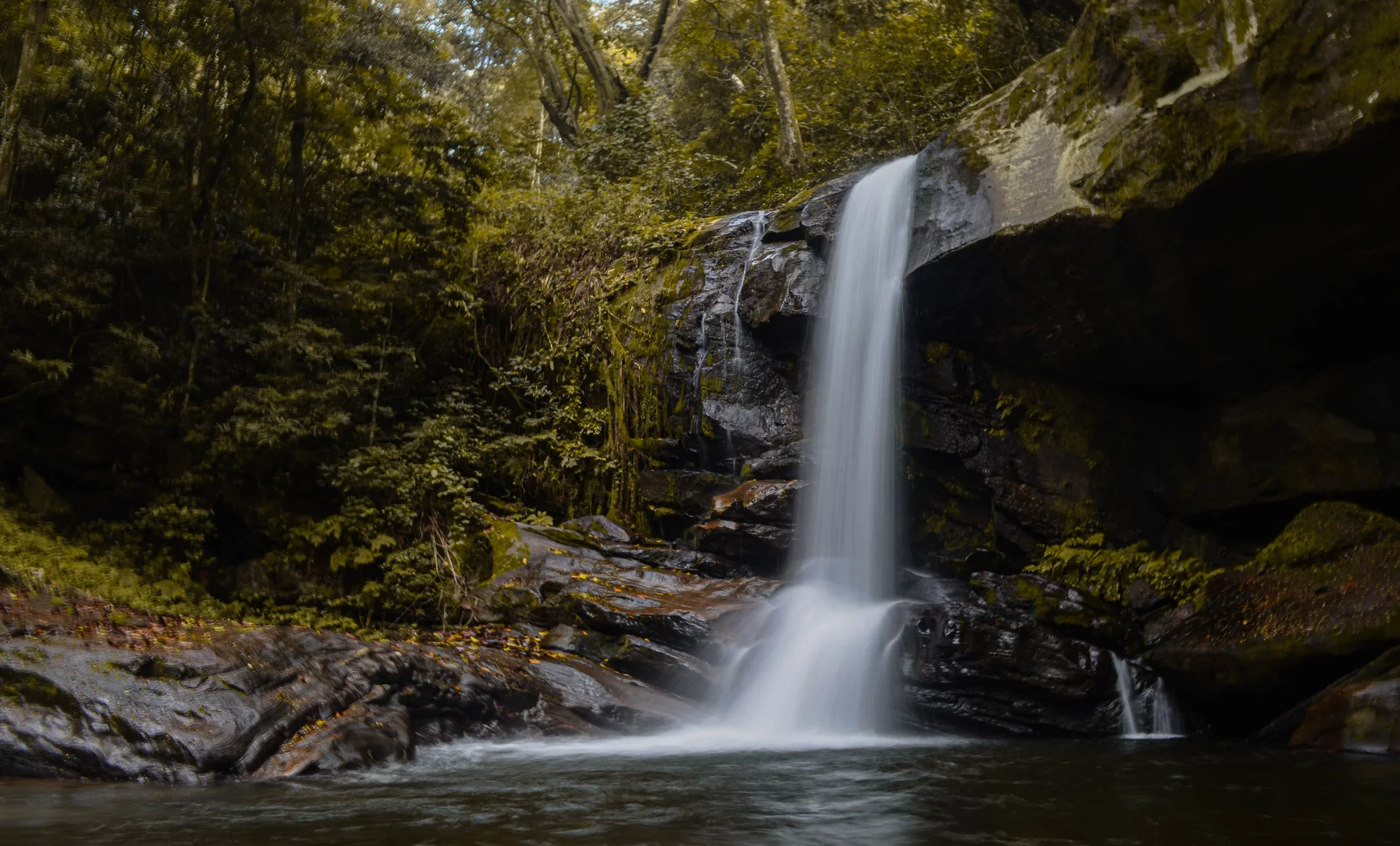
Southern Circuit
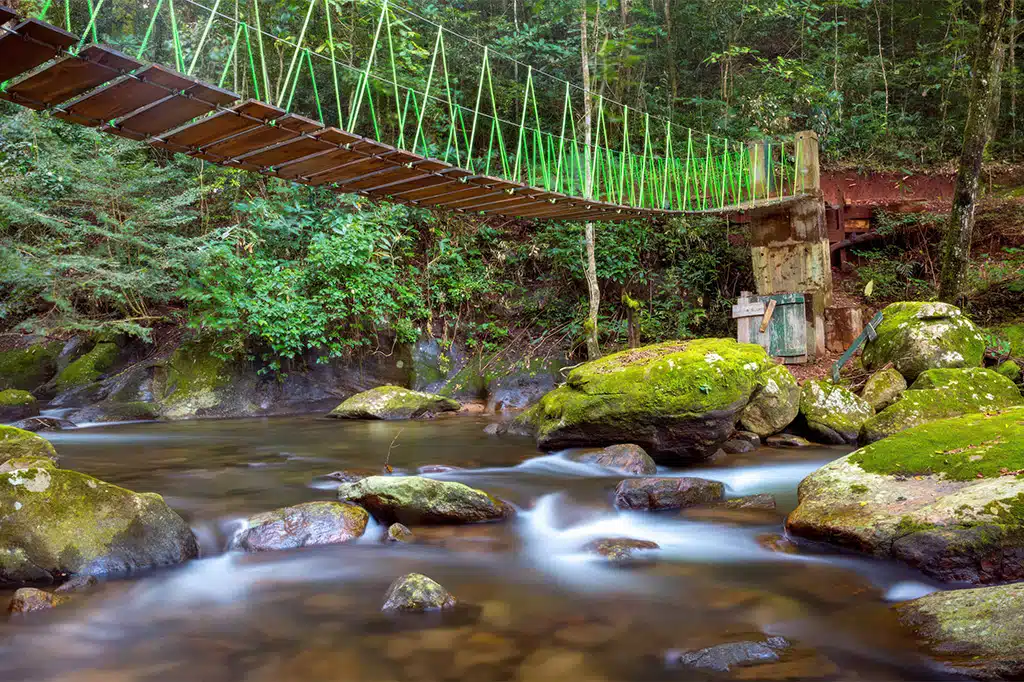
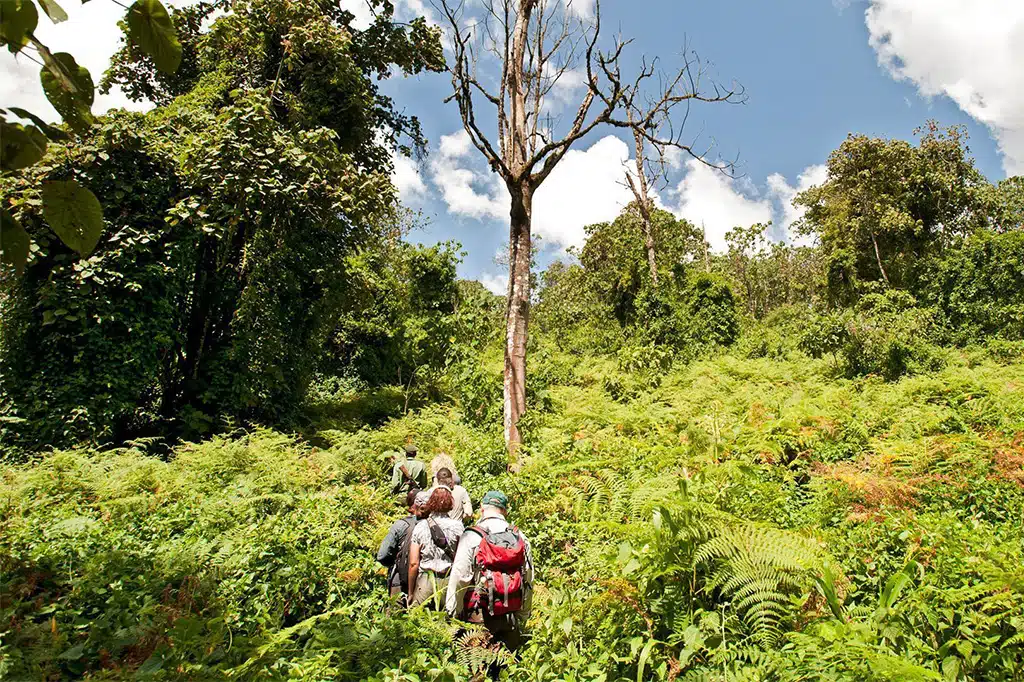
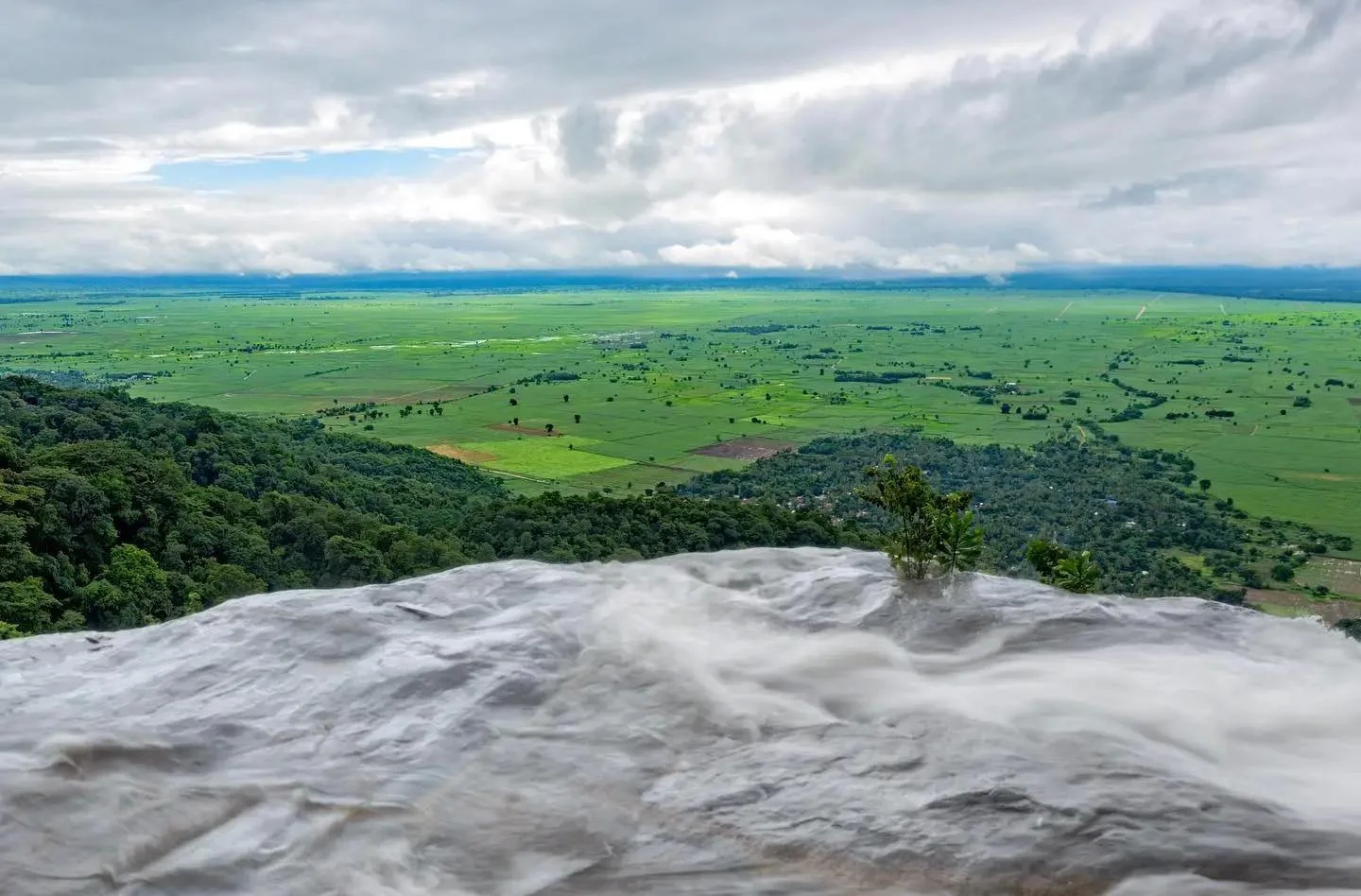
Udzungwa Mountains National Park: Rainforest, Waterfalls and Walking Adventures Udzungwa brings a different rhythm to a Tanzania safari. Here, the journey unfolds at walking pace: a monkey moves through the canopy, water echoes through a shaded gorge, and an uphill trail opens onto the wide Kilombero Valley. For travelers who enjoy being active outdoors, the park offers a rewarding combination of forest scenery, waterfall hikes, birdwatching and exceptional biodiversity. The protected area covers approximately 1,990 square kilometres and was established in 1992. It belongs to the Eastern Arc Mountains, an ancient chain celebrated for distinctive forest habitats and species with restricted ranges. Udzungwa is particularly appealing when paired with Mikumi: open-country wildlife viewing and a forest walk give the same journey two very different experiences. Location and the Main Visitor Gateway The park extends across Morogoro and Iringa Regions. Most first-time visitors use the eastern side around Mang’ula, close to the Kilombero Valley. This gateway is reached through the Mikumi–Kidatu–Mang’ula corridor. The park itself is extensive, and an itinerary based at Mang’ula does not mean that every remote mountain or forest block can be visited on a single excursion. Choose accommodation and transfers around the trail you actually want to walk. The name of a lodge or a broad regional map can conceal a substantial transfer to the starting point. A good plan identifies the correct entrance, registration arrangements, guide, walking route and return transport before departure. Why the Forest Is Special Udzungwa protects a remarkable transition from lower woodland and forest to mountain vegetation. Bamboo, moist forest, streams and higher slopes form a varied landscape rather than one uniform stretch of rainforest. Elevation, shade and exposure change the atmosphere as you walk, and even a modest excursion can reveal differences in leaves, bird calls and the feel of the air. Its conservation value reaches beyond attractive scenery. Forest cover protects water catchments, while connected habitats support species that depend on a limited part of the Eastern Arc. Visiting with care means valuing the entire environment: the understory, fallen wood, stream edges and small organisms are part of the experience, not background to a waterfall photograph. Sanje Waterfalls: The Signature Hike Sanje is the park’s best-known walking attraction. Its cascades descend through forest, with the major drop commonly described as about 170 metres. The visit can include different viewpoints and waterfall levels according to the route selected and the day’s conditions. The image featured here shows the middle waterfall; it should not be confused with a photograph of the tallest drop. Allow a substantial part of the day for the excursion, even when the walking route is described as a half-day hike. Registration, transfers, uphill sections, water breaks, nature observation and a relaxed return all take time. Ask whether the planned walk includes the lower viewpoint, upper cascades or a longer circuit, because these choices affect both effort and duration. The route deserves proper walking preparation. A short distance on a map can still mean sustained climbing, uneven steps, roots and damp ground. Walk at a steady pace, keep enough time for the descent and tell the guide when you need a break. Reaching a viewpoint comfortably is more enjoyable than rushing to fit too many activities into the same day. Short Walks and Longer Treks Udzungwa offers more than Sanje. Shorter forest outings, including the Sonjo area, can suit visitors who want nature observation without committing to a long waterfall climb. Longer routes associated with Mwanihana and Lumemo appeal to experienced walkers seeking a deeper forest journey. Their availability, condition and logistical requirements must be confirmed with park staff before they become part of an itinerary. Treat a multi-day trek as a separate expedition. It requires an agreed route, approved camping, appropriate support, food and water planning, equipment and realistic daily stages. A summit name or an old trail map is not evidence that a route is currently open. The safest and most rewarding choice is the route that matches current park guidance, the group’s ability and the weather. Primates and Wildlife Expectations The Udzungwa red colobus, also known as the Iringa red colobus, and the Sanje mangabey are flagship primates of the Udzungwa landscape. Blue monkeys and vervet monkeys also occur in the park. Their presence makes forest walking especially interesting, but no particular species can be guaranteed on a chosen trail or at a scheduled time. A worthwhile wildlife walk leaves room to listen and wait. Look into the canopy as well as along the path, and let the guide identify movement before approaching. Keep quiet around animals, allow them space and never offer food. A sighting is most memorable when you can watch natural behavior without changing it. Larger mammals occur in different parts of this extensive protected area, but a normal Sanje visit should be planned around forest biodiversity. Travelers hoping for regular elephant, lion or other savanna wildlife encounters should include a suitable game-viewing park elsewhere in their safari. Udzungwa adds another dimension to that experience through walking, primates and forest habitats. Birdwatching and Small Discoveries More than 400 bird species have been recorded in the park. Forest specialists, greenbuls, sunbirds and raptors contribute to its appeal for birdwatchers. A park-wide species list reflects many habitats and years of observation; it is not a prediction of what a visitor will see on one morning’s walk. For a dedicated birding visit, explain your interests when booking and allow time for patient observation. Binoculars are useful even when the main purpose of the trip is hiking. A waterfall walk becomes richer when you also notice butterflies, forest plants, amphibians and small movements in the understory. Avoid handling animals or disturbing vegetation to improve a photograph. Best Time to Visit June to October generally provides the easiest hiking conditions. Wetter months bring greener vegetation and may produce stronger waterfall flows, while increasing the chance of mud, slippery surfaces and changes to the planned route. Forest weather can vary quickly, and rain protection remains useful throughout the year. Choose the season around your priorities. If comfortable footing matters most, favor the drier period. If you prefer lush scenery and are happy with a flexible schedule, a wetter-season visit may suit you. Do not build an itinerary around guaranteed clear skies or a particular water level: leave room for the guide to adapt the day to conditions. How Long to Stay One full day at the park can provide a satisfying introduction, particularly for a Sanje excursion with comfortable transfers. Staying two or three nights near Mang’ula creates a more relaxed visit, with time for an additional walk, focused birding and recovery after travel. Longer trekking requires extra days beyond an ordinary waterfall stay. For a simple visit, arrive the previous afternoon, settle in and prepare your equipment. Walk after breakfast the next day, carry lunch if required and return with time to rest. With an additional day, choose a shorter nature outing or another confirmed route rather than automatically adding a second strenuous climb. These are planning suggestions, and the final schedule should reflect your pace. Getting There and Combining Destinations Dar es Salaam is the main international gateway for many southern Tanzania journeys. Road access commonly runs through Morogoro and Mikumi before continuing toward Kidatu and Mang’ula. Build generous time into the transfer and confirm conditions close to departure. City traffic, stops, roadworks and the exact accommodation location can change the journey substantially. A road journey from Dar es Salaam deserves a travel day; a rushed return excursion with a major hike gives little margin. Mikumi is the most practical nearby safari combination. Ruaha or Nyerere can be added to a longer southern itinerary after checking the distances and current transfer options. Air arrangements should be based on confirmed services and a realistic road connection to the park, rather than assumed direct flights. Accommodation, Camping and Budgeting Mang’ula and the surrounding gateway area offer places to stay outside the park. Confirm the room facilities, meal arrangements, packed lunch, transport to the trailhead and any equipment you expect to hire. An early breakfast and reliable transfer are often more useful for a hiking trip than a long list of hotel amenities. Camping is possible through approved park arrangements. Remote or special campsites require advance planning, and facilities should be checked rather than assumed. Ask for an itemized trip quotation covering entry, guide or ranger services, any trekking and camping charges, transport, meals and accommodation. Applicable fees depend on visitor category and the chosen activities, so use the current quotation for your budget. Fitness, Families and Accessibility A comfortable Sanje visit requires enough fitness for uphill walking and a controlled descent over uneven ground. Explain any mobility limitations when planning the trip so that the route can be assessed realistically. Forest paths and waterfall approaches should not be assumed to offer step-free or wheelchair access. Families can enjoy the park when walking expectations match the children’s stamina and confidence. Choose an achievable route, make frequent breaks and keep children close on slippery sections and near water. A shorter, relaxed nature walk can be more rewarding than completing a challenging route under pressure. The guide should help choose the experience around the group’s needs. What to Bring and How to Visit Responsibly Wear walking shoes with good grip and bring water, snacks or a packed lunch, a light rain layer, sun protection, insect repellent and a small daypack. Binoculars and a camera are useful additions; protect electronics from spray and rain. For longer walks, agree water quantities, equipment and carrying arrangements with the guide beforehand. Stay on authorized trails and follow guide and ranger instructions. Leave plants, rocks and animals where you find them, take all litter out and avoid loud music. Swimming should only be considered in an officially permitted place when the guide confirms conditions are safe; the existence of a pool is not permission to enter it. Water flow and footing can change after rain. Plan Your Udzungwa Visit with TanzaLux Safaris Start with the experience you want: a memorable waterfall hike, a gentle forest introduction, focused birdwatching or an extended trek. Share your travel dates, available time and walking ability so that accommodation, transfers and the right route can be arranged together. Udzungwa rewards a thoughtful schedule that leaves time to observe, pause and enjoy the forest.
March–May: Generally the wettest part of the visitor calendar, with lush forest and potentially strong waterfalls. Rain can make paths muddy, steep sections slippery and some routes unsuitable. Keep plans flexible, carry rain protection and follow current trail advice. A green-season visit suits travelers comfortable with weather changes; easier walking cannot be assumed.
November–February: A wetter transition period with green scenery and variable rainfall. Walks may remain enjoyable between showers, but footing, visibility and water flow vary. Allow extra time and choose routes after checking conditions. Birding and primate observation remain worthwhile interests without guaranteed sightings or clear weather.
June–October: Generally the best period for more comfortable hiking and a practical combination with southern Tanzania wildlife safaris. Trails are usually less muddy, although rainforest showers remain possible. Start with adequate time for the climb and descent, carry water and rain protection, and confirm the selected route is open.
The principal eastern visitor gateway is Mang’ula, in Morogoro Region, near the Kilombero Valley. From Dar es Salaam, travel by road through Morogoro and Mikumi, then follow the Kidatu–Mang’ula corridor toward the park. Plan this as a substantial transfer day and confirm the driving estimate for your exact pickup point and accommodation; traffic, roadworks, stops and weather affect timing. Visitors from Iringa approach through the Mikumi corridor. Sanje excursions require the appropriate trailhead transfer as well as park registration. Julius Nyerere International Airport (DAR) is the main international gateway for this part of Tanzania. Any regional flight or nearby airstrip option must be checked for current operation, booking availability and onward road transfer. Do not assume a scheduled flight directly into the park. Mikumi is the most convenient nearby safari combination; Ruaha and Nyerere require a longer itinerary and confirmed transfers. TanzaLux Safaris can arrange the route, accommodation, transport and park guide or ranger services around your preferred walk.
The park extends across Morogoro and Iringa Regions in Tanzania. Most visitors use the eastern gateway around Mang’ula, near the Kilombero Valley. This is the practical base for many forest and waterfall excursions, but the wider park contains remote areas that require separate access and planning.
Udzungwa is especially rewarding for walking, rainforest scenery, waterfalls, primates and birdwatching. Its visitor experience centers on forest trails. Combine it with a game-viewing park such as Mikumi if you also want regular savanna wildlife viewing during the same journey.
Udzungwa Mountains National Park was established in 1992 and covers approximately 1,990 square kilometres. It protects part of the Eastern Arc mountain ecosystem, with varied vegetation and important water catchments. The park is much larger than the area normally explored on a single waterfall visit.
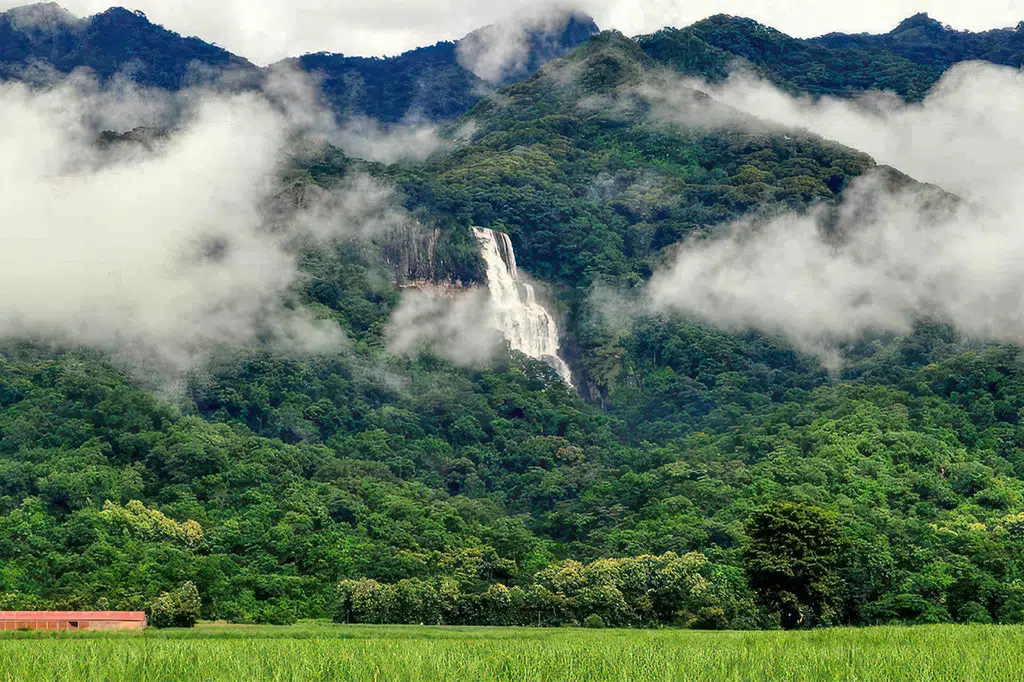
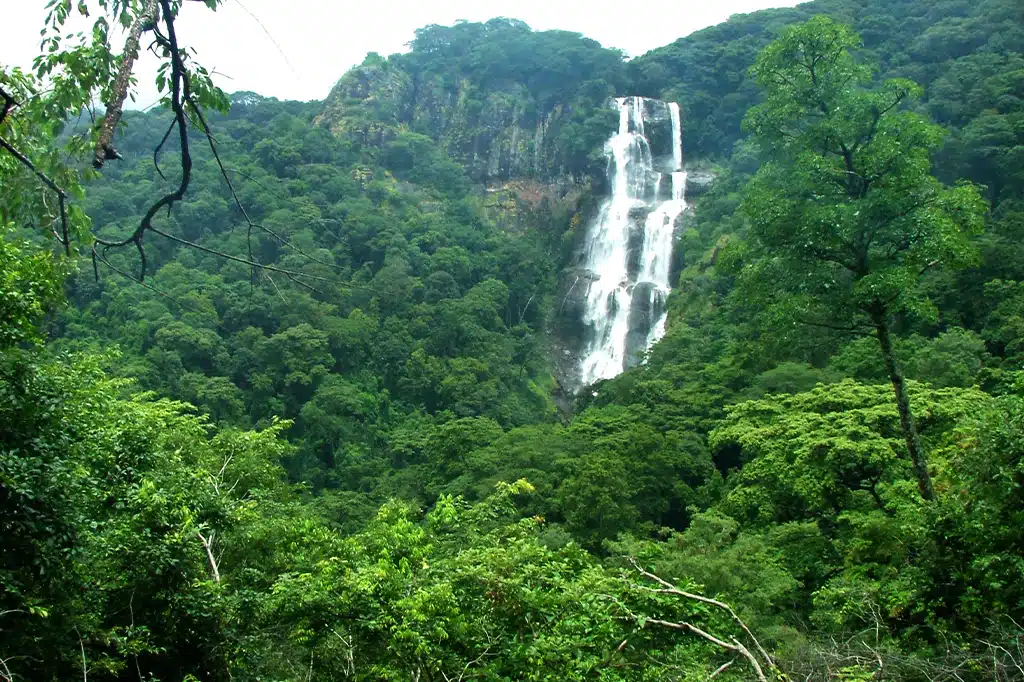
Sanje is a series of forest waterfalls and the park’s best-known hiking attraction. The major drop is commonly described as about 170 metres. Different waterfall levels and viewpoints may be visited depending on the chosen trail and conditions. The new featured photograph shows the middle waterfall, not the tallest drop.
The popular hike is often described as a half-day outing, but the full excursion also includes transfers, registration, breaks and the return journey. Set aside a generous part of the day and confirm which viewpoints or waterfall levels are included. Duration depends on your pace, route and weather.
Difficulty varies by route. Sanje includes uphill walking and uneven or slippery footing, so a reasonable level of walking fitness is useful. Shorter forest outings may be more suitable for a gentle visit. Multi-day trekking requires stronger endurance, equipment and advance logistics; describe your ability honestly when choosing a route.
Flagship species include the Udzungwa red colobus, also called the Iringa red colobus, and the Sanje mangabey. Blue monkeys and vervet monkeys also occur in the park. Sightings depend on habitat, route, animal movement and time spent observing; a named species should never be treated as guaranteed.
Yes. More than 400 bird species have been recorded across the park, including forest specialists and a variety of sunbirds, greenbuls and raptors. Bring binoculars and allow a slower walking pace for a focused birding visit. The park-wide list does not mean all species can be seen on one trail.
June to October generally gives the easiest hiking conditions. Wetter months offer lush scenery and may bring stronger waterfall flows, with a greater chance of mud and itinerary adjustments. Rain can occur in the forest at any time, so carry protection and confirm trail conditions regardless of season.
One full day at the park can cover a main excursion such as Sanje when transfers are sensible. Two or three nights around Mang’ula allow a more relaxed visit and another nature walk or birding session. Longer treks need additional days and should be planned separately from a standard waterfall itinerary.
The usual road approach runs through Morogoro and Mikumi, then toward Kidatu and Mang’ula. Treat the journey as a substantial transfer day and check a current estimate for your actual pickup point. Leave time for traffic, stops and road conditions, and avoid planning a major hike around a rushed same-day return.
Dar es Salaam is the main international air gateway for many visitors. A regional flight or nearby airstrip connection may be considered only after checking current services and the onward road transfer. Do not book an itinerary on the assumption that a regular scheduled flight lands directly inside Udzungwa Mountains National Park.
Arrange your walk with an authorized guide and any ranger support required by the park for the selected route. Register as directed and agree the starting point, return arrangements and expected duration. Longer hikes need advance planning and route approval rather than simply following an old map independently.
Only consider swimming in an officially permitted location when the guide or ranger confirms that conditions are safe. A natural pool may have slippery edges, changing flow or other hazards, especially after rain. Swimming is optional and should never be promised as an automatic part of every Sanje excursion.
Accommodation is available outside the park around Mang’ula and the gateway area. Approved camping can also be arranged, subject to the chosen site and park requirements. Confirm facilities, meals, equipment and reservations before departure; remote camping should be treated as a planned trekking activity rather than an improvised overnight stay.
Ask for a current, itemized quotation covering park entry, guide or ranger services, transport, accommodation, meals and any camping or trekking charges. Fees vary by visitor category and activities. Confirm taxes, inclusions and exclusions before booking so that a quoted entry fee is not mistaken for the total excursion cost.
Families can enjoy routes that match the children’s stamina and confidence, with regular breaks and close supervision near water. Uneven forest trails and steep waterfall approaches should not be assumed to provide wheelchair or step-free access. Discuss mobility needs in advance so that the route can be assessed realistically.
Bring shoes with good grip, sufficient water, snacks or a packed lunch, a light rain layer, sun protection, insect repellent and a small daypack. Binoculars add value for birding and primates. Protect cameras from spray, and agree the equipment and water requirements with your guide for any longer outing.
Mikumi is the most practical nearby combination, pairing savanna game viewing with forest hiking. Ruaha or Nyerere can form part of a longer southern Tanzania journey once transfer distances and current transport options are checked. Allow enough time at Udzungwa itself rather than squeezing a strenuous hike between long drives.
Stay on approved trails, follow guide instructions, keep your distance from animals, avoid feeding wildlife and take all litter out. TanzaLux Safaris can plan your route, transfers, accommodation and hiking arrangements around your dates and interests. Share your walking ability and priorities so the experience is comfortable and realistic.
Grateful experience
As a solo female traveler, I felt super safe and well taken care of the entire time.
Read morePrivate Safari 6 days
I can only highly recommend the young company Tanzalux for organizing a private safari.
Read moreAn unforgettable vegetarian journey with Tanzalux Safaris
I highly recommend Tanzalux for anyone wanting a special, personalized safari.
Read moreOur 3-day camping safari with Tanzalux was simply fantastic! Everything was perfectly organized.
Read moreBack in April, I joined a day trip to Tarangire National Park with Tanzalux Safaris, and it was truly one of the best experiences I have ever had…
Read moreI've had an amazing experience with Tanzalux Safaris, would 1000% recommend! Thank you for making my trip so special🫶
Read moreI recently visited Meru Waterfalls in Arusha and got to do some of the activities there, honestly it was such a great experience and I really enjoyed it.
Read moreOur guide Dullah Mr Rastaman had the best vibe. I would like to recommend other people not to miss it, Tarangire is the best national park.
Read moreOur tour guide Nasri was very friendly and welcoming from the first day we met him. He knows Tarangire very well and explained many things during the safari.
Read moreAs a grandmother in the group, I would like to share my happiness with Tanzalux Safaris. Me, my daughters, and my grandson went on a short trip to Tarangire National Park…
Read moreReceive a free, no obligation quote

 Western Circuit
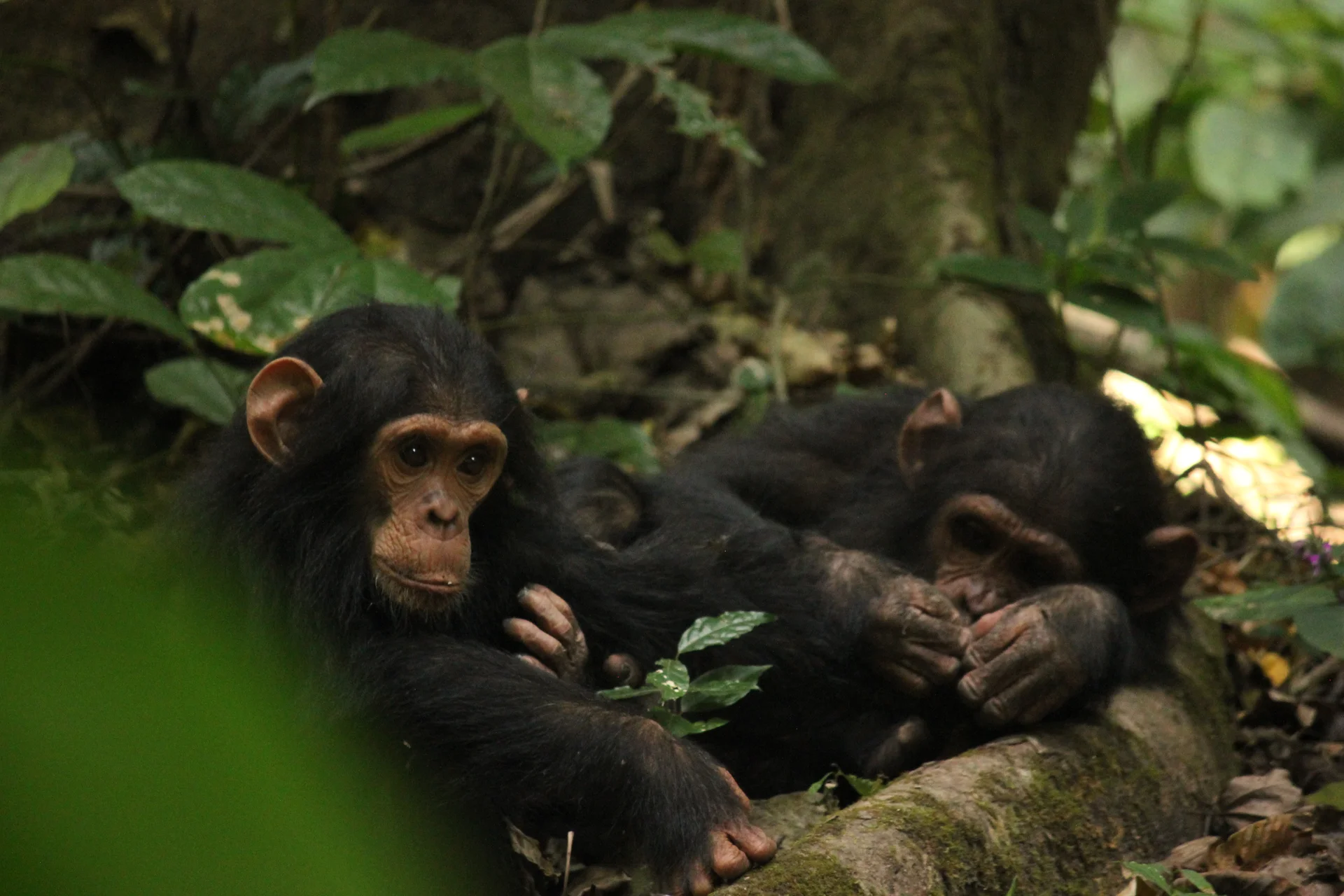
Gombe Stream National Park, also known as Gombe National Park, combines wild chimpanzee trekking with forested hills and the shores of Lake Tanganyika. In Kigoma…
Wildlife
Chimpanzees & Olive baboons
Landscape
National Parks & Safari
Highlights
Wild chimpanzee trekking with park rangers
 Southern Circuit
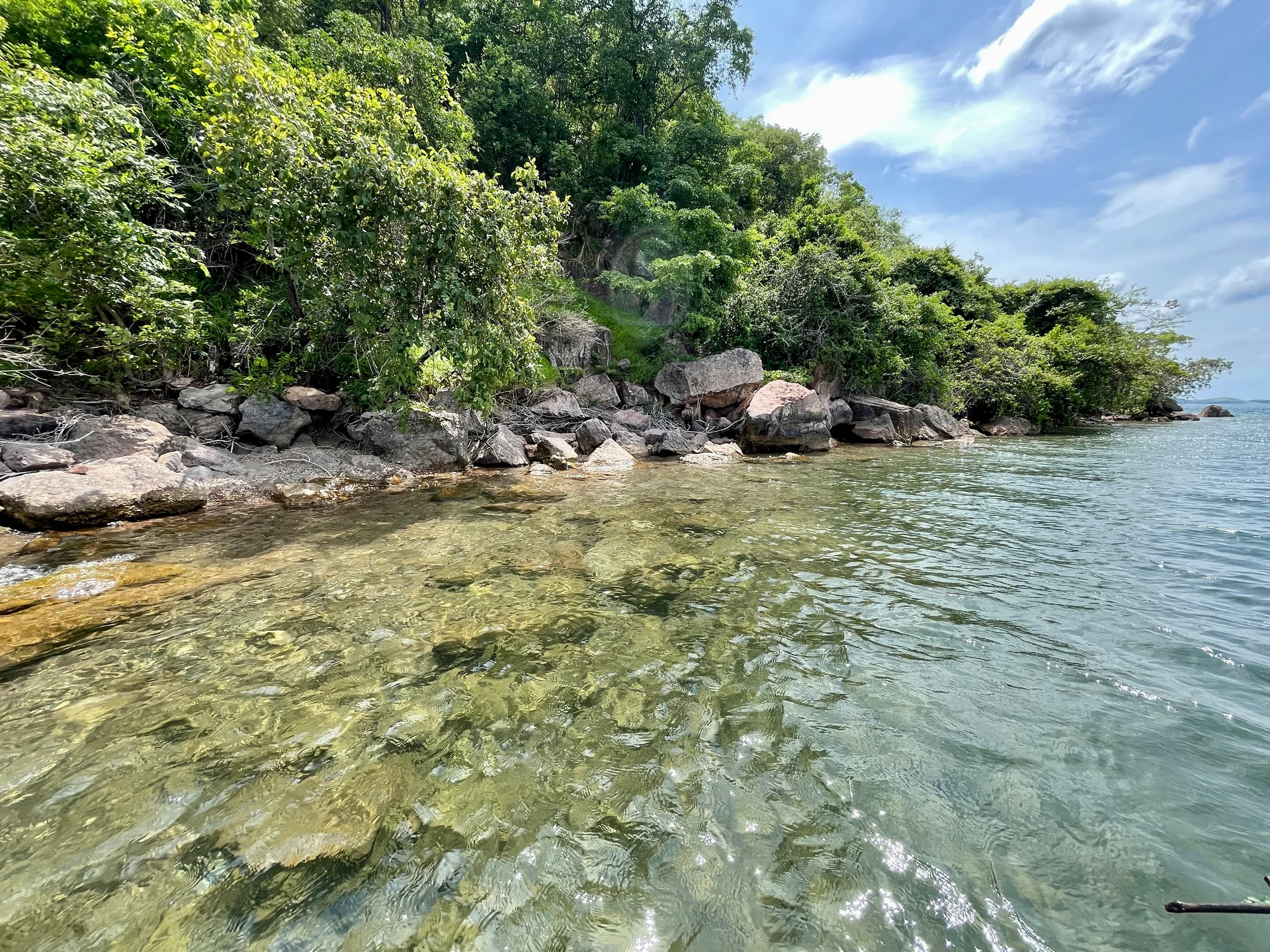
Lake Tanganyika offers a striking freshwater setting along Tanzania’s western frontier: broad blue horizons, wooded shores, bays, beaches and communities whose daily life is closely…
Wildlife
Endemic cichlid fish & Other freshwater fish
Landscape
Lakes & Hot Springs
Highlights
Africa’s deepest freshwater lake in the East African Rift
 Northern Circuit
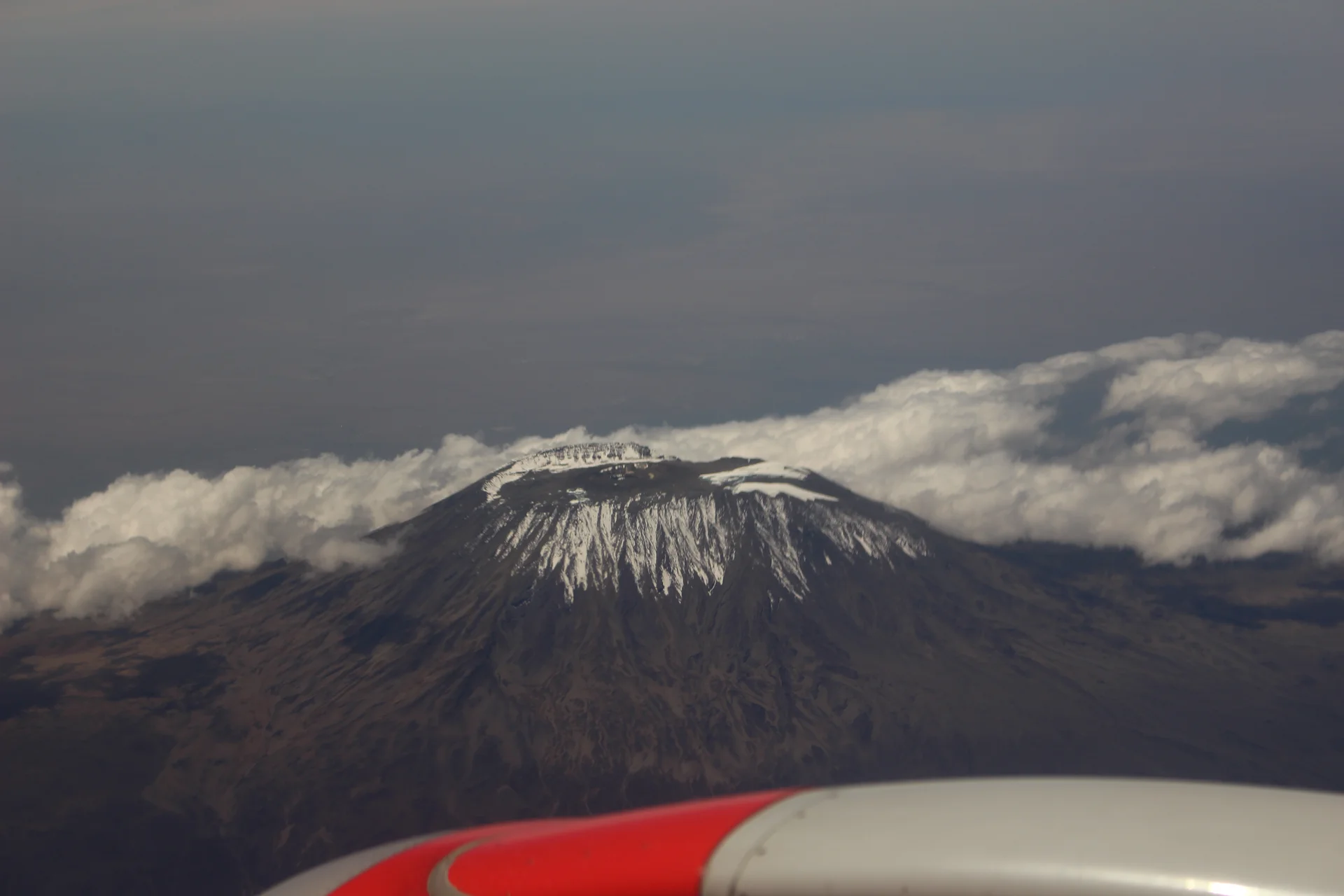
Kilimanjaro rises above northern Tanzania’s plains to Uhuru Peak at 5,895 metres, the highest point in Africa. Its volcanic massif, dramatic changes in vegetation and…
Wildlife
Black-and-white colobus monkeys in forest habitats & Blue monkeys in forest habitats
Landscape
Mountains & Trekking
Highlights
Uhuru Peak at 5,895 metres — Africa’s highest point
 Western Circuit
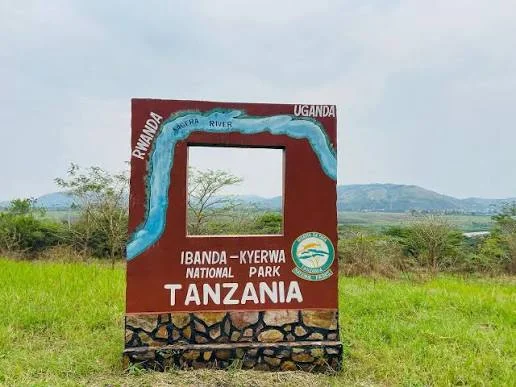
Ibanda-Kyerwa National Park protects a scenic corner of northwestern Tanzania, where the Kagera River meets a landscape of savanna, wooded slopes, valleys and wetlands. Situated…
Wildlife
Buffalo & Roan antelope
Landscape
National Parks & Safari
Highlights
Kagera River scenery on Tanzania’s northwestern border
 Zanzibar & Islands
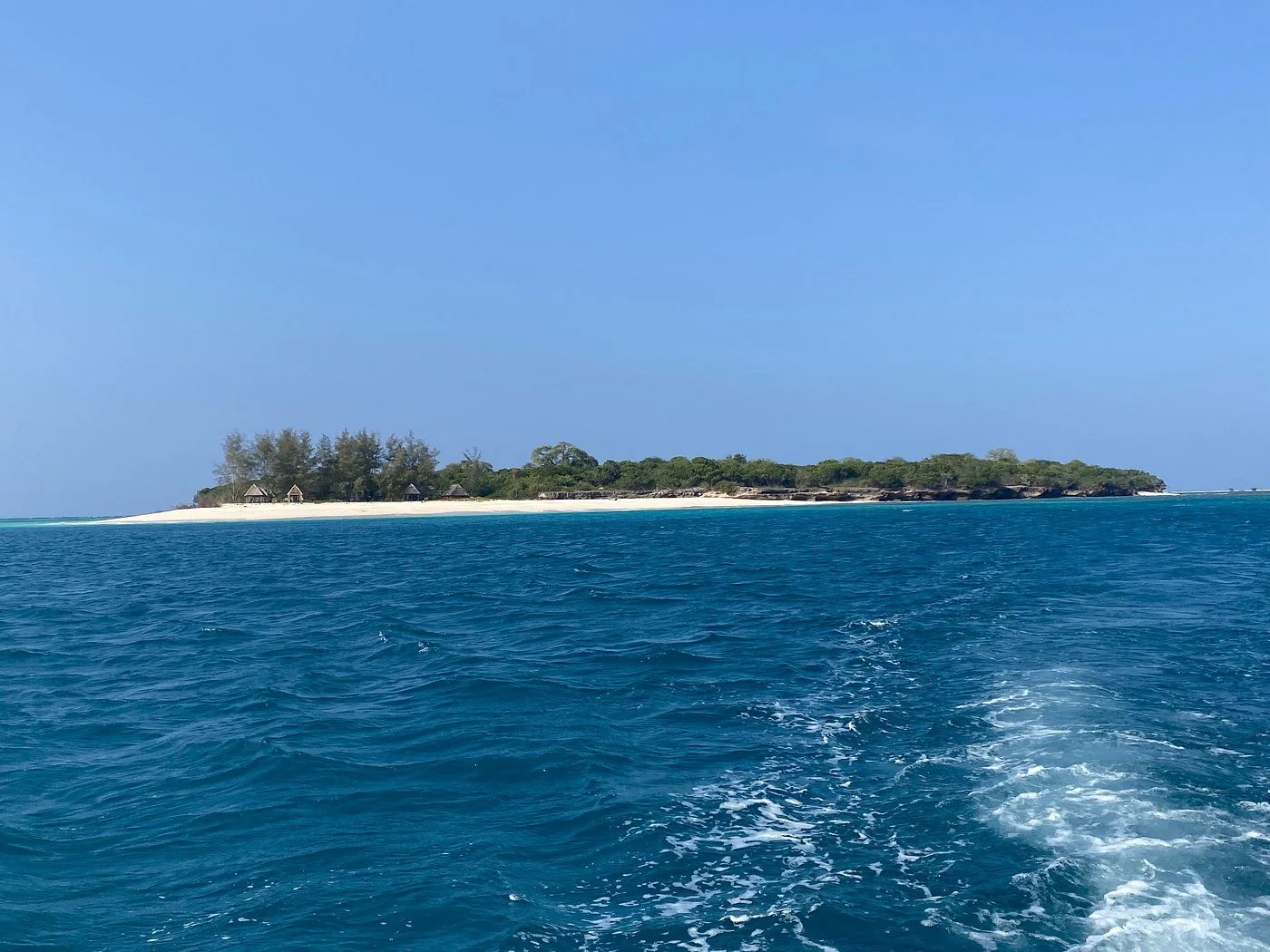
Sinda Island Marine Reserve offers an Indian Ocean escape off Kigamboni, on the southern side of Dar es Salaam. The reserve encompasses Inner and Outer…
Wildlife
Reef fish & Coastal birds
Landscape
Beaches & Islands
Highlights
Inner and Outer Sinda islands
 Northern Circuit
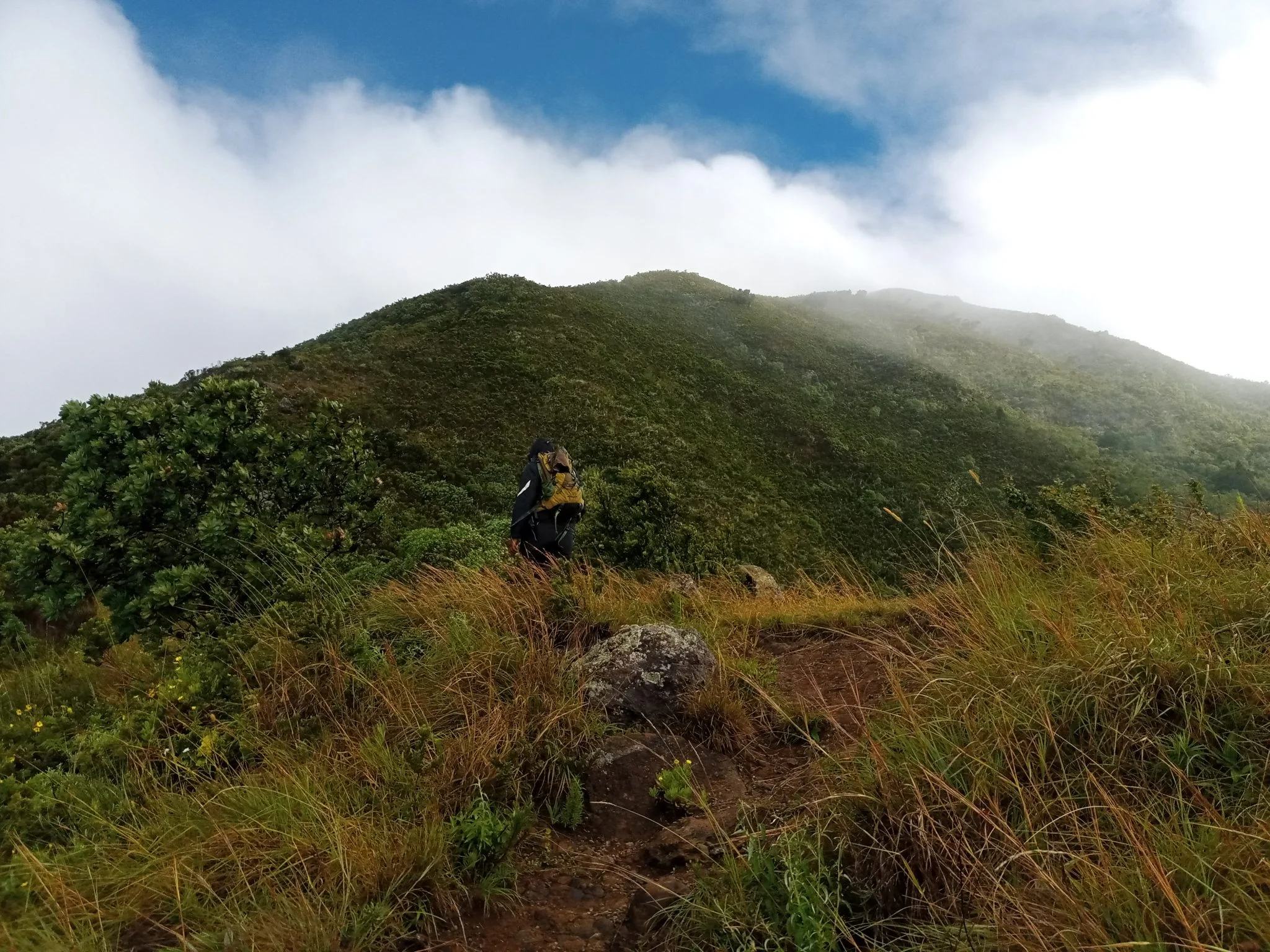
Discover Mount Hanang Rising above Katesh in Tanzania’s Manyara Region, Mount Hanang offers a rewarding mountain adventure beyond the familiar northern safari circuit. At approximately…
Wildlife
Klipspringer & Vervet monkeys
Landscape
Mountains & Trekking
Highlights
Approximately 3,423 metres — Tanzania’s fourth-highest mountain