 5.0 Excellent

Dorine M1 year ago

Grateful experience
As a solo female traveler, I felt super safe and well taken care of the entire time.
Read more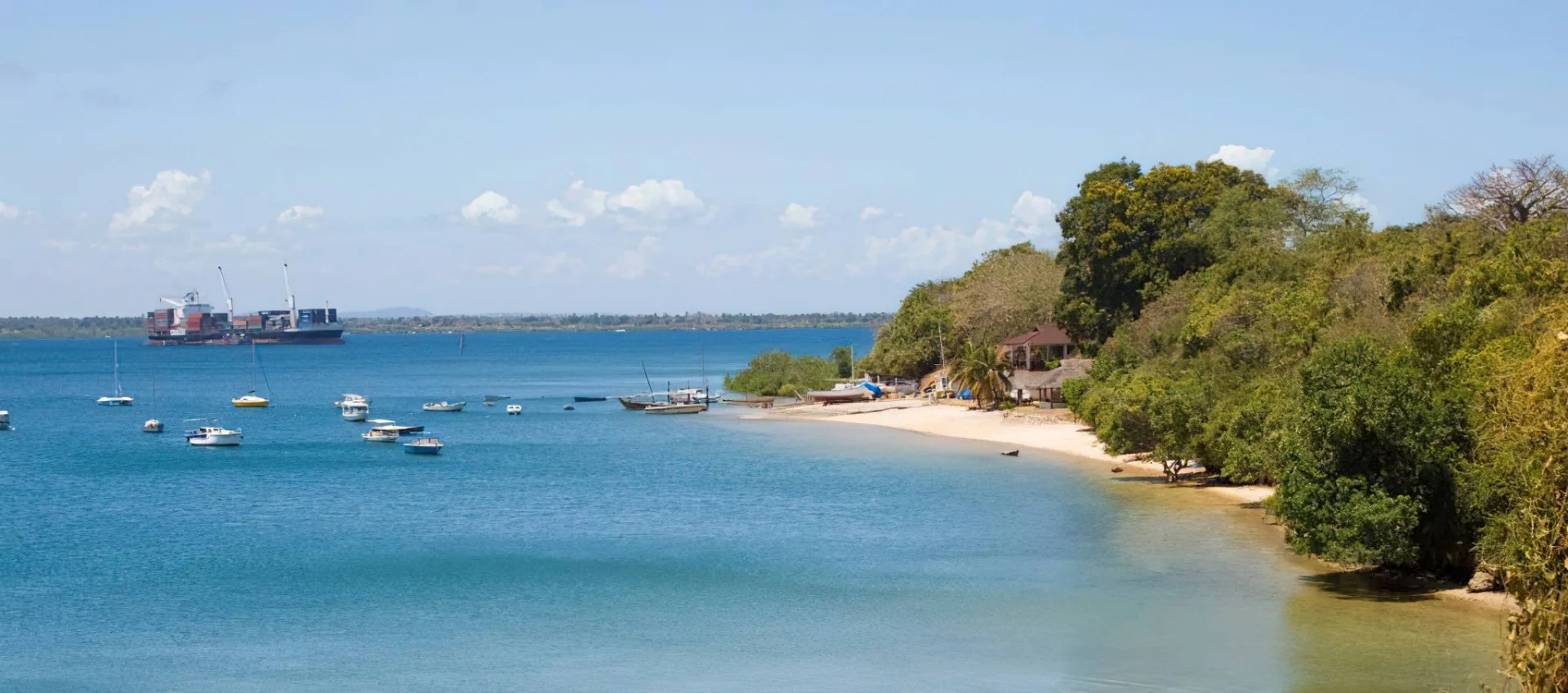
Zanzibar & Islands
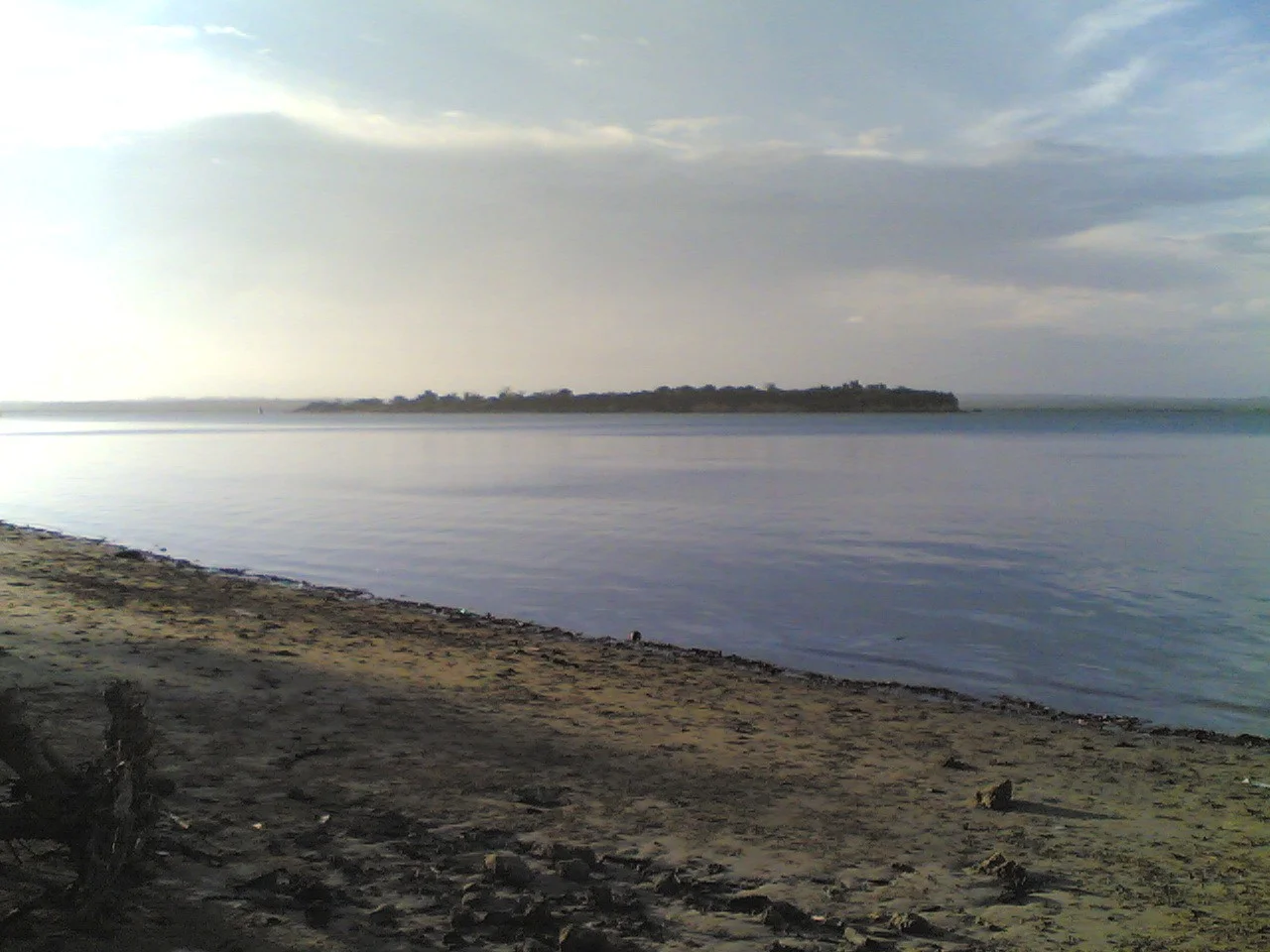
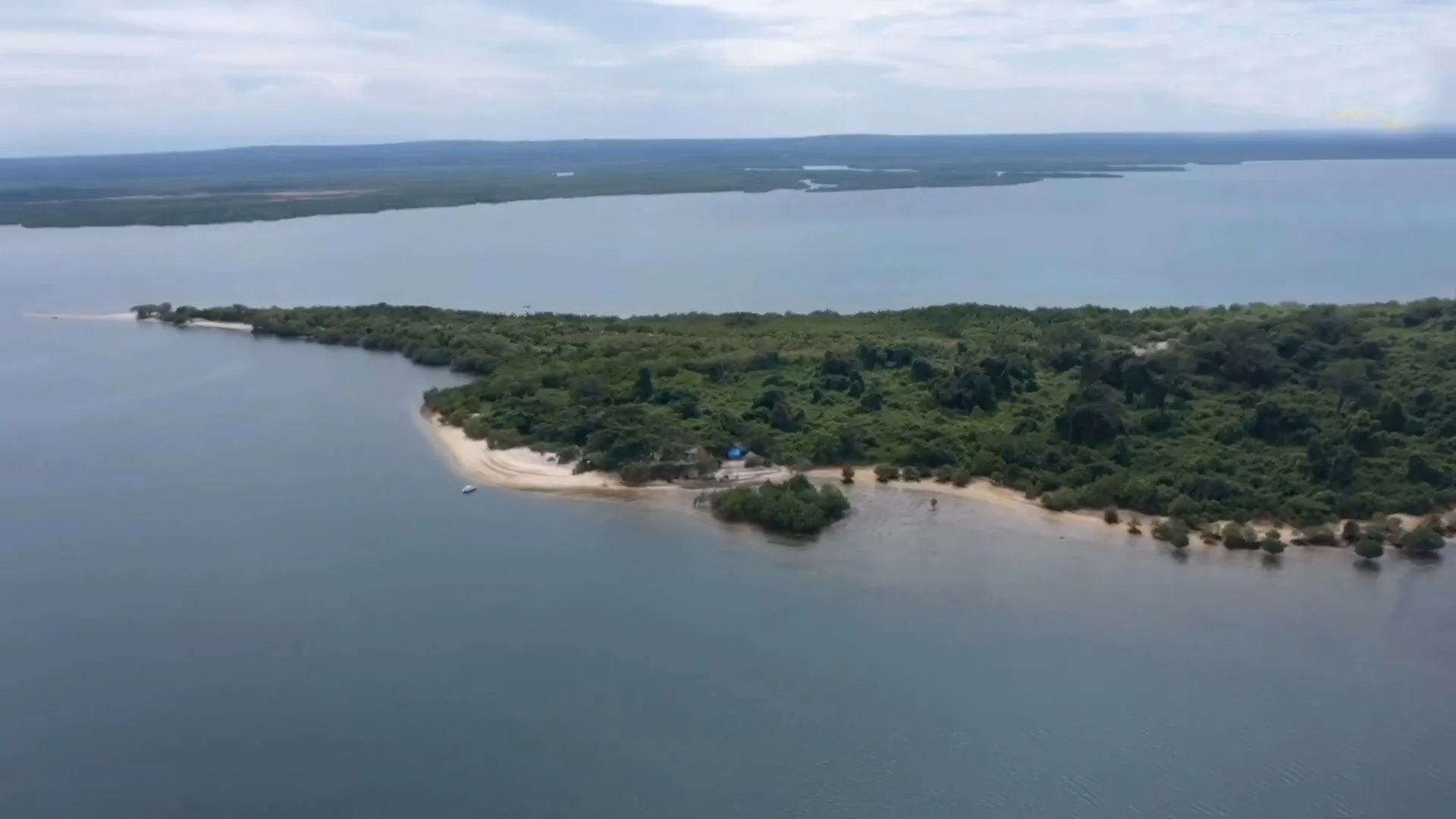
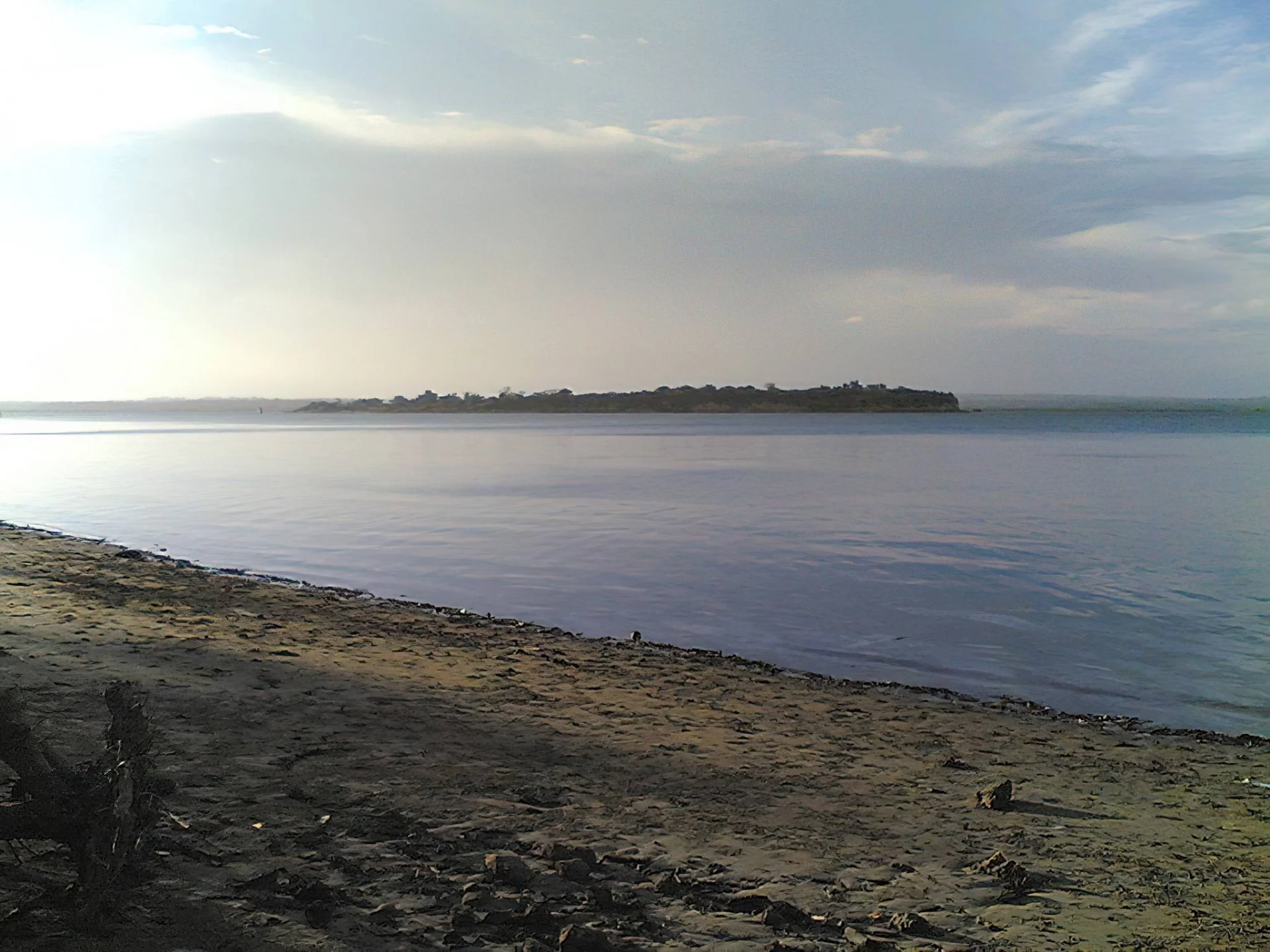
Toten Island offers an atmospheric boat excursion from Tanga, bringing together coastal scenery and the traces of earlier communities. Across Tanga Bay from the harbour, its wooded outline makes a quiet contrast to the working waterfront. Visit for a guided walk and time to look closely at the landscape: old masonry, broad tree trunks, shaded paths and glimpses of the sea. It is particularly rewarding for travellers interested in the northern Swahili coast and for photographers who enjoy combining nature with built heritage. Forest and shoreline Large baobabs are among the island's most distinctive features. Small beaches and paths connect the wooded interior with the shore and the remains of past settlements. Plan a leisurely exploration rather than a demanding hike, while allowing for roots, loose stones, uneven footing and overgrown sections. A guide can choose an appropriate route for the day's conditions. Binoculars and a camera are useful companions; allow time to pause quietly and observe any birds encountered without expecting a fixed species list. Layers of coastal history The remains include two mosques, graves and structures associated with the German colonial period. Toten's name is commonly translated as 'Island of the Dead', reflecting its cemetery history. Tourism accounts also describe a former quarantine station and archaeological finds linked to Indian Ocean trade. These traces give the walk a human dimension, although the precise history of individual structures still requires research. Ask your guide to distinguish documented information from local accounts. Approach graves respectfully and leave masonry, pottery fragments and other objects exactly where they are. A protected coastal setting Toten lies within Tanga Coelacanth Marine Park, whose wider landscape includes coastal forest, bays, mangroves, seagrass and coral habitats. The island combines a heritage visit with an introduction to the reasons this coast is protected. The park's name refers to the coelacanth, a deep-water fish; seeing one is not an ordinary island excursion experience. Wildlife encounters depend on location, season and conditions. Keep the focus on observing habitats and enjoying the shore without pursuing or disturbing animals. How to shape the excursion A suggested plan is to leave Tanga after a briefing, cross the bay with a local boat operator, explore the permitted paths with a guide and take a shaded rest before returning. Reserve around half a day as a flexible planning allowance, then confirm the actual timing with your operator. A mainland heritage walk or a separately arranged visit to Amboni Caves can complement the island, provided transfers and daylight allow. Keep the itinerary adaptable: the skipper's assessment of wind, tide, visibility and landing conditions takes priority over a fixed departure time. Water activities and comfort Swimming or snorkelling should be an optional addition only where your guide identifies a suitable, permitted location away from harbour traffic. Being near the coast does not mean every beach is appropriate for entering the water. Discuss ability, supervision and equipment before booking. Choose a properly equipped boat with correctly fitting life jackets, bring drinking water and sun protection, and keep a dry bag for valuables. Wear footwear with grip for the walk and carry insect repellent and a light rain layer. Arrange refreshments in advance rather than depending on an island shop or restaurant. Planning a responsible visit Use Tanga as your accommodation base and confirm departure point, boat type, guide, current permissions, conservation charges and return arrangements before travelling. Ask for an itemised quotation, including any optional activity or meal. A small guided group leaves more room for interpretation and careful movement around fragile remains. Avoid climbing walls or tombs, removing shells or artifacts, feeding wildlife or leaving litter. Ask before photographing people at mainland landing areas. Guests needing step-free access should discuss boarding, beach landings and the proposed walking route before committing.
March-May: wetter-season planning requires flexibility. Rain can leave paths slippery and affect boat departures; postpone when conditions are unsuitable. These are planning categories rather than a published island visitor-demand calendar. Confirm the latest forecast and access with the operator.
October-November: changing monsoon winds can bring calmer intervals, but rain and local sea conditions remain variable. A useful window for a flexible heritage excursion when the skipper approves the crossing. Book around the day's tide and landing conditions.
January-February are often relatively dry and hot. June-September can suit walking during drier weather, although the southeast monsoon can produce stronger winds and rougher seas. Choose a suitable departure day rather than assuming dry weather guarantees calm water; early starts may improve walking comfort.
Reach Toten Island through Tanga on Tanzania's northern coast. Tanga Airport (TGT) is the nearest local airport; Tanzania Airports Authority places it about 2 nautical miles southwest of the city centre. Arrange a road transfer to your hotel or the agreed waterfront departure point. For planning, allow roughly 15-30 minutes for an airport-to-central-Tanga transfer, depending on traffic and the exact meeting place; confirm this estimate with your driver. The final leg is by boat across Tanga Bay. Book through a reputable local operator or hotel and confirm the embarkation site, crossing duration, landing arrangements, guide and return pickup. Do not assume a scheduled public ferry or a fixed harbour departure. Boat time varies with launch point, vessel, tide and weather, so request the day's estimate rather than relying on a universal crossing time. A half-day is a suggested allowance for transfers, walking and a rest, with extra time if separately arranging water activities. Confirm marine-park access permissions and current charges with the operator or Marine Parks and Reserves Unit; ask whether boat hire, guiding, fees, equipment and meals are included. Carry water, grippy walking shoes, a hat, sun protection and a dry bag. Check life jackets and the weather decision before boarding, and avoid a tight onward flight connection after the excursion.
Toten Island is in Tanga Bay, opposite the harbour of Tanga in northeastern Tanzania. Tanga is the practical mainland base for arranging a guided boat visit.
It combines coastal woodland and large baobabs with historic settlement remains. A visit suits travellers who enjoy exploring heritage sites on foot and seeing the coast from the water.
The name is associated with its use as a cemetery during the German colonial period. It is a historical reference; ask your guide to explain the surviving graves with sensitivity and respect.
Tourism sources describe two ruined mosques, tombs and colonial building remains, including associations with quarantine facilities. Access and visibility vary with vegetation and condition, so your guide should select an appropriate route.
Yes. The official management plan includes Toten within Tanga Coelacanth Marine Park. Confirm current visitor permissions and any activity restrictions when arranging your trip.
Arrange a boat through a Tanga operator or hotel, with the meeting point and return transfer agreed beforehand. Your skipper should select the route and landing according to tide and weather.
Tanga Airport, code TGT, is the nearest local airport. It is a short road transfer from central Tanga; confirm the available flight service and arrange a driver to your hotel or boat departure point.
There is no single reliable time for every trip. The launch point, vessel and sea conditions determine the crossing. Ask your operator for an estimate for your specific departure and allow flexibility.
Around half a day is a useful planning allowance for the boat journey, guided walk and a rest. Your operator should confirm the actual programme; additional activities or a slower walking pace may need longer.
Choose a day with suitable sea conditions. January-February are often relatively dry, while June-September can be drier for walking but windier at sea. Rain and tides still matter, whatever the season.
Treat water activities as optional and site dependent. Ask whether a suitable location is permitted and safe that day, away from shipping routes. Confirm supervision and equipment, and never enter the water simply because a beach is accessible.
Neither should be promised on this excursion. Coelacanths live in deep water and are not a normal snorkelling sighting. Any other wildlife encounter depends on conditions and chance; choose the trip for its scenery and heritage.
A knowledgeable local guide is strongly recommended for interpretation, route selection and respectful movement around the remains. Confirm whether guiding is included in the boat quotation and request your preferred language when booking.
Request a current, itemised quotation rather than relying on an old online price. Ask about park charges, boat hire, guiding, equipment, meals and transfers, including how charges differ for adults and children where applicable.
Take drinking water, a hat, sunscreen, insect repellent, a light rain layer, footwear with grip and a dry bag. Binoculars can be useful. Bring swimwear only if a suitable supervised water activity has been agreed.
It can suit families when the boat, route and pace are appropriate. Confirm correctly fitting child life jackets and supervision beforehand. Discuss children's ages with the operator, and keep them close near ruins, roots and the water.
Ask for a specific access assessment before booking. Small-boat boarding, beach landings and uneven forest paths may present difficulties. Discuss the help needed and whether a shorter walk or a boat-based alternative can meet your needs.
Plan accommodation in Tanga and arrange any picnic or refreshments with the operator. Do not depend on island catering or overnight facilities without current confirmation. Ask about drinking water, toilets and waste arrangements before departure.
Photograph respectfully and follow any local instructions, especially around graves. Leave artifacts, masonry, shells and plants in place, and avoid climbing structures. Ask permission before photographing people at the mainland landing point.
Consider a Tanga heritage walk, or a separately arranged Amboni Caves excursion. Check opening arrangements, travel time and daylight before combining visits. A broader coast or Usambara itinerary works best with additional days and flexible transfers.
Grateful experience
As a solo female traveler, I felt super safe and well taken care of the entire time.
Read morePrivate Safari 6 days
I can only highly recommend the young company Tanzalux for organizing a private safari.
Read moreAn unforgettable vegetarian journey with Tanzalux Safaris
I highly recommend Tanzalux for anyone wanting a special, personalized safari.
Read moreOur 3-day camping safari with Tanzalux was simply fantastic! Everything was perfectly organized.
Read moreBack in April, I joined a day trip to Tarangire National Park with Tanzalux Safaris, and it was truly one of the best experiences I have ever had…
Read moreI've had an amazing experience with Tanzalux Safaris, would 1000% recommend! Thank you for making my trip so special🫶
Read moreI recently visited Meru Waterfalls in Arusha and got to do some of the activities there, honestly it was such a great experience and I really enjoyed it.
Read moreOur guide Dullah Mr Rastaman had the best vibe. I would like to recommend other people not to miss it, Tarangire is the best national park.
Read moreOur tour guide Nasri was very friendly and welcoming from the first day we met him. He knows Tarangire very well and explained many things during the safari.
Read moreAs a grandmother in the group, I would like to share my happiness with Tanzalux Safaris. Me, my daughters, and my grandson went on a short trip to Tarangire National Park…
Read moreReceive a free, no obligation quote

 Western Circuit
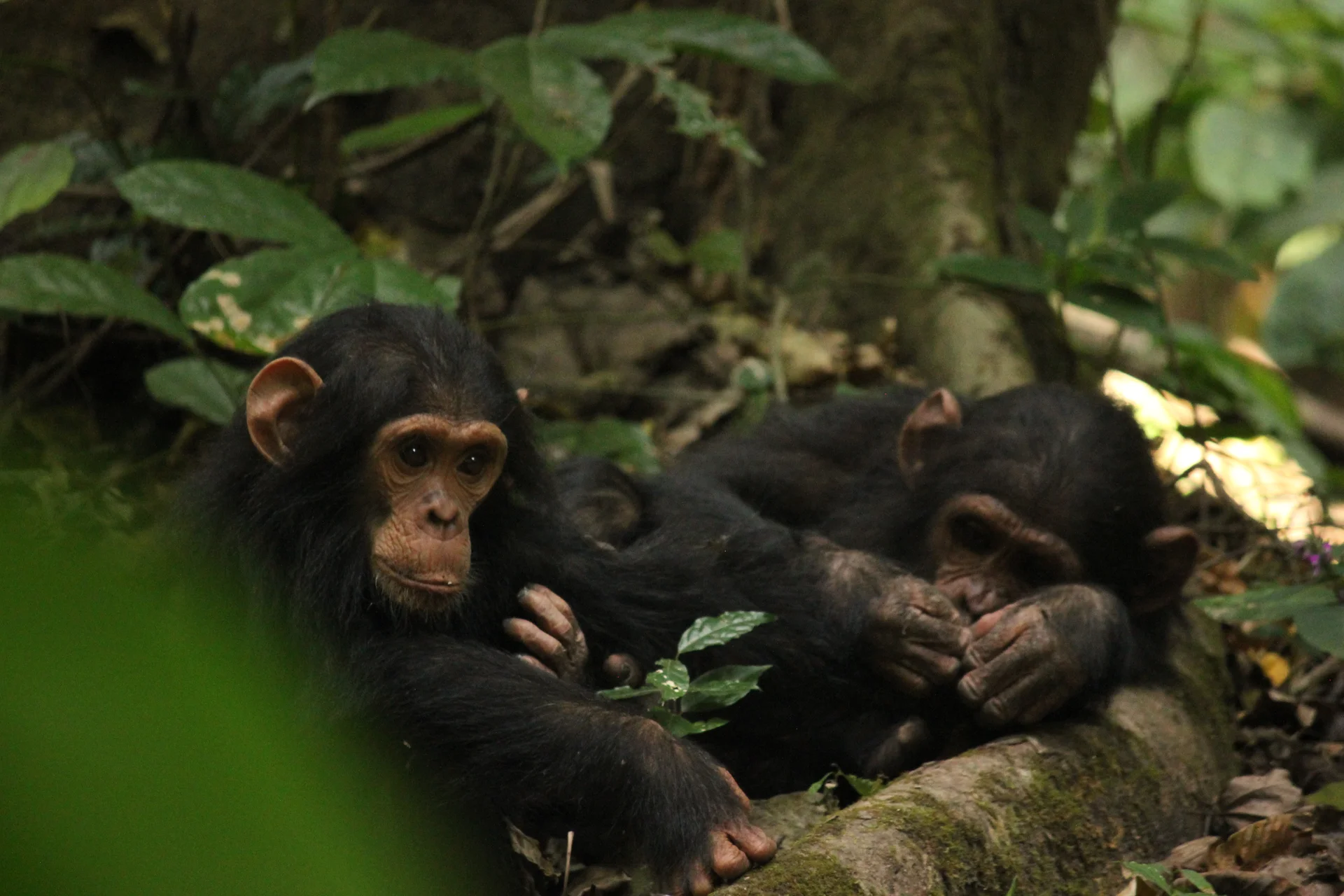
Gombe Stream National Park, also known as Gombe National Park, combines wild chimpanzee trekking with forested hills and the shores of Lake Tanganyika. In Kigoma…
Wildlife
Chimpanzees & Olive baboons
Landscape
National Parks & Safari
Highlights
Wild chimpanzee trekking with park rangers
 Southern Circuit
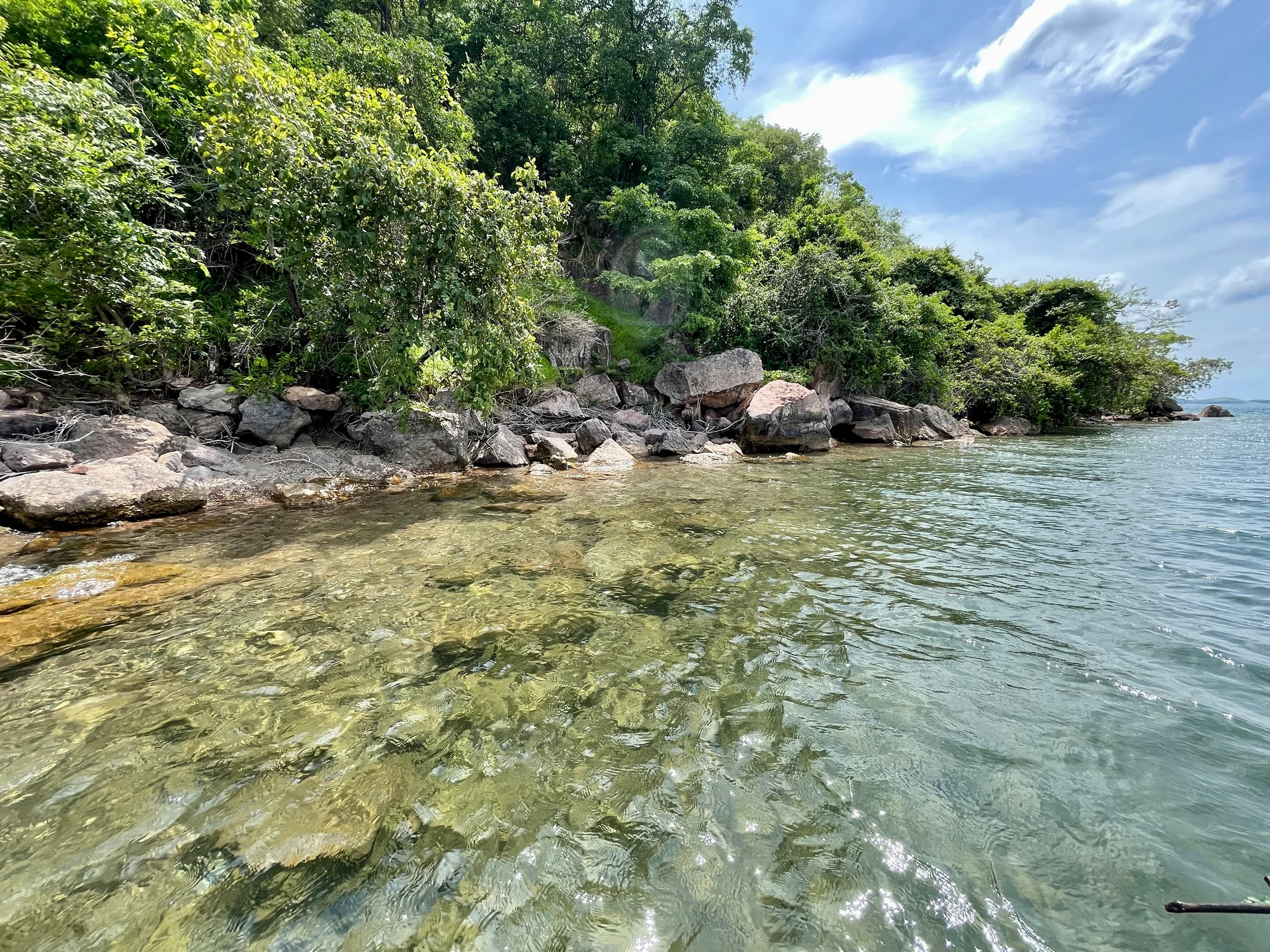
Lake Tanganyika offers a striking freshwater setting along Tanzania’s western frontier: broad blue horizons, wooded shores, bays, beaches and communities whose daily life is closely…
Wildlife
Endemic cichlid fish & Other freshwater fish
Landscape
Lakes & Hot Springs
Highlights
Africa’s deepest freshwater lake in the East African Rift
 Northern Circuit
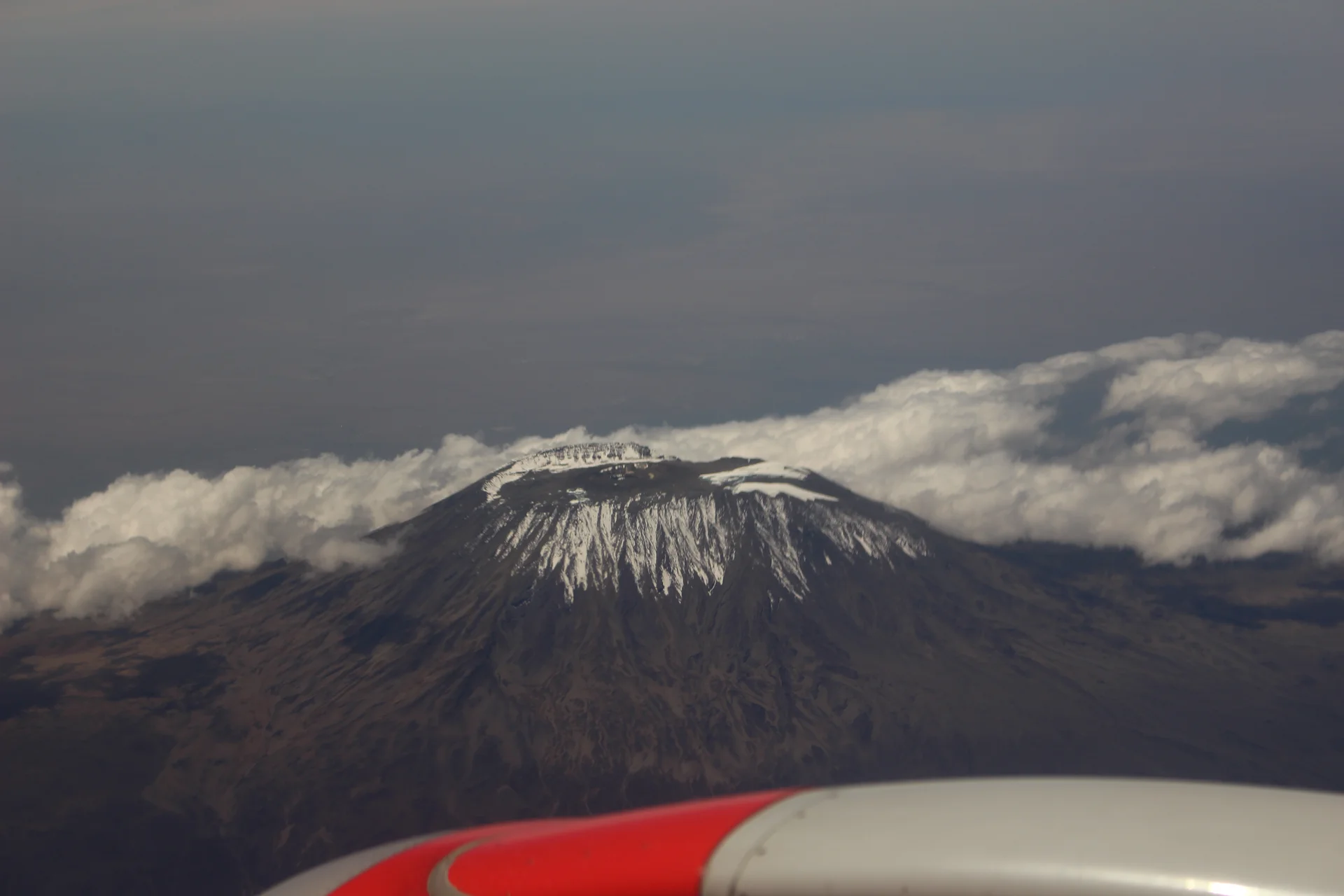
Kilimanjaro rises above northern Tanzania’s plains to Uhuru Peak at 5,895 metres, the highest point in Africa. Its volcanic massif, dramatic changes in vegetation and…
Wildlife
Black-and-white colobus monkeys in forest habitats & Blue monkeys in forest habitats
Landscape
Mountains & Trekking
Highlights
Uhuru Peak at 5,895 metres — Africa’s highest point
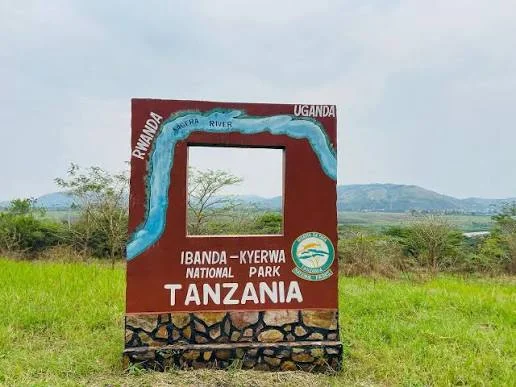 Western Circuit
Ibanda-Kyerwa National Park protects a scenic corner of northwestern Tanzania, where the Kagera River meets a landscape of savanna, wooded slopes, valleys and wetlands. Situated…
Wildlife
Buffalo & Roan antelope
Landscape
National Parks & Safari
Highlights
Kagera River scenery on Tanzania’s northwestern border
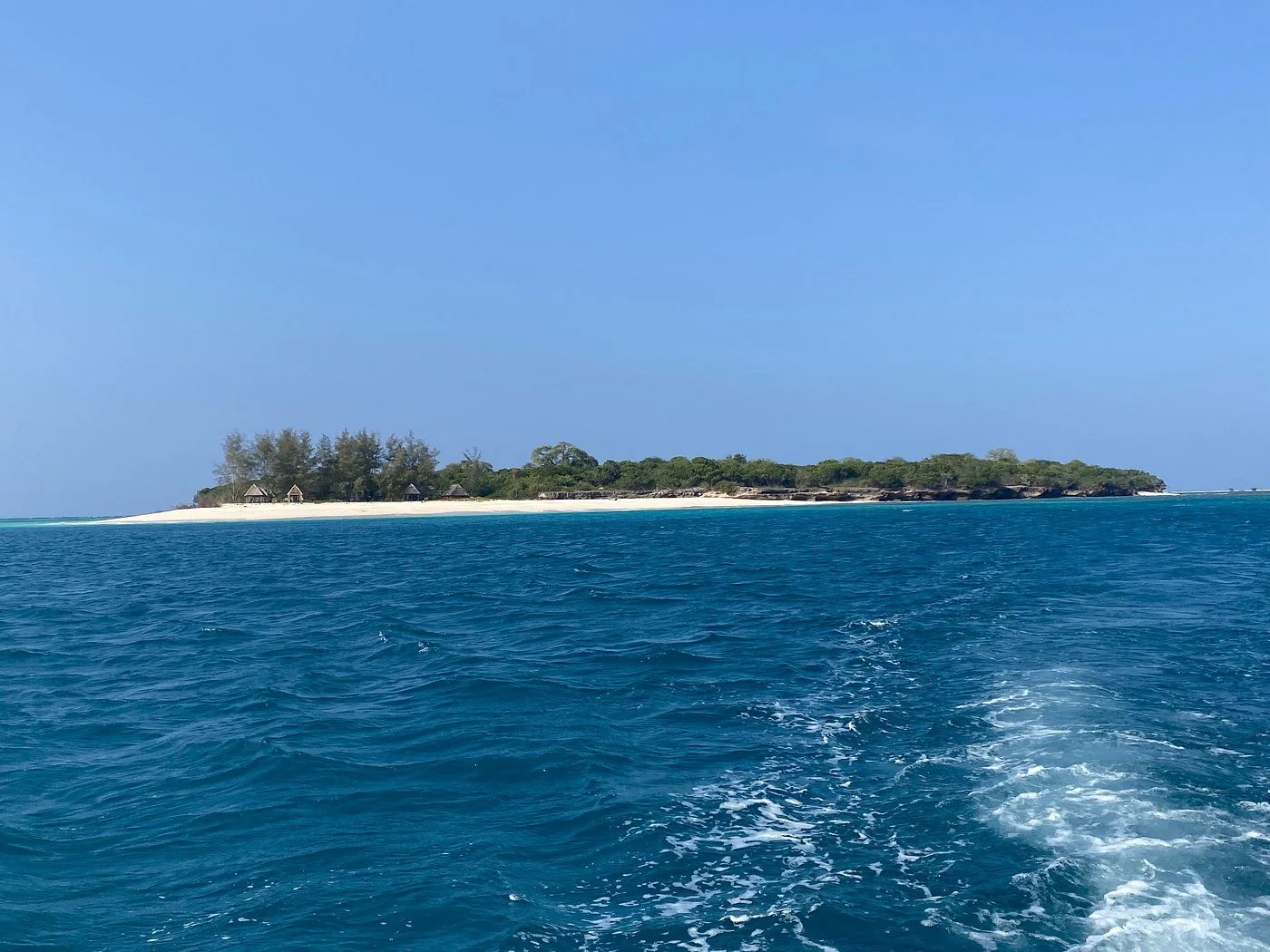 Zanzibar & Islands
Sinda Island Marine Reserve offers an Indian Ocean escape off Kigamboni, on the southern side of Dar es Salaam. The reserve encompasses Inner and Outer…
Wildlife
Reef fish & Coastal birds
Landscape
Beaches & Islands
Highlights
Inner and Outer Sinda islands
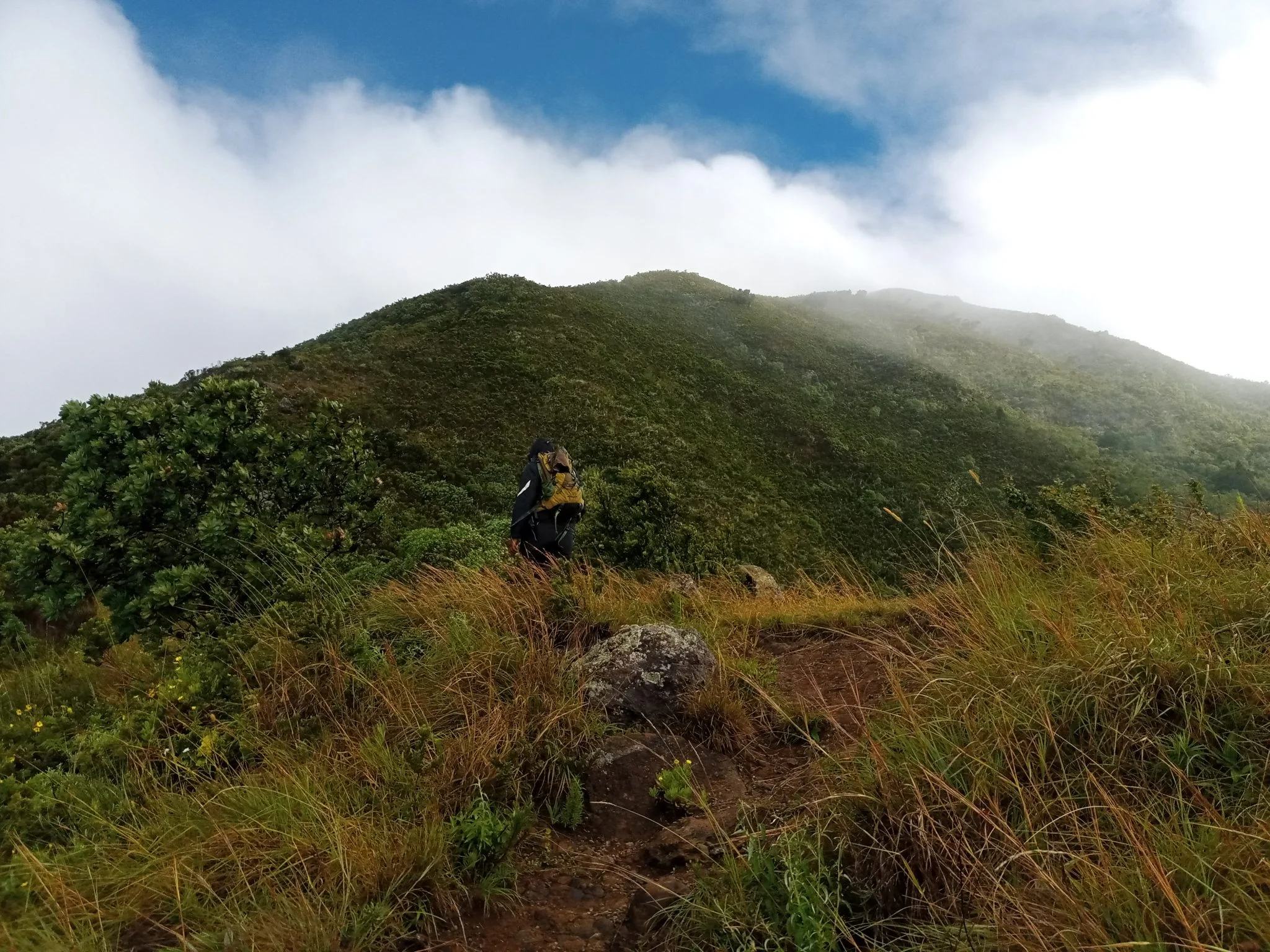 Northern Circuit
Discover Mount Hanang Rising above Katesh in Tanzania’s Manyara Region, Mount Hanang offers a rewarding mountain adventure beyond the familiar northern safari circuit. At approximately…
Wildlife
Klipspringer & Vervet monkeys
Landscape
Mountains & Trekking
Highlights
Approximately 3,423 metres — Tanzania’s fourth-highest mountain