 5.0 Excellent




Dorine M1 year ago

Grateful experience
As a solo female traveler, I felt super safe and well taken care of the entire time.
Read more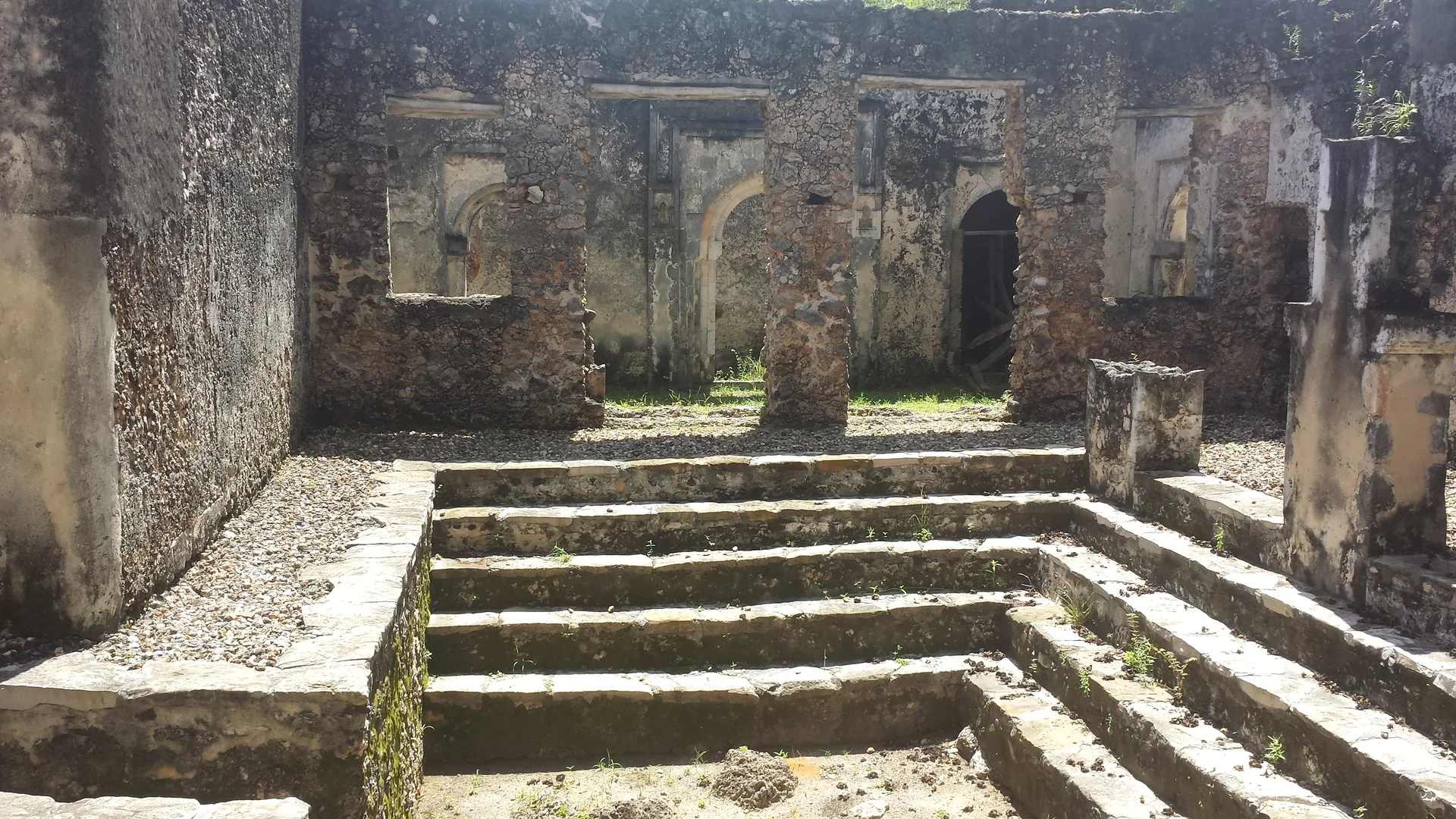
Southern Circuit
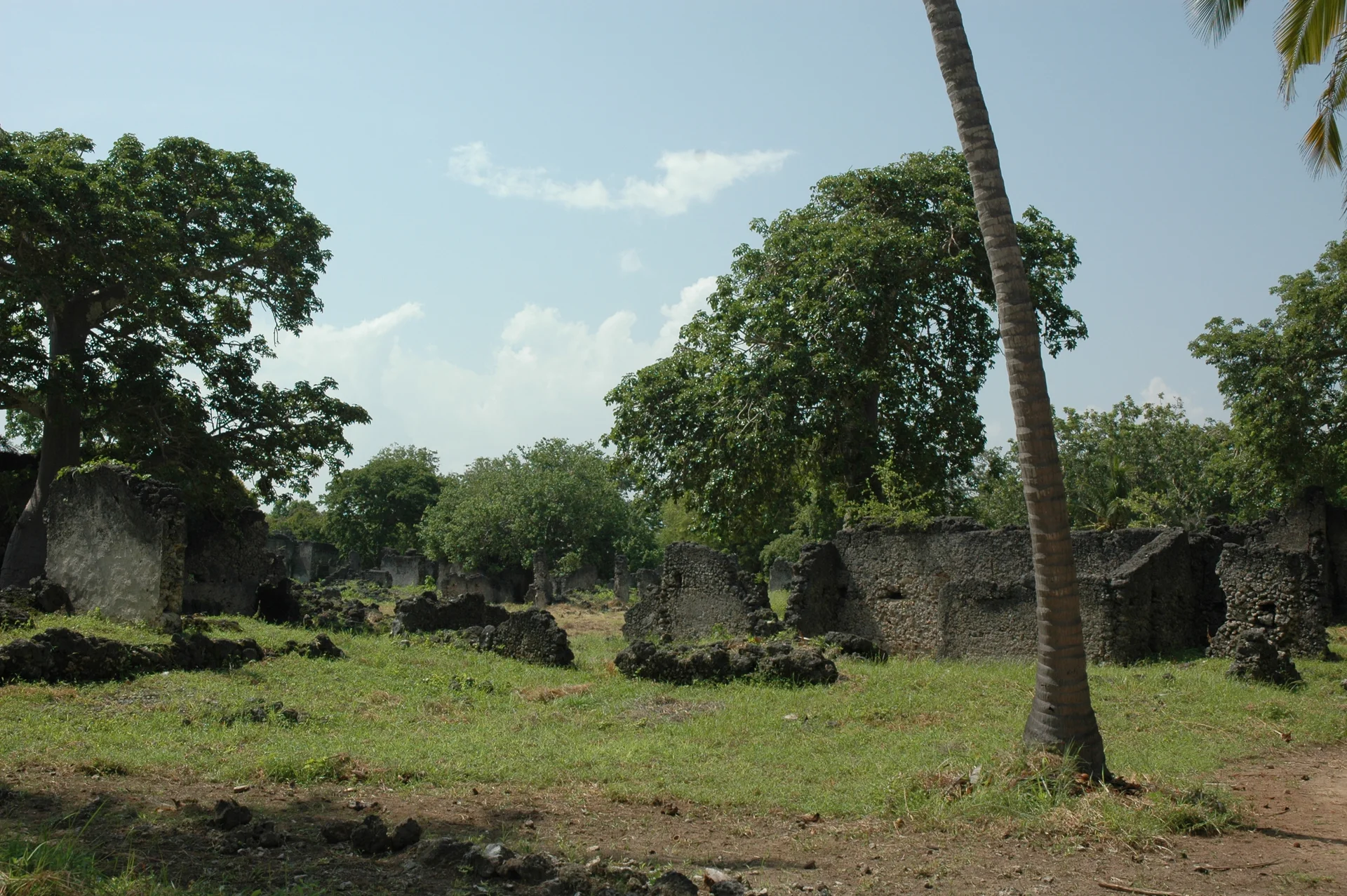
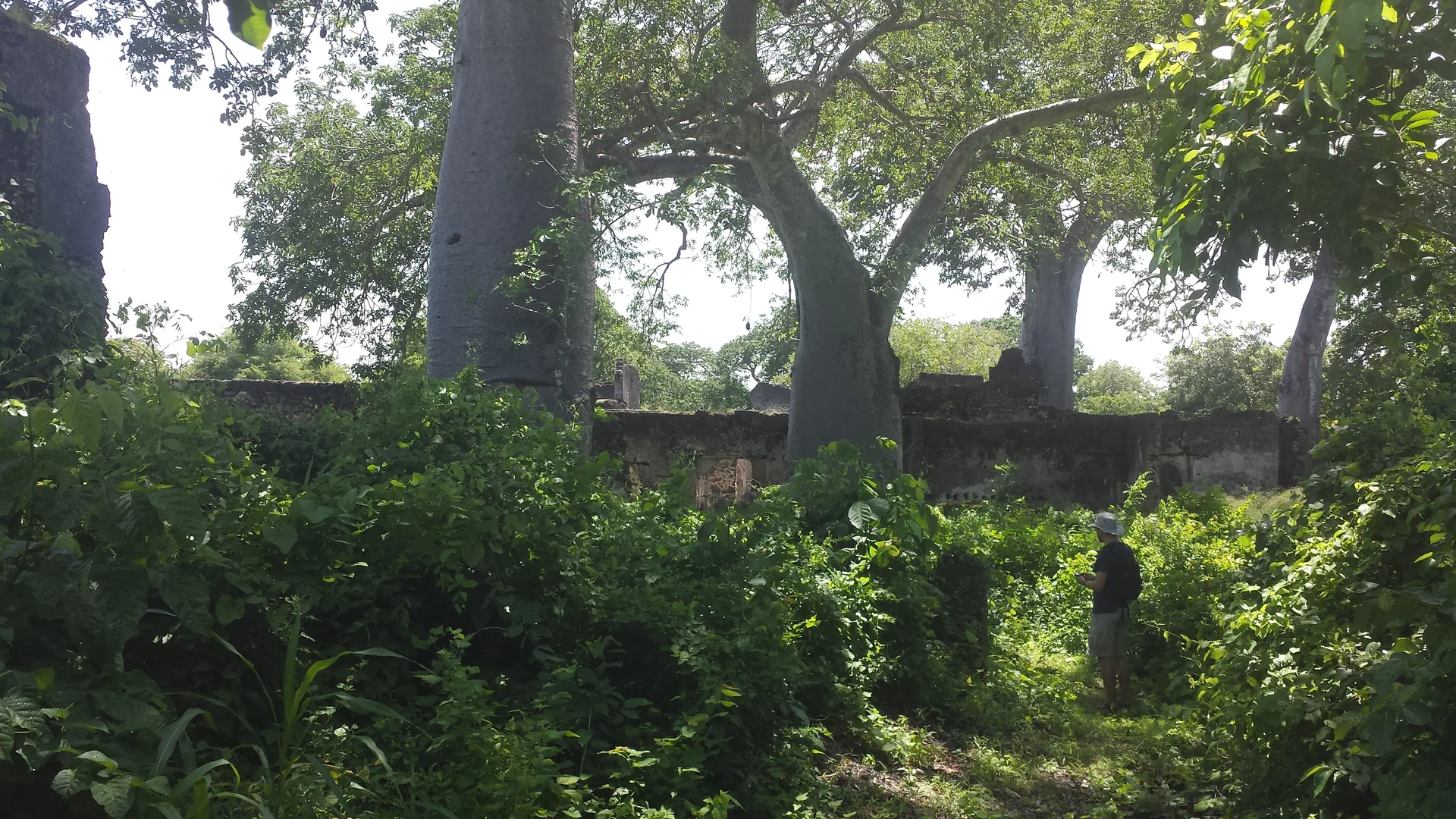
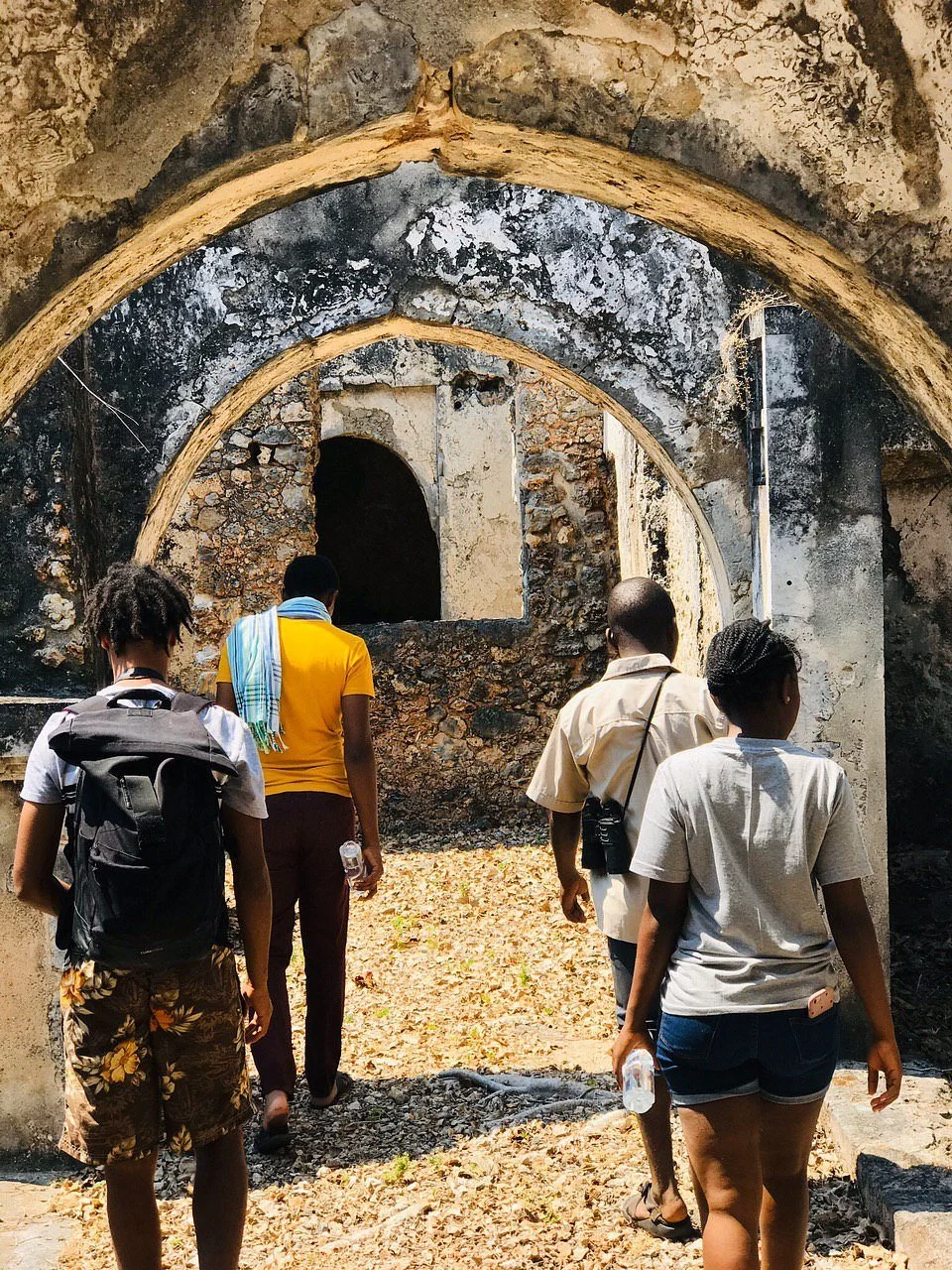
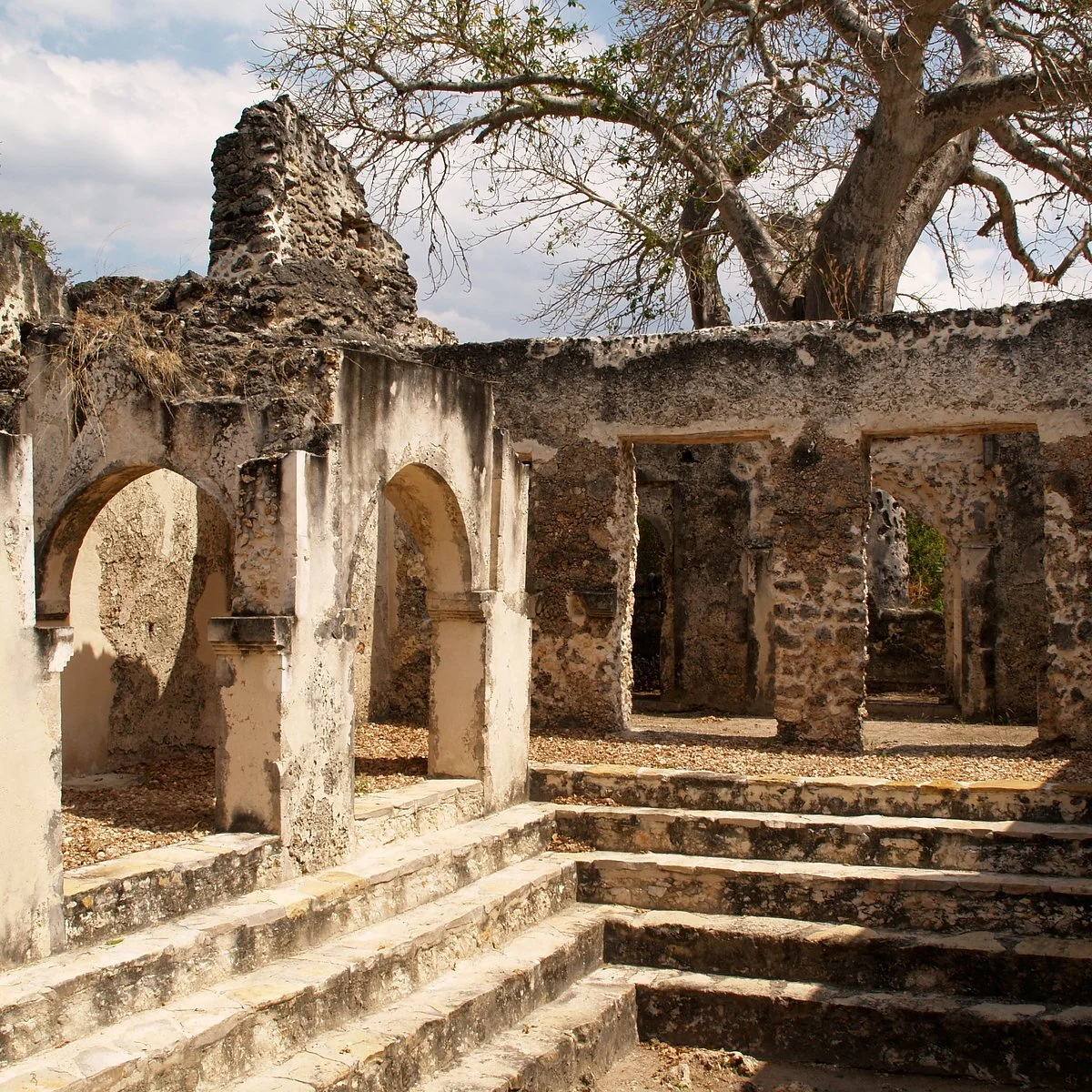
Songo Mnara is a ruined Swahili stone town on an island off Tanzania’s southern coast, visited by boat from Kilwa Masoko in Lindi Region. It rewards travellers who enjoy archaeology, architecture and a quiet, carefully paced exploration of coastal history. Together with Kilwa Kisiwani, Songo Mnara forms the UNESCO-listed Ruins of Kilwa Kisiwani and Ruins of Songo Mnara. The site preserves the layout of a historic settlement, with mosque remains, stone houses and open spaces showing how the town was organised. Coral-stone construction and surviving architectural details provide a window into Swahili life and the wider Indian Ocean trading world. A guided walk brings the town’s history to life through the Friday Mosque and the elaborate merchant residence commonly called the “Palace.” Allow time for photography, interpretation and a comfortable walking pace. The island setting adds a sense of discovery, with coastal scenery and natural habitats complementing the heritage experience. Songo Mnara is a separate destination from Kilwa Kisiwani. Arrange its boat transfer and site visit specifically with an experienced local organiser or the heritage management team. Kilwa Masoko is the practical mainland base for accommodation and departures. Confirm entry permissions, guiding, landing arrangements and the return crossing before setting out; tides, wind and weather affect the excursion. Expect uneven ground, fragile structures and limited facilities. Bring drinking water, comfortable walking shoes, a hat and sun protection, and discuss walking distances or mobility needs in advance. Follow your guide’s advice, keep off delicate walls, respect burial and religious areas, and take litter back to the mainland. A responsible visit helps protect an important part of Tanzania’s Swahili heritage.
March–May: Expect wetter late-season conditions, humid weather and potentially slippery paths. Boat access and landing may be affected by rain and sea conditions. Confirm excursions locally and allow flexibility in your schedule.
November–February: Hot and humid, with seasonal rain possible throughout this period. Start walks early, carry plenty of water and plan shade breaks. Confirm the day’s forecast and boat conditions before departure.
June–October: Generally the drier window for heritage walks and photography. Wind and sea conditions still influence the crossing, so dry weather does not guarantee a smooth boat trip. Keep the excursion date flexible and follow your operator’s advice.
Use Kilwa Masoko in Lindi Region as the mainland base. Road transfers from Dar es Salaam travel south via Nangurukuru; allow a substantial travel day and confirm the current driving estimate with your organiser. Kilwa Masoko has an airstrip, with flight or charter availability to be confirmed for your dates. Arrange a dedicated boat excursion from Kilwa Masoko to Songo Mnara. Allow around an hour or longer each way by motorboat, depending on the boat, route, tides, wind and sea conditions. The guide and operator should confirm entry permission, landing arrangements, suitable footwear, life jackets and a reliable return plan before departure. Ask for a clear quote covering entrance fees, guiding, boat hire and any mainland transfers. Plan a full-day outing with time for a guided walk and breaks. Bring sufficient drinking water and arrange food in advance. Discuss the landing and walking route if anyone in your party needs assistance. A visit to Kilwa Kisiwani is a separate excursion unless a combined itinerary has been specifically agreed.
Songo Mnara is an island heritage site offshore south of Kilwa Masoko in Lindi Region. It is a separate island and ruined town from Kilwa Kisiwani. Both belong to the same UNESCO World Heritage property, but their visits need specific boat arrangements.
It forms the joint Ruins of Kilwa Kisiwani and Ruins of Songo Mnara property, inscribed in 1981. Its surviving town layout and architecture provide evidence of Swahili coastal settlement and Indian Ocean commerce. Guided interpretation helps place the buildings in their historical setting.
Explore stone houses and courtyards, mosque remains, old town walls and the elaborate residence commonly called the “Palace.” The Friday Mosque’s architectural details are a particular highlight. Ask your guide about the interpretation of each building and respect any areas with restricted access.
Allow around an hour or longer by motorboat, depending on the route, boat, tides and sea conditions. Confirm the actual estimate with your operator. The crossing should be arranged specifically for Songo Mnara, including the landing point and return transport.
Arrange the required heritage entry permission and confirm current procedures and fees before departure. Ask your organiser to state whether entrance, guiding, boat hire and transfers are included. A knowledgeable local guide helps explain the ruins and navigate the site respectfully.
Plan Songo Mnara as a full-day outing with time for the return crossings, guided exploration and breaks. Kilwa Masoko is the practical mainland accommodation base. Confirm your lodging and departure arrangements in advance rather than relying on island services being available.
June–October is generally drier for walking. Rain is possible during the warmer November–May period, and wind or rough sea conditions can affect trips throughout the year. Keep the excursion date flexible and follow the operator’s decision about safe departures.
Discuss boat boarding, the landing conditions and the walking route before booking. Trails can be uneven or wet, and facilities are limited. Children need supervision around ruins and the shoreline. Visitors with mobility needs should request an honest access assessment and suitable assistance in advance.
Bring enough drinking water for the day, comfortable shoes suitable for uneven or wet ground, a hat, sunscreen and protection for belongings during the boat trip. Arrange meals or a packed lunch beforehand and check with your guide about the appropriate place to eat.
Cover shoulders and knees, ask before photographing residents or homes, and respect religious and burial areas. Do not disturb graves or offerings, climb fragile walls or remove archaeological material. Follow your guide’s instructions and take your litter back with you.
Grateful experience
As a solo female traveler, I felt super safe and well taken care of the entire time.
Read morePrivate Safari 6 days
I can only highly recommend the young company Tanzalux for organizing a private safari.
Read moreAn unforgettable vegetarian journey with Tanzalux Safaris
I highly recommend Tanzalux for anyone wanting a special, personalized safari.
Read moreOur 3-day camping safari with Tanzalux was simply fantastic! Everything was perfectly organized.
Read moreBack in April, I joined a day trip to Tarangire National Park with Tanzalux Safaris, and it was truly one of the best experiences I have ever had…
Read moreI've had an amazing experience with Tanzalux Safaris, would 1000% recommend! Thank you for making my trip so special🫶
Read moreI recently visited Meru Waterfalls in Arusha and got to do some of the activities there, honestly it was such a great experience and I really enjoyed it.
Read moreOur guide Dullah Mr Rastaman had the best vibe. I would like to recommend other people not to miss it, Tarangire is the best national park.
Read moreOur tour guide Nasri was very friendly and welcoming from the first day we met him. He knows Tarangire very well and explained many things during the safari.
Read moreAs a grandmother in the group, I would like to share my happiness with Tanzalux Safaris. Me, my daughters, and my grandson went on a short trip to Tarangire National Park…
Read moreReceive a free, no obligation quote

 Western Circuit
Gombe Stream National Park, also known as Gombe National Park, combines wild chimpanzee trekking with forested hills and the shores of Lake Tanganyika. In Kigoma…
Wildlife
Chimpanzees & Olive baboons
Landscape
National Parks & Safari
Highlights
Wild chimpanzee trekking with park rangers
 Southern Circuit
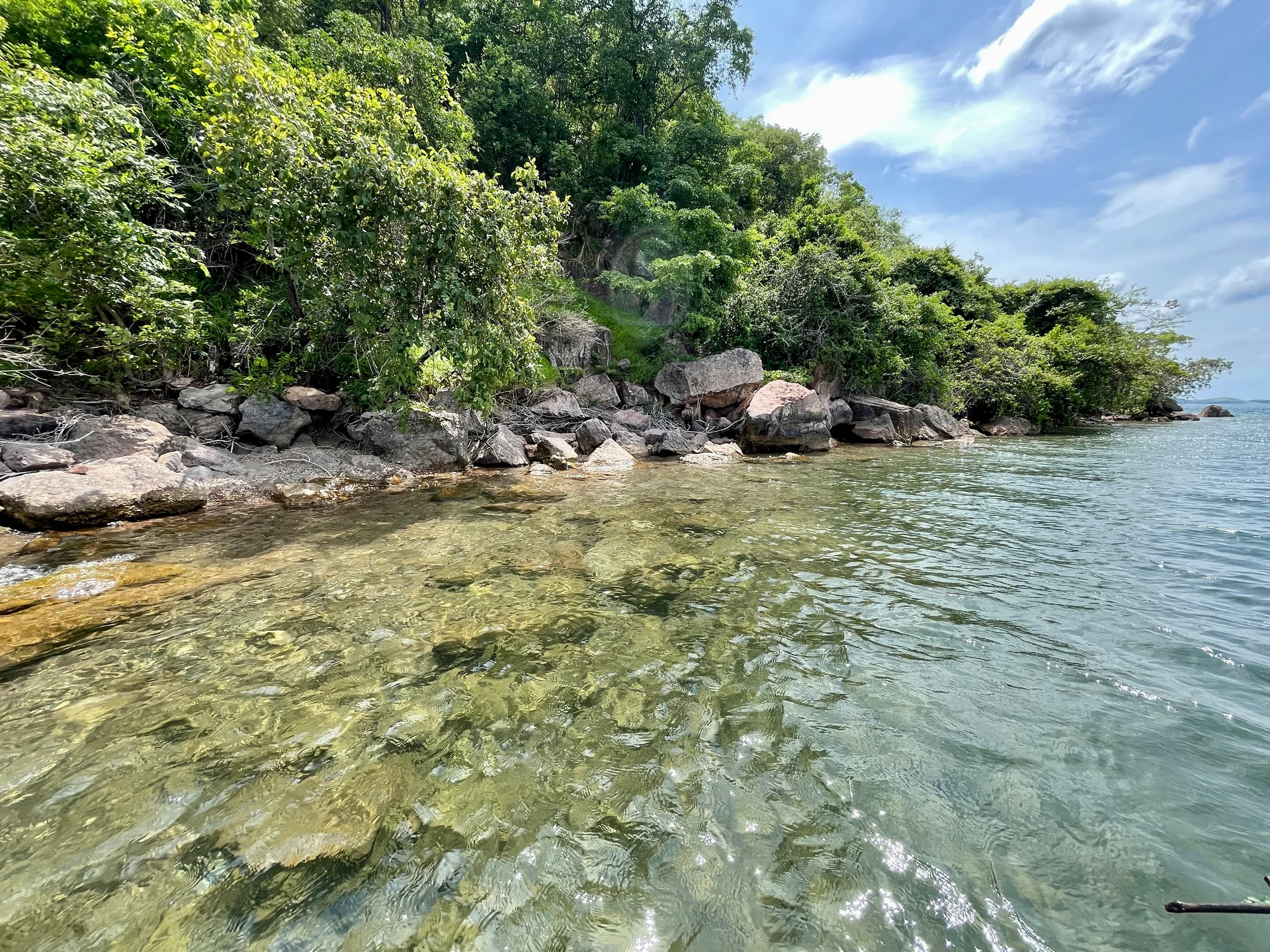
Lake Tanganyika offers a striking freshwater setting along Tanzania’s western frontier: broad blue horizons, wooded shores, bays, beaches and communities whose daily life is closely…
Wildlife
Endemic cichlid fish & Other freshwater fish
Landscape
Lakes & Hot Springs
Highlights
Africa’s deepest freshwater lake in the East African Rift
 Northern Circuit
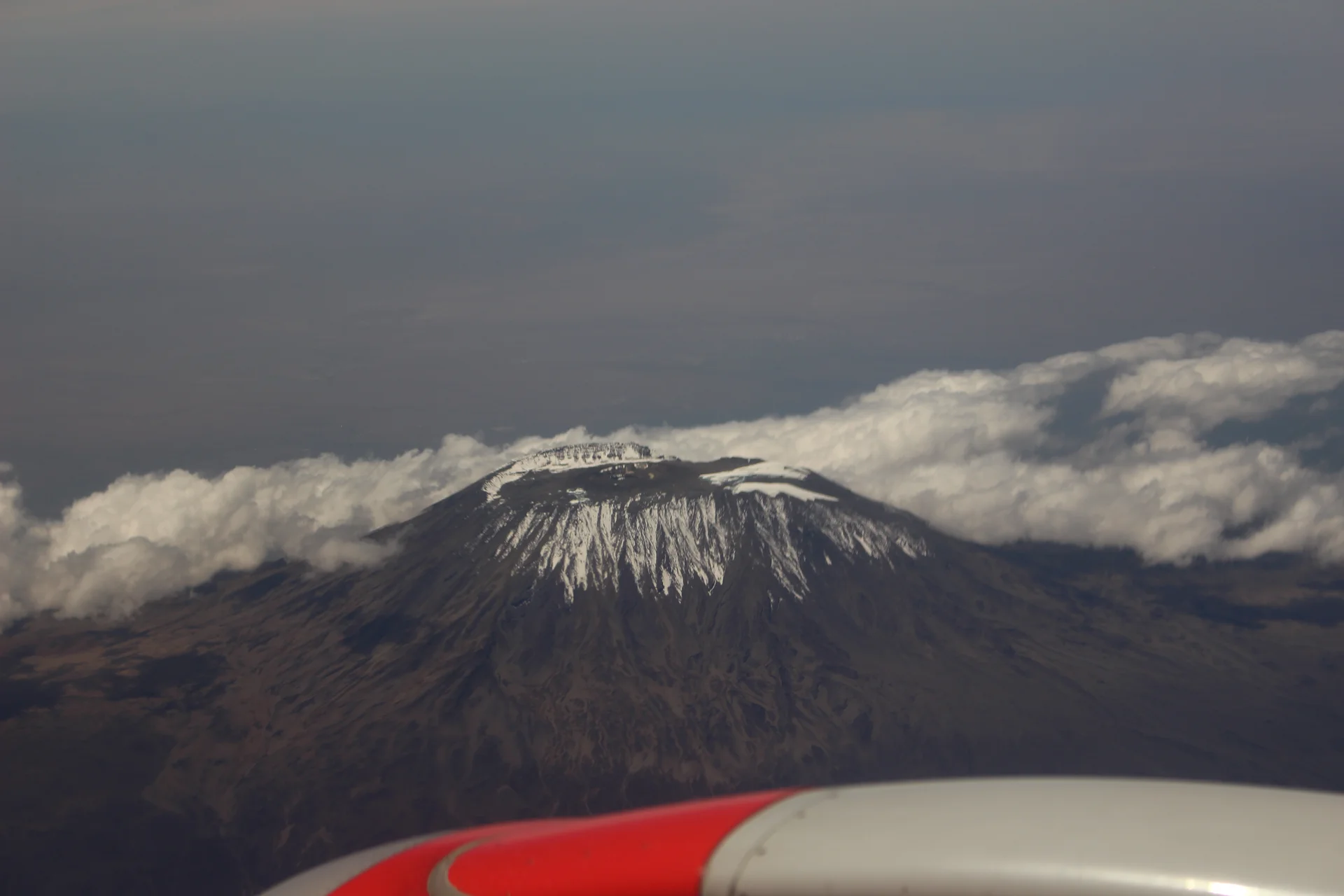
Kilimanjaro rises above northern Tanzania’s plains to Uhuru Peak at 5,895 metres, the highest point in Africa. Its volcanic massif, dramatic changes in vegetation and…
Wildlife
Black-and-white colobus monkeys in forest habitats & Blue monkeys in forest habitats
Landscape
Mountains & Trekking
Highlights
Uhuru Peak at 5,895 metres — Africa’s highest point
 Western Circuit
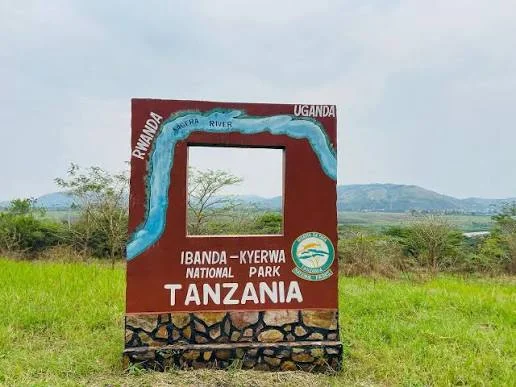
Ibanda-Kyerwa National Park protects a scenic corner of northwestern Tanzania, where the Kagera River meets a landscape of savanna, wooded slopes, valleys and wetlands. Situated…
Wildlife
Buffalo & Roan antelope
Landscape
National Parks & Safari
Highlights
Kagera River scenery on Tanzania’s northwestern border
 Zanzibar & Islands
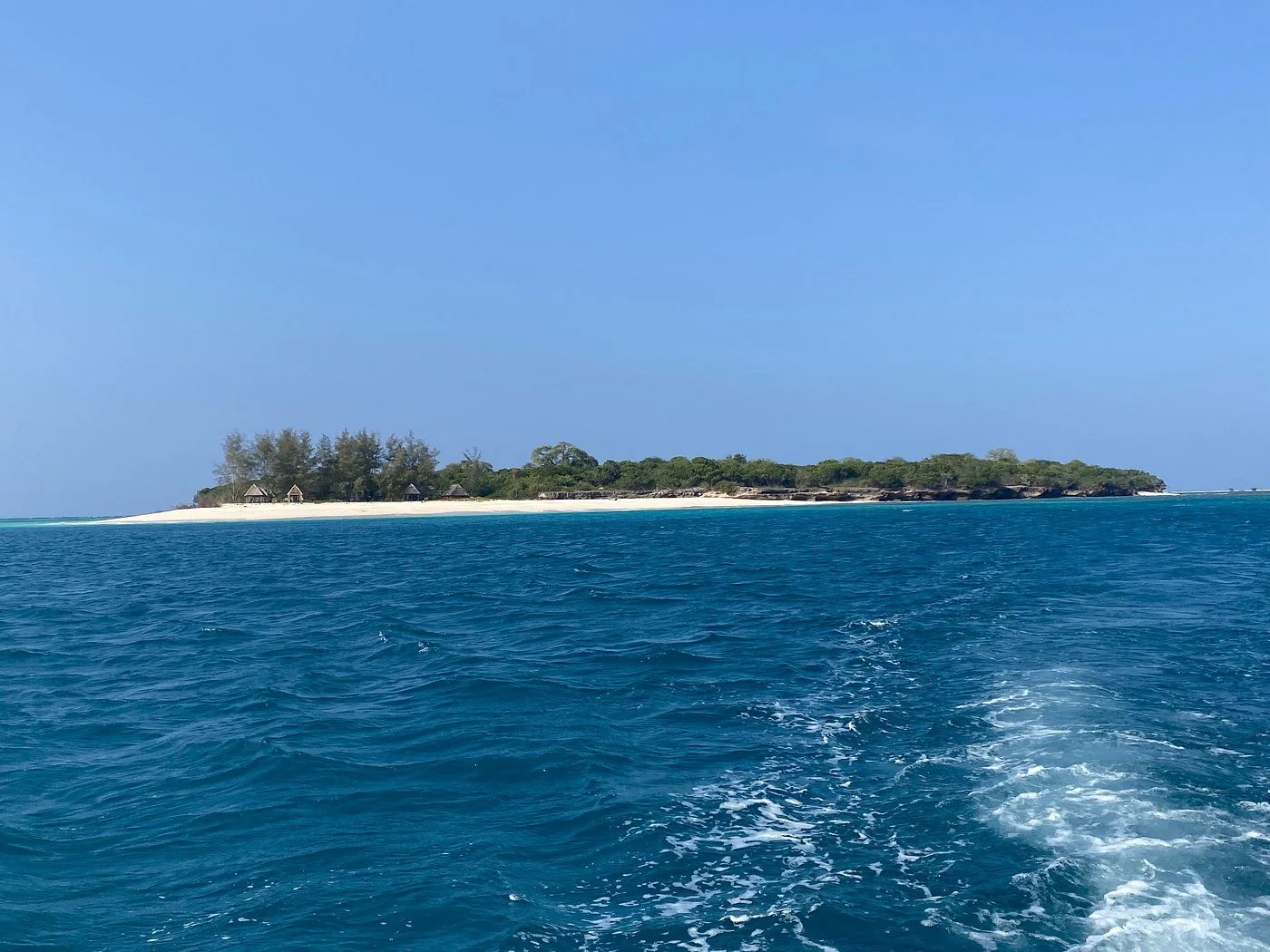
Sinda Island Marine Reserve offers an Indian Ocean escape off Kigamboni, on the southern side of Dar es Salaam. The reserve encompasses Inner and Outer…
Wildlife
Reef fish & Coastal birds
Landscape
Beaches & Islands
Highlights
Inner and Outer Sinda islands
 Northern Circuit
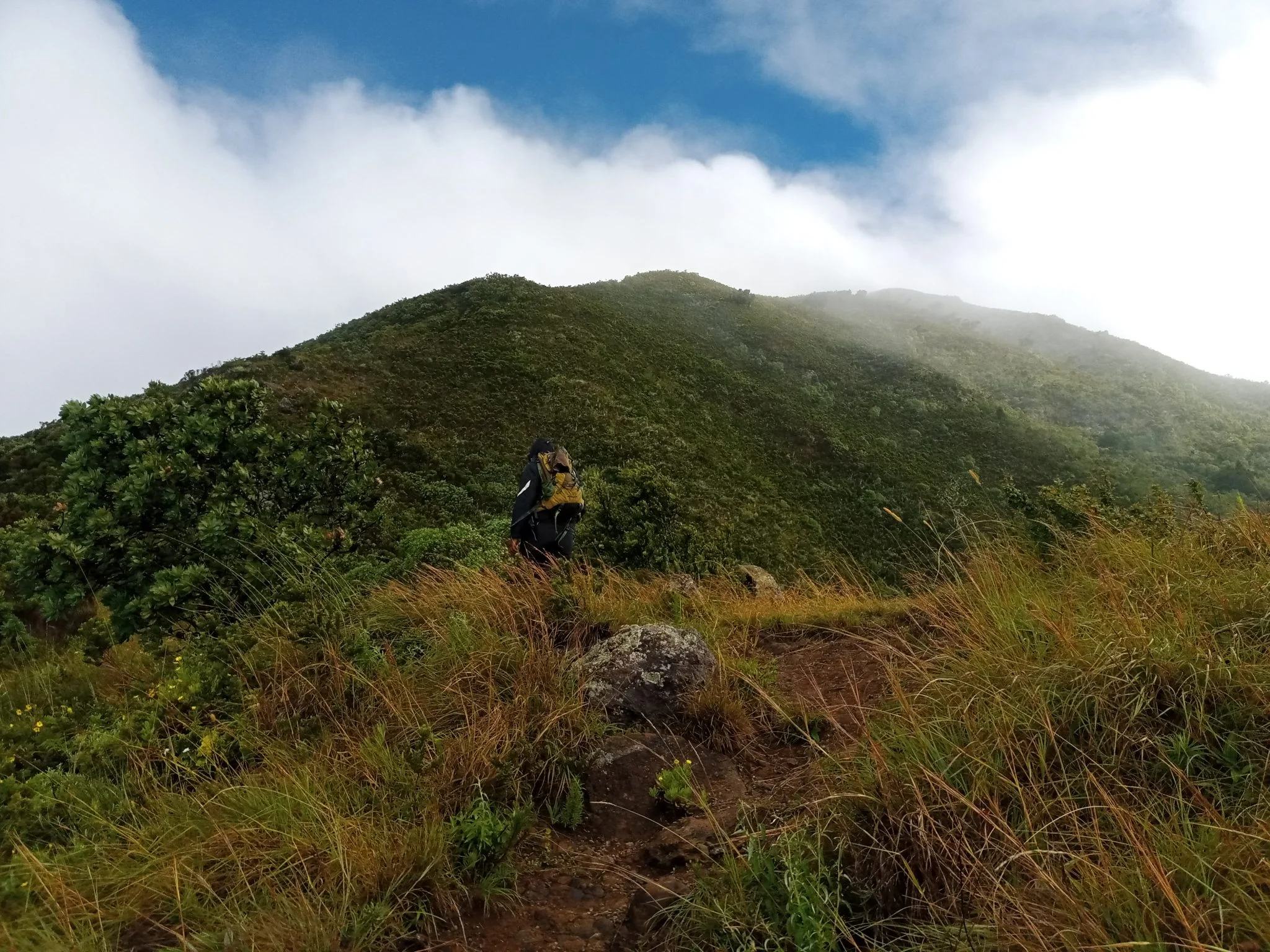
Discover Mount Hanang Rising above Katesh in Tanzania’s Manyara Region, Mount Hanang offers a rewarding mountain adventure beyond the familiar northern safari circuit. At approximately…
Wildlife
Klipspringer & Vervet monkeys
Landscape
Mountains & Trekking
Highlights
Approximately 3,423 metres — Tanzania’s fourth-highest mountain