 5.0 Excellent


Dorine M1 year ago

Grateful experience
As a solo female traveler, I felt super safe and well taken care of the entire time.
Read more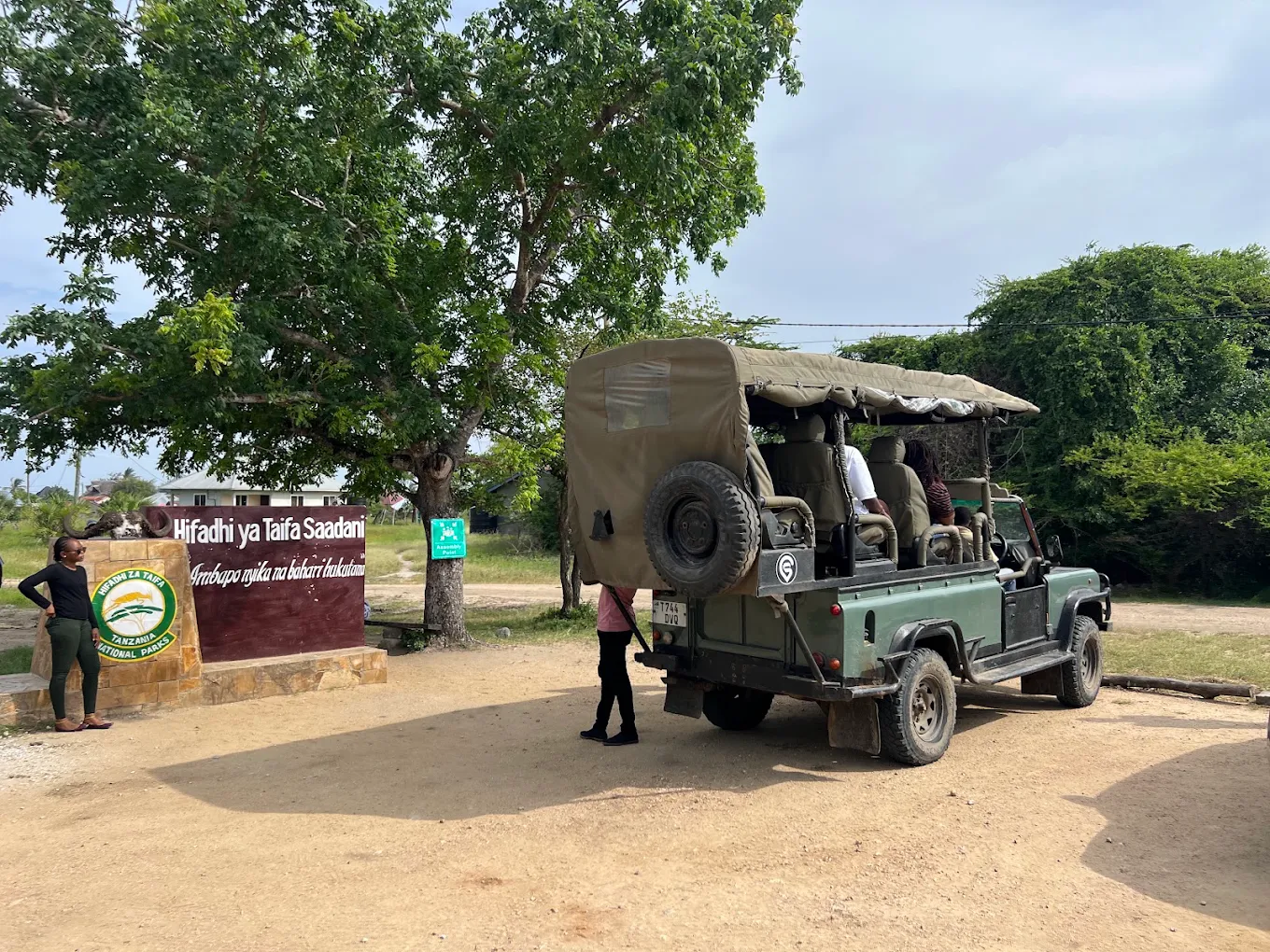
Eastern Circuit & Coast
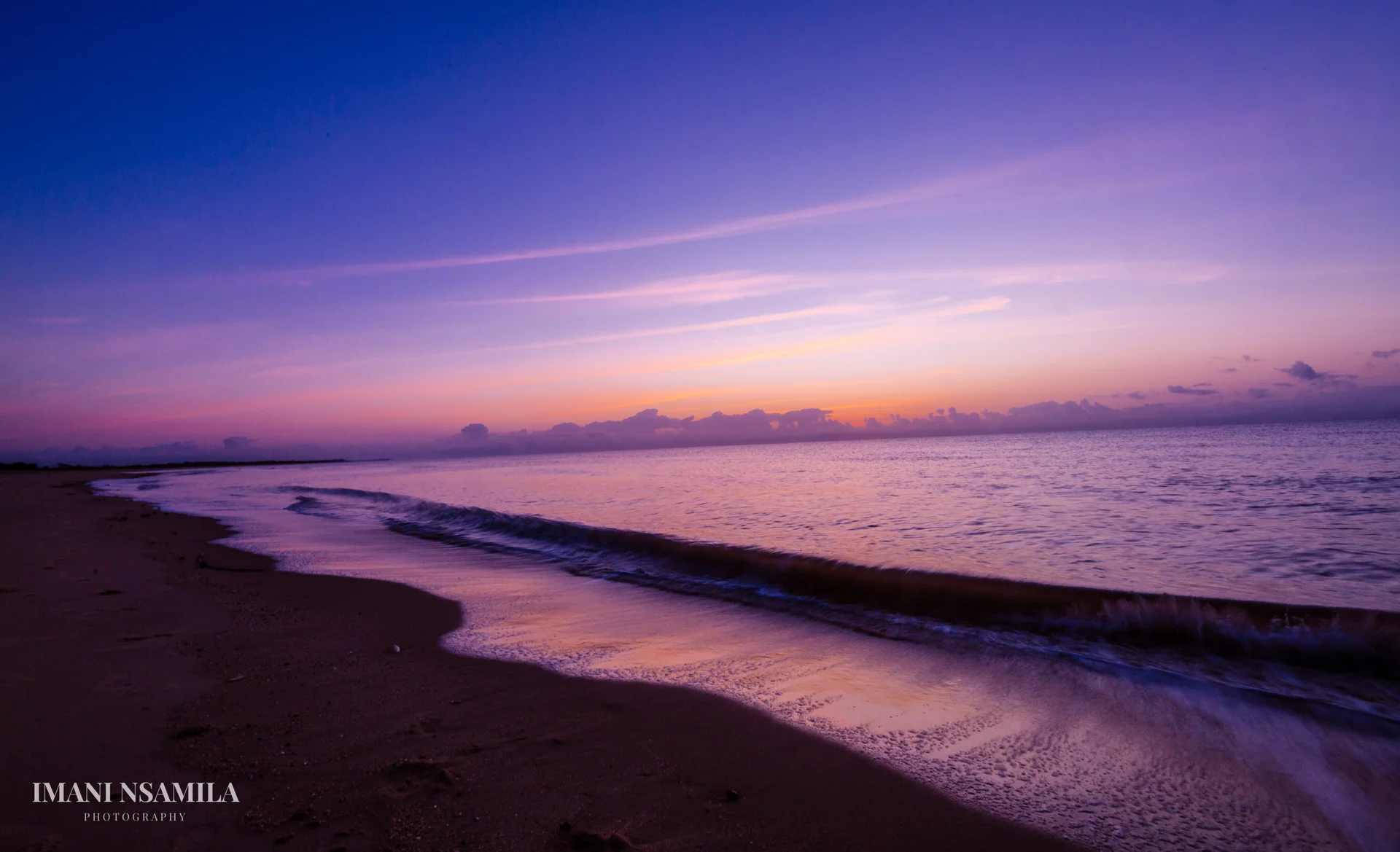
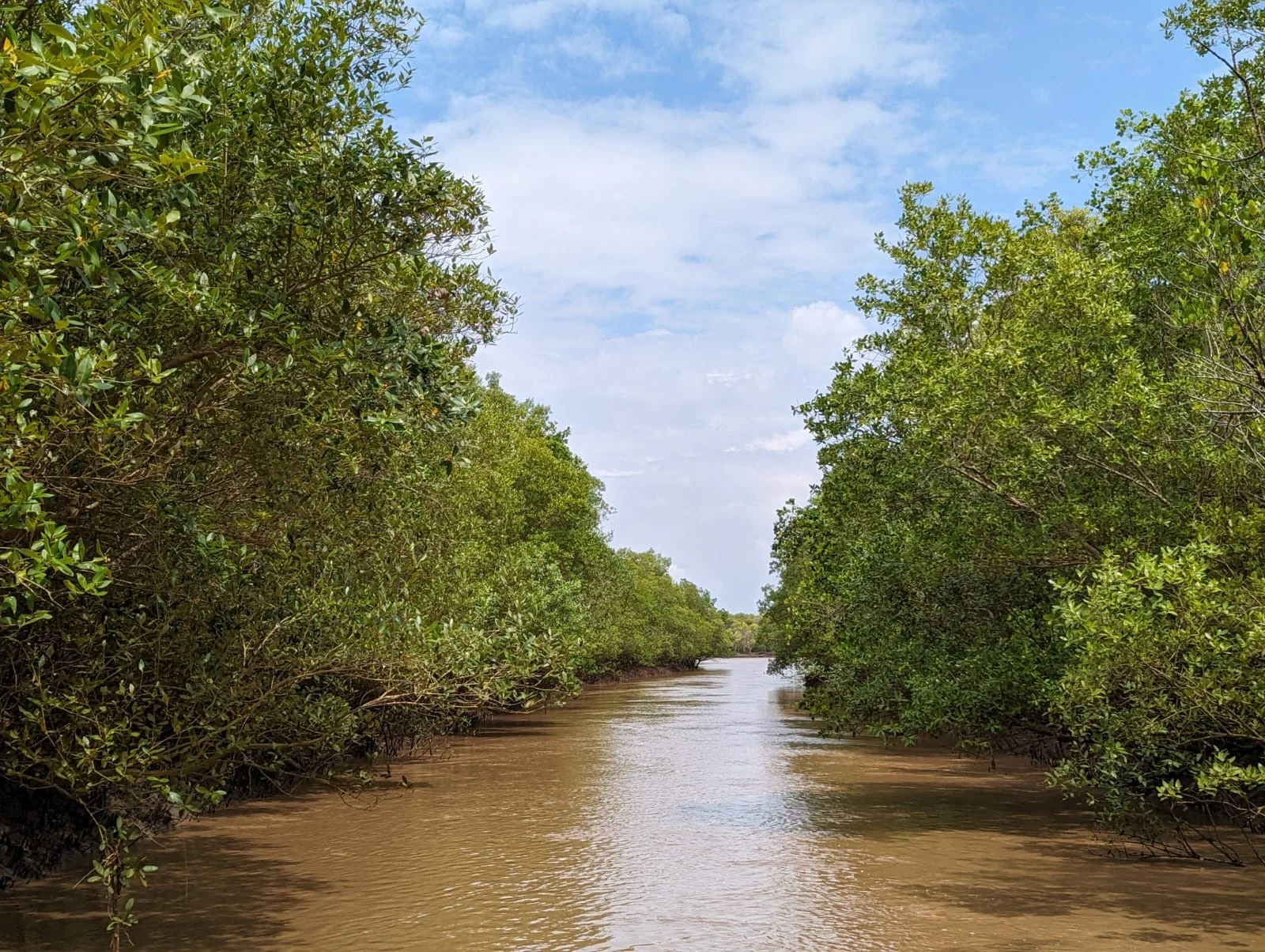
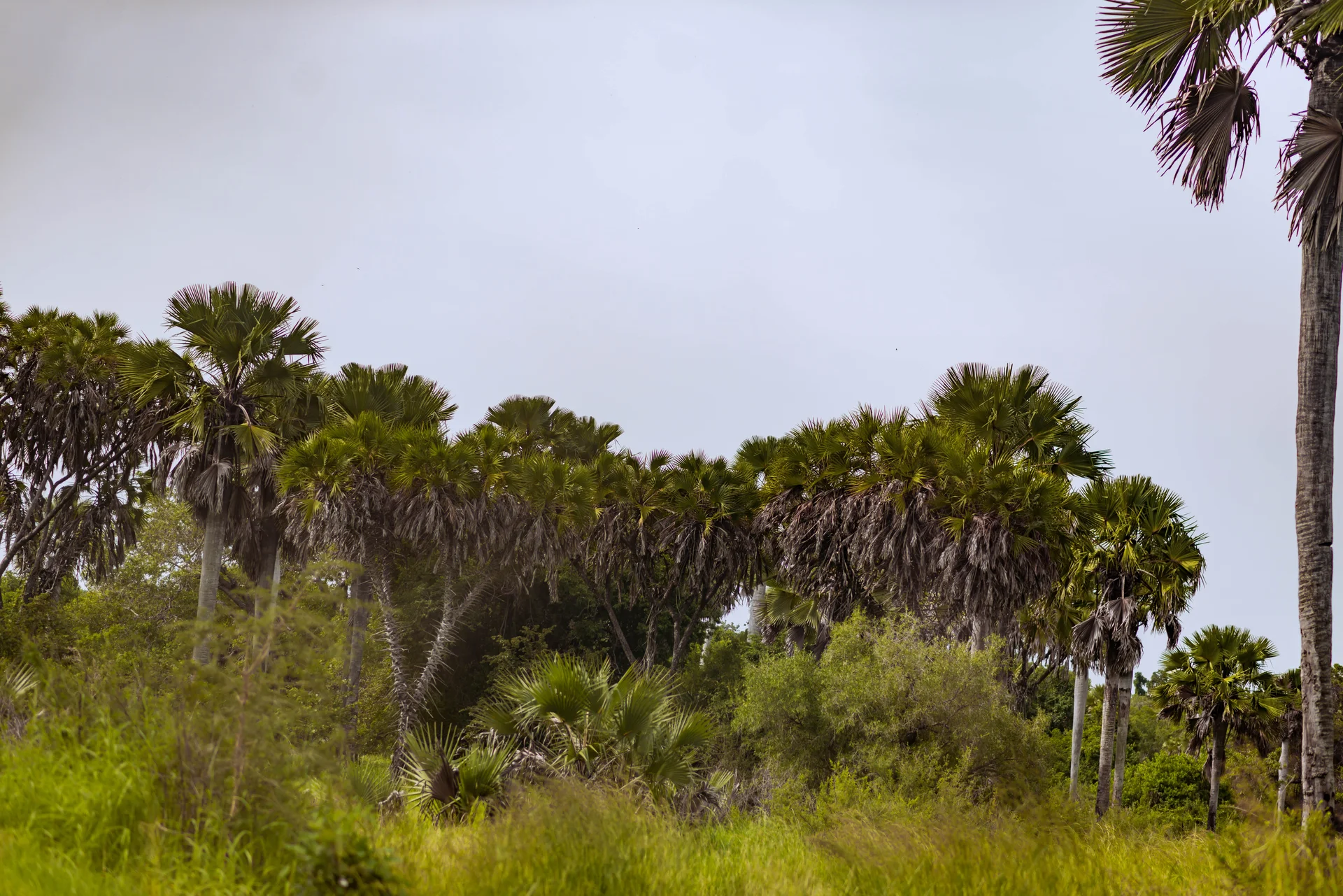
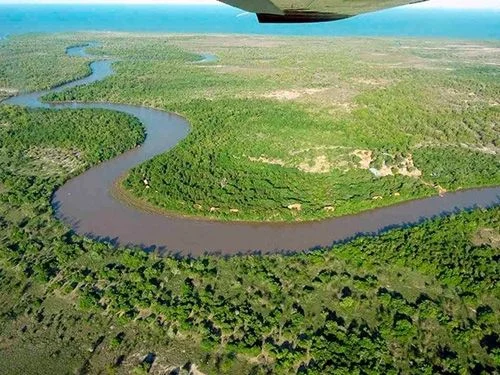
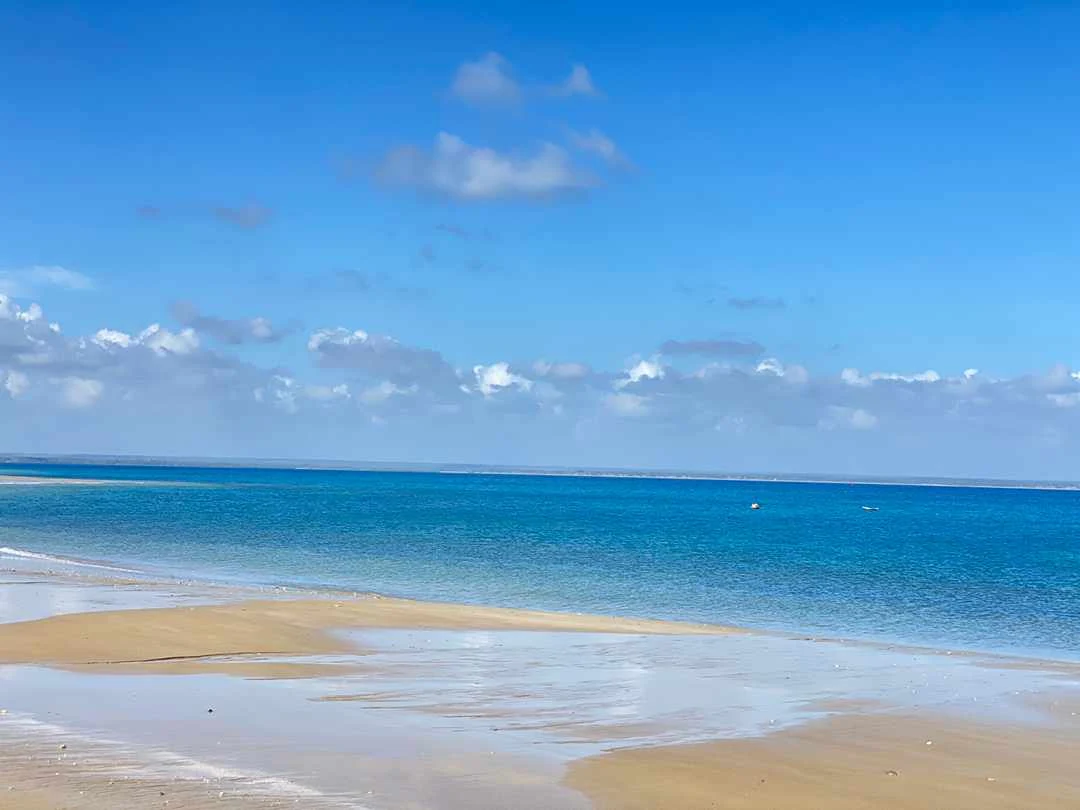
Saadani National Park: Wildlife, Wami River and the Indian Ocean Saadani offers one of Tanzania’s most distinctive safari settings: grassland, coastal woodland and a wildlife-rich river sit beside the Indian Ocean. A visit can move from a morning game drive to a guided river excursion and then a quiet moment on the beach. The appeal lies in that variety, with ocean air and coastal scenery adding a different atmosphere to the classic safari experience. Established as a national park in 2005, Saadani protects approximately 1,100 square kilometres on Tanzania’s mainland coast. Its location between the Bagamoyo and Pangani areas makes it a rewarding option for travelers building a mainland coastal itinerary. It is particularly suited to visitors who want nature, wildlife and relaxation within one carefully planned stay. Where Saadani Is Located The park lies on the Indian Ocean coast across the Pwani and Tanga Regions. Dar es Salaam is a useful starting point from the south, while Pangani and Tanga provide approaches from the north. Although Saadani is often described as close to Dar es Salaam, the journey still needs proper planning: the chosen gate, lodge and road conditions determine the actual transfer. Before booking, identify the accommodation location and the activities you want to include. A map showing the park boundary is not enough to judge how long it takes to reach a river launch point or game-viewing area. Plan around the correct entrance and leave space for gate formalities, lodge check-in and a relaxed first activity. A Landscape Where Different Habitats Meet Saadani’s character comes from the connection between savanna, coastal forest, dunes, mangroves and the Wami River estuary. Open areas offer views across grassland, while denser vegetation creates a more intimate game drive. Around the river, the scenery changes again, with channels and shaded banks leading toward the coast. These habitats also explain why the park deserves more than a hurried drive. A visitor concentrating only on large mammals may miss the birdlife, palms, changing shoreline and river scenery. A balanced stay gives time to appreciate each setting rather than trying to reproduce the same experience found in a larger inland safari park. Game Drives and Wildlife Giraffe, buffalo, waterbuck, hartebeest and warthog are among the mammals associated with Saadani’s coastal savanna. Elephants occur, and lions are sometimes recorded, but neither should be promised on a particular excursion. The park’s vegetation, wildlife movements and daily conditions influence what can be seen. Arrange game drives at a comfortable pace, with time to stop and observe rather than chase a checklist. Early and later daylight often make appealing periods for wildlife observation and photography, subject to park operating rules. A guide can explain tracks, habitat changes and animal behavior even when a drive produces fewer conspicuous sightings. Keep expectations realistic about the famous idea of wildlife on the beach. Animals may use coastal habitats, but elephants walking beside the surf are an exceptional encounter rather than a scheduled attraction. Saadani is worth visiting for its combined landscape and range of experiences; one dramatic photograph should not become the standard by which the entire trip is judged. Wami River Boat Safaris The Wami River is a signature part of a Saadani visit. Hippos and Nile crocodiles inhabit the river, and the banks offer opportunities to observe birds and mangrove scenery. A guided boat excursion gives a different perspective from a game drive, placing attention on the water, banks and wildlife using the river corridor. Confirm the excursion’s availability and timing when planning your stay. Water conditions, tides near the estuary, operational arrangements and the day’s safety assessment can influence the outing. Use an authorized service, wear the provided life jacket and follow the skipper’s instructions throughout. Keep hands inside the boat and avoid behavior that encourages wildlife to approach. The river is a place for supervised wildlife viewing. It should not be treated as a swimming location, and visitors should not walk casually along banks to get closer to hippos or crocodiles. A good boat safari allows observation at an appropriate distance, with safety and animal behavior determining the route and stopping points. The Beach Experience The Indian Ocean shoreline gives Saadani a restful element that is unusual within a mainland wildlife safari. A permitted beach walk can provide time to enjoy the horizon, coastal vegetation and the changing texture of the sand. Morning light is especially attractive for photographs, while time beside the sea can fit naturally around more active excursions. The beach remains part of a protected wildlife landscape. Ask the guide or lodge which areas can be used and when, and do not wander into dunes or nesting zones. Swimming should only be considered in a designated location after current conditions have been checked. Currents, surf and proximity to river mouths make blanket claims of safe swimming inappropriate. Green Turtles and Coastal Conservation Saadani’s beaches provide nesting habitat for green turtles. This is an important conservation feature, with any observation dependent on season, monitoring arrangements and permission. A turtle sighting or hatchling event cannot be guaranteed for a guest’s travel dates. When an approved observation opportunity is available, follow the conservation team’s guidance closely. Give nests and animals space, avoid flash photography or bright lights when instructed, and never handle eggs or hatchlings. Even without seeing a turtle, learning how the coastline is protected adds meaning to a visit and helps explain why some areas have restricted access. Birdwatching and Photography Birdwatchers can explore a varied combination of coastal, river and savanna habitats. Kingfishers, bee-eaters, fish eagles and shorebirds are among the groups that make the park rewarding. The best itinerary for a keen birder allows patient stops and time in more than one habitat, rather than treating birds as occasional additions to a game drive. Bring binoculars even if birding is a secondary interest. Photographers can look for wildlife portraits, palms, river channels and broad coastal scenes. Keep equipment protected from dust, water spray and salt exposure. A long lens is useful for observing animals without approaching them, while a smaller camera may be easier to manage during a boat excursion. Guided Walks and Local Culture Where park arrangements permit, guided walks provide an opportunity to notice tracks, vegetation and smaller wildlife. A walk should be arranged through the appropriate guide or ranger service, with a route chosen for conditions and the group’s ability. Do not assume that all beaches, riverbanks or game-drive areas are open for independent walking. A respectful village or cultural visit can add another perspective to a coastal journey. Saadani village has a history connected with the Swahili coast and maritime trade. Arrange visits through local hosts, confirm what is included and ask before photographing people or private property. Cultural encounters are most rewarding when they are welcomed and allow time for conversation. Best Time to Visit June to October is generally the main dry period and a practical choice for easier access and a varied safari stay. January and February often provide a shorter drier window. The long rains are usually associated with March to May, while shorter rains commonly occur in November and December. Actual weather varies, and the coastal climate is warm and humid. A greener-season visit can offer attractive scenery, but rain may affect tracks and the range of activities available. Choose accommodation and transport with that flexibility in mind. Avoid making a fixed program dependent on a particular road, boat departure or beach condition without checking the current situation close to travel. How Long to Stay A day visit can provide an introduction when the transfer is realistic, but it offers less time to experience the park’s different environments. Two or three nights are a useful planning choice for combining game drives, a Wami River outing and some coastal downtime. More nights suit visitors who want a slower stay with dedicated birding or photography. For a relaxed example, arrive and settle into your accommodation on the first day. Use the next day for a game drive and a river excursion when available, with breaks between activities. An additional day can allow another drive, an approved walk or a locally arranged visit. The final schedule should follow current conditions and your interests rather than force every option into one day. Getting There and Safari Combinations Road transfers commonly approach from Dar es Salaam through the Bagamoyo area or from Tanga through Pangani. As a broad planning guide, allow about four to five hours from Dar es Salaam and around three to four hours from Tanga, with substantial variation for the gate, lodge, traffic, roadworks and weather. Confirm the actual route and driving estimate before departure. Julius Nyerere International Airport in Dar es Salaam is the main international gateway for many visitors. Tanga may also be useful for some mainland itineraries, subject to current air services. Charter or airstrip arrangements should be confirmed for the travel date and paired with a reliable ground transfer. A flight connection must be booked as part of the full journey, not inferred from the park’s location. Saadani combines naturally with Bagamoyo, Pangani and other mainland coastal stays. Zanzibar can be included through separately confirmed air or ferry connections and mainland transfers. Mikumi or other inland parks require additional travel time; check the full itinerary distances so that a coastal safari does not become a sequence of rushed transfers. Accommodation and Budget Planning Lodges and tented accommodation inside or near the park can provide a convenient base, but location matters as much as room style. Confirm access to activities, included meals, drinking water, transfers and the arrangements for early departures. Accommodation farther away may be suitable for a broader coastal trip while adding travel to each park excursion. Ask for an itemized quotation showing park entry, vehicle charges where applicable, guides, boat safaris, accommodation, meals and transport. Rates depend on visitor category, age, activity and overnight arrangements, so an entry fee alone does not represent the cost of the complete visit. Confirm the current inclusions and any separate charges before booking. Families, Preparation and Responsible Travel Saadani can suit families when drives, transfers and boat outings match the children’s stamina and supervision needs. Discuss age restrictions, life-jacket sizes and the lodge’s facilities before confirming a program. A relaxed schedule with shade, water and breaks is more comfortable than a long day of continuous activities in coastal heat. Pack lightweight clothing, comfortable shoes, a hat, sun protection, insect repellent, drinking water, binoculars and a camera. A light rain layer is helpful, and closed shoes are sensible for approved walks. Keep valuables and electronics protected during river excursions and check the baggage allowance for any small-aircraft transfer. Follow guides and rangers, stay on designated tracks, avoid feeding wildlife and take all litter out. Leave shells, plants and other natural materials in place. Respect turtle areas and mangroves, and check permission before specialized filming or drone use. Thoughtful behavior protects the coastline and the wildlife that make Saadani distinctive. Plan Saadani with TanzaLux Safaris Start with your preferred balance: game viewing, a Wami River safari, birding, beach time or a wider coastal journey. Share your dates, available nights and travel style so that transport, accommodation and activities can be arranged together. TanzaLux Safaris can shape a private itinerary around the time you have and the experiences you most want to enjoy.
March–May: The main long-rain period usually brings greener scenery and more challenging access. Some tracks or activities may be unavailable after heavy rain. Keep the itinerary flexible, use suitable transport and check conditions with the park and accommodation before travel. Warm coastal humidity continues, and a visit should not rely on guaranteed boat or beach conditions.
November–February: November and December commonly bring short rains, while January and February often provide a shorter drier window. Expect variable weather and confirm access close to departure. A flexible stay can combine birding, drives and coastal relaxation, with river outings arranged according to conditions and current operation.
June–October: Generally the main dry period and a practical choice for easier road access, game drives and a varied coastal safari. Coastal weather remains warm, and wildlife sightings are never guaranteed. Arrange early or later daylight activities within park rules, allow breaks and confirm the Wami boat safari and permitted beach areas for your dates.
Saadani National Park lies on mainland Tanzania’s Indian Ocean coast between the Bagamoyo and Pangani areas, across Pwani and Tanga Regions. From Dar es Salaam, a common approach is north through the Bagamoyo area; from Tanga, approach through Pangani. Broad planning estimates are about 4–5 hours from Dar es Salaam and 3–4 hours from Tanga, but the selected gate and lodge, traffic, roadworks, weather and stops can change these considerably. Confirm the route and transfer time for your exact itinerary; suitable high-clearance transport is especially useful in wetter conditions. Julius Nyerere International Airport (DAR) is the main international gateway for many visits. Any regional flight, charter or park airstrip connection must be confirmed for current operation and paired with a ground transfer. Zanzibar combinations require separately arranged air or ferry services and mainland transport; do not assume a regular direct boat to the park. Plan park registration, lodge arrival and transfers to Wami River activities in advance.
Saadani lies on mainland Tanzania’s Indian Ocean coast, between the Bagamoyo and Pangani areas, across Pwani and Tanga Regions. Dar es Salaam is a useful southern gateway and Tanga a northern approach. The exact gate and accommodation location should be confirmed when arranging your transfer.
Saadani became a national park in 2005 and is commonly described as covering approximately 1,100 square kilometres. Its protected landscape combines coastal and inland habitats. It is much more than a beach stop, so allow time to explore different areas through the available guided activities.
Its appeal is the combination of savanna wildlife, a river safari and Indian Ocean coastline within one protected landscape. A well-planned stay can include game drives, Wami River boat viewing and permitted beach time, giving travelers several different nature experiences without changing accommodation every day.
Giraffe, buffalo, waterbuck, hartebeest and warthog are among the park’s characteristic mammals. Elephants occur and lions are sometimes recorded, but sightings vary with route, vegetation and animal movement. Choose Saadani for the complete coastal safari experience rather than a guaranteed list of large animals.
No. Wildlife can use coastal habitats, but an elephant encounter beside the surf is an exceptional possibility rather than a scheduled activity. The park remains rewarding through its savanna, river, mangroves and shoreline even when no large animals appear on the beach during your visit.
An authorized boat excursion explores river scenery and opportunities to observe hippos, Nile crocodiles and birds from an appropriate distance. Availability and route depend on operating arrangements and conditions. Wear a life jacket, remain seated as instructed and follow the skipper or guide throughout the outing.
No visitor swimming should be planned in the Wami River or near its mouth. Hippos, crocodiles and currents make these unsuitable places for casual water activities. Enjoy the river through an authorized wildlife-viewing excursion and follow the guide’s instructions around boats, launch points and banks.
Swimming should only be considered in a designated area after checking current advice from the guide, lodge or ranger. Surf, currents, tides and proximity to river mouths affect suitability. A beach visit does not automatically include swimming, and conditions should be assessed for the actual location and day.
June to October generally offers the main dry period and easier access. January and February often provide a shorter drier window. Long rains usually occur from March to May, with shorter rains in November and December. Actual conditions vary, so confirm roads and activities close to your travel dates.
Two or three nights are a useful planning choice for game drives, a Wami River outing and some coastal relaxation. A day visit may suit travelers with a realistic transfer and limited time, but it gives less flexibility. Longer stays allow slower birding, photography and additional approved excursions.
Broad planning estimates are about four to five hours from Dar es Salaam via the Bagamoyo area and around three to four hours from Tanga via Pangani. The actual journey can differ substantially with the gate, lodge, traffic and road conditions. Confirm the transfer estimate for your specific itinerary.
Dar es Salaam is the main international air gateway for many visitors, and Tanga may serve some regional itineraries. Any charter or airstrip arrangement must be confirmed for the travel date, landing permissions where applicable and onward lodge transfer. Do not assume a regular scheduled flight directly into the park.
Yes, as part of an itinerary with separately confirmed flights or ferry services and mainland transfers. Saadani is on the mainland, so the journey involves more than choosing a nearby point on a map. Do not assume a regular direct boat service between Zanzibar and the park.
It can suit families with a realistic pace, breaks and activities matched to the children’s ages. Discuss the boat operator’s age rules, suitable life jackets, supervision and accommodation facilities before booking. Coastal heat and long transfers should be considered when deciding how much to include in a day.
Bring lightweight clothing, comfortable shoes, a hat, sun protection, insect repellent, water, binoculars and a camera. A light rain layer and protection for electronics are useful. Closed shoes suit approved walks; check luggage limits and packing arrangements if a small-aircraft connection is included.
Do not assume that beaches, riverbanks or game-viewing areas are open for independent exploration. Use designated areas and arrange guided walks through the appropriate park or lodge service. Follow instructions about wildlife, turtle nesting zones, dunes and mangroves, even when an area appears quiet.
Request a current itemized quotation for your visitor category, age and activities. It should identify park entry, transport, guides, boat outings, accommodation, meals and any other applicable charges. Check inclusions and taxes before booking; an entry fee alone is not the full cost of a Saadani visit.
Accommodation options include lodges and tented stays inside or near the park, subject to availability. Properties farther away may suit a wider coastal journey but add transfer time to activities. Confirm the precise location, included meals, park access and excursion arrangements when selecting your accommodation.
Green turtles use Saadani’s nesting beaches, but observations depend on season, monitoring arrangements and permission. Neither nesting nor hatching should be guaranteed for your dates. If an approved opportunity is available, follow conservation guidance, avoid disturbance and never handle eggs or hatchlings.
Share your dates, available nights and interests so TanzaLux Safaris can coordinate accommodation, transfers, game drives and available river or coastal activities. During the visit, follow guides, stay on approved tracks, avoid feeding wildlife and remove all litter. Respect turtle areas and local hosts throughout the journey.
Grateful experience
As a solo female traveler, I felt super safe and well taken care of the entire time.
Read morePrivate Safari 6 days
I can only highly recommend the young company Tanzalux for organizing a private safari.
Read moreAn unforgettable vegetarian journey with Tanzalux Safaris
I highly recommend Tanzalux for anyone wanting a special, personalized safari.
Read moreOur 3-day camping safari with Tanzalux was simply fantastic! Everything was perfectly organized.
Read moreBack in April, I joined a day trip to Tarangire National Park with Tanzalux Safaris, and it was truly one of the best experiences I have ever had…
Read moreI've had an amazing experience with Tanzalux Safaris, would 1000% recommend! Thank you for making my trip so special🫶
Read moreI recently visited Meru Waterfalls in Arusha and got to do some of the activities there, honestly it was such a great experience and I really enjoyed it.
Read moreOur guide Dullah Mr Rastaman had the best vibe. I would like to recommend other people not to miss it, Tarangire is the best national park.
Read moreOur tour guide Nasri was very friendly and welcoming from the first day we met him. He knows Tarangire very well and explained many things during the safari.
Read moreAs a grandmother in the group, I would like to share my happiness with Tanzalux Safaris. Me, my daughters, and my grandson went on a short trip to Tarangire National Park…
Read moreReceive a free, no obligation quote

 Western Circuit
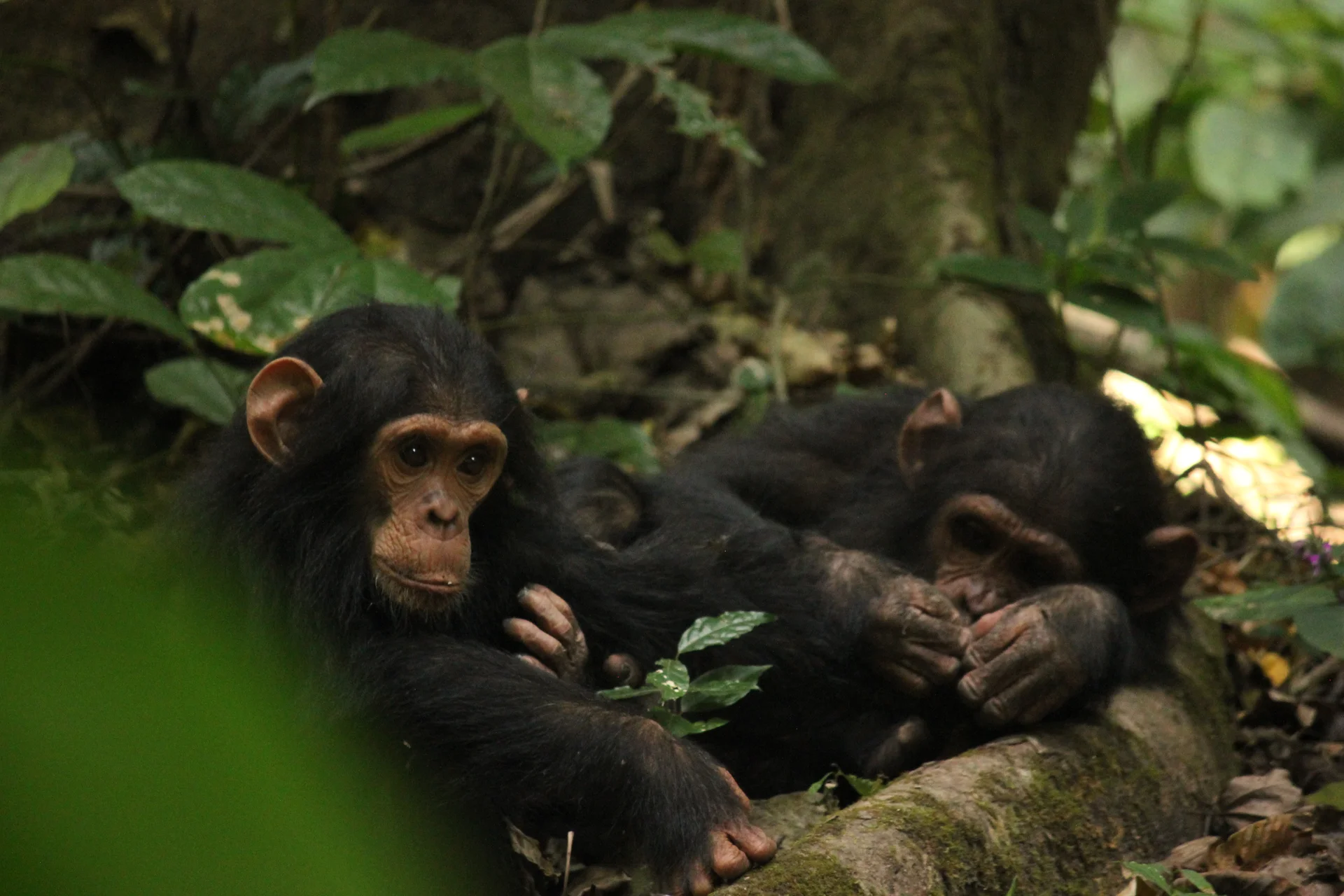
Gombe Stream National Park, also known as Gombe National Park, combines wild chimpanzee trekking with forested hills and the shores of Lake Tanganyika. In Kigoma…
Wildlife
Chimpanzees & Olive baboons
Landscape
National Parks & Safari
Highlights
Wild chimpanzee trekking with park rangers
 Southern Circuit
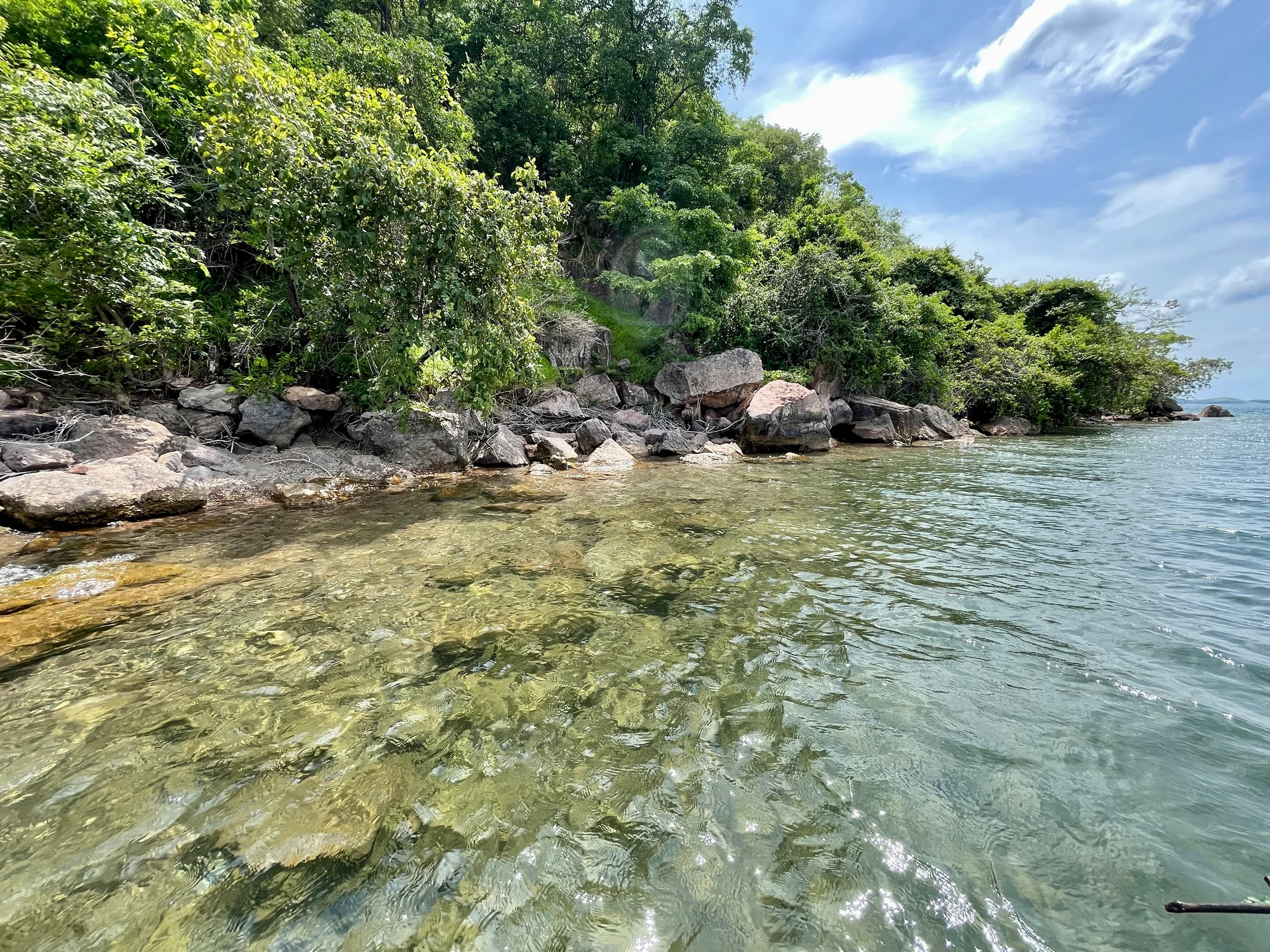
Lake Tanganyika offers a striking freshwater setting along Tanzania’s western frontier: broad blue horizons, wooded shores, bays, beaches and communities whose daily life is closely…
Wildlife
Endemic cichlid fish & Other freshwater fish
Landscape
Lakes & Hot Springs
Highlights
Africa’s deepest freshwater lake in the East African Rift
 Northern Circuit
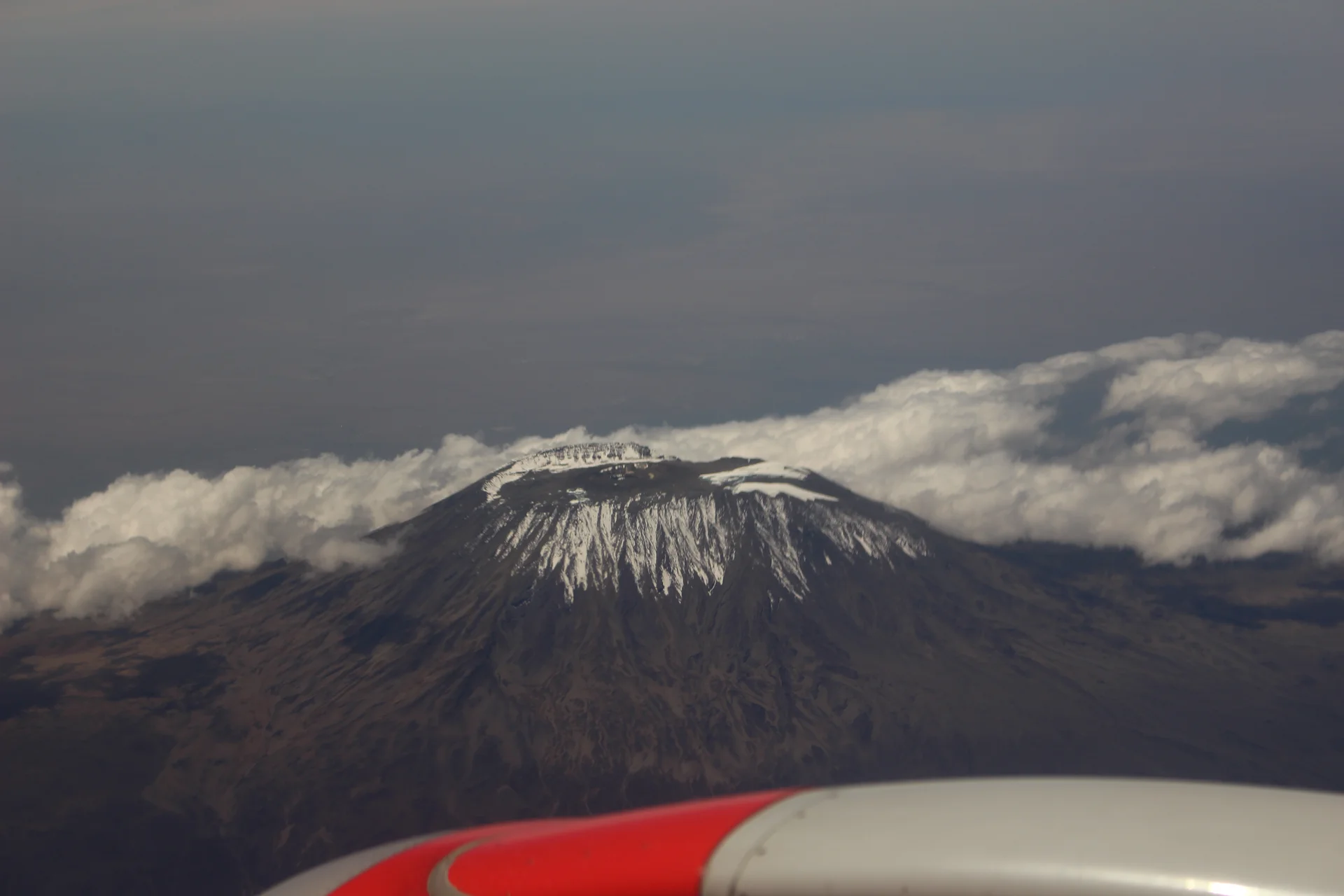
Kilimanjaro rises above northern Tanzania’s plains to Uhuru Peak at 5,895 metres, the highest point in Africa. Its volcanic massif, dramatic changes in vegetation and…
Wildlife
Black-and-white colobus monkeys in forest habitats & Blue monkeys in forest habitats
Landscape
Mountains & Trekking
Highlights
Uhuru Peak at 5,895 metres — Africa’s highest point
 Western Circuit
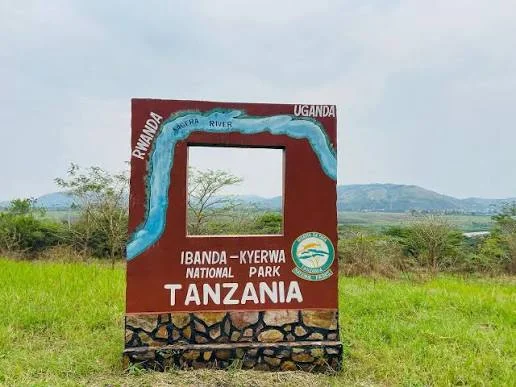
Ibanda-Kyerwa National Park protects a scenic corner of northwestern Tanzania, where the Kagera River meets a landscape of savanna, wooded slopes, valleys and wetlands. Situated…
Wildlife
Buffalo & Roan antelope
Landscape
National Parks & Safari
Highlights
Kagera River scenery on Tanzania’s northwestern border
 Zanzibar & Islands
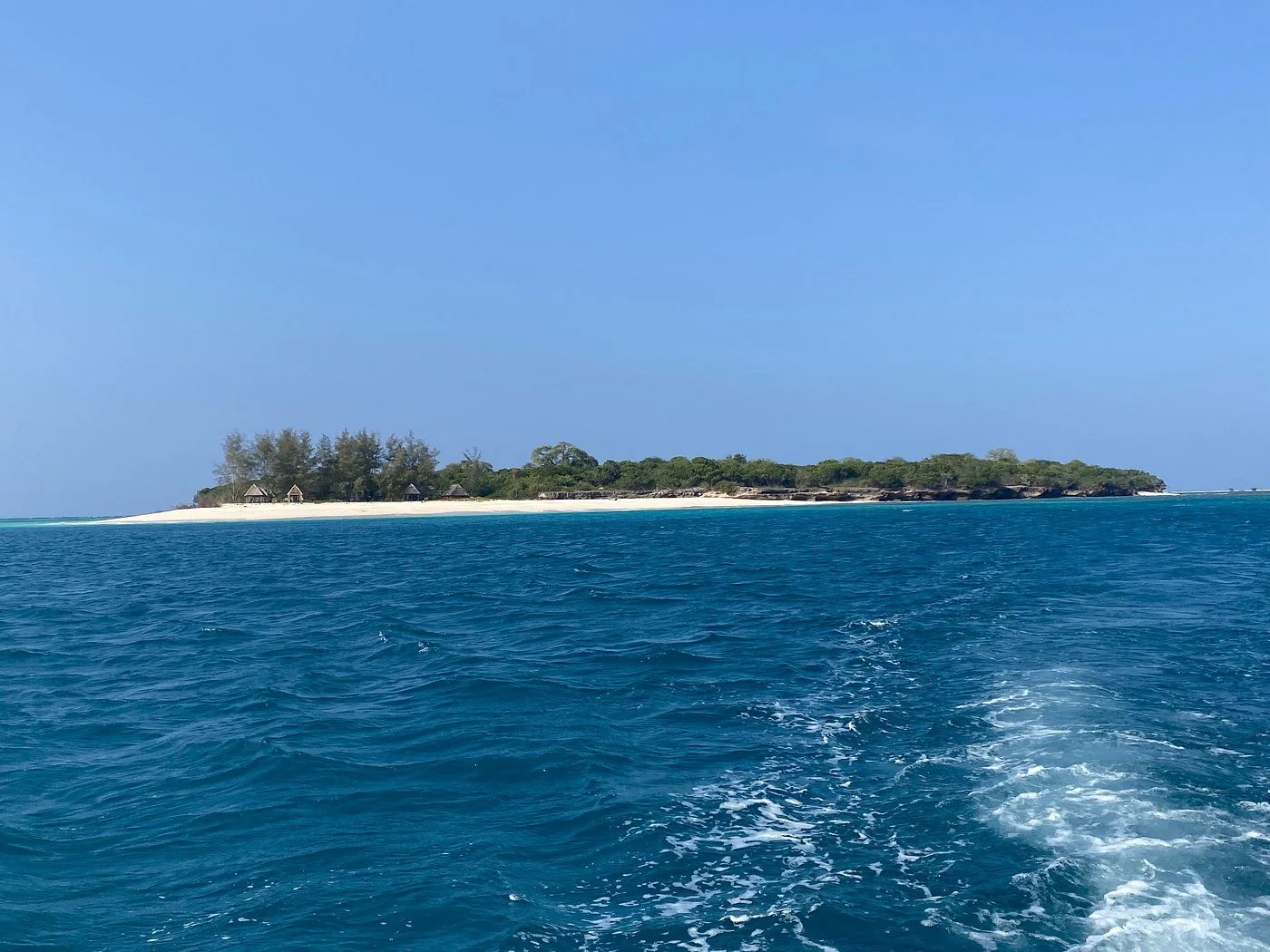
Sinda Island Marine Reserve offers an Indian Ocean escape off Kigamboni, on the southern side of Dar es Salaam. The reserve encompasses Inner and Outer…
Wildlife
Reef fish & Coastal birds
Landscape
Beaches & Islands
Highlights
Inner and Outer Sinda islands
 Northern Circuit
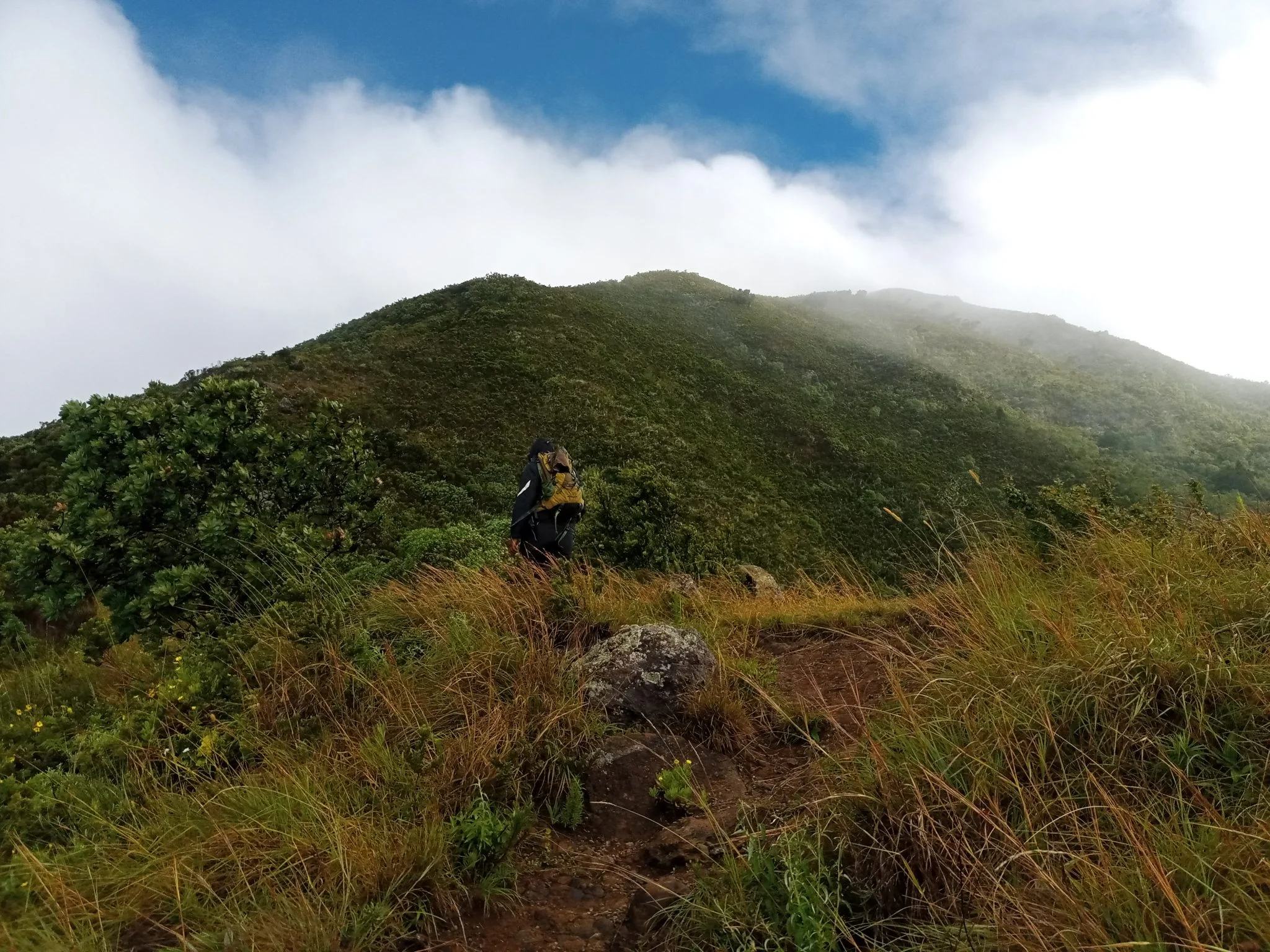
Discover Mount Hanang Rising above Katesh in Tanzania’s Manyara Region, Mount Hanang offers a rewarding mountain adventure beyond the familiar northern safari circuit. At approximately…
Wildlife
Klipspringer & Vervet monkeys
Landscape
Mountains & Trekking
Highlights
Approximately 3,423 metres — Tanzania’s fourth-highest mountain