 5.0 Excellent

Dorine M1 year ago

Grateful experience
As a solo female traveler, I felt super safe and well taken care of the entire time.
Read more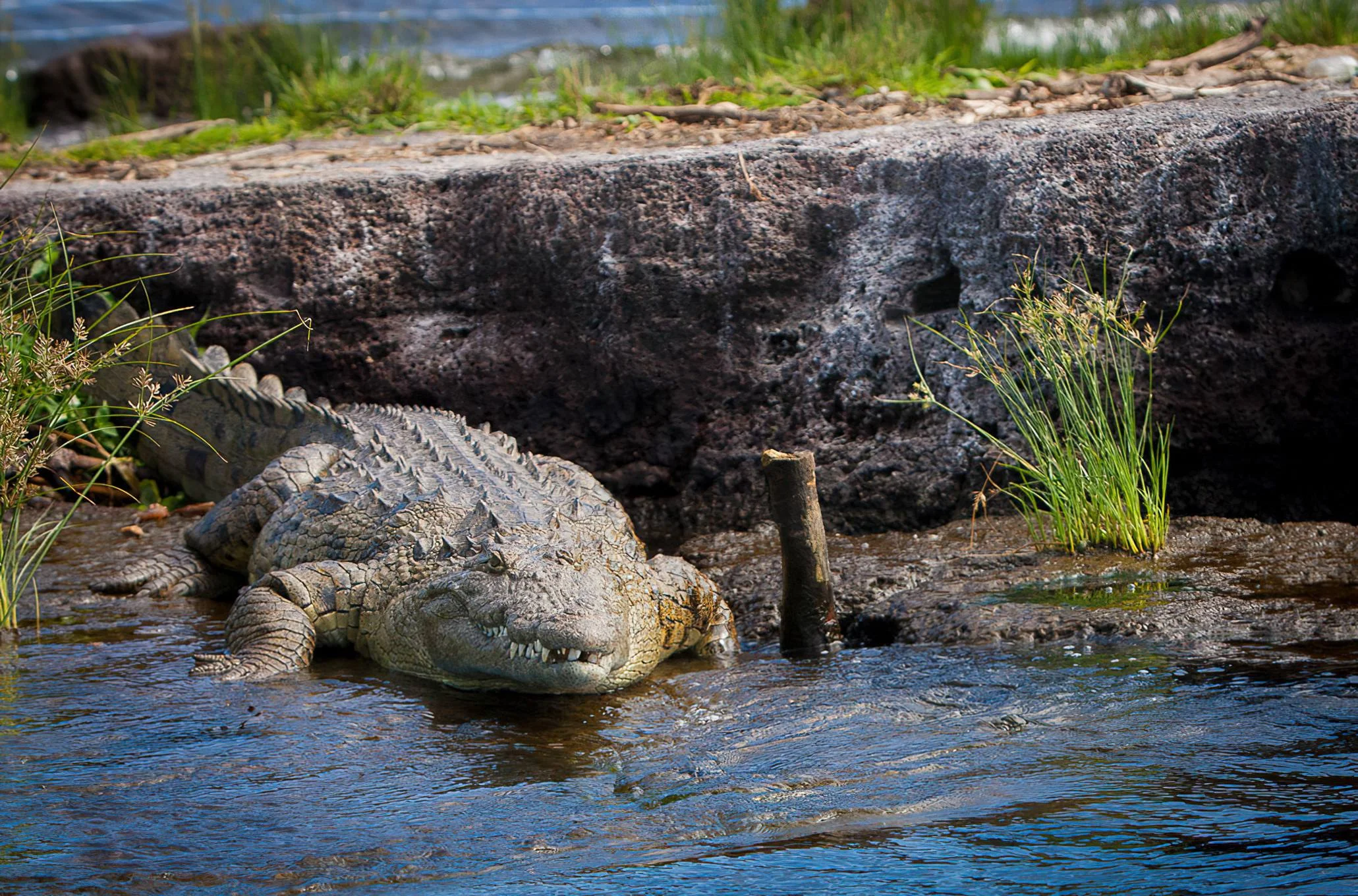
Western Circuit
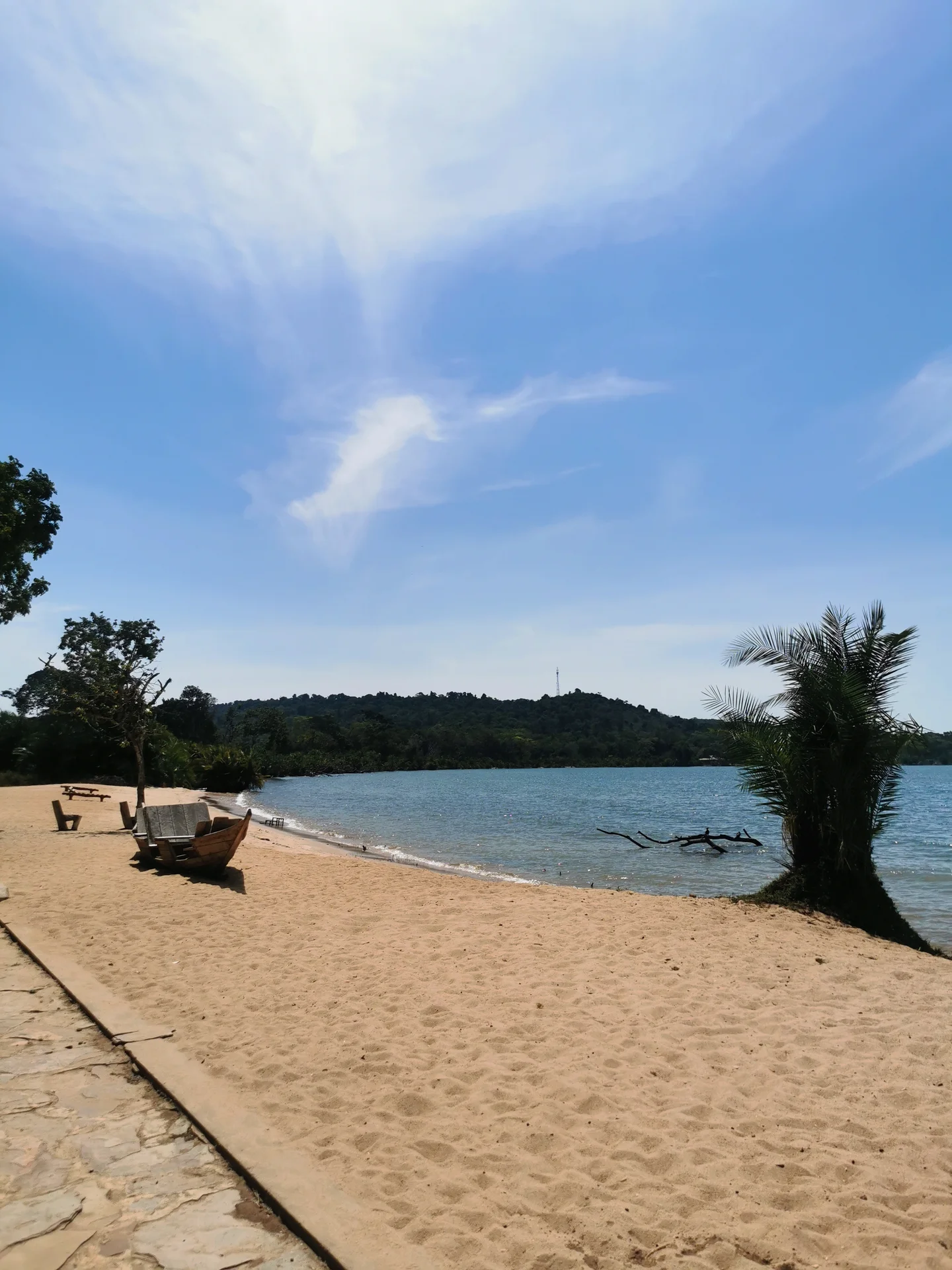
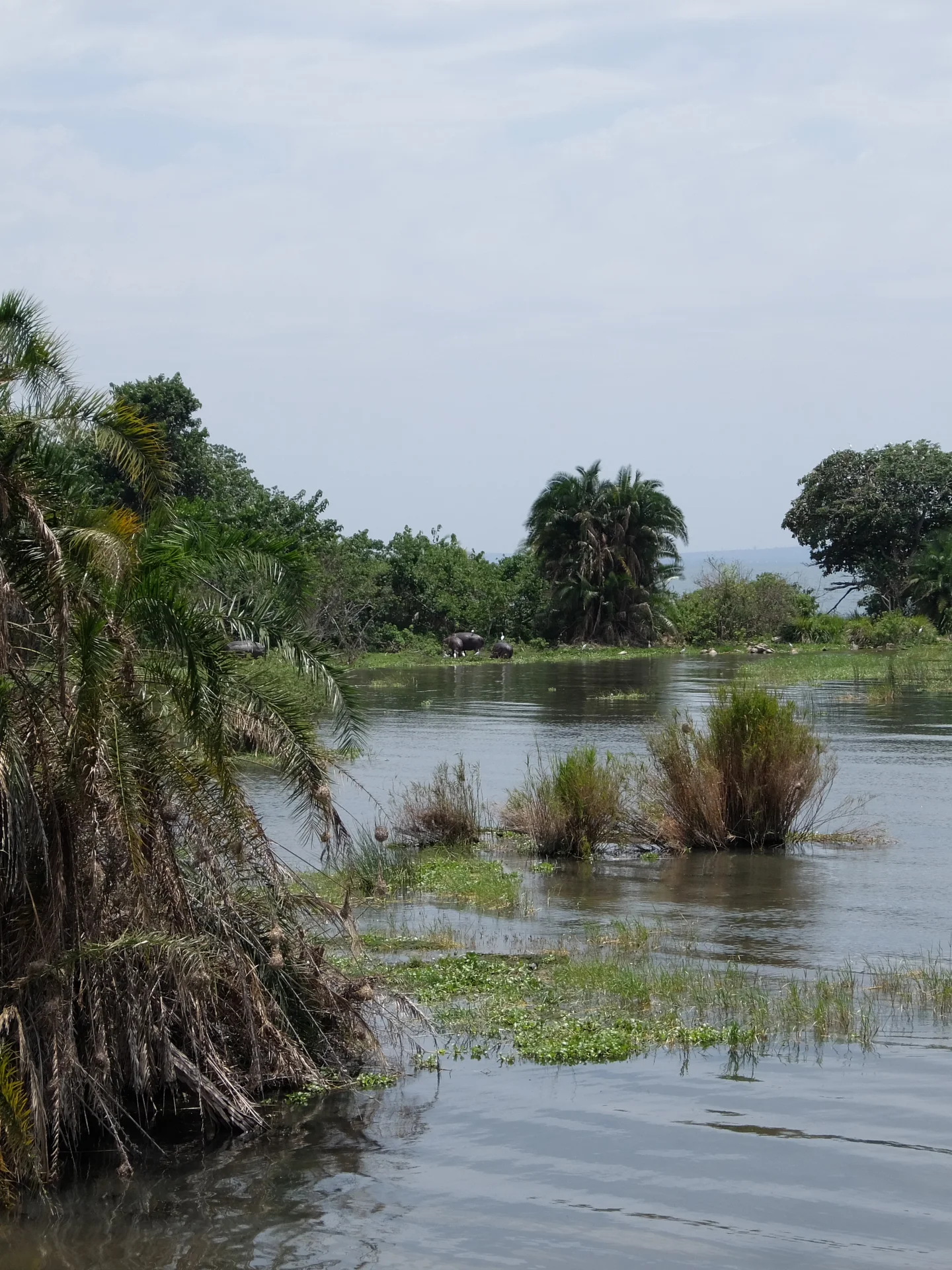
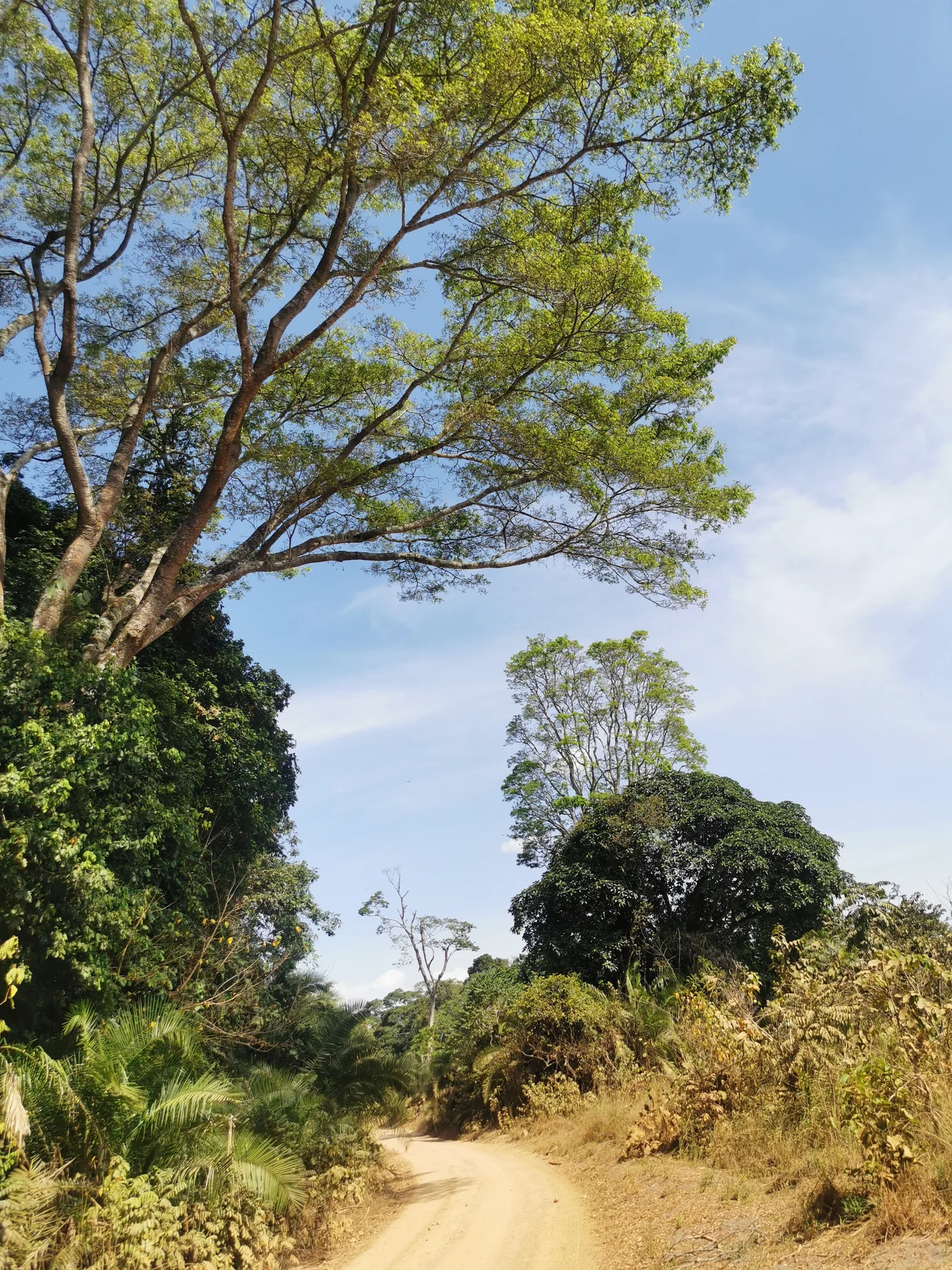
Rubondo Island National Park brings together forest, wetland and lake in the southwest of Lake Victoria, in Tanzania’s Geita Region. Sandy coves and rocky shores surround an island interior of evergreen and semi-deciduous woodland, while papyrus fringes provide shelter for shy antelope and waterbirds. For travellers who enjoy an unhurried safari, Rubondo offers time to listen to the forest, follow wildlife with expert guides and explore the shoreline by boat. The island’s conservation story is an essential part of its appeal. Protected as a game reserve in 1965 and established as a national park in 1977, Rubondo became a sanctuary for animals introduced through a pioneering conservation programme. Chimpanzees released in the 1960s adapted to life in the forest, and their descendants now live wild on the island. Guided chimpanzee trekking and habituation experiences offer an opportunity to learn about this history and observe natural behaviour when animals can be located. Access depends on permits, current park arrangements and suitable conditions; encounters are never guaranteed. Wildlife is spread across a mosaic of habitats. Sitatunga favour swamp margins, while bushbuck, vervet monkeys and other forest mammals occupy the island interior. Elephants and giraffes also occur in the park. Hippos and crocodiles inhabit lake edges, and otters may be seen around quieter bays. African fish eagles call above the water, with herons, egrets, kingfishers, cormorants and African grey parrots adding to the birding interest. A patient approach is especially rewarding here: dense vegetation makes sightings different from an open plains safari. Days can combine ranger-led forest walks, boat safaris, birdwatching, photography and game drives where vehicles and routes are available. Anglers can arrange permitted catch-and-release fishing for Nile perch. Shoreline relaxation and sunset viewing make a pleasant balance to active exploration; all waterside activities should follow local guidance. Forest outings also reveal butterflies, orchids, tracks and the smaller details of the island ecosystem. June to October generally offers drier conditions for walking and wildlife activities. The wetter months bring a greener forest and seasonal migrant birds, with short rains typically in October–December and longer rains in March–May. Accommodation and transport availability vary, so island flights or boat transfers should be coordinated with the stay. We suggest allowing three or four nights for a relaxed mix of activities, especially when chimpanzees are a priority. Rubondo can be planned alongside the Serengeti or a broader Lake Victoria journey, with connections matched to the travel dates.
March–May: The long rains make the forest lush, with wetter paths and more demanding transfer logistics. Wildlife remains present, but outings depend on weather and lake conditions. Some accommodation closes seasonally; Rubondo Island Camp currently closes in April and May. Check the chosen property and transport before arranging a stay.
November–February: Short rains commonly affect November and December, followed by variable showers. This is an appealing period for green scenery, butterflies, flowers and migrant birds. Walks may be muddy, so keep activity plans flexible and confirm the current chimpanzee programme and boat arrangements.
June–October: The generally drier period is preferred for forest walks and chimpanzee activities, with firmer paths and easier planning. July and August can be particularly rewarding for chimpanzee trekking, although sightings remain uncertain. Reserve accommodation, permits and transfers early, and allow for changes in lake weather.
Rubondo lies in southwest Lake Victoria in Geita Region. Fly to Mwanza Airport (MWZ) or Bukoba Airport (BKZ), then arrange a road transfer to an approved mainland embarkation point and a park or licensed-operator boat to the island. The appropriate landing point and travel time depend on the route and lake conditions; confirm them before departure. The island also has an airstrip for pre-arranged flights, with onward transfers coordinated by the accommodation provider. Connections from safari areas depend on current flight schedules or charter arrangements. A road journey reaches the lakeshore, not the island itself. Book accommodation, park entry, permits and the final island transfer together, allow a buffer for weather, and follow baggage limits specified by the airline.
Rubondo is in the southwest of Lake Victoria, in Tanzania’s Geita Region and Western Circuit. The protected area includes the main island, smaller islands and surrounding lake habitats, combining forest, sandy bays and papyrus wetlands.
Rubondo combines a forest safari with Lake Victoria scenery. Guided walks, boating, birdwatching and chimpanzee experiences suit travellers who enjoy exploring quietly and learning about conservation. Dense vegetation means patient observation is often more rewarding than expecting open-plains wildlife viewing.
Access is by an arranged flight to the island airstrip or by road to a mainland landing point followed by a licensed boat transfer. Mwanza and Bukoba are useful regional gateways. Final routes, departure times and connections must be confirmed for your travel dates.
You can travel by road to an approved lakeshore embarkation point, but the final island transfer requires a boat unless you fly to Rubondo’s airstrip. Arrange the complete route in advance, including parking or driver arrangements and the return crossing.
June to October is generally the preferred period for drier trails and forest activities. December to February can be rewarding for migrant birds and green scenery. Short rains usually occur in October–December and long rains in March–May; weather can affect transfers and activities.
Visits depend on current park access, accommodation and transport arrangements. The forest can be beautiful in the rains, but paths become wetter and lake weather can disrupt plans. Some properties close seasonally; Rubondo Island Camp currently closes in April and May.
We suggest three or four nights for a relaxed mix of forest walks, boating, birding and a possible chimpanzee outing. This is an itinerary recommendation, not a park requirement. Accommodation providers may apply minimum stays for particular activities; check before booking.
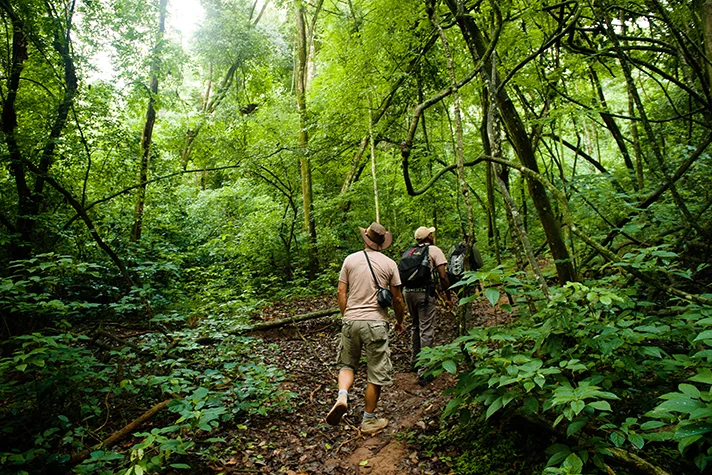
Guided trekking and habituation experiences are offered through approved arrangements. Trackers search for wild chimpanzees in the forest, so access and sightings depend on animal movements, conditions and permits. Book the experience in advance and keep expectations flexible; sightings cannot be guaranteed.
Trekking may involve hours of walking through dense vegetation on uneven or muddy ground. Duration varies with the animals’ location. Discuss fitness and mobility with the operator before booking, wear sturdy footwear and follow the guide’s instructions throughout the outing.
Rubondo Island Camp currently specifies a minimum age of 12 for chimpanzee trekking. Other activity and accommodation restrictions may differ. Confirm the current park and provider rules for each child’s age, and plan suitable alternative activities for family members who cannot trek.
Keep the distance specified by the ranger, speak quietly, avoid flash and never feed, touch or attract the animals. Do not join a trek when unwell with an infectious illness. Follow the current briefing on masks, group limits, observation time and food around primates.
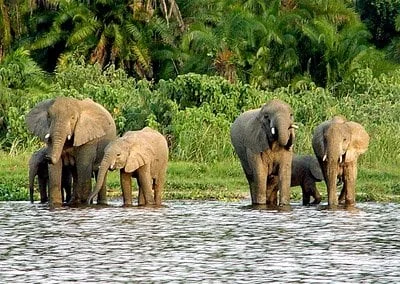
Rubondo supports sitatunga, bushbuck, suni, vervet monkeys and other forest mammals, as well as elephants and giraffes. Hippos, crocodiles and otters inhabit lake margins. Species presence does not guarantee a sighting, and dense forest can make wildlife difficult to locate.
Yes. Forest, papyrus and open-water habitats support African fish eagles, African grey parrots, herons, egrets, kingfishers, cormorants and other birds. Resident species offer year-round interest, with migrant birds adding variety in the wetter months. Bring binoculars and allow time for both shore and forest outings.
Options include ranger-led nature walks, boat safaris, birding, photography, game drives and permitted sport fishing. Guided canoeing may be available through specific arrangements. Activities depend on the provider, equipment, permits and conditions; confirm the actual programme rather than assuming everything operates daily.
Sport fishing can be arranged in designated areas under the applicable permit and park rules, using a catch-and-release approach. Nile perch are a principal attraction. Confirm equipment, boat hire, guiding, permitted areas and all charges with the operator before departure.
Do not assume that a sandy beach is a safe swimming area. Hippos and crocodiles inhabit the park’s lake margins. Follow the ranger or accommodation team’s current waterside guidance and do not enter the lake without explicit local clearance.
The park lists lodge or cottage accommodation and public and special campsites, with availability subject to advance arrangements. Rubondo Island Camp is one established option. Confirm the property’s operating season, meal arrangements, transfers and activity inclusions; campsite facilities may differ from a lodge stay.
Bring sturdy walking shoes, comfortable long clothing, a light rain layer, a sun hat, binoculars and a camera protected from moisture. Carry drinking water for outings and essential personal supplies. Check small-aircraft baggage restrictions and ask the property about charging facilities and equipment provided.
Park entry, chimpanzee activities, guiding, boats, fishing and camping can carry separate charges. Rates depend on residency, age and the services booked. Request a current itemised quotation and confirm inclusions before paying; historic published tariffs should not be treated as today’s price.
Yes. Rubondo can be planned with the Serengeti or a wider Lake Victoria itinerary, subject to flight and boat connections. Share your preferred balance of primates, birding and plains wildlife so TanzaLux Safaris can coordinate realistic travel days, accommodation and permits.
Grateful experience
As a solo female traveler, I felt super safe and well taken care of the entire time.
Read morePrivate Safari 6 days
I can only highly recommend the young company Tanzalux for organizing a private safari.
Read moreAn unforgettable vegetarian journey with Tanzalux Safaris
I highly recommend Tanzalux for anyone wanting a special, personalized safari.
Read moreOur 3-day camping safari with Tanzalux was simply fantastic! Everything was perfectly organized.
Read moreBack in April, I joined a day trip to Tarangire National Park with Tanzalux Safaris, and it was truly one of the best experiences I have ever had…
Read moreI've had an amazing experience with Tanzalux Safaris, would 1000% recommend! Thank you for making my trip so special🫶
Read moreI recently visited Meru Waterfalls in Arusha and got to do some of the activities there, honestly it was such a great experience and I really enjoyed it.
Read moreOur guide Dullah Mr Rastaman had the best vibe. I would like to recommend other people not to miss it, Tarangire is the best national park.
Read moreOur tour guide Nasri was very friendly and welcoming from the first day we met him. He knows Tarangire very well and explained many things during the safari.
Read moreAs a grandmother in the group, I would like to share my happiness with Tanzalux Safaris. Me, my daughters, and my grandson went on a short trip to Tarangire National Park…
Read moreReceive a free, no obligation quote

 Western Circuit
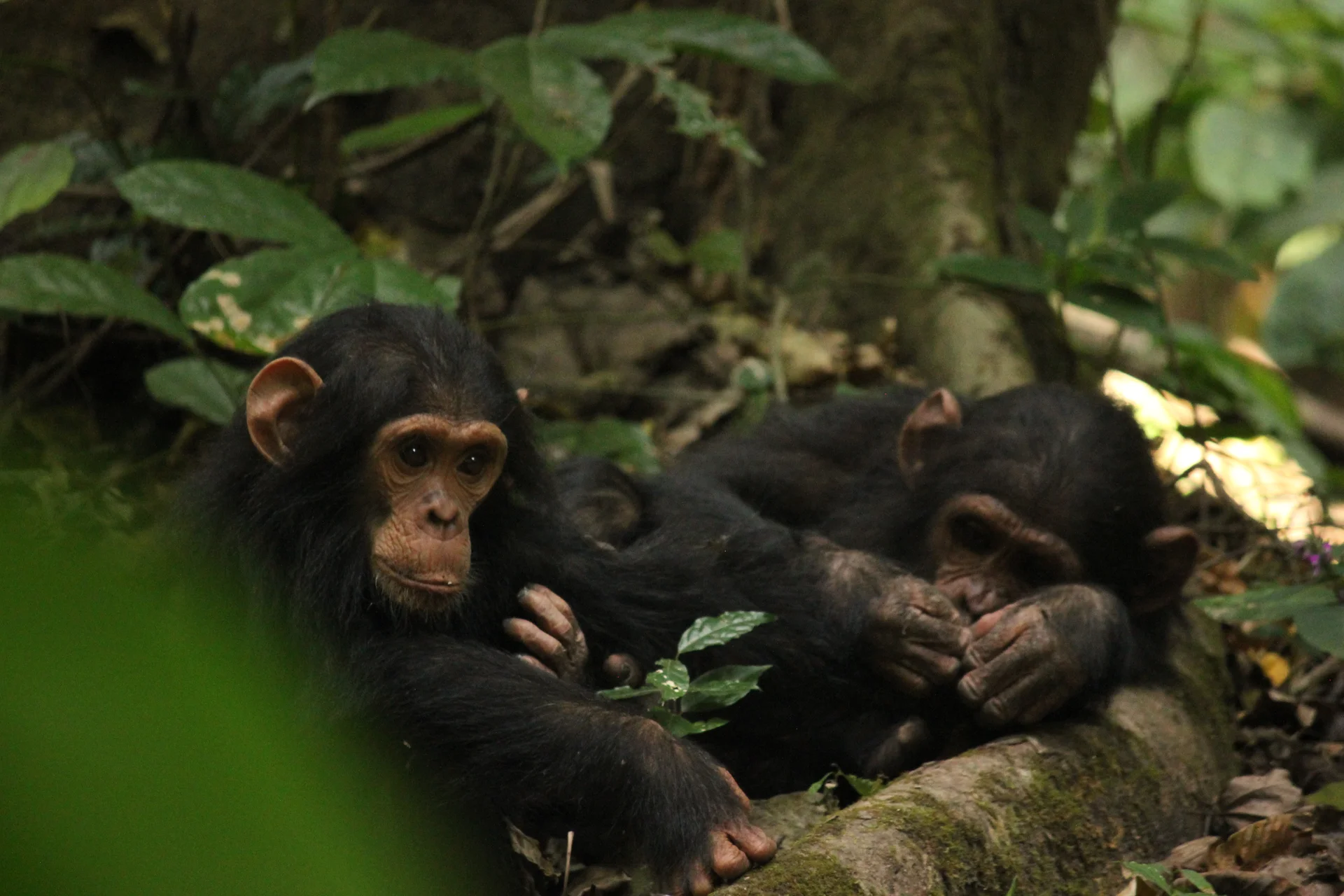
Gombe Stream National Park, also known as Gombe National Park, combines wild chimpanzee trekking with forested hills and the shores of Lake Tanganyika. In Kigoma…
Wildlife
Chimpanzees & Olive baboons
Landscape
National Parks & Safari
Highlights
Wild chimpanzee trekking with park rangers
 Southern Circuit
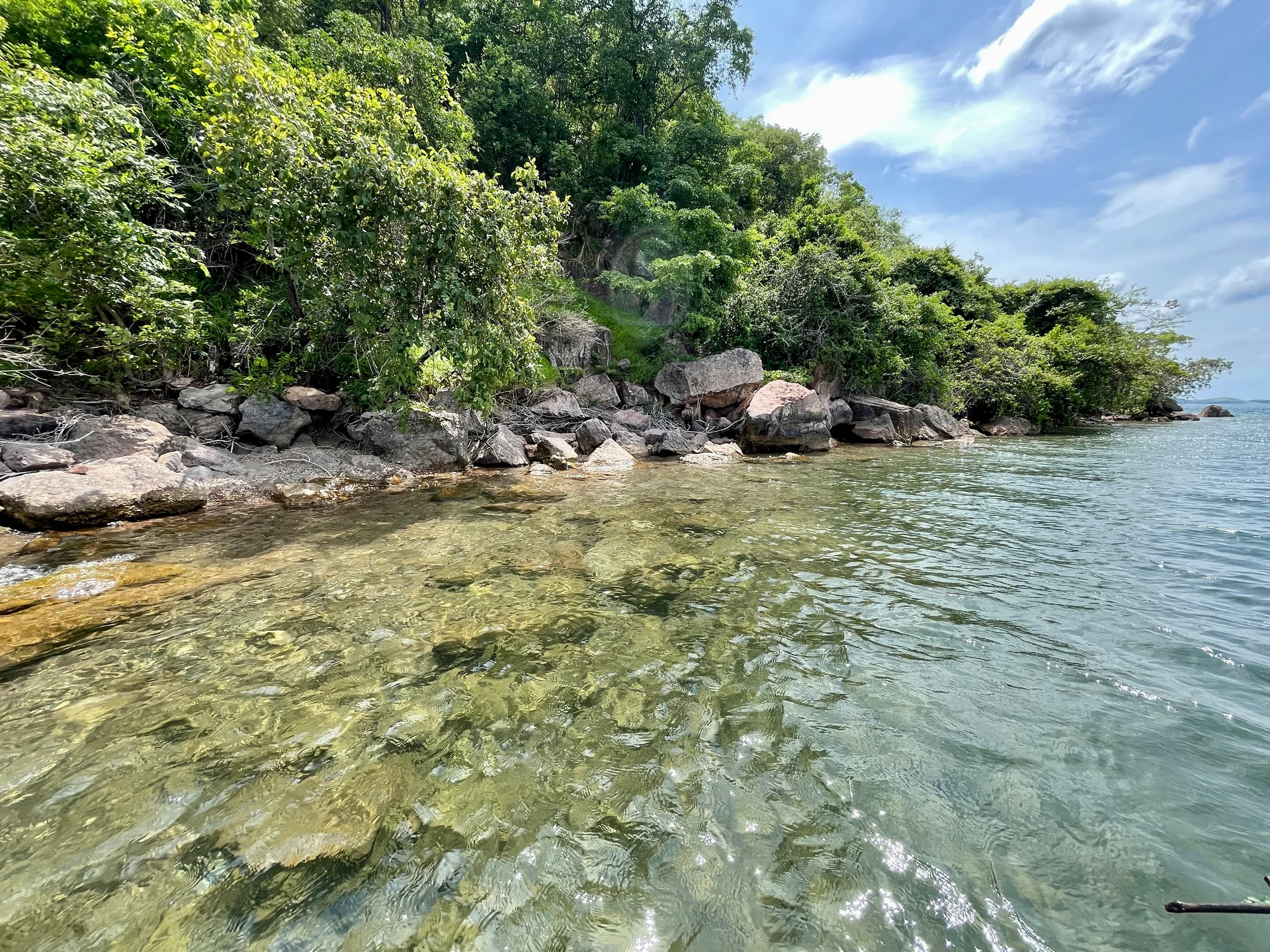
Lake Tanganyika offers a striking freshwater setting along Tanzania’s western frontier: broad blue horizons, wooded shores, bays, beaches and communities whose daily life is closely…
Wildlife
Endemic cichlid fish & Other freshwater fish
Landscape
Lakes & Hot Springs
Highlights
Africa’s deepest freshwater lake in the East African Rift
 Northern Circuit
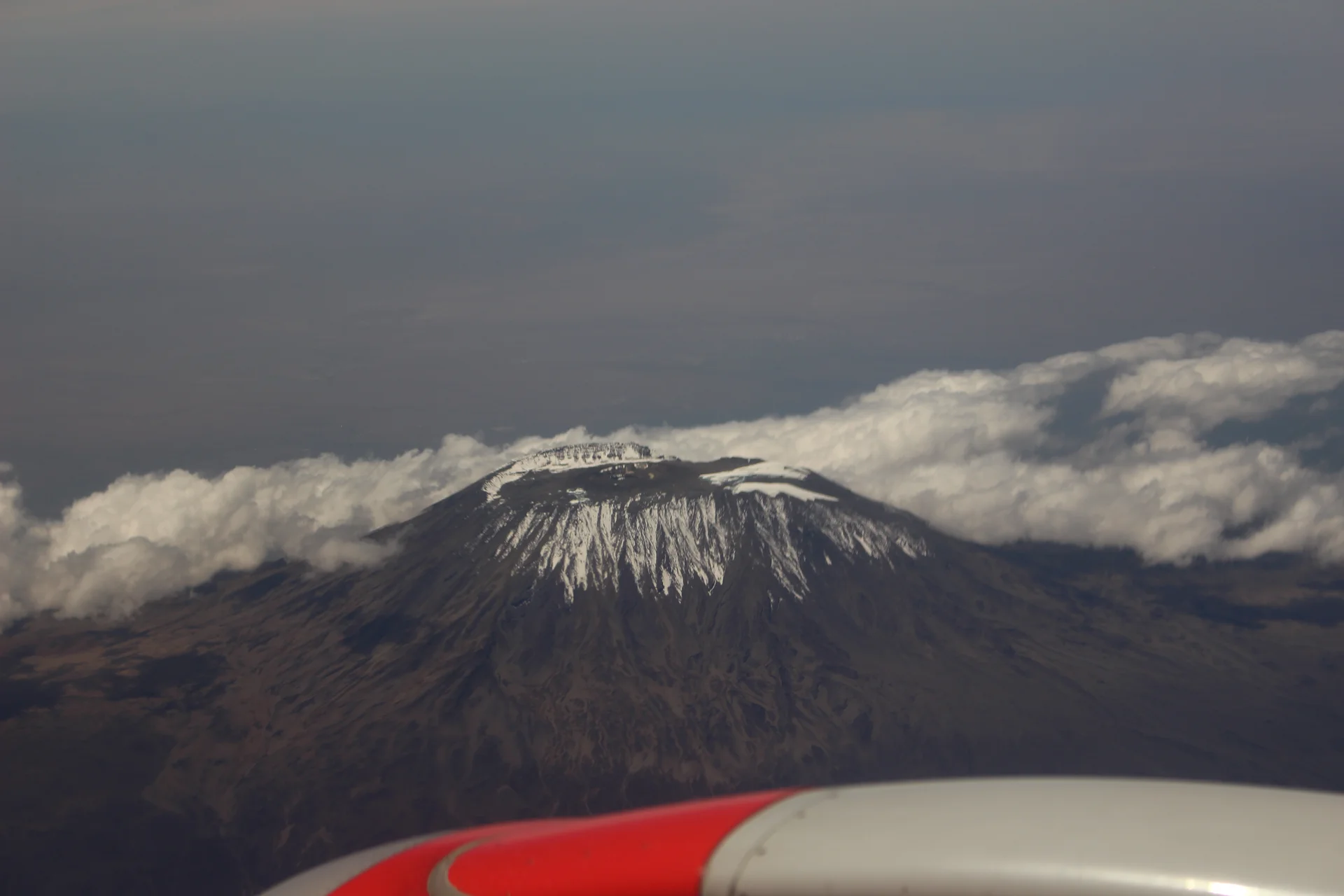
Kilimanjaro rises above northern Tanzania’s plains to Uhuru Peak at 5,895 metres, the highest point in Africa. Its volcanic massif, dramatic changes in vegetation and…
Wildlife
Black-and-white colobus monkeys in forest habitats & Blue monkeys in forest habitats
Landscape
Mountains & Trekking
Highlights
Uhuru Peak at 5,895 metres — Africa’s highest point
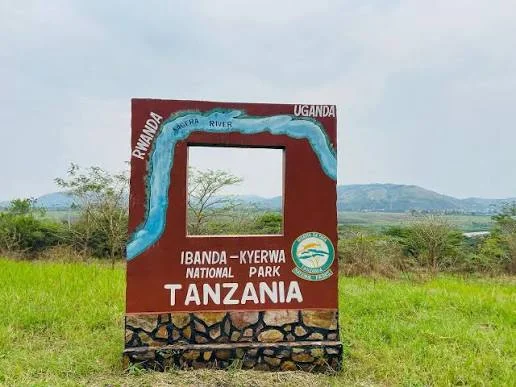 Western Circuit
Ibanda-Kyerwa National Park protects a scenic corner of northwestern Tanzania, where the Kagera River meets a landscape of savanna, wooded slopes, valleys and wetlands. Situated…
Wildlife
Buffalo & Roan antelope
Landscape
National Parks & Safari
Highlights
Kagera River scenery on Tanzania’s northwestern border
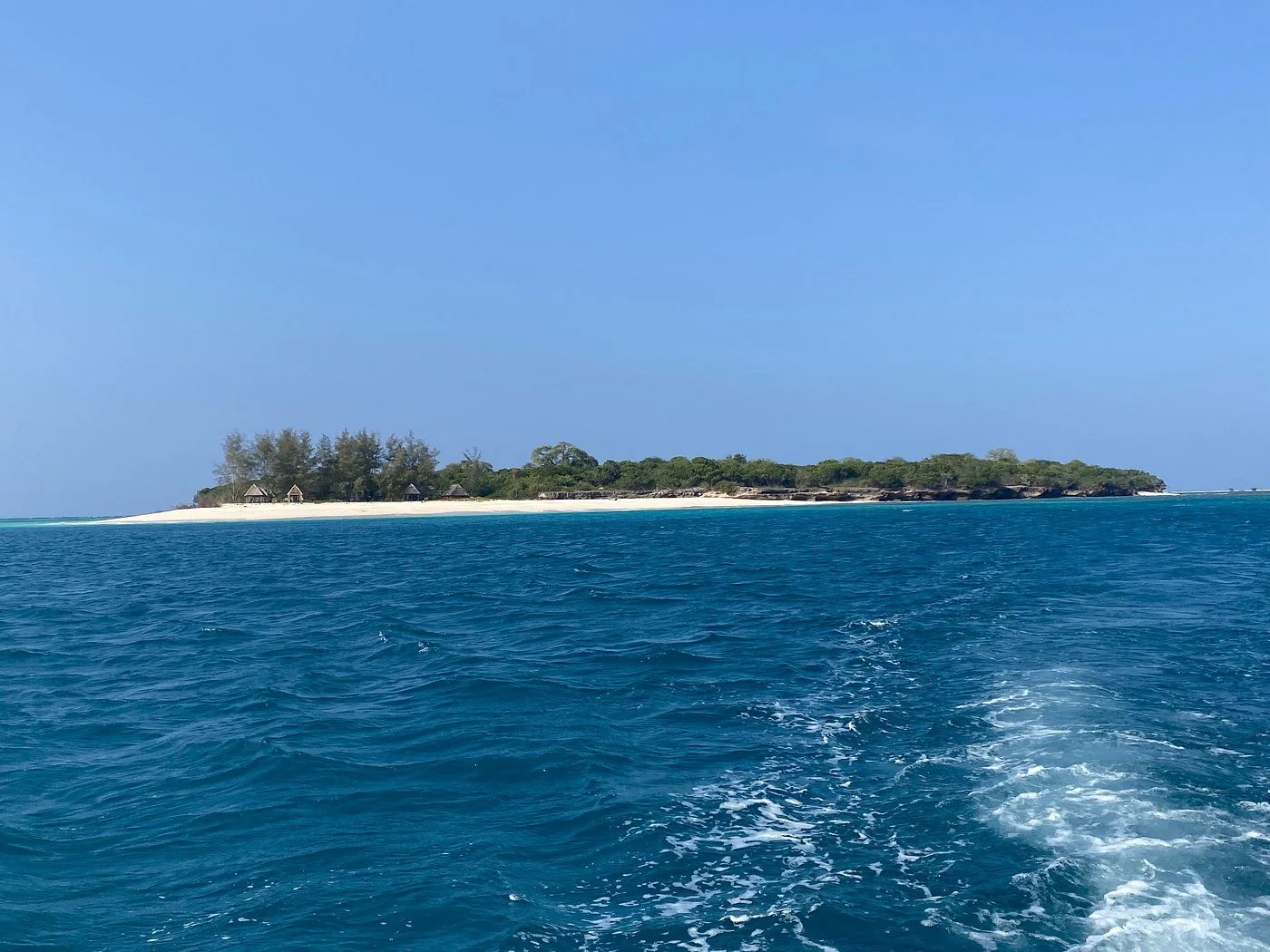 Zanzibar & Islands
Sinda Island Marine Reserve offers an Indian Ocean escape off Kigamboni, on the southern side of Dar es Salaam. The reserve encompasses Inner and Outer…
Wildlife
Reef fish & Coastal birds
Landscape
Beaches & Islands
Highlights
Inner and Outer Sinda islands
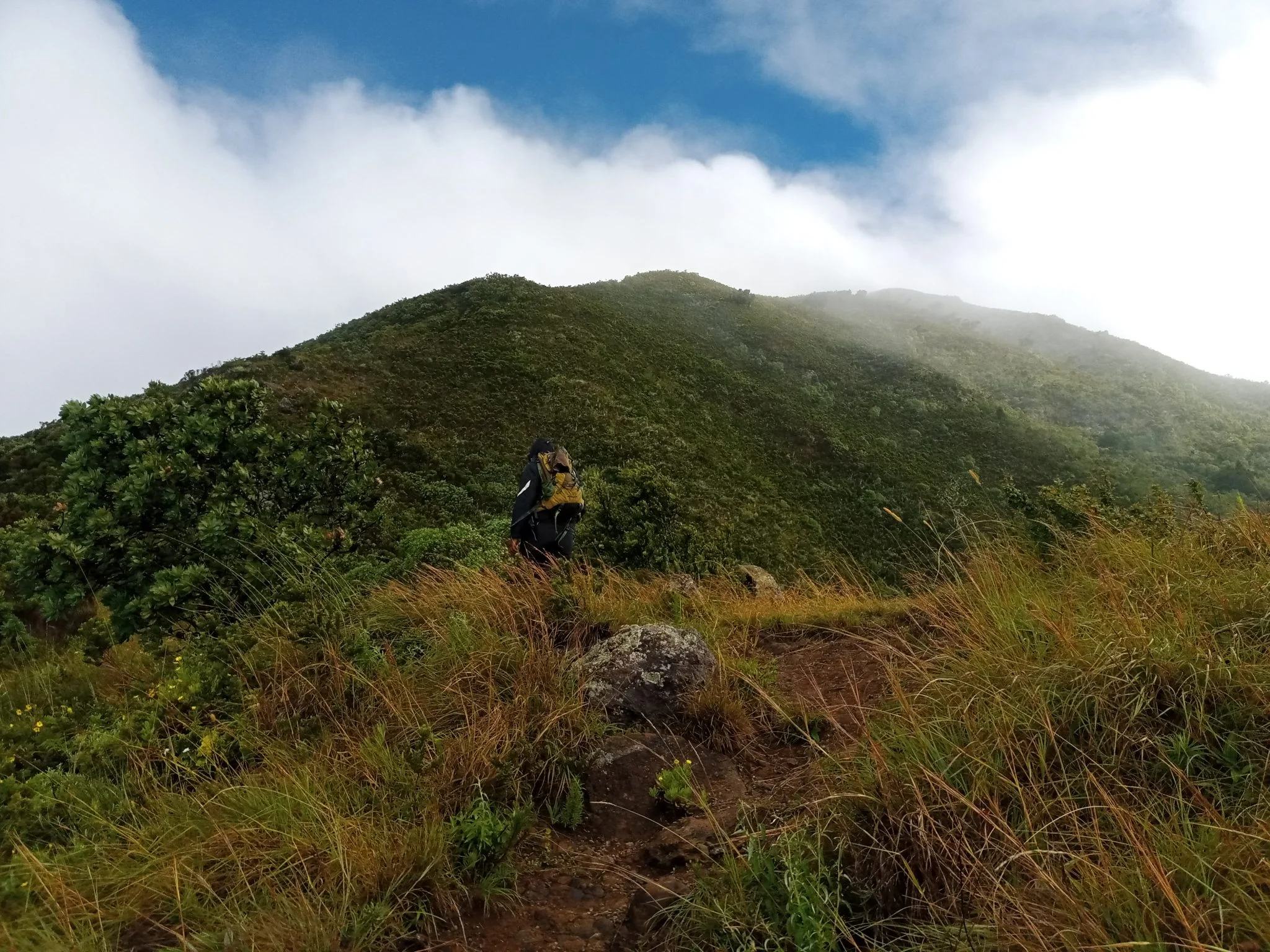 Northern Circuit
Discover Mount Hanang Rising above Katesh in Tanzania’s Manyara Region, Mount Hanang offers a rewarding mountain adventure beyond the familiar northern safari circuit. At approximately…
Wildlife
Klipspringer & Vervet monkeys
Landscape
Mountains & Trekking
Highlights
Approximately 3,423 metres — Tanzania’s fourth-highest mountain