 5.0 Excellent

Dorine M1 year ago

Grateful experience
As a solo female traveler, I felt super safe and well taken care of the entire time.
Read more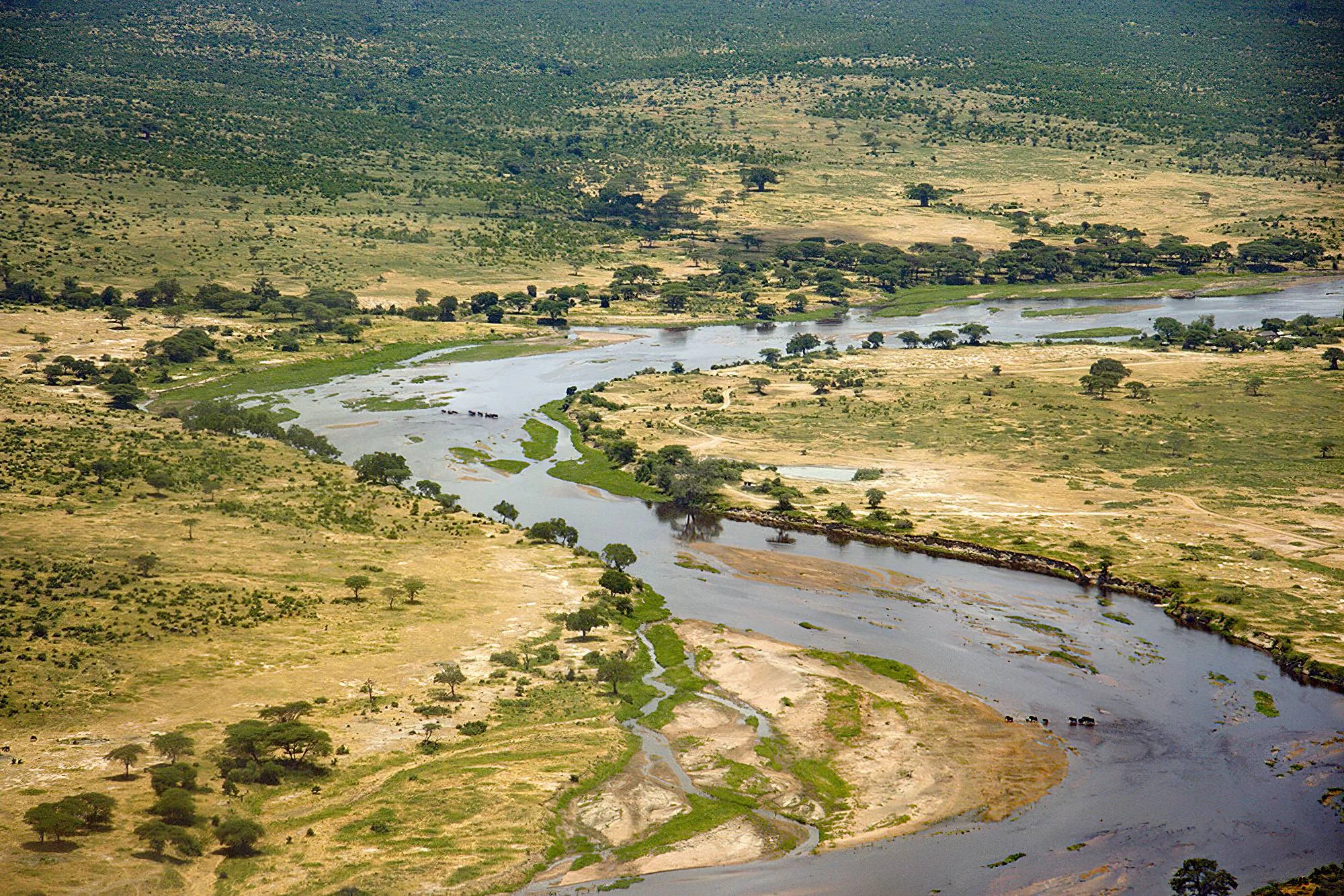
Southern Circuit
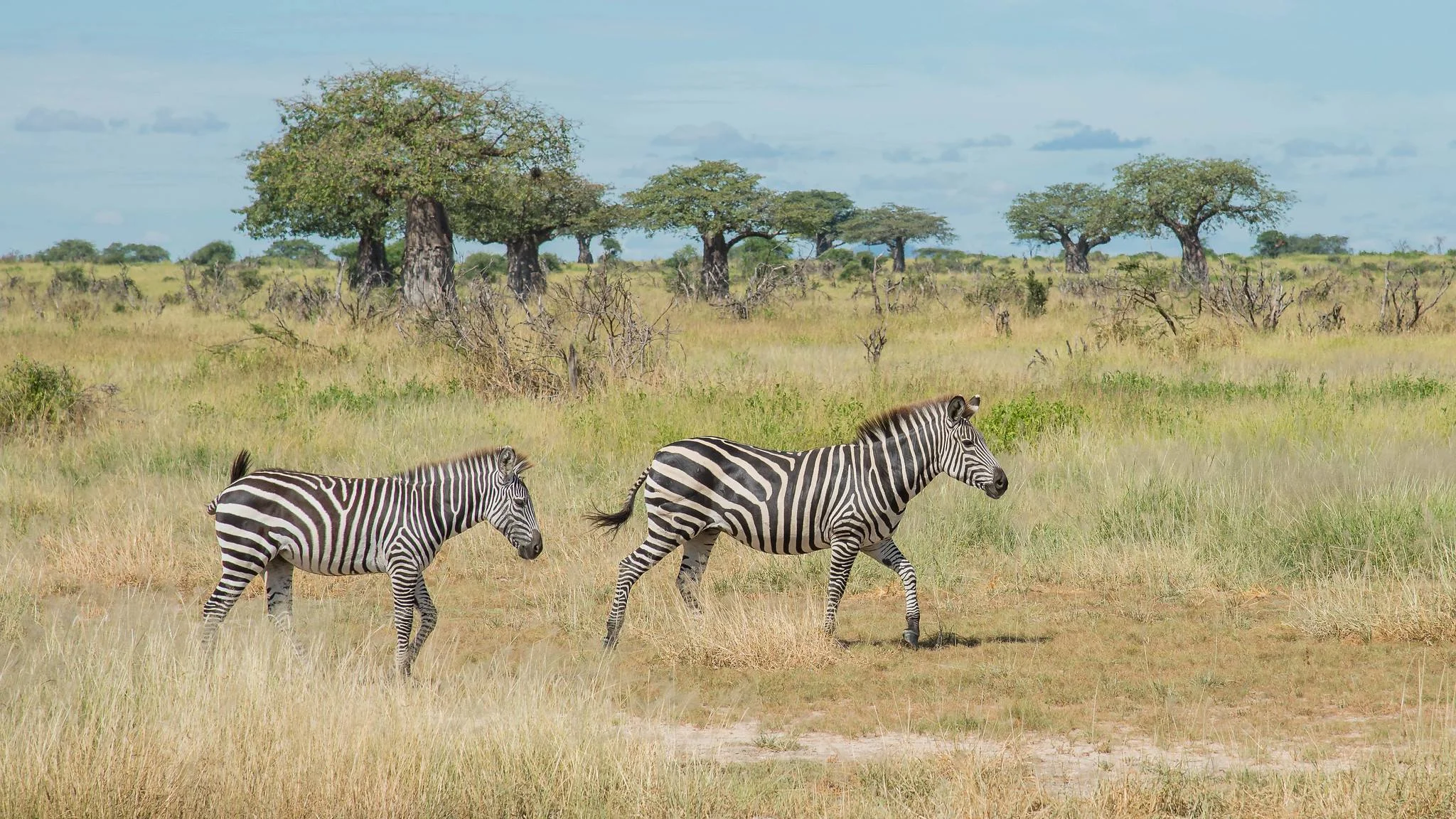
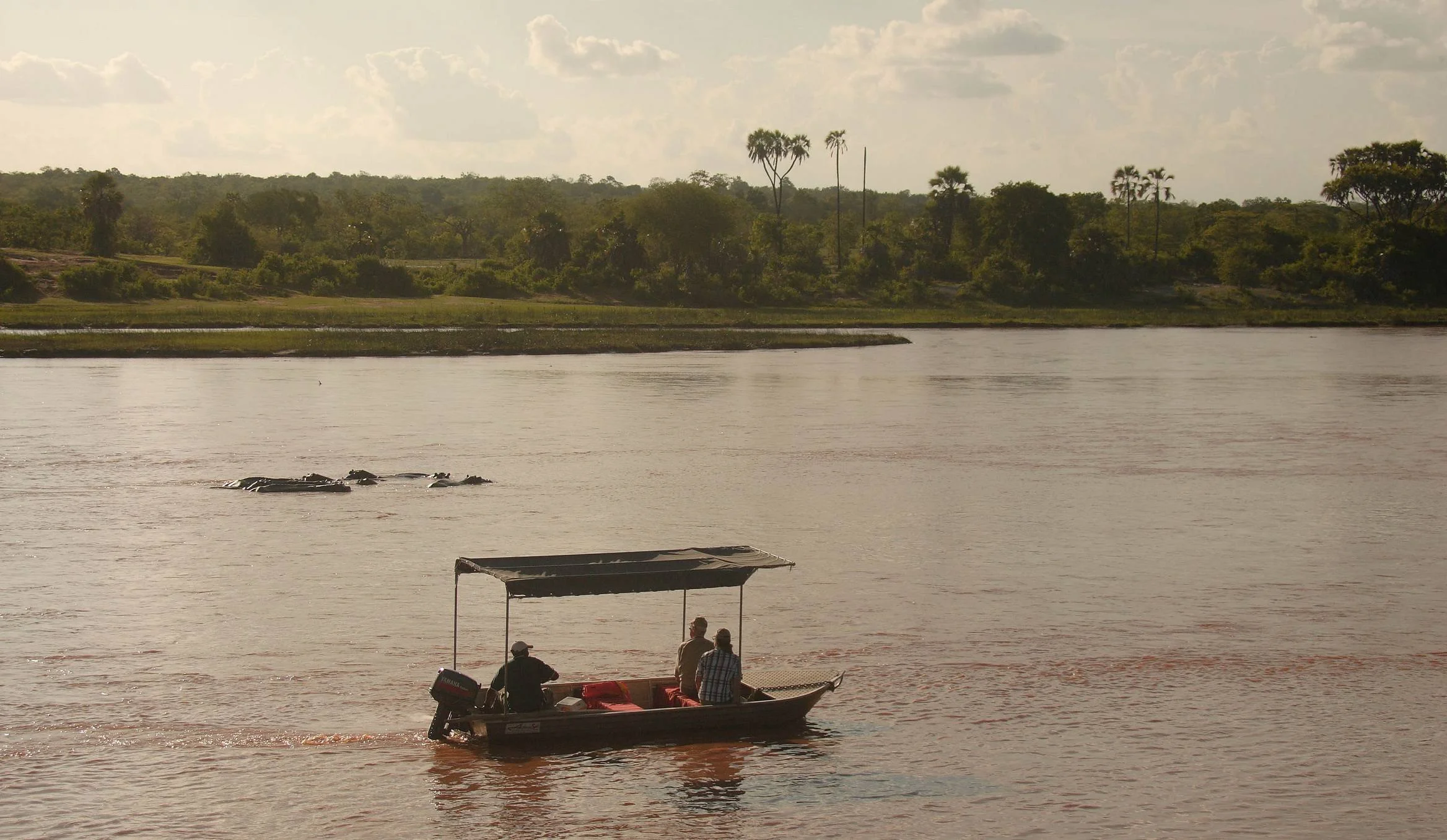
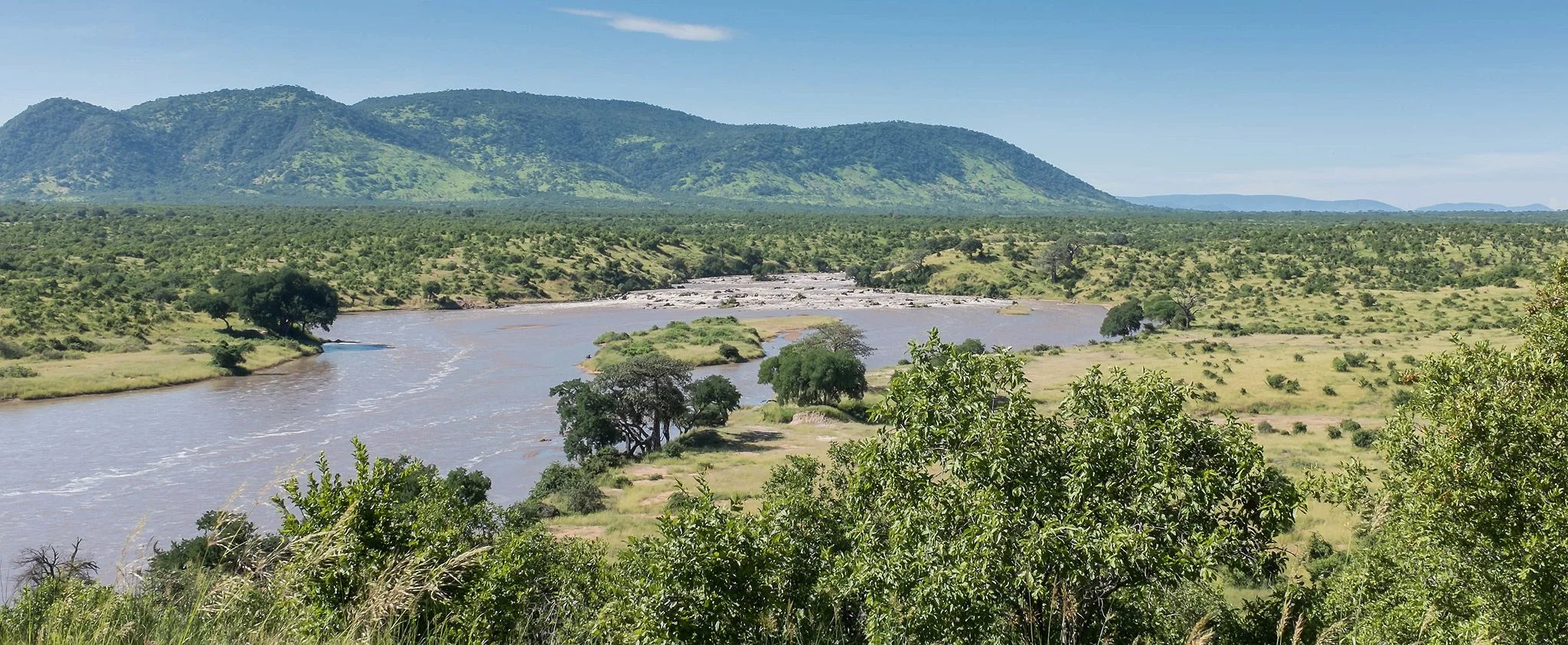
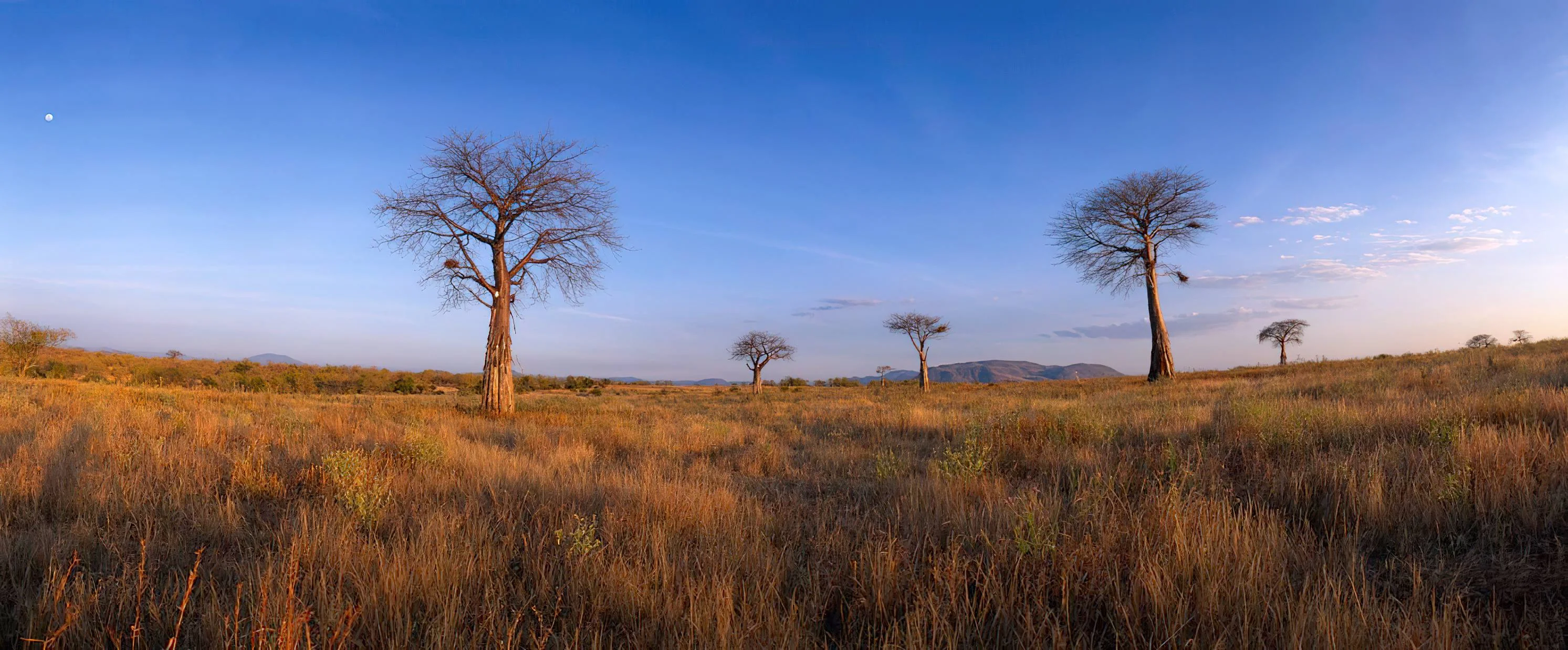
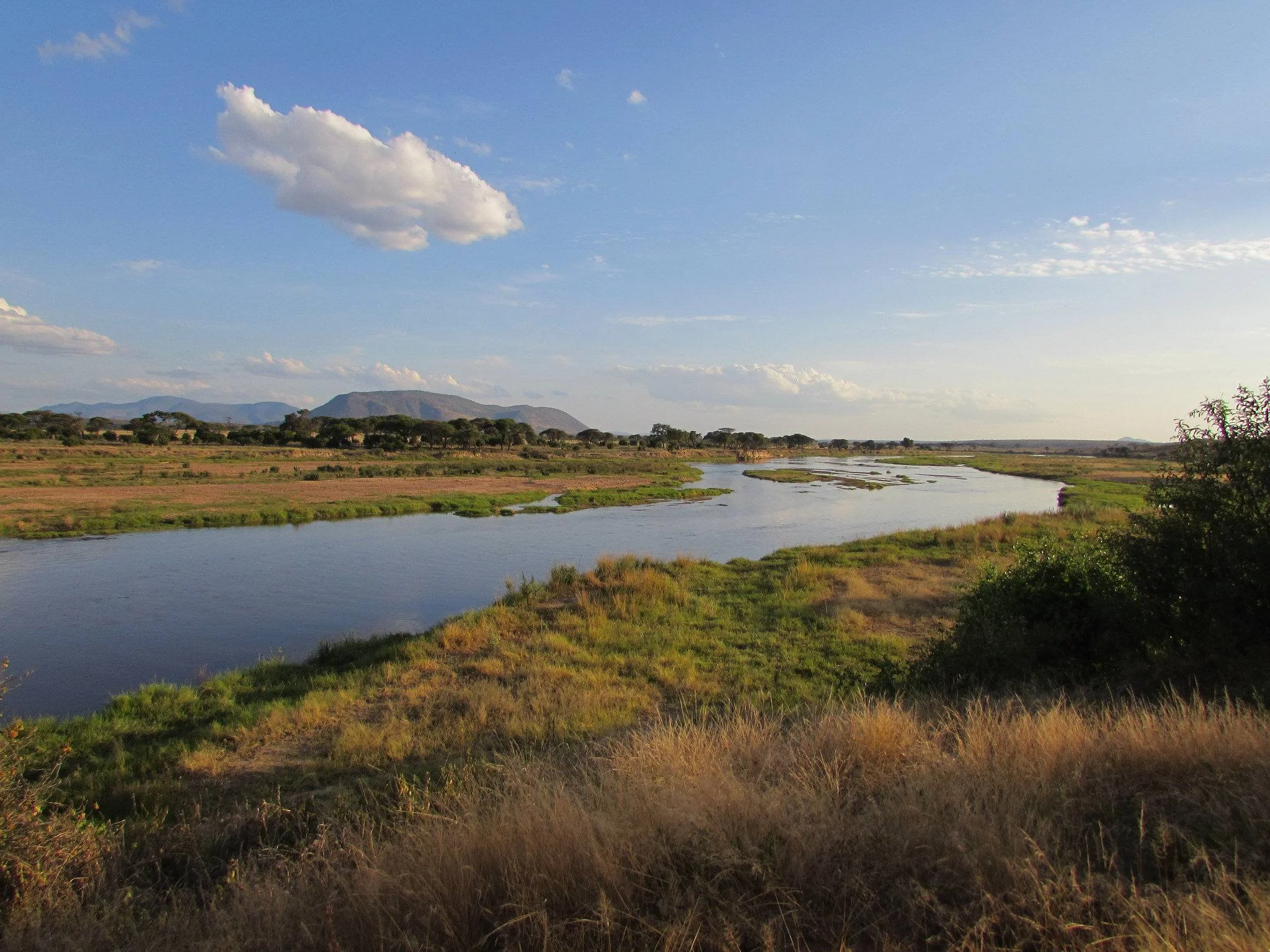
Ruaha National Park is one of Tanzania's most impressive wilderness destinations and one of the defining parks of the Southern Safari Circuit. Covering approximately 20,226 square kilometres in south-central Tanzania, Ruaha is Tanzania's second-largest national park and protects an enormous landscape of baobab-studded savanna, miombo woodland, rocky kopjes, seasonal sand rivers and riverine habitats. The Great Ruaha River is the ecological heart of the park. Permanent pools, river channels and sand-river seeps become especially important during the dry season, drawing elephants, buffalo, antelopes, predators and prolific birdlife toward the river system. Ruaha is particularly famous for predators. Large lion prides are a defining feature of the park, while leopards, cheetahs, spotted hyenas and African wild dogs also occur across the wider landscape. The park is equally important for herbivores. Large elephant and buffalo gatherings are common in the dry season, while giraffes, zebras, impala, waterbuck and other plains animals share the landscape with some of Tanzania's more unusual antelope species. Greater kudu is one of Ruaha's signature animals, while sable, roan and lesser kudu add a strong southern African influence to the park's wildlife. This mix reflects Ruaha's position where eastern and southern African fauna overlap. Birdlife is exceptional. TANAPA records more than 570 species, supported by the park's diverse grasslands, woodland, riverine habitats, rocky areas and seasonal wetlands. Ruaha's scenery is equally memorable. Giant baobabs rise above golden plains, granite kopjes create natural viewpoints and the river system forms a lifeline through an otherwise dry wilderness. Because Ruaha is more remote than many northern safari parks, the overall experience can feel quieter and more expansive. Game drives often cover large areas, and wildlife encounters can take place with fewer vehicles nearby. In addition to game drives, Ruaha offers guided walking safaris in designated zones, birdwatching, photography and other authorized wilderness activities. With TanzaLux Safaris, Ruaha can be experienced as a private fly-in safari or as part of a longer Southern Tanzania journey combined with Mikumi, Udzungwa Mountains and Nyerere National Park.
March – May The wetter months bring green landscapes, fuller seasonal rivers and strong birding opportunities. Wildlife can disperse more widely because water becomes available across the park, while some roads may become muddy or difficult. This period is excellent for travelers interested in scenery, birdlife and fewer visitors.
November – February Early rains refresh Ruaha's landscapes, creating green scenery and productive birding. Migratory species may be present, while wildlife remains widespread across the park. Conditions can vary significantly depending on rainfall.
June – October The dry season is Ruaha's classic wildlife-viewing period. As water becomes scarce, elephants, buffalo, antelopes and predators increasingly concentrate around the Great Ruaha River, permanent pools and sand-river seeps. Road conditions are also generally more favorable.
Ruaha National Park is located west of Iringa in south-central Tanzania. By road, TANAPA currently estimates approximately two to three and a half hours from Iringa via Tungamalenga during favorable conditions. A 4x4 vehicle is recommended, particularly during the rains. By air, scheduled and charter flights operate to Msembe and Jongomero airstrips, with onward transfers arranged by safari operators or lodges. Fly-in travel is often the most efficient option for travelers combining Ruaha with other distant safari destinations. For a private TanzaLux itinerary, Ruaha can be linked with Mikumi, Udzungwa Mountains, Nyerere National Park or other Southern Tanzania destinations.
Ruaha National Park is located in south-central Tanzania, west of Iringa.
TANAPA currently lists Ruaha at approximately 20,226 square kilometres.
Ruaha is famous for the Great Ruaha River, large lion prides, elephants, buffalo, African wild dogs, greater kudu, rare antelopes, baobab landscapes and exceptional birdlife.
Ruaha is especially rewarding for travelers seeking a remote, wildlife-rich safari with fewer vehicles and strong predator viewing.
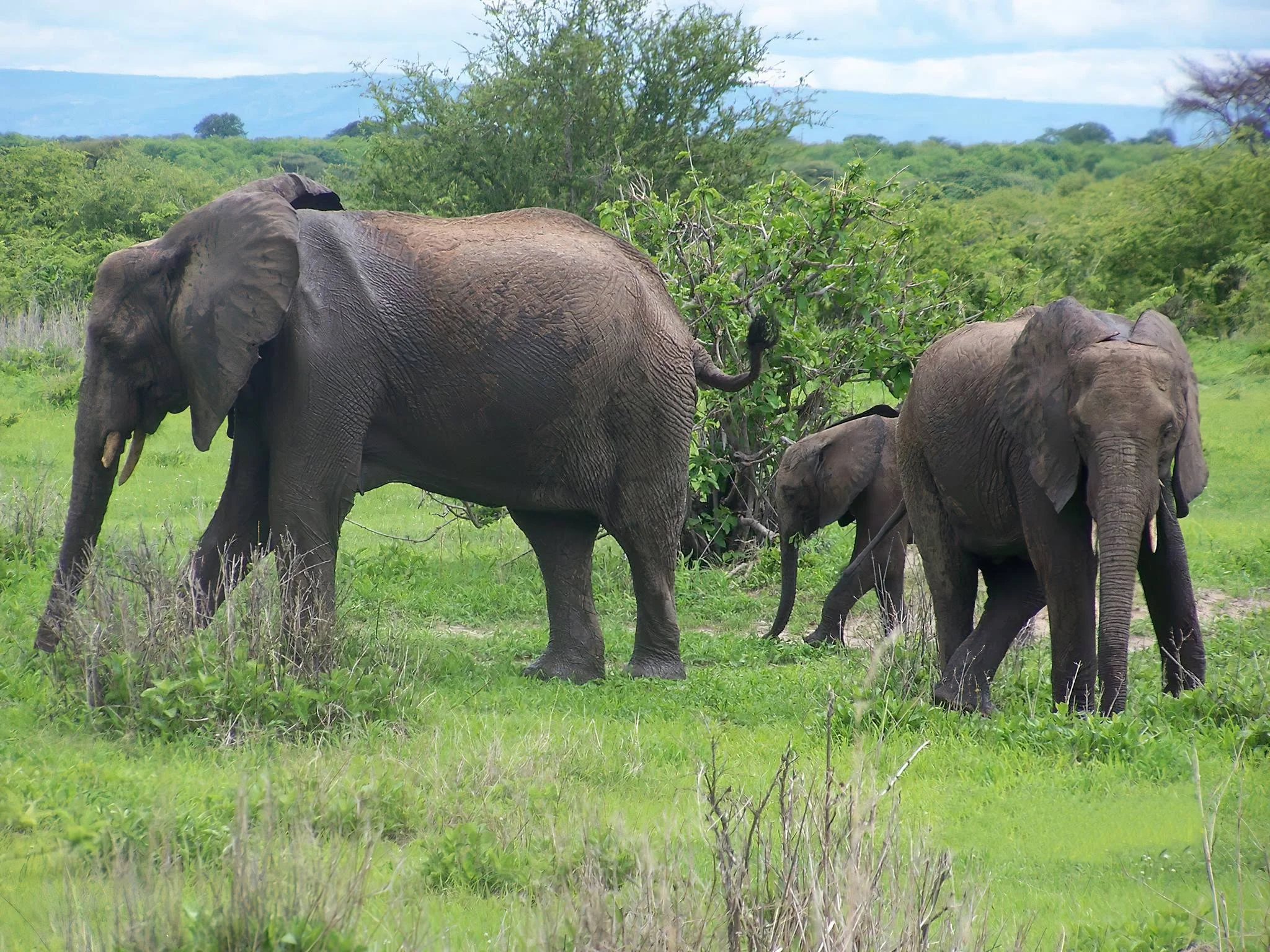
Yes. Elephants are a major feature of Ruaha, particularly when herds concentrate near rivers and springs during the dry season.
Yes. Elephants are a major feature of Ruaha, particularly when herds concentrate near rivers and springs during the dry season.
Yes. African wild dogs occur in Ruaha, although they range widely and sightings cannot be guaranteed.
Both leopard and cheetah occur in Ruaha. Leopards favor woodland and riverine habitat, while cheetahs are more associated with open country.
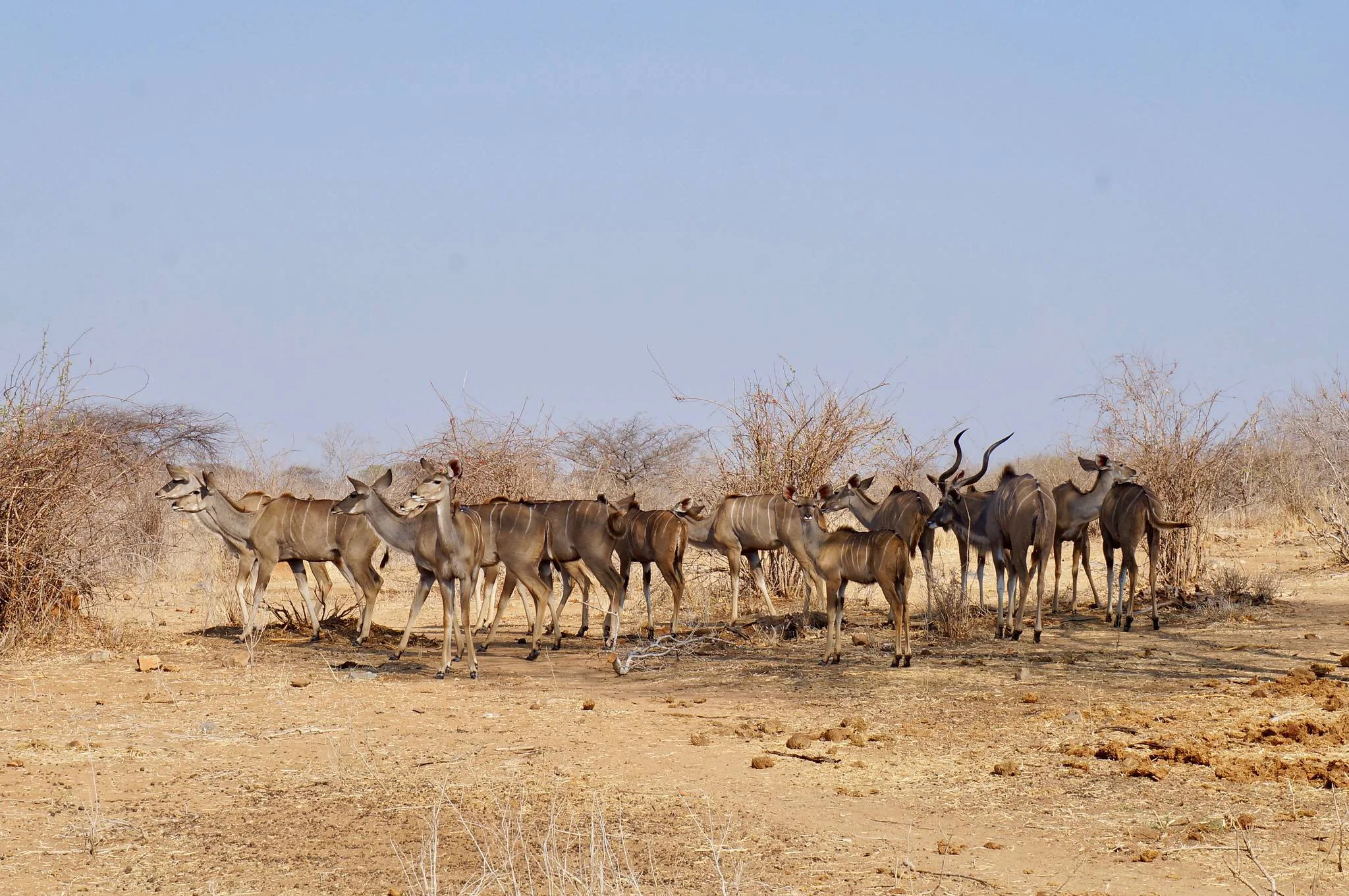
Ruaha is particularly known for greater kudu and also supports sable, roan and lesser kudu.
Yes. TANAPA records more than 570 bird species in Ruaha.
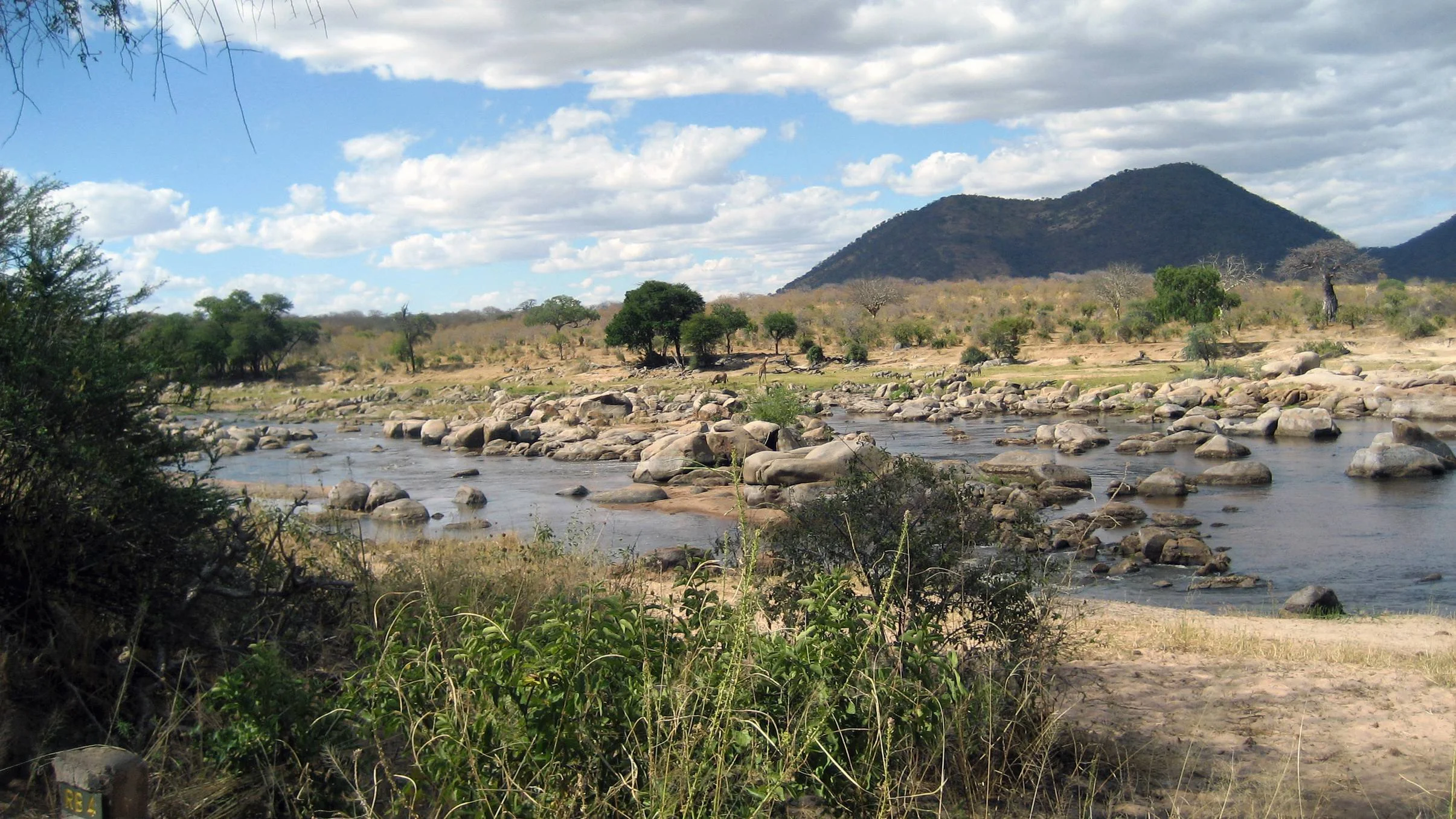
The Great Ruaha River is the park's main ecological lifeline and becomes especially important for wildlife during the dry season.
Yes. Guided walking safaris are available in designated areas and must be arranged with authorized operators or rangers.
June to October is generally strongest for concentrated wildlife around remaining water sources, while the wetter months offer greener landscapes and excellent birding.
Yes. Scheduled and charter flights use airstrips including Msembe and Jongomero.
TANAPA estimates roughly two to three and a half hours by road from Iringa in favorable conditions, with 4x4 travel recommended.
Three nights is a useful minimum, while four or more nights allows a deeper exploration of this very large park.
Ruaha is generally known for a more remote, lower-traffic safari atmosphere than many of Tanzania's busiest parks.
Yes. Ruaha and Mikumi combine well in a Southern Tanzania safari itinerary.
Yes. Ruaha and Nyerere can be linked by road and/or air as part of a longer Southern Circuit journey.
TanzaLux Safaris can create a private Ruaha itinerary focused on predators, elephants, photography, birding and wilderness, with optional combinations including Mikumi, Udzungwa and Nyerere.
Grateful experience
As a solo female traveler, I felt super safe and well taken care of the entire time.
Read morePrivate Safari 6 days
I can only highly recommend the young company Tanzalux for organizing a private safari.
Read moreAn unforgettable vegetarian journey with Tanzalux Safaris
I highly recommend Tanzalux for anyone wanting a special, personalized safari.
Read moreOur 3-day camping safari with Tanzalux was simply fantastic! Everything was perfectly organized.
Read moreBack in April, I joined a day trip to Tarangire National Park with Tanzalux Safaris, and it was truly one of the best experiences I have ever had…
Read moreI've had an amazing experience with Tanzalux Safaris, would 1000% recommend! Thank you for making my trip so special🫶
Read moreI recently visited Meru Waterfalls in Arusha and got to do some of the activities there, honestly it was such a great experience and I really enjoyed it.
Read moreOur guide Dullah Mr Rastaman had the best vibe. I would like to recommend other people not to miss it, Tarangire is the best national park.
Read moreOur tour guide Nasri was very friendly and welcoming from the first day we met him. He knows Tarangire very well and explained many things during the safari.
Read moreAs a grandmother in the group, I would like to share my happiness with Tanzalux Safaris. Me, my daughters, and my grandson went on a short trip to Tarangire National Park…
Read moreReceive a free, no obligation quote

 Western Circuit
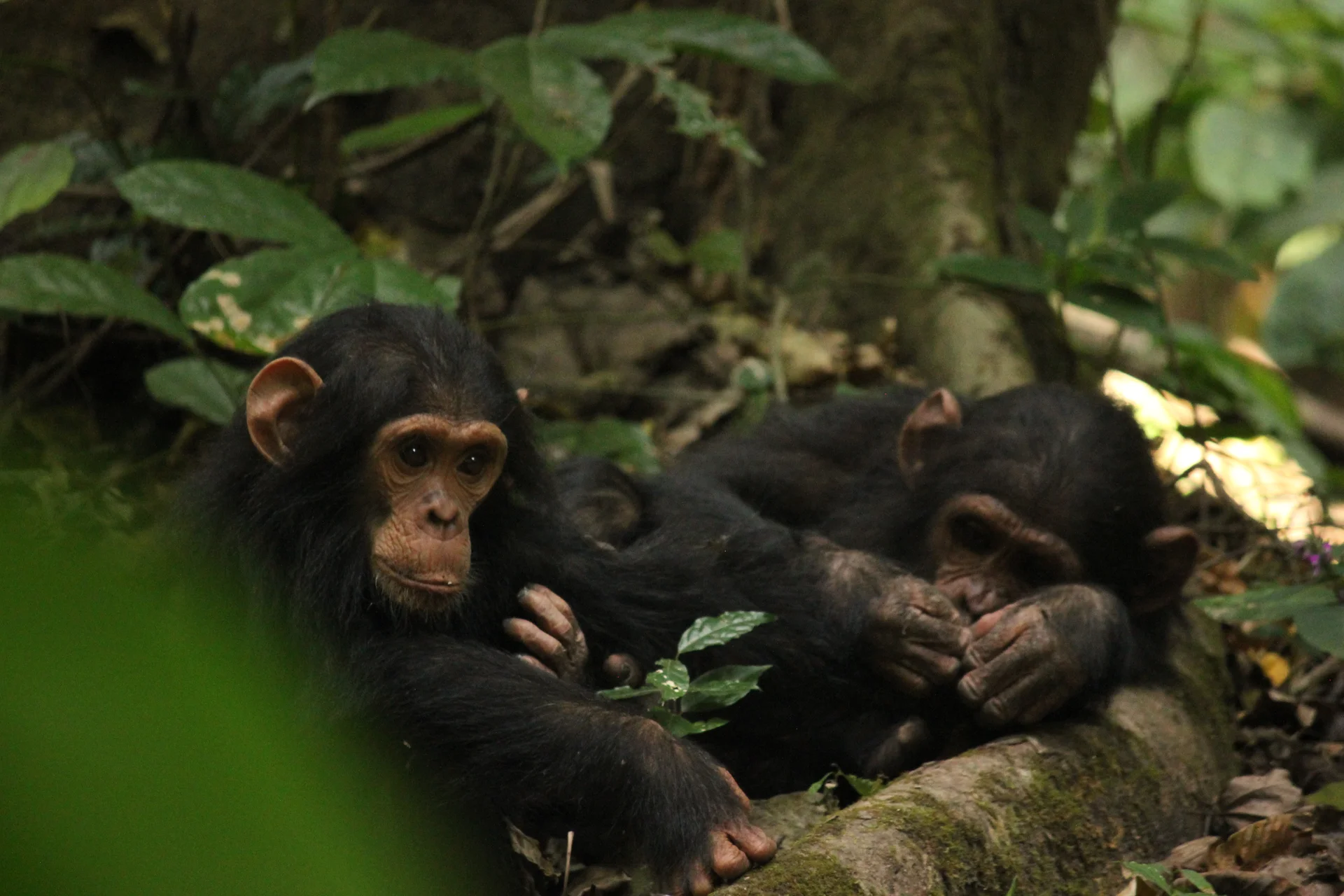
Gombe Stream National Park, also known as Gombe National Park, combines wild chimpanzee trekking with forested hills and the shores of Lake Tanganyika. In Kigoma…
Wildlife
Chimpanzees & Olive baboons
Landscape
National Parks & Safari
Highlights
Wild chimpanzee trekking with park rangers
 Southern Circuit
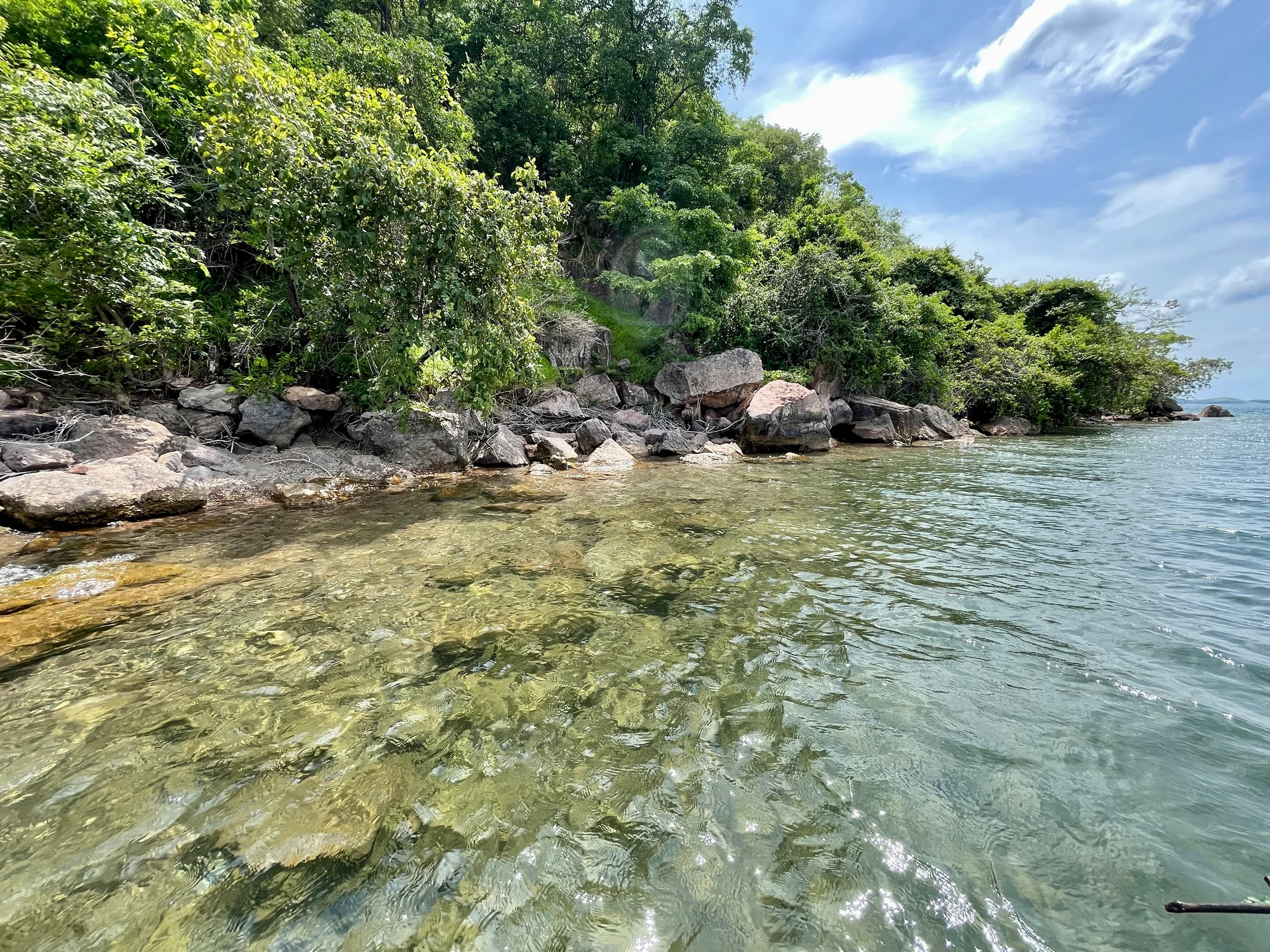
Lake Tanganyika offers a striking freshwater setting along Tanzania’s western frontier: broad blue horizons, wooded shores, bays, beaches and communities whose daily life is closely…
Wildlife
Endemic cichlid fish & Other freshwater fish
Landscape
Lakes & Hot Springs
Highlights
Africa’s deepest freshwater lake in the East African Rift
 Northern Circuit
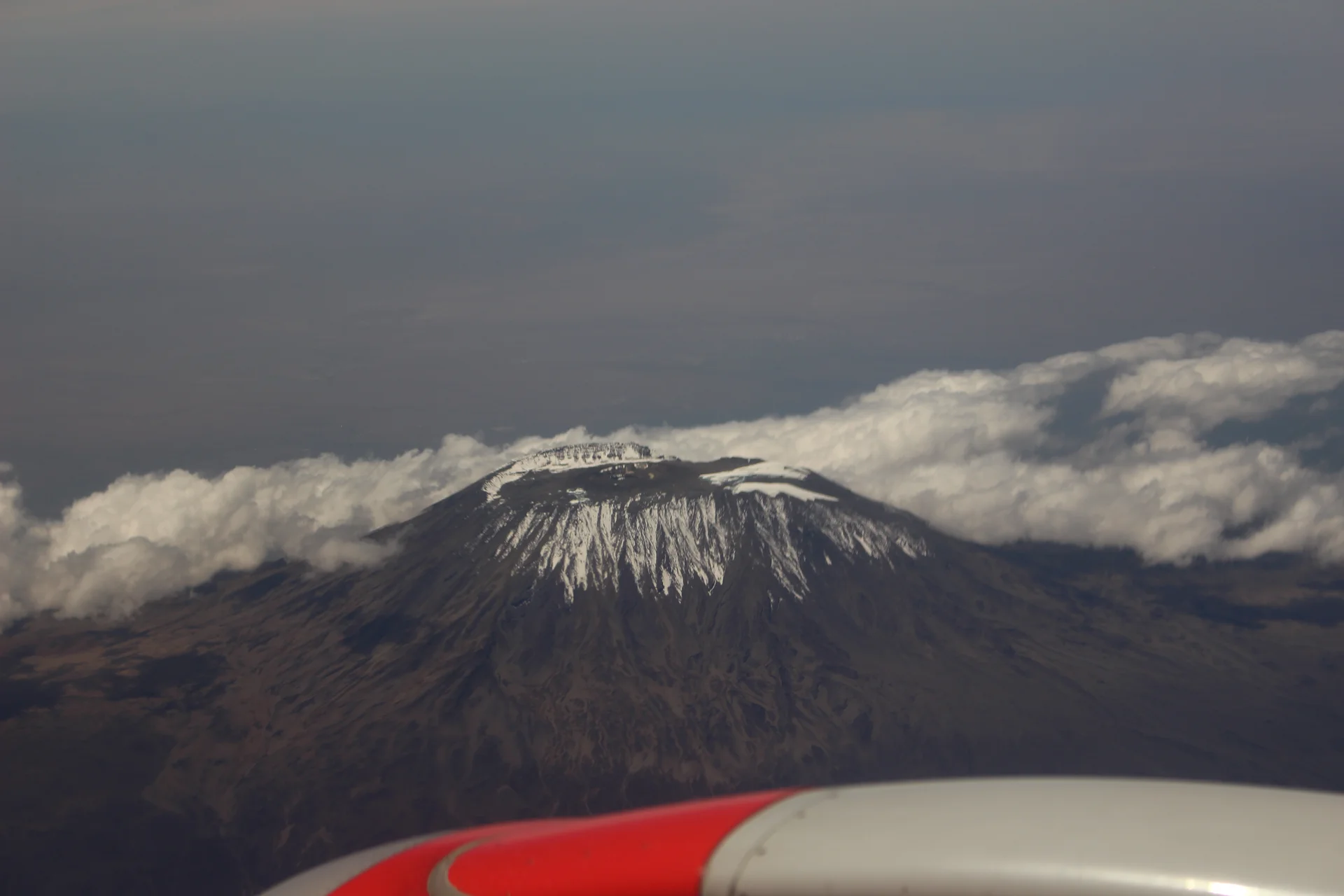
Kilimanjaro rises above northern Tanzania’s plains to Uhuru Peak at 5,895 metres, the highest point in Africa. Its volcanic massif, dramatic changes in vegetation and…
Wildlife
Black-and-white colobus monkeys in forest habitats & Blue monkeys in forest habitats
Landscape
Mountains & Trekking
Highlights
Uhuru Peak at 5,895 metres — Africa’s highest point
 Western Circuit
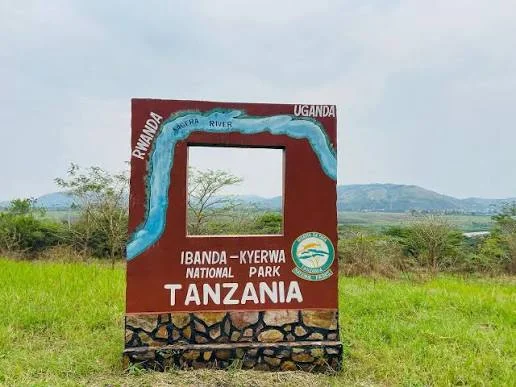
Ibanda-Kyerwa National Park protects a scenic corner of northwestern Tanzania, where the Kagera River meets a landscape of savanna, wooded slopes, valleys and wetlands. Situated…
Wildlife
Buffalo & Roan antelope
Landscape
National Parks & Safari
Highlights
Kagera River scenery on Tanzania’s northwestern border
 Zanzibar & Islands
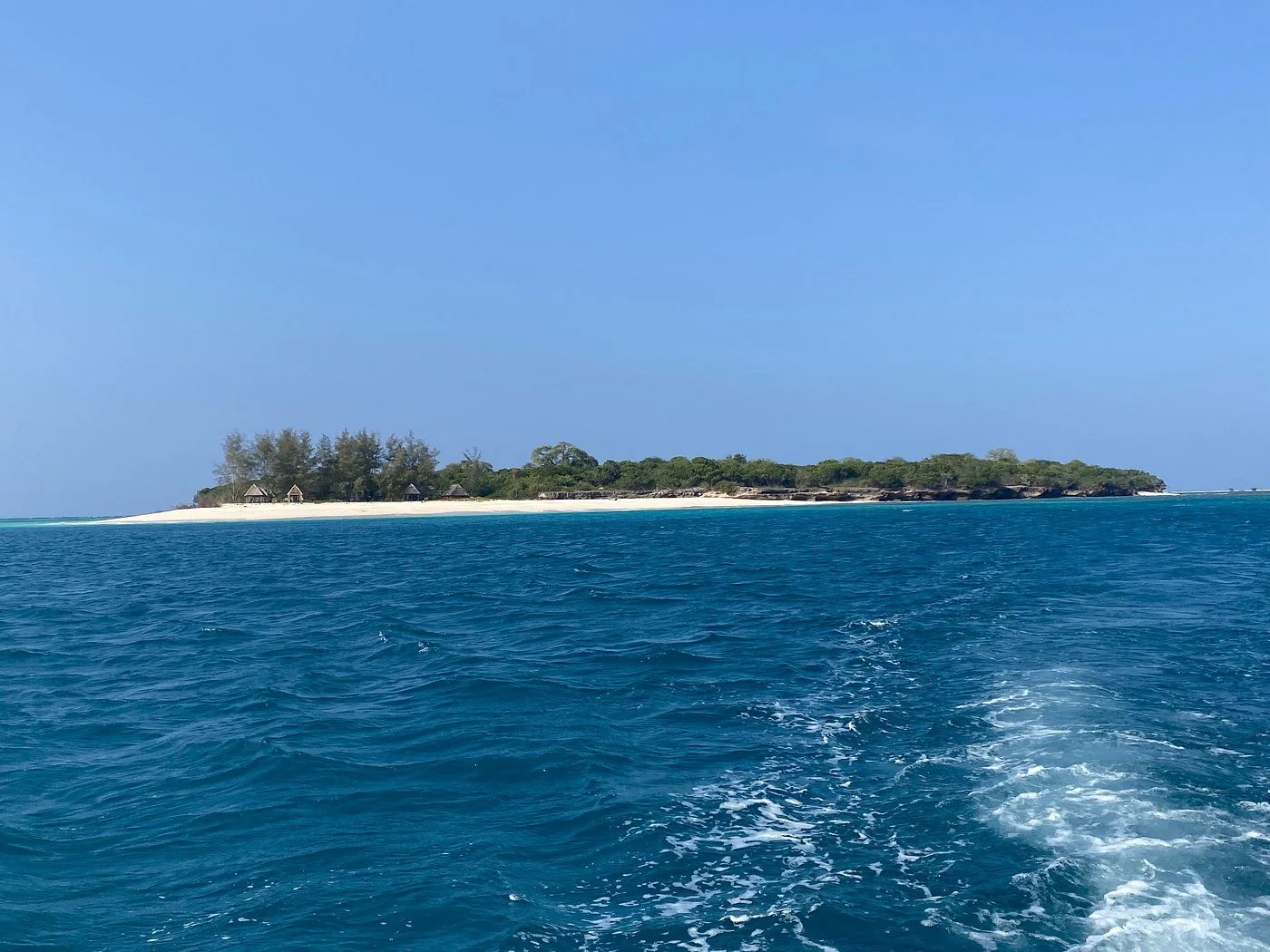
Sinda Island Marine Reserve offers an Indian Ocean escape off Kigamboni, on the southern side of Dar es Salaam. The reserve encompasses Inner and Outer…
Wildlife
Reef fish & Coastal birds
Landscape
Beaches & Islands
Highlights
Inner and Outer Sinda islands
 Northern Circuit
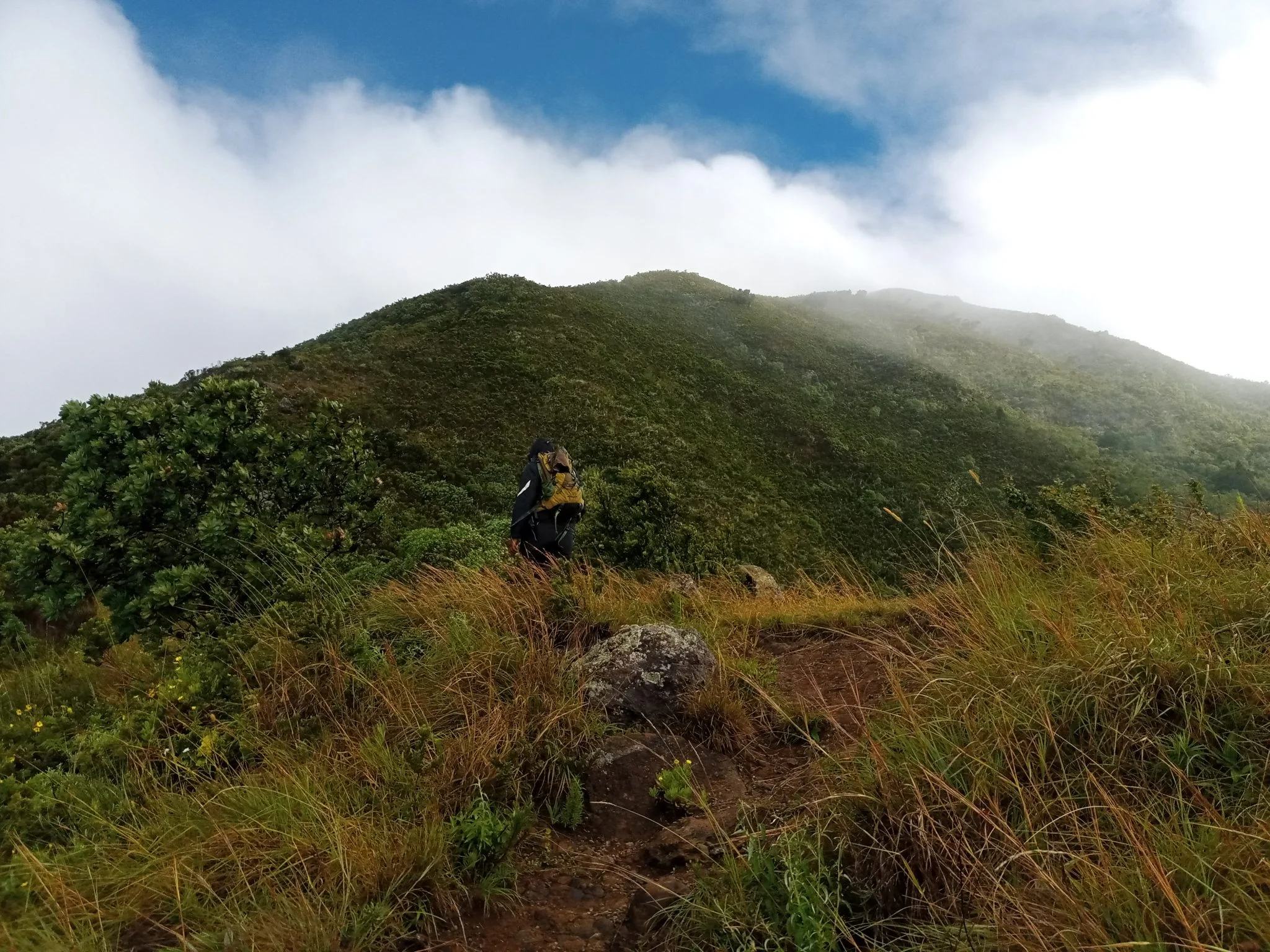
Discover Mount Hanang Rising above Katesh in Tanzania’s Manyara Region, Mount Hanang offers a rewarding mountain adventure beyond the familiar northern safari circuit. At approximately…
Wildlife
Klipspringer & Vervet monkeys
Landscape
Mountains & Trekking
Highlights
Approximately 3,423 metres — Tanzania’s fourth-highest mountain