 5.0 Excellent

Dorine M1 year ago

Grateful experience
As a solo female traveler, I felt super safe and well taken care of the entire time.
Read more
Zanzibar & Islands
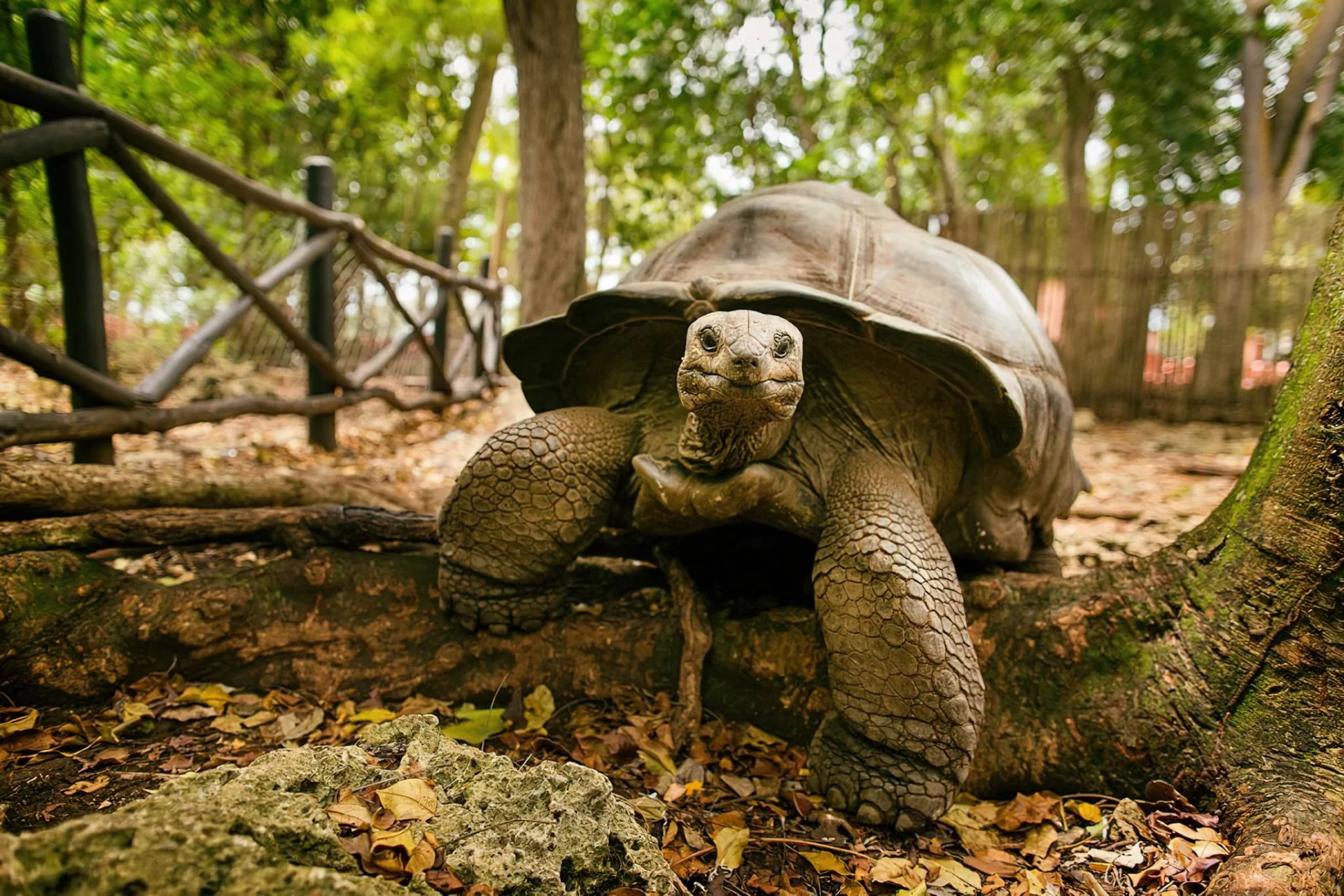
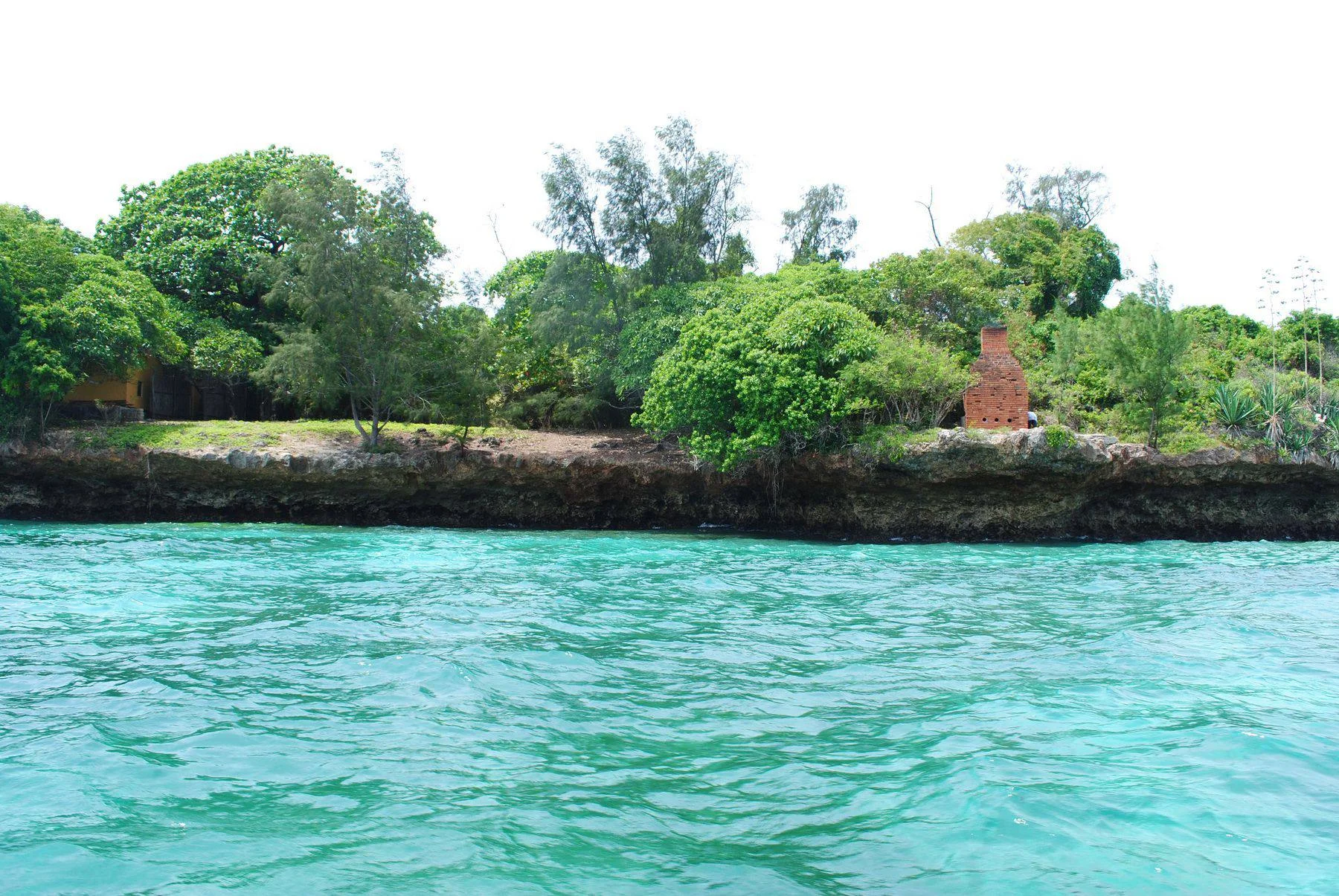
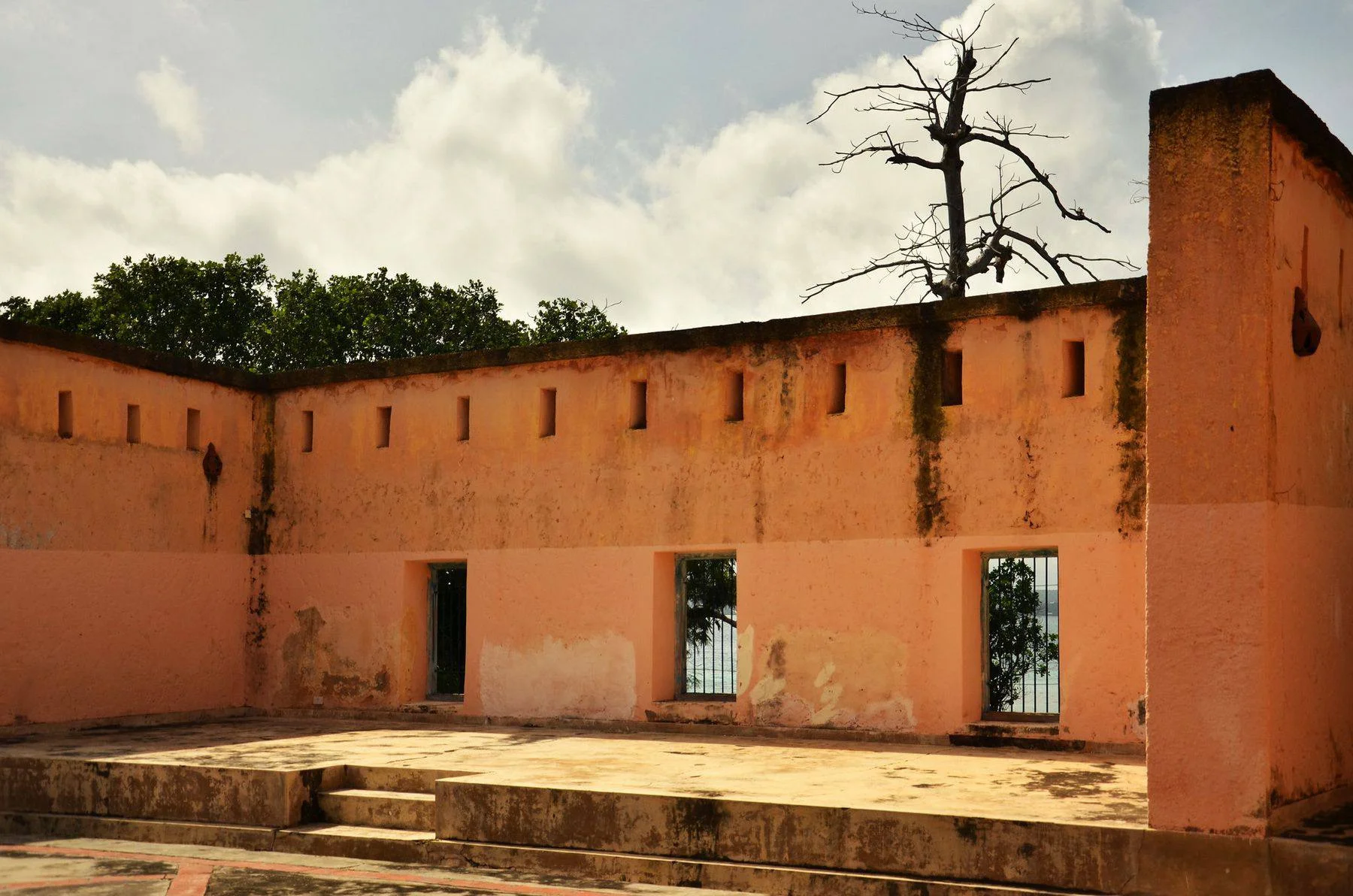
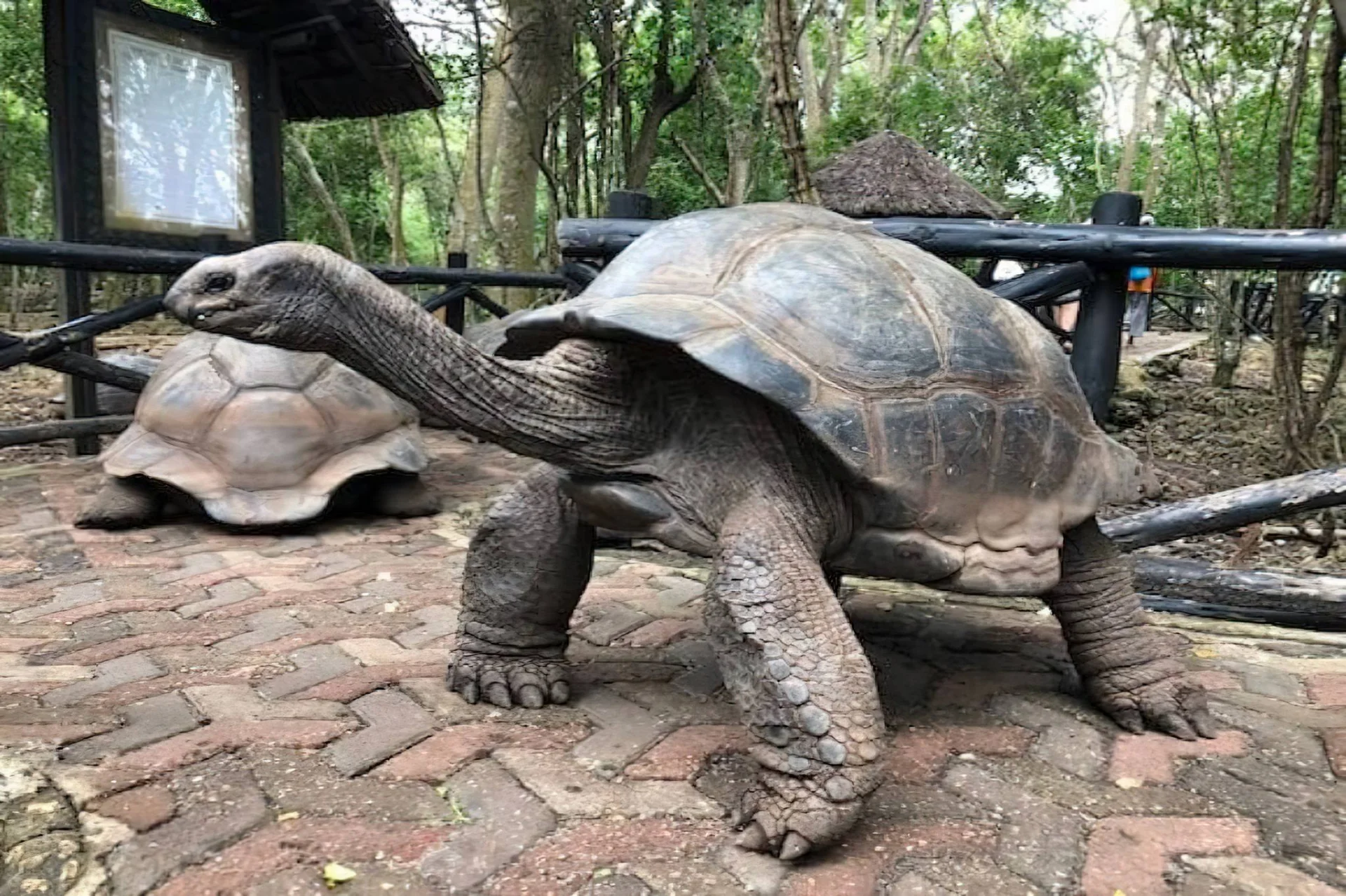
Prison Island, also called Changuu Island, brings together Zanzibar’s coastal history, giant tortoises and the clear waters of the Indian Ocean. Set just offshore from Stone Town on the western side of Unguja, it offers a rewarding change of pace from the town’s narrow streets and busy markets. A short boat journey leads to an island where visitors can explore historic buildings, observe the tortoise sanctuary and enjoy views back towards Zanzibar’s coastline. The name often surprises first-time visitors. The prison complex built during the colonial period is best understood alongside the island’s later role as a quarantine station. A guided walk helps explain how maritime travel, public health and Zanzibar’s wider history shaped the site. The island also has connections to the era of slavery, a subject that deserves respectful interpretation. Combining Changuu with a Stone Town heritage walk provides a fuller picture of that history rather than treating the buildings simply as a photographic backdrop. The giant tortoise sanctuary is the main wildlife attraction. These are land tortoises, distinct from the sea turtles found around parts of Zanzibar. The colony includes impressively large, long-lived animals, and time spent observing their slow movements is often the most memorable part of the visit. Follow the keepers’ instructions, give each animal space and supervise children closely. Never climb on, lift or chase a tortoise. Feeding should take place only when authorised by the sanctuary team, using food they approve. Beyond the sanctuary, allow time for an unhurried island walk, coastal photographs and a beach stop if the conditions are suitable. Swimming and optional snorkelling can add another dimension to the excursion, but water activities depend on tides, currents, wind and visibility. Coral and fish sightings vary with the location and the day. Guests can enjoy the historical visit and tortoise sanctuary without entering the water, making the outing flexible for couples, families and mixed-interest groups. Plan approximately three to four hours for a relaxed visit departing from Stone Town, with additional time for hotel transfers. Boats commonly take around twenty to thirty minutes each way, though the crossing is affected by the vessel and sea conditions. Travellers staying on the north or east coast should allow for the road journey to Stone Town as well. Morning departures can leave more flexibility for the rest of the day; an early start may also help avoid the busiest visiting periods, although a quiet island cannot be guaranteed. June to October is a popular period because of Zanzibar’s generally drier weather. January and February are also appealing for warm coastal holidays. Wetter months can still offer worthwhile visits when the sea is suitable, but plans should remain flexible. Sunshine alone does not determine whether a boat trip should operate, and the skipper’s assessment takes priority over an itinerary. Bring drinking water, sun protection, comfortable walking footwear, swimwear if needed and a waterproof pouch for valuables. Confirm the current entrance charge, boat arrangements, guiding, hotel transfers, equipment and any meals before booking. A Prison Island visit can be paired with Stone Town or the separate Nakupenda sandbank, with the order adjusted to conditions. Each combination needs its own timing and inclusions agreed in advance. TanzaLux can help shape the day around your interests, hotel location and preferred pace, from a simple island outing to a fuller Zanzibar excursion.
March to May is generally Zanzibar’s main rainy period. Showers can be heavy, and a boat excursion may need to be rescheduled if wind or sea conditions deteriorate. The heritage walk and tortoise sanctuary remain the principal reasons to visit when access is possible. Carry a light rain layer, protect cameras and allow flexibility in your holiday plans. Fewer travellers may visit during this period, but neither quiet conditions nor lower prices should be assumed.
November commonly brings shorter rains, while December can be a transitional period with a mix of sunshine and showers. Visits can work well with a flexible departure time and a current marine-weather check. Holiday dates in late December may be busy despite variable weather. Snorkelling visibility and beach access depend on conditions on the day; plan the sanctuary and history walk as the core experience, with water activities as an optional addition.
June to October is a popular dry-season window for island excursions. January and February also attract visitors for warm, often drier beach holidays. Expect greater demand around holiday periods and allow time to arrange transport from your hotel. Start early when practical, carry water and sun protection, and agree the return time before boarding. Seasonal averages do not guarantee calm seas, clear snorkelling or an uncrowded sanctuary.
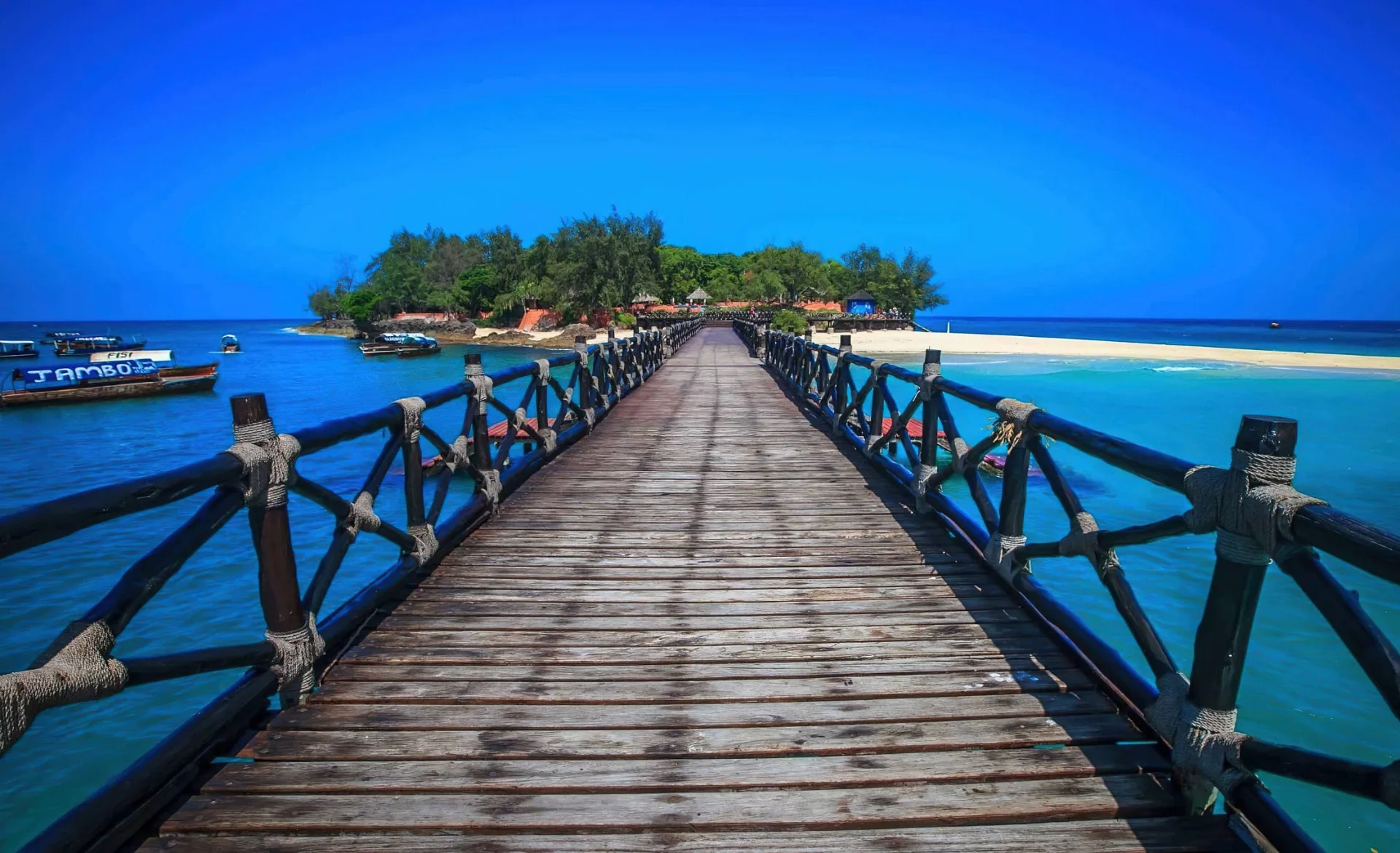
Prison Island is reached by boat from the Stone Town waterfront on Unguja, Zanzibar’s main island. Meet your guide at the agreed departure point rather than assuming every boat uses the same landing place. The crossing commonly takes around 20–30 minutes each way, depending on the boat, wind and sea conditions. Confirm the return arrangements before leaving shore. Guests staying in Stone Town can usually reach the departure area on foot or with a short transfer, depending on their hotel and luggage. Zanzibar’s Abeid Amani Karume International Airport serves Unguja; airport arrivals require a road transfer to Stone Town before the boat journey. Guests staying in Nungwi, Kendwa, Paje, Jambiani, Matemwe or other coastal resorts should add the hotel-to-Stone Town drive to the day’s schedule. Road times vary by location and traffic, so ask for a pickup time based on your actual hotel. Arrange an appropriate boat and check that usable life jackets are available, including children’s sizes where needed. Tell the team about mobility limitations or assistance requirements before booking, as boarding, landing, steps and uneven surfaces can be challenging. Access conditions change with the tide; the trip should never be described as universally wheelchair accessible without checking the specific arrangement. Allow roughly 3–4 hours from Stone Town for a relaxed island outing, and longer for road transfers or a combined excursion. Hotel pickup, sanctuary or island entrance charges, guiding, snorkelling equipment, meals and the boat fare should be clearly itemised in your booking. A Nakupenda combination visits a separate tidal sandbank and needs additional time and tide planning. Follow the skipper’s safety decision if the crossing must be delayed, changed or cancelled.
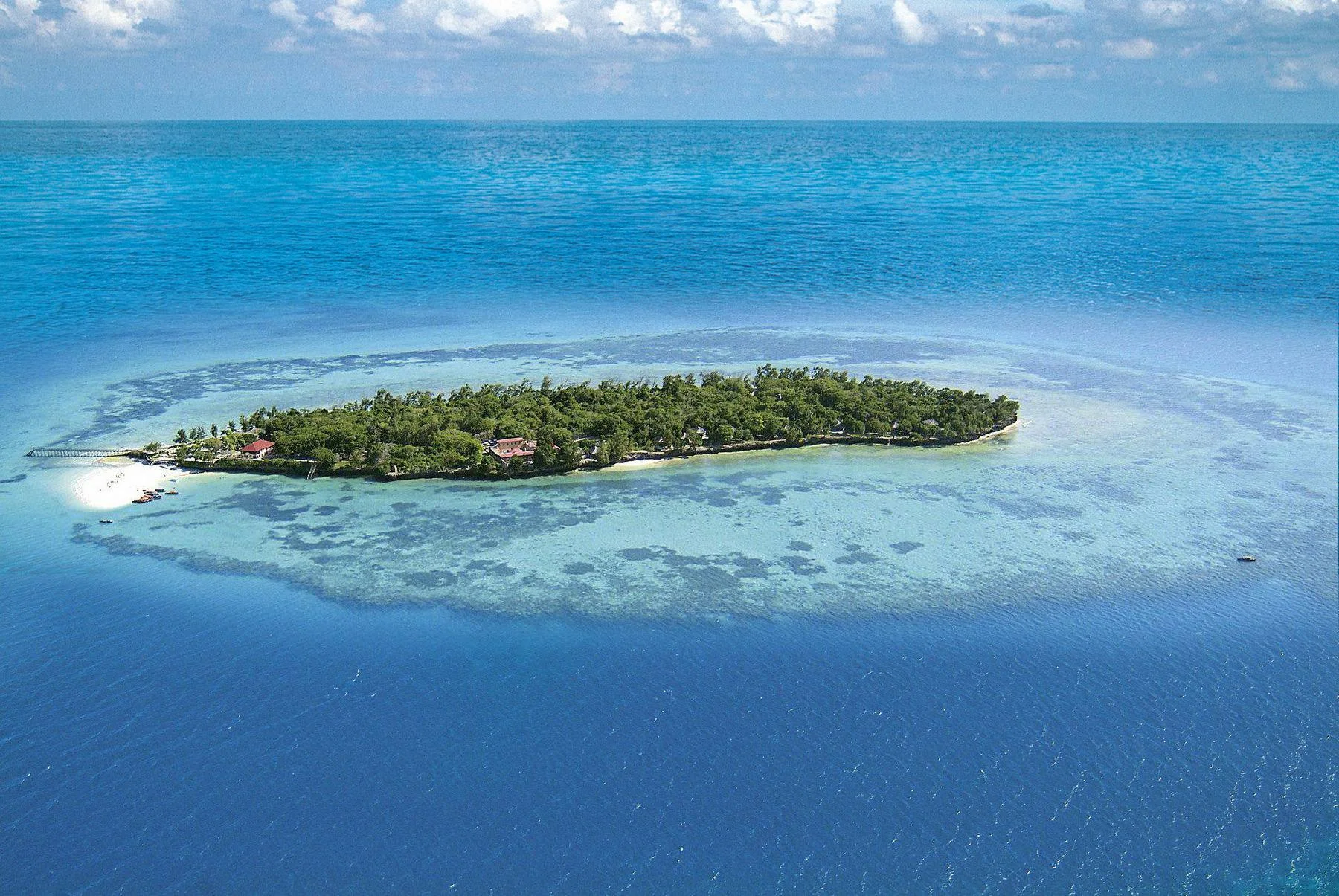
Prison Island is Changuu Island, a small island reached by boat from Stone Town. Its main visitor experiences are the giant tortoise sanctuary, historic buildings, coastal views and optional water activities when conditions permit.
Yes. Changuu is the island’s local name, while Prison Island is the name commonly used for the visitor excursion. Your booking should clearly identify Changuu so it is not confused with another island trip.
It lies offshore from Stone Town on the western side of Unguja, Zanzibar’s main island. Visitors normally reach it on a short boat crossing from the Stone Town waterfront.
The name comes from the prison complex built there during the colonial period. That complex later served as a quarantine station rather than operating as the intended prison. A guide can explain the site’s wider connections to Zanzibar’s history, including the era of slavery.
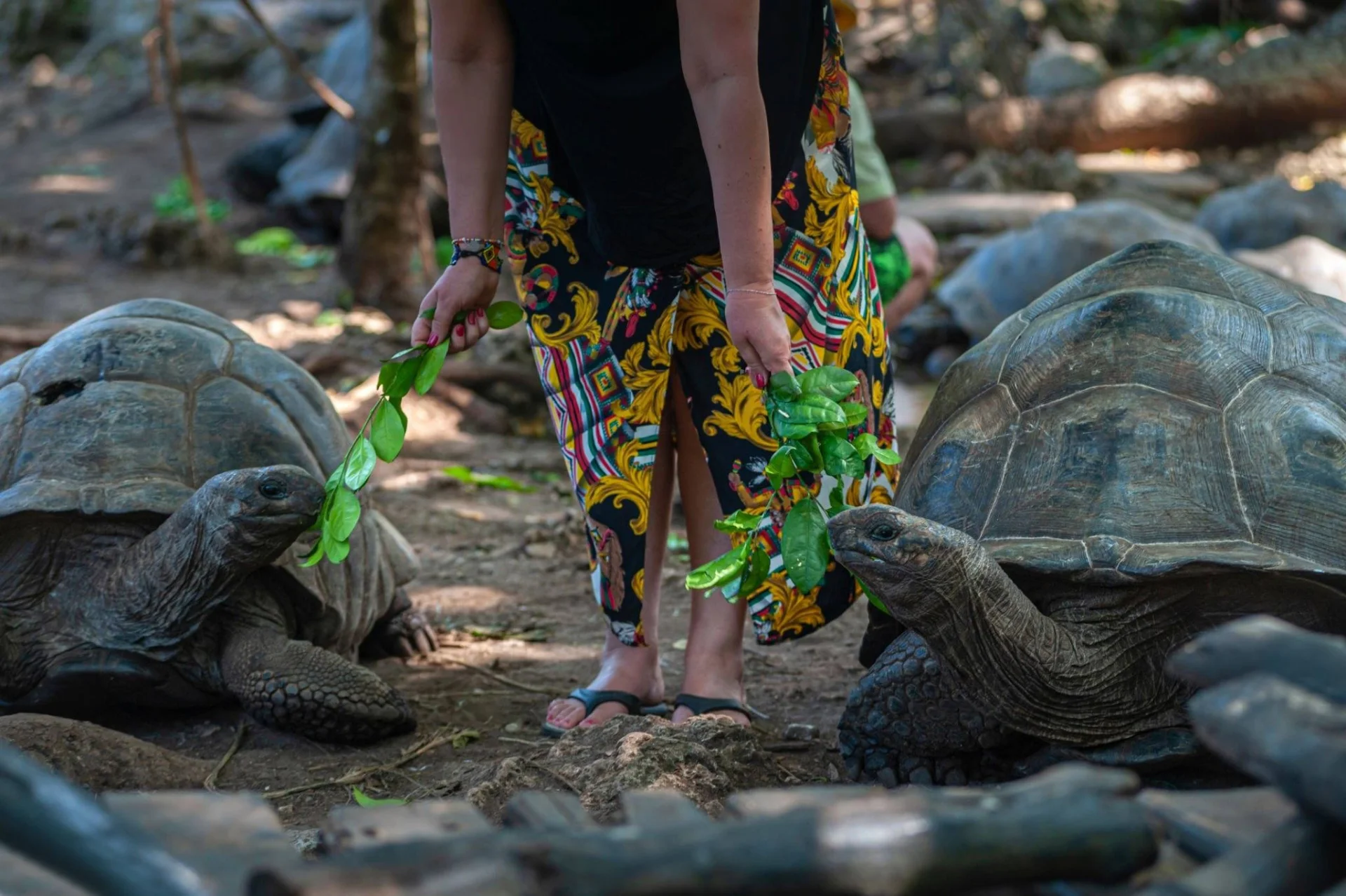
The sanctuary keeps giant Aldabra tortoises. They are terrestrial tortoises, not sea turtles. Observe them with the sanctuary team and follow the current rules for approaching or photographing the animals.
Giant tortoises are exceptionally long-lived, and the island is known for animals described as more than a century old. Ask the keepers about individual animals; do not assume that every tortoise is the same age or that every displayed age has been independently verified.
Only do so if the keepers specifically allow it and explain the correct approach. Use approved food and never bring snacks for the animals. Do not climb on, lift, chase or crowd a tortoise, and supervise children throughout the visit.
Take an arranged boat from the agreed Stone Town departure point. TanzaLux can help coordinate your island visit with a hotel transfer where required. Confirm the meeting point, return journey, life jackets and all inclusions before departure.
The crossing commonly takes around 20–30 minutes each way. This is an estimate, not a fixed timetable: the boat, wind, waves and landing conditions can change the journey time.
A relaxed excursion from Stone Town often takes approximately 3–4 hours including both boat rides. Add hotel transfers and extra time for swimming, snorkelling or a combination with Stone Town or Nakupenda.
June to October is a popular, generally drier period, while January and February are also attractive for warm Zanzibar holidays. Trips can operate in other months when conditions allow. Check the marine forecast and follow the skipper’s decision on the day.
A morning visit can provide more flexibility for a later Stone Town walk or hotel transfer and may avoid some busy periods. Afternoon visits can also work. The suitable time depends on the tides, marine conditions, boat arrangements and your wider itinerary.
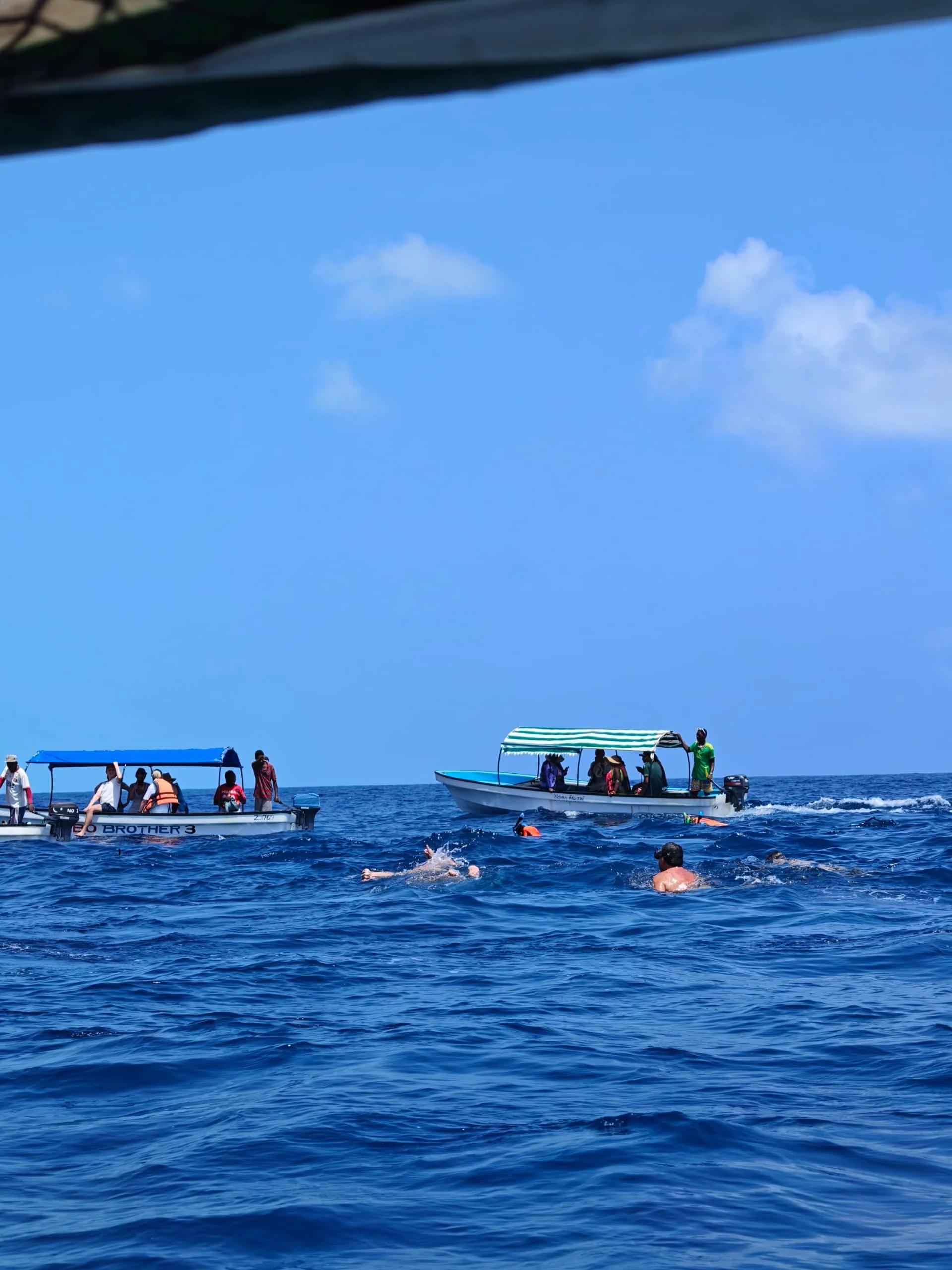
Swimming may be possible when the tide, current and local conditions are suitable. Ask your guide where it is permitted and safe that day, avoid boat channels and supervise children. Water activities are optional and should not be promised in poor conditions.
No. Snorkelling depends on the booked itinerary, equipment and sea conditions. Confirm whether gear, a guided water session and any additional boat positioning are included. Visibility and marine-life sightings are variable.
Families can enjoy the tortoises and history walk, provided children are closely supervised around animals, the shoreline and boat landings. Request correctly fitting children’s life jackets in advance, plan shade and water breaks, and discuss the crossing with the team if a child is uncomfortable on boats.
Discuss the exact boarding and landing arrangements before booking. Boats, tide-dependent access, steps and uneven surfaces may require assistance or make a visit unsuitable for some travellers. Accessibility should be confirmed for the individual guest rather than assumed.
Bring drinking water, a hat, sunscreen, comfortable footwear and a waterproof pouch for your phone or camera. Add swimwear, a towel and a change of clothes if you plan to enter the water. Carry the payment method agreed for any charges excluded from your booking.
The total depends on the group size, boat arrangement, hotel transfer, guide, current entrance charges and optional activities or meals. Ask TanzaLux for an itemised quote for your dates. Avoid relying on an old online entrance fee or assuming every advertised price includes the same services.
Yes, subject to time and conditions. Nakupenda is a separate tidal sandbank, so its visit needs additional boat time and tide planning. A Stone Town heritage walk is another useful combination. Confirm the route, meals, entrance charges and return time for the full day.
An overnight stay is not required for the usual excursion. Most visitors go from Stone Town and return the same day. If you want any accommodation or hospitality service on the island, ask for current availability and arrangements rather than assuming it forms part of a standard day trip.
Grateful experience
As a solo female traveler, I felt super safe and well taken care of the entire time.
Read morePrivate Safari 6 days
I can only highly recommend the young company Tanzalux for organizing a private safari.
Read moreAn unforgettable vegetarian journey with Tanzalux Safaris
I highly recommend Tanzalux for anyone wanting a special, personalized safari.
Read moreOur 3-day camping safari with Tanzalux was simply fantastic! Everything was perfectly organized.
Read moreBack in April, I joined a day trip to Tarangire National Park with Tanzalux Safaris, and it was truly one of the best experiences I have ever had…
Read moreI've had an amazing experience with Tanzalux Safaris, would 1000% recommend! Thank you for making my trip so special🫶
Read moreI recently visited Meru Waterfalls in Arusha and got to do some of the activities there, honestly it was such a great experience and I really enjoyed it.
Read moreOur guide Dullah Mr Rastaman had the best vibe. I would like to recommend other people not to miss it, Tarangire is the best national park.
Read moreOur tour guide Nasri was very friendly and welcoming from the first day we met him. He knows Tarangire very well and explained many things during the safari.
Read moreAs a grandmother in the group, I would like to share my happiness with Tanzalux Safaris. Me, my daughters, and my grandson went on a short trip to Tarangire National Park…
Read moreReceive a free, no obligation quote

 Western Circuit
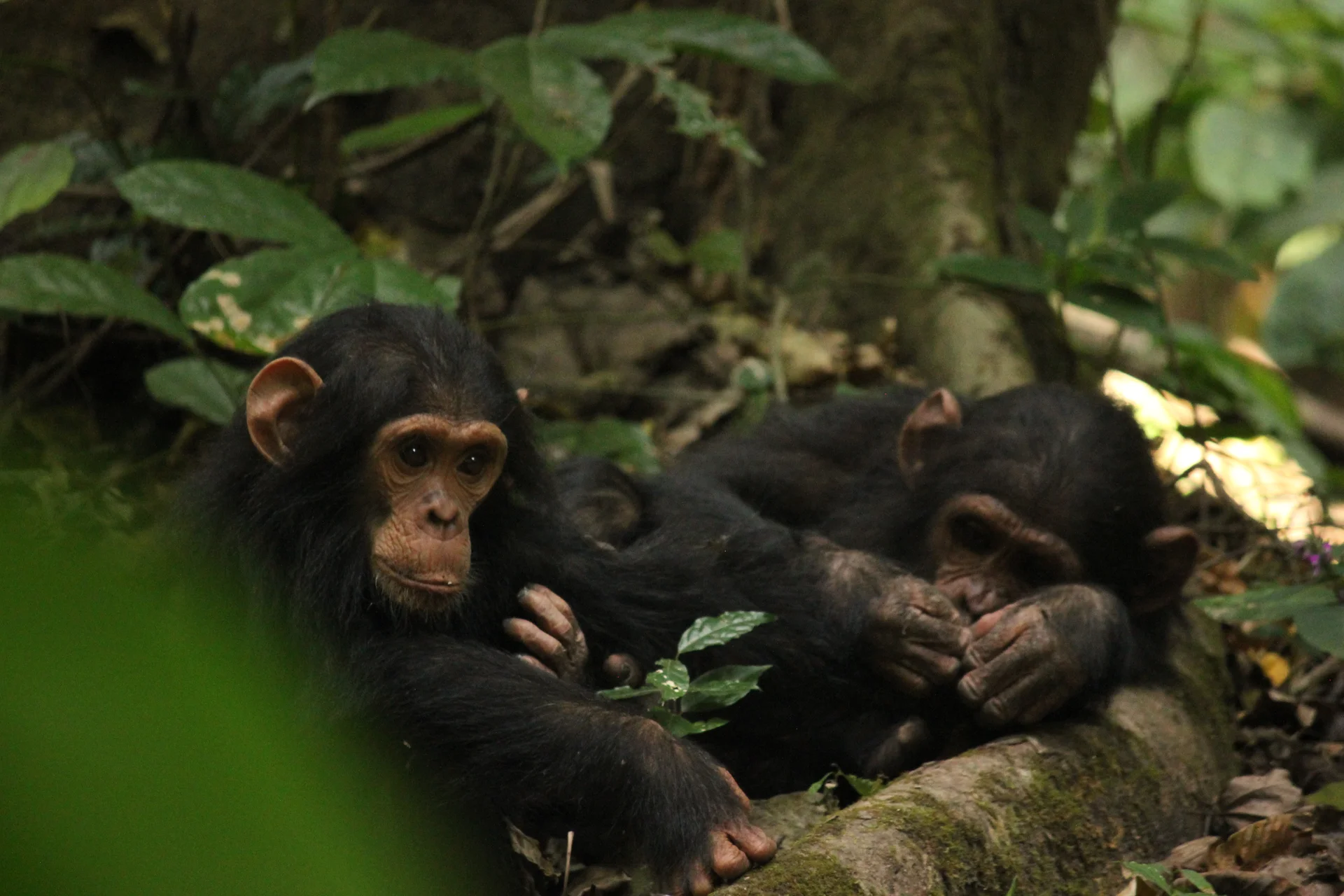
Gombe Stream National Park, also known as Gombe National Park, combines wild chimpanzee trekking with forested hills and the shores of Lake Tanganyika. In Kigoma…
Wildlife
Chimpanzees & Olive baboons
Landscape
National Parks & Safari
Highlights
Wild chimpanzee trekking with park rangers
 Southern Circuit
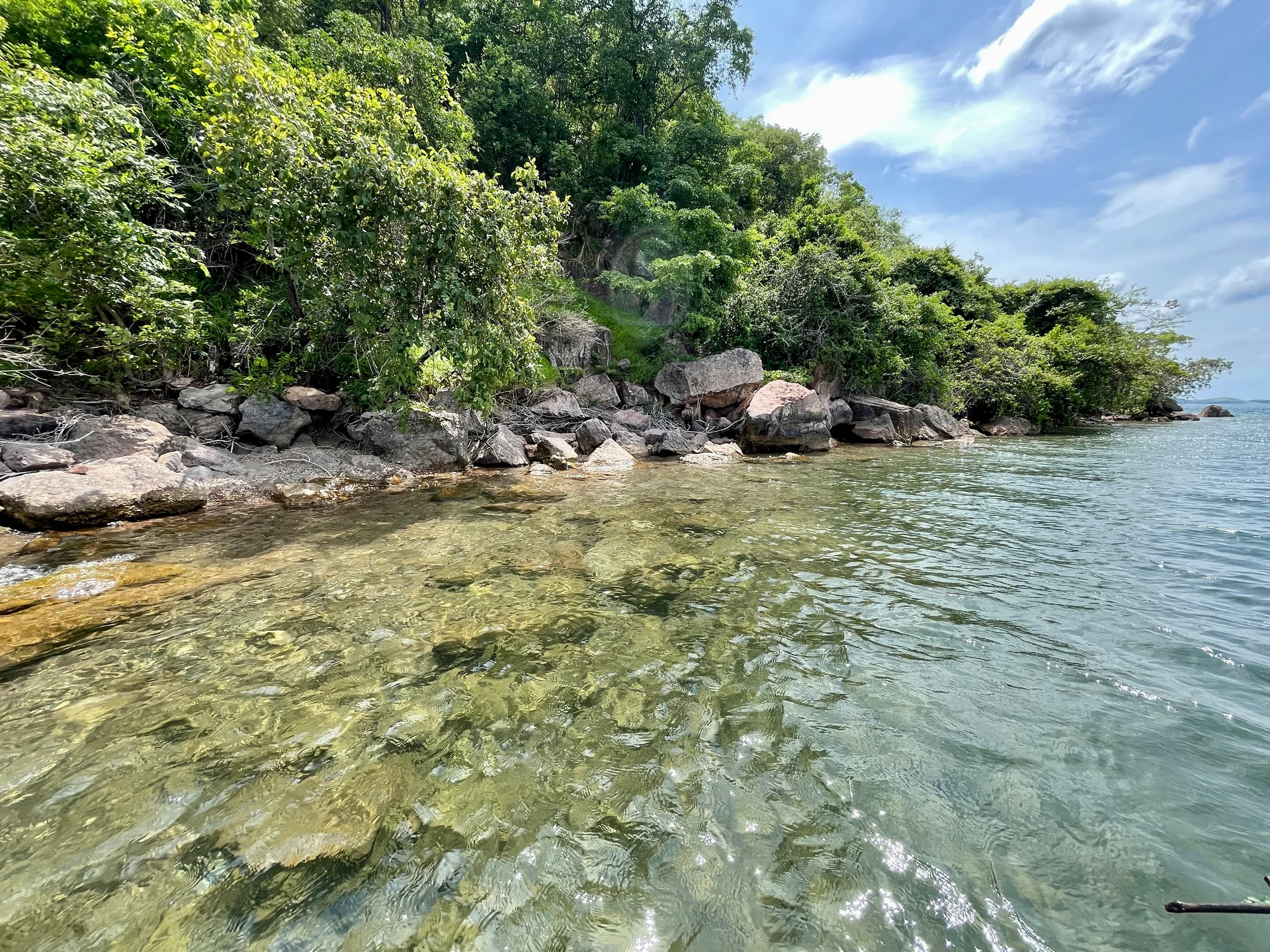
Lake Tanganyika offers a striking freshwater setting along Tanzania’s western frontier: broad blue horizons, wooded shores, bays, beaches and communities whose daily life is closely…
Wildlife
Endemic cichlid fish & Other freshwater fish
Landscape
Lakes & Hot Springs
Highlights
Africa’s deepest freshwater lake in the East African Rift
 Northern Circuit
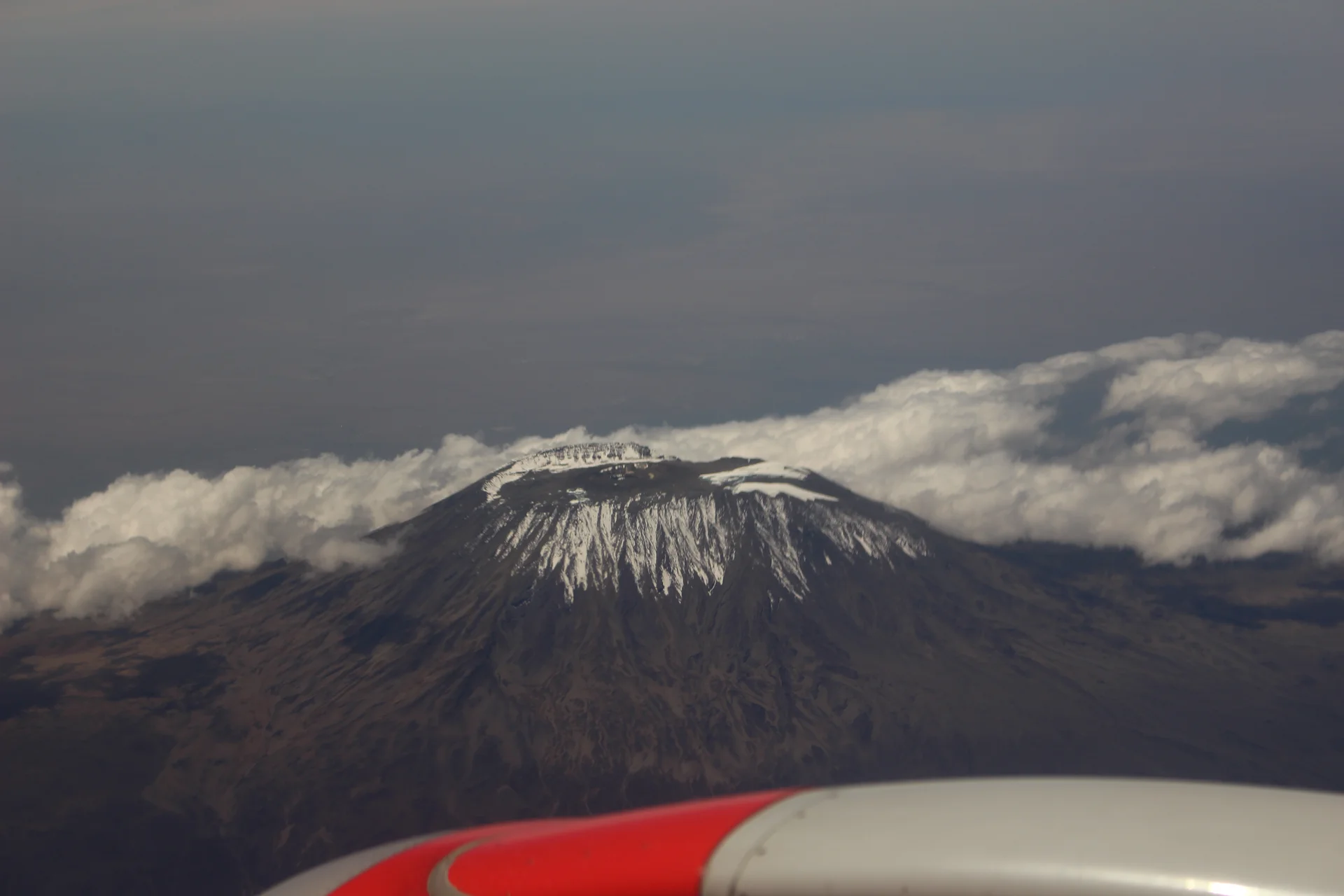
Kilimanjaro rises above northern Tanzania’s plains to Uhuru Peak at 5,895 metres, the highest point in Africa. Its volcanic massif, dramatic changes in vegetation and…
Wildlife
Black-and-white colobus monkeys in forest habitats & Blue monkeys in forest habitats
Landscape
Mountains & Trekking
Highlights
Uhuru Peak at 5,895 metres — Africa’s highest point
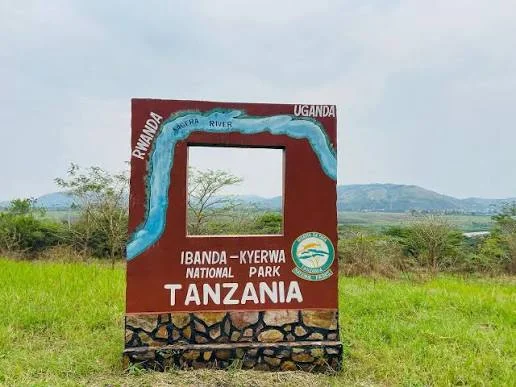 Western Circuit
Ibanda-Kyerwa National Park protects a scenic corner of northwestern Tanzania, where the Kagera River meets a landscape of savanna, wooded slopes, valleys and wetlands. Situated…
Wildlife
Buffalo & Roan antelope
Landscape
National Parks & Safari
Highlights
Kagera River scenery on Tanzania’s northwestern border
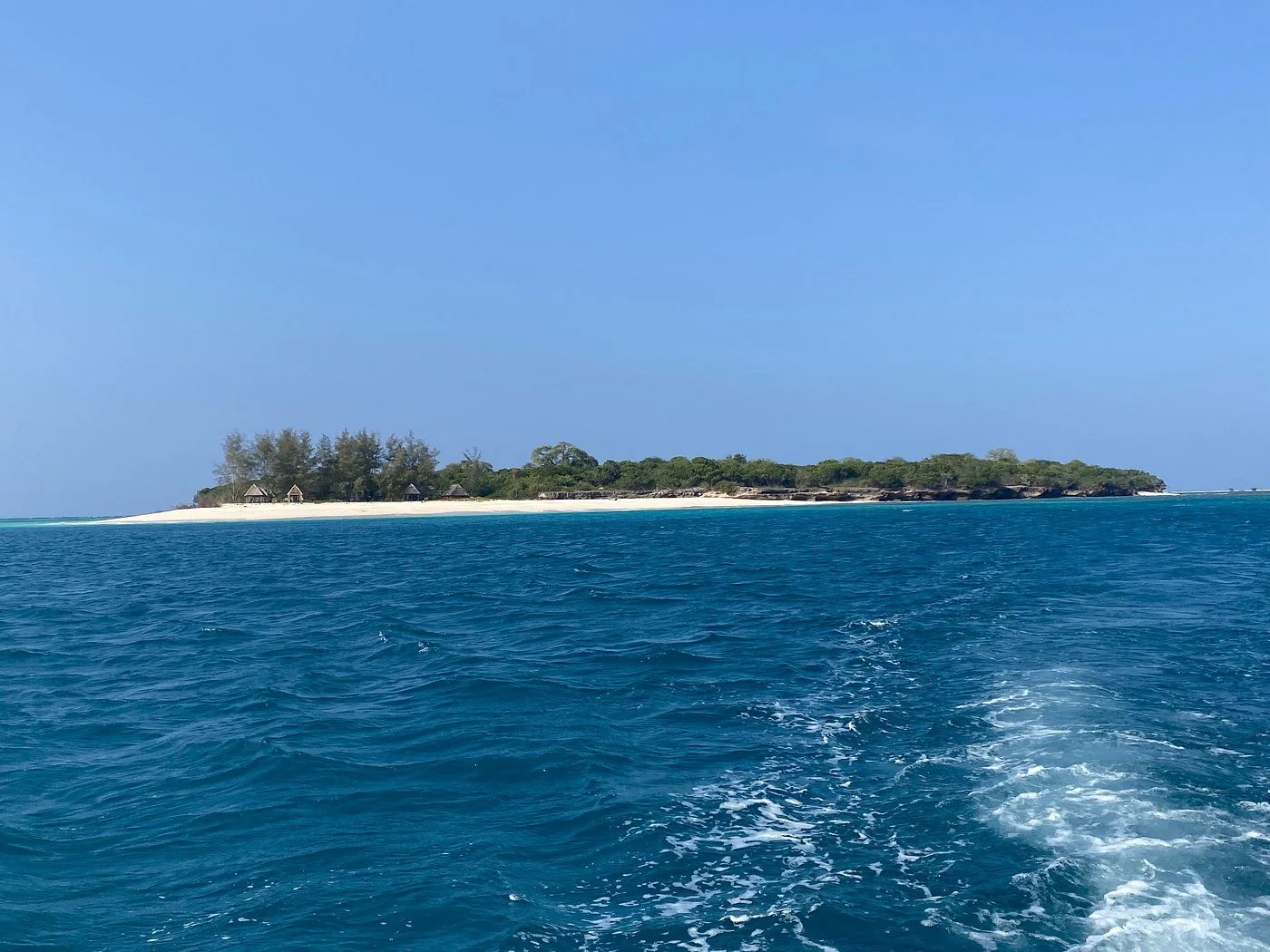 Zanzibar & Islands
Sinda Island Marine Reserve offers an Indian Ocean escape off Kigamboni, on the southern side of Dar es Salaam. The reserve encompasses Inner and Outer…
Wildlife
Reef fish & Coastal birds
Landscape
Beaches & Islands
Highlights
Inner and Outer Sinda islands
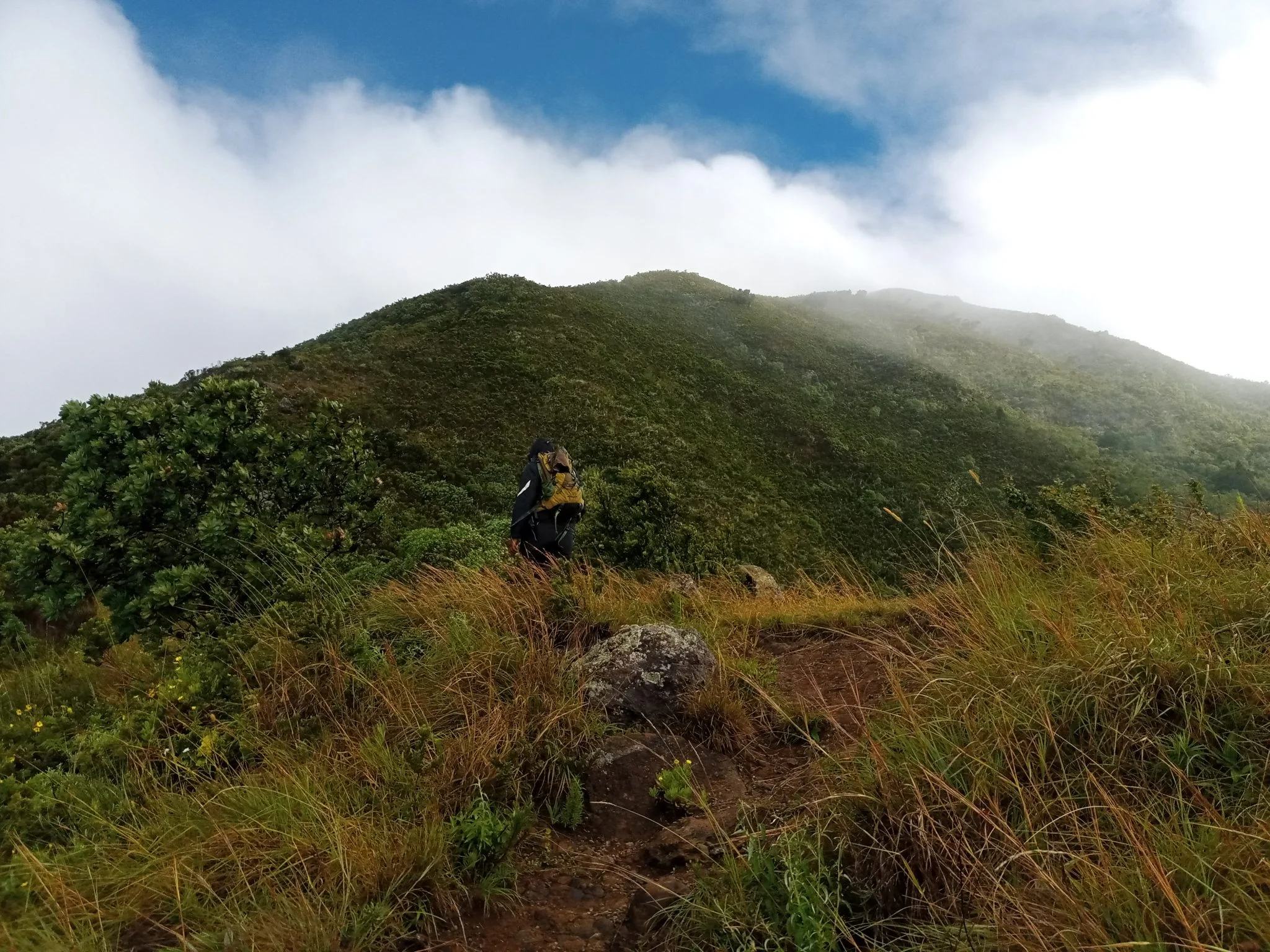 Northern Circuit
Discover Mount Hanang Rising above Katesh in Tanzania’s Manyara Region, Mount Hanang offers a rewarding mountain adventure beyond the familiar northern safari circuit. At approximately…
Wildlife
Klipspringer & Vervet monkeys
Landscape
Mountains & Trekking
Highlights
Approximately 3,423 metres — Tanzania’s fourth-highest mountain