 5.0 Excellent

Dorine M1 year ago

Grateful experience
As a solo female traveler, I felt super safe and well taken care of the entire time.
Read more
Zanzibar & Islands

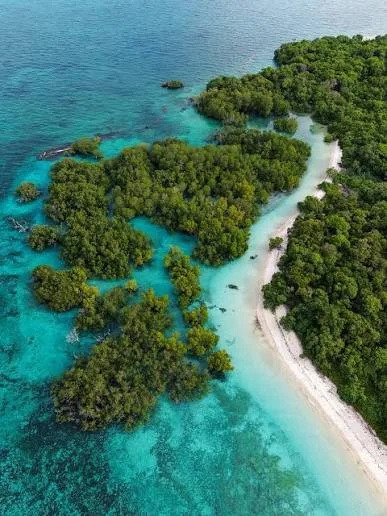
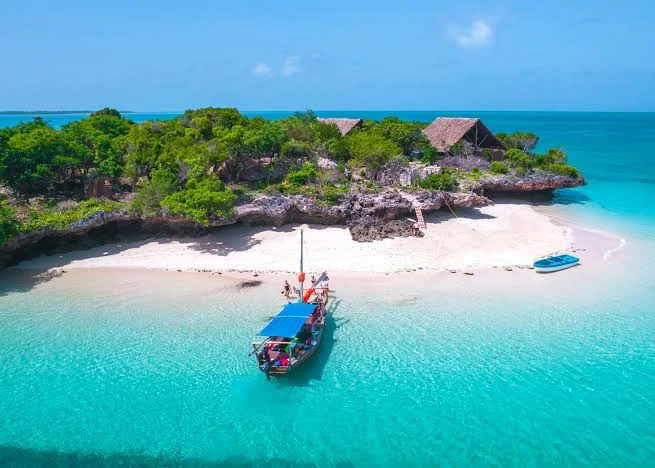
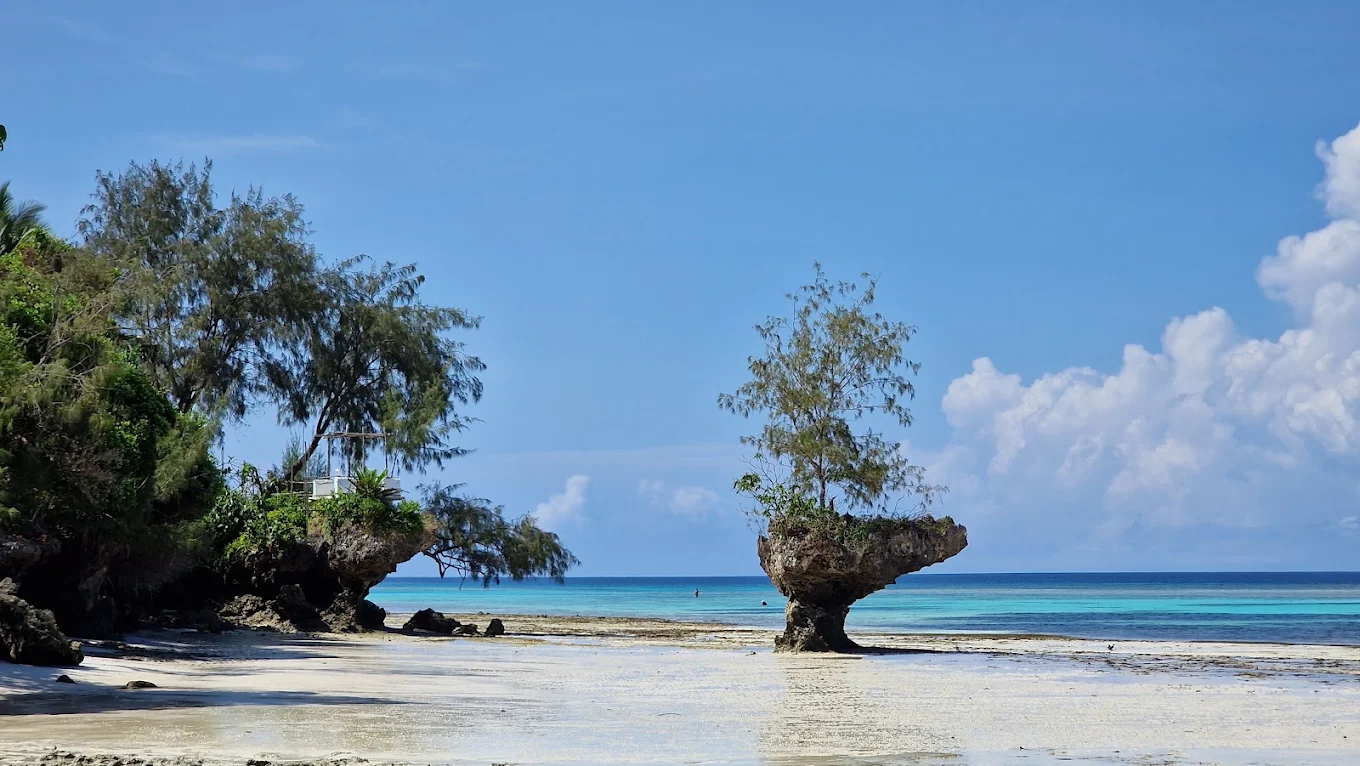
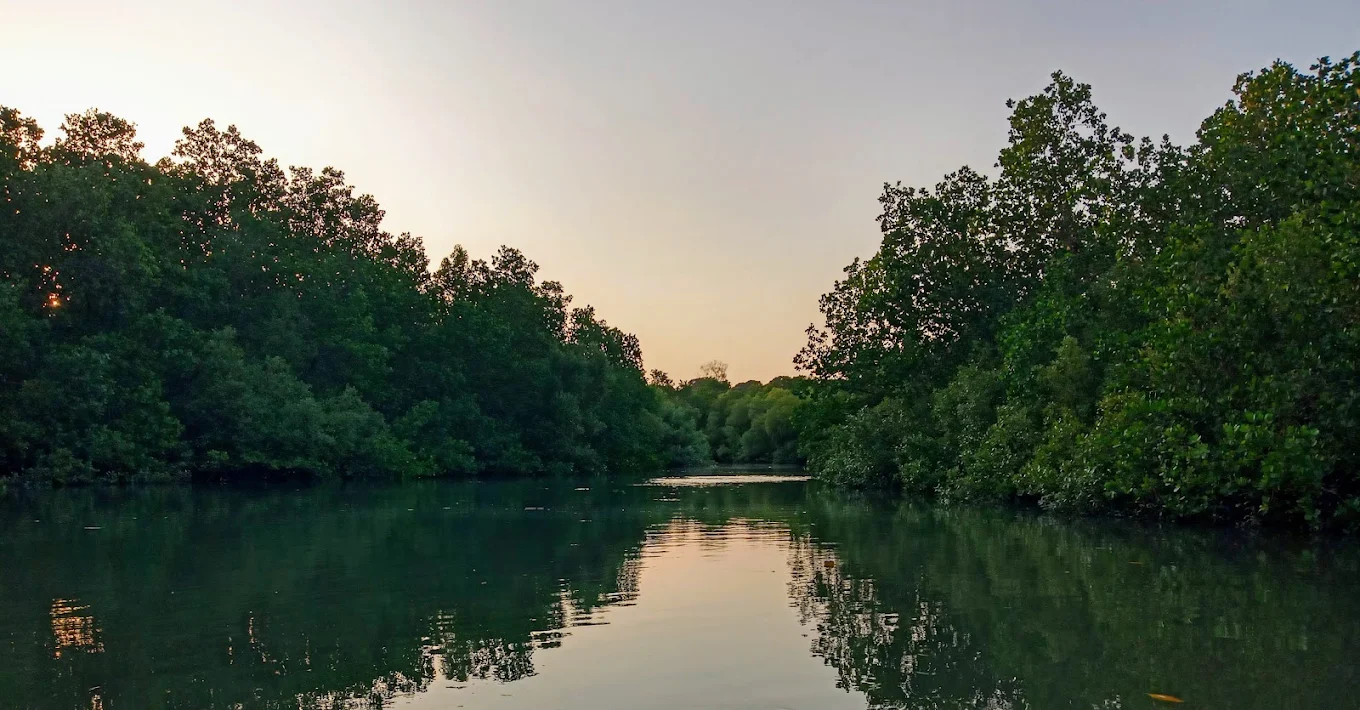
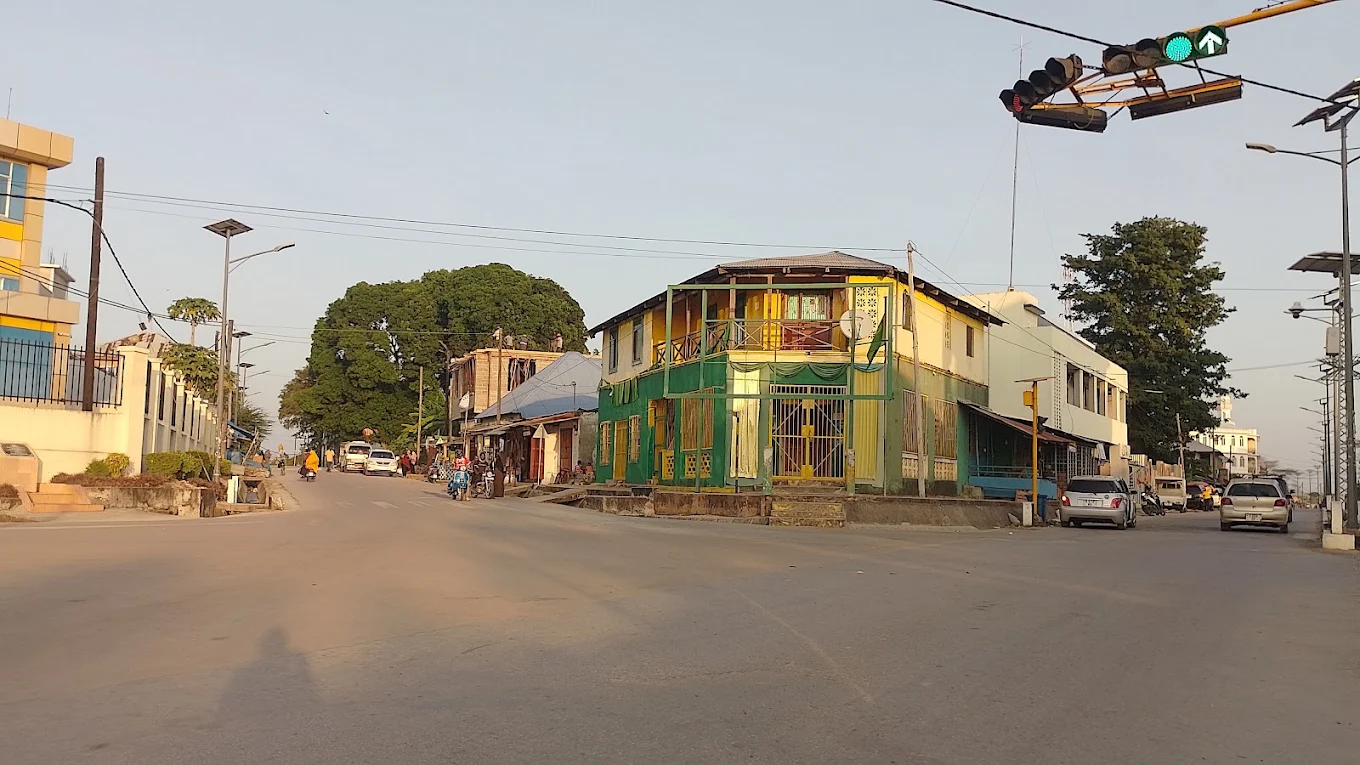
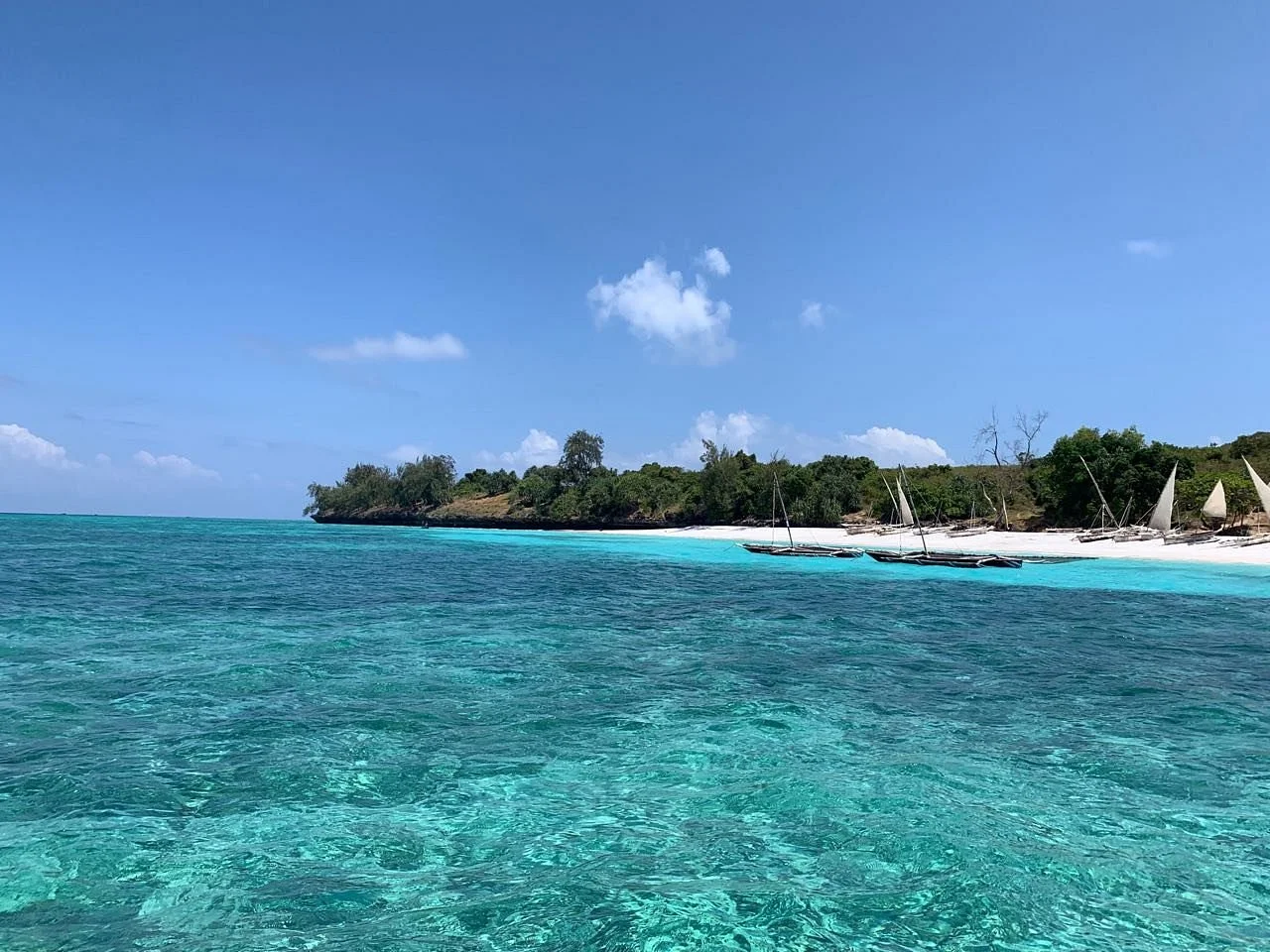
Pemba Island offers a varied island stay in Tanzania’s Zanzibar archipelago, north of Unguja. Green inland landscapes, clove-growing communities, mangrove-lined shores and offshore reefs give it a character that rewards exploration at an unhurried pace. It suits travellers who want to combine time by the sea with guided nature walks and an introduction to local life. Plan the visit around a well-chosen base and a handful of worthwhile outings, allowing the weather and tides to shape each day. The island’s towns provide an engaging starting point. Chake Chake, Wete and Mkoani have different roles in everyday island life and transport. A local guide can introduce a market, explain the produce on sale and help visitors understand the relationship between farming, fishing and coastal trade. Ask before photographing people, respect working spaces and agree any purchases directly with the seller. A short town visit can complement a resort stay without needing an overly busy touring schedule. Cloves are closely associated with Pemba’s landscape and history. An arranged farm visit can explain how the trees are grown and how the spice is processed, with the activities depending on the season and the host’s work. Book through a knowledgeable guide or your accommodation, and confirm what the visit actually includes. Harvesting and drying are seasonal activities, so an educational walk should remain worthwhile even when there is no harvest to watch. Pemba’s north includes Ngezi-Vumawimbi Nature Forest Reserve, an important setting for an introduction to the island’s indigenous forest. A guided walk focuses attention on trees, forest sounds and smaller wildlife that can be missed when travelling only between beaches. Choose a route and pace appropriate to the group, confirm entry and guiding arrangements, and bring footwear suitable for uneven or damp ground. Forest wildlife is unpredictable, and a successful visit can be as much about the habitat as any particular sighting. The Pemba flying fox is one of the island’s distinctive animals, a large fruit bat found only on Pemba. Ask a local nature guide where a responsible roost visit is currently possible rather than relying on an old colony count or a guaranteed spectacle at a named site. Keep a respectful distance, avoid disturbing resting bats and let the guide explain the importance of trees and community conservation. Birdwatchers can also arrange walks tailored to the island’s habitats and their particular interests. The coast offers different experiences according to location and tide. Vumawimbi is among the northern beach options, while other stays look onto bays, mangroves or offshore channels. Before choosing accommodation, ask about the beach immediately beside the property, access to suitable water activities and how low tide changes the shore. A sea-view room, a beach walk and an organised reef excursion are different experiences, and the best choice depends on what matters most to your trip. Misali Island, off Pemba’s western side, is a leading excursion for travellers interested in reef scenery and snorkelling. Arrange a licensed boat, appropriate guiding and the required conservation access through your operator. Site choice and time in the water depend on the conditions and the group’s ability. Follow the briefing, avoid touching or standing on coral and leave shells and other natural objects where they belong. Set aside enough time for the crossing, shore arrangements and an unhurried return. Scuba divers can explore Pemba with a qualified dive centre that selects suitable sites for their certification and recent experience. The surrounding waters include reefs, walls and channels with varying currents. Beginners should ask about supervised introductory options rather than assuming that every advertised dive is suitable. Confirm equipment, instruction, eligibility requirements and the complete cost with the centre. Marine life and visibility vary, so no particular animal encounter should form a guarantee in the itinerary. Heritage visits add another dimension. Discuss Pujini and the Ras Mkumbuu area with a local guide, asking which remains can currently be visited and how the approach works. A well-interpreted visit can introduce Pemba’s place in Indian Ocean history while respecting fragile structures and local communities. Choose one meaningful heritage outing rather than combining distant sites simply to tick off a list. For a first visit, we suggest four or five nights: arrive and settle in, spend one day on an arranged sea excursion, another on a forest or cultural visit, and keep time for rest and a weather alternative. Divers or travellers seeking a slower retreat may prefer a longer stay. Accommodation location matters because island roads and boat connections can take a substantial part of the day. Some remote properties require a final boat transfer that should be coordinated before arrival. Generally drier periods around June to October and January to February are useful planning windows, with individual sea conditions assessed each day. The long rains around March to May require more flexibility and a check on property operations. Pack light clothing, sun protection, walking shoes and rain protection, with a bag that keeps essentials dry on boat trips. Respect local dress expectations in towns and villages, support local hosts and carry litter out. Confirm transfers, meals and activity inclusions before booking so that the island stay unfolds at a comfortable pace. Photo credits: Hero and social image — “Misali Island.JPG”, Jojona, 15 February 2013, Wikimedia Commons (https://commons.wikimedia.org/wiki/File:Misali_Island.JPG), CC BY-SA 3.0 (https://creativecommons.org/licenses/by-sa/3.0/). This aerial image shows Misali, an offshore excursion from Pemba, rather than the whole main island. Gallery — “Pemba island, Tanzania. View from Chake Chake town center over the mangroves towards the sea.JPG”, Vincent van Zeijst, October 2005, Wikimedia Commons (https://commons.wikimedia.org/wiki/File:Pemba_island,_Tanzania._View_from_Chake_Chake_town_center_over_the_mangroves_towards_the_sea.JPG), CC BY-SA 3.0. Original files used; display crops may vary. These dated photographs do not establish present conditions.
March–May: The long-rains period typically calls for flexible plans, with wetter walks and possible changes to excursions or property operations. Confirm accommodation opening dates and access before booking. A green-season stay can suit travellers who enjoy a slower pace and accept weather changes. This label is broad planning guidance; rates and occupancy vary by property.
October–December, plus seasonal transitions: October can still offer worthwhile outdoor travel, while short rains become more likely later in the period. Sunny spells and showers may alternate. Keep forest, farm and marine plans flexible, and let the local operator select boat and reef visits according to wind, tide and conditions on the day.
June–September and January–February: Generally useful planning windows for an island stay, with June–September usually drier and a little cooler, and January–February hotter and often relatively dry. October can also suit travel. Book your chosen property and transfers ahead; calm seas, clear water and particular wildlife sightings remain dependent on daily conditions.
By air: Book Pemba Island Airport (PMA), near Chake Chake, for this Tanzanian island destination. Domestic connections can be arranged through Zanzibar and other Tanzanian gateways according to current airline services. Confirm the operating route, any intermediate stops, baggage allowance and check-in arrangements directly with the carrier. Allow flexibility when linking a small-aircraft service to an international flight. Airport transfers: Arrange pickup with your accommodation before arrival and give the flight details and full property name. The driving time depends on the coast and property. As one location-specific example, The Manta Resort advises about 1.5 hours by road from the airport to its northern setting; other properties have different journeys. Some remote coastal lodges require a road transfer followed by a boat, coordinated around daylight, weather and tide. By sea: Ferry services may offer an alternative to flying. Confirm the actual operating company, travel date, departure port, Pemba arrival port, sailing duration and baggage arrangements before paying. Mkoani and Wete have different onward transfer requirements. Do not assume that an older timetable, a route announcement or a hotel airport-transfer price applies to your sailing. Getting around: A pre-arranged driver and local guide are convenient for forest, farm, town and heritage outings. Agree the itinerary and ask for a realistic driving estimate based on your accommodation location. Plan one substantial outing at a time rather than relying on map distance alone. For Misali and other marine excursions, use a licensed boat and appropriate local guiding, confirm conservation access and equipment, and follow the skipper’s decisions about conditions. Before confirming: Ask for a clear quote showing transfers, meals, guiding, activity equipment and attraction or conservation charges. Check accommodation opening dates for wetter months and leave room to adjust the programme if sea conditions affect a boat leg.
Pemba is part of Tanzania’s Zanzibar archipelago in the Indian Ocean, north of Unguja. This destination refers to Pemba Island in Tanzania. Check the airport code PMA when arranging air travel.
Its appeal combines green inland scenery, clove-growing heritage, coastal communities, indigenous forest and reef excursions. A stay can balance beach time with guided walks, farm visits and carefully arranged trips on the water.
We suggest four or five nights for a first stay, allowing time for arrival, one marine excursion, a land-based outing and rest. Divers and travellers who prefer a slower pace may want longer, especially when transfers take part of a day.
Use Pemba Airport, code PMA. Check current domestic connections through Zanzibar or other Tanzanian gateways with the airline. Confirm any intermediate stops, baggage allowance and check-in requirements before booking onward travel.
It depends on your property’s location. The Manta Resort advises roughly 1.5 hours by road to its northern setting, while other hotels have different journeys. Ask your own accommodation for the current estimate and whether a final boat transfer is required.
A ferry may be an option if a suitable service is operating for your date. Verify the company, departure and arrival ports, sailing time and baggage arrangements directly. Arrange pickup for the confirmed Pemba port rather than assuming an airport transfer will cover it.
A pre-arranged driver, with a local guide for specialist visits, makes it easier to match outings to your base. Ask for realistic travel times and avoid combining distant beaches, forest and heritage sites in one rushed day.
Generally drier periods around June to October and January to February are useful planning windows. January and February can be hotter. The ideal dates depend on your activities, and marine trips still require a daily assessment of wind, tide and conditions.
A flexible stay is possible, but March to May generally brings wetter conditions. Confirm the property’s opening dates, transport and activity availability before booking. Allow weather alternatives and expect forest paths or unsealed approaches to be damp or muddy.
Low tide can change beach access, the shoreline and boat departure arrangements. Ask your property about the beach directly beside it and how marine activities are timed. Follow local advice rather than assuming the same conditions at every coast or time of day.
Misali is an offshore excursion associated with reef scenery and snorkelling. Arrange the boat, conservation access and guiding through your operator. Site choice and time in the water depend on the conditions and participants’ abilities, so confirm the complete plan before departure.
Some qualified dive centres offer supervised introductory experiences or courses. Discuss eligibility and your experience with the centre first. Pemba also has wall and channel sites with varying currents, so each dive should be chosen by the professionals for the participants.
No. An itinerary can focus on a suitable beach base, guided forest and farm visits, towns and heritage interpretation. Snorkelling may be possible on a guided excursion if conditions and personal ability allow, but water activities need not define the entire stay.
Arrange a guided walk to learn about indigenous forest, trees and wildlife. Confirm the current route, access and guiding arrangements, and choose a pace that suits the group. Suitable footwear helps on uneven or damp paths; wildlife sightings are unpredictable.
This distinctive fruit bat is found only on Pemba. Ask a local nature guide about a currently suitable viewing location, since roost use and numbers can change. Watch quietly, keep your distance and avoid disturbing resting animals.
An arranged farm visit can introduce clove cultivation and processing. Confirm the host and what is included with your guide or accommodation. Harvesting and drying are seasonal, so the experience may focus on the plants and production story rather than active harvesting.
Discuss Chake Chake, Wete or Mkoani for a town or market introduction, and Pujini or the Ras Mkumbuu area for heritage interests. Confirm the specific sites, present access and travel time, then choose the outing that best fits your base.
It can suit a family when the property, transfers and activities match everyone’s needs. Some remote lodges apply age restrictions or involve boat access. Confirm children’s accommodation rules and any activity participation requirements before making the booking.
Bring light clothing, sun protection, comfortable walking shoes, a light rain layer and a bag that protects essentials on boats. Dress respectfully in towns and villages, and ask your host for local guidance. Confirm specialist diving equipment directly with the dive centre.
Support local hosts, ask before photographing people, avoid touching coral and leave wildlife and natural objects undisturbed. Request an itemised quote for accommodation, meals, transfers, guiding, equipment and conservation or attraction charges, then keep flexibility for weather changes.
Grateful experience
As a solo female traveler, I felt super safe and well taken care of the entire time.
Read morePrivate Safari 6 days
I can only highly recommend the young company Tanzalux for organizing a private safari.
Read moreAn unforgettable vegetarian journey with Tanzalux Safaris
I highly recommend Tanzalux for anyone wanting a special, personalized safari.
Read moreOur 3-day camping safari with Tanzalux was simply fantastic! Everything was perfectly organized.
Read moreBack in April, I joined a day trip to Tarangire National Park with Tanzalux Safaris, and it was truly one of the best experiences I have ever had…
Read moreI've had an amazing experience with Tanzalux Safaris, would 1000% recommend! Thank you for making my trip so special🫶
Read moreI recently visited Meru Waterfalls in Arusha and got to do some of the activities there, honestly it was such a great experience and I really enjoyed it.
Read moreOur guide Dullah Mr Rastaman had the best vibe. I would like to recommend other people not to miss it, Tarangire is the best national park.
Read moreOur tour guide Nasri was very friendly and welcoming from the first day we met him. He knows Tarangire very well and explained many things during the safari.
Read moreAs a grandmother in the group, I would like to share my happiness with Tanzalux Safaris. Me, my daughters, and my grandson went on a short trip to Tarangire National Park…
Read moreReceive a free, no obligation quote

 Western Circuit
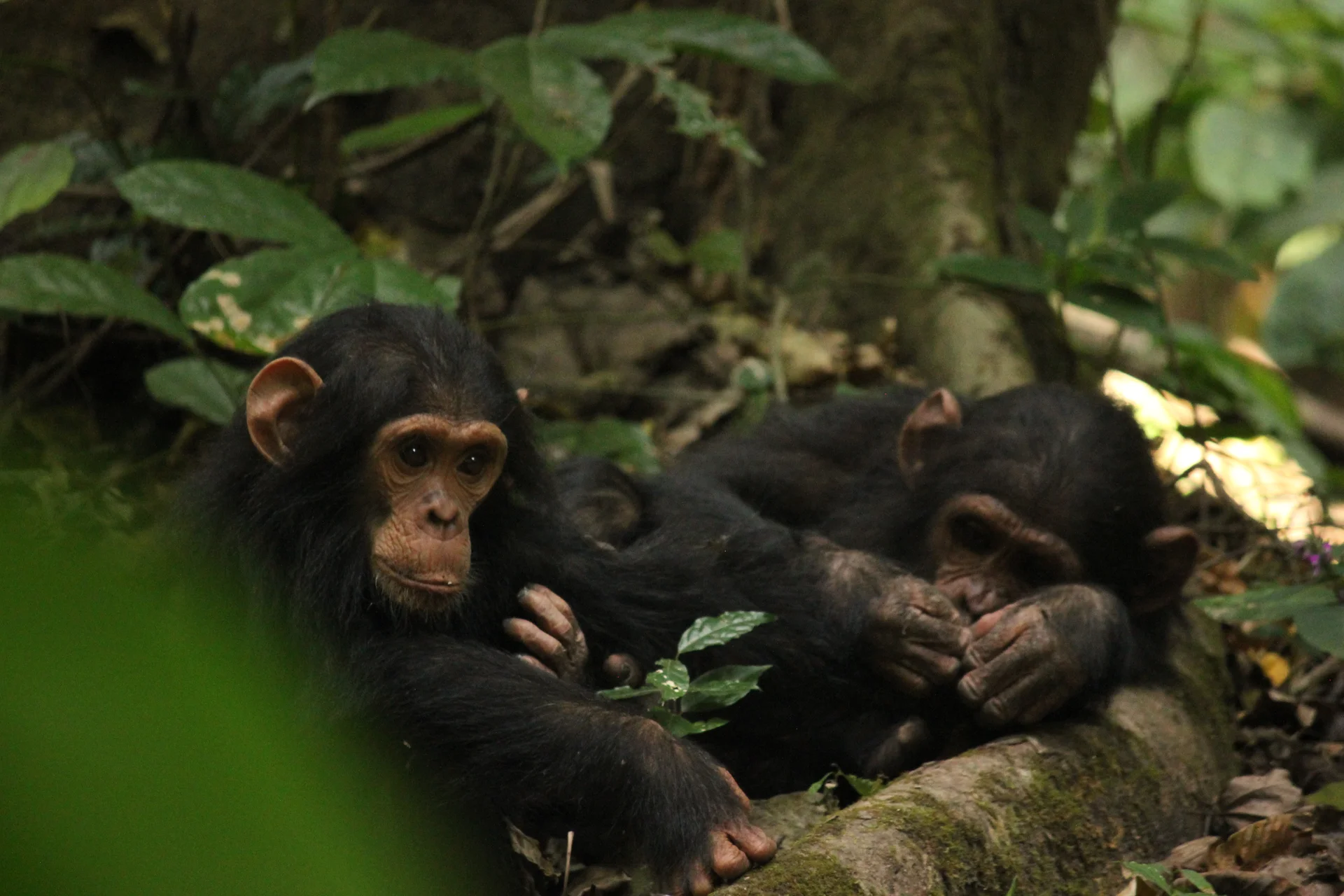
Gombe Stream National Park, also known as Gombe National Park, combines wild chimpanzee trekking with forested hills and the shores of Lake Tanganyika. In Kigoma…
Wildlife
Chimpanzees & Olive baboons
Landscape
National Parks & Safari
Highlights
Wild chimpanzee trekking with park rangers
 Southern Circuit
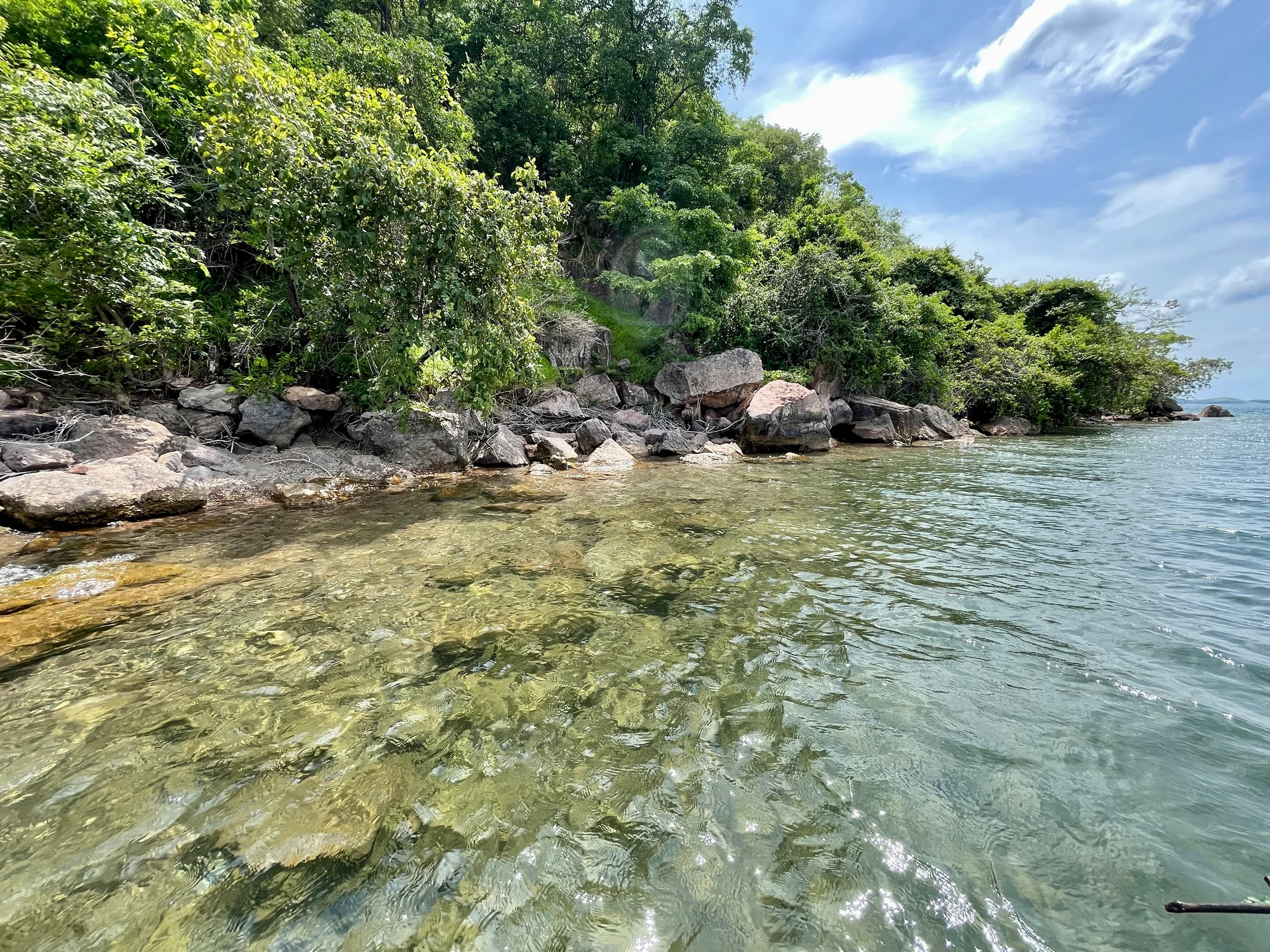
Lake Tanganyika offers a striking freshwater setting along Tanzania’s western frontier: broad blue horizons, wooded shores, bays, beaches and communities whose daily life is closely…
Wildlife
Endemic cichlid fish & Other freshwater fish
Landscape
Lakes & Hot Springs
Highlights
Africa’s deepest freshwater lake in the East African Rift
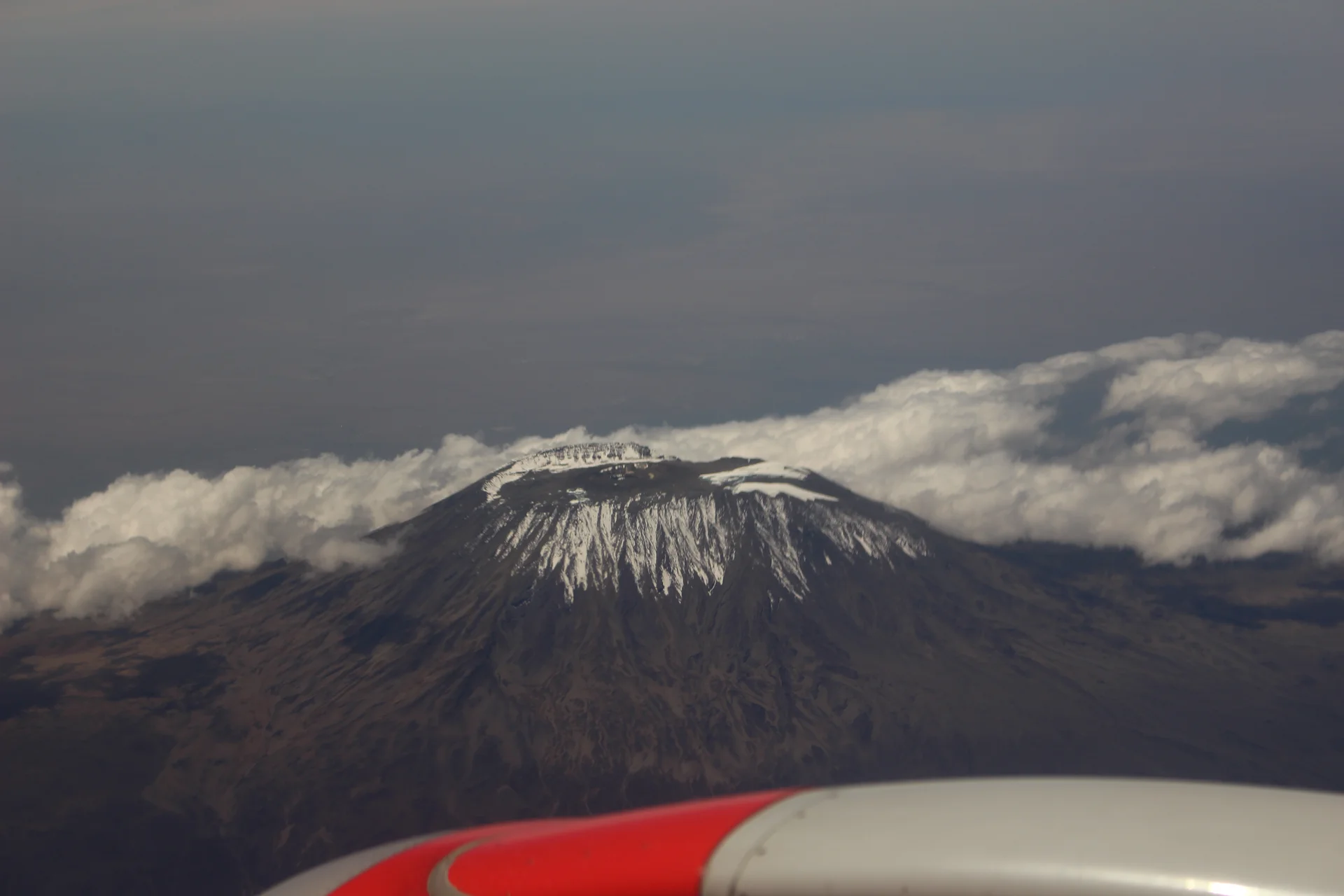 Northern Circuit
Kilimanjaro rises above northern Tanzania’s plains to Uhuru Peak at 5,895 metres, the highest point in Africa. Its volcanic massif, dramatic changes in vegetation and…
Wildlife
Black-and-white colobus monkeys in forest habitats & Blue monkeys in forest habitats
Landscape
Mountains & Trekking
Highlights
Uhuru Peak at 5,895 metres — Africa’s highest point
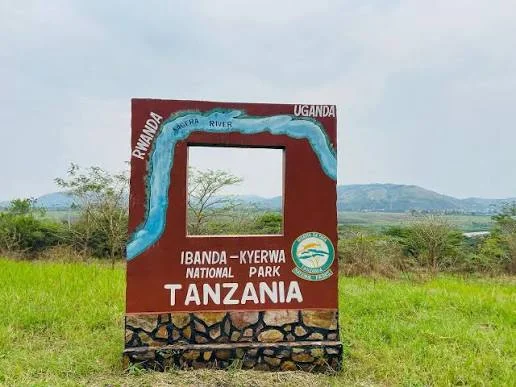 Western Circuit
Ibanda-Kyerwa National Park protects a scenic corner of northwestern Tanzania, where the Kagera River meets a landscape of savanna, wooded slopes, valleys and wetlands. Situated…
Wildlife
Buffalo & Roan antelope
Landscape
National Parks & Safari
Highlights
Kagera River scenery on Tanzania’s northwestern border
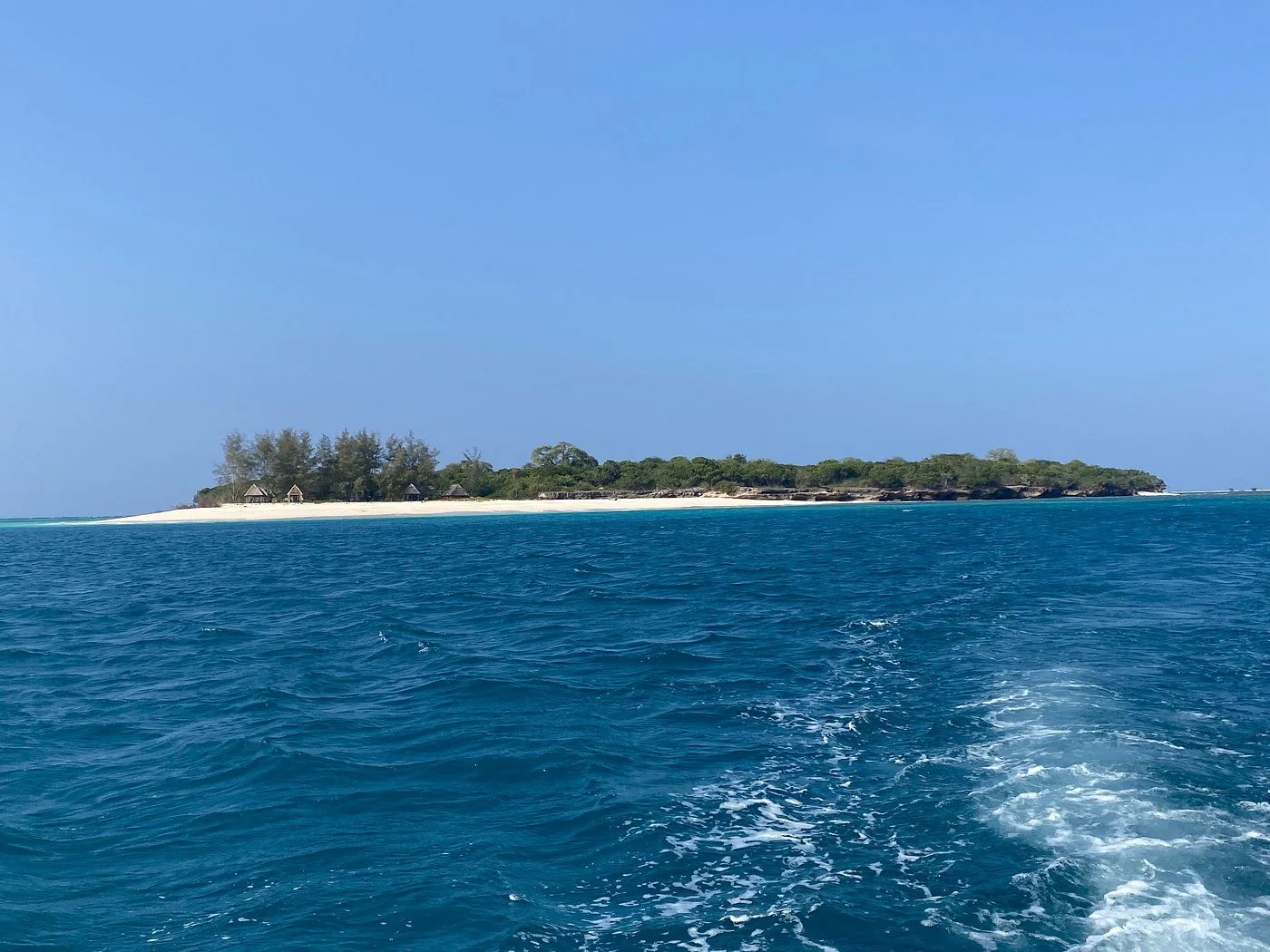 Zanzibar & Islands
Sinda Island Marine Reserve offers an Indian Ocean escape off Kigamboni, on the southern side of Dar es Salaam. The reserve encompasses Inner and Outer…
Wildlife
Reef fish & Coastal birds
Landscape
Beaches & Islands
Highlights
Inner and Outer Sinda islands
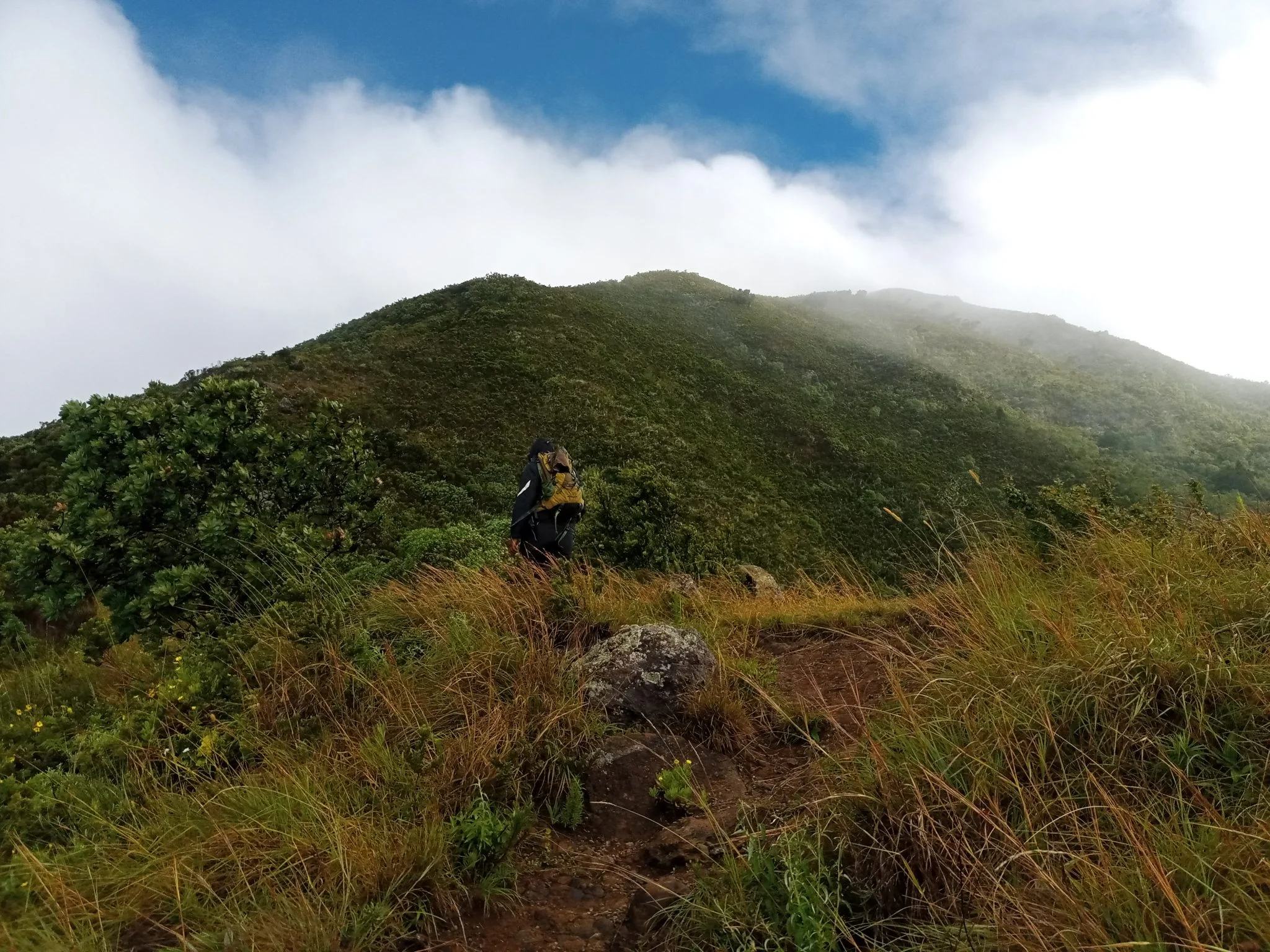 Northern Circuit
Discover Mount Hanang Rising above Katesh in Tanzania’s Manyara Region, Mount Hanang offers a rewarding mountain adventure beyond the familiar northern safari circuit. At approximately…
Wildlife
Klipspringer & Vervet monkeys
Landscape
Mountains & Trekking
Highlights
Approximately 3,423 metres — Tanzania’s fourth-highest mountain