 5.0 Excellent

Dorine M1 year ago

Grateful experience
As a solo female traveler, I felt super safe and well taken care of the entire time.
Read more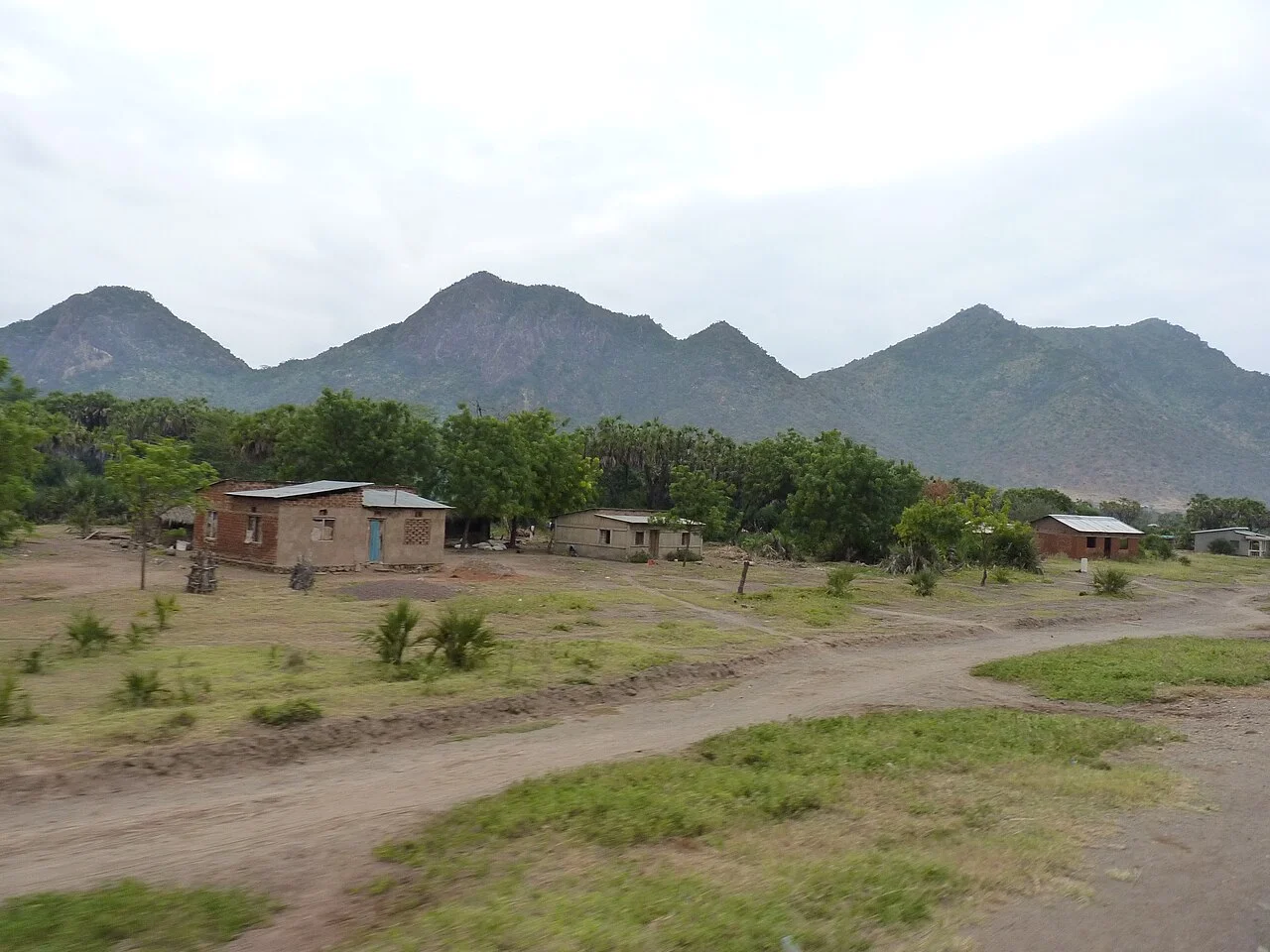
Northern Circuit
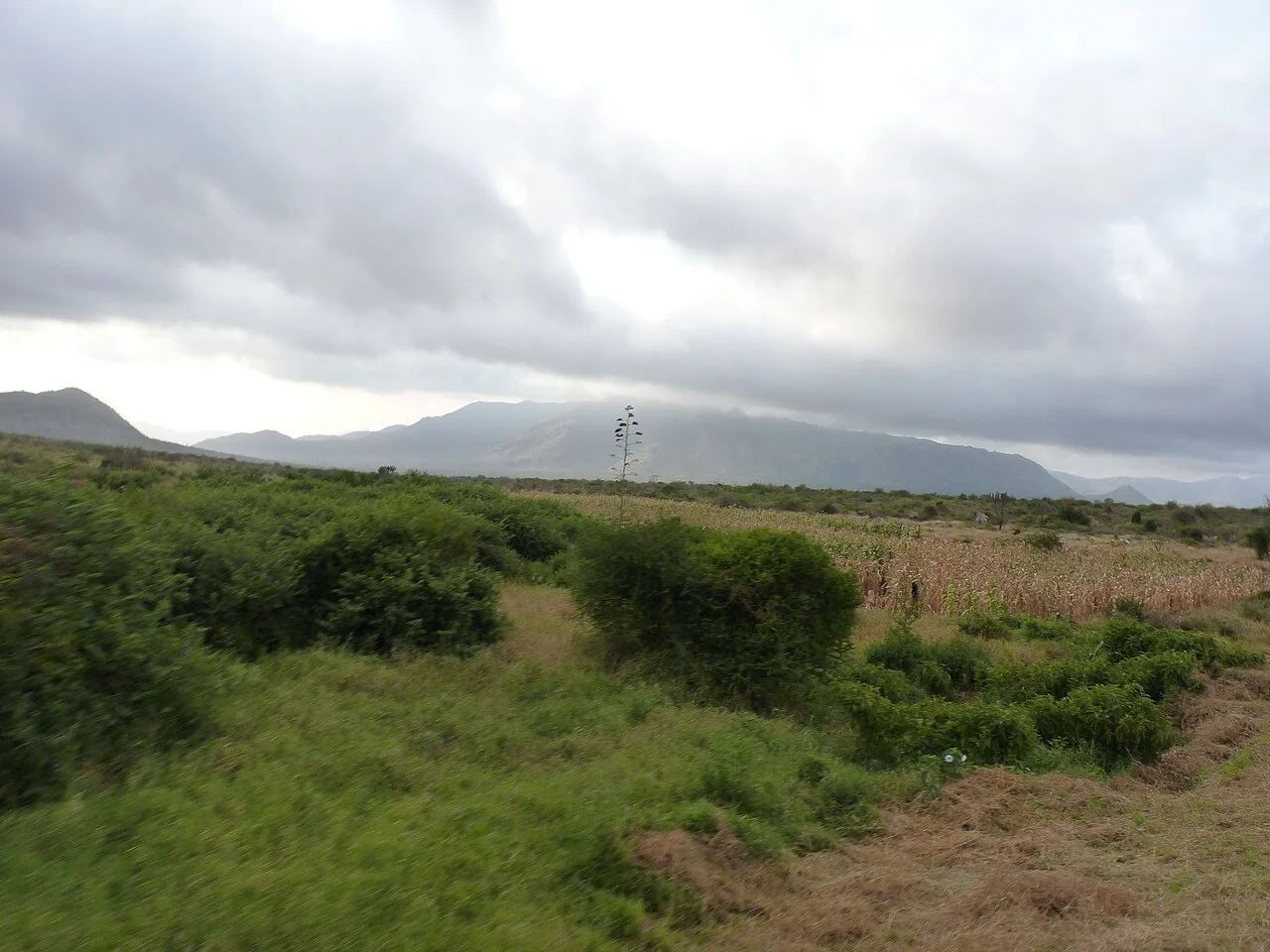
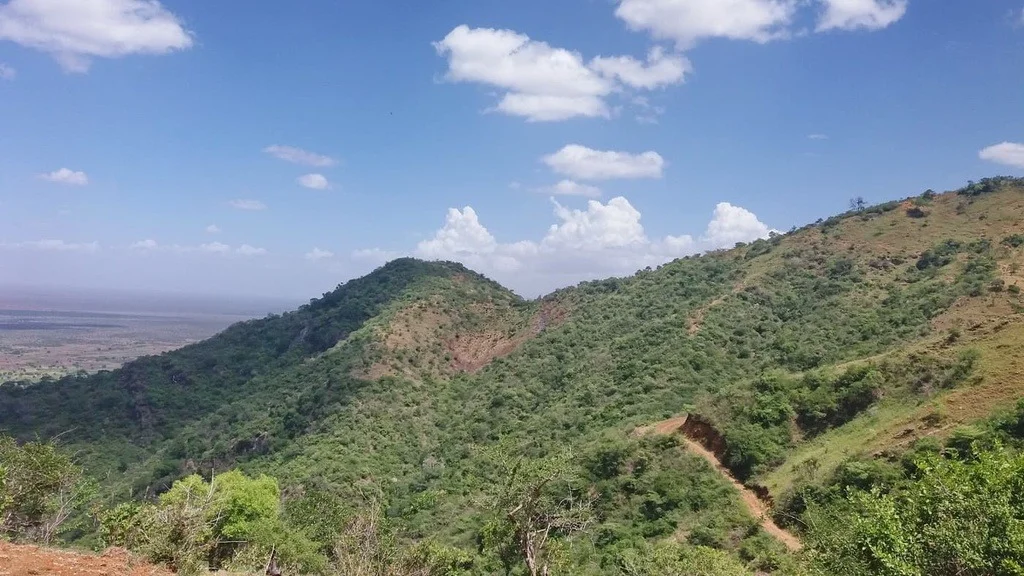
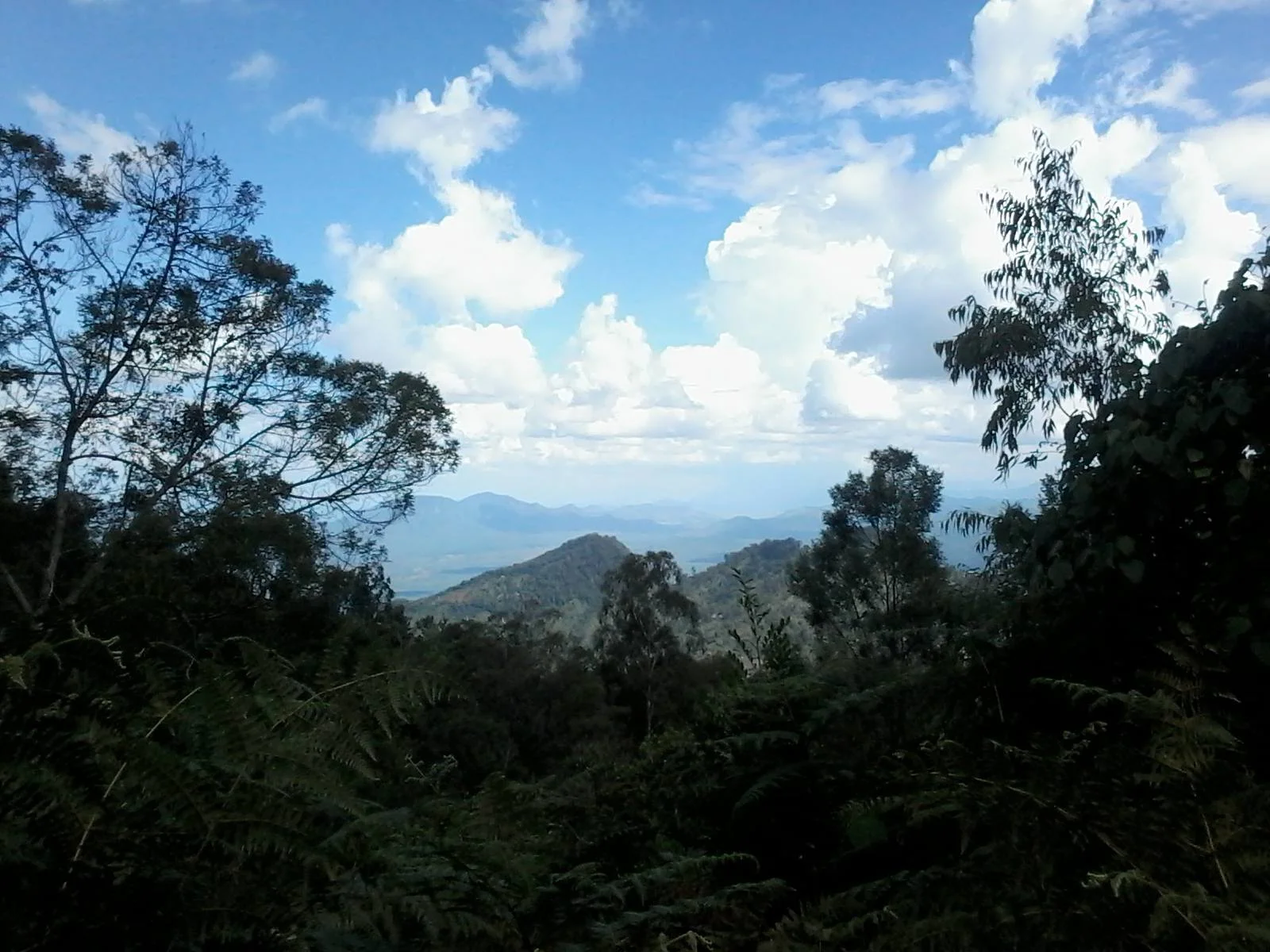
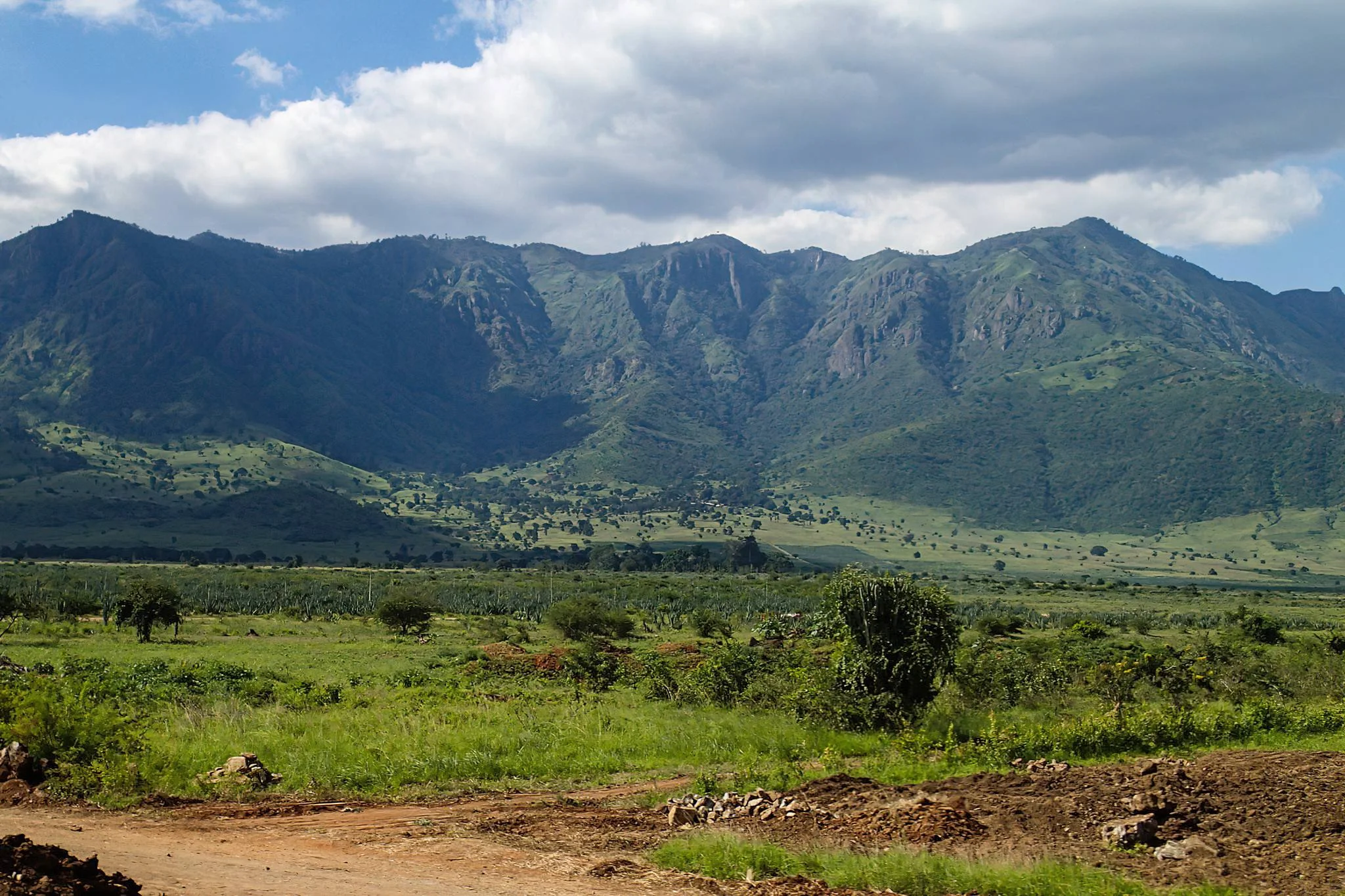
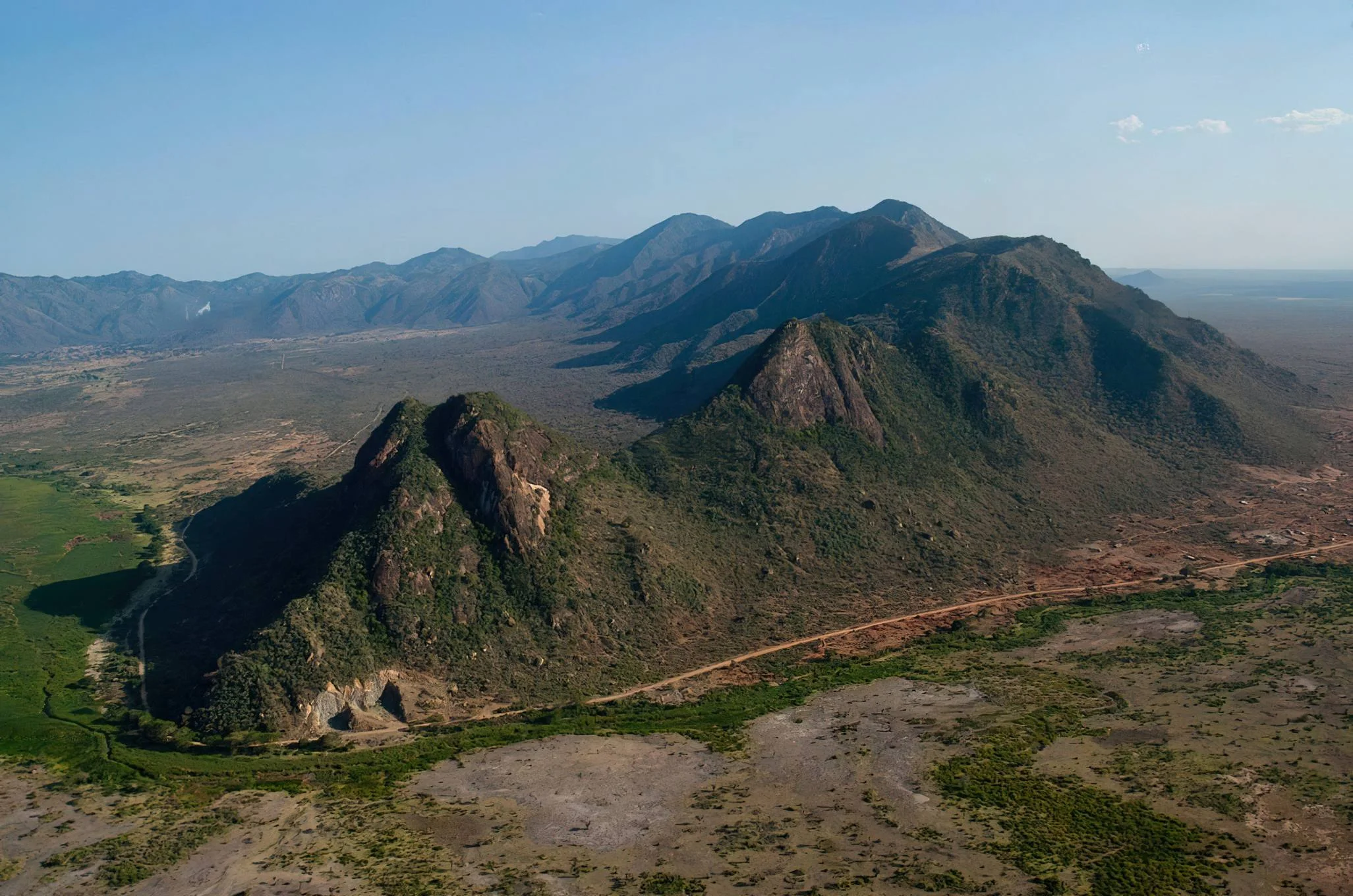
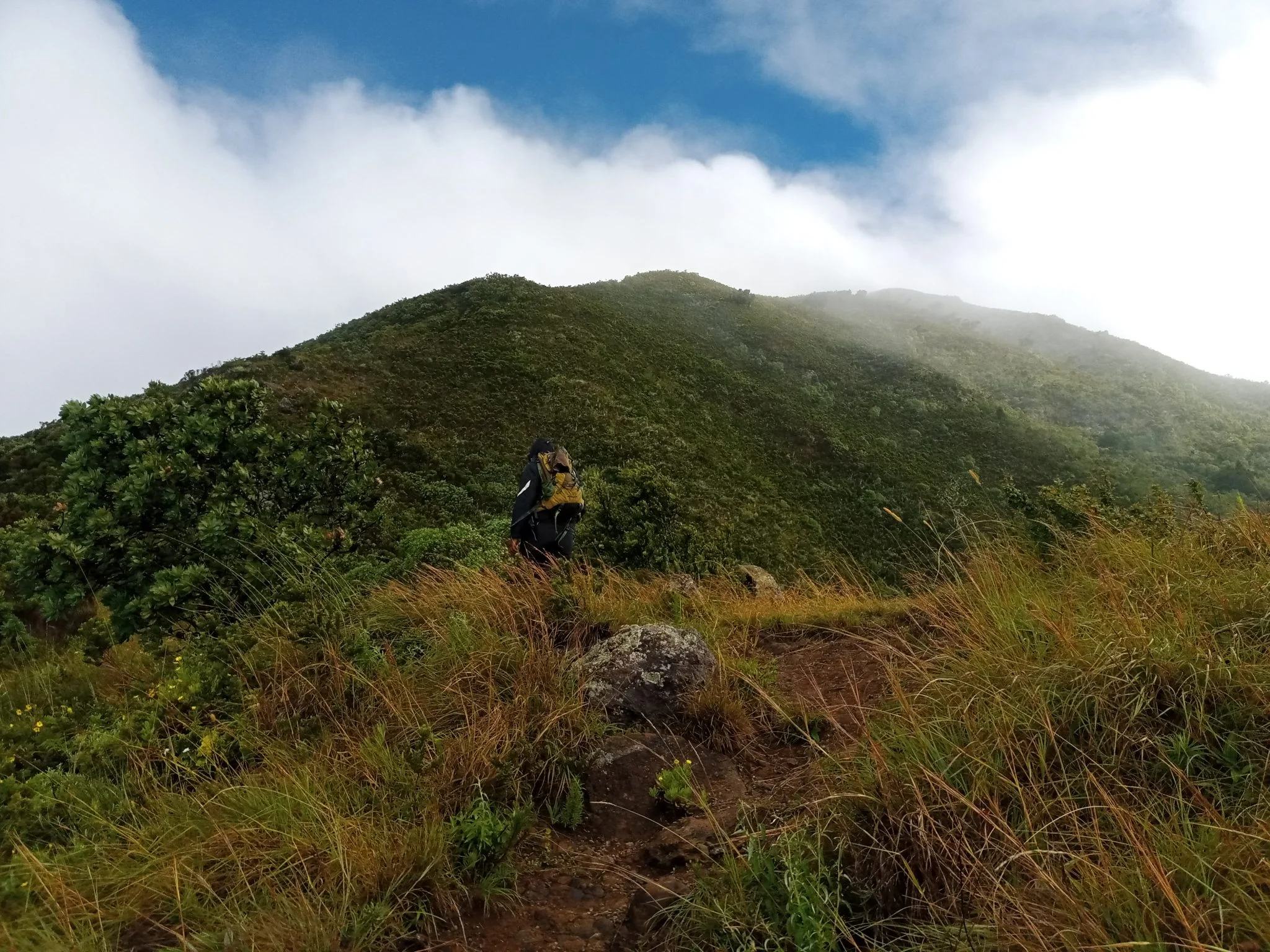
The Pare Mountains invite you to experience a quieter side of northern Tanzania: green ridges, forest trails, cultivated valleys and villages where walking brings the landscape into focus. This is a destination for travellers who enjoy taking time over a view, listening for birds in the forest and meeting people through thoughtfully arranged local visits. A Pare Mountains journey can complement a wildlife safari or become a rewarding walking trip in its own right. NORTH PARE AND SOUTH PARE The range lies in northeastern Tanzania and belongs to the Eastern Arc Mountains. North Pare is in Mwanga District; South Pare is in Same District, both within Kilimanjaro Region. The two areas offer different starting points and routes, so choose your base around the experience you want. A village walk in North Pare and a forest summit hike in South Pare should be planned as separate outings with their own transport and guide arrangements. NORTH PARE: USANGI, VILLAGE PATHS AND KINDOROKO Usangi is a useful centre for exploring North Pare. Guided walks can connect mountain scenery with cultivated slopes, village paths and local markets when their schedules fit your visit. Kindoroko, at roughly 2,100 metres, offers a more active forest walking option. Depending on the route and weather, viewpoints may reveal surrounding plains, Lake Jipe or distant Kilimanjaro. Clear views are a bonus rather than a promise: cloud and haze can hide even the most impressive scenery. Agree the route, elevation gain and expected walking duration with your guide before setting out. SOUTH PARE: CHOME FOREST AND SHENGENA For a deeper forest experience, focus on Chome Nature Forest Reserve in South Pare. Its montane habitats include mossy forest, heath and moorland. Shengena Peak rises to approximately 2,460 metres and provides a goal for fit walkers who want a demanding outing. The reserve is a strong birdwatching destination, with the endemic South Pare white-eye among its notable species. Monkeys, chameleons and butterflies add interest, although sightings depend on patience, conditions and chance. Forest walking rewards slow observation as much as distance covered. CULTURE AND EVERYDAY LIFE The mountains are also a lived landscape. Cultural visits work best when a local host helps shape the experience, whether that means a village walk, a conversation about farming or a visit to an open market. Ask before photographing people, homes or working farms, and follow your host's guidance about sensitive places. Sacred sites, private land and community activities require permission; they should never be treated as automatically available attractions. Allow enough time for conversation and respect residents' daily routines. CHOOSE THE RIGHT WALK A short village outing can suit travellers who want gentle activity, while longer forest routes involve uneven surfaces, climbs and potentially slippery ground. Summit days need greater endurance and an early start. Tell your planner about walking experience, mobility needs and any preference for shorter distances. A good itinerary includes time for breaks and a route that can be adjusted if rain, fatigue or access conditions change. Travellers with children should choose a pace and route suitable for the youngest walker. HOW LONG TO STAY A focused day visit can introduce one part of the mountains, provided transfer arrangements leave enough time on foot. Two or three days create more room for a village experience, a forest walk and unhurried photography. An itinerary covering both North and South Pare needs additional road travel and should be designed around realistic daily distances. Overnight accommodation and any camping must be confirmed before travel; facilities, comfort levels and availability vary by location. PRACTICAL PLANNING June to October is generally a useful drier window for walking, although mountain mist and showers remain possible. Carry footwear with reliable grip, rain protection, a warm layer, water, snacks and sun protection. Keep valuables and camera equipment dry and bring binoculars if birdwatching interests you. A local guide helps with route choice, navigation and community introductions. Confirm reserve access, entry fees, guide arrangements, permitted trails and camping rules before arrival. Stay on agreed paths, take litter out and give wildlife space. PLAN YOUR PARE MOUNTAINS JOURNEY TanzaLux Safaris can help shape a visit around your interests, walking ability and wider Tanzania itinerary. Request a quotation that clearly identifies the mountain area, transport, guiding, accommodation, meals and any reserve charges. Combine the mountains with nearby destinations only after allowing time for the road transfers, and keep some flexibility for weather. The most rewarding trip is one that gives you time to experience the forests and communities at a comfortable pace.
March–May usually brings the long rains. Forests and cultivated slopes can be lush, but muddy trails, slippery descents and difficult mountain-road access may affect plans. Choose shorter flexible outings, allow spare travel time and confirm the recent conditions with your guide. Heavy rain may require a route change or postponement; carry waterproof layers and protect equipment.
January–February may provide a useful walking opportunity between wetter periods. The short rains commonly affect October–December, so late-year visits need flexible scheduling. Green landscapes can be attractive for photography and nature observation, but cloud may obscure viewpoints. Check local conditions before committing to a summit day; weather varies between the lowlands and forest elevations.
June–October is generally the most practical drier window for hiking. Firmer paths can make longer outings easier to plan, while mornings and higher forest areas may feel cool. Rain, mist and wet patches remain possible even in these months. Start demanding walks early, carry a warm layer and rain protection, and confirm guides and overnight arrangements in advance.
Choose North or South Pare before arranging your transfer. For North Pare, road access is typically through Mwanga on the Moshi–Same corridor, continuing uphill towards Usangi and the selected trailhead. For South Pare and Chome forest, Same is the main road gateway, followed by mountain roads to the agreed entry point. Kilimanjaro International Airport can serve a northern Tanzania itinerary, with a pre-arranged road transfer; Moshi or Arusha can also be starting points. Journey length depends on your starting location, mountain base, road surface, traffic and recent rainfall, so there is no single transfer time for the whole range. Confirm the exact meeting point, suitable vehicle, guide and current reserve access before travelling. A vehicle with appropriate clearance may be advisable on mountain sections, especially after rain. Public transport may reach gateway towns, but final transfers and trailhead pickup should be agreed separately. For walks finishing at a different location, arrange collection beforehand. North and South Pare are separate planning areas; allow additional travel time when combining them.
The Pare Mountains are in northeastern Tanzania, in Kilimanjaro Region. North Pare lies in Mwanga District and South Pare in Same District. They are part of the Eastern Arc mountain chain and can be included in a wider northern Tanzania journey.
North Pare offers access through Mwanga towards Usangi, with village walks and forest hikes such as Kindoroko. South Pare is approached through Same and includes Chome forest and Shengena Peak. Choose one area for a focused visit, or allow extra days and road travel to explore both.
The Pare Mountains are a mountain range containing communities, farmland and protected forest areas. They are not one national park with a single gate or common ticket. Chome has its own forest reserve access arrangements, and other routes may require separate local permissions.
Shengena Peak in South Pare reaches approximately 2,460 metres. A summit outing is a more demanding option than a short village walk. Ask for the current route, elevation gain and expected duration before deciding whether it suits your fitness and available time.
Chome is a protected montane forest area in South Pare. It offers forest scenery, birdwatching and hiking, with different habitats at higher elevations. Visits should be arranged around current entry requirements and permitted routes rather than assuming unrestricted access throughout the forest.
Usangi is a starting point for guided North Pare walks that may combine scenery, cultivated slopes, villages and market visits. Your route should reflect the time available and your interests. Community stops and markets depend on local schedules, host consent and current access.
Kindoroko is a forest hiking option in North Pare, reaching roughly 2,100 metres. Arrange a knowledgeable local guide and confirm the selected trail, walking distance and ascent. Conditions can be muddy after rain, and views from open areas depend on cloud and visibility.
Expect a sustained mountain walk rather than a casual sightseeing stop. The effort depends on the starting point, route and weather. Good stamina and shoes with grip are useful. Share your experience with the guide, start early and agree a turnaround plan so the descent remains manageable.
Yes, a visit can focus on a shorter village or countryside route instead of a summit. Explain the distance and pace you prefer when booking. Even an easier route may include uneven ground or slopes, so ask for a specific description rather than relying only on the label “easy.”
A local guide is strongly recommended for navigation, selecting suitable paths and arranging respectful community visits. For reserve routes, confirm the current guiding requirements with the manager before arrival. A guide also helps adapt the outing if weather or access conditions change.
Chome is especially interesting for forest birdwatching, including the endemic South Pare white-eye. Bird activity varies with habitat, weather and time of day. Bring binoculars and allow time for quiet observation. Ask for a guide with birding experience if this is your main reason for visiting.
Documented forest wildlife includes Angolan pied colobus, blue monkeys and chameleons, alongside butterflies and other small creatures. Sightings are unpredictable and this is primarily a walking and forest destination. Observe quietly, keep your distance and avoid feeding or handling wildlife.
June–October is generally a practical drier period for hiking. January–February may also work well, depending on the year. Higher forest areas can still experience mist, showers and cool conditions, so base the final route on recent local weather rather than the calendar alone.
A visit may still be possible, especially for flexible shorter outings, but long rains around March–May and short rains around October–December can make trails and mountain roads difficult. Confirm conditions shortly before travel and be prepared to change or postpone a demanding hike.
Arrange a road transfer to the correct gateway: Mwanga for many North Pare trips or Same for South Pare. The final mountain section depends on your village base or forest entry point. Confirm total travel time, vehicle suitability and pickup details for your exact itinerary.
A day can introduce one area if the transfer leaves enough time for the chosen walk. Two or three days allow a more relaxed combination of village visits and forest hiking. Exploring both North and South Pare usually needs extra travel time and carefully arranged overnight stops.
Some shorter routes may suit families, but suitability depends on the individual trail, age, stamina and conditions. Many paths are uneven, steep or muddy and accessible facilities cannot be assumed. Describe mobility needs in advance and request a specific route assessment before booking.
Overnight stays can be arranged around the chosen mountain area, subject to availability and the required comfort level. Camping in Chome or other managed areas must be confirmed with the relevant authority. Ask about toilets, water, bedding, meals and equipment so you know what is provided.
Visits should be organised with willing local hosts. Follow their guidance, ask before taking photographs and respect private farms, homes and sensitive sites. Markets, farming activities or cultural discussions should fit local routines. Ceremonies and sacred places are not automatically included in a visitor programme.
Bring sturdy walking shoes, rain protection, a warm layer, water, snacks, sun protection and a small daypack; binoculars are useful for birding. Ask for a written quotation showing transfers, guide fees, reserve charges, accommodation, meals and any camping equipment. Costs vary with route and group size; confirm inclusions before travel.
Grateful experience
As a solo female traveler, I felt super safe and well taken care of the entire time.
Read morePrivate Safari 6 days
I can only highly recommend the young company Tanzalux for organizing a private safari.
Read moreAn unforgettable vegetarian journey with Tanzalux Safaris
I highly recommend Tanzalux for anyone wanting a special, personalized safari.
Read moreOur 3-day camping safari with Tanzalux was simply fantastic! Everything was perfectly organized.
Read moreBack in April, I joined a day trip to Tarangire National Park with Tanzalux Safaris, and it was truly one of the best experiences I have ever had…
Read moreI've had an amazing experience with Tanzalux Safaris, would 1000% recommend! Thank you for making my trip so special🫶
Read moreI recently visited Meru Waterfalls in Arusha and got to do some of the activities there, honestly it was such a great experience and I really enjoyed it.
Read moreOur guide Dullah Mr Rastaman had the best vibe. I would like to recommend other people not to miss it, Tarangire is the best national park.
Read moreOur tour guide Nasri was very friendly and welcoming from the first day we met him. He knows Tarangire very well and explained many things during the safari.
Read moreAs a grandmother in the group, I would like to share my happiness with Tanzalux Safaris. Me, my daughters, and my grandson went on a short trip to Tarangire National Park…
Read moreReceive a free, no obligation quote

 Western Circuit
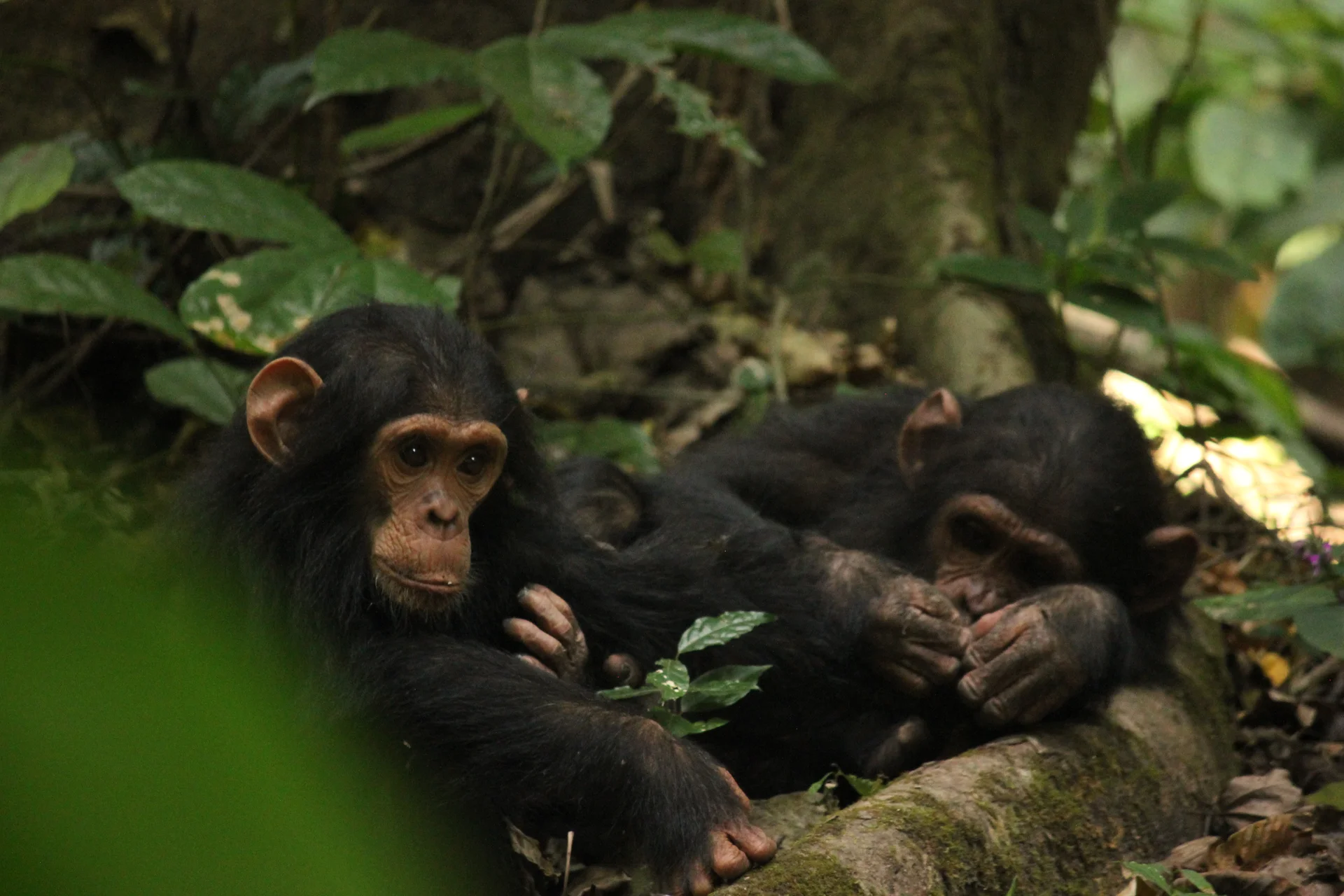
Gombe Stream National Park, also known as Gombe National Park, combines wild chimpanzee trekking with forested hills and the shores of Lake Tanganyika. In Kigoma…
Wildlife
Chimpanzees & Olive baboons
Landscape
National Parks & Safari
Highlights
Wild chimpanzee trekking with park rangers
 Southern Circuit
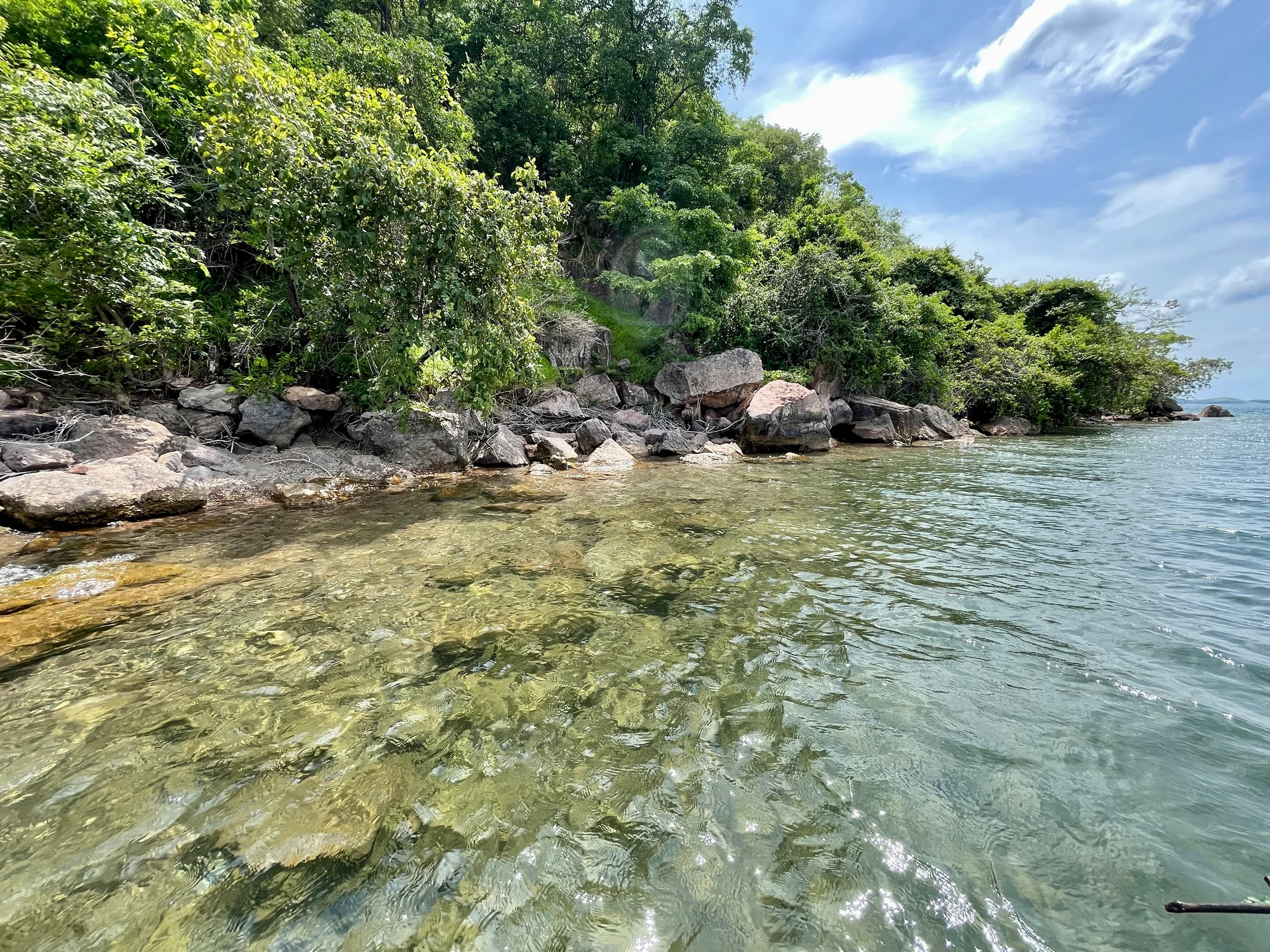
Lake Tanganyika offers a striking freshwater setting along Tanzania’s western frontier: broad blue horizons, wooded shores, bays, beaches and communities whose daily life is closely…
Wildlife
Endemic cichlid fish & Other freshwater fish
Landscape
Lakes & Hot Springs
Highlights
Africa’s deepest freshwater lake in the East African Rift
 Northern Circuit
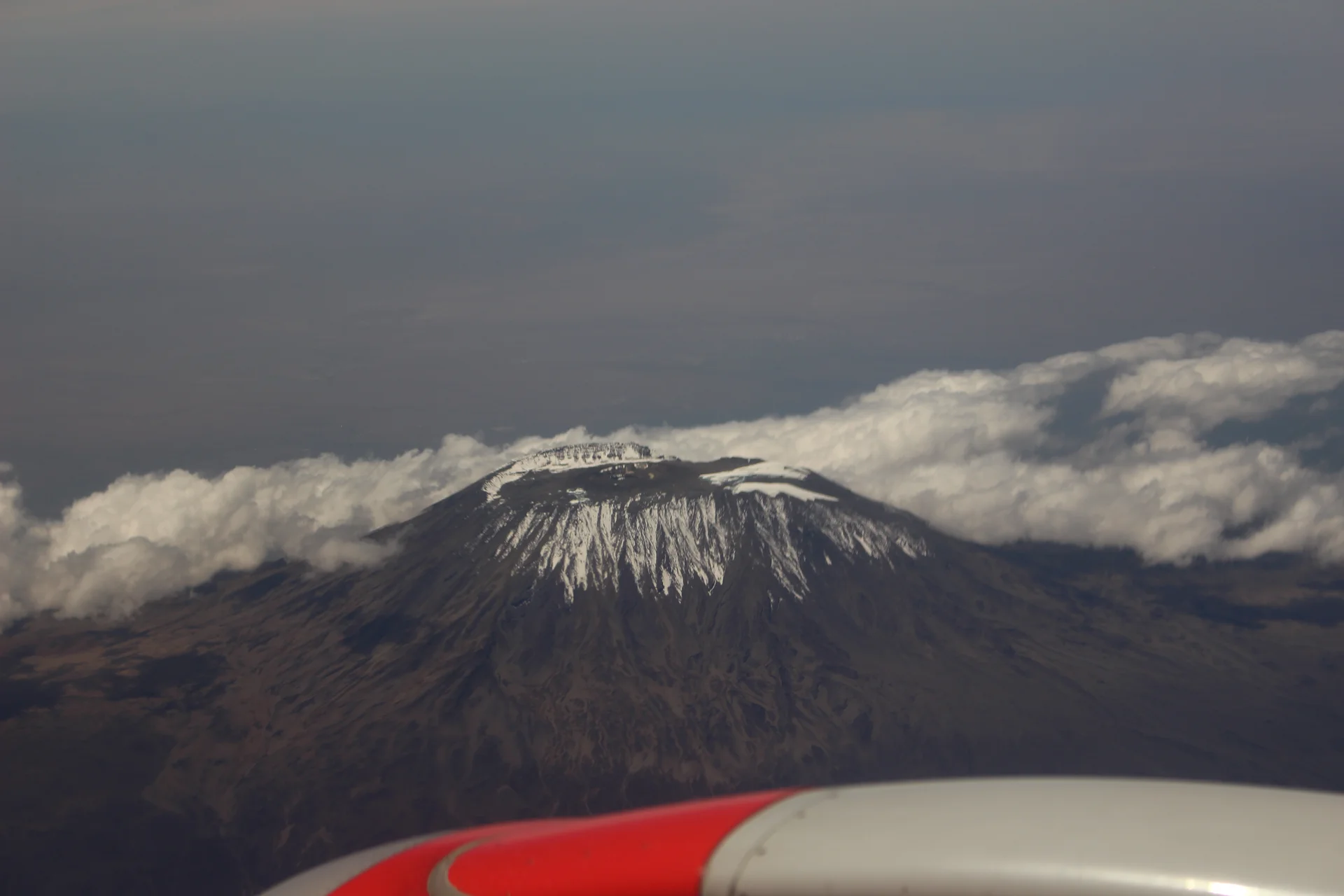
Kilimanjaro rises above northern Tanzania’s plains to Uhuru Peak at 5,895 metres, the highest point in Africa. Its volcanic massif, dramatic changes in vegetation and…
Wildlife
Black-and-white colobus monkeys in forest habitats & Blue monkeys in forest habitats
Landscape
Mountains & Trekking
Highlights
Uhuru Peak at 5,895 metres — Africa’s highest point
 Western Circuit
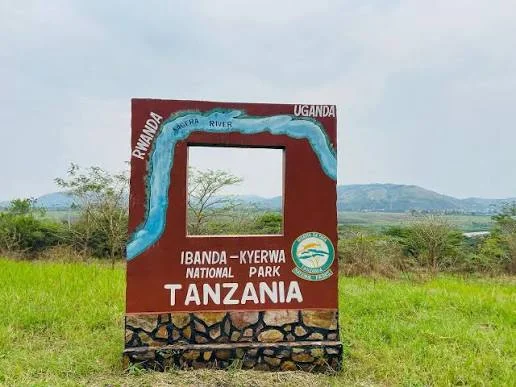
Ibanda-Kyerwa National Park protects a scenic corner of northwestern Tanzania, where the Kagera River meets a landscape of savanna, wooded slopes, valleys and wetlands. Situated…
Wildlife
Buffalo & Roan antelope
Landscape
National Parks & Safari
Highlights
Kagera River scenery on Tanzania’s northwestern border
 Zanzibar & Islands
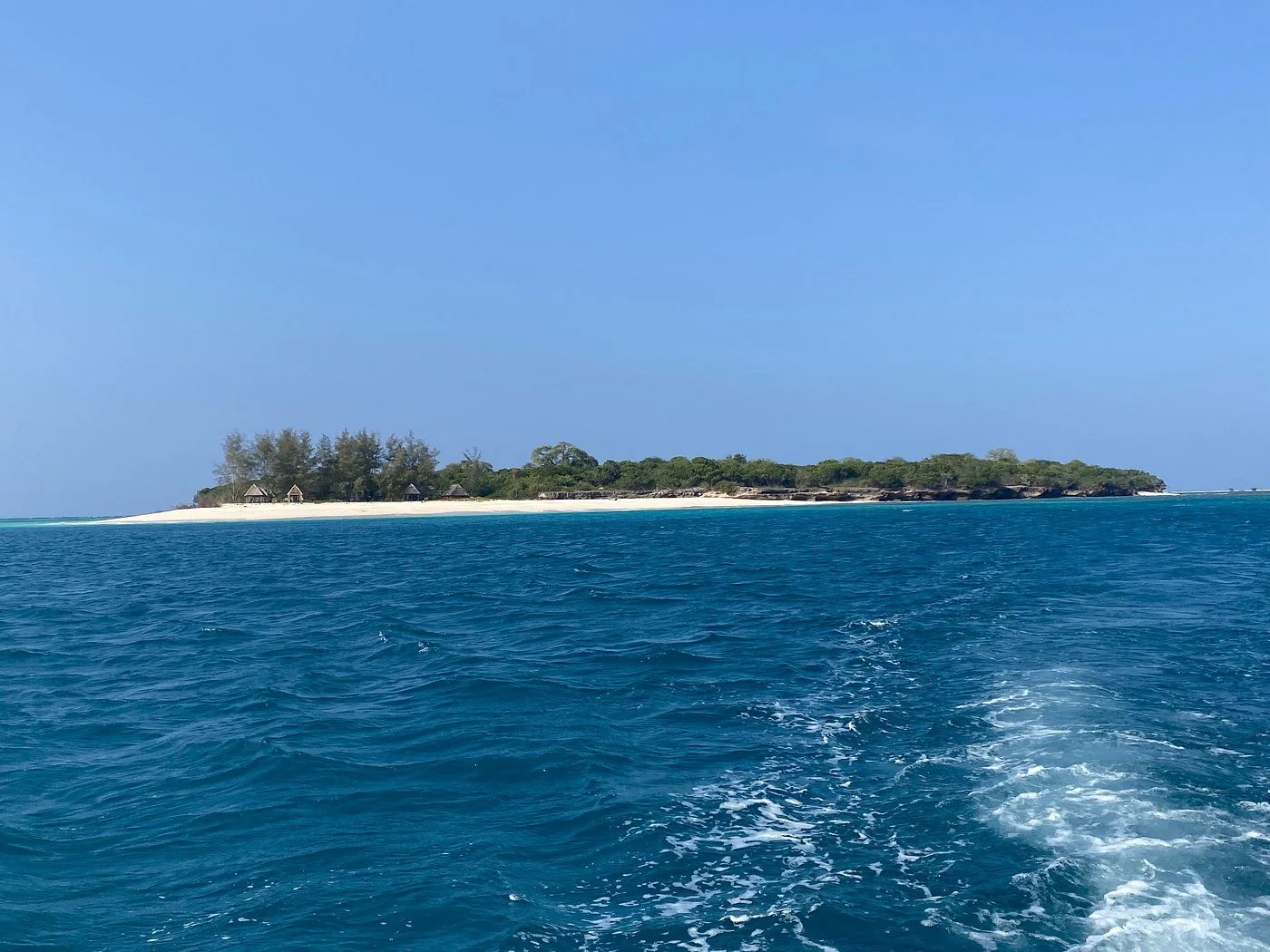
Sinda Island Marine Reserve offers an Indian Ocean escape off Kigamboni, on the southern side of Dar es Salaam. The reserve encompasses Inner and Outer…
Wildlife
Reef fish & Coastal birds
Landscape
Beaches & Islands
Highlights
Inner and Outer Sinda islands
 Northern Circuit
Discover Mount Hanang Rising above Katesh in Tanzania’s Manyara Region, Mount Hanang offers a rewarding mountain adventure beyond the familiar northern safari circuit. At approximately…
Wildlife
Klipspringer & Vervet monkeys
Landscape
Mountains & Trekking
Highlights
Approximately 3,423 metres — Tanzania’s fourth-highest mountain