 5.0 Excellent

Dorine M1 year ago

Grateful experience
As a solo female traveler, I felt super safe and well taken care of the entire time.
Read more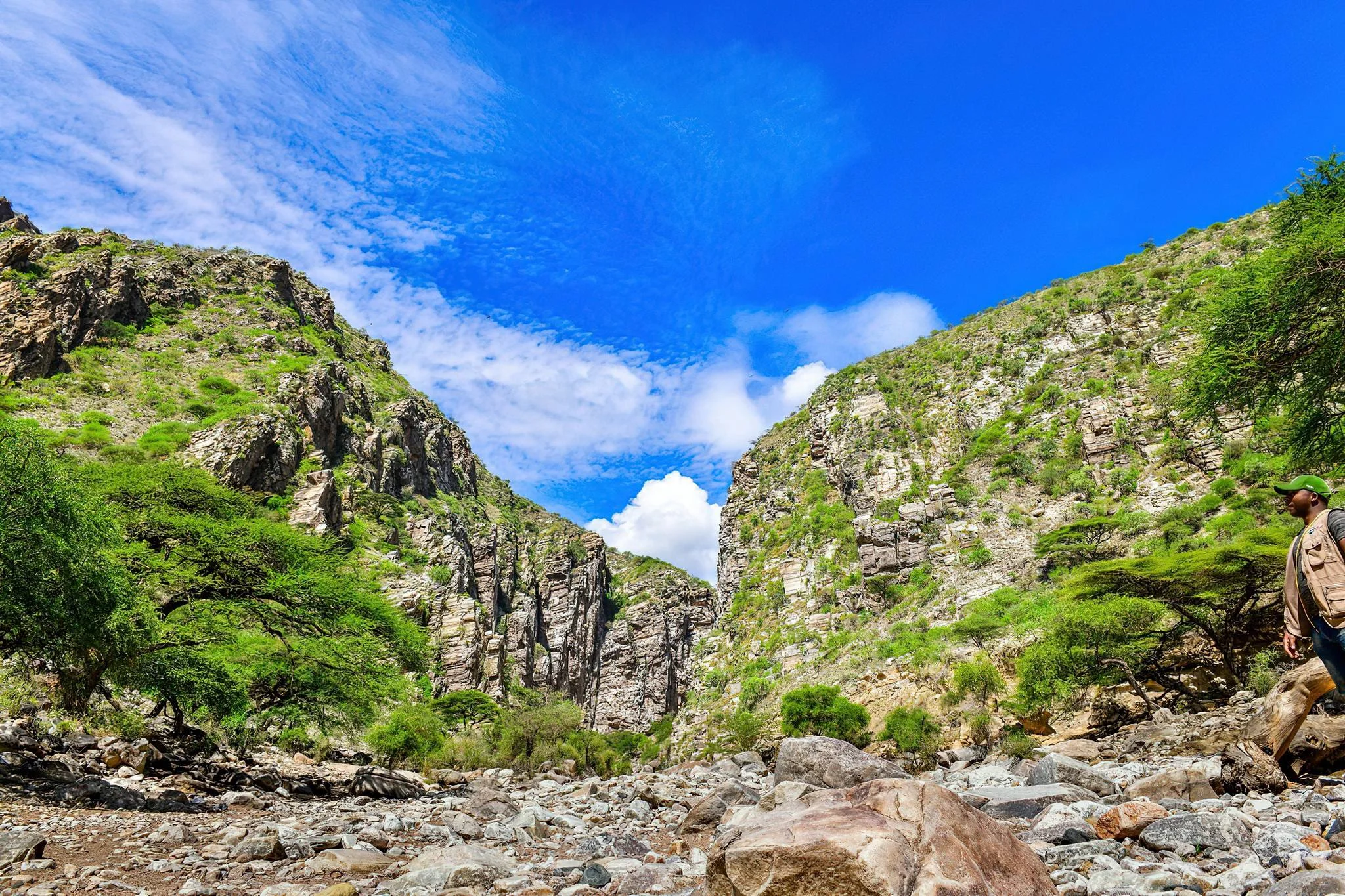
Northern Circuit
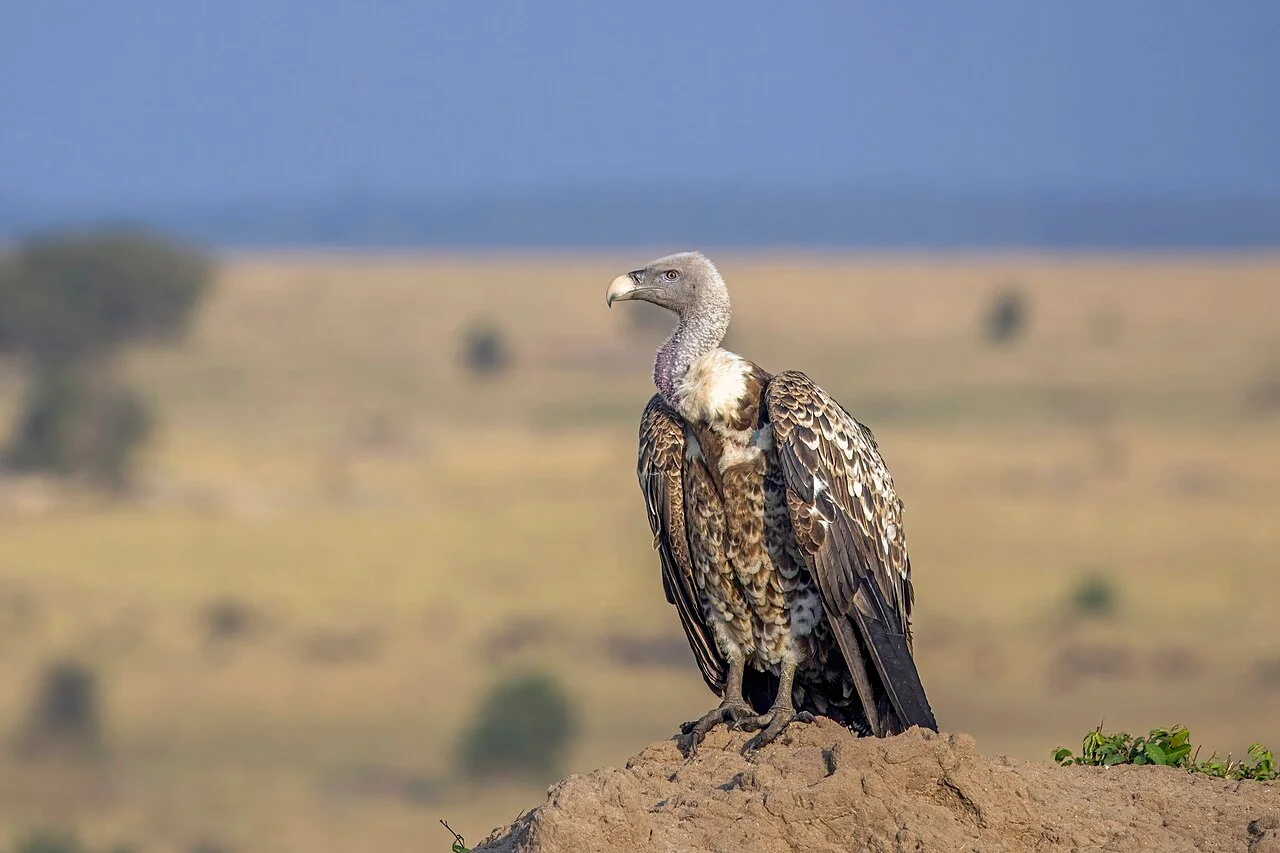
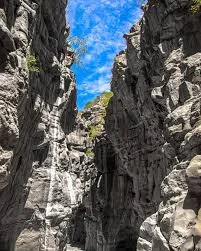
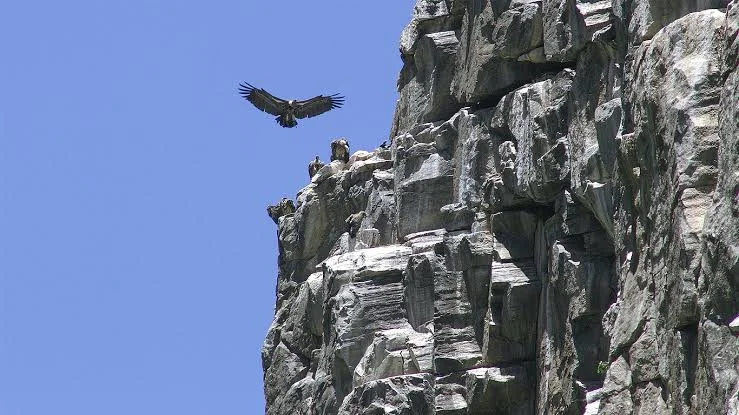
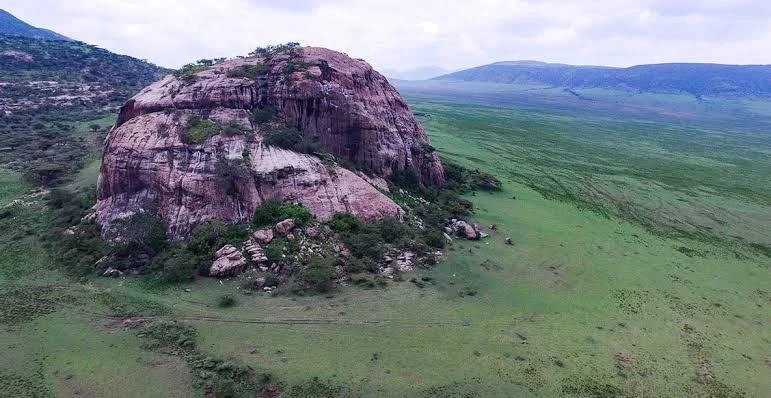
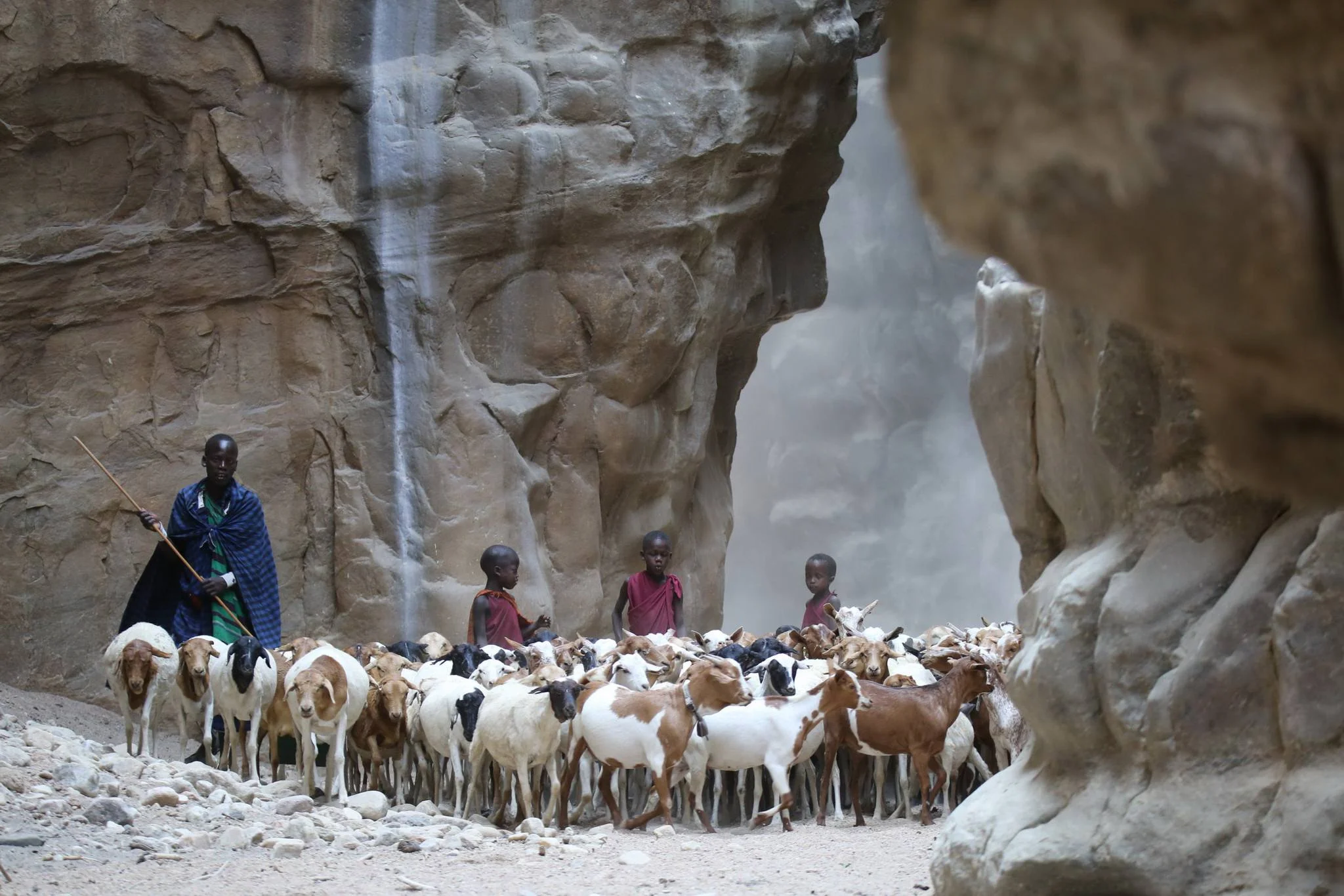
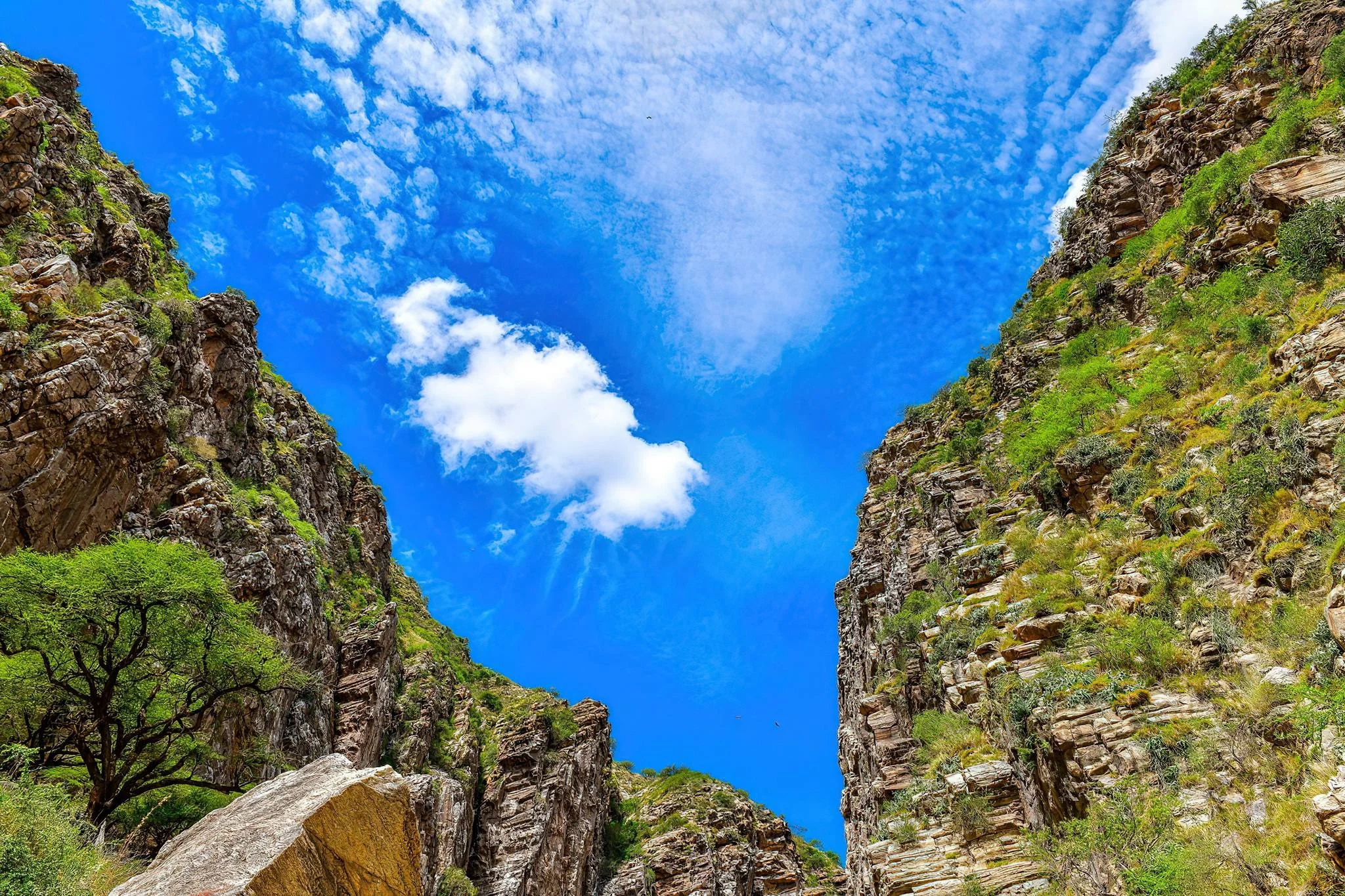
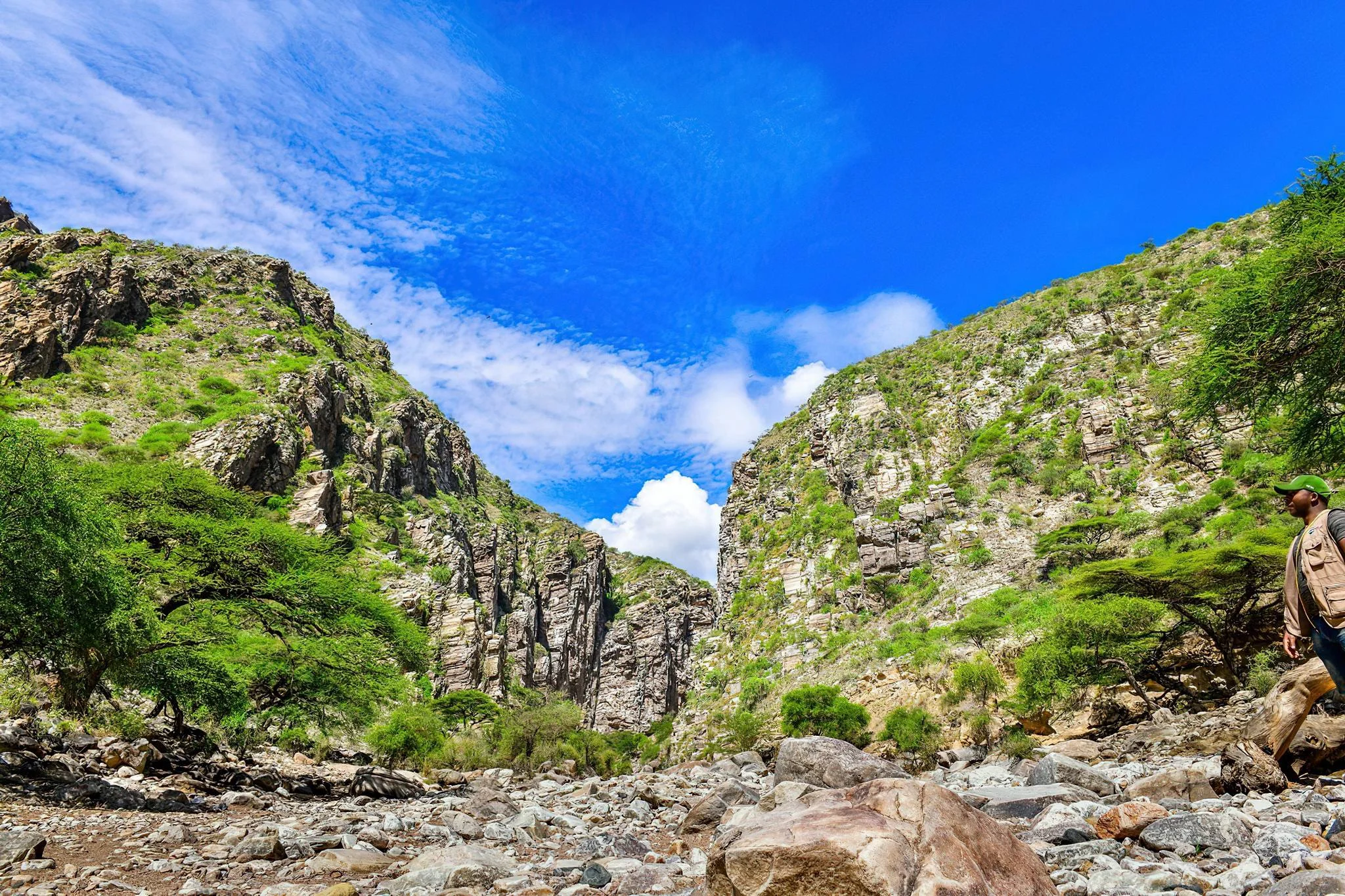
Olkarien Gorge brings together striking rock scenery, birdlife and the open landscapes of the Ngorongoro Conservation Area. At the eastern edge of the Gol Mountains, a narrow canyon cuts through ancient rock, creating a dramatic setting for a carefully planned guided visit. Its cliffs are particularly important for nesting Rüppell's griffon vultures, making the gorge appealing to travellers interested in birds, geology and the quieter natural features of northern Tanzania. A GORGE IN THE GOL MOUNTAINS Olkarien lies within the Ngorongoro Conservation Area, towards the Serengeti side of the wider landscape. It is a separate destination from Olduvai Gorge and from the Ngorongoro and Olmoti craters. The gorge extends for approximately eight kilometres, but that geographical length should not be confused with the distance of a visitor walk. Your actual route must be chosen around the permitted access, conditions and your group's ability. HOW THE LANDSCAPE FORMED The canyon cuts through quartzite on the eastern side of the Gol Mountains. Its form reflects the interaction of faulting and stream erosion: as the land to the east was lowered, a stream continued cutting into higher rock. The result is a deep, narrow channel with steep walls and overhanging sections. A knowledgeable guide can help you understand the landscape without needing technical geology knowledge, connecting the shape of the rocks with the forces that created the wider rift setting. VULTURES AND BIRDWATCHING Rüppell's griffon vultures are the gorge's best-known wildlife attraction. The cliffs provide nesting habitat, and patient visitors may observe birds circling, soaring or returning to the rock faces. Sightings and visible nesting activity vary with conditions, so allow time for observation and keep expectations flexible. Use binoculars or a long lens from the agreed viewing position. Keep voices low, avoid approaching nests and give the birds space. A rewarding visit protects the colony while allowing you to appreciate it. WILDLIFE IN THE WIDER LANDSCAPE Baboons are associated with the rocky surroundings, while wildebeest can occur on the nearby plains when seasonal movements and conditions are favourable. Other birdlife adds interest, but a gorge visit should be planned primarily around scenery, geology and birdwatching. Wildlife concentrations across the wider ecosystem change with rainfall and movement, so avoid building the day around an assumed herd location. Any game viewing on the approach should fit the permitted route and the wider safari programme. A GUIDED WALK WITH CLEAR LIMITS Walking activities in the Ngorongoro Conservation Area require an armed ranger with advance booking and arrangement. Confirm the activity, ranger and access details before travelling. The official Geopark route specifically identifies an upper stone-bridge section as unsafe for walking because of unstable walls and hanging rocks. This is not a feature to approach independently or an objective to insist on reaching. Follow the guide and ranger's route decisions, remain together and turn back when instructed. A full traverse or rock-climbing outing should not be assumed to be part of a standard visit. COMMUNITIES, LIVESTOCK AND WATER The gorge also has importance for nearby Maasai communities, with wells and livestock watering connected to local use. These are working places, not unrestricted visitor attractions. Respect community decisions about access and give people and livestock room. Photographs of individuals or their activities need consent. A separate cultural visit should be arranged with willing hosts rather than inferred from simply passing through the landscape. Carry your own drinking water; local wells are not a substitute for planned visitor supplies. WHEN TO VISIT There is a useful distinction between bird interest and travel conditions. March and April are often highlighted for vulture breeding activity, subject to current conditions and access, while June to October is generally a practical drier window for road access and walking. Conditions can change after rain, and the final programme needs a current local assessment. Allow flexibility for heat, weather, road conditions and restrictions around the colony. Bird activity is best approached with patience rather than a rigid timetable. PRACTICAL PLANNING Wear closed footwear with dependable grip and carry water, sun protection, snacks and a daypack. Binoculars are useful for observing the cliffs without moving closer. Rain protection and a layer for cooler mornings can also be helpful, depending on your wider itinerary. The route may involve rocky, uneven ground and should be assessed for children or travellers with mobility needs. Confirm where your vehicle will stop, the walking distance and any toilets or picnic arrangements; do not rely on facilities within the gorge. PLAN YOUR OLKARIEN GORGE JOURNEY TanzaLux Safaris can help include Olkarien in a wider Ngorongoro, Gol Mountains or Serengeti-side itinerary. Your overnight base and road transfers will determine how much time is practical for the visit. Request a quotation that clearly identifies conservation-area entry, activity arrangements, the armed ranger, guiding, transport, meals and accommodation as applicable. Leave time for observation and keep the route flexible so that the visit suits both the landscape and its living wildlife.
March–May usually brings the long rains, which can affect roads and walking conditions. March and April are often highlighted for vulture breeding activity, subject to current conditions and access. Confirm the route, colony conditions and recent weather with your guide. Keep travel dates flexible and avoid gorge walks when the ranger judges conditions unsuitable.
January–February may offer useful conditions between wetter periods, depending on the year. October–December commonly brings short rains, with greener surrounding plains but potentially wet access tracks. Wildlife movements and bird activity vary. Confirm your chosen base, road conditions and permitted viewing route before travelling, and carry both sun and rain protection.
June–October is generally a practical drier period for access and walking. Open approach areas can be warm, so carry adequate water and sun protection. Nesting activity and surrounding herds should not be assumed in these months. Book the walking activity and armed ranger in advance, and allow time to watch birds from the agreed viewing positions.
Olkarien Gorge is at the eastern edge of the Gol Mountains within the Ngorongoro Conservation Area, towards the Serengeti side of the wider ecosystem. The official Geopark North Route connects Loduare Gate with the Gol Mountains and Olkarien, but your exact access plan should reflect your overnight base and wider itinerary. From Arusha or Karatu, arrange conservation-area entry and onward travel in a suitable safari vehicle. Visitors already staying in the wider Ngorongoro or Serengeti-side area should confirm the permitted route rather than assuming the gorge is a short detour. Journey time varies with the starting point, gate procedures, tracks and recent rainfall; no single transfer duration applies to every visit. A suitable four-wheel-drive vehicle is advisable for remote approach roads, with the final conditions checked locally. Book the walk and armed ranger in advance, agree the vehicle stopping point and confirm return transport. If combining the gorge with Olduvai, Nasera Rock, Ndutu or another destination, allow realistic road time and confirm separate access arrangements. Carry water and arrange meals and facilities ahead of the outing.
Olkarien Gorge lies at the eastern edge of the Gol Mountains, within Tanzania’s Ngorongoro Conservation Area. It is visited as part of a planned journey into the wider Ngorongoro and Serengeti-side landscape. Confirm the access route from your chosen overnight base.
It developed through the combined effects of faulting and stream erosion. As ground to the east was lowered, a stream cut into higher quartzite rock. Its narrow channel and steep walls make it an interesting place to explore the geological story with a guide.
No. The approximate eight-kilometre figure describes the gorge’s length, not a standard visitor walking distance. Your permitted route, turnaround point and walking time must be agreed separately. Some sections are unsuitable for walking, so a full traverse should never be assumed.
Its cliffs provide an important nesting site for Rüppell’s griffon vultures. Visitors may see birds flying above the gorge or using the rock faces, but activity varies. Observe quietly with binoculars or a long lens and avoid moving closer to nests.
June–October is generally a practical drier window for access and walking. Birdwatchers may be interested in seasonal nesting activity during wetter months. The best choice depends on your priorities and current conditions; confirm the route and bird activity locally before setting a firm programme.
No. March and April are often highlighted for breeding activity, but nesting, visible birds, weather and access vary between visits and years. Plan for respectful observation rather than a promised display. Follow restrictions or viewing guidance needed to protect the colony, even if that means changing your route.
Baboons are associated with the rocky surroundings, and wildebeest may occur on nearby plains when seasonal conditions favour them. Other birds can also be observed. Wildlife movements are unpredictable, so enjoy the visit for the gorge and its ecology as well as any sightings.
Yes. Ngorongoro Conservation Area Authority guidance requires walking activities in the conservation area to have an armed ranger with prior arrangements. Confirm the activity, access requirements and ranger booking before departure. This is not a self-guided gorge walk.
Difficulty depends on the selected route and conditions. Expect uneven or rocky ground, and ask about distance, shade, gradients and turnaround options before booking. Tell your planner your walking experience and preferred pace so the programme can be assessed for your group.
The official Geopark guide identifies that upper section as unsafe for walking because of unstable walls and hanging rocks. Do not approach it independently or insist on reaching it. Stay on the route selected by your guide and ranger and follow any instruction to turn back.
Allow time for road transfers as well as the agreed walk and birdwatching stops. The duration varies with your starting point, route and conditions. Ask for an itinerary-specific estimate and keep the day flexible rather than relying on one fixed time for every visitor.
Arrange a suitable safari vehicle and a route through the Ngorongoro Conservation Area to the Gol Mountains area. Entry procedures, road conditions and your overnight base affect the journey. Confirm the final vehicle stopping point, ranger meeting and return transport in advance.
Yes. Rain may make approach tracks difficult and alter the suitability of a gorge walk. Keep the programme flexible and obtain a current local assessment before departure. The guide and ranger may shorten, change or postpone the outing when conditions are unsuitable.
Suitability depends on age, stamina and the actual walking route. Share the children’s ages and experience when booking, and ask for an assessed programme with manageable distances. Close supervision is needed around rocky ground, cliffs and wildlife, and everyone must stay with the group.
The gorge has uneven natural terrain, so accessible paths and wheelchair suitability cannot be assumed. Explain specific needs before booking and request a current assessment of vehicle access, walking surfaces, distance and available facilities. A viewing option must be confirmed for the individual visitor.
Do not rely on supplies or visitor facilities inside the gorge. Carry your own drinking water and confirm any picnic, refreshment and toilet arrangements beforehand. Local wells serve community and livestock needs and should not be treated as visitor water facilities.
Access and use are subject to local community guidance. Give people and livestock room and ask permission before photographing individuals or their activities. If you want a cultural experience, arrange it separately with willing hosts; passing through the area does not provide unrestricted access.
A wider itinerary can include these areas when road time and access arrangements allow. They are distinct destinations, so ask for a realistic schedule identifying each stop and any separate requirements. Your accommodation base strongly influences what can be included comfortably.
Do not assume camping in or beside the gorge is available. Use a confirmed lodge or an authorised campsite selected for your wider itinerary. Any proposed camping needs current permission and clear arrangements for water, meals, sanitation, equipment and transport.
Bring closed footwear with grip, water, sun protection, snacks, a daypack and binoculars; include rain protection and a layer as needed for the wider trip. Request a quotation showing conservation-area entry, activity charges, the armed ranger, guiding, transport, meals and accommodation as applicable.
Grateful experience
As a solo female traveler, I felt super safe and well taken care of the entire time.
Read morePrivate Safari 6 days
I can only highly recommend the young company Tanzalux for organizing a private safari.
Read moreAn unforgettable vegetarian journey with Tanzalux Safaris
I highly recommend Tanzalux for anyone wanting a special, personalized safari.
Read moreOur 3-day camping safari with Tanzalux was simply fantastic! Everything was perfectly organized.
Read moreBack in April, I joined a day trip to Tarangire National Park with Tanzalux Safaris, and it was truly one of the best experiences I have ever had…
Read moreI've had an amazing experience with Tanzalux Safaris, would 1000% recommend! Thank you for making my trip so special🫶
Read moreI recently visited Meru Waterfalls in Arusha and got to do some of the activities there, honestly it was such a great experience and I really enjoyed it.
Read moreOur guide Dullah Mr Rastaman had the best vibe. I would like to recommend other people not to miss it, Tarangire is the best national park.
Read moreOur tour guide Nasri was very friendly and welcoming from the first day we met him. He knows Tarangire very well and explained many things during the safari.
Read moreAs a grandmother in the group, I would like to share my happiness with Tanzalux Safaris. Me, my daughters, and my grandson went on a short trip to Tarangire National Park…
Read moreReceive a free, no obligation quote

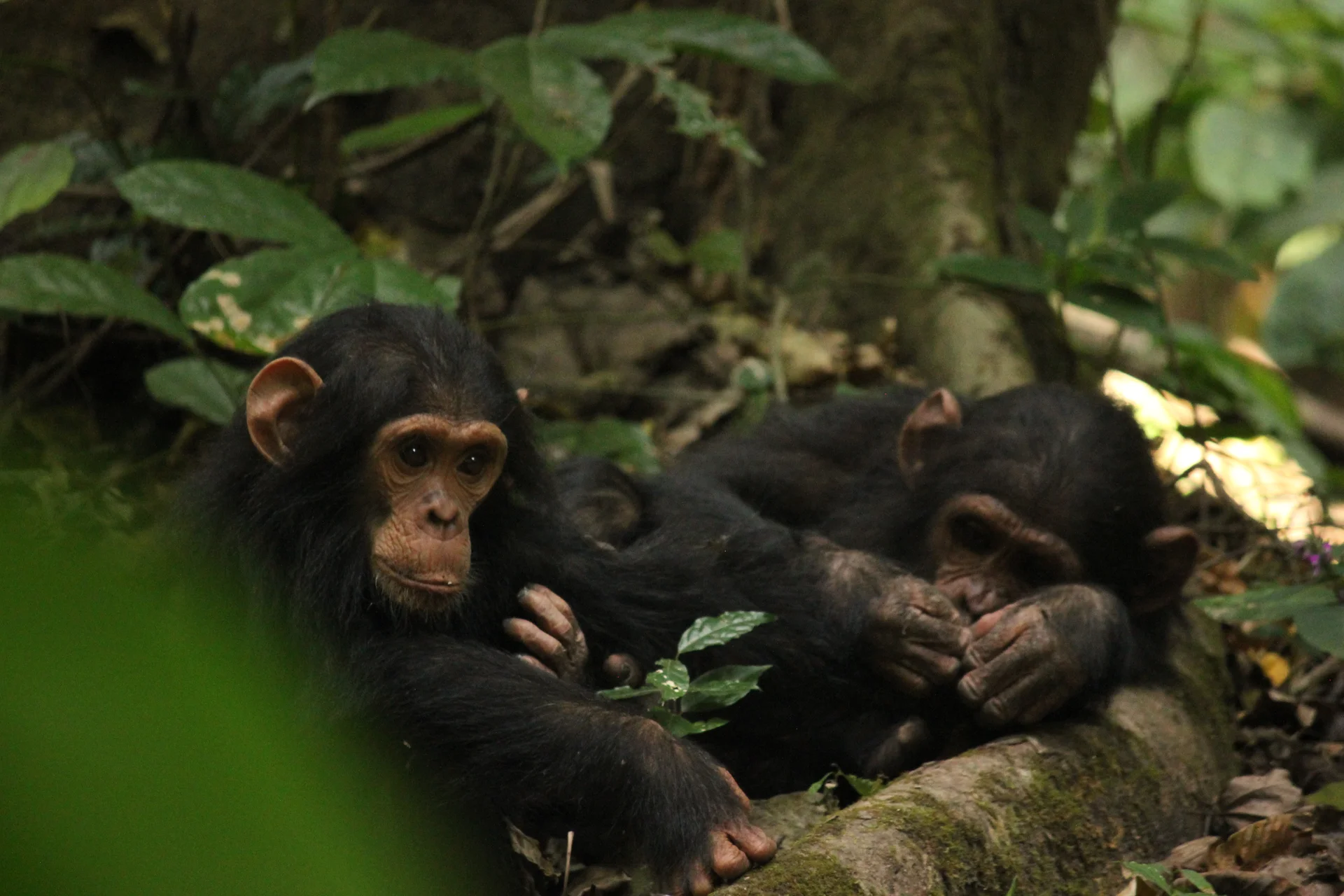 Western Circuit
Gombe Stream National Park, also known as Gombe National Park, combines wild chimpanzee trekking with forested hills and the shores of Lake Tanganyika. In Kigoma…
Wildlife
Chimpanzees & Olive baboons
Landscape
National Parks & Safari
Highlights
Wild chimpanzee trekking with park rangers
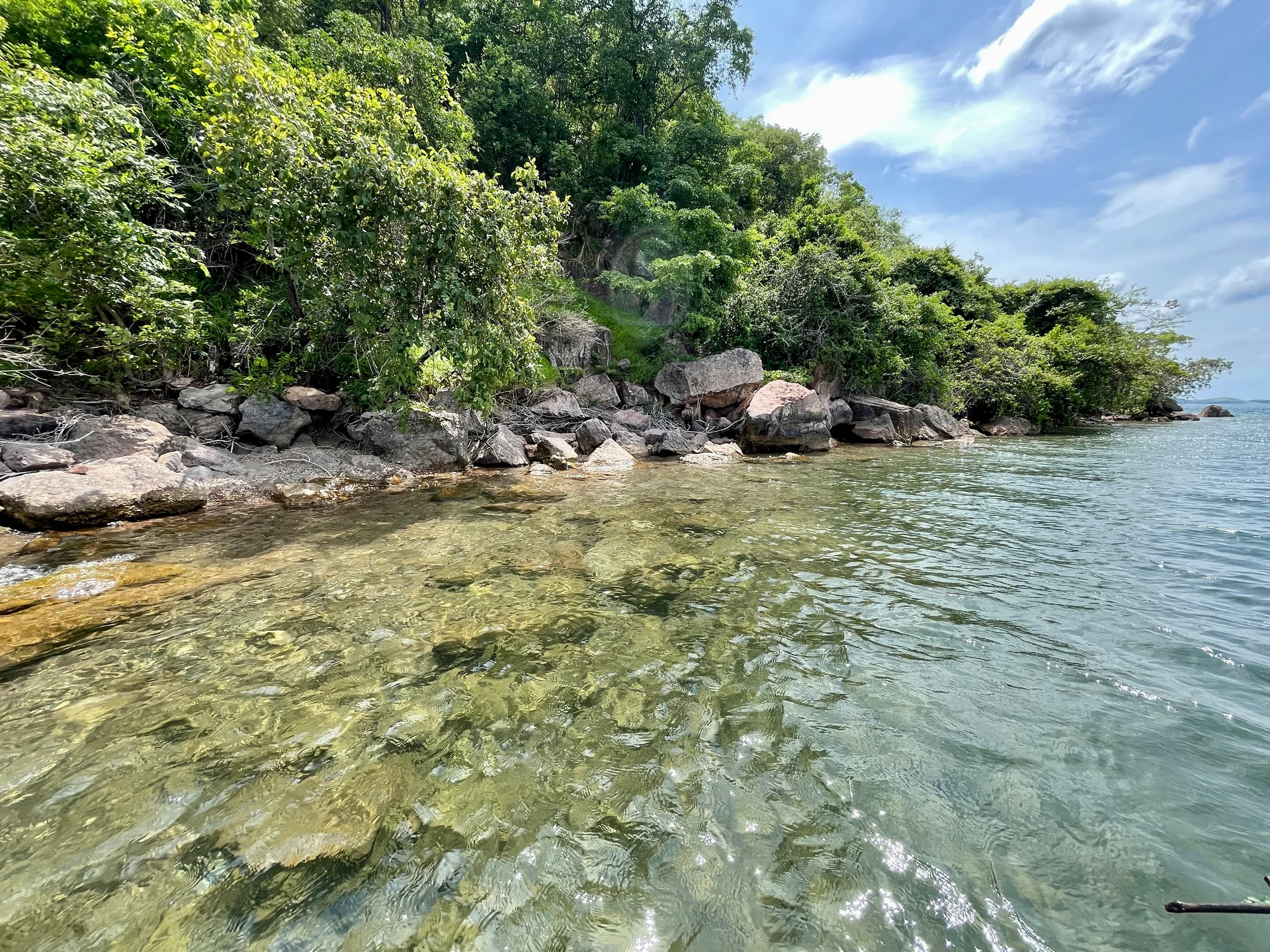 Southern Circuit
Lake Tanganyika offers a striking freshwater setting along Tanzania’s western frontier: broad blue horizons, wooded shores, bays, beaches and communities whose daily life is closely…
Wildlife
Endemic cichlid fish & Other freshwater fish
Landscape
Lakes & Hot Springs
Highlights
Africa’s deepest freshwater lake in the East African Rift
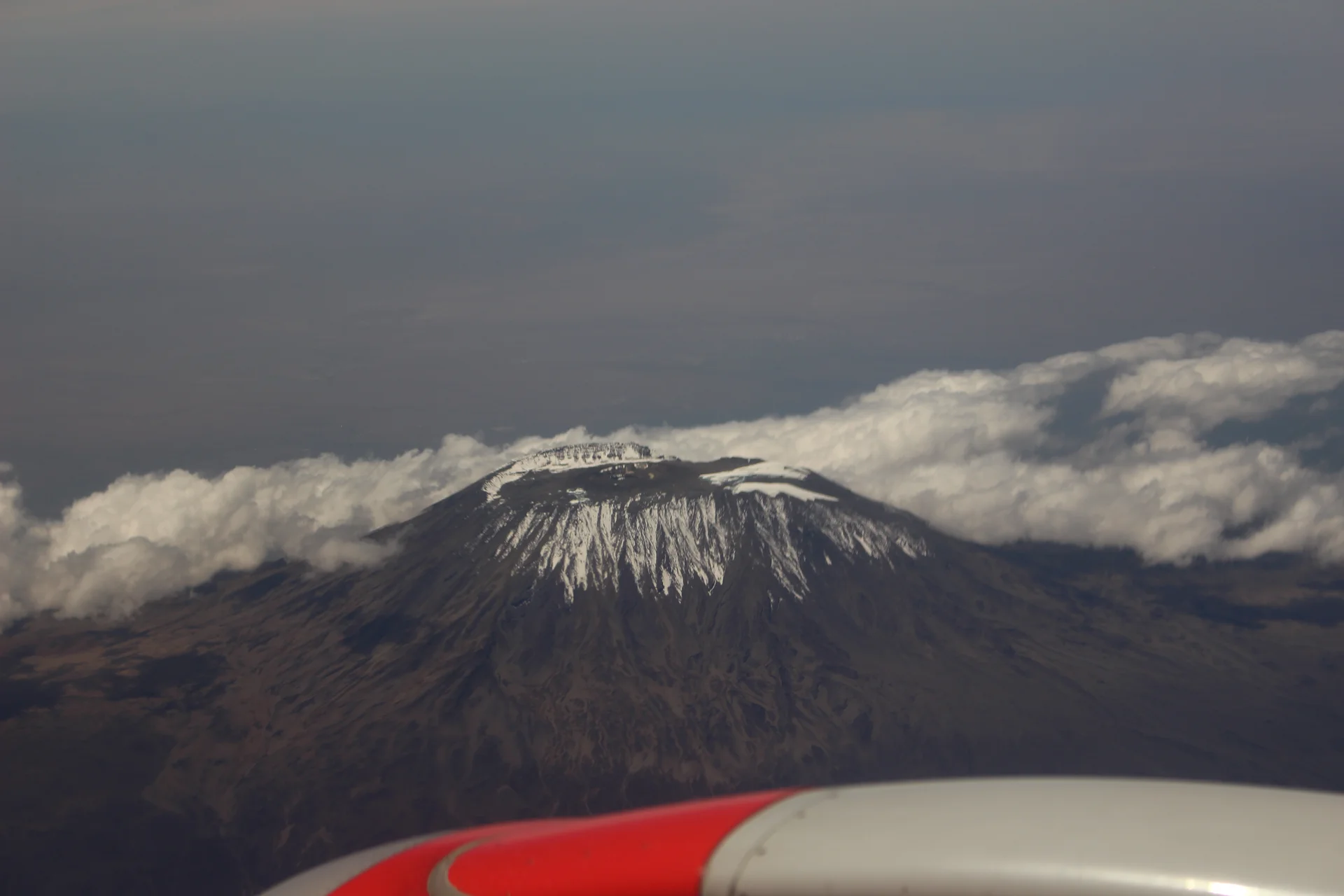 Northern Circuit
Kilimanjaro rises above northern Tanzania’s plains to Uhuru Peak at 5,895 metres, the highest point in Africa. Its volcanic massif, dramatic changes in vegetation and…
Wildlife
Black-and-white colobus monkeys in forest habitats & Blue monkeys in forest habitats
Landscape
Mountains & Trekking
Highlights
Uhuru Peak at 5,895 metres — Africa’s highest point
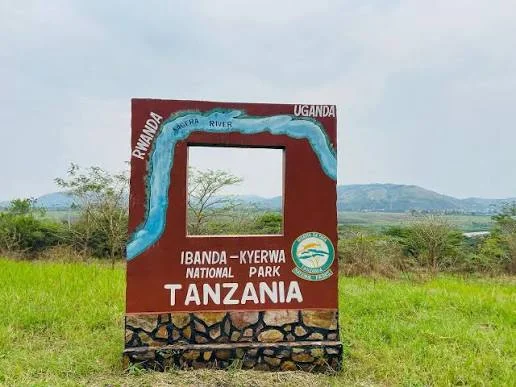 Western Circuit
Ibanda-Kyerwa National Park protects a scenic corner of northwestern Tanzania, where the Kagera River meets a landscape of savanna, wooded slopes, valleys and wetlands. Situated…
Wildlife
Buffalo & Roan antelope
Landscape
National Parks & Safari
Highlights
Kagera River scenery on Tanzania’s northwestern border
 Zanzibar & Islands
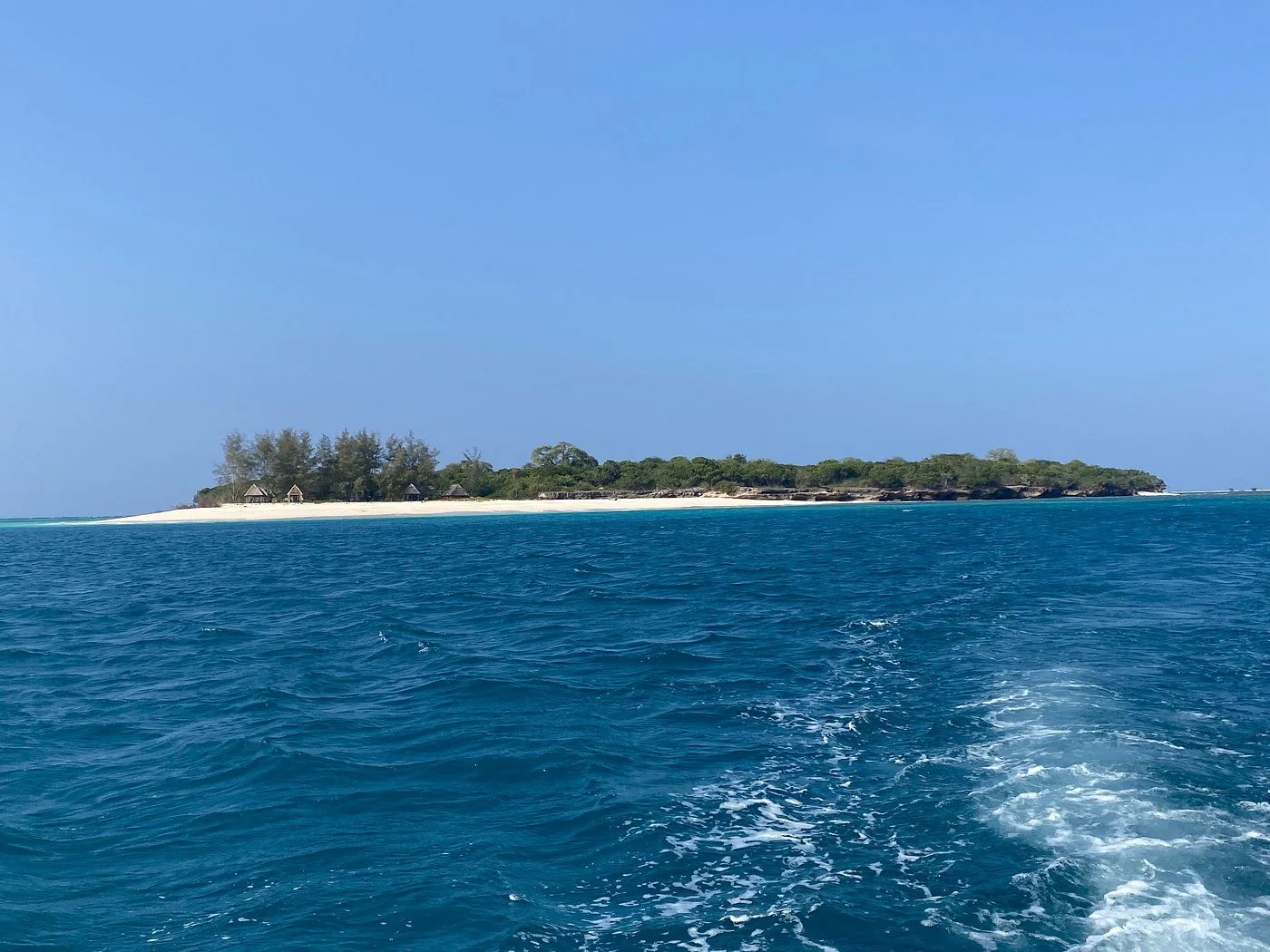
Sinda Island Marine Reserve offers an Indian Ocean escape off Kigamboni, on the southern side of Dar es Salaam. The reserve encompasses Inner and Outer…
Wildlife
Reef fish & Coastal birds
Landscape
Beaches & Islands
Highlights
Inner and Outer Sinda islands
 Northern Circuit
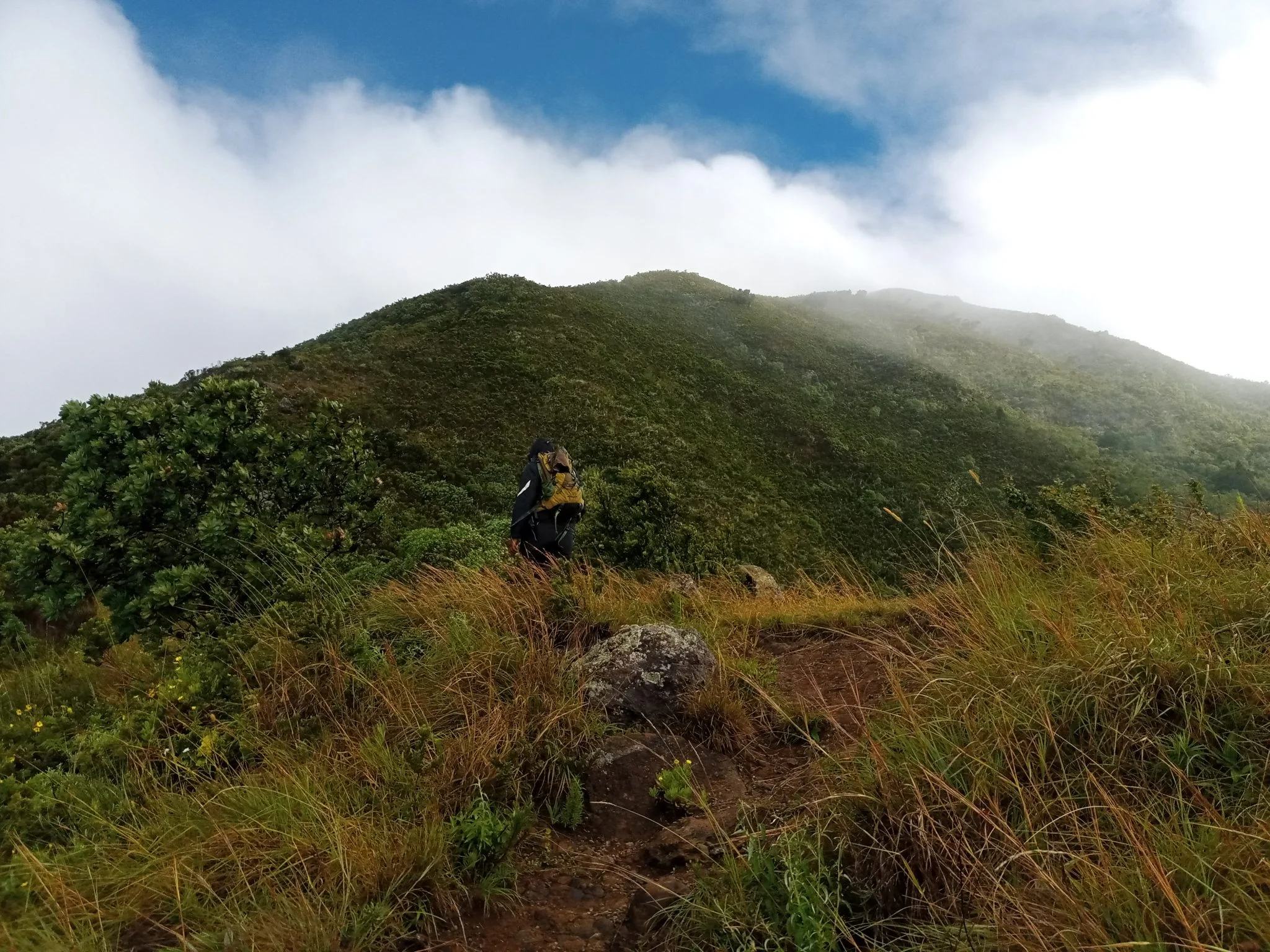
Discover Mount Hanang Rising above Katesh in Tanzania’s Manyara Region, Mount Hanang offers a rewarding mountain adventure beyond the familiar northern safari circuit. At approximately…
Wildlife
Klipspringer & Vervet monkeys
Landscape
Mountains & Trekking
Highlights
Approximately 3,423 metres — Tanzania’s fourth-highest mountain