 5.0 Excellent

Dorine M1 year ago

Grateful experience
As a solo female traveler, I felt super safe and well taken care of the entire time.
Read more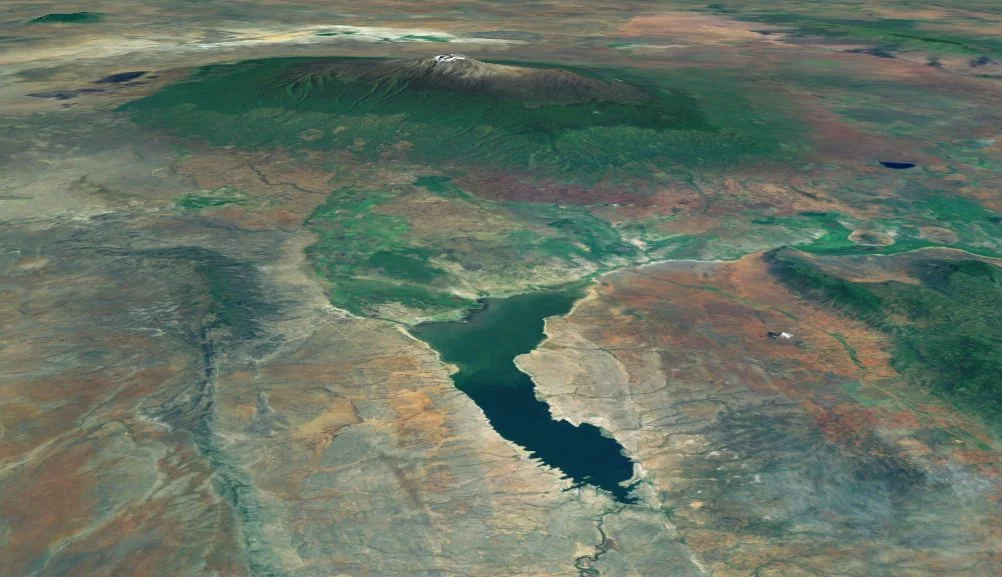
Northern Circuit
Nyumba ya Mungu is a broad freshwater reservoir in northern Tanzania’s Pangani basin, south of the Kilimanjaro area. Its Swahili name means “House of God”. The landscape combines open water, seasonal wetland edges, dry-country vegetation and settlements whose daily life is closely connected with fishing. For travellers, it offers a quieter, locally guided excursion focused on birds, scenery and community life. The reservoir receives water from the Kikuletwa and Ruvu rivers and forms an important part of the Pangani river system. It is also associated with hydropower generation and water management. This makes it a working landscape with several purposes, rather than a dedicated beach resort. Learning how the water supports livelihoods and infrastructure can add depth to a visit, especially when your guide connects the wider geography with the place you are standing. Birdwatching is one of the strongest reasons to visit. Nyumba ya Mungu is recognised as a Key Biodiversity Area, and its habitats provide opportunities to look for waterbirds and birds of the surrounding dry woodland. Historical records include herons, egrets, waders and other species; what you see on a particular day depends on habitat, season and water conditions. A patient approach with binoculars and a knowledgeable guide is more rewarding than expecting a fixed checklist. Plan your exploration around an accessible section of shore chosen by a local guide. A short walk can reveal changing vegetation, feeding birds and the relationship between the reservoir and nearby settlements. The shoreline and usable paths vary as the water rises and falls, so an older route description may not match current conditions. A guide can also help keep the visit respectful of working landing places, private homes and sensitive nesting areas. Fishing communities are central to the reservoir’s character. With hosts’ permission, a cultural visit can introduce everyday activities and the importance of the fishery. Ask before photographing people, boats or a catch, and avoid interrupting work. Agree guiding and any visit costs in advance. A good encounter should be based on conversation and local consent, with time to understand the place rather than simply collecting photographs. Boat outings or a fishing experience may be possible through suitable local arrangements, but neither should be assumed to be a standard daily service. Request details of the operator, vessel, safety equipment, permissions and conditions before including either activity. A rewarding visit can be built entirely around land-based observation and guided walks. Access to dam structures or power-generation facilities is a separate matter and should only be attempted with explicit authorisation. We suggest allowing a full excursion day when travelling from a Moshi-area base, with the precise schedule shaped around your starting point, the selected shoreline and road conditions. Keen birders may prefer an early arrival and a longer, less hurried outing. Do not use straight-line map distance as a substitute for actual transfer planning: the last approach to a chosen village or viewing point can make a substantial difference. Facilities should be checked before departure. Arrange drinking water, meals, transport and any essential bathroom stops, and choose established accommodation in your wider itinerary unless a specific local stay has been confirmed. Carry sun protection, comfortable closed shoes, binoculars, a light rain layer and a waterproof bag for valuables. Keep children supervised near water and unstable shore edges. Nyumba ya Mungu works best as a thoughtful addition to a northern Tanzania journey for travellers who enjoy wetlands, photography and the life of working landscapes. Select a few well-planned experiences, allow time to observe and let local conditions guide the day’s pace.
March–May generally brings the long rains, with further showers possible in November–December. Expect greener surroundings and changing wetland edges, but muddy approach tracks may limit a chosen shore route. Check local access before setting out, carry a rain layer and allow extra travel time. Reservoir levels and boat conditions also reflect water management, so rainfall alone does not determine the day’s experience.
January–February and the transitions around May–June or October–November can suit a flexible birding excursion. Seasonal bird presence varies and should be discussed with a local guide for your exact dates. Combine accessible shoreline observation with nearby dry-country habitats, start early where practical and adapt the route to current water levels rather than relying on an old viewing-point description.
June–October is generally the drier regional travel window and can make approach roads and shore walks easier to plan. Expect strong sun and possible dust, with the accessible water’s edge depending on reservoir levels. Early or late-day observation can be more comfortable. Bring water, sun protection and binoculars, and ask the guide which bird habitats are most productive at the time.
Plan a road excursion to the particular shoreline site or village you intend to visit. Nyumba ya Mungu lies south of the Moshi area in northern Tanzania’s Pangani basin; the reservoir has several possible approaches, and the dam itself is not the same destination as every birding or fishing-community stop. Agree the exact meeting point and route with a local guide before leaving. Moshi can serve as a practical accommodation base. If arriving by air, use the airport that fits your wider itinerary, such as Kilimanjaro International Airport, and arrange the road transfers separately. Drive time depends on your departure point, the chosen shore and current conditions on the final approach. Request a realistic estimate from your operator and allow a full excursion day rather than treating map distance as a fixed transfer duration. Arrange a suitable vehicle, return transport, guiding, drinking water and meals in advance. A boat or fishing outing requires separate confirmation of the provider, permissions, weather and safety equipment. Check local access after rain or a change in water level. Do not enter operational dam or power-station areas without explicit authorisation, and leave a comfortable buffer before onward flights or other time-sensitive connections.
Nyumba ya Mungu is a reservoir in northern Tanzania’s Pangani basin, south of the Moshi area. Different sections of shore have different approach routes. Tell your guide whether you want birdwatching, a community visit or a particular viewpoint so the chosen access point matches the purpose of your excursion.
The Swahili name means “House of God”. Visitors may hear the same name used for the reservoir, dam and associated settlements. Be specific when arranging transport: a fishing village, accessible birding shore and operational dam area are different places with different access arrangements.
It is a reservoir created by a dam, within a river system used for water management and hydropower. That working role helps explain why water levels and access can change. A visit focuses on scenery, wetland habitats and local livelihoods rather than the facilities of a purpose-built lake resort.
The main inflows are the Kikuletwa and Ruvu rivers, and the reservoir is part of the Pangani river system. Your guide can explain how the wider catchment connects mountains, rivers and communities. This geographical context makes the excursion interesting even when your main activity is a simple shore walk.
It is recognised as a Key Biodiversity Area and combines water, wetland edges and dry-country habitats. Historical records describe herons, egrets and waders among other birds. A local bird guide can choose suitable observation sites for the current conditions; neither an old species list nor an assessment count guarantees what will be present.
Historical records include grey heron, little egret, hamerkop, spur-winged lapwing and Kittlitz’s plover. Lesser flamingos have also been recorded, but their presence is variable. Bring binoculars and allow time to observe quietly. Tell the guide about any target species, while keeping expectations flexible and sightings unguaranteed.
June–October generally offers drier regional travel conditions for road access and shore walks. Other months can also be rewarding, particularly for a flexible birding itinerary. Ask about current water levels, approach roads and local bird activity for your exact dates; the best viewing site can change independently of the calendar.
Yes. Rainfall, river inflows and water-management operations influence the reservoir. Changing levels alter the exposed shore, wetland edges and usable landing places. Recheck access before departure and let your guide adapt the route. An old photograph or map is a geographical reference rather than a promise of current shoreline conditions.
We suggest allowing a full outing day from a Moshi-area base, with the actual timing agreed around your starting point and selected shore. Birders may want an early departure and extra observation time. Include meals and return travel in the schedule, and avoid fitting the excursion tightly between flights.
A guide is useful for choosing accessible shore sites, identifying birds and introducing visitors respectfully to local hosts. The right guide also helps distinguish public viewpoints from working landing areas or restricted infrastructure. Arrange the programme and costs in advance, particularly if birding or a community encounter is the main reason for visiting.
A boat outing may be possible through suitable local arrangements, but it should be confirmed separately. Ask about the vessel, operator, passenger capacity, life jackets, permissions and current conditions. Do not assume a daily tourist service is available. Shore-based birdwatching and walks can provide a complete excursion without going onto the water.
A fishing experience needs an appropriate local provider and confirmation of current permissions, equipment and rules for the exact site. The reservoir is important to working fishing communities, so avoid interfering with their activities. Request the arrangements before booking, rather than assuming recreational fishing is automatically included in a general sightseeing visit.
A guided encounter can be arranged when local hosts welcome visitors. Agree the visit beforehand, ask permission for portraits and respect people’s work and privacy. Any demonstration, meal or other extra should be clearly agreed and priced. Approach the experience as a conversation about everyday life rather than an unrestricted tour of private spaces.
Plan the excursion around guided shore observation and any separately arranged boat activity. Do not enter unfamiliar reservoir water on your own or assume a working landing area is suitable for swimming. Ask locally about site conditions and restrictions. If swimming is a holiday priority, choose accommodation with an appropriate maintained pool.
A family visit can combine a manageable guided walk, birdwatching and a respectful community encounter. Keep children supervised near water, muddy banks and working boat areas. Choose a route with suitable shade, rest stops and facilities for their ages. Any boat outing requires correctly fitting life jackets and a suitable operator.
Bring drinking water, a hat, sun protection, comfortable closed shoes, a light rain layer and insect repellent. Binoculars are particularly useful, and a camera can help with landscape and bird photography. Protect electronics in a waterproof bag. Arrange meals or packed food according to the day’s route and confirmed facilities.
Confirm toilets, meals, shade and other facilities at the actual stop before leaving. Do not assume resort services along every part of the shoreline. Established accommodation in Moshi or your wider itinerary can serve as a base; any local overnight stay needs specific confirmation of rooms, bathrooms, meals, power and access.
Request a clear quotation for your chosen programme rather than assuming one all-inclusive admission charge. Transport, guiding, community visits and any boat or fishing arrangements can have separate costs. Your operator should check current local access arrangements and identify inclusions, exclusions and any applicable permissions for the specific route.
Operational infrastructure is separate from a general shoreline excursion. Do not assume visitors can enter the dam, control areas or power station. Any technical or educational access requires explicit approval from the responsible operator. A guided reservoir visit can still explain the wider water-management landscape from appropriate public or authorised viewpoints.
Yes, it can be added to a Moshi-area stay or a wider northern Tanzania journey when the road route and available time fit. Build it as its own excursion stage and compare actual transfer times before adding distant parks or mountains. It suits travellers seeking birds, photography and local landscapes alongside a conventional safari.
Grateful experience
As a solo female traveler, I felt super safe and well taken care of the entire time.
Read morePrivate Safari 6 days
I can only highly recommend the young company Tanzalux for organizing a private safari.
Read moreAn unforgettable vegetarian journey with Tanzalux Safaris
I highly recommend Tanzalux for anyone wanting a special, personalized safari.
Read moreOur 3-day camping safari with Tanzalux was simply fantastic! Everything was perfectly organized.
Read moreBack in April, I joined a day trip to Tarangire National Park with Tanzalux Safaris, and it was truly one of the best experiences I have ever had…
Read moreI've had an amazing experience with Tanzalux Safaris, would 1000% recommend! Thank you for making my trip so special🫶
Read moreI recently visited Meru Waterfalls in Arusha and got to do some of the activities there, honestly it was such a great experience and I really enjoyed it.
Read moreOur guide Dullah Mr Rastaman had the best vibe. I would like to recommend other people not to miss it, Tarangire is the best national park.
Read moreOur tour guide Nasri was very friendly and welcoming from the first day we met him. He knows Tarangire very well and explained many things during the safari.
Read moreAs a grandmother in the group, I would like to share my happiness with Tanzalux Safaris. Me, my daughters, and my grandson went on a short trip to Tarangire National Park…
Read moreReceive a free, no obligation quote

 Western Circuit
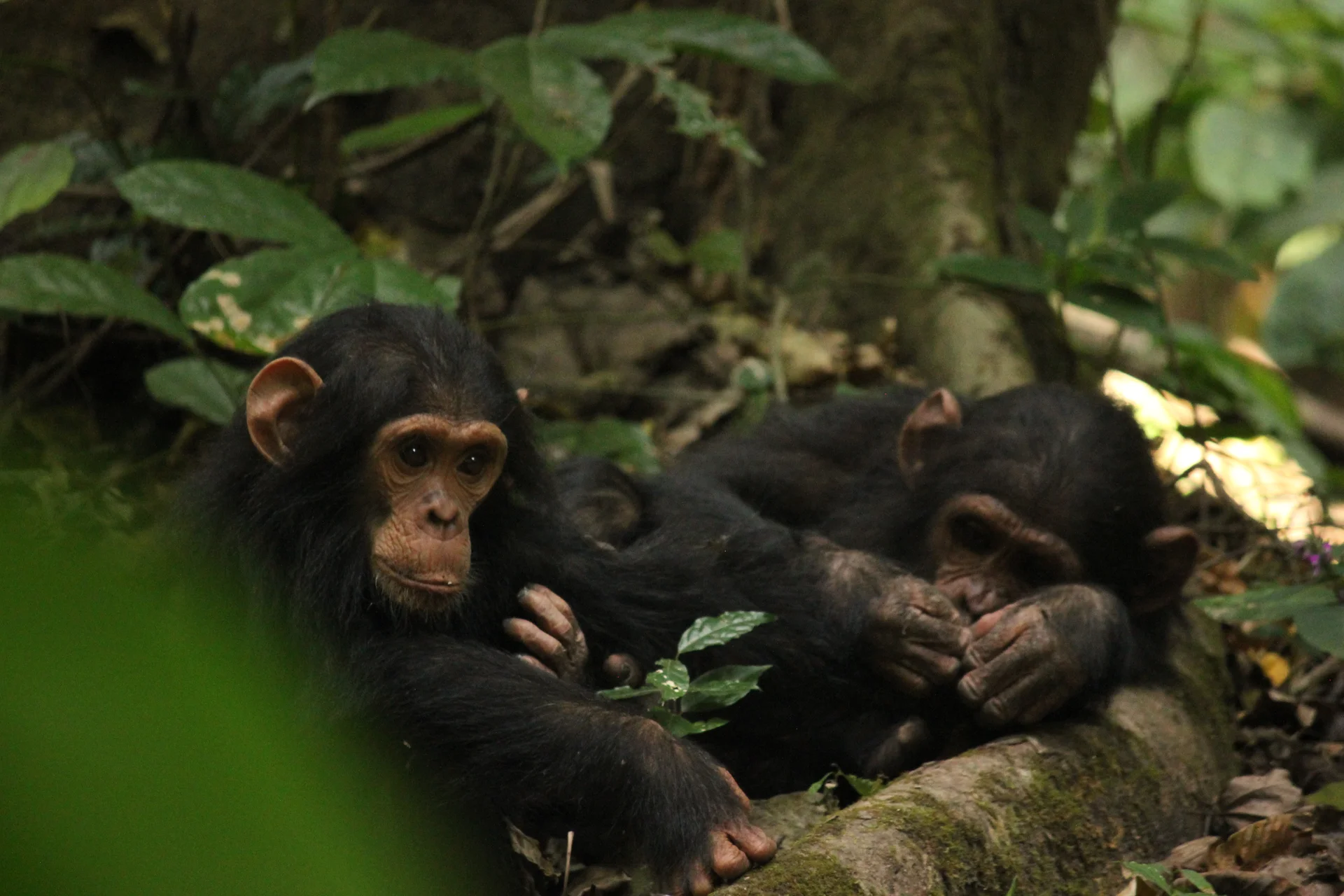
Gombe Stream National Park, also known as Gombe National Park, combines wild chimpanzee trekking with forested hills and the shores of Lake Tanganyika. In Kigoma…
Wildlife
Chimpanzees & Olive baboons
Landscape
National Parks & Safari
Highlights
Wild chimpanzee trekking with park rangers
 Southern Circuit
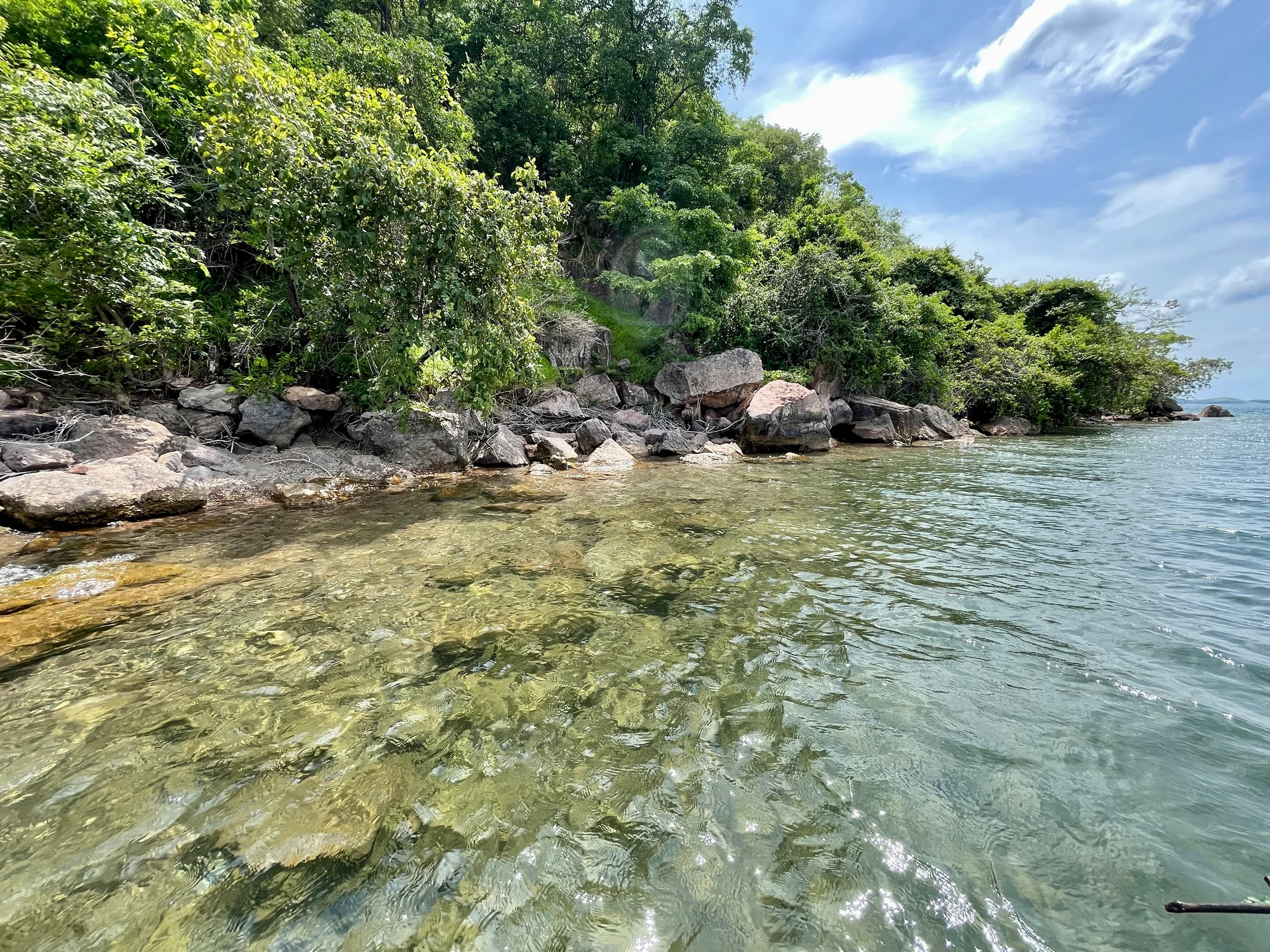
Lake Tanganyika offers a striking freshwater setting along Tanzania’s western frontier: broad blue horizons, wooded shores, bays, beaches and communities whose daily life is closely…
Wildlife
Endemic cichlid fish & Other freshwater fish
Landscape
Lakes & Hot Springs
Highlights
Africa’s deepest freshwater lake in the East African Rift
 Northern Circuit
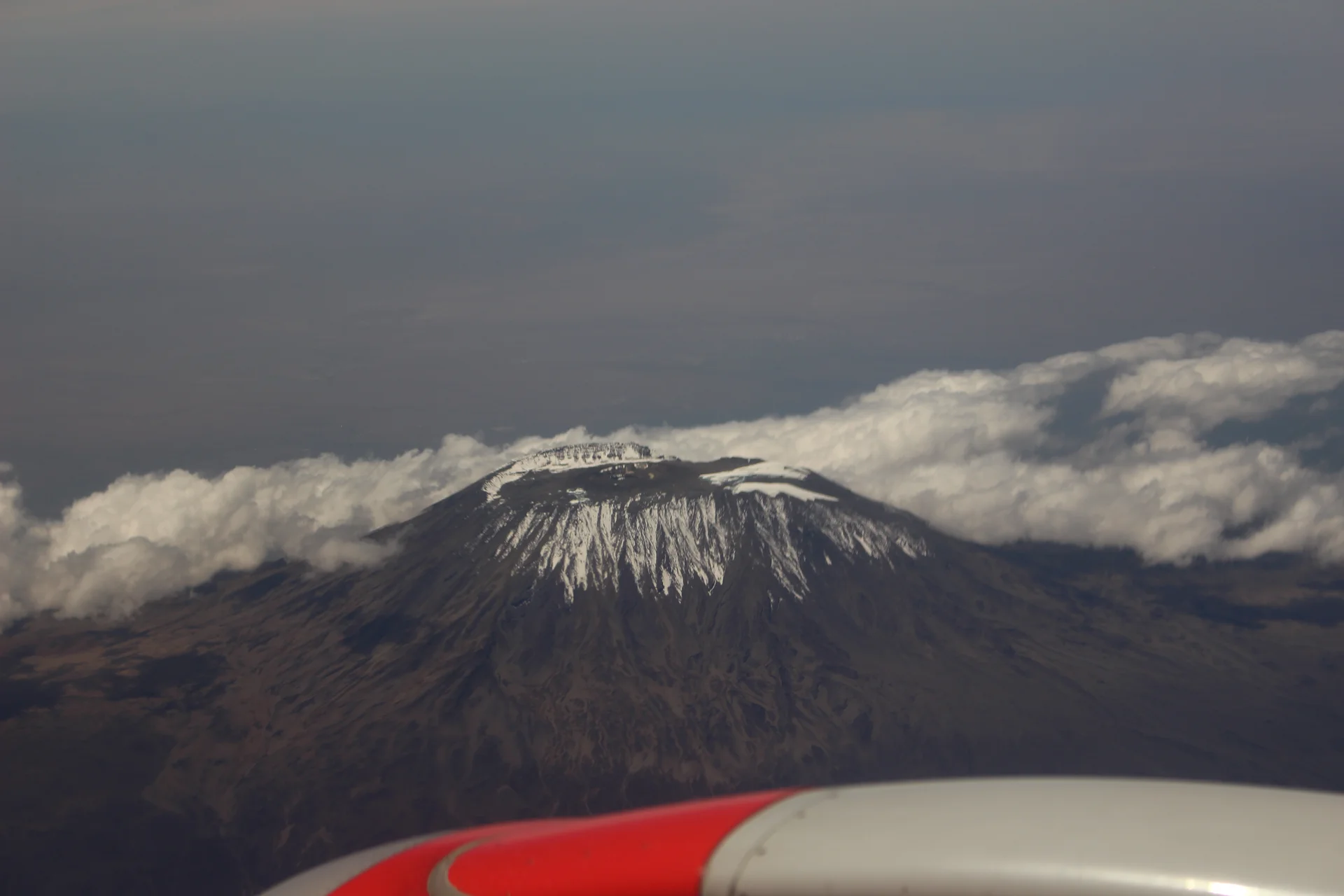
Kilimanjaro rises above northern Tanzania’s plains to Uhuru Peak at 5,895 metres, the highest point in Africa. Its volcanic massif, dramatic changes in vegetation and…
Wildlife
Black-and-white colobus monkeys in forest habitats & Blue monkeys in forest habitats
Landscape
Mountains & Trekking
Highlights
Uhuru Peak at 5,895 metres — Africa’s highest point
 Western Circuit
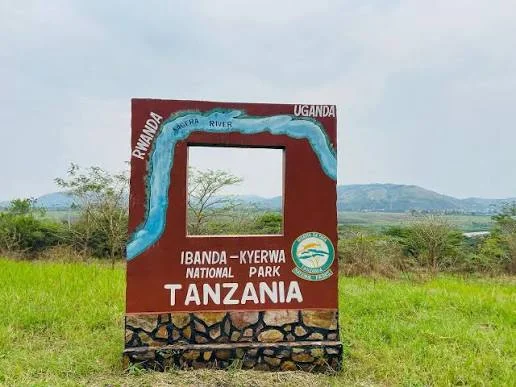
Ibanda-Kyerwa National Park protects a scenic corner of northwestern Tanzania, where the Kagera River meets a landscape of savanna, wooded slopes, valleys and wetlands. Situated…
Wildlife
Buffalo & Roan antelope
Landscape
National Parks & Safari
Highlights
Kagera River scenery on Tanzania’s northwestern border
 Zanzibar & Islands
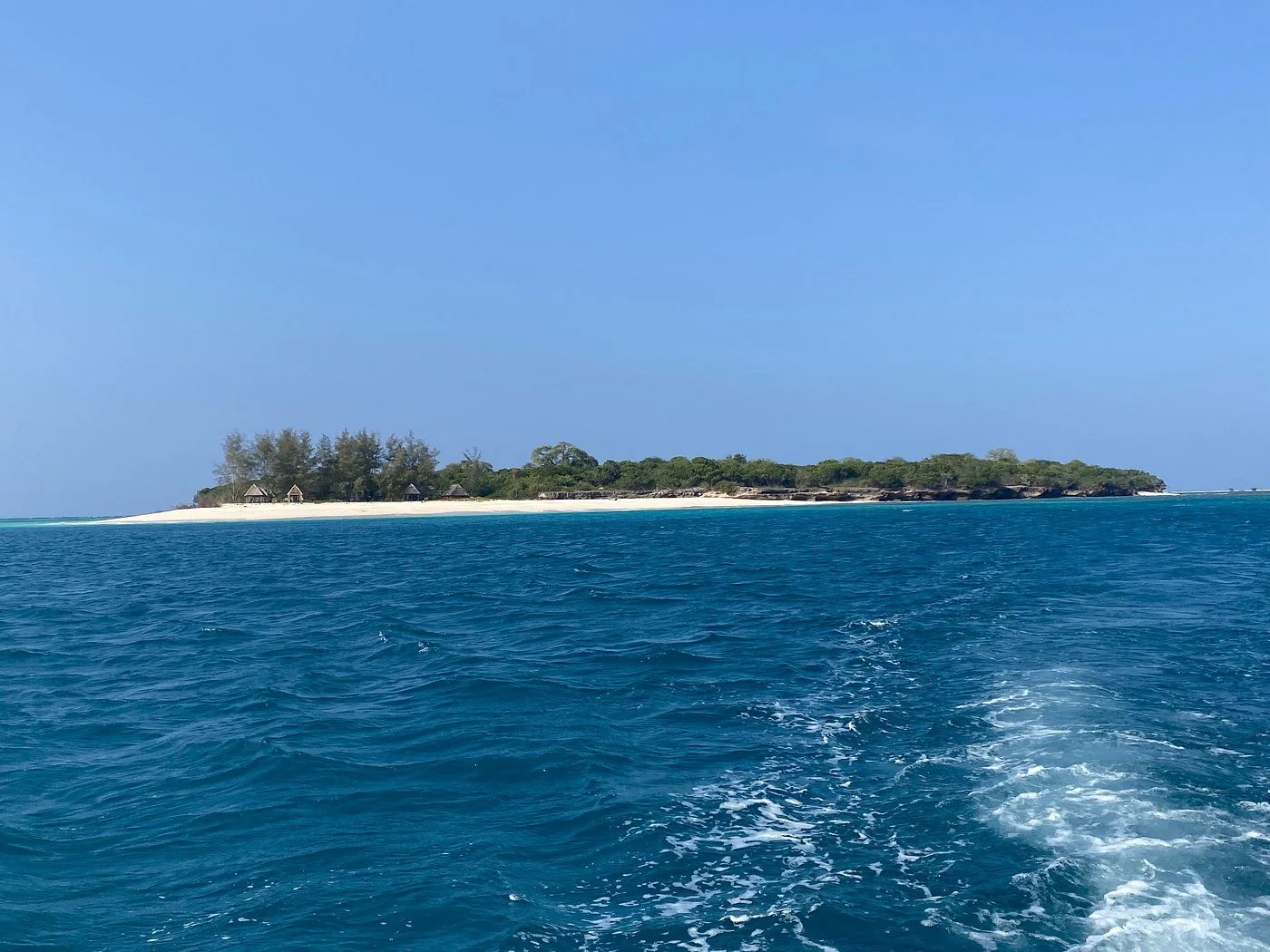
Sinda Island Marine Reserve offers an Indian Ocean escape off Kigamboni, on the southern side of Dar es Salaam. The reserve encompasses Inner and Outer…
Wildlife
Reef fish & Coastal birds
Landscape
Beaches & Islands
Highlights
Inner and Outer Sinda islands
 Northern Circuit
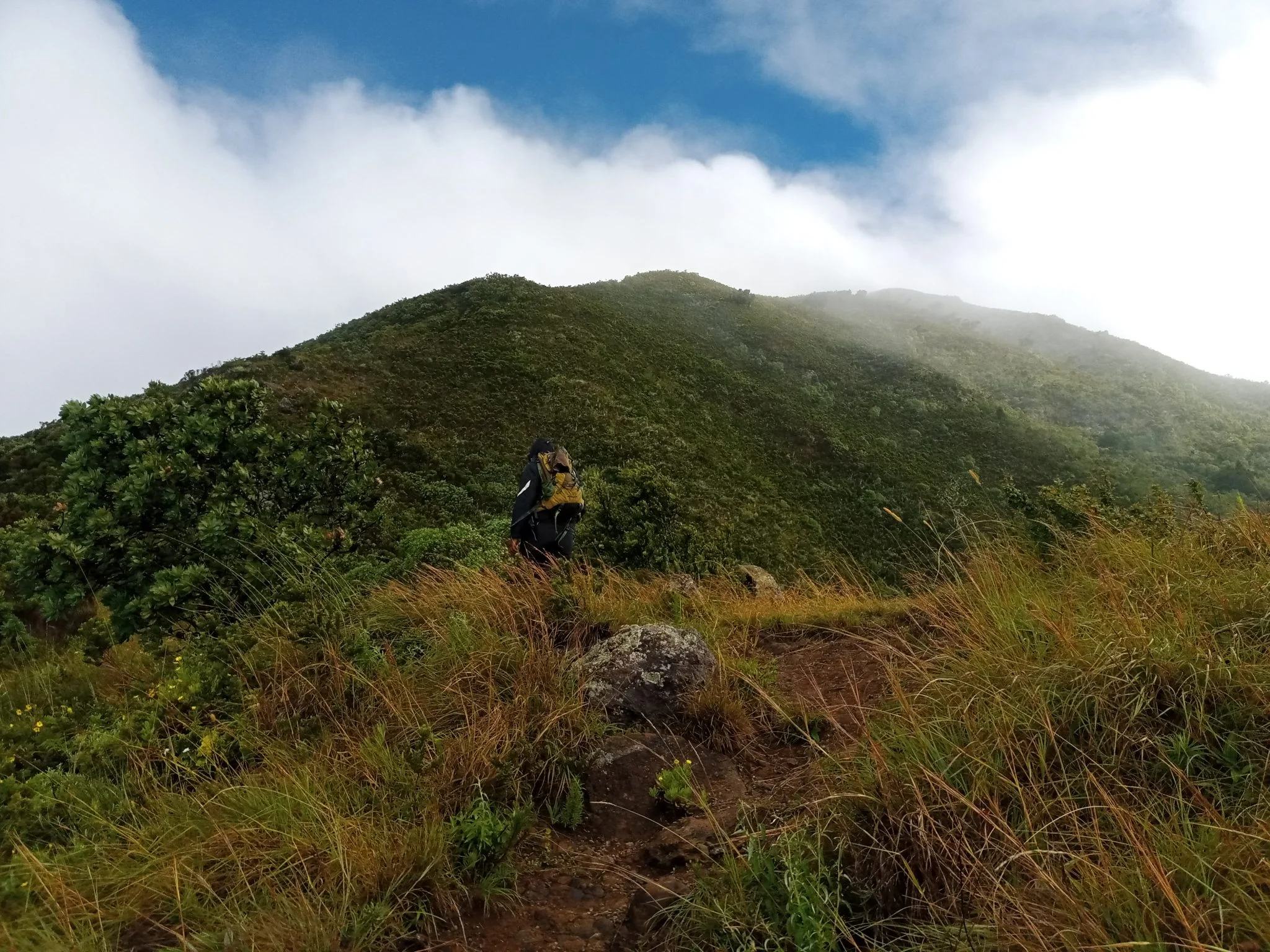
Discover Mount Hanang Rising above Katesh in Tanzania’s Manyara Region, Mount Hanang offers a rewarding mountain adventure beyond the familiar northern safari circuit. At approximately…
Wildlife
Klipspringer & Vervet monkeys
Landscape
Mountains & Trekking
Highlights
Approximately 3,423 metres — Tanzania’s fourth-highest mountain