5.0 Excellent

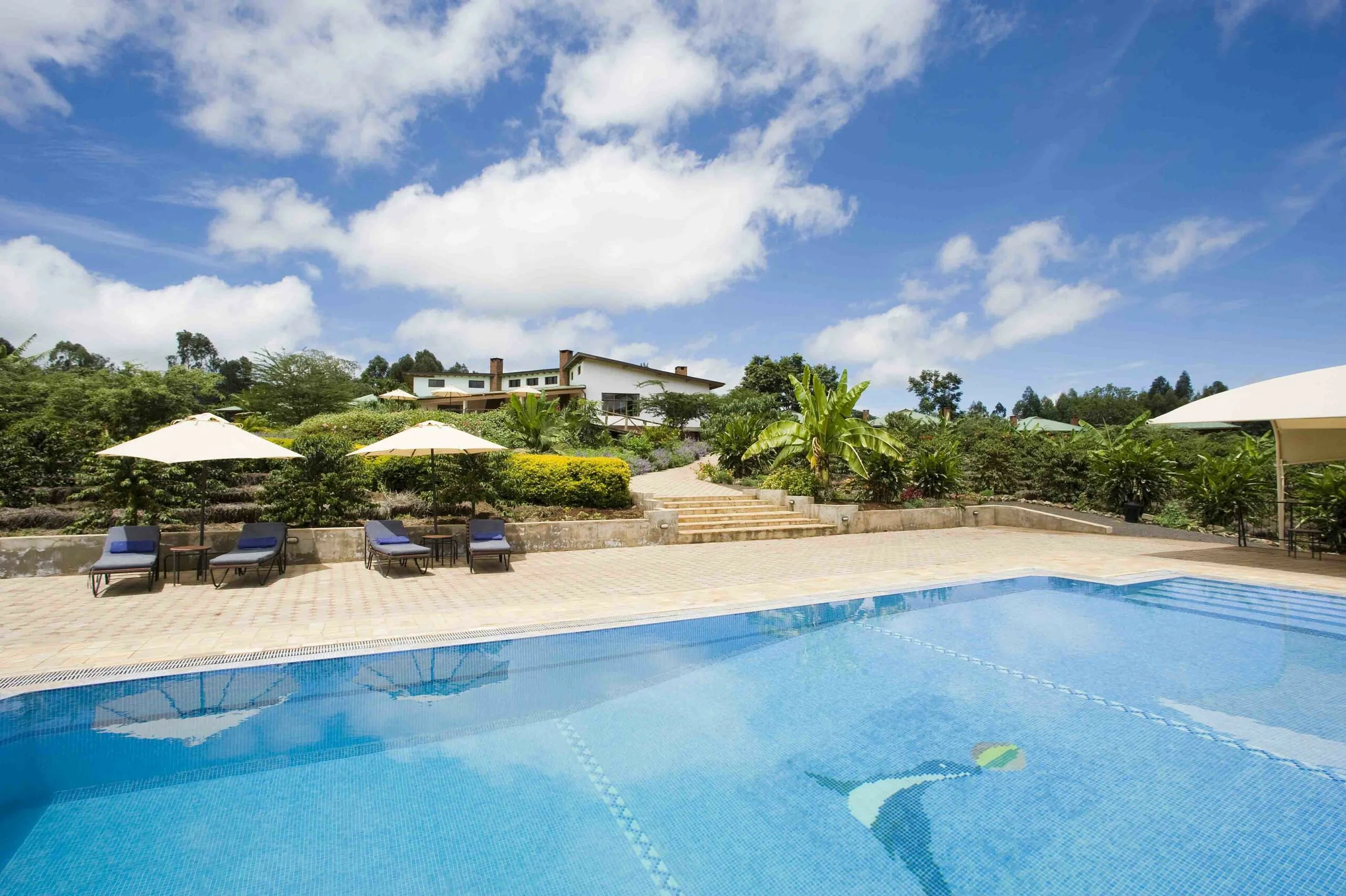
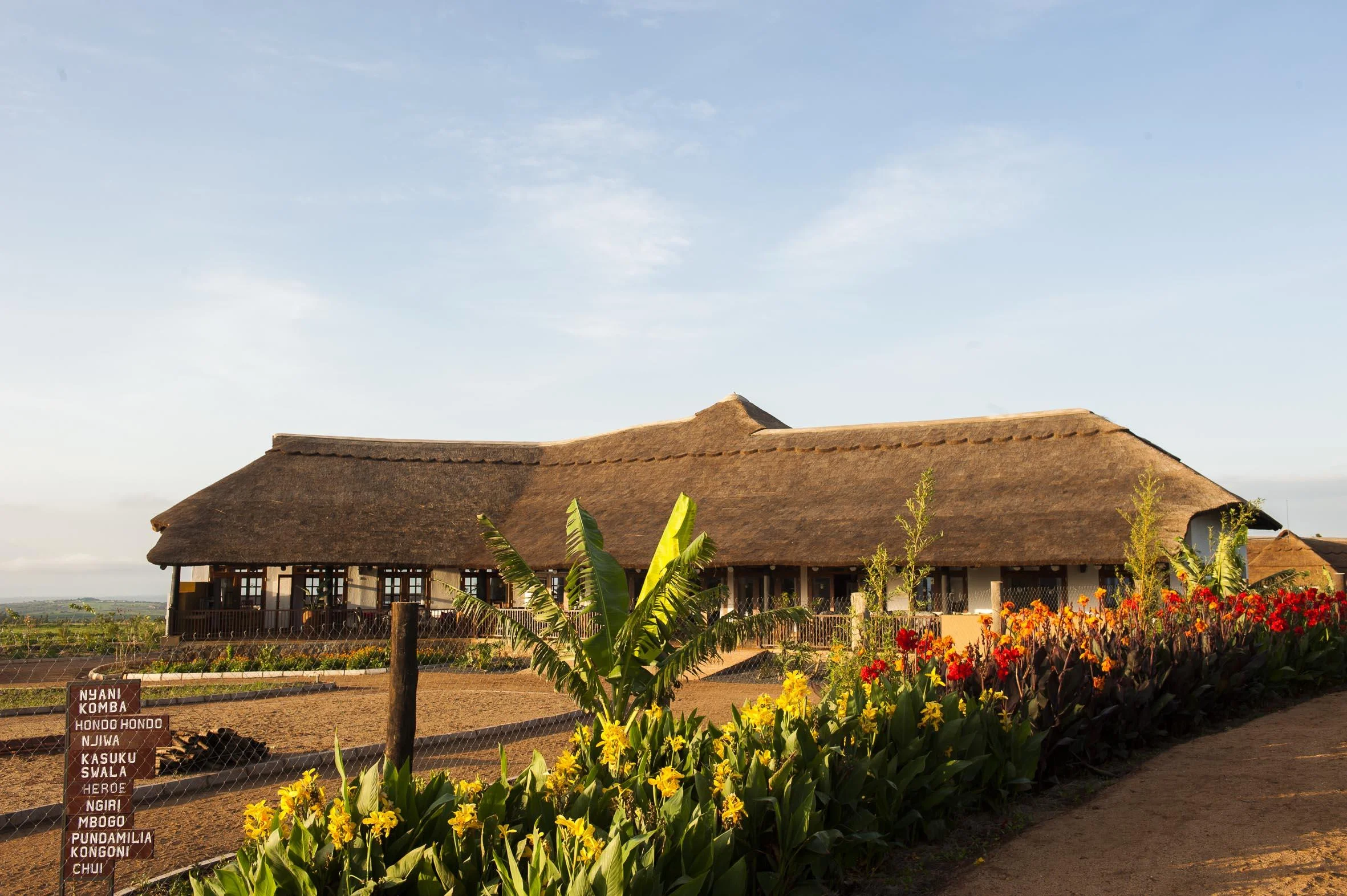
Tloma lodge
4- Outdoor Swimming Pool
- Restaurant
- Bar
Northern Circuit
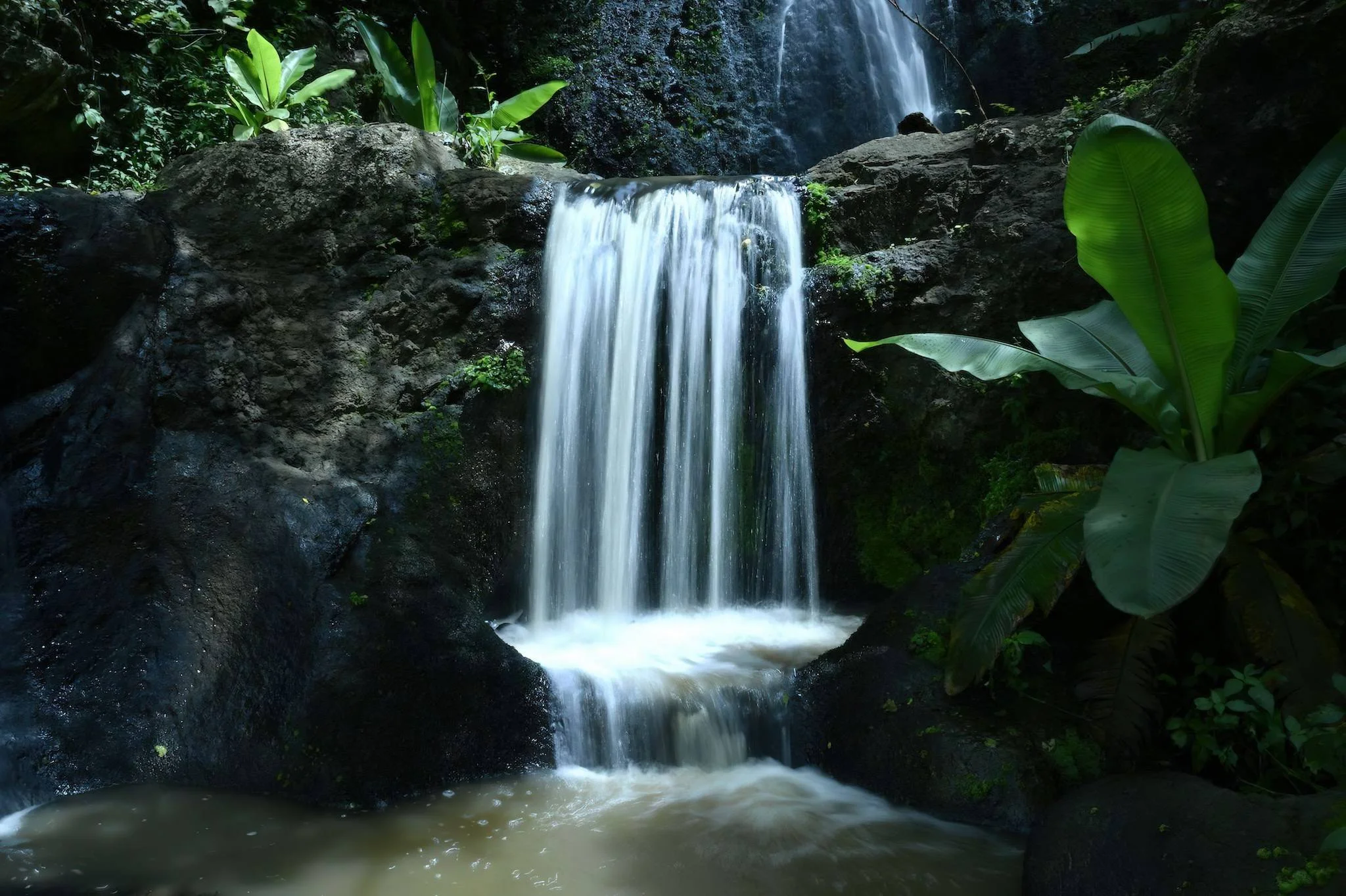
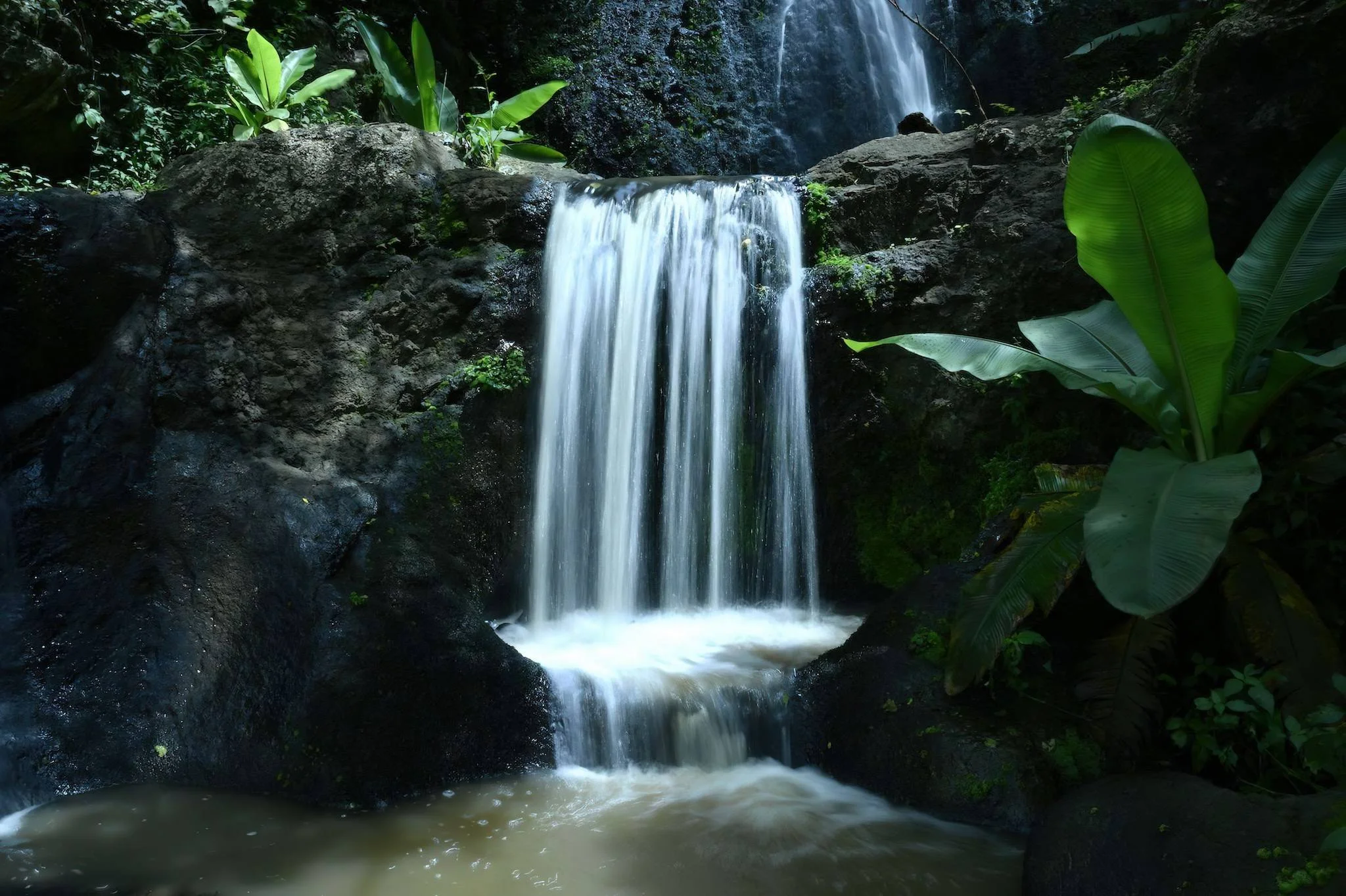
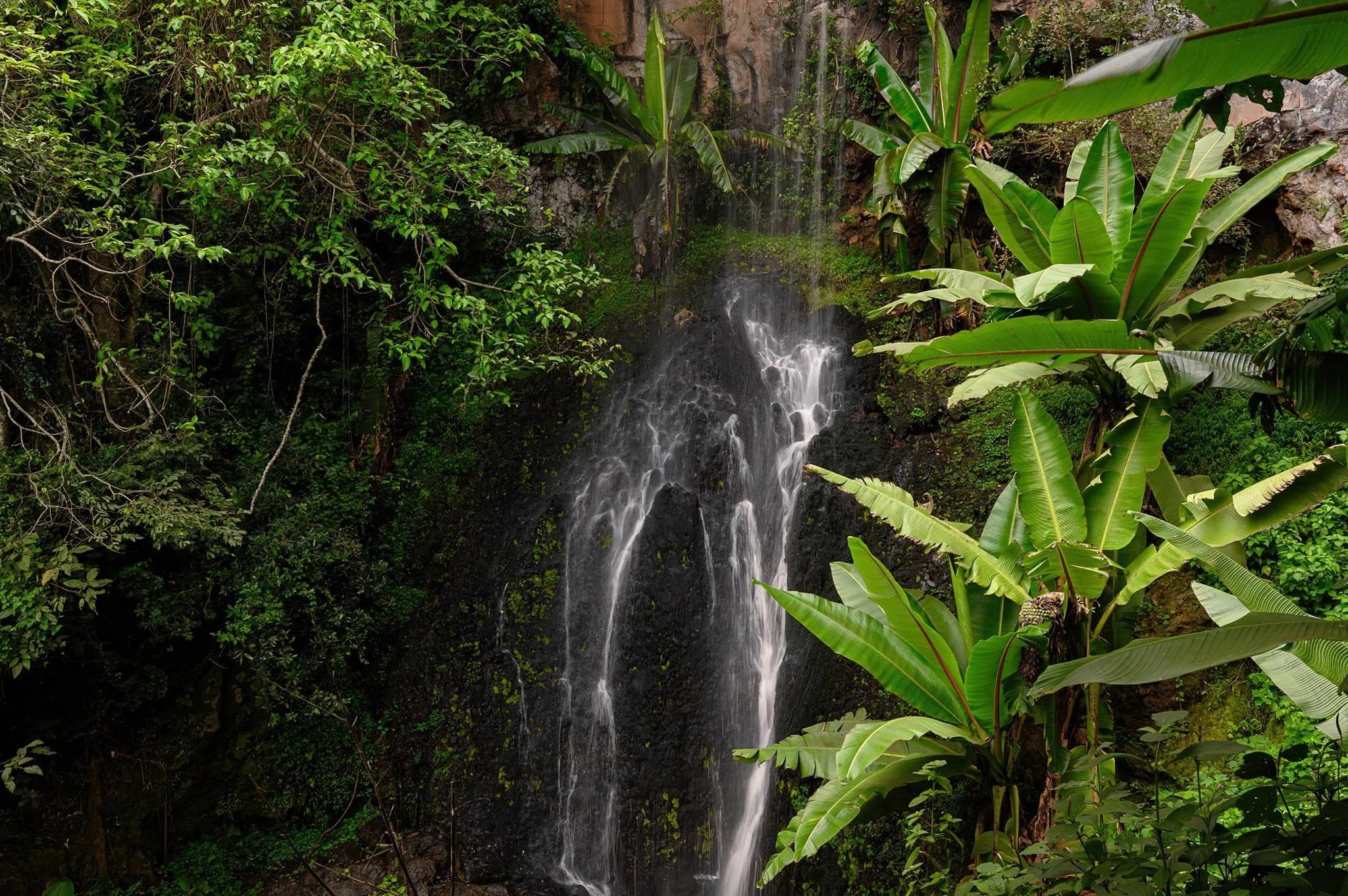
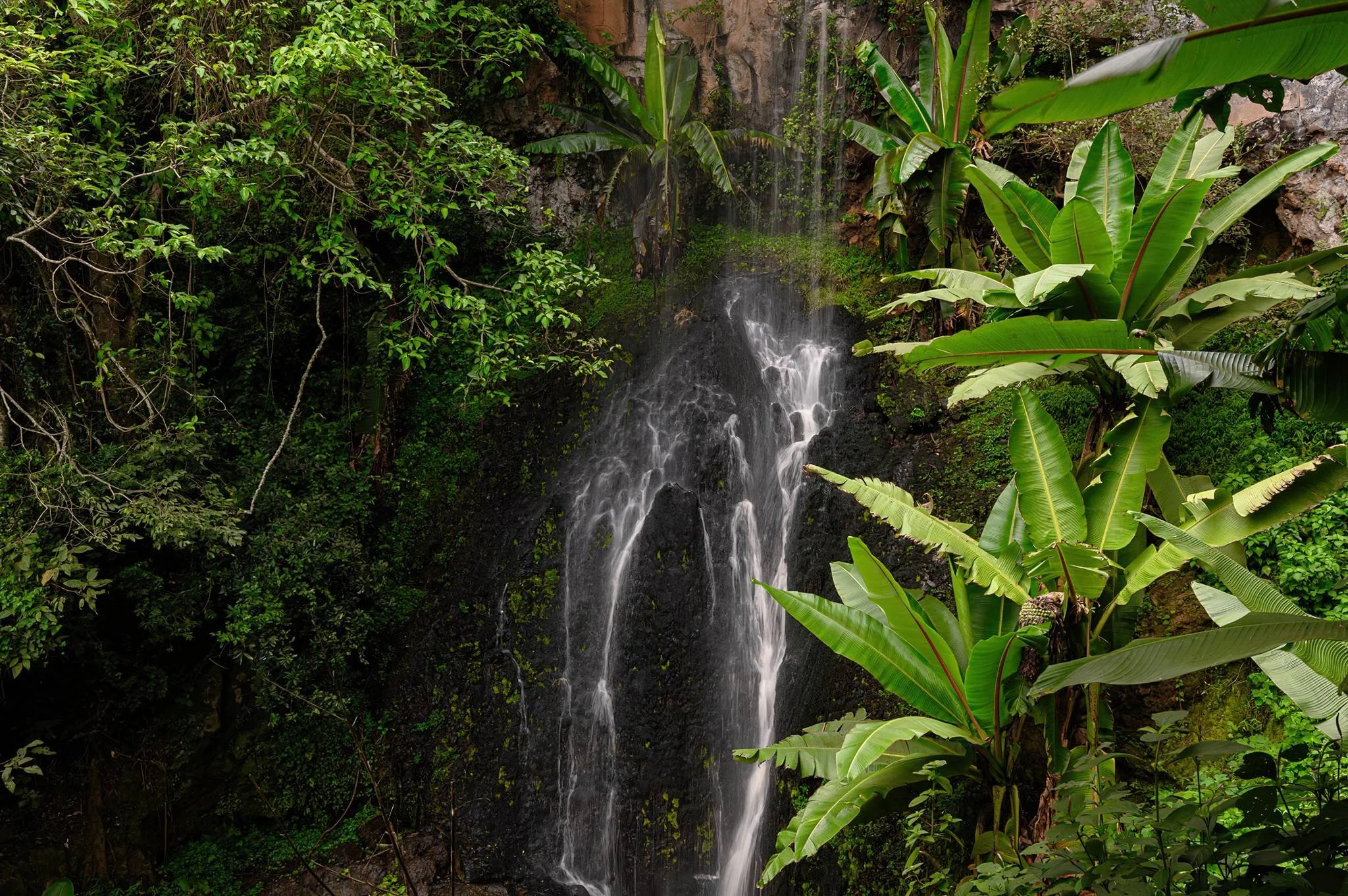
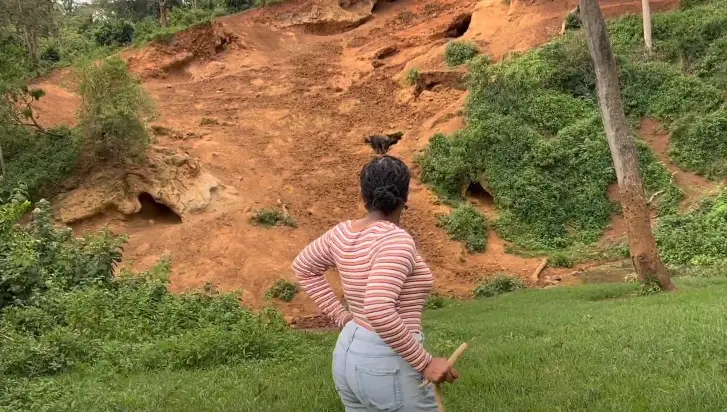
Ngorongoro Northern Highland Forest Reserve offers a quieter, greener way to experience northern Tanzania. Beneath its canopy, the focus shifts to forest sounds, birds, plants, flowing water and the signs left by wild animals. An arranged walk in the Endoro sector can reveal Elephant Caves and Endoro Waterfalls while introducing the essential role this highland forest plays in protecting water sources and biodiversity. THE FOREST WITHIN THE NGORONGORO LANDSCAPE Often shortened to Northern Highland Forest Reserve or NHFR, this destination belongs to the protected highland landscape of Ngorongoro Conservation Area. The Endoro visitor sector faces Karatu along the conservation area’s southern boundary, making it a practical addition to a stay in the town or nearby lodges. The name does not mean that visitors should look only on the northern side of Ngorongoro. This is the Ngorongoro catchment forest, with its own setting and management, rather than an Eastern Arc Mountains destination. WHY THIS FOREST MATTERS The reserve is a water catchment, a refuge for wildlife and an important part of the region’s botanical diversity. Protecting tree cover, vegetation and soils helps sustain water sources beyond the forest itself. The canopy, undergrowth and river corridors create a layered habitat where small-scale details can be as rewarding as a large-animal sighting. A good guide connects these features to the needs of neighbouring communities and to the wider conservation landscape. A MOSAIC OF HIGHLAND HABITATS The wider forest landscape is not one uniform block of identical trees. Different slopes and elevations support varied vegetation, with bamboo forest on Mount Oldeani among the habitats highlighted for protection in official conservation planning. On an Endoro walk, the experience depends on the particular route: shaded stretches, river scenery, hillside vegetation and open viewing areas may all form part of the excursion. Botanical interpretation encourages visitors to notice leaf shapes, forest structure and the relationship between vegetation and moisture without treating every trail as a complete tour of the entire reserve. THE ENDORO FOREST EXPERIENCE The Endoro River nature trail is a documented visitor route within NHFR. It lends itself to an unhurried excursion focused on forest observation, birdwatching, plants and animal signs, with the mineral hollows known as Elephant Caves and the waterfall included where the chosen route and conditions allow. The walk offers a different perspective from a vehicle safari: sounds and tracks become part of the story, and a guide can explain features that are easy to pass without noticing. ELEPHANT CAVES: A WINDOW INTO ANIMAL BEHAVIOUR Elephant Caves are excavated hollows in a mineral-rich hillside. Elephants have worked the soil to obtain minerals, creating the characteristic recesses and disturbed slopes associated with the attraction. Other animals also use mineral deposits. These hollows are best understood as a natural record of animal behaviour, rather than a conventional underground cave system. Elephants may be absent during a visit, but the landscape itself provides an engaging explanation of how animals interact with weathered volcanic soils. ENDORO WATERFALLS AND THE FOREST’S WATER STORY The spring-fed Endoro River descends through the forest from the Ngorongoro highlands. It flows year-round, with greater flow during rainy periods, and the waterfall is a rewarding feature of suitable guided routes. Viewing arrangements depend on the selected trail and current conditions. Slopes, steps and damp ground can affect how close visitors approach, so the excursion should be chosen with the group’s fitness and mobility in mind. Enjoy the water scenery from the approved viewing area and follow the ranger’s advice around slippery edges. WILDLIFE IN A DENSE FOREST The forest supports elephants, buffalo, bushbuck, waterbuck, duikers, baboons, blue monkeys and bush pigs, alongside less easily observed animals. Dense vegetation often conceals mammals, so footprints, feeding signs, movement in the branches and distant calls are meaningful parts of the experience. A forest walk is not a guaranteed wildlife checklist. Elephant and buffalo habitat is also the reason ranger accompaniment and disciplined group behaviour matter throughout the route. BIRDWATCHING AND PHOTOGRAPHY Documented bird groups include turacos, robin-chats, hornbills, sunbirds, flycatchers and honeyguides. Patient listening and careful observation can reveal birds that would otherwise remain hidden in the canopy or undergrowth. Binoculars are useful, while photographers can concentrate on forest textures, birds, river details and the mineral hillside. Forest light may be subdued and sightings brief; allow time for the experience to unfold and keep voices low around wildlife. BOOK THE WALK AND RANGER IN ADVANCE Walking activities in Ngorongoro Conservation Area require prior arrangements and an NCAA armed ranger. Arrange the Endoro walk, permitted route, current charges, meeting point and ranger availability before departure. An interpretation guide can add specialist knowledge of birds, plants and the landscape. Do not treat the reserve as an unrestricted self-guided hiking area. Duration varies with the route, weather, viewing stops and group pace, so confirm a realistic plan rather than assume one universal walking time. SEASONS AND PRACTICAL PREPARATION June to October generally brings drier regional conditions and may make forest trails easier to manage. The long rains around March to May and shorter rains later in the year can produce greener scenery and stronger waterfall flow while leaving paths muddy or slippery. Mist, showers and cooler conditions remain possible in the highlands even during a broadly dry period. Wear closed shoes with grip, carry drinking water, rain protection and a light warm layer, and protect cameras from moisture. Ask about current terrain, walking distance and facilities before choosing the excursion. FAMILIES, ACCESSIBILITY AND YOUR ITINERARY A forest walk can suit travellers who enjoy nature at a slower pace, but suitability depends on the chosen trail. Families should request a route appropriate to their children and keep them closely supervised. Visitors with limited mobility need a specific access assessment, especially for slopes and waterfall steps. Combine the forest with a Karatu stay or a Ngorongoro Crater excursion, allowing time for both. Longer highland visits such as Olmoti and Empakaai require separate planning and should not be presented as stops on the Endoro trail. VISIT WITH CARE Stay with the ranger and guide, keep to the approved trail and give animals space. Leave plants, minerals and other natural material in place, take all litter away and respect route closures. Confirm specialist filming or drone permissions in advance. Community visits and photographs of people should be based on consent and agreed arrangements. TanzaLux can help build a northern Tanzania itinerary around your interests, with the forest walk and ranger booking confirmed before travel. IMAGE NOTE The image shows Elephant Caves, a named attraction on the reserve’s Endoro forest walking routes, using an existing photograph from the TanzaLux media library.
March–May: The regional long rains can bring lush vegetation and stronger waterfall flow, while making trails muddy and slippery. Forest walks depend on current route conditions and ranger availability. Confirm the permitted itinerary before travelling, wear shoes with grip and carry waterproof protection; allow changes if rain affects the approach or viewing areas.
November–February: Conditions vary, with short rains often affecting the earlier months and some drier intervals later. The forest can be green and atmospheric, and birdwatching remains rewarding without any guaranteed sightings. Carry rain protection and a light layer, and ask your guide about current trail conditions and the suitability of the waterfall route.
June–October: These months generally offer drier regional conditions and may provide easier walking on forest trails. Highland mist, showers and cool mornings are still possible, especially in shaded areas. This is a practical planning window for an arranged Endoro excursion; confirm the route and NCAA armed ranger in advance and bring water, closed shoes and a light warm layer.
Karatu is a practical base for an arranged visit to the Endoro sector of Ngorongoro Northern Highland Forest Reserve, along the southern boundary of Ngorongoro Conservation Area. Kilimanjaro International Airport is a common international gateway for northern Tanzania; Arusha Airport may suit domestic connections. Continue by prearranged road transfer to Karatu or your chosen highland lodge, then follow the locally confirmed approach to the forest meeting point. Before departure, arrange the approved Endoro trail, current entry requirements and charges, an NCAA armed ranger, any interpretation guide and a vehicle suitable for the approach. Do not assume that a conservation-area vehicle entry automatically includes every walking activity. Exact drive time and walking duration depend on the starting lodge, selected route, road conditions, weather and group pace; obtain current estimates when booking. Ask whether Elephant Caves and Endoro Waterfalls can both be included, and confirm walking distance, slopes, steps, toilets, water availability and other facilities. Visitors with limited mobility and families should request a route-specific assessment. Carry drinking water, closed shoes with grip, sun protection, rain protection and a light warm layer. Stay with the ranger and guide throughout the excursion, and allow flexibility if wet weather changes the trail.
The reserve forms part of the protected highlands of Ngorongoro Conservation Area in northern Tanzania. The Endoro visitor sector faces Karatu along the conservation area’s southern boundary and provides a practical approach for an arranged forest walk.
Yes. Northern Highland Forest Reserve and the abbreviation NHFR are commonly used for the Ngorongoro catchment forest referred to here. The name does not mean that the visitor routes are confined to the northern side of the conservation area.
The forest is part of the Ngorongoro conservation landscape managed by the Ngorongoro Conservation Area Authority. Confirm current visitor arrangements, permitted trails, charges and ranger bookings through NCAA and local staff when planning.
This destination is the Ngorongoro highland catchment forest. It should not be confused with a separate Eastern Arc nature forest reserve or assigned another reserve’s permits, tariffs or visitor rules.
Its vegetation and soils help protect water sources and the surrounding landscape. The forest is also a biodiversity refuge, so conserving it benefits wildlife, plants and communities that depend on water beyond the forest boundary.
The wider highland forest contains varied vegetation rather than one uniform habitat. Official conservation planning includes bamboo forest on Mount Oldeani. What you see on a visit depends on the selected Endoro route and should not be described as a complete tour of every habitat in the reserve.
It is a documented forest visitor route within NHFR. An arranged excursion can combine forest observation, birds, plants and animal signs with Elephant Caves and, where the selected route permits, Endoro Waterfalls.
Arrange the permitted trail, meeting point, current charges, ranger availability and any interpretation guide before departure. Confirm the route’s duration and difficulty for your group, rather than assume a walk can be added spontaneously on arrival.
Yes. NCAA requires prior arrangements and an armed ranger for walking activities within Ngorongoro Conservation Area, including the Endoro forest routes. Stay with the ranger and guide and follow their instructions throughout the excursion.
They are excavated hollows in a mineral-rich hillside, created as elephants seek soil minerals. Other animals also use mineral deposits. They are a natural record of animal behaviour, rather than a conventional underground cave system.
No. Elephants may be absent during your visit. The hollows and feeding signs are still interesting, and wildlife should always be given space if present. An arranged walk does not guarantee a close encounter with elephants or other large animals.
They can be included where the chosen route, permission and conditions allow. The spring-fed river flows year-round, with greater flow during rains. Confirm the viewing arrangements and terrain in advance; there is no single universal walking time for every route.
Documented inhabitants include elephants, buffalo, bushbuck, waterbuck, duikers, baboons, blue monkeys and bush pigs, alongside less easily observed animals. Dense vegetation means tracks and other signs may be more apparent than the animals themselves.
Documented groups include turacos, robin-chats, hornbills, sunbirds, flycatchers and honeyguides. Sightings depend on season, weather, route and observation conditions. Binoculars, patience and a guide familiar with bird calls can improve the experience.
A suitable route may work for travellers with ordinary walking fitness, but difficulty depends on distance, slopes, steps and weather. Ask for a route-specific assessment and choose the excursion to match your group’s comfort and pace.
Suitability should be assessed individually. Children need close supervision near wildlife, slippery ground and slopes. Visitors with limited mobility should request details of walking distance, steps, surface and facilities; step-free access is not guaranteed throughout the route.
June–October generally brings drier regional conditions and may make trails easier to manage. Rainy periods can provide greener scenery and stronger waterfall flow while making paths slippery. Confirm current conditions locally; the forest can be visited whenever the chosen route is permitted and suitable.
Bring closed shoes with grip, drinking water, sun protection, a waterproof layer and a light warm layer for cool highland conditions. Binoculars and moisture protection for cameras are useful. Ask whether any additional equipment is needed for the chosen route.
Combine an arranged Endoro walk with a Karatu stay or Ngorongoro Crater excursion, allowing adequate time for both. Olmoti, Empakaai and other highland routes require separate planning and should not be treated as stops on the Endoro forest trail.
Stay on approved trails with the ranger and guide, give animals space, leave plants and minerals in place and take all litter away. Respect closures and confirm filming or drone permissions. Ask consent before photographing people and agree arrangements for any community visit in advance.
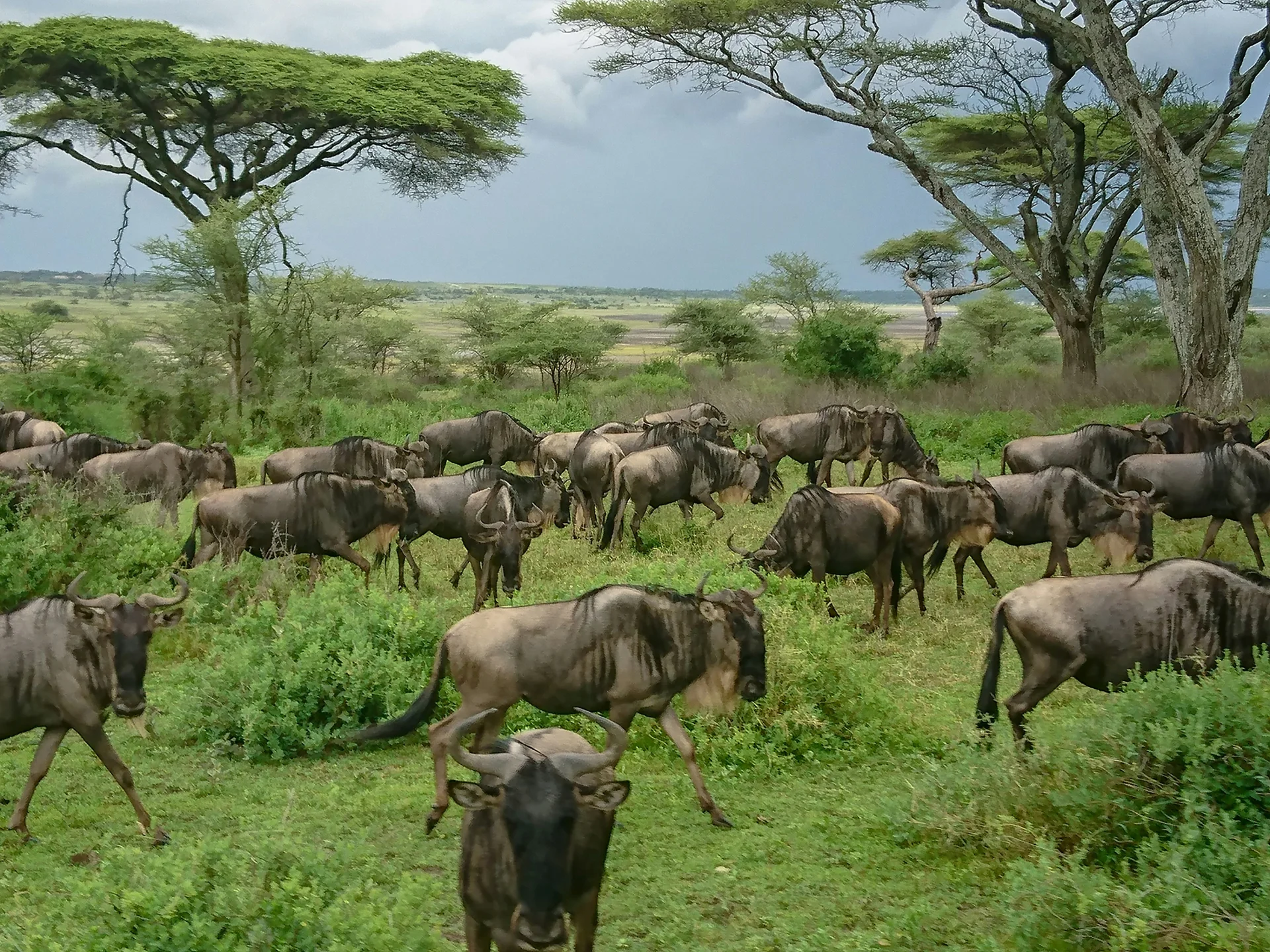 7 Days
Price on request
You visit: Arusha (start), ndutu, Southern Serengeti, Ngorongoro Crater (end)

Grateful experience
As a solo female traveler, I felt super safe and well taken care of the entire time.
Read morePrivate Safari 6 days
I can only highly recommend the young company Tanzalux for organizing a private safari.
Read moreAn unforgettable vegetarian journey with Tanzalux Safaris
I highly recommend Tanzalux for anyone wanting a special, personalized safari.
Read moreOur 3-day camping safari with Tanzalux was simply fantastic! Everything was perfectly organized.
Read moreBack in April, I joined a day trip to Tarangire National Park with Tanzalux Safaris, and it was truly one of the best experiences I have ever had…
Read moreI've had an amazing experience with Tanzalux Safaris, would 1000% recommend! Thank you for making my trip so special🫶
Read moreI recently visited Meru Waterfalls in Arusha and got to do some of the activities there, honestly it was such a great experience and I really enjoyed it.
Read moreOur guide Dullah Mr Rastaman had the best vibe. I would like to recommend other people not to miss it, Tarangire is the best national park.
Read moreOur tour guide Nasri was very friendly and welcoming from the first day we met him. He knows Tarangire very well and explained many things during the safari.
Read moreAs a grandmother in the group, I would like to share my happiness with Tanzalux Safaris. Me, my daughters, and my grandson went on a short trip to Tarangire National Park…
Read moreReceive a free, no obligation quote

 Western Circuit
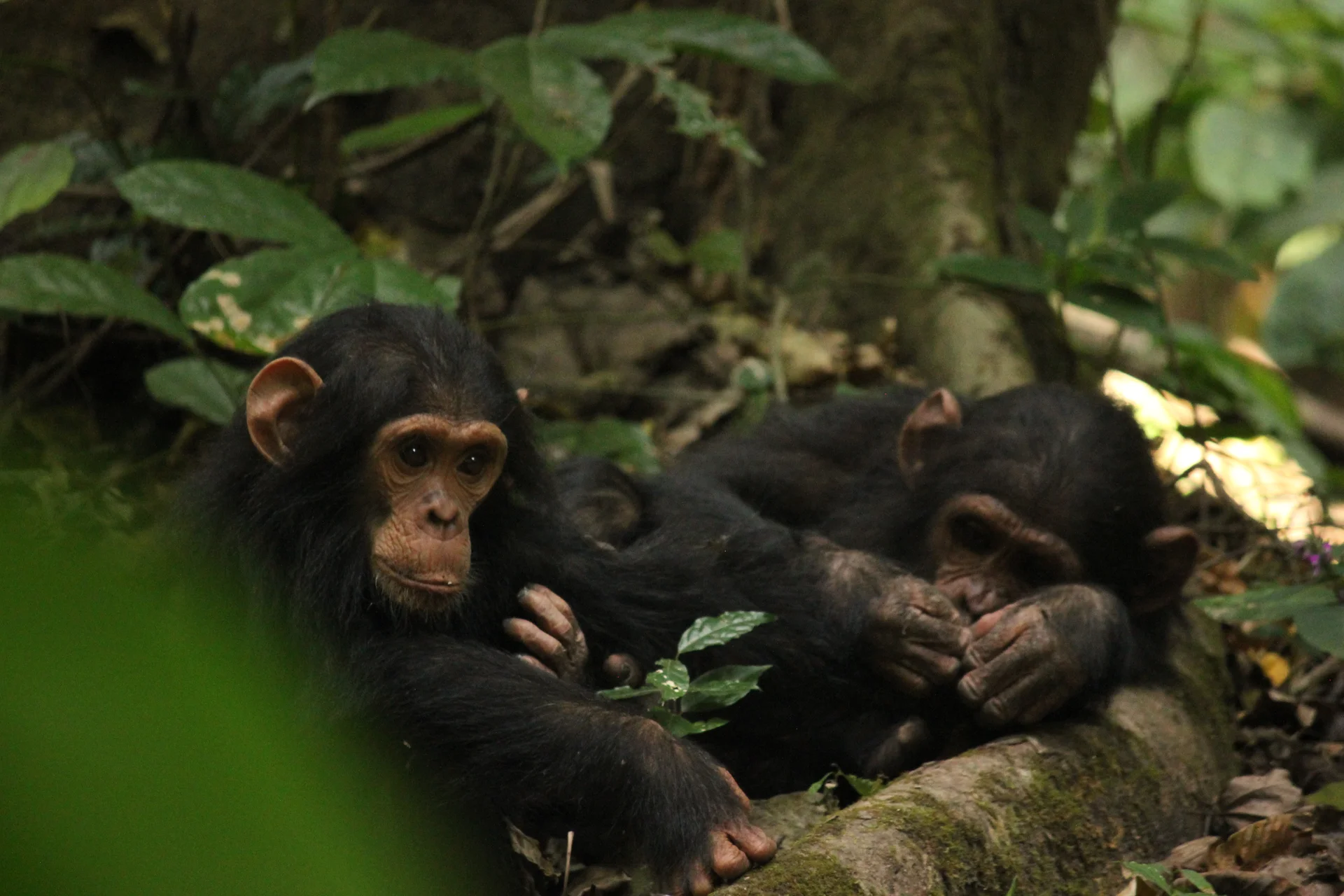
Gombe Stream National Park, also known as Gombe National Park, combines wild chimpanzee trekking with forested hills and the shores of Lake Tanganyika. In Kigoma…
Wildlife
Chimpanzees & Olive baboons
Landscape
National Parks & Safari
Highlights
Wild chimpanzee trekking with park rangers
 Southern Circuit
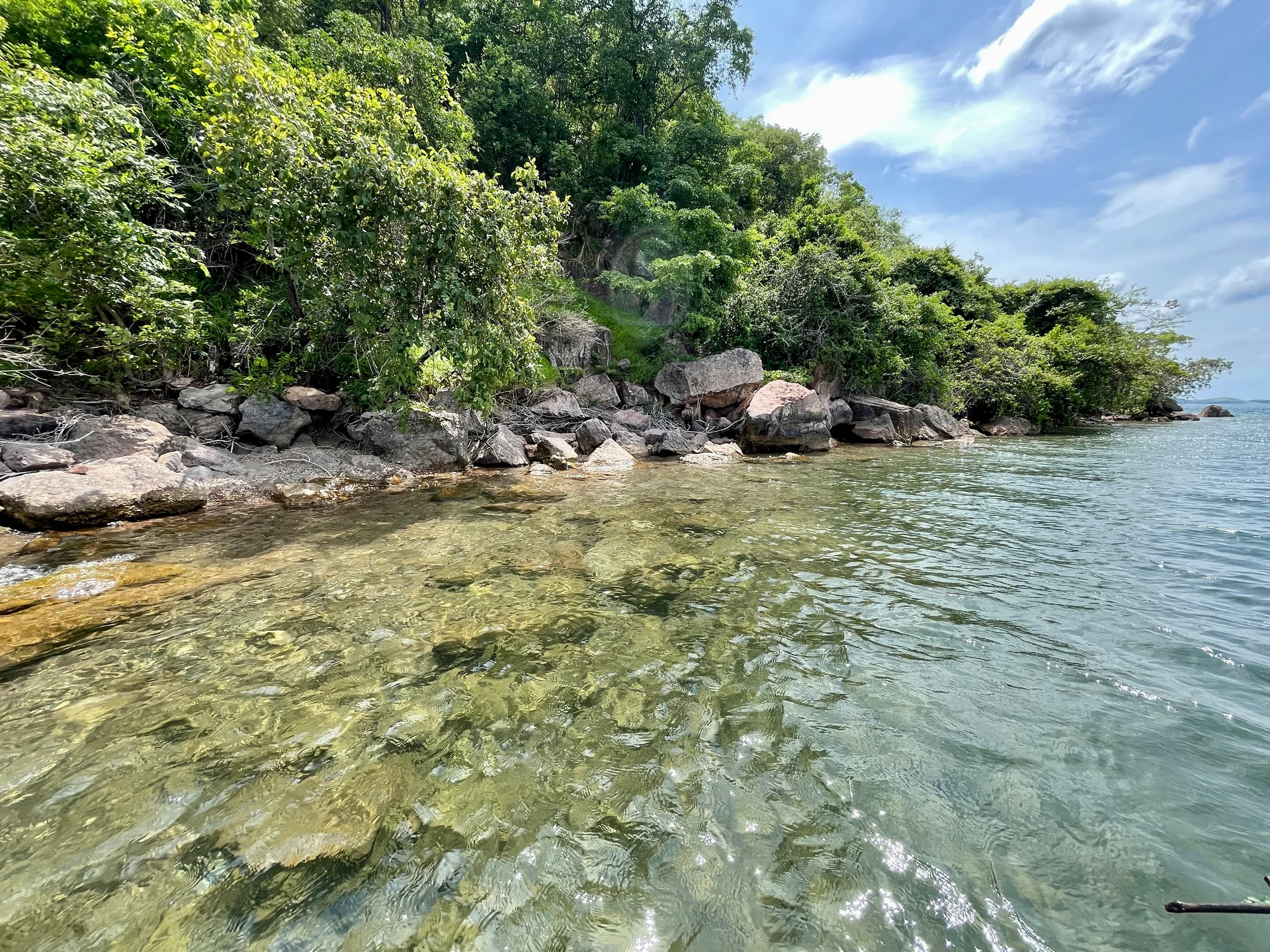
Lake Tanganyika offers a striking freshwater setting along Tanzania’s western frontier: broad blue horizons, wooded shores, bays, beaches and communities whose daily life is closely…
Wildlife
Endemic cichlid fish & Other freshwater fish
Landscape
Lakes & Hot Springs
Highlights
Africa’s deepest freshwater lake in the East African Rift
 Northern Circuit
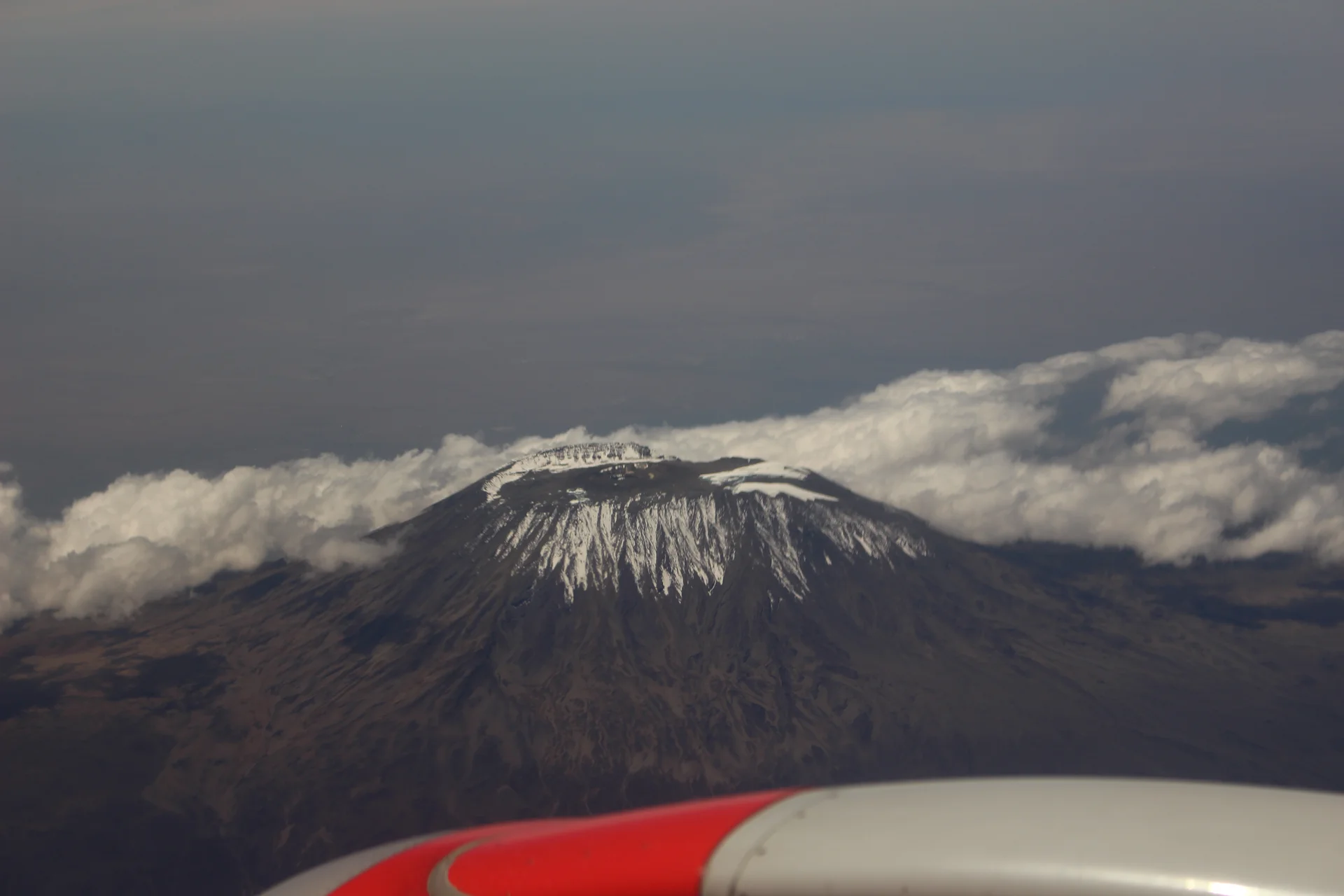
Kilimanjaro rises above northern Tanzania’s plains to Uhuru Peak at 5,895 metres, the highest point in Africa. Its volcanic massif, dramatic changes in vegetation and…
Wildlife
Black-and-white colobus monkeys in forest habitats & Blue monkeys in forest habitats
Landscape
Mountains & Trekking
Highlights
Uhuru Peak at 5,895 metres — Africa’s highest point
 Western Circuit
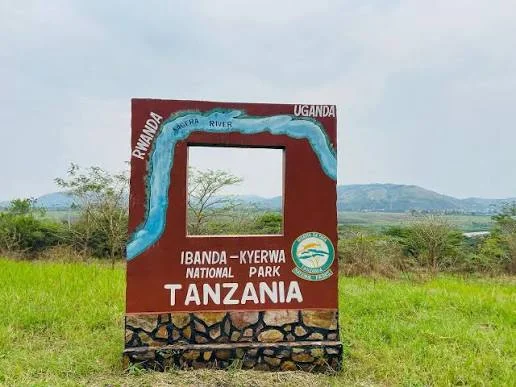
Ibanda-Kyerwa National Park protects a scenic corner of northwestern Tanzania, where the Kagera River meets a landscape of savanna, wooded slopes, valleys and wetlands. Situated…
Wildlife
Buffalo & Roan antelope
Landscape
National Parks & Safari
Highlights
Kagera River scenery on Tanzania’s northwestern border
 Zanzibar & Islands
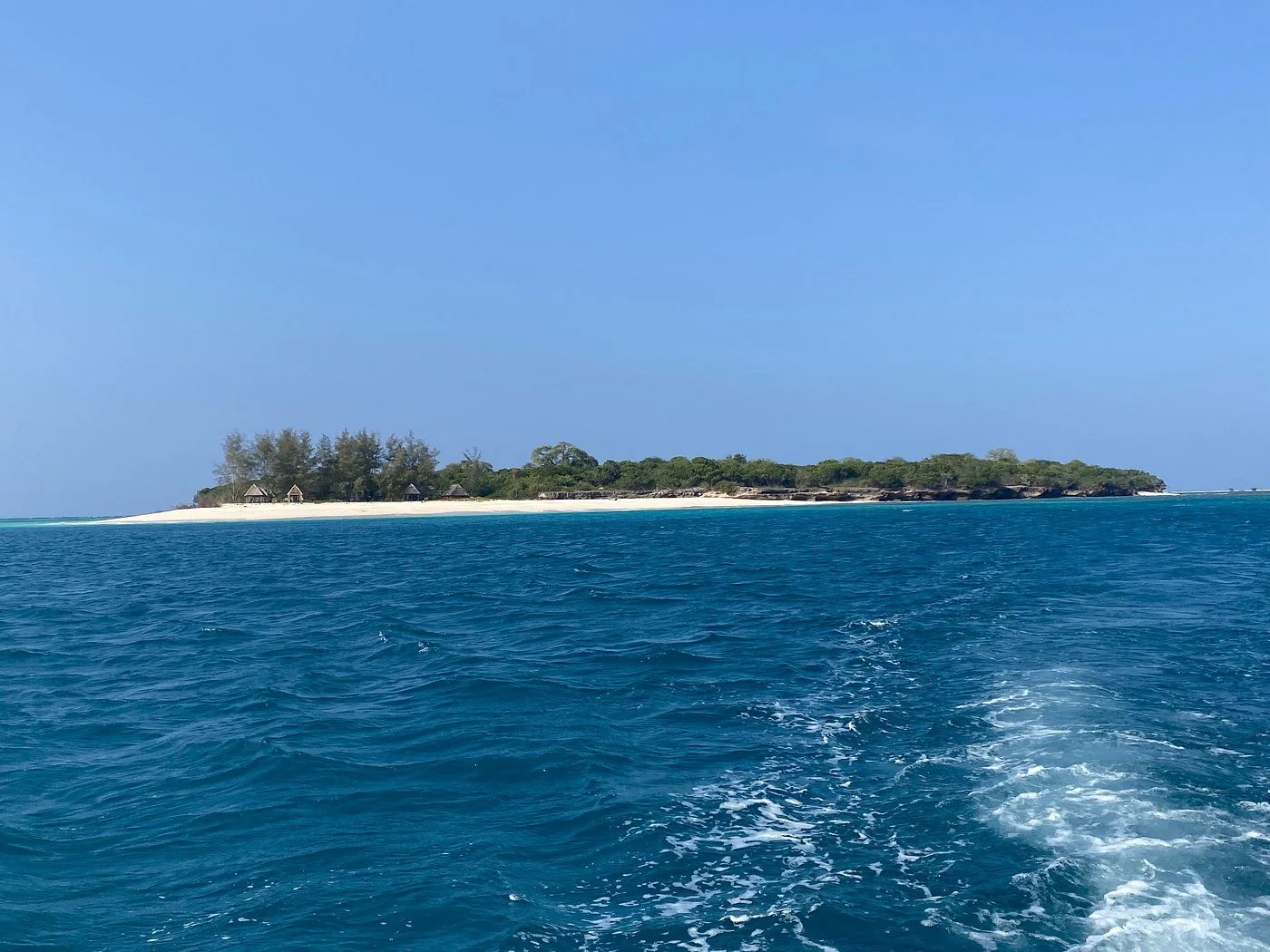
Sinda Island Marine Reserve offers an Indian Ocean escape off Kigamboni, on the southern side of Dar es Salaam. The reserve encompasses Inner and Outer…
Wildlife
Reef fish & Coastal birds
Landscape
Beaches & Islands
Highlights
Inner and Outer Sinda islands
 Northern Circuit
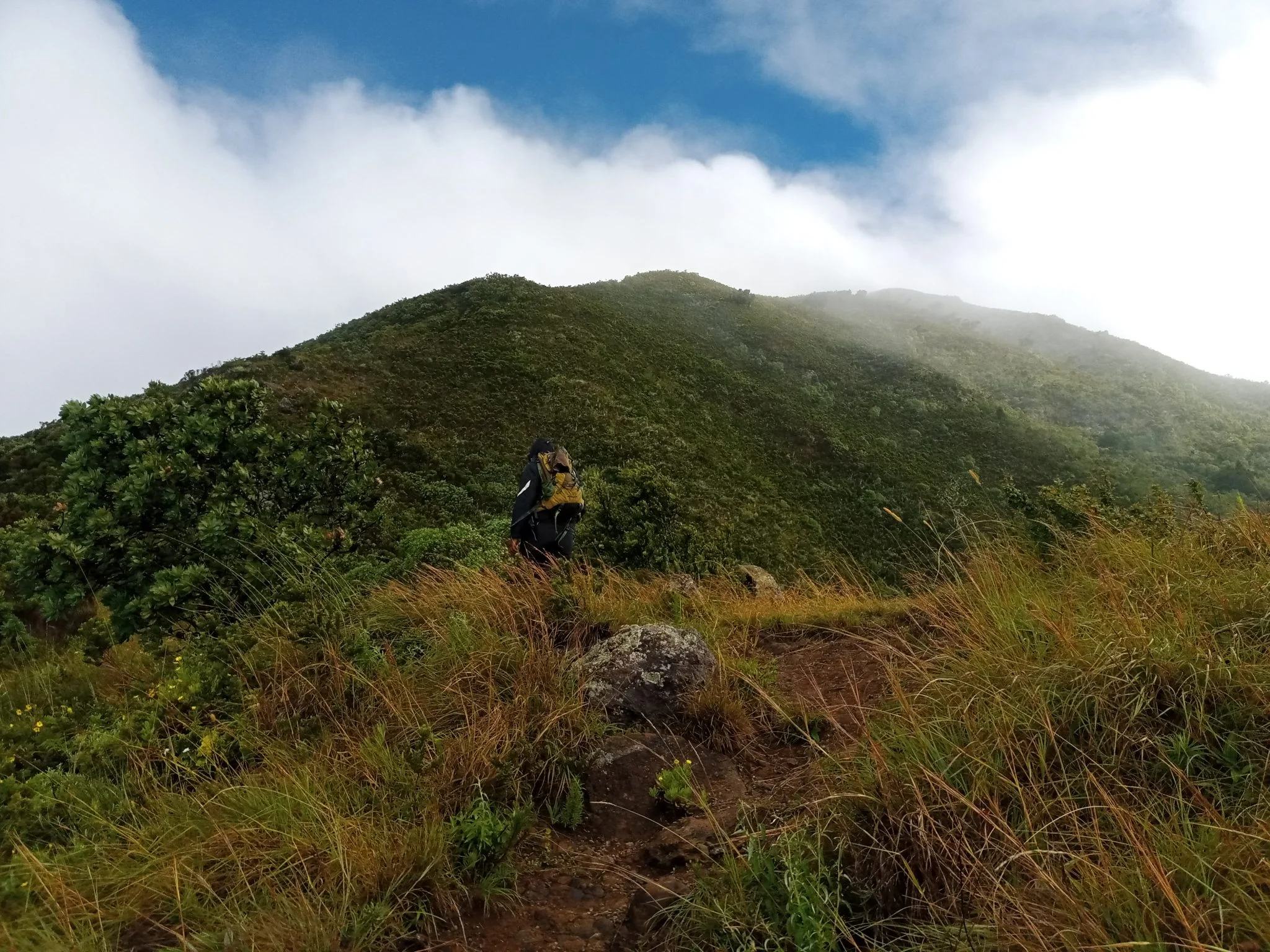
Discover Mount Hanang Rising above Katesh in Tanzania’s Manyara Region, Mount Hanang offers a rewarding mountain adventure beyond the familiar northern safari circuit. At approximately…
Wildlife
Klipspringer & Vervet monkeys
Landscape
Mountains & Trekking
Highlights
Approximately 3,423 metres — Tanzania’s fourth-highest mountain