 5.0 Excellent

Dorine M1 year ago

Grateful experience
As a solo female traveler, I felt super safe and well taken care of the entire time.
Read more
Zanzibar & Islands
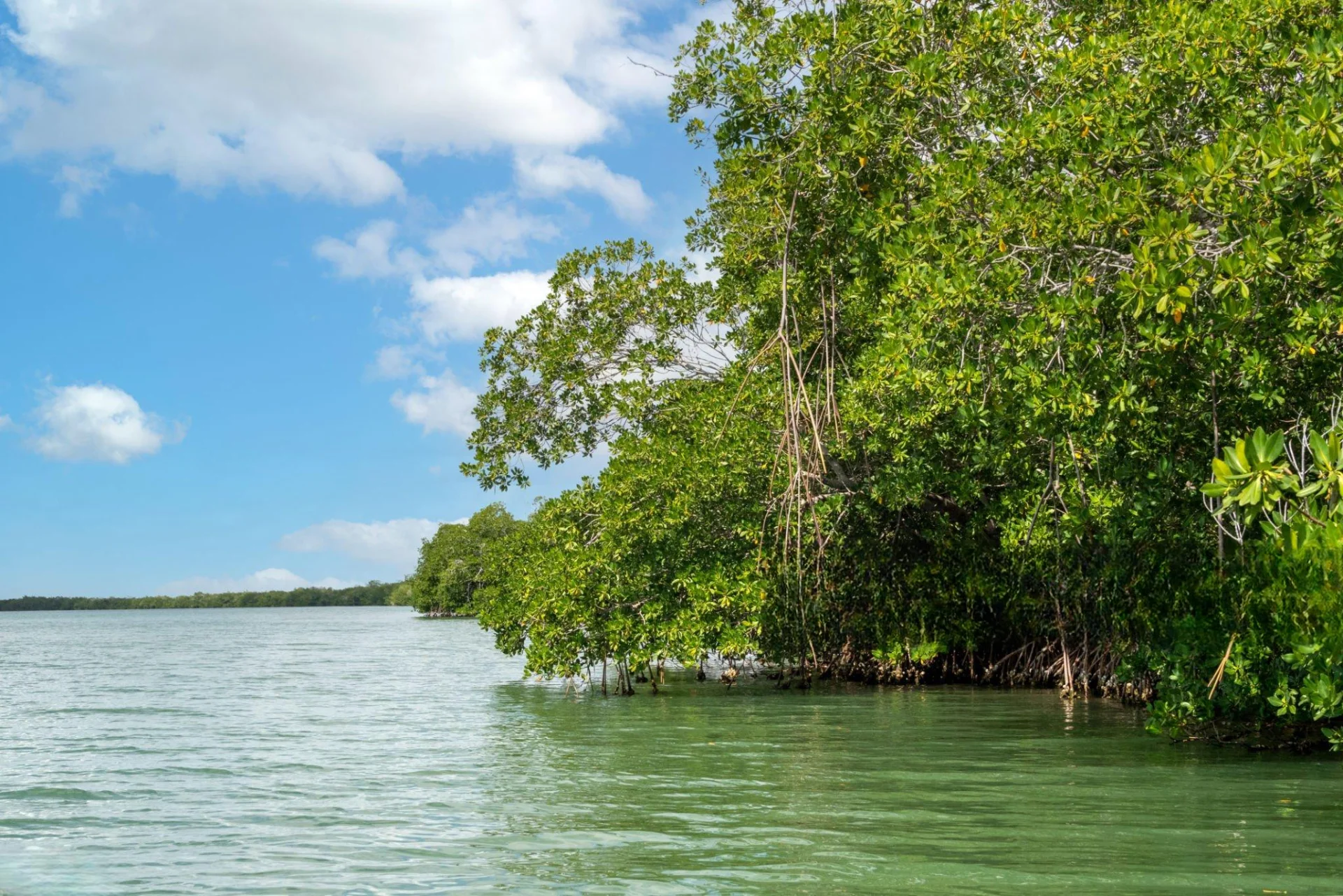
Mwewe Island Marine Reserve offers a small-scale coastal nature and heritage experience in Mkinga District, Tanga Region. Part of the Tanga Marine Reserves system in the Pemba Channel, the island is associated with mangrove habitat and the communities of the northern mainland coast. A carefully arranged visit can focus on birdwatching, quiet observation and local interpretation of the island’s history. Plan the excursion with a knowledgeable organiser who can confirm access, permissions and suitable conditions for your chosen day. Mangroves are Mwewe’s defining landscape feature. Their roots, foliage and tidal setting create opportunities to understand how land and sea meet along this coast. A guided outing can introduce the vegetation and the changes visible as water levels rise and fall, without requiring a long or strenuous programme. Ask whether observation will be from a boat, approved shore locations or both. The terrain and route should determine the pace, with time to pause and appreciate the setting. Birdwatching is one of the activities identified for Mwewe. Bring binoculars and let the guide choose an appropriate viewing position for the birds present, tide and conditions. Quiet observation is preferable to trying to approach every bird closely. Species and numbers vary, so the experience should be valued for the habitat and what can be seen without disturbance. Keep away from feeding, resting and nesting areas, and avoid using food or recorded calls to draw wildlife towards the group. The island also has a local history that can enrich a nature-focused visit. Tourism accounts attribute to Digo oral history earlier use by people associated with Kirui Island and a later purchase by Sultan Bin Athmani of Moa. These accounts should be presented as local historical traditions rather than assumed to be a complete documentary record. An informed local guide can help explain the island’s connections with neighbouring communities and distinguish what is known, remembered or still uncertain. Arrange cultural interpretation in advance and ask what it will involve. A history-focused visit does not automatically include an open museum, marked ruins or access to a private or sacred place. Follow local instructions, ask before photographing people and working activities, and leave any natural or historic material where it is. Respectful guiding can provide context without turning community spaces or sensitive places into an unrestricted sightseeing route. A suggested two-day coastal stay begins with arrival at mainland accommodation and a relaxed local orientation. Use the first day to confirm the guide, access, departure point, tide and excursion programme. On the second day, a pre-arranged Mwewe visit can combine coastal views, mangrove interpretation and birdwatching, with a locally agreed history component if available. The organiser should determine the route and any landing for the actual conditions, with a clear return plan. This outline is illustrative and should be adapted to what is authorised and operating. Other northern Tanga destinations can be considered as separate extensions, with enough time for the real transfer and access arrangements. Do not assume that proximity on a map makes several island visits practical in one day. Choose the itinerary by your interests, the available guiding and the transport involved. Additional mainland nights provide more room for changing conditions and a slower coastal pace, especially when the island outing is part of a longer Tanzania holiday. Tanga Airport is a regional gateway to consider after checking current flights and arranging onward road transport. A journey from Dar es Salaam or another city requires a separate connection or mainland itinerary. Confirm the exact access village, departure beach or jetty, any boat arrangements, skipper, suitable life jackets, reserve entry and guide before travelling. Road and crossing times depend on the starting point and conditions, so ask for current estimates and leave a buffer before onward travel. Use mainland accommodation unless the relevant authority and organiser explicitly confirm an authorised overnight island arrangement. Treat the excursion as self-contained unless particular services are confirmed: agree meals, drinking water, shade, toilets, changing arrangements and waste removal. Swimming, snorkelling or kayaking should be considered only if an appropriate operator confirms a suitable authorised programme, site, conditions and supervision; these are not automatic inclusions in a Mwewe nature visit. The northern coast is generally warm, with the main rains usually from March to May and shorter rains often late in the year. January and February are commonly relatively dry; June to September can be drier on land but affected by stronger southeast monsoon winds at sea. Check conditions close to departure. Pack sun protection, binoculars, a light rain layer, a waterproof bag and footwear matched to the approved route. Follow local guidance, avoid damaging mangrove roots, leave natural objects in place and carry all waste back to the mainland.
March–May: The main rainy period can interrupt coastal excursions and affect shore access. Confirm current operations, the approved route and a weather alternative before booking. Birdwatching and historical interpretation should be adapted to actual conditions, with flexible dates where possible.
January–February and October–December: Early-year months are commonly relatively dry and warm, while shorter rains can occur late in the year. Ask the local guide about tide, bird activity and suitable access for your dates. Any boat or shore programme still requires a local assessment close to departure.
June–September: Generally a drier period for a northern Tanga mainland stay, although southeast monsoon winds may bring rougher seas and alter boat arrangements. Book guiding, accommodation and transport in advance while keeping the excursion flexible. Dry weather does not guarantee easy landing or particular wildlife sightings.
Plan the visit specifically for Mwewe Island Marine Reserve in Mkinga District, Tanga Region. Confirm the exact mainland access village, meeting place and approved route with a suitable local organiser before making transfer arrangements. Tanga Airport (TGT) is a regional gateway to consider after checking current flights and onward road transport. Travellers arriving through Dar es Salaam or another city require a separate connection or mainland journey. Ask the organiser and relevant reserve authority to confirm current entry arrangements, guide availability and whether the proposed visit will be boat-based, shore-based or both. Any boat programme should specify the departure beach or jetty, vessel, skipper, passenger arrangements, correctly fitting life jackets and return plan. Do not assume a public ferry, a departure used for another island or an independent crossing over tidal ground. Access should follow a locally approved plan for the actual tide and conditions. Request realistic current estimates for the road journey and any crossing, including boarding, observation stops and return transport. Confirm meals, drinking water, shade, toilets, changing arrangements and equipment, and agree the weather cancellation policy. Stay on the mainland unless an authorised overnight arrangement is explicitly confirmed. Leave a comfortable buffer before onward flights or long road travel.
Mwewe is in Mkinga District, Tanga Region, on Tanzania’s northern coast in the Pemba Channel. It belongs to the Tanga Marine Reserves system. Confirm the exact mainland access point and route with your organiser before arranging transport or accommodation.
No. Mwewe Island Marine Reserve is in Mkinga District, while Maziwe is the separate sandbank reserve associated with the Pangani coast. Use the full destination name, district and meeting instructions when booking so the organiser can coordinate the correct excursion.
Official marine reserve reporting records Mwewe as gazetted in 2010 with coverage of about 0.4 square kilometres. Treat this as a reserve coverage figure, not a measure of walkable visitor space. Access depends on permission, route and conditions.
Mangroves are a defining feature of Mwewe’s landscape. A guided visit can introduce their tidal setting and relationship with the surrounding coast. Observe without damaging roots or cutting vegetation, and let the guide choose suitable boat or shore viewing positions.
Expect a quiet observation programme shaped by the birds present, tide and conditions. Bring binoculars and consider knowledgeable local guiding. Species and numbers vary, so fixed sightings should not be promised. Keep away from feeding, resting and nesting areas and avoid attracting birds with food.
Tourism accounts attribute to Digo oral history earlier use by people connected with Kirui Island and a later purchase by Sultan Bin Athmani of Moa. Ask an informed local guide for context, distinguishing oral traditions from documented findings and respecting culturally sensitive places.
Arrange the excursion with a suitable local organiser who can confirm reserve access, the mainland meeting place, guide and approved route. Clarify whether a boat is involved and how the return will work. Do not arrive expecting an unscheduled public service or independent tidal crossing.
Tanga Airport (TGT) is a regional gateway to consider, with current flights and onward road transfers checked when booking. Confirm accommodation and the excursion meeting point first. Travellers arriving through Dar es Salaam need a separately planned onward connection or mainland journey.
Times depend on your starting accommodation, mainland route, access point, any boat programme, tide and conditions. Ask for a current estimate covering the full excursion and return. Avoid a tight onward flight or long-distance connection immediately afterwards.
A day programme can be considered after the organiser confirms access, permissions and transport for your chosen date. Allow time for the mainland transfer, briefing, suitable observation and the return. Agree a weather alternative and keep the order of activities flexible.
Use the first day for arrival at mainland accommodation, a relaxed orientation and confirmation of the guide and access plan. On day two, take a pre-arranged Mwewe outing if permitted and conditions allow, focusing on mangroves, birdwatching and any agreed local history interpretation.
January and February are commonly relatively dry and warm. March to May is usually the main rainy period, with shorter rains often late in the year. June to September can be drier on land but windier at sea. Check local conditions for the actual excursion.
Tides influence shoreline exposure and practical access, so the organiser should choose the route and timing for the actual day. Do not assume an exposed area is an authorised or suitable walking crossing. Follow the guide’s instructions and keep the return plan clearly agreed.
These should be treated as separately assessed options, not automatic inclusions in a Mwewe nature visit. Ask an appropriate operator about permission, suitable sites, conditions, equipment and supervision. Explain your ability beforehand and choose a programme that suits the group.
Ask the organiser to confirm each provision before departure, including changing arrangements and waste removal. Prepare for a self-contained outing unless particular services are confirmed. Share dietary needs when booking and do not rely on island shops or refreshments being available.
Use mainland accommodation unless the authority and organiser explicitly confirm an authorised overnight arrangement. Check permission, shelter, sanitation, supplies and return transport. Do not assume an island hotel, open campsite or on-demand boat service is available to visitors.
Suitability depends on age, comfort with the transport and the approved activities. Confirm appropriate life jackets where a boat is used, plus boarding, shade and supervision. Keep the programme relaxed and match observation periods and walking distances to the family’s needs.
Share individual needs in advance so the organiser can check the actual vehicle, any boat, boarding, landing and approved route. Mangrove ground and uneven shore surfaces can present obstacles. Consider an adapted observation programme only after practical assistance and return arrangements are confirmed.
Bring binoculars, sun protection, a hat, a light rain layer, a waterproof bag and footwear suited to the approved route. Confirm supplied meals and water. Observe wildlife quietly, avoid damaging mangrove roots, leave natural and historic objects in place and take all waste back.
Request a breakdown of mainland transfers, any boat transport, reserve charges, guiding, meals, water and equipment. Confirm the historical interpretation, planned route, return arrangements and weather cancellation terms. Check current charges when booking and ask which optional services would cost extra.
Grateful experience
As a solo female traveler, I felt super safe and well taken care of the entire time.
Read morePrivate Safari 6 days
I can only highly recommend the young company Tanzalux for organizing a private safari.
Read moreAn unforgettable vegetarian journey with Tanzalux Safaris
I highly recommend Tanzalux for anyone wanting a special, personalized safari.
Read moreOur 3-day camping safari with Tanzalux was simply fantastic! Everything was perfectly organized.
Read moreBack in April, I joined a day trip to Tarangire National Park with Tanzalux Safaris, and it was truly one of the best experiences I have ever had…
Read moreI've had an amazing experience with Tanzalux Safaris, would 1000% recommend! Thank you for making my trip so special🫶
Read moreI recently visited Meru Waterfalls in Arusha and got to do some of the activities there, honestly it was such a great experience and I really enjoyed it.
Read moreOur guide Dullah Mr Rastaman had the best vibe. I would like to recommend other people not to miss it, Tarangire is the best national park.
Read moreOur tour guide Nasri was very friendly and welcoming from the first day we met him. He knows Tarangire very well and explained many things during the safari.
Read moreAs a grandmother in the group, I would like to share my happiness with Tanzalux Safaris. Me, my daughters, and my grandson went on a short trip to Tarangire National Park…
Read moreReceive a free, no obligation quote

 Western Circuit
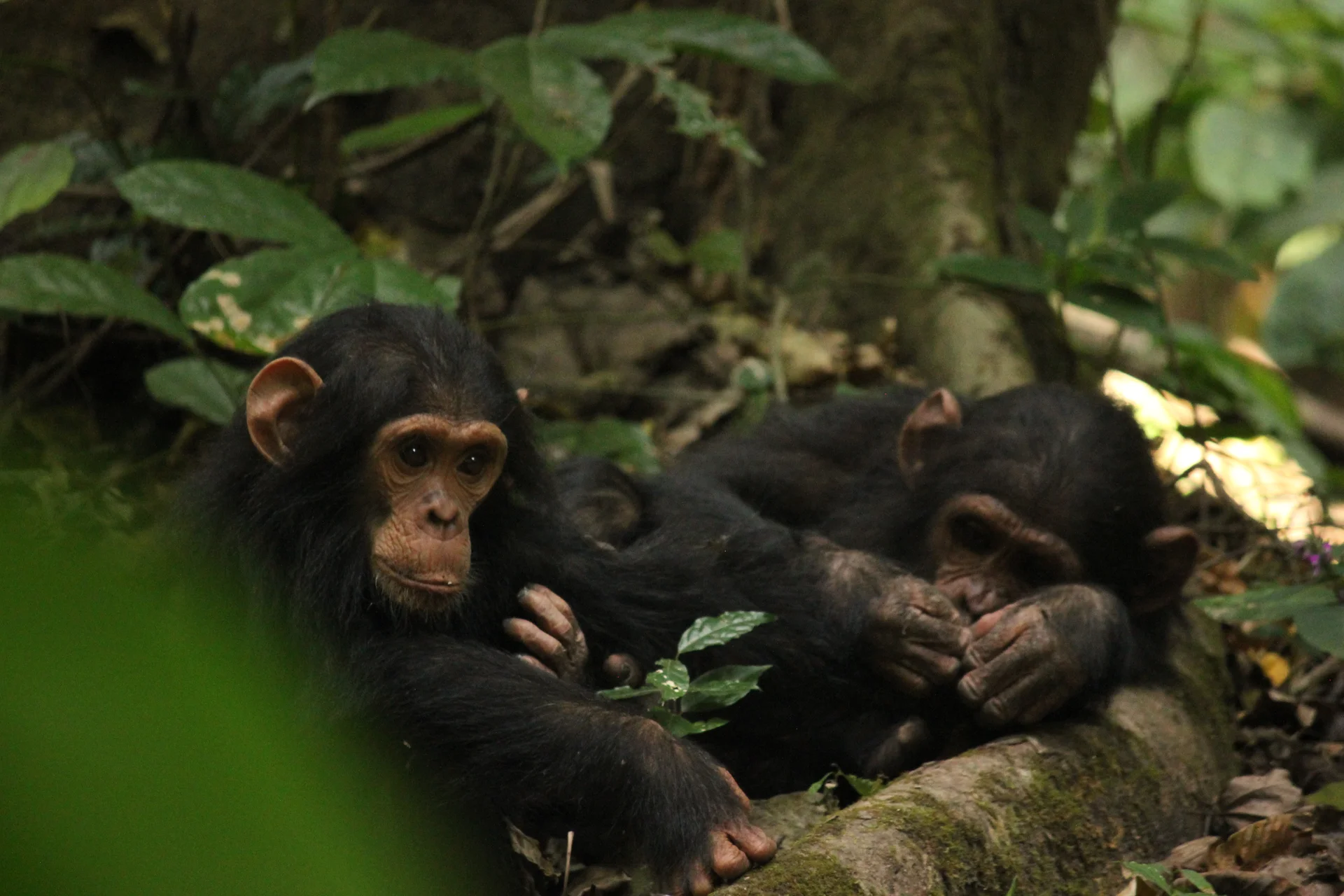
Gombe Stream National Park, also known as Gombe National Park, combines wild chimpanzee trekking with forested hills and the shores of Lake Tanganyika. In Kigoma…
Wildlife
Chimpanzees & Olive baboons
Landscape
National Parks & Safari
Highlights
Wild chimpanzee trekking with park rangers
 Southern Circuit
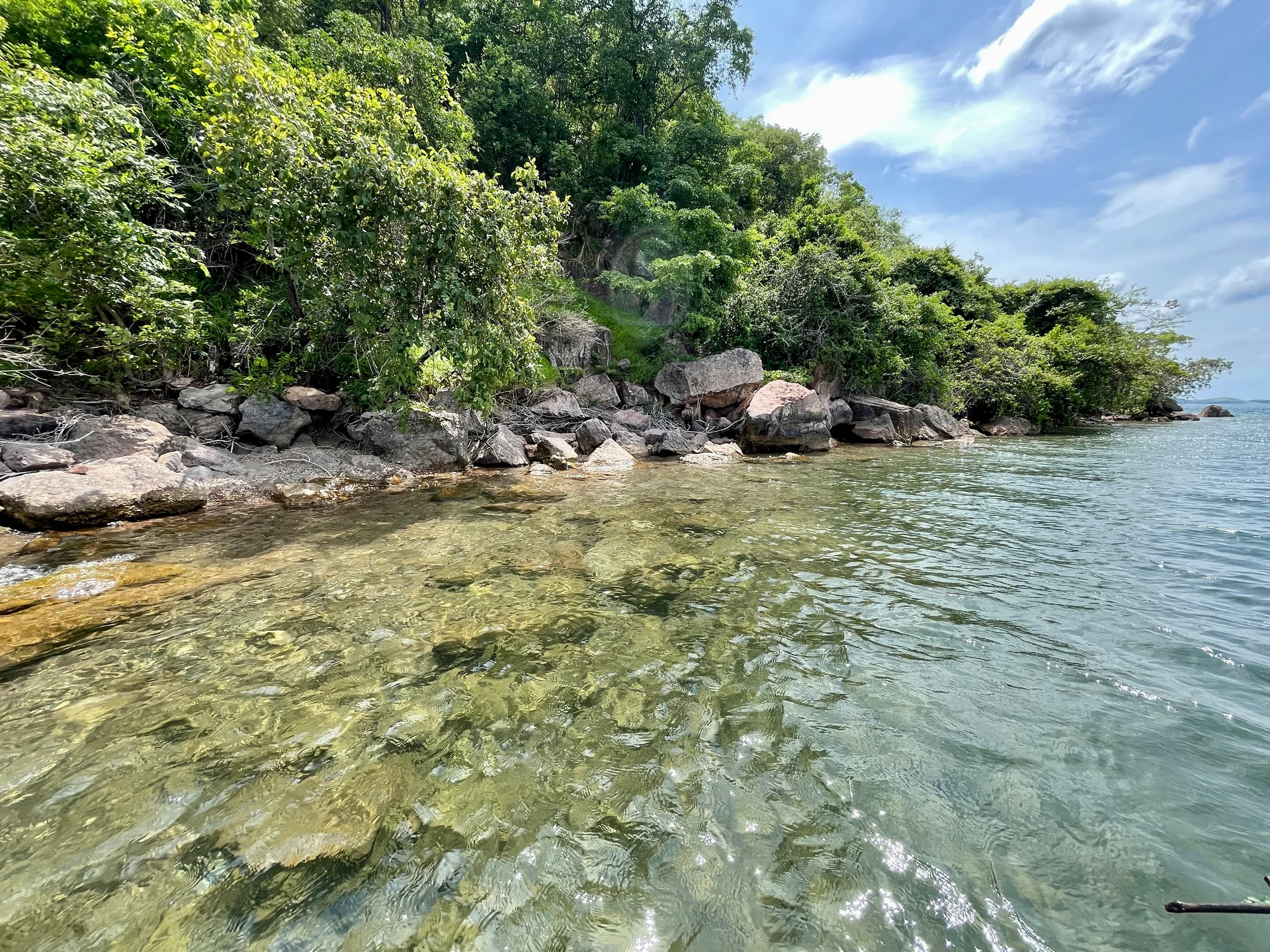
Lake Tanganyika offers a striking freshwater setting along Tanzania’s western frontier: broad blue horizons, wooded shores, bays, beaches and communities whose daily life is closely…
Wildlife
Endemic cichlid fish & Other freshwater fish
Landscape
Lakes & Hot Springs
Highlights
Africa’s deepest freshwater lake in the East African Rift
 Northern Circuit
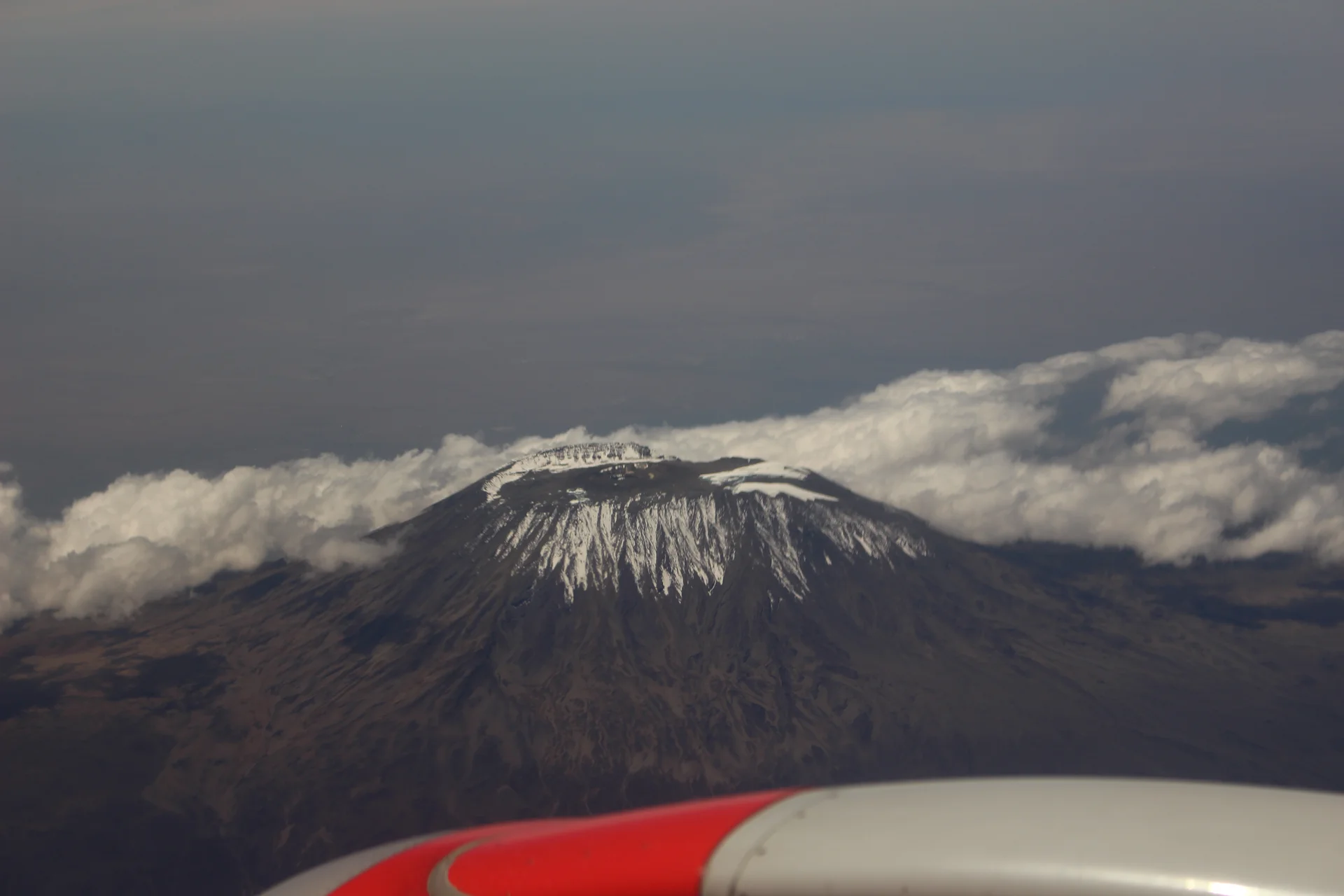
Kilimanjaro rises above northern Tanzania’s plains to Uhuru Peak at 5,895 metres, the highest point in Africa. Its volcanic massif, dramatic changes in vegetation and…
Wildlife
Black-and-white colobus monkeys in forest habitats & Blue monkeys in forest habitats
Landscape
Mountains & Trekking
Highlights
Uhuru Peak at 5,895 metres — Africa’s highest point
 Western Circuit
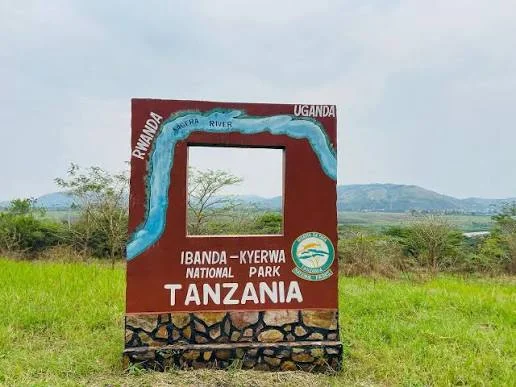
Ibanda-Kyerwa National Park protects a scenic corner of northwestern Tanzania, where the Kagera River meets a landscape of savanna, wooded slopes, valleys and wetlands. Situated…
Wildlife
Buffalo & Roan antelope
Landscape
National Parks & Safari
Highlights
Kagera River scenery on Tanzania’s northwestern border
 Zanzibar & Islands
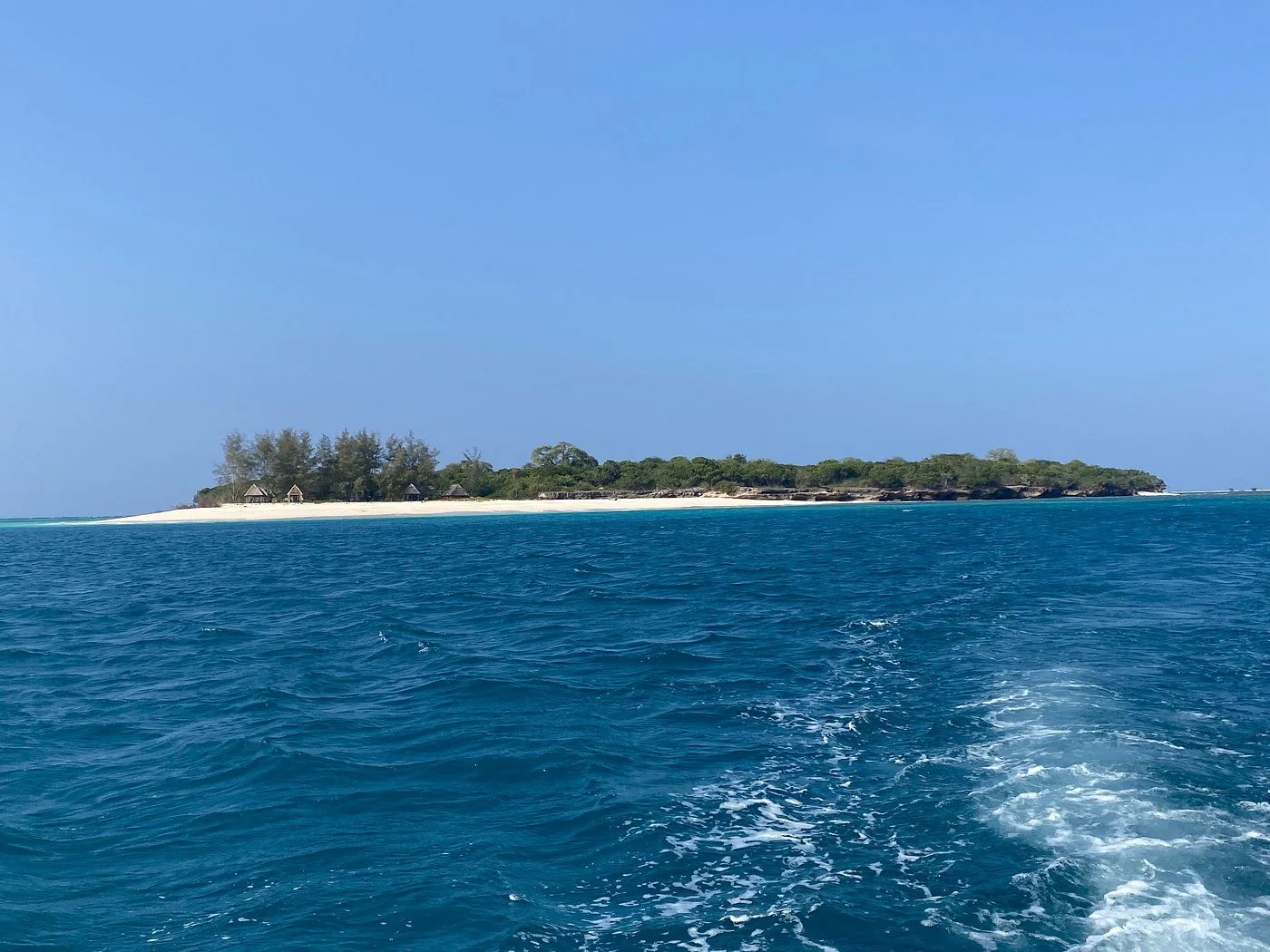
Sinda Island Marine Reserve offers an Indian Ocean escape off Kigamboni, on the southern side of Dar es Salaam. The reserve encompasses Inner and Outer…
Wildlife
Reef fish & Coastal birds
Landscape
Beaches & Islands
Highlights
Inner and Outer Sinda islands
 Northern Circuit
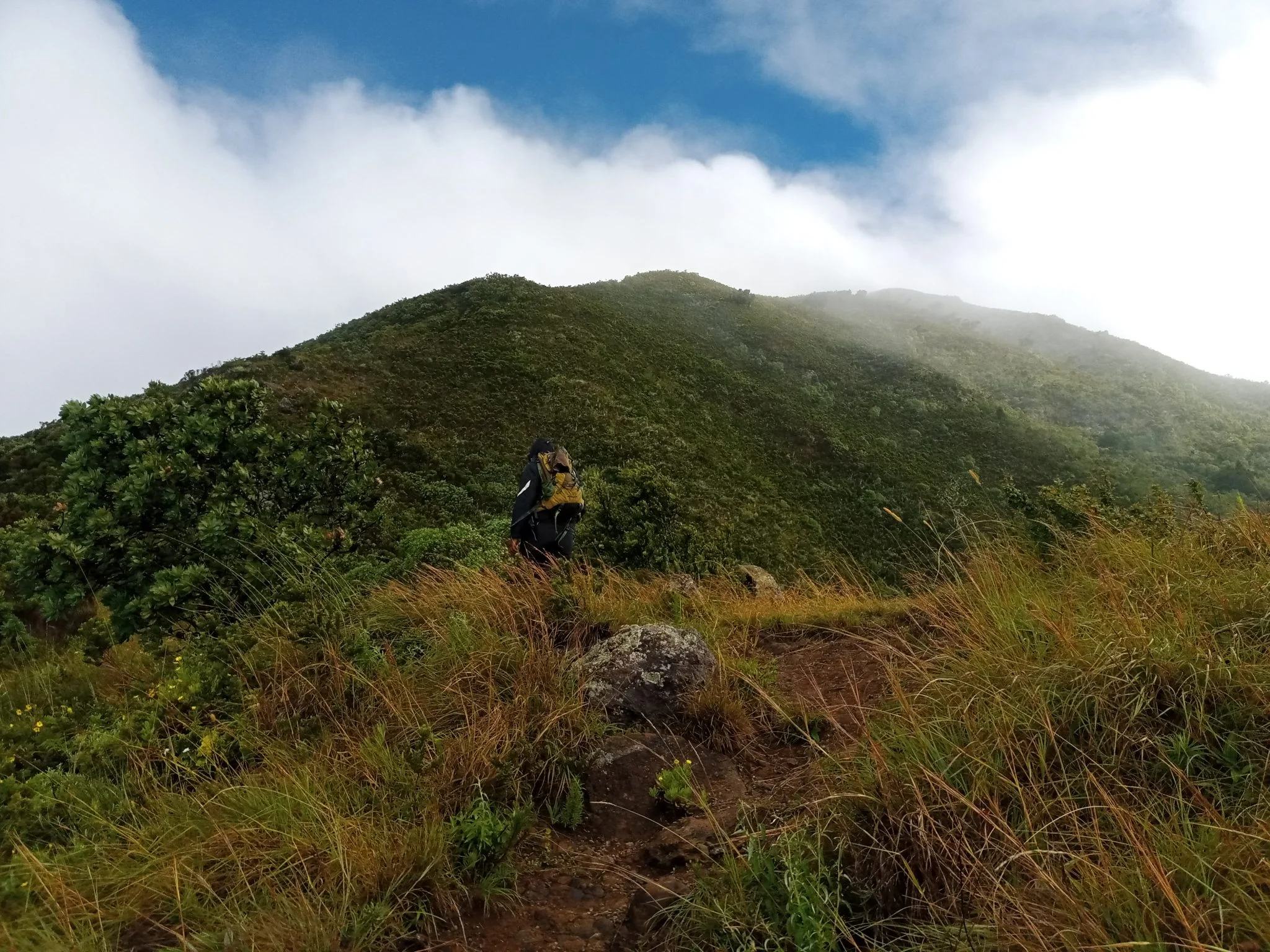
Discover Mount Hanang Rising above Katesh in Tanzania’s Manyara Region, Mount Hanang offers a rewarding mountain adventure beyond the familiar northern safari circuit. At approximately…
Wildlife
Klipspringer & Vervet monkeys
Landscape
Mountains & Trekking
Highlights
Approximately 3,423 metres — Tanzania’s fourth-highest mountain