 5.0 Excellent

Dorine M1 year ago

Grateful experience
As a solo female traveler, I felt super safe and well taken care of the entire time.
Read more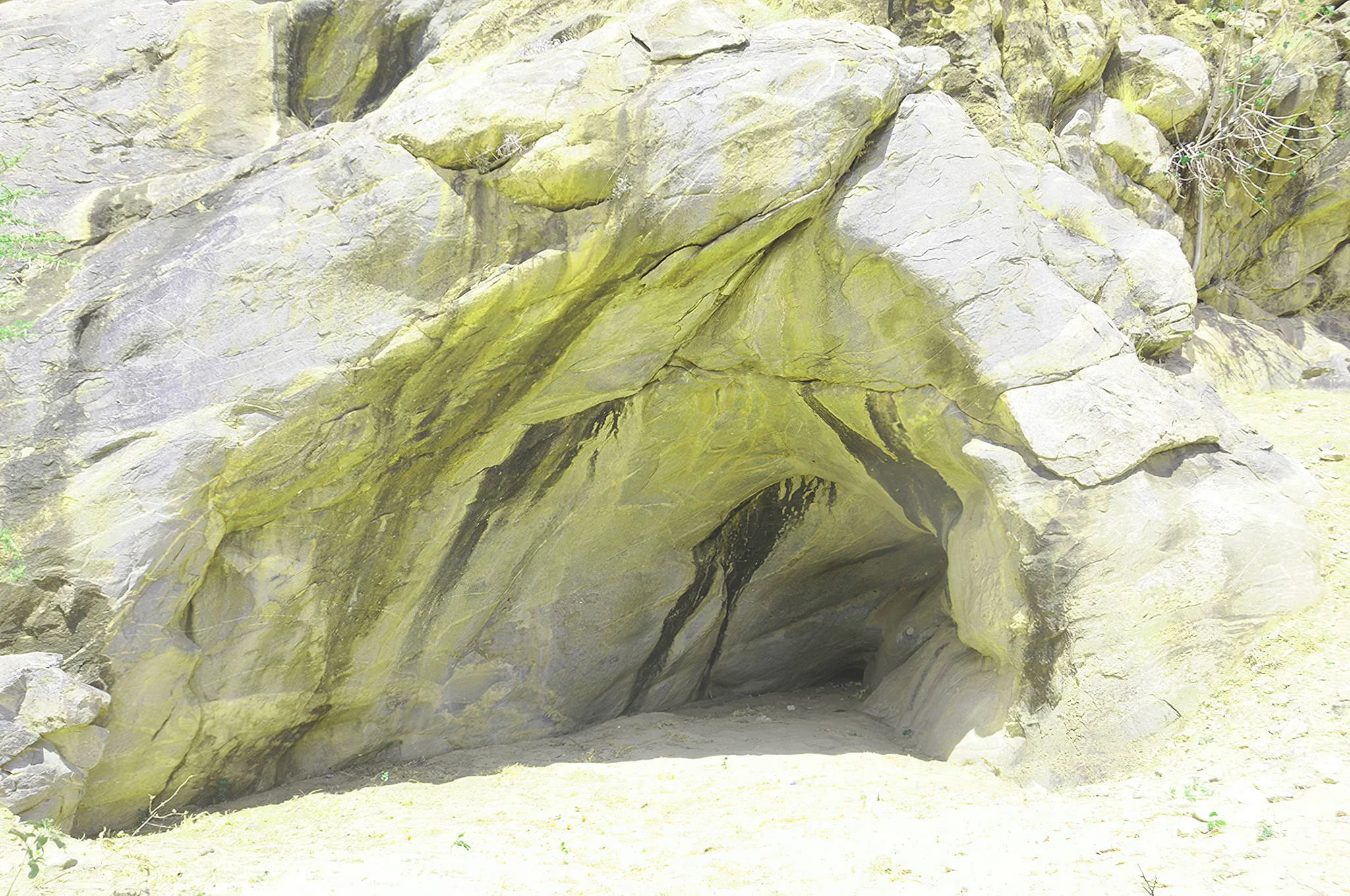
Northern Circuit
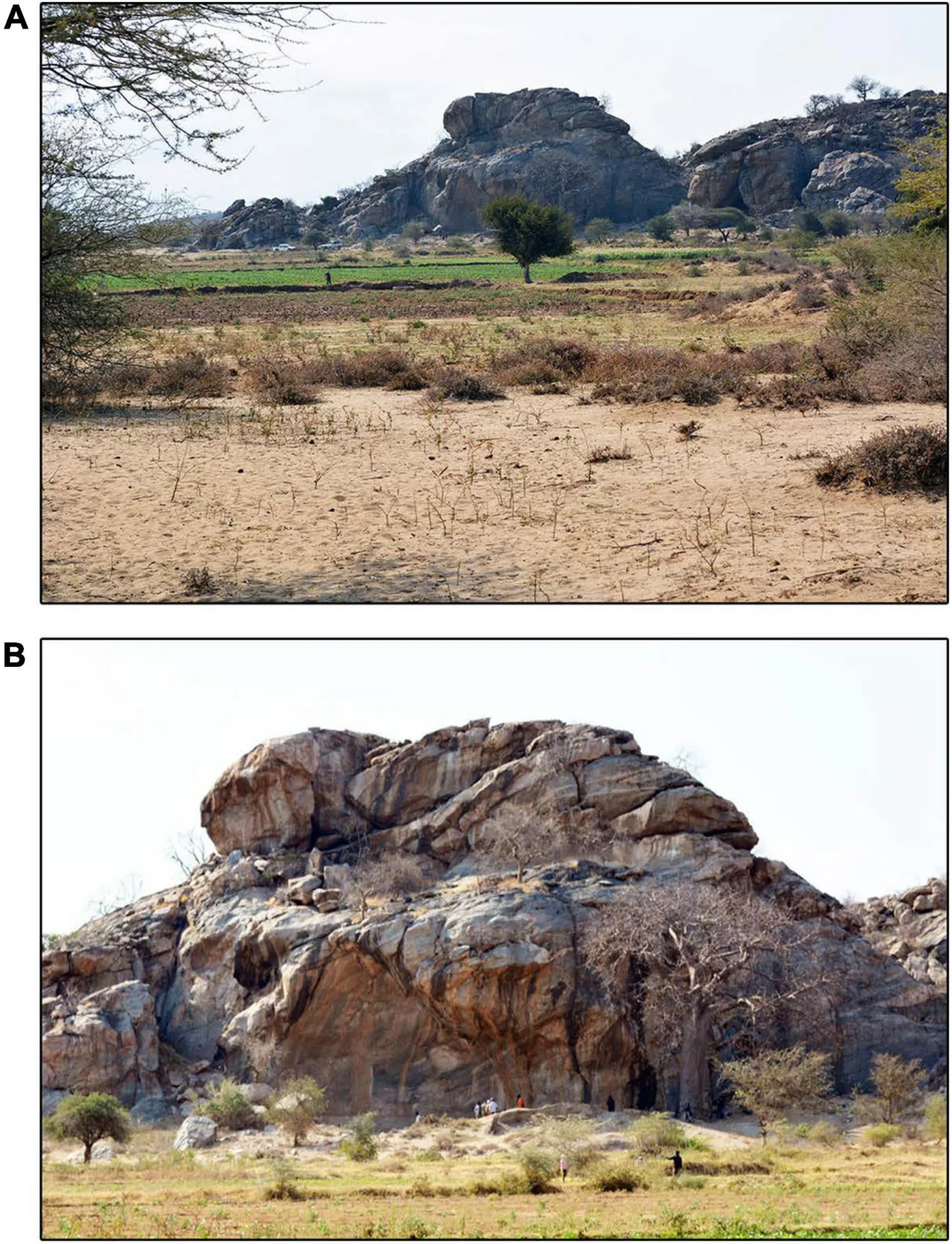
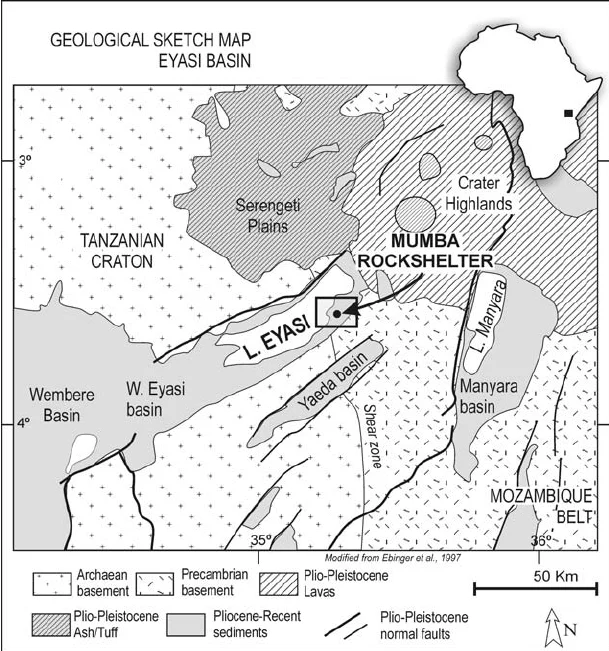
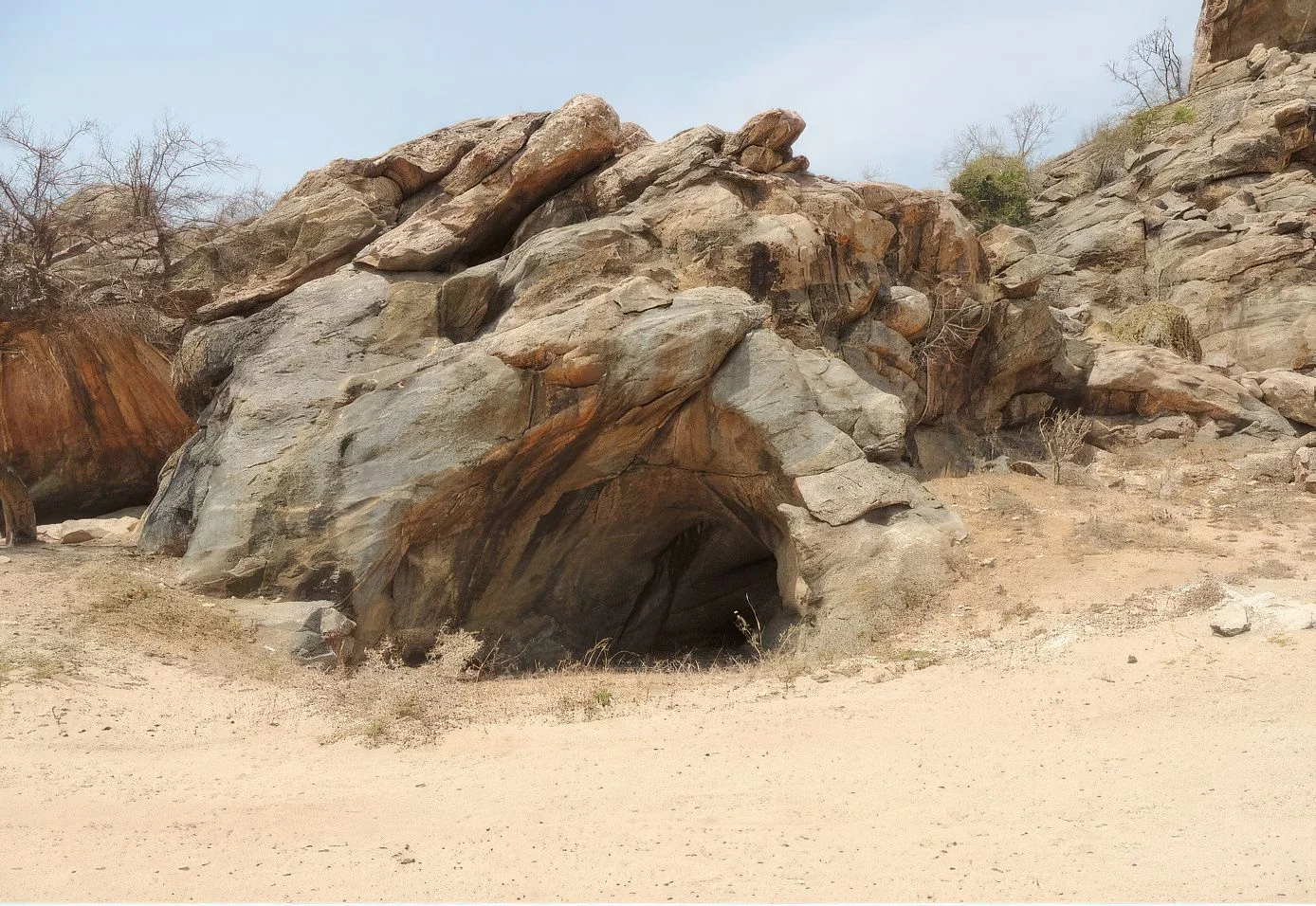
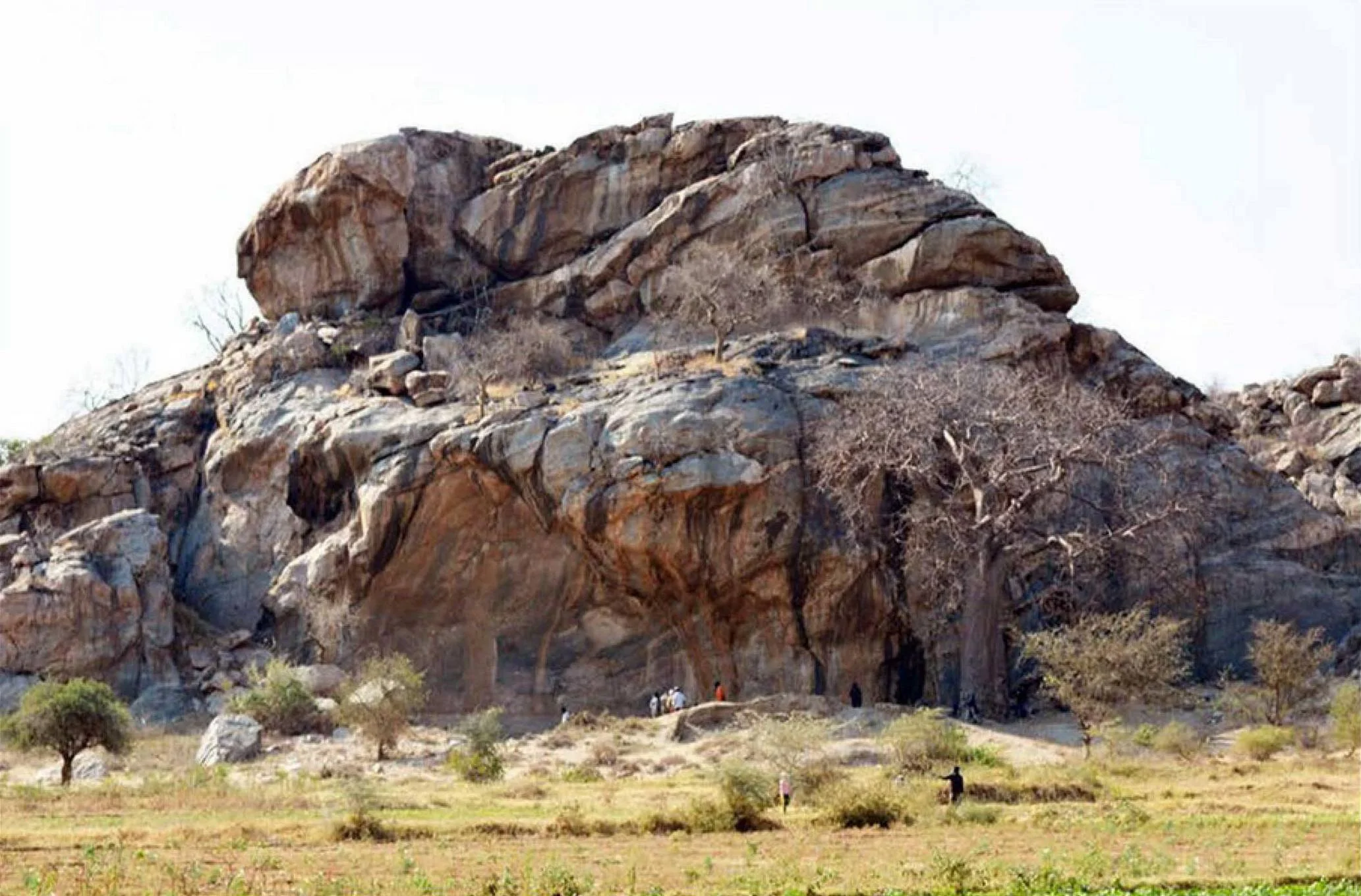
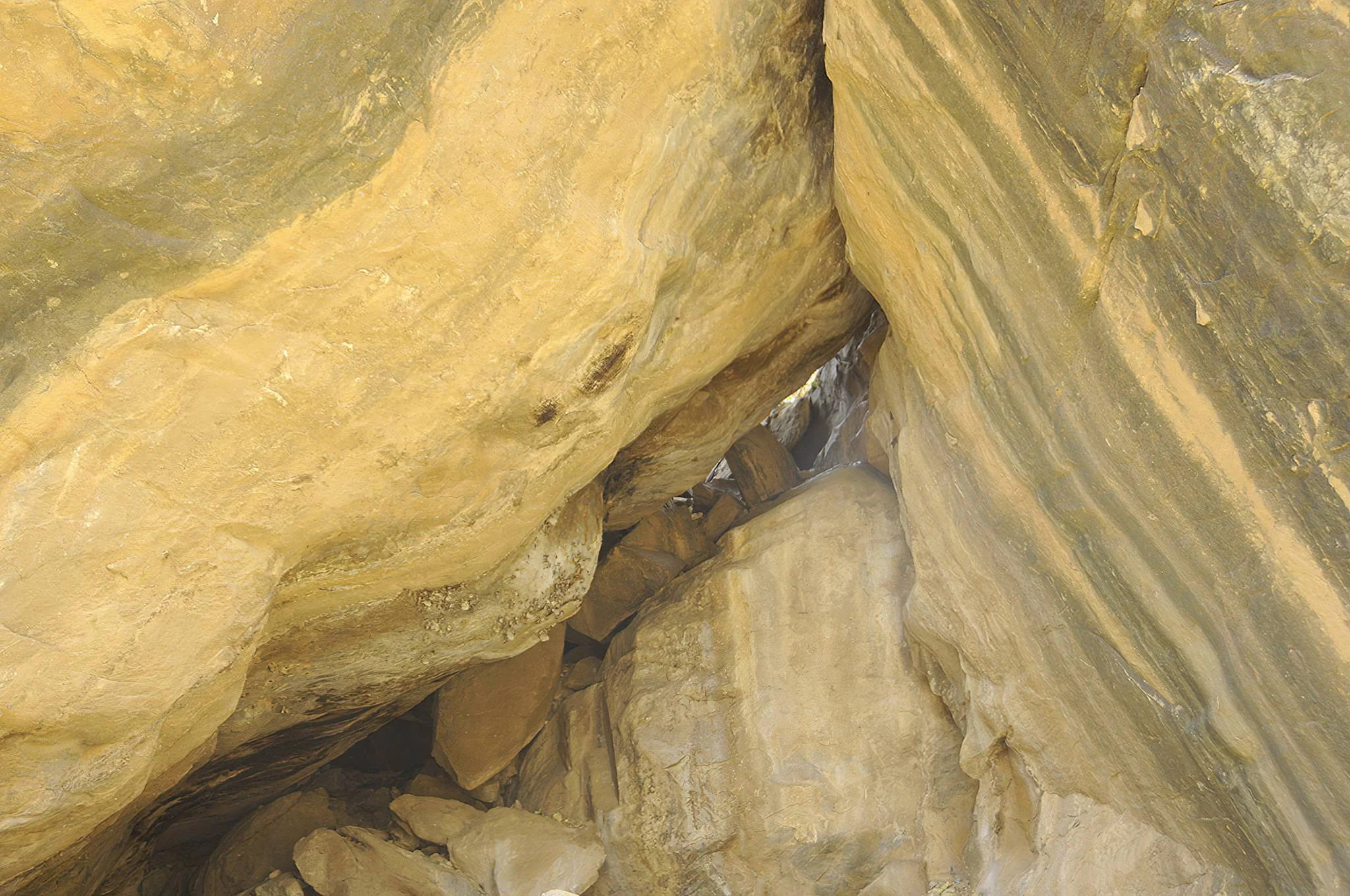
Mumba Rock Shelter reveals a remarkable chapter of Tanzania’s human story in the quiet landscapes of the Lake Eyasi basin. Beneath a broad rock overhang, generations of people left evidence of their tools, food, ornaments and changing ways of life. For travellers interested in archaeology, geology and the deeper history of East Africa, a carefully arranged visit adds a rewarding dimension to a northern Tanzania safari. THE LAKE EYASI SETTING The shelter lies in the Mang’ola Basin near the northeastern side of Lake Eyasi, in Arusha Region. The surrounding landscape brings together rocky outcrops, dry vegetation, farmland and the changing margins of a shallow, seasonal lake. Lake levels and the position of open water vary, so the shelter should not be imagined as permanently standing beside a full lake. This wider setting helps visitors understand why access to water, plants and animals mattered to people living here at different times. A NATURAL SHELTER IN AN ANCIENT ROCK LANDSCAPE Mumba formed beneath an outcrop of metamorphic gneiss. Its overhang provided a sheltered place where sediment and traces of human activity accumulated over many millennia. Researchers have investigated a deep archaeological sequence approaching 11 metres. The significance lies in the relationship between these layers: each deposit preserves a different part of the story, rather than all finds belonging to one moment. A guide can explain how the rock formation, shelter floor and surrounding terrain shaped the use of the site. WHY MUMBA MATTERS The archaeological sequence includes Middle Stone Age and Later Stone Age material, followed by evidence from the Pastoral Neolithic and Iron Age. Stone tools, animal remains and other finds help researchers examine changing technologies, subsistence and occupation of the Lake Eyasi basin. Worked ochre, ostrich eggshell objects and beads, grinding equipment and pottery offer further clues to activities beyond the making of hunting tools. The shelter’s value is therefore broader than a single spectacular discovery: it provides a sequence through which changes in human behaviour can be studied. UNDERSTANDING THE DATES Mumba is often associated with an age of about 130,000 years, but this is a reported estimate connected with the deeper sequence, not the age of every artefact, painting or human remain. Individual layers have different dates, and scientific interpretations continue to develop. Research published in 2026 dated herbivore teeth from Bed V to approximately 72,000–54,000 years ago, with measurement uncertainties. Dates derived from associated sediments or animal remains also need to be distinguished from direct dates on particular human remains. A thoughtful visit treats this evolving chronology as part of the appeal of archaeology. A LONG HISTORY OF RESEARCH Initial excavation took place in 1934, followed by extensive work led by Margit Kohl-Larsen in 1938. Later investigations included Mehlman’s work in 1977 and 1981, renewed excavation in 2005–2006, and sampling for dating in 2007. Subsequent scientific studies have continued to refine the chronology and environmental record. Human remains have been documented at Mumba, but discoveries from other locations around Lake Eyasi should not automatically be attributed to this shelter. Similarly, the presence of Mumba in UNESCO-published research does not make it an individually inscribed UNESCO World Heritage Site. WHAT TO EXPECT ON A VISIT The main experience is a guided encounter with the shelter, its geological setting and the interpretation of the archaeological record. Rock paintings have been documented, although their dates should not be equated with those of the deepest deposits. Visibility, permitted viewing areas and any interpretation facilities must be checked locally. Do not expect a guaranteed display of original excavated objects, an active excavation, or a fully equipped museum at the site. Ask your guide what can currently be seen and which areas must remain undisturbed. ARRANGE ACCESS BEFORE TRAVELLING Mumba is a protected antiquity site. Arrange a local heritage guide and confirm current site permission, opening arrangements, charges and approach conditions before departure. Do not assume that general walking rules for the Ngorongoro wildlife area automatically apply to this separate Lake Eyasi site. Any climbing requires specific approval and a suitable assessment; the destination is best planned around heritage interpretation rather than an unrestricted ascent. The final approach may involve uneven ground and exposed terrain, so footwear, shade, water and a flexible schedule matter. COMBINE HISTORY WITH LAKE EYASI A stay in the Karatu or Lake Eyasi area creates time to include Mumba alongside lake scenery, regional birdwatching and an introduction to Mang’ola’s agricultural landscape. Community-led visits with Hadza, Datoga or Iraqw hosts may be arranged where welcomed. These are contemporary communities with their own lives and traditions; they should not be described as living museum exhibits or assumed to be direct descendants of Mumba’s ancient occupants. Agree the purpose, payment and photography consent of every community visit in advance. PLAN A COMFORTABLE, RESPONSIBLE DAY Drier regional conditions, often from June to October, generally make unpaved approaches easier, while rain can alter road conditions in other months. The site’s archaeological interest is year-round when access is available. Choose a cooler part of the day, carry drinking water, sun protection and closed shoes, and ask about the current walking distance and terrain. Families can enjoy the visit with an engaging guide and close supervision of children. Visitors with limited mobility should request a specific access assessment rather than rely on an accessibility promise. PROTECT THE ARCHAEOLOGICAL RECORD Keep to the route indicated by the guide. Do not touch or trace paintings, collect stones or artefacts, dig into deposits, disturb bones, climb on excavation edges, or leave marks on the rock. Ordinary landscape photography should follow local guidance, and specialist filming or drone use requires prior permission. Leave no litter and allow the site’s history to remain in place for future visitors and researchers. TanzaLux can help shape a Lake Eyasi itinerary around your interests, with access arrangements confirmed before travel.
March–May: The regional long rains can bring greener surroundings, but unpaved roads and the final approach may become muddy or difficult. Access may change after heavy rainfall. The archaeological story remains equally interesting, so travel only after a local guide confirms permission, safe conditions and a suitable vehicle. Allow extra time and protect cameras and walking gear from rain.
November–February: Conditions are variable, with short rains often affecting November and December and some drier intervals later. Lake levels, vegetation and regional birdlife can change. Plan a flexible heritage visit with a cooler morning or late-afternoon start, and confirm the route locally rather than assume all tracks are passable.
June–October: These months generally offer drier regional conditions and easier travel on unpaved approaches. They are a practical planning window for a combined Karatu–Lake Eyasi itinerary, although dust, heat and sun exposure remain considerations. Carry water and closed shoes, choose cooler hours, and confirm current access arrangements; there is no guaranteed wildlife or excavation-viewing season at Mumba.
Arrange Mumba as a guided heritage excursion within the Karatu–Lake Eyasi/Mang’ola area. Kilimanjaro International Airport is a common international gateway for northern Tanzania, while Arusha Airport may suit domestic connections. Continue by prearranged road transfer through the northern circuit to Karatu and the Lake Eyasi basin, then follow the locally confirmed approach to the shelter. A vehicle suited to unpaved roads, often a 4×4, is useful, especially when conditions are wet. Exact transfer times depend on the starting lodge, route, weather, road condition and any stops; obtain a current estimate when planning rather than rely on one fixed drive time. A stay near Lake Eyasi or Karatu can make the visit easier to combine with regional scenery and community-led experiences. Confirm the local heritage guide, site permission, charges, meeting point and viewing arrangements before departure. Ask specifically about walking distance, steps, uneven ground, shade, toilets and mobility needs; do not assume facilities or step-free access. Carry drinking water, sun protection and closed shoes, and keep your schedule flexible if rain changes the final approach.
Mumba lies in the Mang’ola Basin near the northeastern side of Lake Eyasi in Arusha Region, northern Tanzania. It can be included in a locally guided Karatu–Lake Eyasi itinerary. Lake levels fluctuate, so the shelter is not always immediately beside open water.
Mumba Cave is sometimes used informally for the same archaeological locality. Mumba Rock Shelter is the clearer name because the site is an open shelter beneath a rock overhang rather than a deep underground cave attraction.
The shelter lies beneath an outcrop of metamorphic gneiss. This older basement rock is distinct from the volcanic landscapes commonly associated with other northern Tanzania attractions.
Its deep sequence preserves evidence of different periods of human activity. Tools, ornaments, animal remains and sediments help researchers examine technological change, subsistence and the changing environments of the Lake Eyasi basin.
About 130,000 years is a widely reported estimate associated with the deeper archaeological sequence. It is not a date for every find. Individual layers have different ages; a 2026 study dated herbivore teeth in Bed V to approximately 72,000–54,000 years ago, with uncertainties.
Researchers study different layers and materials with different dating methods. Dates for sediments or animal remains may be used to estimate the age of associated finds, while later work can refine earlier interpretations. A range with uncertainty is more accurate than treating the entire shelter as one dated event.
The documented sequence includes Middle Stone Age and Later Stone Age material, followed by evidence from the Pastoral Neolithic and Iron Age. These labels refer to different parts of the deposits and should not be treated as one continuous, unchanged settlement.
Initial excavation took place in 1934. Extensive excavation led by Margit Kohl-Larsen followed in 1938, establishing an important early record of the shelter’s deposits and finds.
Yes. Later work included Mehlman’s investigations in 1977 and 1981, renewed excavation in 2005–2006 and dating sampling in 2007. Scientific studies continue to refine the chronology and environmental interpretation, including research published in 2026.
Documented discoveries include stone tools, worked ochre, ostrich eggshell objects and beads, grinding equipment, pottery, animal remains and human remains. These are research findings; their discovery does not mean the original objects are displayed during a normal visit.
Yes, human remains have been documented in its archaeological deposits. Their context and dating require careful interpretation. The separate Eyasi cranium discoveries from elsewhere in the basin should not automatically be attributed to Mumba.
Rock paintings have been documented. Confirm what is currently visible and permitted to be viewed with your guide. Their age should not be equated with the oldest archaeological deposits, and visitors must never touch, trace or wet painted surfaces.
Neither is guaranteed. Plan primarily for the shelter, its landscape and guided archaeological interpretation. Ask in advance about current displays, viewing areas and research activity; access to excavation areas may be restricted.
Mumba is a protected antiquity site, listed under a 1937 protection notice. Government reporting identifies the Ngorongoro Conservation Area Authority as its operator. Discussion in UNESCO-published research does not establish Mumba as an individually inscribed UNESCO World Heritage Site.
Arrange a local heritage guide and confirm current site permission, charges, meeting point and opening arrangements before travelling. Do not assume that general Ngorongoro wildlife-area walking or armed-ranger rules automatically apply to this separate Lake Eyasi site.
Do not assume unrestricted climbing is allowed. Any ascent requires specific local approval, an appropriate route and a safety assessment. A standard visit should focus on heritage interpretation and approved viewing areas, with care around fragile deposits and unstable edges.
Include it during a stay around Karatu or Lake Eyasi, alongside lake scenery, regional birdwatching and Mang’ola’s agricultural landscape. Community-led visits may be added where welcomed. Allow time for the locally confirmed approach and avoid a rushed stop without access arrangements.
June–October generally brings drier regional conditions and easier unpaved approaches. Archaeological interest is year-round when access is available. Long rains around March–May and variable short rains can affect roads, so confirm conditions locally and choose cooler visiting hours.
Children can enjoy the history with an engaging guide and close supervision. Uneven ground, rocks and exposed areas may be challenging. Request a current assessment of walking distance, steps, terrain and facilities for anyone with limited mobility; step-free access is not guaranteed.
Bring drinking water, sun protection, closed shoes and a camera. Follow the guide’s route, leave artefacts and bones untouched, avoid excavation edges and take all litter away. Seek permission for specialist filming or drones. For community visits, agree arrangements and payments in advance and ask consent before photographing people.
Grateful experience
As a solo female traveler, I felt super safe and well taken care of the entire time.
Read morePrivate Safari 6 days
I can only highly recommend the young company Tanzalux for organizing a private safari.
Read moreAn unforgettable vegetarian journey with Tanzalux Safaris
I highly recommend Tanzalux for anyone wanting a special, personalized safari.
Read moreOur 3-day camping safari with Tanzalux was simply fantastic! Everything was perfectly organized.
Read moreBack in April, I joined a day trip to Tarangire National Park with Tanzalux Safaris, and it was truly one of the best experiences I have ever had…
Read moreI've had an amazing experience with Tanzalux Safaris, would 1000% recommend! Thank you for making my trip so special🫶
Read moreI recently visited Meru Waterfalls in Arusha and got to do some of the activities there, honestly it was such a great experience and I really enjoyed it.
Read moreOur guide Dullah Mr Rastaman had the best vibe. I would like to recommend other people not to miss it, Tarangire is the best national park.
Read moreOur tour guide Nasri was very friendly and welcoming from the first day we met him. He knows Tarangire very well and explained many things during the safari.
Read moreAs a grandmother in the group, I would like to share my happiness with Tanzalux Safaris. Me, my daughters, and my grandson went on a short trip to Tarangire National Park…
Read moreReceive a free, no obligation quote

 Western Circuit
Gombe Stream National Park, also known as Gombe National Park, combines wild chimpanzee trekking with forested hills and the shores of Lake Tanganyika. In Kigoma…
Wildlife
Chimpanzees & Olive baboons
Landscape
National Parks & Safari
Highlights
Wild chimpanzee trekking with park rangers
 Southern Circuit
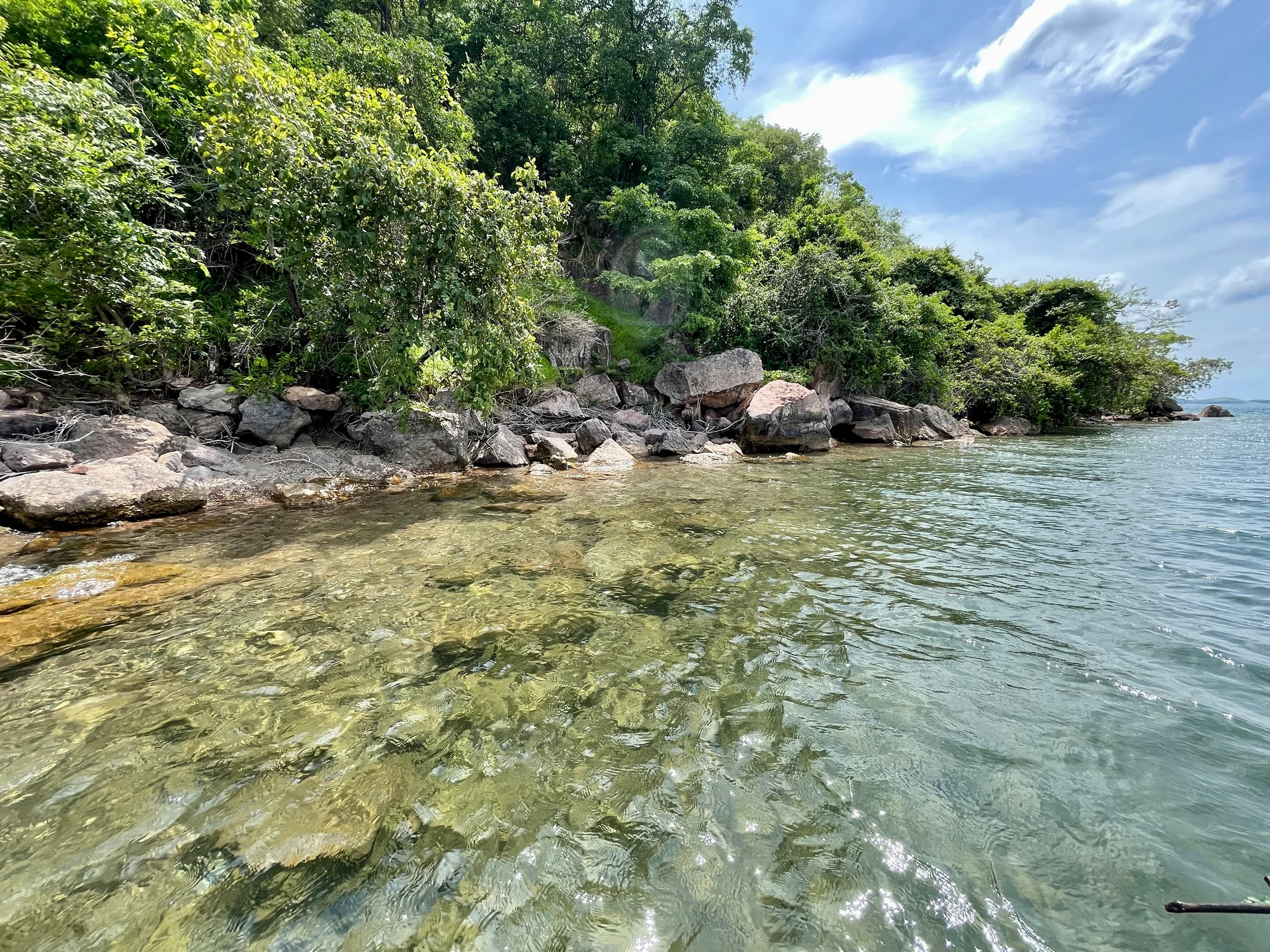
Lake Tanganyika offers a striking freshwater setting along Tanzania’s western frontier: broad blue horizons, wooded shores, bays, beaches and communities whose daily life is closely…
Wildlife
Endemic cichlid fish & Other freshwater fish
Landscape
Lakes & Hot Springs
Highlights
Africa’s deepest freshwater lake in the East African Rift
 Northern Circuit
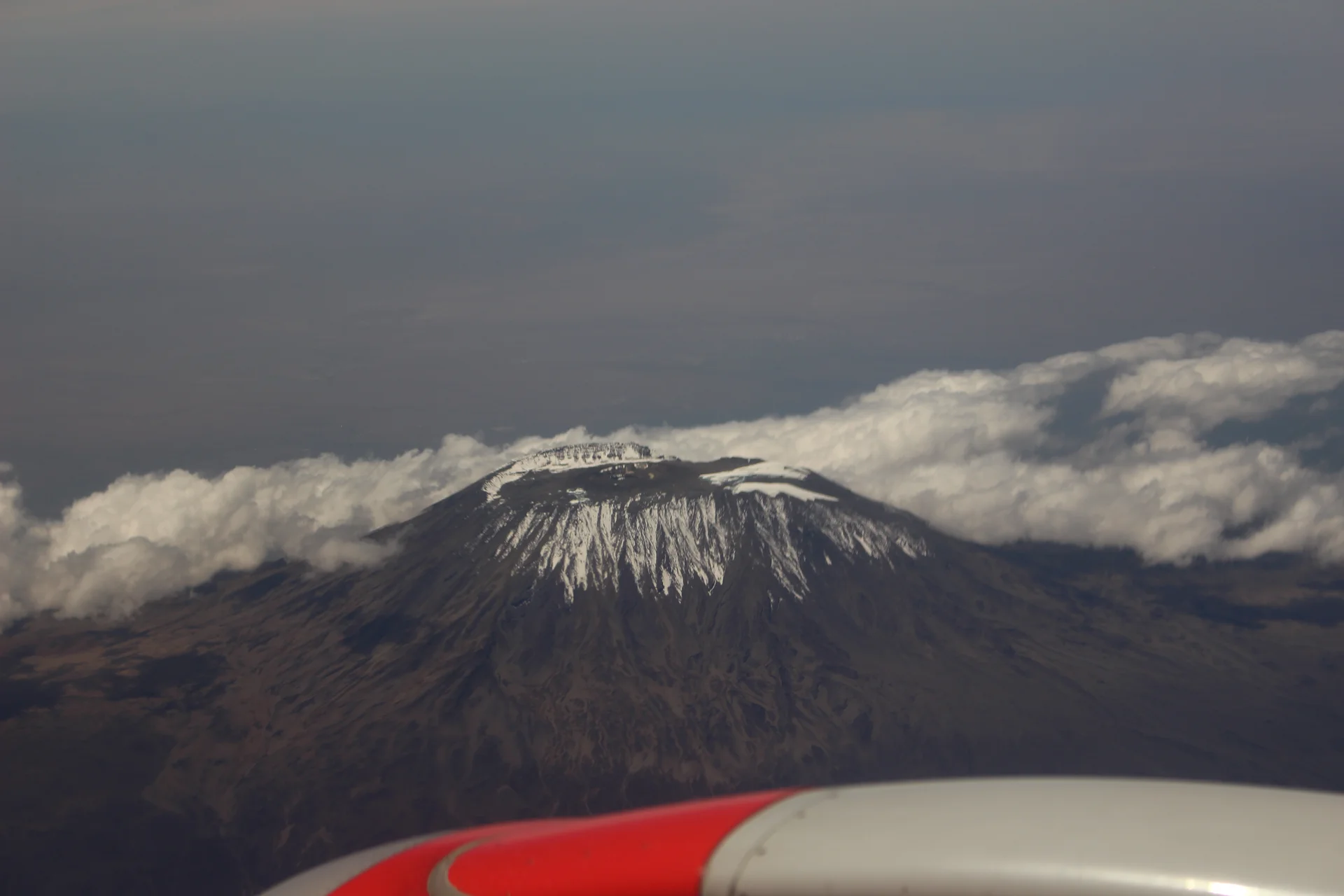
Kilimanjaro rises above northern Tanzania’s plains to Uhuru Peak at 5,895 metres, the highest point in Africa. Its volcanic massif, dramatic changes in vegetation and…
Wildlife
Black-and-white colobus monkeys in forest habitats & Blue monkeys in forest habitats
Landscape
Mountains & Trekking
Highlights
Uhuru Peak at 5,895 metres — Africa’s highest point
 Western Circuit
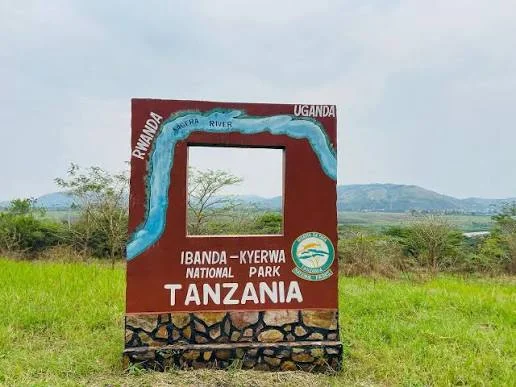
Ibanda-Kyerwa National Park protects a scenic corner of northwestern Tanzania, where the Kagera River meets a landscape of savanna, wooded slopes, valleys and wetlands. Situated…
Wildlife
Buffalo & Roan antelope
Landscape
National Parks & Safari
Highlights
Kagera River scenery on Tanzania’s northwestern border
 Zanzibar & Islands
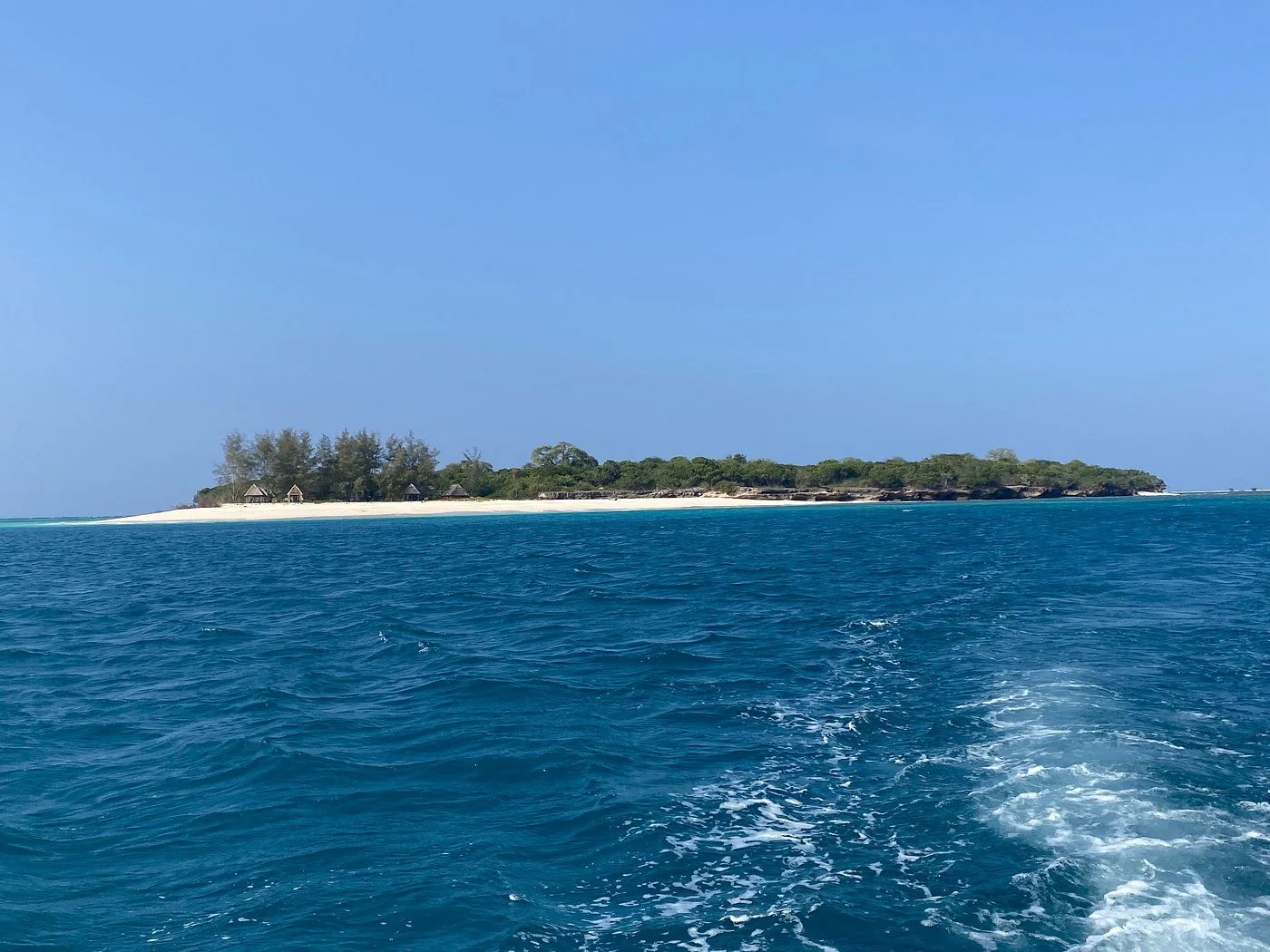
Sinda Island Marine Reserve offers an Indian Ocean escape off Kigamboni, on the southern side of Dar es Salaam. The reserve encompasses Inner and Outer…
Wildlife
Reef fish & Coastal birds
Landscape
Beaches & Islands
Highlights
Inner and Outer Sinda islands
 Northern Circuit
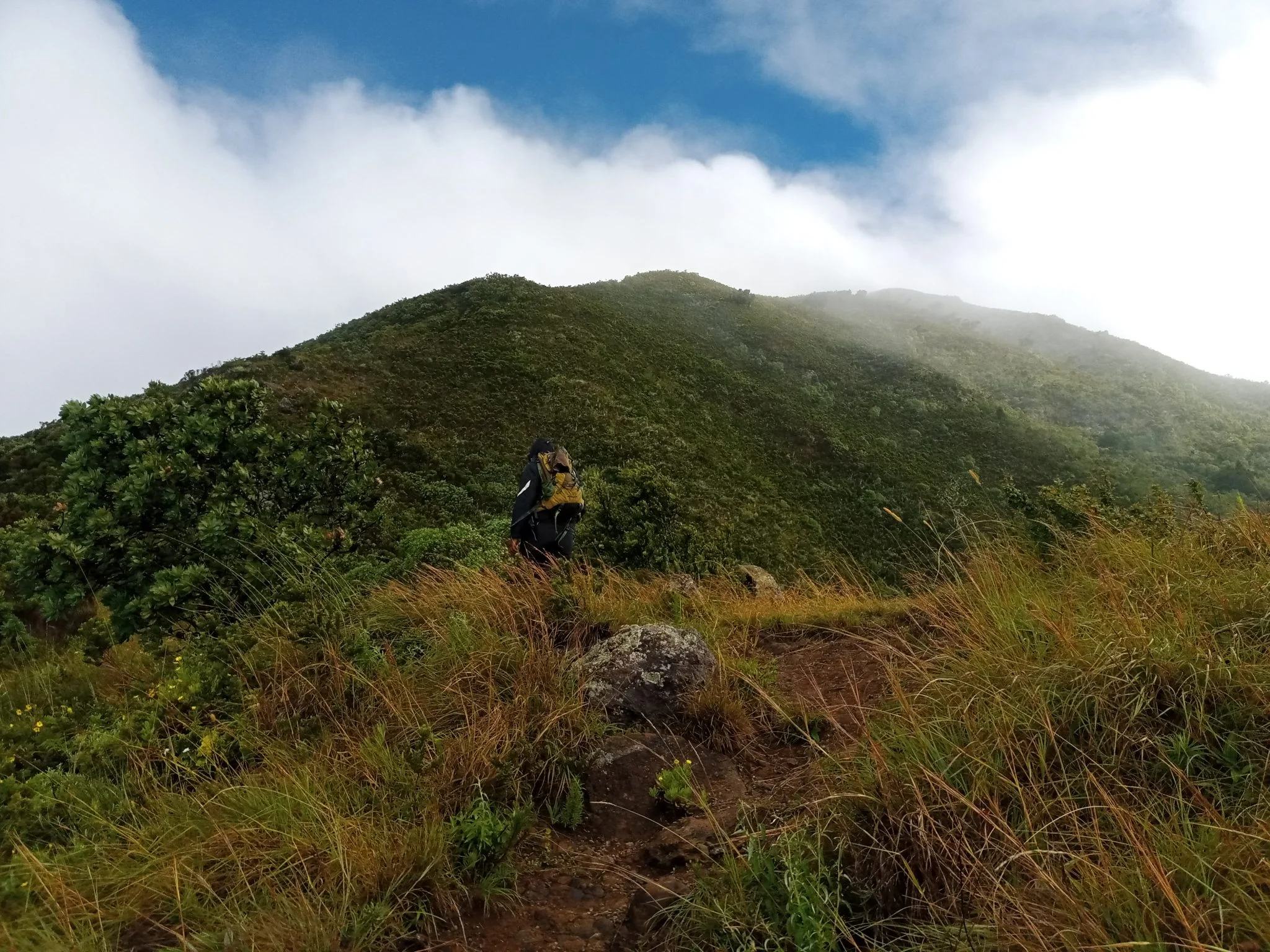
Discover Mount Hanang Rising above Katesh in Tanzania’s Manyara Region, Mount Hanang offers a rewarding mountain adventure beyond the familiar northern safari circuit. At approximately…
Wildlife
Klipspringer & Vervet monkeys
Landscape
Mountains & Trekking
Highlights
Approximately 3,423 metres — Tanzania’s fourth-highest mountain