 5.0 Excellent

Dorine M1 year ago

Grateful experience
As a solo female traveler, I felt super safe and well taken care of the entire time.
Read more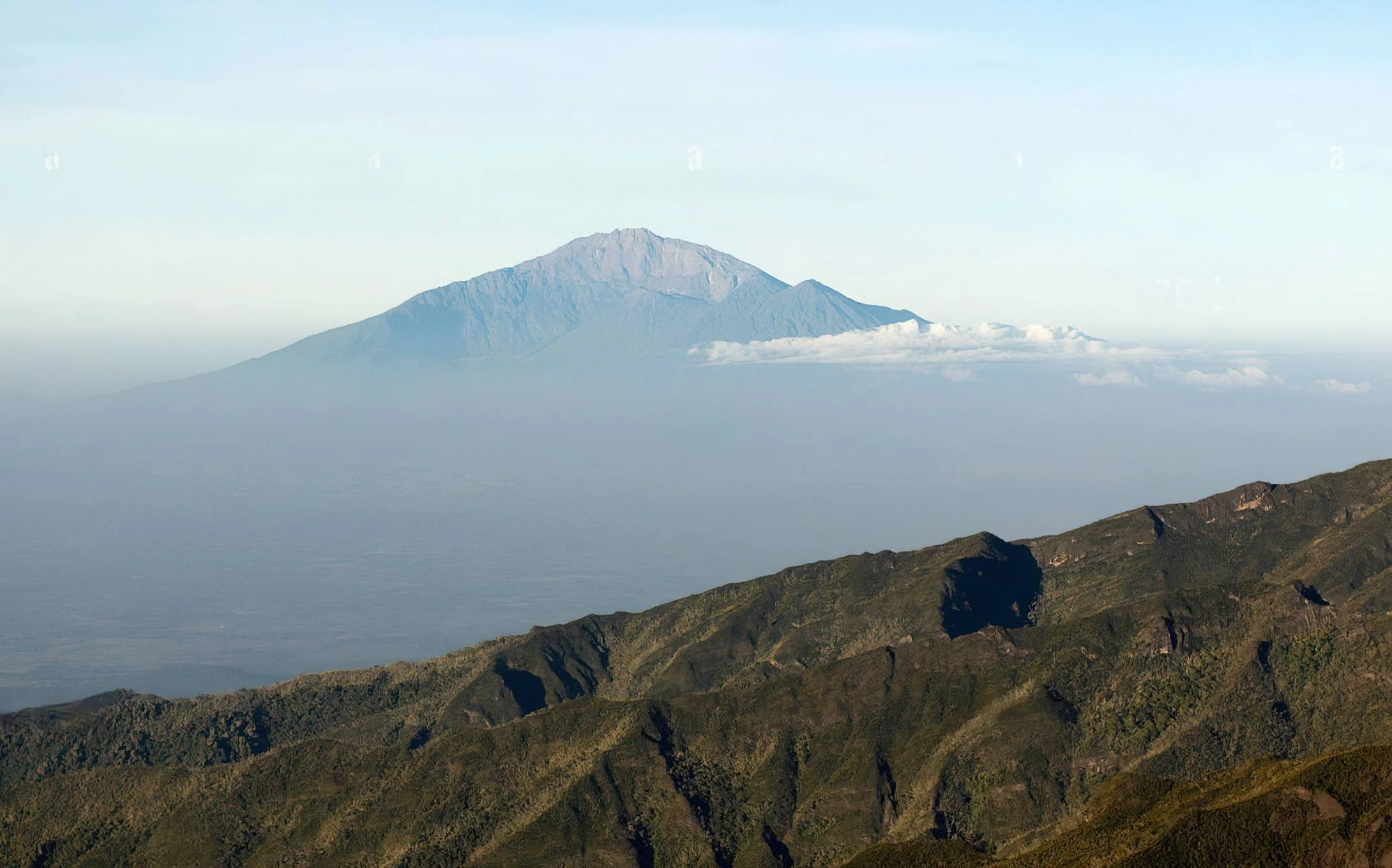
Northern Circuit
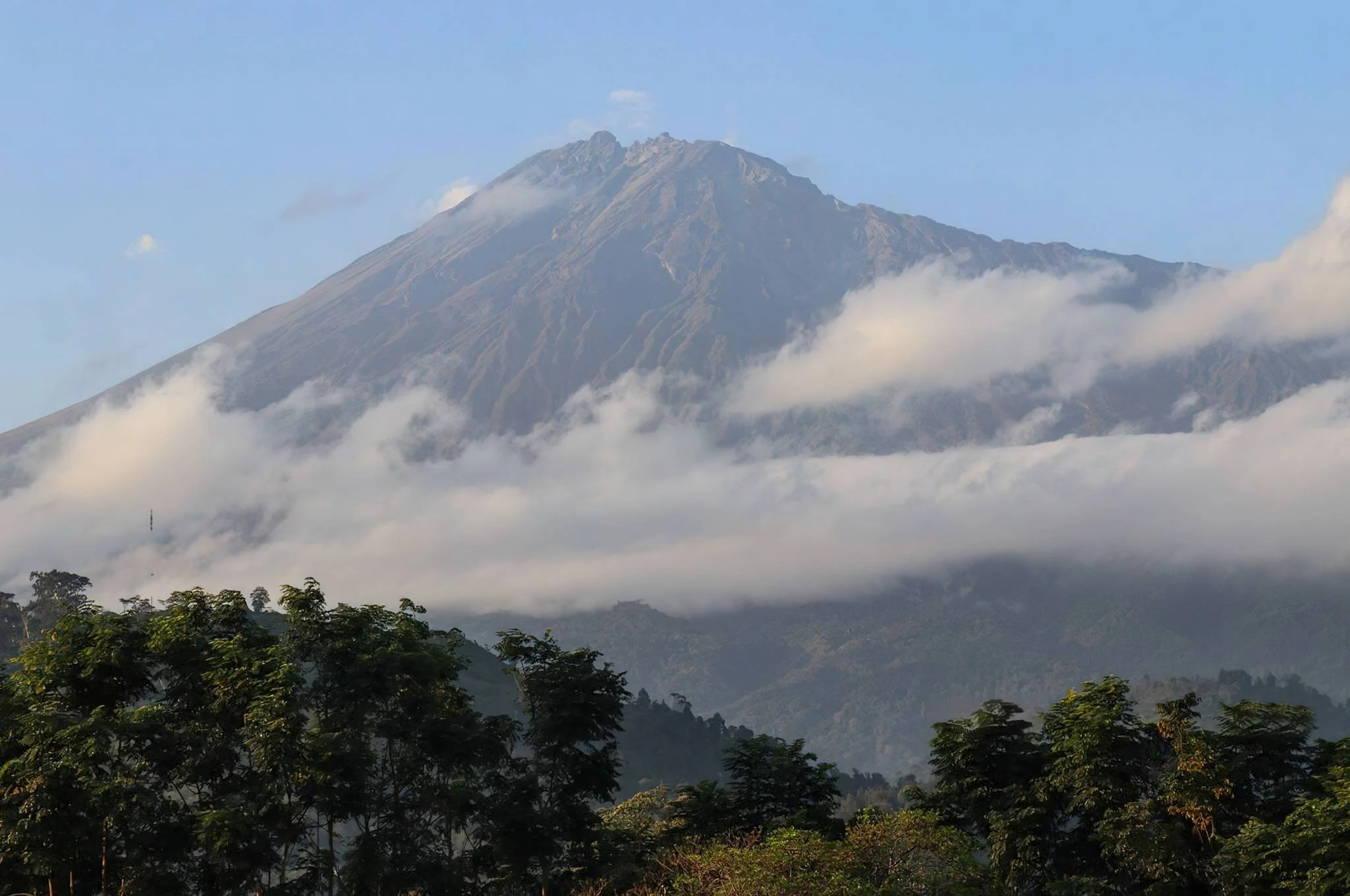
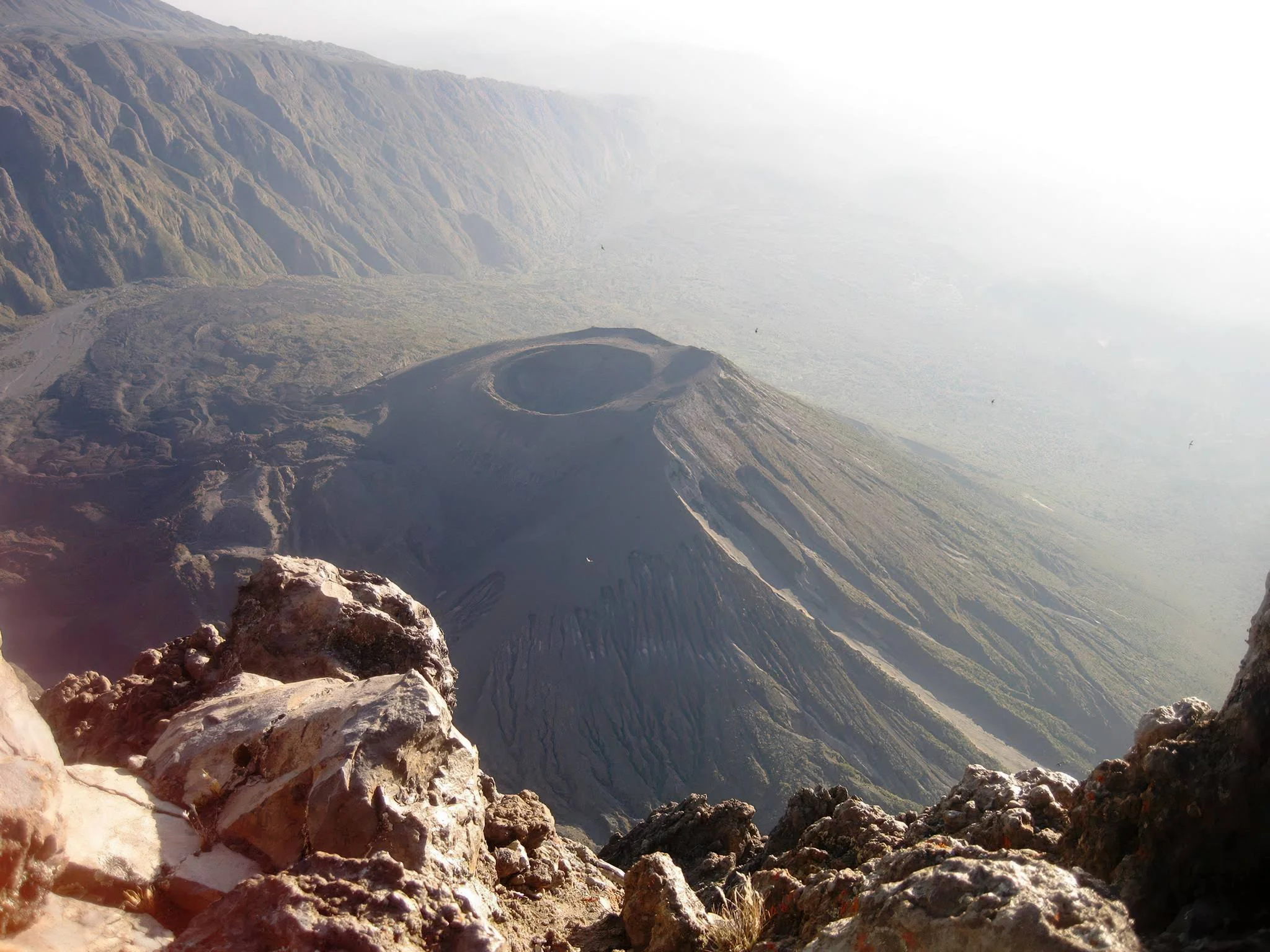
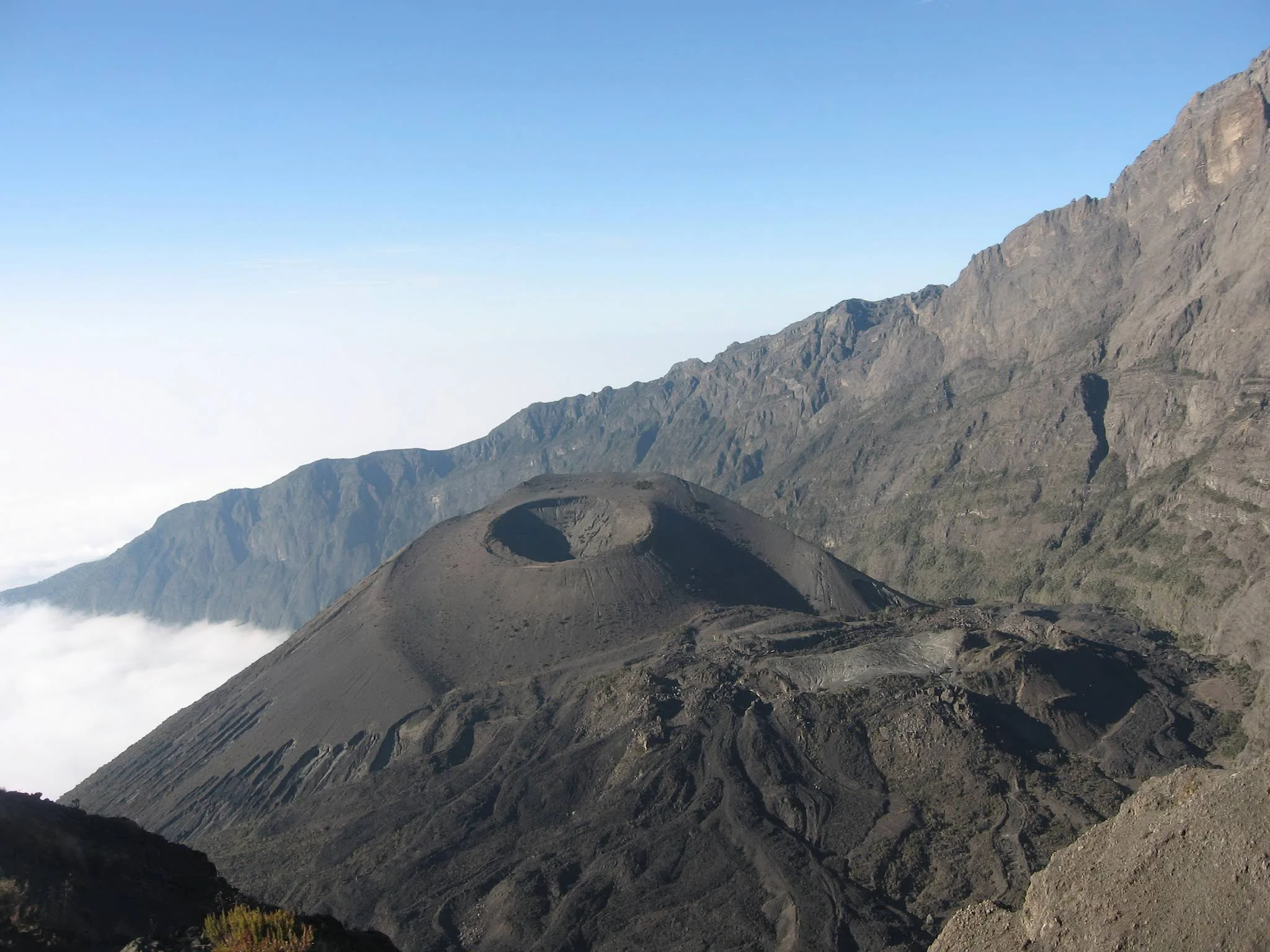
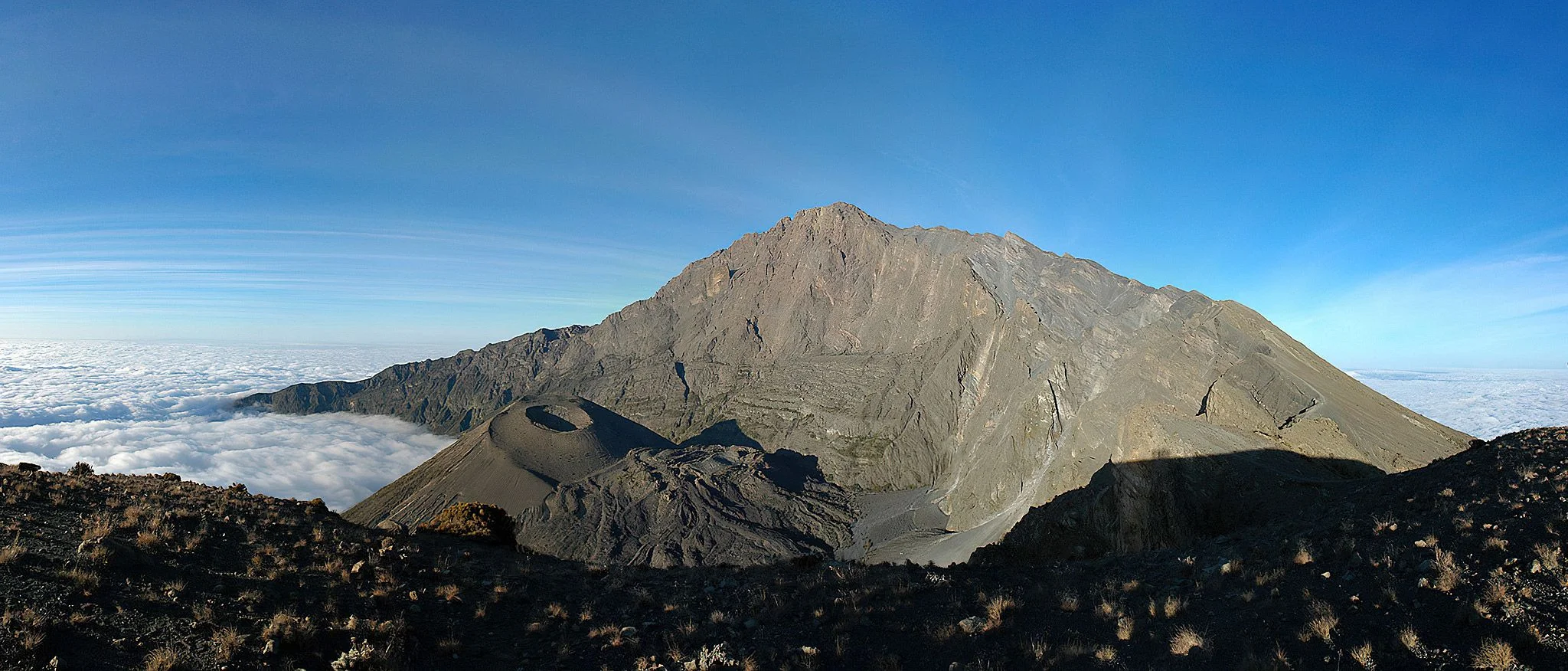
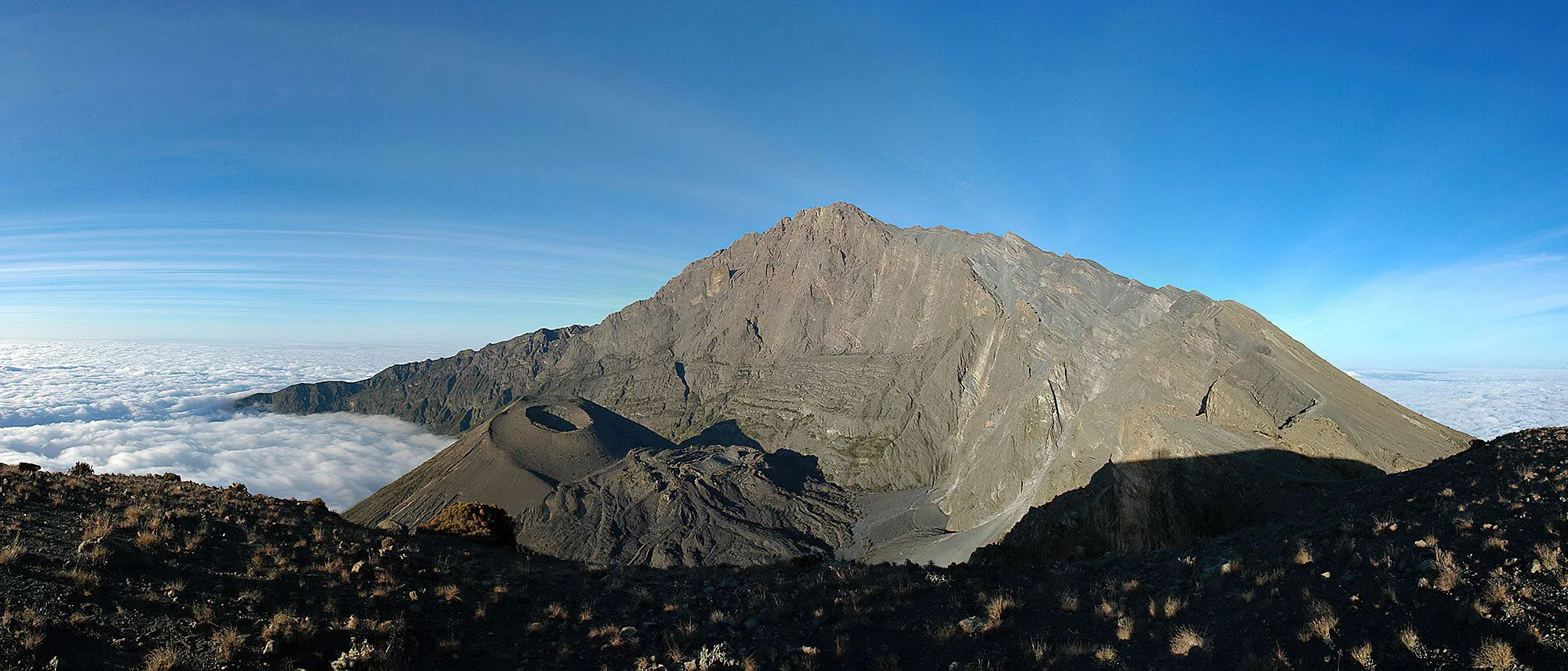
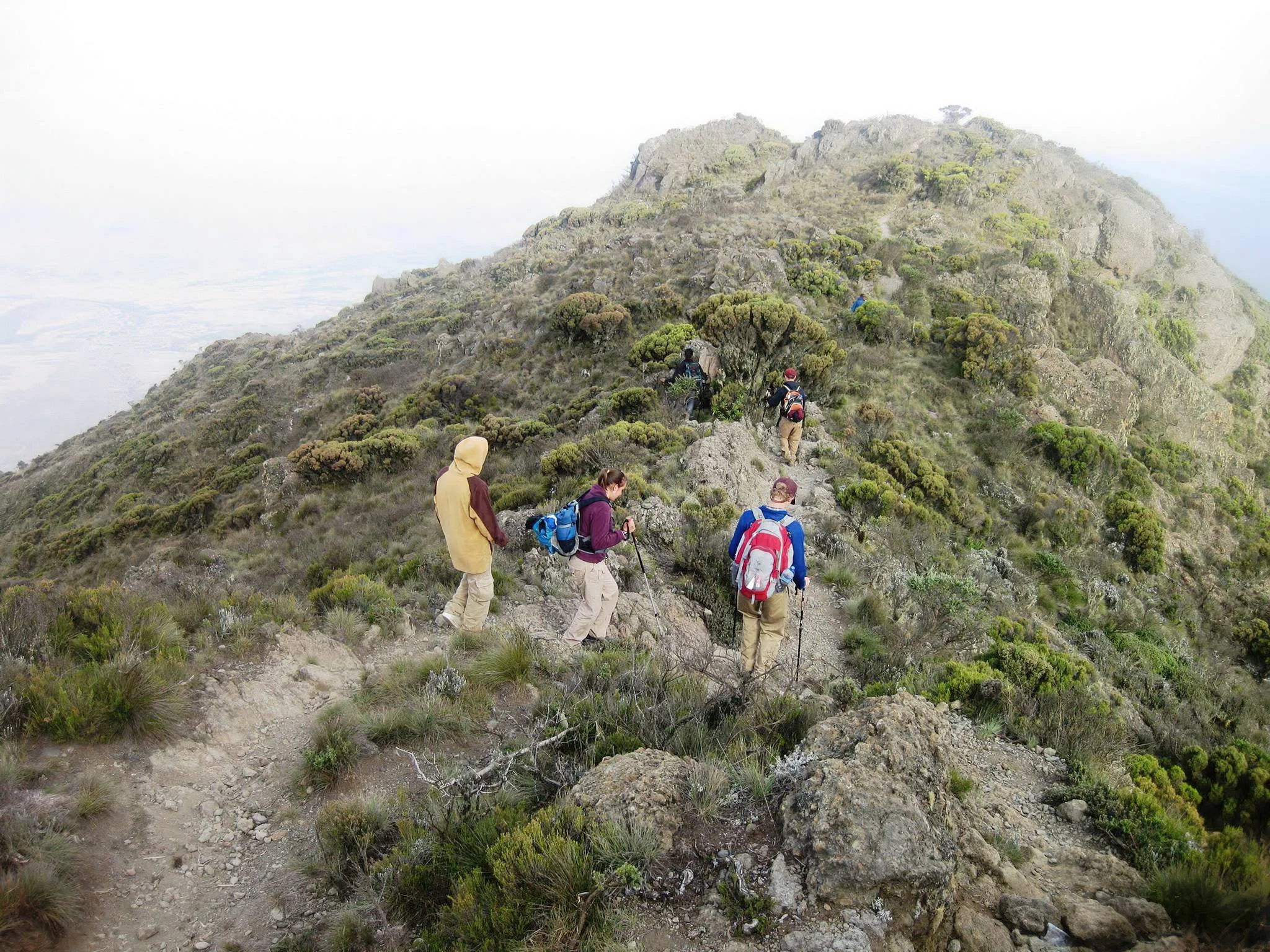
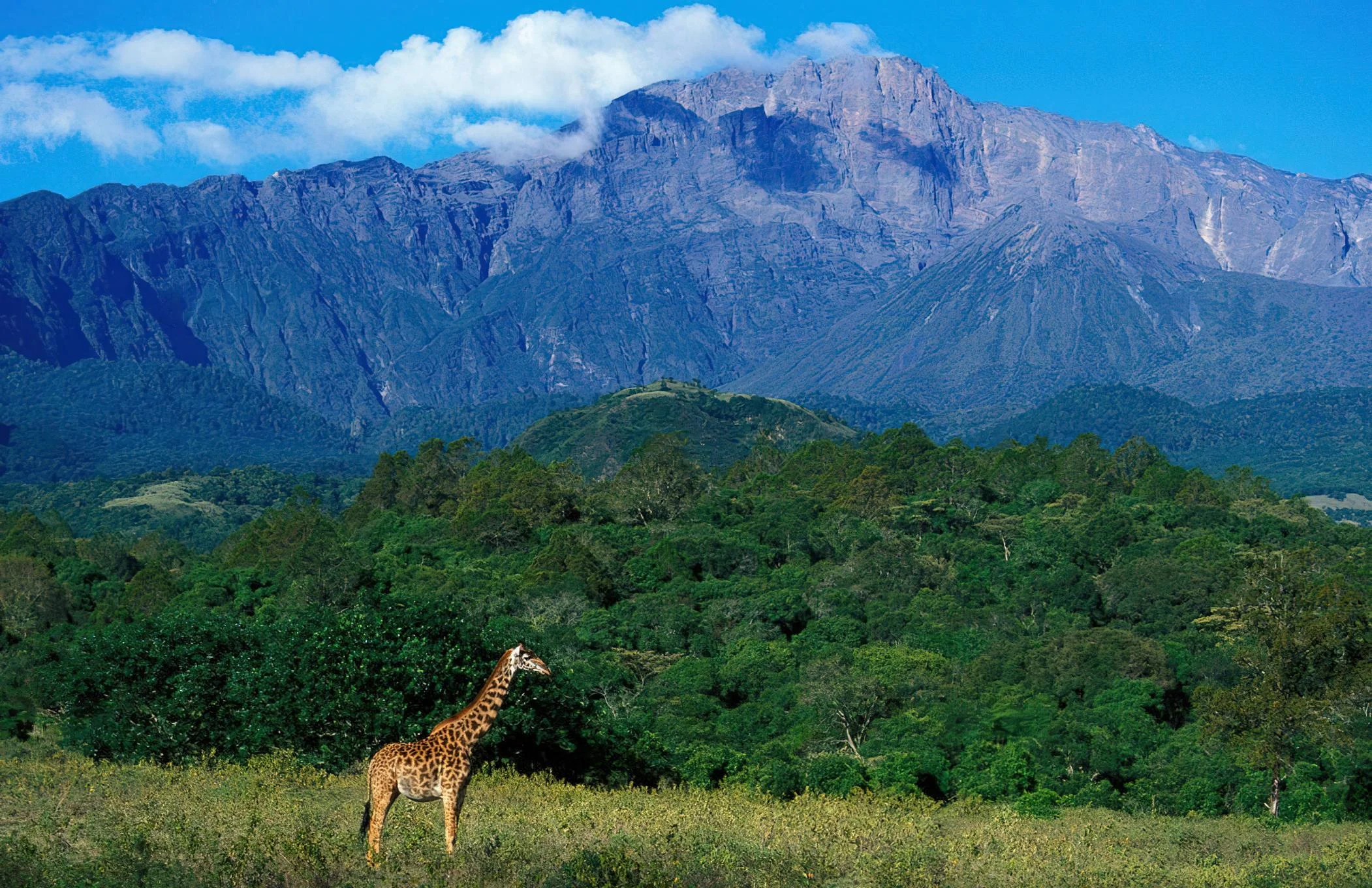
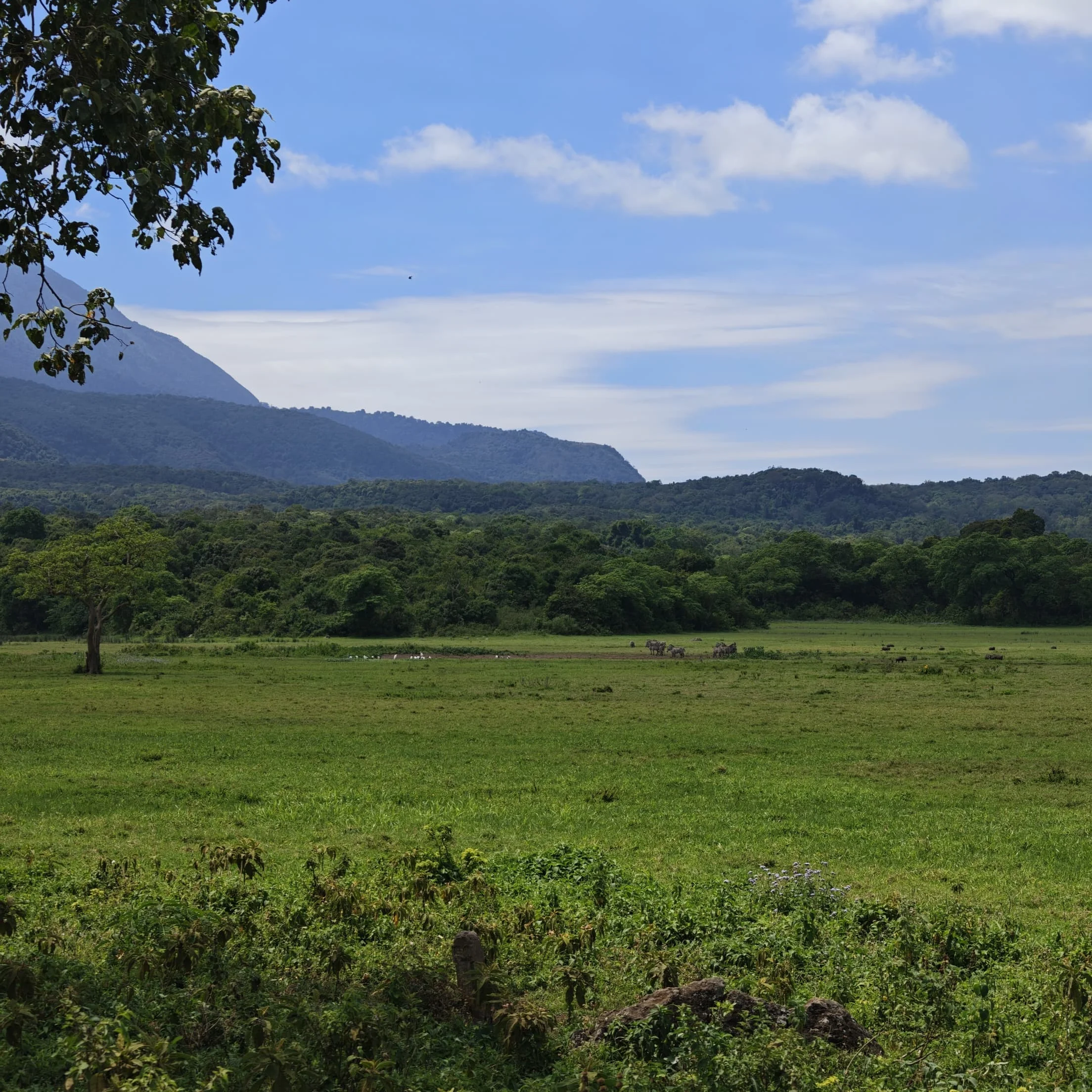
Mount Meru is one of Tanzania’s most impressive natural landmarks and a remarkable destination for travellers seeking adventure, dramatic landscapes, and a deeper connection with nature. Rising to approximately 4,566 metres above sea level, Mount Meru is Tanzania’s second-highest mountain and the dominant geological feature of Arusha National Park. Located close to Arusha city, Mount Meru offers an extraordinary contrast between accessibility and wilderness. Within a relatively short distance of the city, travellers can move from open savannah and wildlife-rich grasslands into dense montane forest, giant heather zones, moorland, volcanic ridges, and high-altitude terrain. The mountain is an active stratovolcano with a distinctive horseshoe-shaped crater formed by a major collapse of its eastern side. This geological structure creates dramatic cliffs, deep valleys, volcanic formations, and spectacular views from the summit ridge. The mountain’s highest point, known as Socialist Peak, offers expansive views of the surrounding landscape and, on clear mornings, Mount Kilimanjaro in the distance. The standard Mount Meru trek follows the Momella Route and generally takes three to four days, although a four-day itinerary is commonly preferred because it allows more time for acclimatisation. The trek begins at Momella Gate in Arusha National Park and passes through several ecological zones, including open woodland, montane rainforest, heathland, moorland, and alpine desert. One of the unique features of Mount Meru is the possibility of encountering wildlife during the lower sections of the trek. Depending on park conditions and animal movements, trekkers may see giraffes, zebras, buffaloes, antelopes, monkeys, and other wildlife. Because the route passes through wildlife habitat, an armed park ranger is generally required for the initial sections of the trek under park regulations. Mount Meru is not simply a mountain-climbing destination. It is also a journey through Tanzania’s volcanic history, forest ecosystems, wildlife habitats, and highland scenery. Trekkers can explore the mountain’s crater rim, visit Little Meru, admire the Ash Cone from suitable viewpoints, and experience the changing landscapes that make this mountain unique. For travellers planning to climb Mount Kilimanjaro, Mount Meru may also be incorporated into a broader itinerary as part of a structured acclimatisation strategy. However, climbing Mount Meru does not guarantee success on Kilimanjaro, and every climber must still prepare properly for altitude, weather, and physical demands. With TanzaLux Safaris, your Mount Meru adventure can be tailored around your interests, fitness level, travel schedule, and wider Tanzania itinerary. You can combine your mountain trek with a safari in Arusha National Park, a visit to Materuni Waterfalls, a relaxing experience at Chemka Hot Springs, or a longer Northern Tanzania safari featuring Tarangire, Ngorongoro, and Serengeti.
March to May is generally associated with the long rains in northern Tanzania. The mountain may appear especially green and atmospheric during this period, but rainfall can make trails slippery and visibility less predictable. This season may suit experienced travellers who are comfortable with changing weather conditions. Trekking plans should remain flexible, and weather conditions should be assessed before departure.
November and December may bring short rains. The landscape is often green, and the mountain can provide beautiful photographic conditions when clouds and sunlight create dramatic scenery. Rain showers are possible, and trail conditions may vary. Travellers should prepare for wet weather and changing visibility.
June to October is generally considered a favourable period for mountain trekking in northern Tanzania because conditions are often drier. Trails may be easier to manage, and there can be better opportunities for clear views. This is also a popular travel period, so advance planning is recommended.
Mount Meru is located inside Arusha National Park, close to Arusha city. Most trekking itineraries begin with a transfer from Arusha to Momella Gate, where park formalities and trekking preparations are completed. The journey from Arusha to the park entrance generally takes approximately one to two hours, depending on the starting point, traffic, road conditions, and the selected gate or route. The exact transfer time should be confirmed during itinerary planning.
Mount Meru is located inside Arusha National Park in northern Tanzania, close to Arusha city.
Mount Meru rises to approximately 4,566 metres above sea level, making it Tanzania’s second-highest mountain after Mount Kilimanjaro.
A Mount Meru climb generally takes three to four days. A four-day itinerary is often preferred because it allows more time for acclimatisation and recovery.
The Momella Route is the standard route used to reach Mount Meru’s summit.
The highest point of Mount Meru is called Socialist Peak and stands at approximately 4,566 metres above sea level.
Yes. The lower sections of the route pass through wildlife habitat in Arusha National Park. Trekkers may see giraffes, buffaloes, zebras, antelopes, and monkeys, although sightings are not guaranteed.
Mount Meru may form part of a carefully planned acclimatisation programme before a Kilimanjaro climb. However, it does not eliminate altitude risks or guarantee success on Kilimanjaro.
The difficulty of Mount Meru and Kilimanjaro depends on the route, itinerary, weather, altitude response, and individual fitness. Mount Meru includes steep and sometimes exposed sections, particularly near the summit, so it should not be underestimated.
June to October is often preferred for generally drier trekking conditions. January and February may also be suitable. Rainfall and changing weather can occur throughout the year.
Fit beginners may be able to climb Mount Meru with appropriate preparation, a suitable itinerary, and professional guidance. The mountain is physically demanding and includes steep sections, so fitness and altitude preparation are important.
Yes. Mount Meru can be combined with a safari in Arusha National Park or a longer Northern Tanzania itinerary featuring Tarangire, Ngorongoro, and Serengeti.
Trekkers normally stay in designated mountain huts along the Momella Route, including Miriakamba Hut and Saddle Hut, depending on the itinerary and park arrangements.
Yes. On clear days, Mount Kilimanjaro may be visible from Mount Meru, particularly from higher viewpoints and the summit area.
Yes. A private Mount Meru trek can be arranged around your preferred travel dates, fitness level, pace, and wider Tanzania travel plans, subject to park regulations and operational availability.
Grateful experience
As a solo female traveler, I felt super safe and well taken care of the entire time.
Read morePrivate Safari 6 days
I can only highly recommend the young company Tanzalux for organizing a private safari.
Read moreAn unforgettable vegetarian journey with Tanzalux Safaris
I highly recommend Tanzalux for anyone wanting a special, personalized safari.
Read moreOur 3-day camping safari with Tanzalux was simply fantastic! Everything was perfectly organized.
Read moreBack in April, I joined a day trip to Tarangire National Park with Tanzalux Safaris, and it was truly one of the best experiences I have ever had…
Read moreI've had an amazing experience with Tanzalux Safaris, would 1000% recommend! Thank you for making my trip so special🫶
Read moreI recently visited Meru Waterfalls in Arusha and got to do some of the activities there, honestly it was such a great experience and I really enjoyed it.
Read moreOur guide Dullah Mr Rastaman had the best vibe. I would like to recommend other people not to miss it, Tarangire is the best national park.
Read moreOur tour guide Nasri was very friendly and welcoming from the first day we met him. He knows Tarangire very well and explained many things during the safari.
Read moreAs a grandmother in the group, I would like to share my happiness with Tanzalux Safaris. Me, my daughters, and my grandson went on a short trip to Tarangire National Park…
Read moreReceive a free, no obligation quote

 Western Circuit
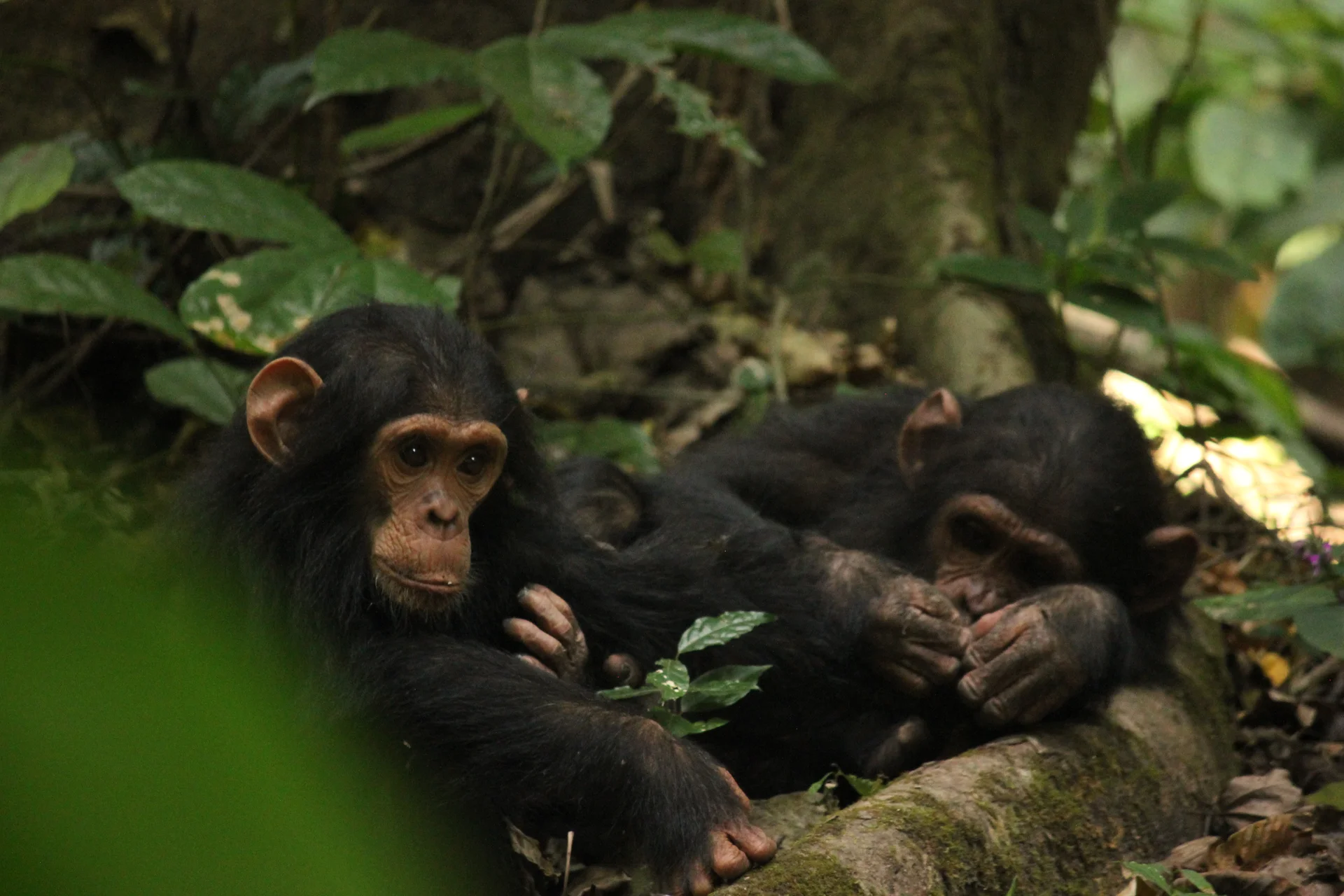
Gombe Stream National Park, also known as Gombe National Park, combines wild chimpanzee trekking with forested hills and the shores of Lake Tanganyika. In Kigoma…
Wildlife
Chimpanzees & Olive baboons
Landscape
National Parks & Safari
Highlights
Wild chimpanzee trekking with park rangers
 Southern Circuit
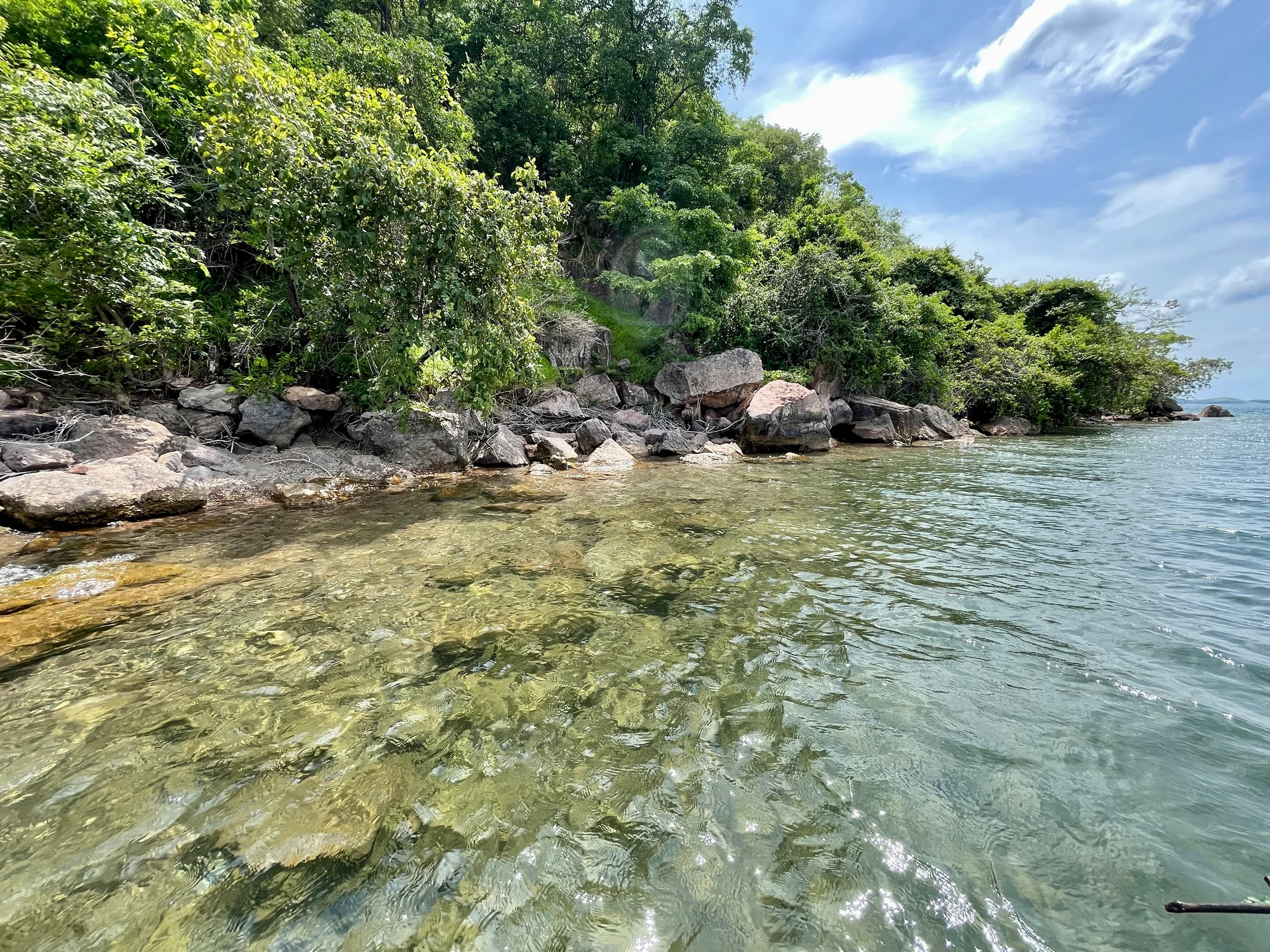
Lake Tanganyika offers a striking freshwater setting along Tanzania’s western frontier: broad blue horizons, wooded shores, bays, beaches and communities whose daily life is closely…
Wildlife
Endemic cichlid fish & Other freshwater fish
Landscape
Lakes & Hot Springs
Highlights
Africa’s deepest freshwater lake in the East African Rift
 Northern Circuit
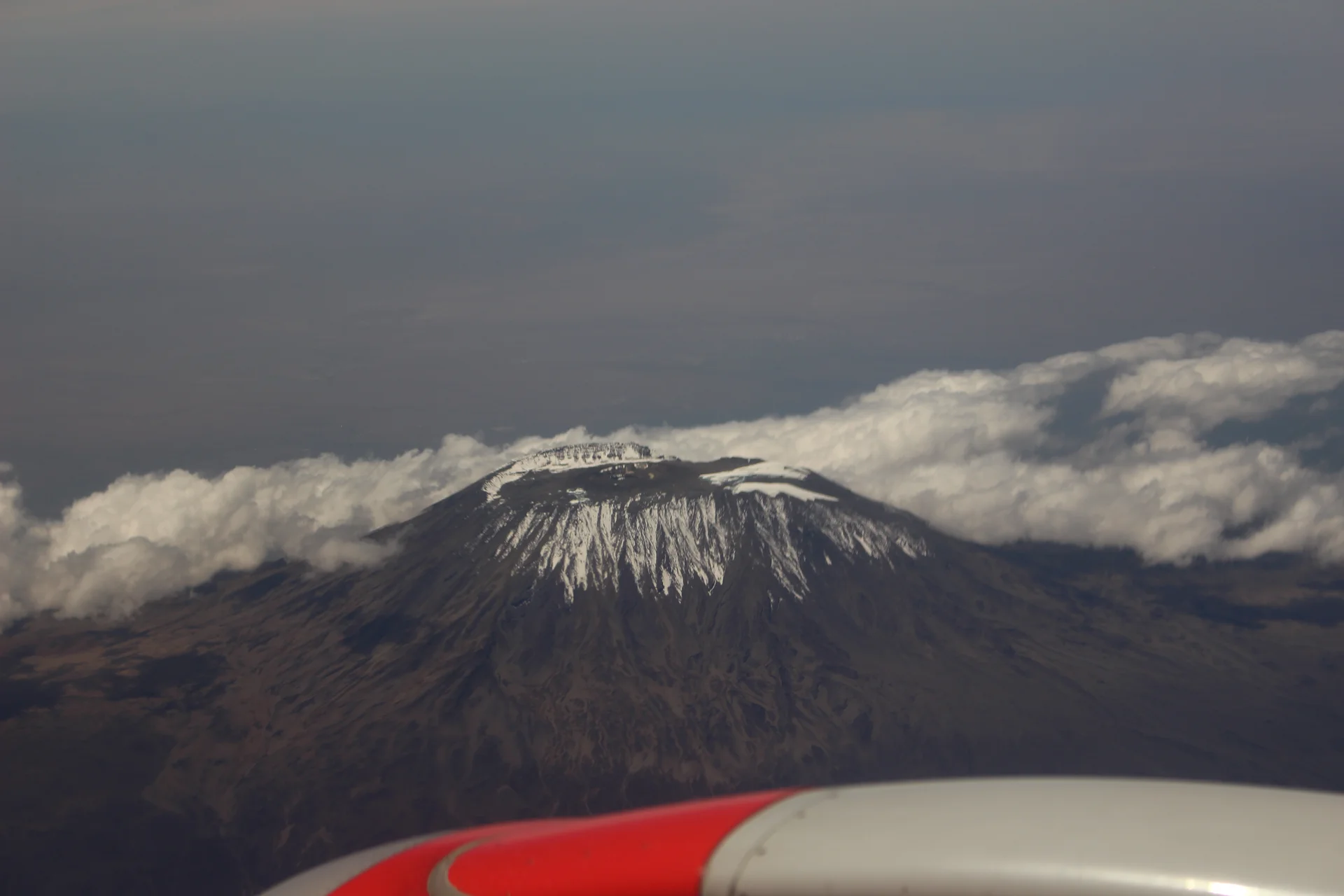
Kilimanjaro rises above northern Tanzania’s plains to Uhuru Peak at 5,895 metres, the highest point in Africa. Its volcanic massif, dramatic changes in vegetation and…
Wildlife
Black-and-white colobus monkeys in forest habitats & Blue monkeys in forest habitats
Landscape
Mountains & Trekking
Highlights
Uhuru Peak at 5,895 metres — Africa’s highest point
 Western Circuit
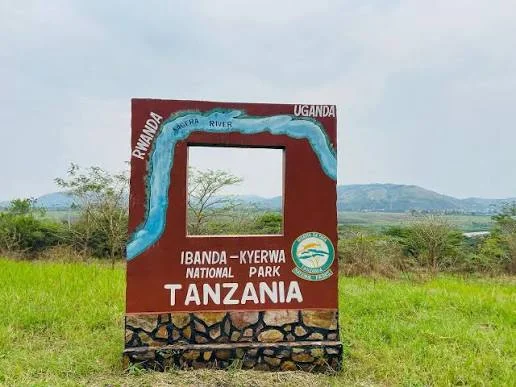
Ibanda-Kyerwa National Park protects a scenic corner of northwestern Tanzania, where the Kagera River meets a landscape of savanna, wooded slopes, valleys and wetlands. Situated…
Wildlife
Buffalo & Roan antelope
Landscape
National Parks & Safari
Highlights
Kagera River scenery on Tanzania’s northwestern border
 Zanzibar & Islands
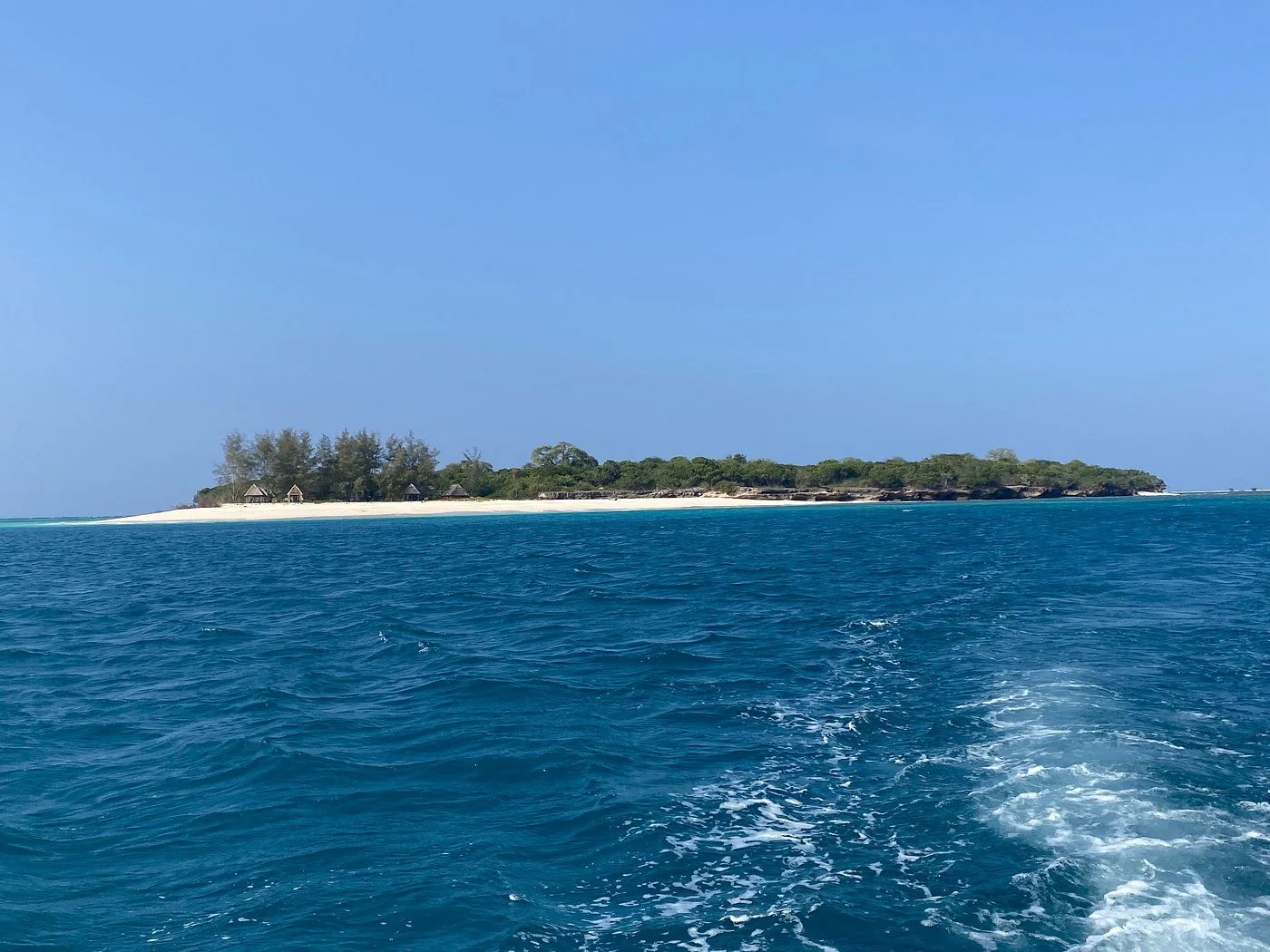
Sinda Island Marine Reserve offers an Indian Ocean escape off Kigamboni, on the southern side of Dar es Salaam. The reserve encompasses Inner and Outer…
Wildlife
Reef fish & Coastal birds
Landscape
Beaches & Islands
Highlights
Inner and Outer Sinda islands
 Northern Circuit
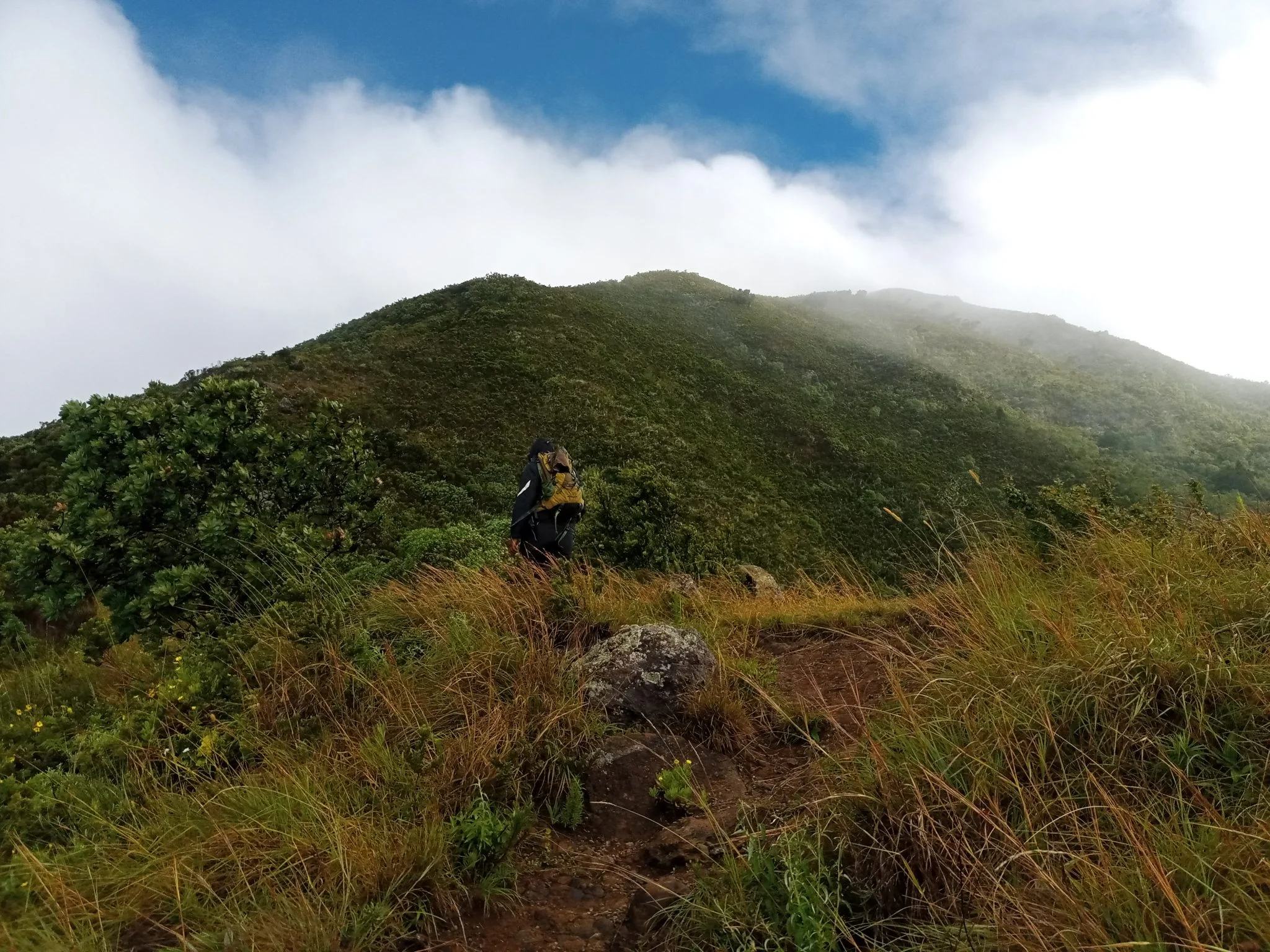
Discover Mount Hanang Rising above Katesh in Tanzania’s Manyara Region, Mount Hanang offers a rewarding mountain adventure beyond the familiar northern safari circuit. At approximately…
Wildlife
Klipspringer & Vervet monkeys
Landscape
Mountains & Trekking
Highlights
Approximately 3,423 metres — Tanzania’s fourth-highest mountain