 5.0 Excellent

Dorine M1 year ago

Grateful experience
As a solo female traveler, I felt super safe and well taken care of the entire time.
Read more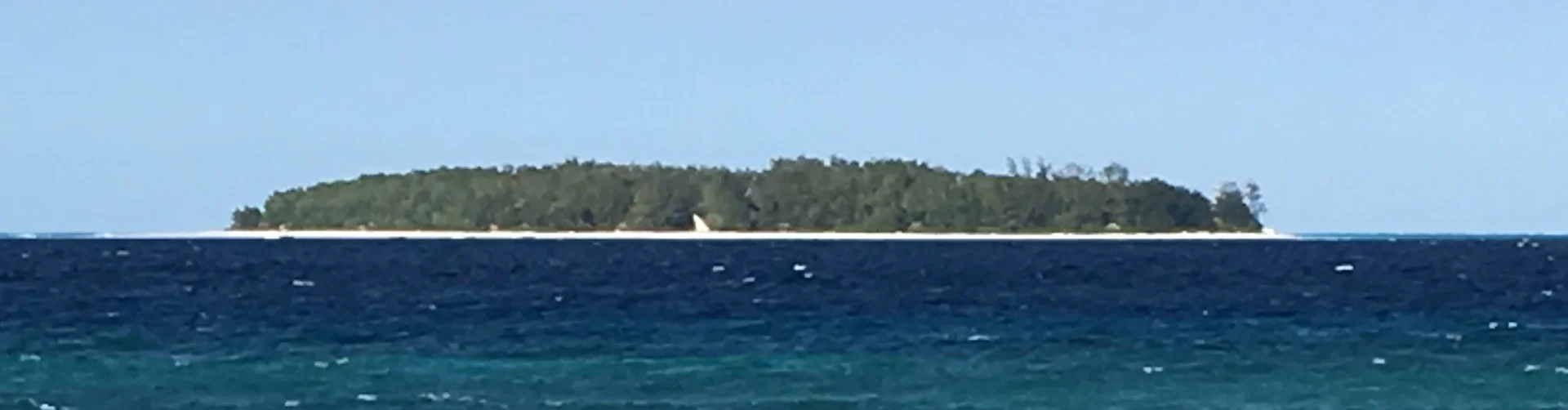
Zanzibar & Islands
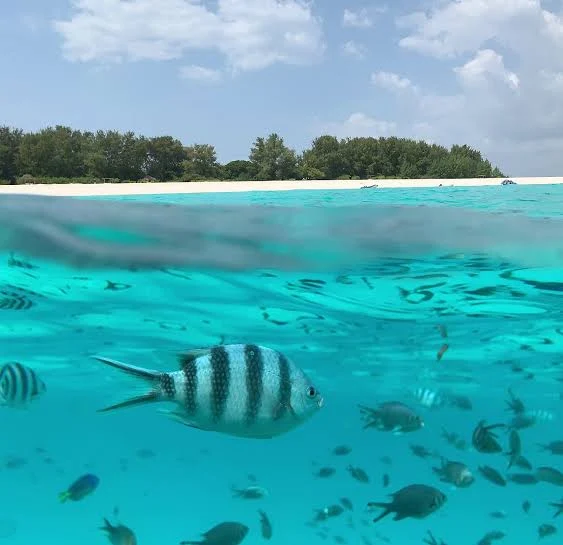
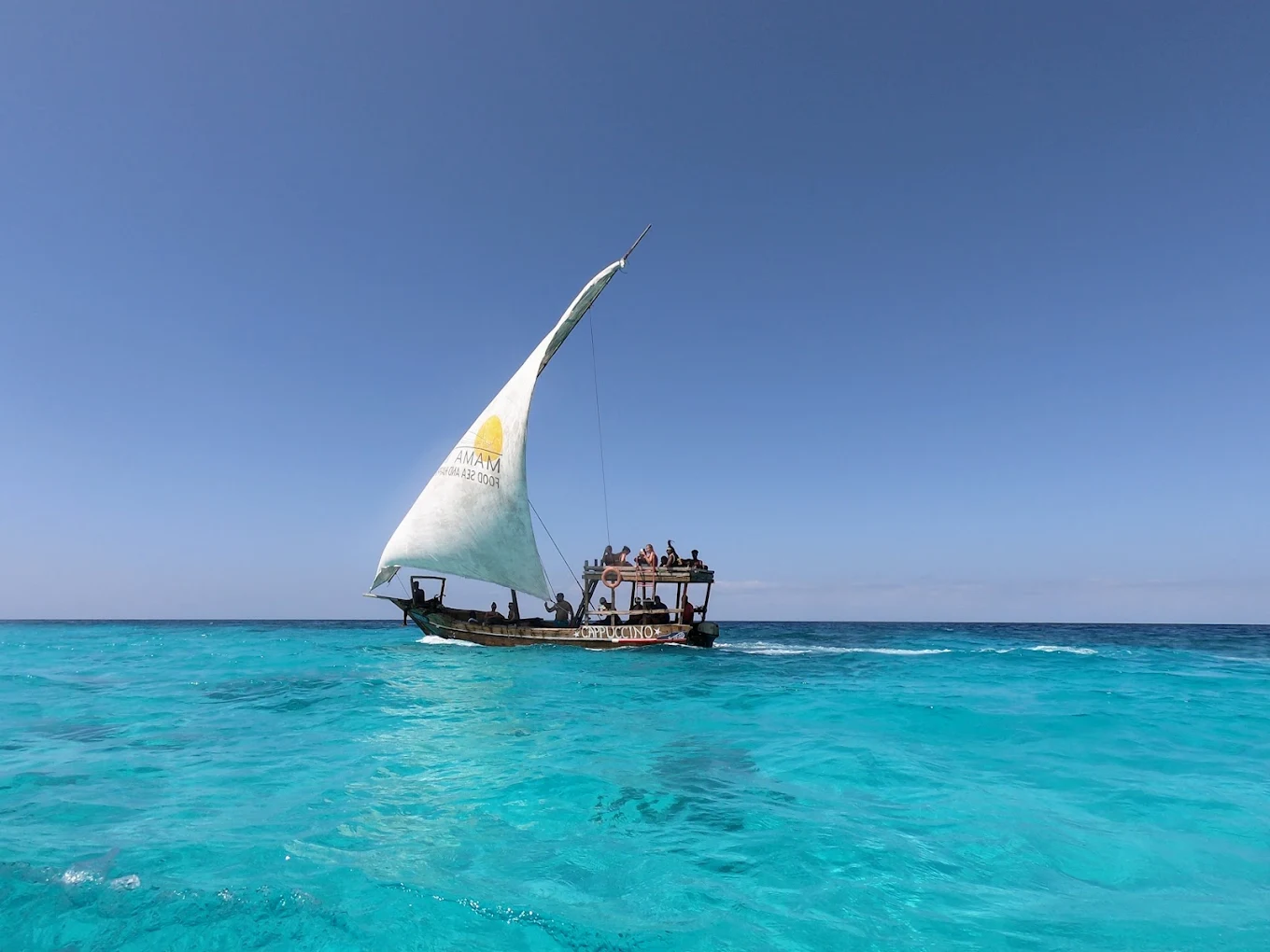
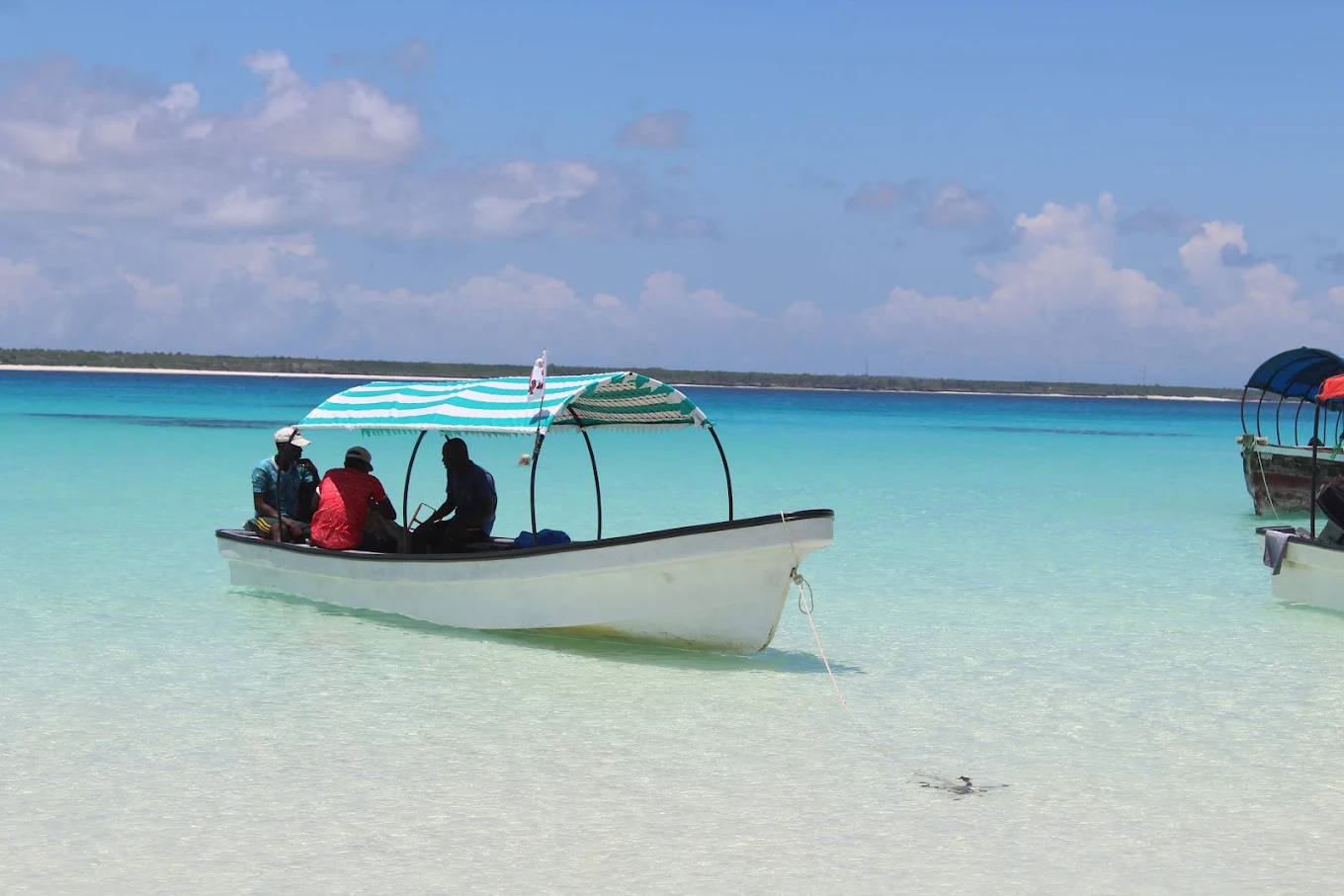
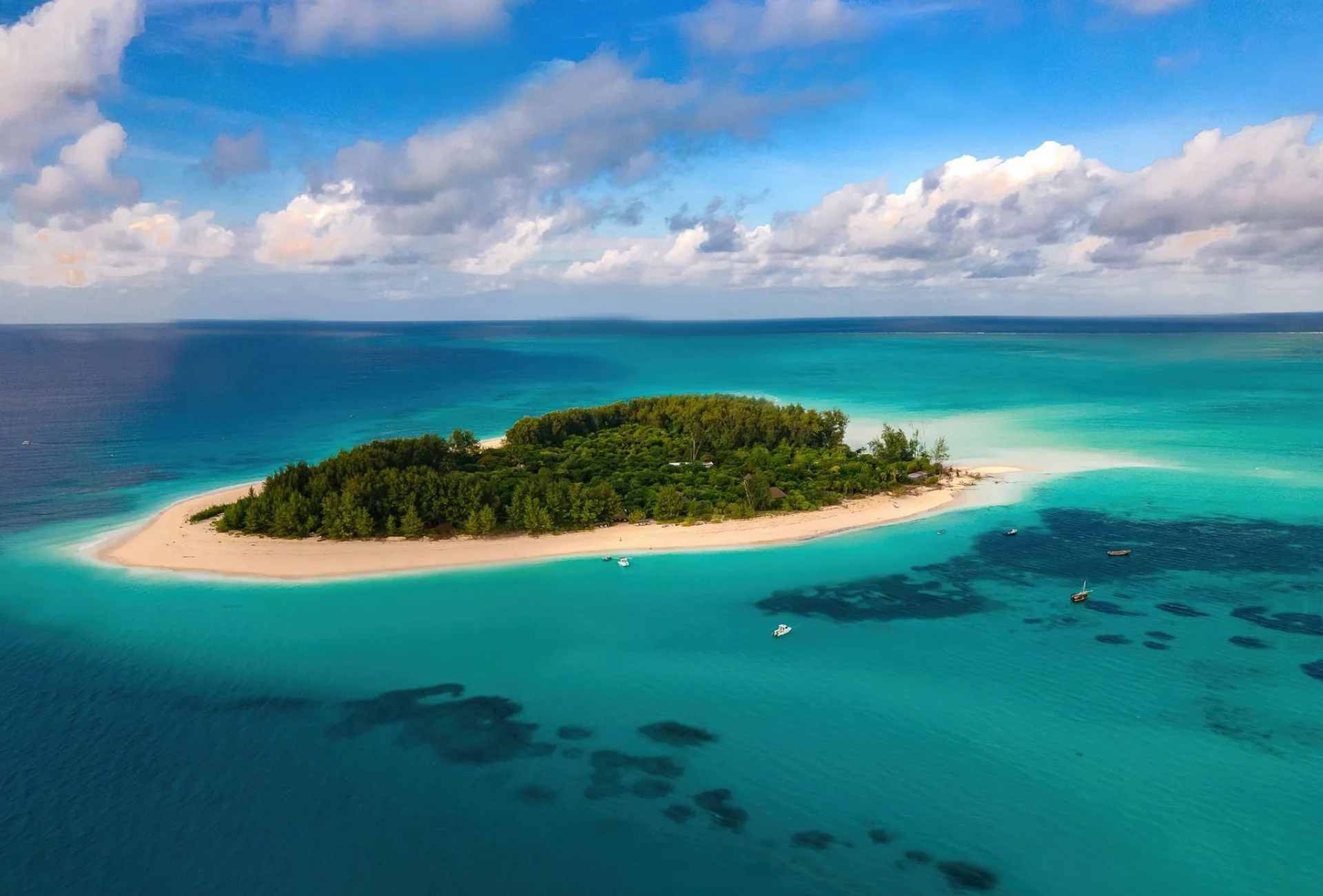
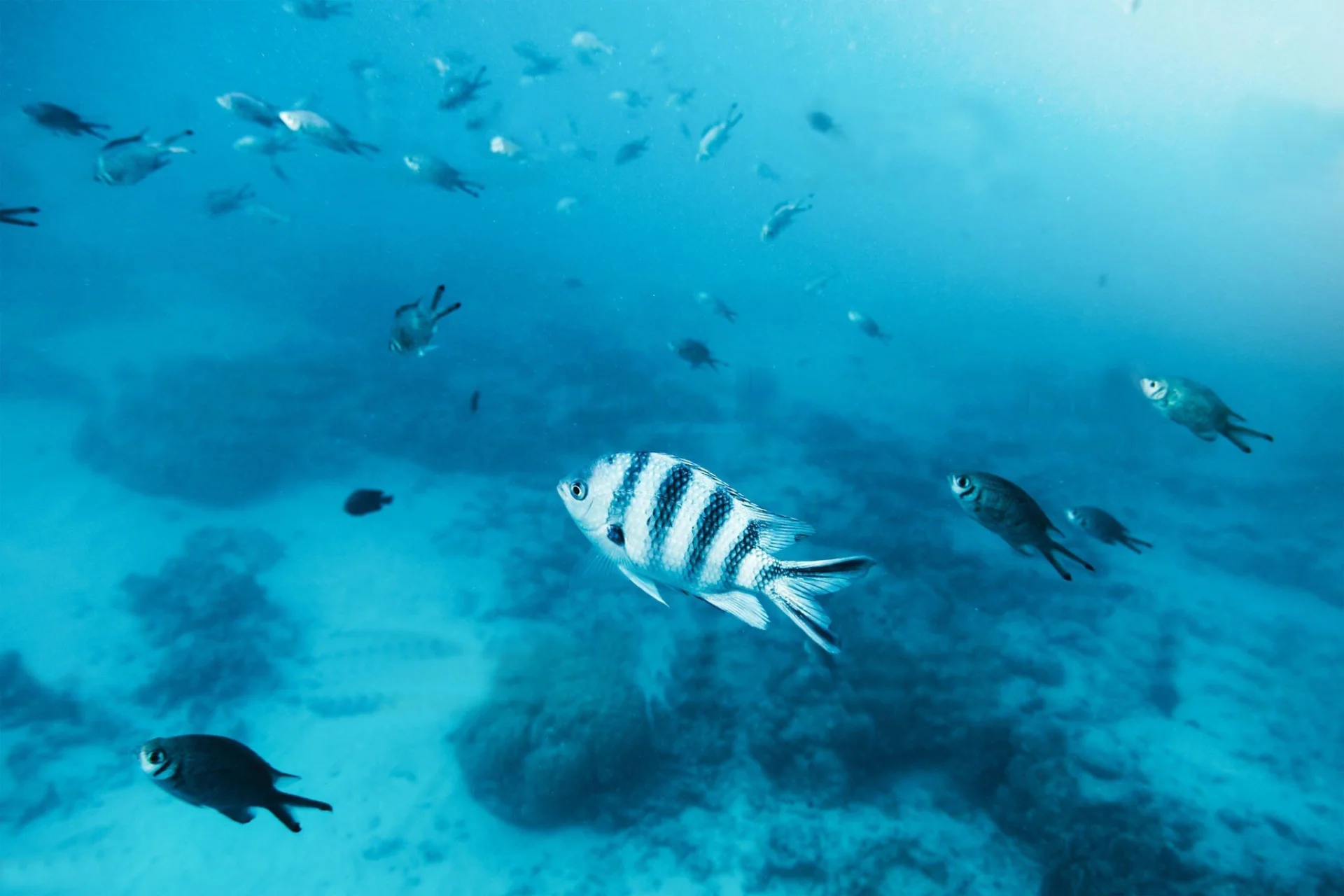
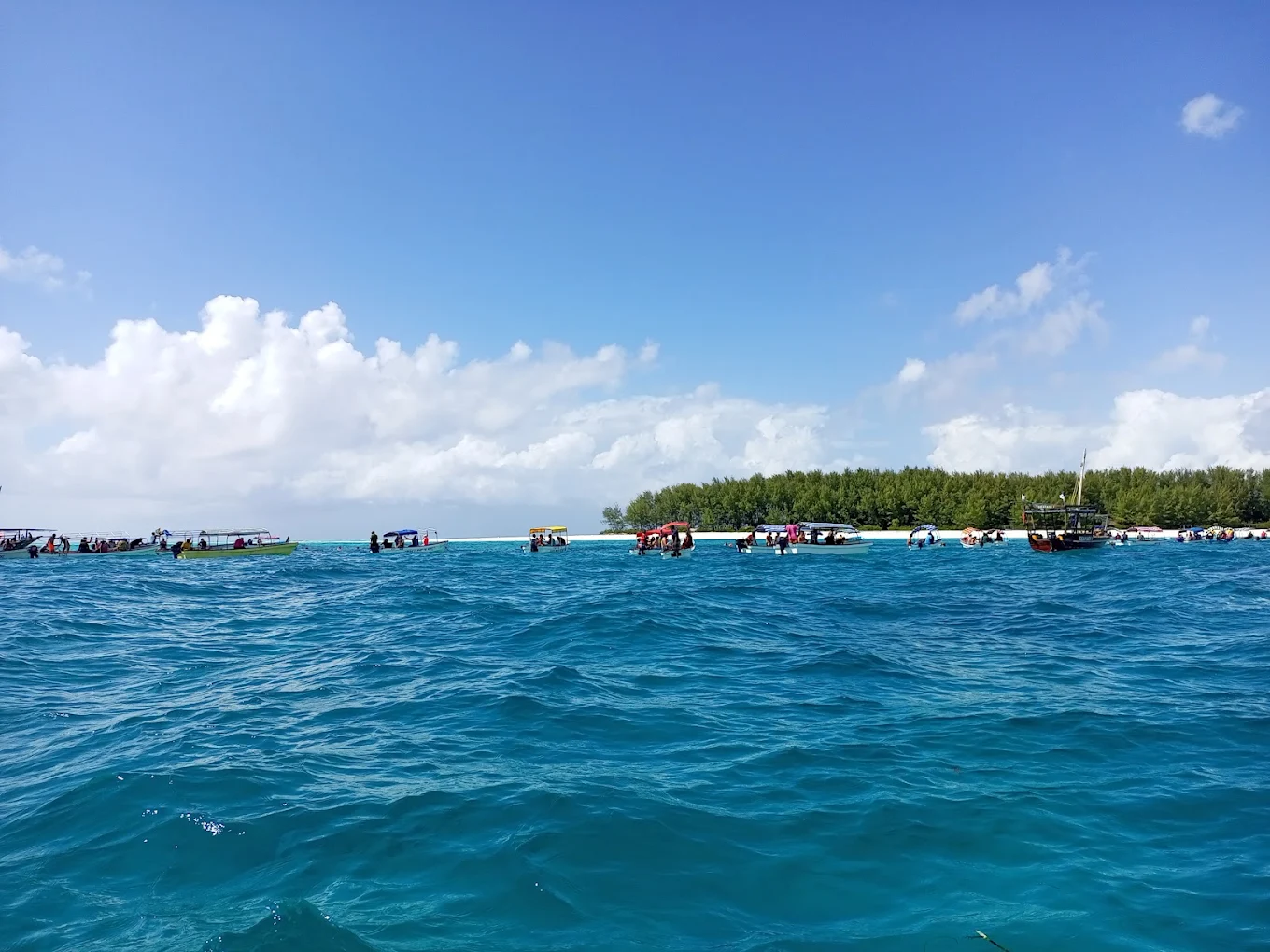
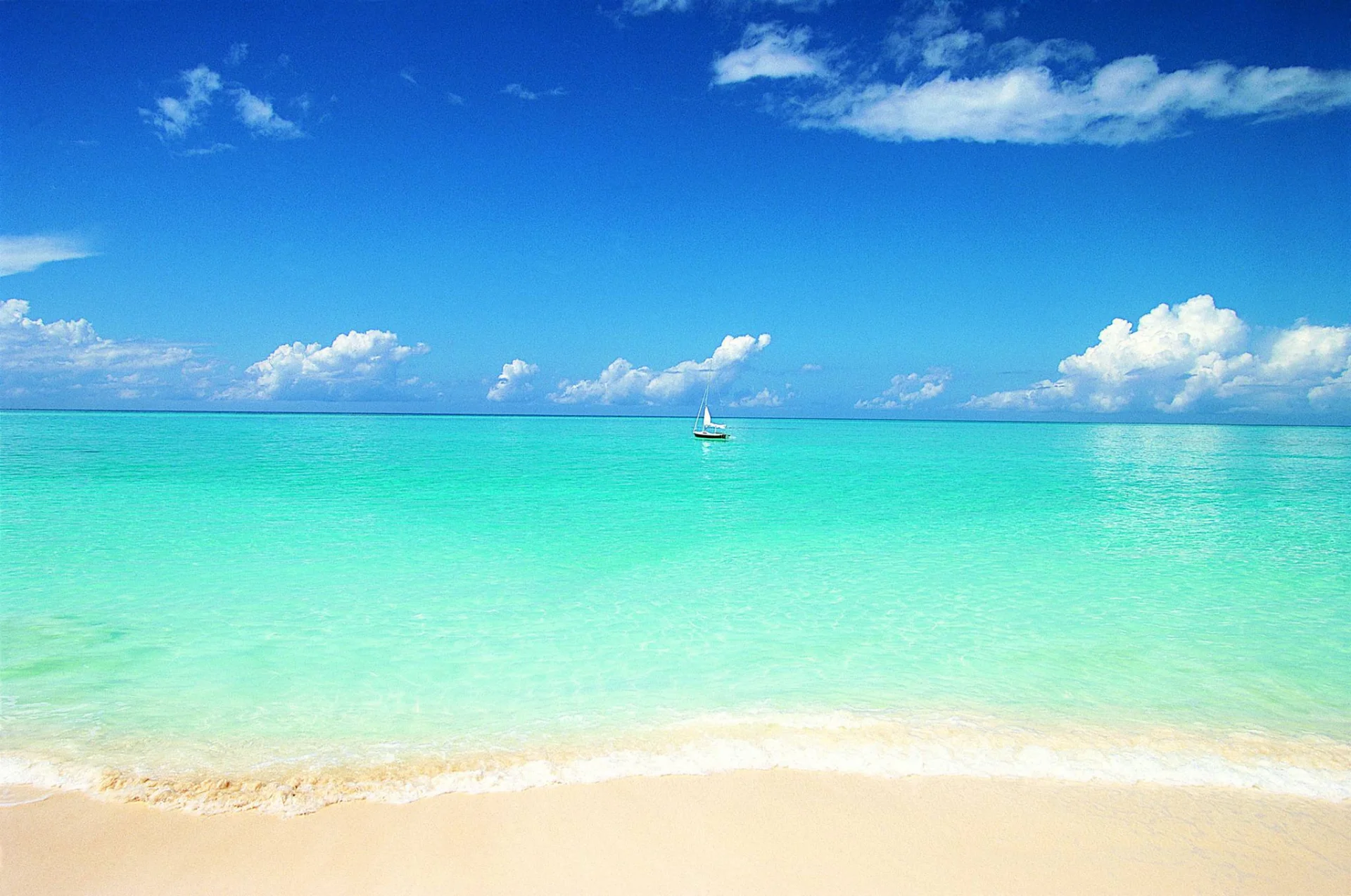
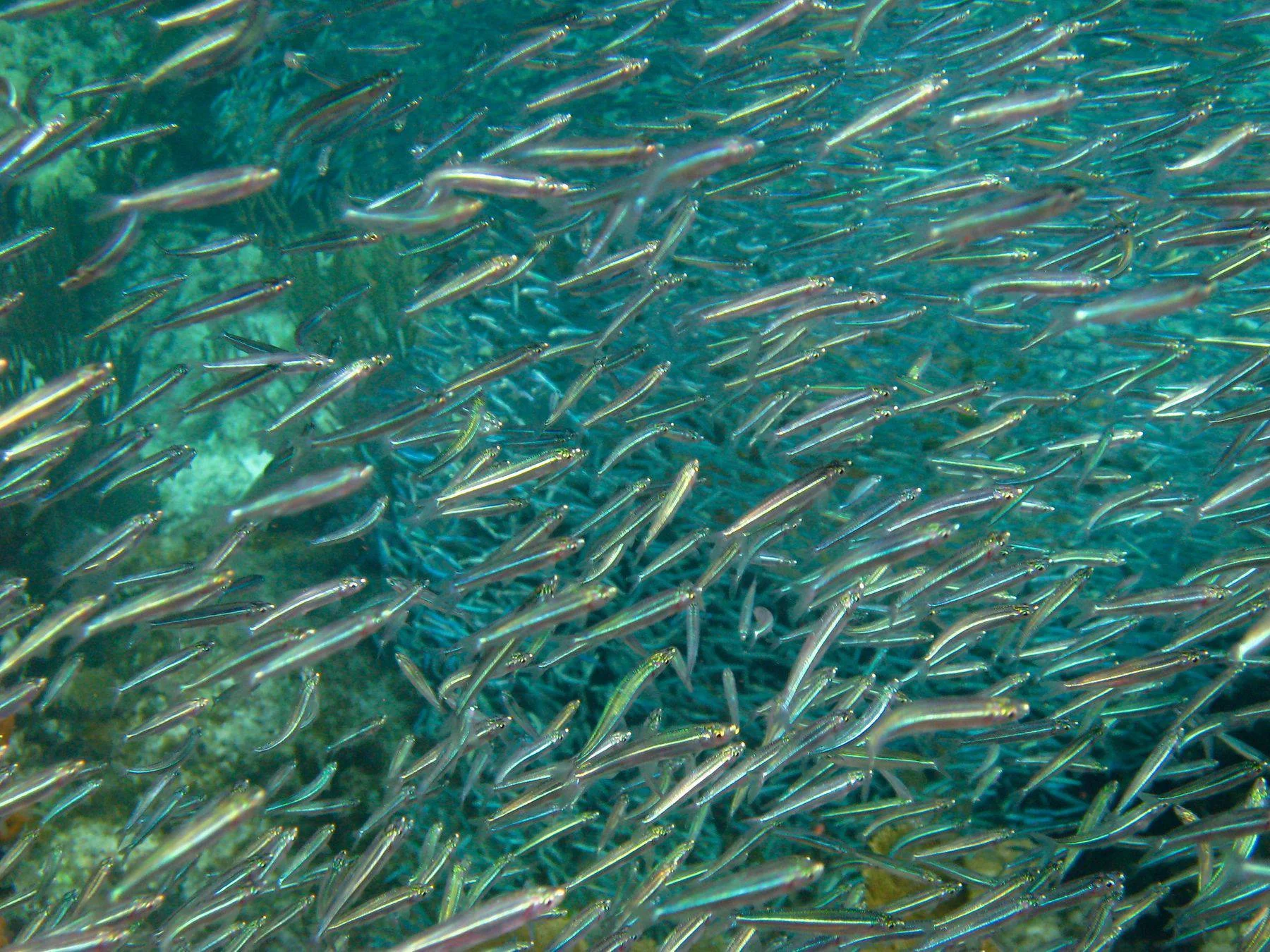
Mnemba Island Conservation Area is a marine destination off the northeast coast of Unguja, Zanzibar, opposite the Muyuni and Matemwe coast. Its appeal is the underwater landscape: coral formations, schools of reef fish and the changing colours of the Indian Ocean. A guided snorkelling or diving excursion makes a memorable addition to a Zanzibar stay, while a separately booked stay on Mnemba itself offers a private-island experience. Plan around your interests, ability and the conditions on the day. Understand the destination Mnemba's island, the reefs around it and the wider conservation area should not be treated as interchangeable. Day excursions visit permitted marine sites by boat; they do not normally include landing on the private island or using its lodge facilities. Overnight access is arranged through &Beyond Mnemba Island. Ask your operator exactly which waters, sandbanks or other stops your booking covers. A marine-area ticket should never be assumed to grant access to the island's beach. Snorkelling the reef A guided trip lets you explore coral habitat from the surface, with the boat close enough to provide support. Look for movement among the corals, fish gathering over sandy patches and smaller creatures that are easy to overlook. Operators choose sites according to tide, current and visibility. Wattabomi and West Gardens are among the locations described in Tanzania's tourism information, but the day's route should be selected by the guide. Discuss swimming ability before booking and request appropriate flotation support when needed. Diving possibilities Mnemba's reef system offers different underwater settings, from coral gardens to deeper slopes and walls. Kichwani and Aquarium are familiar site names, although a name alone does not establish that a dive is suitable for your experience. Arrange diving with a qualified centre, share your certification and recent experience, and let the professional team set the site and depth. A supervised introductory programme may be an option for newcomers where offered. Diving and snorkelling are distinct activities and should be booked with clear expectations about equipment, instruction and time in the water. Wildlife and conservation Reef fish and marine invertebrates provide the everyday interest. Green turtles are associated with the island's nesting habitat, while turtles and dolphins may be encountered in surrounding waters. Sightings are variable and should remain a possibility rather than the purpose of a guaranteed encounter. Conservation work associated with the island includes turtle-nest monitoring, coral nurseries and reef restoration through Oceans Without Borders. Ask how your chosen trip respects these efforts. Never chase dolphins, surround them with boats, touch animals or feed fish for photographs. A comfortable day at sea A suggested programme starts with a briefing and equipment fitting, followed by a boat transfer, guided water time and a rest before returning to Unguja. Some trips include more than one reef stop, refreshments or lunch; verify the actual itinerary rather than assuming a standard package. Allow roughly half a day for a locally based excursion and longer when road transfers are involved. Sea conditions can require a change of plan, so keep an alternative activity available and avoid a tight onward flight connection. Where to stay Most day visitors stay on Unguja, choosing accommodation according to their wider holiday plans and the departure point. Matemwe and the northeast coast are convenient for locally arranged reef trips. Mnemba itself has a small &Beyond lodge with twelve bandas and a separate reservation process. Island guest activities and facilities do not automatically apply to a reef day trip. If considering an overnight stay, confirm the room arrangement, transfer arrangements, seasonal operating dates and any specific needs directly before booking. Visit with care Choose a properly equipped operator that briefs guests, respects wildlife and explains the applicable conservation charges. Keep fins and hands clear of coral, leave shells and other natural objects in place, and take litter back to shore. Bring swimwear, a towel, a hat, sun protection, drinking water and a dry bag; ask what the crew supplies. Boarding may involve a beach or shallow water depending on the departure point and tide. Families and guests with limited mobility should discuss the actual boat and access arrangements in advance. Combine Mnemba with Zanzibar A reef excursion pairs naturally with time on Unguja's beaches or a separately arranged Stone Town or spice-farm visit. Avoid squeezing too many activities into the same day. Giving the marine outing room in the itinerary makes it easier to follow the guide's advice, rest between sessions and enjoy the setting without rushing.
April-May are generally the main rainy period. Keep plans flexible for sea conditions and check whether your chosen operator is running trips. The private lodge lists a seasonal closure during these months, with exact dates to confirm; this does not establish a blanket closure of all conservation-area excursions.
March and November-December can bring changeable conditions, including showers. Choose a flexible itinerary and ask your dive or snorkel operator to assess the day's tide, wind and visibility. A quieter booking period does not guarantee an uncrowded reef.
June-October and January-February are commonly chosen for Zanzibar holidays, with drier conditions in much of these periods. January-February can be hotter. Reserve ahead and remember that wind, currents and water clarity still determine the practical site and programme on any day.
Arrive on Unguja through Zanzibar's main airport or the Stone Town passenger-ferry terminal, then arrange a road transfer to the confirmed boat departure point on the northeast coast. Matemwe and Muyuni are practical gateways for Mnemba reef trips. For orientation, &Beyond publishes an approximately 90-minute road journey from the airport or Stone Town to its mainland departure point; your day-trip operator's pickup route and timings may differ. The final leg is by boat. One Matemwe operator describes roughly 15 minutes to its snorkelling site, while the lodge publishes a 10-15-minute island transfer. These are provider-specific estimates, not fixed times for every tour. Confirm the launch beach, tide-dependent boarding, boat journey, activity duration and return time with the operator you actually book. For a reef day trip, reserve a qualified local dive or snorkel operator and ask for a written breakdown of equipment, guide, conservation charges, road transfers, refreshments and any optional stops. A day excursion does not normally include landing on Mnemba's private island. For an overnight lodge stay, coordinate the separate authorised island transfer directly through the accommodation booking. Allow around half a day locally, or longer with road travel, as a planning estimate. Discuss swimming ability, ages and mobility needs before committing. Boarding can involve a beach or shallow-water wade, and weather may alter departures. Keep a generous buffer before onward flights and agree on the cancellation or rescheduling arrangement in advance.
It lies off northeastern Unguja in Zanzibar, opposite the Muyuni and Matemwe coast. The marine area is reached by boat and is a popular setting for guided reef activities.
A normal reef excursion does not include landing on the private island or using the lodge. Confirm the precise access in your booking; paying a marine conservation charge does not by itself provide beach or lodge access.
Tour operators often use Mnemba Atoll for the reefs around Mnemba. Tanzania tourism information explains that it is not a true geological atoll. Ask which particular reef sites your trip will visit.
Arrange a transfer to your operator's northeast-coast meeting point, often around Matemwe or Muyuni. Confirm pickup location and travel time from your hotel rather than assuming every boat leaves from the same beach.
Roughly half a day is a useful planning allowance for a locally based reef trip. Allow longer with road transfers, multiple dives or lunch. Confirm the actual programme and keep time free for weather-related changes.
June-October and January-February are commonly chosen holiday periods. Rain is more likely in April-May and around November. The best activity window still depends on local wind, tide and the guide's assessment of conditions.
Ask the operator to assess suitability before booking. Beginners need a clear briefing and close supervision; flotation equipment alone does not make open-water snorkelling suitable for everyone. Discuss your comfort honestly and agree on a practical alternative if needed.
Certified dives require the credentials and experience appropriate to the planned site. Some centres offer supervised introductory programmes. Tell the centre about your recent diving and follow its assessment rather than choosing a depth from an online description.
Tourism information names Wattabomi, West Gardens, Aquarium and Kichwani among Mnemba's sites. They differ in depth and conditions. The professional guide should choose suitable locations for your group on the day, and the itinerary is not guaranteed.
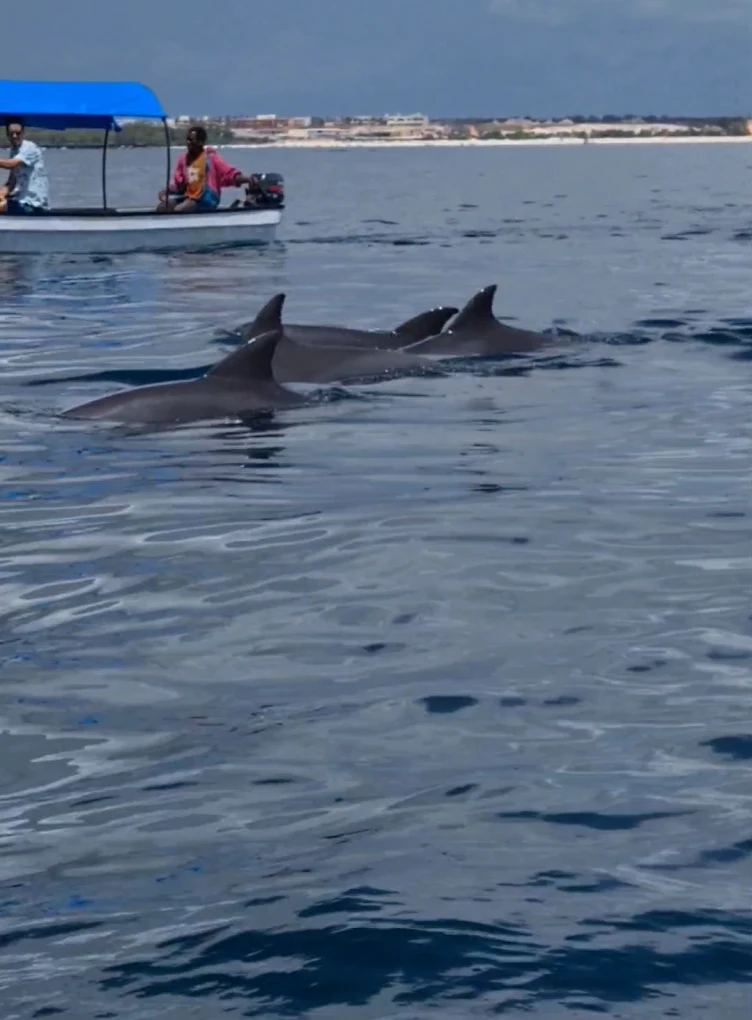
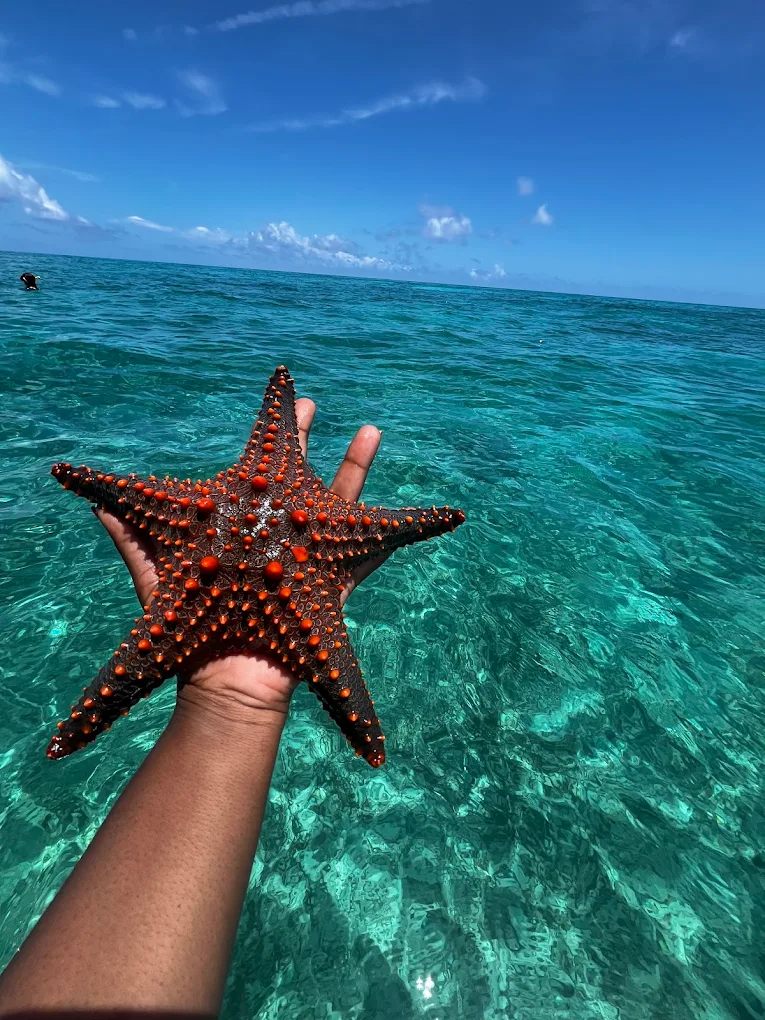
Look for reef fish and smaller marine life. Turtles, rays or dolphins are possible encounters, but no particular animal is assured. Focus on the underwater habitat and avoid touching, feeding or pursuing wildlife.
No wildlife encounter should be guaranteed. Choose an operator that keeps a respectful distance and avoids chasing or crowding animals. Never jump into a dolphin's path or pursue it to obtain a photograph.
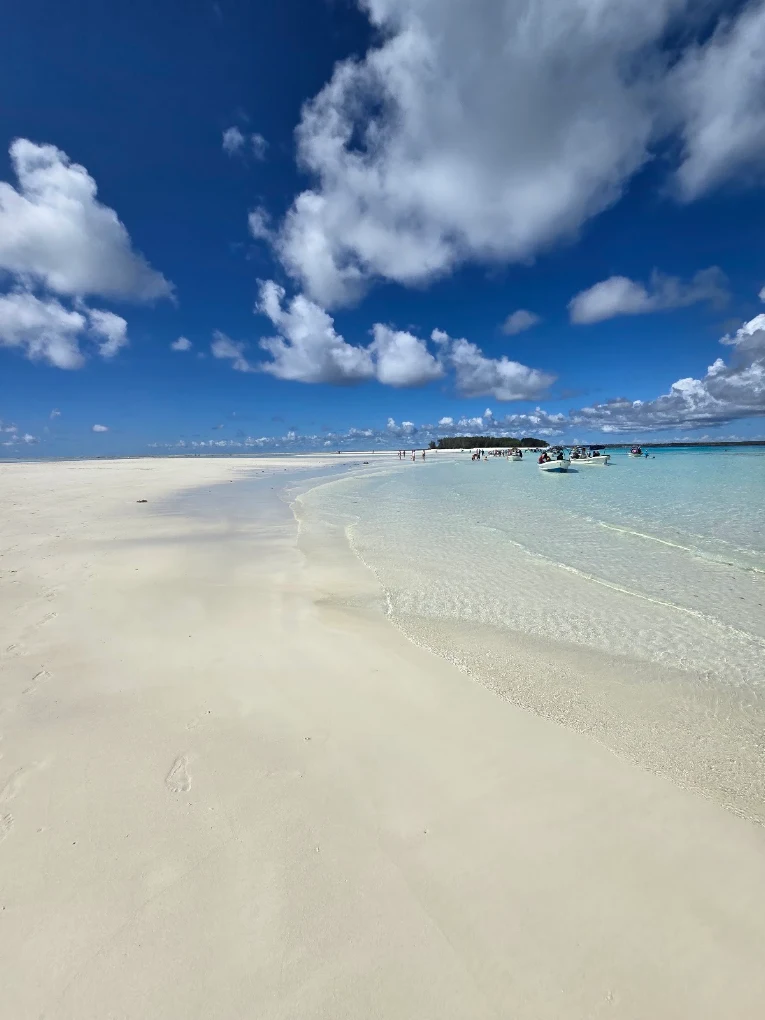
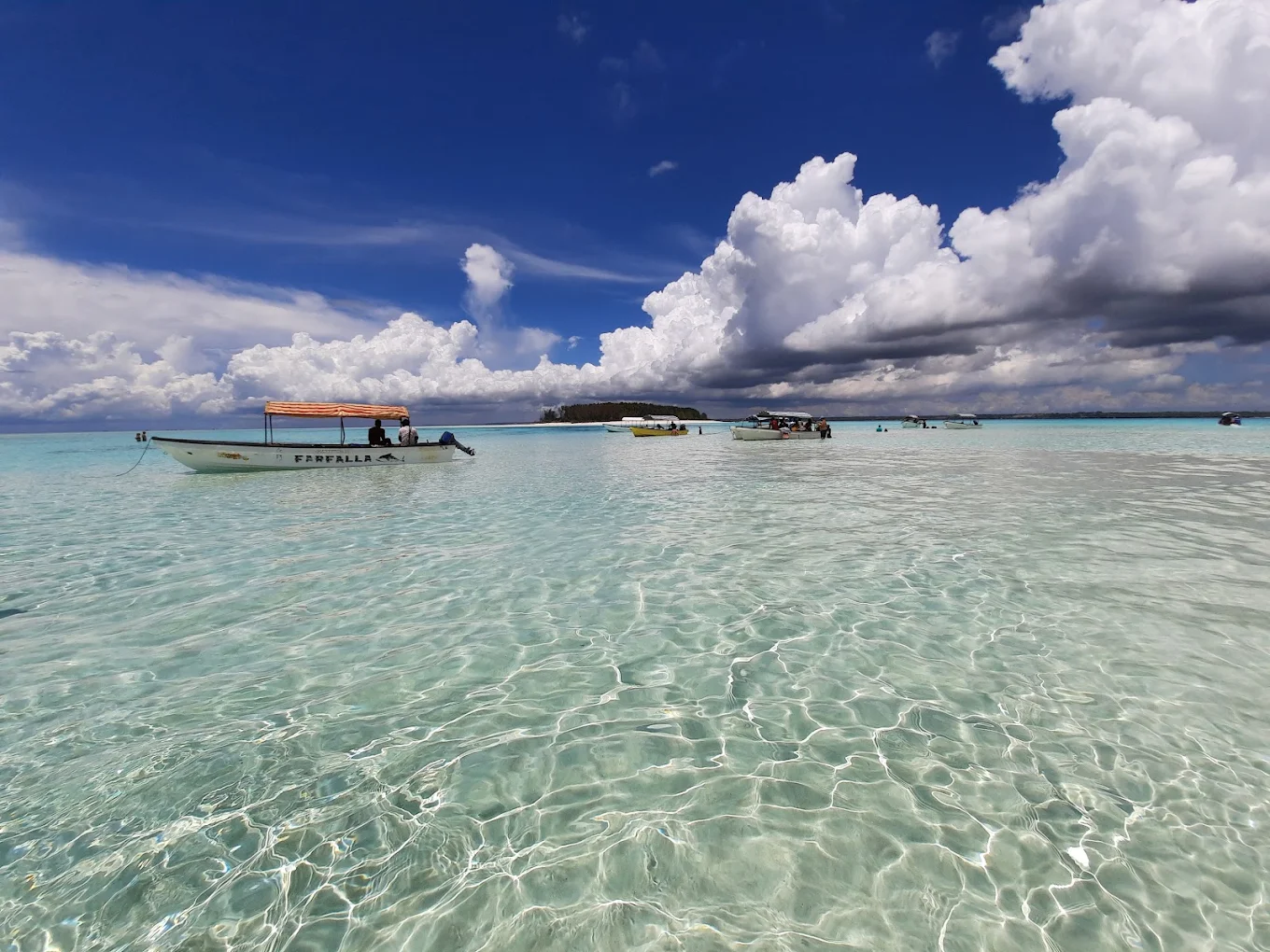
Only some packages include a permitted sandbank visit, and the available stop depends on tide and access arrangements. Request written confirmation. A sandbank stop should not be confused with permission to land on Mnemba Island itself.
Request a current itemised quotation for your exact date, visitor category and activity. Ask whether conservation charges are included, which zone the ticket covers and what proof of payment you receive. Avoid relying on a single old online price.
Inclusions vary between operators. Confirm mask, snorkel, fins, flotation support, drinking water, refreshments and any meal before booking. Mention dietary needs beforehand and ask whether lunch is on the boat or back on Unguja.
Bring swimwear, a towel, a hat, sun protection and a splash-resistant bag. Ask about footwear for boarding, equipment fit and what can stay securely ashore. Keep valuables to a minimum and take your litter back with you.
It can suit families when the activity and conditions match the children's ages and ability. Each provider may set its own minimum age. Confirm supervision, correctly fitting life jackets, child equipment and a shaded place to rest.
Discuss the exact boat, entry ladder, beach boarding and any wading before booking. Request an individual access plan; a short crossing does not establish easy access. Ask whether a boat-based visit can meet your needs if entering the water is unsuitable.
Day visitors can stay on Unguja and arrange a reef excursion separately. &Beyond operates accommodation on Mnemba itself by advance reservation. Verify the package and transfer arrangements, since private-island guest facilities are separate from day-trip services.
Keep fins clear of coral, leave shells in place, avoid feeding fish and use a guide who respects marine life. Follow the site briefing and current access rules. Ask about the island's turtle monitoring and reef-restoration work without expecting unrestricted access to projects.
Let the operator postpone, change site or cancel when conditions require it. Agree on the refund or rescheduling terms before booking and leave an alternative day where possible. Keep a tight flight connection out of the excursion plan.
Grateful experience
As a solo female traveler, I felt super safe and well taken care of the entire time.
Read morePrivate Safari 6 days
I can only highly recommend the young company Tanzalux for organizing a private safari.
Read moreAn unforgettable vegetarian journey with Tanzalux Safaris
I highly recommend Tanzalux for anyone wanting a special, personalized safari.
Read moreOur 3-day camping safari with Tanzalux was simply fantastic! Everything was perfectly organized.
Read moreBack in April, I joined a day trip to Tarangire National Park with Tanzalux Safaris, and it was truly one of the best experiences I have ever had…
Read moreI've had an amazing experience with Tanzalux Safaris, would 1000% recommend! Thank you for making my trip so special🫶
Read moreI recently visited Meru Waterfalls in Arusha and got to do some of the activities there, honestly it was such a great experience and I really enjoyed it.
Read moreOur guide Dullah Mr Rastaman had the best vibe. I would like to recommend other people not to miss it, Tarangire is the best national park.
Read moreOur tour guide Nasri was very friendly and welcoming from the first day we met him. He knows Tarangire very well and explained many things during the safari.
Read moreAs a grandmother in the group, I would like to share my happiness with Tanzalux Safaris. Me, my daughters, and my grandson went on a short trip to Tarangire National Park…
Read moreReceive a free, no obligation quote

 Western Circuit
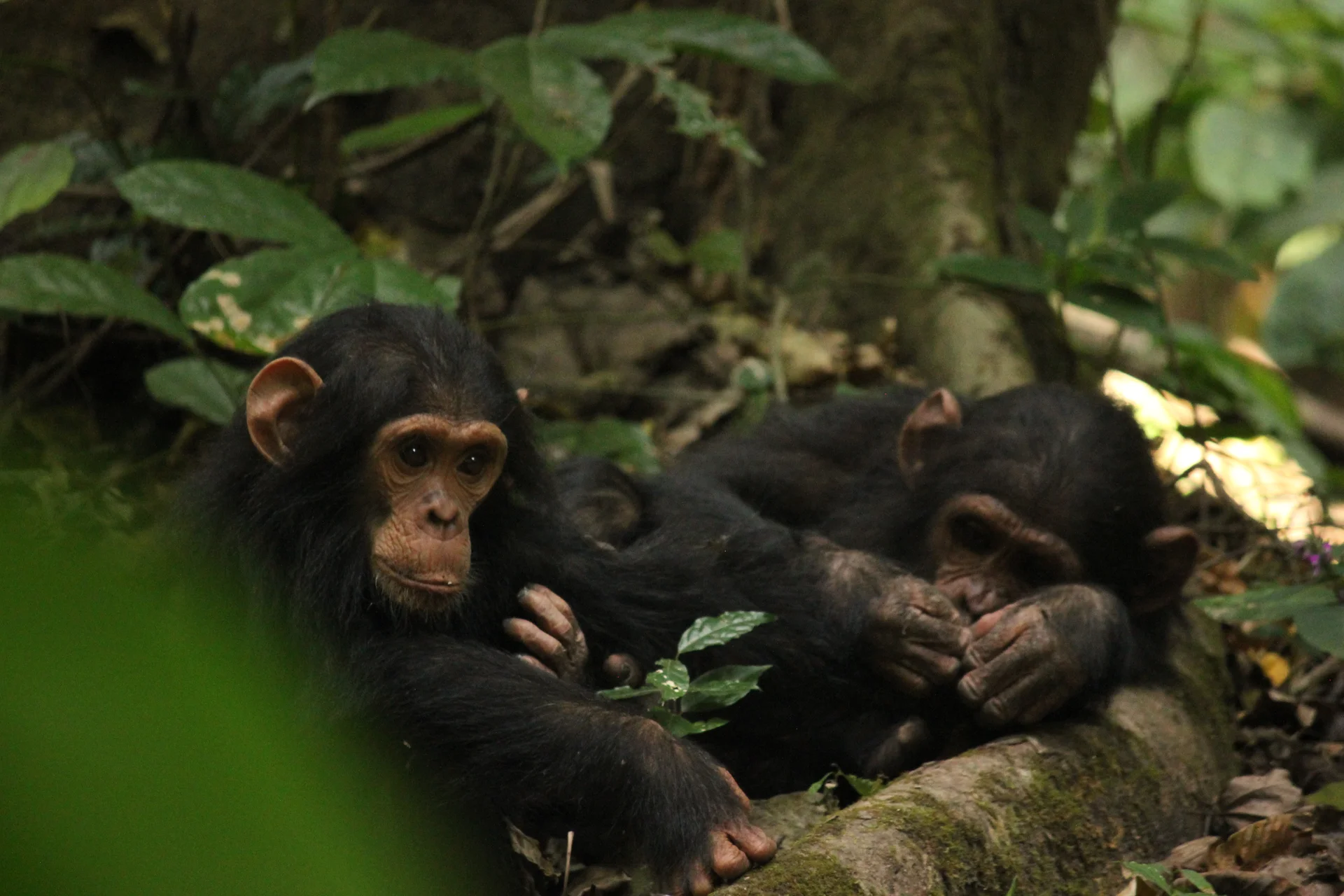
Gombe Stream National Park, also known as Gombe National Park, combines wild chimpanzee trekking with forested hills and the shores of Lake Tanganyika. In Kigoma…
Wildlife
Chimpanzees & Olive baboons
Landscape
National Parks & Safari
Highlights
Wild chimpanzee trekking with park rangers
 Southern Circuit
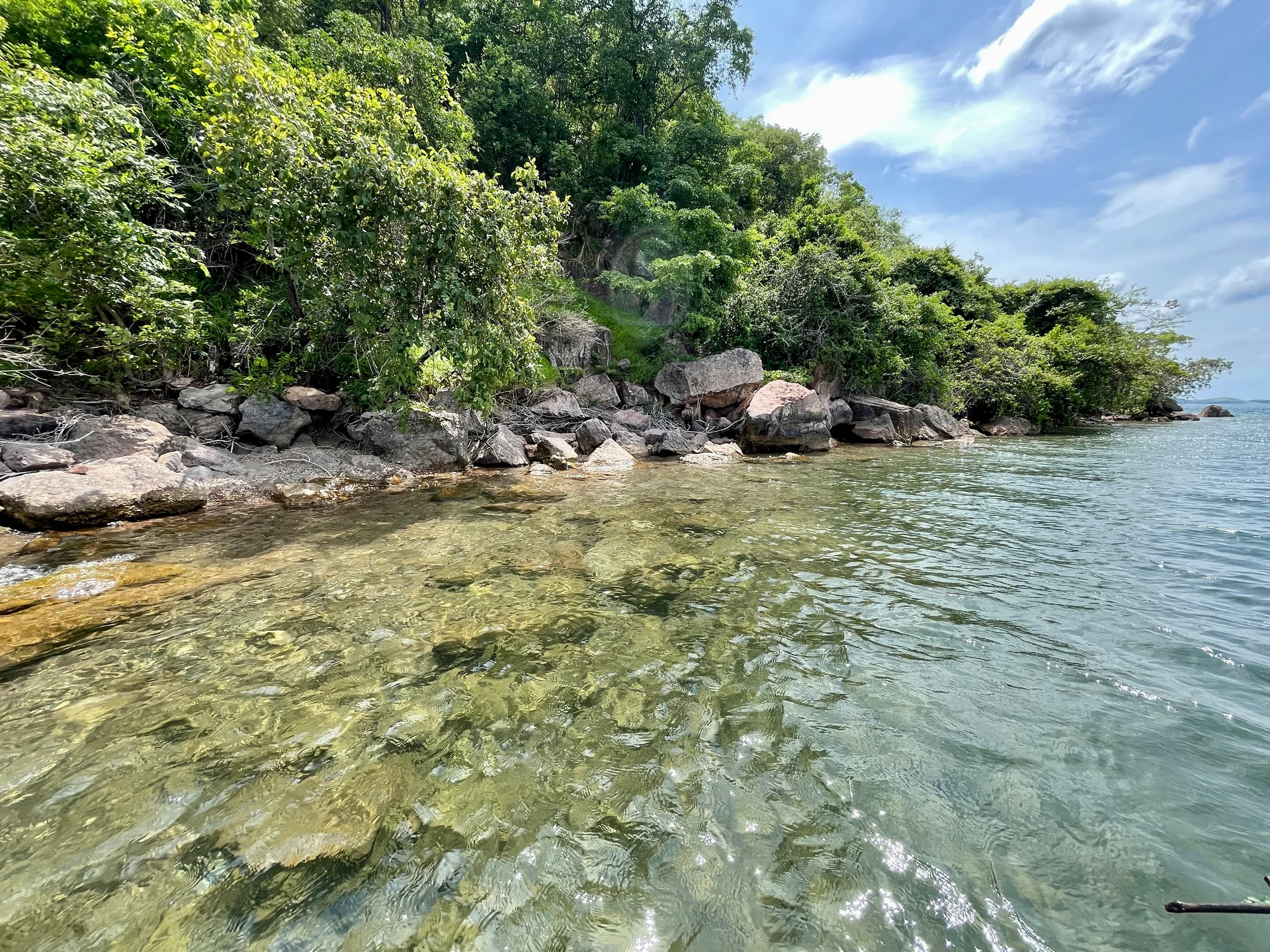
Lake Tanganyika offers a striking freshwater setting along Tanzania’s western frontier: broad blue horizons, wooded shores, bays, beaches and communities whose daily life is closely…
Wildlife
Endemic cichlid fish & Other freshwater fish
Landscape
Lakes & Hot Springs
Highlights
Africa’s deepest freshwater lake in the East African Rift
 Northern Circuit
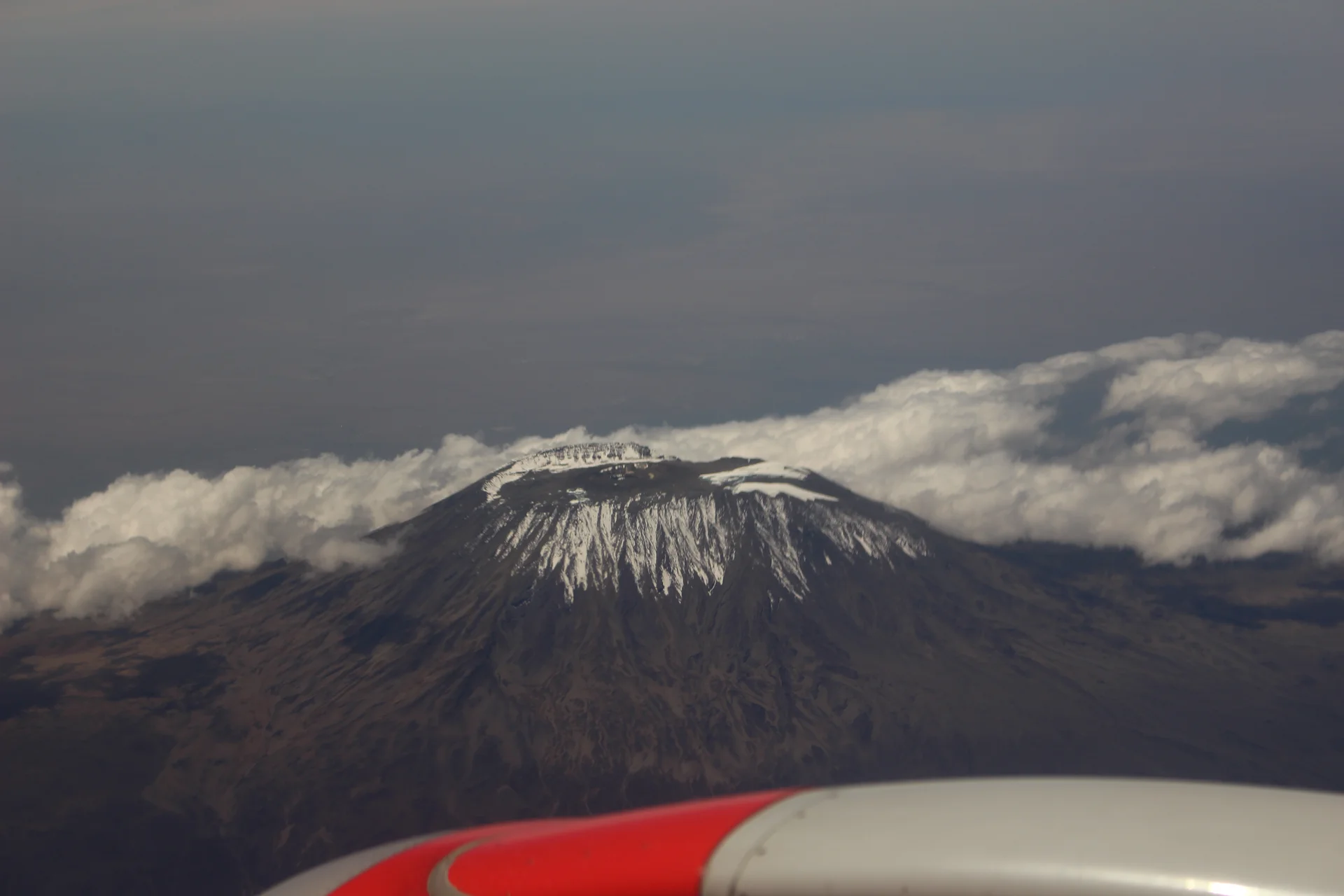
Kilimanjaro rises above northern Tanzania’s plains to Uhuru Peak at 5,895 metres, the highest point in Africa. Its volcanic massif, dramatic changes in vegetation and…
Wildlife
Black-and-white colobus monkeys in forest habitats & Blue monkeys in forest habitats
Landscape
Mountains & Trekking
Highlights
Uhuru Peak at 5,895 metres — Africa’s highest point
 Western Circuit
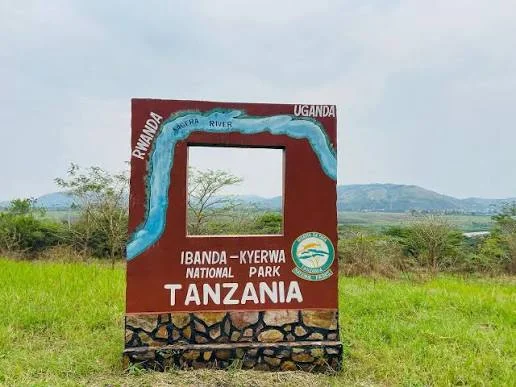
Ibanda-Kyerwa National Park protects a scenic corner of northwestern Tanzania, where the Kagera River meets a landscape of savanna, wooded slopes, valleys and wetlands. Situated…
Wildlife
Buffalo & Roan antelope
Landscape
National Parks & Safari
Highlights
Kagera River scenery on Tanzania’s northwestern border
 Zanzibar & Islands
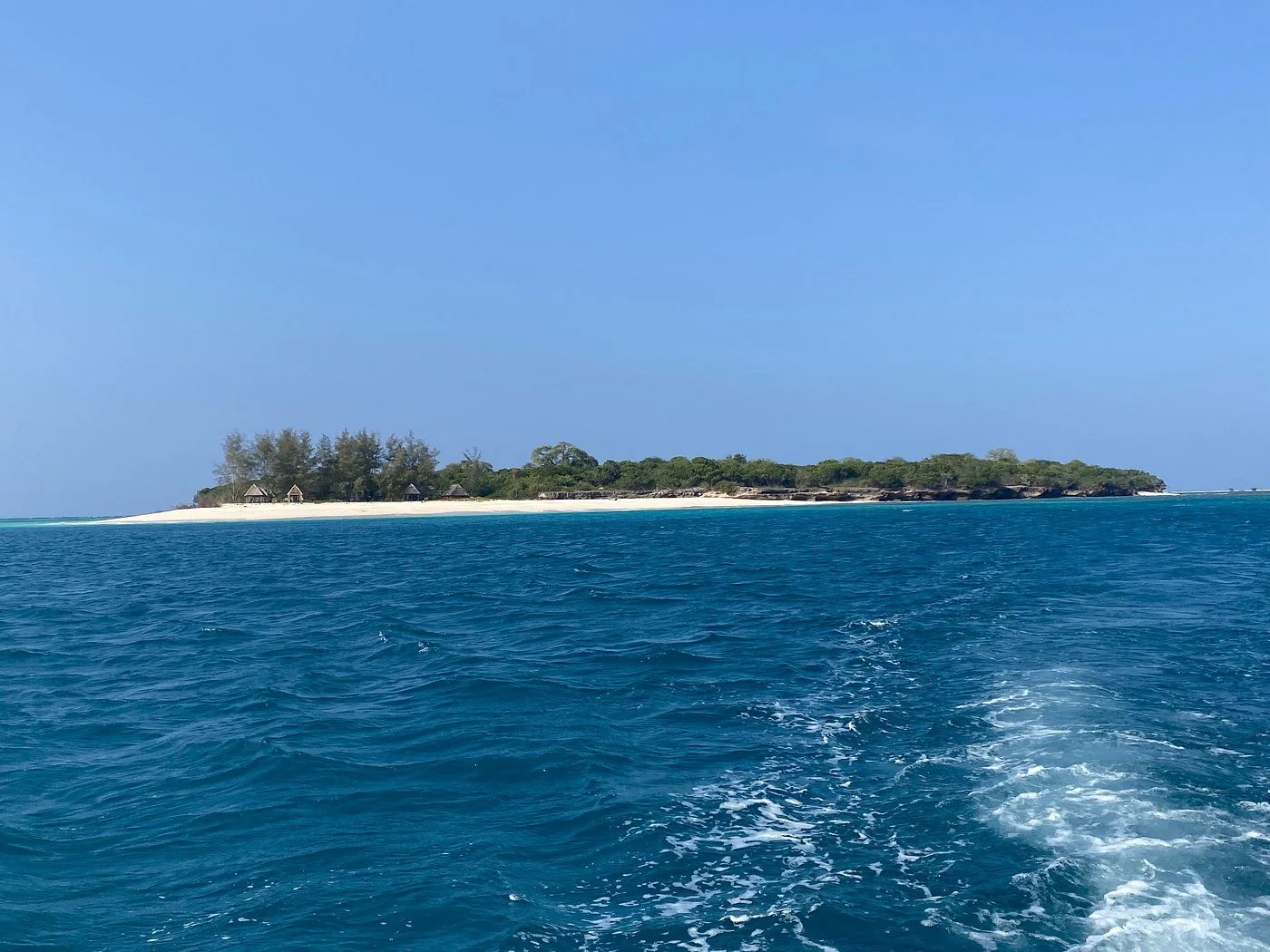
Sinda Island Marine Reserve offers an Indian Ocean escape off Kigamboni, on the southern side of Dar es Salaam. The reserve encompasses Inner and Outer…
Wildlife
Reef fish & Coastal birds
Landscape
Beaches & Islands
Highlights
Inner and Outer Sinda islands
 Northern Circuit
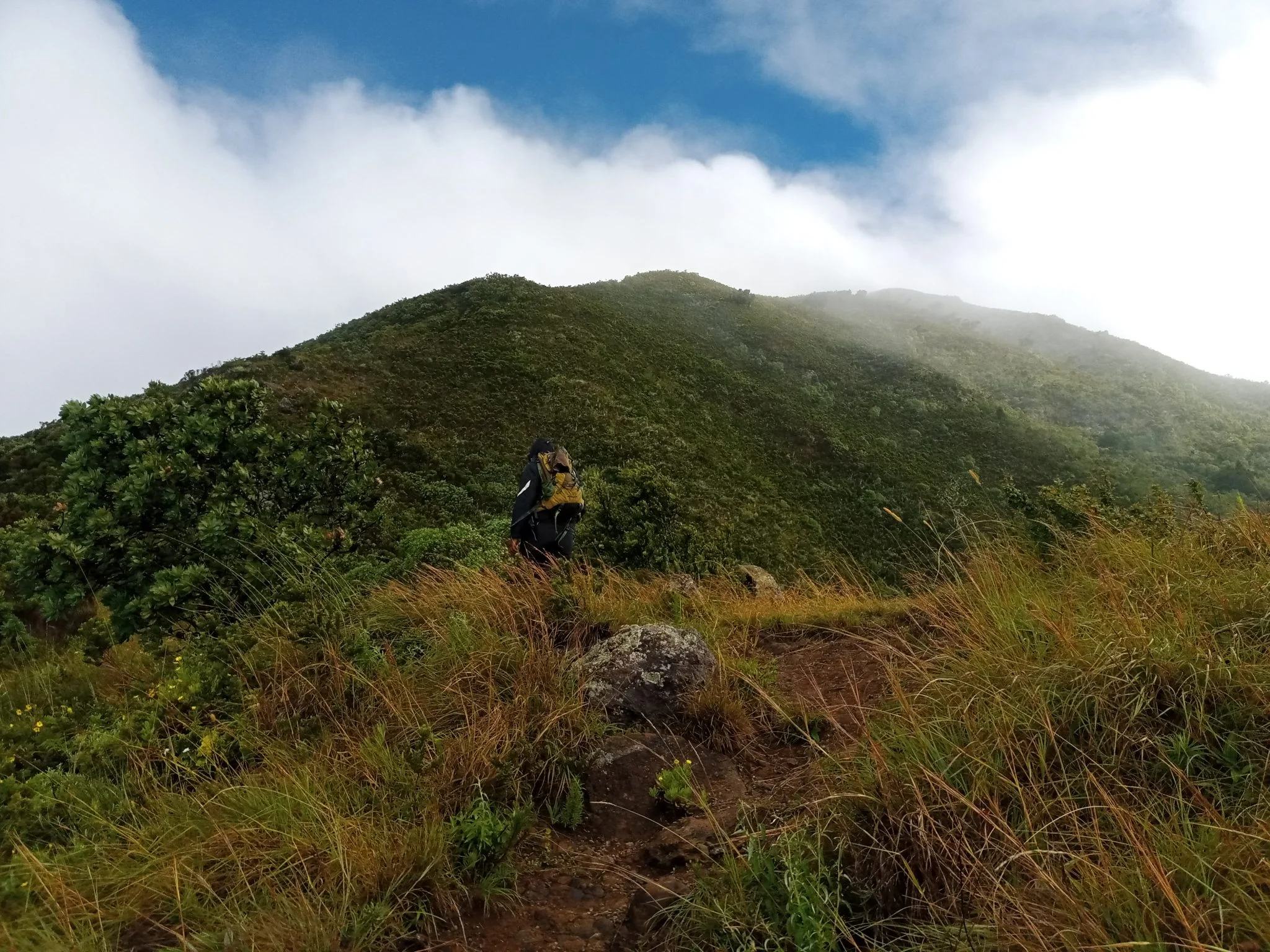
Discover Mount Hanang Rising above Katesh in Tanzania’s Manyara Region, Mount Hanang offers a rewarding mountain adventure beyond the familiar northern safari circuit. At approximately…
Wildlife
Klipspringer & Vervet monkeys
Landscape
Mountains & Trekking
Highlights
Approximately 3,423 metres — Tanzania’s fourth-highest mountain