 5.0 Excellent

Dorine M1 year ago

Grateful experience
As a solo female traveler, I felt super safe and well taken care of the entire time.
Read more
Southern Circuit
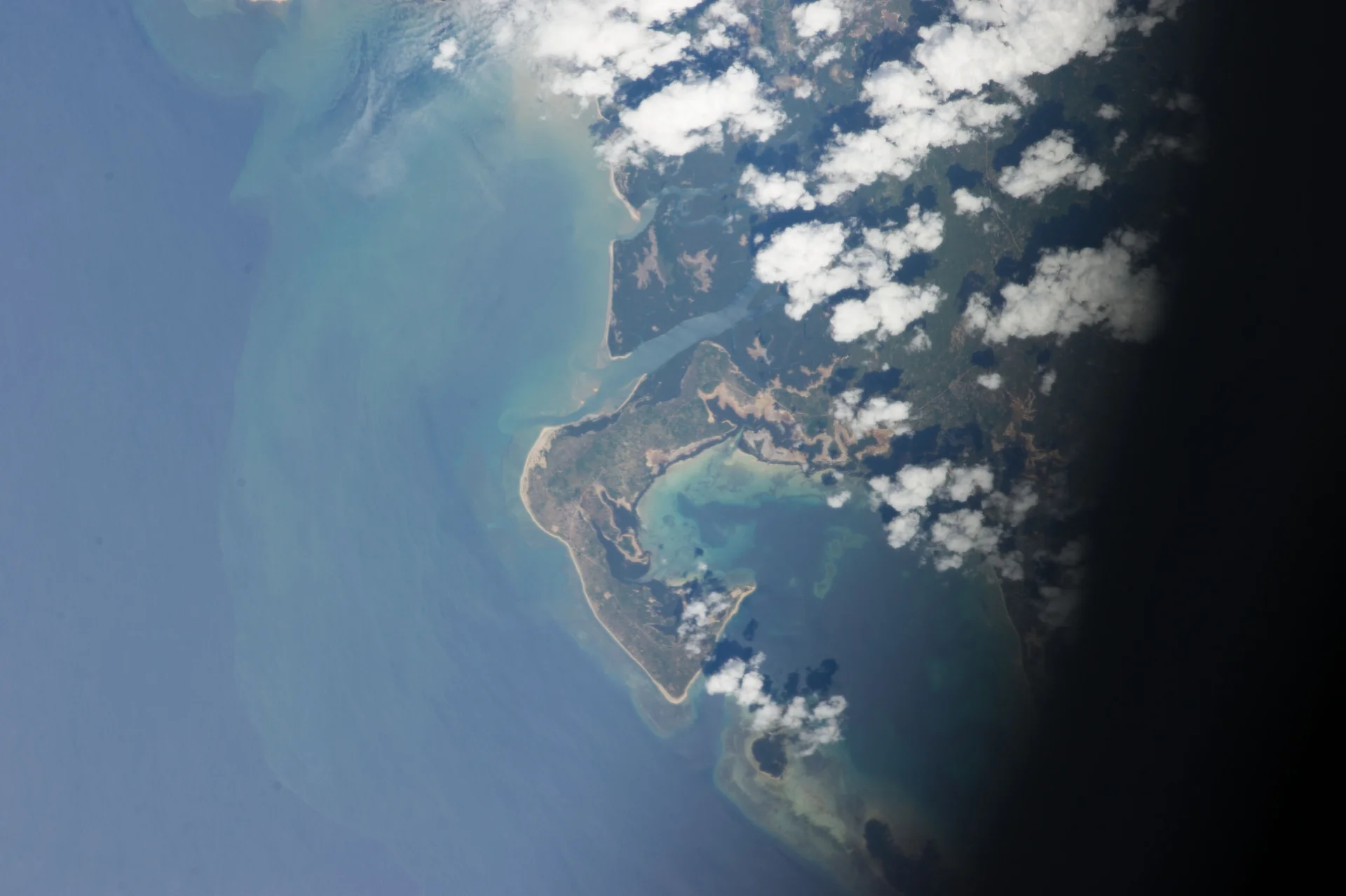
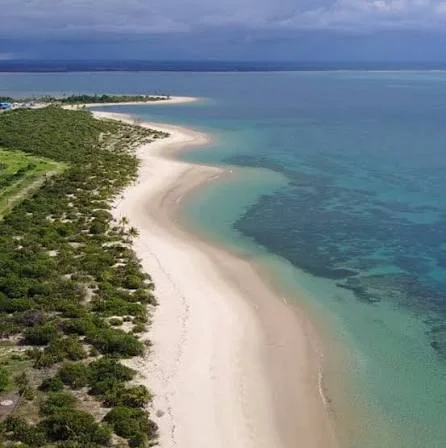
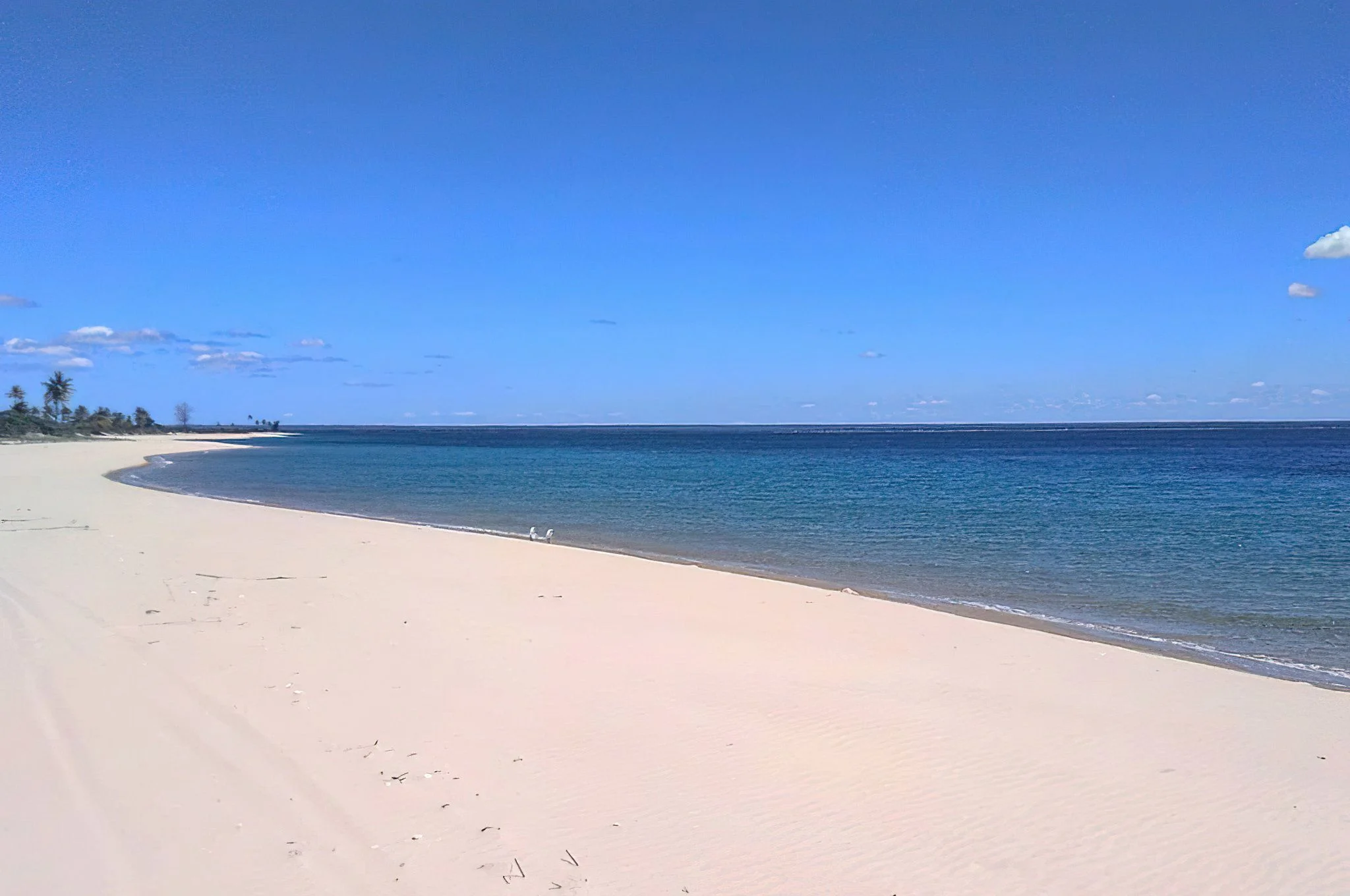
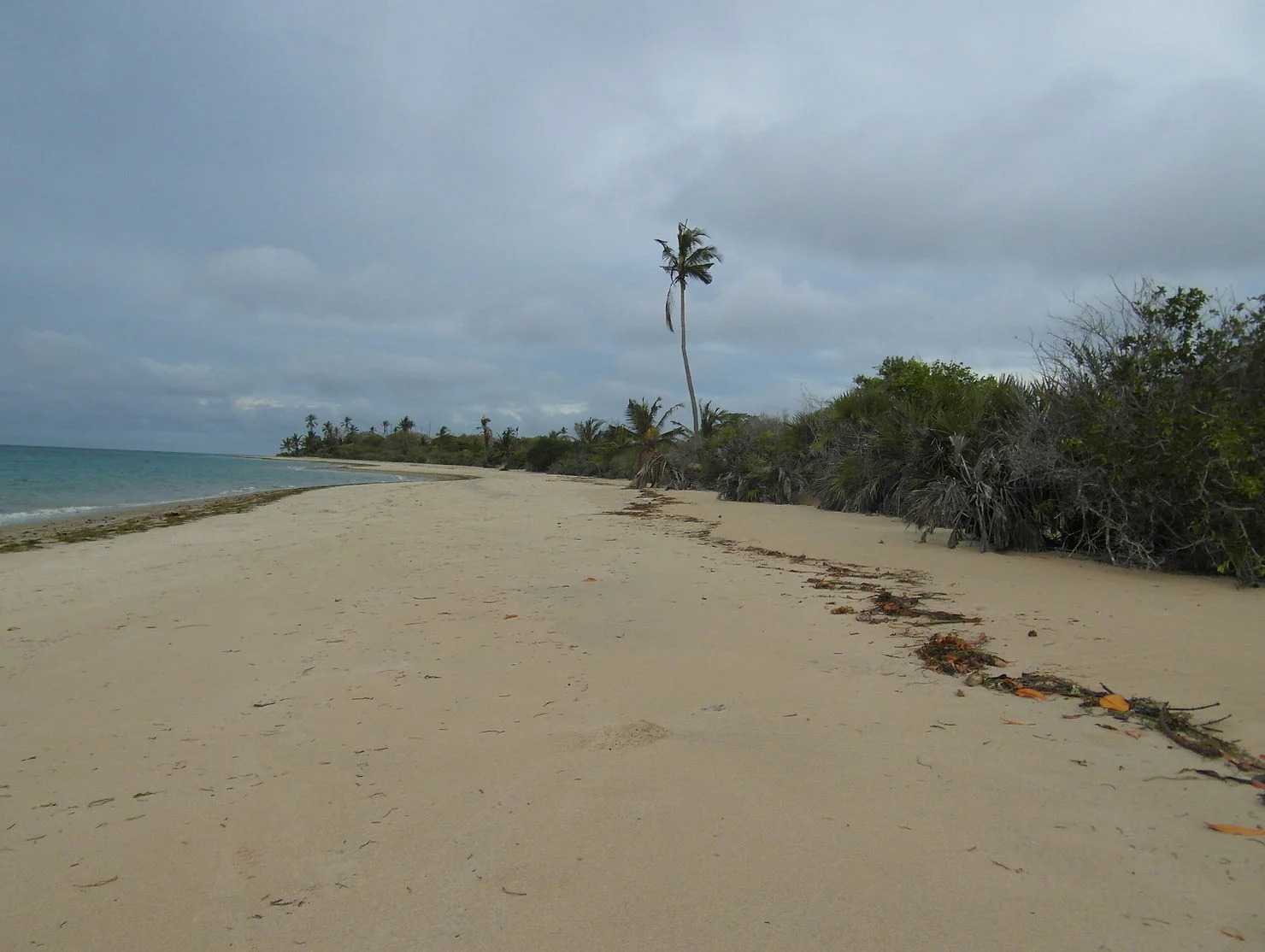
Mnazi Bay–Ruvuma Estuary Marine Park protects a varied stretch of Tanzania’s southeastern Indian Ocean coast, where coral reefs, seagrass beds, mangroves and sandy shores meet an important river estuary. Located in Mtwara Rural District, Mtwara Region, the park offers an engaging coastal experience for travellers interested in marine nature, quieter beaches and locally arranged activities. A well-planned visit combines time on land with suitable sea excursions, while giving tides, weather and conservation requirements a central place in the itinerary. THE PARK AT A GLANCE Gazetted in 2000, the marine park covers approximately 650 square kilometres, including marine waters and coastal land. It is administered through the Marine Parks and Reserves Unit (MPRU). Its protected landscape includes Mnazi Bay, Msimbati Channel, Ruvula Peninsula and the Ruvuma Estuary. The river forms the Tanzania–Mozambique border in this coastal area; visiting the Tanzanian park does not itself require crossing into Mozambique. The park’s name describes several connected environments rather than one beach with every attraction visible from the same viewpoint. Plan the specific shore, reef or excursion you wish to visit and confirm the meeting point with the park and organiser. Ruvula is a peninsula, while the bay also contains islands including Namponda, Mmongo and Kisiwa Kidogo. Access to an island or estuary site needs its own arrangements, permissions and assessment of conditions. CORAL REEFS, SEAGRASS AND MANGROVES The appeal extends beyond the beach. Reefs provide habitat for marine life, seagrass adds another underwater environment, and mangroves connect land and sea along sheltered shores and estuarine areas. Together these habitats support the ecological character of the park. A knowledgeable local guide can help visitors understand why protecting one environment also matters to the others, instead of treating a reef or mangrove stand as an isolated attraction. Choose an outing that matches your interests and experience. A shore-based nature walk can be rewarding without entering the water, while a properly arranged reef excursion provides a different perspective. Do not assume that every reef is accessible from the beach or that a large park guarantees good visibility at every site. The selected route, tide, sea state and available operator determine what is practical on the day. Keep a land-based alternative in the programme. MSIMBATI, RUVULA AND BEACH TIME Plan a Msimbati visit around a confirmed meeting point and suitable coastal activities. Beach time can include a suitable shore walk, landscape photography and a relaxed break in an area where visitor access is agreed. Ruvula’s coastal scenery can form part of the programme when the route and conditions are suitable. Ask which sections are appropriate for the group and where shore access may be affected by tides or property boundaries. Coastal photographs can show changing light, water colour, vegetation and the relationship between bay and open sea. Low tide and high tide create different scenes, but low water does not make every exposed surface safe to walk on. Stay on a recommended route and avoid stepping on living reef or seagrass. For a short visit, a carefully chosen viewpoint and enough time to enjoy it may be more satisfying than attempting several distant sites. SNORKELLING AND SCUBA DIVING Snorkelling is a potential way to experience permitted reef sites when it is arranged with a suitable operator and accepted by the park. Confirm the location, equipment, guide provision, ability requirements and the planned entry and exit before booking. Tell the organiser about the group’s experience, including anyone who is a beginner. Conditions can require a different site, a shorter outing or cancellation, so underwater visibility and particular wildlife sightings should never be guaranteed. Scuba diving needs separate advance planning. Check current park permissions, qualified supervision, equipment availability, the requirements for your level of experience and the operator’s emergency arrangements. Do not assume an operating dive centre, daily departure or introductory course is available merely because the park contains reefs. A confirmed diving plan should identify the operator and sites rather than leaving these details until arrival. Respect the briefing and maintain control in the water to avoid contact with coral or other marine life. BOATS, ISLANDS AND THE ESTUARY A suitably arranged boat outing may introduce visitors to bay scenery, selected islands or an approved estuary route. Each option has different logistics, so establish the boarding point, journey length, landing arrangements and return plan in advance. Choose a suitable vessel, use properly fitted lifejackets and follow the operator’s assessment of wind, tides and sea conditions. Shore or island access is not implied simply by having a boat available. The Ruvuma Estuary brings a river-mouth landscape into the wider coastal experience. An excursion should use a route approved for the planned activity, with local guidance on conditions and access. Do not extend a trip across the international border informally. Visitors interested mainly in mangroves or bird observations can discuss an appropriate viewing route without assuming that entering every channel, mudflat or vegetation area is permitted. DOLPHINS, TURTLES AND SEASONAL WHALES Dolphins have been documented in the bay and channel waters, while green turtles use protected nesting habitat managed with local communities. Hawksbill turtles are also recorded in park research. These are reasons to value the ecosystem, rather than promises of an encounter during a short excursion. A beach visit does not automatically include a turtle-nesting experience. Any observation programme must be specifically confirmed and conducted according to the park’s guidance. Seasonal humpback-whale watching adds another possibility around Msimbati. Official announcements associate the season with approximately July or August through November, with the excursion calendar confirmed for the current year. Wildlife movements vary, and an advertised season does not guarantee a sighting. Use a suitable operator, allow the animals space and follow instructions about vessel approach. Plan the trip around the wider coastal experience so it remains worthwhile when wildlife is not visible. WHEN TO VISIT AND HOW LONG TO STAY Mtwara’s regional climate guidance describes June to October as generally drier and cooler, with a wetter period from November to May. The drier period is a useful starting point for planning coastal walks and road travel. However, sea conditions and underwater visibility depend on more than rainfall. Wind, tides and the chosen site still determine whether a marine excursion is suitable. October and November may overlap seasonal whale interest and changing weather, so confirm both the activity calendar and conditions. A day excursion can work for a confirmed shore visit or one principal activity, with realistic outward and return transfers. Two or three nights in a suitable coastal base can give more flexibility for weather and allow a slower programme. Add time when combining the park with other Mtwara-area destinations. Avoid making a necessary onward flight depend on the last possible boat outing; an unhurried return and a spare activity option make the itinerary easier to manage. GETTING THERE AND ARRANGING ENTRY Mtwara Airport serves the regional gateway. Check current flights for the travel dates and arrange the onward road journey separately. The exact transfer depends on your accommodation and the agreed meeting point around Msimbati or another approved park location. Request a date-specific route, distance and road-time estimate rather than relying on one fixed journey duration for the whole park. Confirm the final approach, vehicle suitability, arrival time and return transport before departure. Current MPRU visitor guidance calls for a valid entry permit and official identification. Arrange the correct permit through the official process, carry it with your identification and confirm how the organiser handles entry. Entrance fees depend on visitor categories, and additional activity, boat or camping charges may apply. Obtain current totals and payment arrangements before travel rather than treating an older published tariff as a guaranteed present-day price. [Official visitor guidance](https://www.marineparks.go.tz/pages/visitor-guide). GUIDES, CAMPING AND RECREATIONAL FISHING Guide requirements should be confirmed for the specific site and activity. A local guide can help with nature interpretation, introductions, route selection and tidal planning, while water activities need appropriately qualified provision. Permission to enter the park does not automatically authorise every excursion. Published park zoning addresses activities such as diving and camping, so check current permissions with the park before adding them to a programme. Camping requires confirmation of an approved location, access, facilities, permissions and any applicable charges; a beach photograph does not establish an available campsite. Recreational fishing also needs a specific check. The published management framework restricts sport fishing to appropriate general-use zones with permission. Do not arrange fishing or collect marine organisms without current authorisation. Visitors who prefer a simpler programme can choose beach scenery, guided nature interpretation and a suitable boat or reef outing instead. ACCOMMODATION, PACKING AND RESPECTFUL VISITING Confirm the exact location and current services of the chosen accommodation, including meals, bathrooms, water, power, connectivity, parking and transfer arrangements. Guests with mobility needs should ask about steps, path surfaces and boarding a boat. Families should select activities according to the children’s ability and supervise closely around water and working landing areas. A quiet coast does not automatically mean a staffed swimming beach, accessible facilities or equipment available on demand. Bring sun protection, a hat, drinking water, a light rain layer and footwear suitable for the confirmed shore route. Protect cameras and phones from sand and salt spray. Ask before photographing residents, houses or fishing work, and use consenting local hosts for cultural encounters. Take litter away, keep wildlife undisturbed and leave shells, coral and other marine material where they belong. TanzaLux can plan a visit around your dates, interests and comfort level, with the park, accommodation and optional activities confirmed before travel.
November–April: within Mtwara’s generally wetter November–May period. Rain, wind and changing sea conditions can affect walking routes, boats and visibility. November may still overlap the reported whale period, but outings and sightings require confirmation. Keep a flexible shore-based alternative and check access before departure.
June–September: within the generally drier, cooler June–October period, useful for coastal walks and road journeys. Seasonal humpback-whale interest is reported from around July/August into November. Dry weather does not guarantee calm water or clear underwater conditions; confirm each boat or reef excursion with the park and operator.
May and October: useful transition planning months. May can still receive rain; October lies towards the end of the regional drier period and may overlap seasonal humpback-whale interest. Confirm conditions at the chosen site, tides, operator availability and the annual activity calendar.
Mtwara is the regional gateway for Mnazi Bay - Ruvuma Estuary Marine Park. Mtwara Airport is an arrival option; confirm current flights and arrange onward road transport separately. Agree on the specific park meeting point, selected activity and accommodation before departure, often using the Msimbati area for coastal plans. The park covers a large coastal and marine area, so the final route, distance and duration depend on the chosen destination. Request an itinerary-specific road-time estimate, vehicle recommendation and final-approach check, including the return transfer. Boats, island landings and estuary routes require separate current arrangements and assessment of tides, wind and sea conditions. Carry a valid park entry permit and official identification in line with current MPRU visitor guidance; confirm current fees, payment method and activity permissions beforehand. A visit confined to the Tanzanian park does not require crossing into Mozambique. Any international extension needs separate formalities and transport planning.
It is in Mtwara Rural District, Mtwara Region, on mainland Tanzania’s southeastern Indian Ocean coast. The protected landscape includes Mnazi Bay and the Ruvuma Estuary near Mozambique.
It is administered through the Marine Parks and Reserves Unit (MPRU). Arrange entry and activity permissions through the relevant marine park process.
The park was gazetted in 2000 and covers approximately 650 square kilometres. Its area includes marine waters and coastal land, so it should not be treated as one small beach attraction.
Coral reefs, seagrass beds, mangroves, sandy shores and estuarine environments create a varied coastal landscape. Select a suitable guided route or sea excursion for the habitats you want to learn about.
Msimbati is a coastal ward in the park area, while Ruvula is a peninsula within the protected landscape. Confirm the meeting point and which shore sections or routes are appropriate for your group.
Such outings need a specific approved route, suitable transport, landing arrangements and current park confirmation. Islands include Namponda, Mmongo and Kisiwa Kidogo. A boat booking does not automatically authorise access to every site.
Snorkelling can be considered at permitted sites with a suitable operator and current park arrangements. Confirm equipment, guide provision, your ability requirements and conditions. Reef visibility and wildlife sightings are not guaranteed.
Confirm the operator, qualified supervision, equipment, experience requirements, emergency arrangements and park permissions in advance. Do not assume a dive centre, daily departure or introductory course is available without a specific booking.
Official announcements associate seasonal humpback-whale interest with approximately July or August through November around Msimbati. Confirm the current excursion calendar and conditions. A seasonal visit does not guarantee a sighting.
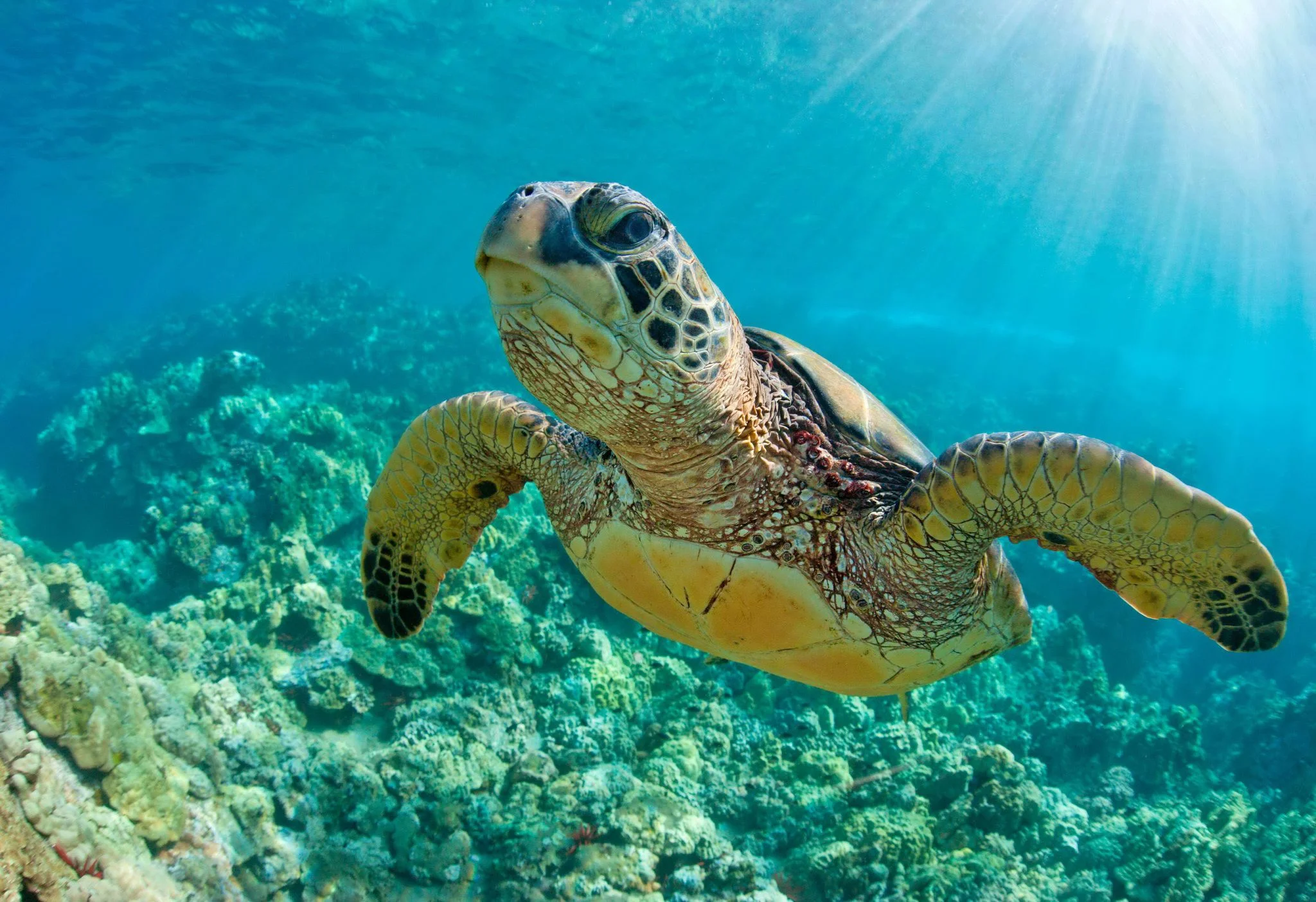
No. Dolphins and sea turtles are documented ecological interests, including green-turtle nesting habitat and hawksbill records. Any observation programme must be confirmed separately, and wildlife should remain undisturbed.
Ask the park and a qualified local operator about the chosen location, tide, currents, access and conditions on the day. Do not assume every beach is suitable or has lifeguards. Follow the briefing and keep children supervised near water.
Mtwara’s regional guidance describes June–October as generally drier and cooler, and November–May as wetter. Choose dates for the planned activity, then check wind, tide and sea conditions; dry weather alone does not establish safe boating or clear reef visibility.
Mtwara Airport is a regional arrival option, followed by a separately arranged road transfer to the confirmed park meeting point or accommodation. Agree on the route, final approach, return transport and date-specific journey estimate before travel.
Current MPRU guidance calls for a valid entry permit and official identification. Confirm the applicable visitor category, current entrance charges, payment process and any additional activity costs. An old tariff should not be treated as a guaranteed current total.
Check guide requirements for the specific location and activity with the park. For a boat, confirm a suitable operator, vessel, lifejackets, boarding point, route and conditions. Qualified provision is particularly important for reef and water activities.
A day excursion can cover a confirmed shore visit or one principal activity with realistic transfers. Two or three nights at a suitable base can provide weather flexibility and a slower programme. Allow extra time for wider Mtwara sightseeing.
Camping needs confirmation of an approved location, park and any relevant local permissions, facilities, access and charges. Do not assume that beach camping or a staffed campsite is available without advance arrangements.
The published park framework restricts sport fishing to appropriate general-use zones with permission. Check current zoning and authorisation with the park before arranging it; an entry permit is not blanket fishing permission.
It can suit a carefully matched shore-based programme, but check walking surfaces, steps, bathrooms, transfers and boat boarding in advance. Choose activities for the group’s ability, and supervise children closely around water and working boat areas.
Bring sun protection, drinking water, a rain layer, suitable walking footwear and protection for electronics from sand and spray. Follow approved routes, avoid touching marine life or collecting shells and coral, take litter away and ask permission before photographing or visiting local households.
Grateful experience
As a solo female traveler, I felt super safe and well taken care of the entire time.
Read morePrivate Safari 6 days
I can only highly recommend the young company Tanzalux for organizing a private safari.
Read moreAn unforgettable vegetarian journey with Tanzalux Safaris
I highly recommend Tanzalux for anyone wanting a special, personalized safari.
Read moreOur 3-day camping safari with Tanzalux was simply fantastic! Everything was perfectly organized.
Read moreBack in April, I joined a day trip to Tarangire National Park with Tanzalux Safaris, and it was truly one of the best experiences I have ever had…
Read moreI've had an amazing experience with Tanzalux Safaris, would 1000% recommend! Thank you for making my trip so special🫶
Read moreI recently visited Meru Waterfalls in Arusha and got to do some of the activities there, honestly it was such a great experience and I really enjoyed it.
Read moreOur guide Dullah Mr Rastaman had the best vibe. I would like to recommend other people not to miss it, Tarangire is the best national park.
Read moreOur tour guide Nasri was very friendly and welcoming from the first day we met him. He knows Tarangire very well and explained many things during the safari.
Read moreAs a grandmother in the group, I would like to share my happiness with Tanzalux Safaris. Me, my daughters, and my grandson went on a short trip to Tarangire National Park…
Read moreReceive a free, no obligation quote

 Western Circuit
Gombe Stream National Park, also known as Gombe National Park, combines wild chimpanzee trekking with forested hills and the shores of Lake Tanganyika. In Kigoma…
Wildlife
Chimpanzees & Olive baboons
Landscape
National Parks & Safari
Highlights
Wild chimpanzee trekking with park rangers
 Southern Circuit
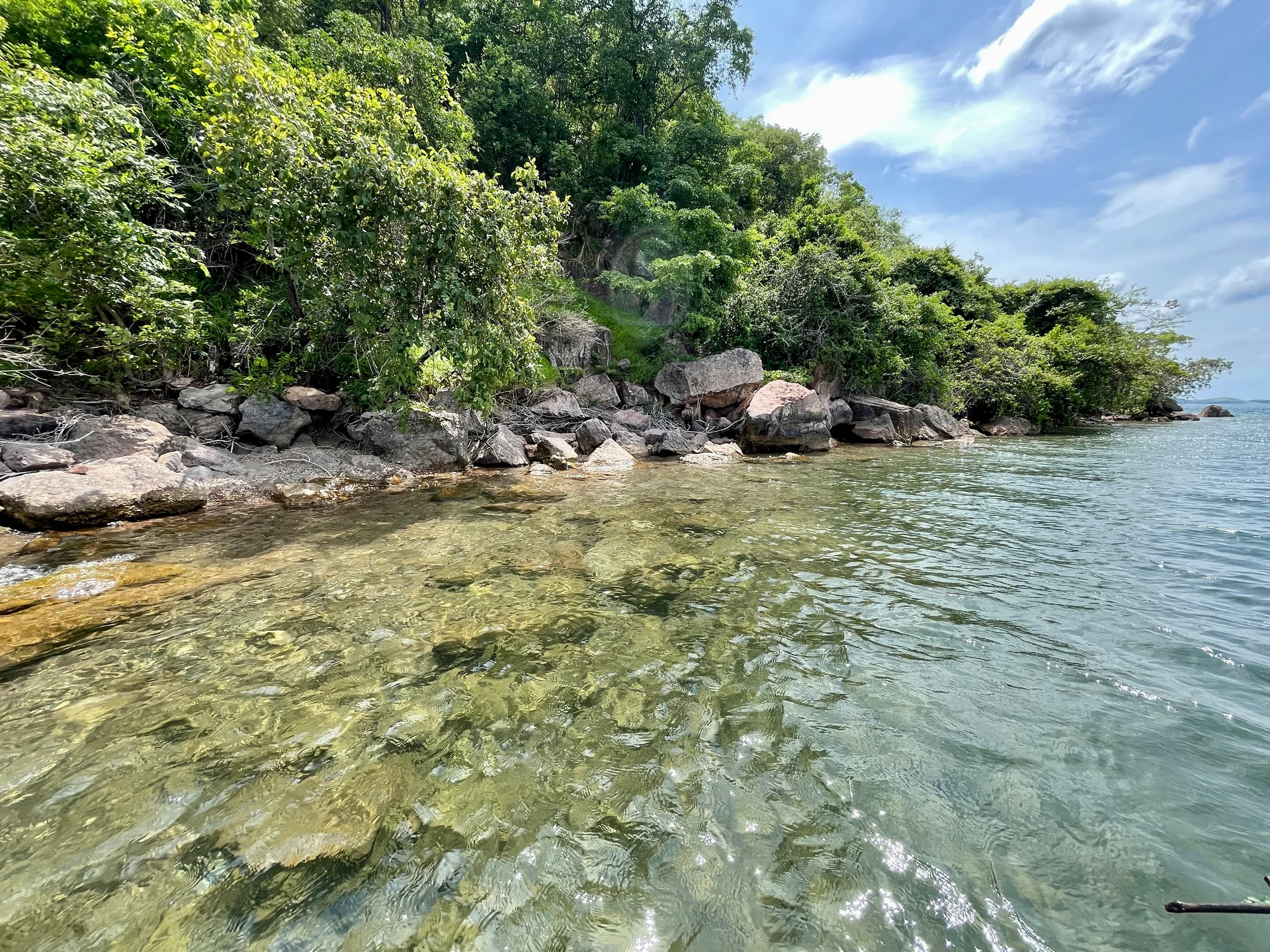
Lake Tanganyika offers a striking freshwater setting along Tanzania’s western frontier: broad blue horizons, wooded shores, bays, beaches and communities whose daily life is closely…
Wildlife
Endemic cichlid fish & Other freshwater fish
Landscape
Lakes & Hot Springs
Highlights
Africa’s deepest freshwater lake in the East African Rift
 Northern Circuit
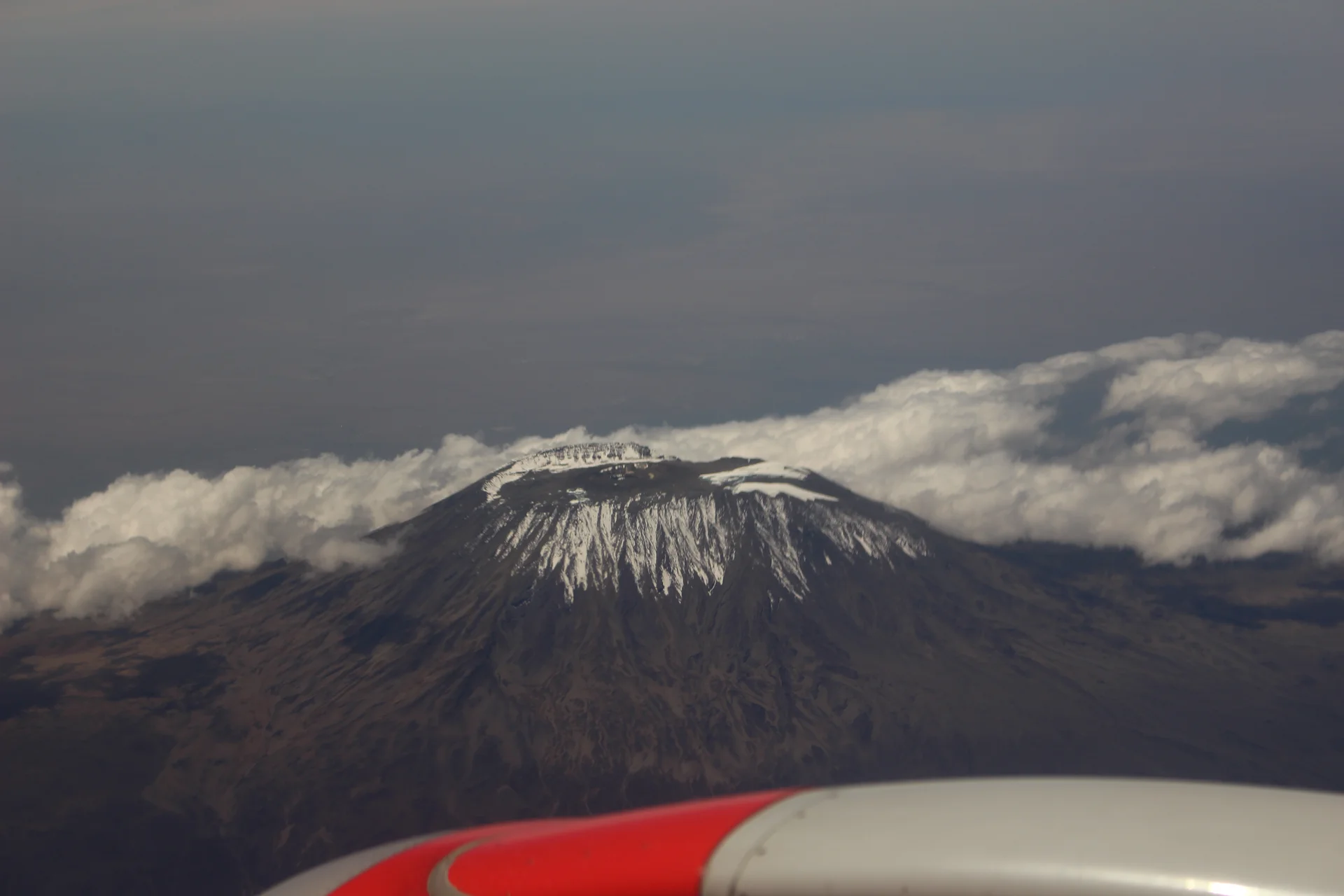
Kilimanjaro rises above northern Tanzania’s plains to Uhuru Peak at 5,895 metres, the highest point in Africa. Its volcanic massif, dramatic changes in vegetation and…
Wildlife
Black-and-white colobus monkeys in forest habitats & Blue monkeys in forest habitats
Landscape
Mountains & Trekking
Highlights
Uhuru Peak at 5,895 metres — Africa’s highest point
 Western Circuit
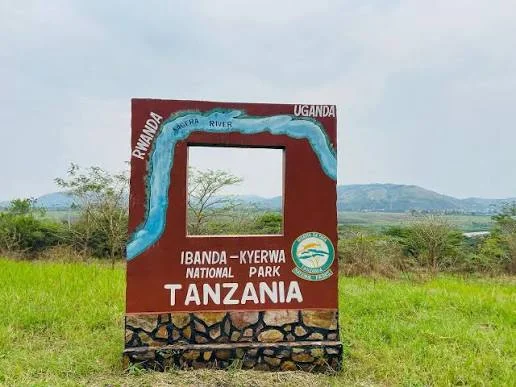
Ibanda-Kyerwa National Park protects a scenic corner of northwestern Tanzania, where the Kagera River meets a landscape of savanna, wooded slopes, valleys and wetlands. Situated…
Wildlife
Buffalo & Roan antelope
Landscape
National Parks & Safari
Highlights
Kagera River scenery on Tanzania’s northwestern border
 Zanzibar & Islands
Sinda Island Marine Reserve offers an Indian Ocean escape off Kigamboni, on the southern side of Dar es Salaam. The reserve encompasses Inner and Outer…
Wildlife
Reef fish & Coastal birds
Landscape
Beaches & Islands
Highlights
Inner and Outer Sinda islands
 Northern Circuit
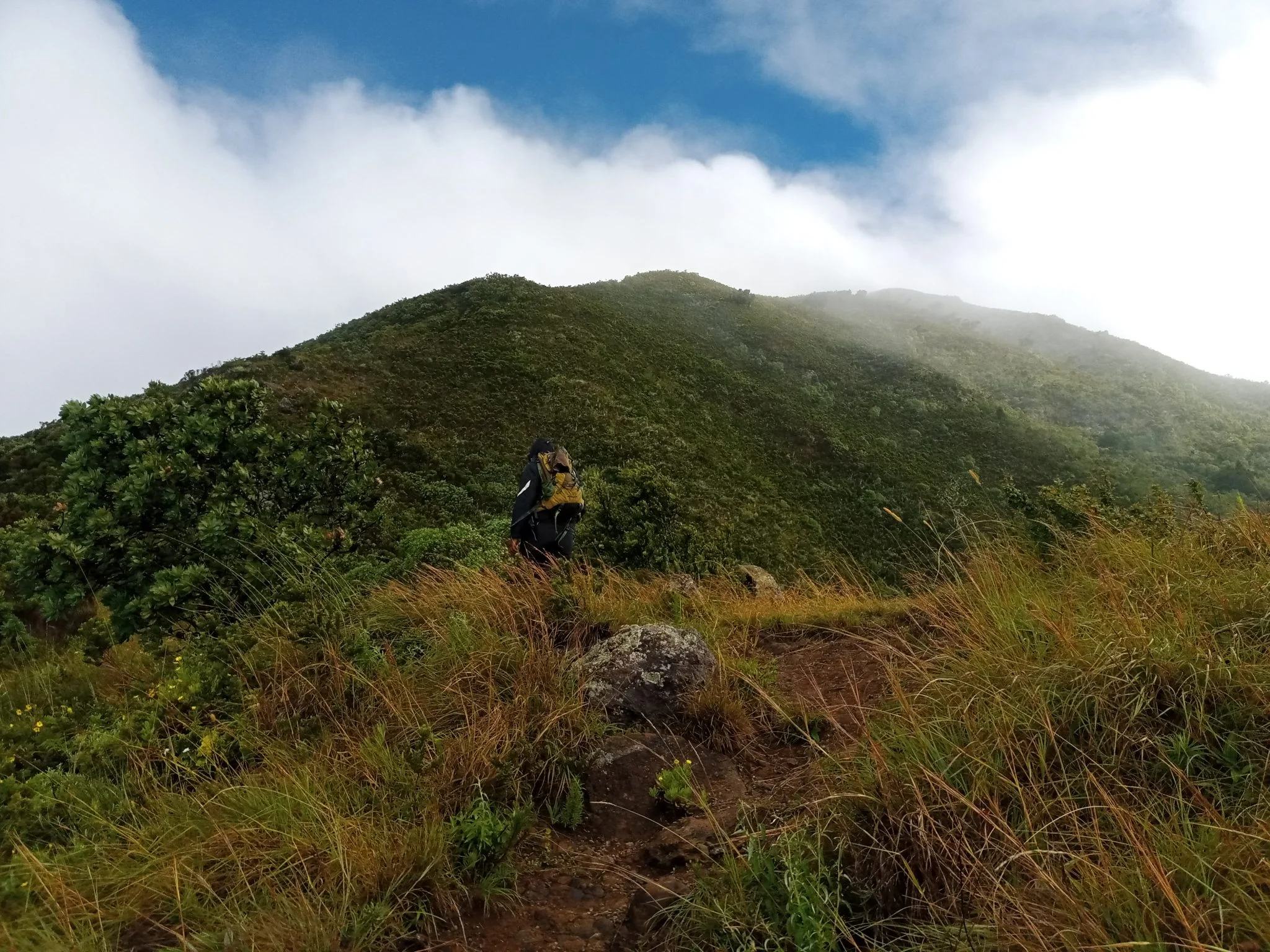
Discover Mount Hanang Rising above Katesh in Tanzania’s Manyara Region, Mount Hanang offers a rewarding mountain adventure beyond the familiar northern safari circuit. At approximately…
Wildlife
Klipspringer & Vervet monkeys
Landscape
Mountains & Trekking
Highlights
Approximately 3,423 metres — Tanzania’s fourth-highest mountain