 5.0 Excellent

Dorine M1 year ago

Grateful experience
As a solo female traveler, I felt super safe and well taken care of the entire time.
Read more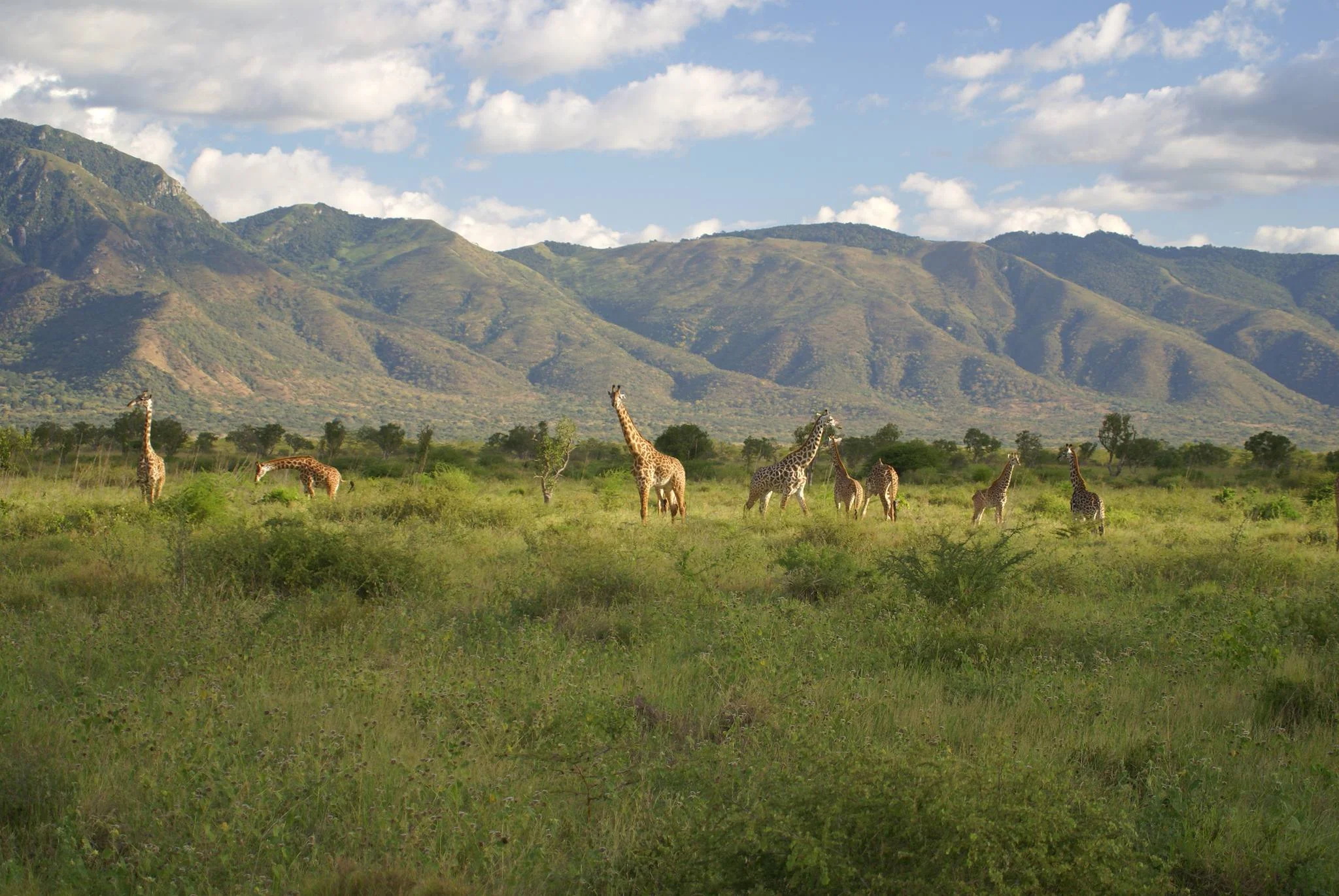
Northern Circuit
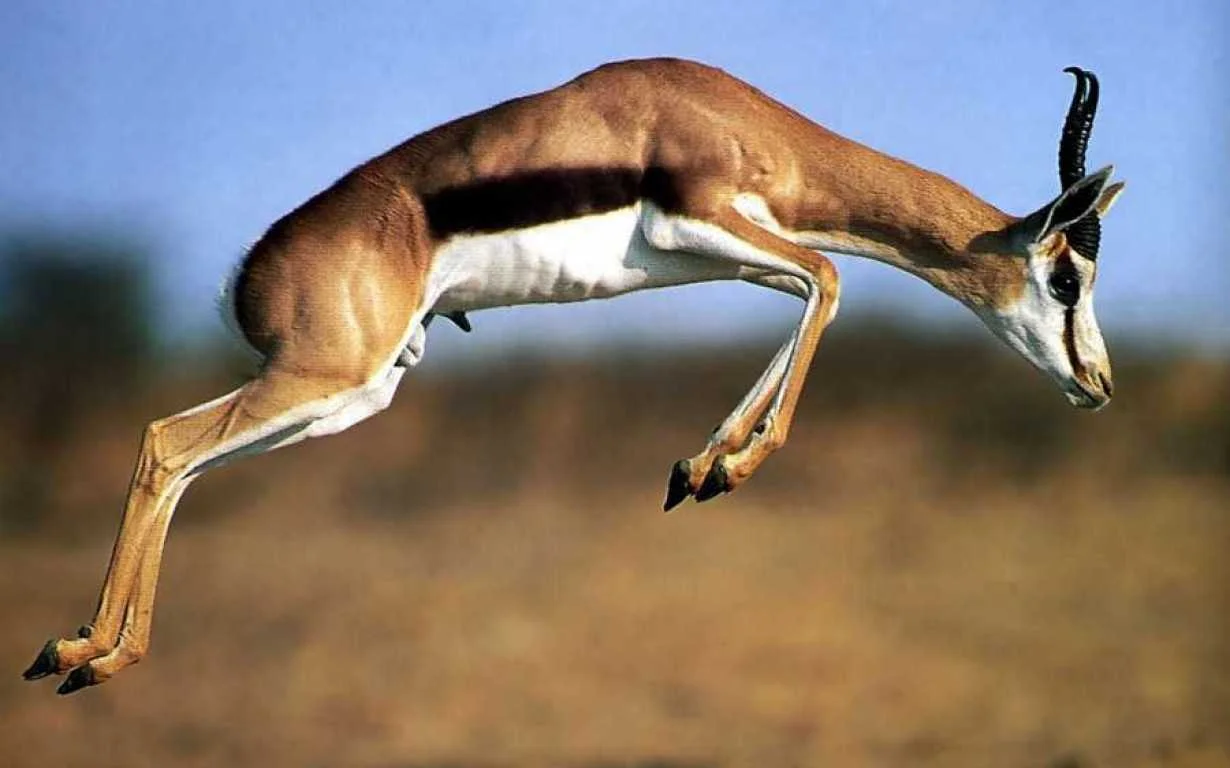
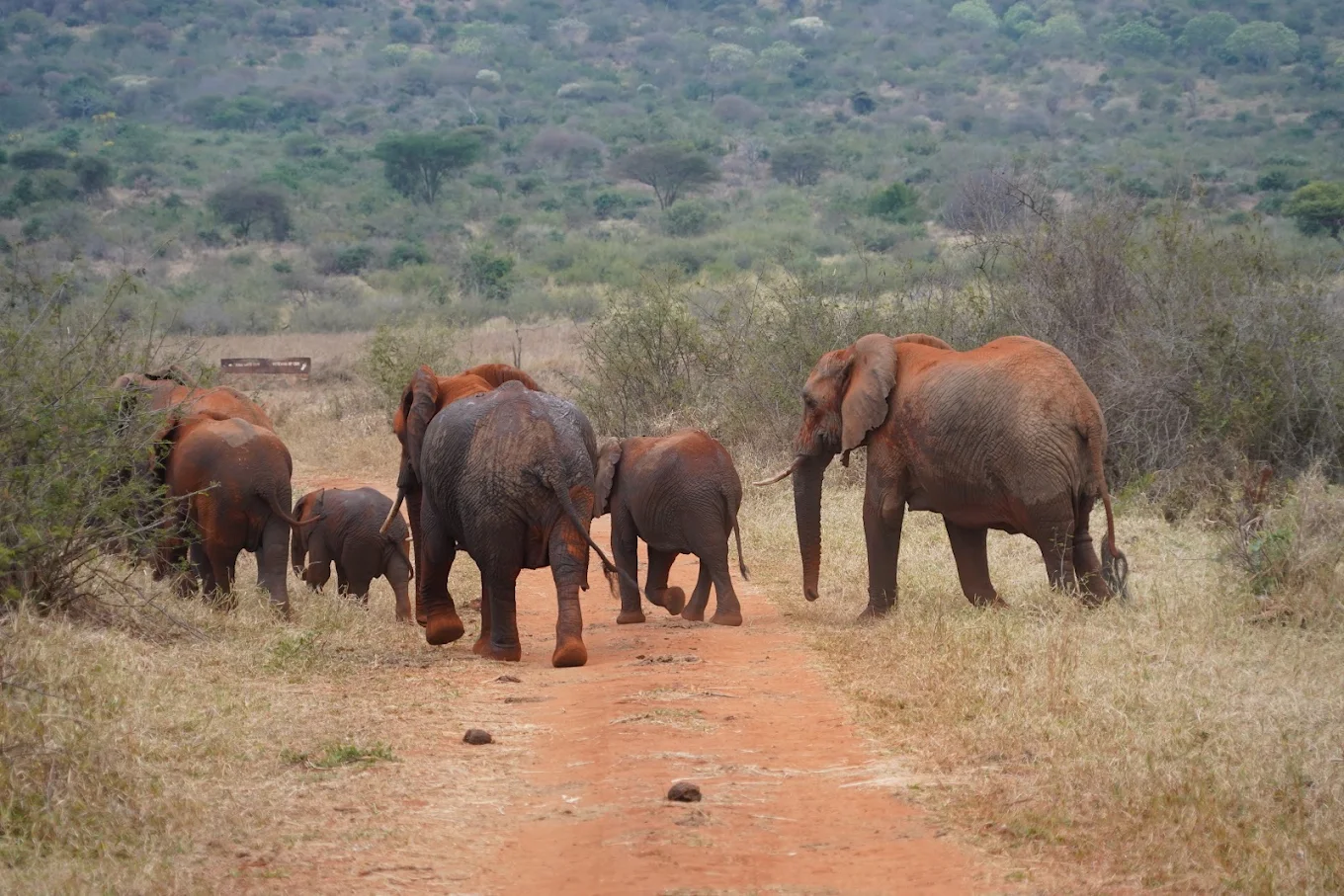
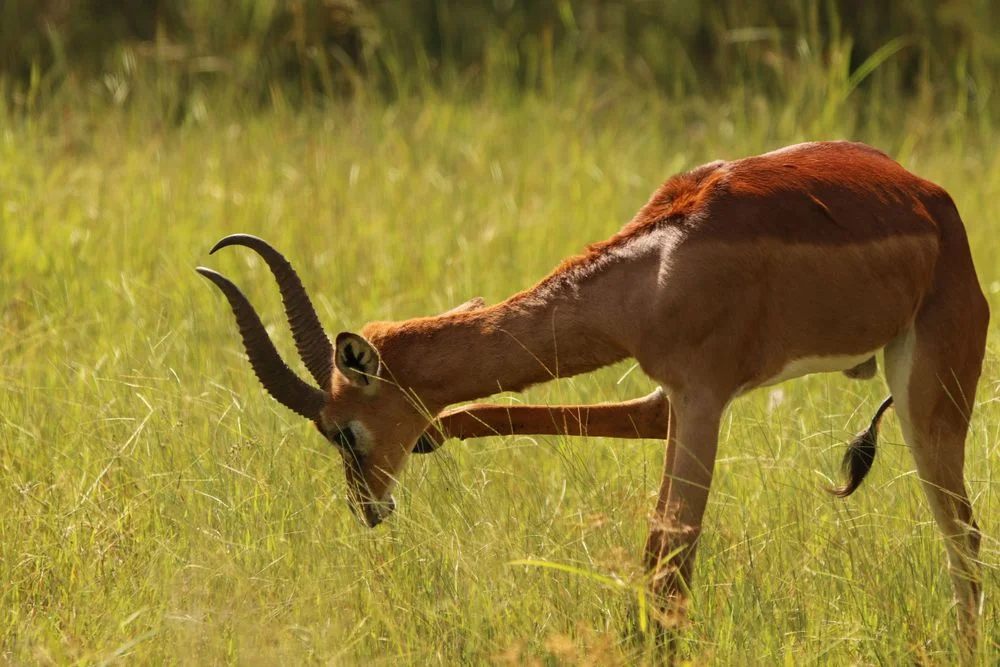
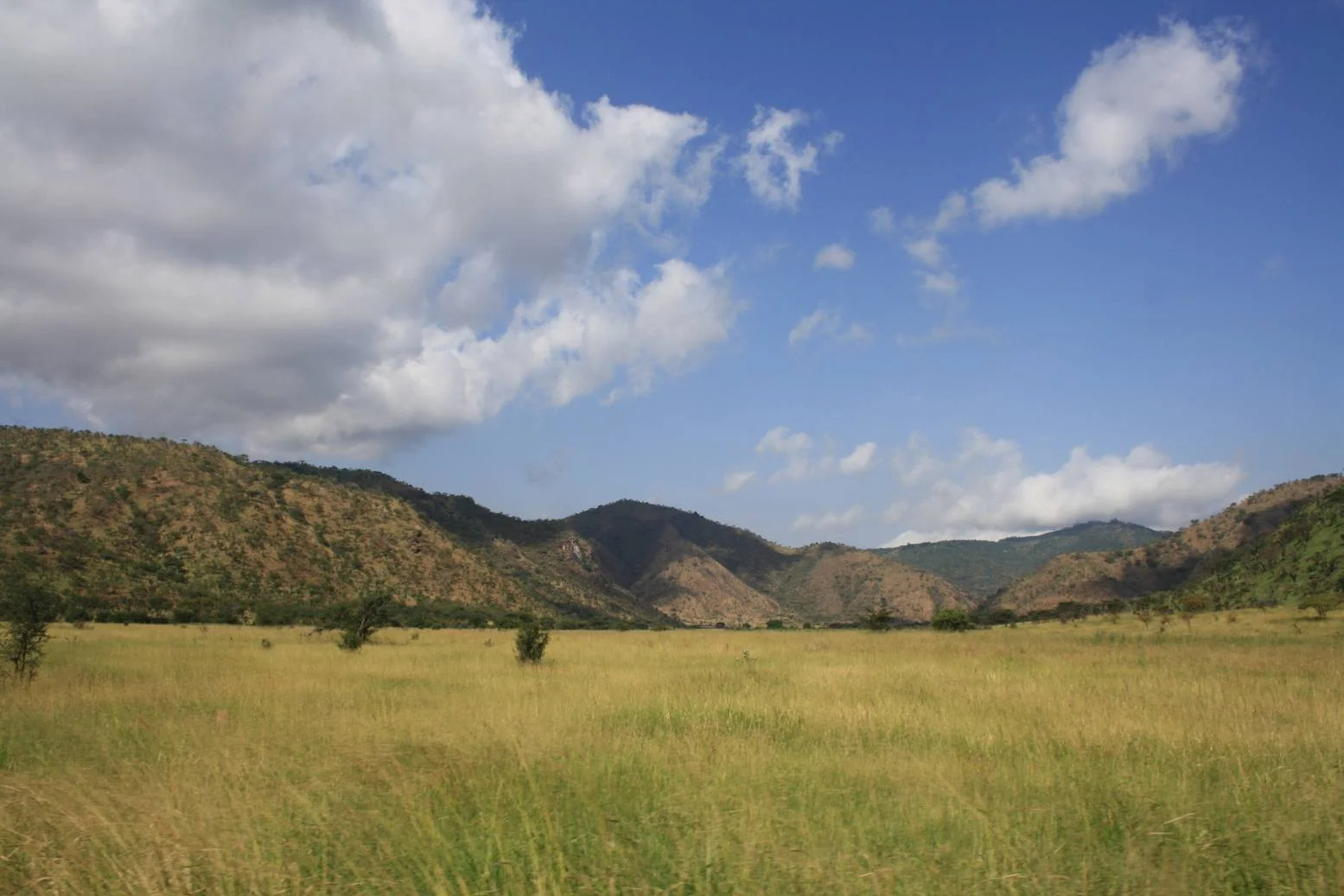
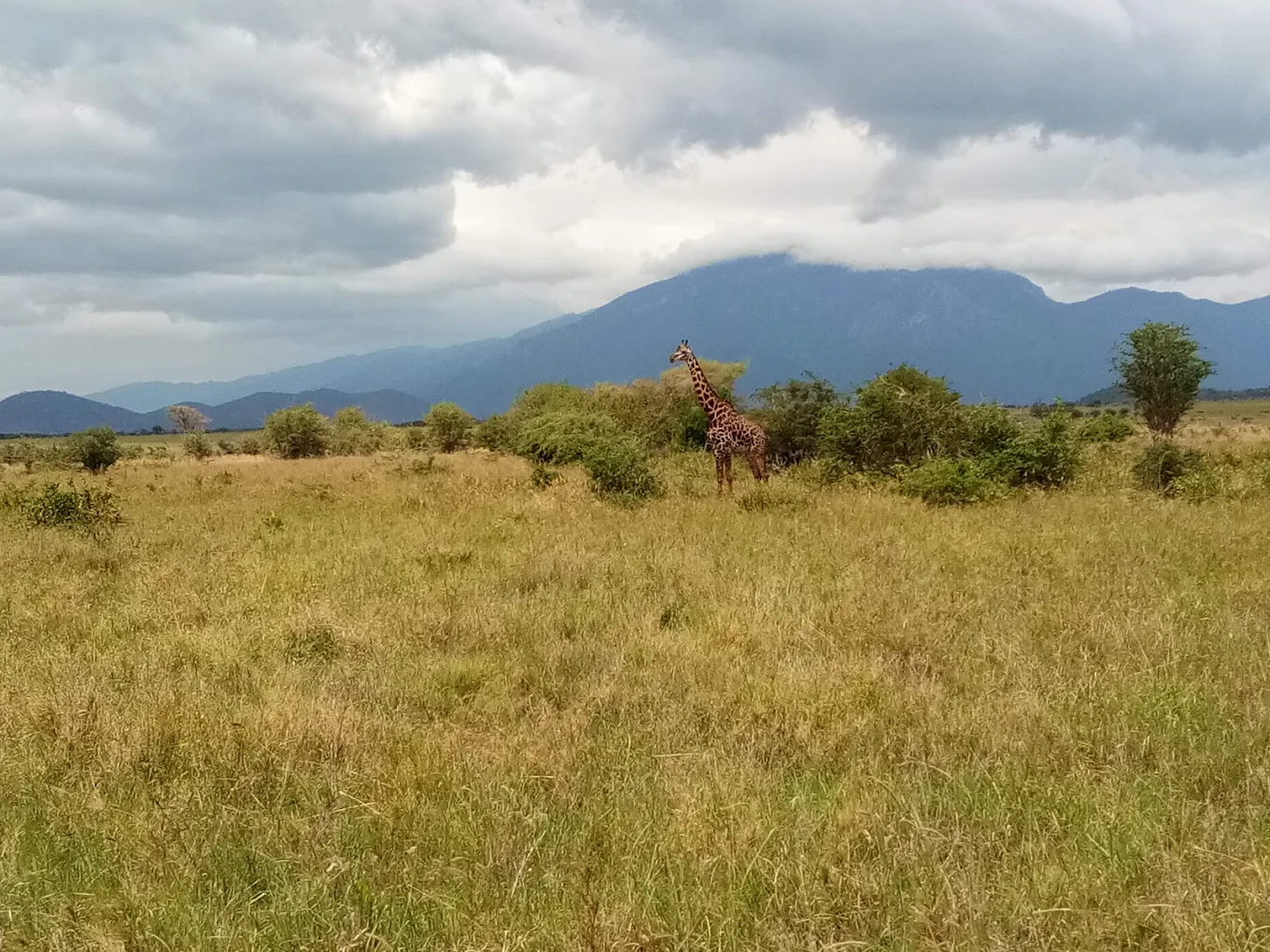
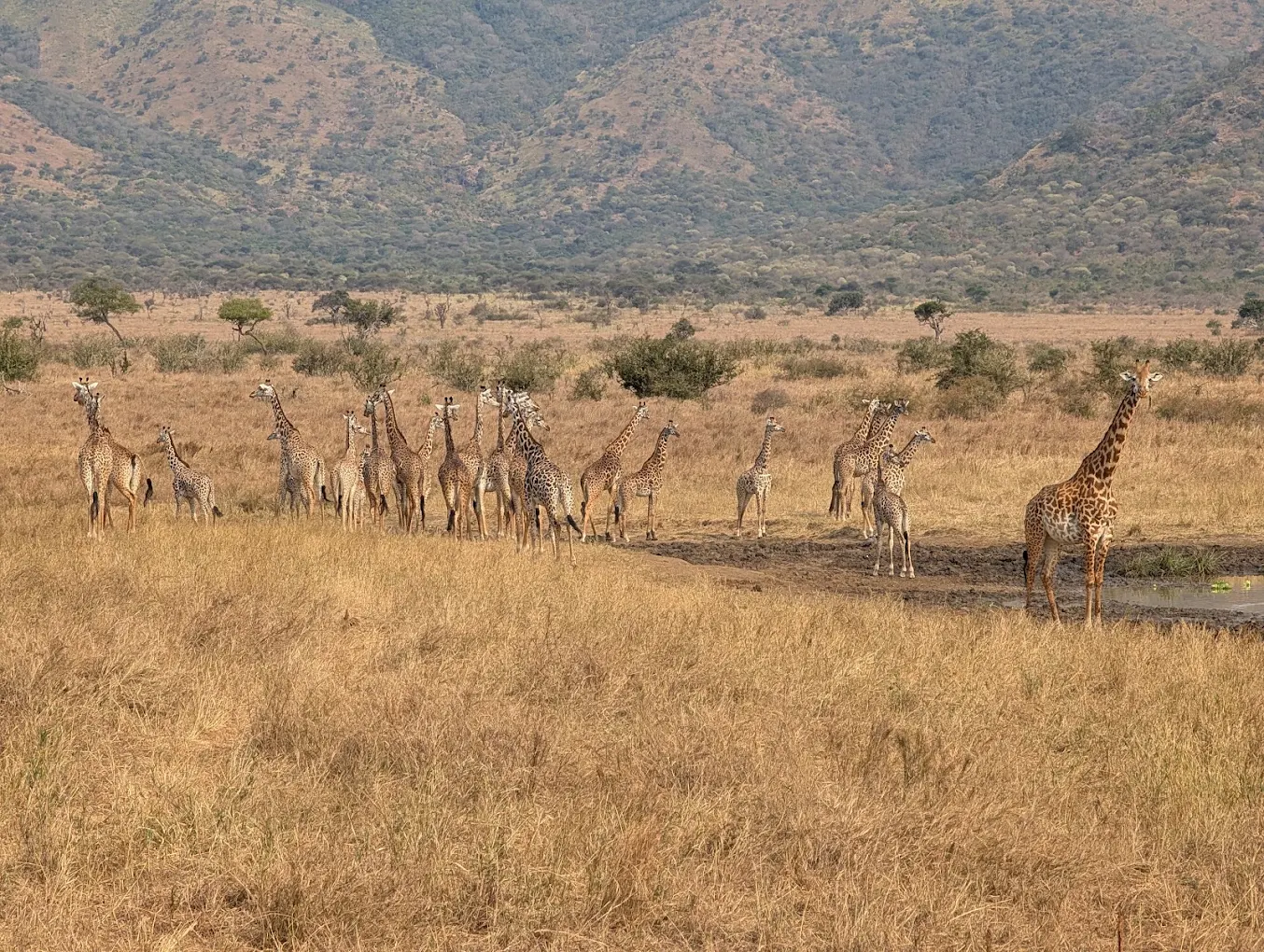
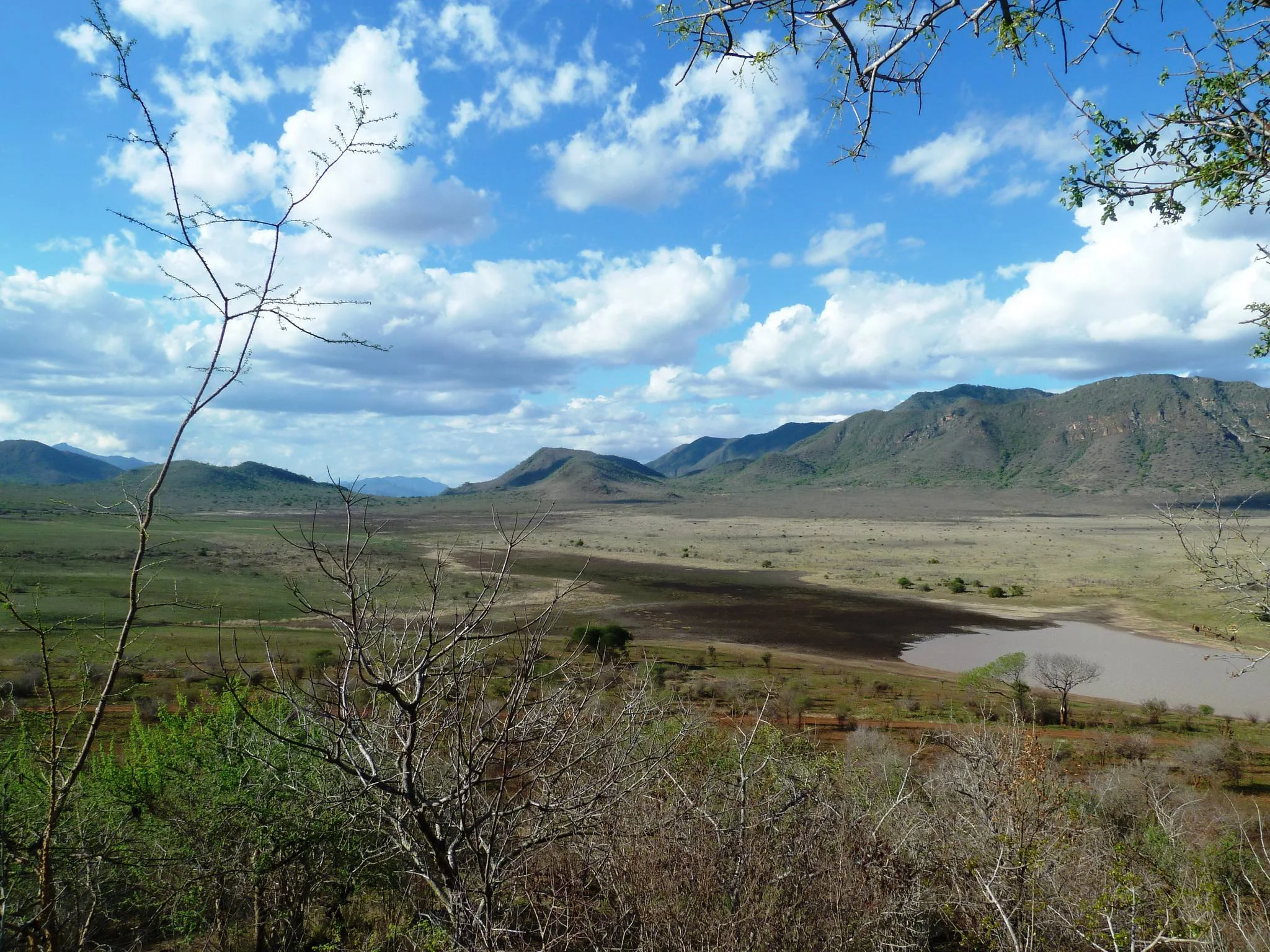
Mkomazi National Park offers a different side of a Tanzania safari: broad mountain views, dry-country wildlife and a strong conservation story, away from the busiest northern safari routes. The park lies in northeastern Tanzania, close to Same, with the Pare and Usambara mountain landscapes shaping its surroundings. Along the Kenyan border it connects with the wider Tsavo ecosystem, making it part of an important cross-border landscape for wildlife. Open grassland, thorny bush, wooded valleys and scattered baobabs give each drive a varied sense of place. The park is particularly associated with the conservation of eastern black rhinos and African wild dogs. This work is a major reason to include Mkomazi in an itinerary, but it needs to be understood accurately. A rhino sanctuary experience is a managed visit, with its own access arrangements, timing and charges. It should be confirmed before travel rather than assumed to be included in an ordinary park game drive. African wild dog conservation is also part of Mkomazi’s story; sightings in the wider park or access to any conservation facility depend on current arrangements and cannot be promised. Game drives explore a landscape well suited to patient observation. Giraffes, zebras, elephants, buffaloes and several antelope species occur in the park, with sightings influenced by rainfall, vegetation and where wildlife moves on the day. Look beyond the familiar safari animals for dry-country specialists such as fringe-eared oryx, gerenuk and lesser kudu. These species make the park especially rewarding for travellers who enjoy the detail of an ecosystem rather than counting only the most famous animals. Predators can be elusive, so allow time and let your guide choose routes according to conditions. Birdwatching adds another layer to the visit. Woodland edges, open country and areas around water offer different habitats, and a pair of binoculars helps turn quieter stretches of a game drive into productive birding time. Photographers can work with the contrast between wildlife, thorn trees, wide skies and mountain backdrops. When the air is clear, distant views may include Kilimanjaro, although cloud and visibility determine what can be seen. Expect dust, changing light and long stretches of landscape rather than a guaranteed succession of close animal encounters. The generally drier months from June to October are a practical choice for game viewing and travel on park tracks. As vegetation thins and water becomes more limited, wildlife can be easier to locate, though no season guarantees sightings. The greener months bring fresh growth, more dramatic skies and good opportunities to focus on birds and scenery. During heavier rains, some routes may be slow or unsuitable, so a flexible programme and a capable safari vehicle matter more than a fixed checklist of stops. A carefully planned day visit can work from Same or the Moshi area, particularly when the sanctuary arrangements are confirmed in advance. One or two nights allow a less hurried rhythm, with more time for game drives, birding and the conservation visit. Arusha departures need a realistic allowance for the longer road journey. Travellers continuing towards the Usambara Mountains or the coast can use Mkomazi as part of a broader route, with each transfer planned around the actual overnight locations. Accommodation may be arranged in or around the park, depending on current availability and the style of trip. Confirm the chosen camp or lodge, meal arrangements and travel time to the entrance before booking. Bring sun protection, drinking water, binoculars, practical walking shoes and a layer for cooler mornings. Walking, hiking or other special activities must be authorised and arranged with the appropriate park team; independent walks in wildlife areas are not part of a standard visit. TanzaLux can build an itinerary that balances wildlife viewing, conservation learning and travel time, with park entry, sanctuary charges, accommodation and optional activities clearly set out in the quotation.
March to May commonly brings the main rains. Vegetation becomes greener and scenery can be striking, while wet tracks may restrict routes or increase driving times. Wildlife can disperse as water becomes more available, making game viewing less predictable. Keep the itinerary flexible, use a suitable safari vehicle and confirm road access and sanctuary arrangements shortly before travel. Accommodation prices and operating dates vary; lower costs should not be assumed.
November and December often bring short rains, fresh vegetation and changing skies. January and February can offer a useful warmer interval between rainy periods, although conditions vary each year. These months can suit birdwatching and landscape photography, with game drives planned around current track conditions. Water and vegetation influence where animals are found. Confirm special activities and sanctuary visits independently of the general season.
June to October is a popular dry-season window for game viewing. Thinner vegetation and more limited water can make animals easier to locate, and park tracks are often more manageable. Early mornings can feel cool, with warmer afternoons and dust later in the season. Carry a light layer, water and protection for cameras. Mkomazi usually receives fewer visitors than the best-known northern parks, but quiet conditions and wildlife sightings are never guaranteed.
The main road approach to Mkomazi National Park is through Same, on the highway linking the Arusha–Moshi area with northeastern Tanzania and the coast. Arrange the correct entrance and park route with your guide before departure. The final approach and internal tracks require a vehicle suited to safari conditions, especially after rain. Kilimanjaro International Airport is a practical arrival point for an itinerary beginning in Moshi or Arusha. From there, continue by road towards Same and the park. As planning estimates, allow roughly 2–3 hours from Moshi or 3–4 hours from Arusha to the main access area, with additional time for stops, traffic, the chosen gate and your accommodation. These are estimates rather than guaranteed transfer times. Travellers approaching from the Usambara Mountains, Tanga or another coastal base should have the road journey calculated from their actual hotel. A day trip is easiest when the starting point, game-drive route and sanctuary appointment fit together without rushing. An overnight stay can make the visit more relaxed. Charter access to park airstrips may be possible by arrangement; confirm the operational airstrip, landing permission, flight availability and onward vehicle transfer before treating a flight as part of the itinerary. Carry the identification and booking details requested for park entry. Confirm park fees, vehicle charges, guiding, rhino sanctuary access, meals, accommodation and any walking or camping permissions in advance. A sanctuary visit may use specific vehicles, guides or procedures, so agree the current requirements rather than arriving with assumptions. Depart in time to meet the applicable entry and exit rules, and follow your guide’s instructions around wildlife.
Mkomazi is in northeastern Tanzania, in the Kilimanjaro and Tanga regions, close to Same. It borders Kenya’s Tsavo ecosystem and fits well into an itinerary linking Moshi or Arusha with the Usambara Mountains or the coast.
It is especially associated with black rhino and African wild dog conservation, dry-country antelope and scenic mountain surroundings. A visit can combine game drives with a separately arranged rhino sanctuary experience.
No. Plan rhino viewing as a managed sanctuary visit and confirm its availability, schedule and charges before travel. A normal game drive through the wider park should not be sold as a guaranteed rhino encounter.
Ask TanzaLux to confirm the current visitor programme with the park team before your safari. Agree the timing, transport arrangements, guide requirements and additional charges. Access and operating procedures can change.
African wild dogs are part of Mkomazi’s conservation story, but seeing them in the wider park is not guaranteed. Any visit to a conservation facility must be specifically confirmed as available; it should not be assumed to be open to every visitor.
The park supports giraffes, zebras, elephants, buffaloes and antelope, including fringe-eared oryx, gerenuk and lesser kudu. Predators also occur but can be difficult to find. Sightings vary with the route, weather, vegetation and animal movement.
Do not plan Mkomazi around a promise to see all five. Several iconic large mammals occur, but predators can be elusive and rhino viewing requires sanctuary arrangements. Enjoy the park’s landscapes, specialist antelope and conservation experience as well.
June to October is generally a practical dry-season choice for game viewing and driving conditions. Greener months can be rewarding for birds and scenery. The best dates depend on your priorities, current rainfall and the availability of any special visit.
It can be, especially for greener scenery and birdwatching. However, wet tracks may affect which routes can be used and animals may be more dispersed. Allow flexibility, use a suitable vehicle and check access shortly before travel.
A full day can cover a focused introduction when transfers and sanctuary timing are well planned. One or two nights allow more time for game drives, birds and a slower pace. The right duration depends on your starting point and onward route.
Yes, with an early start and a realistic plan. Allow for the road transfer, entry formalities, game driving and any sanctuary appointment. If conservation viewing is your priority, confirm that appointment before fixing the day-trip schedule.
It is possible, but the longer road transfer leaves less time in the park. An overnight stay or a visit on the way to another destination can offer a more comfortable pace. Agree a realistic itinerary based on your hotel and intended activities.
Kilimanjaro International Airport is a practical choice for an itinerary starting around Moshi or Arusha. Continue by road towards Same and Mkomazi. Charter flights to a park airstrip require advance confirmation of landing arrangements and a safari vehicle transfer.
Yes. Its grassland, thorn bush, woodland and water-associated habitats provide varied birding opportunities. Bring binoculars and tell your guide if birds are a priority so the route and pace can reflect your interests. Seasonal visitors and weather influence what is seen.
They may be arranged where currently authorised, with the appropriate park ranger or guide and any required permission. Availability should be confirmed before booking. Visitors must not leave the vehicle for an independent walk in wildlife areas.
Overnight arrangements can be made in or around the park, subject to current availability. Camping must use an approved site with the necessary booking and permissions. Confirm your specific accommodation, meals, facilities and travel time to the gate before payment.
Families can enjoy the game drives, scenery and conservation learning, with a programme adapted to children’s ages and attention spans. Discuss transfer length, accommodation, sanctuary rules and any activity age restrictions in advance. Children must remain supervised around wildlife.
Bring binoculars, a camera, sun protection, drinking water, comfortable closed shoes and a layer for cooler mornings. Protect electronics from dust and add a rain layer in wetter months. Pack any personal essentials required for a longer day away from shops.
The total depends on current park tariffs, visitor category, vehicle and guide, transfer distance, accommodation and optional sanctuary or other activity charges. Request an itemised TanzaLux quote for your dates and group rather than relying on an old online park fee.
Mkomazi can be combined with Moshi or a Kilimanjaro itinerary, the Usambara Mountains and a coastal extension. It can also be added to a wider northern safari with enough transfer time. Confirm the road route and overnight stops so the combination does not become rushed.
Grateful experience
As a solo female traveler, I felt super safe and well taken care of the entire time.
Read morePrivate Safari 6 days
I can only highly recommend the young company Tanzalux for organizing a private safari.
Read moreAn unforgettable vegetarian journey with Tanzalux Safaris
I highly recommend Tanzalux for anyone wanting a special, personalized safari.
Read moreOur 3-day camping safari with Tanzalux was simply fantastic! Everything was perfectly organized.
Read moreBack in April, I joined a day trip to Tarangire National Park with Tanzalux Safaris, and it was truly one of the best experiences I have ever had…
Read moreI've had an amazing experience with Tanzalux Safaris, would 1000% recommend! Thank you for making my trip so special🫶
Read moreI recently visited Meru Waterfalls in Arusha and got to do some of the activities there, honestly it was such a great experience and I really enjoyed it.
Read moreOur guide Dullah Mr Rastaman had the best vibe. I would like to recommend other people not to miss it, Tarangire is the best national park.
Read moreOur tour guide Nasri was very friendly and welcoming from the first day we met him. He knows Tarangire very well and explained many things during the safari.
Read moreAs a grandmother in the group, I would like to share my happiness with Tanzalux Safaris. Me, my daughters, and my grandson went on a short trip to Tarangire National Park…
Read moreReceive a free, no obligation quote

 Western Circuit
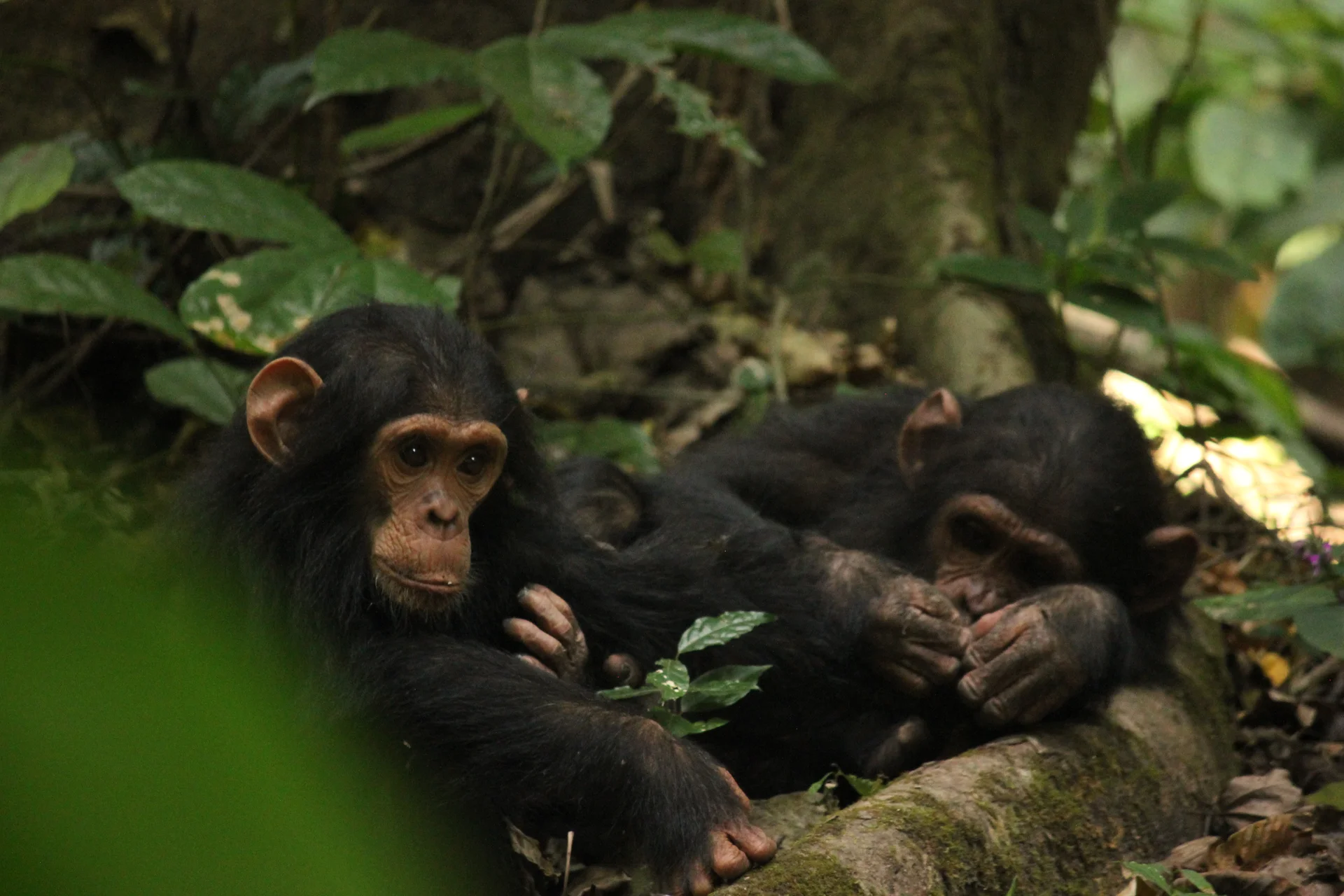
Gombe Stream National Park, also known as Gombe National Park, combines wild chimpanzee trekking with forested hills and the shores of Lake Tanganyika. In Kigoma…
Wildlife
Chimpanzees & Olive baboons
Landscape
National Parks & Safari
Highlights
Wild chimpanzee trekking with park rangers
 Southern Circuit
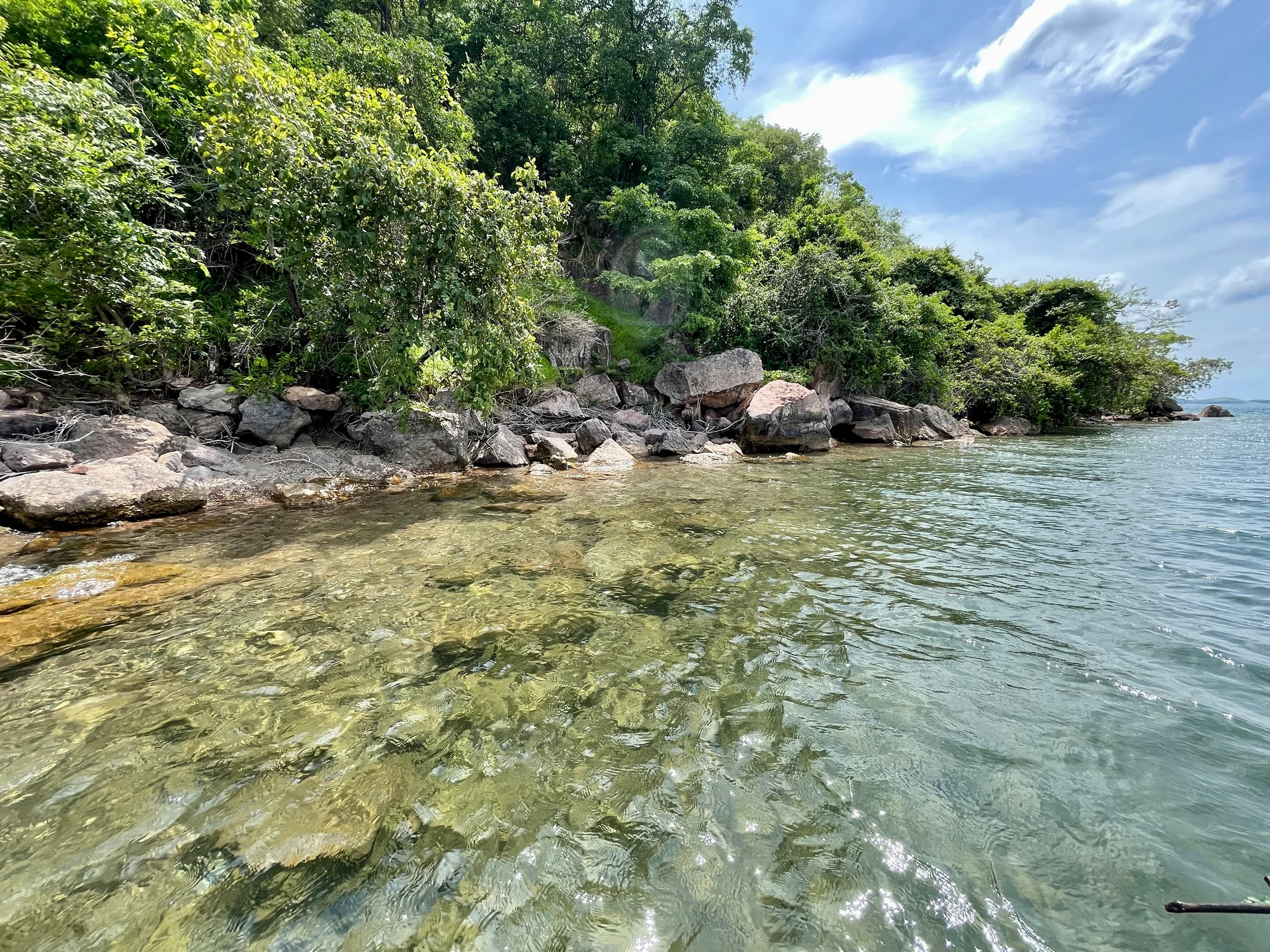
Lake Tanganyika offers a striking freshwater setting along Tanzania’s western frontier: broad blue horizons, wooded shores, bays, beaches and communities whose daily life is closely…
Wildlife
Endemic cichlid fish & Other freshwater fish
Landscape
Lakes & Hot Springs
Highlights
Africa’s deepest freshwater lake in the East African Rift
 Northern Circuit
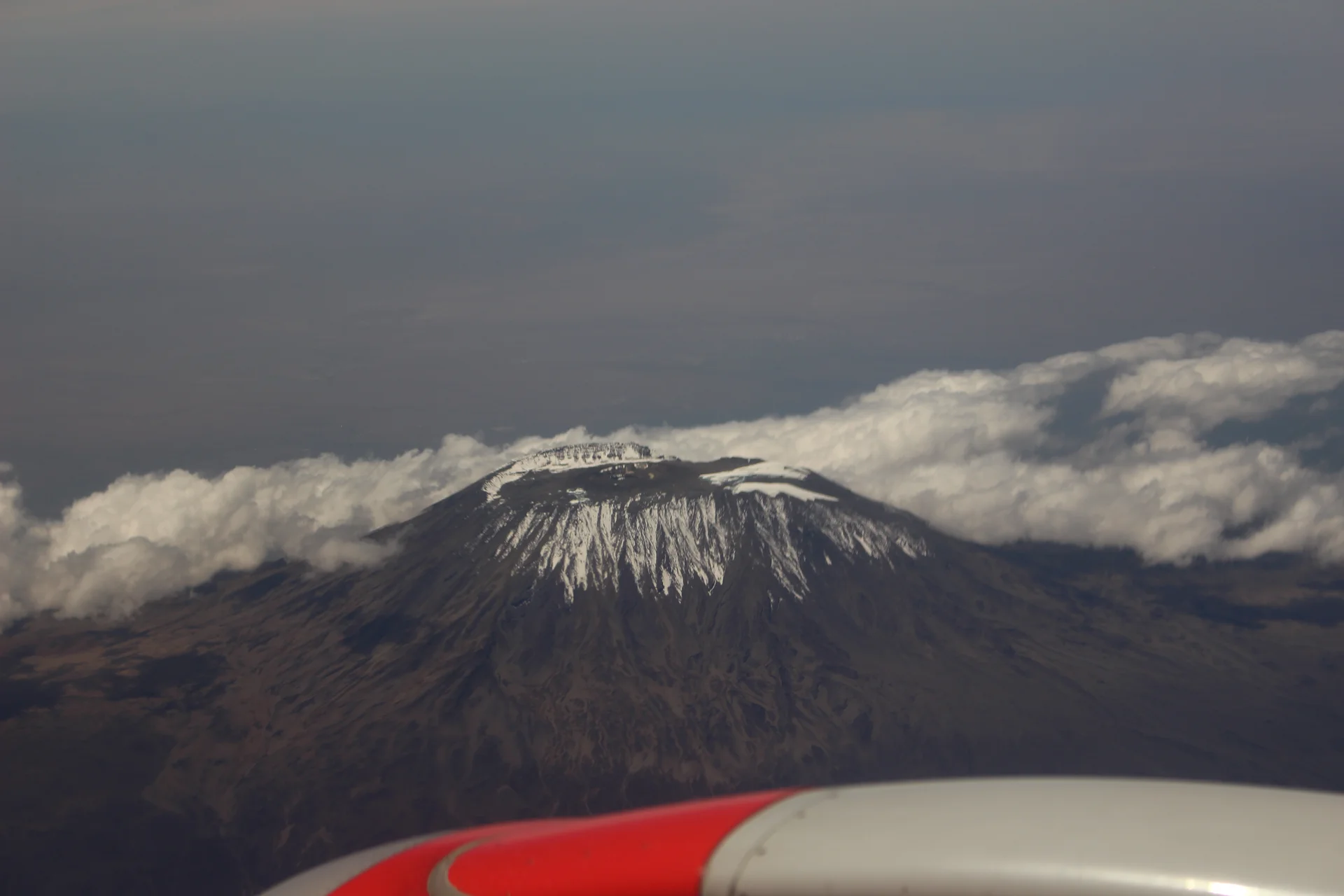
Kilimanjaro rises above northern Tanzania’s plains to Uhuru Peak at 5,895 metres, the highest point in Africa. Its volcanic massif, dramatic changes in vegetation and…
Wildlife
Black-and-white colobus monkeys in forest habitats & Blue monkeys in forest habitats
Landscape
Mountains & Trekking
Highlights
Uhuru Peak at 5,895 metres — Africa’s highest point
 Western Circuit
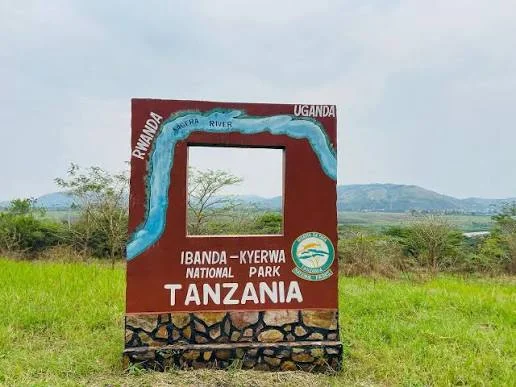
Ibanda-Kyerwa National Park protects a scenic corner of northwestern Tanzania, where the Kagera River meets a landscape of savanna, wooded slopes, valleys and wetlands. Situated…
Wildlife
Buffalo & Roan antelope
Landscape
National Parks & Safari
Highlights
Kagera River scenery on Tanzania’s northwestern border
 Zanzibar & Islands
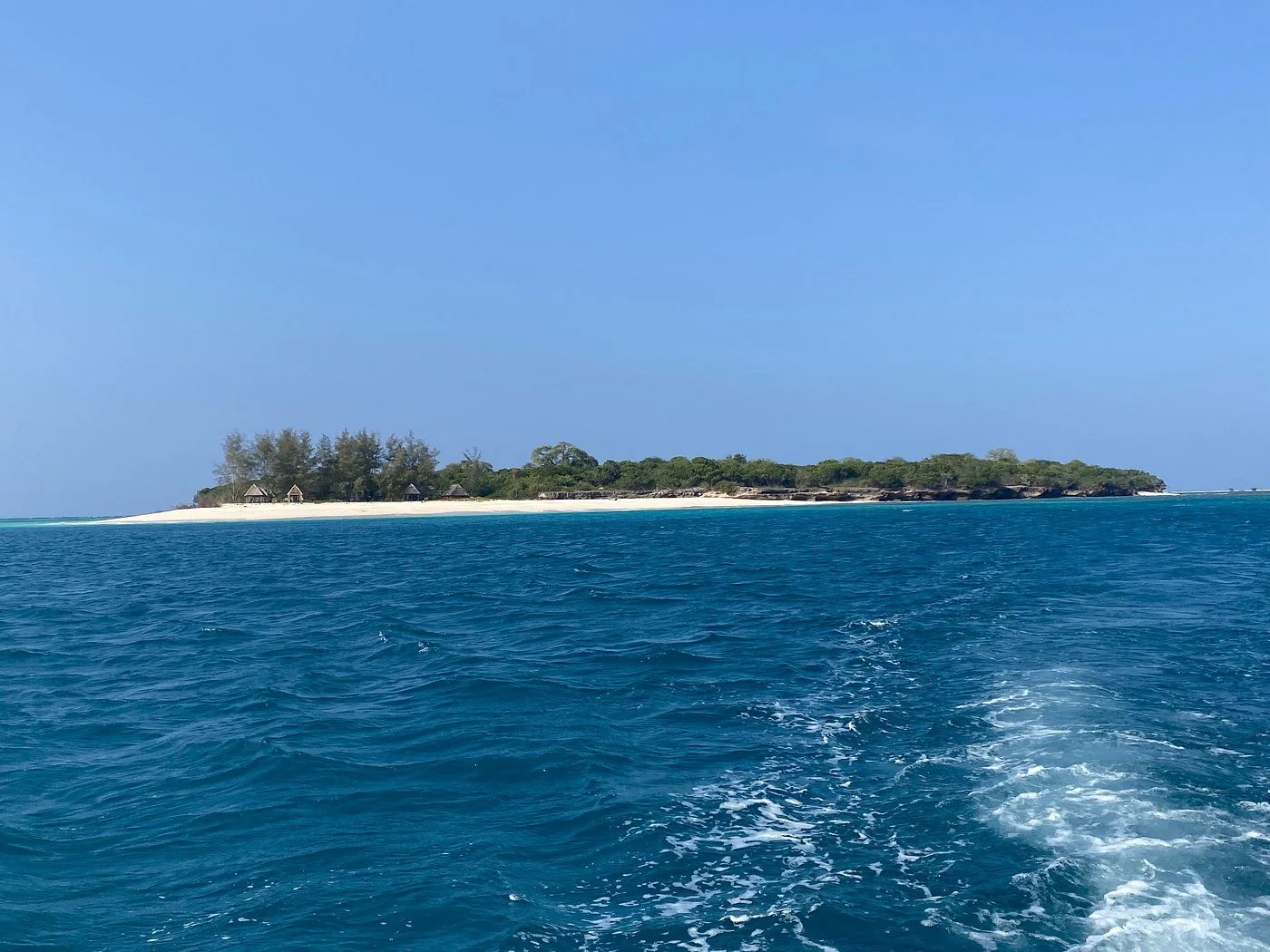
Sinda Island Marine Reserve offers an Indian Ocean escape off Kigamboni, on the southern side of Dar es Salaam. The reserve encompasses Inner and Outer…
Wildlife
Reef fish & Coastal birds
Landscape
Beaches & Islands
Highlights
Inner and Outer Sinda islands
 Northern Circuit
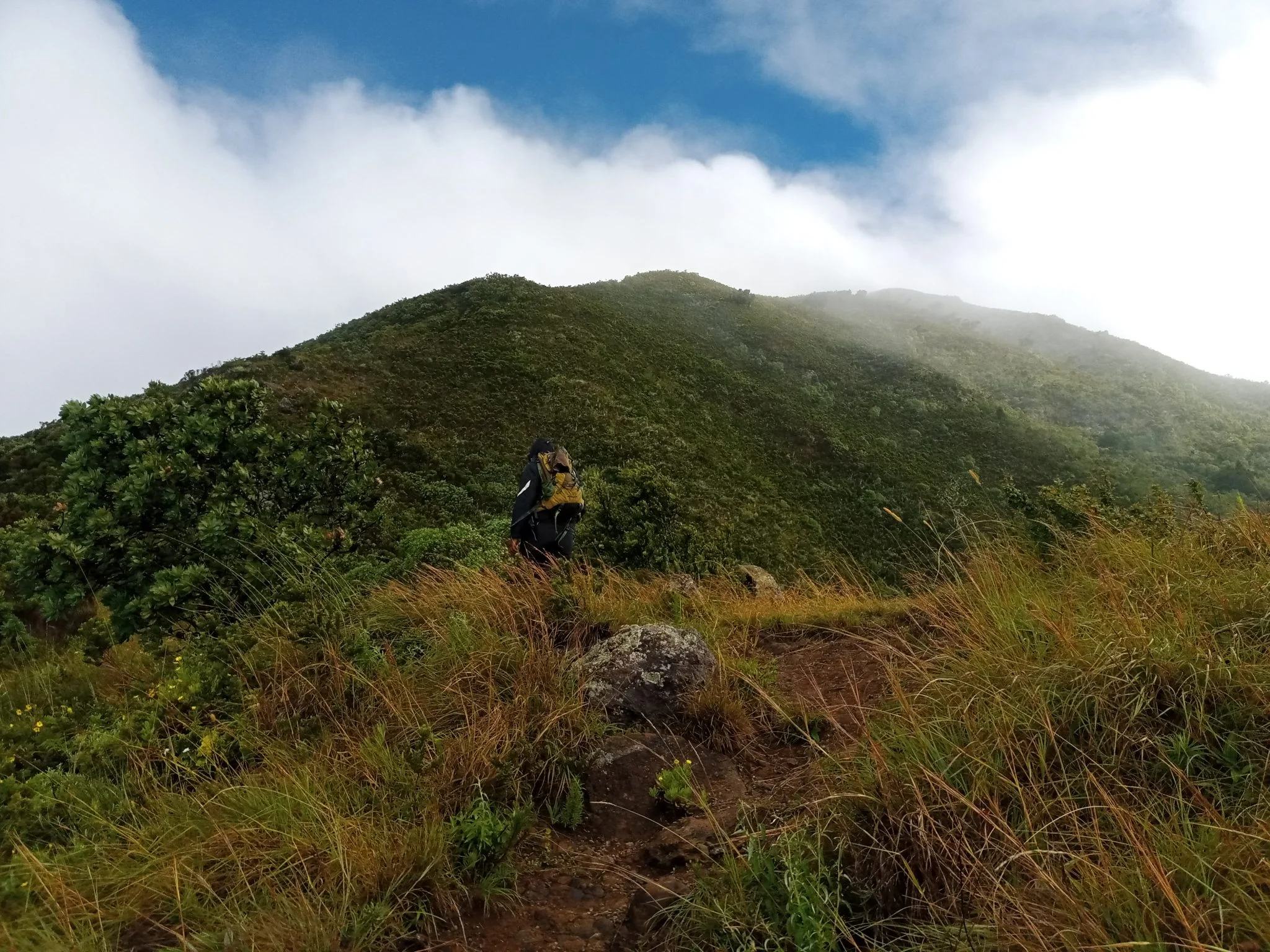
Discover Mount Hanang Rising above Katesh in Tanzania’s Manyara Region, Mount Hanang offers a rewarding mountain adventure beyond the familiar northern safari circuit. At approximately…
Wildlife
Klipspringer & Vervet monkeys
Landscape
Mountains & Trekking
Highlights
Approximately 3,423 metres — Tanzania’s fourth-highest mountain