 5.0 Excellent

Dorine M1 year ago

Grateful experience
As a solo female traveler, I felt super safe and well taken care of the entire time.
Read more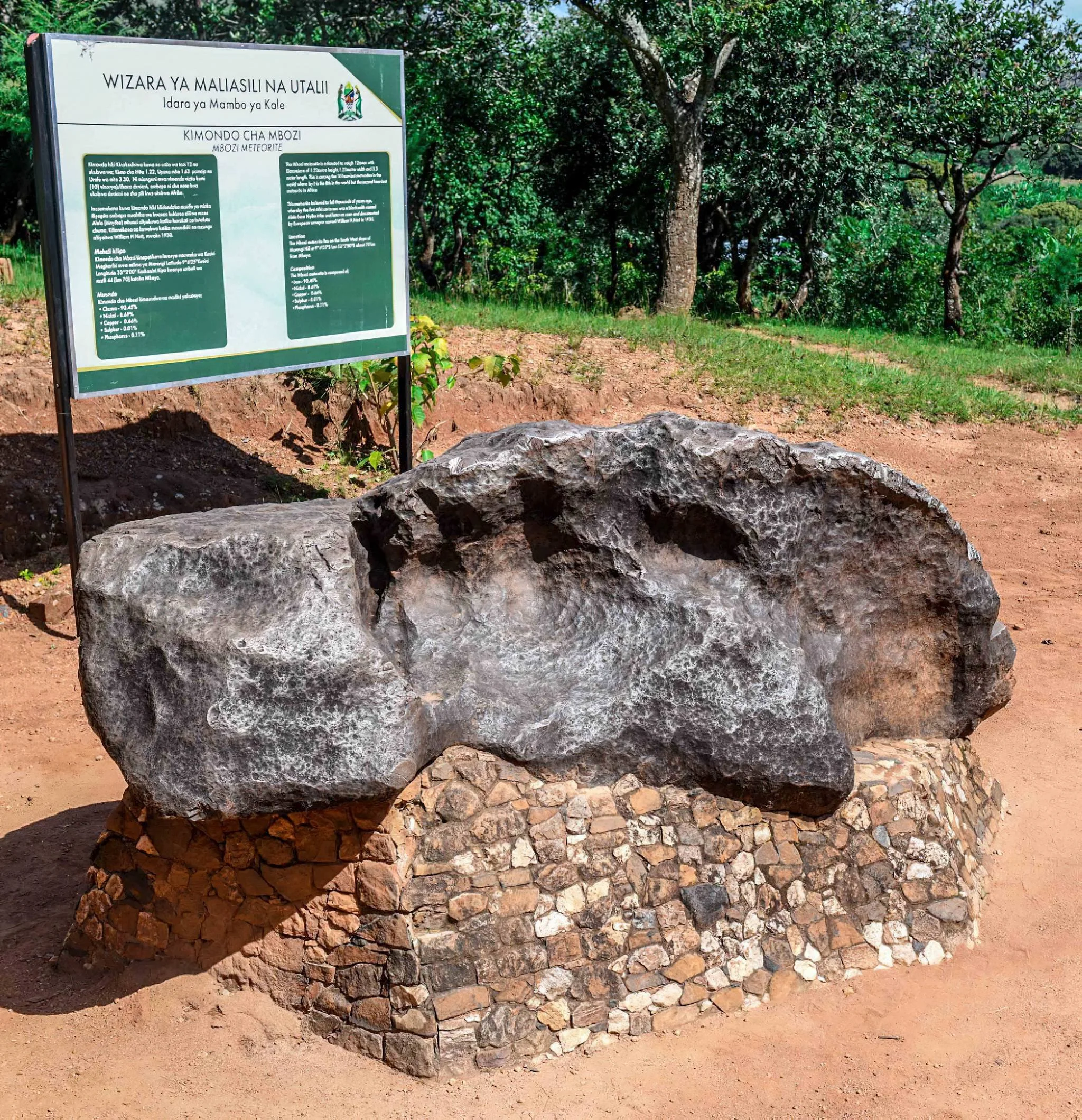
Southern Circuit
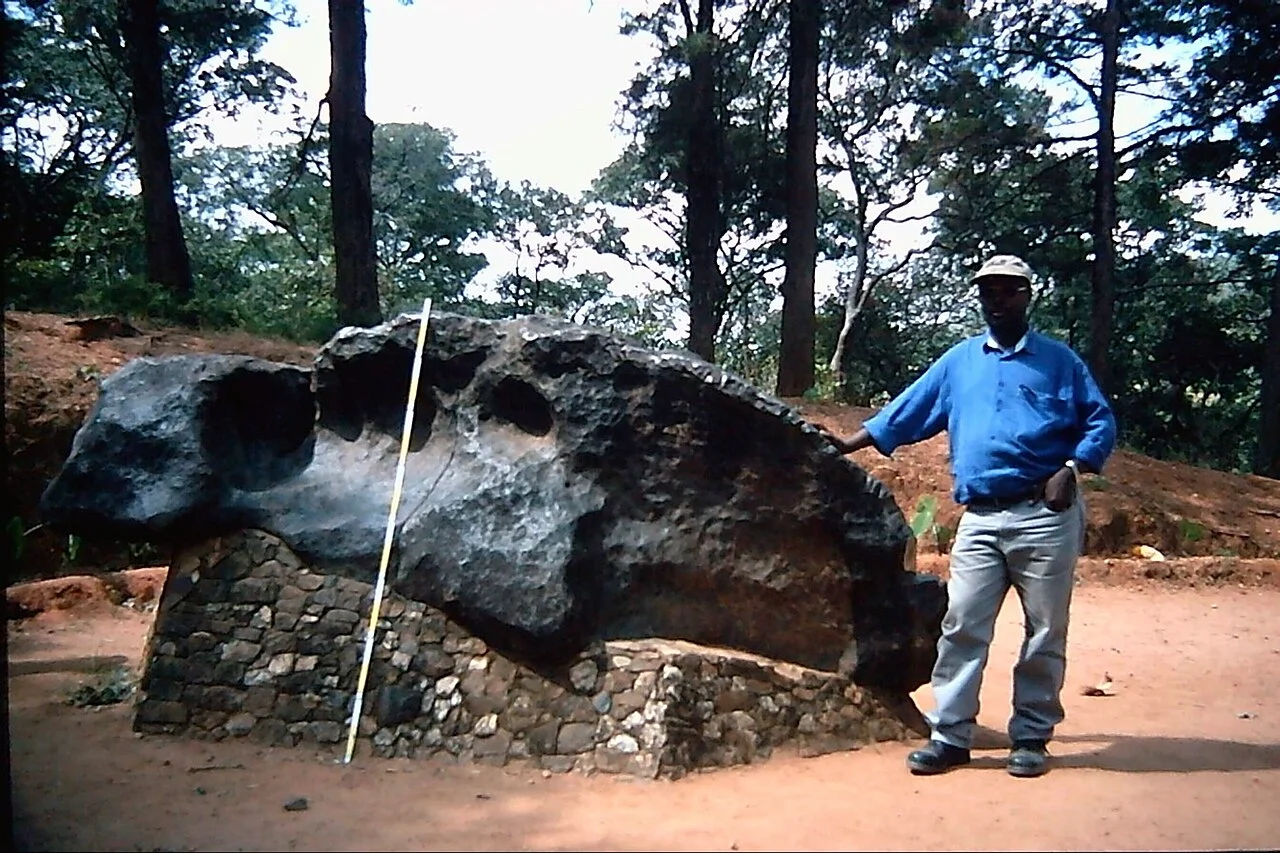
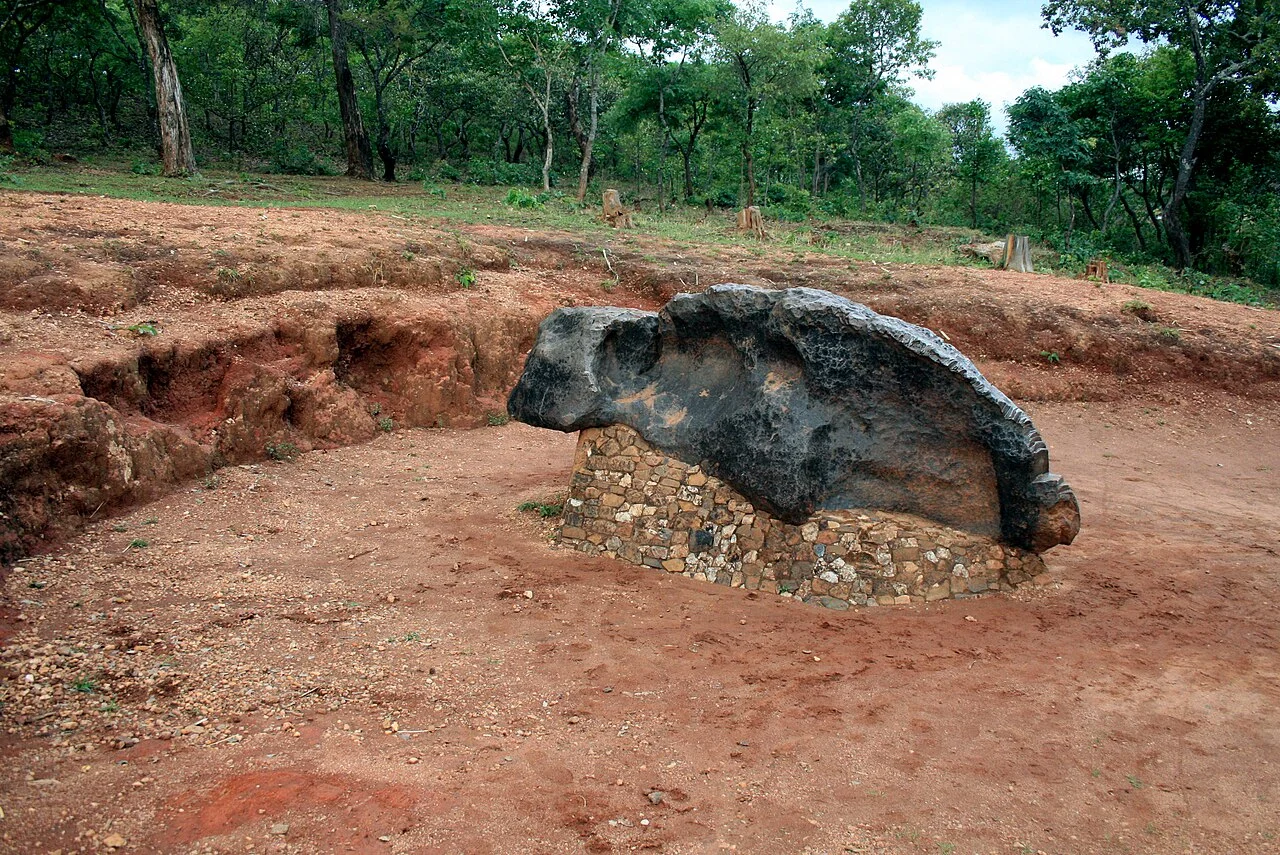
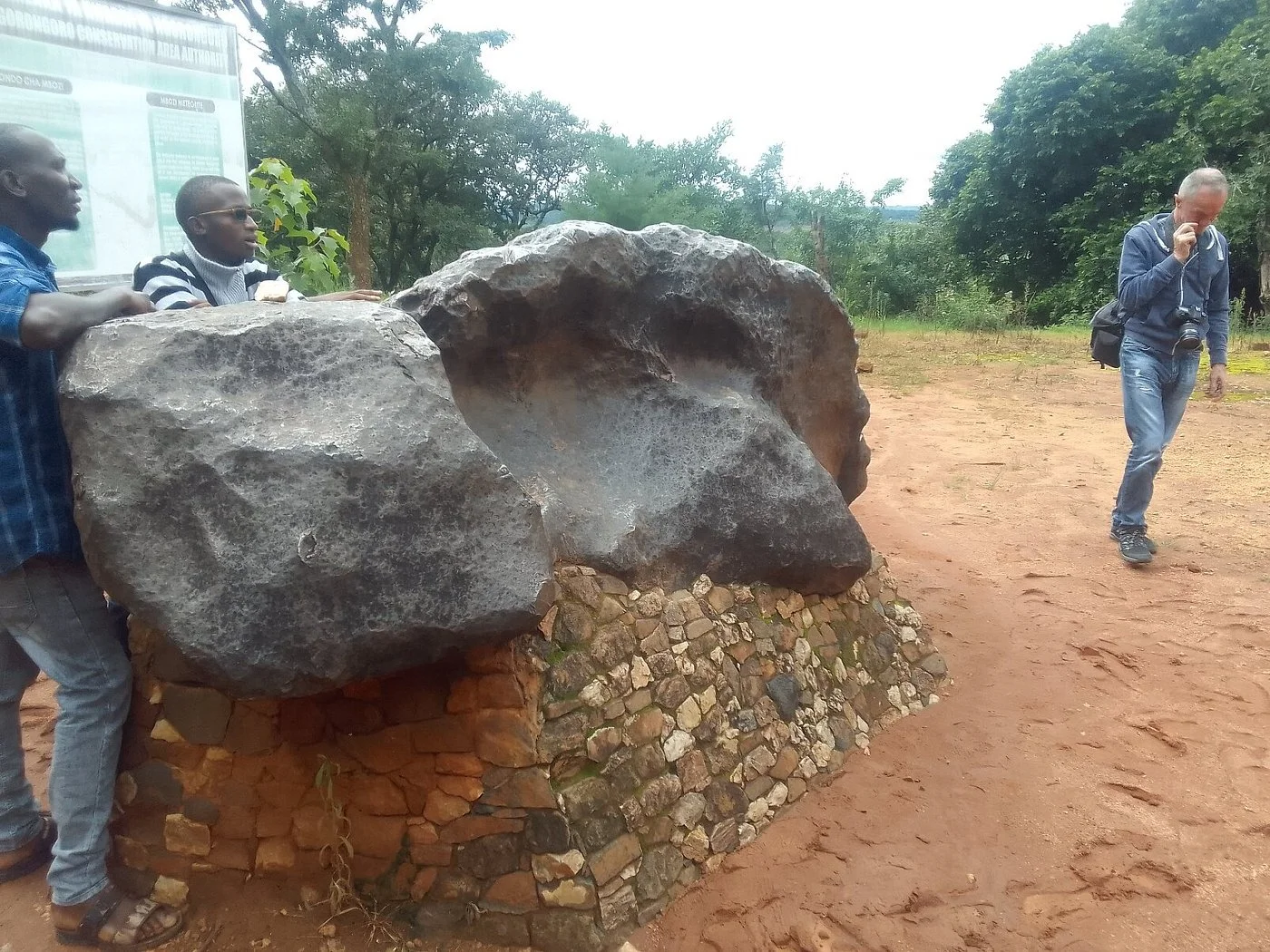
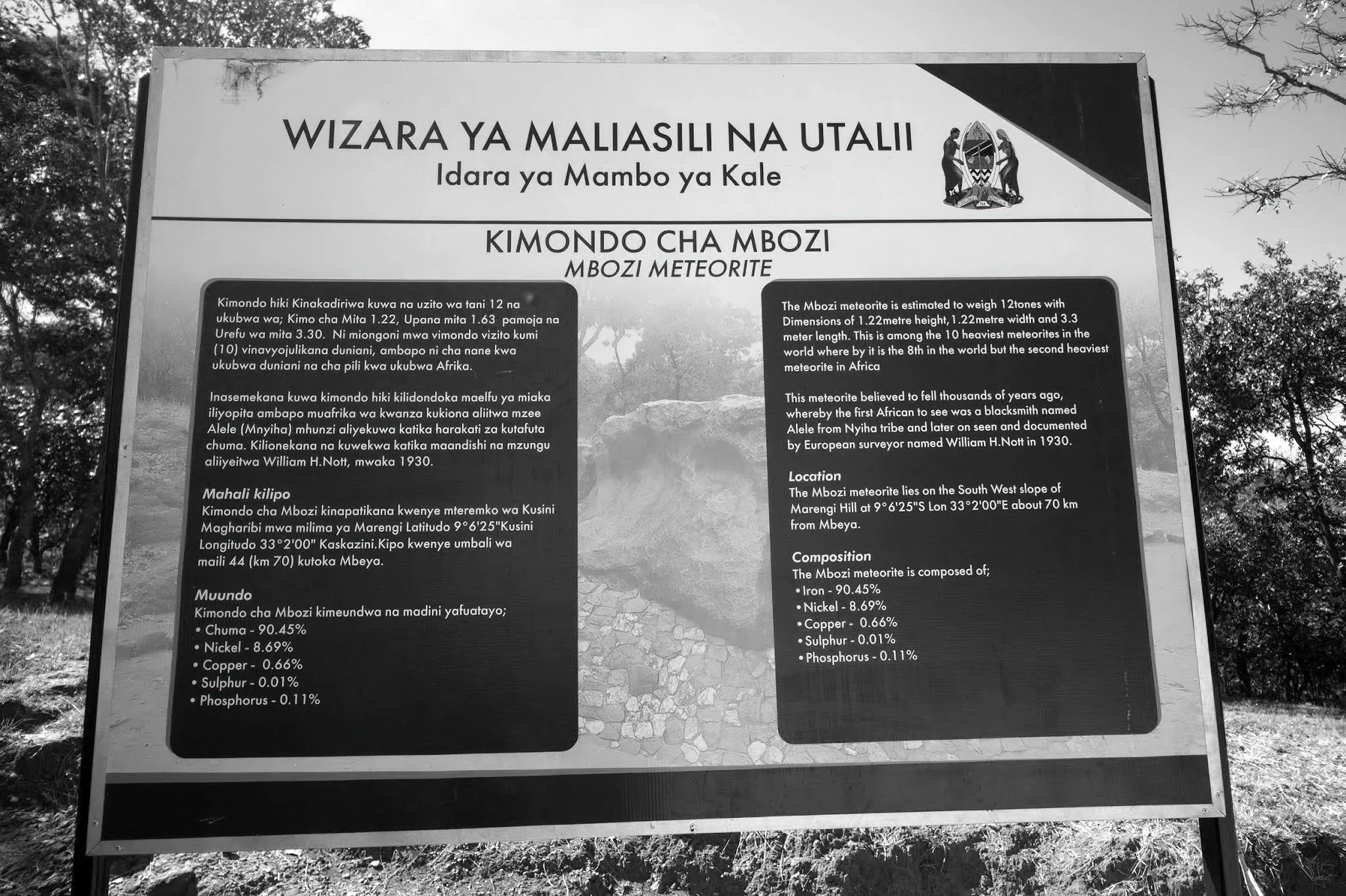
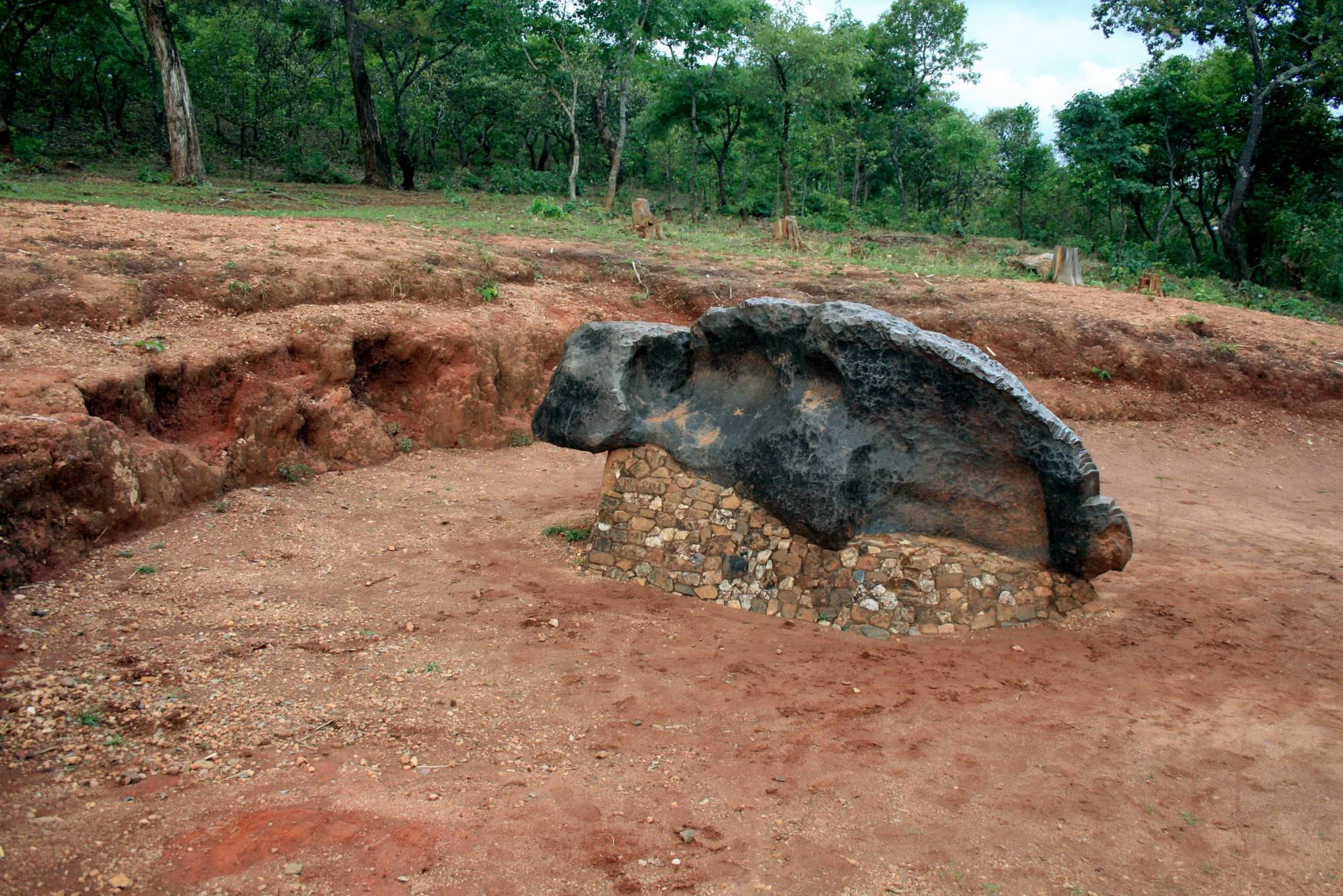
Mbozi Meteorite: a remarkable encounter with a visitor from space Mbozi Meteorite offers a different perspective on a journey through Tanzania’s Southern Highlands. Here, the central attraction is a substantial mass of iron from beyond Earth, preserved as a geological heritage landmark in a rural Tanzanian setting. Seeing the meteorite at close range makes a subject usually encountered in books or museum cases feel immediate: its irregular shape, considerable scale and textured surface invite questions about space, time and the history of our planet. Known locally as Kimondo cha Mbozi, the site is in Mbozi District, Songwe Region, around Ndolezi, near the wider Vwawa area. Older descriptions often associate it with Mbeya, which remains a useful regional travel base, but the destination’s current administrative region is Songwe. A visit suits curious travellers, families, students, photographers and anyone building an itinerary around Tanzania’s science and heritage as well as its scenery. What makes the meteorite significant? The scientific catalogue records the object under the official name Mbosi and classifies it as an ungrouped iron meteorite. Visitors will commonly see the spelling Mbozi in Tanzanian destination information; these names refer to the same meteorite. Iron meteorites are rich in metal, and Mbozi is predominantly iron with nickel and smaller amounts of other elements. Its appearance and composition distinguish it from an ordinary local rock. Published mass estimates differ. The Meteoritical Bulletin Database lists 16 tonnes, while tourism descriptions often quote about 25 tonnes. These figures should not be treated as a single precise, recently verified weight, and this page avoids a definitive world-size ranking. The secure visitor takeaway is its impressive many-tonne scale. Tourism information describes it as approximately three metres long, but an approximate dimension is more appropriate than a promise of an exact measurement. Understanding the journey from space A useful starting point is the difference between a meteoroid, a meteor and a meteorite. A meteoroid is material travelling in space. The luminous phenomenon produced during atmospheric entry is a meteor, commonly called a shooting star. Material that survives to reach the ground is a meteorite. Mbozi is therefore a surviving physical object, rather than an ongoing display of lights in the sky. This simple explanation opens a rewarding conversation about how scientists study materials from beyond Earth. Ask your guide how composition, structure and documented samples help researchers distinguish meteorites from terrestrial rocks. Do not assume that all meteorites are iron, or that every dark stone is a meteorite. Scientific identification involves evidence; a visitor photograph or a test performed without permission is not an appropriate substitute. A recorded find, not a witnessed fall The scientific record gives 1930 as Mbozi’s find year and records that its fall was not observed. This is an important distinction: it does not mean that the meteorite arrived in 1930. Its exact fall date should be treated as unknown. Local knowledge of the object preceded its wider scientific reporting, so a good interpretation acknowledges the community’s relationship with the landmark as well as the catalogue entry. Avoid turning an uncertain history into a dramatic but unsupported account of a dated impact, a particular eyewitness or a vanished crater. The meteorite itself is compelling enough. A thoughtful visit can explore what is documented, what remains uncertain and how scientific understanding develops. Local stories may form part of cultural interpretation, but they should be clearly distinguished from measured or independently established facts. A protected heritage visit Mbozi is a protected Tanzanian heritage monument, with protection documented in 1967. Its value lies in preserving the meteorite and the setting for future visitors and research. Follow current staff instructions, barriers and visitor rules. Do not climb on the meteorite, scratch its surface, remove fragments or attempt sampling. Ask before touching anything, and remember that a pose shown in an older photograph is not evidence of today’s permitted behaviour. Arrange guiding and access before travelling. Current interpretation facilities, exhibits, visitor services and group arrangements should be confirmed with the site. The attraction is the actual meteorite; do not assume that a planetarium, laboratory, telescope session or extensive museum display is included. A knowledgeable explanation can make the visit valuable without those additional facilities. What to do during the visit Begin with an introduction to the site and an overview of the meteorite. From the permitted viewing area, observe its outline, surface and scale. Take time to compare what you see with the scientific explanation. Photography can record both the wider setting and details of the object, but avoid leaning on structures, stepping into restricted areas or obstructing other visitors. Ask permission before photographing staff or members of the local community. For children and school groups, prepare a few simple questions: What is the difference between a meteor and a meteorite? Why do scientists study metal from space? Why is the find year different from the fall year? Which observations can be made without touching the object? These prompts encourage learning through careful observation. Arrange an age-appropriate introduction and supervision plan in advance rather than assuming a scheduled education programme is available. Access from Mbeya, Vwawa and Songwe Mbeya and Vwawa can be practical bases, depending on the rest of your route. Tourism information places the attraction off the Mbeya–Tunduma road, with a local approach towards Ndolezi. Confirm the current turn-off, final road condition, meeting point and parking arrangements before departure. Do not use the distance along the main highway as a complete estimate of the visit’s transfer time. A pre-arranged road transfer is useful when timing matters, especially for families or travellers linking the visit with another destination. If using public transport, confirm the connection for the final local section and a reliable return option. Keep enough daylight for the journey back. Flight schedules, station connections and vehicle requirements should be checked for your specific travel dates rather than treated as fixed year-round services. Seasonal planning and comfort The meteorite does not have a wildlife migration or flowering season, so timing is mainly about road access, weather and your wider itinerary. The Southern Highlands generally have a wetter period around November to April and a drier period around May to October. During rains, request an update on the local approach and walking surfaces. Drier conditions can simplify travel, but dust and exposed sunshine still need consideration. Wear comfortable shoes and bring drinking water, sun protection and a light layer appropriate to the day’s forecast. A compact rain jacket is useful in unsettled weather. Check toilets, refreshments and other facilities beforehand, particularly for groups. Visitors with limited mobility should request specific details about the route from the vehicle to the viewing area, surface conditions, steps and assistance. Photos alone cannot establish accessibility. Combining Mbozi with a Southern Highlands journey The site can provide a memorable science and heritage stop within a broader stay around Songwe and Mbeya. Pair it with separately arranged countryside or cultural visits if they fit the route and community arrangements. Coffee-related experiences, highland walks and other attractions need their own confirmation; they are not automatically available at the meteorite site. A further extension to Kitulo National Park, the Mount Rungwe area or Lake Nyasa requires separate travel planning and additional time. Avoid packing distant attractions into a single rushed excursion. Let the meteorite visit have its own purpose, with a clear introduction and enough time for questions. Wildlife viewing is not the core attraction here; travellers seeking a dedicated safari should add an appropriate separate destination. Plan your Mbozi Meteorite visit with TanzaLux Share your starting point, dates, group size and interests with TanzaLux. Your itinerary can bring together suitable road transport, locally confirmed access, guiding and accommodation in the region. Ask for current fees, opening arrangements and included services in the proposal. With careful planning, Mbozi becomes more than a photograph of an unusual object: it is an engaging encounter with Tanzania’s heritage and a tangible connection to the wider solar system.
December–April: generally the wetter part of the Southern Highlands year. The meteorite remains the principal attraction, but rain may affect the final local approach and walking surfaces. Confirm access before setting out, carry rain protection and allow flexibility in regional transfers. Current conditions matter more than a fixed calendar rule.
May and November: useful transition periods to consider when arranging a broader highland itinerary. Rainfall timing varies, so request local road and site-condition advice. There is no special meteorite viewing season; choose dates around comfortable travel, confirmed visitor arrangements and your other destinations.
June–October: usually within the region’s drier period, often convenient for road travel and an outdoor heritage visit. Bring drinking water and sun protection, and check the forecast for highland temperature changes. Confirm visitor hours and guiding; the meteorite visit does not depend on a wildlife or astronomical event.
Plan a road visit to the Mbozi Meteorite site around Ndolezi in Mbozi District, Songwe Region. Mbeya or Vwawa can serve as a practical base depending on your itinerary. The regional approach is off the Mbeya–Tunduma road; confirm the correct local turn-off, final road surface, vehicle requirements and site meeting point with the current site staff or your organiser. Obtain a transfer estimate for your actual accommodation and travel date rather than relying on a fixed drive time. If arriving by air or other regional transport, confirm current schedules and arrange the onward road connection. Public-transport users need a verified last-section connection and a return plan. Arrange current access, guiding, opening hours, charges and group visits in advance. Check parking, toilets, refreshments and the walking route, especially for children or visitors with limited mobility. Leave enough daylight for the return journey.
It is in Mbozi District, Songwe Region, around Ndolezi in southwestern Tanzania’s Southern Highlands. Mbeya and Vwawa are useful regional reference points when planning access.
Older travel descriptions associate the site with the wider Mbeya area. The destination’s current administrative region is Songwe. Mbeya can still be a practical starting point for a road visit.
It is the local Swahili name commonly used for Mbozi Meteorite. Visitors may encounter both names in directions and destination information.
Yes. Mbosi is the official meteorite name in the scientific catalogue, while Mbozi is the spelling commonly used for the Tanzanian destination. They refer to the same object.
The scientific catalogue classifies Mbosi as an ungrouped iron meteorite. It is predominantly metal, including iron and nickel, rather than an ordinary local rock.
Published estimates vary. The Meteoritical Bulletin Database records 16 tonnes, while tourism information often quotes about 25 tonnes. Treat these as differing reported estimates; this page does not claim an exact recently verified weight or definitive size ranking.
Tourism descriptions give an approximate length of three metres. Its many-tonne mass and scale are part of the appeal. Approximate visitor descriptions should not be mistaken for precise survey measurements.
The scientific catalogue records 1930 as its find year. Local knowledge of the object preceded wider scientific reporting. The date should not be confused with the year it fell to Earth.
Its exact fall date is not established here. The catalogue records that its fall was not observed. Avoid interpreting 1930, the recorded find year, as a witnessed impact date.
A meteor is the luminous phenomenon associated with material entering the atmosphere. A meteorite is material that survives to reach the ground. Mbozi is a physical meteorite, not a continuing shooting-star display.
Yes. Mbozi is a protected Tanzanian heritage monument, with protection documented in 1967. Follow current visitor instructions and leave the meteorite and surrounding site undisturbed.
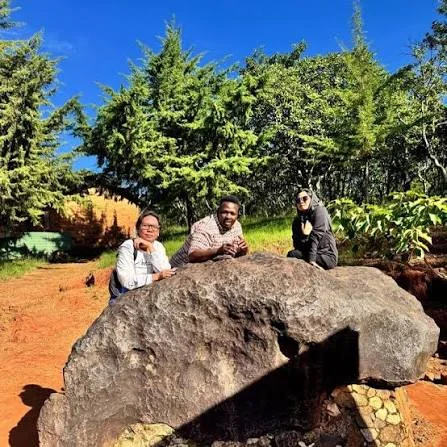
Do not climb, scratch, remove material or attempt sampling. Ask current staff whether any contact is permitted and follow their instructions. Older photographs showing contact do not establish today’s rules.
Arrange a road transfer from your base around Mbeya, Vwawa or elsewhere in the region. The approach is off the Mbeya–Tunduma road towards the Ndolezi area. Confirm the final route and current road condition before departure.
Drier months, generally May to October in the Southern Highlands, can simplify travel. The meteorite has no special seasonal event, so choose dates around current access, comfortable weather and your wider itinerary.
A visit may be possible with locally confirmed access. Rain can affect the final approach and walking surfaces, so check conditions, carry rain protection and allow flexible travel time.
It can be a rewarding educational visit for curious children and students. Arrange age-appropriate interpretation and group access in advance, supervise children and prepare simple questions about meteorites, evidence and heritage protection.
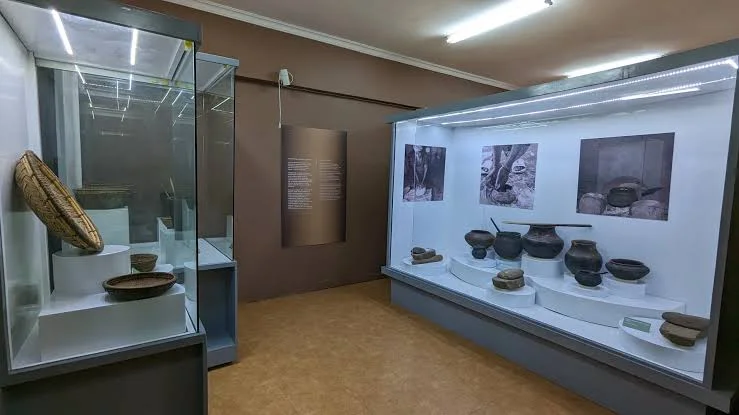
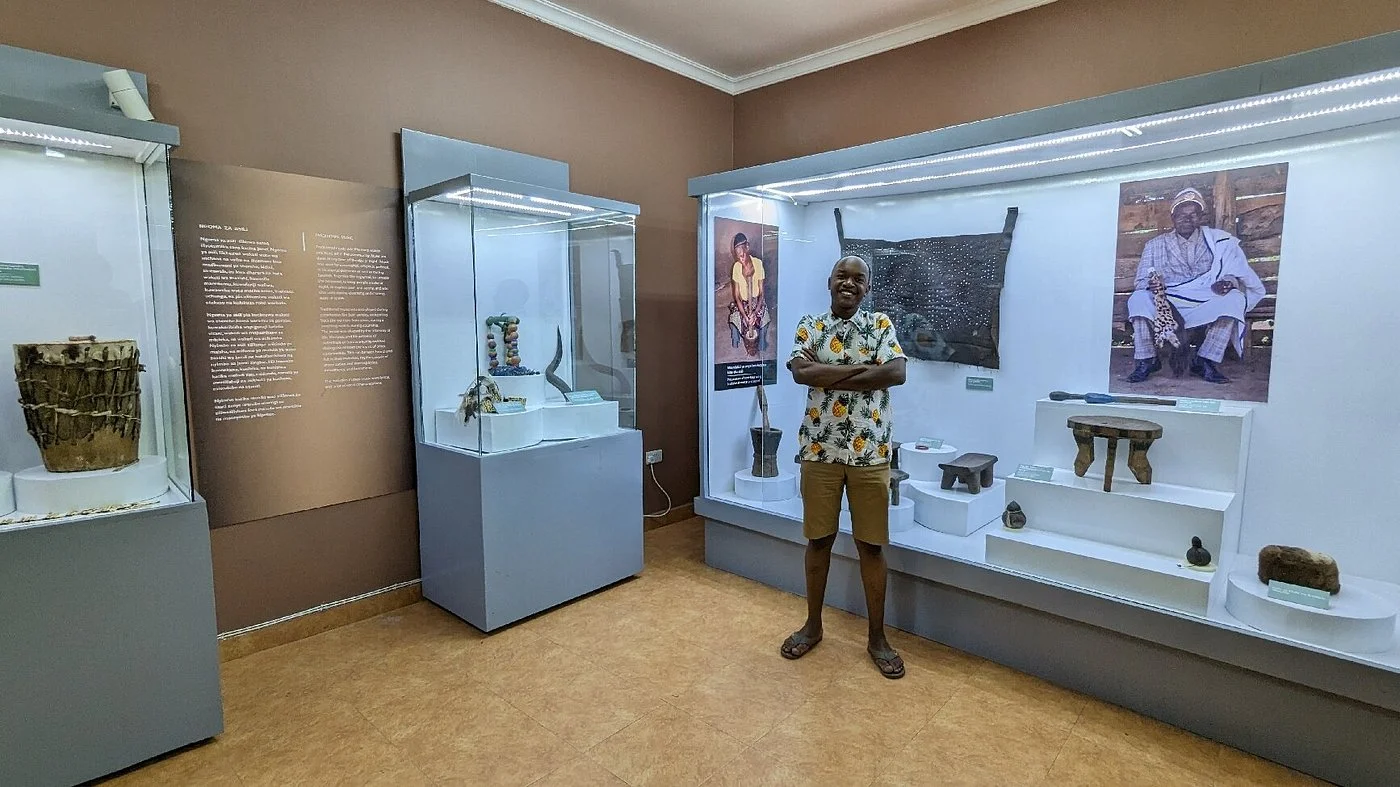
Confirm the interpretation facilities, exhibits, staff availability and guided services currently operating at the site. Do not assume a planetarium, laboratory or scheduled educational programme is included in admission.
Request current information about the route from the vehicle to the meteorite, surfaces, steps, toilets and available assistance. An individual assessment is needed; photographs do not confirm wheelchair accessibility.
Ask for current charges, visitor hours and booking procedures when arranging the trip. Confirm toilets, refreshments, parking and group services separately, and have your itinerary state what is included.
A tailored itinerary can combine the meteorite with a stay around Songwe or Mbeya and separately arranged regional attractions. Share your dates, starting point and interests so realistic transfers, accommodation and available visits can be confirmed.
Grateful experience
As a solo female traveler, I felt super safe and well taken care of the entire time.
Read morePrivate Safari 6 days
I can only highly recommend the young company Tanzalux for organizing a private safari.
Read moreAn unforgettable vegetarian journey with Tanzalux Safaris
I highly recommend Tanzalux for anyone wanting a special, personalized safari.
Read moreOur 3-day camping safari with Tanzalux was simply fantastic! Everything was perfectly organized.
Read moreBack in April, I joined a day trip to Tarangire National Park with Tanzalux Safaris, and it was truly one of the best experiences I have ever had…
Read moreI've had an amazing experience with Tanzalux Safaris, would 1000% recommend! Thank you for making my trip so special🫶
Read moreI recently visited Meru Waterfalls in Arusha and got to do some of the activities there, honestly it was such a great experience and I really enjoyed it.
Read moreOur guide Dullah Mr Rastaman had the best vibe. I would like to recommend other people not to miss it, Tarangire is the best national park.
Read moreOur tour guide Nasri was very friendly and welcoming from the first day we met him. He knows Tarangire very well and explained many things during the safari.
Read moreAs a grandmother in the group, I would like to share my happiness with Tanzalux Safaris. Me, my daughters, and my grandson went on a short trip to Tarangire National Park…
Read moreReceive a free, no obligation quote

 Western Circuit
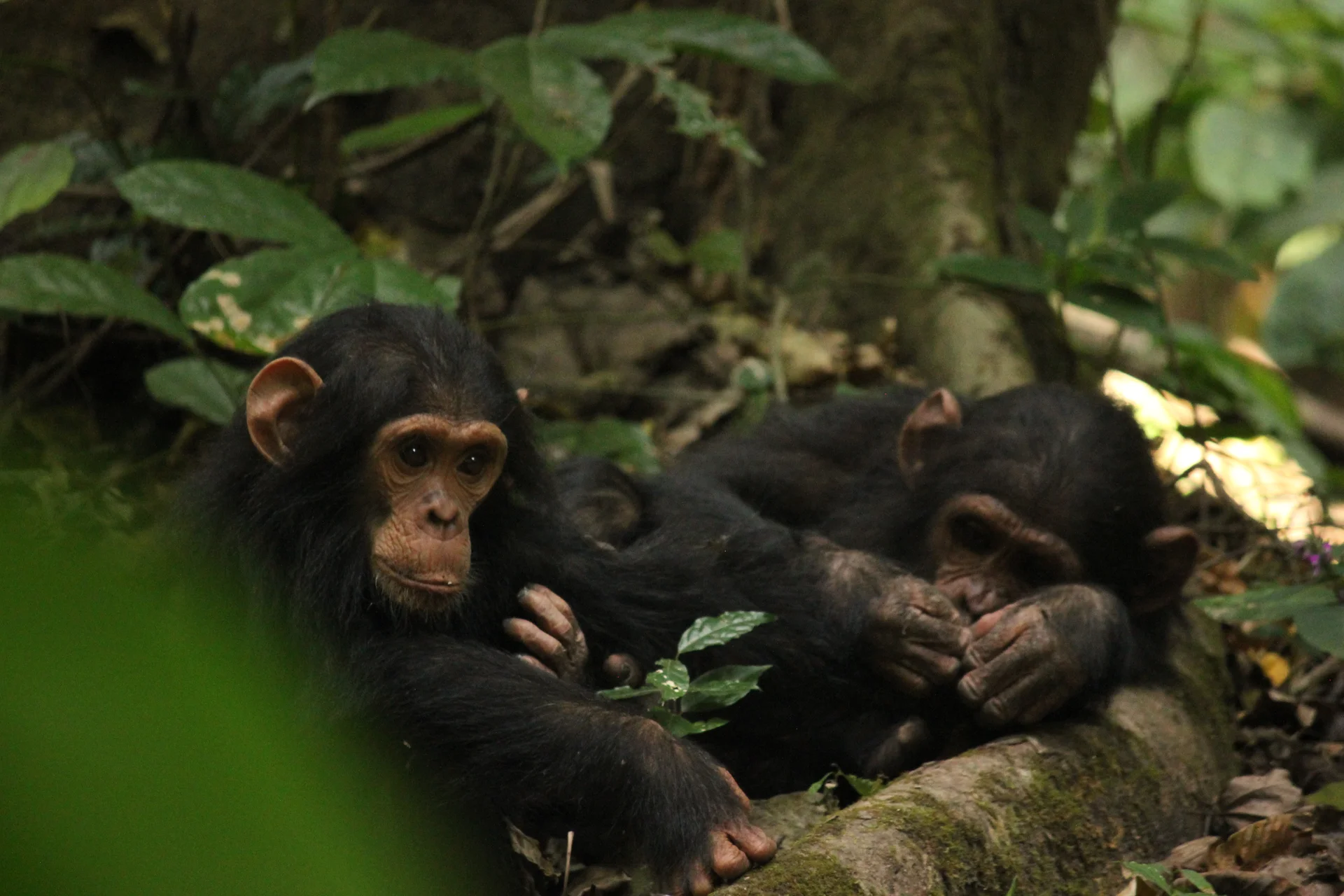
Gombe Stream National Park, also known as Gombe National Park, combines wild chimpanzee trekking with forested hills and the shores of Lake Tanganyika. In Kigoma…
Wildlife
Chimpanzees & Olive baboons
Landscape
National Parks & Safari
Highlights
Wild chimpanzee trekking with park rangers
 Southern Circuit
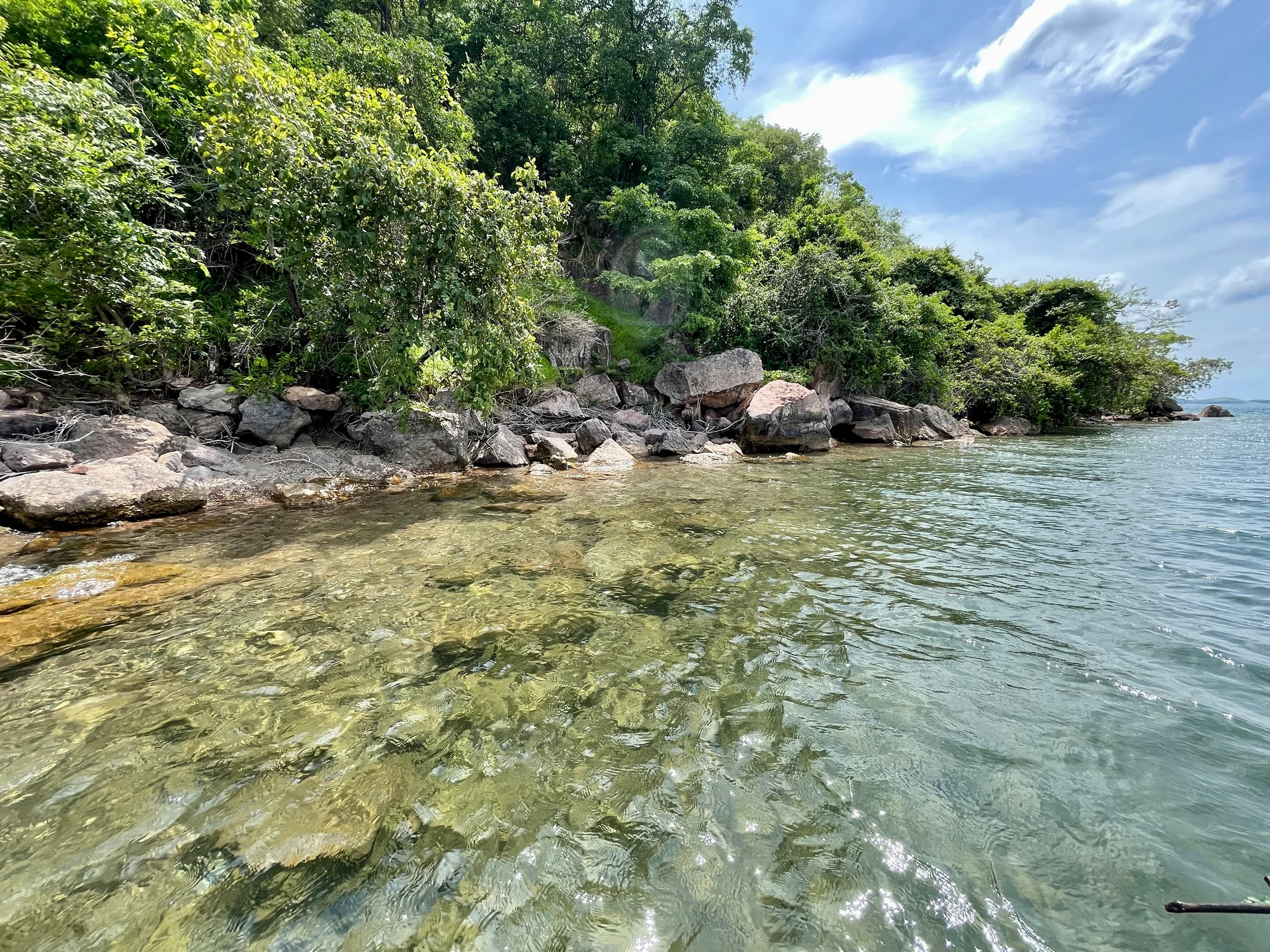
Lake Tanganyika offers a striking freshwater setting along Tanzania’s western frontier: broad blue horizons, wooded shores, bays, beaches and communities whose daily life is closely…
Wildlife
Endemic cichlid fish & Other freshwater fish
Landscape
Lakes & Hot Springs
Highlights
Africa’s deepest freshwater lake in the East African Rift
 Northern Circuit
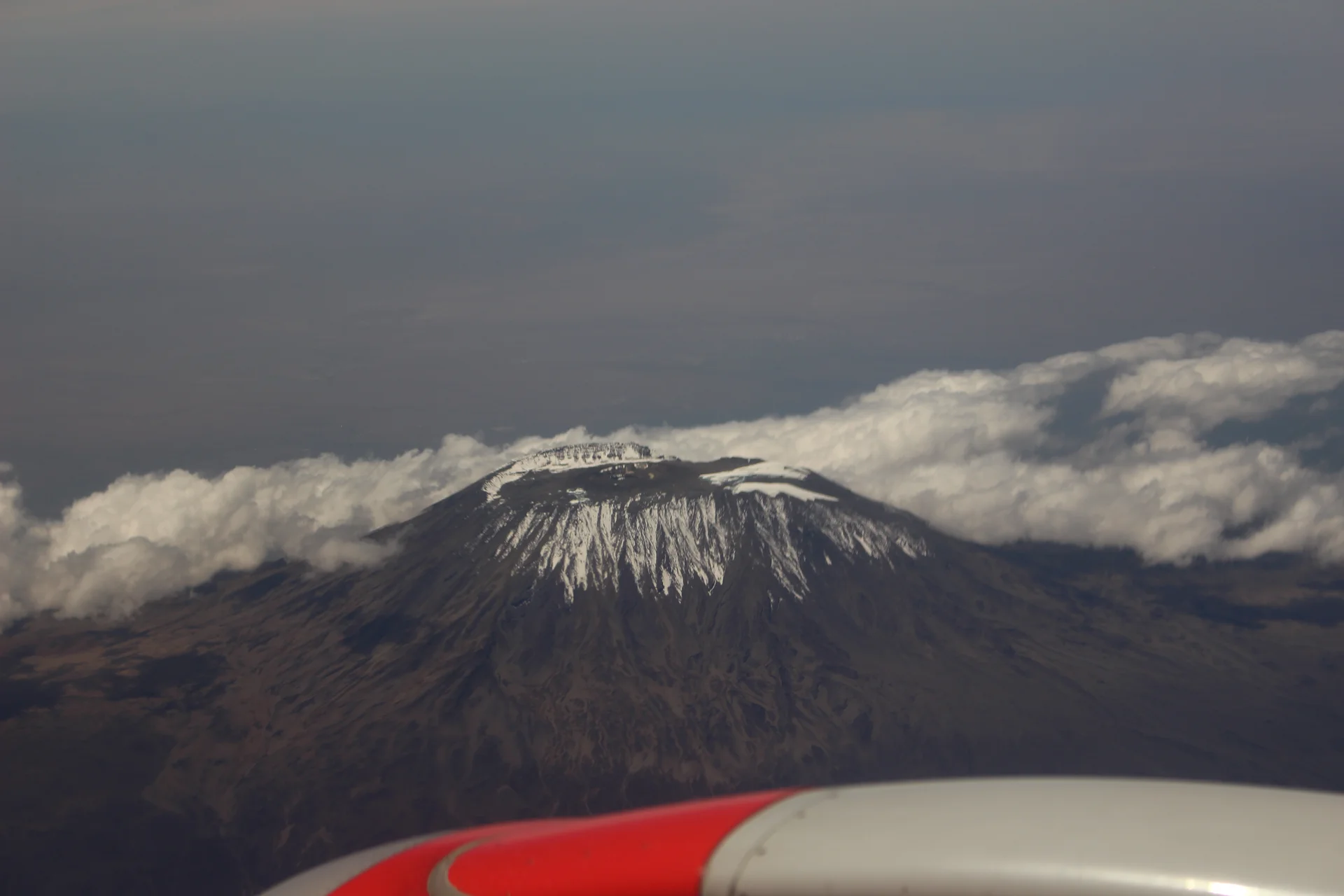
Kilimanjaro rises above northern Tanzania’s plains to Uhuru Peak at 5,895 metres, the highest point in Africa. Its volcanic massif, dramatic changes in vegetation and…
Wildlife
Black-and-white colobus monkeys in forest habitats & Blue monkeys in forest habitats
Landscape
Mountains & Trekking
Highlights
Uhuru Peak at 5,895 metres — Africa’s highest point
 Western Circuit
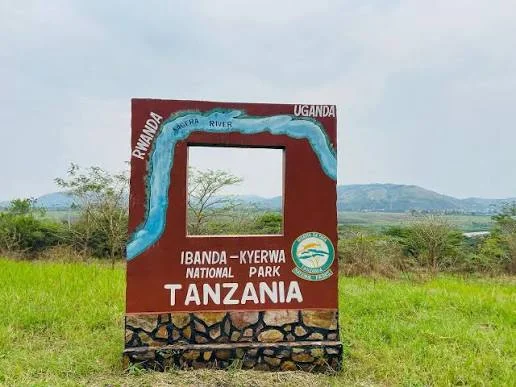
Ibanda-Kyerwa National Park protects a scenic corner of northwestern Tanzania, where the Kagera River meets a landscape of savanna, wooded slopes, valleys and wetlands. Situated…
Wildlife
Buffalo & Roan antelope
Landscape
National Parks & Safari
Highlights
Kagera River scenery on Tanzania’s northwestern border
 Zanzibar & Islands
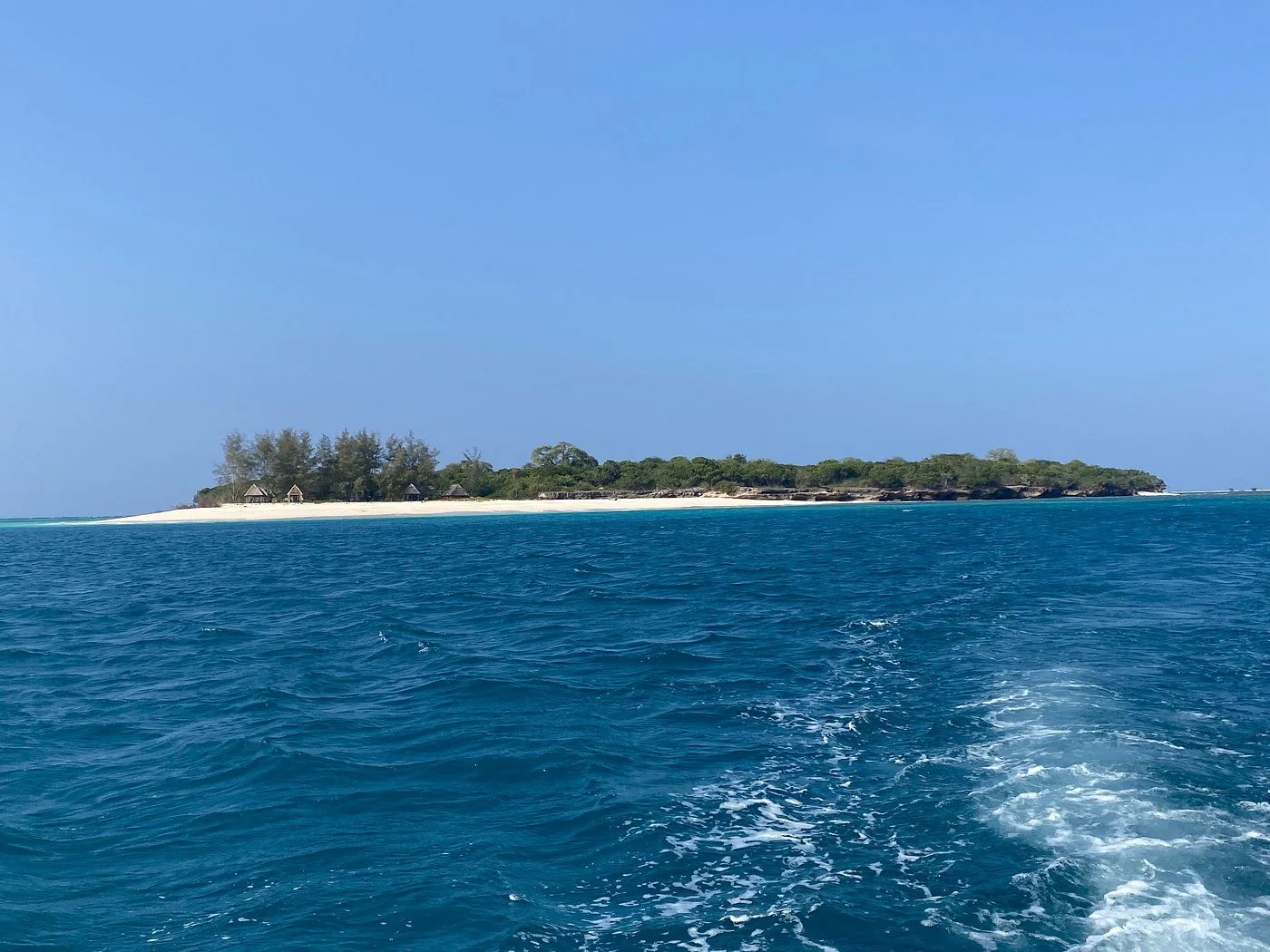
Sinda Island Marine Reserve offers an Indian Ocean escape off Kigamboni, on the southern side of Dar es Salaam. The reserve encompasses Inner and Outer…
Wildlife
Reef fish & Coastal birds
Landscape
Beaches & Islands
Highlights
Inner and Outer Sinda islands
 Northern Circuit
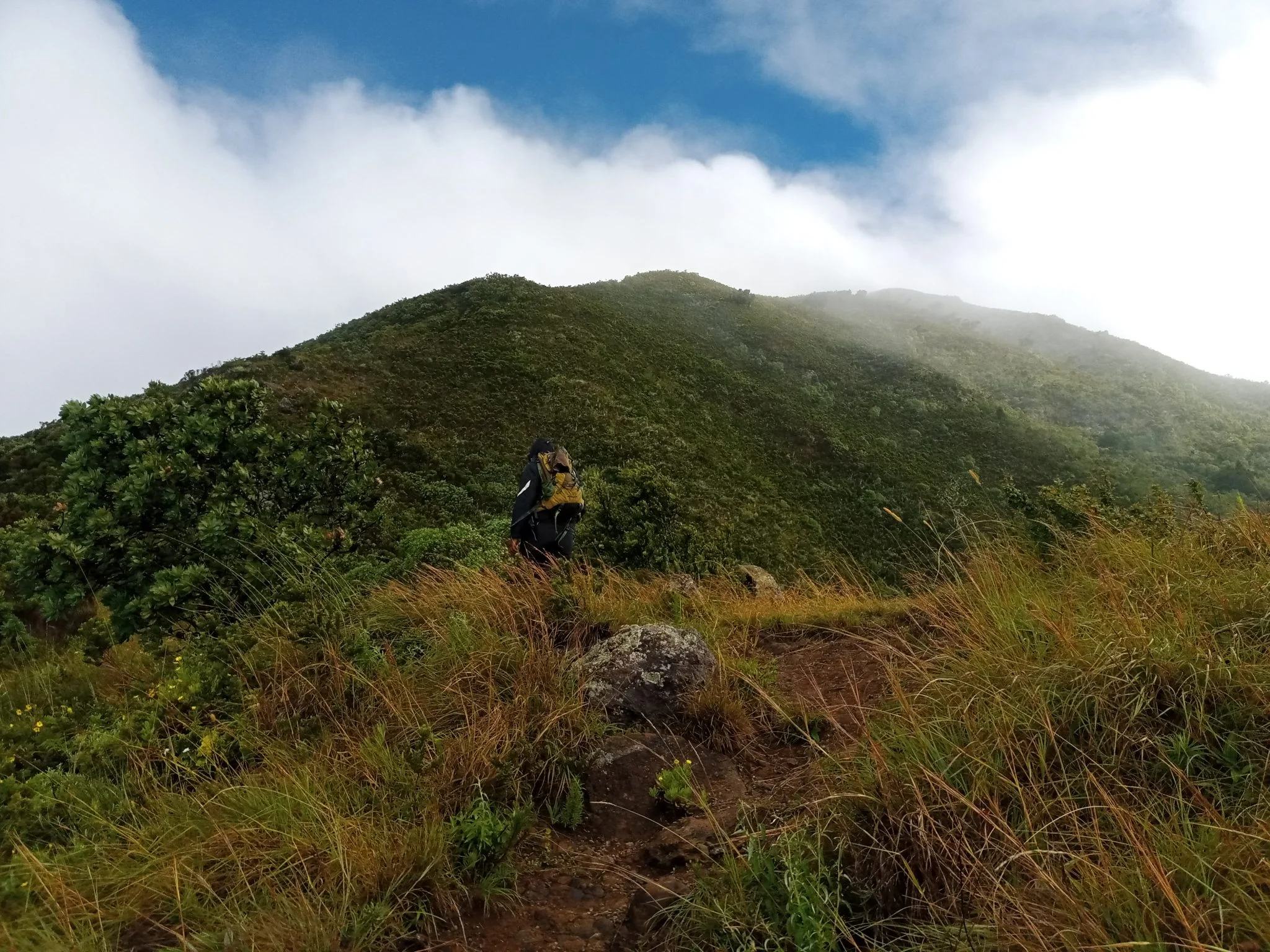
Discover Mount Hanang Rising above Katesh in Tanzania’s Manyara Region, Mount Hanang offers a rewarding mountain adventure beyond the familiar northern safari circuit. At approximately…
Wildlife
Klipspringer & Vervet monkeys
Landscape
Mountains & Trekking
Highlights
Approximately 3,423 metres — Tanzania’s fourth-highest mountain