 5.0 Excellent

Dorine M1 year ago

Grateful experience
As a solo female traveler, I felt super safe and well taken care of the entire time.
Read more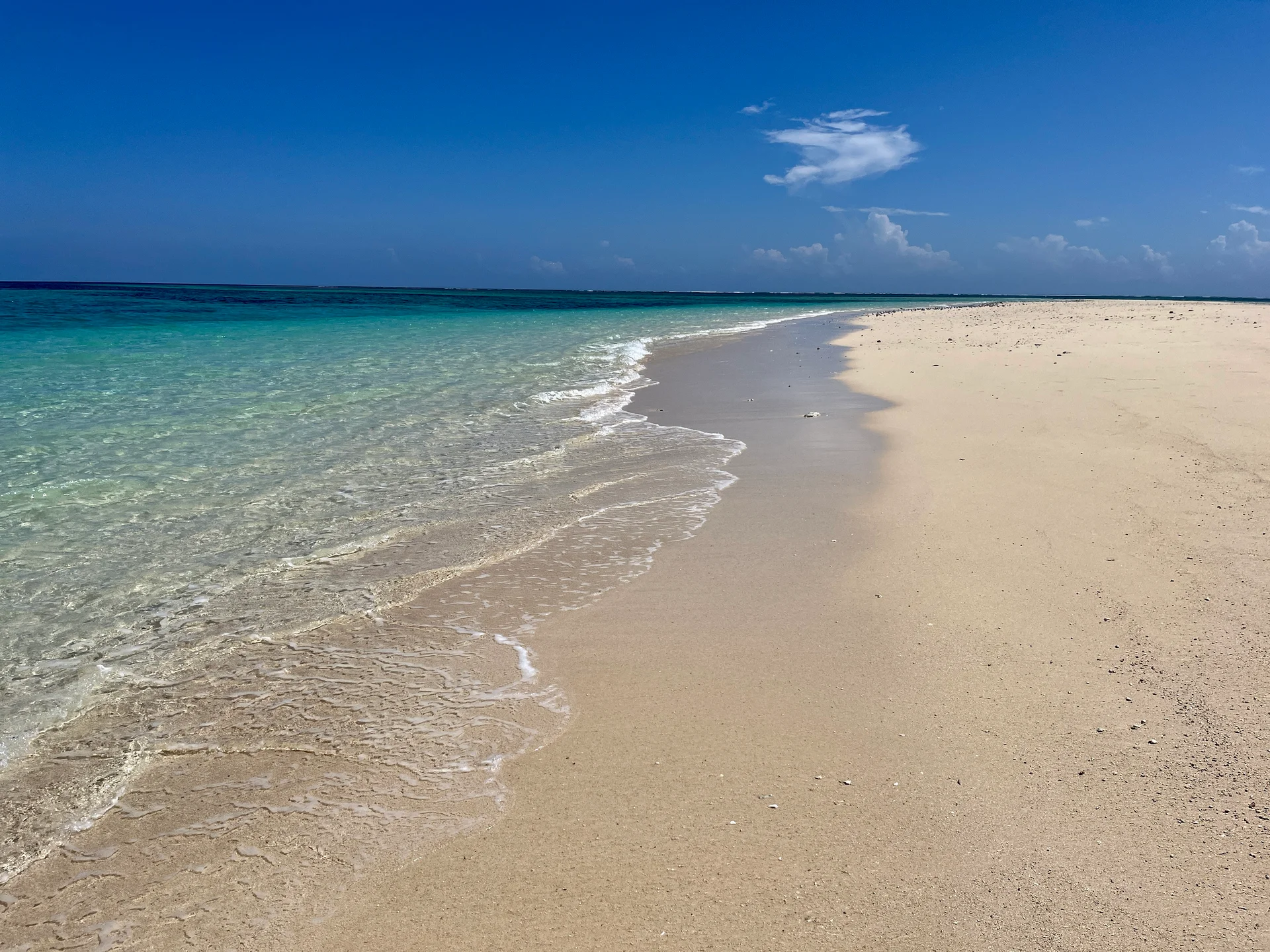
Zanzibar & Islands
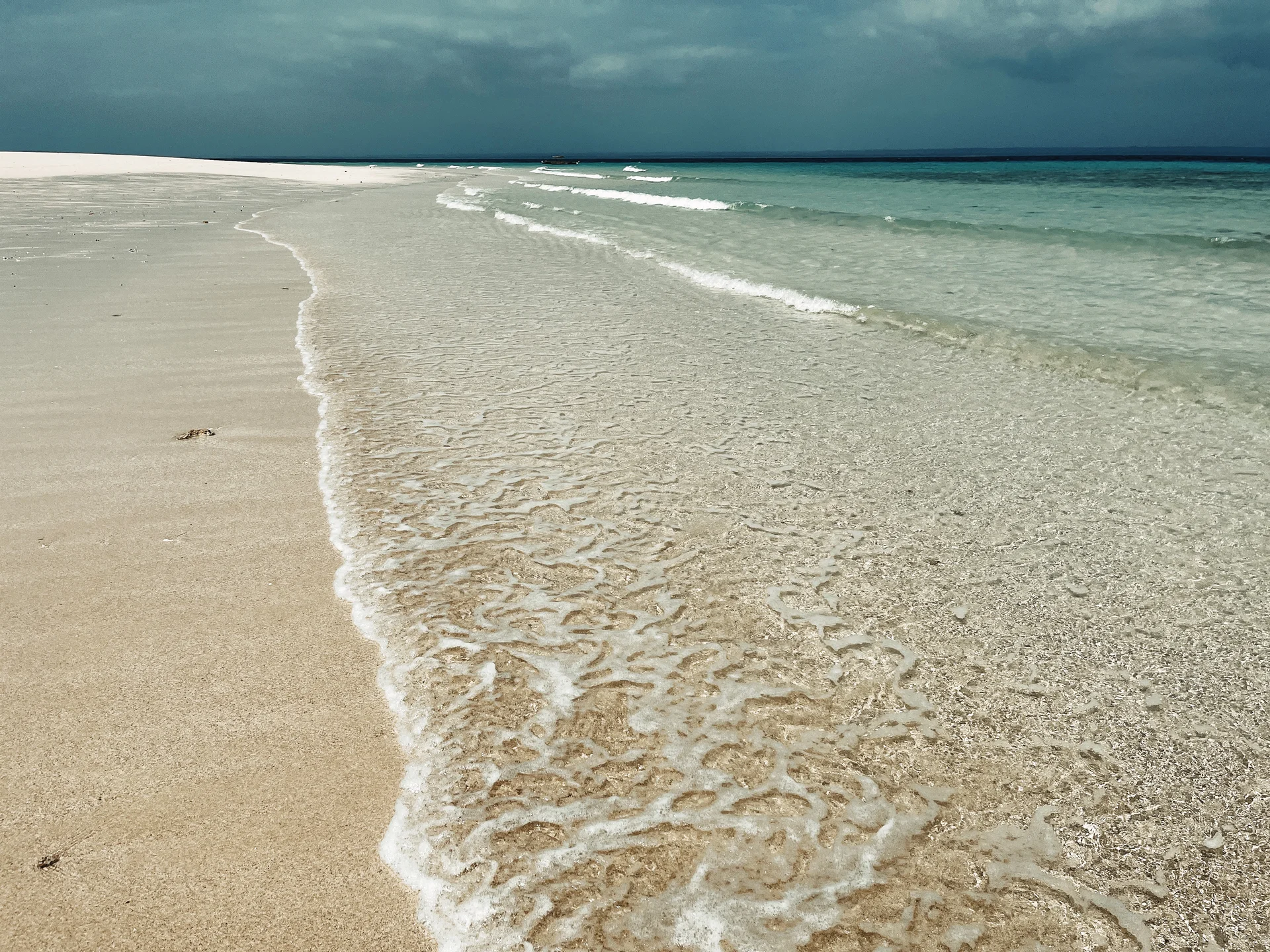
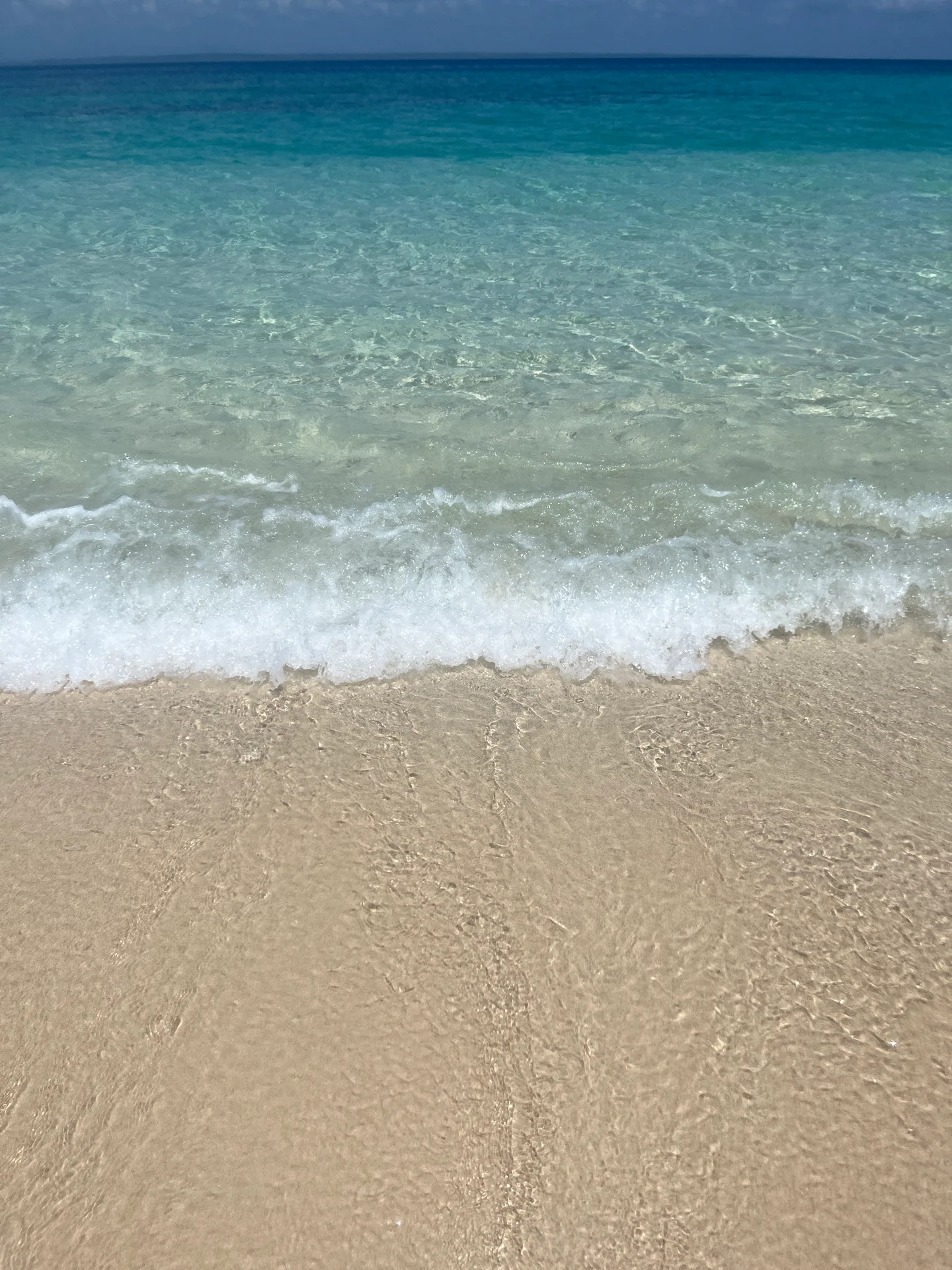
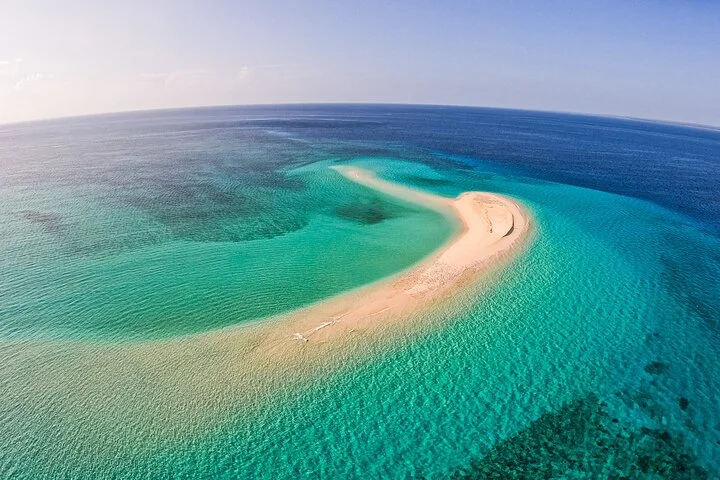
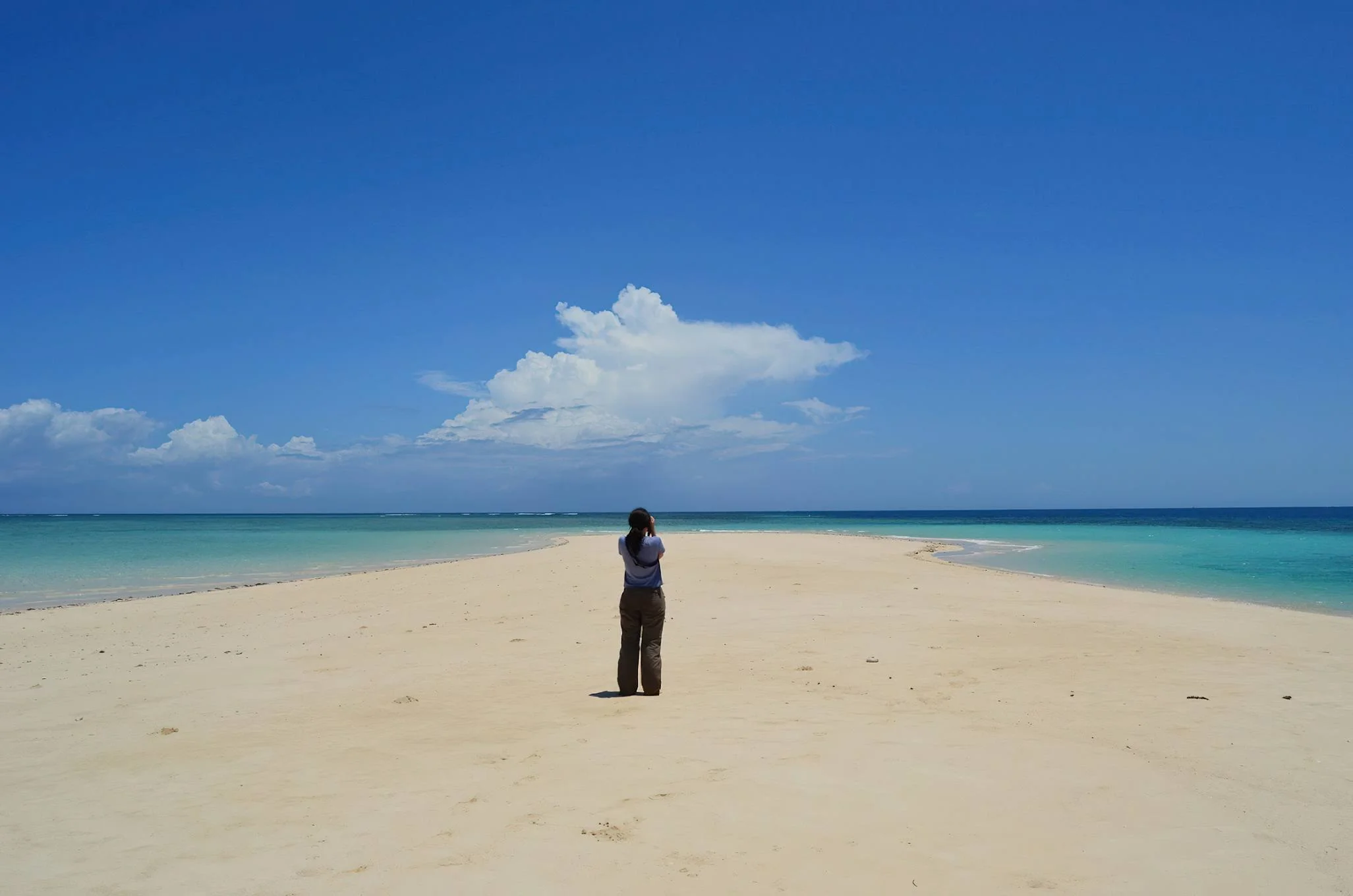
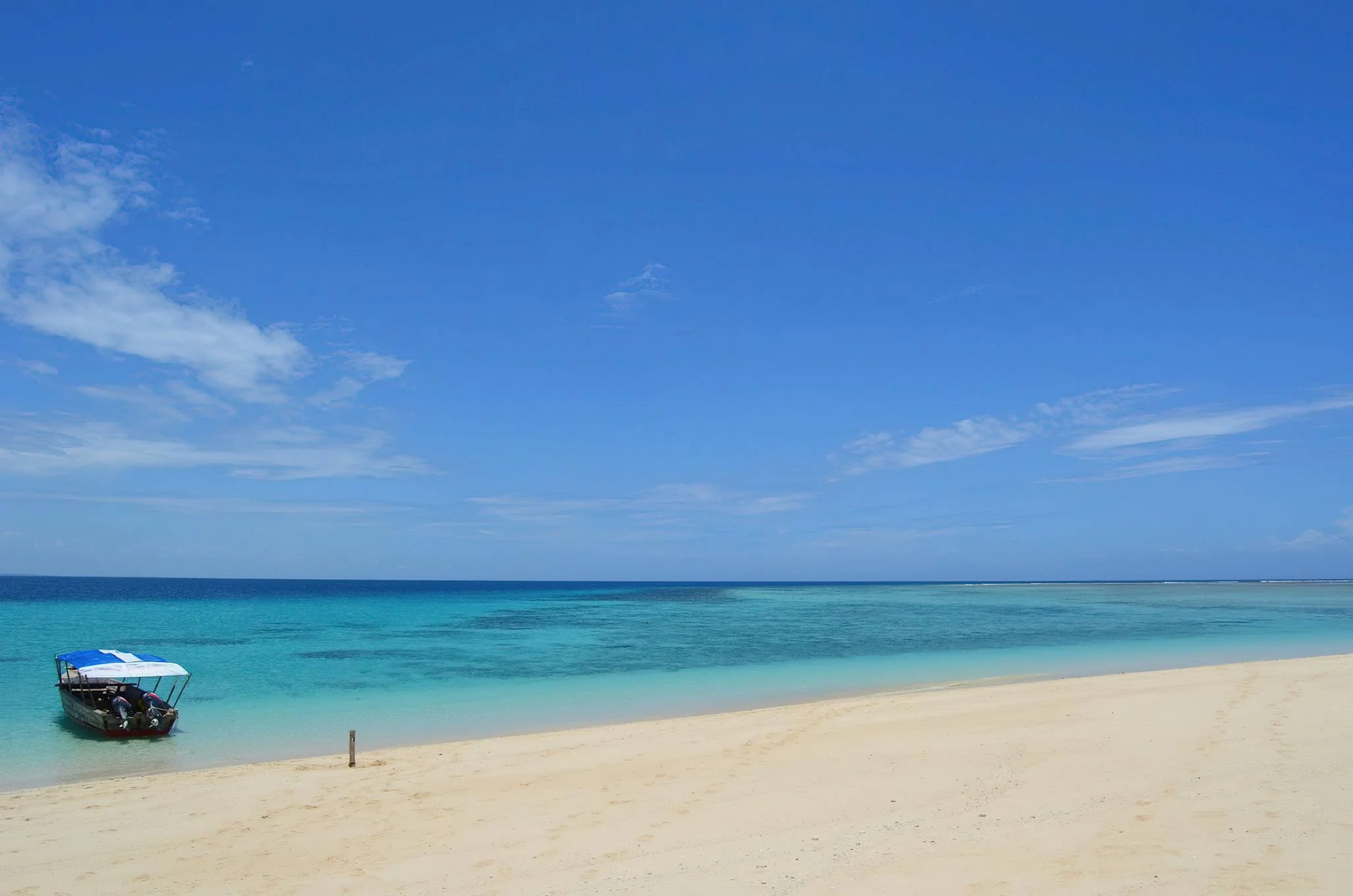
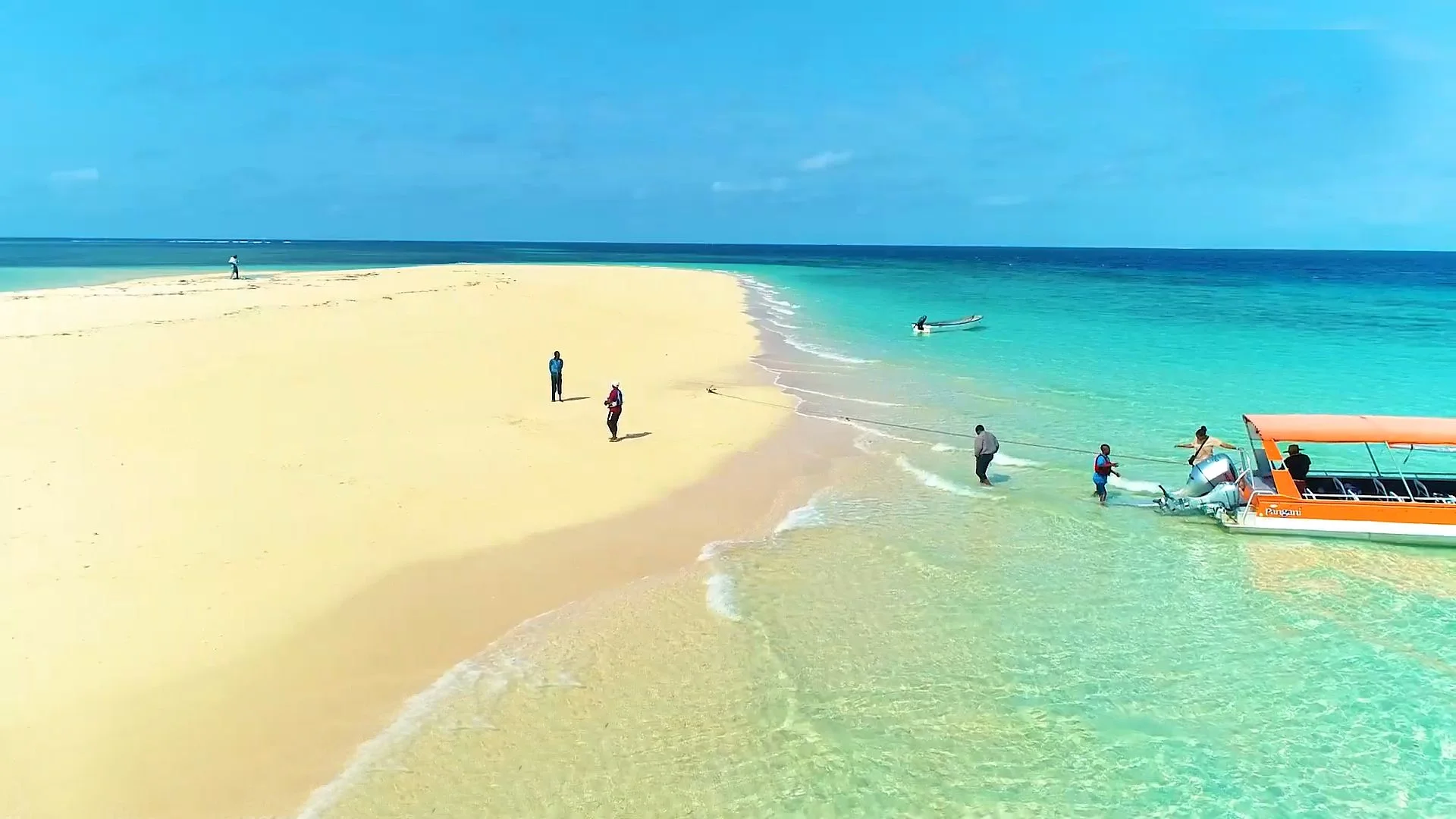
Maziwe Island Marine Reserve, also written Maziwi, is a distinctive sandbank and reef destination off the Pangani coast in Tanga Region. An organised boat excursion brings visitors from the mainland towards pale sand and Indian Ocean waters, with opportunities for guided snorkelling, photography and a carefully timed beach stop. Maziwe is a tidal landscape: the amount of exposed sand changes, so the experience should be planned around the tide, wind and sea conditions on your chosen day. Established as a marine reserve in 1975, Maziwe protects a setting with an important coastal conservation history. A once-vegetated island has become an unvegetated sandbank, and rising water can cover the sand. This makes it especially rewarding to visit with a guide who can explain the relationship between the bank, reef and mainland coast. It also means that a photograph of a broad beach cannot be used to promise the same landing area or length of stay on every excursion. The reef environment provides the focus for a guided water activity. Tell the operator about your swimming ability and snorkelling experience before booking, and confirm the equipment, briefing and supervision. Site choice should reflect the conditions and the group’s ability. Watch your fins and buoyancy, keep clear of coral and avoid chasing or feeding marine life. Clear water, easy entry and particular animal sightings cannot be guaranteed, even when a trip is arranged during a generally favourable season. When the sandbank is exposed and landing is suitable, take time for a short walk, photographs and a relaxed break. The open setting has limited natural shelter, so confirm whether your organiser provides shade and how the group will manage sun exposure. A picnic is best treated as a pre-arranged part of a self-contained outing, with drinking water, meals and all waste carried back. Ask about toilets and changing arrangements rather than assuming island facilities will be available. Turtle conservation adds depth to the visit. Friends of Maziwe works with local communities and conservation officers to protect nests threatened by tidal inundation, including relocation to protected mainland hatchery areas around Ushongo. If you would like to learn more, ask about a separately arranged conservation visit and whether it is appropriate during your stay. Nest monitoring and hatchling releases follow the animals’ needs and the conservation team’s work; they are not a scheduled performance or a guaranteed inclusion in an island excursion. A suggested day begins with a mainland transfer to the operator’s confirmed departure point near Pangani or Ushongo. Meet the boat team, check life jackets and discuss the route, conditions and return plan. The skipper and guide can then sequence a suitable water activity, an approved sandbank stop and a prepared lunch around the tide. Return with enough time for your mainland transfer. This outline is illustrative: the best order, time ashore and departure depend on the actual day. For a two-day coastal stay, settle into mainland accommodation on the first day and include a relaxed beach afternoon or a separately guided Pangani visit. Keep the second day for Maziwe if conditions permit, with an alternative mainland plan available. Additional nights create flexibility for weather and a slower pace. Choose accommodation by its exact location and transfer requirements; do not assume that staying somewhere on the Tanga coast places you beside the boat departure beach. Tanga Airport can be considered as a regional gateway after checking current flights and onward road arrangements. Travellers arriving through Dar es Salaam need a separately planned mainland journey to the Pangani area. Road routes, coastal crossings and access to individual lodges should be checked with the organiser when the itinerary is made. Neither the drive nor the boat crossing has one reliable duration for every departure point, and a tight flight connection immediately after the excursion leaves little room for changes. June to September generally offers a drier period on this part of the coast, while March to May is the main rainy period and shorter rains often occur from October to December. Sea state, visibility and tides still require local assessment in every season. Pack sun protection, a hat, a light rain layer, a towel and a waterproof bag, and confirm suitable footwear and equipment with the guide. Request a clear quote for transport, reserve admission, guiding, gear, meals and water. Enjoy the reserve through observation and leave shells, coral and other natural objects where they belong.
March–May: The main rainy period can interrupt boat outings and reduce flexibility for exposed sandbank visits. Confirm which operators and mainland lodges are open, keep alternative activities available and agree the weather cancellation policy. Turtle conservation work follows natural events and staff decisions; it does not guarantee a visitor activity during these months.
January–February and October–December: Early-year months often offer a relatively drier interval, while shorter rains commonly occur from October to December. Ask the organiser about local wind, visibility and tide conditions for the actual travel dates. A suitable snorkelling site and the amount of exposed sand still need to be assessed on the day.
June–September: Generally a drier period for a Pangani or Ushongo coastal stay. Book desired accommodation and a suitable boat operator in advance, while keeping the excursion flexible for sea state and tides. Drier weather does not guarantee calm crossings or long periods ashore, and wildlife sightings remain variable.
Base the excursion around Pangani or Ushongo on the mainland Tanga coast, with the exact departure point agreed in advance. Tanga Airport (TGT) is a regional gateway to consider after confirming current flights, road transport and your lodge’s location. Arrivals through Dar es Salaam require a separately planned mainland transfer or onward connection. Ask the organiser to check the actual road route, any coastal crossing arrangements and realistic travel time for your dates. Maziwe is reached by an organised boat trip. The official Marine Parks and Reserves visitor guide identifies Pangani and Ushongo as departure areas. Confirm the currently operating boat, precise meeting beach, skipper, suitable passenger capacity and correctly fitting life jackets. Crossing time varies with the starting point, vessel and sea state; obtain a current estimate instead of relying on an old fixed timetable. The operator should plan the crossing, snorkelling site, landing and return around tide and conditions. Exposed sand and time ashore are not guaranteed. Confirm reserve entry arrangements, guiding, equipment, shade, drinking water, meals, toilets or changing arrangements and the weather cancellation plan. Stay on the mainland, keep return transport clearly agreed and allow a buffer before onward flights or long road journeys.
Maziwe lies offshore from the Pangani area in Tanga Region, on Tanzania’s northern mainland coast. Pangani and Ushongo are useful bases for a planned boat excursion. Confirm your exact meeting beach and mainland transfers with the organiser before travelling.
Yes, both spellings are used for this marine reserve near Pangani. Use the destination name and the operator’s precise meeting instructions when arranging a trip, so your transport and accommodation are coordinated with the intended reserve excursion.
Maziwe is now an unvegetated tidal sandbank, and water can cover the exposed sand. The area available for a landing changes with the tide and conditions. Plan the visit with a knowledgeable operator rather than expecting a permanent beach available all day.
The reserve was established in 1975 and has an important reef and turtle conservation history. A visit is an opportunity to understand the connection between marine habitats, the changing sandbank and neighbouring coastal communities, while keeping the excursion considerate of the protected environment.
Arrange an organised boat excursion from an agreed departure point around Pangani or Ushongo, with a separate mainland transfer where needed. Confirm the operator, meeting time, entry arrangements and return plan in advance. Do not assume a public ferry or an unscheduled beach departure is available.
Tanga Airport (TGT) can be considered as a regional gateway, followed by a pre-arranged road transfer to your mainland accommodation or departure area. Check current flights and road arrangements when booking. Travellers arriving through Dar es Salaam need a separately planned onward journey.
The duration depends on the departure beach, boat, route and sea state. Ask your operator for a current estimate that includes boarding and landing arrangements. Keep the agreed return plan flexible enough for conditions and leave a comfortable margin for any onward travel.
There is no single best departure time for every date. The organiser should consider the tide, exposed sand, weather, sea state and planned water activities together. Confirm the actual schedule close to your visit rather than relying on a generic morning or afternoon itinerary.
June to September is generally a drier period for a coastal stay. March to May is the main rainy season, with shorter rains often occurring in October to December. Wind, visibility and tides still need a local assessment before any excursion, whatever the season.
Guided snorkelling can be arranged when an operator confirms a suitable site, equipment, supervision and conditions. Explain your swimming ability and experience in advance. Water clarity and wildlife vary, and the guide may change or cancel a session when the conditions are unsuitable.
Swimming should take place only where the guide has assessed conditions and appropriate support is available. Currents, waves, entry and exit conditions can vary. Discuss your ability before booking, and choose a programme without swimming if the available arrangement does not suit you.
Diving may be considered with a qualified local dive operator after checking current operations, conditions, site suitability and certification requirements. Reserve a specific programme in advance. Do not assume diving equipment or instruction is available on the sandbank itself.
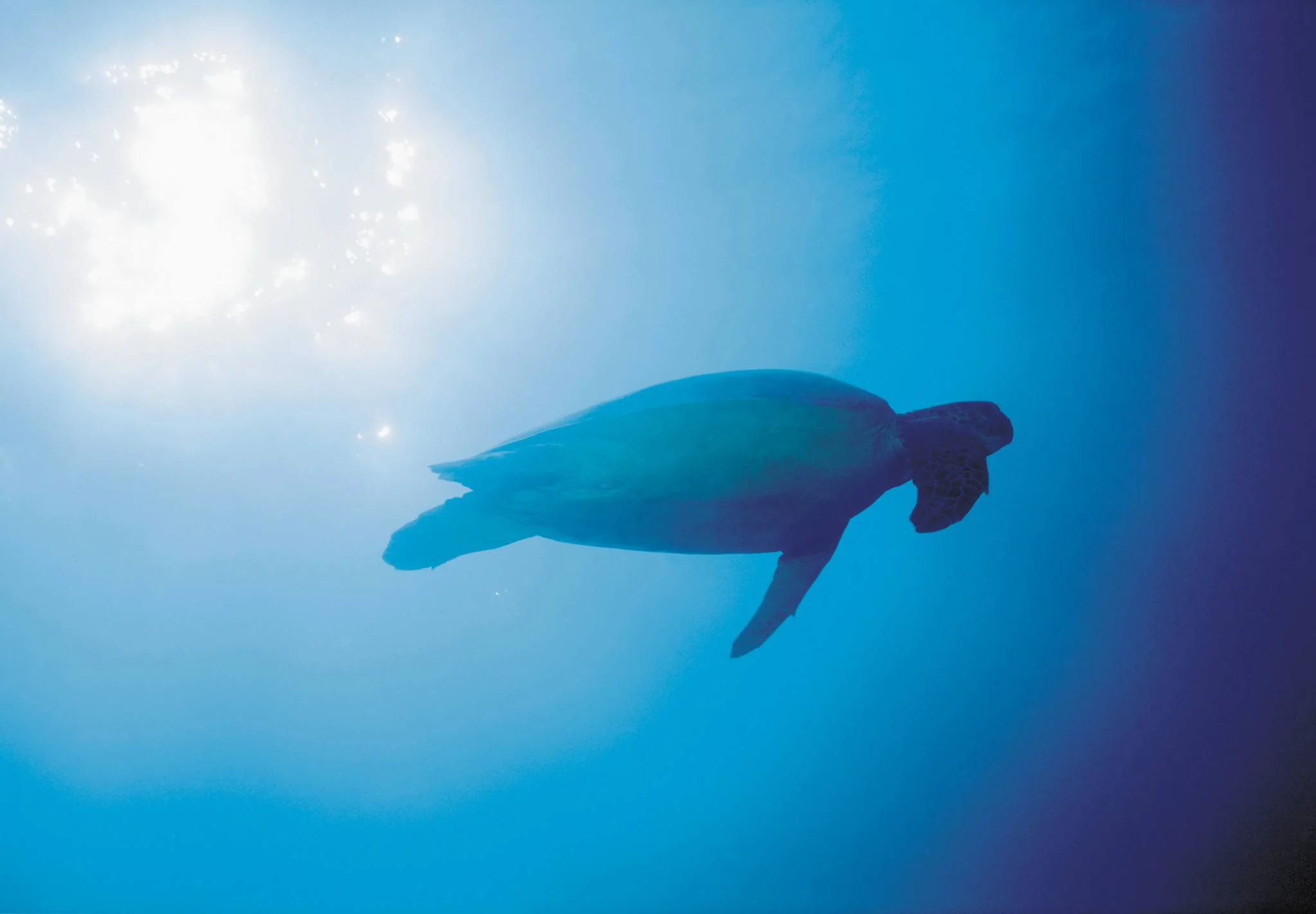
Reef fish, coral communities and shoreline birds are part of the reserve’s appeal. Sea turtles or dolphins may also be encountered, but sightings are never guaranteed. Observe without chasing, touching or feeding animals, and let the guide set the approach and distance.
These are natural and conservation-led events. Friends of Maziwe has worked with communities and conservation officers to protect nests threatened by inundation, including mainland relocation. Ask about an appropriate separately arranged visit, and accept that nesting, hatching or a release may not occur during your stay.
Treat the excursion as a self-contained outing unless the operator confirms specific provisions. Ask about meals, drinking water, shade, toilets and changing arrangements before departure. The exposed setting and changing tide make it important to agree how the group will manage breaks and sun exposure.
Plan to stay in mainland accommodation around Pangani or Ushongo and visit the reserve by boat. The tidal sandbank should not be assumed suitable for an overnight stay or camping. Any exceptional arrangement would require explicit confirmation from the authority and organiser.
Use the first day for arrival, mainland beach time or a separately guided Pangani visit. Keep the second day for a pre-arranged Maziwe excursion if conditions allow. An extra mainland night can give more flexibility, while a conservation visit should be coordinated separately.
Suitability depends on the individual, boat, boarding method, landing and activities. Share ages, mobility needs and swimming ability before booking. Confirm appropriate life jackets, practical assistance and shade, and choose a relaxed programme only after the organiser has checked the actual arrangements.
Bring sun protection, a hat, a towel, a light rain layer and a waterproof bag, plus any personal equipment agreed with the guide. Avoid standing on coral, leave shells and natural objects in place, keep away from wildlife and take every item of waste back to the mainland.
Ask for a clear breakdown of road transfers, boat transport, reserve fees, guiding, equipment, meals and drinking water. Confirm shade, return arrangements, any conservation visit, cancellation terms and weather alternatives. Current charges should be checked when booking rather than copied from an older itinerary.
Grateful experience
As a solo female traveler, I felt super safe and well taken care of the entire time.
Read morePrivate Safari 6 days
I can only highly recommend the young company Tanzalux for organizing a private safari.
Read moreAn unforgettable vegetarian journey with Tanzalux Safaris
I highly recommend Tanzalux for anyone wanting a special, personalized safari.
Read moreOur 3-day camping safari with Tanzalux was simply fantastic! Everything was perfectly organized.
Read moreBack in April, I joined a day trip to Tarangire National Park with Tanzalux Safaris, and it was truly one of the best experiences I have ever had…
Read moreI've had an amazing experience with Tanzalux Safaris, would 1000% recommend! Thank you for making my trip so special🫶
Read moreI recently visited Meru Waterfalls in Arusha and got to do some of the activities there, honestly it was such a great experience and I really enjoyed it.
Read moreOur guide Dullah Mr Rastaman had the best vibe. I would like to recommend other people not to miss it, Tarangire is the best national park.
Read moreOur tour guide Nasri was very friendly and welcoming from the first day we met him. He knows Tarangire very well and explained many things during the safari.
Read moreAs a grandmother in the group, I would like to share my happiness with Tanzalux Safaris. Me, my daughters, and my grandson went on a short trip to Tarangire National Park…
Read moreReceive a free, no obligation quote

 Western Circuit
Gombe Stream National Park, also known as Gombe National Park, combines wild chimpanzee trekking with forested hills and the shores of Lake Tanganyika. In Kigoma…
Wildlife
Chimpanzees & Olive baboons
Landscape
National Parks & Safari
Highlights
Wild chimpanzee trekking with park rangers
 Southern Circuit
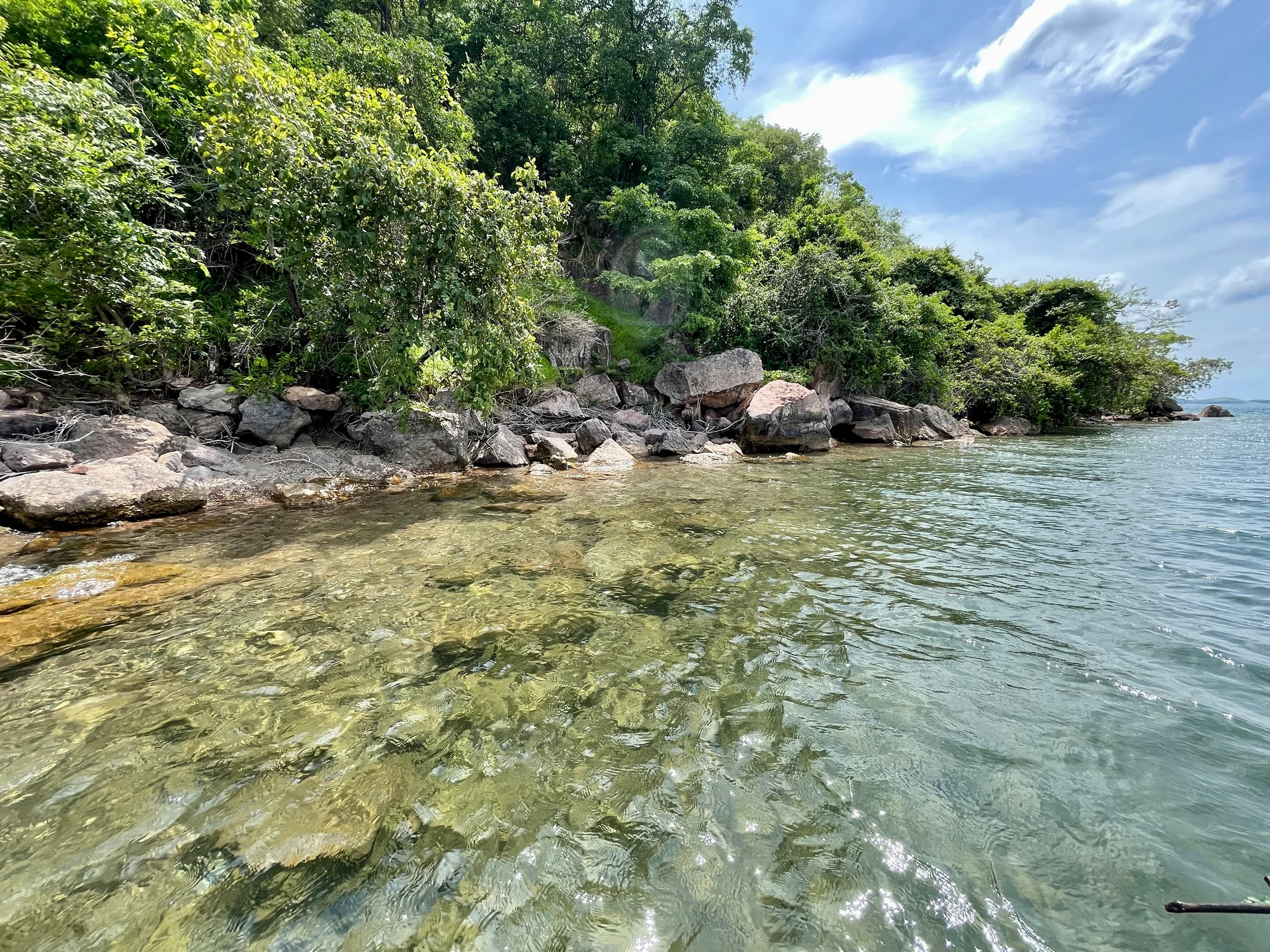
Lake Tanganyika offers a striking freshwater setting along Tanzania’s western frontier: broad blue horizons, wooded shores, bays, beaches and communities whose daily life is closely…
Wildlife
Endemic cichlid fish & Other freshwater fish
Landscape
Lakes & Hot Springs
Highlights
Africa’s deepest freshwater lake in the East African Rift
 Northern Circuit
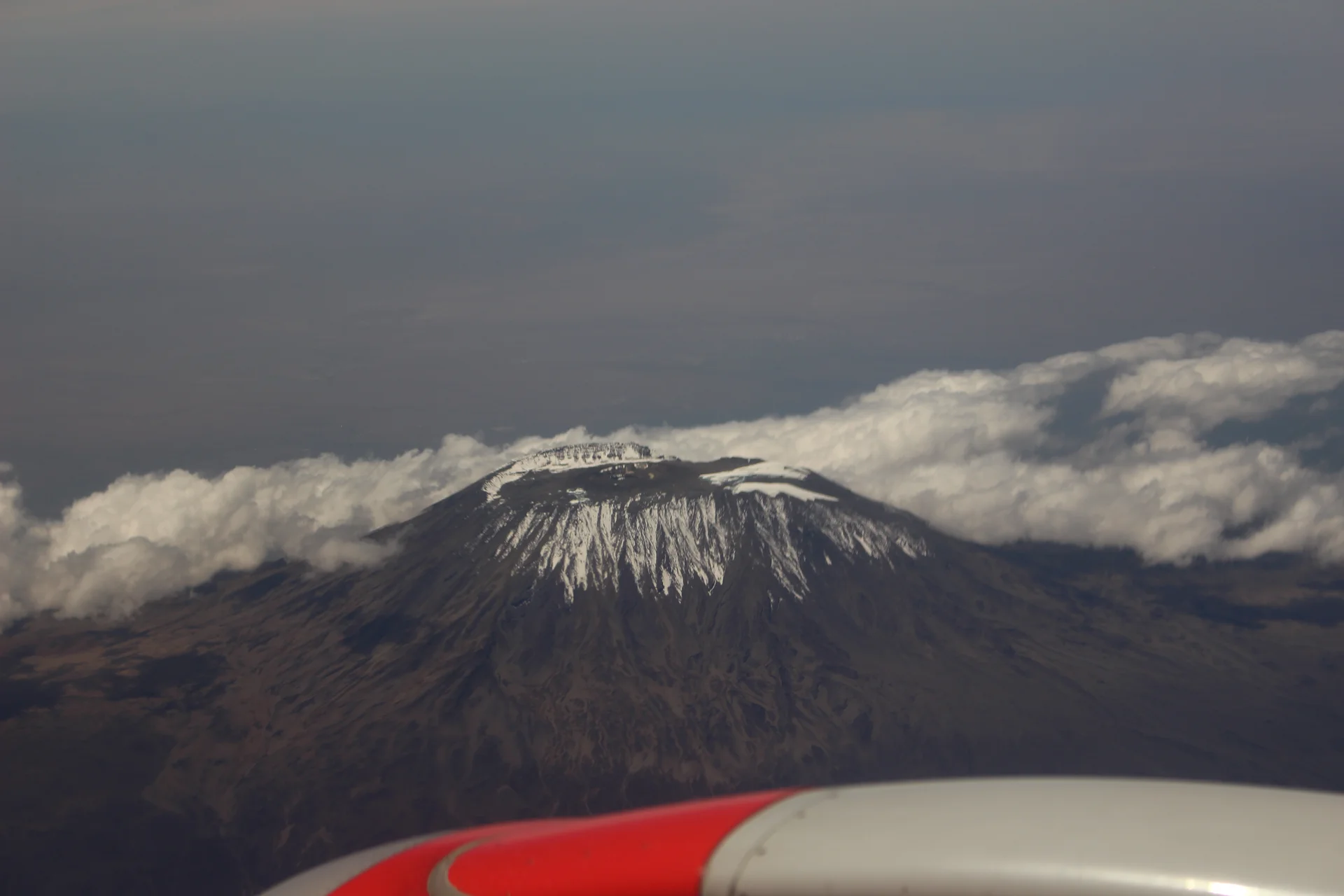
Kilimanjaro rises above northern Tanzania’s plains to Uhuru Peak at 5,895 metres, the highest point in Africa. Its volcanic massif, dramatic changes in vegetation and…
Wildlife
Black-and-white colobus monkeys in forest habitats & Blue monkeys in forest habitats
Landscape
Mountains & Trekking
Highlights
Uhuru Peak at 5,895 metres — Africa’s highest point
 Western Circuit
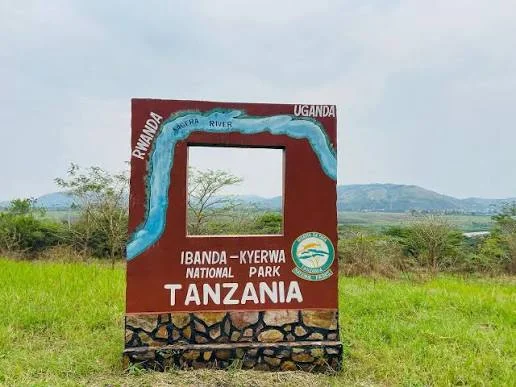
Ibanda-Kyerwa National Park protects a scenic corner of northwestern Tanzania, where the Kagera River meets a landscape of savanna, wooded slopes, valleys and wetlands. Situated…
Wildlife
Buffalo & Roan antelope
Landscape
National Parks & Safari
Highlights
Kagera River scenery on Tanzania’s northwestern border
 Zanzibar & Islands
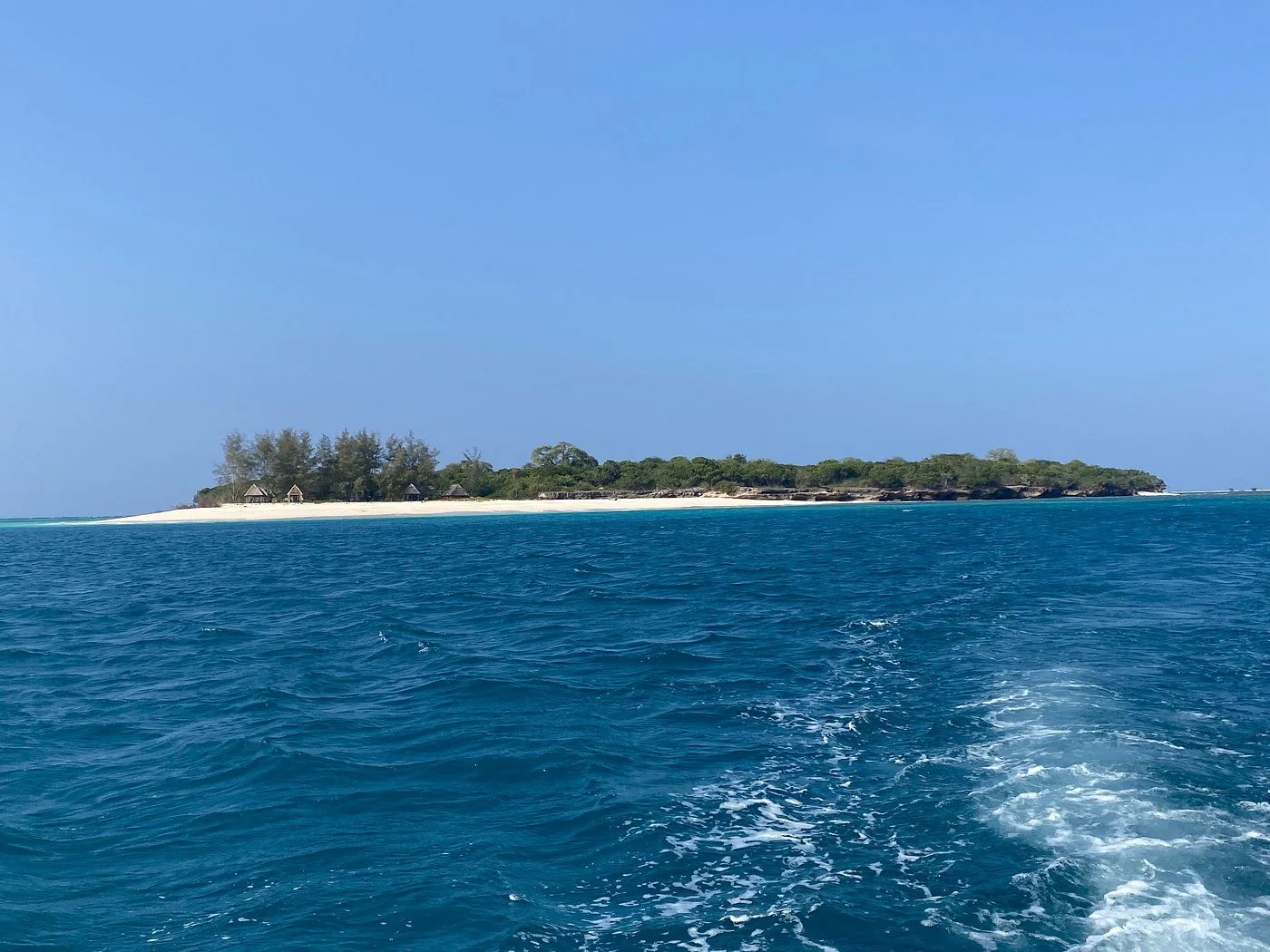
Sinda Island Marine Reserve offers an Indian Ocean escape off Kigamboni, on the southern side of Dar es Salaam. The reserve encompasses Inner and Outer…
Wildlife
Reef fish & Coastal birds
Landscape
Beaches & Islands
Highlights
Inner and Outer Sinda islands
 Northern Circuit
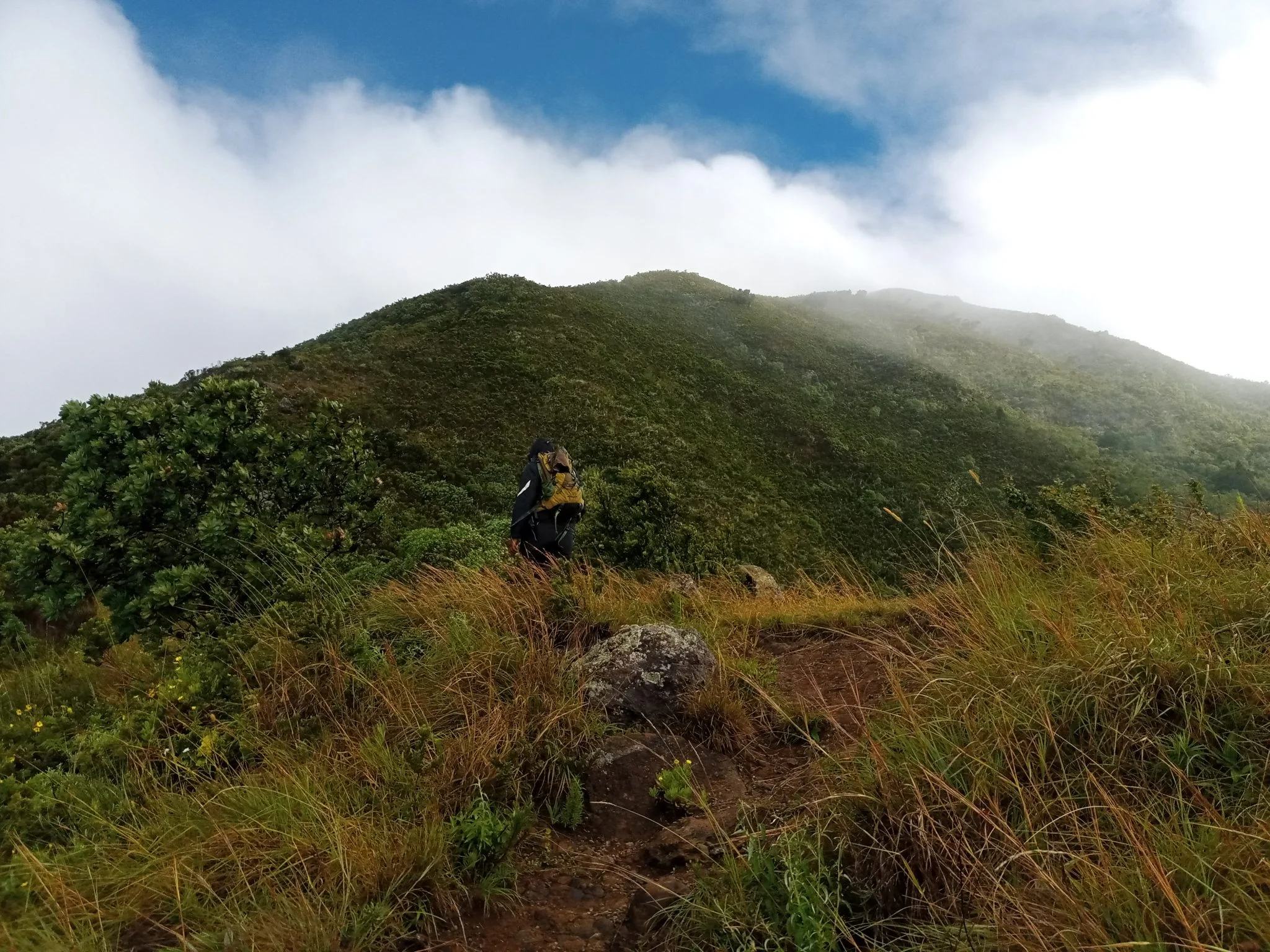
Discover Mount Hanang Rising above Katesh in Tanzania’s Manyara Region, Mount Hanang offers a rewarding mountain adventure beyond the familiar northern safari circuit. At approximately…
Wildlife
Klipspringer & Vervet monkeys
Landscape
Mountains & Trekking
Highlights
Approximately 3,423 metres — Tanzania’s fourth-highest mountain