 5.0 Excellent

Dorine M1 year ago

Grateful experience
As a solo female traveler, I felt super safe and well taken care of the entire time.
Read more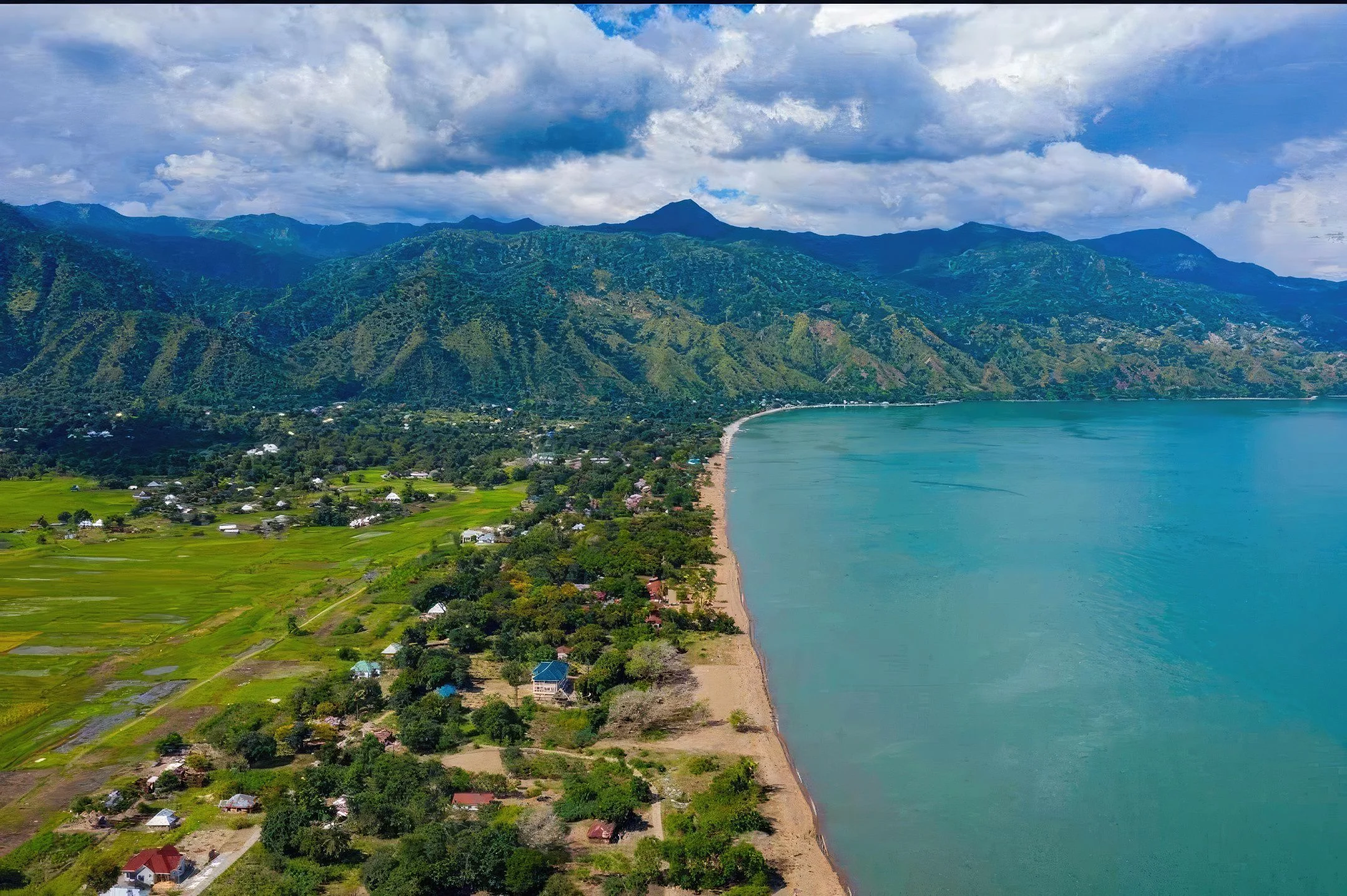
Southern Circuit
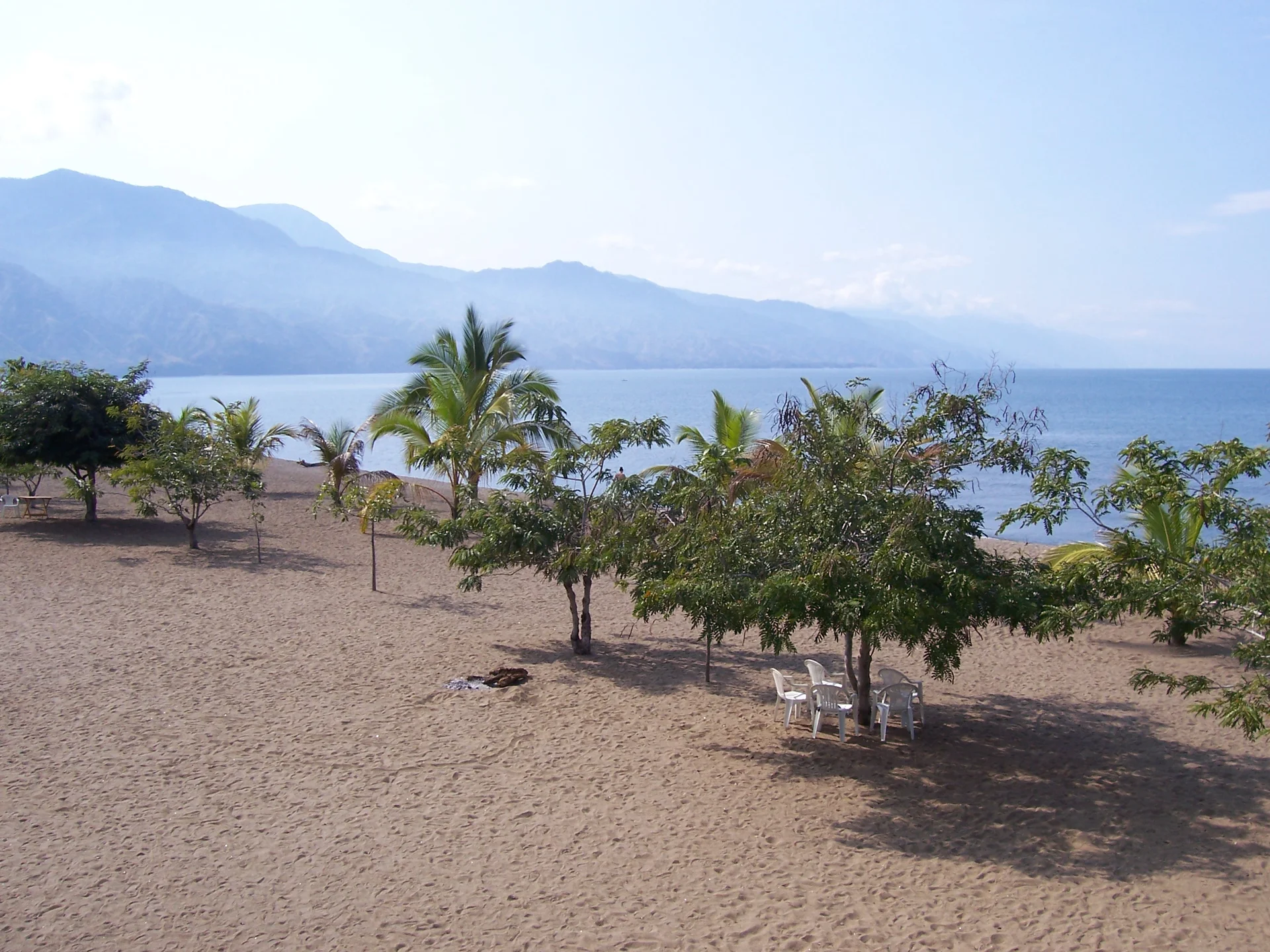
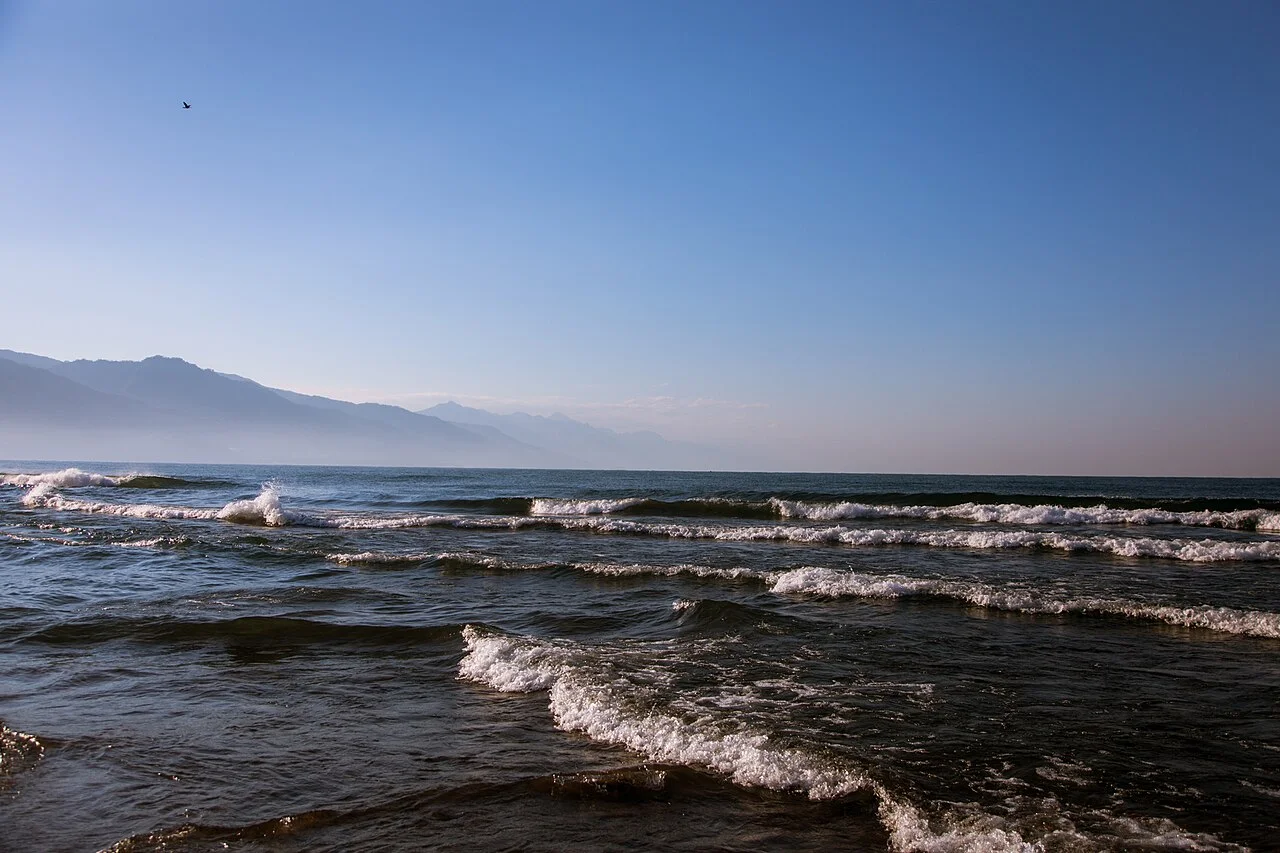
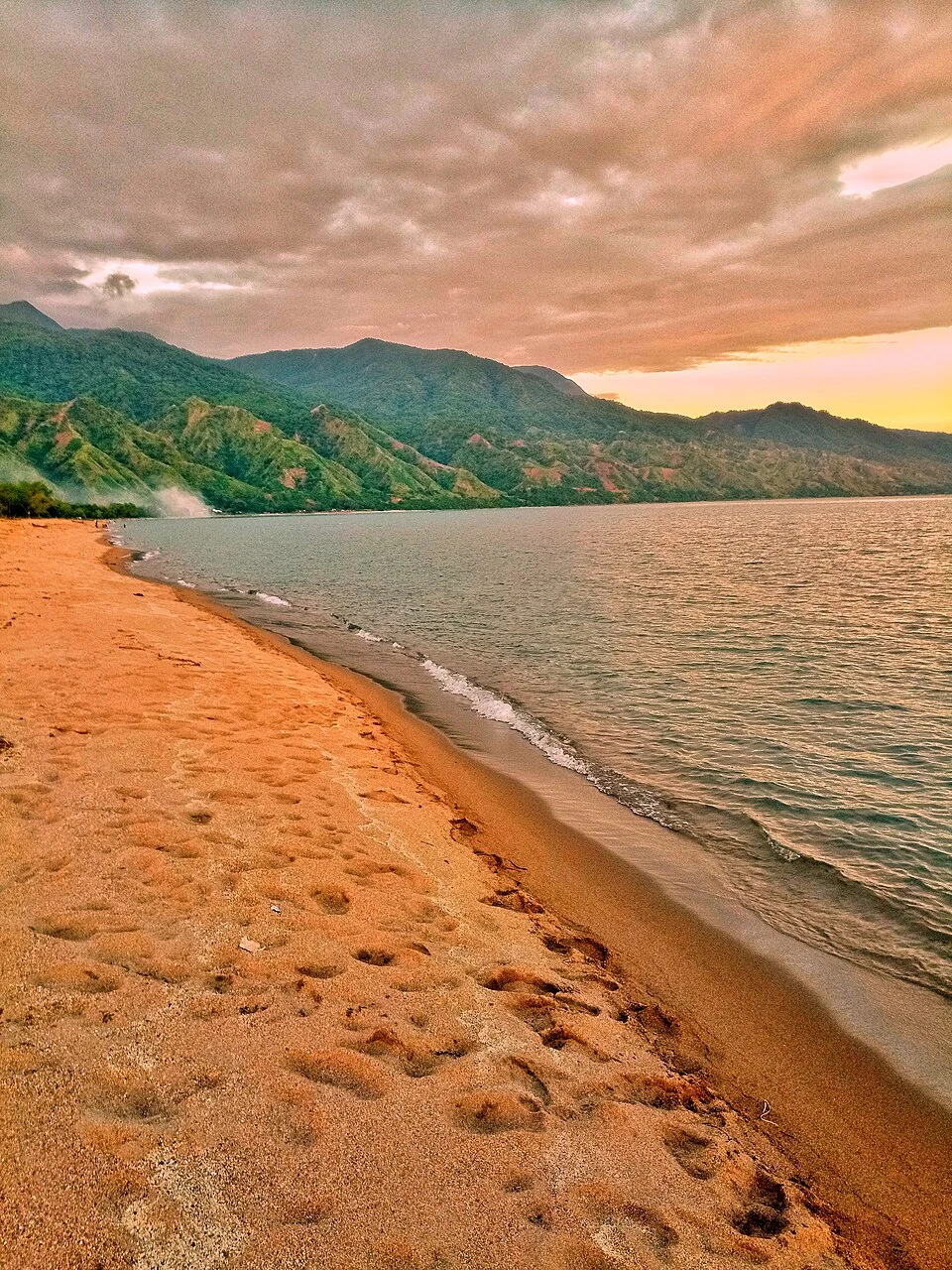
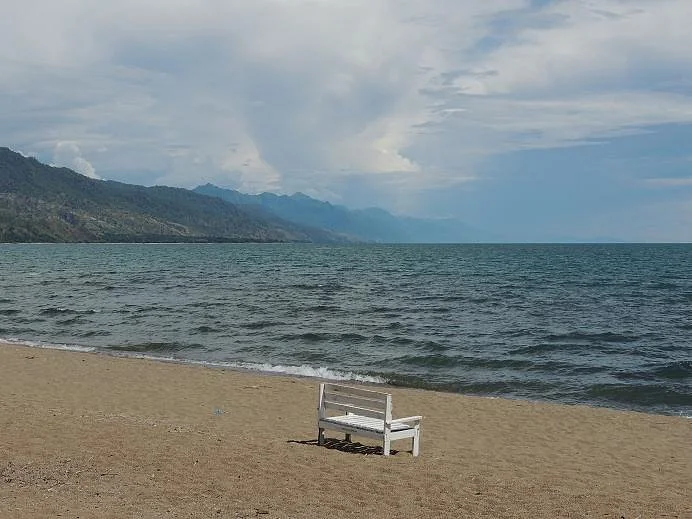
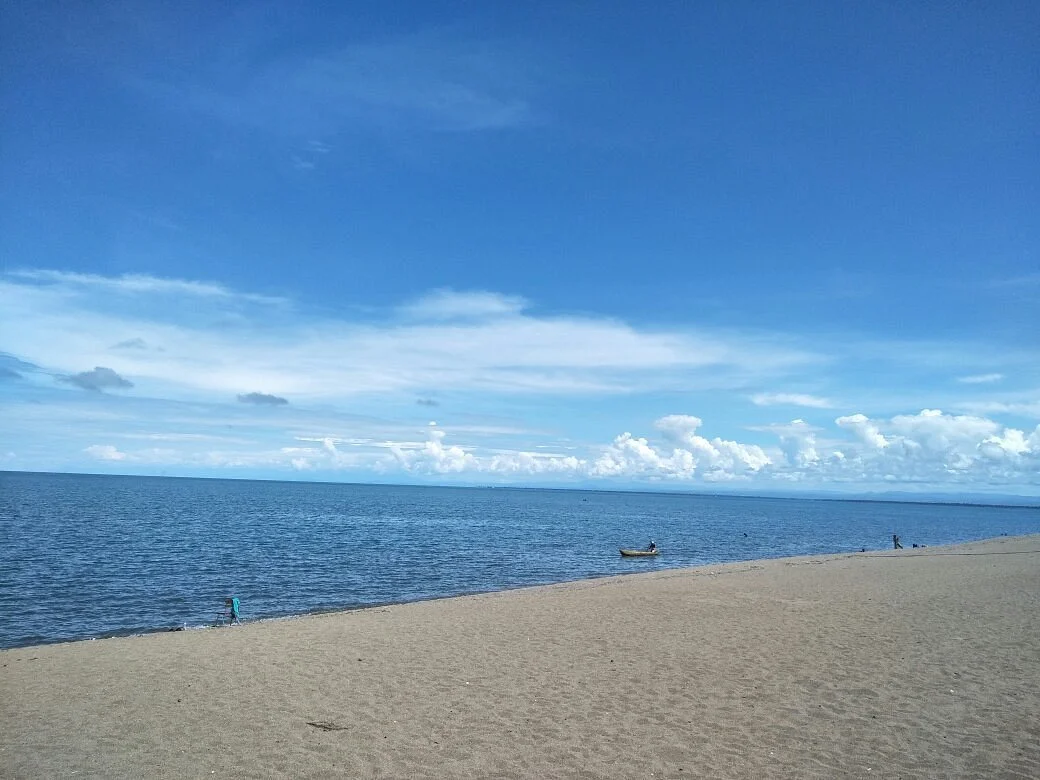
Matema Beach brings together a sandy lakeshore, mountain scenery and village life on Tanzania’s Lake Nyasa. Set in Matema Ward, Kyela District, Mbeya Region, it offers a rewarding change of pace after exploring the Southern Highlands. The Livingstone Mountains rise behind the shore, while the lake opens into a broad freshwater horizon. This is a destination for lingering over the scenery, walking along the beach and meeting local hosts, with enough time to appreciate the place beyond a quick photograph. Lake Nyasa is also known as Lake Malawi. Matema is on the Tanzanian side of this lake; it is separate from Zanzibar and the Indian Ocean coast. That distinction shapes both the journey and the visitor experience. A stay here combines inland lake landscapes with rural southern Tanzania, rather than an ocean resort itinerary. It works particularly well for travellers who enjoy quieter surroundings, local culture and a flexible programme built around the weather and the interests of their group. THE BEACH AND THE MOUNTAIN BACKDROP The attraction is the meeting of lake and highlands. From accessible sections of shore, you can watch the light change across the water and trace the slopes of the Livingstone Mountains. Bring a camera, take your time and choose a comfortable spot for a break. Shoreline conditions change with rainfall, lake levels and waves, so the most suitable walking section should be checked on arrival. There is no need to fill every hour with an organised activity to enjoy Matema. For photography, plan a relaxed outing when the light suits your chosen viewpoint. Early or late in the day can be rewarding, but cloud, haze and the direction of your view matter more than a fixed timetable. A broad landscape image can include beach, lake and mountains; closer photographs can show textures in sand, boats or pottery with permission. Leave fishing equipment and landing areas undisturbed, and ask before photographing people, homes or workplaces. FISHING VILLAGE LIFE Fishing is part of Matema’s everyday economy. A thoughtfully arranged village walk can introduce visitors to the working lakeshore and to the people whose livelihoods connect them to the water. The experience is most worthwhile when a local host explains what is happening, rather than treating daily work as a staged performance. Fishing activity and boat landings vary; no particular catch, market display or demonstration should be promised for every visit. Allow your guide or host to make introductions and clarify where guests are welcome. Keep pathways clear and give working crews space. If you buy a local product, agree on the price respectfully and pay the maker or seller directly where practical. Suitable clothing, a friendly greeting and consent before taking photographs help make a short encounter comfortable for everyone. Children and private households deserve the same care as any other visitor or host. POTTERY IN MATEMA AND IKOMBE Traditional pottery adds a distinctive cultural dimension to the area. Research documents Kisi women potters in both Matema and nearby Ikombe, with skills and production contributing to household livelihoods. A visit can be arranged with participating artisans when they are available. Depending on the host’s work that day, visitors may learn about shaping, finishing or firing, or see completed pieces. An operating factory, scheduled workshop or hands-on lesson should be confirmed separately rather than assumed. Ikombe can be considered as an additional excursion, with road or boat arrangements checked locally. It should not be described as reachable only by water. If travelling by boat, the operator must assess conditions, landing arrangements and the suitability of the vessel. A pottery visit can also take place in Matema, making it possible to choose the option that best fits the group and the artisans. Ask about a hosting or demonstration payment before the visit, and consider baggage space and protective packing before buying fragile pottery. BOATS, WALKS AND OPTIONAL EXCURSIONS A locally arranged boat or canoe outing can provide another perspective on the mountain shore. Availability, route, duration, equipment and the operator’s experience need to be checked in advance. Wind and waves can change the plan even in the dry season. Choose a suitable vessel, use properly fitted lifejackets and accept a cancellation or shorter route if conditions are unsuitable. Boat trips are optional additions, rather than a guaranteed service included in every beach visit. Mountain walks and waterfall excursions are also described in the Matema area, but each needs a specific route and local arrangement. Confirm the walk’s distance, gradient, access permission, guide provision and return time before setting out. A beach walk and a mountain hike involve different levels of effort. After rain, paths may be muddy or slippery. Travellers who prefer an easy day can stay with shore viewpoints and a hosted village visit instead of adding an unassessed climb. LAKE ECOLOGY AND FRESHWATER HEALTH Lake Nyasa supports exceptionally diverse freshwater fish communities, including many cichlids endemic to the lake. This describes the wider lake ecosystem, not a guarantee of seeing particular fish from Matema’s shore. Bird observations may also add interest, but a species list or a specialist wildlife encounter should be confirmed for the chosen outing. Matema is best presented as a lake and cultural destination; terrestrial safari wildlife and marine reef experiences should not be attached to it. Clear water does not establish that freshwater is safe for swimming. The CDC identifies Lake Malawi among schistosomiasis transmission sites and advises avoiding swimming, wading, bathing and other freshwater contact in endemic countries. Plan land-based relaxation and seek individual advice from a qualified travel-health professional before your trip. This is health guidance, not a claim that the beach is legally closed. [CDC freshwater guidance](https://www.cdc.gov/yellow-book/hcp/travel-associated-infections-diseases/schistosomiasis.html). WHEN TO VISIT June to September is the core drier period in regional guidance and a useful starting point for planning shore walks and road travel. October to May is generally wetter, with greener surroundings and a greater chance of rain affecting outdoor plans. May and October can be considered transition months, but seasonal boundaries are not exact. The lake shore is lower and warmer than the Mbeya uplands, so pack for both locations if combining them. A dry day does not guarantee calm water or a suitable boat departure. Allow flexibility instead of building a tightly timed programme around a single weather-dependent outing. During wetter months, confirm access before departure and keep an alternative such as a hosted cultural visit or additional rest time. During drier months, sun protection and drinking water still matter. Conditions at the lake can differ from those at your highland accommodation, making local advice on the day more useful than a regional forecast alone. HOW LONG TO STAY AND WHERE TO BASE YOURSELF A short stop can provide a beach walk and lunch, but one or two nights is a practical option for travellers who want a slower visit. A longer stay creates room for pottery, optional boating and an additional guided walk without rushing. Treat this as an itinerary suggestion rather than a compulsory minimum. For a day visit, include the full outward and return road journey in your plans and avoid scheduling a late finish after a long transfer. Check the exact location of your accommodation, since a property’s name does not establish that it sits on the beach. Confirm current availability, room standard, meals, hot water, power, connectivity and transfer arrangements directly with the chosen host. Guests with limited mobility should ask for details of steps, paths, bathrooms and vehicle access. Camping, secure parking and day-use facilities require separate confirmation. Current entry arrangements, property access and any local charges should be established before travel; no fixed fee or beach-wide opening timetable is assumed here. PRACTICAL PREPARATION AND RESPONSIBLE VISITING Bring comfortable walking shoes, a sun hat, sunscreen, drinking water, a light rain layer and a small day bag. A warm layer is useful for travel through the highlands. Protect cameras and phones from sand and spray, and carry enough cash for small agreed purchases or local services. Plan meals and dietary requirements with your host in advance. For families, keep children close near the water and explain boundaries around boat landings, fishing gear and private property. Take rubbish away, avoid leaving food waste and keep washing products out of the lake. Do not collect wildlife or remove natural material from the shore. Respect the space and decisions of residents, including anyone who declines a photograph or visit. TanzaLux can shape Matema into a lakeside pause within a wider Southern Highlands journey, with logistics and optional activities confirmed for the dates you choose. The strongest visit is one that gives the landscape, hosts and local livelihoods enough time and attention.
October–April: generally wetter conditions within the regional October–May rainy period. Green surroundings can be attractive, but showers, muddy walking routes and changing lake conditions require a flexible programme. Confirm access and optional excursions locally; wind and waves determine boat suitability. This is a planning period, not a measured low-demand guarantee.
May and October: transition months for planning, with weather varying between years. May may still receive rain and October can mark its return. Combine relaxed shore time with locally confirmed cultural visits, and keep rain protection and an alternative to boating. Check conditions close to departure.
June–September: the core regional drier period, useful for shore walks, photography and road travel. Lake-side temperatures differ from the cooler Mbeya uplands. Dry weather does not ensure calm water; boat departures still depend on wind, waves, equipment and operator assessment. Book your preferred accommodation in advance; crowd levels vary.
Matema Beach is in Matema Ward, Kyela District, Mbeya Region, on the northern Tanzanian shore of Lake Nyasa. Songwe Airport (MBI), serving the Mbeya area, is a regional arrival option; check current flights and arrange the onward road transfer separately. A journey from Mbeya or the airport continues towards the Kyela area and Matema, with the exact route selected for your starting point and current conditions. The Kikusya–Ipinda–Matema/Tenende–Matema road corridor is part of the access network; passing through Kyela town is not compulsory for every route. Allow a substantial road transfer and ask for a date-specific distance and duration rather than relying on a universal drive time. Confirm vehicle suitability, the final approach and your accommodation’s exact location before departure. Public transport connections, private transfers and any local boats require current arrangements. Ikombe pottery visits can use locally confirmed road or boat logistics; do not assume water-only access. Visiting Matema within Tanzania does not itself require a Malawi crossing. Any international extension needs separate transport and border planning.
Matema Beach is in Matema Ward, Kyela District, Mbeya Region, on the northern Tanzanian shore of Lake Nyasa. It is a lakeside destination within a Southern Highlands itinerary.
Yes. Lake Nyasa and Lake Malawi refer to the same freshwater lake. The Matema destination described here is on the Tanzanian side; an excursion to another country requires separate arrangements.
No. Matema is an inland lake beach in southwestern Tanzania. Reaching it involves travel through the Mbeya area rather than a Zanzibar island transfer.
Its appeal combines sandy shore, views of the Livingstone Mountains, fishing village life and traditional pottery. Allow time for the landscape and locally hosted encounters rather than expecting a large resort programme.
June–September is the core regional drier period and a useful choice for shore walks and road travel. October–May is generally wetter. Check conditions near departure; suitable weather for boating cannot be guaranteed in any month.
One or two nights is a practical suggestion for relaxed shore time and a cultural visit. A shorter stop is possible when transfers allow; add more time for optional excursions and weather flexibility.
Songwe Airport (MBI) serves the Mbeya area and can be a regional arrival option. Confirm flights for your dates and book the onward road journey separately.
Arrange a road journey towards the Kyela area and Matema with a driver who confirms the route and final approach. Duration depends on your starting point, stops and road conditions; request a specific estimate for your itinerary.
No. The chosen route depends on the starting point and road conditions. Access includes the Kikusya–Ipinda–Matema/Tenende–Matema corridor, so do not assume a Kyela town stop is compulsory.
Do not assume freshwater is safe because it looks clear. CDC guidance identifies Lake Malawi as a schistosomiasis transmission site and advises avoiding freshwater contact in endemic countries. Seek qualified travel-health advice and plan shore-based activities.
An outing may be arranged locally when a suitable operator and vessel are available. Confirm the route, landing points, lifejackets and weather assessment. Wind or waves may require cancellation; it is not automatically included in a beach visit.
A visit can be arranged with participating artisans who agree to host guests. Confirm availability, any demonstration fee and photography permission beforehand. Pottery purchases can support makers directly.
Yes, subject to suitable local arrangements. Pottery traditions are documented there, but the visit needs a consenting host and confirmed transport. Road and boat options should both be checked; Ikombe is not described as accessible only by water.
Such outings are described in the area, but each needs a confirmed route, guide and access arrangement. Ask about distance, gradient, path condition and return time. Do not treat them as a standard service available without advance planning.
Lake Nyasa has rich freshwater fish biodiversity, especially cichlids, and lakeshore birds may be observed. These are wider ecological interests rather than guaranteed sightings of named species at Matema. It is not a terrestrial game-drive destination.
A flexible shore-based stay can work for families when transfers, meals and accommodation suit the children. Adults should supervise closely near water, boats and working landing areas. Check paths and facilities before selecting excursions.
Confirm the location and current standard of your chosen host directly. Ask about rooms, meals, water, power, bathrooms, accessibility and parking. Camping and day-use services need separate confirmation; a property name does not prove a beachfront location.
A universal beach-wide fee or timetable is not confirmed here. Ask your host and local authorities about current access, property boundaries and any charges, including those for guides, artisans or boat services.
Bring walking shoes, a hat, sunscreen, drinking water, a rain layer and protection for electronics from sand and spray. Add a warm layer for the highlands, and carry cash for small agreed local purchases or services.
Use Matema as a lakeside pause after Mbeya-area or Southern Highlands attractions, allowing realistic road-transfer time between places. TanzaLux can confirm accommodation and suitable excursions for your dates. Any Malawi extension requires separate border and transport planning.
Grateful experience
As a solo female traveler, I felt super safe and well taken care of the entire time.
Read morePrivate Safari 6 days
I can only highly recommend the young company Tanzalux for organizing a private safari.
Read moreAn unforgettable vegetarian journey with Tanzalux Safaris
I highly recommend Tanzalux for anyone wanting a special, personalized safari.
Read moreOur 3-day camping safari with Tanzalux was simply fantastic! Everything was perfectly organized.
Read moreBack in April, I joined a day trip to Tarangire National Park with Tanzalux Safaris, and it was truly one of the best experiences I have ever had…
Read moreI've had an amazing experience with Tanzalux Safaris, would 1000% recommend! Thank you for making my trip so special🫶
Read moreI recently visited Meru Waterfalls in Arusha and got to do some of the activities there, honestly it was such a great experience and I really enjoyed it.
Read moreOur guide Dullah Mr Rastaman had the best vibe. I would like to recommend other people not to miss it, Tarangire is the best national park.
Read moreOur tour guide Nasri was very friendly and welcoming from the first day we met him. He knows Tarangire very well and explained many things during the safari.
Read moreAs a grandmother in the group, I would like to share my happiness with Tanzalux Safaris. Me, my daughters, and my grandson went on a short trip to Tarangire National Park…
Read moreReceive a free, no obligation quote

 Western Circuit
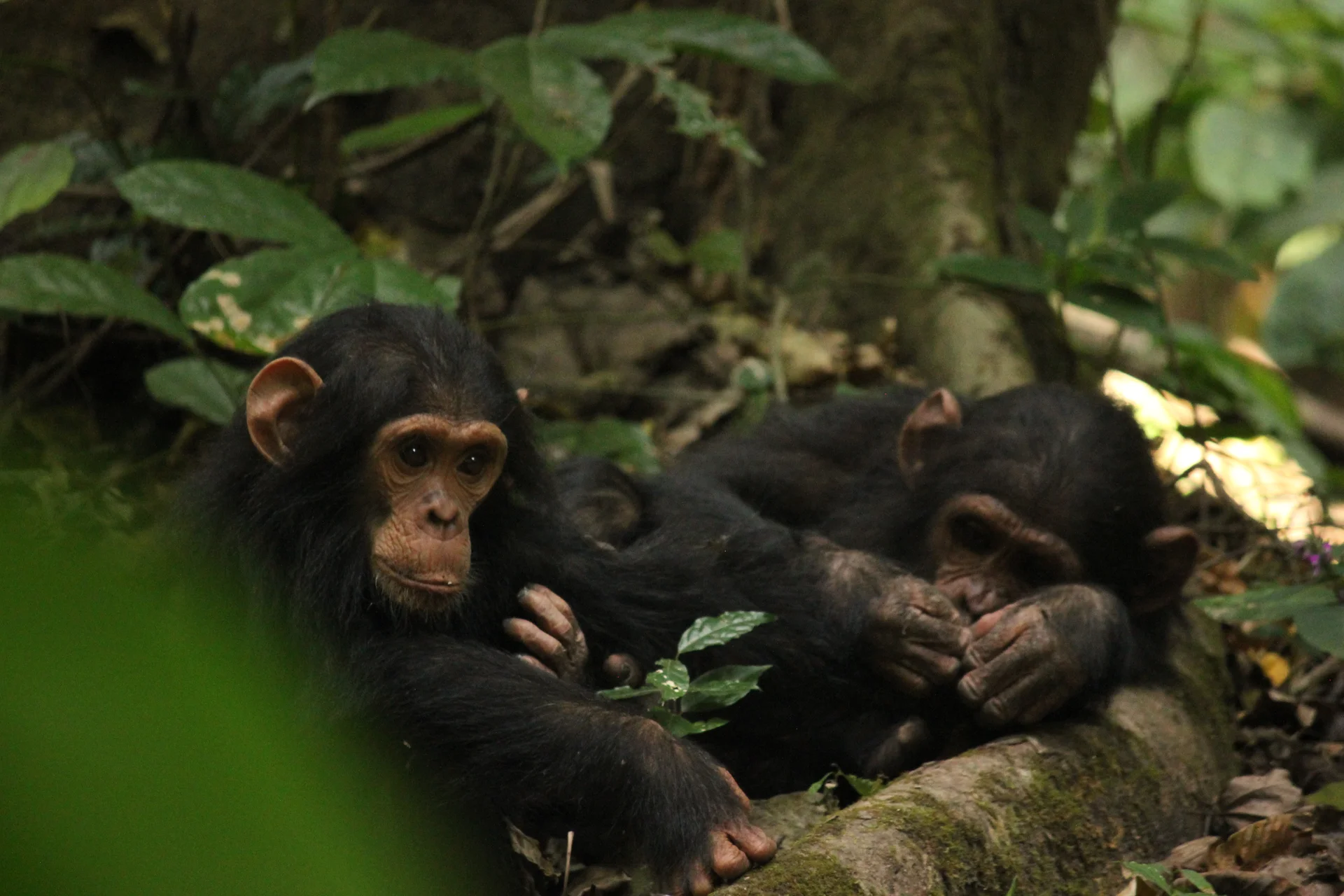
Gombe Stream National Park, also known as Gombe National Park, combines wild chimpanzee trekking with forested hills and the shores of Lake Tanganyika. In Kigoma…
Wildlife
Chimpanzees & Olive baboons
Landscape
National Parks & Safari
Highlights
Wild chimpanzee trekking with park rangers
 Southern Circuit
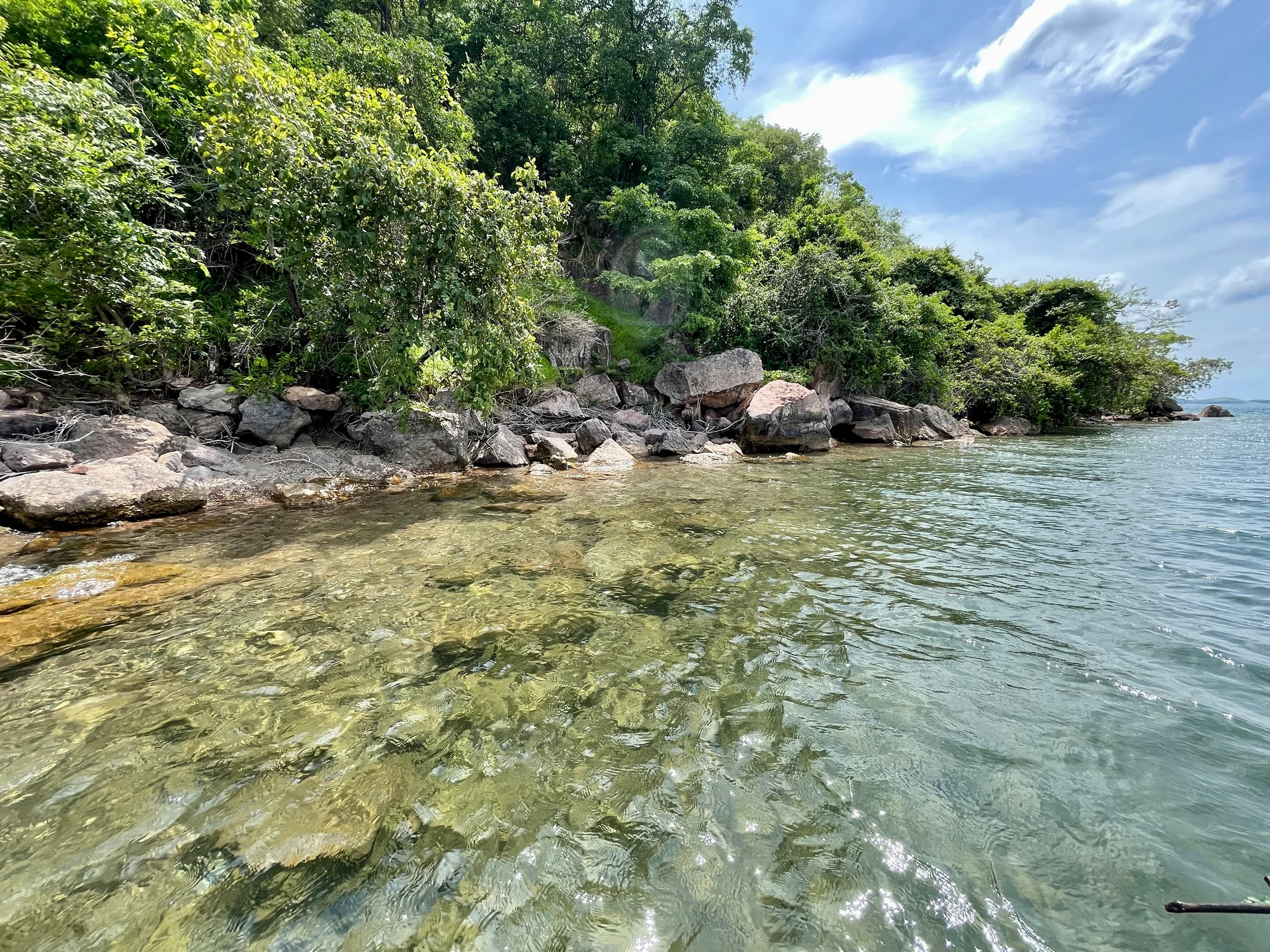
Lake Tanganyika offers a striking freshwater setting along Tanzania’s western frontier: broad blue horizons, wooded shores, bays, beaches and communities whose daily life is closely…
Wildlife
Endemic cichlid fish & Other freshwater fish
Landscape
Lakes & Hot Springs
Highlights
Africa’s deepest freshwater lake in the East African Rift
 Northern Circuit
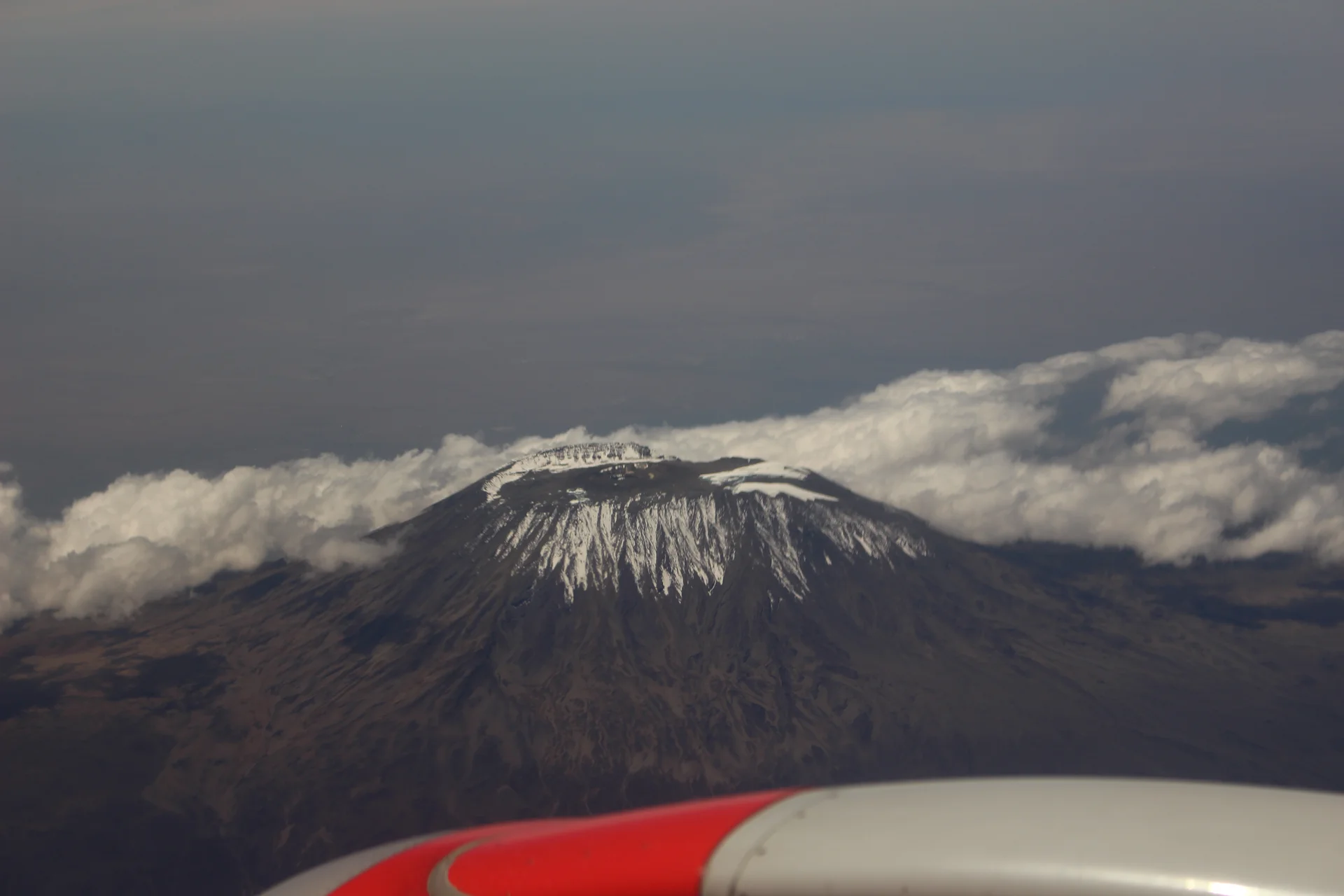
Kilimanjaro rises above northern Tanzania’s plains to Uhuru Peak at 5,895 metres, the highest point in Africa. Its volcanic massif, dramatic changes in vegetation and…
Wildlife
Black-and-white colobus monkeys in forest habitats & Blue monkeys in forest habitats
Landscape
Mountains & Trekking
Highlights
Uhuru Peak at 5,895 metres — Africa’s highest point
 Western Circuit
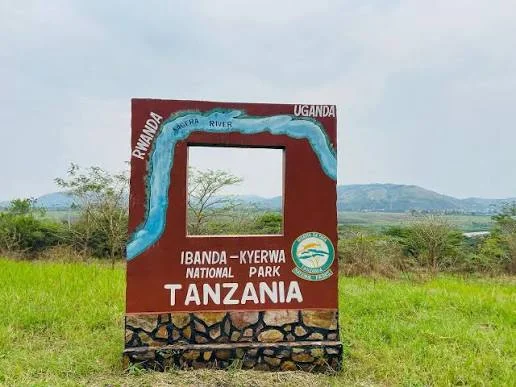
Ibanda-Kyerwa National Park protects a scenic corner of northwestern Tanzania, where the Kagera River meets a landscape of savanna, wooded slopes, valleys and wetlands. Situated…
Wildlife
Buffalo & Roan antelope
Landscape
National Parks & Safari
Highlights
Kagera River scenery on Tanzania’s northwestern border
 Zanzibar & Islands
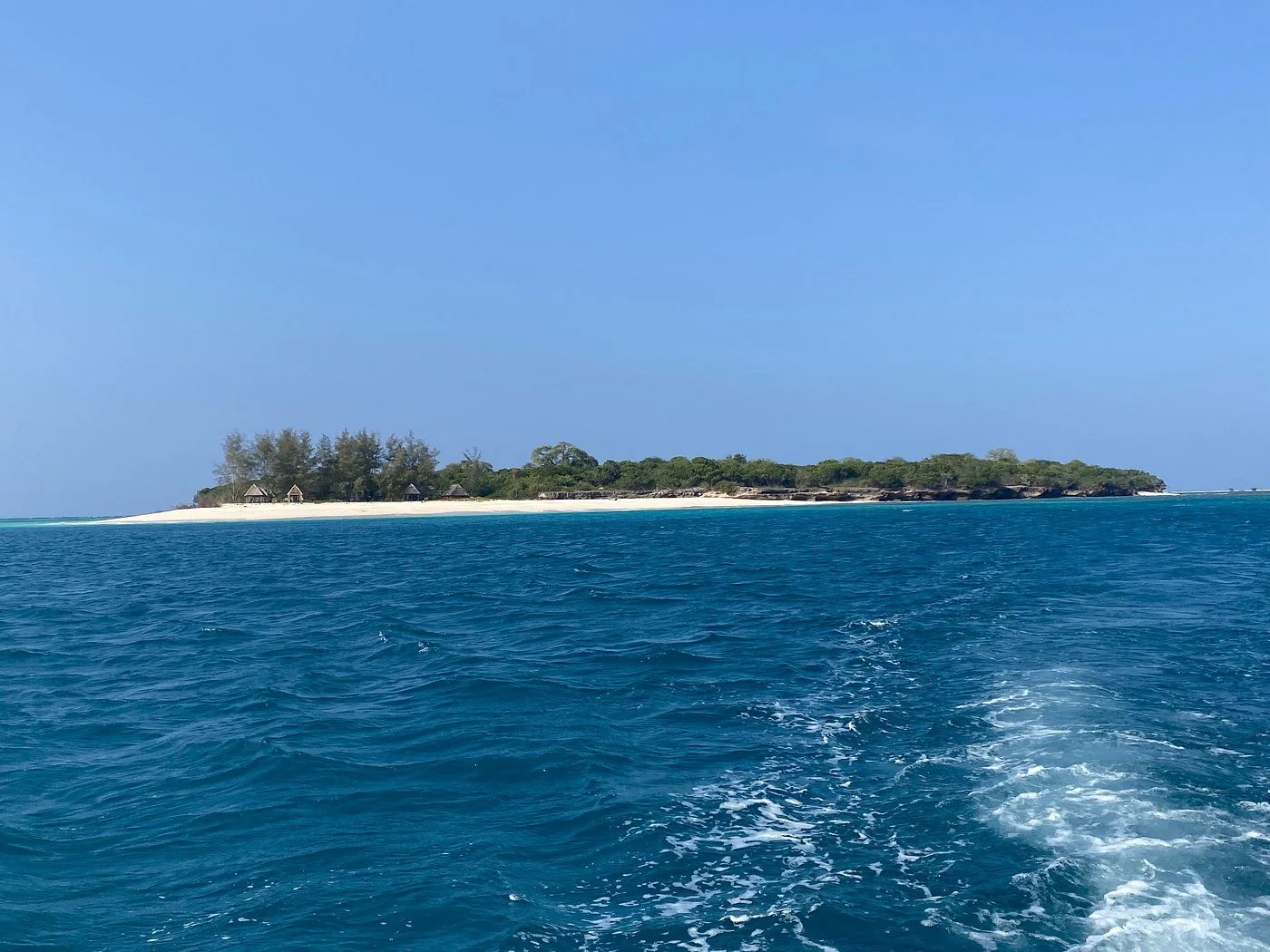
Sinda Island Marine Reserve offers an Indian Ocean escape off Kigamboni, on the southern side of Dar es Salaam. The reserve encompasses Inner and Outer…
Wildlife
Reef fish & Coastal birds
Landscape
Beaches & Islands
Highlights
Inner and Outer Sinda islands
 Northern Circuit
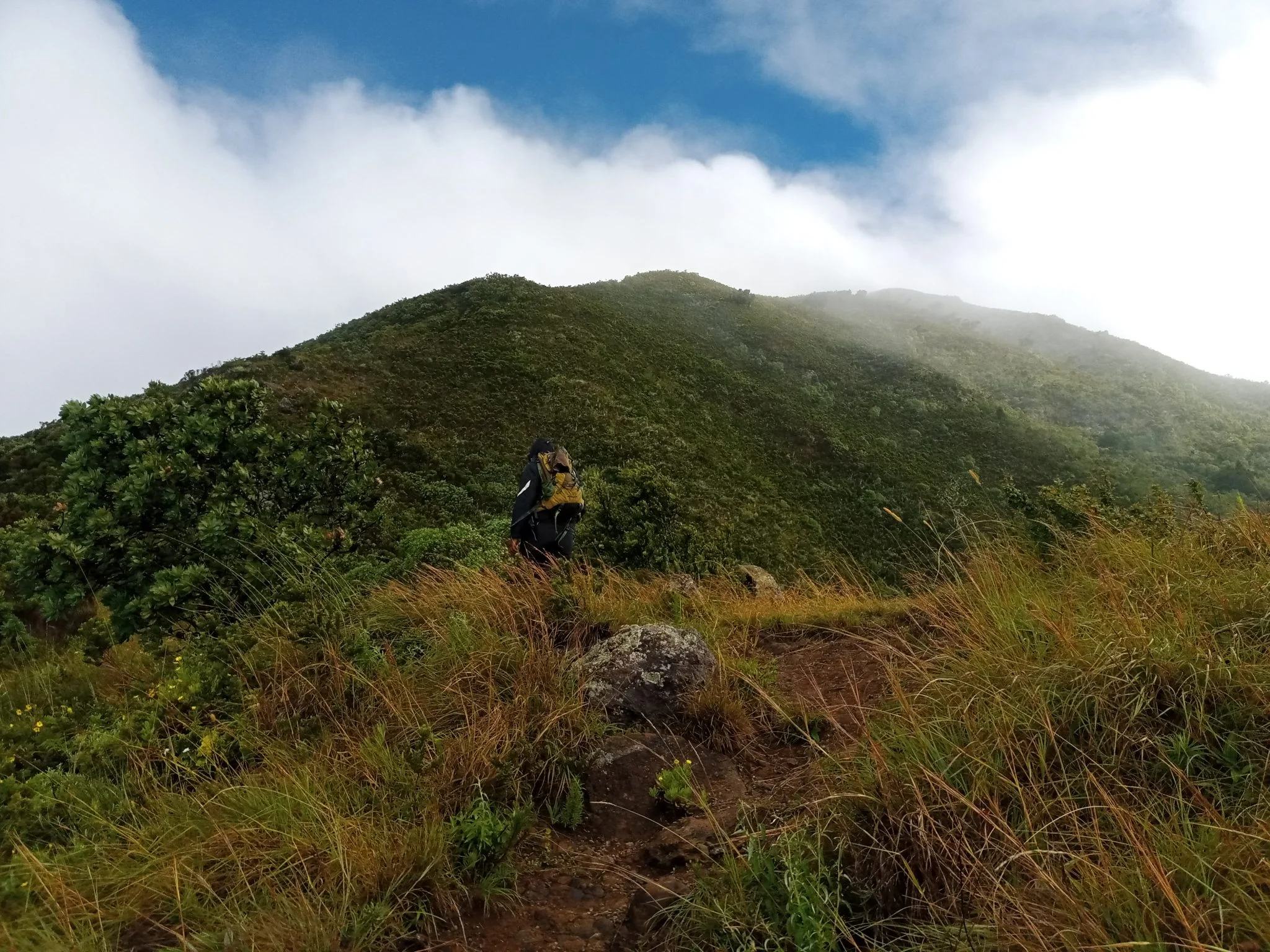
Discover Mount Hanang Rising above Katesh in Tanzania’s Manyara Region, Mount Hanang offers a rewarding mountain adventure beyond the familiar northern safari circuit. At approximately…
Wildlife
Klipspringer & Vervet monkeys
Landscape
Mountains & Trekking
Highlights
Approximately 3,423 metres — Tanzania’s fourth-highest mountain