 5.0 Excellent


Dorine M1 year ago

Grateful experience
As a solo female traveler, I felt super safe and well taken care of the entire time.
Read more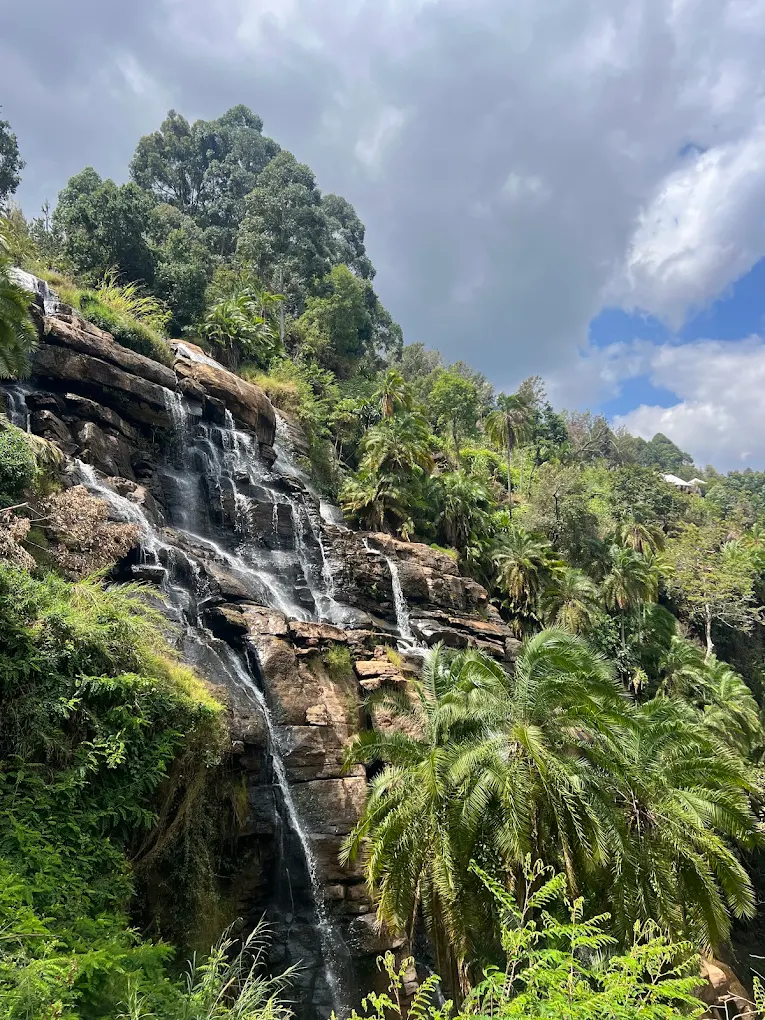
Eastern Circuit & Coast

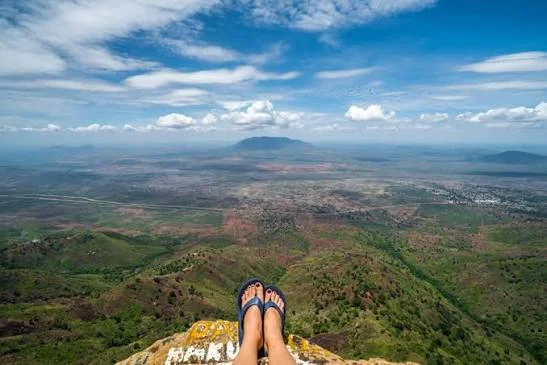
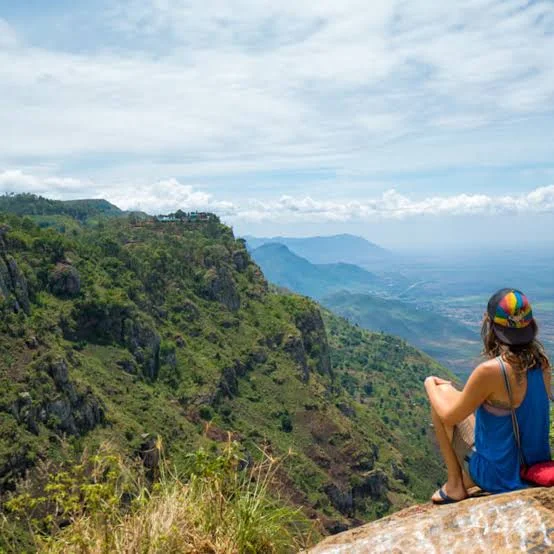
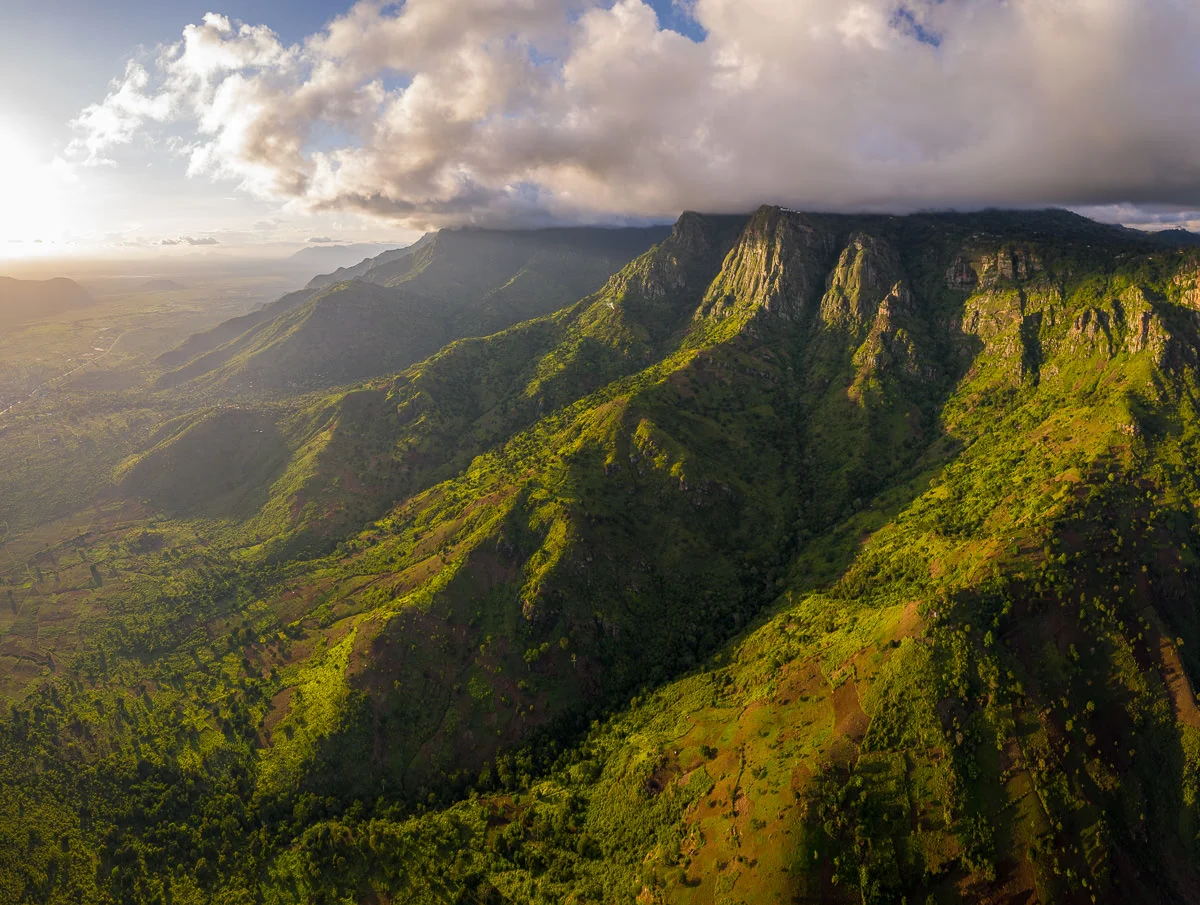
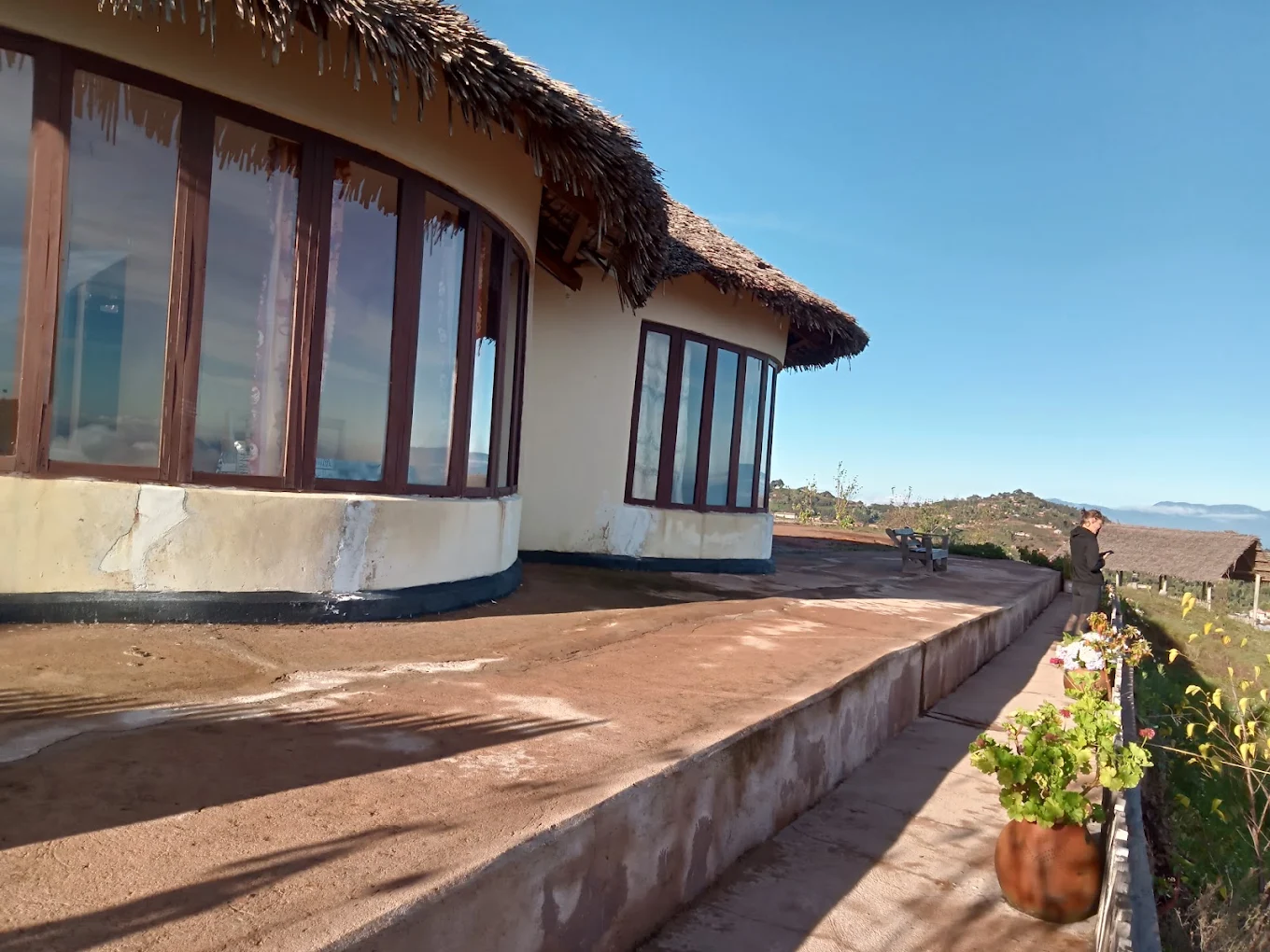
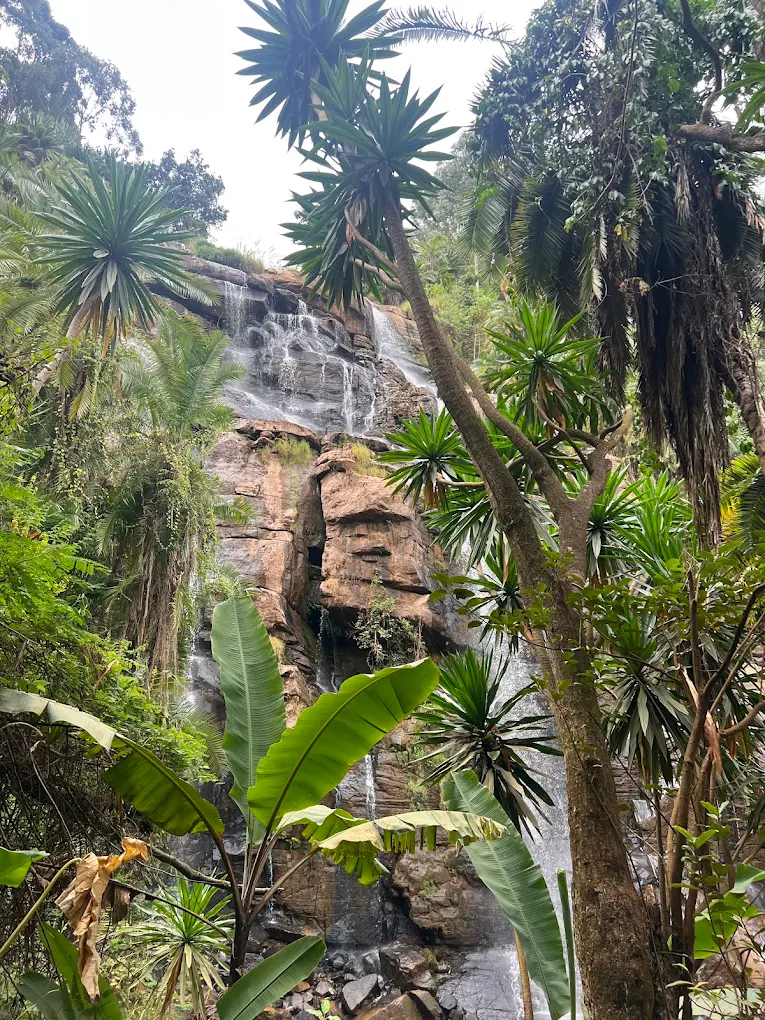
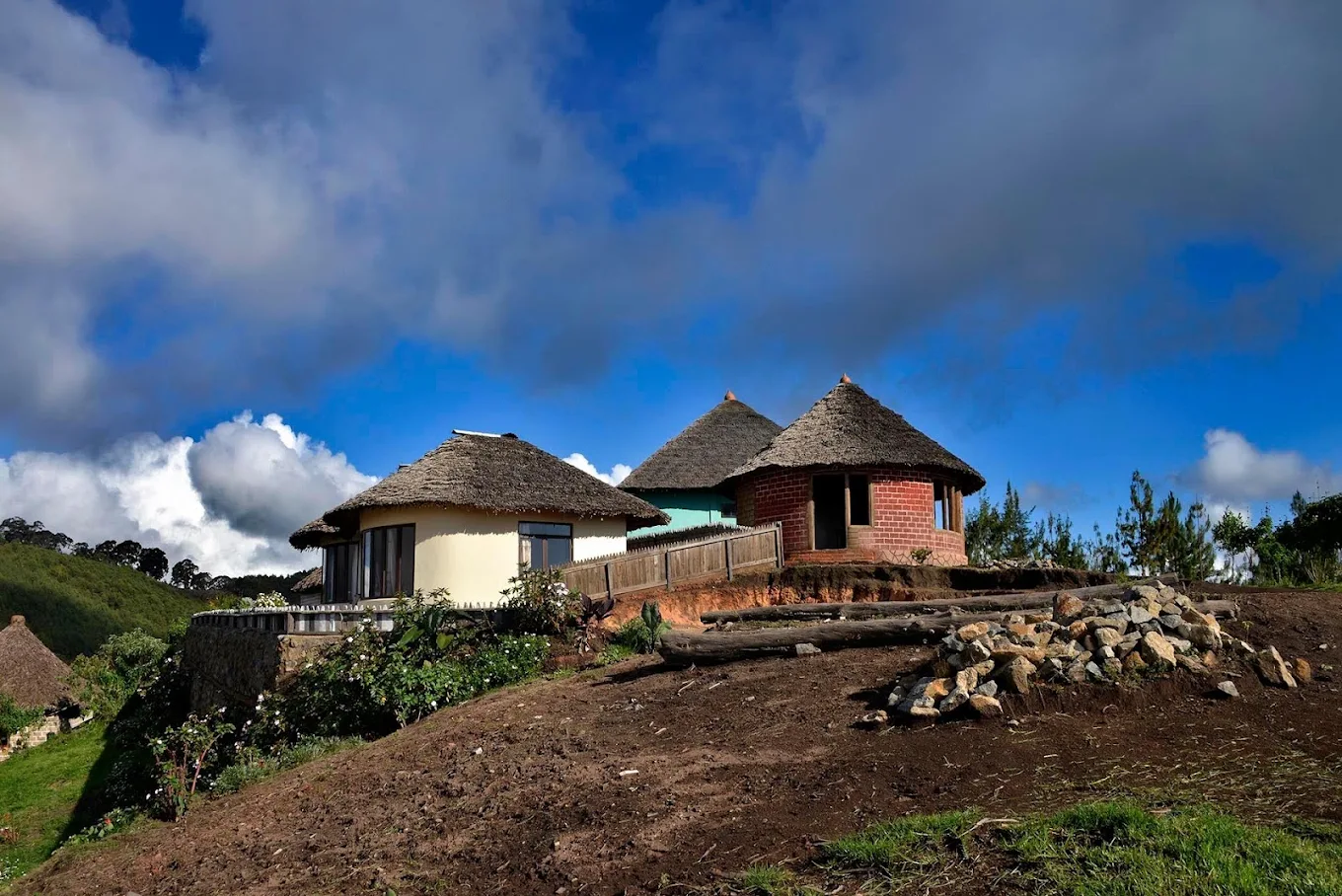
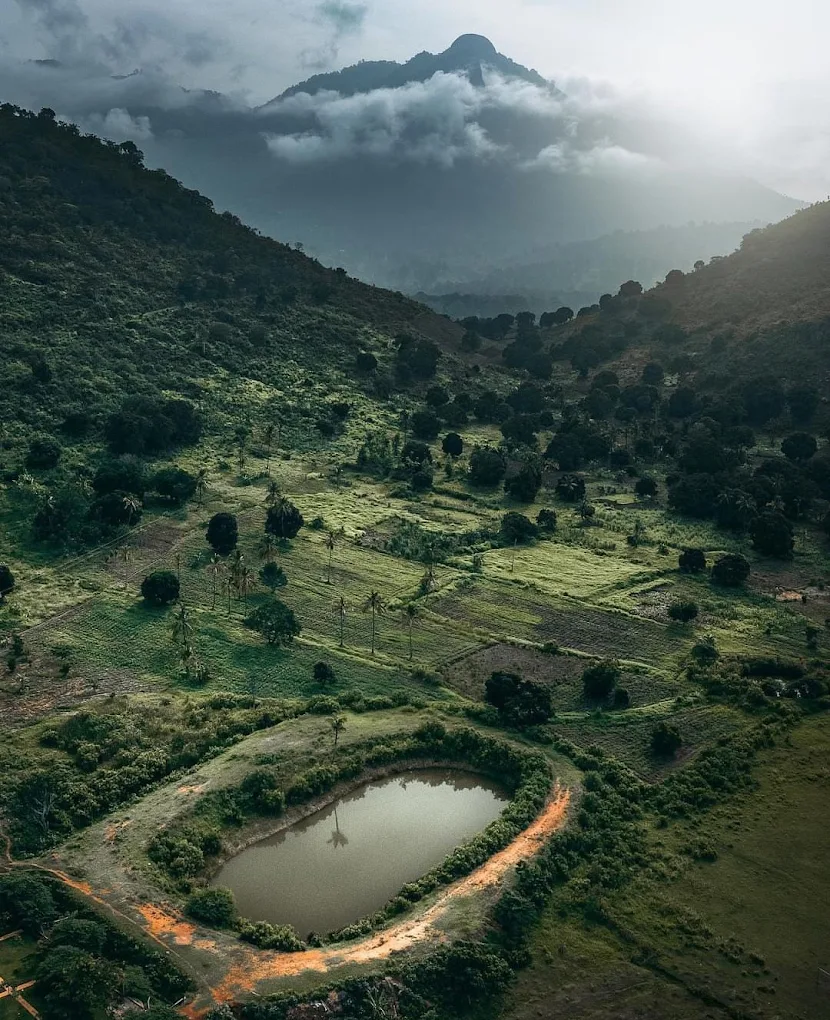
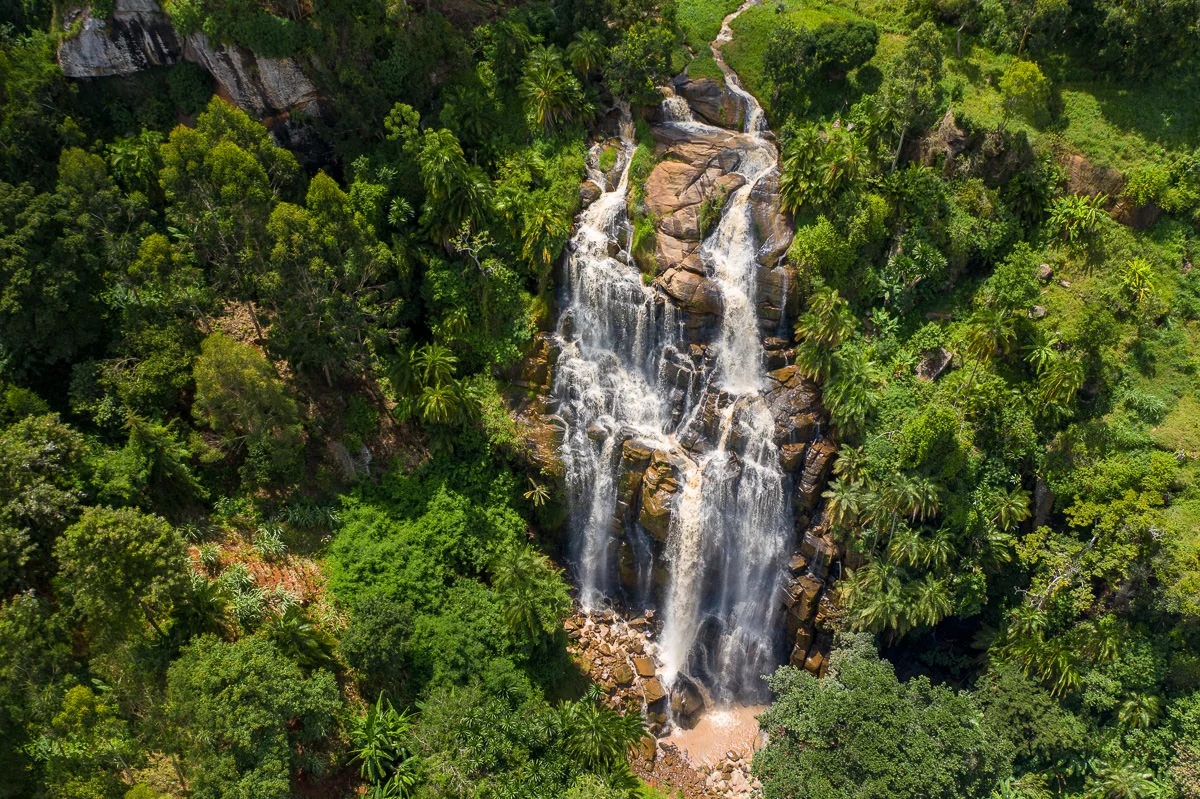
Lushoto is a highland town in Tanzania's West Usambara Mountains and a welcoming base for walking, forest visits and rural cultural experiences. Set in Tanga Region, it brings together cultivated valleys, wooded ridges and outlooks towards the plains below. Stay for a few days to explore with a local guide, enjoy the cooler mountain atmosphere and leave time for the town itself. The most rewarding itinerary combines a viewpoint walk with a forest outing and an introduction to local farming life. Irente and the escarpment Irente Viewpoint is one of the area's best-known excursions. The attraction is the change in perspective as the hills open onto broad lowland views. A visit can be organised as a longer walk through settlements and farmland or with a road transfer that reduces the walking distance. Agree the route and pace in advance rather than assuming every Irente trip is identical. Clouds and mist can obscure the outlook, so build flexibility into your stay and follow local guidance around cliff edges. Magamba forest Magamba Nature Forest Reserve provides a contrasting experience of shaded trails and forest interpretation. Tanzania Forest Services identifies it as part of the West Usambaras, with access from Lushoto and opportunities for hiking, birdwatching and camping. Guided walks may offer encounters with colobus monkeys, chameleons and other smaller wildlife, although sightings are never assured. Listen for birds, move quietly and let the guide explain the relationship between the forest and the surrounding communities. Check reserve access, guiding and current charges separately from your town accommodation. Waterfalls and varied walks Mkuzi, Kisasa and Soni are among the waterfall names used in local visitor programmes. Their access routes, walking demands and water conditions differ, so book a specific outing with a clear description of the transport and return plan. A shorter forest walk can be a good choice after a long travel day, while a full-day route suits visitors who want more time on foot. Rain can make paths and rocks slippery; a guide should adapt the day's plan to recent conditions and the group's ability. Meet the farming landscape Lushoto is closely associated with the Sambaa people and the productive valleys of the Usambaras. Village and farm walks can introduce coffee cultivation, local produce and the everyday use of the land. Irente's farm experiences are often combined with a viewpoint visit, with food or tastings arranged in advance. Ask what a cultural activity involves, how local hosts participate and what is included. Seek permission before photographing people or entering homes and fields, and treat communities as hosts rather than attractions to pass through. Longer mountain journeys The wider West Usambaras also lend themselves to village-to-village walking programmes towards places such as Rangwi, Mlalo, Mambo and Mtae. These are separate journeys requiring more preparation than a day walk from town. Confirm the daily distance, ascent, overnight stops, luggage arrangements and onward transfer before committing. A locally planned route can combine views, forest and conversations along the way, while allowing your pace and the weather to shape the experience. Do not assume distant viewpoints can all be visited comfortably in one day. Choosing accommodation Town-based guesthouses and hotels are convenient for services and local transport, while lodges and farm stays outside the centre can offer quieter surroundings. Compare the actual location with the starting points of your planned walks. Ask about meals, room access, bathrooms, charging, connectivity and pickup arrangements, particularly when arriving after dark or travelling with children. Forest camping should be arranged with the relevant reserve or campsite rather than improvised in an unapproved location. A balanced short stay Two or three nights is a suggested starting point for combining Irente, a forest outing and relaxed time in town. Allow longer for a multi-day trek or additional villages. Keep the first afternoon flexible, then choose the main walk after discussing conditions with your guide. Lushoto can complement a northern Tanzania itinerary or a Tanga and Pangani coast visit, provided enough road time is included. Magoroto and Amani are in the East Usambaras and should be planned as separate travel stages. Prepare for mountain conditions Bring walking shoes with grip, a light waterproof layer, warm clothing for evenings, sun protection, a torch and a reusable water bottle. Carry the day's essentials in a small pack and leave time for rest and photographs. Confirm the weather forecast, arrange drinking water and discuss dietary or access needs before departure. A clear written quotation should identify transport, guiding, meals, accommodation and any reserve or viewpoint charges. Respect private land, remain on agreed paths and carry litter back with you.
March-May: the main rains can leave paths muddy and make longer hikes less practical. Forest scenery remains green, but ask about trail access and choose routes suited to recent conditions. Keep transfers and walking plans flexible.
November-December: short rains and changing conditions can bring a mix of showers, mist and clearer spells. Allow extra time and carry rain protection. A flexible day plan is more useful than relying on a fixed viewpoint or waterfall schedule.
June-October is generally a favoured period for walking, with drier trails more likely; evenings can feel cool. January-February can provide another useful window between rainier periods. Rain and mist remain possible, so reserve ahead and check the current forecast rather than assuming guaranteed clear views.
Lushoto is reached by road through Mombo on the main corridor between the northern towns and Dar es Salaam. From Mombo, the road climbs into the West Usambaras. Irente Farm Lodge describes this final ascent as roughly 40 kilometres and about an hour; allow extra time for traffic, weather and stops. For orientation, the lodge's published bus guidance gives approximately eight hours from Dar es Salaam, seven from Arusha, five from Moshi and four to five from Tanga. These are planning allowances rather than guaranteed current journey times. Confirm the actual operator, departure point, connections and arrival time for your date; a private vehicle can follow a different schedule. For air arrivals, compare Tanga Airport for a coast-based itinerary and Kilimanjaro Airport for a northern itinerary, then pre-book the road transfer to Lushoto. Do not assume the flight arrival leaves enough time for a same-day long hike. If travelling by bus, agree on collection from Lushoto town, or a Mombo connection if the service does not continue up the mountain. Accommodation outside the centre may require an additional local transfer. Obtain a location pin and arrival instructions, particularly for Irente or more distant villages, and aim to arrive in daylight on a first visit. Arrange guides, reserve permissions and any onward transport before beginning a remote walk. Keep a small day pack, drinking water and a rain layer with you, and confirm luggage storage or transfer for multi-day treks.
Lushoto is a highland town in Tanga Region, northeastern Tanzania. It serves as a base for exploring the West Usambara Mountains, including nearby viewpoints, farming communities and forest routes.
Lushoto is in the West Usambaras. Amani and Magoroto are in the East Usambaras and require separate road planning. Do not treat them as neighbouring stops that can automatically fit into a single walking day.
Most approaches use Mombo before climbing into the mountains. Confirm whether your bus continues to Lushoto or needs a connection, and arrange any onward transfer to accommodation outside town before arrival.
Tanga Airport can suit a coast-based itinerary, while Kilimanjaro Airport can suit travel from the north. Both require an onward road journey. Compare the full connection and pickup plan rather than choosing on flight time alone.
June-October is generally favoured for walking, with January-February offering another possible window. March-May tends to be wetter. Mountain weather is variable, so check current conditions and pack for rain even in a drier month.
Local guided itineraries commonly allow about five to six hours for a fuller outing from Lushoto, often including other stops. A transfer can shorten the walking. Confirm your exact distance, gradients, lunch and return plan before booking.
Yes. Tanzania Forest Services places reserve access about nine kilometres from Lushoto. Arrange the entrance, guide and route beforehand; the walking programme and charges depend on the specific visit rather than your town accommodation booking.
Nearby forest outings may offer colobus monkeys, chameleons, forest birds, butterflies and other smaller wildlife. Sightings vary, so avoid expecting a guaranteed species list. Move quietly, keep your distance and never handle animals for photographs.
Mkuzi, Kisasa and Soni feature in local programmes. They have different approaches and walking demands. Ask the guide to specify the waterfall, current access, transport and trail condition instead of booking a generic waterfall excursion.
There are gentler outings as well as longer, steeper hikes. Discuss your walking experience and preferred pace with the guide. Confirm distance, ascent, rest opportunities and whether the route can be shortened, especially after rain.
A knowledgeable guide is recommended for forest routes, village visits and longer hikes. Guiding can add interpretation and help coordinate permissions and transport. Agree on the language, programme and total price in advance.
Yes, local programmes connect villages and viewpoints across the wider West Usambaras. Confirm daily distance, overnight accommodation, meals, luggage support and the final transfer. Routes towards Mambo or Mtae need more planning than a town-based day walk.
Lushoto and its surroundings offer guesthouses, hotels, lodges and farm stays, while designated forest camping can be arranged separately. Compare location, room access, bathrooms, meals and transfer requirements before choosing where to stay.
Two or three nights is a suggested starting point for a viewpoint walk, a forest visit and time in town. Add nights for a multi-day route or a slower pace, and keep some flexibility for mist or rain.
Inclusions vary. Request a current quotation showing guiding, transport, entry or reserve charges, food and any accommodation. Ask which permissions are covered and keep payment confirmations rather than assuming a single fee covers the whole area.
Village walks, coffee activities and farm visits are offered locally. Ask how hosts participate and what the visit involves. Seek permission for photographs and access to private land, and follow the host's guidance during tastings or demonstrations.
It can suit families when routes match the children's ages and ability. Discuss pace, transport and meals with the guide. Supervise closely near cliffs, waterfalls and traffic, and choose an outing with realistic rest and return options.
Ask for an individual access plan. Road-based viewpoints or shorter visits may be possible, but hills, steps and uneven paths can present difficulties. Confirm the room entrance, bathroom, vehicle and route rather than relying on a general accessibility claim.
Bring footwear with grip, a waterproof layer, warm evening clothing, a hat, sun protection, a torch and a reusable water bottle. Binoculars can help with birdwatching. Protect electronics from rain and ask what your accommodation or trek operator supplies.
Yes, it can fit between northern Tanzania and the Tanga or Pangani coast when enough road time is allowed. Confirm the entire transfer plan and avoid scheduling a long walk immediately after a lengthy arrival journey.
Grateful experience
As a solo female traveler, I felt super safe and well taken care of the entire time.
Read morePrivate Safari 6 days
I can only highly recommend the young company Tanzalux for organizing a private safari.
Read moreAn unforgettable vegetarian journey with Tanzalux Safaris
I highly recommend Tanzalux for anyone wanting a special, personalized safari.
Read moreOur 3-day camping safari with Tanzalux was simply fantastic! Everything was perfectly organized.
Read moreBack in April, I joined a day trip to Tarangire National Park with Tanzalux Safaris, and it was truly one of the best experiences I have ever had…
Read moreI've had an amazing experience with Tanzalux Safaris, would 1000% recommend! Thank you for making my trip so special🫶
Read moreI recently visited Meru Waterfalls in Arusha and got to do some of the activities there, honestly it was such a great experience and I really enjoyed it.
Read moreOur guide Dullah Mr Rastaman had the best vibe. I would like to recommend other people not to miss it, Tarangire is the best national park.
Read moreOur tour guide Nasri was very friendly and welcoming from the first day we met him. He knows Tarangire very well and explained many things during the safari.
Read moreAs a grandmother in the group, I would like to share my happiness with Tanzalux Safaris. Me, my daughters, and my grandson went on a short trip to Tarangire National Park…
Read moreReceive a free, no obligation quote

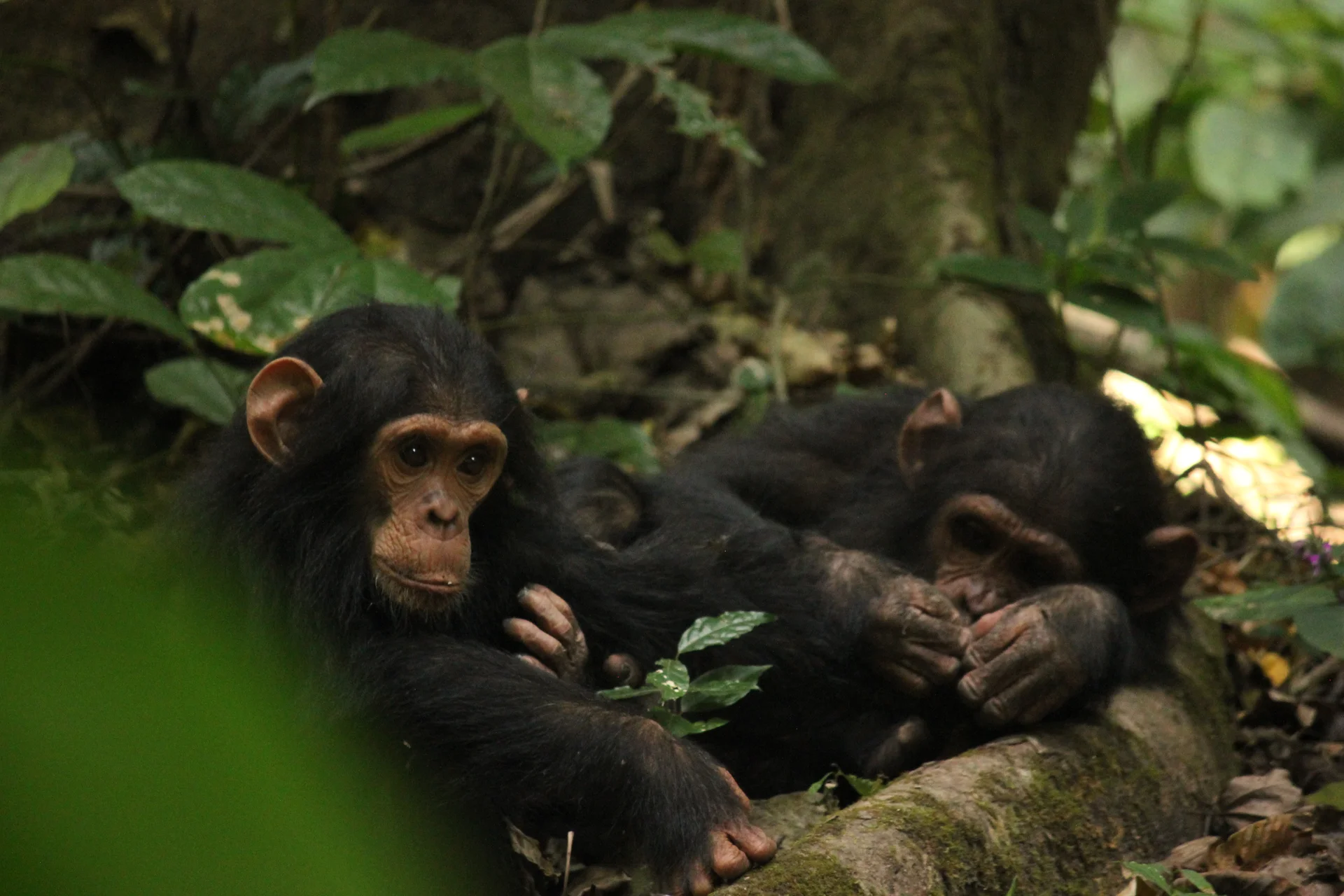 Western Circuit
Gombe Stream National Park, also known as Gombe National Park, combines wild chimpanzee trekking with forested hills and the shores of Lake Tanganyika. In Kigoma…
Wildlife
Chimpanzees & Olive baboons
Landscape
National Parks & Safari
Highlights
Wild chimpanzee trekking with park rangers
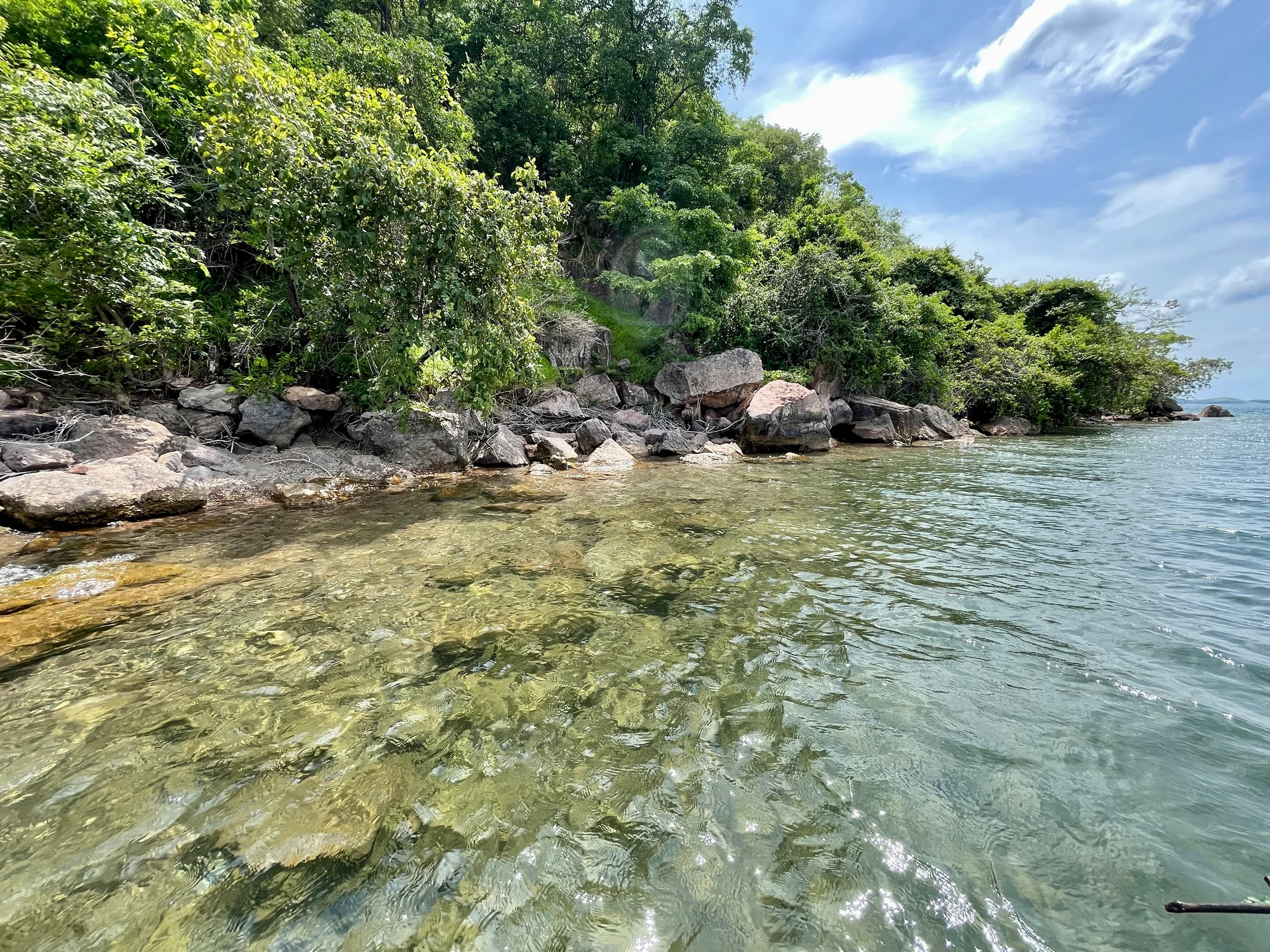 Southern Circuit
Lake Tanganyika offers a striking freshwater setting along Tanzania’s western frontier: broad blue horizons, wooded shores, bays, beaches and communities whose daily life is closely…
Wildlife
Endemic cichlid fish & Other freshwater fish
Landscape
Lakes & Hot Springs
Highlights
Africa’s deepest freshwater lake in the East African Rift
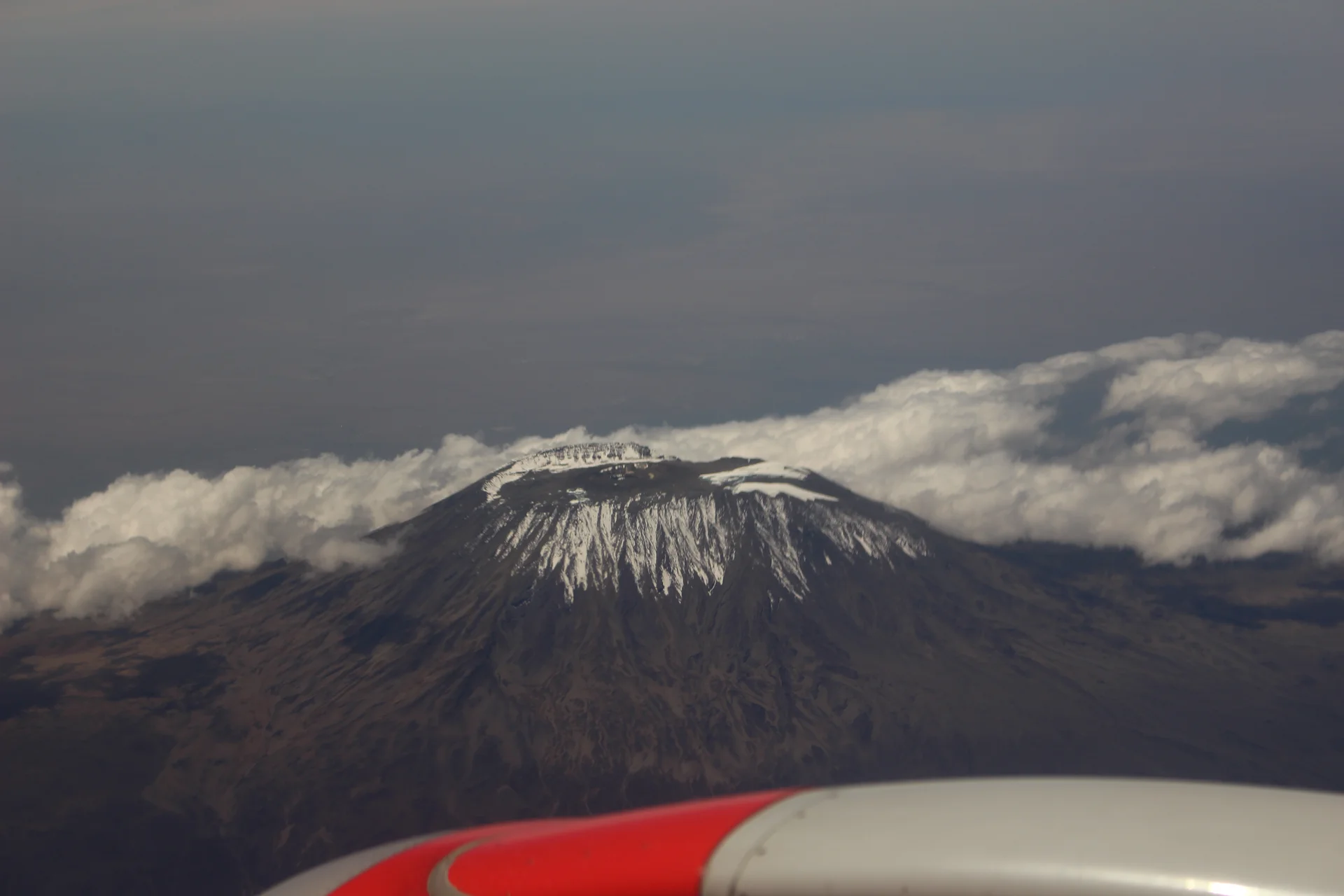 Northern Circuit
Kilimanjaro rises above northern Tanzania’s plains to Uhuru Peak at 5,895 metres, the highest point in Africa. Its volcanic massif, dramatic changes in vegetation and…
Wildlife
Black-and-white colobus monkeys in forest habitats & Blue monkeys in forest habitats
Landscape
Mountains & Trekking
Highlights
Uhuru Peak at 5,895 metres — Africa’s highest point
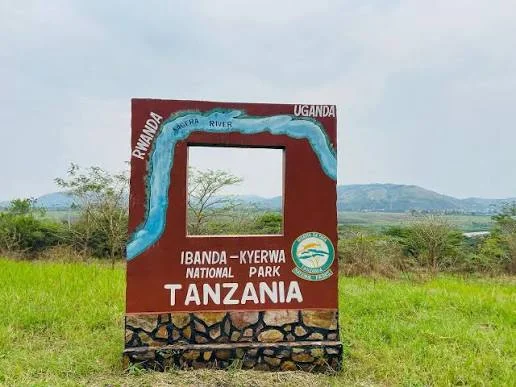 Western Circuit
Ibanda-Kyerwa National Park protects a scenic corner of northwestern Tanzania, where the Kagera River meets a landscape of savanna, wooded slopes, valleys and wetlands. Situated…
Wildlife
Buffalo & Roan antelope
Landscape
National Parks & Safari
Highlights
Kagera River scenery on Tanzania’s northwestern border
 Zanzibar & Islands
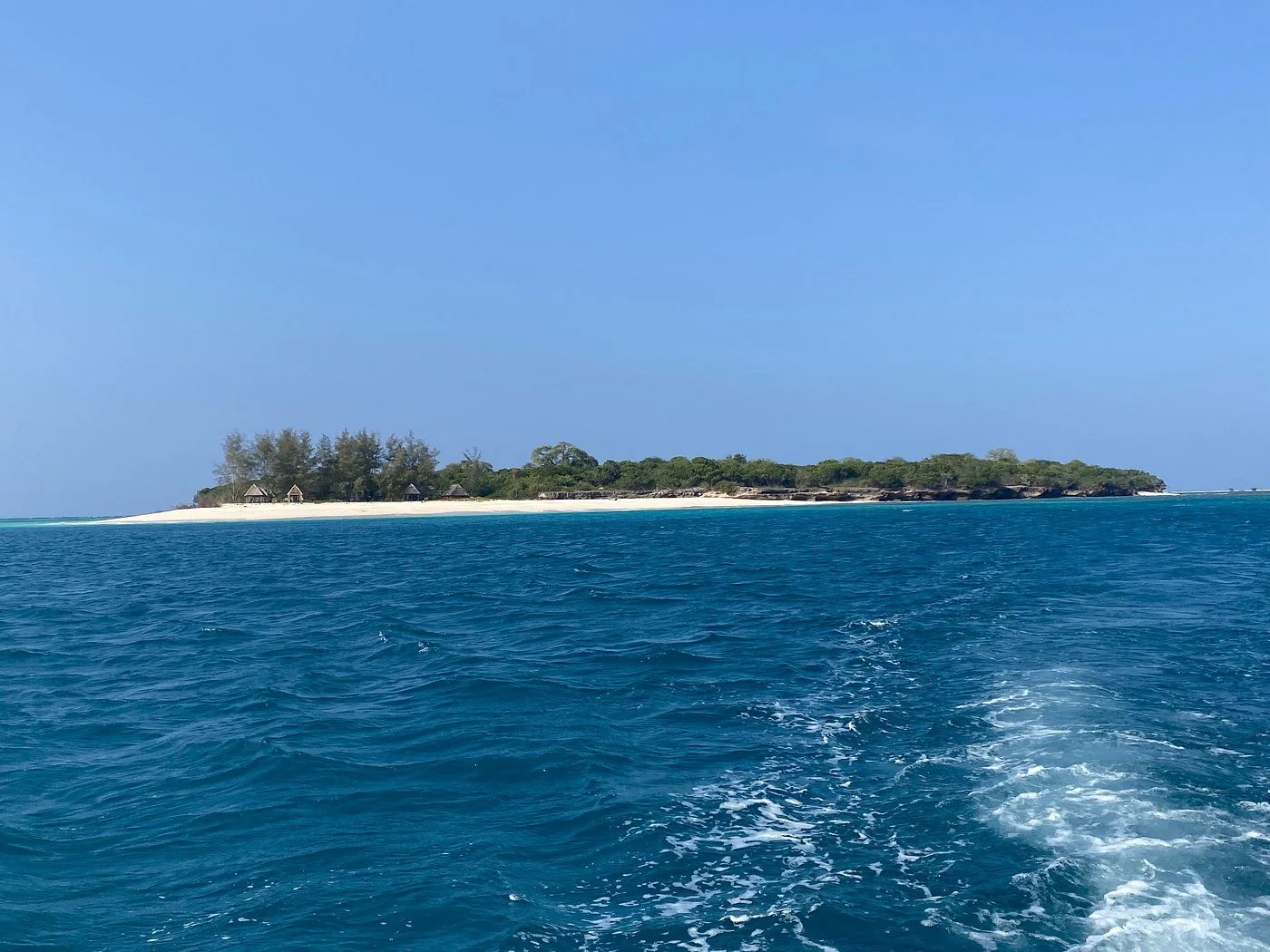
Sinda Island Marine Reserve offers an Indian Ocean escape off Kigamboni, on the southern side of Dar es Salaam. The reserve encompasses Inner and Outer…
Wildlife
Reef fish & Coastal birds
Landscape
Beaches & Islands
Highlights
Inner and Outer Sinda islands
 Northern Circuit
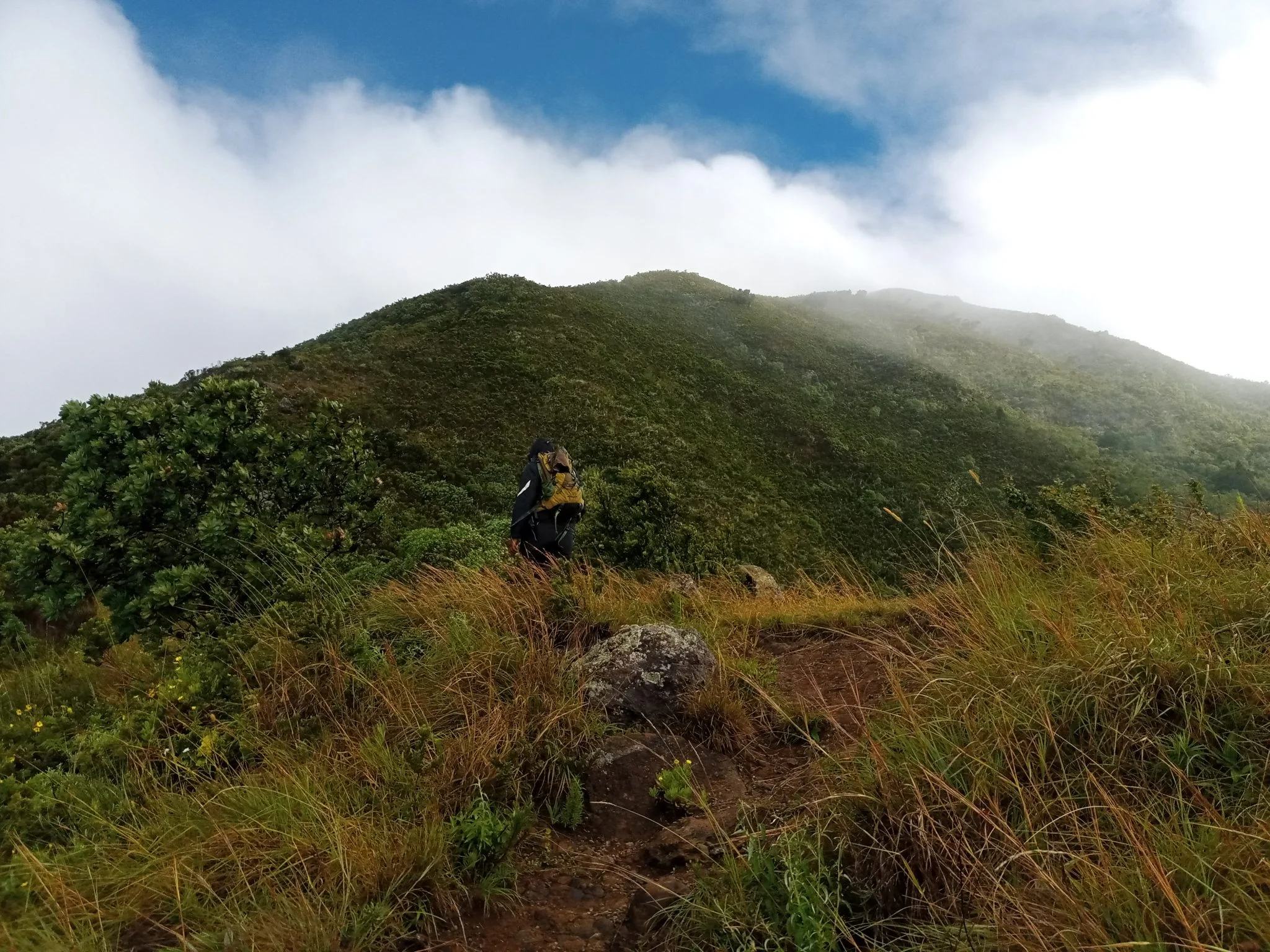
Discover Mount Hanang Rising above Katesh in Tanzania’s Manyara Region, Mount Hanang offers a rewarding mountain adventure beyond the familiar northern safari circuit. At approximately…
Wildlife
Klipspringer & Vervet monkeys
Landscape
Mountains & Trekking
Highlights
Approximately 3,423 metres — Tanzania’s fourth-highest mountain