 5.0 Excellent

Dorine M1 year ago

Grateful experience
As a solo female traveler, I felt super safe and well taken care of the entire time.
Read more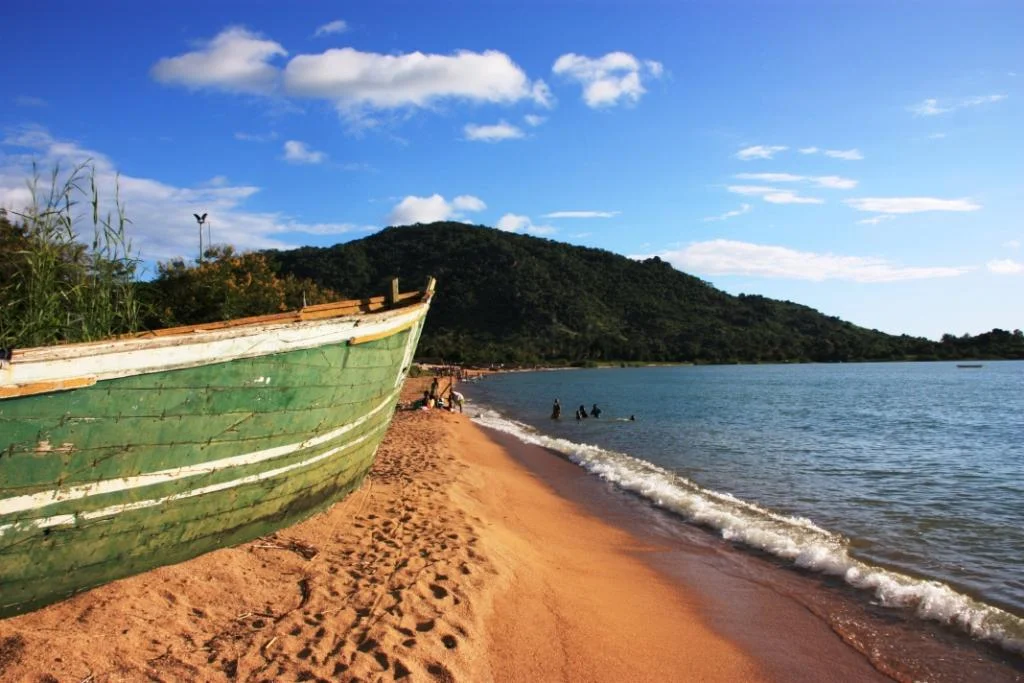
Southern Circuit
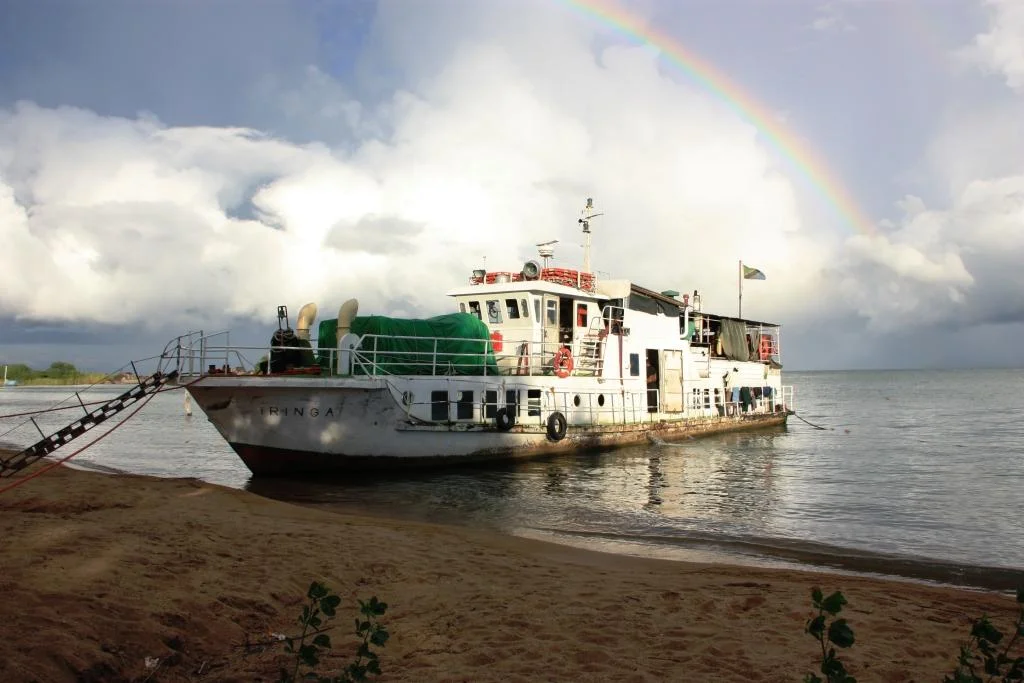
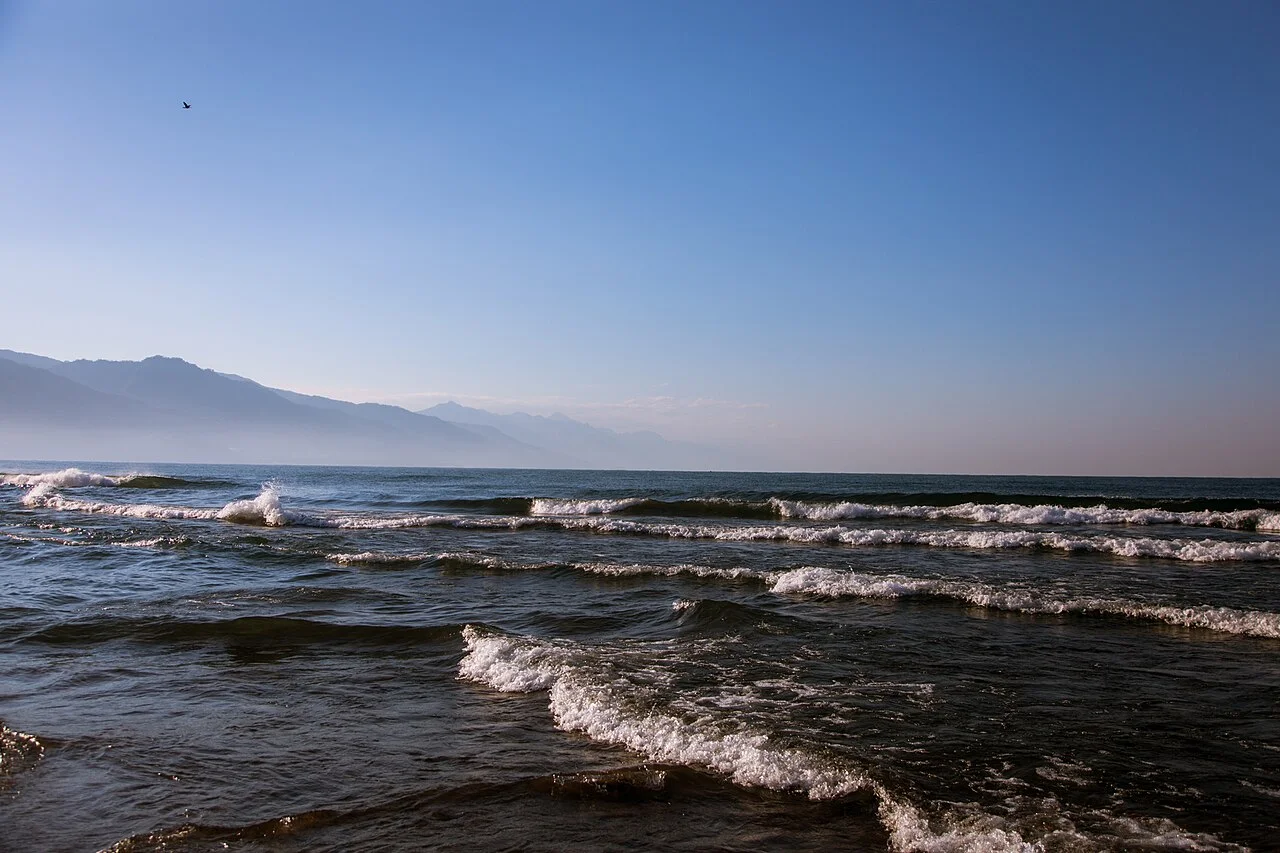
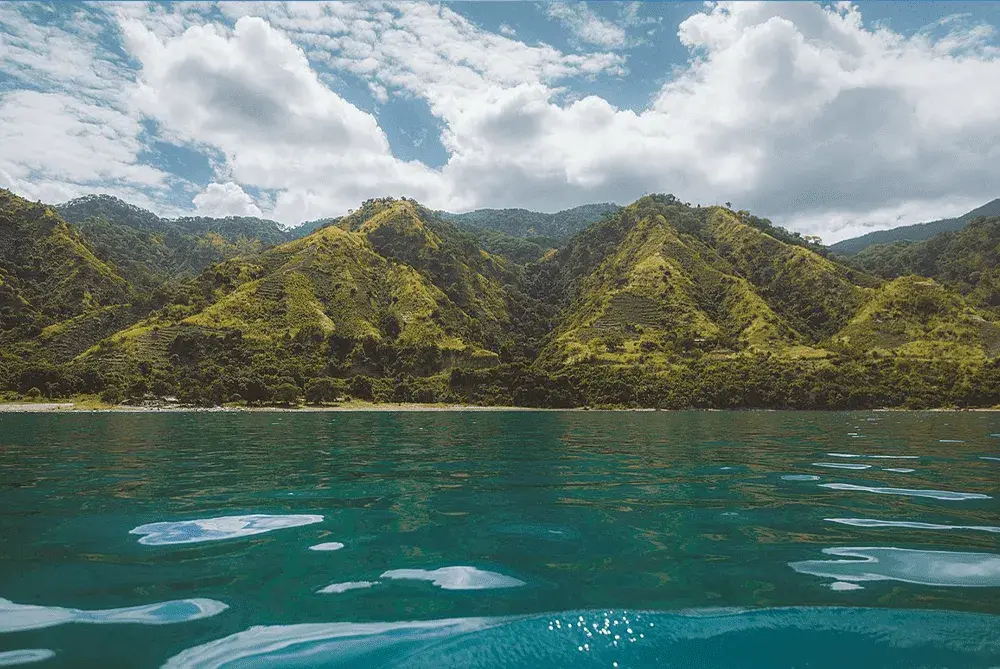
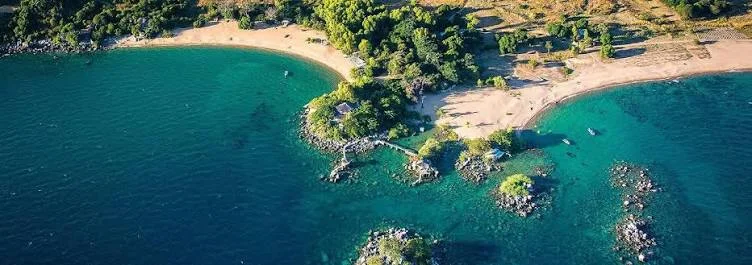
Lake Nyasa offers a different rhythm of travel in southern Tanzania: broad freshwater horizons, mountain-backed shores, fishing settlements and time to explore with local hosts. Also called Lake Malawi and Lake Niassa, it connects the landscapes and livelihoods of Tanzania, Malawi and Mozambique. This guide focuses on the Tanzanian shore, where Matema, the Ludewa lakeshore and the Mbamba Bay area provide different starting points for a visit. Choosing the right shore is the first step towards a rewarding journey. THE LAKE AND ITS LANDSCAPE This is a large, deep lake within the East African rift system. Its surface covers roughly 29,500 square kilometres and its deepest waters reach around 700 metres; those figures describe the whole lake, rather than the depth beside an individual beach. Hills, escarpments, sandy stretches and rocky shorelines give the landscape variety. On parts of the Tanzanian side, the Livingstone Mountains create a striking backdrop. A visit can be as simple as enjoying a shore viewpoint, or form part of a longer journey between carefully selected bases. The lake’s scale matters when planning. Lake Nyasa is a destination region, not one attraction with a single entrance gate, visitor centre or road transfer. Two properties described as being on the lake may sit far apart and require quite different journeys. Select your overnight location before booking flights or estimating travel time. A relaxed stay at one base will often be more rewarding than trying to cover multiple distant shores in a short visit. NORTHERN SHORE: MATEMA AND THE KYELA AREA Matema Beach lies in Kyela District, Mbeya Region, near the northern end of the lake. Its combination of sand, mountain scenery and village life makes it a practical lakeside addition to a Mbeya-area itinerary. Visitors can plan shore walks, photography and locally hosted cultural experiences, with suitable routes and access checked on arrival. Fishing is part of everyday life, so leave landing spaces and equipment clear and let a host explain where guests are welcome. Pottery provides a distinctive reason to spend time here. Kisi women potters are documented in Matema and nearby Ikombe, where making and selling pots contribute to household livelihoods. Arrange a visit with participating artisans rather than assuming a public workshop operates on a fixed schedule. Demonstrations, purchases and photography should be agreed with the host. Ikombe access may be by road or boat; confirm the appropriate option locally. EASTERN SHORE: THE LUDEWA LAKESHORE Ludewa District in Njombe Region includes Lake Nyasa shoreline destinations such as Manda and Lupingu. This part of the lake can interest travellers building a journey through Njombe and the Southern Highlands. It requires its own transport and accommodation plan, rather than being treated as a quick extension from Matema. The selected village, property and final approach determine the practical route. Consider this shore for a slower itinerary centred on landscape, locally hosted visits and time beside the water. Confirm the exact walking route or viewpoint you intend to visit, including any property boundaries or local arrangements. A dramatic escarpment photograph does not establish that a path is an easy walk. Tell your organiser about mobility needs, preferred activity level and comfort expectations so the programme can be matched to the group. RUVUMA SHORE: MBAMBA BAY AND LIULI Farther south along Tanzania’s shore, Mbamba Bay and Liuli are in Nyasa District, Ruvuma Region. Mbamba Bay is a lakeside town and port destination, with the Songea and Mbinga road approach relevant to many itineraries. Liuli offers another lakeshore setting that can be considered when logistics are suitable. Choose this area when it fits your wider southern Tanzania journey. Allow time to settle in, meet a local host and enjoy the shore rather than arriving after a long transfer and leaving immediately. Visits to working harbour areas depend on access arrangements; a port is a transport workplace, not automatically a tourist attraction open everywhere. Photographs of past ferry activity are useful historical views, but do not confirm which ship or sailing is available today. WHAT TO DO ON A LAKE NYASA VISIT Shore-based experiences are the easiest foundation for a flexible programme. Enjoy a suitable beach section, take landscape photographs, join a hosted settlement walk or arrange a meal with your accommodation. Early and late light can be rewarding for photography, but choose the viewpoint and timing according to the weather. Ask before photographing residents, boats in use, homes, businesses or fish handling. Hosts can help make introductions and explain local livelihoods without interrupting work. An optional boat or canoe outing can give a different view of the shoreline when a suitable operator is available. Confirm the vessel, lifejackets, route, landing arrangements, duration and conditions before departure. Dry weather does not mean calm water, and wind or waves may require a cancellation. Guided hill, mountain or waterfall walks need a specific route and local arrangements. Neither a boat trip nor a hike should be assumed to be included at every lakeside property. FRESHWATER BIODIVERSITY Lake Nyasa is renowned for diverse freshwater fish communities, particularly cichlids, many of which occur naturally only in this lake. This ecological importance concerns the lake as a whole; particular species are not guaranteed sightings beside your chosen beach. Shore birds can also add interest, with observations varying by habitat and season. A guide with local knowledge can help interpret what is actually present during your visit rather than relying on a generic wildlife list. The lake is inland freshwater, so marine coral reefs and ocean wildlife should not be attached to this itinerary. Its UNESCO association also needs precision: the inscribed World Heritage property is Lake Malawi National Park in Malawi, at the southern end of the lake. That designation does not make the entire lake or Tanzania’s shore a UNESCO-listed national park. A Tanzanian lakeshore visit can appreciate the wider ecosystem without claiming access to that separate property. FRESHWATER HEALTH AND WATER ACTIVITIES Clear-looking water is not proof that swimming is safe. The CDC identifies Lake Malawi among schistosomiasis transmission sites and advises avoiding swimming, wading, bathing and other freshwater contact in endemic countries. Seek individual advice from a qualified travel-health professional before departure and plan enjoyable land-based lake activities. This is health guidance, not a statement that every beach is legally closed. [CDC freshwater guidance](https://www.cdc.gov/yellow-book/hcp/travel-associated-infections-diseases/schistosomiasis.html). TRAVEL, PORTS AND PASSENGER SERVICES The best arrival point depends on the shore. Songwe Airport serves the Mbeya area for northern lakeshore plans; Songea Airport is relevant to Ruvuma itineraries. Check current flights for your dates and arrange road transfers separately. A Ludewa-area visit needs a route matched to its specific base, often as part of a Njombe-region journey. Request an itinerary-specific estimate of distance, road time, stops and vehicle suitability. There is no single accurate “drive time to Lake Nyasa.” Lake ports and passenger services are part of the region’s transport network. They do not establish a daily tourist cruise or a guaranteed connection between all visitor bases. Confirm current sailings, boarding point, tickets, baggage arrangements, arrival logistics and any changes directly through the relevant operator before using a boat as a necessary transfer. Keep a realistic alternative if the journey depends on a sailing. Cross-border travel requires separate planning for the countries visited; a stay on Tanzania’s shore does not itself require entering Malawi or Mozambique. BEST TIME AND LENGTH OF STAY June to September is a useful generally drier core period for planning Tanzanian shore visits and road travel. Rainfall timing varies: northern Mbeya guidance describes a broader October–May wet period, while Nyasa District guidance describes rains mainly from December to April or May. May and October can serve as transition planning months, but conditions should be checked for the actual location and year. Lake-side temperatures also differ from the cooler highlands. Wind can affect boating in any season. Two or three nights at one lake base is a practical suggestion for unhurried shore time and a locally arranged activity. Add transfer days and more nights if combining separate shores; avoid treating the entire lake as a compact day trip. A one-night stop may work when it lies naturally on your route. Build in flexibility for weather and allow enough time before an onward flight, particularly if relying on remote road access or passenger boats. ACCOMMODATION, PREPARATION AND LOCAL RESPECT Confirm the chosen accommodation’s exact shoreline location, current room standard, meals, bathrooms, power, water, connectivity and road approach before booking. Ask about accessibility in concrete terms, including steps and surface conditions. Camping, parking, day-use facilities and current access charges require separate confirmation. Budget for transfers and agreed local services as well as accommodation; no universal lake-wide entrance fee or opening timetable is assumed here. Pack walking shoes, sun protection, drinking water, a rain layer and a warm layer for highland transfers. Protect electronics from sand and spray, and carry cash for small agreed purchases. Keep children supervised near the water and working boat areas. Take litter away, avoid disturbing habitats and ask permission before entering private places. TanzaLux can shape a Lake Nyasa stay around your preferred shore, travel dates and comfort level, with hosts, transfers and optional activities confirmed for your individual itinerary.
May and October: useful transition planning months, with different conditions on the northern and eastern shores. May can still receive rain, while October may be dry and hot in parts of the lowlands but mark the return of rain farther north. Confirm the selected base’s weather, road approach and available activities close to departure.
June–September: a generally drier core period for Tanzanian shore visits, photography and road journeys. Temperatures at the lake differ from cooler highland bases. Wind and waves can still disrupt boats; assess lake conditions on the day. Book the preferred property and transfers in advance. Demand and visitor numbers vary between locations.
November–April: a broad wetter-season planning window, with rainfall dates varying by shore. Mbeya’s northern lake area can receive rain from October to May; Nyasa District guidance places its main rains around December–April/May. Check access and walking conditions locally, keep flexible excursions and confirm boat suitability.
Choose the exact shore and accommodation before booking transport. For Matema and the northern Kyela lakeshore in Mbeya Region, Songwe Airport (MBI) is a regional arrival option, followed by a separately arranged road transfer towards the chosen lake base. For Mbamba Bay and Liuli in Nyasa District, Ruvuma Region, Songea Airport (SGX) and the road approach through the Songea/Mbinga area are relevant options; confirm the exact route for your destination. Manda, Lupingu and other Ludewa shore locations need their own Njombe-region route and final-approach plan. Flight availability, road duration, stops and vehicle suitability must be checked for the dates and starting point; there is no universal Lake Nyasa transfer time. Lake ports and passenger services exist, but schedules, boarding locations, tickets and onward transport require current operator confirmation. Do not rely on an assumed daily ferry or a direct connection between all shores. A visit confined to Tanzania’s shore does not itself involve an international border crossing. Any Malawi or Mozambique extension requires separate formalities, transport and accommodation arrangements.
Lake Nyasa lies in southeastern Africa with shores in Tanzania, Malawi and Mozambique. This destination guide focuses on Tanzania’s northern and eastern shores in Mbeya, Njombe and Ruvuma regions.
Yes. They are different names for the same freshwater lake. Choose the country and specific shore when arranging travel, because these names do not identify one shared visitor base.
Matema and the Kyela area suit a Mbeya-based route. Manda and Lupingu belong to the Ludewa shore in Njombe Region. Mbamba Bay and Liuli in Nyasa District can suit a Ruvuma itinerary. Choose according to your wider journey and confirmed logistics.
The entire lake is not one national park with a common entrance gate. Different places have their own access arrangements. Lake Malawi National Park is a separate protected destination in Malawi.
No. The inscribed property is Lake Malawi National Park in Malawi at the southern end of the lake. Do not apply that designation to the whole lake or all Tanzanian shore destinations.
The whole lake covers roughly 29,500 square kilometres and reaches around 700 metres at its deepest. These broad figures do not describe the water depth or conditions beside a particular beach.
June–September is a useful generally drier core period. Rainfall timing differs by location: northern Mbeya has a broader wet season than the main December–April/May rains described for Nyasa District. Check your chosen shore close to departure.
Two or three nights at one base is a practical suggestion for relaxed shore time and a locally arranged outing. Add transfer days and more nights if combining distant shores. The whole lake is not a compact day-trip destination.
Songwe Airport (MBI) serves the Mbeya area for northern-shore plans, while Songea Airport (SGX) is relevant to Ruvuma itineraries. Verify flights for your dates and arrange road transfers separately.
Plan an onward road journey from the Mbeya/Songwe area towards the Kyela lakeshore and your Matema accommodation. Confirm the route, final approach and date-specific journey time with the organiser; there is no fixed lake-wide transfer duration.
Songea and the Mbinga road approach are relevant to many Ruvuma shore itineraries. The exact route, stops and final approach depend on the selected property. Both Mbamba Bay and Liuli are in Nyasa District.
Yes, when a Ludewa-area itinerary and suitable accommodation and access are confirmed. These Njombe Region shore locations need their own transfer plan; they should not be assumed to be quick excursions from Matema or Mbamba Bay.
Passenger services are part of the lake transport network, but a current sailing must be confirmed for the route and date. Check boarding point, tickets, baggage and onward transport. Do not assume a daily tourist cruise or a direct service between every visitor base.
An outing may be possible with a suitable local operator. Confirm vessel suitability, lifejackets, route, landing points and conditions. Wind or waves can require cancellation, so keep another activity available.
Clear-looking water does not establish safety. CDC guidance names Lake Malawi as a schistosomiasis transmission site and advises avoiding freshwater contact in endemic countries. Obtain qualified travel-health advice and plan land-based lake experiences.
The lake supports rich freshwater fish diversity, especially cichlids, many endemic to the lake. Specific fish or bird sightings vary by habitat and season and are not guaranteed at a chosen beach. Marine reef wildlife and terrestrial game-drive lists do not apply.
Hosted lakeshore visits can be arranged with consenting residents. Matema and Ikombe have documented pottery traditions. Confirm artisan availability, demonstration arrangements, payments and photography permission; a scheduled factory tour is not assumed.
Confirm the exact property location and current rooms, meals, bathrooms, water, power, accessibility and road approach. Camping, day use and local access charges need separate checking. There is no universal lake-wide entrance fee or opening timetable stated here.
A flexible shore-based stay can suit families when transfers and accommodation meet their needs. Supervise children closely near the water and working landing areas. Confirm walking routes and facilities before adding excursions.
A selected lake base can complement a Mbeya, Njombe or Ruvuma journey when transfers are realistic. Combining distant shores requires extra time. A Malawi or Mozambique extension needs separate border, transport and accommodation planning; staying on Tanzania’s shore does not itself require that crossing.
Grateful experience
As a solo female traveler, I felt super safe and well taken care of the entire time.
Read morePrivate Safari 6 days
I can only highly recommend the young company Tanzalux for organizing a private safari.
Read moreAn unforgettable vegetarian journey with Tanzalux Safaris
I highly recommend Tanzalux for anyone wanting a special, personalized safari.
Read moreOur 3-day camping safari with Tanzalux was simply fantastic! Everything was perfectly organized.
Read moreBack in April, I joined a day trip to Tarangire National Park with Tanzalux Safaris, and it was truly one of the best experiences I have ever had…
Read moreI've had an amazing experience with Tanzalux Safaris, would 1000% recommend! Thank you for making my trip so special🫶
Read moreI recently visited Meru Waterfalls in Arusha and got to do some of the activities there, honestly it was such a great experience and I really enjoyed it.
Read moreOur guide Dullah Mr Rastaman had the best vibe. I would like to recommend other people not to miss it, Tarangire is the best national park.
Read moreOur tour guide Nasri was very friendly and welcoming from the first day we met him. He knows Tarangire very well and explained many things during the safari.
Read moreAs a grandmother in the group, I would like to share my happiness with Tanzalux Safaris. Me, my daughters, and my grandson went on a short trip to Tarangire National Park…
Read moreReceive a free, no obligation quote

 Western Circuit
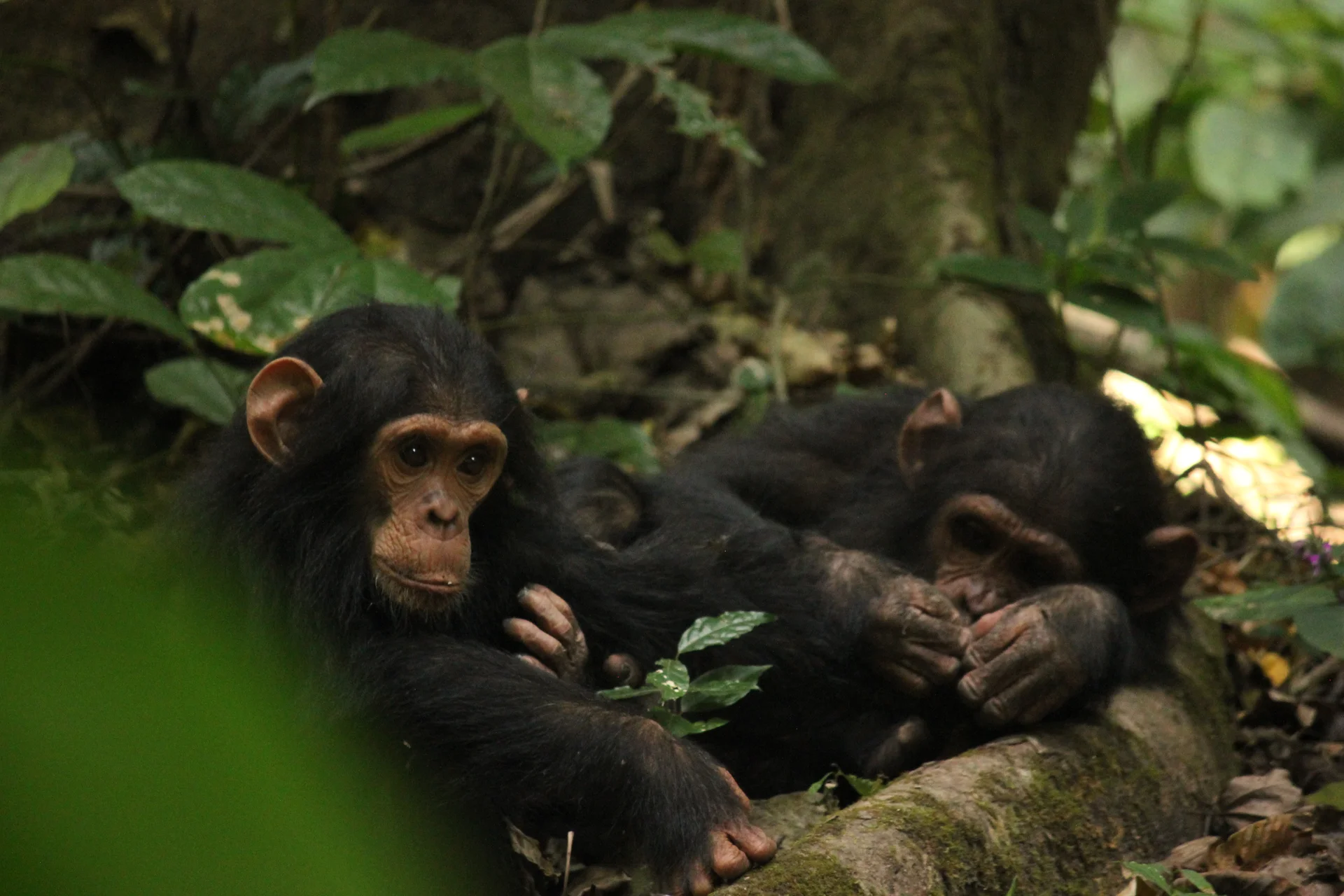
Gombe Stream National Park, also known as Gombe National Park, combines wild chimpanzee trekking with forested hills and the shores of Lake Tanganyika. In Kigoma…
Wildlife
Chimpanzees & Olive baboons
Landscape
National Parks & Safari
Highlights
Wild chimpanzee trekking with park rangers
 Southern Circuit
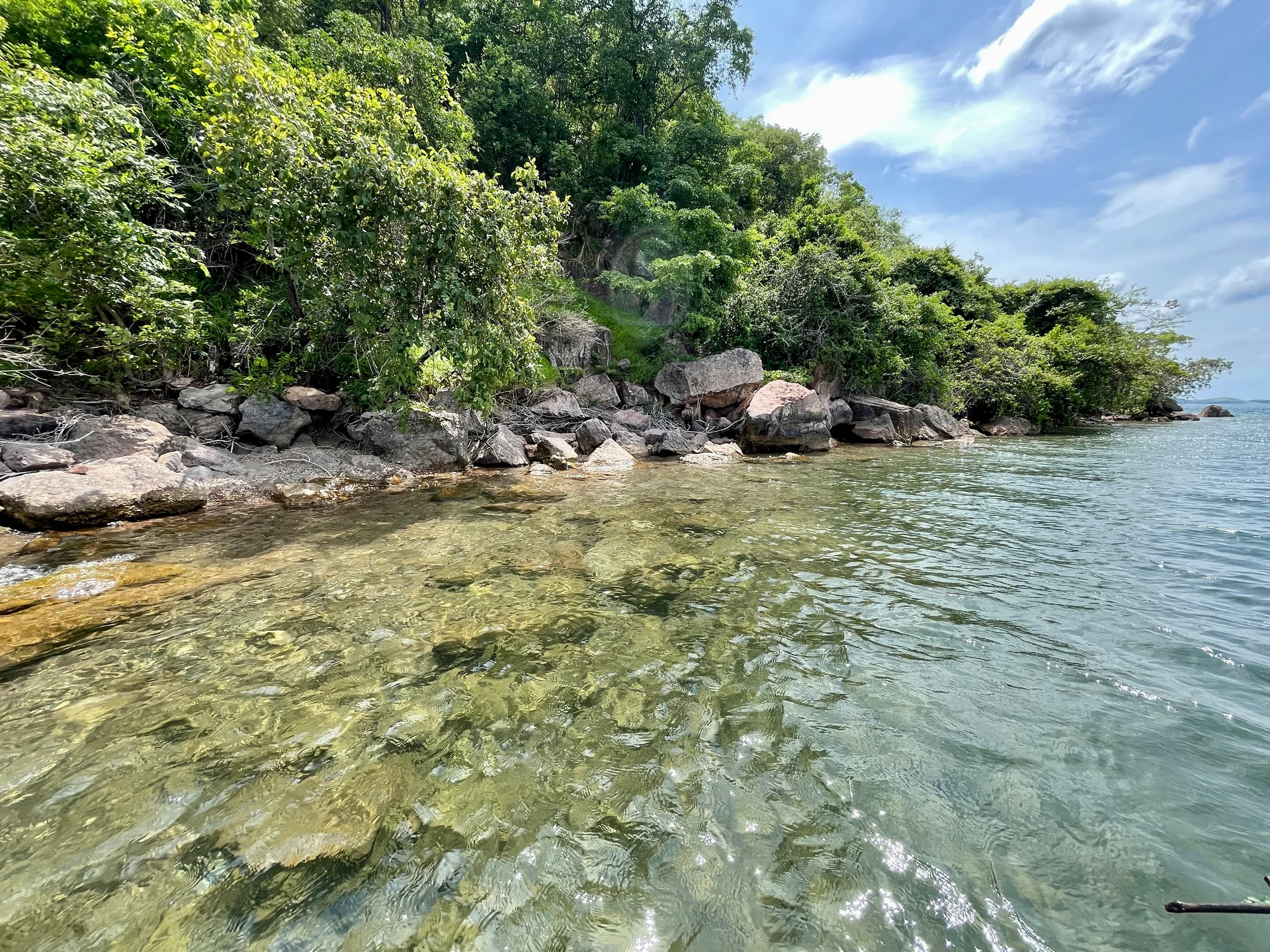
Lake Tanganyika offers a striking freshwater setting along Tanzania’s western frontier: broad blue horizons, wooded shores, bays, beaches and communities whose daily life is closely…
Wildlife
Endemic cichlid fish & Other freshwater fish
Landscape
Lakes & Hot Springs
Highlights
Africa’s deepest freshwater lake in the East African Rift
 Northern Circuit
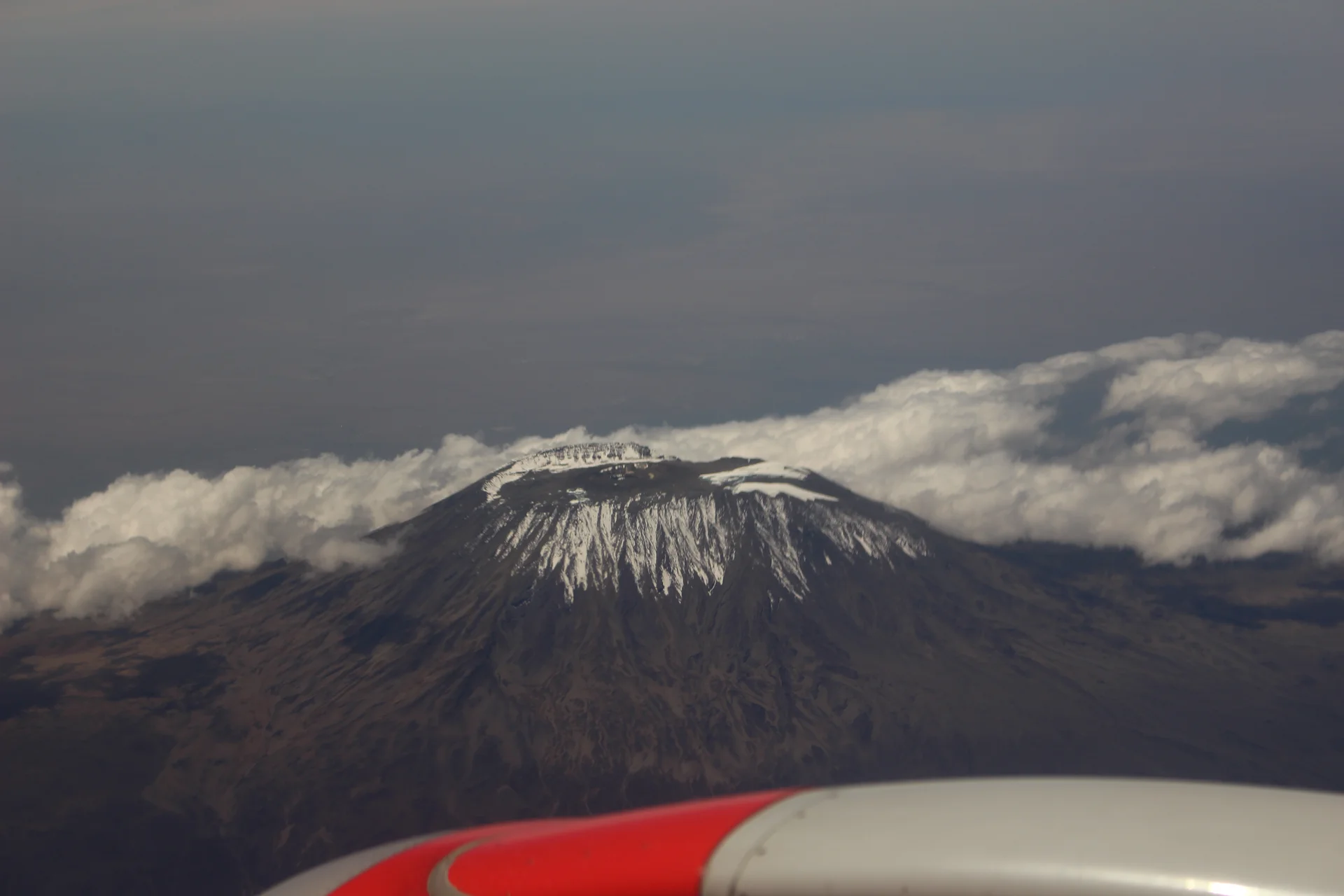
Kilimanjaro rises above northern Tanzania’s plains to Uhuru Peak at 5,895 metres, the highest point in Africa. Its volcanic massif, dramatic changes in vegetation and…
Wildlife
Black-and-white colobus monkeys in forest habitats & Blue monkeys in forest habitats
Landscape
Mountains & Trekking
Highlights
Uhuru Peak at 5,895 metres — Africa’s highest point
 Western Circuit
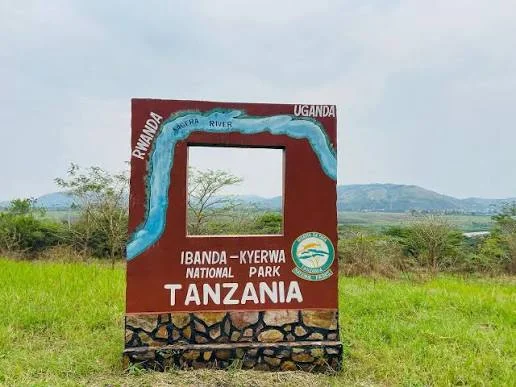
Ibanda-Kyerwa National Park protects a scenic corner of northwestern Tanzania, where the Kagera River meets a landscape of savanna, wooded slopes, valleys and wetlands. Situated…
Wildlife
Buffalo & Roan antelope
Landscape
National Parks & Safari
Highlights
Kagera River scenery on Tanzania’s northwestern border
 Zanzibar & Islands
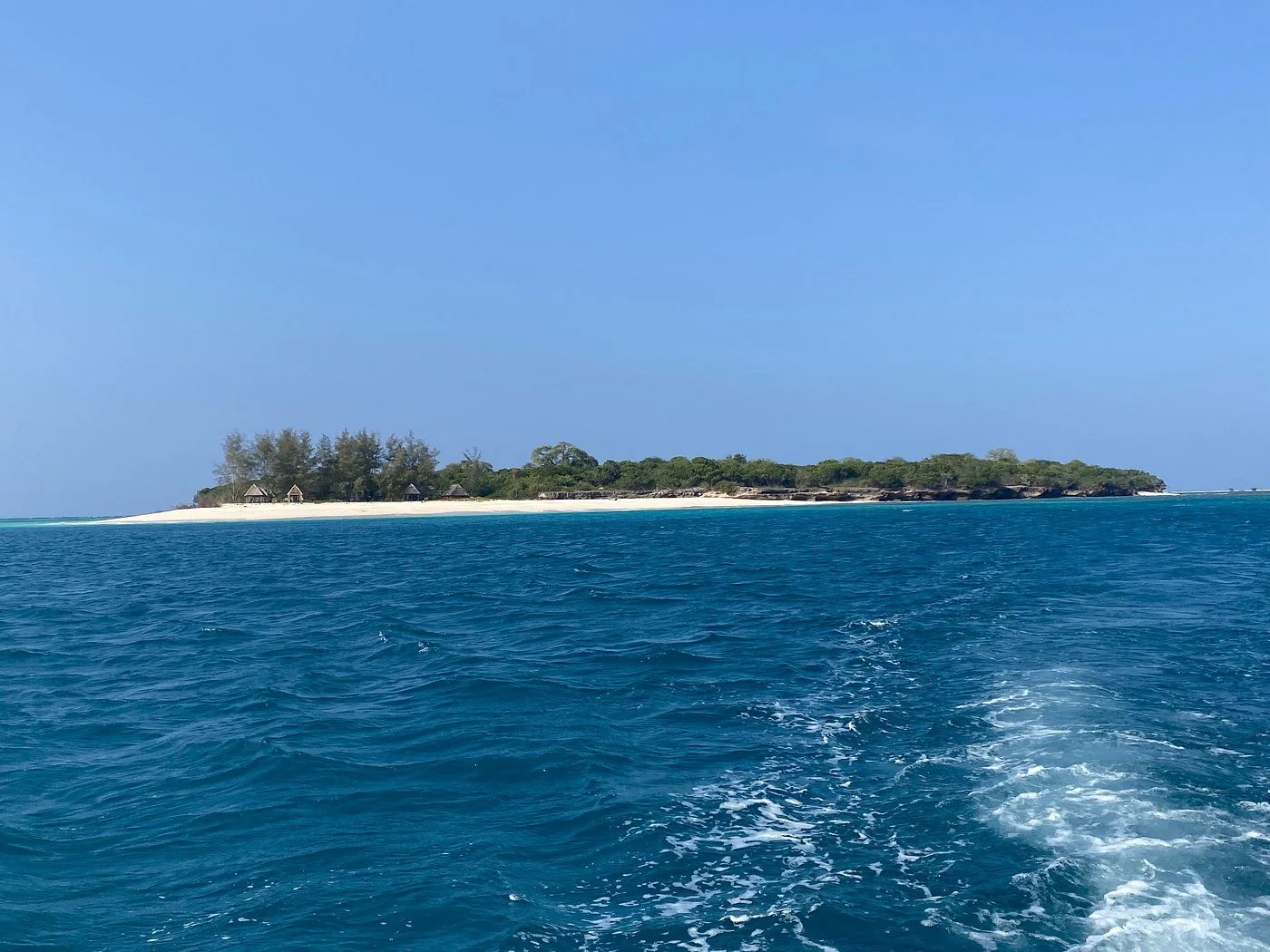
Sinda Island Marine Reserve offers an Indian Ocean escape off Kigamboni, on the southern side of Dar es Salaam. The reserve encompasses Inner and Outer…
Wildlife
Reef fish & Coastal birds
Landscape
Beaches & Islands
Highlights
Inner and Outer Sinda islands
 Northern Circuit
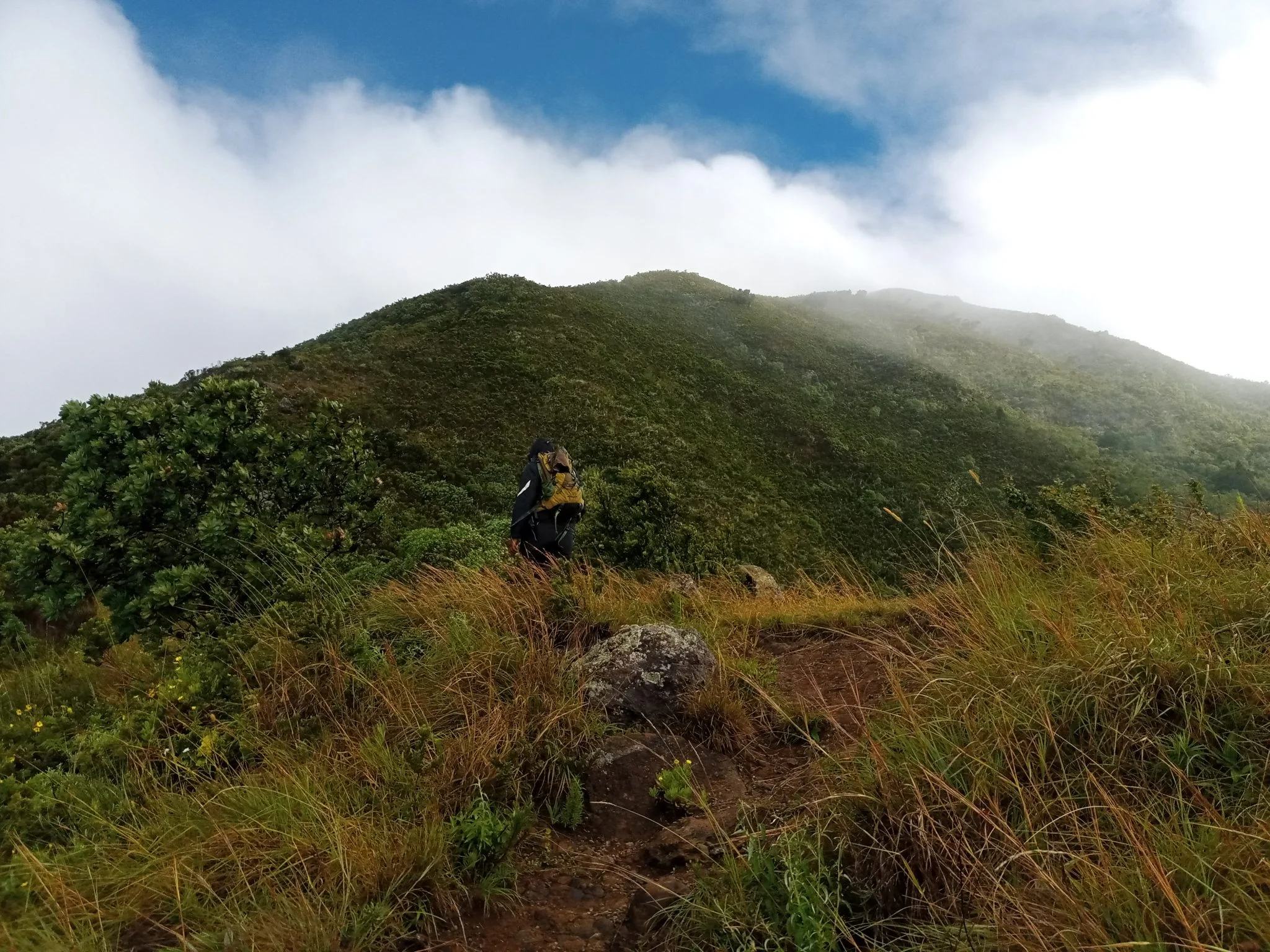
Discover Mount Hanang Rising above Katesh in Tanzania’s Manyara Region, Mount Hanang offers a rewarding mountain adventure beyond the familiar northern safari circuit. At approximately…
Wildlife
Klipspringer & Vervet monkeys
Landscape
Mountains & Trekking
Highlights
Approximately 3,423 metres — Tanzania’s fourth-highest mountain