 5.0 Excellent

Dorine M1 year ago

Grateful experience
As a solo female traveler, I felt super safe and well taken care of the entire time.
Read more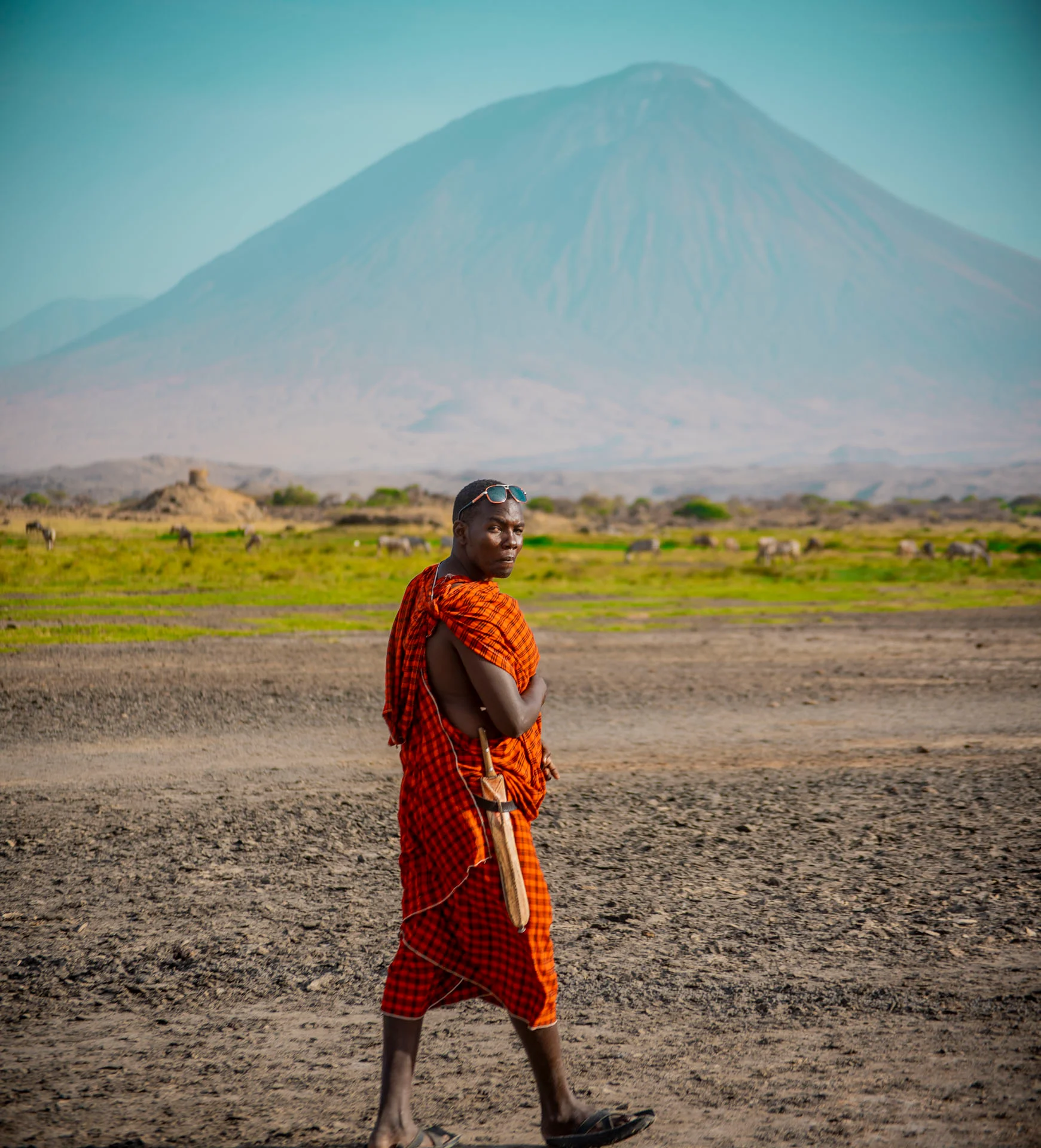
Northern Circuit
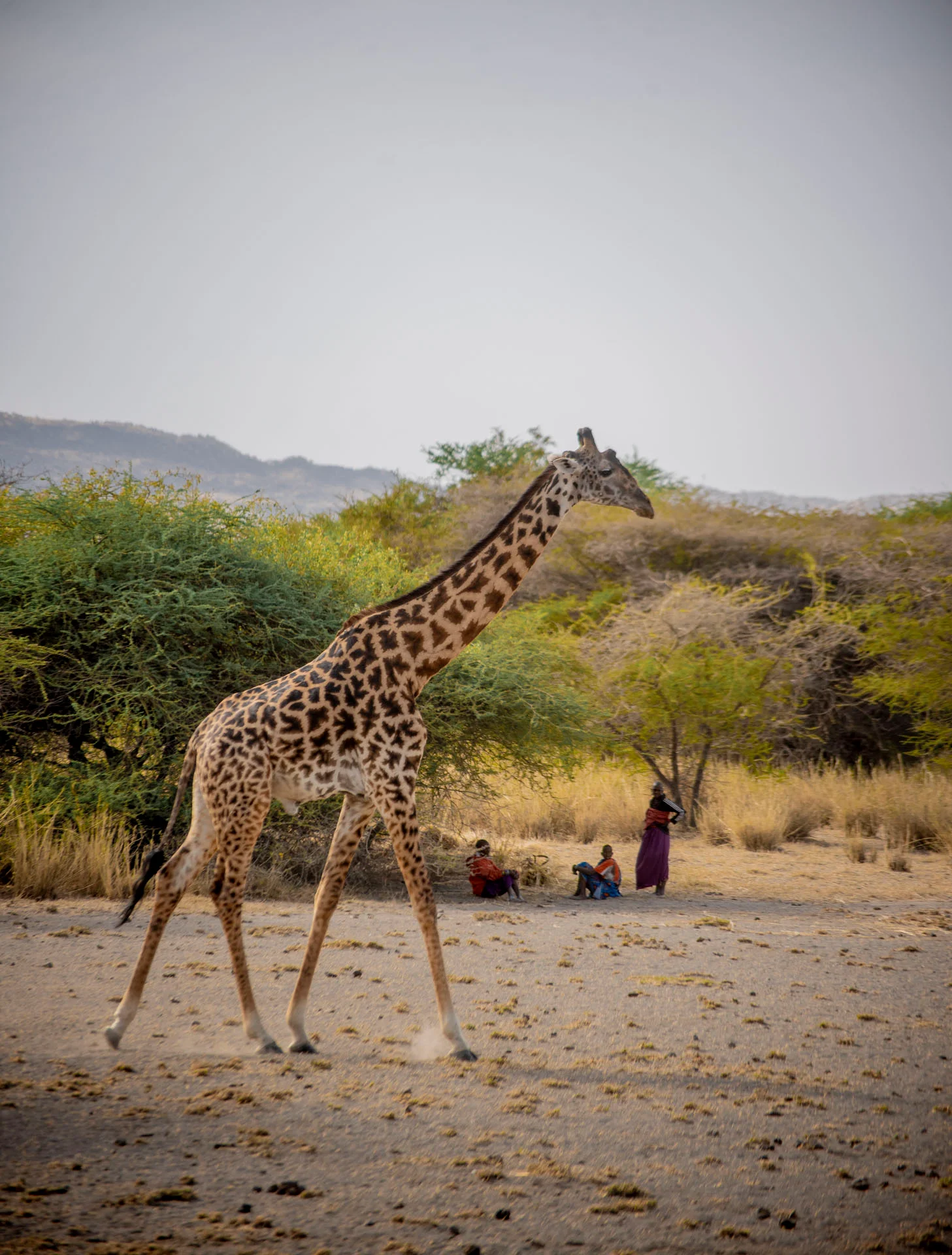
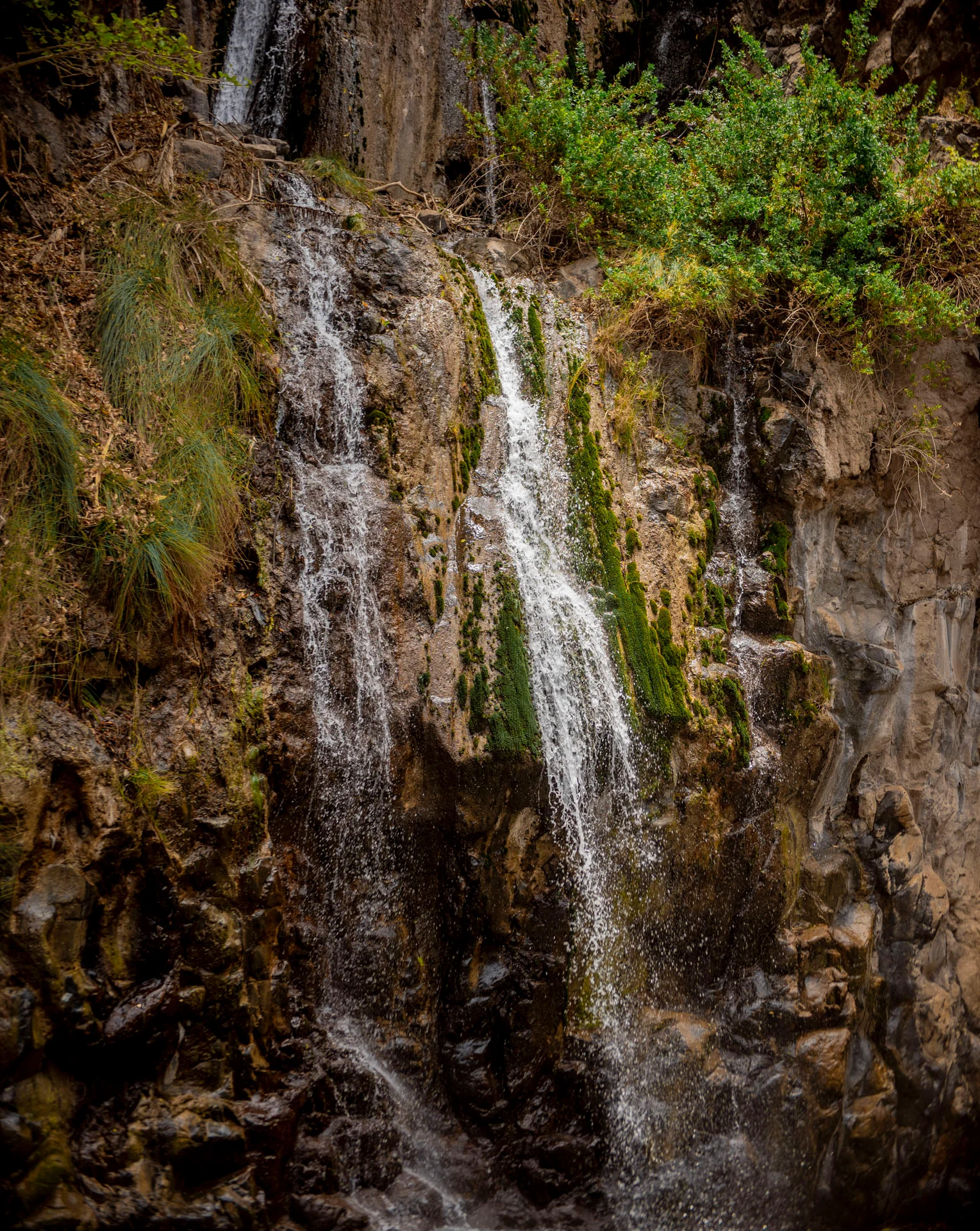
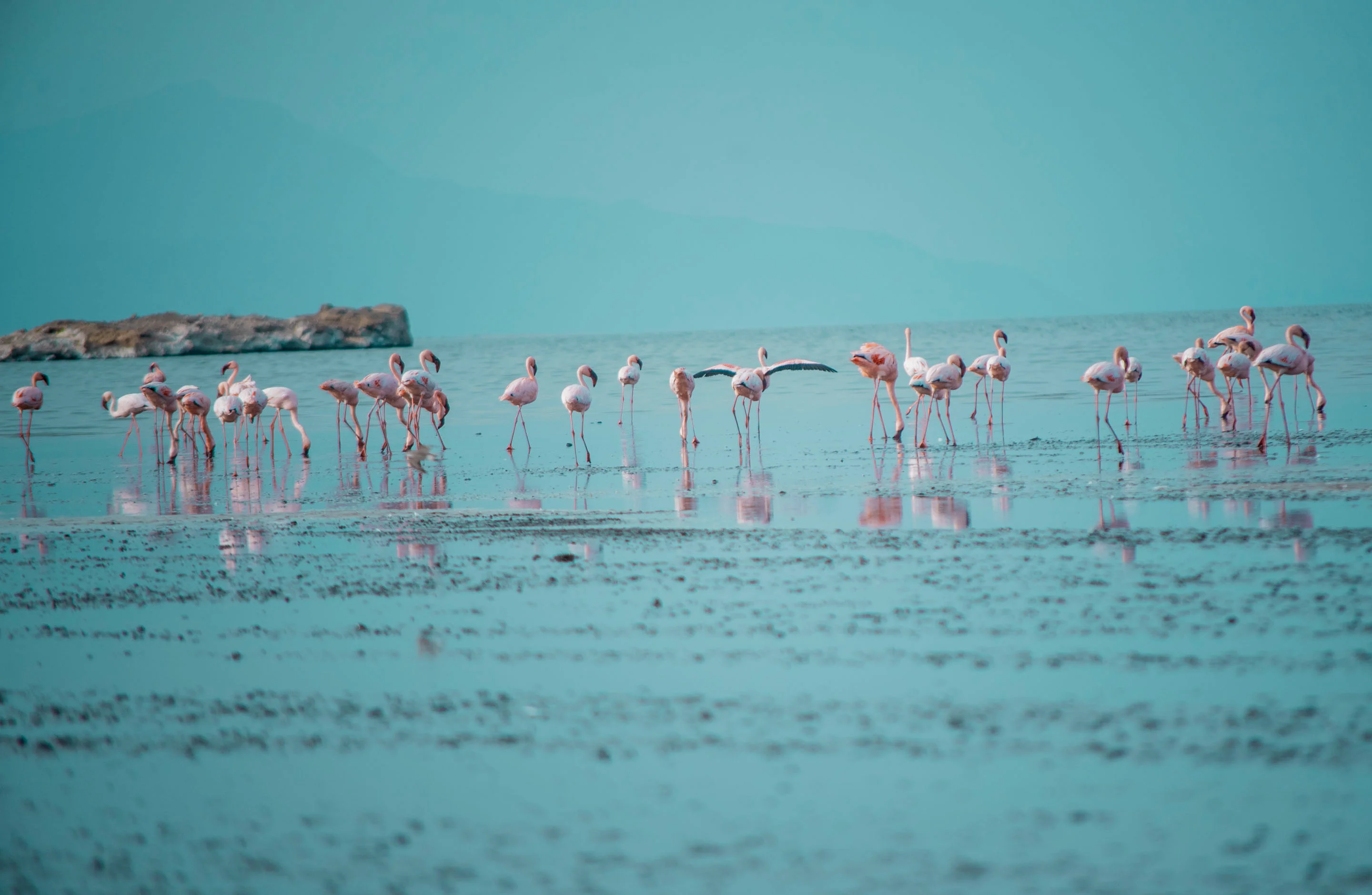
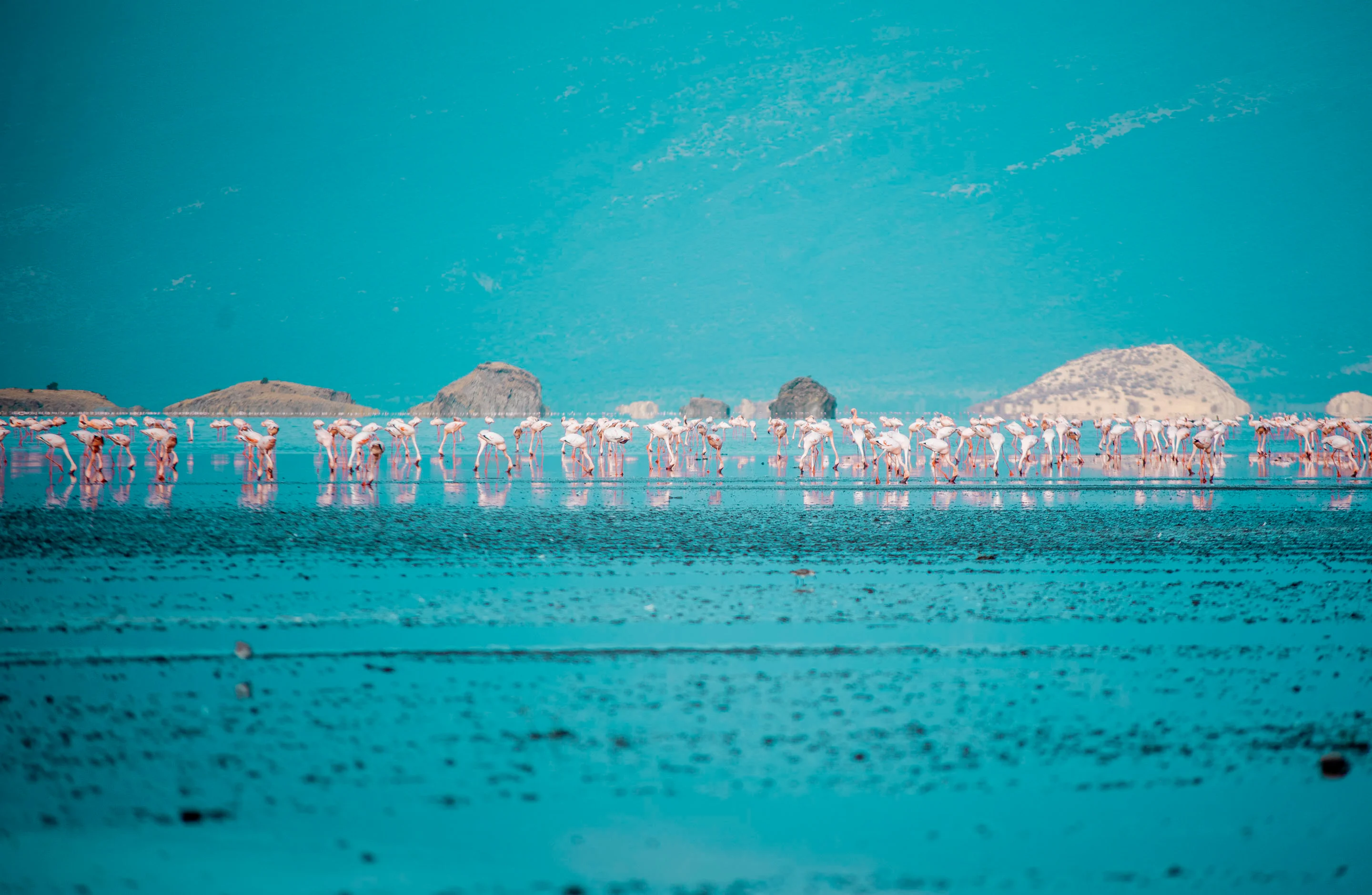
Lake Natron is one of Tanzania’s most unusual and visually striking destinations. Located in the eastern branch of the Great Rift Valley in northern Tanzania, the lake lies among volcanic plains, rugged escarpments, dry savannah, and mountains shaped by millions of years of geological activity. The lake is best known for its highly alkaline and mineral-rich waters, which create a distinctive environment where only specially adapted organisms can thrive. High evaporation concentrates minerals such as sodium carbonate and other salts, while algae and microorganisms contribute to the lake’s changing shades of pink, red, orange, and pale mineral white. The colour of the water and surrounding salt flats varies according to rainfall, water levels, sunlight, algae, and seasonal conditions. Lake Natron is internationally important because it provides one of the most significant breeding habitats for lesser flamingos. The lake’s shallow alkaline waters and remote nesting areas can offer protection from many predators, while the surrounding ecosystem provides food for these specialised birds. Flamingo numbers and breeding activity vary according to rainfall, water levels, food availability, and environmental conditions, so sightings cannot be guaranteed during every visit. The landscape surrounding Lake Natron is equally impressive. The active volcano Ol Doinyo Lengai rises dramatically nearby, while the Great Rift Valley creates a backdrop of volcanic hills, deep escarpments, lava formations, and wide open plains. The area is also associated with the Ngorongoro–Lengai Geopark, which contains important geological, archaeological, cultural, and natural attractions. Lake Natron offers much more than birdwatching. Visitors can enjoy guided lakeshore walks, lesser flamingo observation, landscape photography, birdwatching, hikes to the Ngare Sero Waterfalls, geological excursions, and respectful cultural experiences with Maasai communities. Adventure travellers may also use the area as a base for climbing Ol Doinyo Lengai, known in the Maasai language as the “Mountain of God.” Unlike the classic safari destinations of Serengeti, Ngorongoro, and Tarangire, Lake Natron is primarily celebrated for its unique ecosystem, volcanic scenery, birdlife, cultural heritage, and remote atmosphere. It is an excellent choice for travellers who want to explore a less conventional side of northern Tanzania. With TanzaLux Safaris, your Lake Natron experience can be customised around your interests, travel dates, preferred pace, and wider Tanzania itinerary. Your journey can include flamingo viewing, waterfall walks, Maasai cultural experiences, Ol Doinyo Lengai, or a longer Northern Circuit adventure.
March to May generally coincides with the long-rain period in northern Tanzania. Lake Natron’s surroundings may become greener, and the landscape can look especially dramatic under changing skies. However, heavy rainfall may affect access roads, walking trails, and travel schedules. The Ngare Sero gorge can become slippery, while some remote roads may require additional travel time. Flamingo activity depends on water levels and food conditions rather than a fixed calendar. Travellers visiting during this period should remain flexible and confirm current road and activity conditions before departure.
November and December may bring short rains, which can refresh the landscape and create attractive conditions for photography and birdwatching. January and February can also be rewarding, although temperatures around the lake may become extremely hot, particularly during the middle of the day. Flamingo numbers and breeding activity vary according to rainfall, lake conditions, and food availability. Early-morning and late-afternoon activities are generally more comfortable, while travellers should prepare for heat, dust, occasional rain, and changing road conditions.
June to October is generally a favourable period to visit Lake Natron because conditions are often drier, roads may be easier to navigate, and walking activities can be more comfortable than during the rainy season. The cooler months are particularly suitable for lakeshore exploration, waterfall walks, birdwatching, landscape photography, and planning an Ol Doinyo Lengai adventure. Flamingo activity can vary throughout the year, so visitors should not expect a specific number of birds or guaranteed breeding activity. Advance planning is recommended during the popular northern Tanzania travel season.
Lake Natron is located in northern Tanzania within the eastern branch of the Great Rift Valley, near the border with Kenya and close to Mount Ol Doinyo Lengai. The destination is generally reached by road from Arusha as part of a Northern Tanzania itinerary. The journey from Arusha commonly takes approximately five to seven hours, depending on the selected route, road conditions, weather, traffic, and stops along the way. The final approach to Lake Natron includes remote roads and sections that can become difficult during periods of heavy rainfall. A well-maintained 4x4 vehicle is recommended, particularly for travellers visiting during the rainy season. One common route travels from Arusha through the Mto wa Mbu or Manyara area and then continues towards the Great Rift Valley and the Lake Natron region. Another itinerary may connect Lake Natron with the Ngorongoro area, Engaruka, or other attractions in the wider Northern Circuit. The exact route should be selected according to current road conditions and the traveller’s wider itinerary. Travellers normally stay at a campsite, guesthouse, lodge, or tented accommodation near Lake Natron. Accommodation options range from basic camps and guesthouses to comfortable tented camps and selected luxury-style tented properties. Visitors planning to climb Ol Doinyo Lengai generally spend at least one night in the area before the ascent. Kilimanjaro International Airport is the main international gateway for many visitors travelling to northern Tanzania. International travellers usually transfer from the airport to Arusha before continuing to Lake Natron. Lake Natron can be combined with Ol Doinyo Lengai, Ngare Sero Waterfalls, Maasai cultural experiences, Engaruka, Ngorongoro Crater, Tarangire National Park, or a wider Northern Tanzania safari. Because the destination is remote and road conditions can change, TanzaLux Safaris recommends checking current access conditions and planning the journey with an experienced local safari team.
Lake Natron is located in northern Tanzania within the eastern branch of the Great Rift Valley, near the Kenyan border and close to Mount Ol Doinyo Lengai.
Lake Natron is famous for its highly alkaline soda waters, lesser flamingo breeding habitat, volcanic scenery, Great Rift Valley landscapes, Maasai culture, and proximity to Ol Doinyo Lengai.
Lake Natron provides an important breeding environment for lesser flamingos. Its shallow alkaline waters and remote nesting areas can help protect breeding colonies from predators, while algae and microorganisms provide an important food source.
Lake Natron can be visited safely with an experienced local guide and by following safety instructions. The lake’s alkaline water can irritate or harm skin and eyes, so visitors should not enter the lake. Travellers should also take precautions against heat, dehydration, slippery trails, and changing road conditions.
No. Visitors should not swim in Lake Natron because its highly alkaline and mineral-rich water can be harmful. Swimming should only be considered in designated freshwater pools at suitable attractions, such as certain waterfall areas, and only when local guides confirm that conditions are safe.
June to October is generally favourable for drier weather, road access, hiking, birdwatching, and photography. January and February can also be rewarding, although temperatures may be very high. Flamingo activity varies according to rainfall, water levels, and ecological conditions.
Lake Natron is approximately 200 to 220 kilometres from Arusha by some commonly used road routes, although the exact distance depends on the route. The drive generally takes around five to seven hours or longer depending on road conditions and stops.
The wider Lake Natron area may support zebra, giraffe, wildebeest, gazelles, impala, eland, oryx, warthog, antelopes, baboons, hyenas, and other wildlife. Sightings are not guaranteed, and the region is better known for lesser flamingos, birdlife, geology, and scenery.
Lesser flamingos may be present at Lake Natron during different times of the year, but their numbers and breeding activity depend on rainfall, lake levels, food availability, and other environmental conditions. A specific number of flamingos cannot be guaranteed.
Yes. Lake Natron is commonly combined with an Ol Doinyo Lengai adventure. Travellers can also include Ngare Sero Waterfalls, Maasai cultural experiences, Engaruka, Ngorongoro, Tarangire, and other Northern Tanzania destinations.
Yes, Lake Natron can be suitable for families when activities are carefully selected. Families should plan around the intense heat, long driving distances, remote conditions, and walking requirements. Children must remain under close supervision near the lake, waterfalls, wildlife areas, and uneven terrain.
Travellers should bring lightweight clothing, a sun hat, sunglasses, sunscreen, comfortable walking shoes, a reusable water bottle, insect repellent, a light jacket, a camera, personal medication, and a waterproof bag for electronic equipment. Extra water and heat protection are particularly important.
Yes. TanzaLux Safaris can help arrange a personalised Lake Natron experience based on your travel dates, interests, preferred activities, and wider Northern Tanzania itinerary. Your journey may include flamingo viewing, waterfall walks, Maasai cultural experiences, Ol Doinyo Lengai, and other destinations, subject to local conditions and access arrangements.
Grateful experience
As a solo female traveler, I felt super safe and well taken care of the entire time.
Read morePrivate Safari 6 days
I can only highly recommend the young company Tanzalux for organizing a private safari.
Read moreAn unforgettable vegetarian journey with Tanzalux Safaris
I highly recommend Tanzalux for anyone wanting a special, personalized safari.
Read moreOur 3-day camping safari with Tanzalux was simply fantastic! Everything was perfectly organized.
Read moreBack in April, I joined a day trip to Tarangire National Park with Tanzalux Safaris, and it was truly one of the best experiences I have ever had…
Read moreI've had an amazing experience with Tanzalux Safaris, would 1000% recommend! Thank you for making my trip so special🫶
Read moreI recently visited Meru Waterfalls in Arusha and got to do some of the activities there, honestly it was such a great experience and I really enjoyed it.
Read moreOur guide Dullah Mr Rastaman had the best vibe. I would like to recommend other people not to miss it, Tarangire is the best national park.
Read moreOur tour guide Nasri was very friendly and welcoming from the first day we met him. He knows Tarangire very well and explained many things during the safari.
Read moreAs a grandmother in the group, I would like to share my happiness with Tanzalux Safaris. Me, my daughters, and my grandson went on a short trip to Tarangire National Park…
Read moreReceive a free, no obligation quote

 Western Circuit
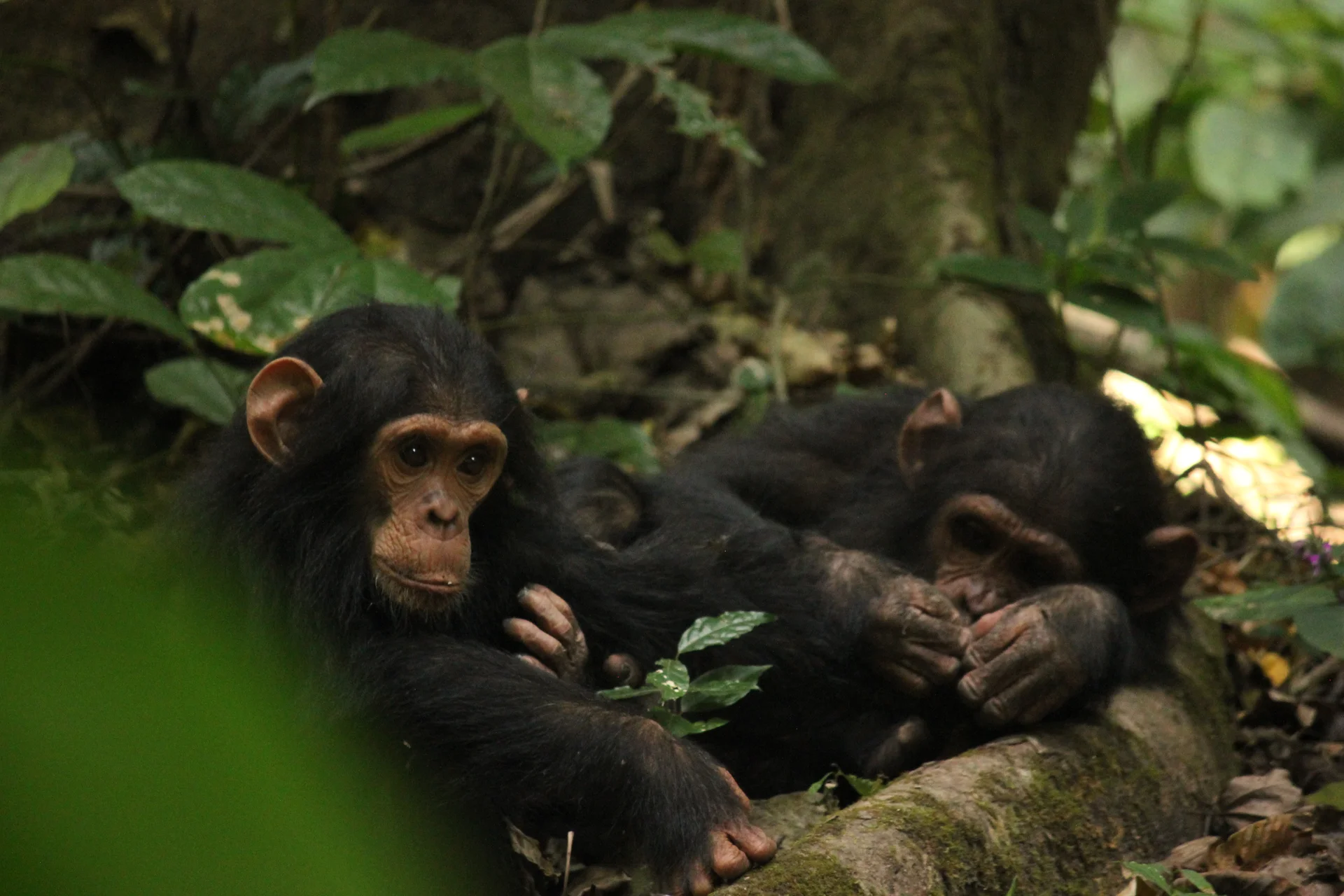
Gombe Stream National Park, also known as Gombe National Park, combines wild chimpanzee trekking with forested hills and the shores of Lake Tanganyika. In Kigoma…
Wildlife
Chimpanzees & Olive baboons
Landscape
National Parks & Safari
Highlights
Wild chimpanzee trekking with park rangers
 Southern Circuit
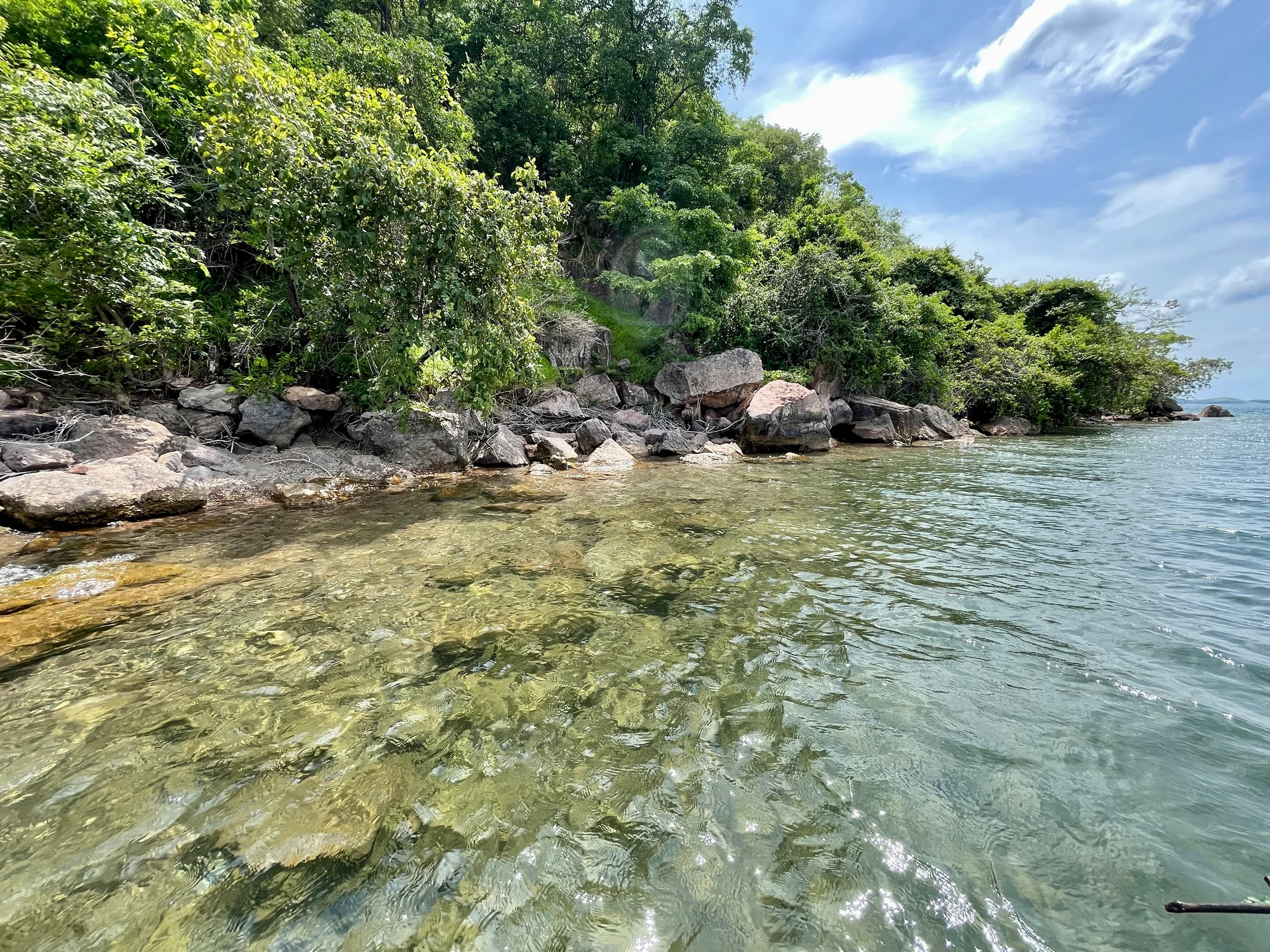
Lake Tanganyika offers a striking freshwater setting along Tanzania’s western frontier: broad blue horizons, wooded shores, bays, beaches and communities whose daily life is closely…
Wildlife
Endemic cichlid fish & Other freshwater fish
Landscape
Lakes & Hot Springs
Highlights
Africa’s deepest freshwater lake in the East African Rift
 Northern Circuit
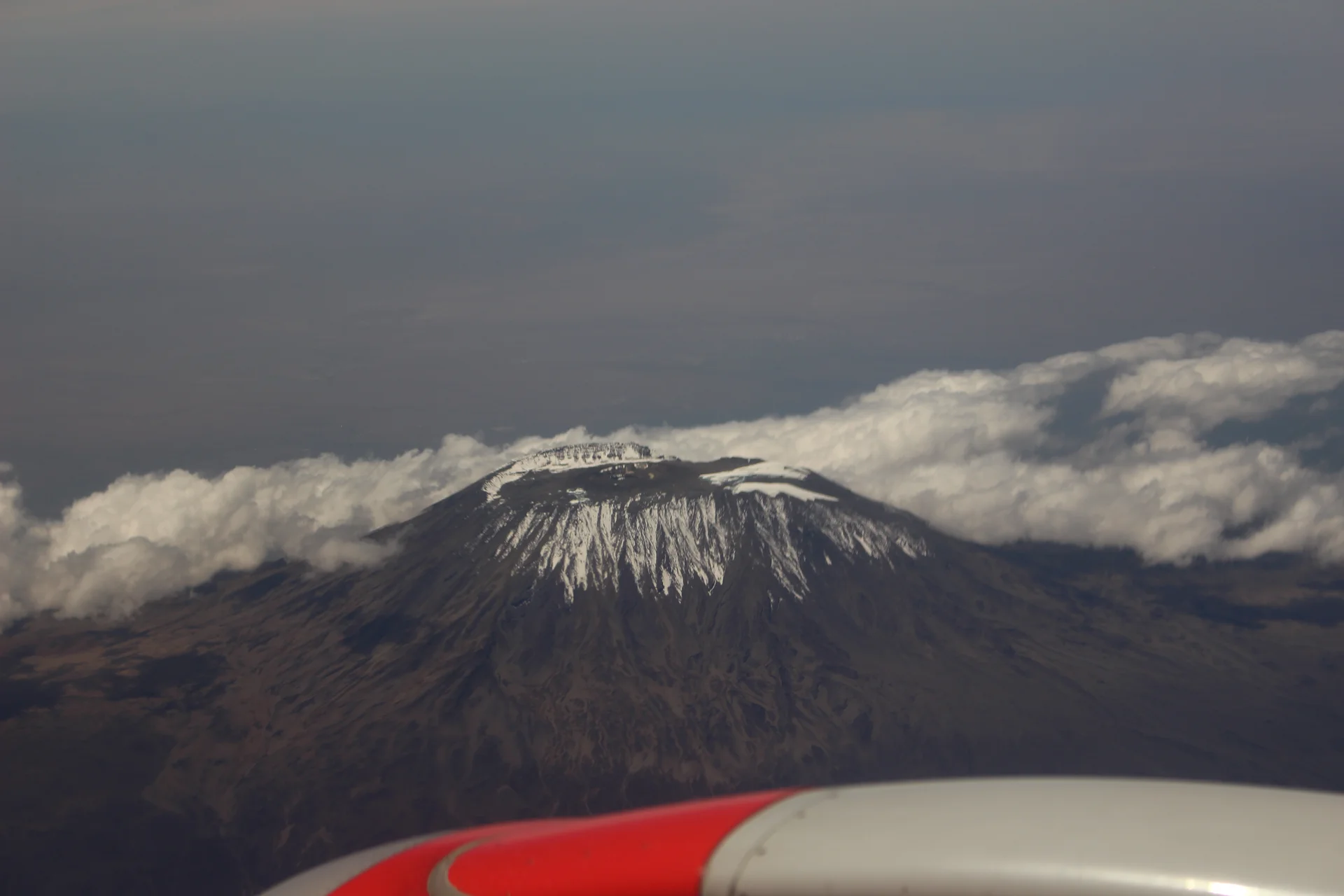
Kilimanjaro rises above northern Tanzania’s plains to Uhuru Peak at 5,895 metres, the highest point in Africa. Its volcanic massif, dramatic changes in vegetation and…
Wildlife
Black-and-white colobus monkeys in forest habitats & Blue monkeys in forest habitats
Landscape
Mountains & Trekking
Highlights
Uhuru Peak at 5,895 metres — Africa’s highest point
 Western Circuit
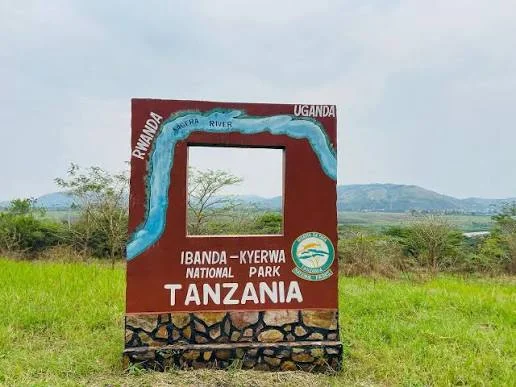
Ibanda-Kyerwa National Park protects a scenic corner of northwestern Tanzania, where the Kagera River meets a landscape of savanna, wooded slopes, valleys and wetlands. Situated…
Wildlife
Buffalo & Roan antelope
Landscape
National Parks & Safari
Highlights
Kagera River scenery on Tanzania’s northwestern border
 Zanzibar & Islands
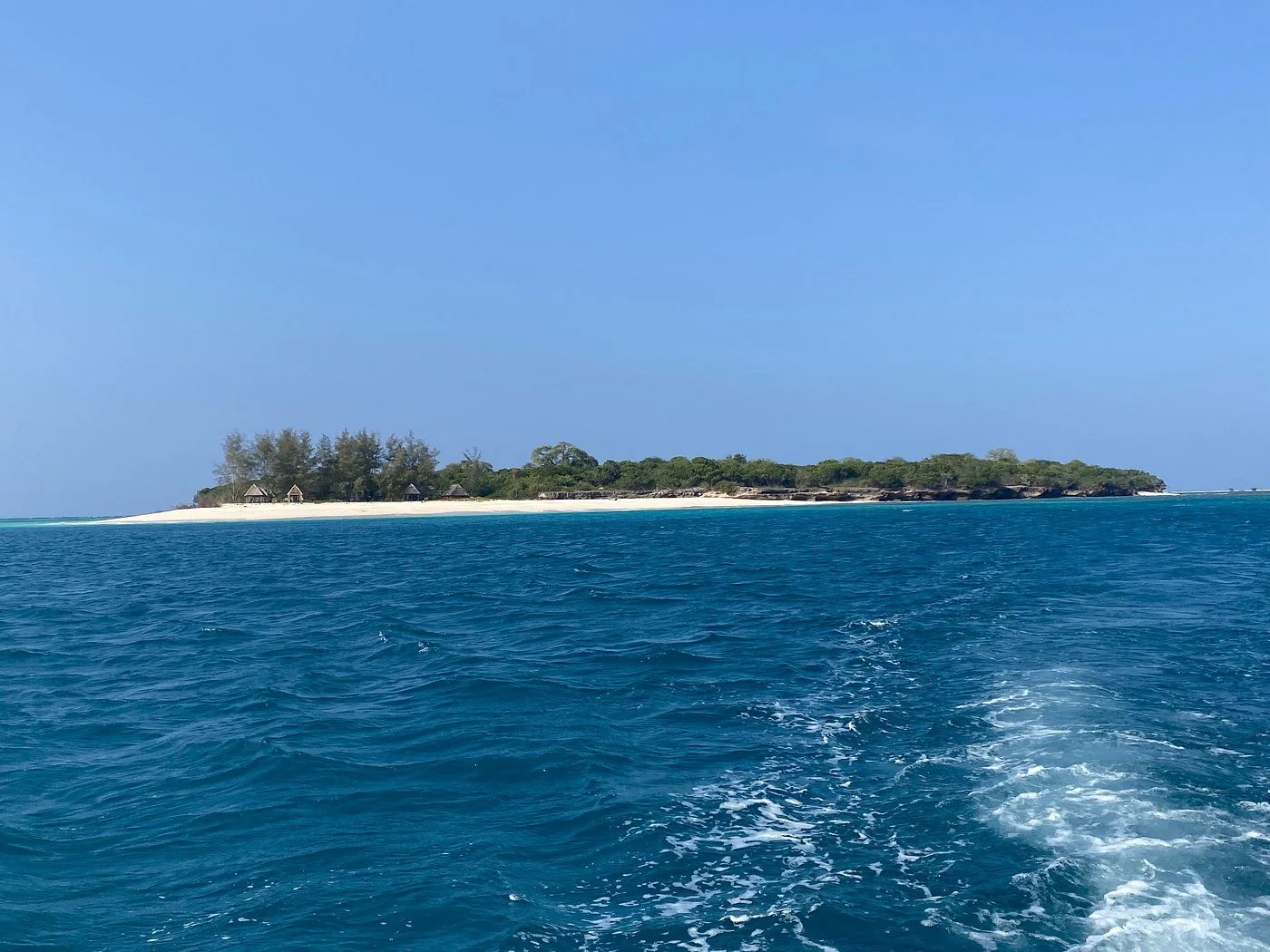
Sinda Island Marine Reserve offers an Indian Ocean escape off Kigamboni, on the southern side of Dar es Salaam. The reserve encompasses Inner and Outer…
Wildlife
Reef fish & Coastal birds
Landscape
Beaches & Islands
Highlights
Inner and Outer Sinda islands
 Northern Circuit
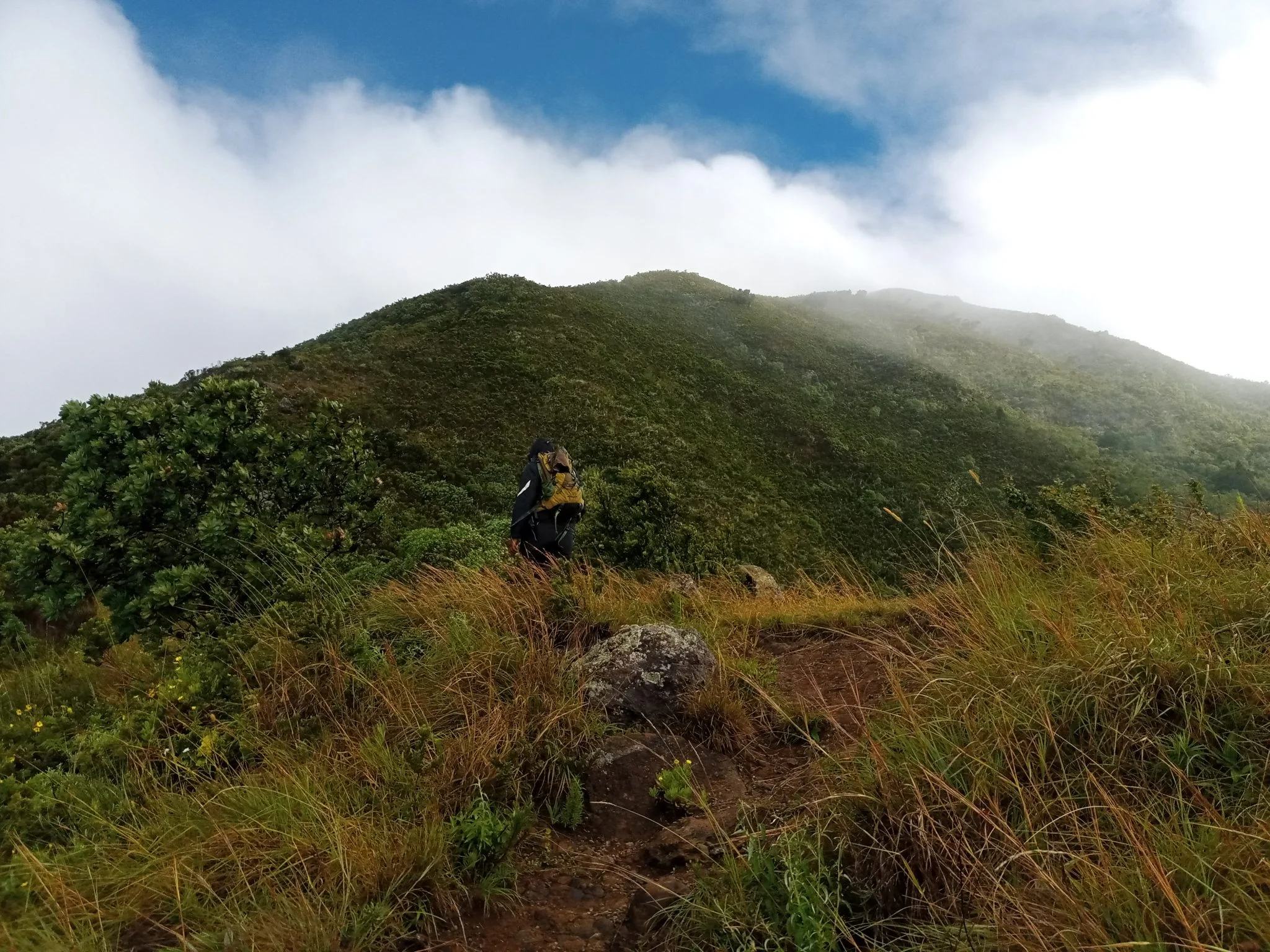
Discover Mount Hanang Rising above Katesh in Tanzania’s Manyara Region, Mount Hanang offers a rewarding mountain adventure beyond the familiar northern safari circuit. At approximately…
Wildlife
Klipspringer & Vervet monkeys
Landscape
Mountains & Trekking
Highlights
Approximately 3,423 metres — Tanzania’s fourth-highest mountain