 5.0 Excellent

Dorine M1 year ago

Grateful experience
As a solo female traveler, I felt super safe and well taken care of the entire time.
Read more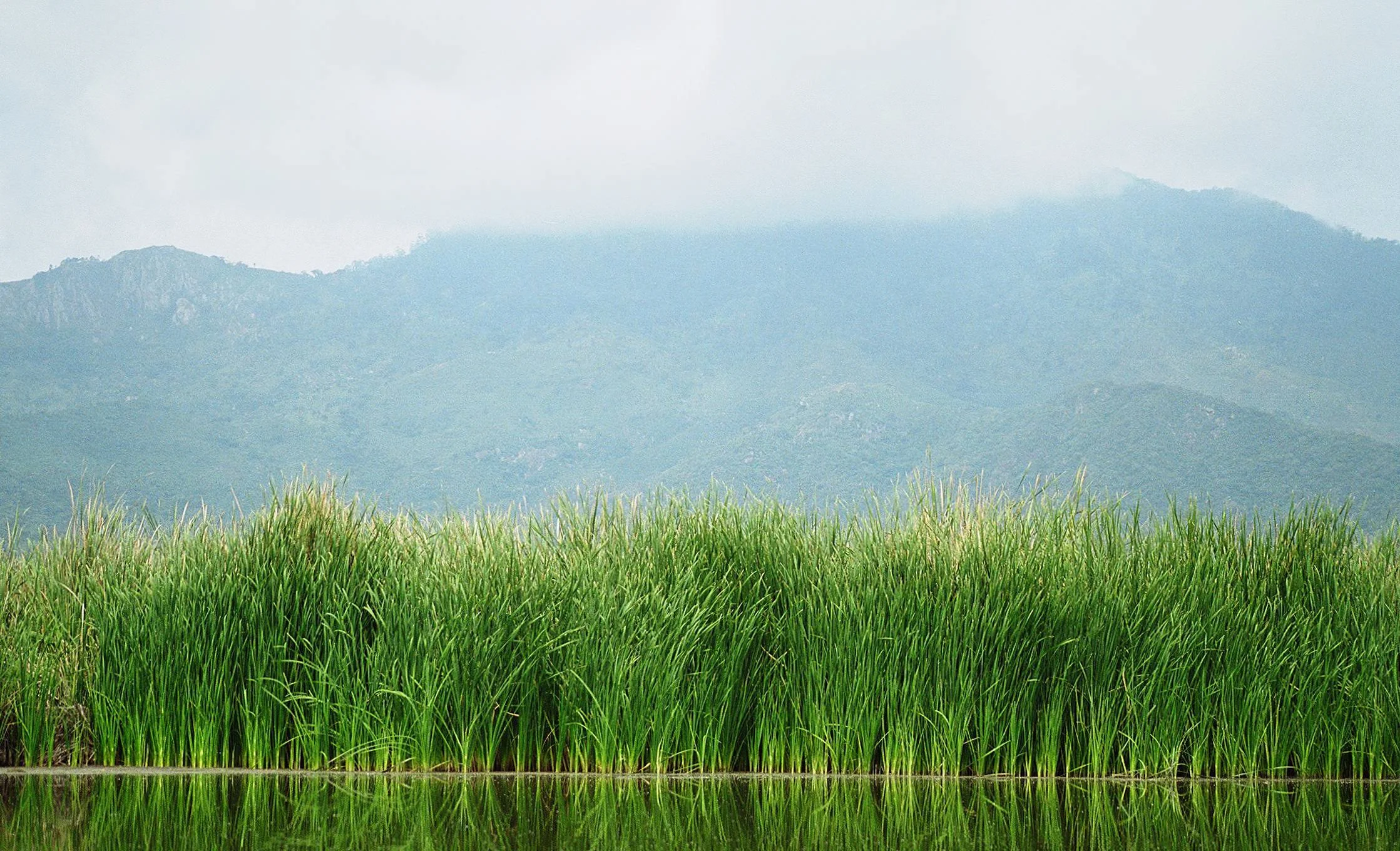
Northern Circuit
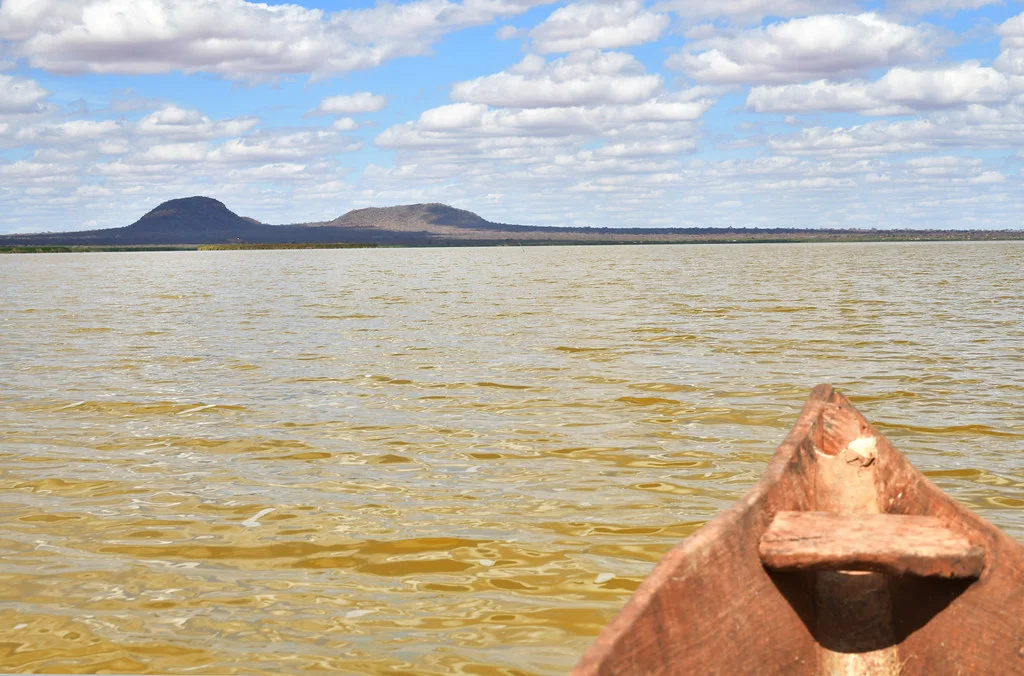
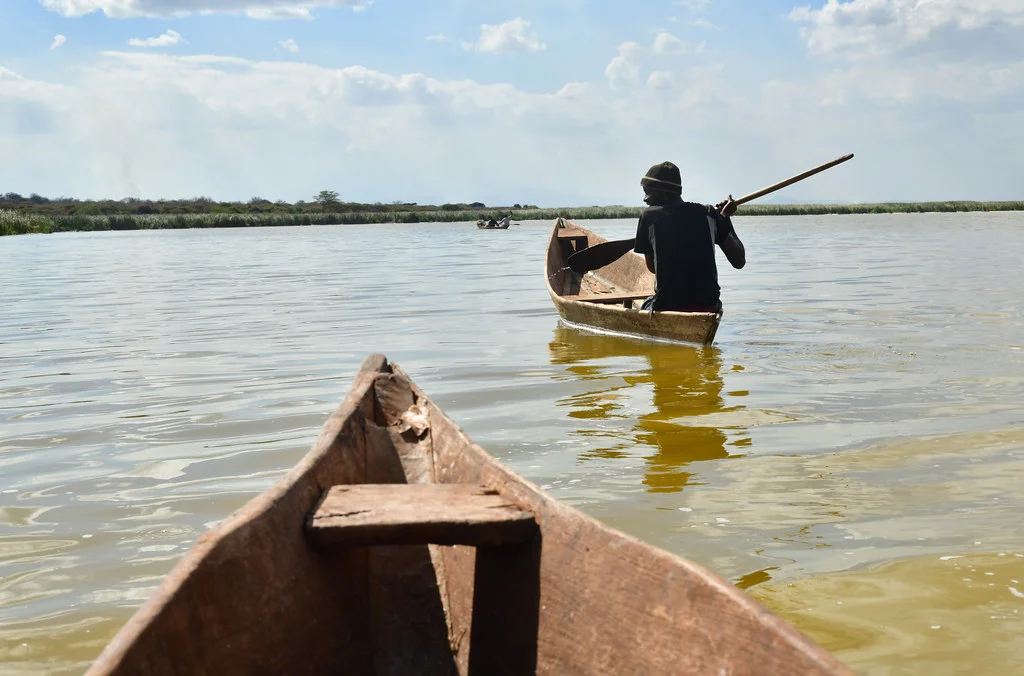
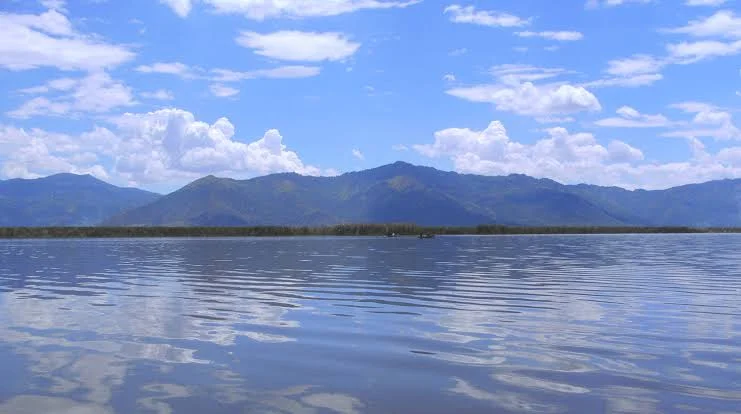
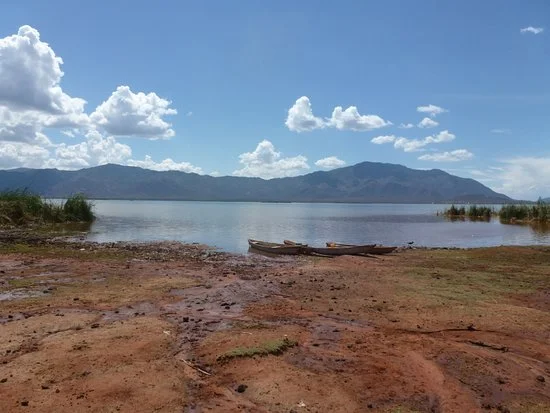
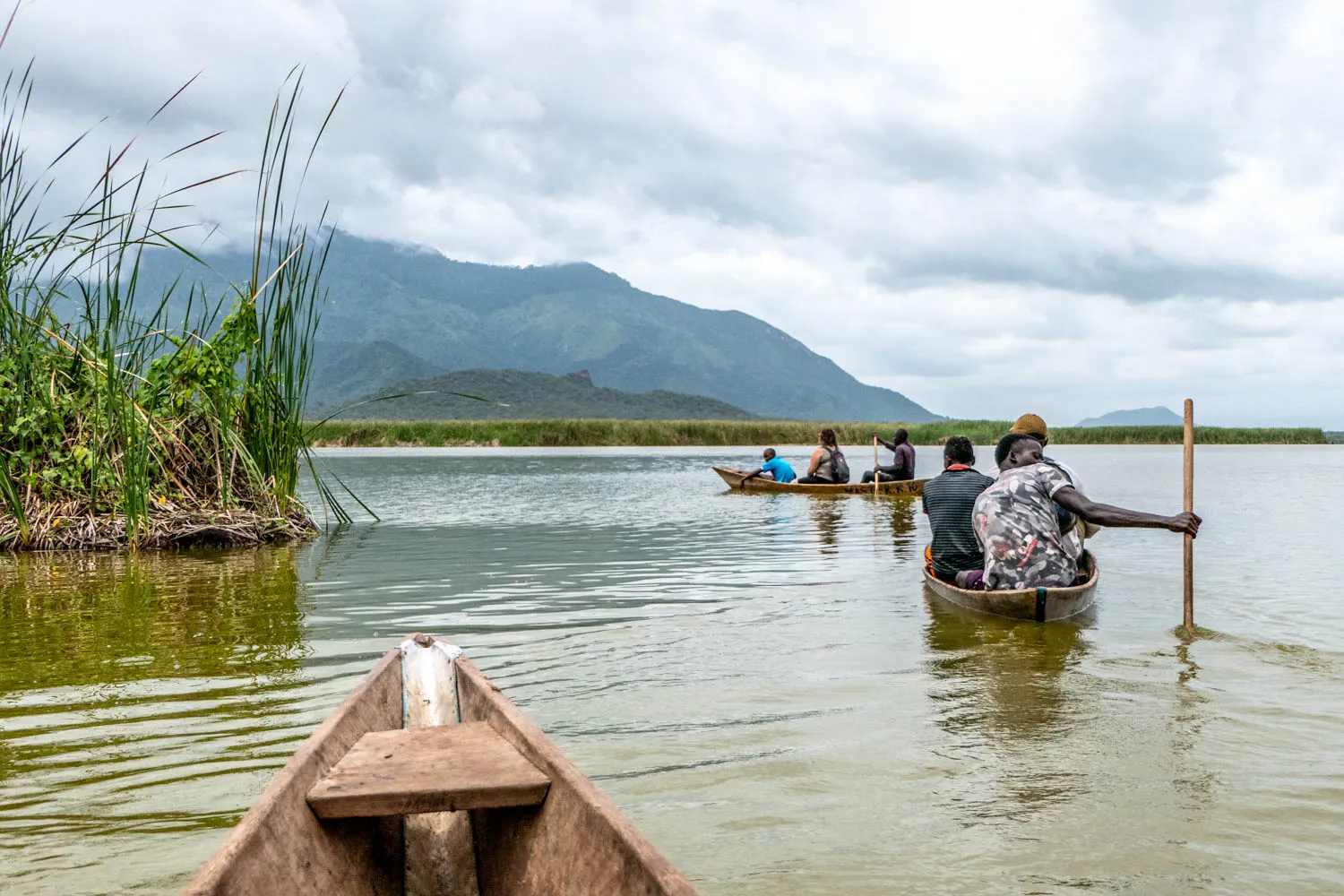
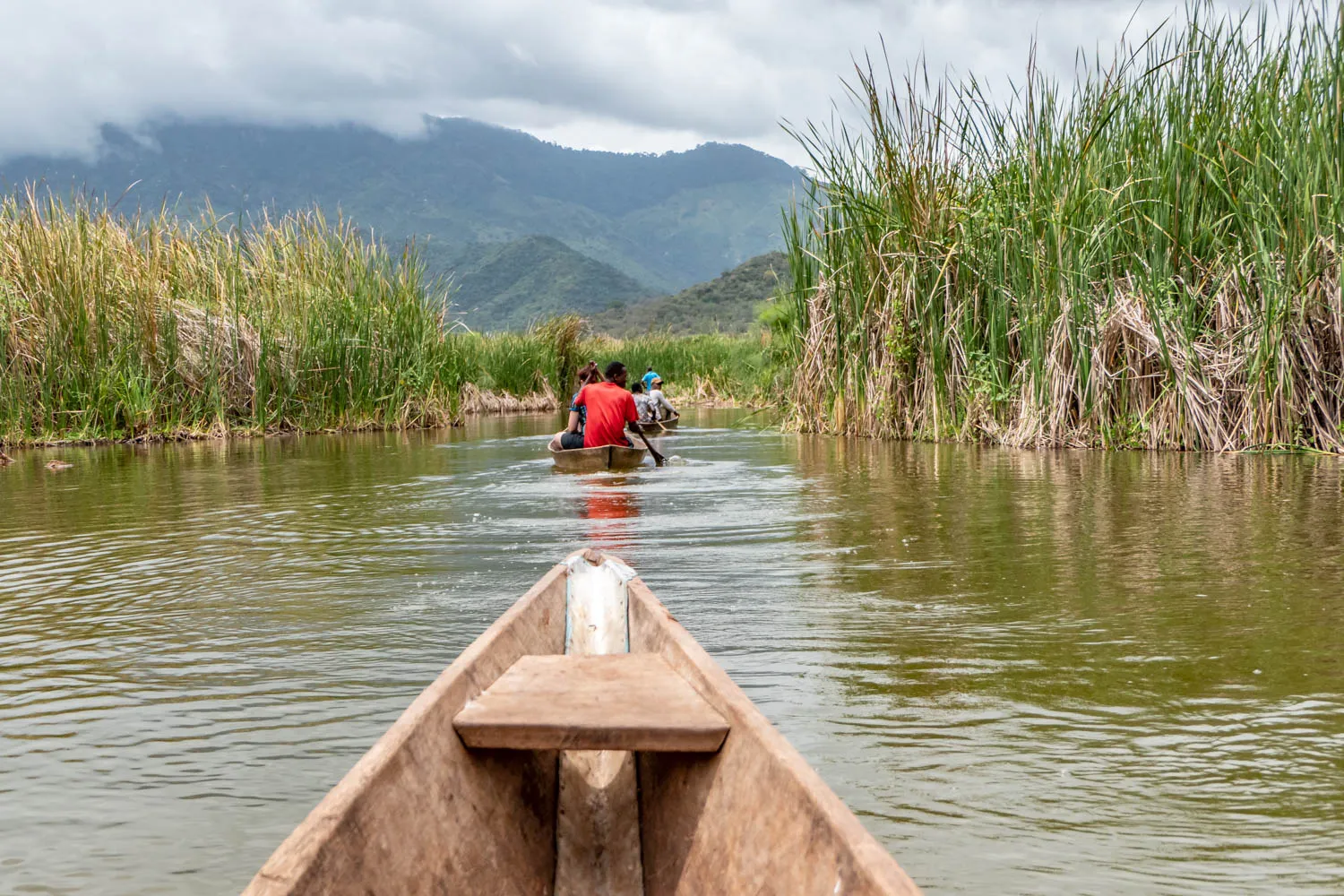
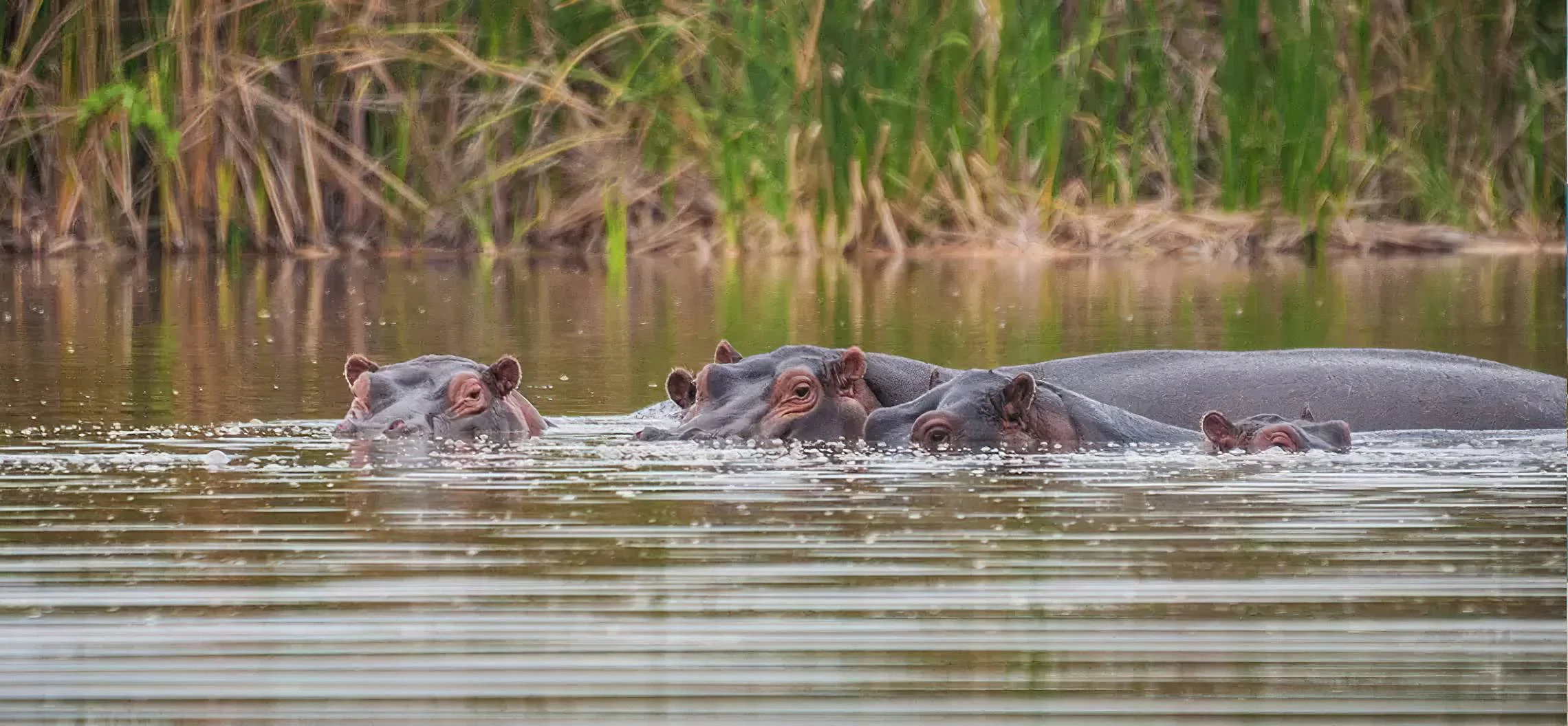
Lake Jipe brings a different rhythm to a northern Tanzania journey: reed-fringed water, broad wetland views, fishing livelihoods and time to watch the landscape closely. The lake straddles Tanzania and Kenya, with its Tanzanian shore in Mwanga District of Kilimanjaro Region, east of the North Pare Mountains. It suits travellers who enjoy birds, photography and locally guided nature experiences, and who want to explore beyond the busiest safari stops. The setting is a shallow freshwater lake surrounded by marshes and vegetation. Open water and reed beds form a changing mosaic rather than a fixed shoreline promenade. The Lumi River links the lake’s catchment to the Kilimanjaro area, while water also comes from the Pare Mountains. Its outlet connects with the wider Pangani river system. This geography gives Jipe an important role in the surrounding landscape: water, wildlife and community livelihoods meet here. Views can be especially atmospheric when the light softens, although the exact scene depends on the season, lake level and chosen access point. Birdwatching is one of the strongest reasons to visit. A local guide can help you scan the open water, reed edges and surrounding vegetation, selecting stopping places that suit current access. Bring binoculars and spend time listening as well as looking. Waterbirds may be feeding, flying between patches of habitat or partly hidden among the reeds, so a slower visit is more rewarding than a quick photograph and departure. Dedicated birders should explain their priorities before booking so that the programme allows observation time and uses a guide with suitable bird knowledge. Species and numbers vary; a particular sighting cannot be promised. Hippos and crocodiles are part of Lake Jipe’s wildlife, and other animals may use the wider wetland landscape. Enjoy observations from positions selected by your guide. Keep away from the water’s edge and animal routes, avoid feeding wildlife and do not move closer for a photograph. A Tanzania-side visit offers a wetland experience, with no guarantee of elephants or the large-mammal variety associated with a full national park game drive. Swimming and wading are excluded from the suggested programme. A boat or canoe excursion can add another perspective if a suitable local operator, equipment and safe conditions are available. It must be arranged as a supervised activity with a briefing, correctly fitting life jackets and an agreed route. Water levels, dense reeds, wind and wildlife can affect what is practical on the day. The group should be comfortable with a shore-based alternative if the boat trip cannot operate. Kayaking is not an automatic inclusion and must be confirmed separately. The lake crosses an international boundary, but the proposed outing stays within the authorised Tanzania-side route. The lake is also a working landscape. A pre-arranged community visit can introduce visitors to the role of fishing and the everyday relationship between people and the wetland. Let hosts lead the conversation and explain what they are comfortable sharing. Ask permission before taking portraits or photographing work, boats and homes at close range. Visits should be paid and organised respectfully, with the timing agreed in advance; an arrival at the shore should not be treated as an invitation to enter a village or interrupt a livelihood. Recreational fishing is only an optional activity where the relevant local permissions, methods and arrangements have been confirmed. For many visitors, a full day from a Moshi-area base provides a sensible pace. A programme can combine road transfers, a guided nature visit, birdwatching, an optional boat activity and a packed or pre-arranged lunch. Arusha involves a longer transfer, while an overnight stop in the wider area can make a slower itinerary possible. Confirm the actual accommodation, facilities and meals rather than assuming a lodge or campsite is available at every lakeside access point. Pare Mountain walking or Mkomazi National Park can be considered as separate additions with enough travel time and their own access arrangements. June to October generally offers a useful drier-season window for road access and outdoor exploration. January and February may also work well, while the main and short rains can bring greener surroundings and changing birdlife. Lake conditions matter as much as the calendar: reeds and fluctuating water levels can affect access even when the weather is dry. Check the local situation before setting out and leave room for the guide to adapt the route. TanzaLux can plan Lake Jipe around your interests, group size and walking ability. Agree the landing or meeting point, guiding, transport, boat arrangements, applicable local charges, meals and return schedule in an itemised quotation. Pack binoculars, a camera, closed walking shoes, drinking water, sun protection and a weather-appropriate layer. Carry your litter out and choose locally organised experiences that respect both wildlife and the people who depend on the lake.
March to May commonly brings the main rains. Wetland vegetation can be green and birdwatching rewarding, but rain may affect unpaved approach roads, walking surfaces and suitable shore access. The route and any boat activity must be assessed locally. Allow flexibility, carry a rain layer and protect cameras. Choose a guided land-based programme if wind, rain, reeds or water conditions make the planned excursion unsuitable.
November and December often bring short rains, while January and February may provide a warmer, relatively drier interval. Waterbird activity, shoreline access and vegetation change with local conditions; visiting birds may add interest without guaranteeing a species. Plan early observation time, carry water and sun protection, and confirm the access point and optional boat arrangements shortly before travel.
June to October is generally a practical drier-season period for road access and nature outings. Early starts help with comfortable observation and photography before the day warms up. The lake’s water level and reed cover can still affect access, so dry weather does not guarantee a boat route. Allow time for guided birdwatching, use suitable viewpoints and confirm all water activities with the local team.
Lake Jipe’s Tanzania-side shore is reached by road in Mwanga District, east of the North Pare Mountains. Moshi, Marangu and the wider Kilimanjaro area can serve as starting points, with Arusha requiring a longer transfer. Your driver should use the agreed village or landing point and confirm the final approach with the local host or guide. Do not route the visit through a Kenyan park gate unless a separate cross-border itinerary has been arranged. Kilimanjaro International Airport is a practical international arrival point for a journey based around Moshi or Arusha. Continue by road to your hotel before the lake outing, or agree a realistic direct transfer if the flight schedule allows. There is no single reliable drive time for every lakeside visit: the hotel location, selected access point, traffic and condition of the final unpaved roads all matter. Request a current door-to-door estimate and allow a full day for a relaxed return outing from the Moshi area. A vehicle suited to the current approach conditions should be arranged, particularly after rain. Shore access can also change with water levels and reeds. Confirm walking distance, shade, toilet facilities, lunch arrangements and whether the programme includes a boat trip. Discuss mobility needs and children’s ages before choosing the route or equipment. Book local guiding and any boat operator in advance. Agree applicable access or community charges, life jackets, the approved activity route, meals and payment methods. For an overnight itinerary, confirm the named accommodation or campsite and its current facilities. Add Pare Mountain walks or a Mkomazi safari only with adequate transfer time and separate permissions or entry arrangements. The standard visit described here remains on the Tanzania side.
Lake Jipe straddles the Tanzania–Kenya border. Its Tanzanian shore is in Mwanga District of Kilimanjaro Region, east of the North Pare Mountains. This guide describes a Tanzania-side visit.
No. They are separate lakes along the Tanzania–Kenya border. Jipe is a shallow lake with extensive wetland vegetation; Chala is a crater lake with steep surrounding walls. Check the destination name and itinerary when booking.
Its freshwater wetland setting, waterbirds, reed beds and fishing livelihoods are the main attractions. It is well suited to a slower guided nature visit, photography and a community experience arranged with local hosts.
Yes. Open water, reeds and surrounding vegetation provide varied observation areas. Bring binoculars and request a guide with bird knowledge if birding is your priority. Species and numbers change with the season, lake conditions and time of day.
Hippos and crocodiles occur at the lake, alongside waterbirds and fish. Other wildlife may use the surrounding landscape, but sightings vary. A lake visit does not guarantee elephants or the game-viewing range of a national park safari.
Kilimanjaro may form part of the wider landscape when visibility and your viewpoint allow. Cloud, haze and the chosen access point affect the view. A clear mountain photograph should be treated as a possibility, not a guaranteed feature of the outing.
Swimming and wading are excluded from the suggested visit because the lake has hippos and crocodiles. Remain in the areas selected by your guide and enjoy views or a properly arranged boat excursion instead.
A boat or canoe trip may be arranged when a suitable operator, equipment and conditions are available. Kayaking must be confirmed separately. Water level, reeds, wind and wildlife can change the route or prevent a session from operating.
Confirm a competent local operator, a briefing, suitable equipment, correctly fitting life jackets and an agreed route. Explain children’s ages and any assistance needs beforehand. Follow the operator’s decision if the trip must be adapted or cancelled.
June to October generally offers a practical drier-season window for access and outdoor activities. January and February may also suit a visit. Birders can enjoy other months too, but should confirm local road, shore and water conditions.
Travel by road to the Tanzania-side access point agreed with your operator in Mwanga District. The final approach depends on the village or landing area selected. Request a current drive estimate based on your hotel and allow a full day for the outing.
Kilimanjaro International Airport is a practical arrival point for an itinerary based around Moshi or Arusha. Continue by road to your accommodation or the lake as arranged. Allow enough time for transfers rather than fitting activities tightly around a flight.
Allow several hours for guided observation, walking at an appropriate access area and lunch, adding a boat trip only if arranged. Include the road journey in your schedule. Dedicated birders or travellers combining nearby destinations may prefer a longer itinerary.
A family visit can be planned around children’s ages and needs. Close supervision near water and wildlife is essential. Confirm walking distances, shade, meals, toilet facilities and any boat age limits or child-size life jackets before booking.
Access is site-specific. Shore areas may involve uneven, muddy or reed-lined ground, and boarding a boat may require assistance. Explain your needs in advance so the team can assess a viewpoint-based route and suitable transport; step-free access cannot be assumed.
A community visit can be organised with willing hosts and an agreed time. Recreational fishing is only optional where local permissions, appropriate methods and arrangements are confirmed. Ask before taking portraits and avoid interrupting work.
No. The proposed outing stays on the authorised Tanzania-side route. Kenya-side park visits or border transfers need a separate itinerary and current immigration and entry arrangements. A boat ride should not be treated as an informal border crossing.
Yes, an itinerary can consider these as separate additions if there is enough travel time. Mountain walks and a Mkomazi safari require their own guiding, access and entry arrangements. Avoid crowding a lake outing and a full safari into an unrealistic single day.
Bring binoculars, a camera, closed walking shoes, drinking water, a hat, sunscreen, insect repellent and a small day bag. Add a rain layer when appropriate and protect electronics from splashes on a boat. Use sun protection and take all litter away.
The total depends on group size, transfers, local guiding, applicable access or community charges, optional boating, meals and any accommodation. Request an itemised TanzaLux quotation for your dates, with inclusions and arrangements clearly stated.
Grateful experience
As a solo female traveler, I felt super safe and well taken care of the entire time.
Read morePrivate Safari 6 days
I can only highly recommend the young company Tanzalux for organizing a private safari.
Read moreAn unforgettable vegetarian journey with Tanzalux Safaris
I highly recommend Tanzalux for anyone wanting a special, personalized safari.
Read moreOur 3-day camping safari with Tanzalux was simply fantastic! Everything was perfectly organized.
Read moreBack in April, I joined a day trip to Tarangire National Park with Tanzalux Safaris, and it was truly one of the best experiences I have ever had…
Read moreI've had an amazing experience with Tanzalux Safaris, would 1000% recommend! Thank you for making my trip so special🫶
Read moreI recently visited Meru Waterfalls in Arusha and got to do some of the activities there, honestly it was such a great experience and I really enjoyed it.
Read moreOur guide Dullah Mr Rastaman had the best vibe. I would like to recommend other people not to miss it, Tarangire is the best national park.
Read moreOur tour guide Nasri was very friendly and welcoming from the first day we met him. He knows Tarangire very well and explained many things during the safari.
Read moreAs a grandmother in the group, I would like to share my happiness with Tanzalux Safaris. Me, my daughters, and my grandson went on a short trip to Tarangire National Park…
Read moreReceive a free, no obligation quote

 Western Circuit
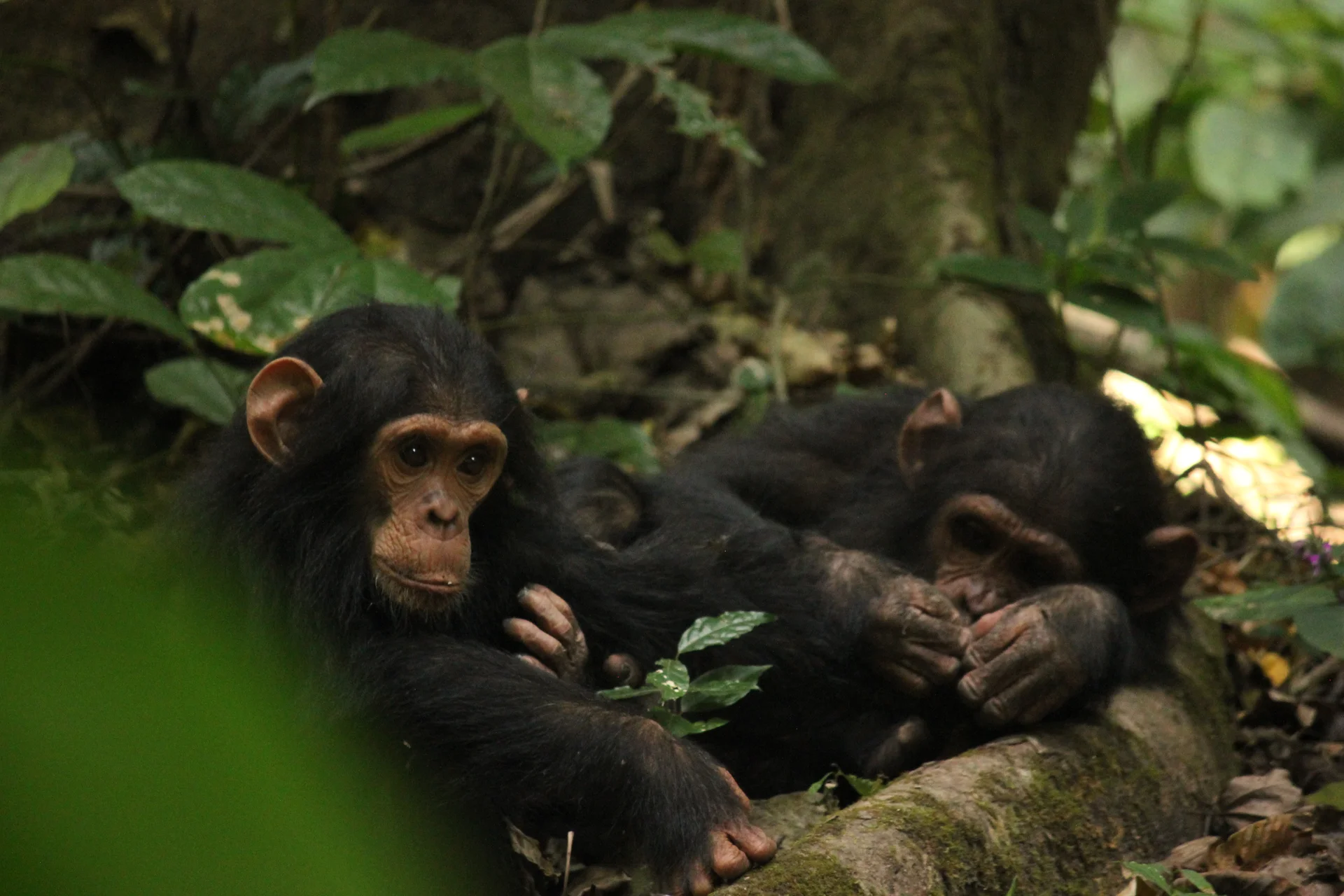
Gombe Stream National Park, also known as Gombe National Park, combines wild chimpanzee trekking with forested hills and the shores of Lake Tanganyika. In Kigoma…
Wildlife
Chimpanzees & Olive baboons
Landscape
National Parks & Safari
Highlights
Wild chimpanzee trekking with park rangers
 Southern Circuit
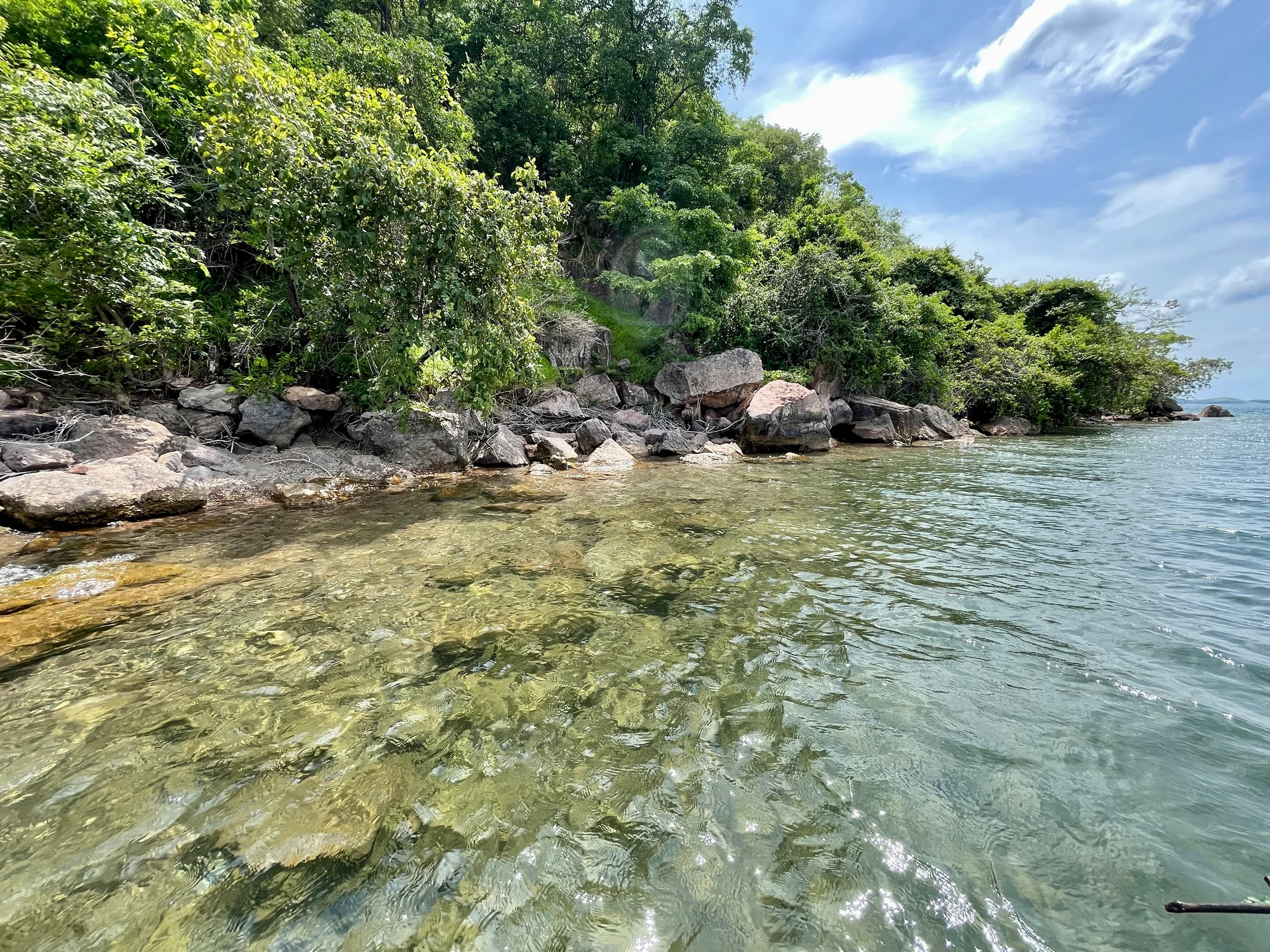
Lake Tanganyika offers a striking freshwater setting along Tanzania’s western frontier: broad blue horizons, wooded shores, bays, beaches and communities whose daily life is closely…
Wildlife
Endemic cichlid fish & Other freshwater fish
Landscape
Lakes & Hot Springs
Highlights
Africa’s deepest freshwater lake in the East African Rift
 Northern Circuit
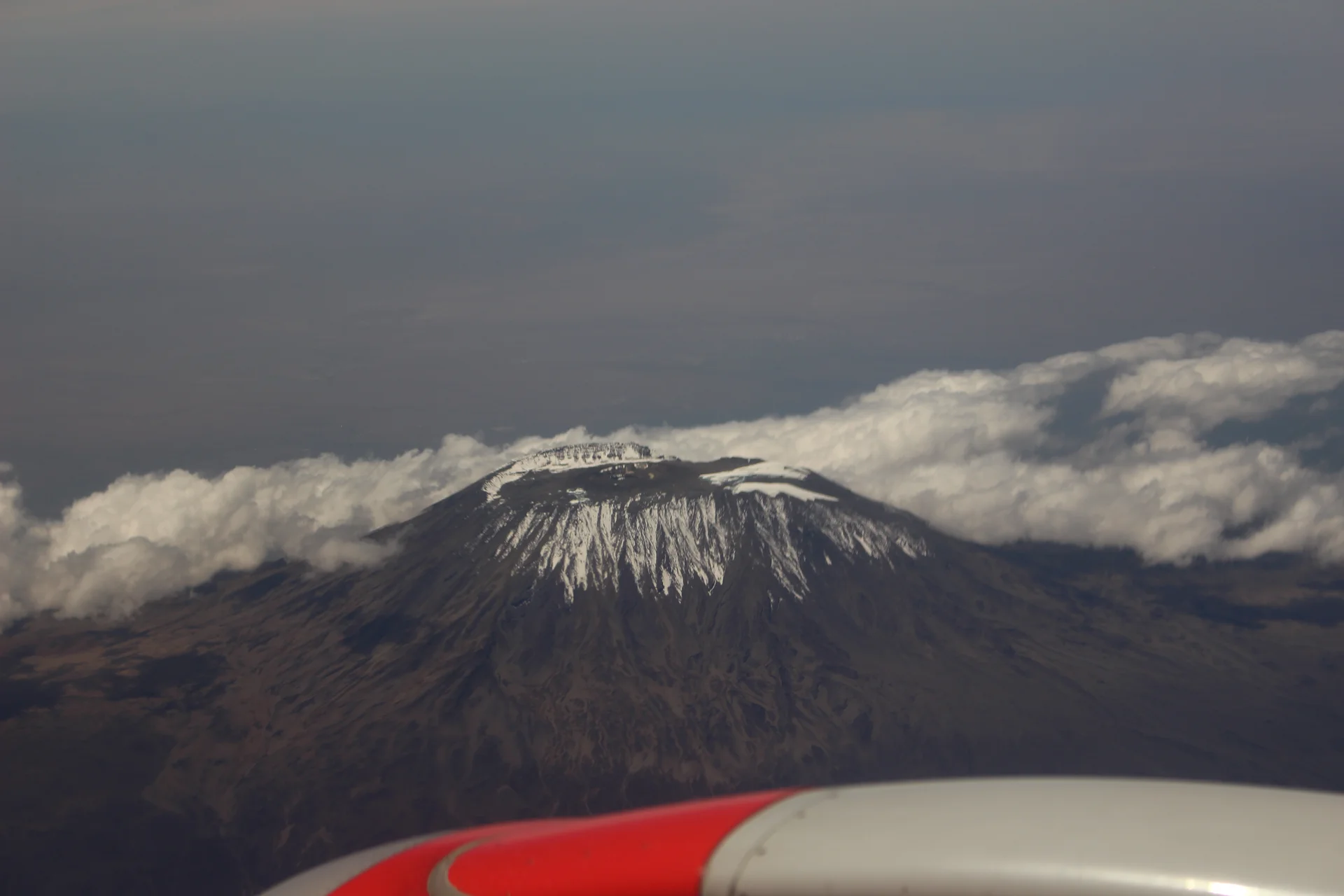
Kilimanjaro rises above northern Tanzania’s plains to Uhuru Peak at 5,895 metres, the highest point in Africa. Its volcanic massif, dramatic changes in vegetation and…
Wildlife
Black-and-white colobus monkeys in forest habitats & Blue monkeys in forest habitats
Landscape
Mountains & Trekking
Highlights
Uhuru Peak at 5,895 metres — Africa’s highest point
 Western Circuit
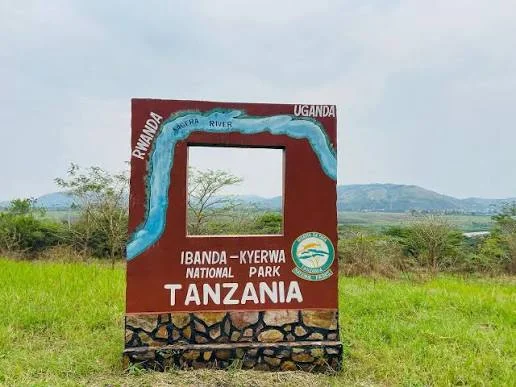
Ibanda-Kyerwa National Park protects a scenic corner of northwestern Tanzania, where the Kagera River meets a landscape of savanna, wooded slopes, valleys and wetlands. Situated…
Wildlife
Buffalo & Roan antelope
Landscape
National Parks & Safari
Highlights
Kagera River scenery on Tanzania’s northwestern border
 Zanzibar & Islands
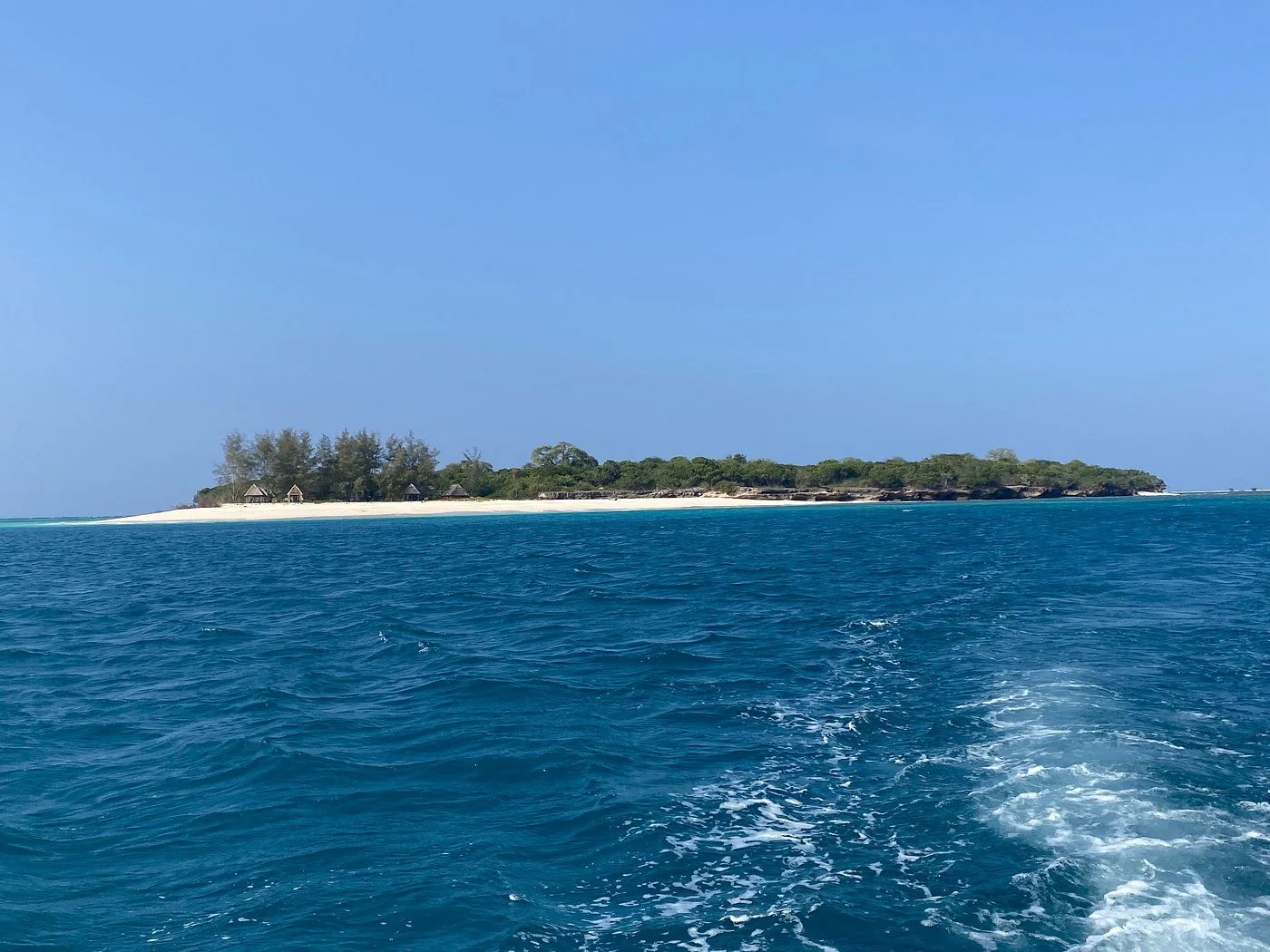
Sinda Island Marine Reserve offers an Indian Ocean escape off Kigamboni, on the southern side of Dar es Salaam. The reserve encompasses Inner and Outer…
Wildlife
Reef fish & Coastal birds
Landscape
Beaches & Islands
Highlights
Inner and Outer Sinda islands
 Northern Circuit
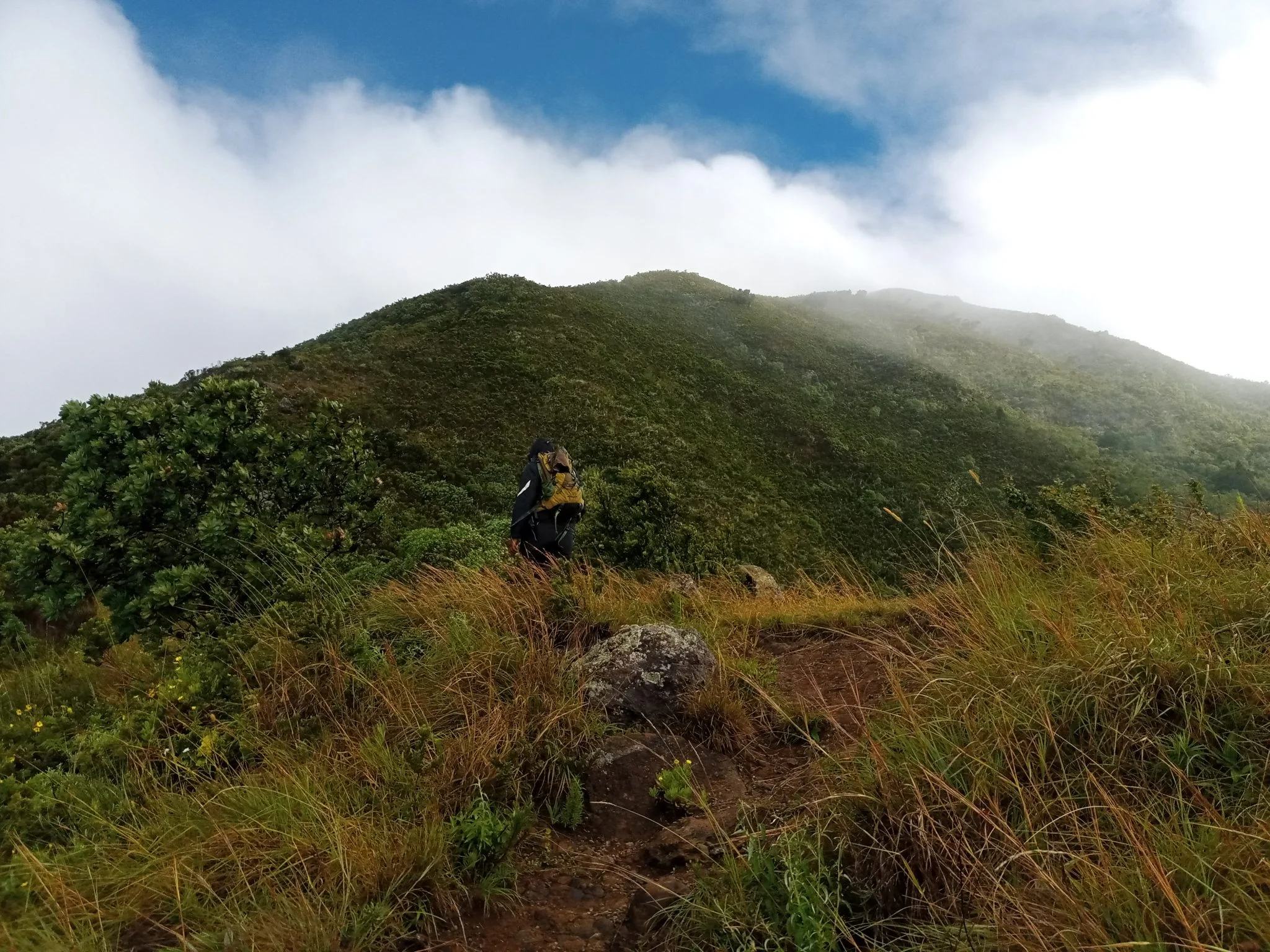
Discover Mount Hanang Rising above Katesh in Tanzania’s Manyara Region, Mount Hanang offers a rewarding mountain adventure beyond the familiar northern safari circuit. At approximately…
Wildlife
Klipspringer & Vervet monkeys
Landscape
Mountains & Trekking
Highlights
Approximately 3,423 metres — Tanzania’s fourth-highest mountain