5.0 Excellent

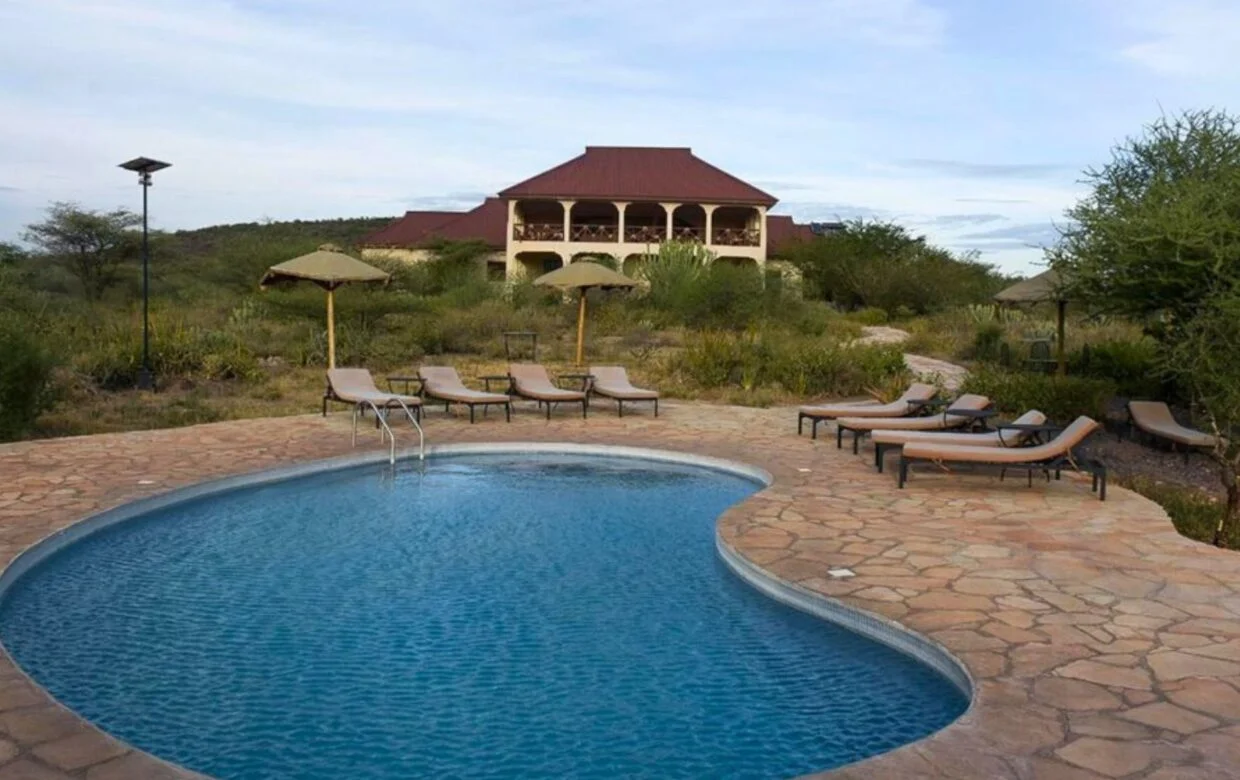
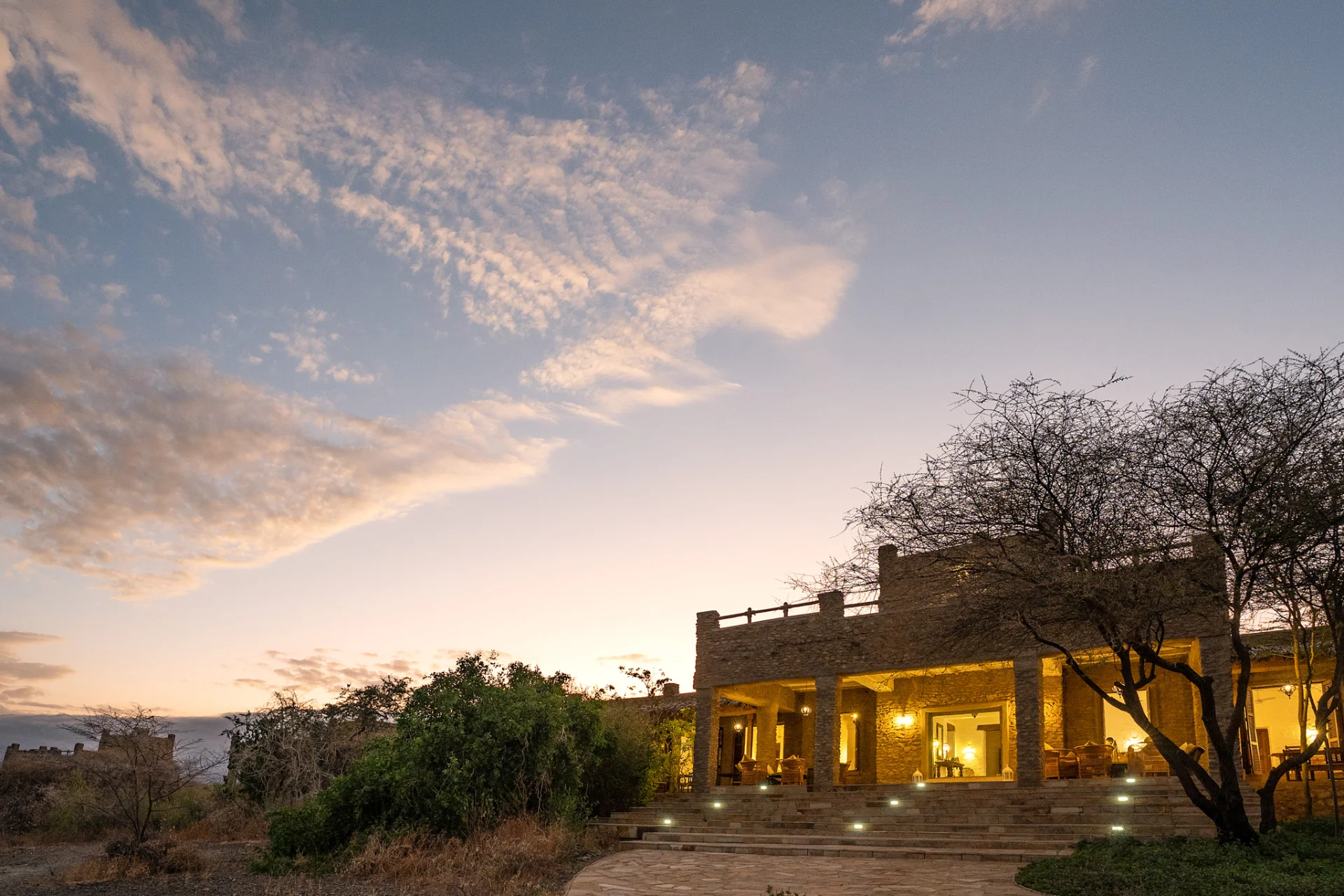
Lake Eyas Safari Lodge
3- 16 Stone-Built Cottages
- En-Suite Bathrooms
- Private Verandahs
Northern Circuit
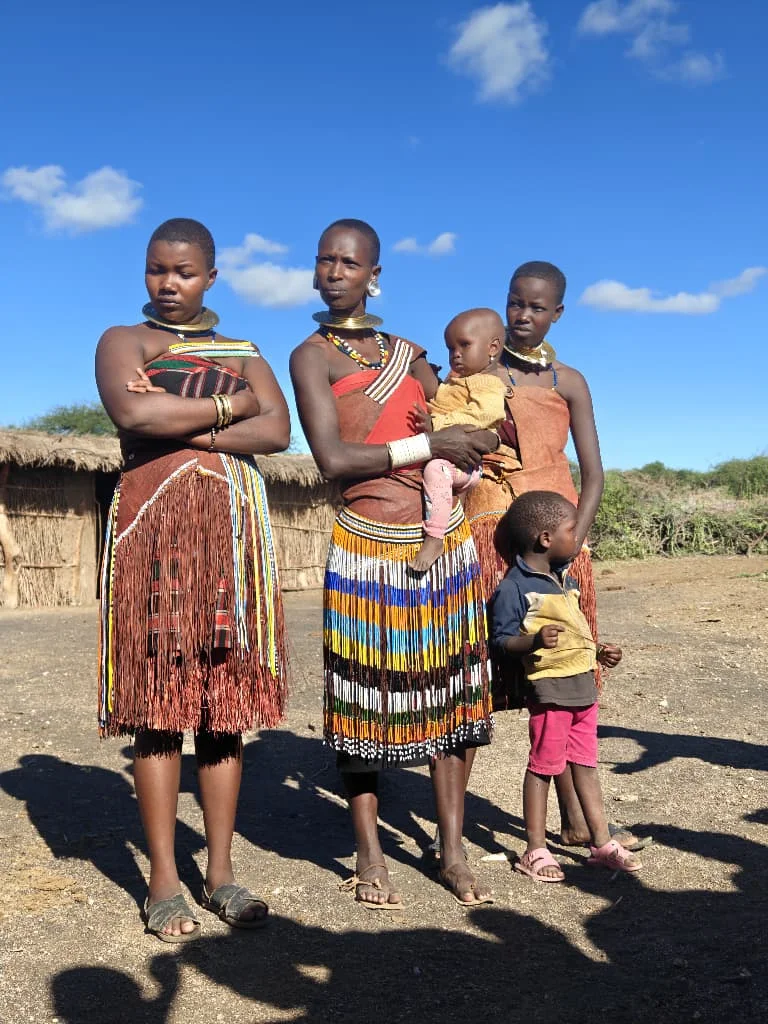
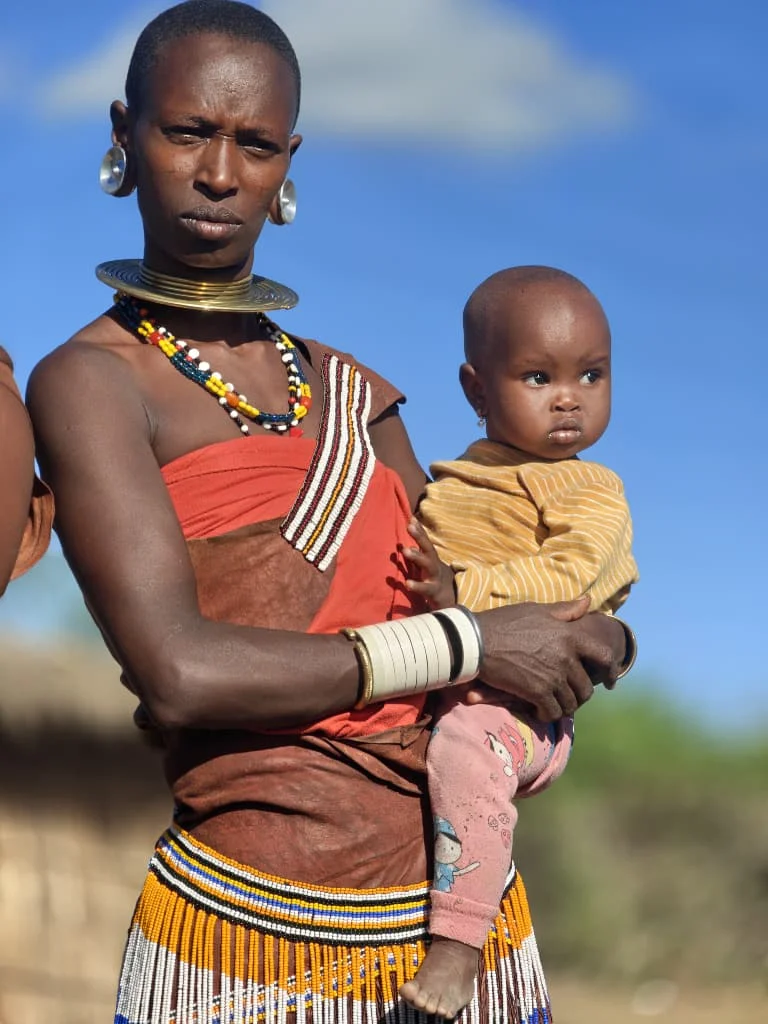
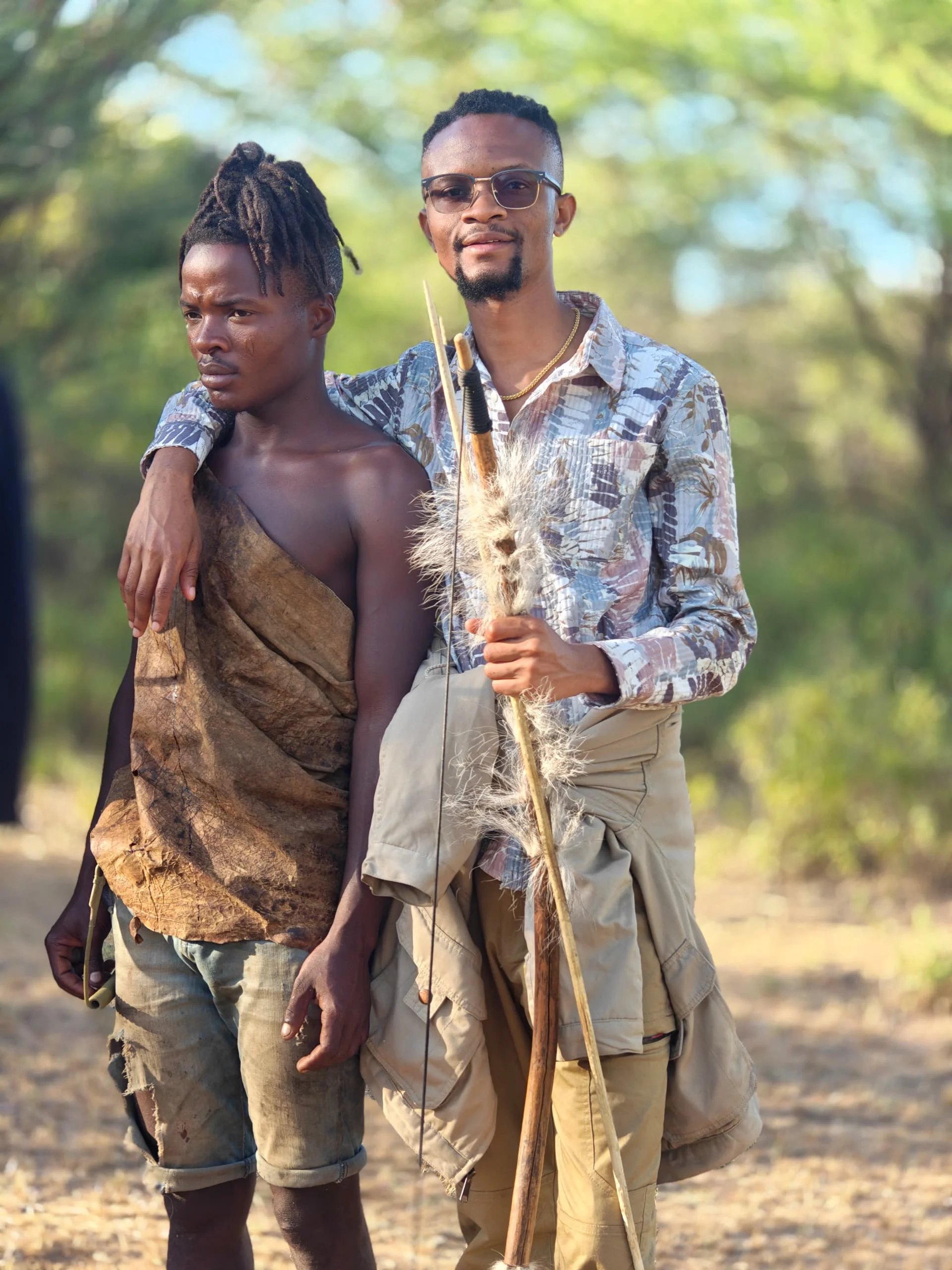
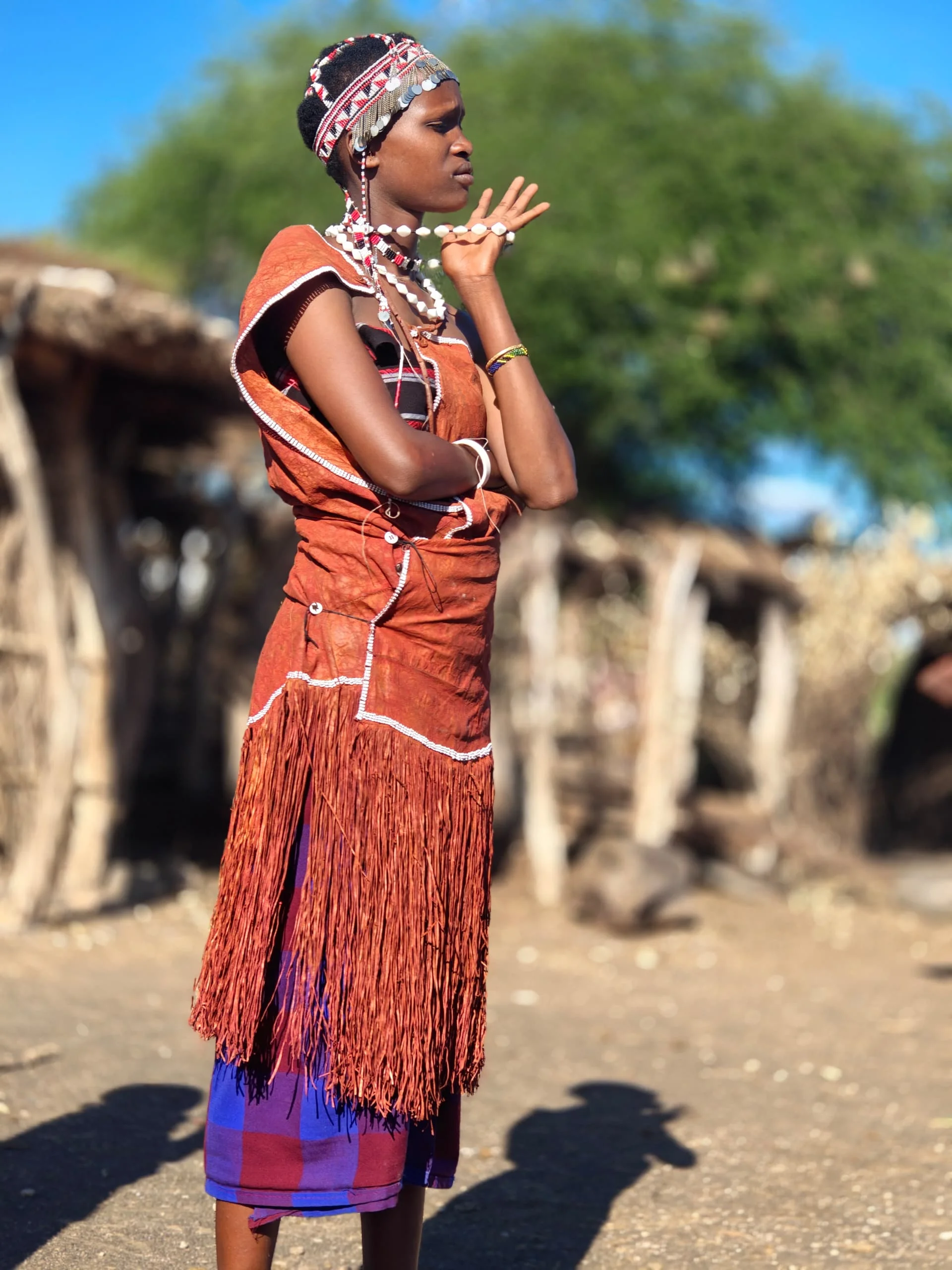
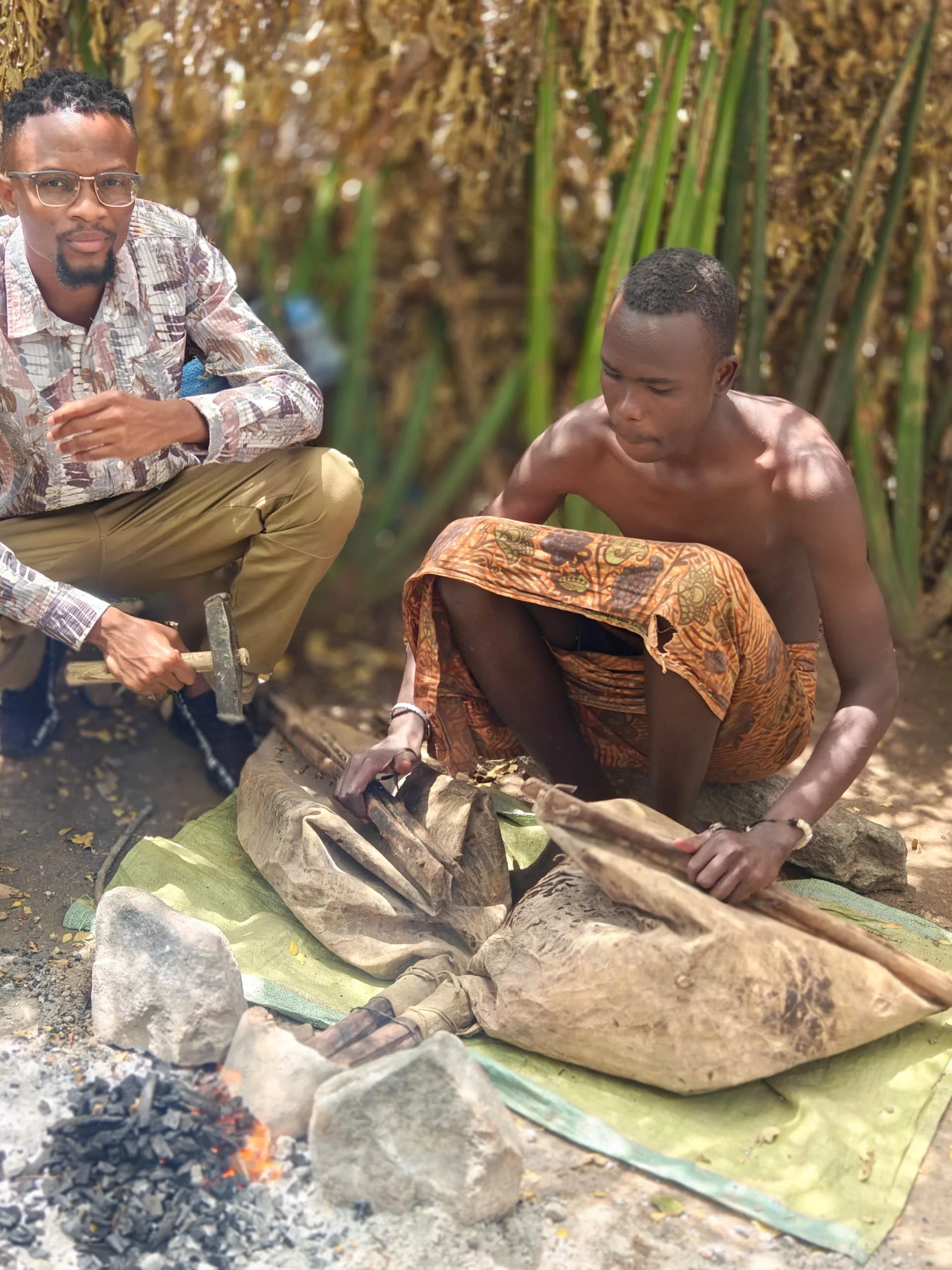
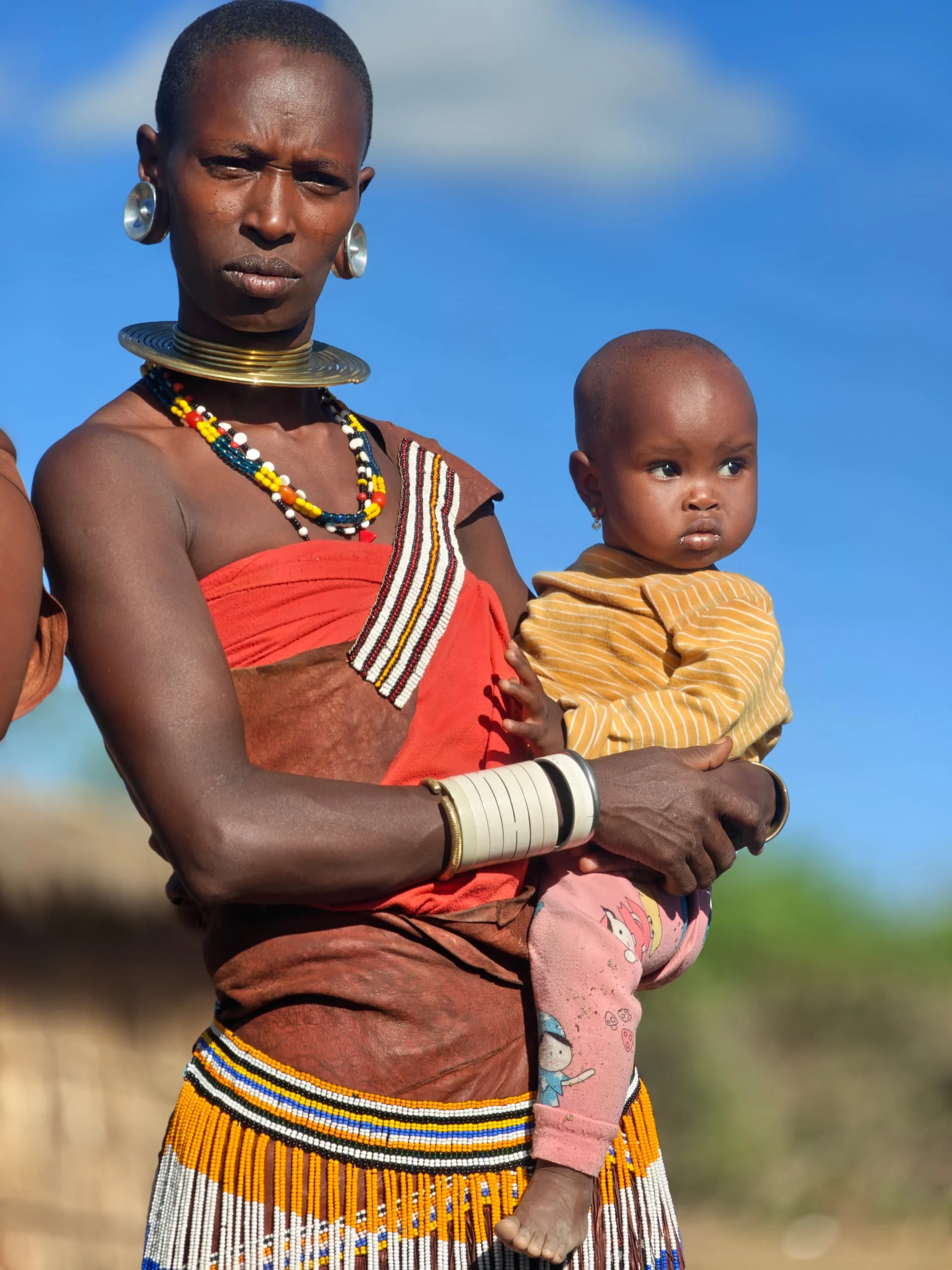
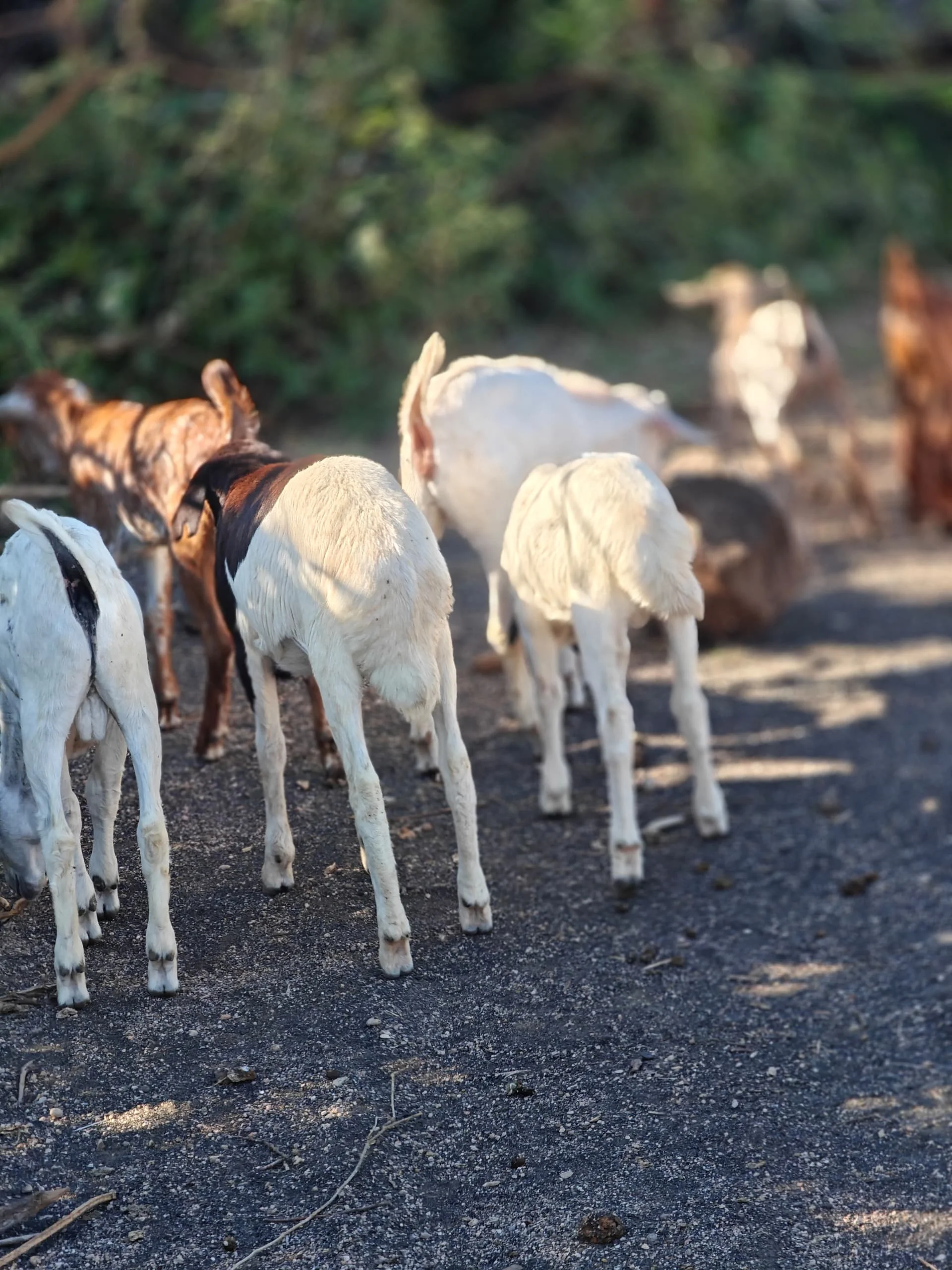
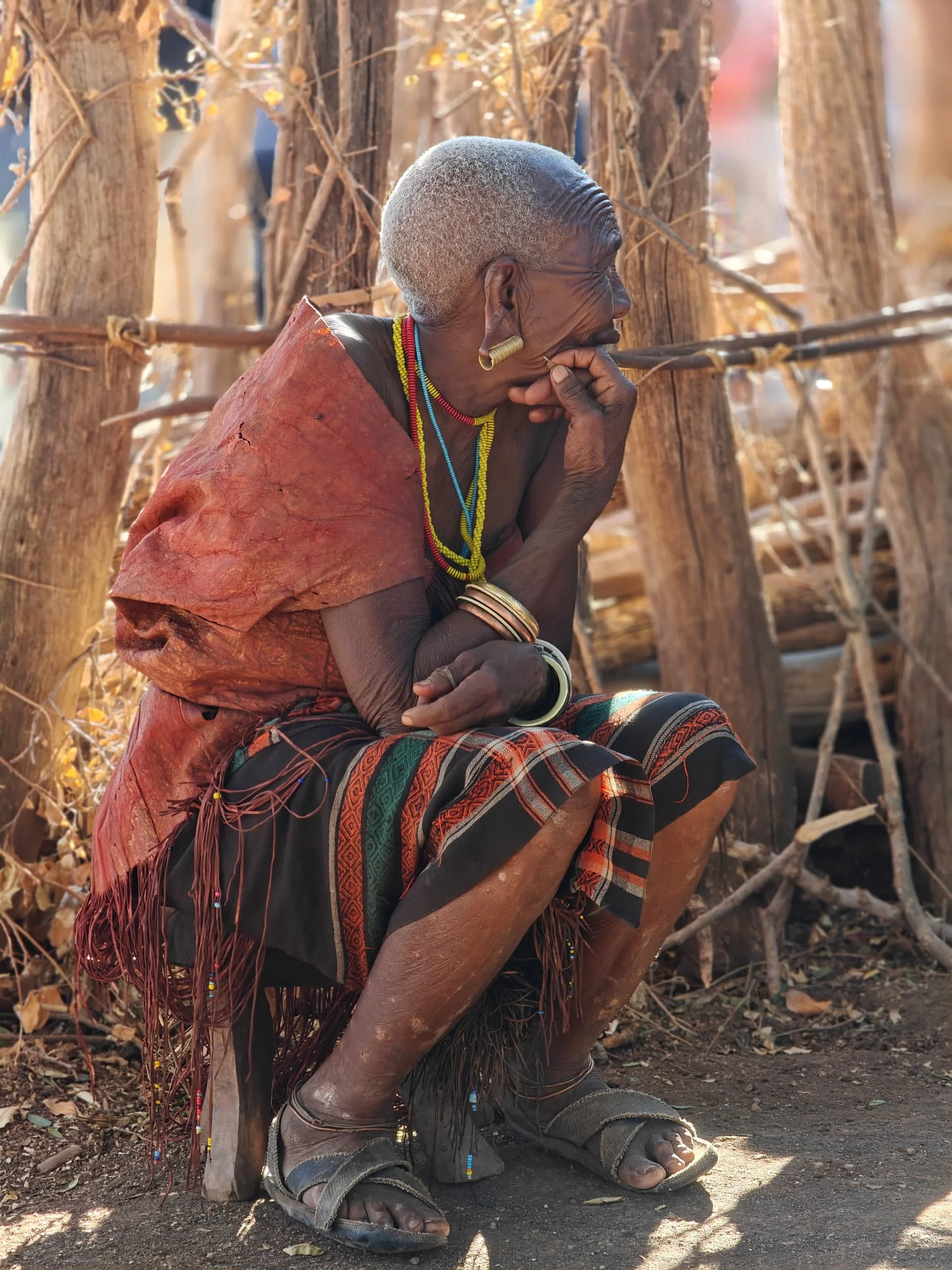
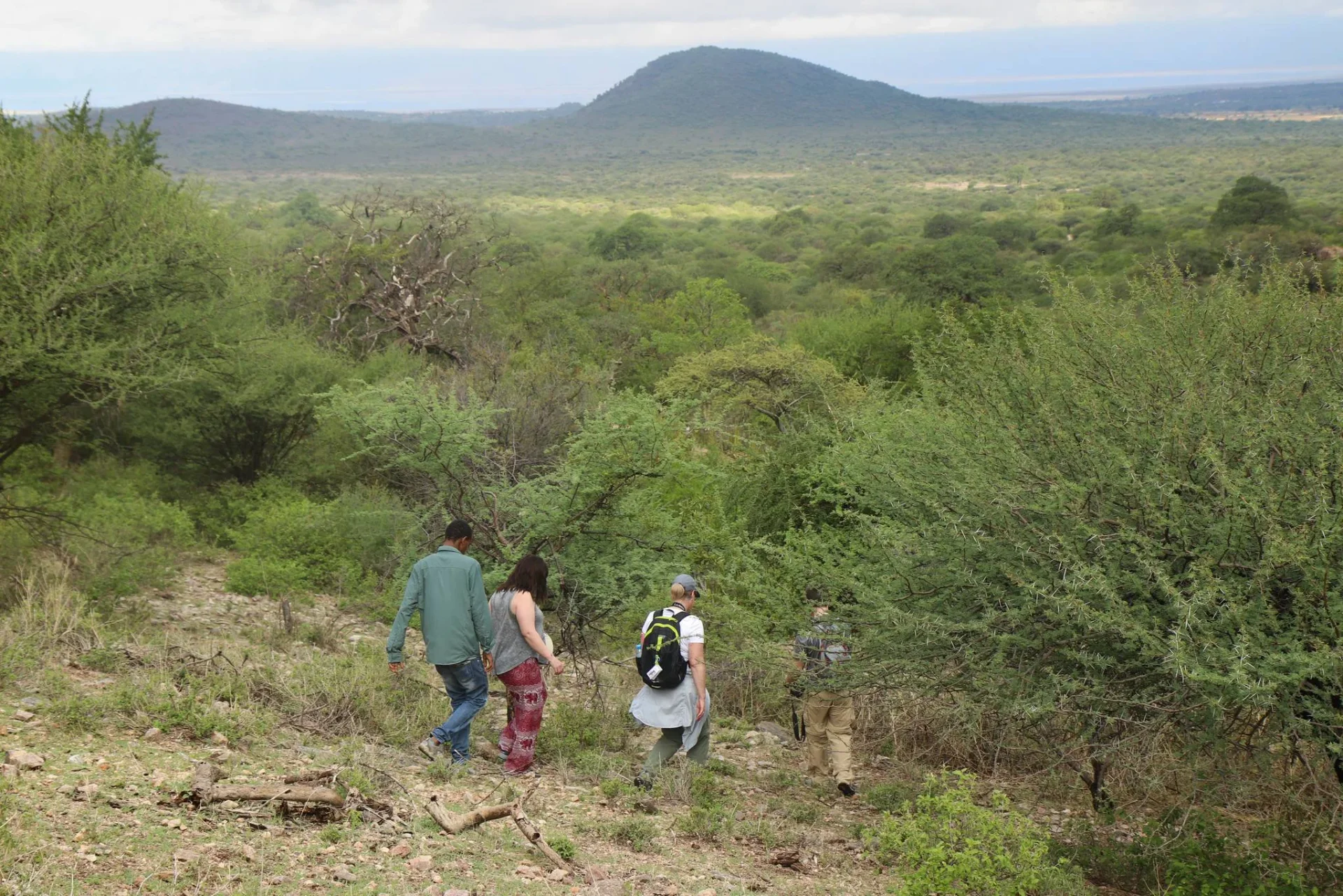
Lake Eyasi is one of northern Tanzania’s most distinctive off-the-beaten-path destinations. Situated on the floor of the Great Rift Valley, southwest of the Ngorongoro Highlands, the lake is surrounded by dry woodland, acacia scrub, rocky landscapes, seasonal wetlands, and dramatic escarpments. Unlike the famous wildlife destinations of the Northern Safari Circuit, Lake Eyasi offers a different kind of travel experience. The area is best known for its living cultural heritage, particularly the Hadzabe and Datoga communities who have strong historical and cultural connections to the surrounding landscape. The Hadzabe are an Indigenous hunter-gatherer people whose traditional livelihoods include gathering wild foods, hunting, and maintaining detailed knowledge of the local environment. During a locally arranged visit, travellers may have the opportunity to learn about traditional tracking, the use of bows and arrows, fire-making techniques, wild foods, and the relationship between the Hadzabe and their natural surroundings. The Datoga are a pastoralist community found in the wider Lake Eyasi region. Some Datoga communities are also recognised for their metalworking skills. A cultural visit may include observing traditional blacksmithing, jewellery-making, or the production of practical tools. Activities depend on the community visited and should always be arranged through trusted local guides. Lake Eyasi itself is a shallow, seasonal alkaline lake with dramatically changing water levels. During wetter periods, the lake can attract flamingos, pelicans, storks, and other waterbirds. In dry periods, parts of the lake may recede considerably, exposing salt-encrusted surfaces and creating a stark, photographic landscape. The surrounding region also offers opportunities for guided nature walks, birdwatching, landscape photography, cultural learning, and visits to nearby archaeological or historical sites where access is permitted. Lake Eyasi is best experienced slowly and respectfully. It is suitable for travellers who want to understand Tanzania beyond wildlife viewing and who appreciate meaningful encounters, local knowledge, cultural diversity, and remote landscapes. TanzaLux Safaris can include Lake Eyasi in a personalised Northern Tanzania itinerary, particularly alongside Ngorongoro Crater, Karatu, Lake Manyara, Serengeti National Park, or other cultural destinations.
March to May is generally associated with the long rains in northern Tanzania. During this period, the Lake Eyasi basin may become greener, and the lake can hold more water, creating better conditions for seasonal wetlands and waterbirds. However, heavy rainfall can make dirt roads difficult or temporarily inaccessible, particularly on the final approach to remote communities. Some cultural groups may also move between locations according to seasonal livelihood patterns. Travellers visiting during this period should allow flexibility and confirm road conditions in advance.
November and December usually bring the short rains, which can refresh the landscape and increase the amount of water in parts of the lake basin. Birdwatching may become more rewarding when suitable wetland conditions develop. January and February can provide a useful balance between greener scenery and more manageable road conditions, although rainfall and temperatures can vary. Cultural visits remain dependent on community availability and local arrangements.
June to October is generally the easiest period for travelling to Lake Eyasi because roads are often drier and walking conditions are more comfortable. The landscape is usually more open, but the lake may shrink significantly or become partly dry. This season is often suitable for cultural visits, guided walks, photography, and traditional hunting experiences. Days can be hot, so visitors should carry drinking water, sun protection, and lightweight clothing.
Lake Eyasi is located in the Great Rift Valley in northern Tanzania, southwest of the Ngorongoro Highlands. The destination is commonly accessed through Karatu or the wider Ngorongoro area using a combination of paved roads and rural tracks. From Arusha, the journey to Lake Eyasi generally takes several hours and may require a full day of travel, depending on the selected route, road conditions, stops, and the location of the community being visited. Travellers should allow approximately 4 to 5 hours or more from Arusha in suitable conditions, with additional time required for cultural activities. From Karatu, Lake Eyasi is generally reached by a rural road leading away from the main Northern Safari Circuit. The distance and driving time vary depending on the specific lakeside area or Hadzabe or Datoga community being visited. A high-clearance 4WD vehicle is strongly recommended, especially during or after the rainy season. Travellers arriving by air usually fly into Kilimanjaro International Airport and continue by road to Arusha or the Northern Safari Circuit. Lake Eyasi is often more practical as an extension of a safari around Karatu, Ngorongoro, or Lake Manyara rather than as a short excursion directly from Arusha. Because Hadzabe and Datoga communities may move between locations and cultural activities are dependent on local arrangements, visitors should book with a knowledgeable operator and confirm the meeting point in advance. For the best experience, travellers should consider spending one night in the Lake Eyasi or Karatu area. This is particularly important when a Hadzabe dawn hunting walk is included, as the activity may begin before sunrise. TanzaLux Safaris can arrange private transport, local guiding, community visits, cultural activities, and a flexible Lake Eyasi itinerary that can be combined with Ngorongoro Crater, Lake Manyara, Serengeti National Park, or other Northern Tanzania destinations.
Lake Eyasi is located in the Great Rift Valley of northern Tanzania, southwest of the Ngorongoro Highlands and near the communities of the Hadzabe and Datoga. It is commonly accessed through Karatu.
Lake Eyasi is best known for its seasonal alkaline lake, dramatic Rift Valley scenery, Hadzabe cultural experiences, Datoga blacksmithing traditions, community-based tourism, and seasonal birdlife.
The Hadzabe are an Indigenous hunter-gatherer community living around the Lake Eyasi region. Their traditional knowledge includes hunting, gathering, tracking, fire-making, and the use of local plants and natural resources.
The Datoga are a pastoralist community found in the wider Lake Eyasi region. Some Datoga communities are also known for traditional metalworking, jewellery-making, and the production of tools.
Visitors can enjoy Hadzabe and Datoga cultural visits, traditional hunting or tracking demonstrations, blacksmithing experiences, guided nature walks, birdwatching, landscape photography, scenic exploration, and community-based tourism activities.
Yes. Visitors can arrange a Hadzabe cultural experience through a knowledgeable operator and a locally approved guide. Activities depend on community availability and should be conducted respectfully, with informed consent and appropriate compensation.
Some cultural programmes include a traditional hunting or tracking experience, often beginning early in the morning. The activity is not a staged wildlife show, and no particular hunting outcome or animal sighting can be guaranteed.
Yes. Depending on the community and local arrangements, visitors may observe Datoga artisans working with metal to produce tools, jewellery, or other traditional objects.
No. Lake Eyasi is a seasonal lake and surrounding cultural landscape rather than a conventional national park. Many visits are organised through community-based tourism and locally guided cultural programmes.
Flamingos and other waterbirds may visit Lake Eyasi when sufficient water is available. Their presence and numbers vary according to rainfall, lake levels, food availability, and seasonal conditions.
No. Lake Eyasi is seasonal, and its water level can change significantly. During dry periods, the lake may shrink considerably and expose parts of its salt-encrusted lakebed.
June to October is generally convenient for road access and cultural activities. January and February can offer greener scenery and relatively manageable travel conditions. The rainy season may improve lake and birdwatching conditions but can make rural roads difficult.
Lake Eyasi is several hours from Arusha by road. Depending on the route, road conditions, and the specific community visited, the journey may take approximately 4 to 5 hours or longer. An overnight stay is often more comfortable than a rushed day trip.
Yes. Karatu is one of the most practical access points for Lake Eyasi. Many travellers visit the area as a cultural extension of a Ngorongoro or Lake Manyara itinerary.
Lake Eyasi may suit families interested in cultural learning and nature, but the remote roads, heat, long drives, and early-morning activities should be considered carefully. Families should discuss children’s ages and interests with their tour operator before booking.
Lake Eyasi is primarily a remote cultural destination rather than a conventional luxury-lodge destination. TanzaLux Safaris can enhance the experience through private transport, carefully planned logistics, comfortable accommodation before or after the visit, and a personalised itinerary.
No. Lake Eyasi is mainly a cultural and nature destination. Travellers visit for Hadzabe and Datoga experiences, the Rift Valley landscape, seasonal birdlife, and community-based tourism rather than guaranteed Big Five sightings.
Yes. Lake Eyasi can be combined with Ngorongoro Crater, Karatu, Lake Manyara, or Serengeti as part of a longer Northern Tanzania itinerary. An overnight stay may provide more time for early-morning cultural activities.
Visitors should follow their local guide’s instructions, ask permission before taking photographs, avoid intrusive questions, respect personal spaces, dress appropriately, and remember that the communities are hosts rather than tourist attractions. Cultural visits should provide fair and transparent benefits to local participants.
Yes. TanzaLux Safaris can arrange a private Lake Eyasi experience with transport, local guiding, Hadzabe and Datoga cultural visits, nature activities, accommodation, and connections to other Northern Tanzania destinations.
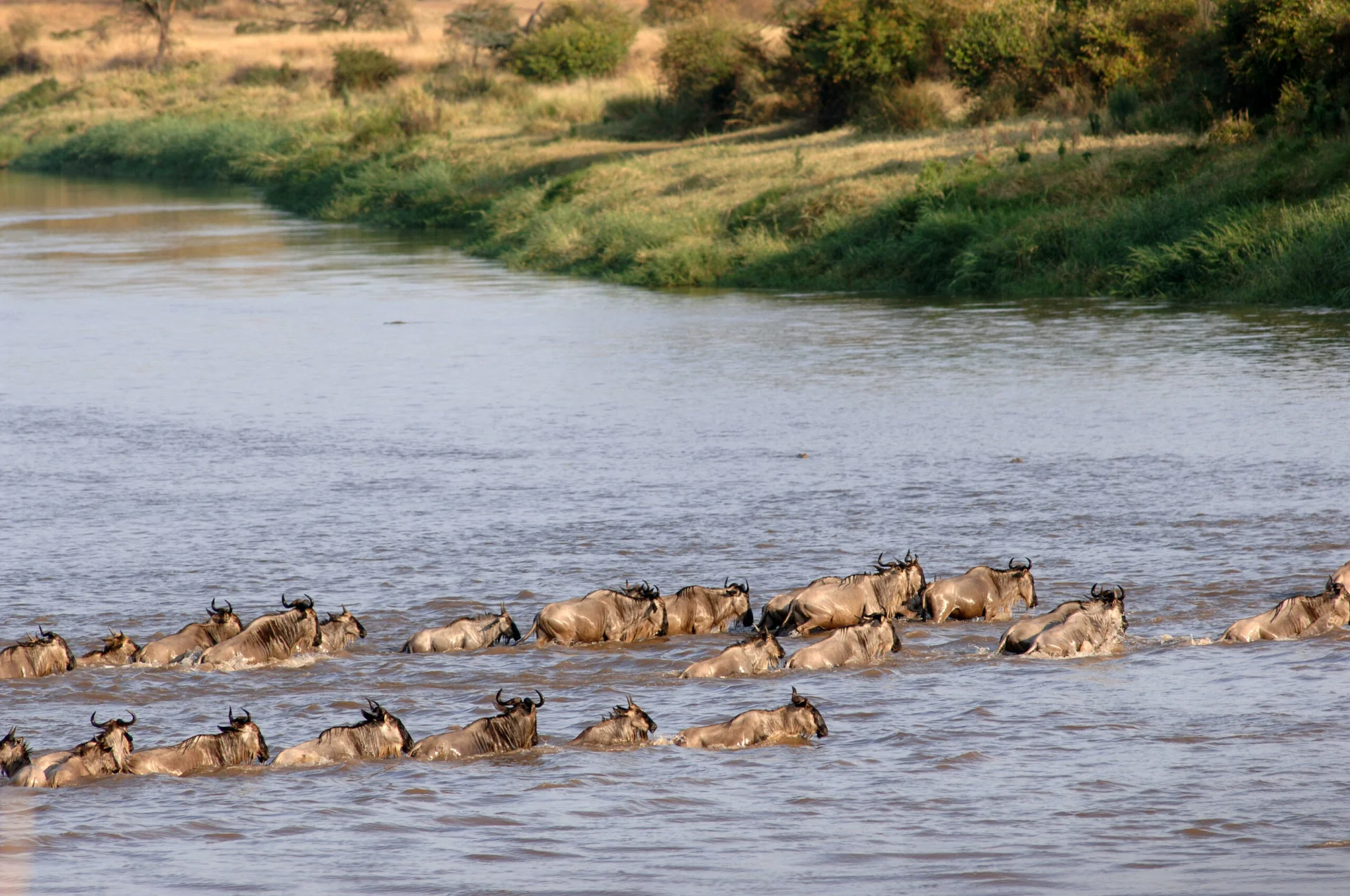 8 Days
$2,000 per person (USD)
You visit: Tarangire National Park (start), Lake Eyasi, Central Serengeti, Northern Serengeti, Ngorongoro Crater, Arusha (end)

Grateful experience
As a solo female traveler, I felt super safe and well taken care of the entire time.
Read morePrivate Safari 6 days
I can only highly recommend the young company Tanzalux for organizing a private safari.
Read moreAn unforgettable vegetarian journey with Tanzalux Safaris
I highly recommend Tanzalux for anyone wanting a special, personalized safari.
Read moreOur 3-day camping safari with Tanzalux was simply fantastic! Everything was perfectly organized.
Read moreBack in April, I joined a day trip to Tarangire National Park with Tanzalux Safaris, and it was truly one of the best experiences I have ever had…
Read moreI've had an amazing experience with Tanzalux Safaris, would 1000% recommend! Thank you for making my trip so special🫶
Read moreI recently visited Meru Waterfalls in Arusha and got to do some of the activities there, honestly it was such a great experience and I really enjoyed it.
Read moreOur guide Dullah Mr Rastaman had the best vibe. I would like to recommend other people not to miss it, Tarangire is the best national park.
Read moreOur tour guide Nasri was very friendly and welcoming from the first day we met him. He knows Tarangire very well and explained many things during the safari.
Read moreAs a grandmother in the group, I would like to share my happiness with Tanzalux Safaris. Me, my daughters, and my grandson went on a short trip to Tarangire National Park…
Read moreReceive a free, no obligation quote

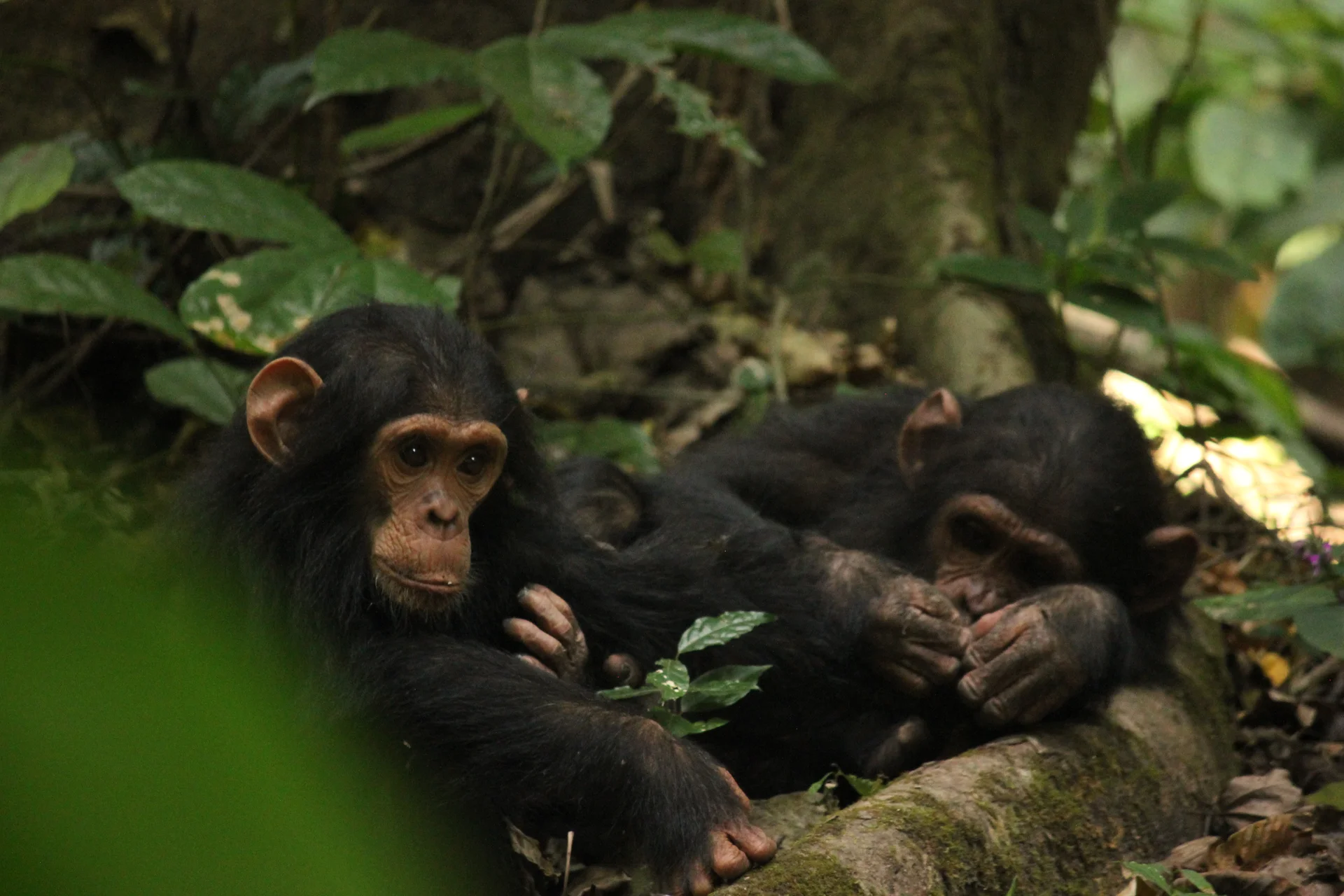 Western Circuit
Gombe Stream National Park, also known as Gombe National Park, combines wild chimpanzee trekking with forested hills and the shores of Lake Tanganyika. In Kigoma…
Wildlife
Chimpanzees & Olive baboons
Landscape
National Parks & Safari
Highlights
Wild chimpanzee trekking with park rangers
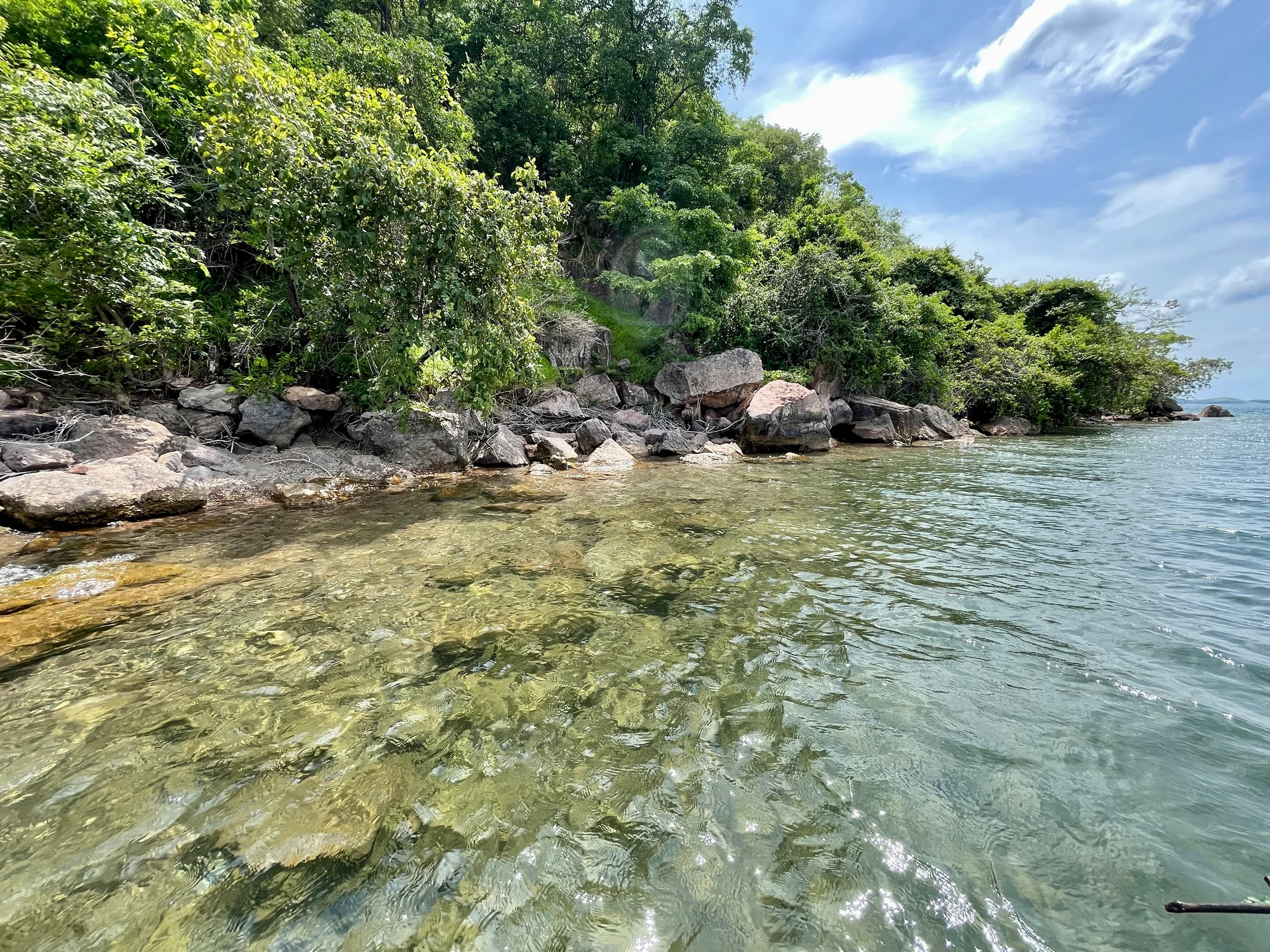 Southern Circuit
Lake Tanganyika offers a striking freshwater setting along Tanzania’s western frontier: broad blue horizons, wooded shores, bays, beaches and communities whose daily life is closely…
Wildlife
Endemic cichlid fish & Other freshwater fish
Landscape
Lakes & Hot Springs
Highlights
Africa’s deepest freshwater lake in the East African Rift
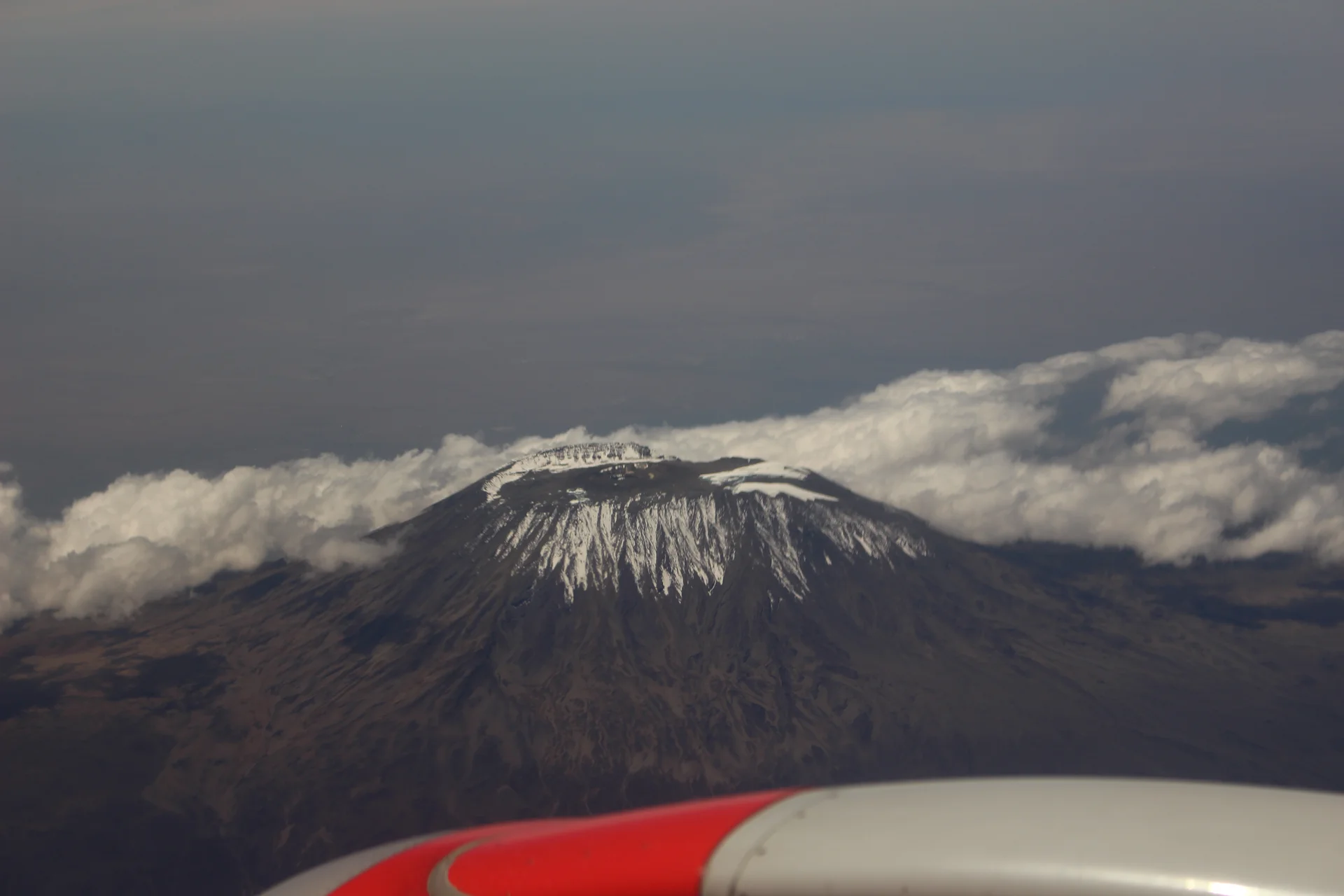 Northern Circuit
Kilimanjaro rises above northern Tanzania’s plains to Uhuru Peak at 5,895 metres, the highest point in Africa. Its volcanic massif, dramatic changes in vegetation and…
Wildlife
Black-and-white colobus monkeys in forest habitats & Blue monkeys in forest habitats
Landscape
Mountains & Trekking
Highlights
Uhuru Peak at 5,895 metres — Africa’s highest point
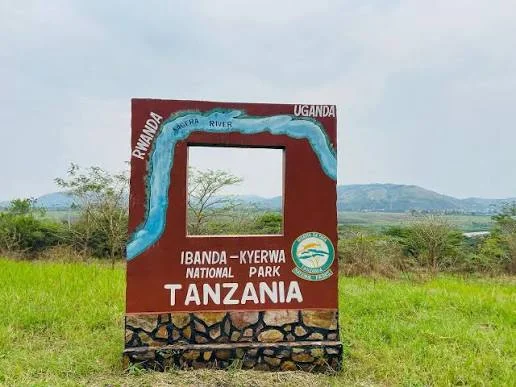 Western Circuit
Ibanda-Kyerwa National Park protects a scenic corner of northwestern Tanzania, where the Kagera River meets a landscape of savanna, wooded slopes, valleys and wetlands. Situated…
Wildlife
Buffalo & Roan antelope
Landscape
National Parks & Safari
Highlights
Kagera River scenery on Tanzania’s northwestern border
 Zanzibar & Islands
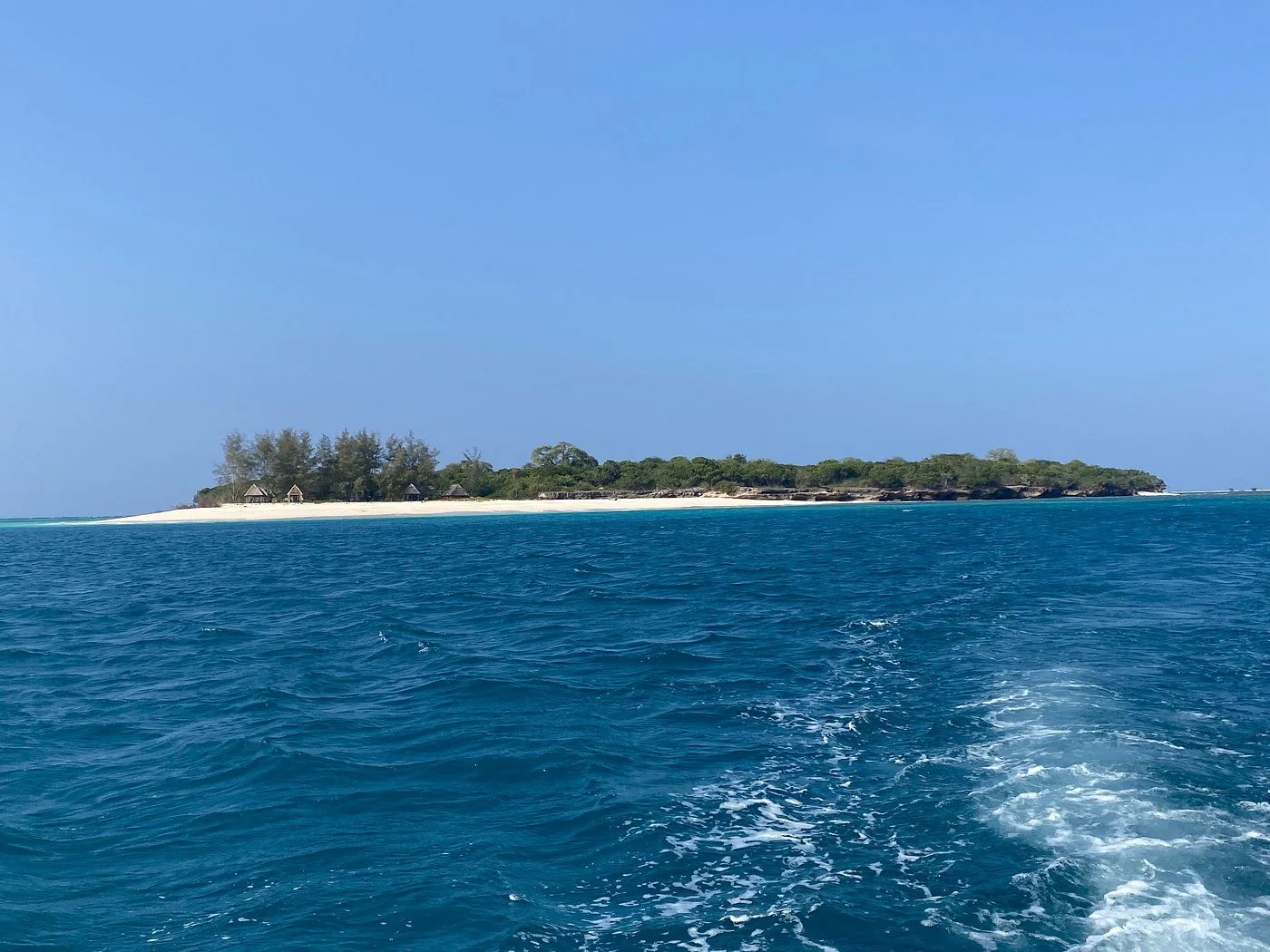
Sinda Island Marine Reserve offers an Indian Ocean escape off Kigamboni, on the southern side of Dar es Salaam. The reserve encompasses Inner and Outer…
Wildlife
Reef fish & Coastal birds
Landscape
Beaches & Islands
Highlights
Inner and Outer Sinda islands
 Northern Circuit
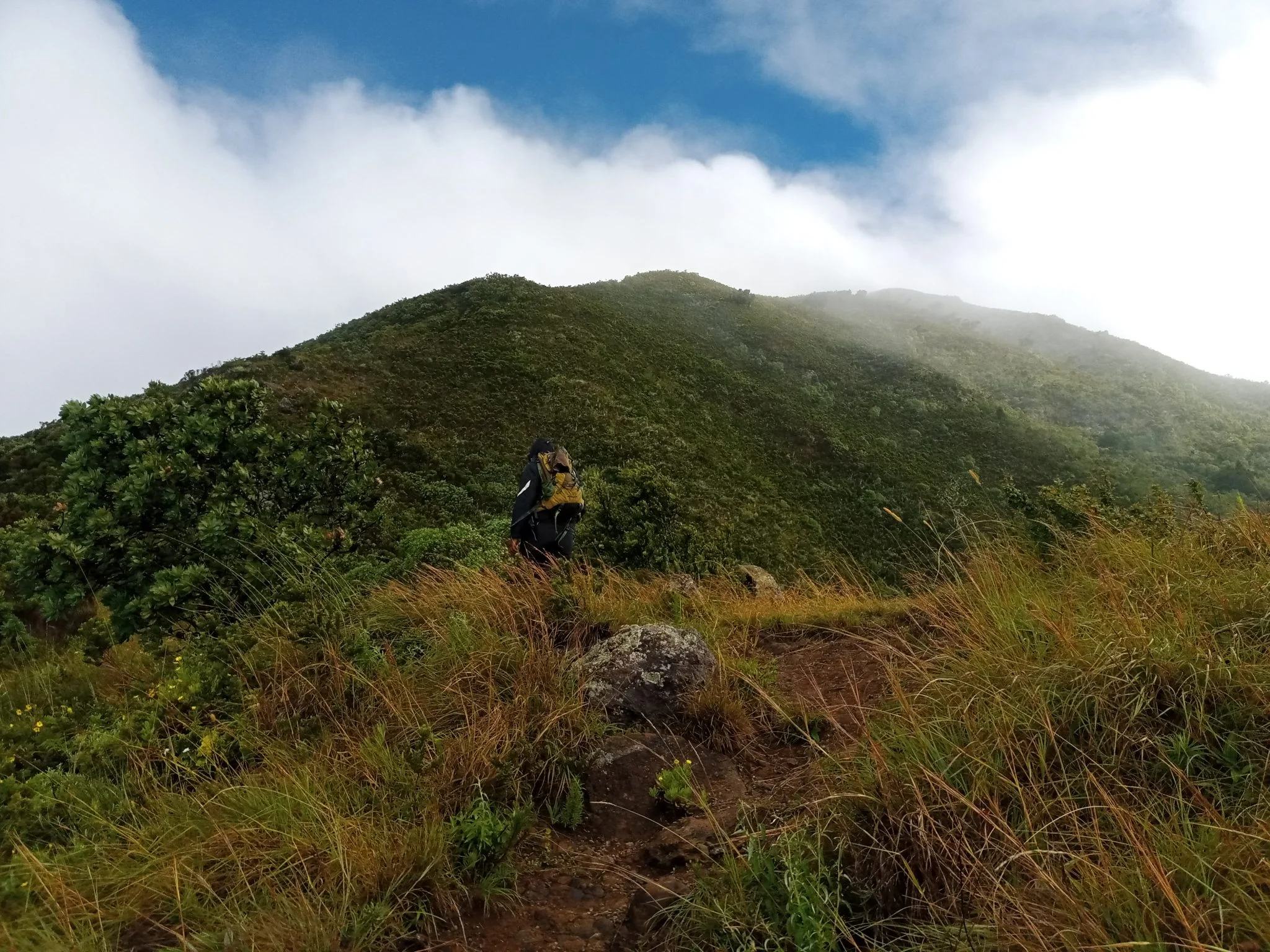
Discover Mount Hanang Rising above Katesh in Tanzania’s Manyara Region, Mount Hanang offers a rewarding mountain adventure beyond the familiar northern safari circuit. At approximately…
Wildlife
Klipspringer & Vervet monkeys
Landscape
Mountains & Trekking
Highlights
Approximately 3,423 metres — Tanzania’s fourth-highest mountain