 5.0 Excellent

Dorine M1 year ago

Grateful experience
As a solo female traveler, I felt super safe and well taken care of the entire time.
Read more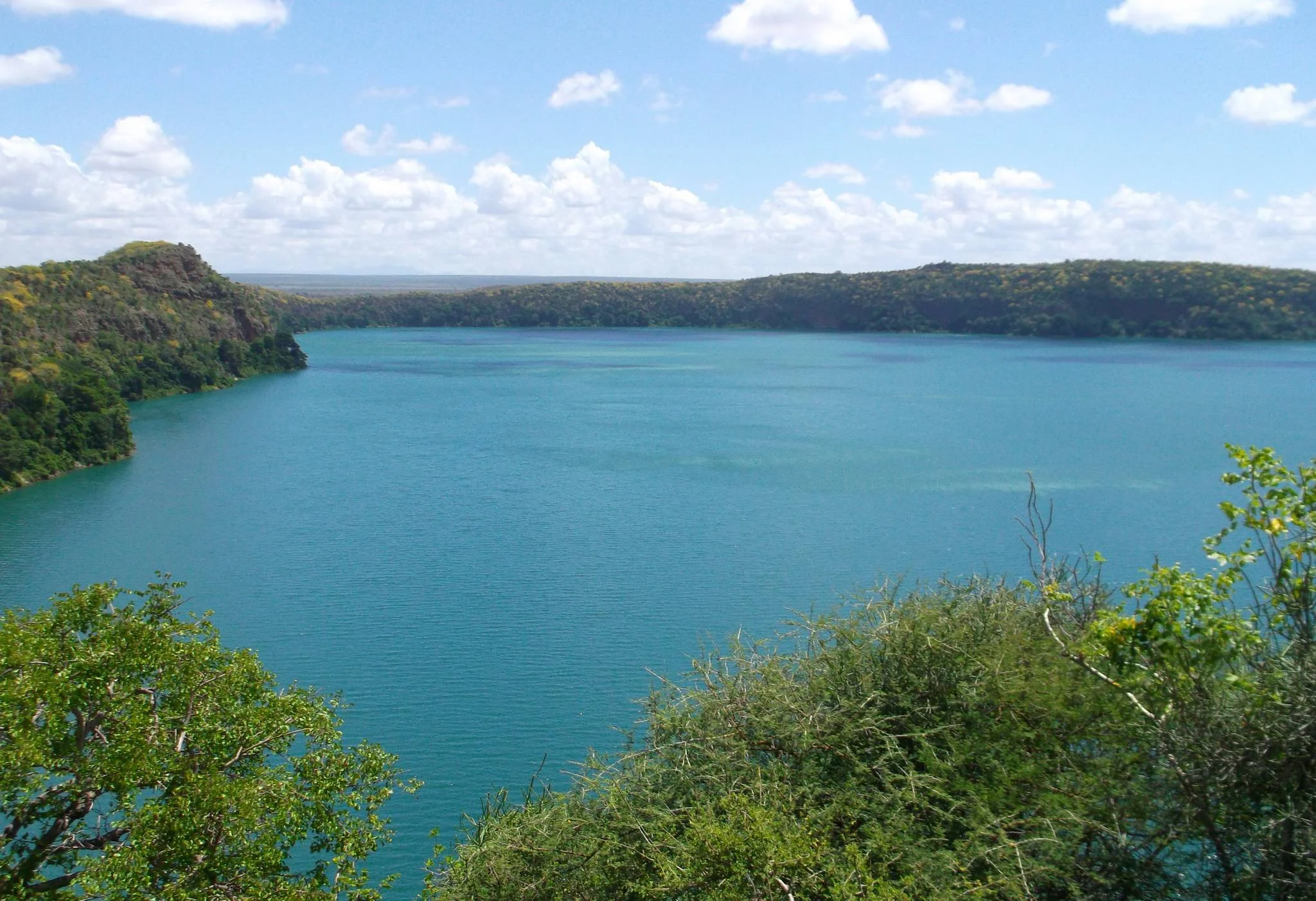
Northern Circuit
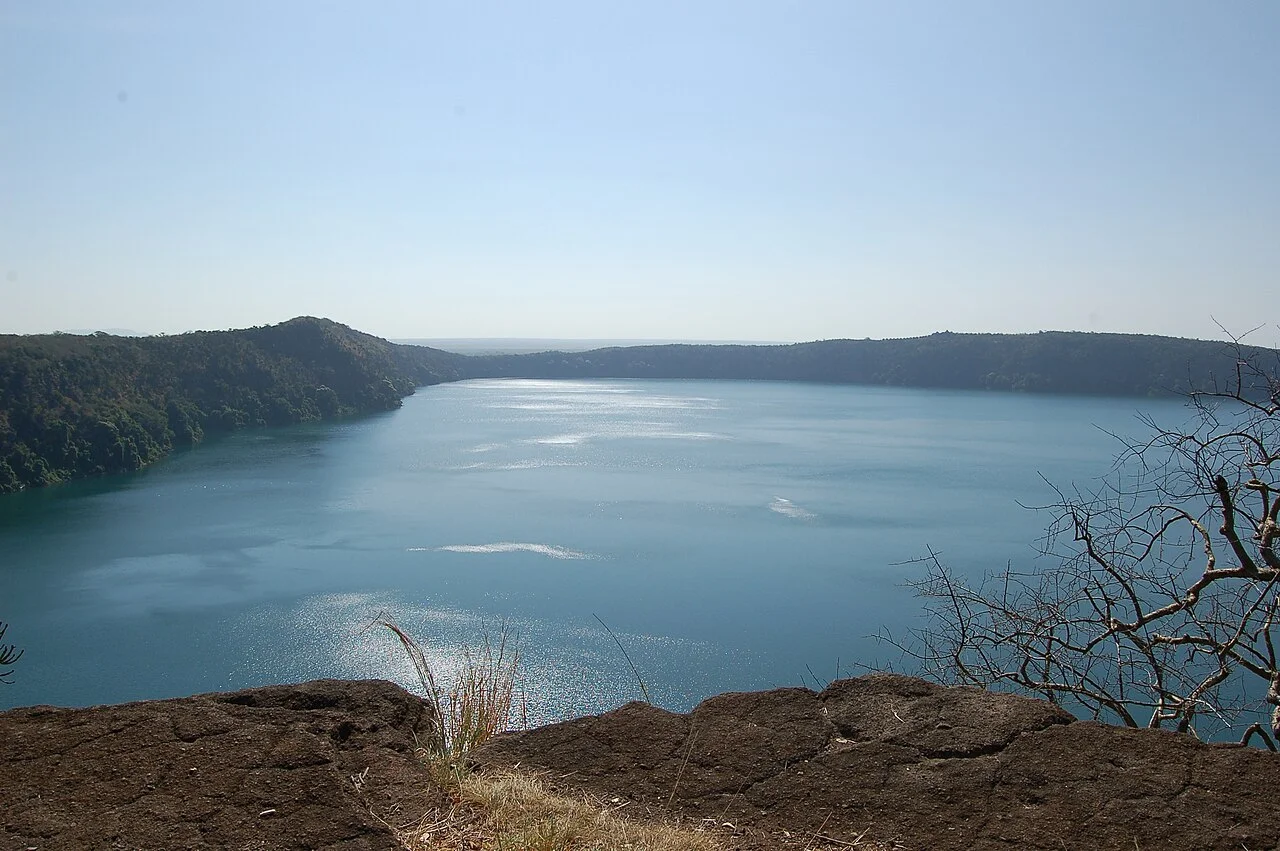
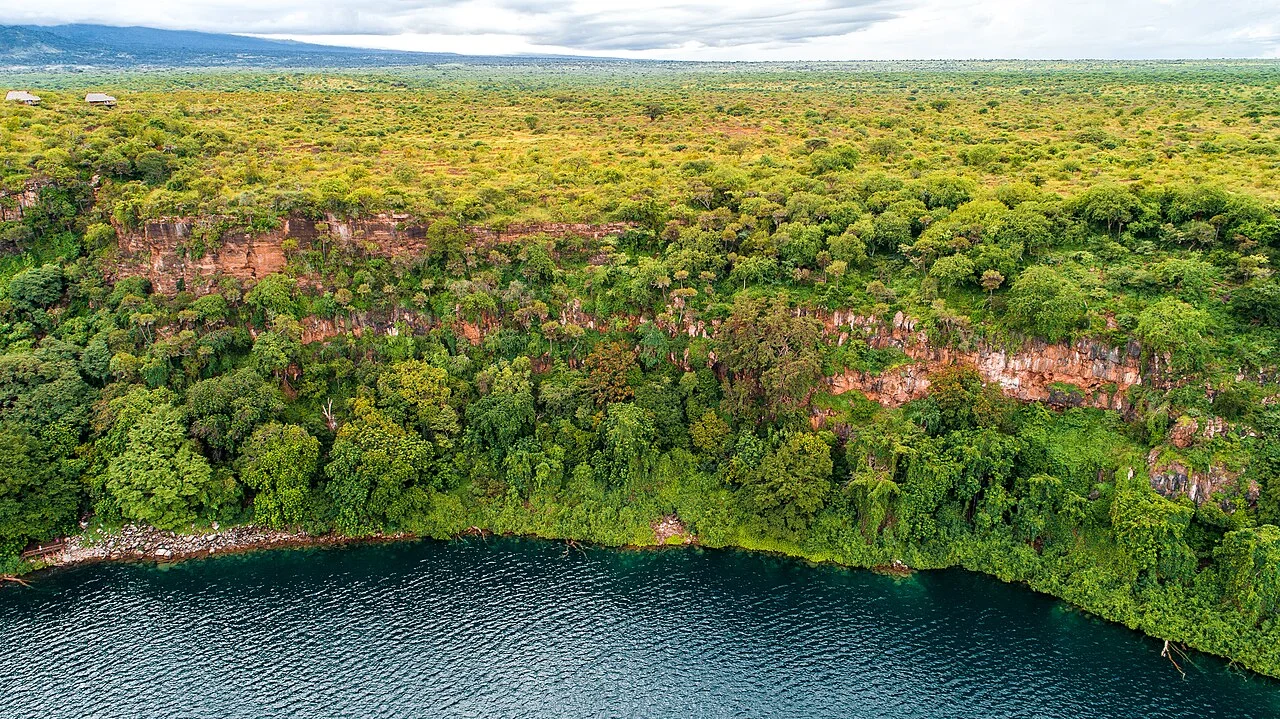
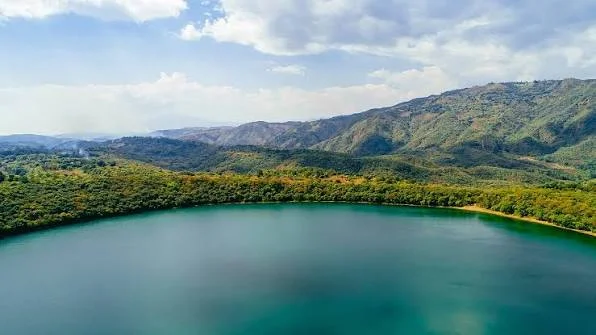
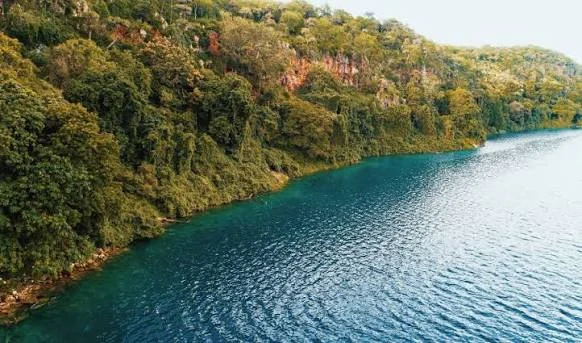
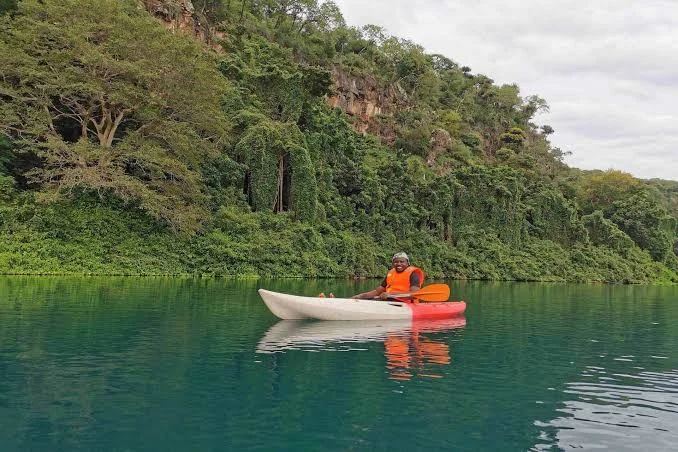
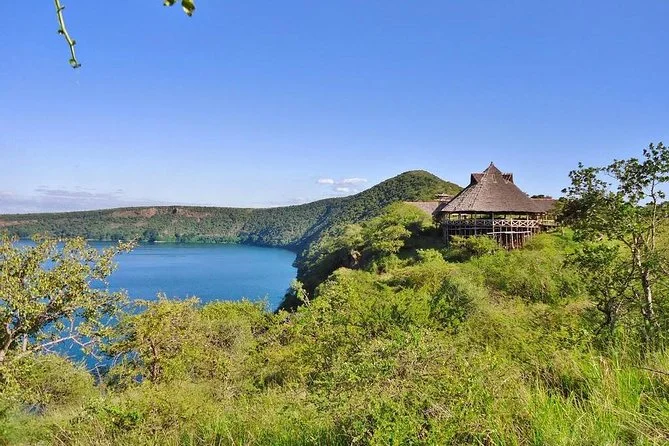
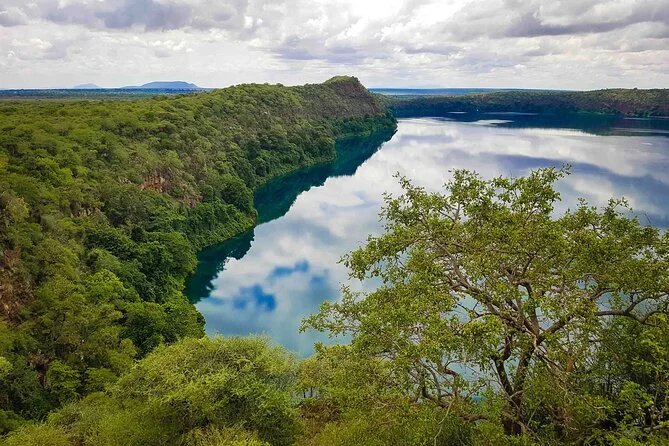
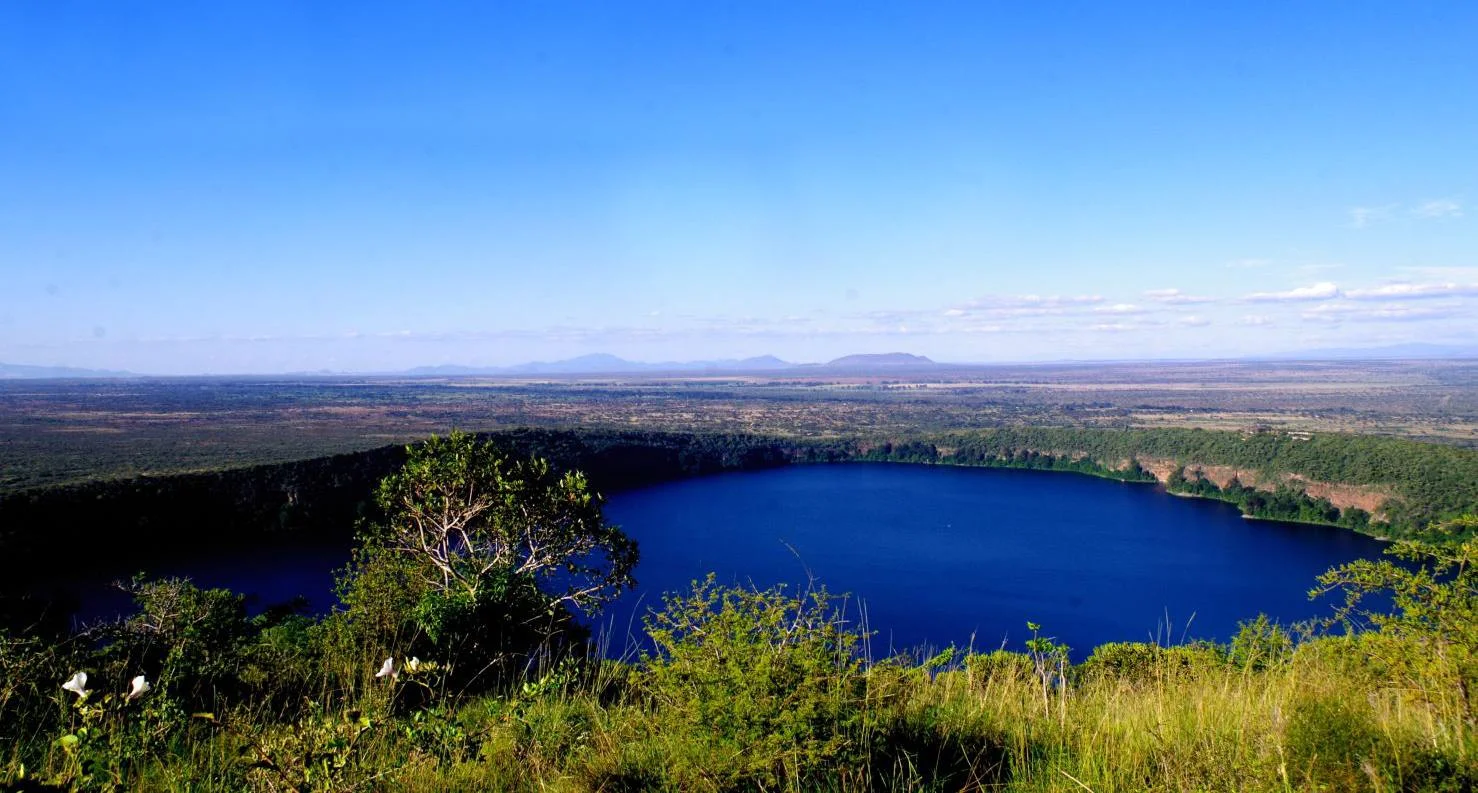
Lake Chala is a striking freshwater crater lake on the Tanzania–Kenya border, east of Moshi and on the southeastern side of the Kilimanjaro landscape. Steep crater walls enclose the water, creating a dramatic contrast between the open country outside and the greener vegetation within the basin. Also written as Lake Challa, it is a rewarding destination for travellers who want a day of nature, walking and scenery alongside a Kilimanjaro trip or a wider northern Tanzania safari. The lake’s most memorable feature is its setting. From an approved viewpoint, the crater opens beneath you, with blue, turquoise or green tones changing with light, weather and viewing angle. The colours in photographs should be treated as a moment in time rather than a promise of what you will see. Lake Chala is supplied by underground water associated with the Kilimanjaro area, and its enclosed form makes the landscape feel very different from Tanzania’s broad, shallow lakes. It is a deep lake, so the shore should not be treated as a casual swimming beach. A guided walk provides a close introduction to the crater landscape. Routes can include viewpoints near the rim and, when appropriate, a descent towards the lakeshore. The descent and return climb require more effort than simply stopping at an overlook. Loose stones, steep sections, exposed ground and wet weather can change the difficulty. Your guide should select a route suited to the group’s walking ability and the conditions on the day. A visitor who prefers a gentler outing can focus on viewpoints and a relaxed meal stop without committing to every trail. Birdwatching and nature photography are good reasons to slow down. Look for birds moving along the crater walls and among the trees, and use binoculars to enjoy distant sightings without leaving the approved path. Fish eagles and other birds of prey are associated with the area, while primates and smaller wildlife may be encountered in the surrounding habitats. These sightings are incidental and variable: Lake Chala is primarily a scenic nature destination, and it should not be booked on the expectation of a large-mammal game drive. The lake also supports the distinctive Lake Chala tilapia, adding to its ecological interest without guaranteeing a visible fish encounter. Kayaking can be an appealing addition when it is currently available and conditions are suitable. Confirm equipment, supervision, the approved route, life jackets and any separate charge before booking. Wind and operating arrangements may change the plan, so the land-based visit should remain worthwhile even if kayaking cannot take place. Stay within the route set by the activity team rather than treating the international boundary as part of an unrestricted paddling excursion. Swimming is not included in the suggested visit; enjoy the lake from the viewpoints, approved shore areas or an authorised kayak activity. Moshi is a practical base for a day trip. The road journey is commonly around one and a half hours, depending on the hotel, traffic and the final access track. A relaxed day can combine a guided walk, time at the lake and a pre-arranged lunch before returning to Moshi. Guests starting in Arusha need a longer transfer and should consider whether an overnight stop better suits their itinerary. Camping or lodge accommodation may be arranged locally, subject to the current facilities and availability. June to October is generally a useful dry-season window for walking, while January and February can also be appealing between wetter periods. Rain brings greener scenery but may make trails slippery and local tracks more difficult. Water activities depend on the actual weather rather than a season label. Bring closed walking shoes, sun protection, drinking water and a small day bag, with a light layer or rain jacket as conditions require. TanzaLux can shape the outing around your interests, from an easy scenic stop to a more active guided walk with optional kayaking. Confirm the entrance and applicable conservation charges, guiding, hotel transfer, meals, equipment and any overnight arrangements in an itemised quotation. Keep litter out of the crater, avoid feeding wildlife and follow the local team’s directions around the rim and shoreline.
March to May is commonly the main rainy period in the Kilimanjaro area. The crater landscape can be green and atmospheric, but rain may make the local approach and walking trails slippery. Your guide may shorten the route or keep the visit at viewpoints when a descent is unsuitable. Kayaking depends on current weather and operating arrangements. Carry a rain layer, protect cameras and allow flexibility rather than assuming every activity will operate.
November and December often bring short rains and changing weather, while January and February may offer a warmer, relatively drier interval. Nature walks can be rewarding, but conditions vary from year to year and after individual showers. Check the local track, trail and kayaking arrangements before departure. Plan the walking route around your group’s ability, carry water and sun protection, and add a light rain layer when needed.
June to October is generally a practical dry-season period for scenic visits and walking. Drier paths can make access easier, though steep or loose sections still need care. Early starts can provide comfortable walking conditions; mornings may feel cooler and exposed areas can warm up later. The lake’s colour, visibility and water conditions vary on the day. Confirm kayaking availability separately and allow a worthwhile land-based visit if it cannot operate.
Lake Chala’s Tanzania-side visitor access is reached by road from the Moshi area, travelling towards Himo and Holili before joining the local approach to the lake. Arrange the exact entrance and meeting point with your operator rather than following an unverified shortcut to the crater. The final access includes unpaved stretches, and the appropriate vehicle depends on the weather and current track conditions. The lake is roughly 55 kilometres from Moshi, with a typical planning estimate of around 1.5 hours by road. Allow more time for traffic, stops, the hotel’s location and the final approach. A day trip from Arusha involves a longer journey, so agree a realistic pickup and return schedule. Marangu can also fit a Kilimanjaro-area itinerary, with transfer time calculated from the actual overnight location. Kilimanjaro International Airport is a practical international arrival point for a visit based around Moshi. Continue by road to your hotel or the lake, depending on flight arrival time and the planned activities. A lake visit should not be squeezed between transfers without time for entry arrangements, the walk and the return climb. Confirm entrance, any applicable conservation or management fees, guiding, lunch and optional kayaking before departure. Ask what payment methods are accepted and which charges are included in your booking. For overnight visits, confirm the accommodation or campsite, meals, equipment and facilities in advance. Tell the team about mobility limitations or children’s walking needs. Viewpoints and routes vary; a steep descent to the water should not be described as universally accessible. Use closed shoes, carry water and follow the approved route. This itinerary visits the Tanzania side and does not include a cross-border transfer. Stay within the access areas and activity route agreed with the local team.
Lake Chala lies on the Tanzania–Kenya border, east of Moshi in the Kilimanjaro area. Tanzania-side visits normally approach by road through the Himo and Holili direction before taking the local track to the visitor access area.
Yes. Both spellings refer to the same crater lake. Confirm that your booking identifies the Tanzania-side entrance, meeting point and the actual activities included in the visit.
The main appeal is the enclosed crater landscape, steep walls, changing water colours and peaceful nature setting. Guided walking, birdwatching and an optional kayak activity can make a rewarding contrast to a wildlife safari or Kilimanjaro trek.
A Lake Chala visit is a separate outing in the wider Kilimanjaro region. Do not assume that a Kilimanjaro climbing permit or national park entry covers lake access or activities. Confirm the applicable lake charges in your quotation.
Its appearance changes with sunlight, weather, reflections and your viewing angle. You may see different tones during the same visit. A photograph taken under particular conditions is not a guarantee of the colour on your travel day.
It is a deep crater lake with steep surrounding slopes. Published depth figures vary, so an exact measurement is not necessary for planning the visit. Treat the water and shoreline with care and follow the activity team’s guidance.
Swimming is not included in the suggested programme. The deep water and shoreline conditions make it unsuitable to treat as a casual swimming beach. Enjoy approved viewpoints, shore access and an authorised kayak activity instead, following current local instructions.
Kayaking may be available by arrangement when the operator, equipment and weather allow it. Confirm availability and any separate cost before booking; it is not automatically included in a Lake Chala entrance fee or day trip.
Confirm supervision, the approved route, a correctly fitting life jacket, equipment condition and weather suitability. Tell the activity team about your experience and any assistance needs. Follow their decision if the session is shortened or cannot operate.
The suggested outing uses the approved activity route from the Tanzania-side visitor area and does not include a border crossing. Stay within the route explained by the local team; do not paddle elsewhere on the assumption that the whole lake is unrestricted.
A descent to the lake and the climb back up can involve steep, loose or uneven ground. Difficulty depends on the route, weather and your pace. Discuss your walking ability in advance and choose viewpoints or a shorter walk if the descent is unsuitable.
Yes, a scenic outing can focus on approved viewpoints and a meal or rest stop. Tell your operator that you prefer a gentler programme, and confirm which areas can be reached without a demanding descent.
Birds, including fish eagles and other raptors, are part of the area’s appeal. Primates or small wildlife may be seen in the surrounding habitats, but sightings vary. Book Lake Chala primarily for scenery and nature rather than expecting a large-mammal game drive.
Yes, the crater walls, trees and lakeshore provide varied places to observe birds. Bring binoculars and ask the guide to allow time for birding. Seasonal conditions and the timing of the visit influence which species are encountered.
June to October is generally a useful dry-season window for walking and access. January and February can also be appealing. Visits in wetter months depend on local track and trail conditions; kayaking must be assessed against the actual weather on the day.
A typical estimate is around 1.5 hours, with the lake roughly 55 kilometres from Moshi. The hotel location, traffic, stops and final access track can change the journey. Confirm your pickup time using the actual starting point.
Several hours allow time for a guided walk, views and lunch, with optional kayaking if arranged. A relaxed day trip from Moshi works well for many visitors. Add road transfer time and allow enough time for the uphill return if descending to the water.
A programme can be adapted, but the crater descent and some paths may be demanding. Discuss children’s ages, supervision, walking ability and access needs before booking. Kayaking age limits and assistance arrangements must be confirmed with the activity team.
Local accommodation or camping may be arranged subject to current availability. Confirm the chosen facility, meals, bedding or camping equipment, bathrooms and included activities before booking. An overnight stay can provide a slower pace than a return day trip.
Bring closed walking shoes, water, a hat, sunscreen, a small day bag and weather-appropriate layers. The total depends on transfers, guiding, entrance or management charges, meals, kayaking and any overnight stay. Request an itemised TanzaLux quotation for your dates and group.
Grateful experience
As a solo female traveler, I felt super safe and well taken care of the entire time.
Read morePrivate Safari 6 days
I can only highly recommend the young company Tanzalux for organizing a private safari.
Read moreAn unforgettable vegetarian journey with Tanzalux Safaris
I highly recommend Tanzalux for anyone wanting a special, personalized safari.
Read moreOur 3-day camping safari with Tanzalux was simply fantastic! Everything was perfectly organized.
Read moreBack in April, I joined a day trip to Tarangire National Park with Tanzalux Safaris, and it was truly one of the best experiences I have ever had…
Read moreI've had an amazing experience with Tanzalux Safaris, would 1000% recommend! Thank you for making my trip so special🫶
Read moreI recently visited Meru Waterfalls in Arusha and got to do some of the activities there, honestly it was such a great experience and I really enjoyed it.
Read moreOur guide Dullah Mr Rastaman had the best vibe. I would like to recommend other people not to miss it, Tarangire is the best national park.
Read moreOur tour guide Nasri was very friendly and welcoming from the first day we met him. He knows Tarangire very well and explained many things during the safari.
Read moreAs a grandmother in the group, I would like to share my happiness with Tanzalux Safaris. Me, my daughters, and my grandson went on a short trip to Tarangire National Park…
Read moreReceive a free, no obligation quote

 Western Circuit
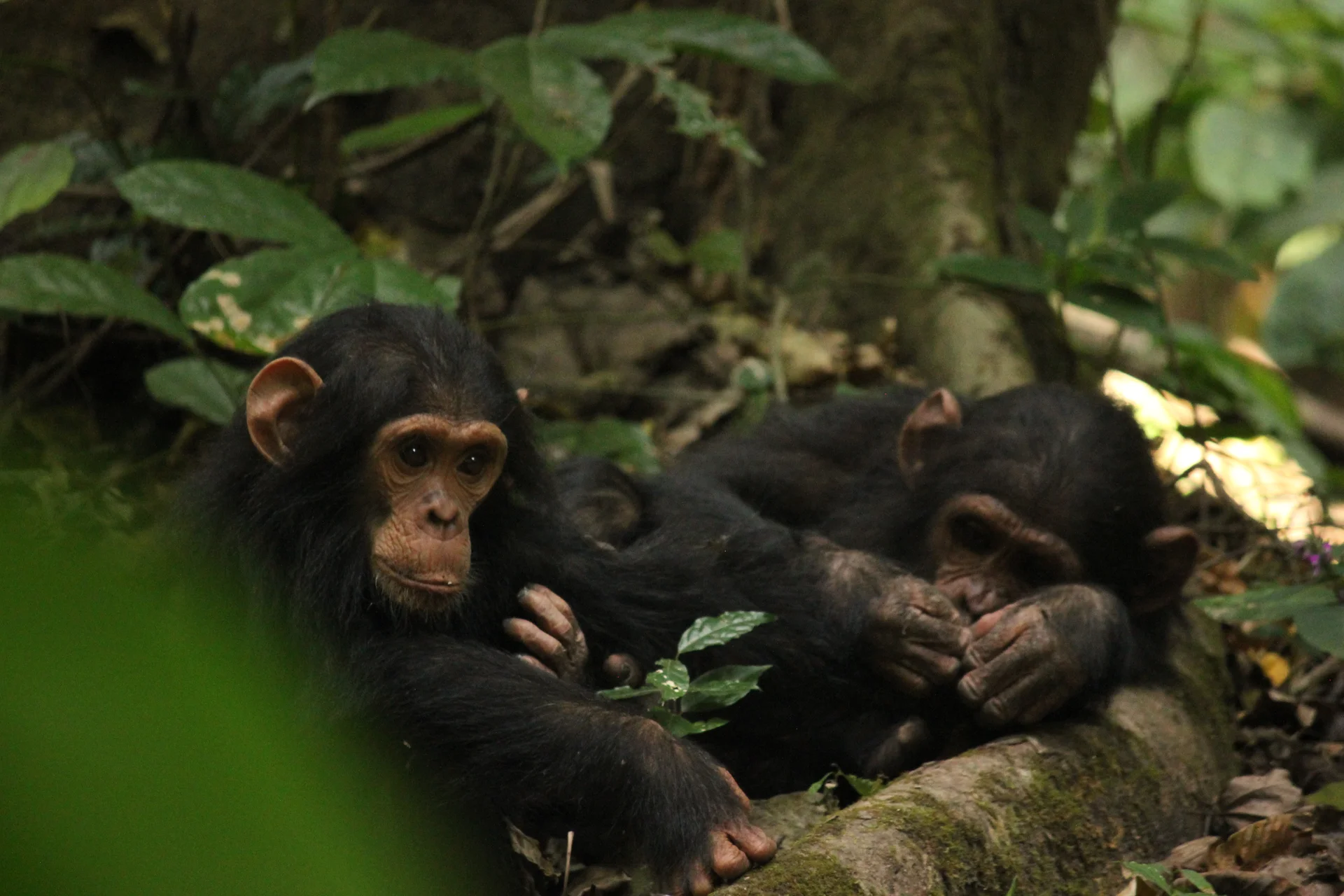
Gombe Stream National Park, also known as Gombe National Park, combines wild chimpanzee trekking with forested hills and the shores of Lake Tanganyika. In Kigoma…
Wildlife
Chimpanzees & Olive baboons
Landscape
National Parks & Safari
Highlights
Wild chimpanzee trekking with park rangers
 Southern Circuit
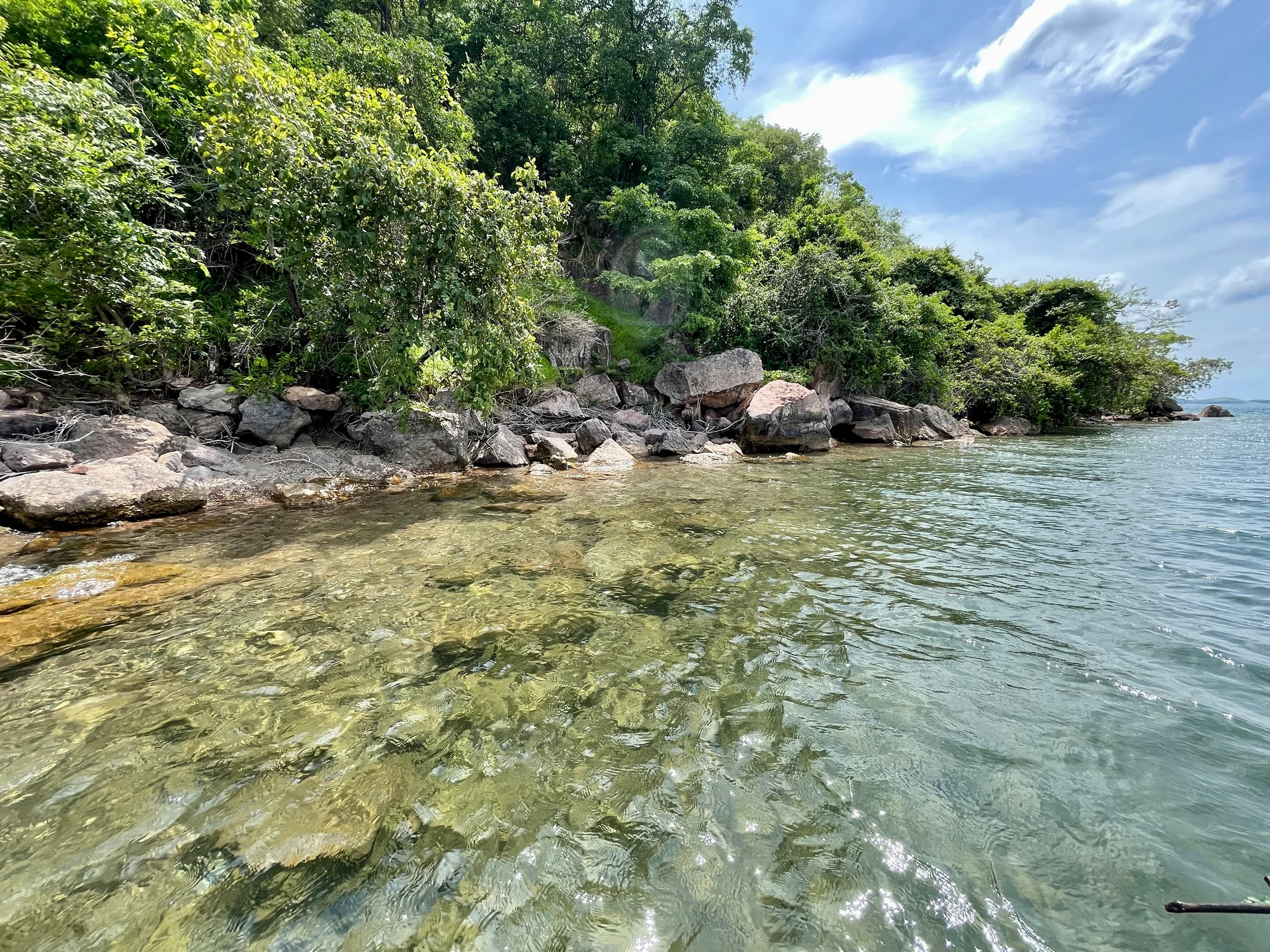
Lake Tanganyika offers a striking freshwater setting along Tanzania’s western frontier: broad blue horizons, wooded shores, bays, beaches and communities whose daily life is closely…
Wildlife
Endemic cichlid fish & Other freshwater fish
Landscape
Lakes & Hot Springs
Highlights
Africa’s deepest freshwater lake in the East African Rift
 Northern Circuit
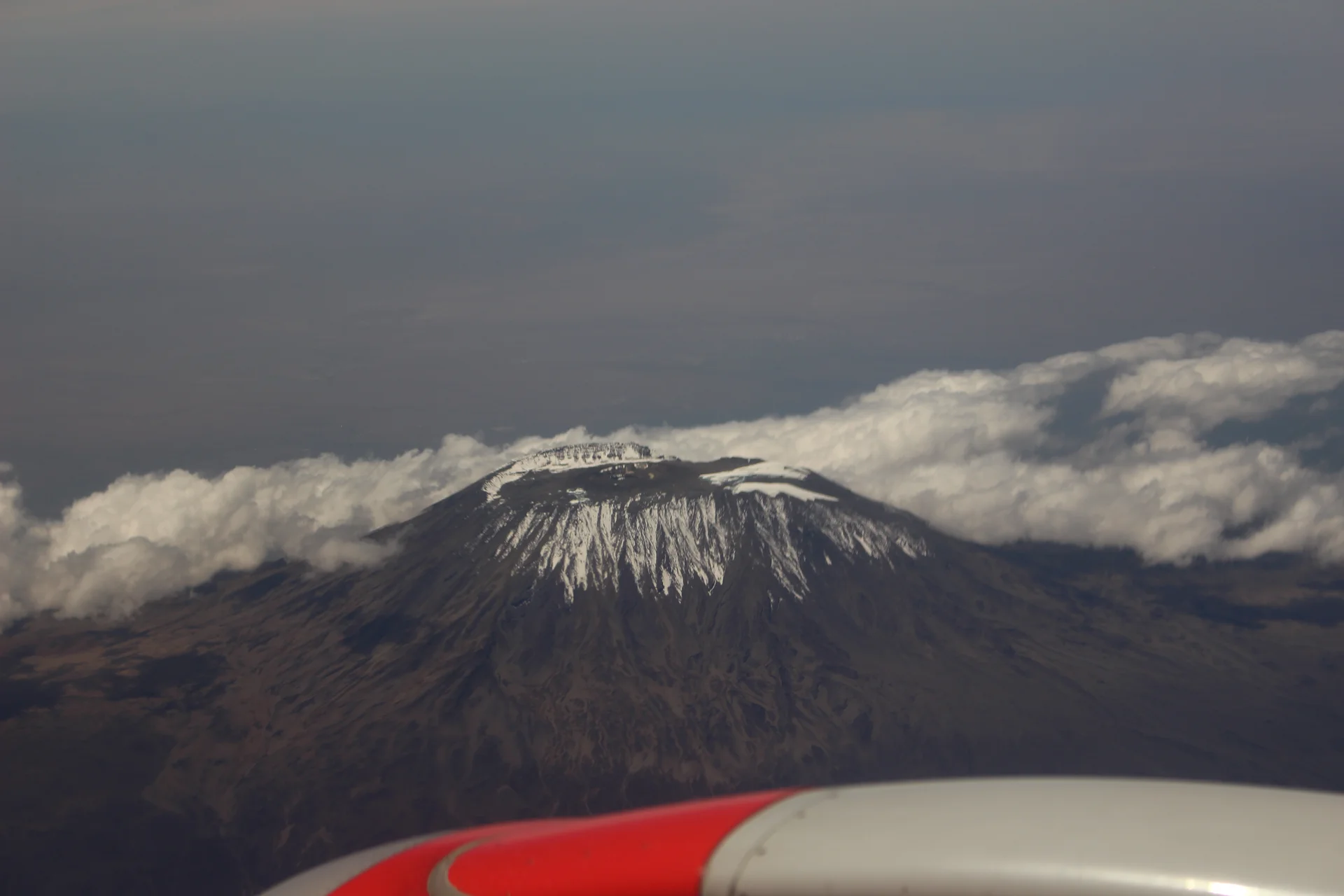
Kilimanjaro rises above northern Tanzania’s plains to Uhuru Peak at 5,895 metres, the highest point in Africa. Its volcanic massif, dramatic changes in vegetation and…
Wildlife
Black-and-white colobus monkeys in forest habitats & Blue monkeys in forest habitats
Landscape
Mountains & Trekking
Highlights
Uhuru Peak at 5,895 metres — Africa’s highest point
 Western Circuit
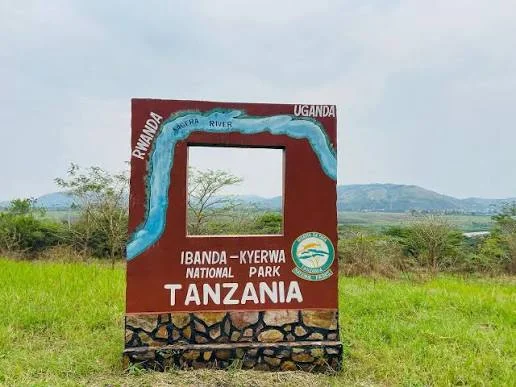
Ibanda-Kyerwa National Park protects a scenic corner of northwestern Tanzania, where the Kagera River meets a landscape of savanna, wooded slopes, valleys and wetlands. Situated…
Wildlife
Buffalo & Roan antelope
Landscape
National Parks & Safari
Highlights
Kagera River scenery on Tanzania’s northwestern border
 Zanzibar & Islands
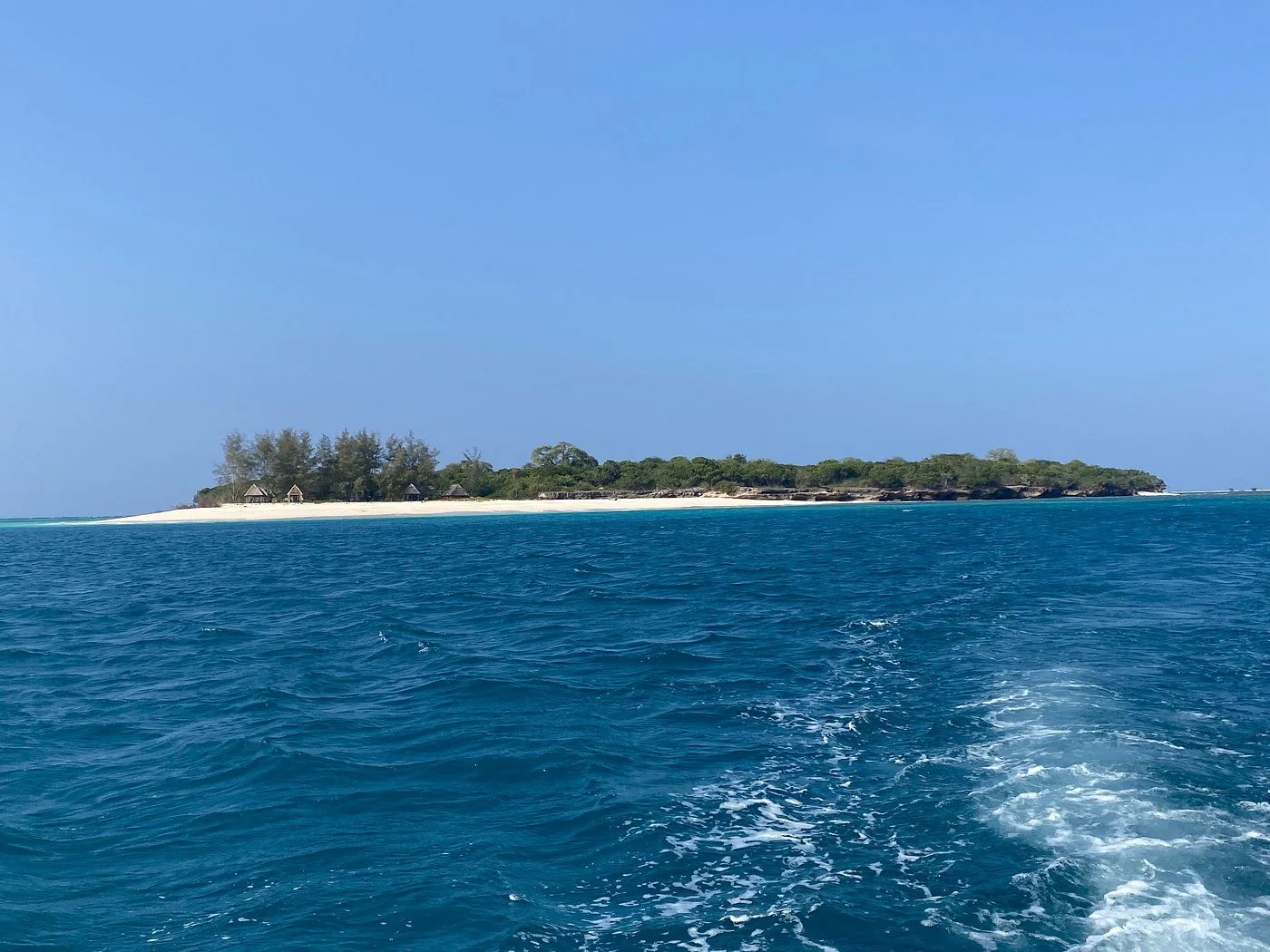
Sinda Island Marine Reserve offers an Indian Ocean escape off Kigamboni, on the southern side of Dar es Salaam. The reserve encompasses Inner and Outer…
Wildlife
Reef fish & Coastal birds
Landscape
Beaches & Islands
Highlights
Inner and Outer Sinda islands
 Northern Circuit
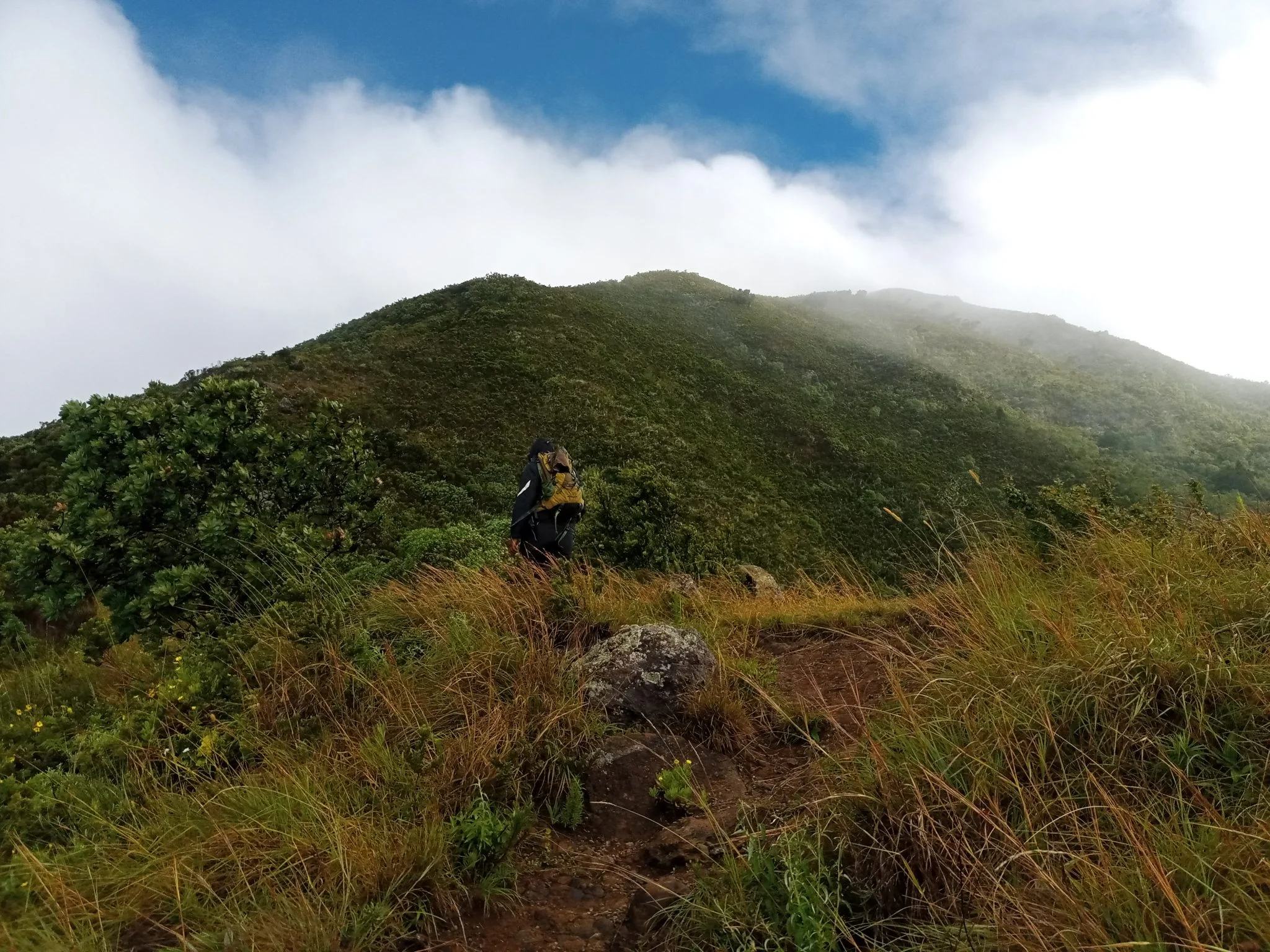
Discover Mount Hanang Rising above Katesh in Tanzania’s Manyara Region, Mount Hanang offers a rewarding mountain adventure beyond the familiar northern safari circuit. At approximately…
Wildlife
Klipspringer & Vervet monkeys
Landscape
Mountains & Trekking
Highlights
Approximately 3,423 metres — Tanzania’s fourth-highest mountain