5.0 Excellent

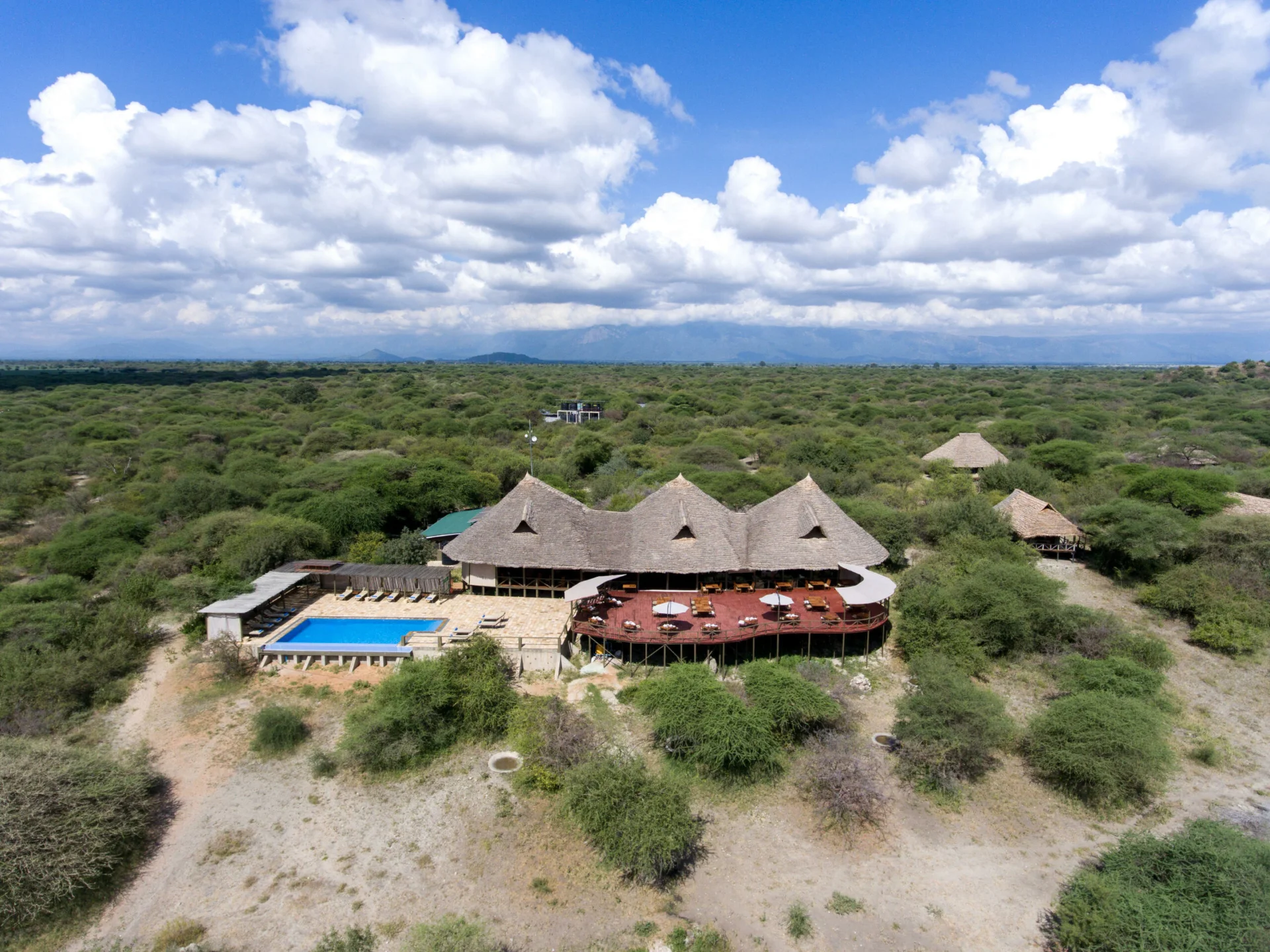
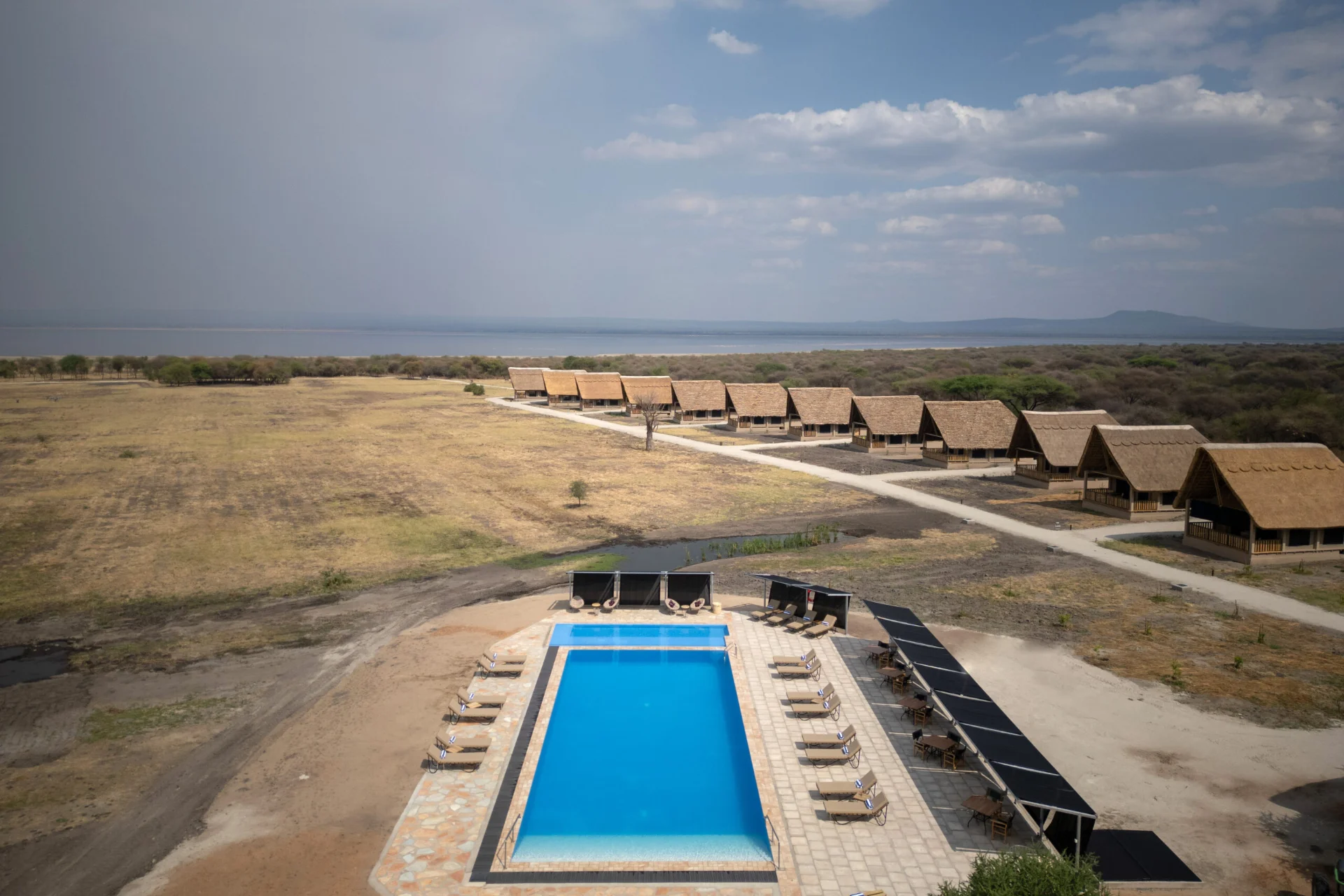
Lake Burunge Tented Lodge
3- Safari Tents
- En-Suite Bathrooms
- Private Terraces
Northern Circuit
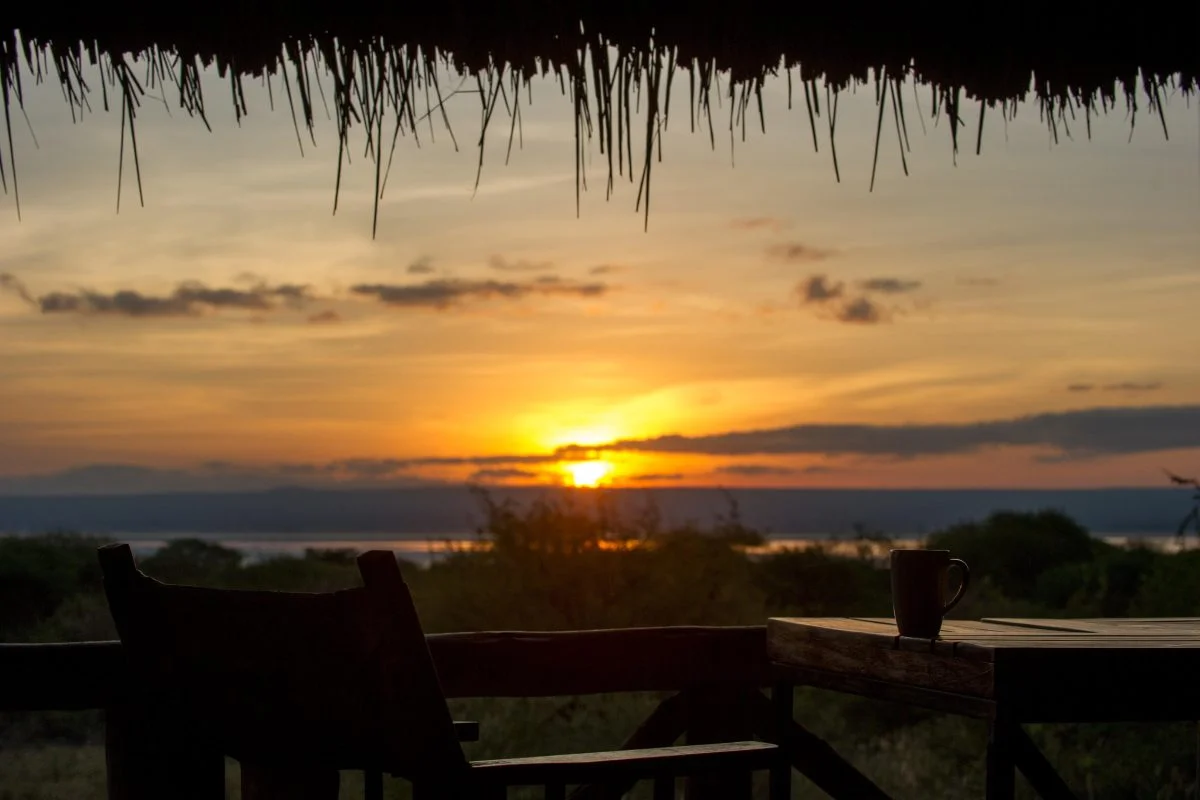
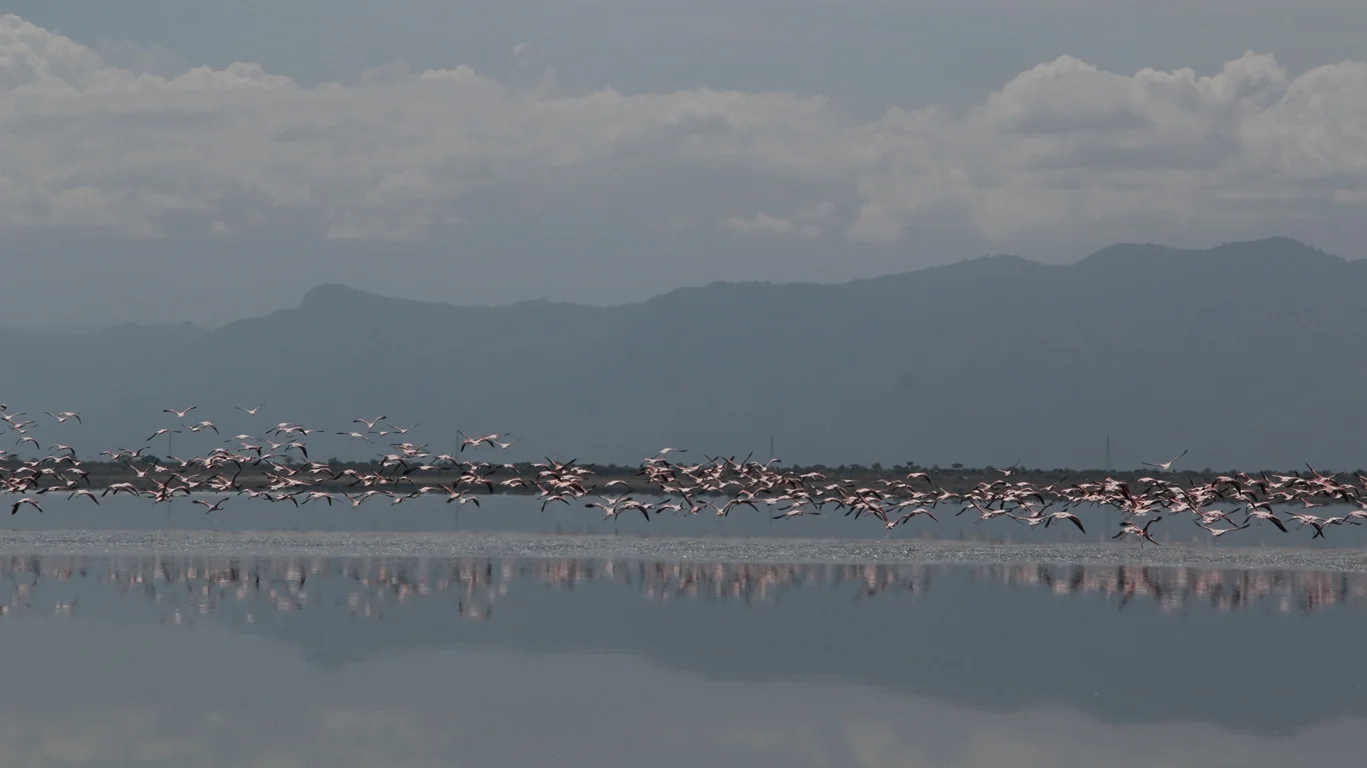
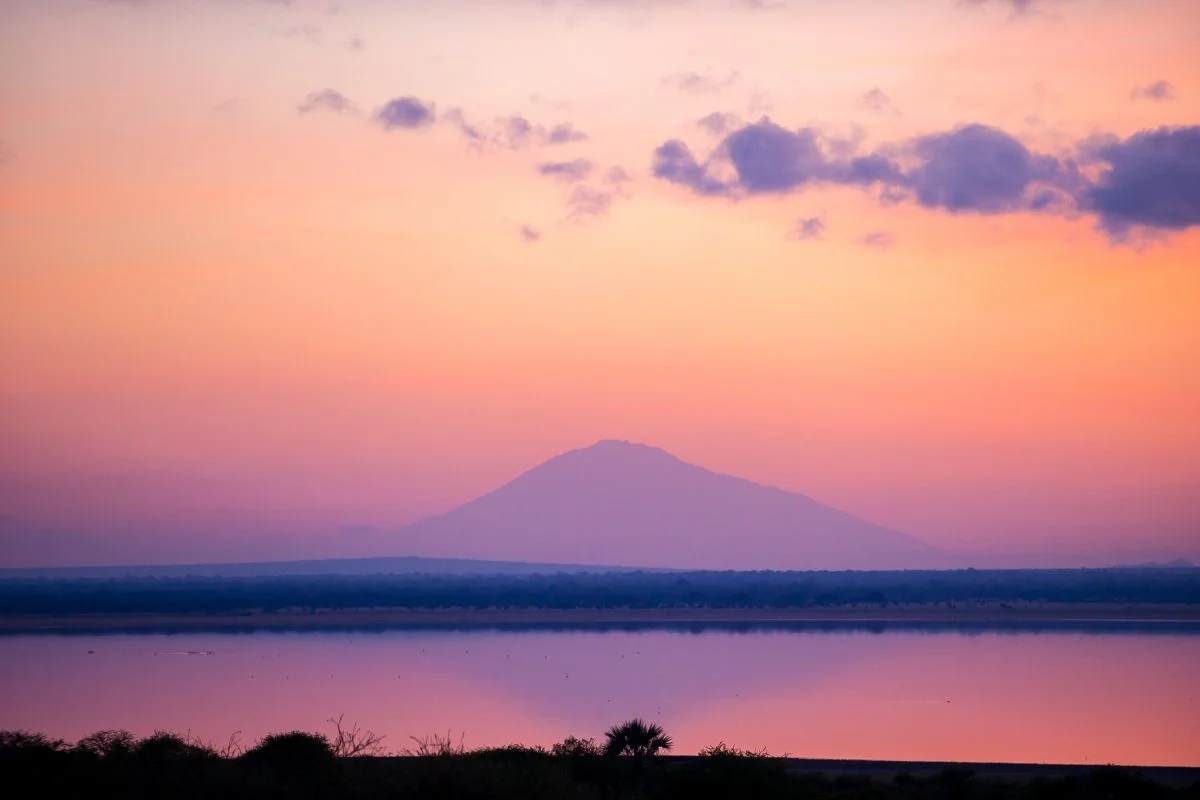
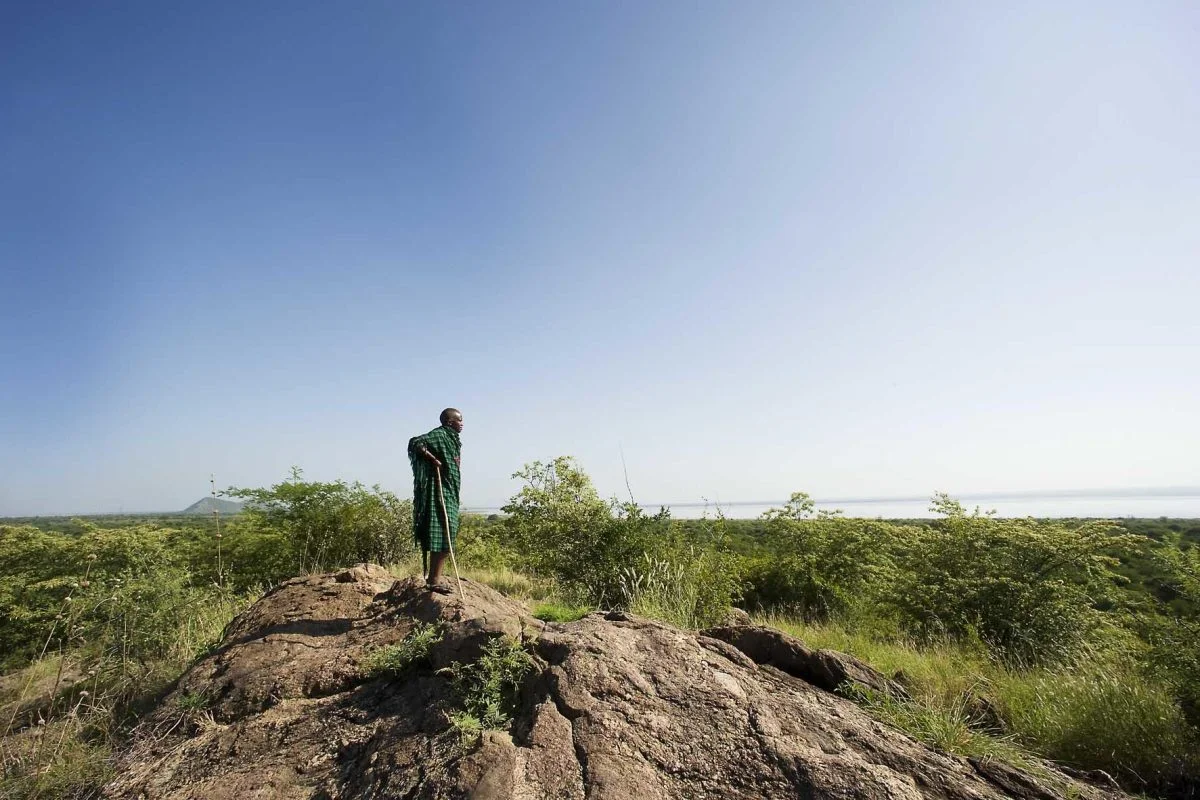
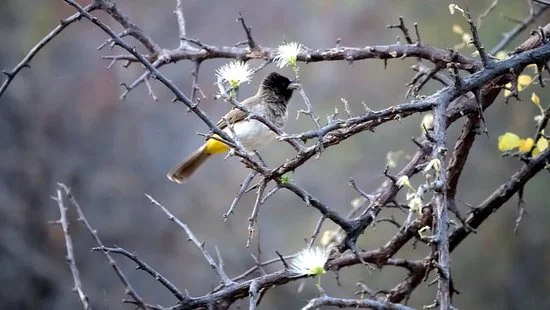
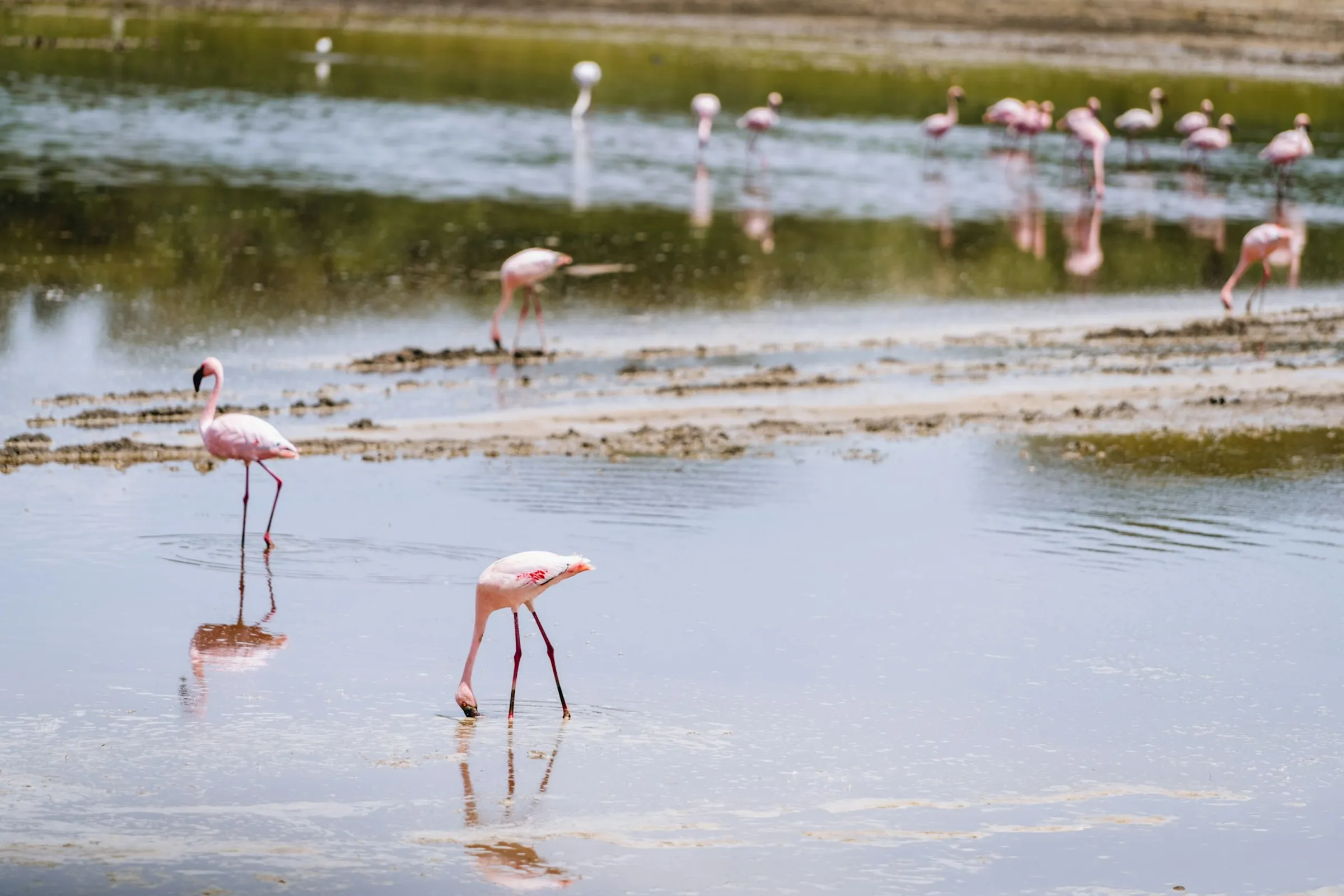
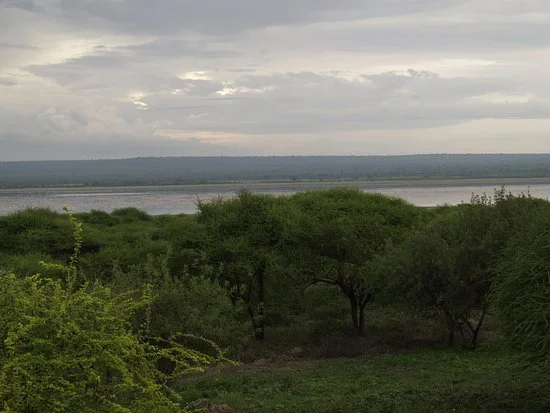
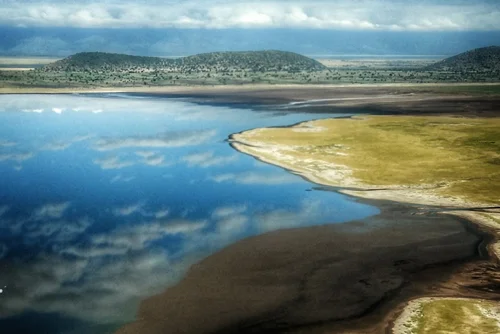
Lake Burunge is one of northern Tanzania's quieter safari landscapes, offering a combination of lake scenery, wildlife, birdlife, community conservation and easy access to Tarangire and Lake Manyara. The lake lies within the wider Burunge Wildlife Management Area in Manyara Region. This community-conserved landscape forms part of the important Tarangire–Manyara ecosystem and helps maintain habitat used by wildlife moving through the wider region. Lake Burunge itself is an important habitat for birds and mammals that visit the area for water. Greater and lesser flamingos may occur here, together with ducks, shorebirds and other migratory waterbirds. Flamingo numbers and distribution vary according to water levels, food availability and seasonal conditions, so sightings should never be guaranteed. The surrounding savanna supports animals such as elephants, buffalo, giraffes, wildebeest, zebra, impala and other species that move through the wider Tarangire–Manyara landscape. Unlike a conventional national park, Burunge is a Wildlife Management Area. This means local communities play a central role in conservation and tourism. Tourism revenue can support community projects, employment, ranger operations and local development while helping protect habitat outside neighboring national parks. For travelers, Lake Burunge offers a slower safari experience. Depending on the lodge and current local arrangements, experiences can include guided walks, birdwatching, cycling, photography and cultural activities alongside traditional wildlife viewing. Its location is also highly practical. Lake Burunge can be included before or after a safari in Tarangire National Park and combined easily with Lake Manyara, Mto wa Mbu, Karatu, Ngorongoro and other Northern Tanzania destinations. With TanzaLux Safaris, Lake Burunge can be incorporated into a private safari for travelers who want wildlife and scenery without spending every day inside a busy national park.
March – May The wetter months can bring greener vegetation, dramatic skies and increased surface water across the landscape. Birding can be rewarding, but rain may affect walking, cycling and some access roads. This period can suit travelers who enjoy quieter conditions and lush scenery.
November – February Short rains can refresh the Burunge landscape and attract waterbirds as seasonal wetlands develop. Flamingo and other waterbird presence varies naturally. Warm conditions and greener scenery can make this a rewarding period for birdwatching and photography.
June – October The main dry season generally offers convenient road conditions and easy combination with Tarangire National Park. As water becomes more limited across the wider ecosystem, wildlife movements around remaining water sources can create good viewing opportunities. This is also one of northern Tanzania's busiest safari periods.
Lake Burunge is located in Manyara Region within the Burunge Wildlife Management Area and the wider Tarangire–Manyara ecosystem. The destination is normally reached by road as part of a Northern Tanzania safari. It can be combined conveniently with Tarangire National Park, Lake Manyara National Park, Mto wa Mbu and Karatu. The main Arusha–Babati road crosses the wider Burunge landscape, making the destination accessible within Northern Circuit itineraries. A private 4x4 safari vehicle is the most practical way to visit Lake Burunge when combining it with national parks and other destinations. Exact driving times depend on the lodge, route, road conditions, weather and stops made during the journey.
Lake Burunge is located in Manyara Region in northern Tanzania within the Burunge Wildlife Management Area, close to Tarangire and Lake Manyara National Parks.
Lake Burunge is known for its birdlife, seasonal flamingos, wildlife, lake scenery and community-based conservation setting within the Tarangire–Manyara ecosystem.
No. Lake Burunge lies outside Tarangire National Park within the wider Burunge Wildlife Management Area, although the two landscapes are ecologically connected.
Burunge WMA is a community-managed wildlife conservation area involving ten villages in Babati District. It protects habitat while allowing communities to benefit from wildlife-based tourism.
The current Burunge Wildlife Management Area website reports a protected area of approximately 283 square kilometres.
Greater and lesser flamingos have been recorded at Lake Burunge, but their numbers vary according to seasonal water conditions and food availability, so sightings cannot be guaranteed.
Yes. The wider Burunge Wildlife Management Area has more than 200 recorded bird species and Lake Burunge attracts a variety of waterbirds.
The wider landscape can support elephants, buffalo, giraffes, wildebeest, zebras, impala and other free-ranging wildlife.
Yes. Elephants occur in the wider Burunge and Tarangire–Manyara landscape, although individual sightings cannot be guaranteed.
Guided walking experiences are available within the Burunge Wildlife Management Area where permitted and should be arranged through authorized operators or lodges.
Organized cycling experiences are among the activities offered within Burunge WMA, subject to current route and wildlife conditions.
Yes. Lake Burunge is particularly easy to combine with Tarangire National Park and works well as an overnight stop before or after a Tarangire safari.
Yes. Lake Burunge lies within the wider Tarangire–Manyara ecosystem and can be combined easily with Lake Manyara National Park.
Yes. The lake, waterbirds, savanna, wildlife, Rift Valley scenery and changing light make the area attractive for landscape and wildlife photography.
Lake Burunge can be visited year-round. June to October works well for dry-season safari combinations, while wetter periods may offer greener landscapes and interesting waterbird activity.
No. The lake is part of the Burunge Wildlife Management Area, a community-based conservation landscape rather than a national park.
Yes. Families can enjoy birdwatching, scenery and selected guided activities, provided the itinerary and activity level are appropriate for the children's ages.
One night works well for most safari itineraries, while two nights provide more time for birdwatching, walking, cycling, photography and relaxation.
Burunge protects habitat outside national parks and forms part of the wildlife corridor connecting the Tarangire and Lake Manyara ecosystems.
TanzaLux Safaris can combine Lake Burunge with Tarangire, Lake Manyara, Karatu, Ngorongoro and Serengeti in a private Northern Tanzania itinerary that balances wildlife, scenery, birding and community conservation.

Grateful experience
As a solo female traveler, I felt super safe and well taken care of the entire time.
Read morePrivate Safari 6 days
I can only highly recommend the young company Tanzalux for organizing a private safari.
Read moreAn unforgettable vegetarian journey with Tanzalux Safaris
I highly recommend Tanzalux for anyone wanting a special, personalized safari.
Read moreOur 3-day camping safari with Tanzalux was simply fantastic! Everything was perfectly organized.
Read moreBack in April, I joined a day trip to Tarangire National Park with Tanzalux Safaris, and it was truly one of the best experiences I have ever had…
Read moreI've had an amazing experience with Tanzalux Safaris, would 1000% recommend! Thank you for making my trip so special🫶
Read moreI recently visited Meru Waterfalls in Arusha and got to do some of the activities there, honestly it was such a great experience and I really enjoyed it.
Read moreOur guide Dullah Mr Rastaman had the best vibe. I would like to recommend other people not to miss it, Tarangire is the best national park.
Read moreOur tour guide Nasri was very friendly and welcoming from the first day we met him. He knows Tarangire very well and explained many things during the safari.
Read moreAs a grandmother in the group, I would like to share my happiness with Tanzalux Safaris. Me, my daughters, and my grandson went on a short trip to Tarangire National Park…
Read moreReceive a free, no obligation quote

 Western Circuit
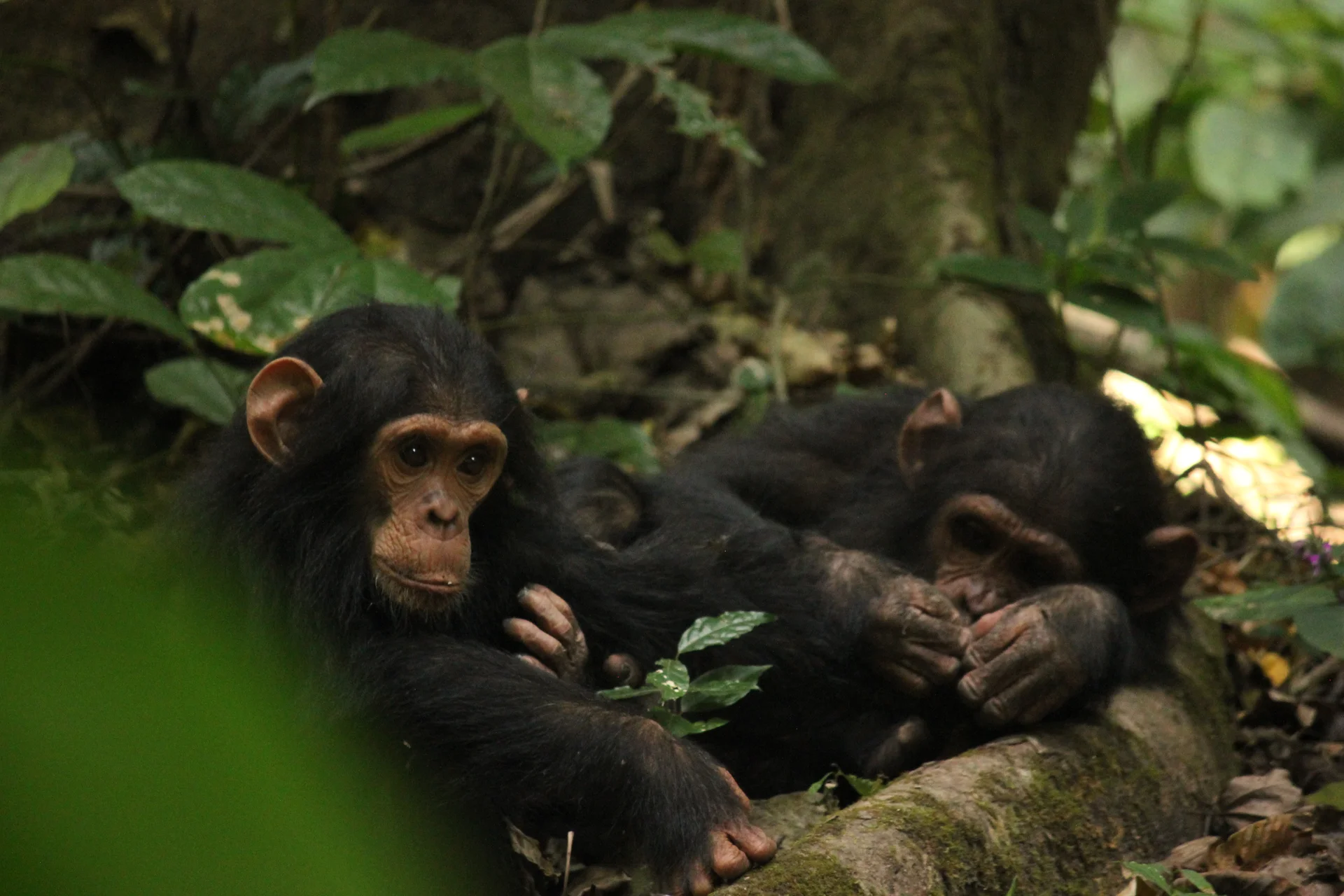
Gombe Stream National Park, also known as Gombe National Park, combines wild chimpanzee trekking with forested hills and the shores of Lake Tanganyika. In Kigoma…
Wildlife
Chimpanzees & Olive baboons
Landscape
National Parks & Safari
Highlights
Wild chimpanzee trekking with park rangers
 Southern Circuit
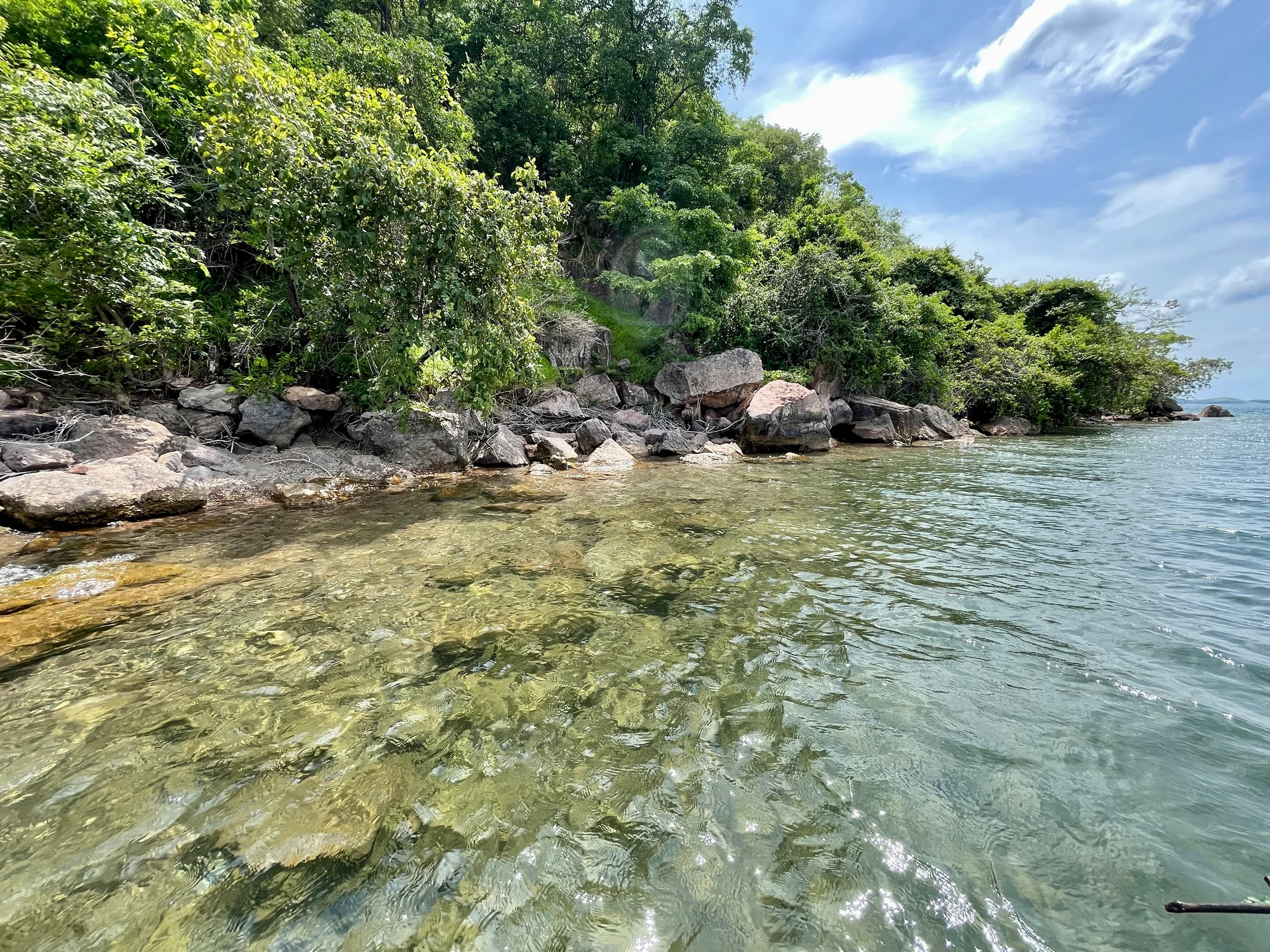
Lake Tanganyika offers a striking freshwater setting along Tanzania’s western frontier: broad blue horizons, wooded shores, bays, beaches and communities whose daily life is closely…
Wildlife
Endemic cichlid fish & Other freshwater fish
Landscape
Lakes & Hot Springs
Highlights
Africa’s deepest freshwater lake in the East African Rift
 Northern Circuit
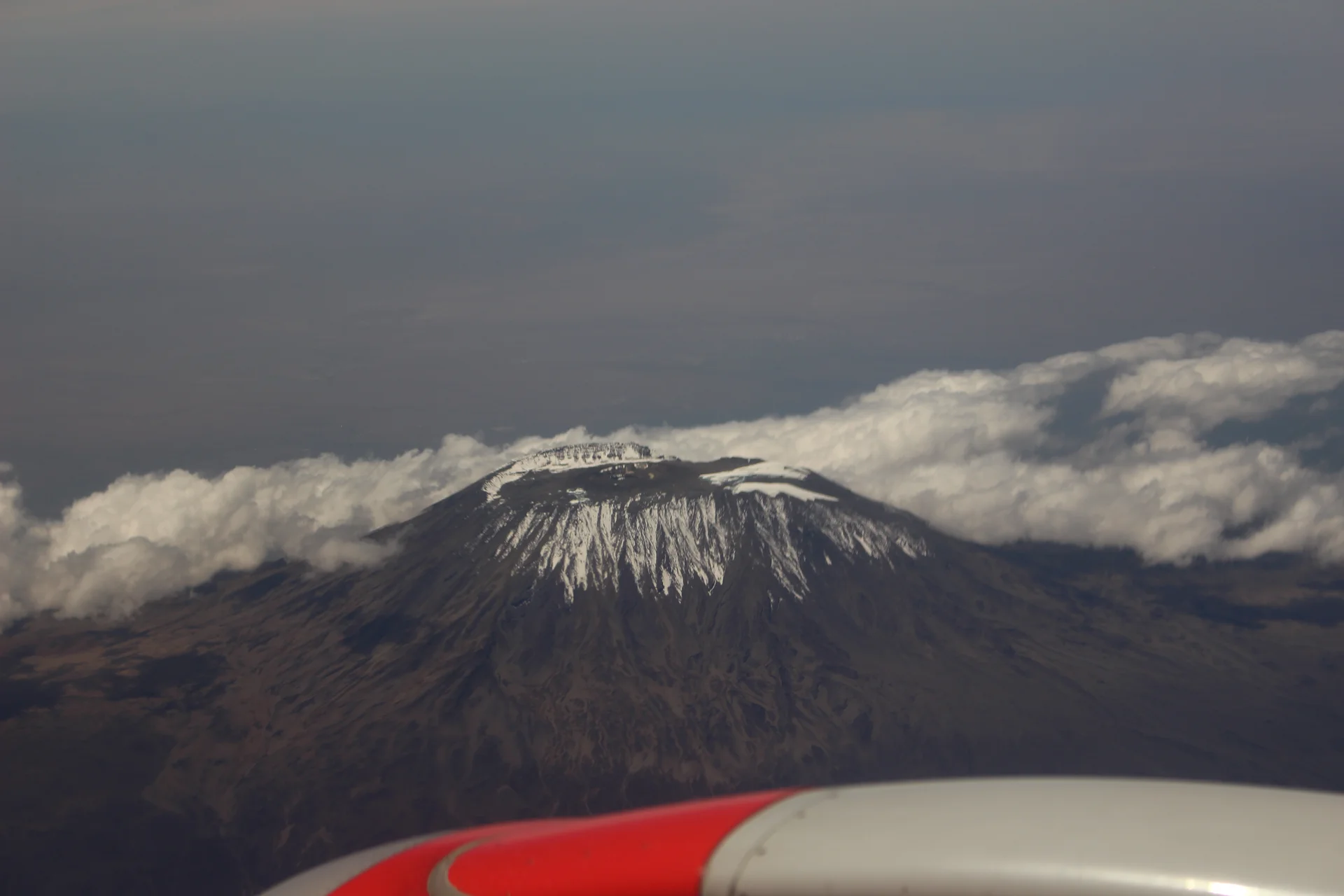
Kilimanjaro rises above northern Tanzania’s plains to Uhuru Peak at 5,895 metres, the highest point in Africa. Its volcanic massif, dramatic changes in vegetation and…
Wildlife
Black-and-white colobus monkeys in forest habitats & Blue monkeys in forest habitats
Landscape
Mountains & Trekking
Highlights
Uhuru Peak at 5,895 metres — Africa’s highest point
 Western Circuit
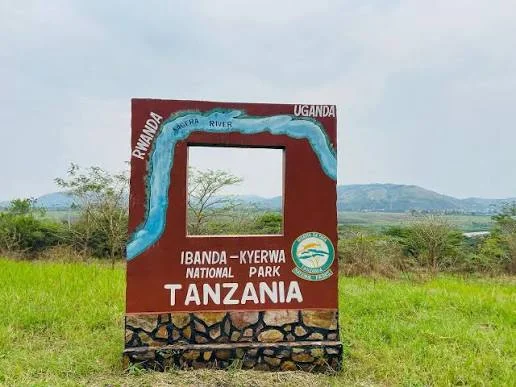
Ibanda-Kyerwa National Park protects a scenic corner of northwestern Tanzania, where the Kagera River meets a landscape of savanna, wooded slopes, valleys and wetlands. Situated…
Wildlife
Buffalo & Roan antelope
Landscape
National Parks & Safari
Highlights
Kagera River scenery on Tanzania’s northwestern border
 Zanzibar & Islands
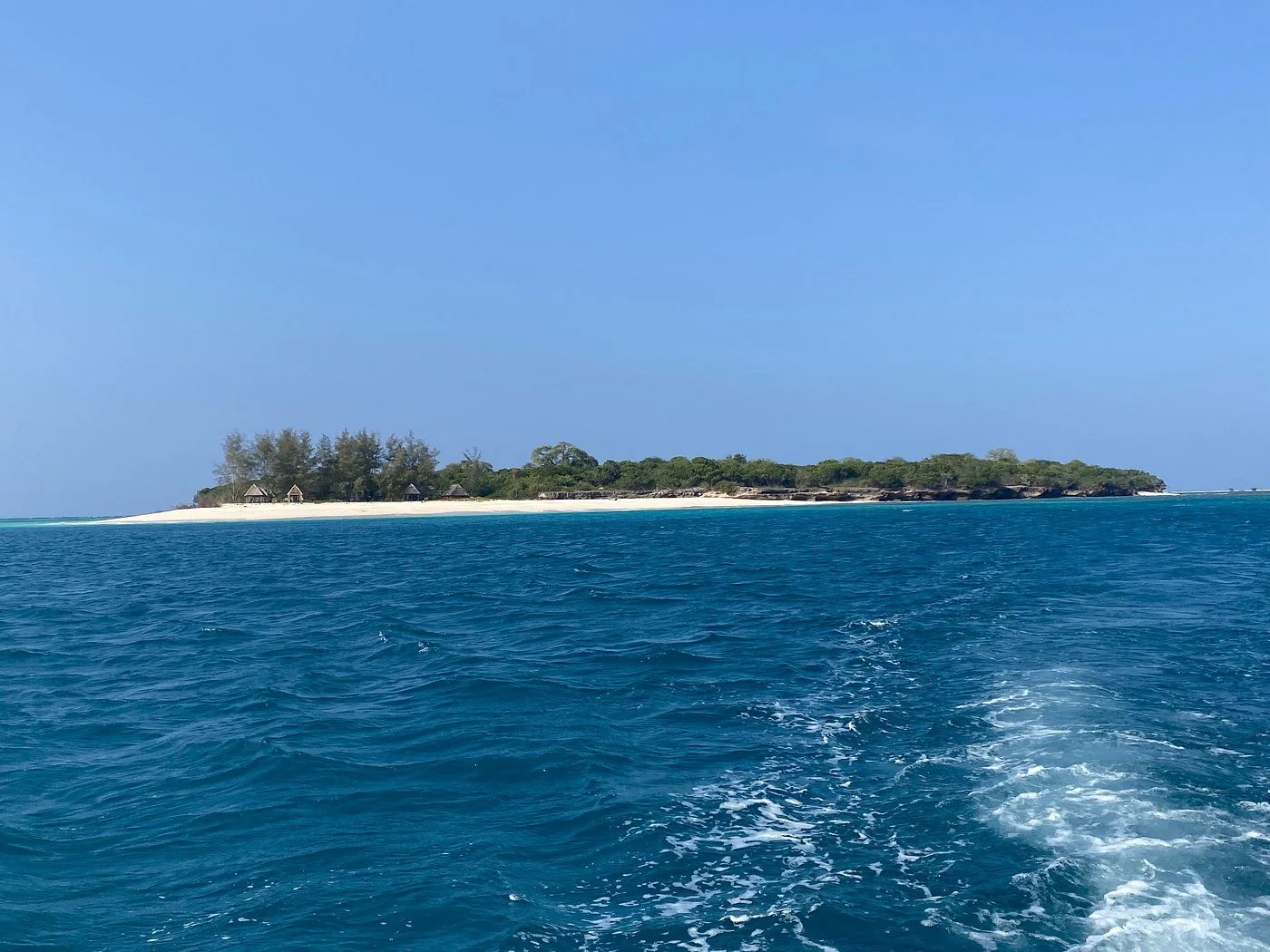
Sinda Island Marine Reserve offers an Indian Ocean escape off Kigamboni, on the southern side of Dar es Salaam. The reserve encompasses Inner and Outer…
Wildlife
Reef fish & Coastal birds
Landscape
Beaches & Islands
Highlights
Inner and Outer Sinda islands
 Northern Circuit
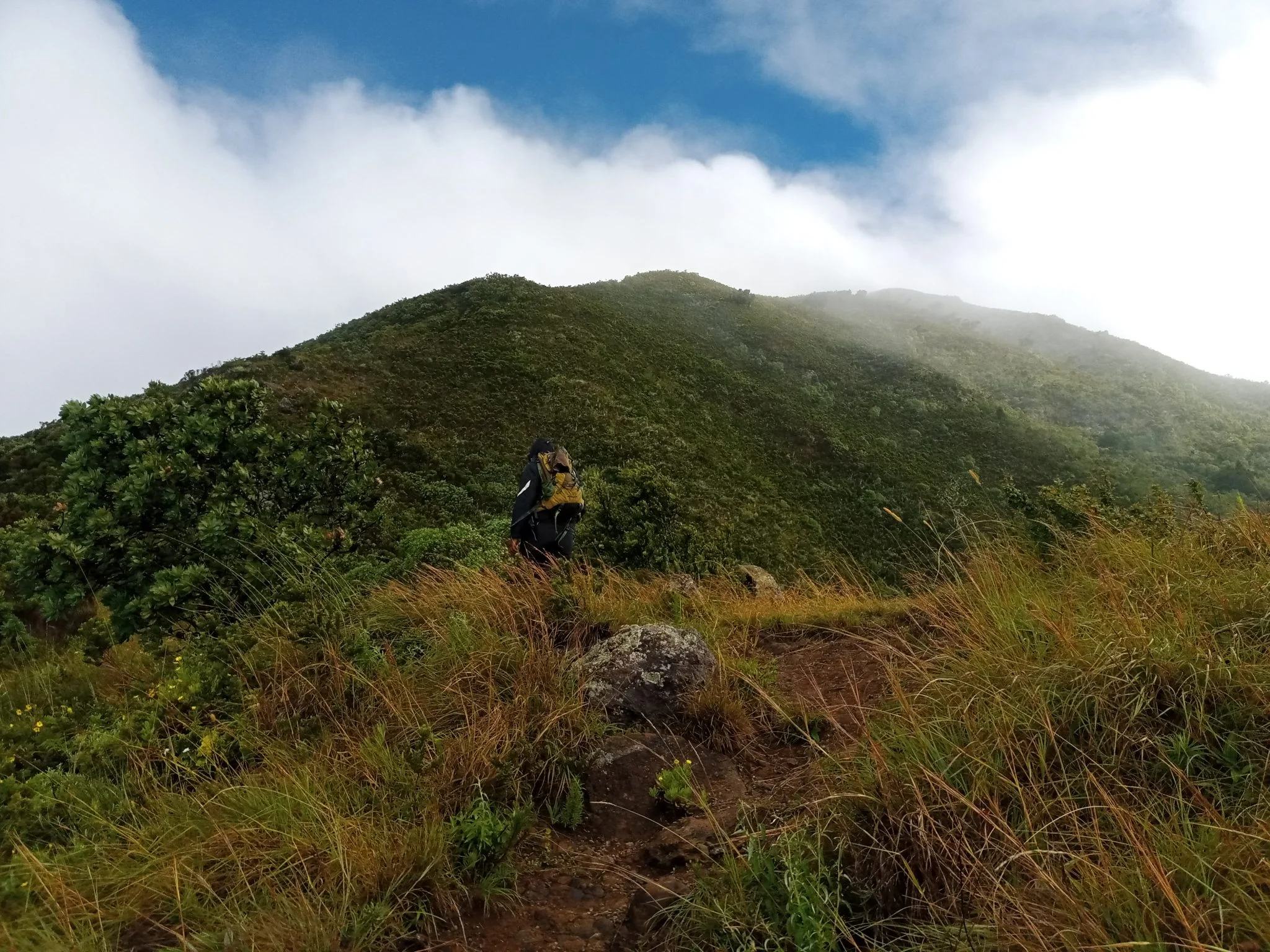
Discover Mount Hanang Rising above Katesh in Tanzania’s Manyara Region, Mount Hanang offers a rewarding mountain adventure beyond the familiar northern safari circuit. At approximately…
Wildlife
Klipspringer & Vervet monkeys
Landscape
Mountains & Trekking
Highlights
Approximately 3,423 metres — Tanzania’s fourth-highest mountain